Full Body Workout Kettlebells
Our kettlebells are versatile and effective fitness tools that can help you achieve your strength and conditioning goals. Whether you're a beginner looking to add some resistance to your routine or a seasoned fitness enthusiast wanting to switch up your workouts, kettlebells offer a dynamic way to engage multiple muscle groups simultaneously. Discover the benefits of incorporating kettlebells into your exercise regimen and experience the full-body burn they provide.
Sort


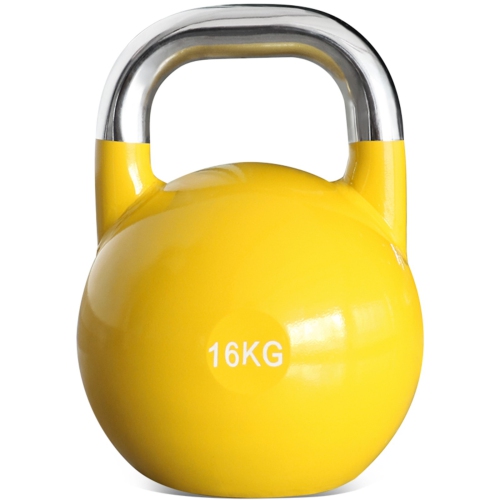
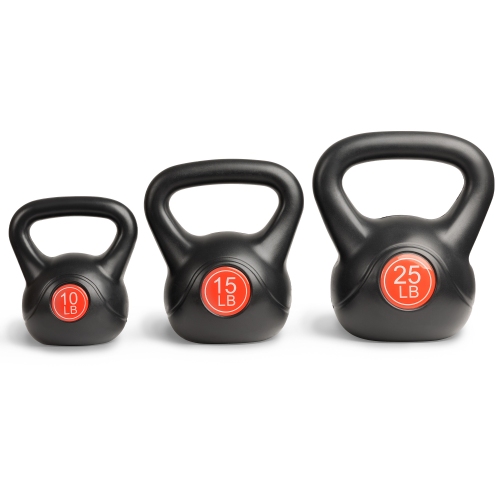


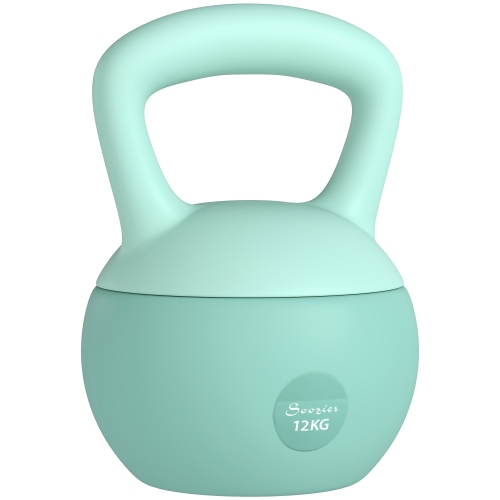


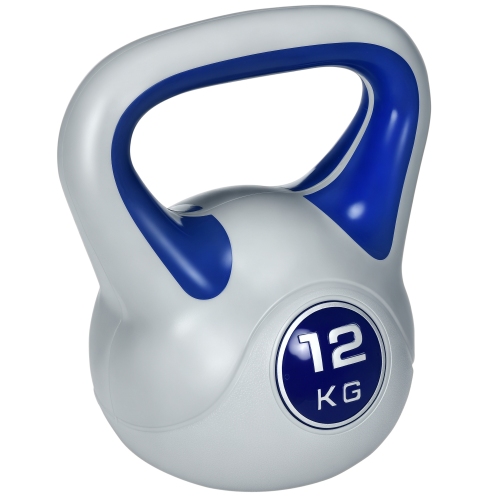
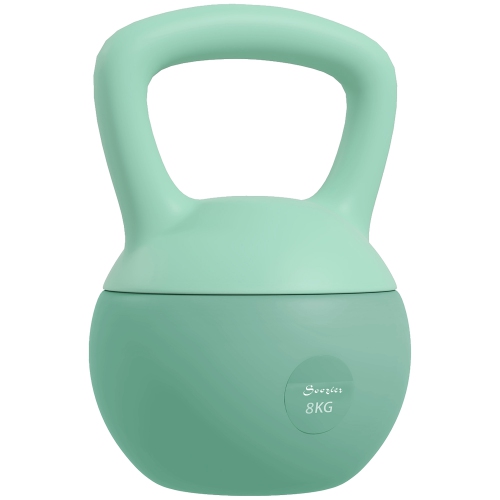

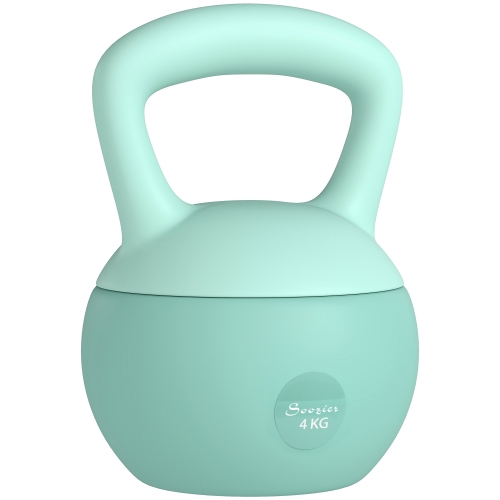
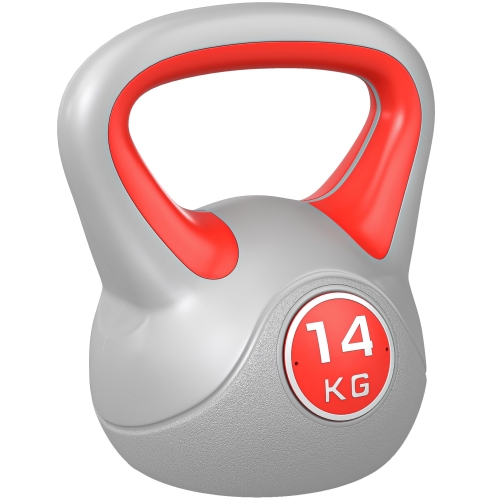
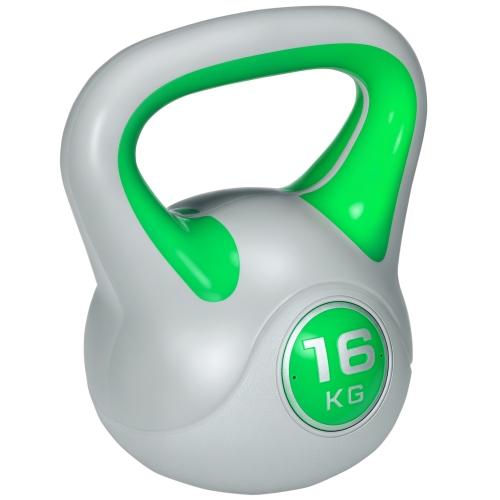
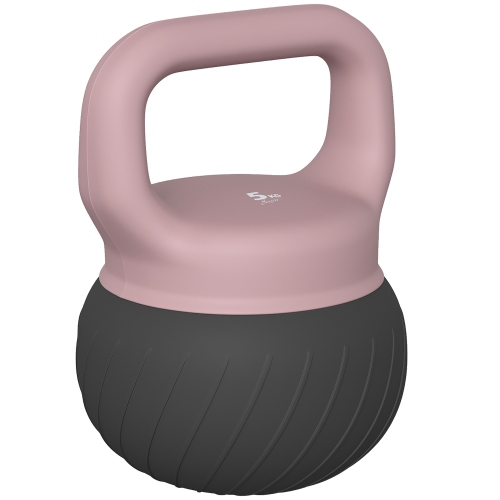
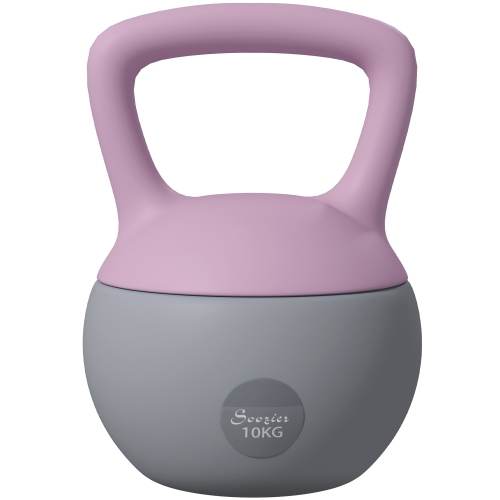
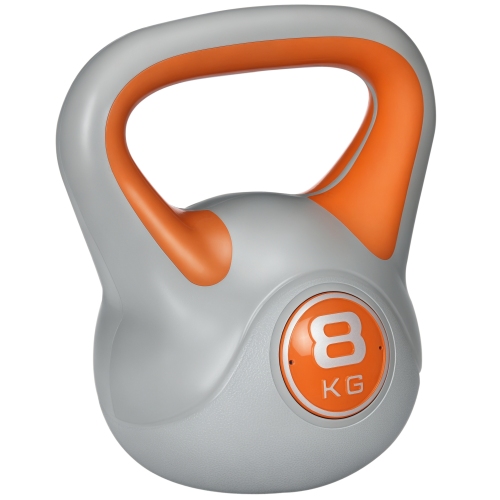
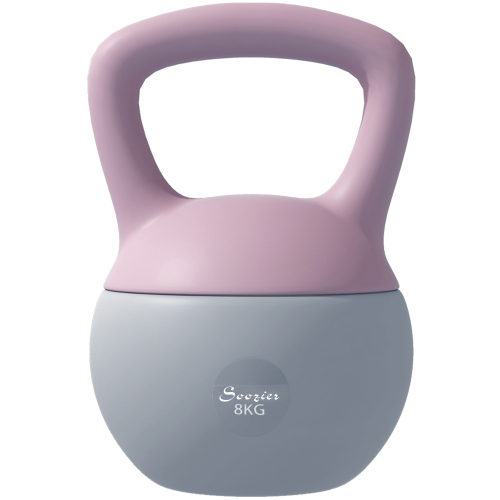
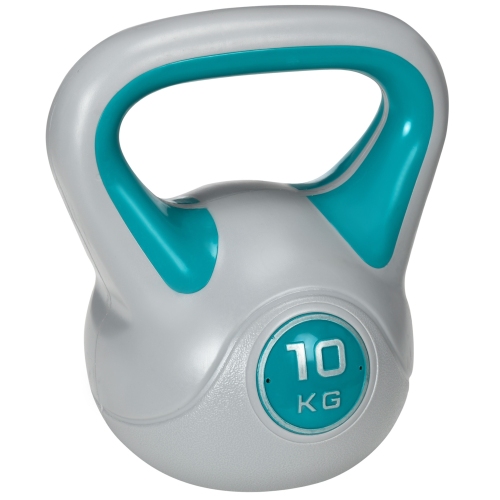
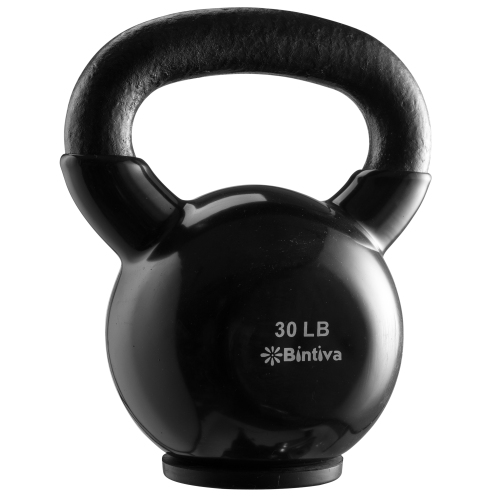


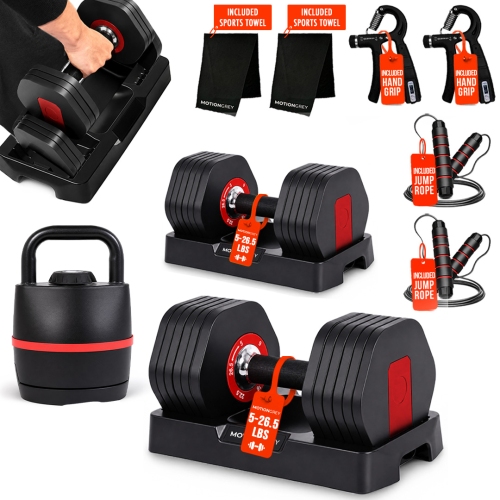
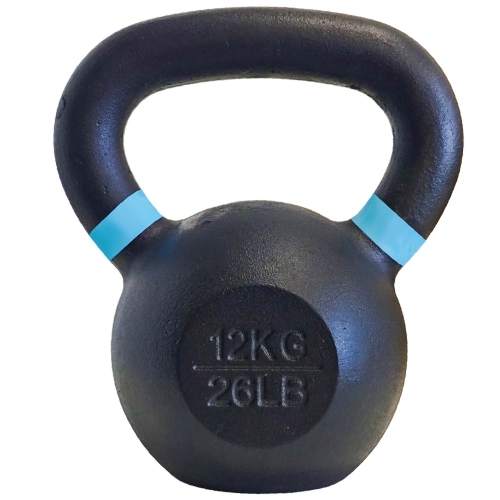
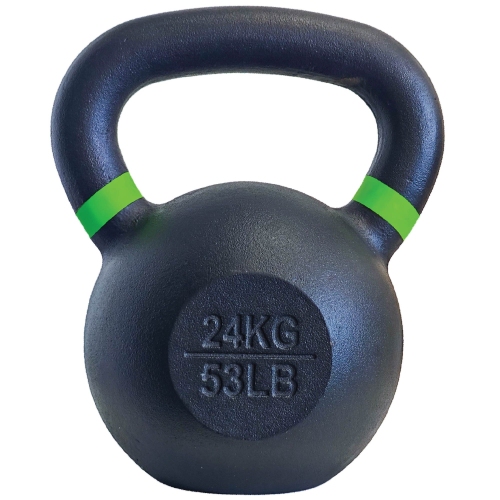
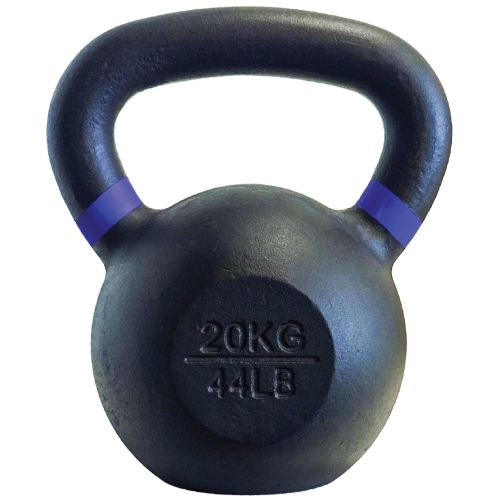
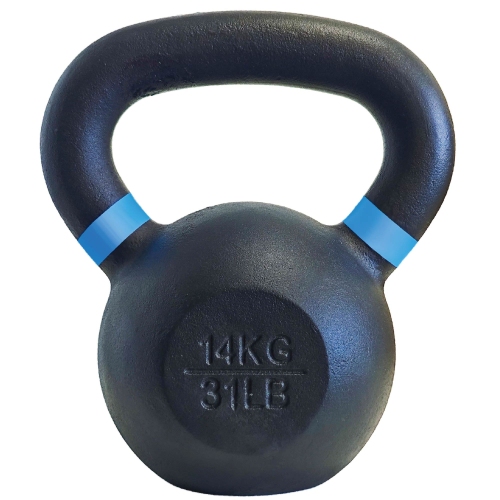
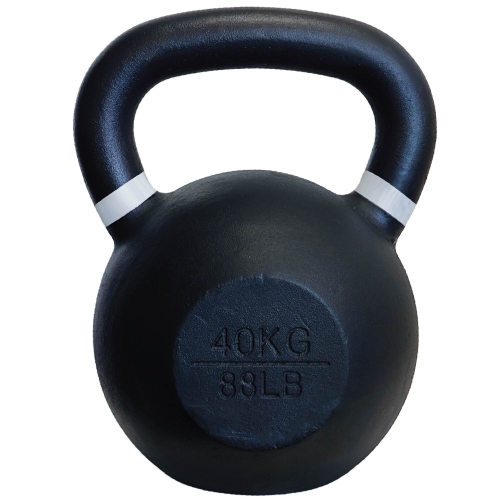
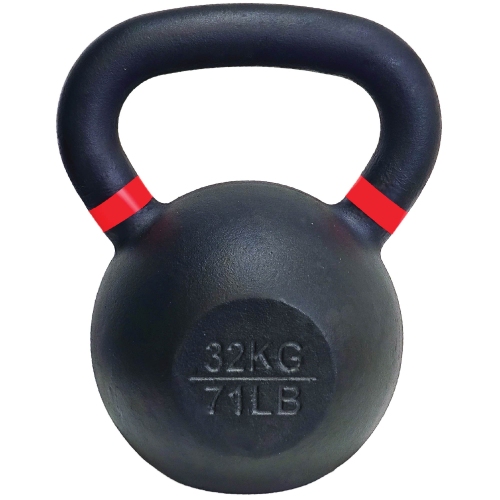
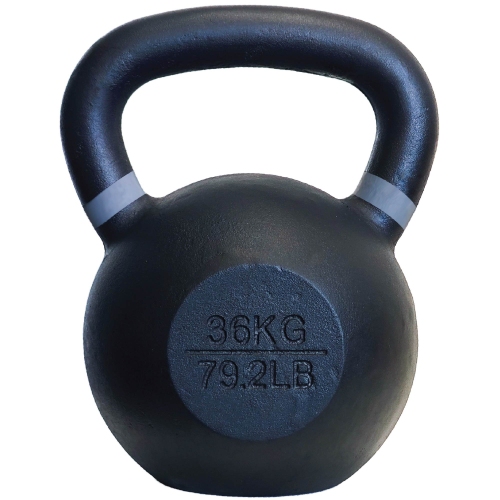
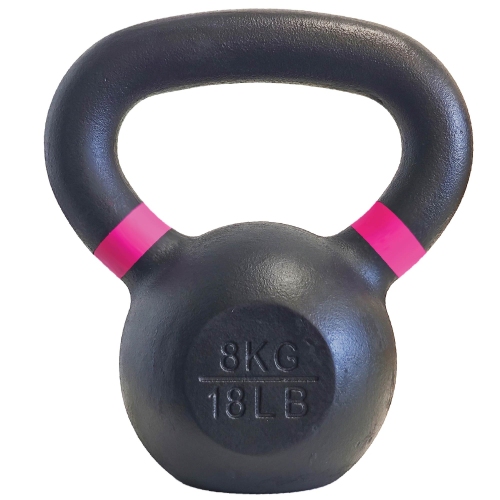
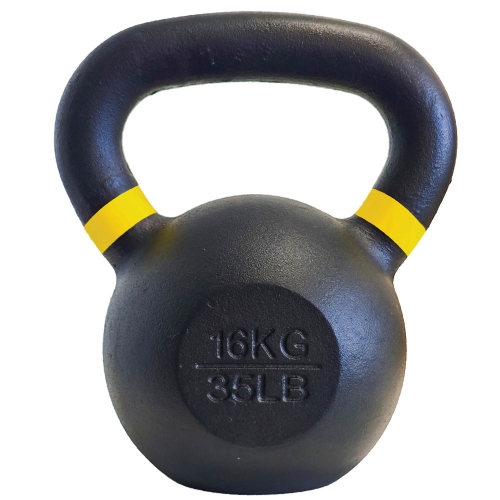
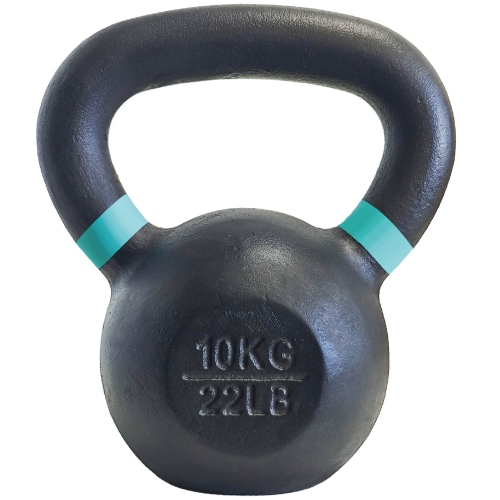
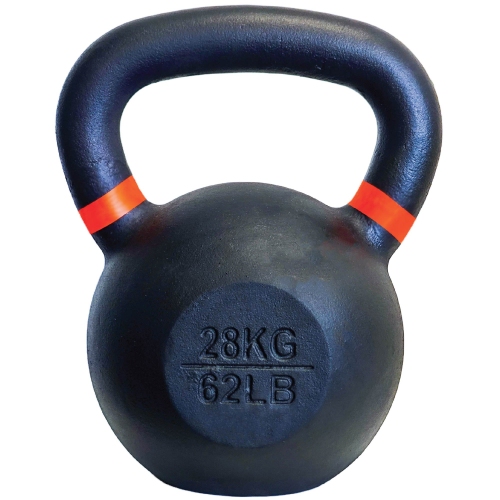
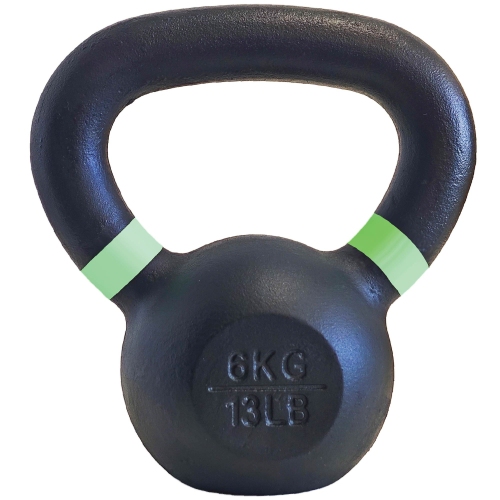
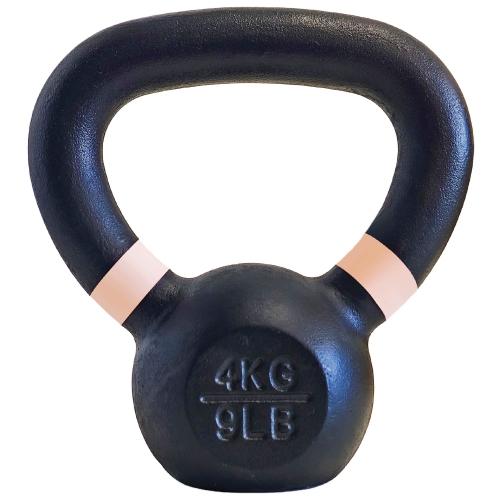
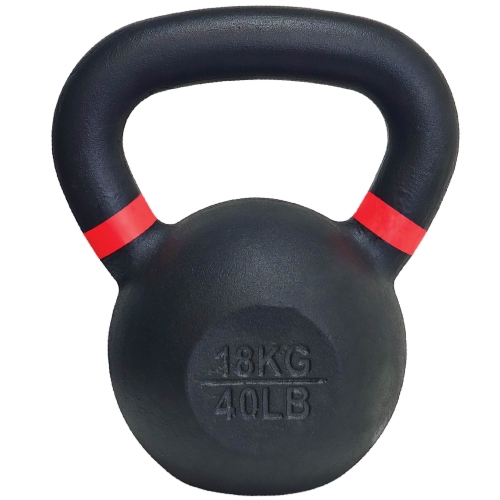
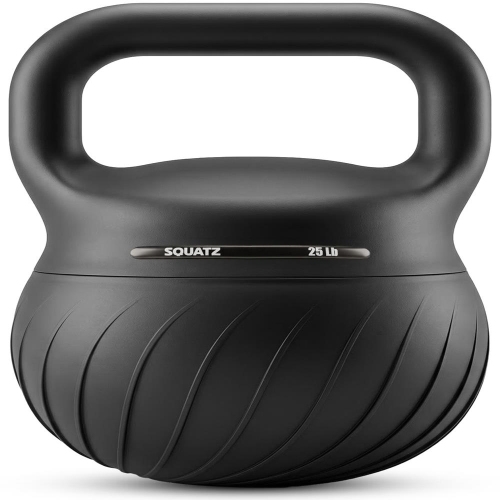

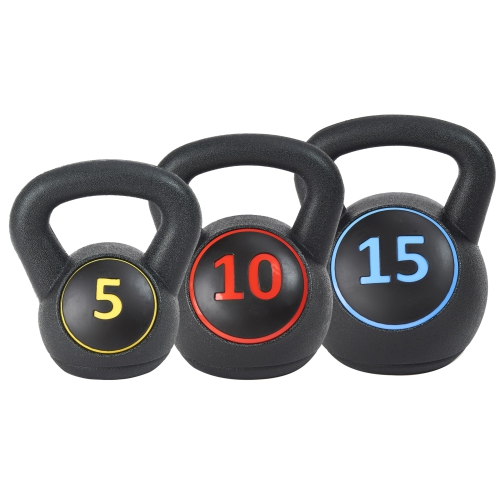

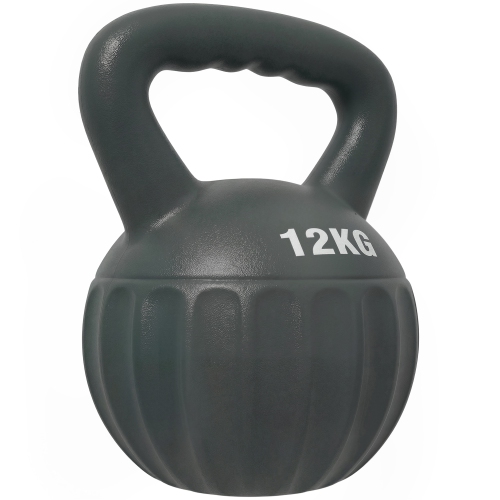

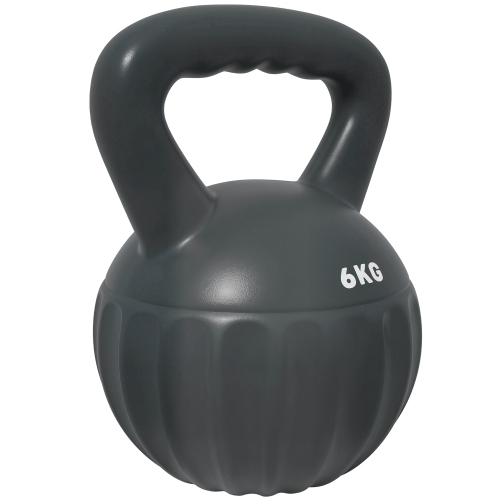
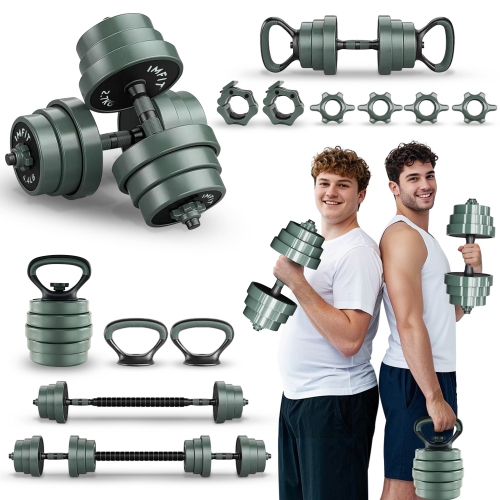

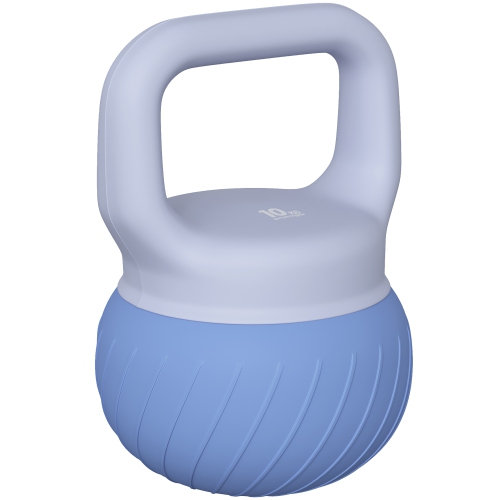
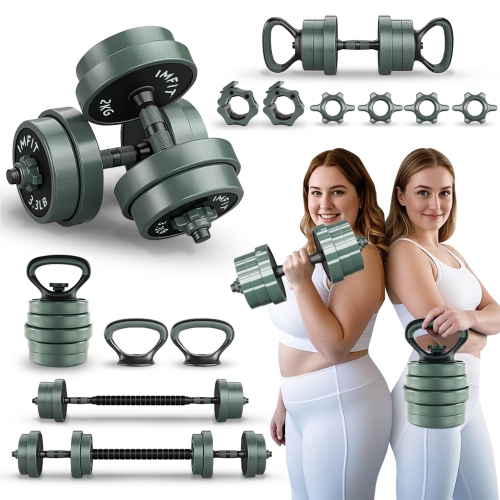


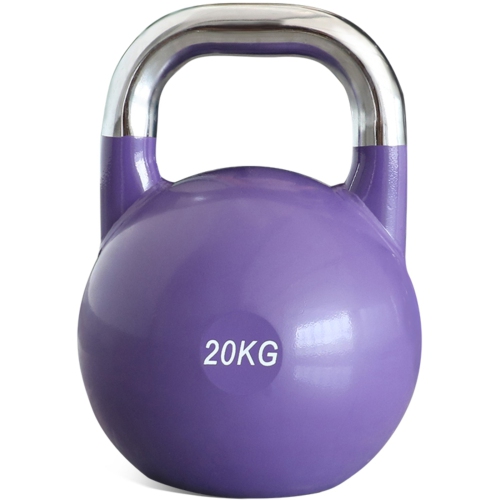
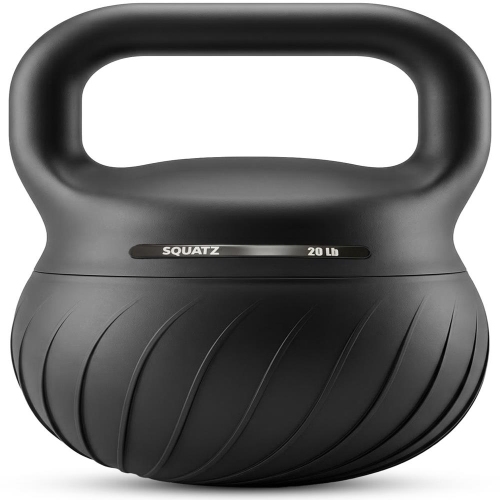
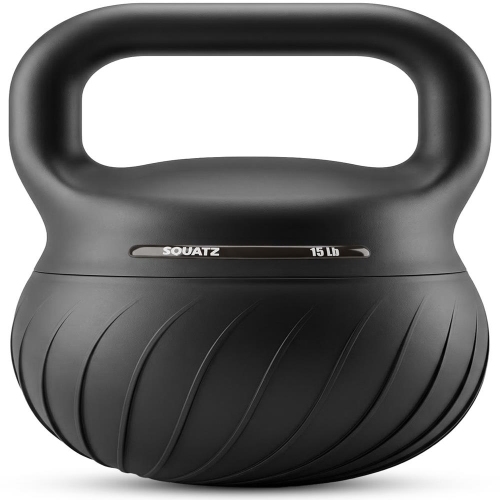


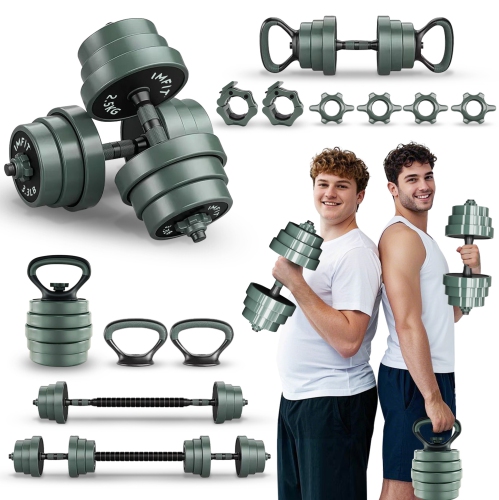
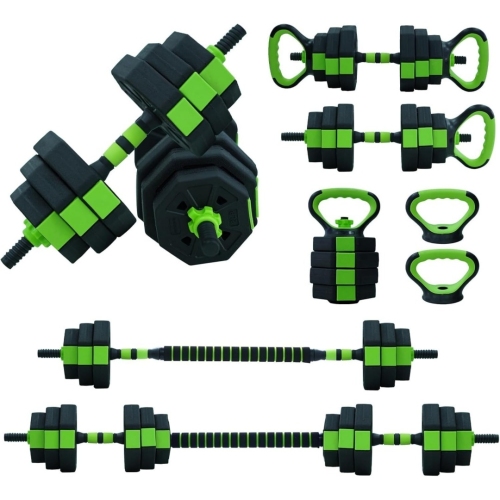
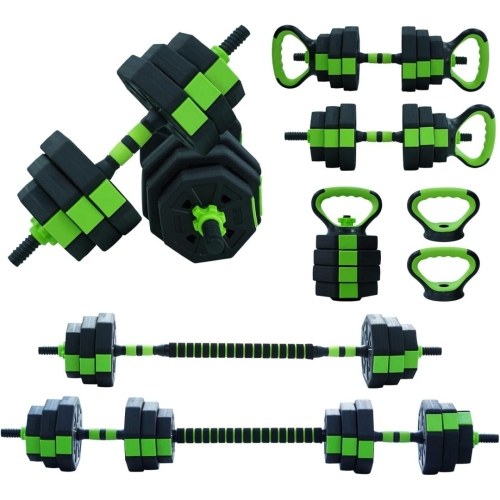
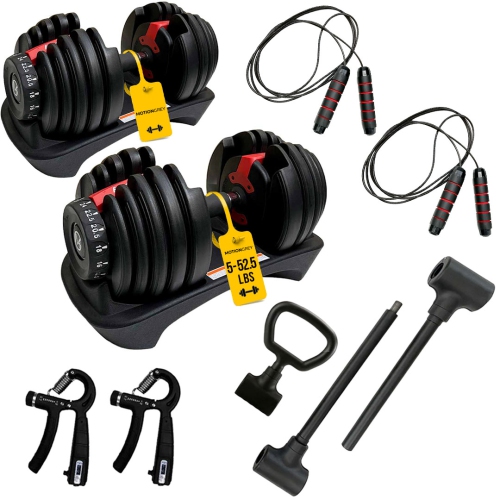
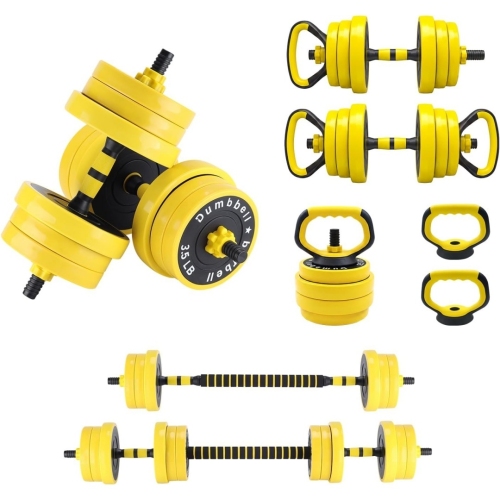


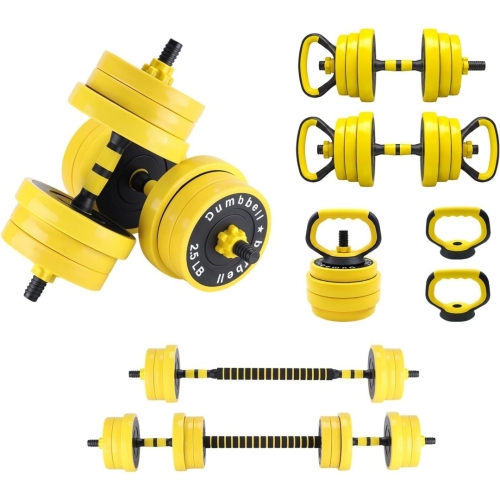
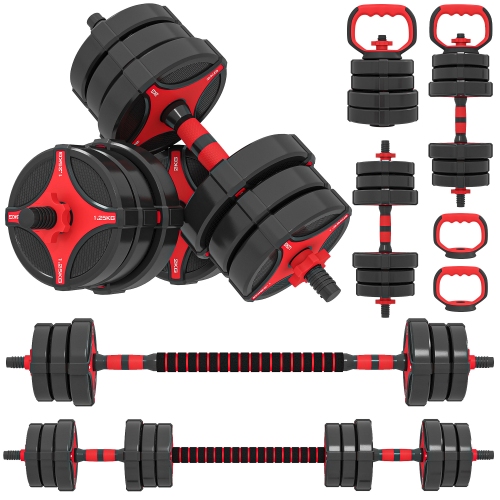


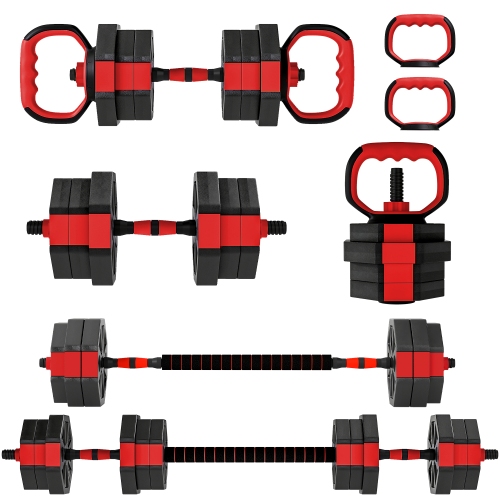

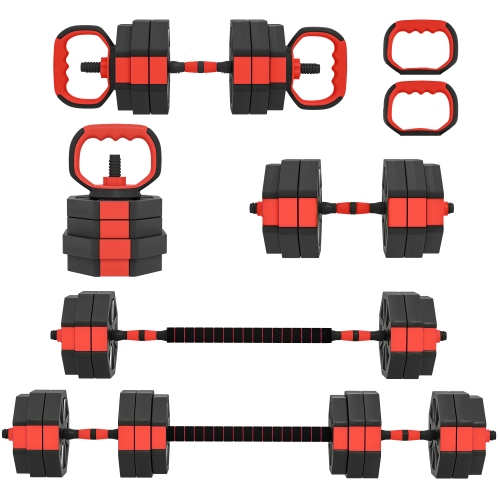
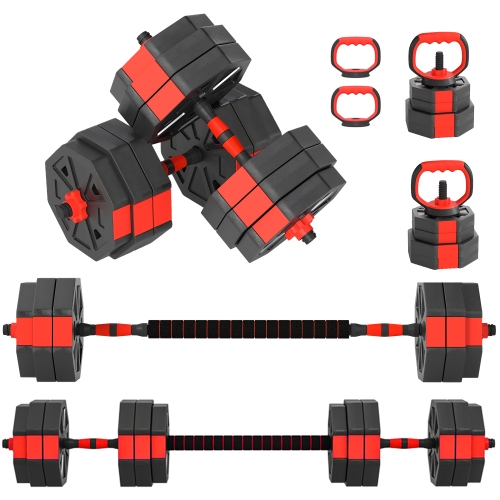
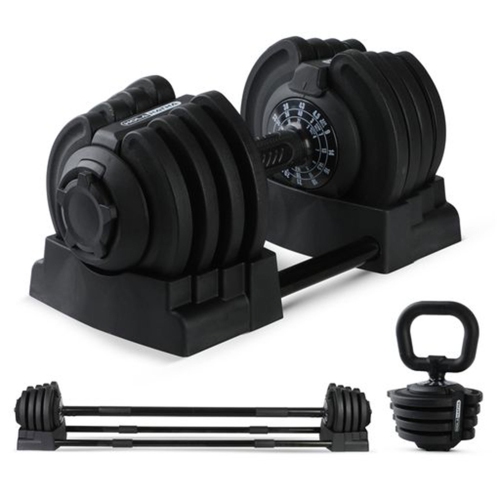
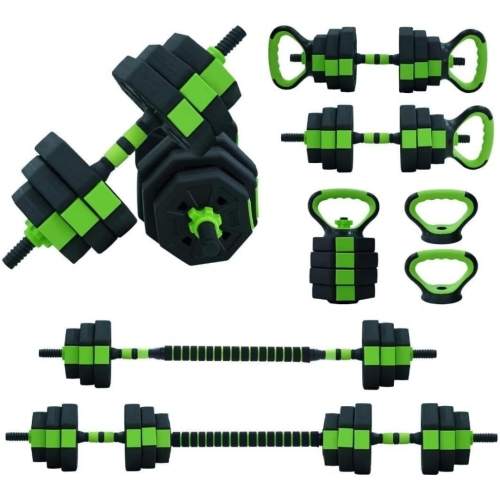
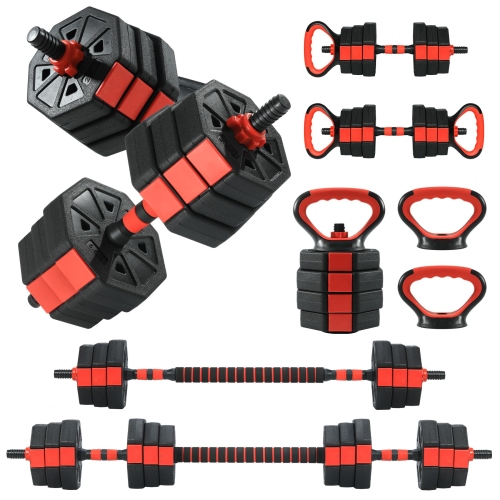
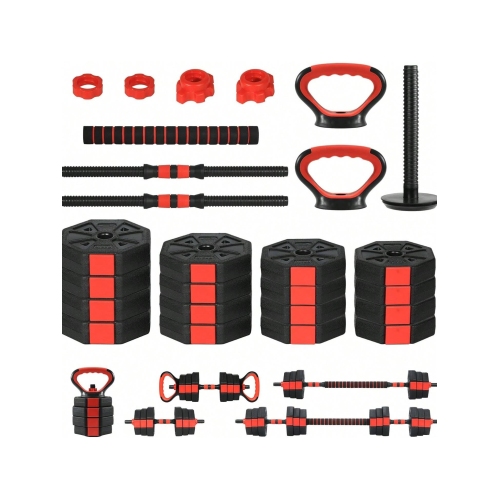
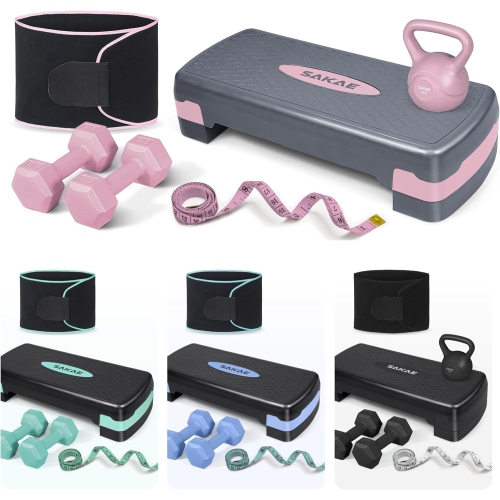
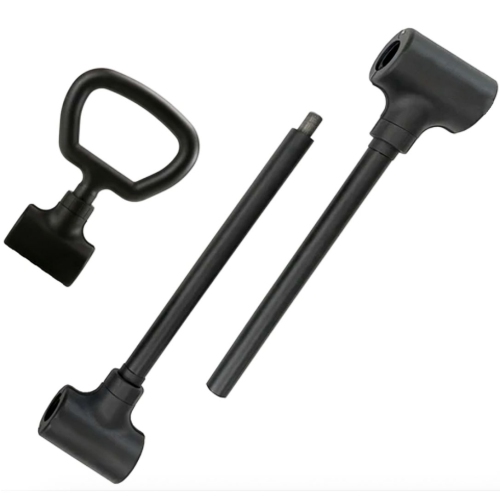
How one compact bell supports varied strength training
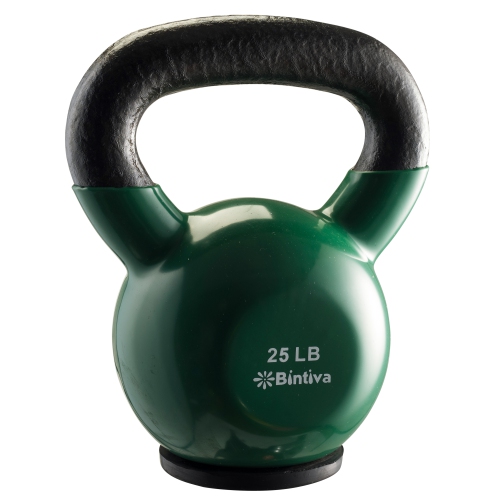
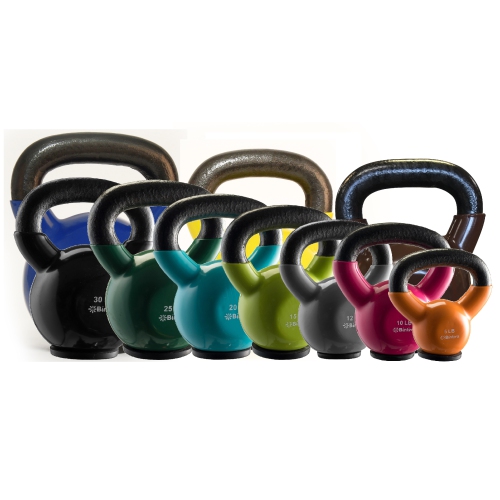
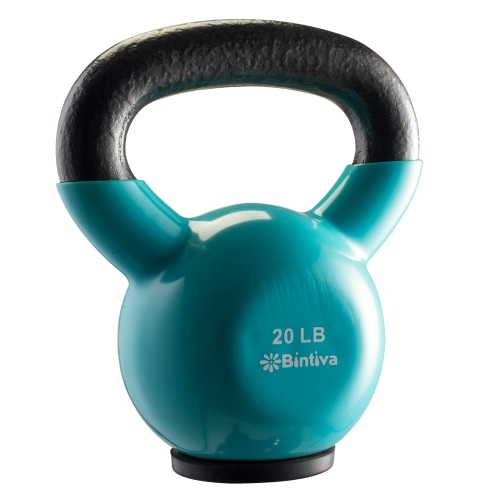
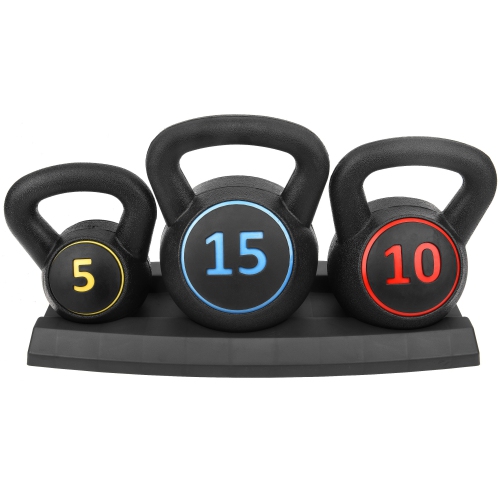
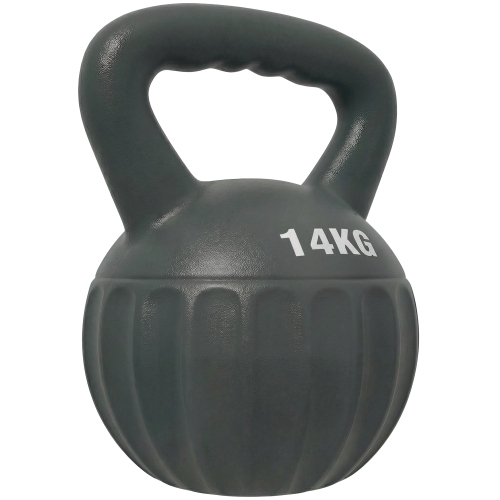
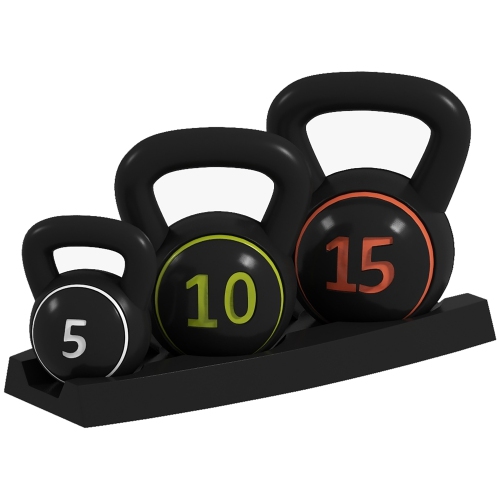
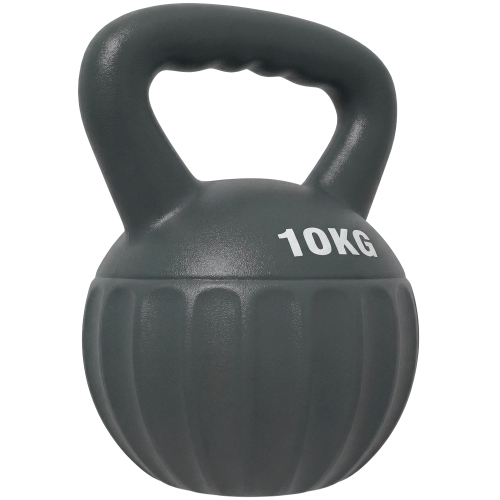
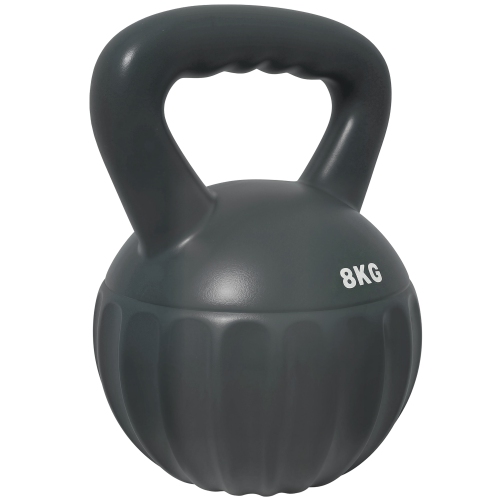
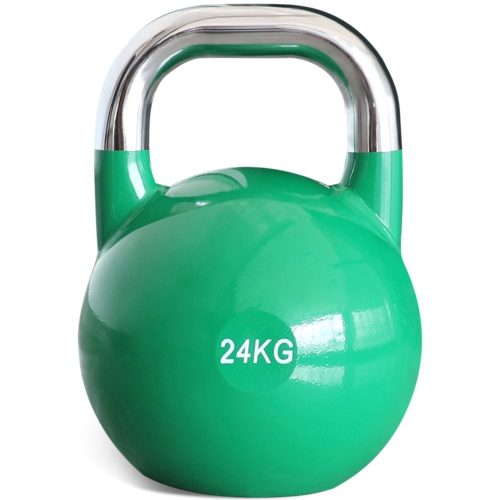
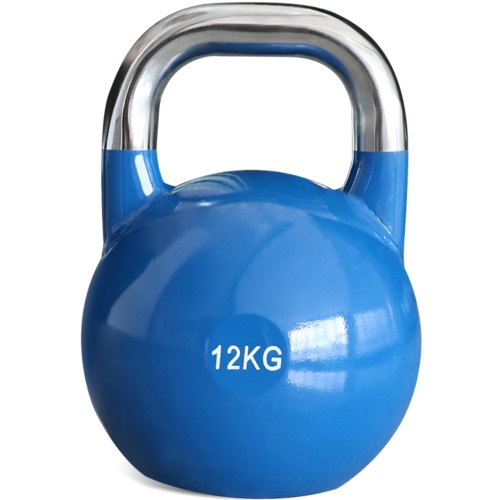
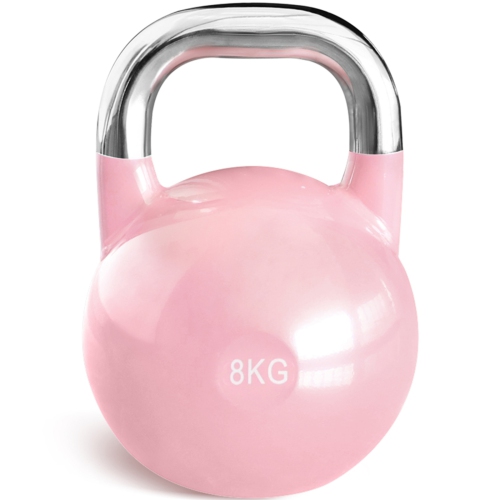
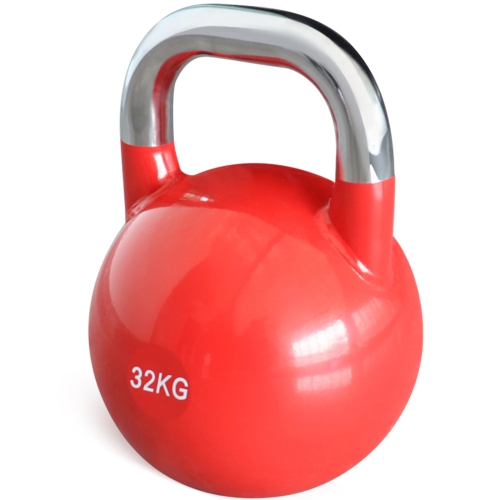
Kettlebells for full-body workouts bring several kinds of resistance training into one compact piece of equipment. Their rounded body and raised handle place the load below the grip, giving them a different feel from dumbbells during carries, presses, and swinging movements. That shape makes them useful for sessions that combine lower-body strength, upper-body work, and core stability without requiring a room full of equipment. A goblet squat held close to the chest challenges the legs while the trunk helps maintain an upright position; a bent-over row works the back and arms; and a deadlift engages the hips and legs as the weight moves from the floor to standing height. Kettlebell swings add a more dynamic option, using a hip hinge and force from the glutes and hamstrings rather than an arm lift to move the bell. Lunges, controlled overhead presses, and loaded carries can round out the range of movements, depending on the user’s experience and mobility. These exercises illustrate why kettlebells suit full-body training, although no single exercise needs to be part of every workout. One bell can support a varied session, while a selection of weights allows the resistance to better match different movements. Someone might comfortably use a heavier bell for a deadlift but need a lighter one for a controlled press. For a small home gym, that versatility is especially useful: a bell can sit neatly beside a workout mat between sessions, yet still provide resistance for squatting, hinging, pulling, and carrying. Beginners may appreciate the straightforward format of a fixed weight, while experienced lifters may use kettlebells for supplementary strength work, conditioning, or single-sided exercises. Training one side at a time also places demands on balance and trunk control, making handle comfort and a manageable load just as important as the number marked on the bell. Results depend on exercise selection, technique, consistency, and resistance that suits the person using it.
The construction of a kettlebell affects how it feels in the hand, how it rests against the forearm, and how well it stands up to repeated use. Cast-iron kettlebells commonly have a solid, compact body, with dimensions that often increase as the weight gets heavier. Competition-style steel kettlebells generally retain consistent external dimensions across different weights within the same range, which can help preserve a familiar hand position and contact point as resistance changes. Other designs use a filled outer shell, sometimes with a larger body for a comparable weight, so overall size is worth considering alongside the stated load. A bulky bell may feel quite different during a close-to-body hold than it does during a deadlift. Handle design deserves particular attention because it is the main point of contact throughout a workout. The opening should provide enough room for the intended grip, especially for two-handed swings or goblet holds, without crowding the fingers. A thicker handle can challenge grip strength but may be less comfortable for smaller hands. Smooth finishing around the underside of the handle helps reduce rubbing, while an overly slick surface can feel harder to hold securely as hands perspire. Powder-coated, painted, rubber-coated, and vinyl-coated designs offer different textures and finishes; a protective body coating does not necessarily mean the handle has the same surface. Coatings can help limit scuffs during careful placement, but they do not make a heavy weight safe to drop or guarantee protection for flooring. Fixed-weight designs offer simplicity, whereas adjustable kettlebells can combine several resistance settings in a smaller storage footprint. With adjustable construction, a secure locking mechanism, clear weight markings, and an adjustment process that suits the intended workout are important considerations. Some mechanisms take longer to change than others, which matters when alternating between lighter upper-body movements and heavier lower-body exercises. A stable, flat base also makes storage and controlled floor placement easier, though not every kettlebell is designed to bear body weight during supported exercises.
Choosing a useful weight starts with the movements it will serve, not simply the heaviest load a person can lift once. For someone learning controlled squats, rows, and carries, a bell that remains comfortable to hold through each repetition is more useful than one that forces a shortened movement or an uncertain grip. Dynamic exercises such as swings place different demands on timing and control, so previous experience with other weights does not automatically translate to kettlebell technique. Instruction from a qualified fitness professional can help new users establish a reliable hip hinge and suitable exercise choices before adding speed or heavier resistance. A full-body kettlebell session may combine strength-focused movements with faster-paced conditioning, but work periods, rest, and total duration should reflect the user’s ability rather than a fixed promise attached to the equipment. Space matters, too. An area that feels adequate for a stationary deadlift may not provide enough clearance for a swing or an overhead movement, particularly near low ceilings, furniture, pets, or other people. A firm, level training surface and flooring protection suited to free weights help create a practical setup; thick, unstable cushioning can make standing movements less secure. After use, wiping away perspiration with a soft cloth and a cleaner permitted by the manufacturer helps maintain the finish. Drying the bell thoroughly, checking for chipped coatings or rough handle edges, and inspecting adjustable fasteners or locks can catch wear before it interferes with use. Storage close to floor level in a dry location reduces unnecessary lifting and keeps heavy equipment off furniture that may not support it. Kettlebells can also make a thoughtful gift for someone building a home training space, especially when their preferred weight and handle style are known. For a setup that mixes different forms of resistance, Full Body Workout Weights offers a broader category to explore alongside kettlebells. The most useful choice fits the user’s hands, available space, and actual training habits, with construction that feels dependable through regular workouts.
Top selling and popular products
-
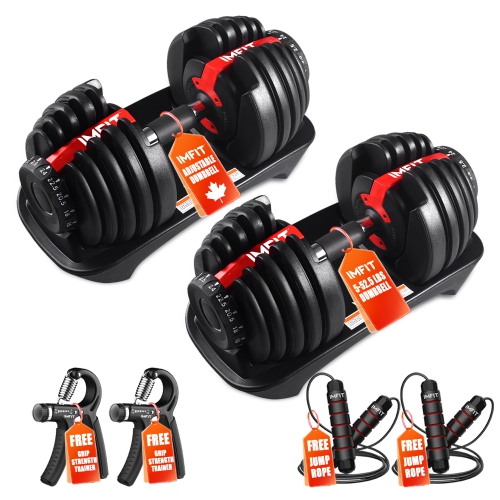 Your price for this item is $249.97
-
 Your price for this item is $159.98
-
 Your price for this item is $143.46
-
 Your price for this item is $684.99
-
 Your price for this item is $278.99
-
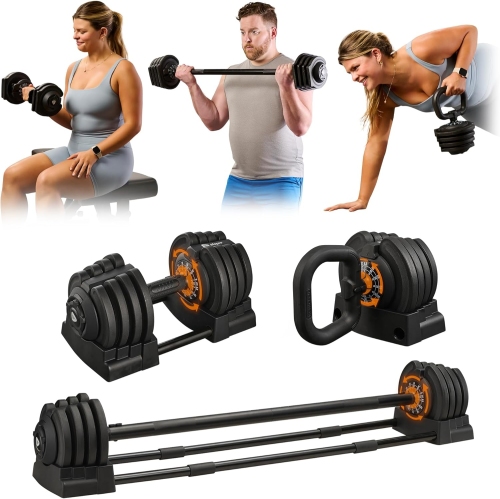 Your price for this item is $329.99
-
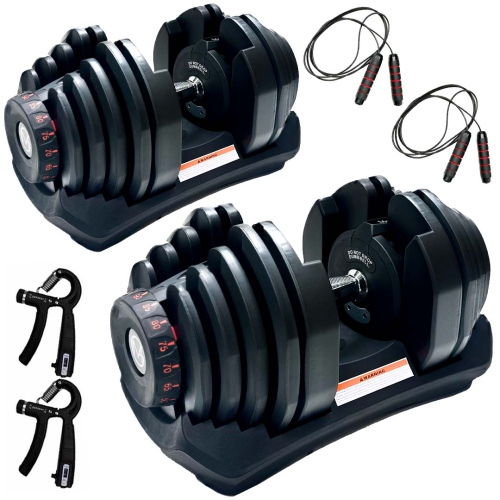 Your price for this item is $449.99
-
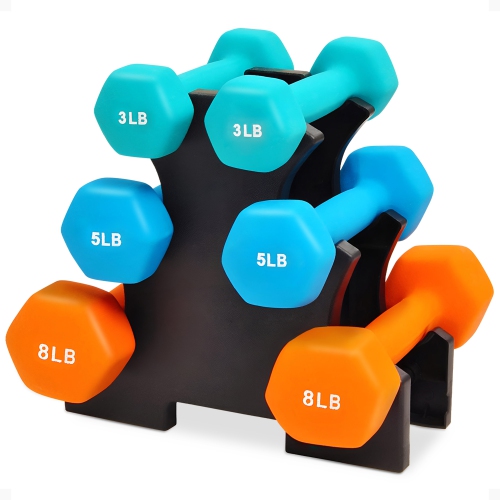 Your price for this item is $120.99
Discover more categories related to Full Body Workout Kettlebells

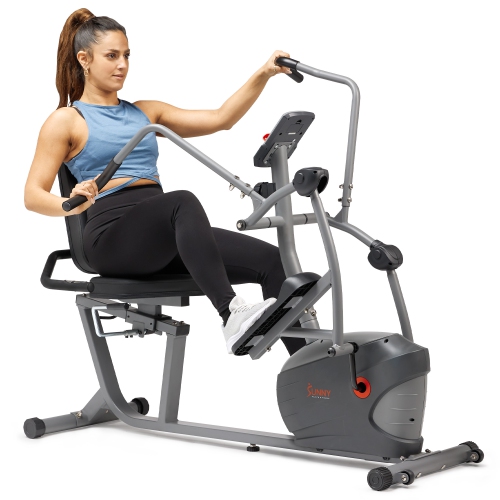
Top Collections:
Pokemon Centers, Kindle Devices, Best Budget Office Chairs, Canon G7X Cameras, Apple iPhones 16, Samsung Galaxy Phones, Refurbished Apple Laptops, Laptops for Students, iPhone 15 Apple, Budget Smartphones
Some products may be subject to Environmental Handling Fees
(EHF) depending on your province.
Learn more about EHFs.