Fitness Kettlebell
Fitness kettlebells are perfect for building strength, improving endurance, and enhancing overall fitness. These weighted balls with handles have become increasingly popular with fitness enthusiasts due to their versatility and effectiveness. Here are some great options available.
Sort
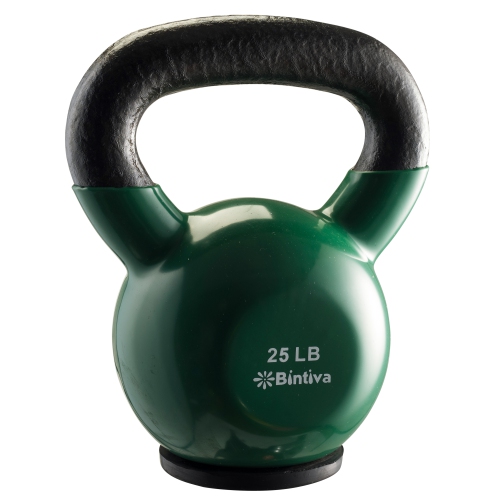

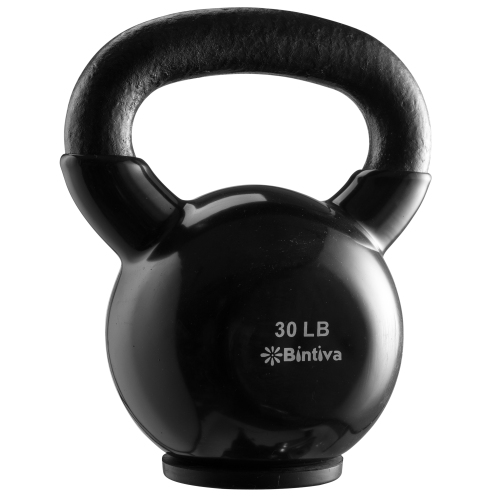
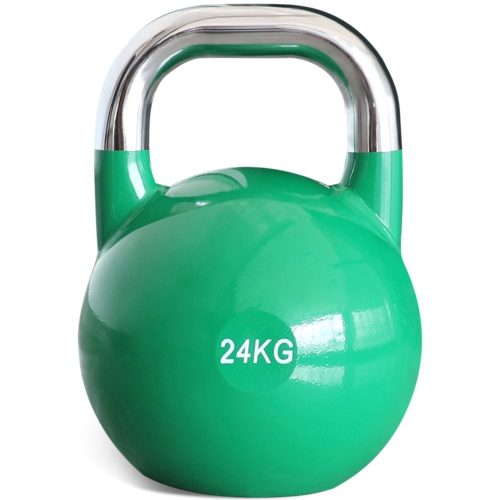
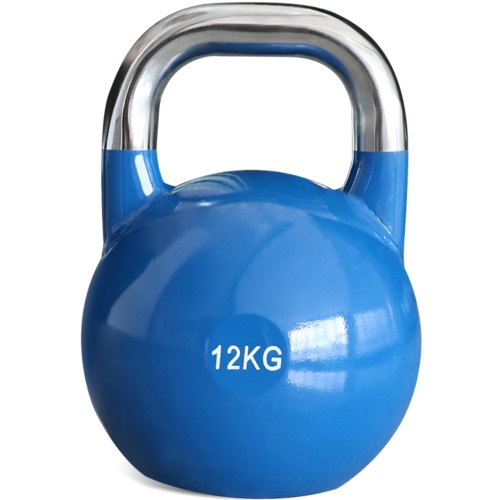


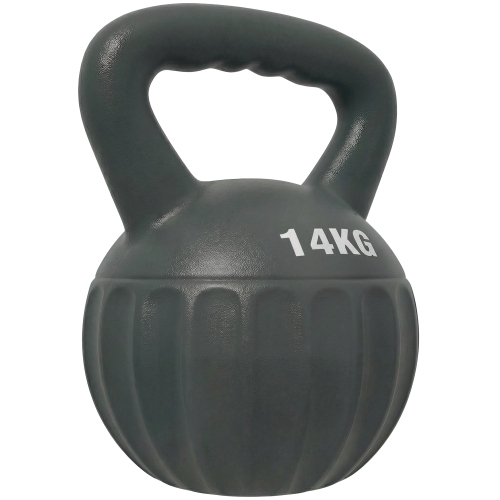
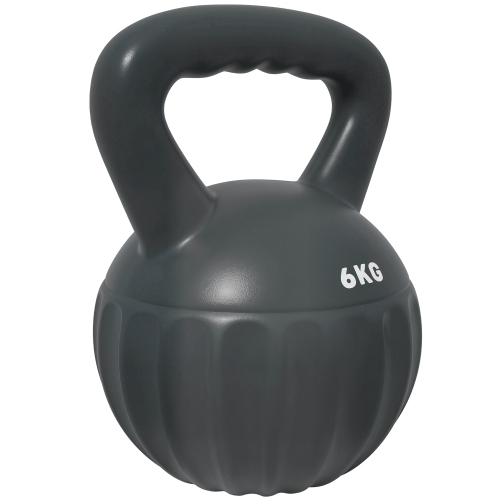
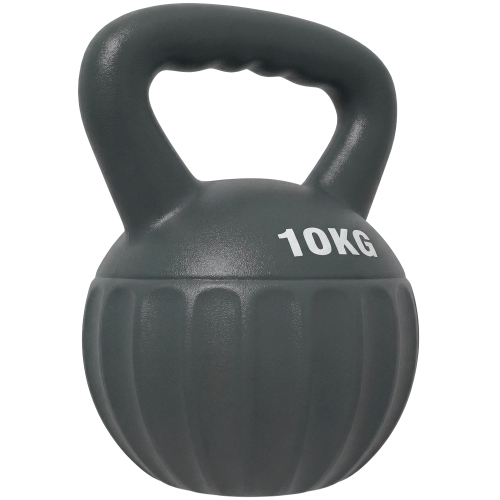


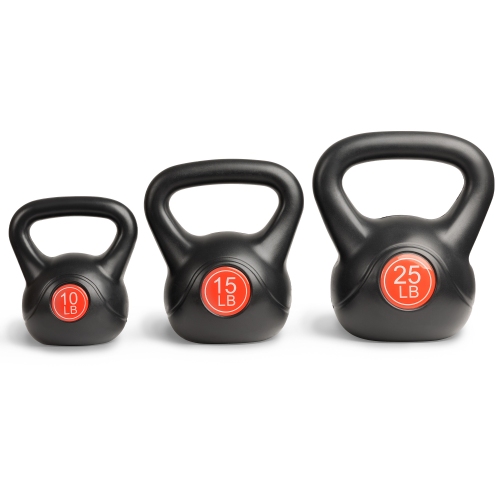


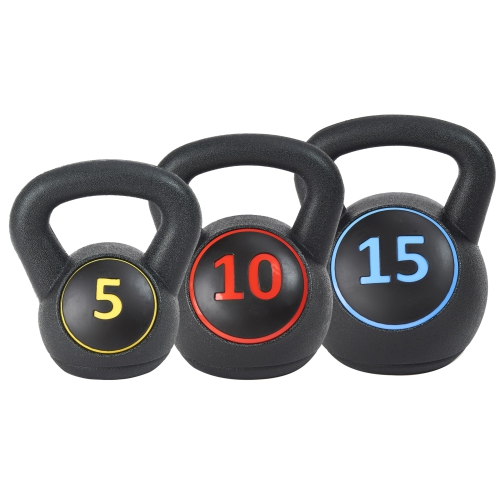
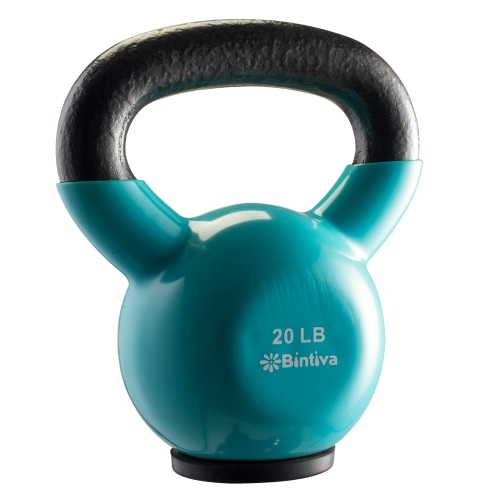


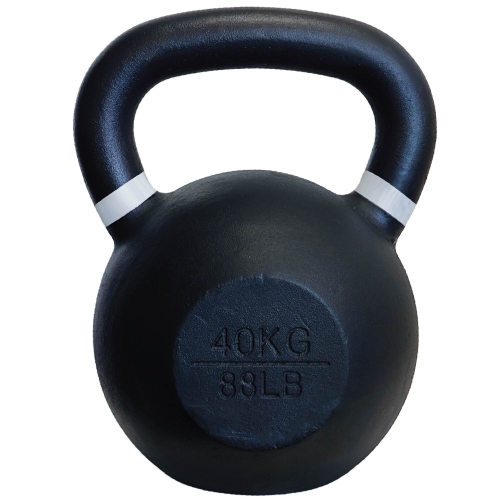

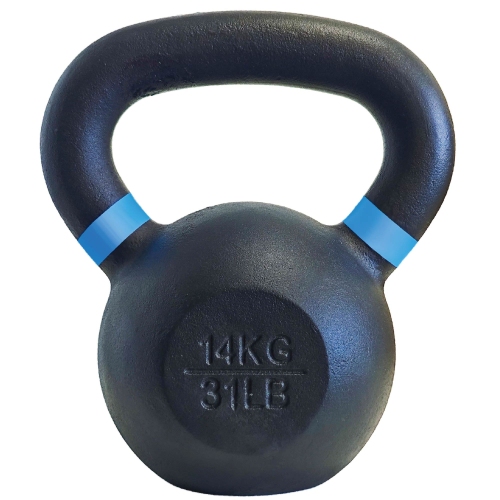
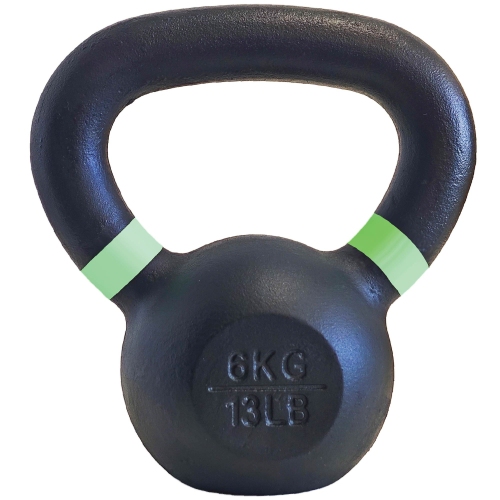
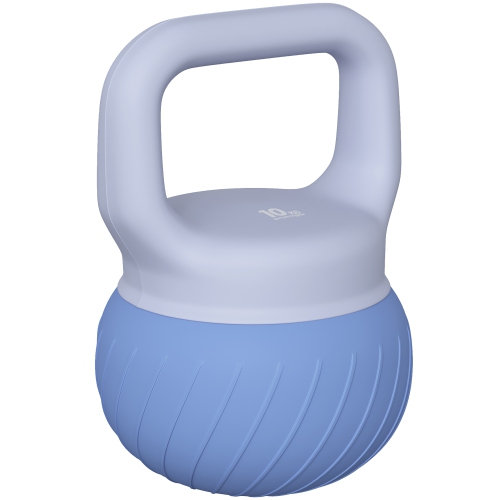
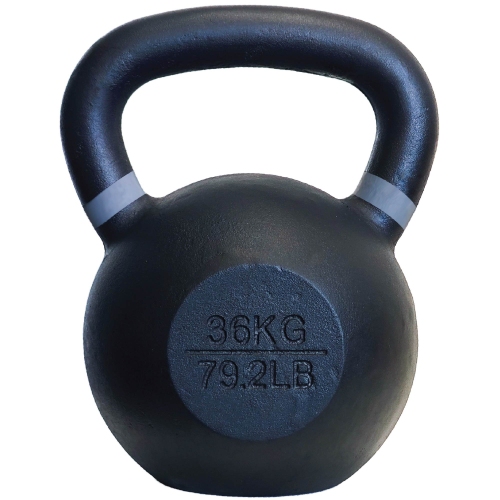
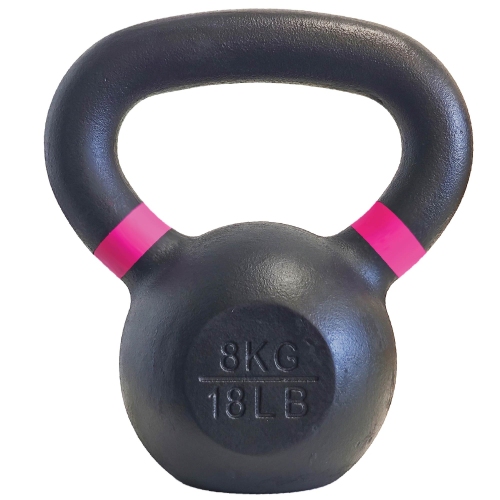
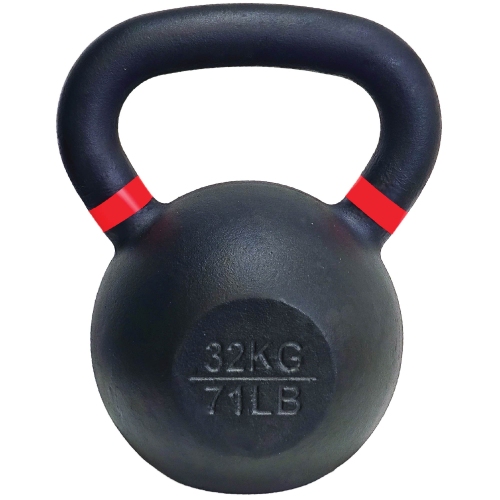
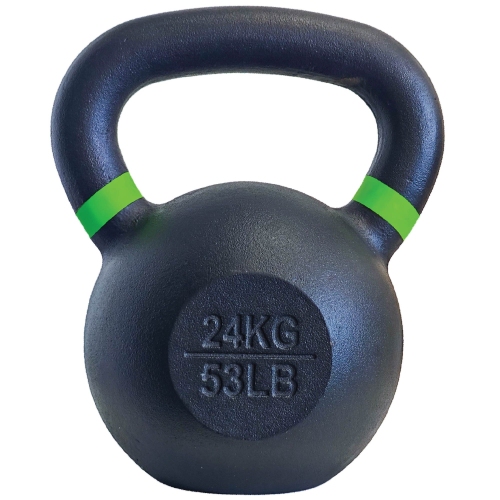
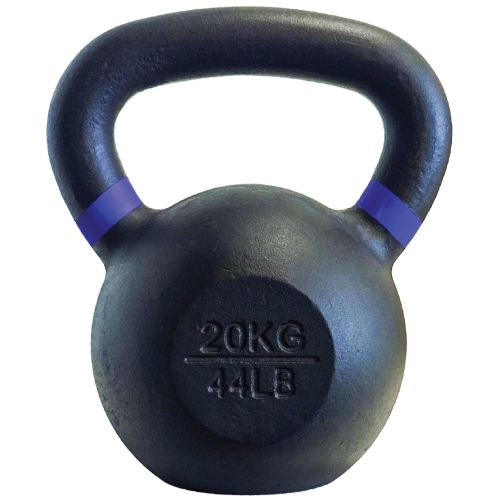

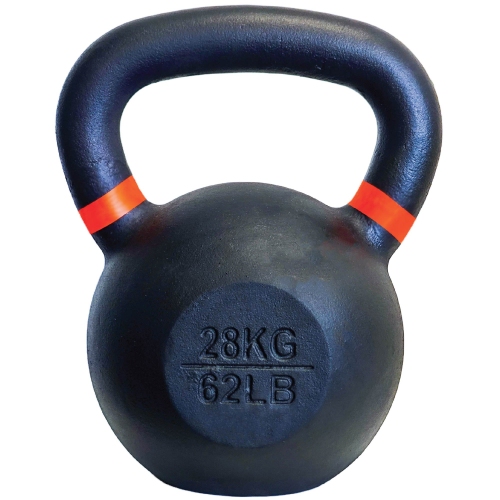
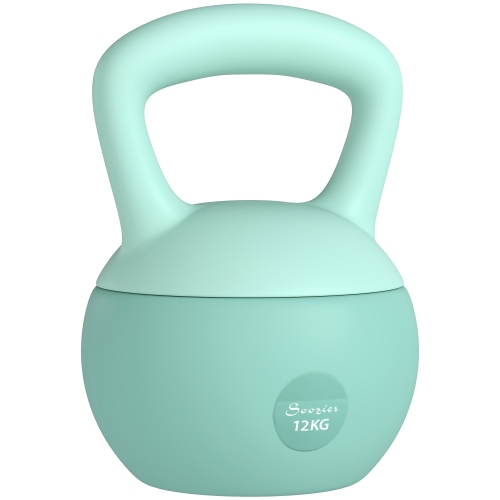

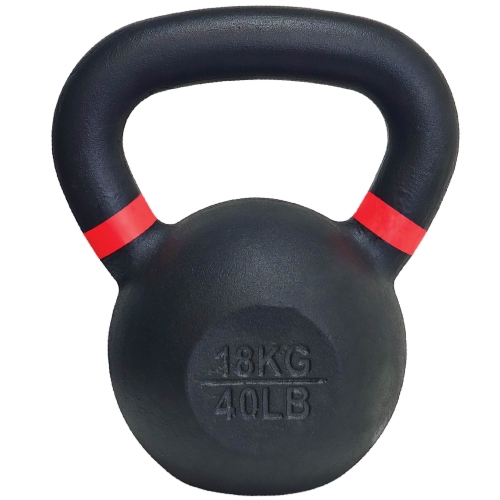
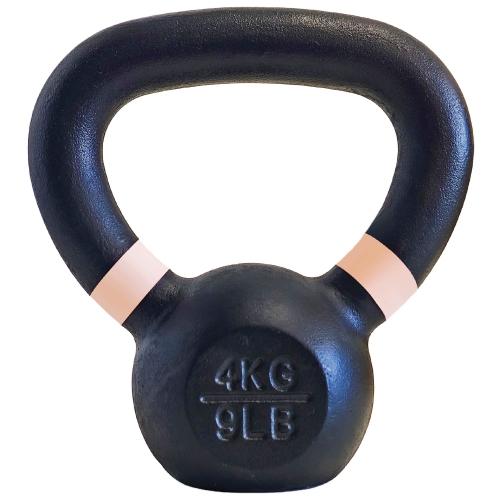
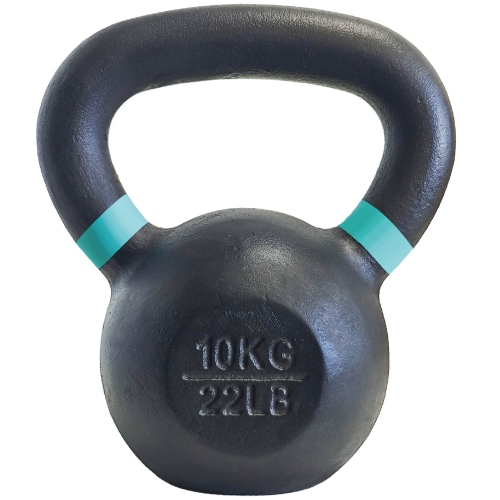
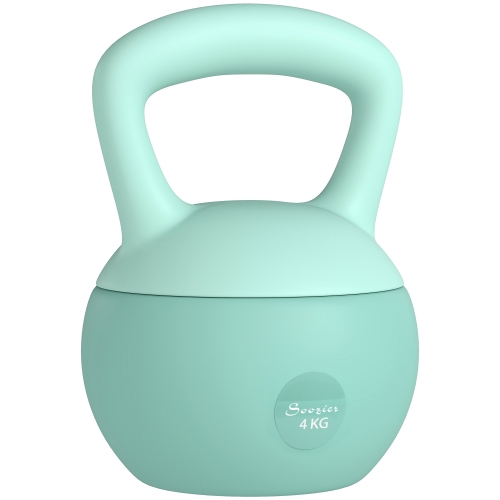
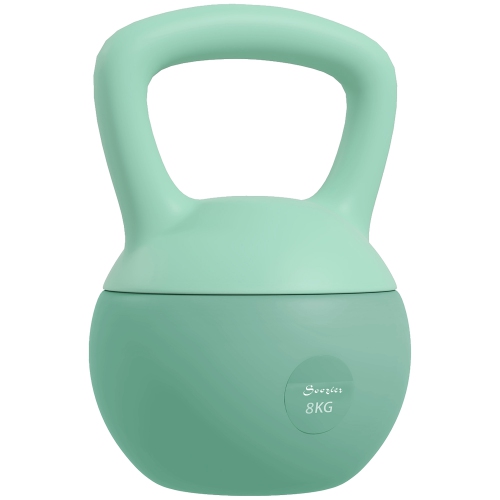
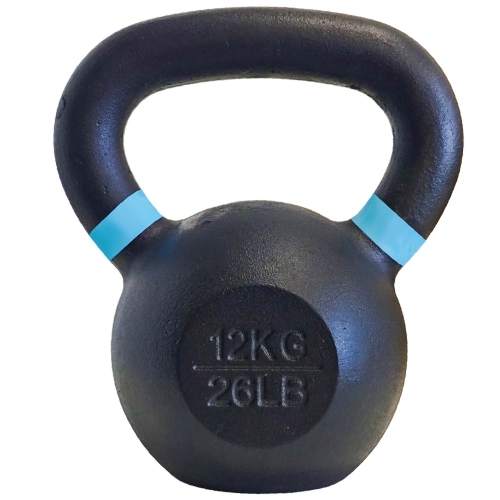


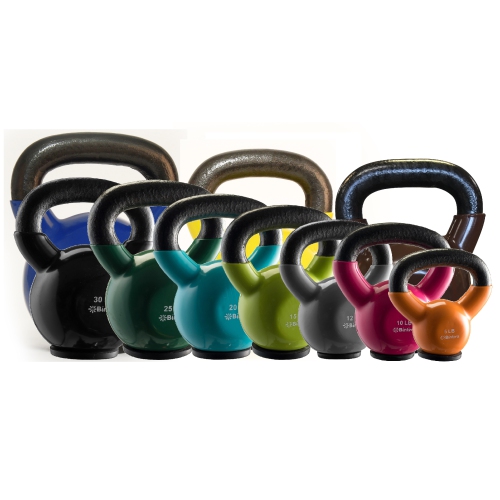
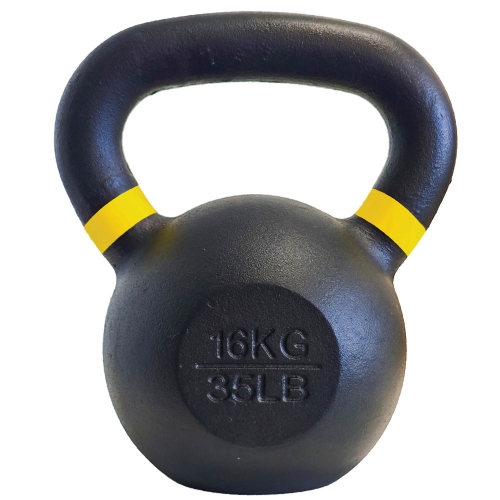

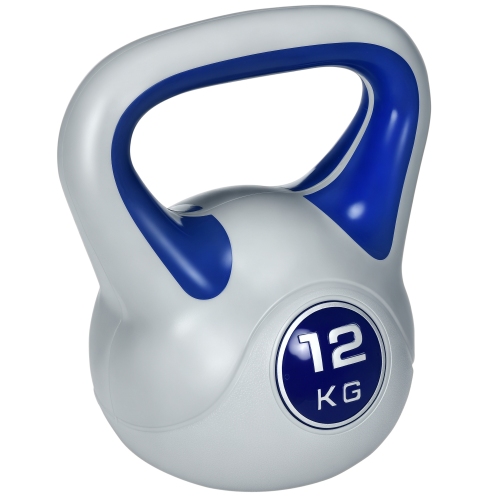
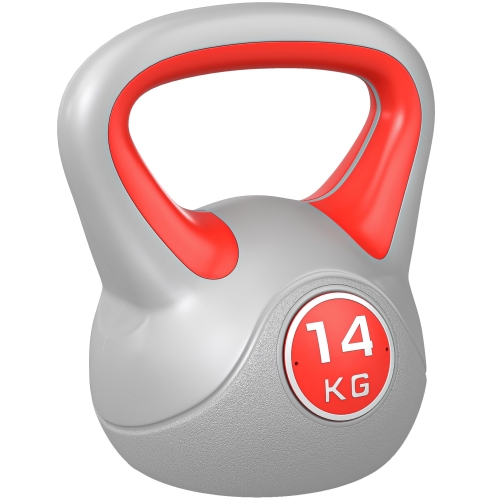
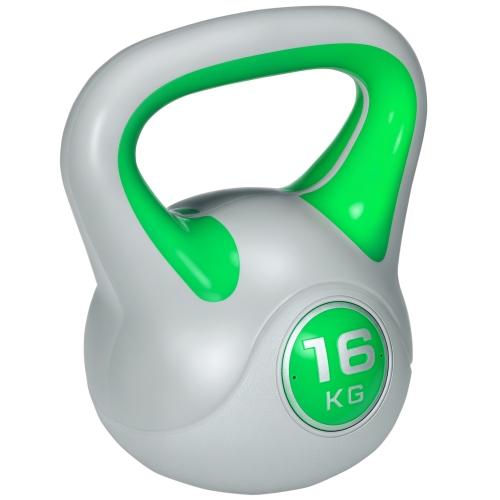
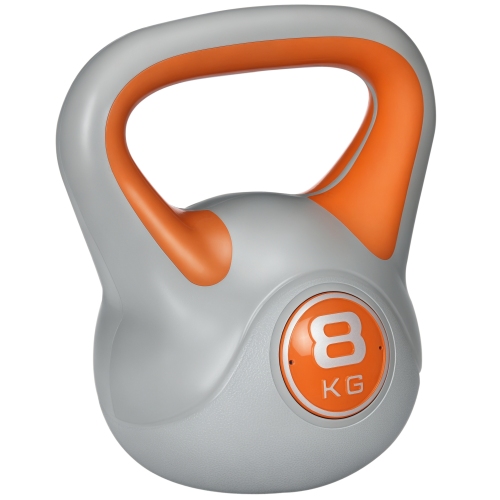
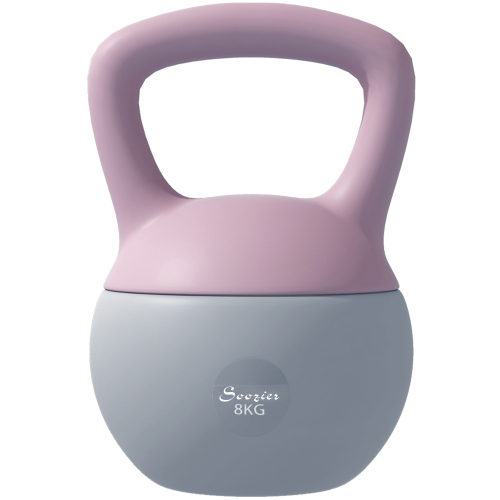

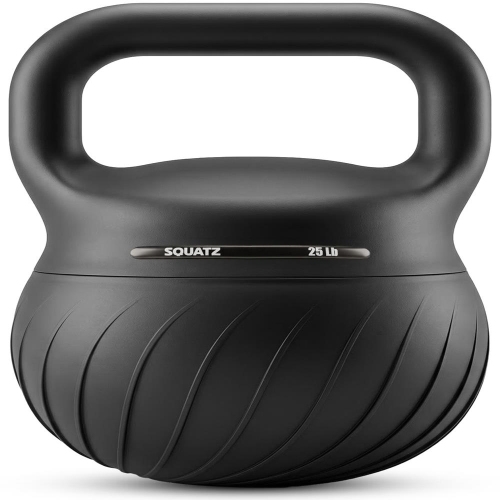

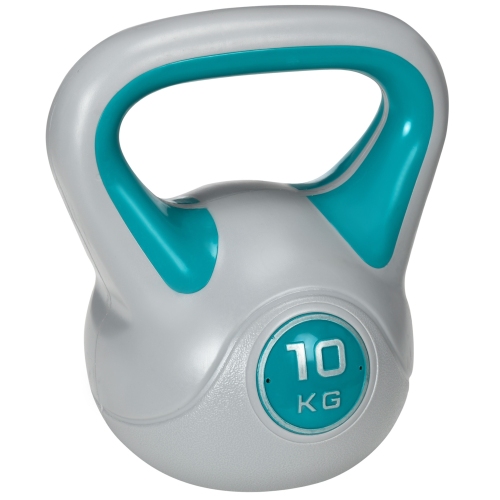
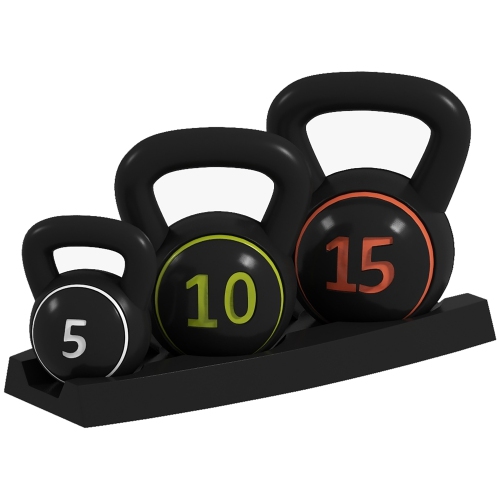

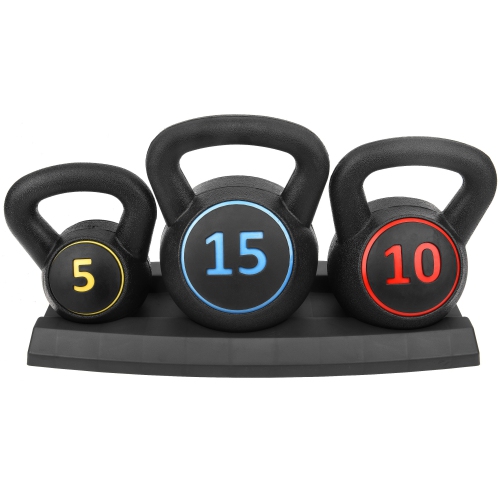

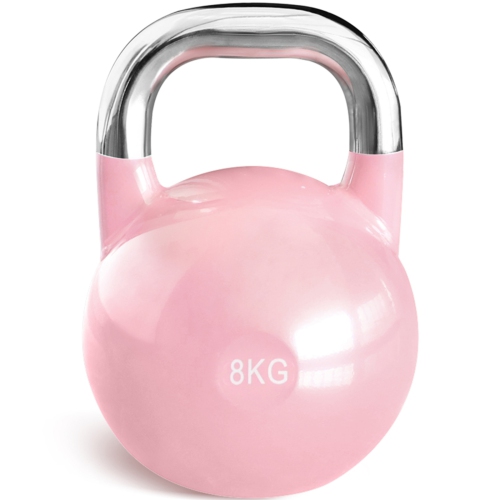

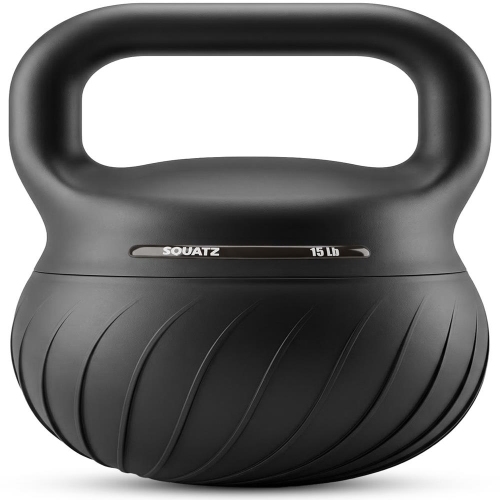


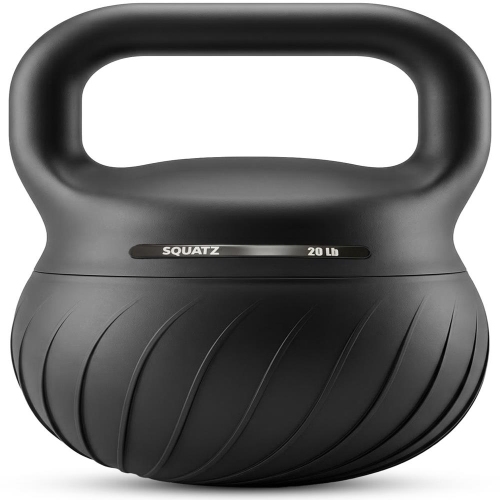


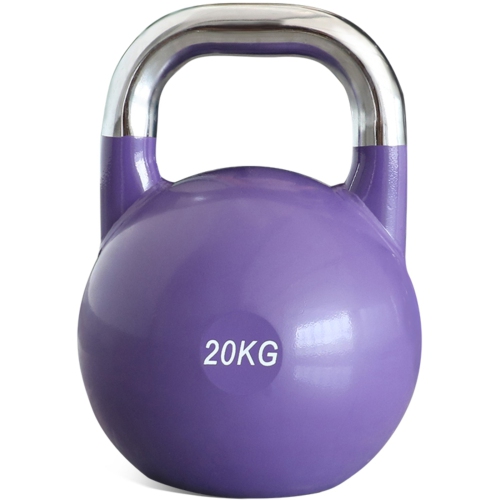
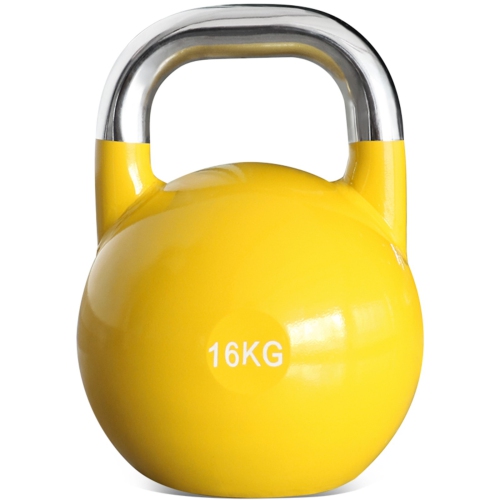
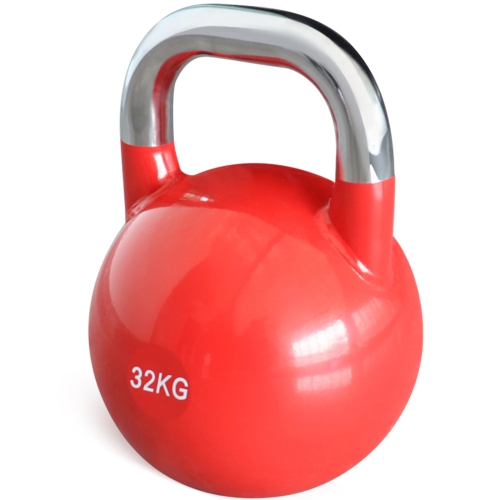
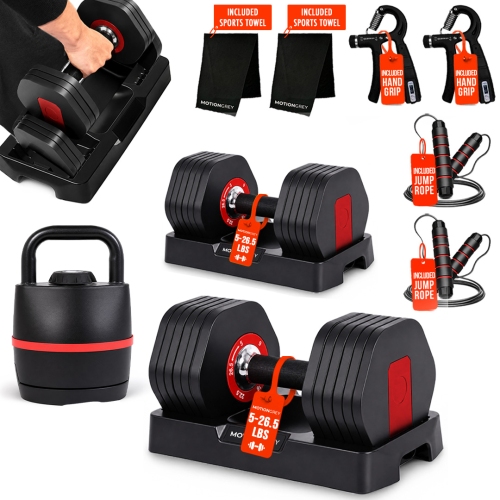
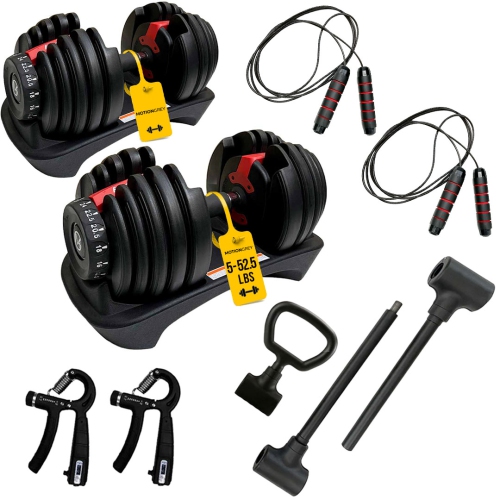


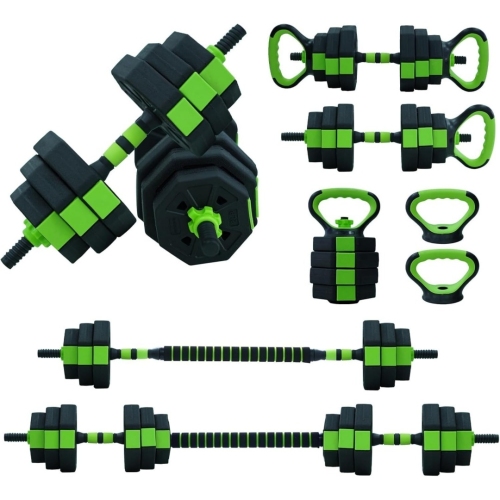


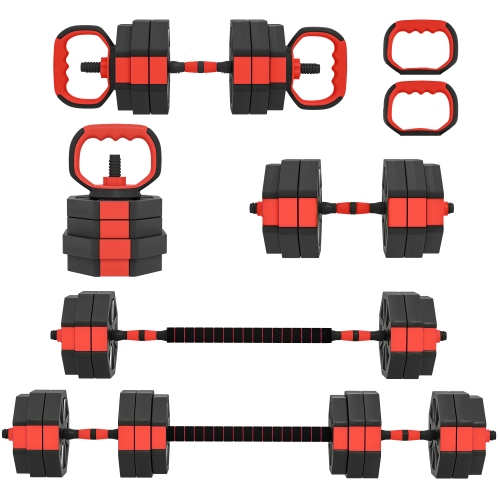


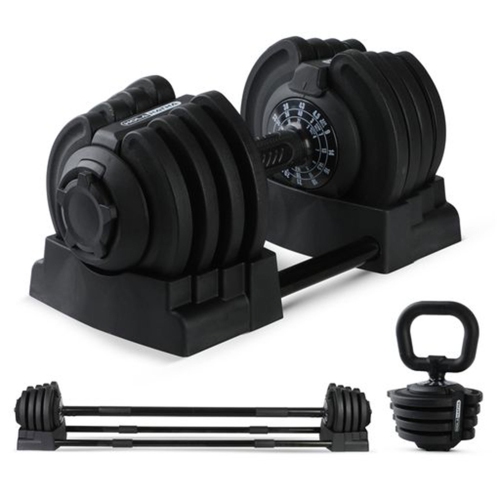
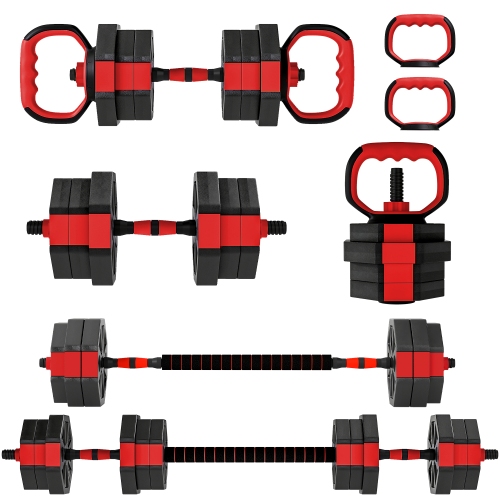
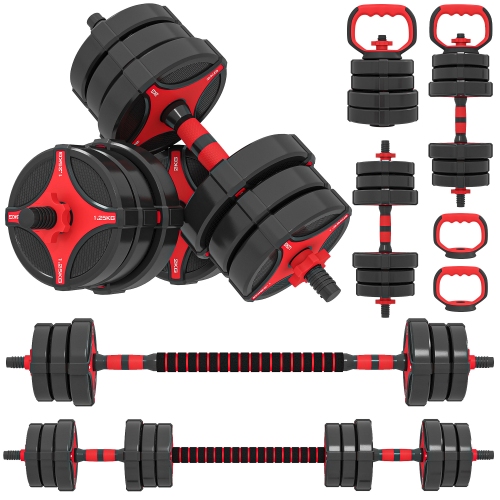
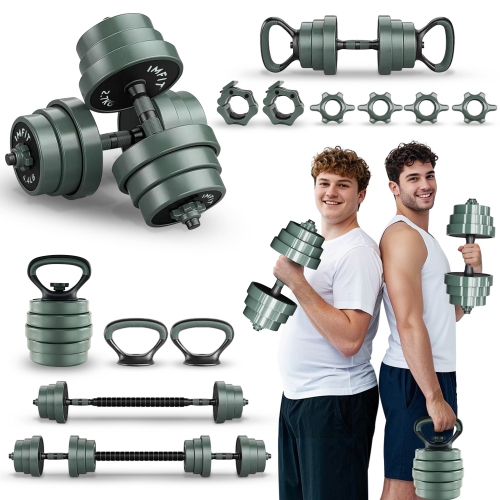
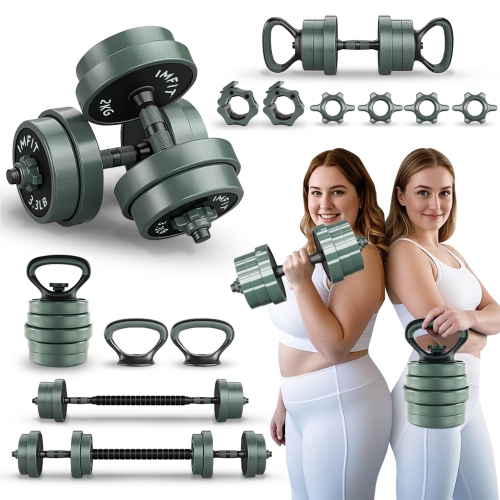
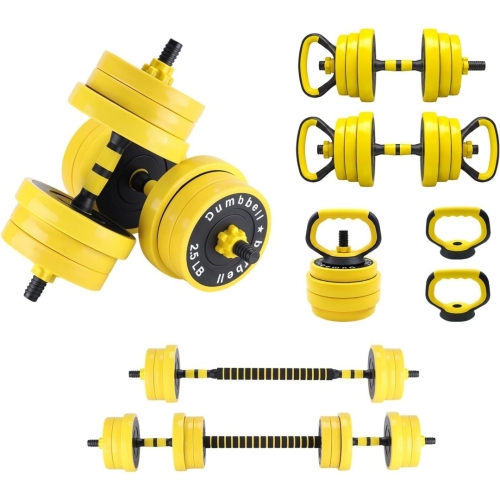
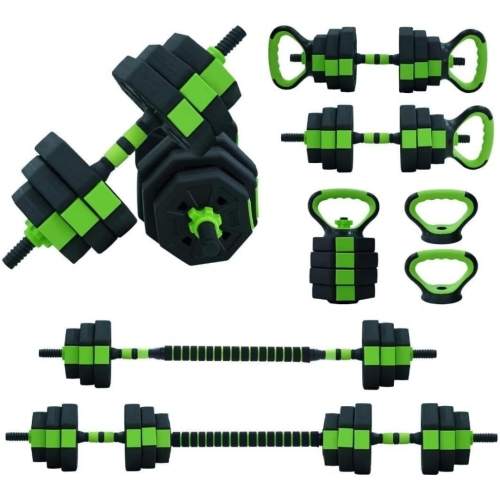
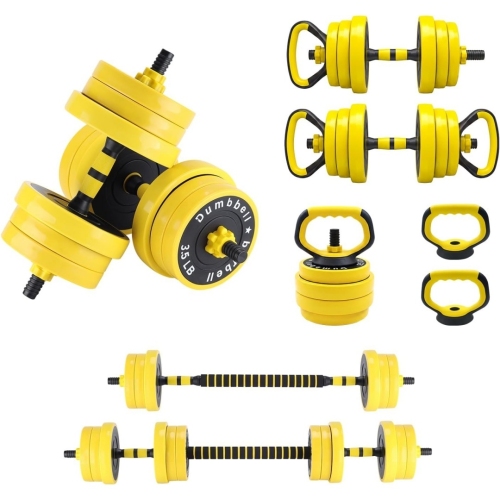
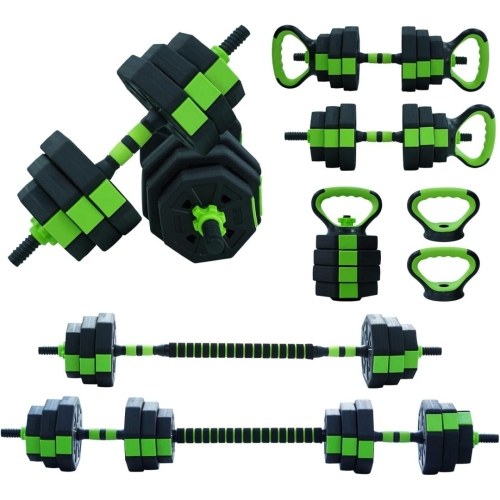
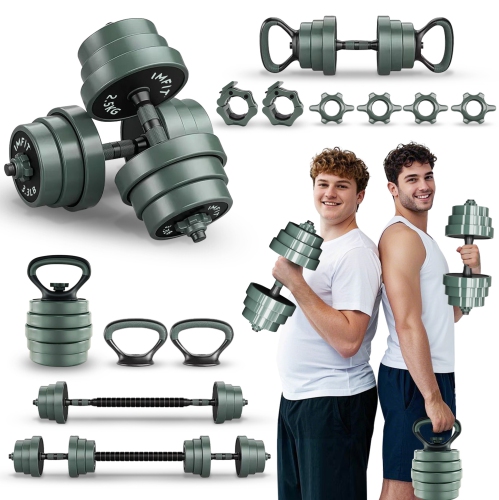
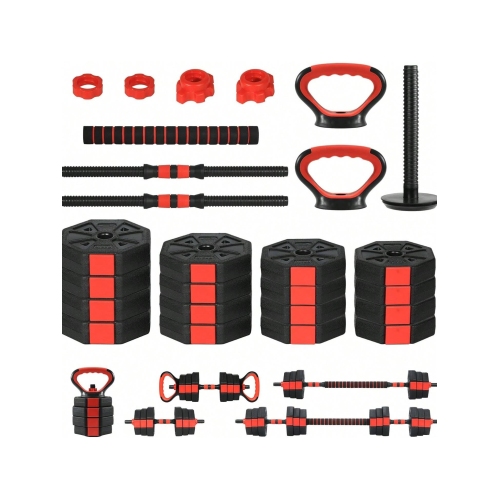
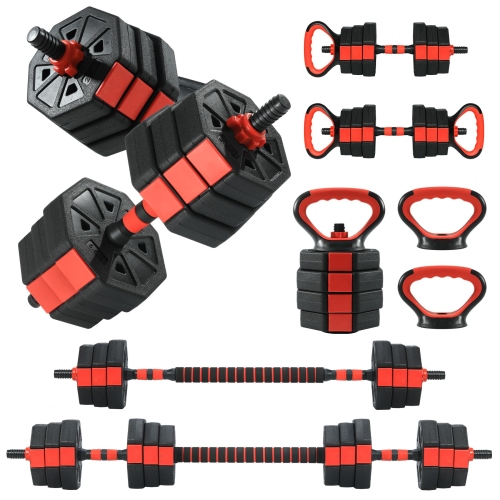

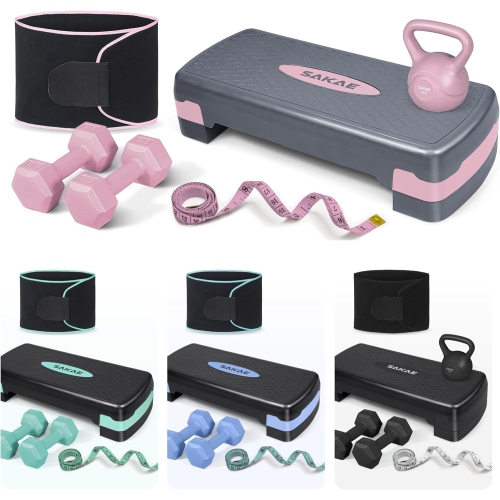
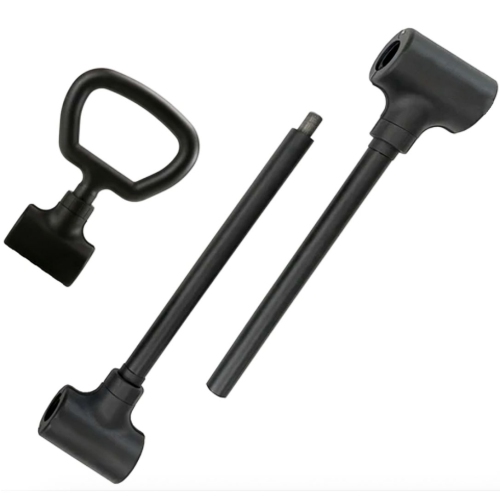
How a compact weight supports a varied workout
Fitness kettlebells are compact free weights with a rounded body and a raised handle, used for strength training, muscular endurance, and conditioning. Unlike a dumbbell, a kettlebell holds most of its mass below the grip, which changes how the load feels as it moves and creates distinct demands on grip strength and body control. That shape suits movements such as deadlifts, goblet squats, rows, carries, and, with appropriate technique, swings. A single bell can support a varied workout, while a matched pair allows for exercises that load both sides of the body at once. Kettlebell training can combine strength work with cardiovascular effort, although the effect depends on the movements, load, pace, and rest periods rather than the equipment alone. For someone setting up a workout corner at home, the appeal is straightforward: a weight that takes up little storage space can serve several purposes without requiring a large machine. During the cooler months, that compact footprint can make an indoor routine easier to maintain, whether the session centres on controlled strength exercises or a short conditioning circuit. Kettlebells also fit into established gym routines as an alternative to other free weights, particularly for carries, single-sided exercises, and movements that start from the floor. Beginners, experienced lifters, and people returning to regular exercise may all use them, but the appropriate weight and exercise selection will differ considerably. A load that feels manageable for a two-handed deadlift may be too demanding for a one-arm press. The most useful choice therefore reflects the intended movements, not simply a person's overall fitness level. Someone interested in slower, deliberate strength work may value a comfortable handle and a stable base most, while someone practising repeated swings may pay closer attention to handle clearance and surface texture. For either use, the bell should feel controllable throughout the movement, with enough room around the body to train without brushing furniture or bringing the weight close to another person.
Materials and construction influence a kettlebell's feel, durability, and suitability for different exercises. Traditional cast-iron kettlebells commonly increase in body size as their weight rises, so a heavier bell may also have a larger handle opening or a different resting position against the forearm. Competition-style steel kettlebells generally keep consistent external dimensions across weights, helping preserve a familiar feel when changing loads. Neither design is automatically better for every routine; comfort depends on hand size, grip preference, and how the bell will be held. Handle diameter matters because a thick grip can be challenging for smaller hands, while a narrow opening can feel cramped during two-handed movements. A smooth, well-finished underside is especially important where the fingers meet the handle. Rough seams or sharp edges can create uncomfortable friction, but an overly slick finish may be harder to hold once hands become sweaty. Powder-coated and painted finishes offer different textures, while vinyl or rubber coverings on the body can help reduce scuffing during careful placement. These coverings do not make a heavy weight safe to drop or guarantee protection for flooring. A flat base is useful for stable storage and exercises that begin with the bell standing upright, though not every base is intended to support body-weight movements. Fixed-weight kettlebells offer a straightforward design with no load adjustment between exercises. Adjustable kettlebells use removable plates or a selector mechanism to provide several weight settings within one unit, making them a practical format for shared workout spaces or routines that call for different loads. Their suitability for swings, overhead movements, or other dynamic exercises depends on the manufacturer's specifications and locking system. Comparing Kettlebell Weights can help clarify the load ranges and formats that suit those different routines. Weight markings deserve attention too: kilograms and pounds are both used, and clear labels make it easier to distinguish bells when more than one person shares the equipment. For paired exercises, matching the stated weight, shape, and handle dimensions helps maintain a consistent feel between hands.
Everyday usability extends beyond the number marked on the bell. In a small living room, spare bedroom, or basement workout area, the storage footprint may be modest, but the working space needs to accommodate the full exercise. Carries require a clear walking route, floor-based movements need room to change position, and overhead exercises depend on adequate ceiling clearance. A firm, level surface helps keep footing predictable; suitable protective flooring can reduce contact with the floor, but a thick, soft mat may make standing movements less stable. Kettlebells belong on a secure, low storage surface where they cannot roll into a walkway, fall from a shelf, or be reached by young children. Care is usually uncomplicated, although it should follow the finish and the manufacturer's instructions. Wiping away perspiration after training and drying the handle and body helps limit moisture exposure, particularly on iron or steel surfaces where damaged coatings can leave metal exposed. Prolonged damp storage, abrasive cleaners, and repeated impacts can shorten the useful life of a finish. Periodic checks for cracks, loose components, sharp coating damage, or movement in an adjustable mechanism are worthwhile, especially when equipment is shared. An adjustable bell should be securely locked before each exercise, and a damaged bell should be set aside rather than used through the fault. Comfort also changes over the course of a session: a handle that feels fine for a few repetitions may become abrasive during longer sets, while fatigue can make an otherwise familiar load harder to control. For anyone learning swings, cleans, or overhead movements, instruction from a qualified fitness professional can help establish technique before adding weight or speed. As a gift, a kettlebell is most thoughtful when the recipient's preferred load, training style, and space are already known; heavier is not necessarily more useful. Durable construction, a comfortable grip, readable markings, and a shape suited to the intended exercises are the details that make a kettlebell a practical part of a regular fitness routine.
Top selling and popular products
-
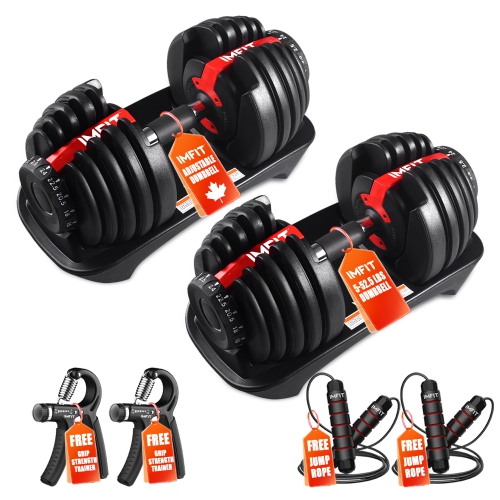 Your price for this item is $249.97
-
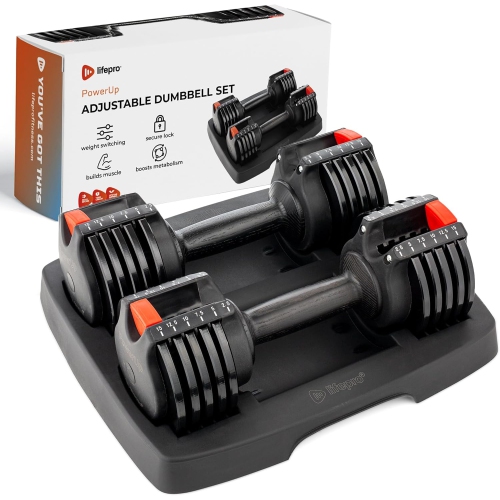 Your price for this item is $159.98
-
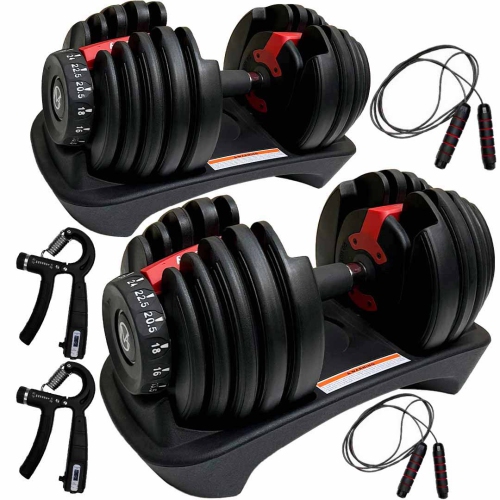 Your price for this item is $143.46
-
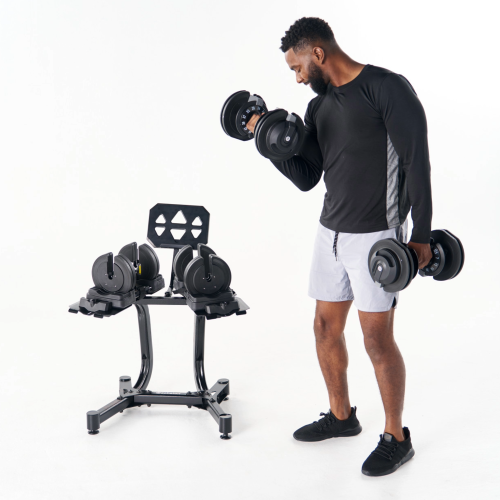 Your price for this item is $684.99
-
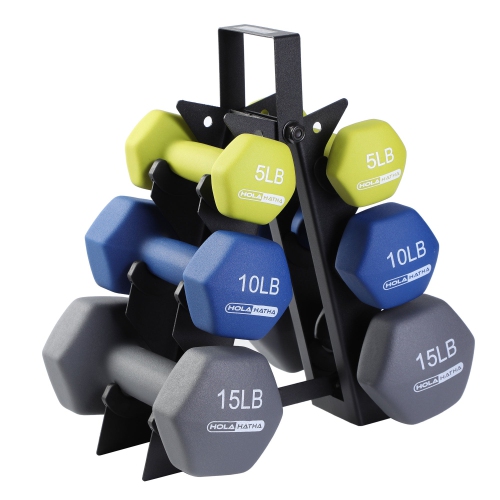 Your price for this item is $278.99
-
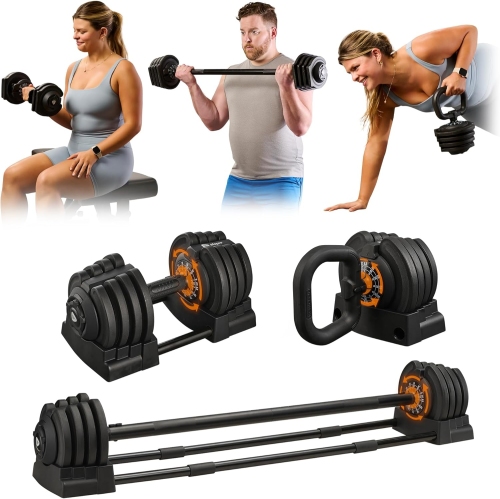 Your price for this item is $329.99
-
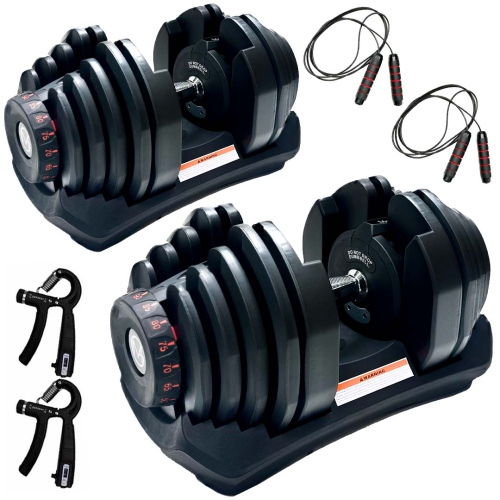 Your price for this item is $449.99
-
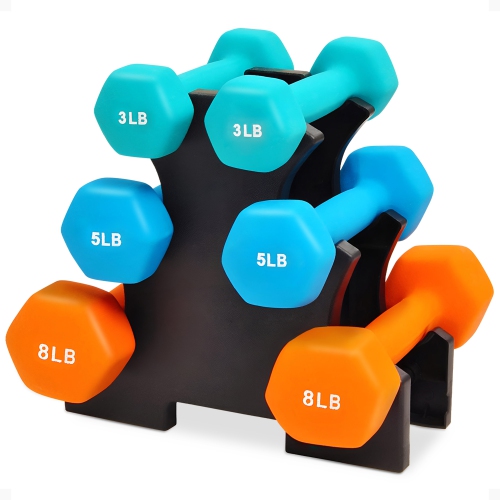 Your price for this item is $120.99
Discover more categories related to Fitness Kettlebell
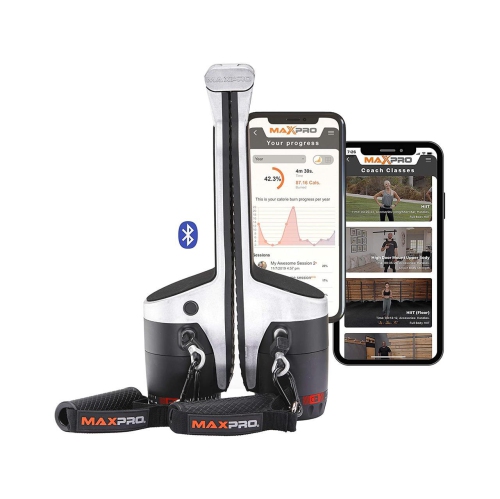
Top Collections:
Pokemon Centers, Kindle Devices, Best Budget Office Chairs, Canon G7X Cameras, Apple iPhones 16, Samsung Galaxy Phones, Refurbished Apple Laptops, Laptops for Students, iPhone 15 Apple, Budget Smartphones
Some products may be subject to Environmental Handling Fees
(EHF) depending on your province.
Learn more about EHFs.