Gym Racks
Ready to take your home gym to the next level? Our selection of gym racks is here to help you maximize your workout space and efficiency. Whether you're looking to organize your weights, barbells, or accessories, our range of sturdy and versatile gym racks offers the perfect solution for keeping your equipment neatly stored and easily accessible. With a variety of sizes and configurations available, finding the ideal gym rack to fit your home gym setup has never been easier.
Sort
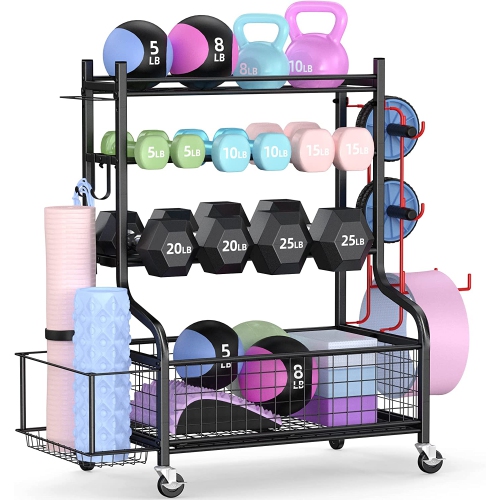
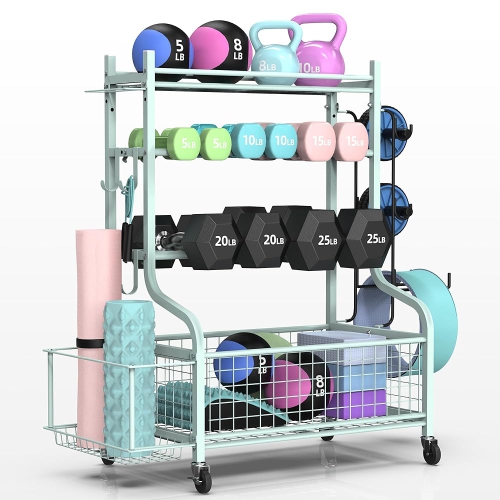
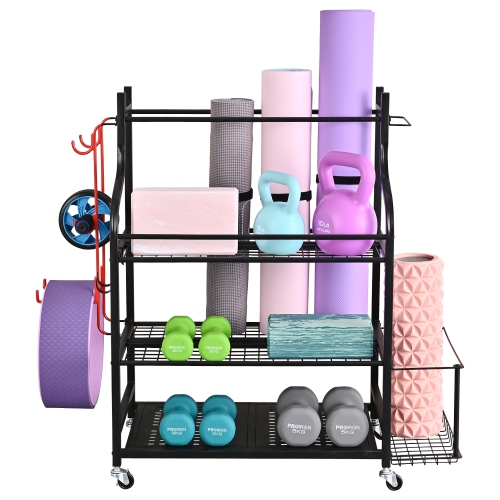
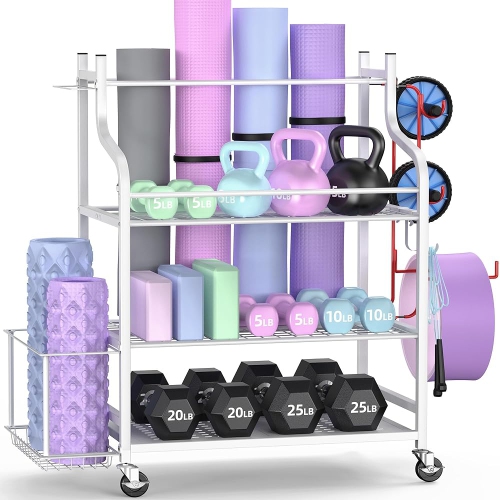
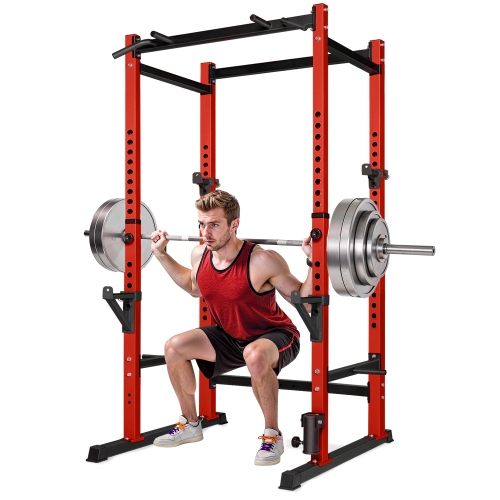
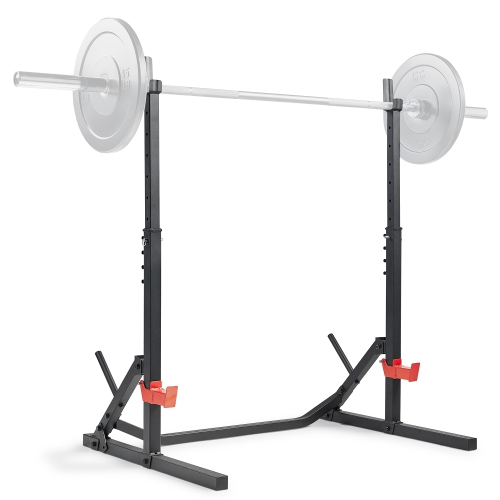
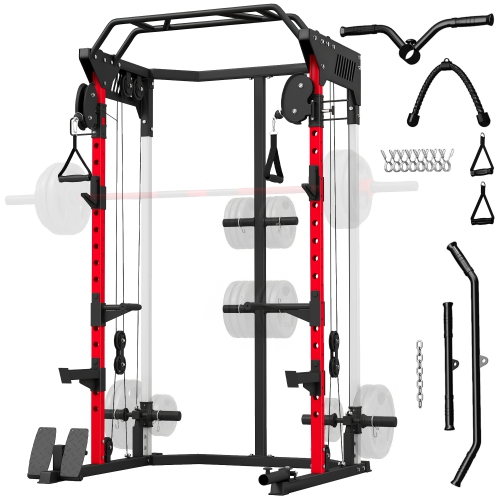
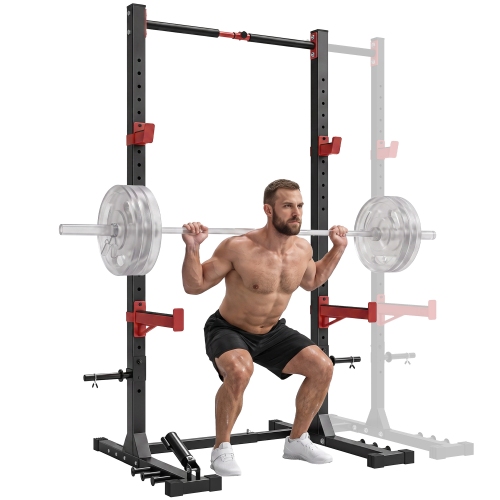
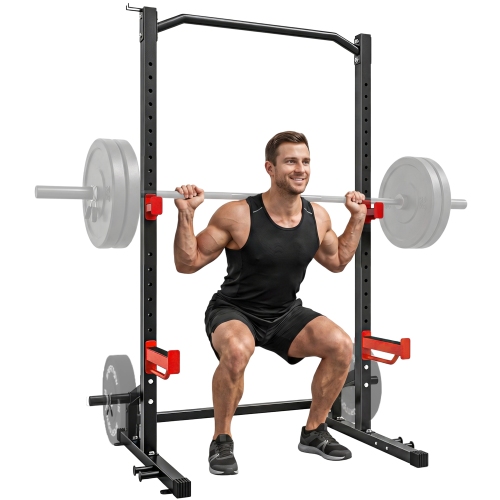
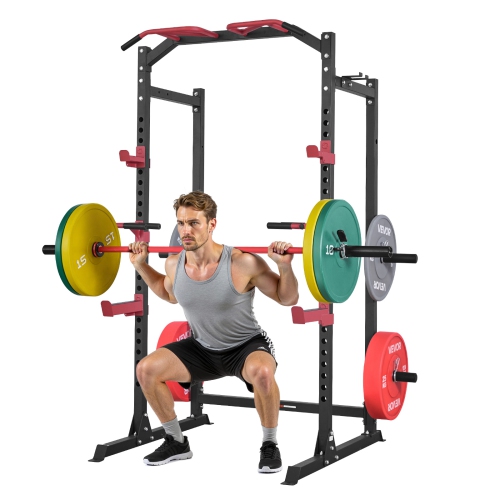
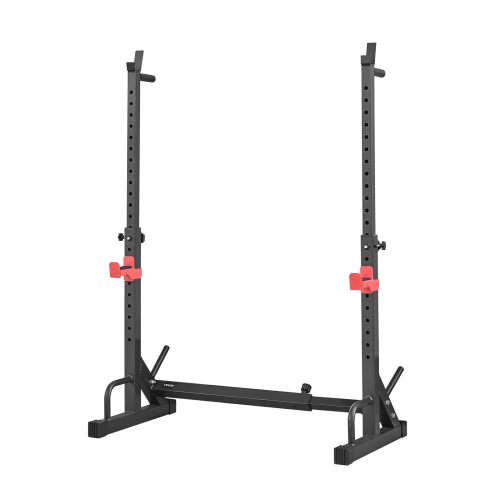
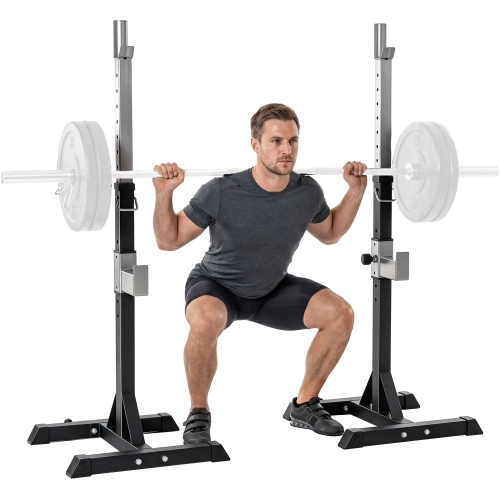
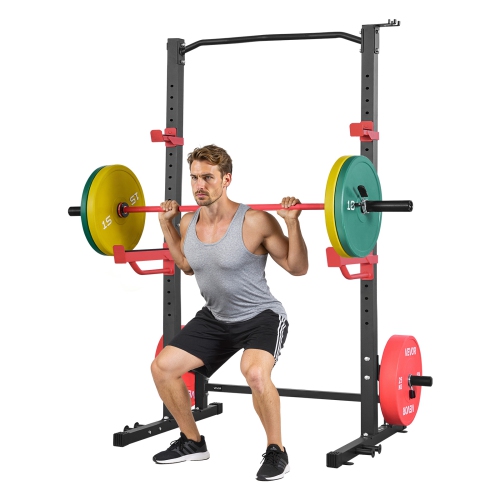
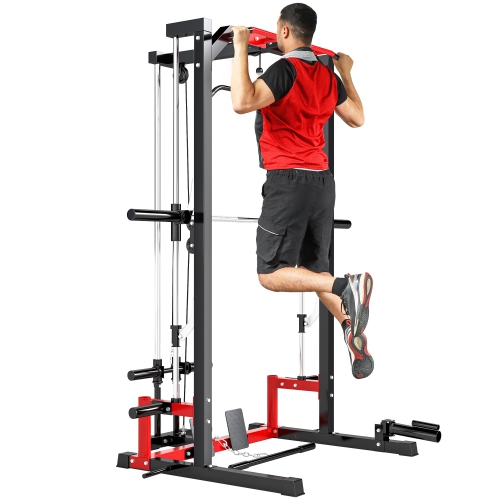
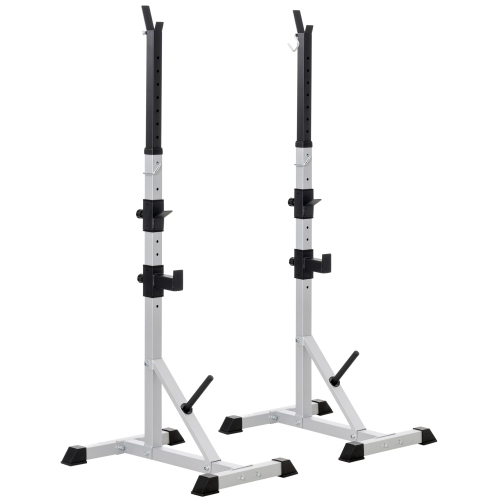
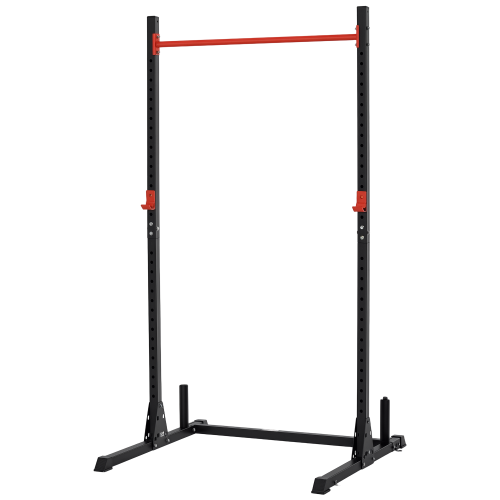
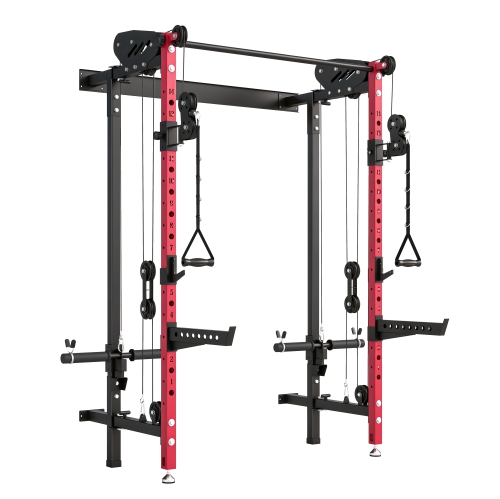
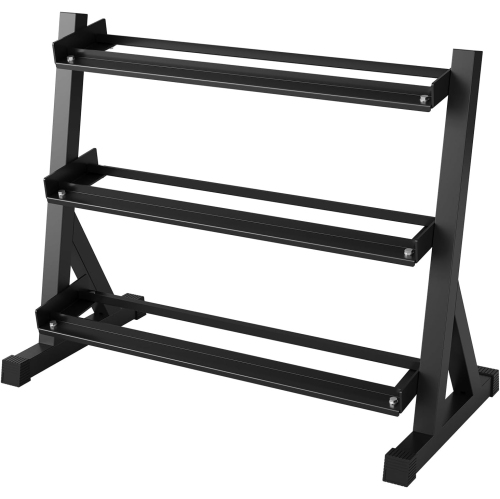
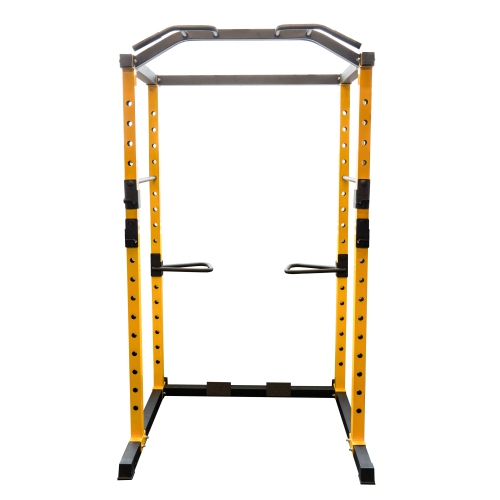
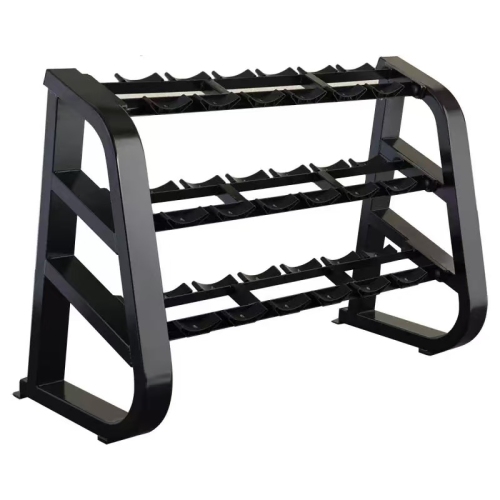
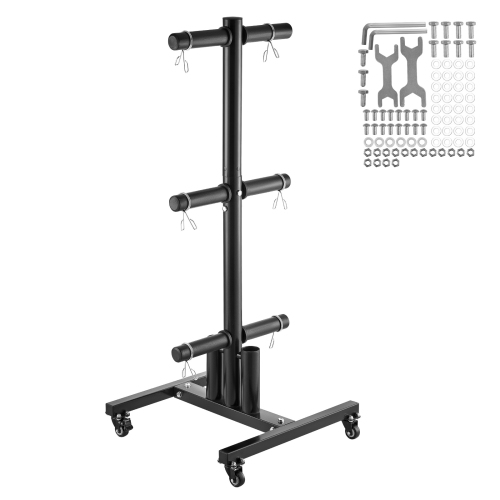
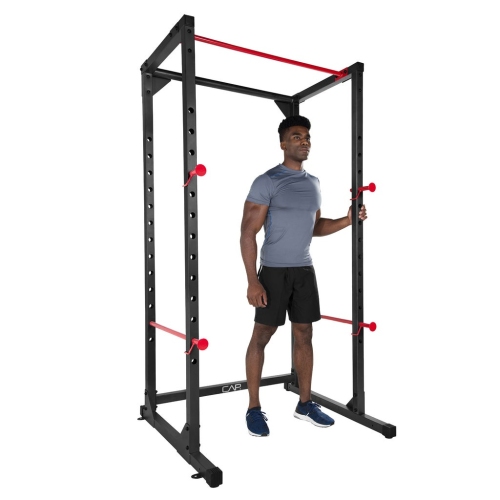
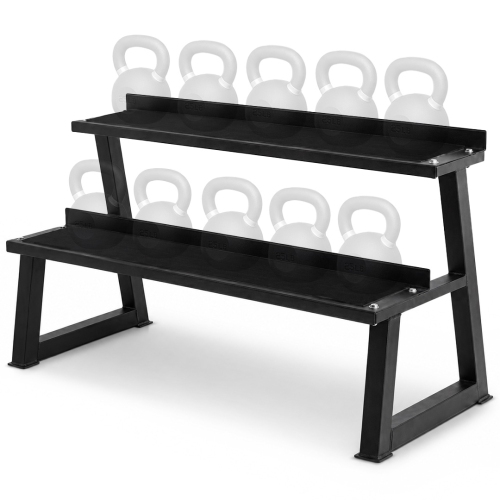
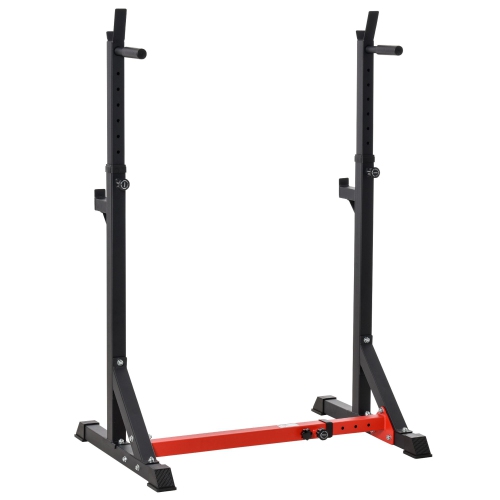
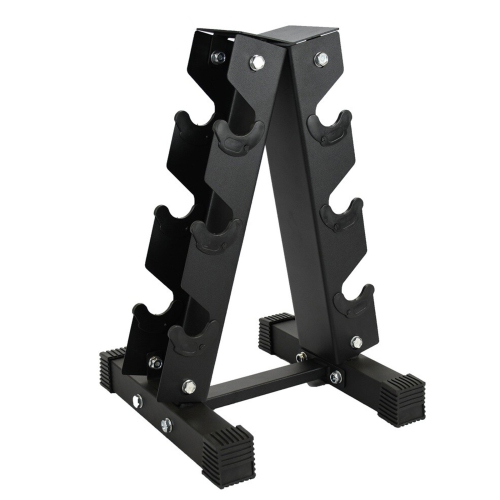
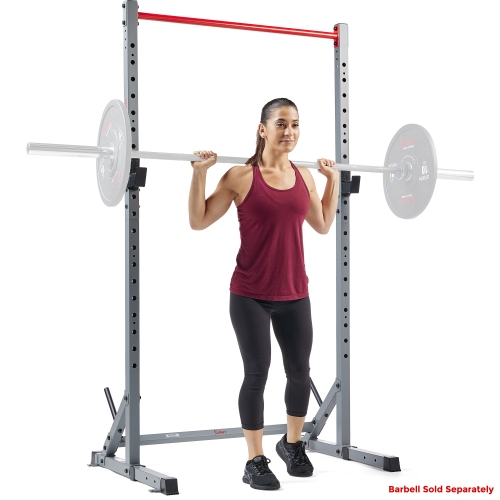
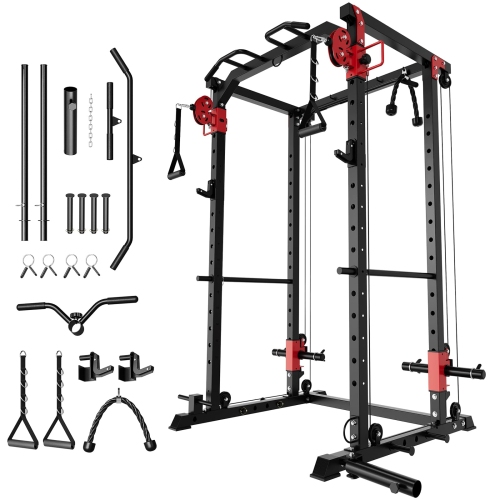
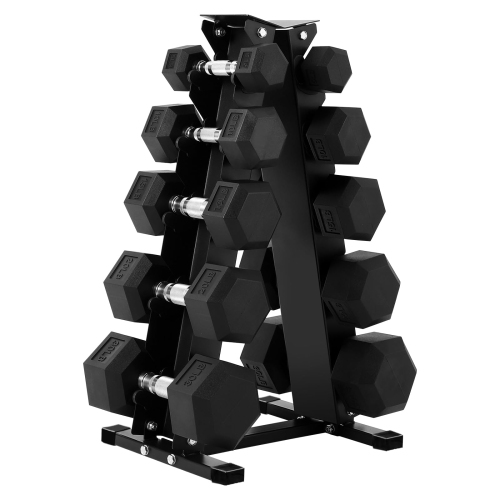
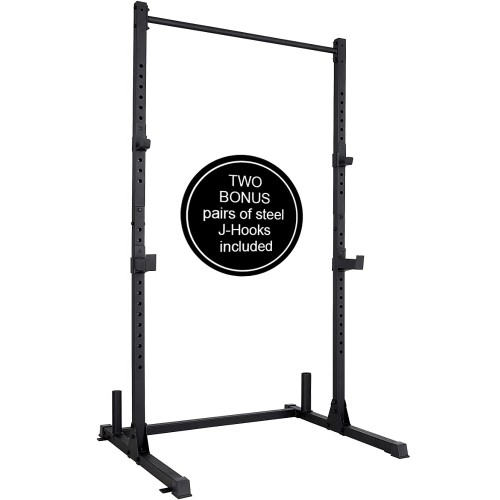
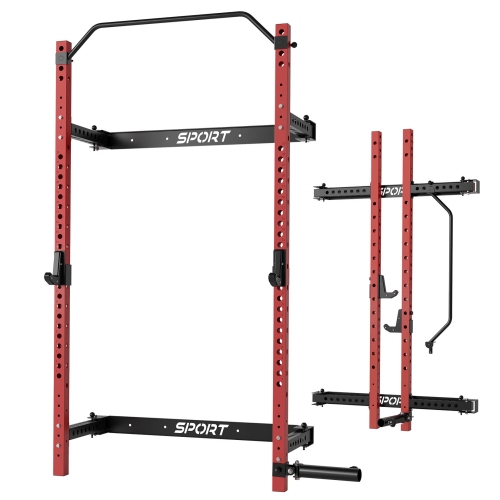
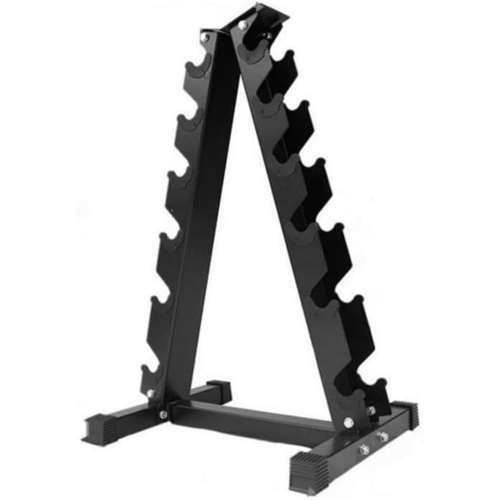
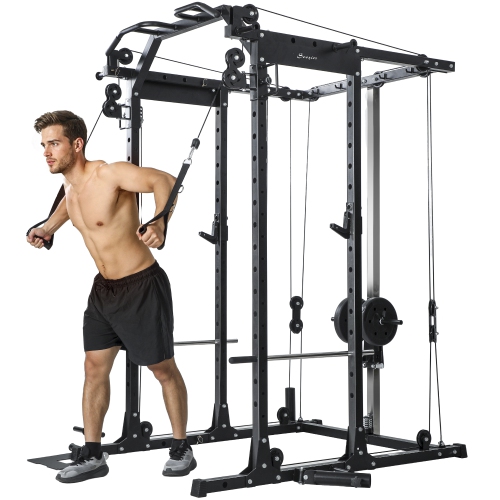

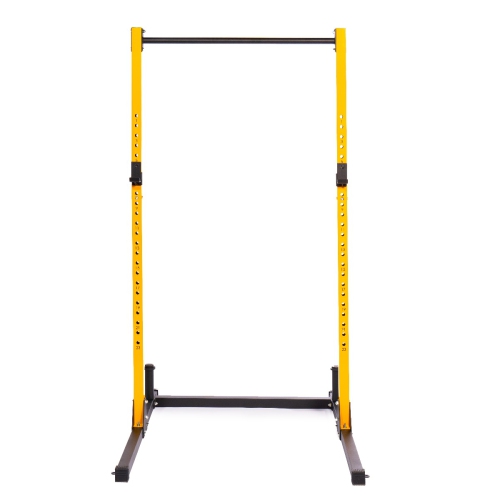
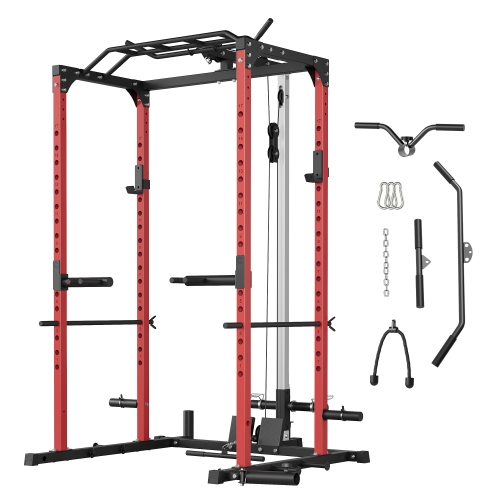
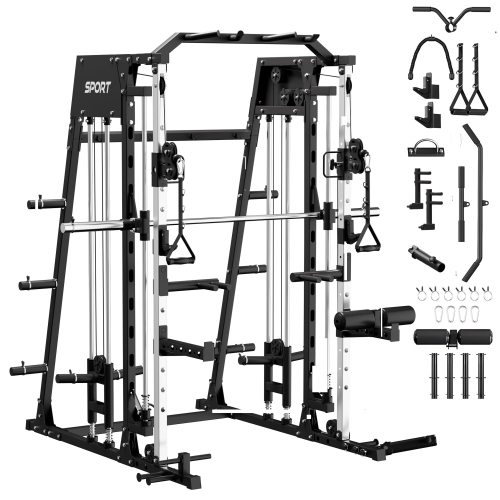
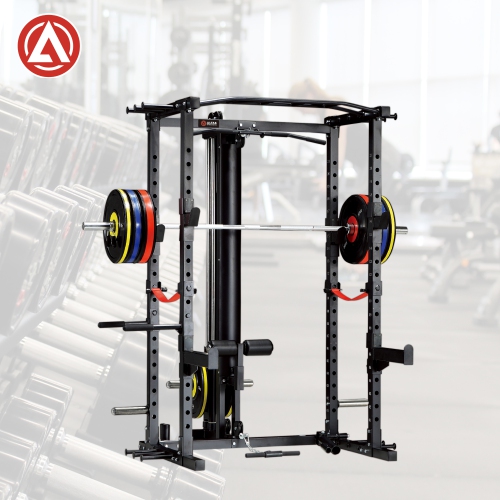
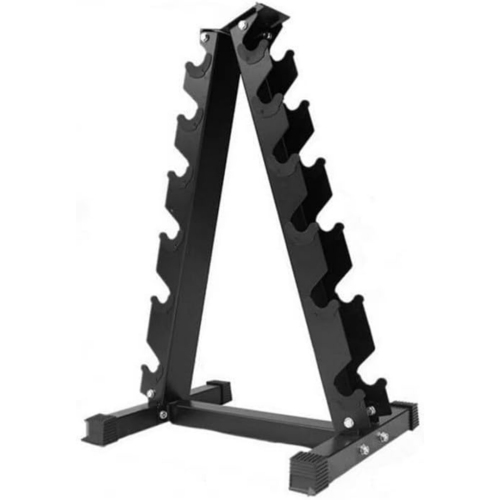
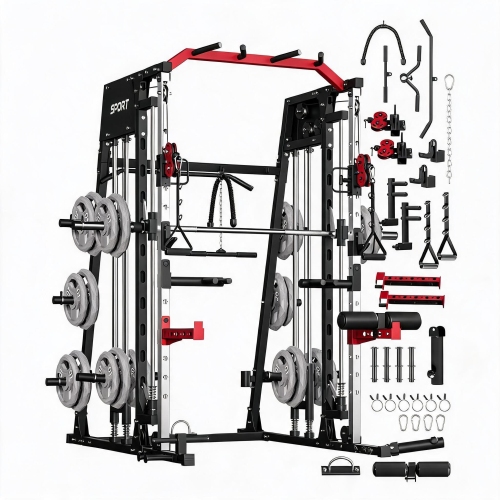
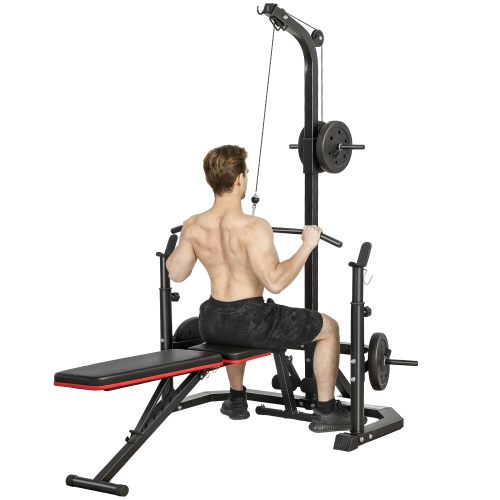
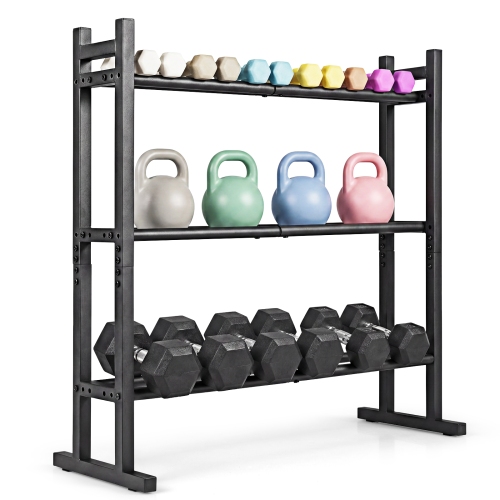
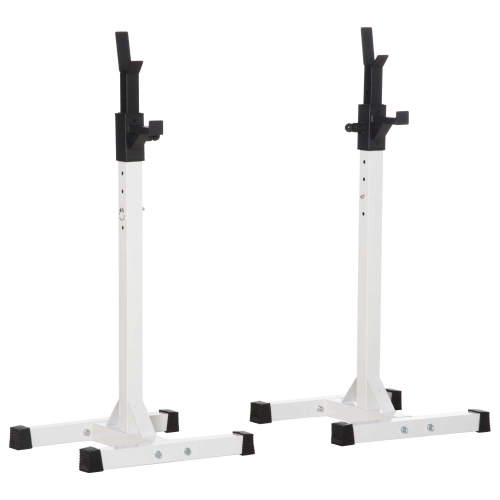
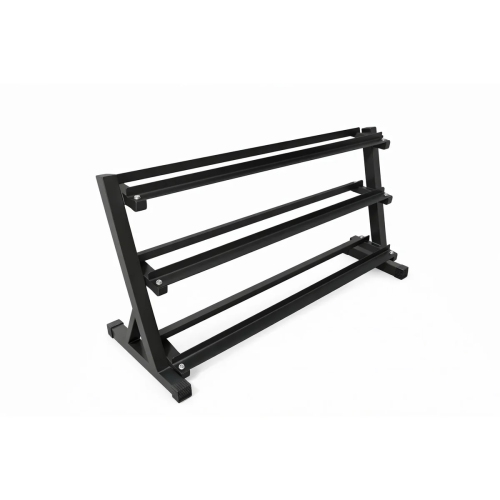
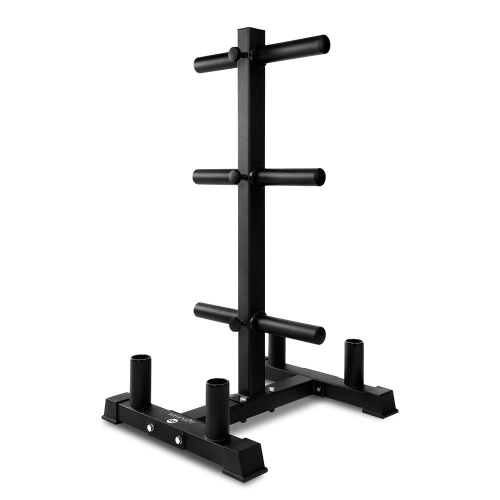
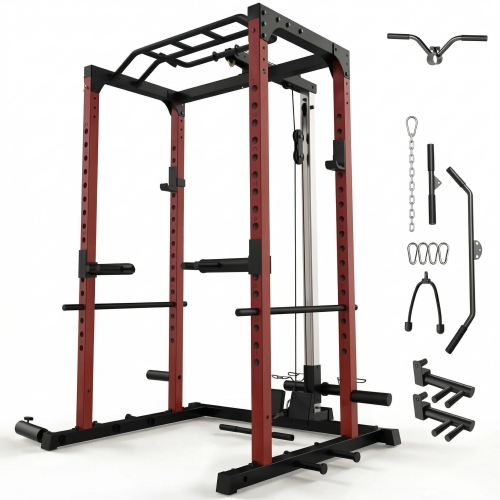
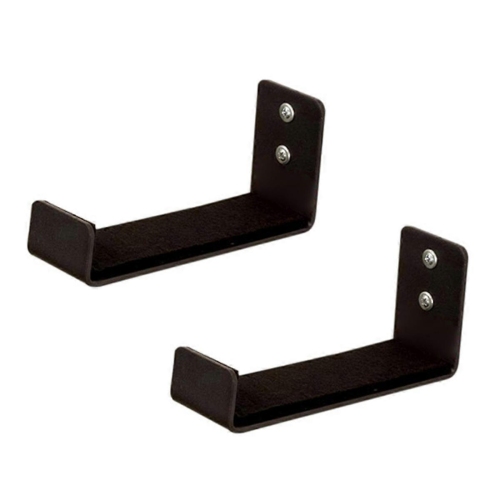
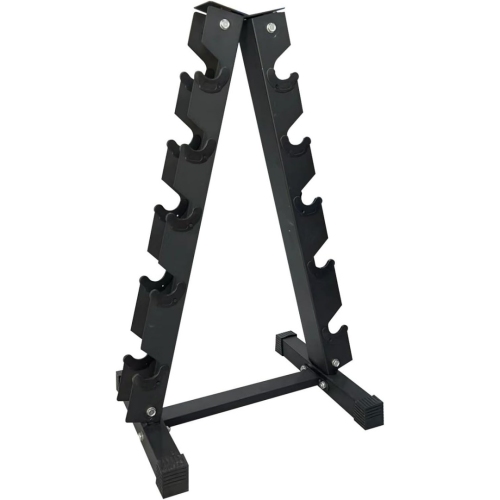
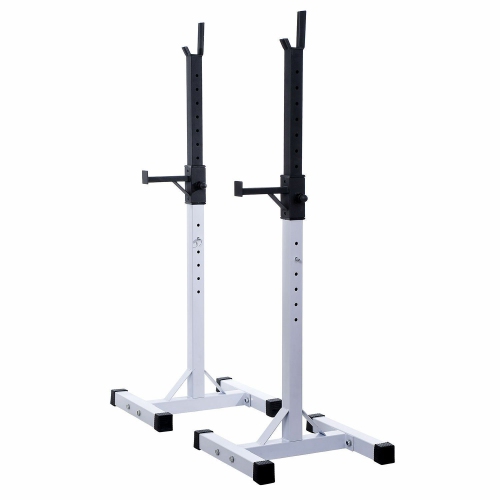
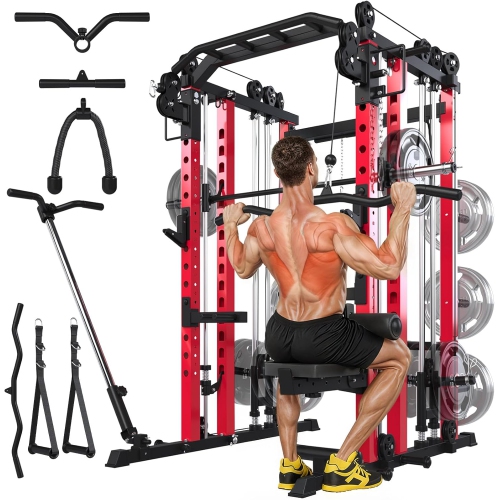
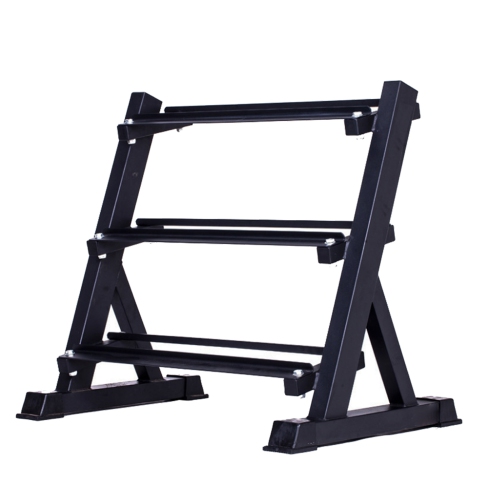
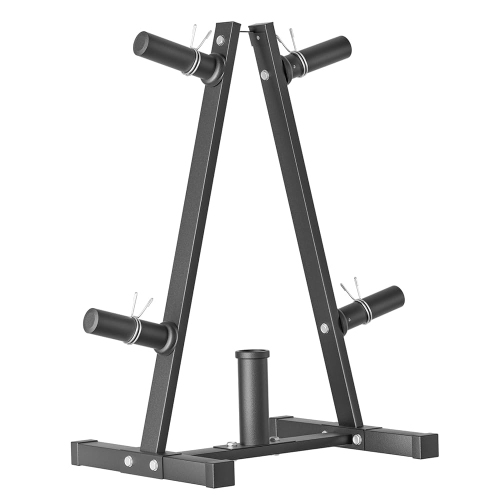
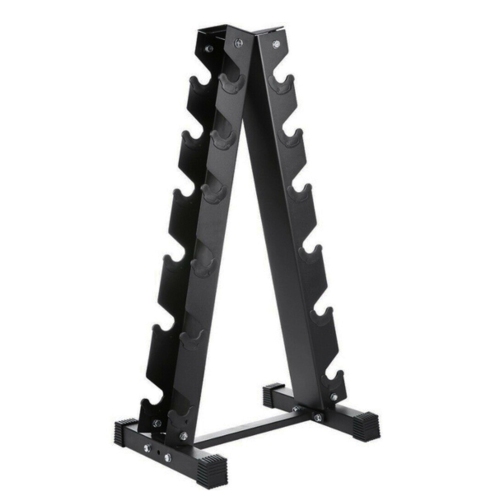
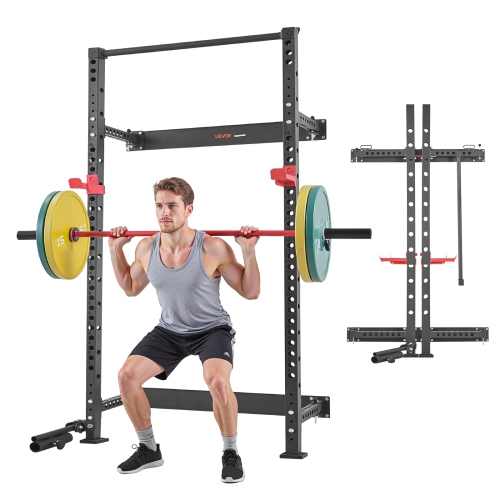

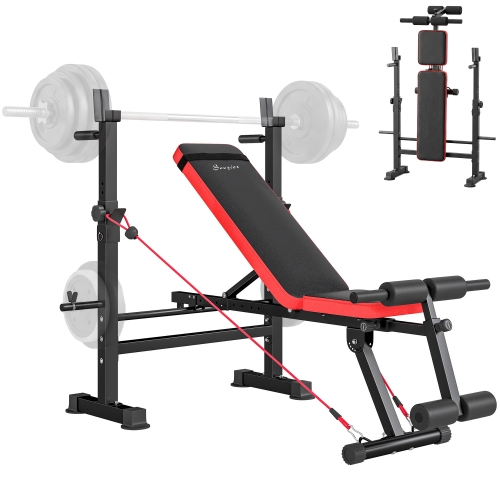
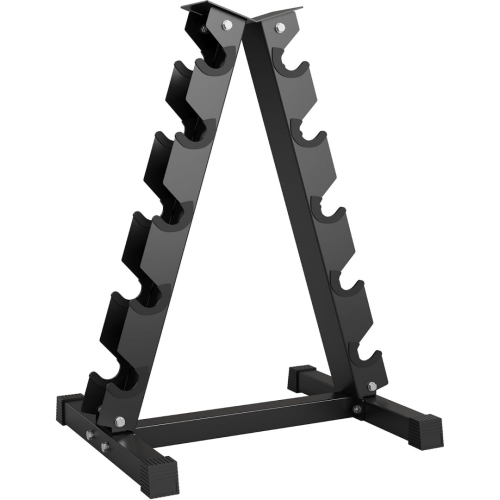
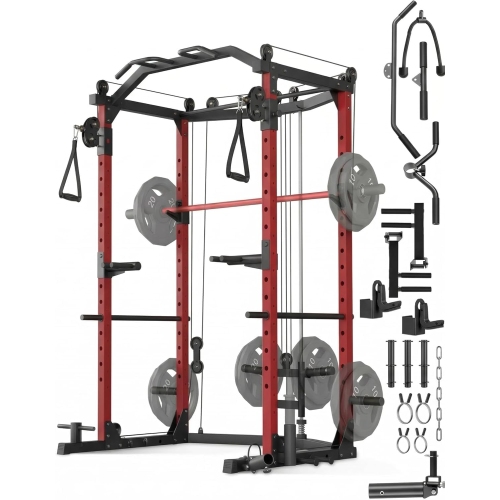
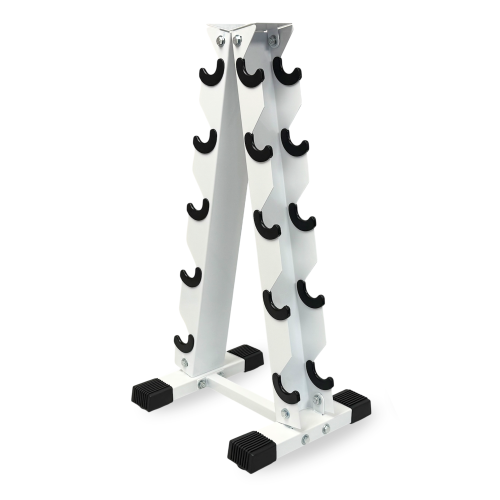
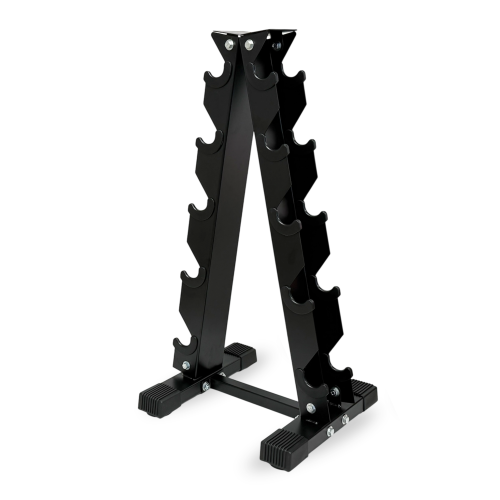
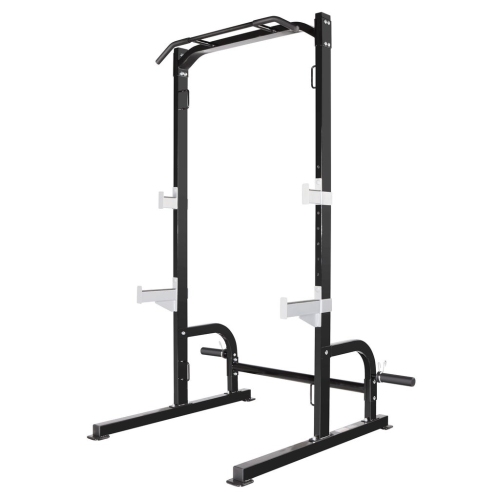
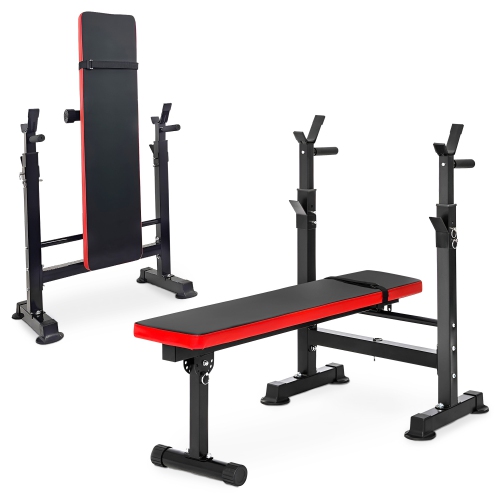
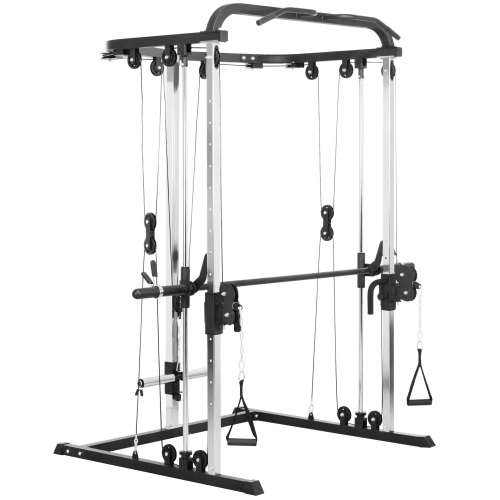
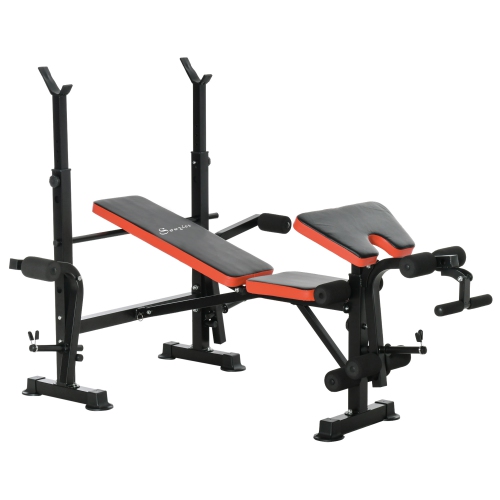

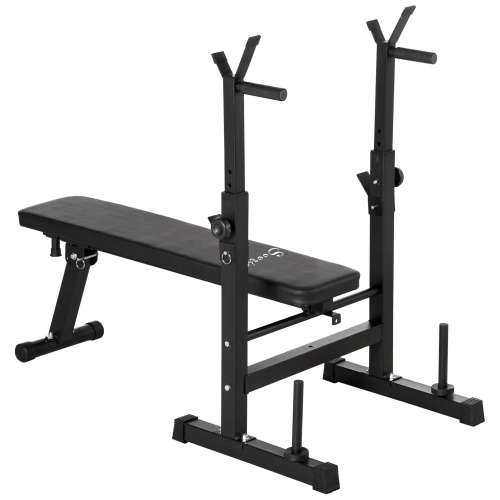
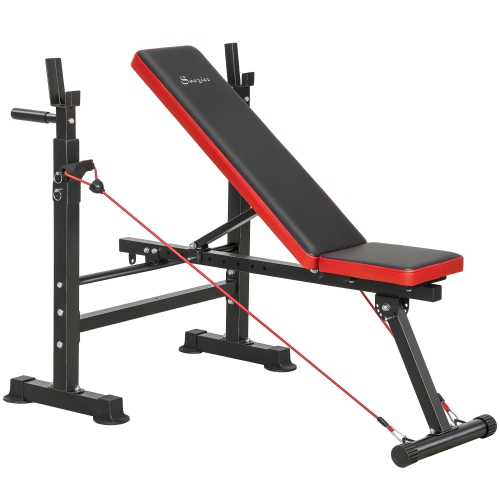
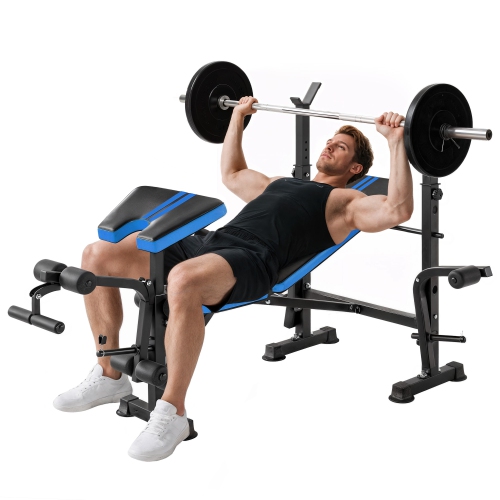
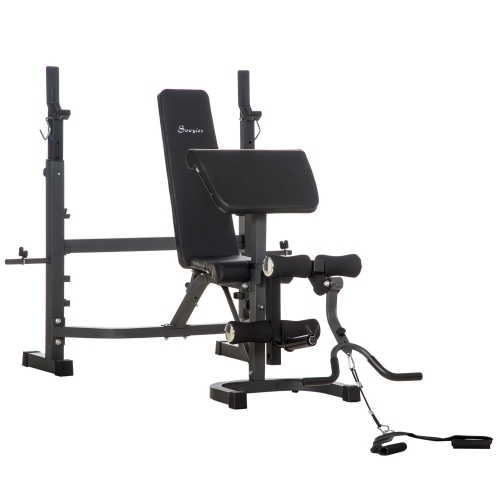
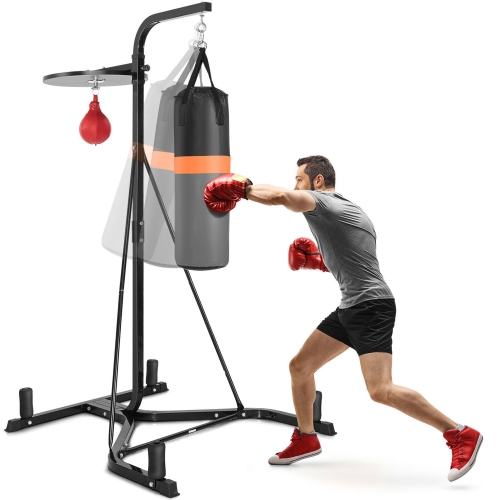
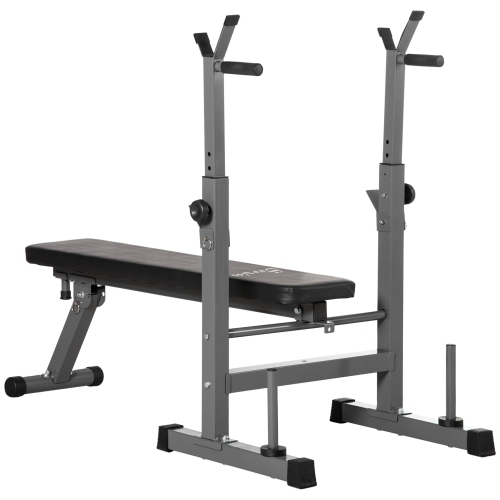
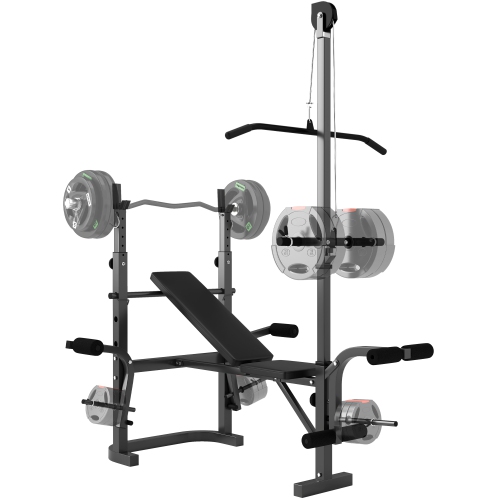
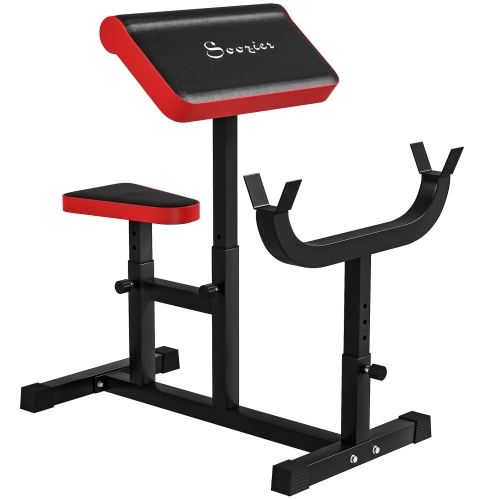
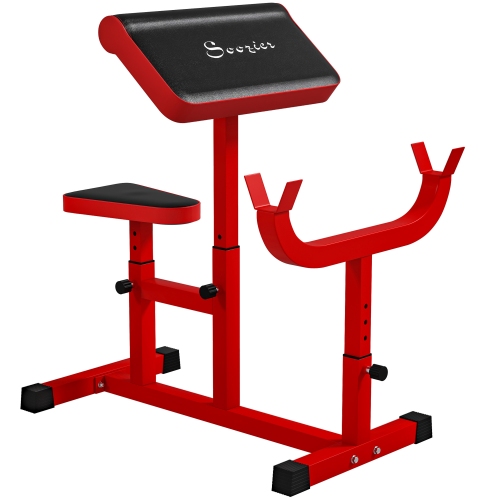
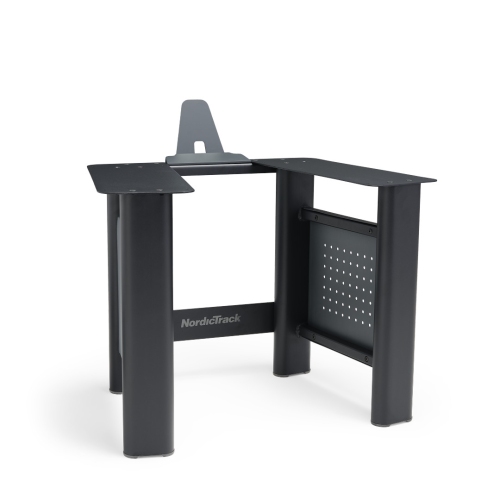
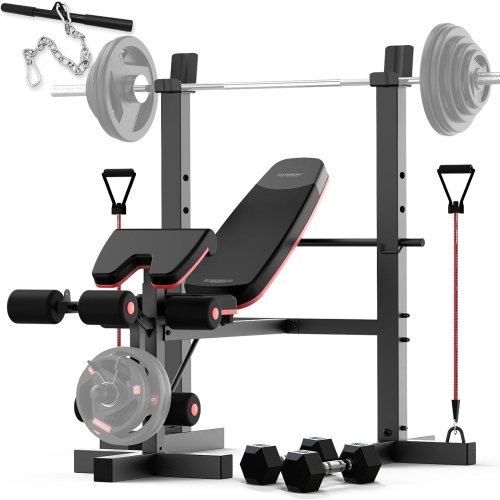

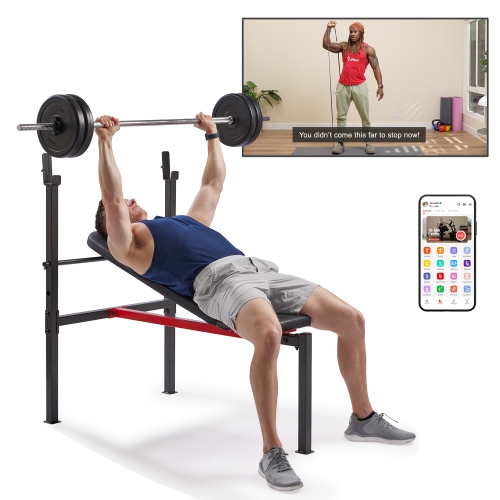
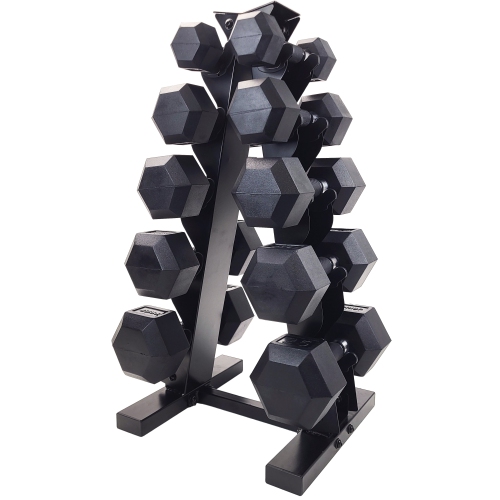
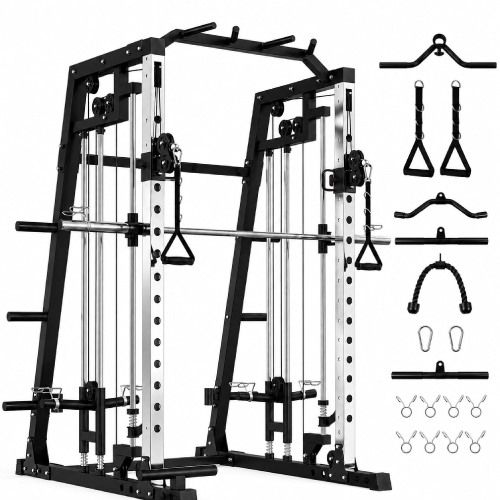
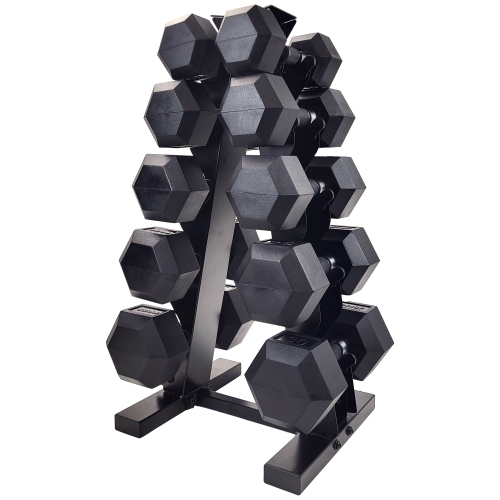
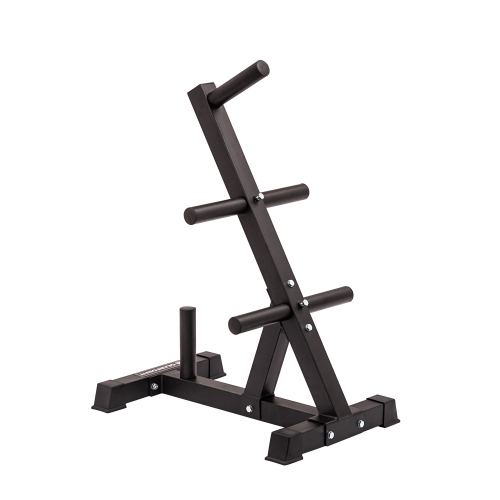
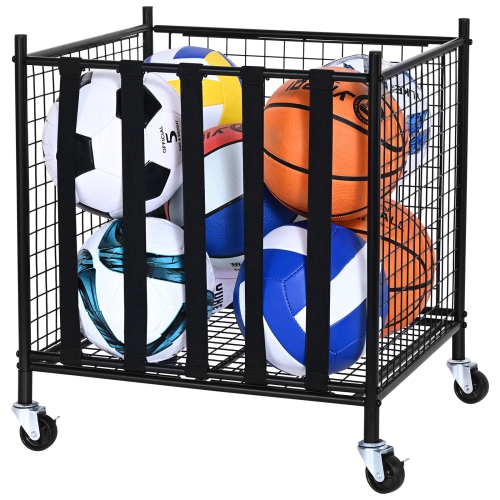
A well-planned rack setup supports versatile strength training
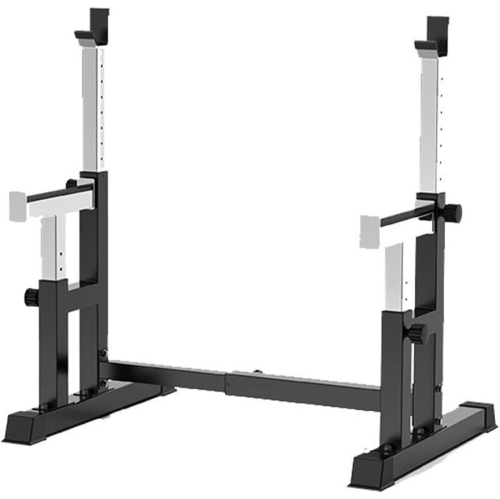
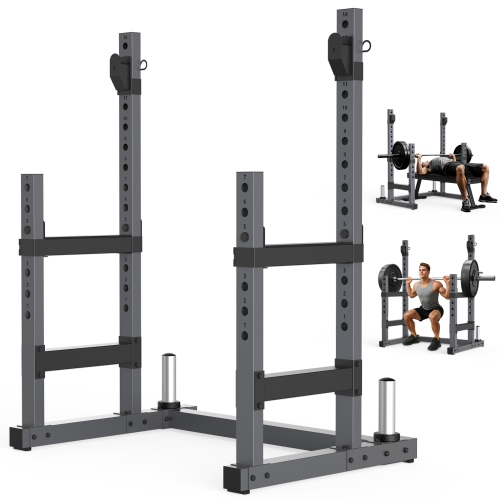
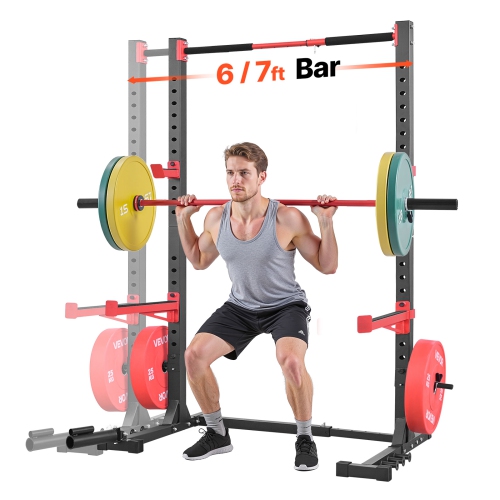
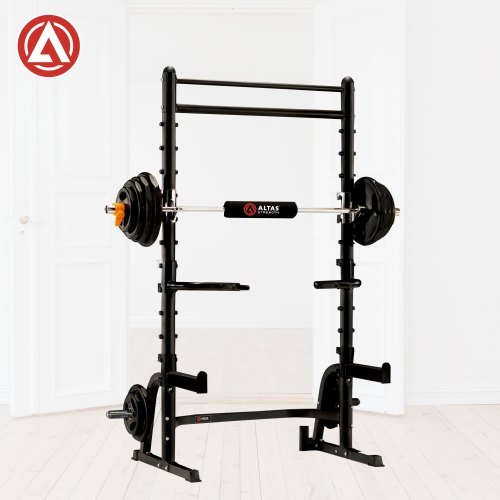
Gym racks are the central framework for many strength-training routines, giving you a stable place to position a barbell for squats, bench presses, overhead presses, rack pulls, and other barbell movements. They are often called squat racks, power racks, power cages, or half racks, although each style has a different shape and level of support. Squat stands usually have two separate uprights and take up very little room, making them useful in a compact home gym or multipurpose room. Half racks provide a more substantial structure while leaving the lifter open on the front and sides, and many include built-in storage pegs for weight plates. Full power racks, also called power cages, surround the lifter with four uprights and typically include adjustable safety arms or straps. That enclosed design can provide added confidence when training alone, particularly during demanding sets where a bar may not be easy to return to the supports. Wall-mounted or folding racks are another practical option for rooms where floor space is limited, since they can be folded closer to the wall between workouts. A gym rack can suit a first home setup, a dedicated lifting room, or an experienced lifter who wants a more organised and versatile training area. It can also be a thoughtful gift for someone moving into a new home, building a personal workout space, or returning to strength training after time away, provided the available room and intended exercises are considered first. For related equipment designed around barbell storage and training, explore Barbell Racks.
Before choosing a gym rack, measure the space carefully rather than relying only on the rack’s listed width and depth. Include room for the barbell, plates, bench, and the person using the equipment, as well as enough clearance to walk around the structure without bumping into uprights or stored weights. Ceiling height matters too. A pull-up bar, overhead press, or taller rack can be difficult to use beneath a low ceiling, especially in a basement with ductwork, pipes, or exposed beams. Leave additional clearance above the rack and check the assembled height, not just the height of the frame by itself. The floor should be flat, solid, and able to support the rack, lifter, barbell, and plates together. Rubber flooring or a suitable protective surface can help create a more comfortable training area, but it should not be used to compensate for an unstable or uneven base. If a rack is intended to be anchored, confirm that the wall or floor can accept the required hardware and that the installation method is appropriate for the room. A folding rack may be a good fit beside a vehicle in a garage, while a freestanding cage may be better for a permanent exercise area where a bench, dumbbells, and other equipment will remain set up. Think about the way the room will feel during a real workout: the bar needs a clear path, plates need to be within easy reach, and there should be enough space to step back from the rack without twisting around furniture or storage bins. During the warmer season, a garage or spare room may feel open and convenient, while cooler months can make a well-planned indoor setup especially appealing for consistent training.
Construction and compatibility are just as important as the rack’s footprint. Look at the steel gauge, upright dimensions, finish, connection points, and stated weight capacity, keeping in mind that capacity should comfortably exceed the heaviest loads you expect to use rather than matching them closely. Thicker steel and larger uprights can provide a more substantial feel, while a lighter frame may be easier to position in a smaller room. Check how the rack adjusts, including the spacing of the holes, the number of height positions, and whether the J-hooks, safety arms, or safety straps can be set at a comfortable level for your height and exercises. These supports should be positioned so the bar can be unracked without excessive shrugging and returned without an awkward drop. If bench pressing is part of the routine, confirm that the bench and rack provide enough clearance for your shoulders, elbows, and plates. Pull-up bars, dip handles, landmine attachments, cable systems, plate storage pegs, and other add-ons can expand a rack’s usefulness, but attachments are not universally interchangeable. Verify the upright size, hole pattern, mounting method, and manufacturer compatibility before planning a multi-exercise station. Consider the equipment you already own as well as the equipment you may add later; a rack that works with a standard Olympic barbell and common plates can make future upgrades simpler. New lifters may appreciate straightforward adjustments and clear safety features, while experienced users may prioritise higher capacities, more attachment points, and a frame that supports a broader range of programming. Regardless of experience, use collars, set the safety supports before lifting, inspect fasteners regularly, and keep the area around the rack clear. With the right proportions, support features, and room layout, a gym rack can turn an unused corner into a dependable place for focused strength sessions through the cooler months and beyond.
Before choosing a gym rack, measure the space carefully rather than relying only on the rack’s listed width and depth. Include room for the barbell, plates, bench, and the person using the equipment, as well as enough clearance to walk around the structure without bumping into uprights or stored weights. Ceiling height matters too. A pull-up bar, overhead press, or taller rack can be difficult to use beneath a low ceiling, especially in a basement with ductwork, pipes, or exposed beams. Leave additional clearance above the rack and check the assembled height, not just the height of the frame by itself. The floor should be flat, solid, and able to support the rack, lifter, barbell, and plates together. Rubber flooring or a suitable protective surface can help create a more comfortable training area, but it should not be used to compensate for an unstable or uneven base. If a rack is intended to be anchored, confirm that the wall or floor can accept the required hardware and that the installation method is appropriate for the room. A folding rack may be a good fit beside a vehicle in a garage, while a freestanding cage may be better for a permanent exercise area where a bench, dumbbells, and other equipment will remain set up. Think about the way the room will feel during a real workout: the bar needs a clear path, plates need to be within easy reach, and there should be enough space to step back from the rack without twisting around furniture or storage bins. During the warmer season, a garage or spare room may feel open and convenient, while cooler months can make a well-planned indoor setup especially appealing for consistent training.
Construction and compatibility are just as important as the rack’s footprint. Look at the steel gauge, upright dimensions, finish, connection points, and stated weight capacity, keeping in mind that capacity should comfortably exceed the heaviest loads you expect to use rather than matching them closely. Thicker steel and larger uprights can provide a more substantial feel, while a lighter frame may be easier to position in a smaller room. Check how the rack adjusts, including the spacing of the holes, the number of height positions, and whether the J-hooks, safety arms, or safety straps can be set at a comfortable level for your height and exercises. These supports should be positioned so the bar can be unracked without excessive shrugging and returned without an awkward drop. If bench pressing is part of the routine, confirm that the bench and rack provide enough clearance for your shoulders, elbows, and plates. Pull-up bars, dip handles, landmine attachments, cable systems, plate storage pegs, and other add-ons can expand a rack’s usefulness, but attachments are not universally interchangeable. Verify the upright size, hole pattern, mounting method, and manufacturer compatibility before planning a multi-exercise station. Consider the equipment you already own as well as the equipment you may add later; a rack that works with a standard Olympic barbell and common plates can make future upgrades simpler. New lifters may appreciate straightforward adjustments and clear safety features, while experienced users may prioritise higher capacities, more attachment points, and a frame that supports a broader range of programming. Regardless of experience, use collars, set the safety supports before lifting, inspect fasteners regularly, and keep the area around the rack clear. With the right proportions, support features, and room layout, a gym rack can turn an unused corner into a dependable place for focused strength sessions through the cooler months and beyond.
Top selling and popular products
-
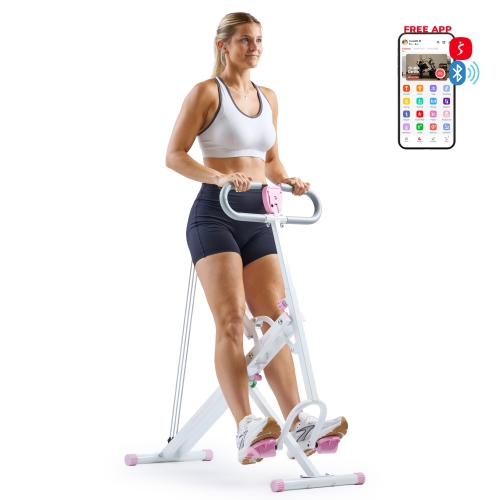 Your price for this item is $179.95
 -
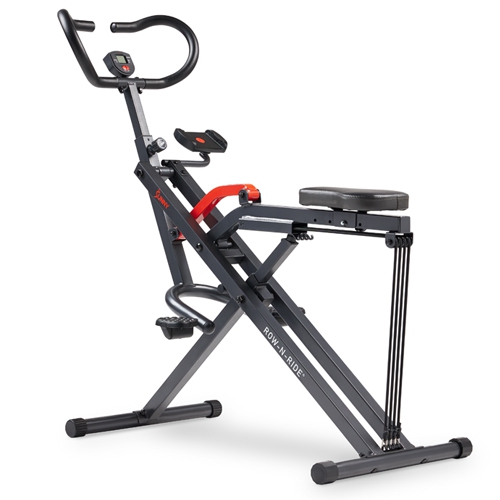 Your price for this item is $249.95
 -
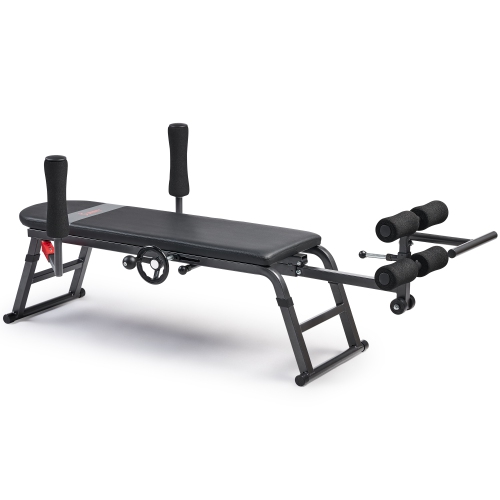 Your price for this item is $419.99
 -
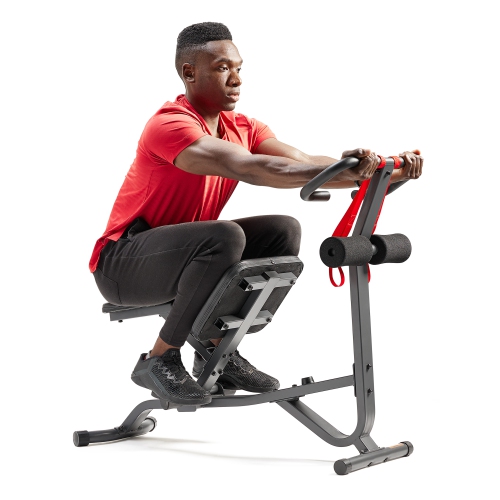 Your price for this item is $419.99
 -
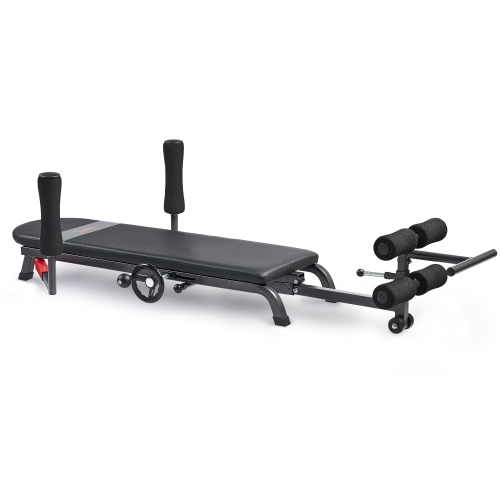 Your price for this item is $369.99
 -
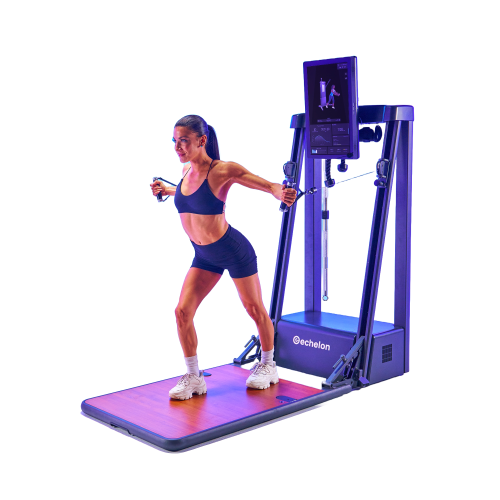 Your price for this item is $4109.99
 -
 Your price for this item is $90.99
 -
 Your price for this item is $481.99
Discover more categories related to Gym Racks
Top Collections:
Pokemon Centers, Kindle Devices, Best Budget Office Chairs, Canon G7X Cameras, Apple iPhones 16, Samsung Galaxy Phones, Refurbished Apple Laptops, Laptops for Students, iPhone 15 Apple, Budget Smartphones
Some products may be subject to Environmental Handling Fees
(EHF) depending on your province.
Learn more about EHFs.