Squat Racks
Looking to take your home gym to the next level? Look no further than our selection of squat racks, designed to help you achieve your fitness goals with ease. Whether you're a seasoned lifter or just starting out, a squat rack is a versatile and essential piece of equipment for any strength training routine. From adjustable heights to sturdy construction, find the perfect squat rack to support your workouts and elevate your fitness game.
Sort
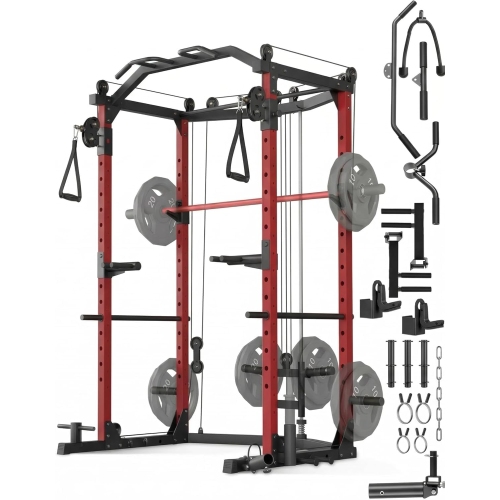
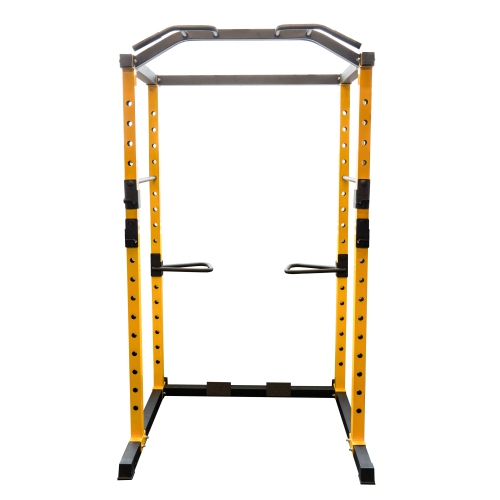
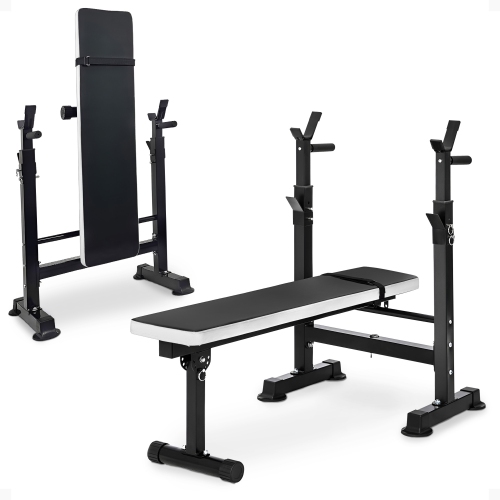
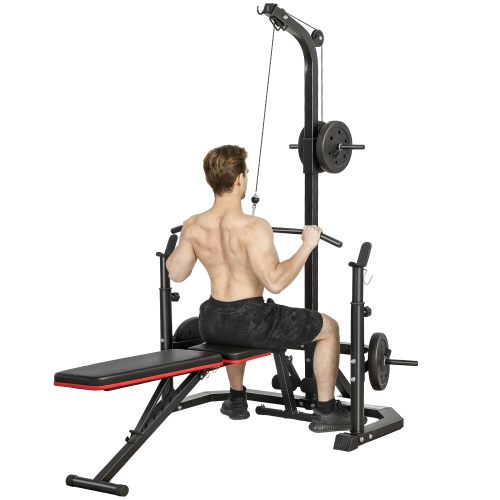
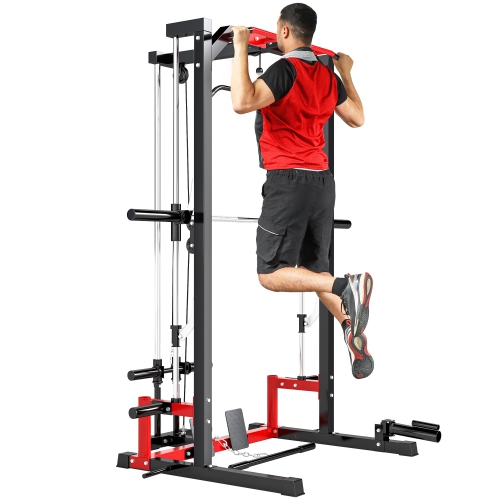
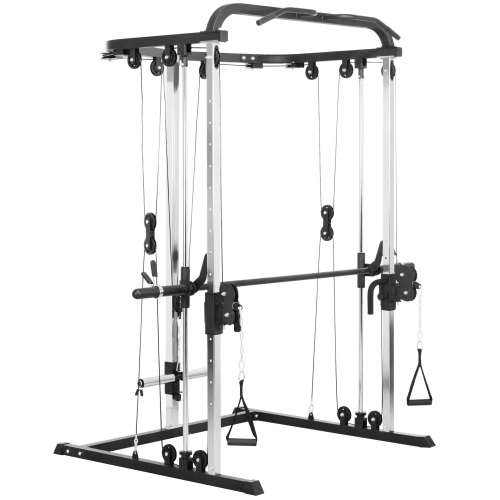
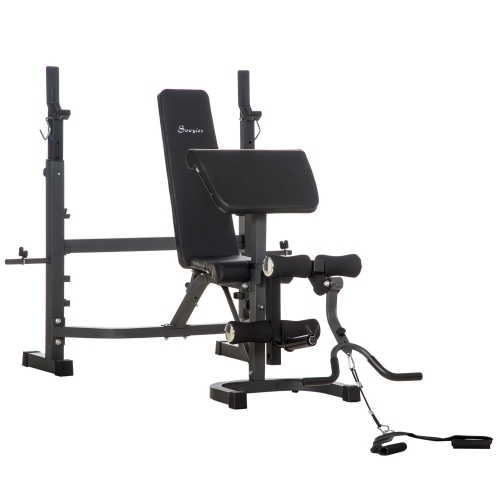
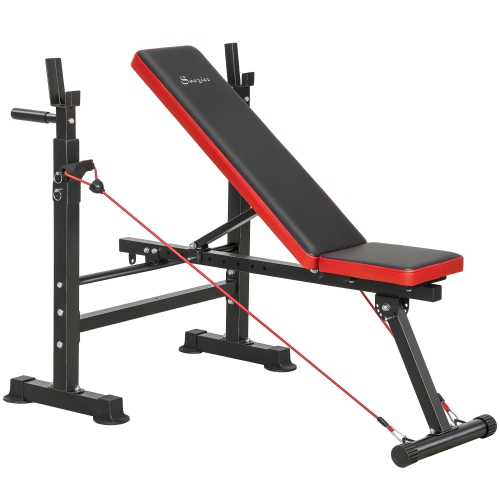
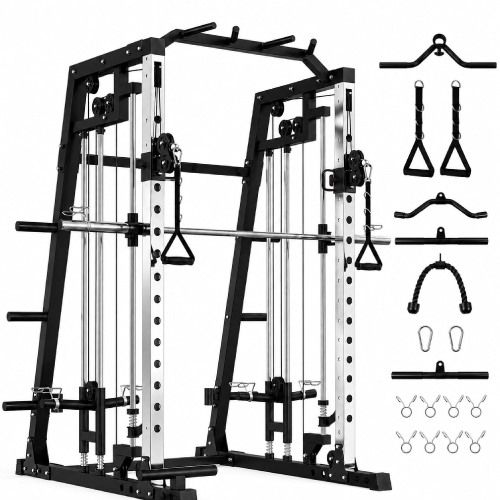
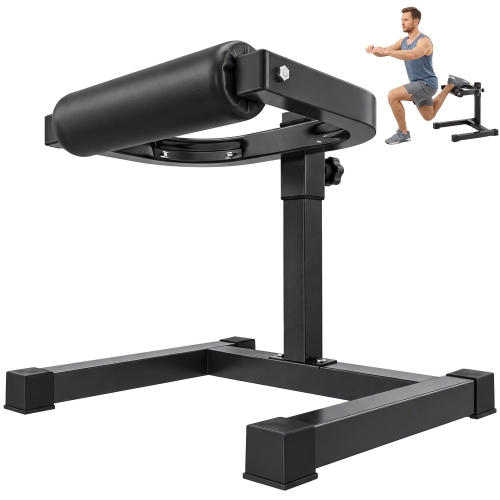

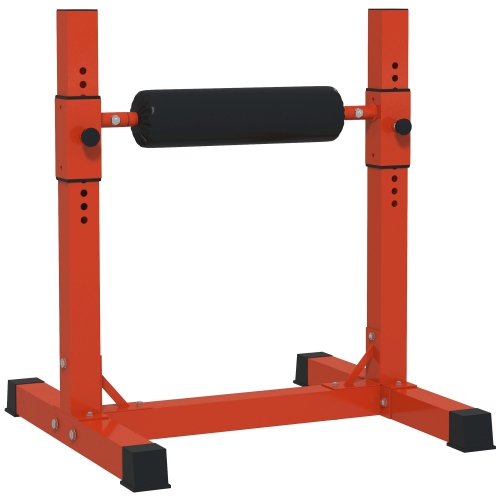
A dependable foundation for controlled home strength training
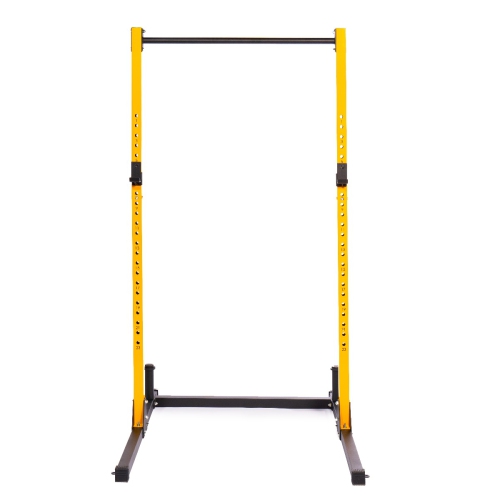
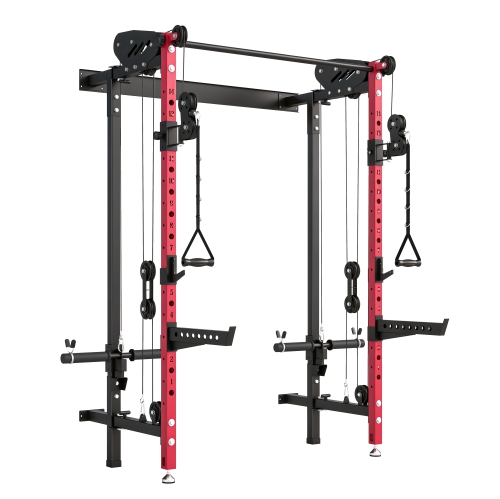
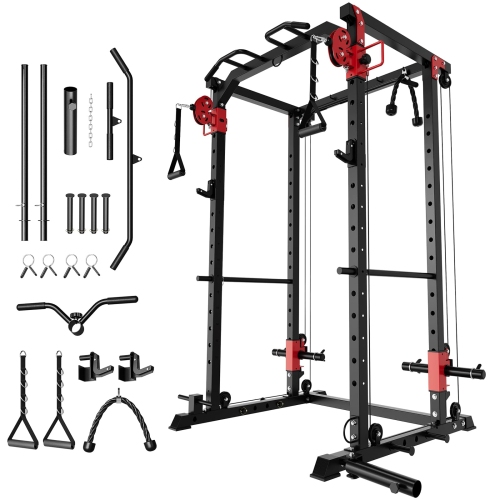
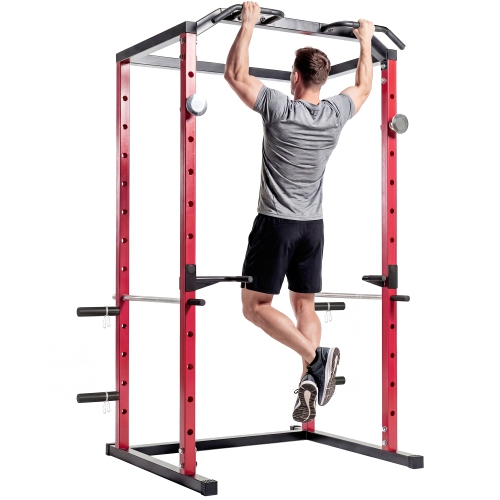
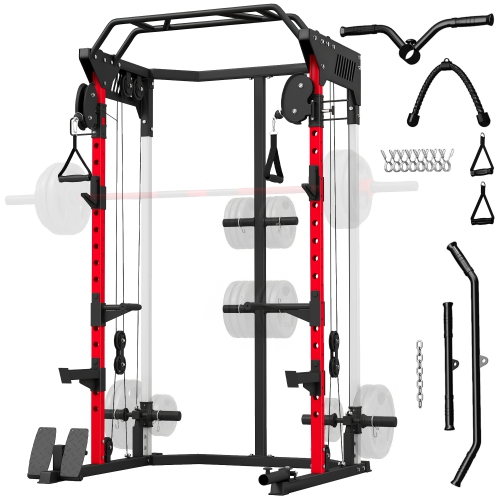
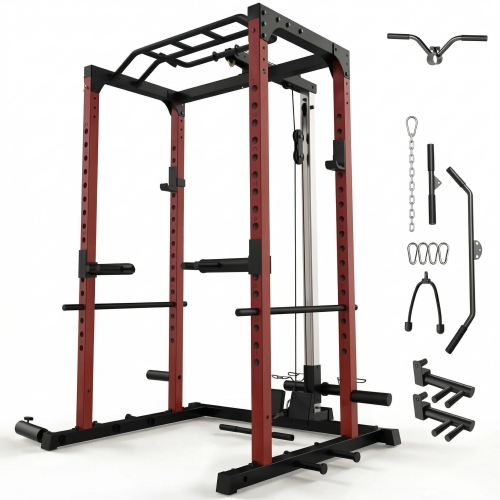
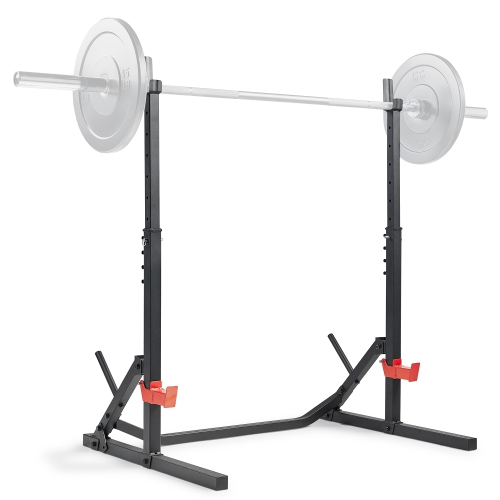
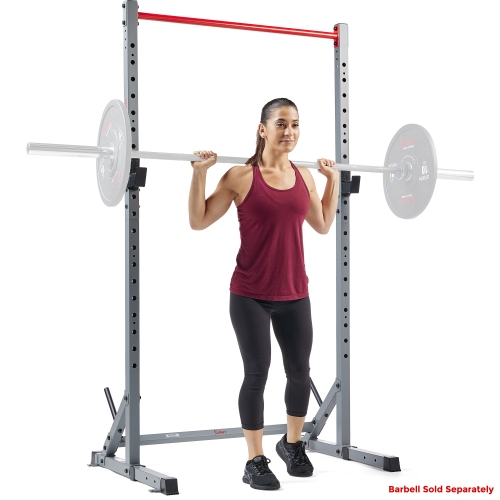
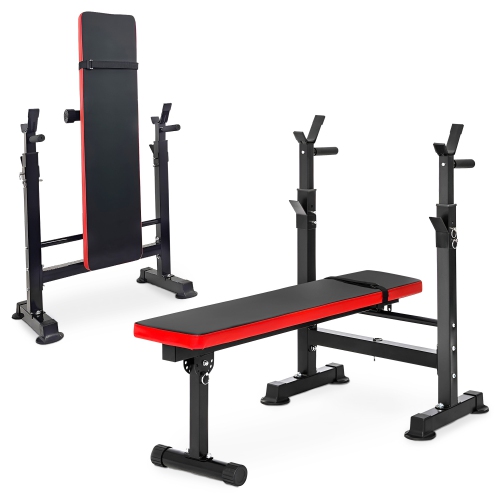
Squat racks are a practical foundation for building a home or studio strength-training area, whether your routine centres on barbell squats, bench presses, overhead presses, lunges, or other compound movements. Also called power racks, half racks, or squat stands, these pieces of equipment hold a barbell at a comfortable starting height so you can lift with better positioning and control. A squat rack can also provide a more consistent setup from one workout to the next, helping you focus on your technique instead of lifting a bar from the floor or improvising with unstable supports. For many people, the rack becomes the central station in a training space: a place to warm up with an empty bar, work through progressively heavier sets, and finish with accessories such as split squats, rack pulls, or barbell rows. During the cooler months, a well-planned home gym can make it easier to keep a regular routine without travelling to a fitness facility, while a compact rack may suit someone who trains in a spare room, basement, garage, or dedicated workout area. These products can also be a thoughtful gift for a family member, training partner, or experienced lifter who is gradually putting together a home gym, provided the recipient has enough room and already has, or plans to add, a compatible barbell and weight plates.
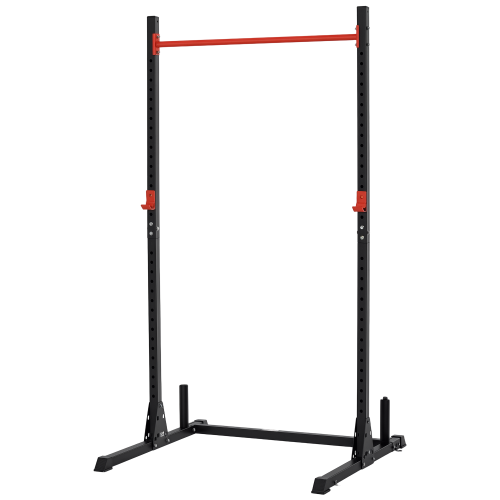
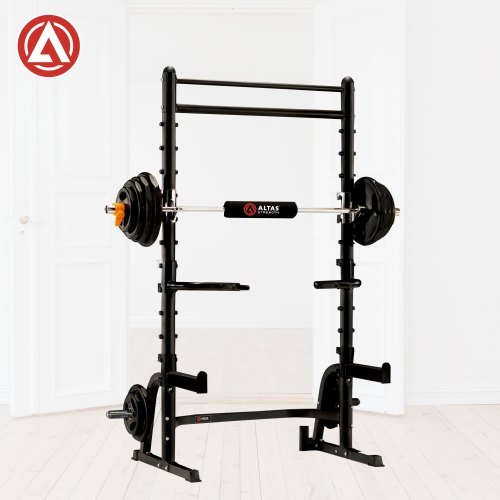
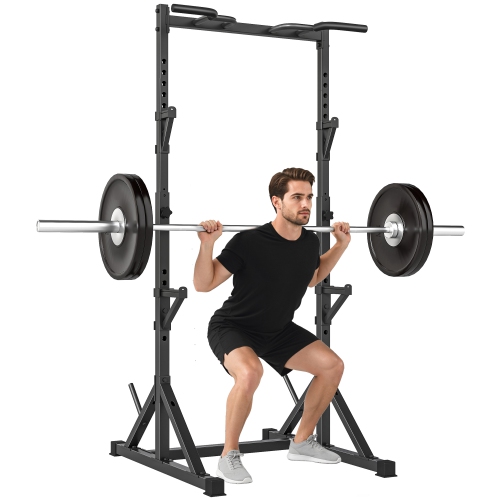
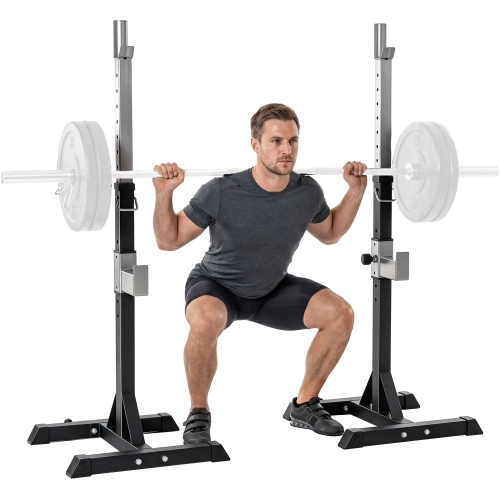
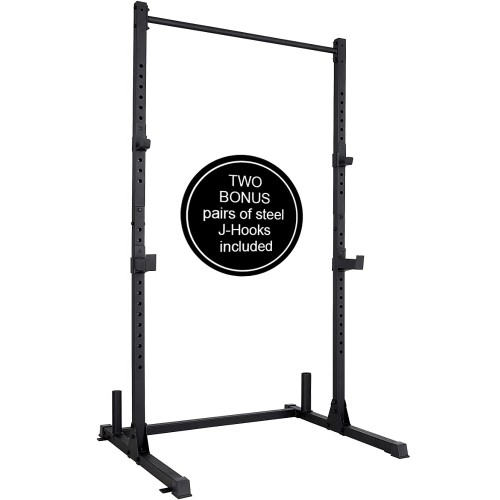
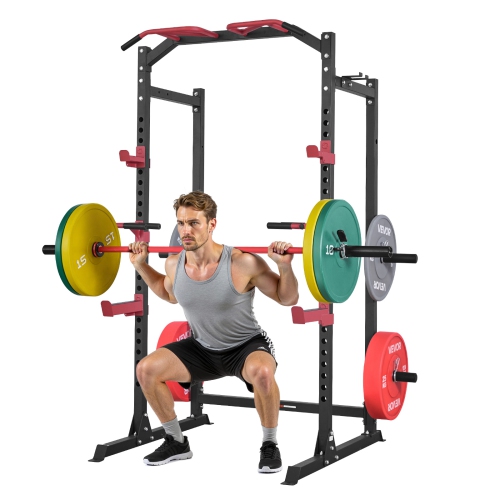
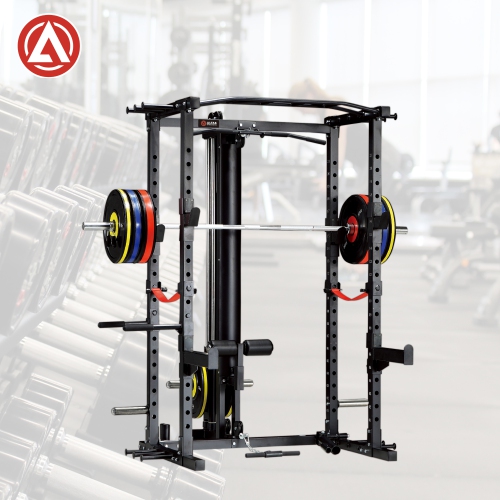
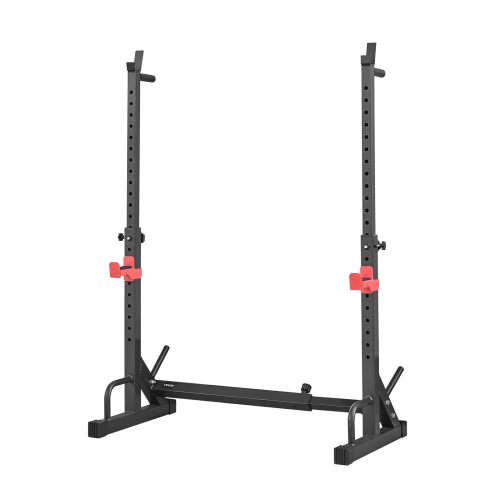
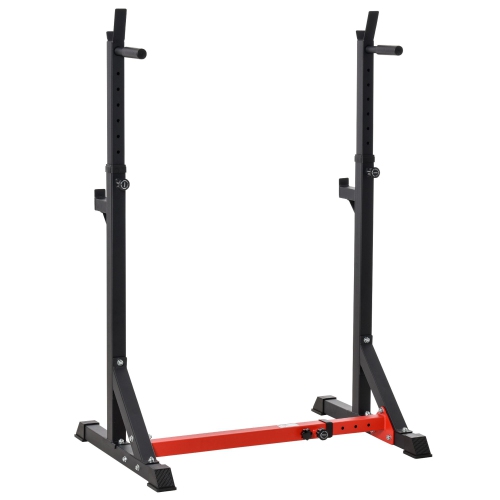
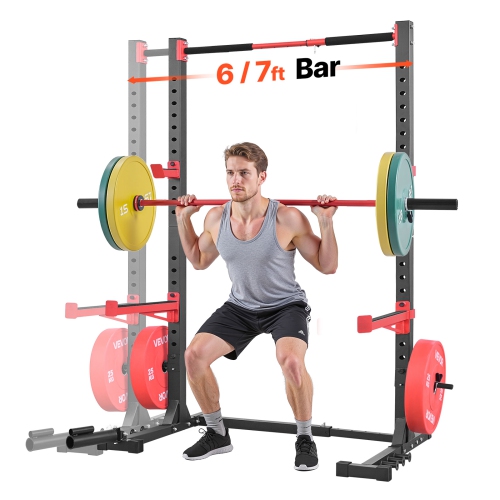
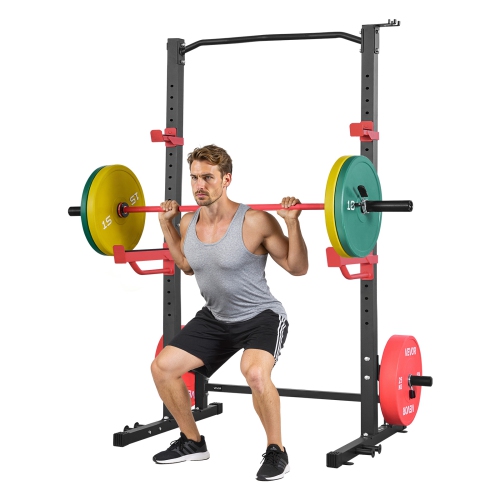
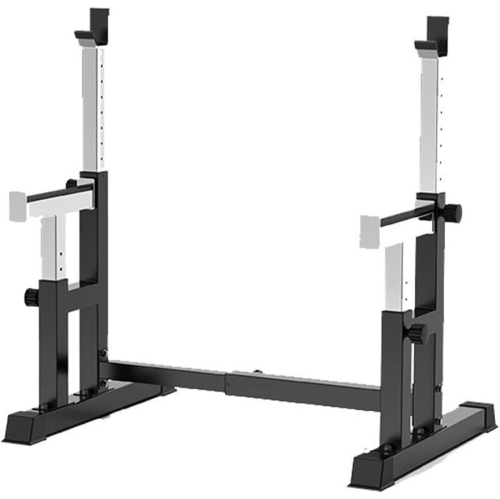
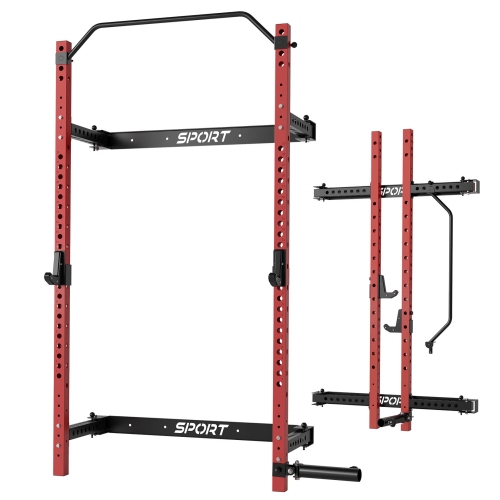
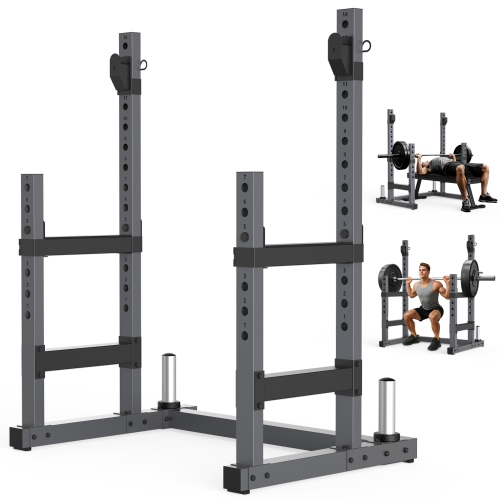
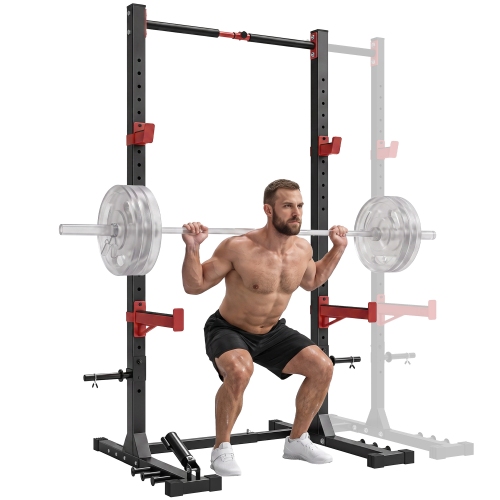
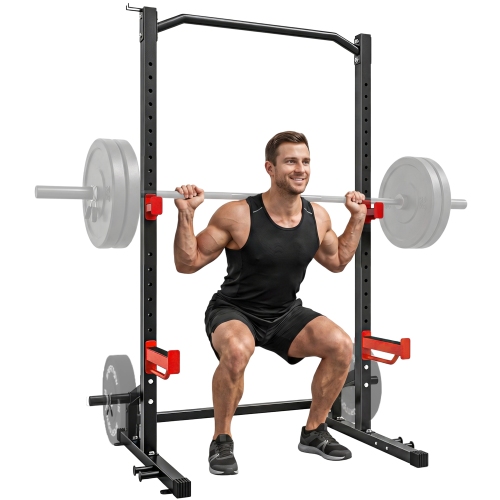
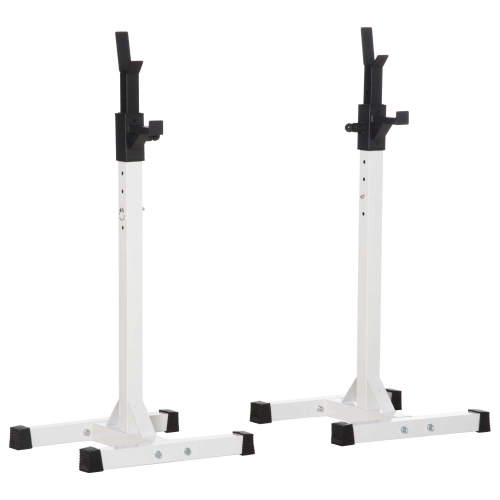
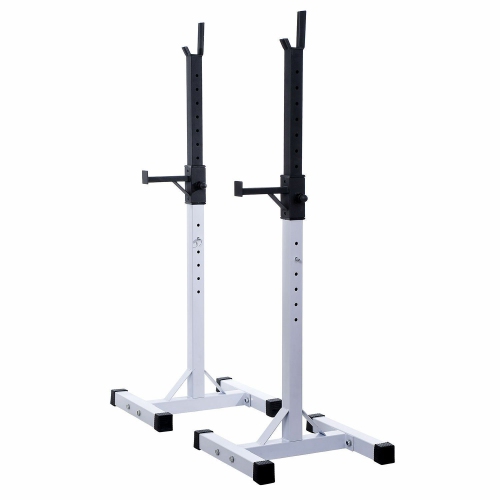
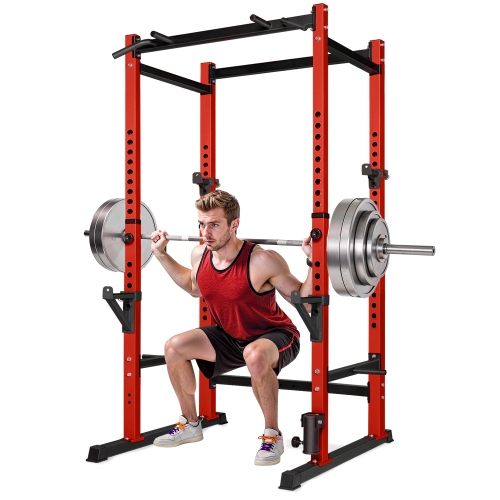
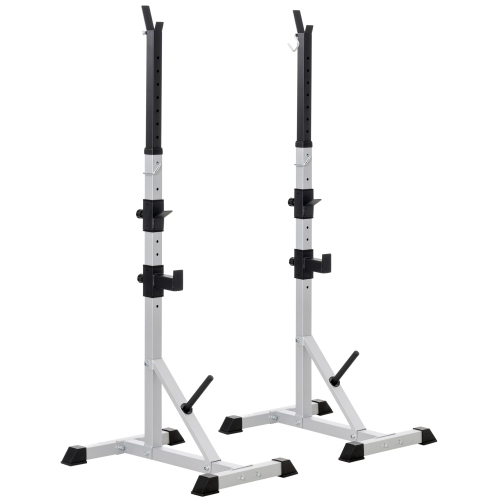
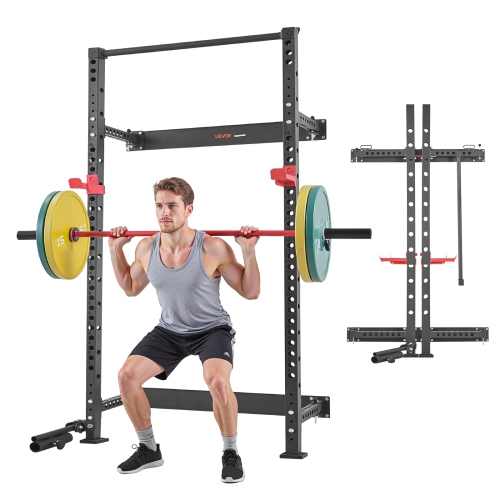
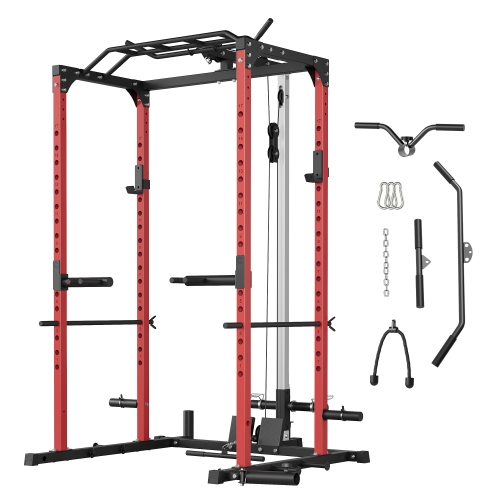
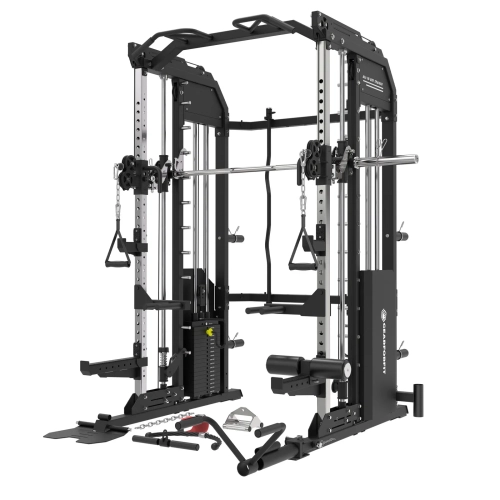
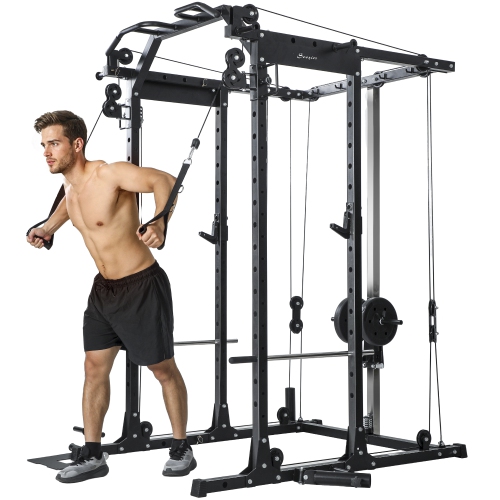
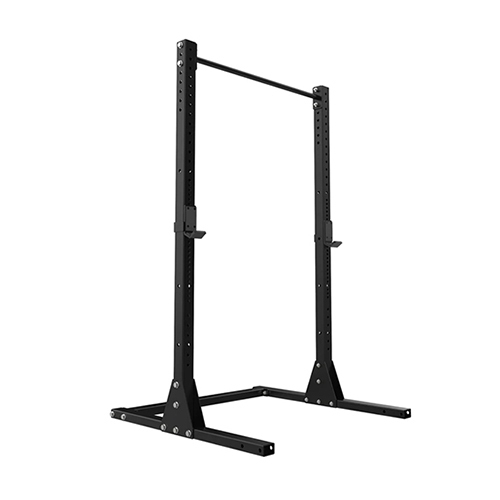
The main types of squat racks offer different balances of stability, capacity, versatility, and footprint. Squat stands are generally the most compact option, with separate uprights that can be positioned for squats and moved aside when the space is needed for another activity. Their smaller size can be useful in a multipurpose room, although users should pay close attention to the base design, overall stability, and the manufacturer’s recommended weight capacity. Half racks add a more substantial frame and may include rear uprights, built-in weight storage, or space for attachments, making them a useful middle ground for many home gyms. Full power racks, sometimes called power cages, have four upright posts connected by crossmembers and provide an enclosed lifting area with a strong, stable structure. They commonly support adjustable safety bars or safety straps, which are designed to catch or support the bar if a lifter cannot complete a repetition. These safety features are especially important when training alone or working with challenging weights, but they do not replace careful setup, sound lifting technique, and appropriate supervision when needed. Look for adjustable J-hooks that hold the bar securely and can be set to suit your height and the exercise being performed. Adjustable safety bars or straps should also be easy to position at an appropriate level for squats and bench presses. Checking the steel construction, upright dimensions, hole spacing, connection points, and stated weight capacity can help you compare racks more confidently, since these details affect compatibility with attachments and the overall feel of the equipment during use.
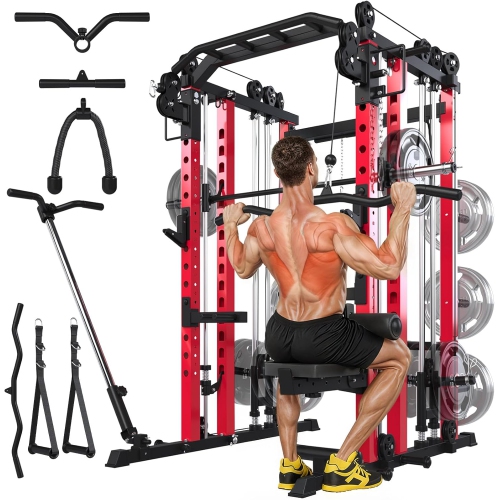
Space planning is one of the most important parts of choosing a squat rack. Measure the floor area first, then account for the rack’s full depth and width, the length of the barbell, and enough clearance to load plates, step into position, and move safely around the frame. Ceiling height matters as well, particularly if you plan to use a pull-up bar or perform overhead presses inside the rack. A rack that fits neatly against a wall may still need room at the front and sides for the bar, plates, and a lifter’s movement. Protective flooring can help create a more comfortable training surface, while a level installation area can improve stability and reduce unwanted movement. Consider how the rack will support your broader routine: some frames accept pull-up bars, dip stations, landmine attachments, cable systems, plate storage, or other accessories, allowing one station to support more than just squats and bench presses. Always confirm that attachments are designed for the specific rack, as hole sizes, spacing, and frame dimensions are not universal. For a more extensive look at equipment for a home training setup, browse Gym Racks. Whether you are an experienced lifter refining a basement gym or someone establishing a structured strength routine for the first time, the right squat rack should match your available space, lifting goals, equipment, and comfort level. Use safety arms or straps correctly, keep the area clear, inspect fasteners and moving parts regularly, and choose weights that allow controlled repetitions with sound form. A thoughtfully selected rack can bring order to your workouts and provide a dependable platform for strength training through changing routines and seasons.
The main types of squat racks offer different balances of stability, capacity, versatility, and footprint. Squat stands are generally the most compact option, with separate uprights that can be positioned for squats and moved aside when the space is needed for another activity. Their smaller size can be useful in a multipurpose room, although users should pay close attention to the base design, overall stability, and the manufacturer’s recommended weight capacity. Half racks add a more substantial frame and may include rear uprights, built-in weight storage, or space for attachments, making them a useful middle ground for many home gyms. Full power racks, sometimes called power cages, have four upright posts connected by crossmembers and provide an enclosed lifting area with a strong, stable structure. They commonly support adjustable safety bars or safety straps, which are designed to catch or support the bar if a lifter cannot complete a repetition. These safety features are especially important when training alone or working with challenging weights, but they do not replace careful setup, sound lifting technique, and appropriate supervision when needed. Look for adjustable J-hooks that hold the bar securely and can be set to suit your height and the exercise being performed. Adjustable safety bars or straps should also be easy to position at an appropriate level for squats and bench presses. Checking the steel construction, upright dimensions, hole spacing, connection points, and stated weight capacity can help you compare racks more confidently, since these details affect compatibility with attachments and the overall feel of the equipment during use.
Space planning is one of the most important parts of choosing a squat rack. Measure the floor area first, then account for the rack’s full depth and width, the length of the barbell, and enough clearance to load plates, step into position, and move safely around the frame. Ceiling height matters as well, particularly if you plan to use a pull-up bar or perform overhead presses inside the rack. A rack that fits neatly against a wall may still need room at the front and sides for the bar, plates, and a lifter’s movement. Protective flooring can help create a more comfortable training surface, while a level installation area can improve stability and reduce unwanted movement. Consider how the rack will support your broader routine: some frames accept pull-up bars, dip stations, landmine attachments, cable systems, plate storage, or other accessories, allowing one station to support more than just squats and bench presses. Always confirm that attachments are designed for the specific rack, as hole sizes, spacing, and frame dimensions are not universal. For a more extensive look at equipment for a home training setup, browse Gym Racks. Whether you are an experienced lifter refining a basement gym or someone establishing a structured strength routine for the first time, the right squat rack should match your available space, lifting goals, equipment, and comfort level. Use safety arms or straps correctly, keep the area clear, inspect fasteners and moving parts regularly, and choose weights that allow controlled repetitions with sound form. A thoughtfully selected rack can bring order to your workouts and provide a dependable platform for strength training through changing routines and seasons.
Top selling and popular products
-
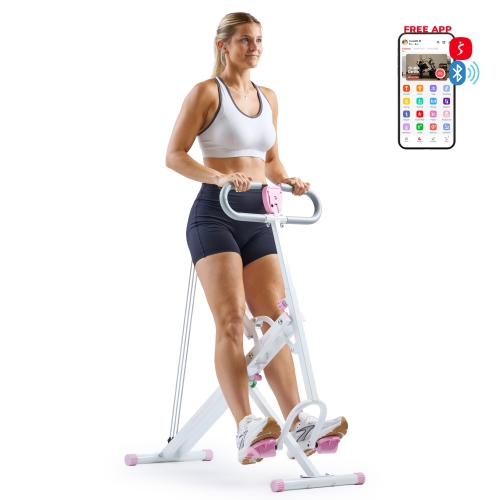 Your price for this item is $179.95
 -
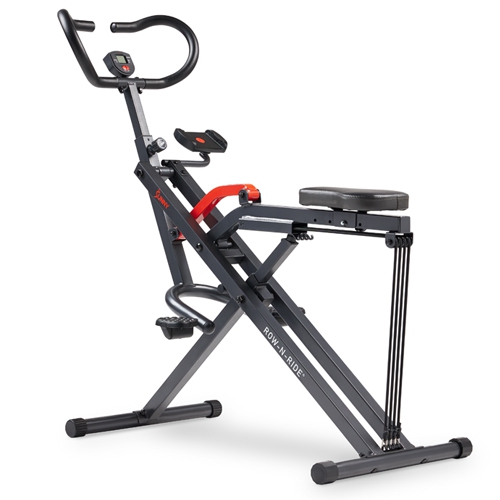 Your price for this item is $249.95
 -
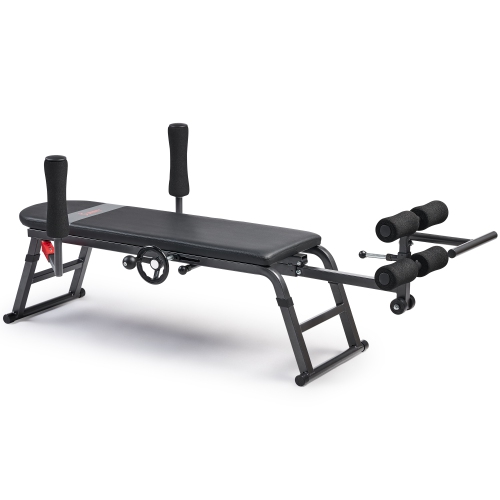 Your price for this item is $419.99
 -
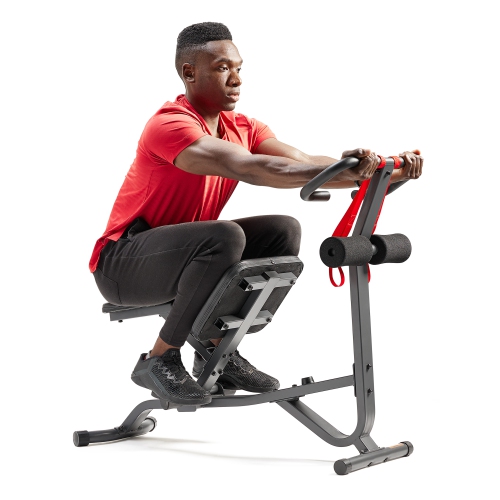 Your price for this item is $419.99
 -
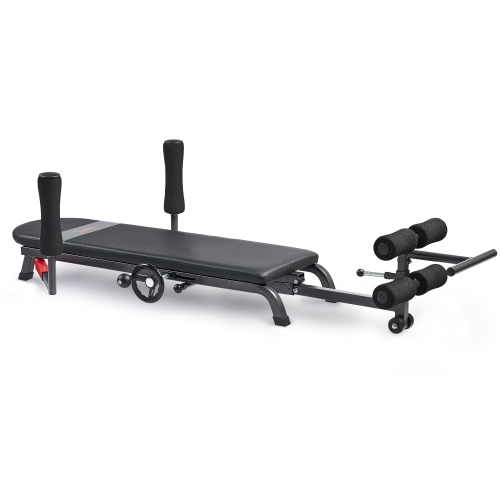 Your price for this item is $369.99
 -
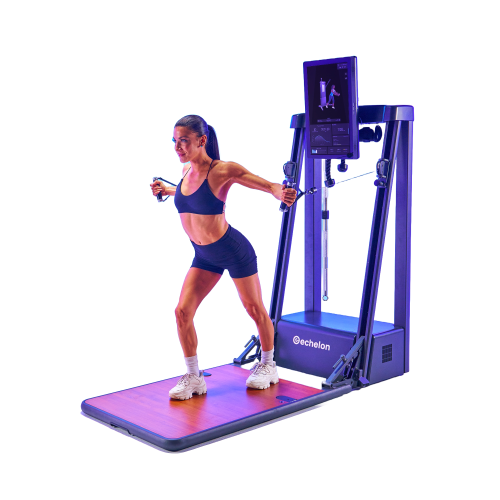 Your price for this item is $4109.99
 -
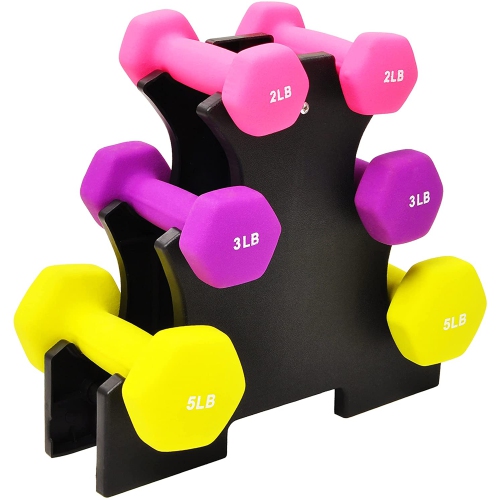 Your price for this item is $90.99
 -
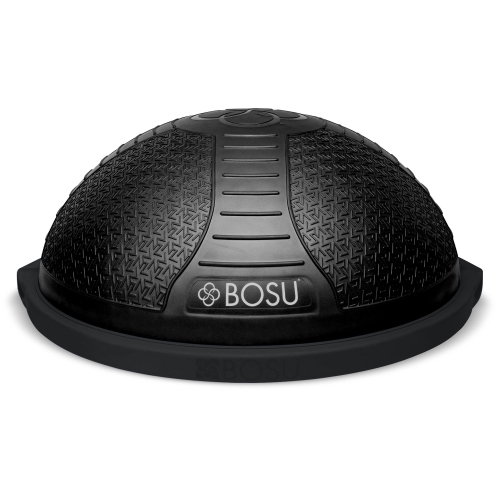 Your price for this item is $481.99
Discover more categories related to Squat Racks
Top Collections:
Pokemon Centers, Kindle Devices, Best Budget Office Chairs, Canon G7X Cameras, Apple iPhones 16, Samsung Galaxy Phones, Refurbished Apple Laptops, Laptops for Students, iPhone 15 Apple, Budget Smartphones
Some products may be subject to Environmental Handling Fees
(EHF) depending on your province.
Learn more about EHFs.