Hearing Aids for Noisy Environments
Hearing Aids for Noisy Environments are designed to help you stay connected and confident, even in bustling settings. Whether you're navigating busy streets, crowded restaurants, or lively family gatherings, the right hearing aid can make conversations clearer and everyday activities more enjoyable. Explore a wide selection of options tailored to meet your needs and preferences, so you can experience improved sound quality wherever life takes you.
Sort
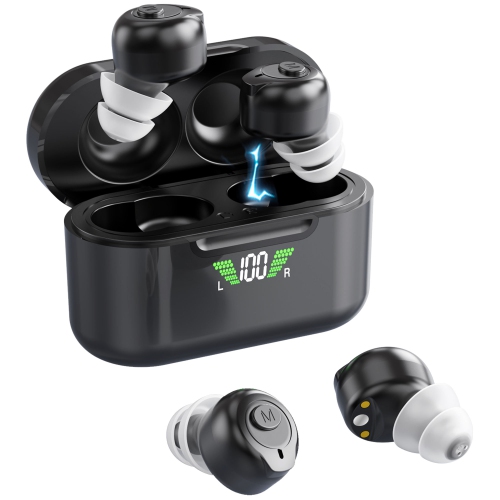
Why clearer conversation takes more than louder sound
Hearing aids for noisy settings are designed to make speech easier to follow when conversation competes with clattering dishes, overlapping voices, traffic, or music. The challenge is not simply making everything louder: speech and background sound often occupy similar frequencies, so useful hearing support depends on how a device processes sound and how well it is fitted to the wearer’s hearing needs. Directional microphones, digital noise reduction, and speech enhancement are important features in this category. Directional microphones can give greater emphasis to sound arriving from a particular direction, often helping when the person speaking is in front of the listener. Digital noise reduction adjusts amplification when certain types of background sound are detected, which may make listening more comfortable. Speech enhancement aims to preserve or emphasize parts of speech that can be difficult to distinguish. Some hearing aids also use artificial intelligence or machine learning to classify listening situations and adjust processing automatically, though results vary with the technology, fitting, room acoustics, and individual hearing ability. None of these features can remove every competing voice or restore natural hearing, especially across a large table in a busy restaurant. Their value is more practical: supporting conversation with a colleague in a shared office, following a companion in a bustling café, or staying involved when several relatives gather in one room. Automatic listening programs can reduce the need for manual adjustments as someone moves between quieter and louder places, while manual controls offer another way to select a preferred setting. Wind noise management may also improve comfort outdoors, but it serves a different purpose from speech-focused processing indoors. For people who regularly move between conversations, commuting, and social activities, the most relevant combination of features is the one that addresses those everyday situations rather than offering amplification alone. Microphone behaviour matters as much as feature names: a setting that favours the person across a small table may work differently when a speaker is beside the wearer or moving around a meeting room.
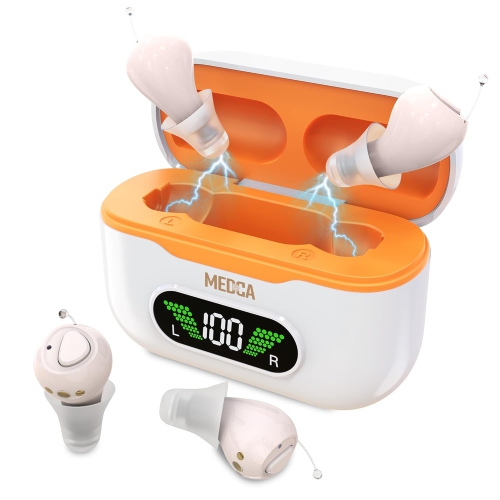
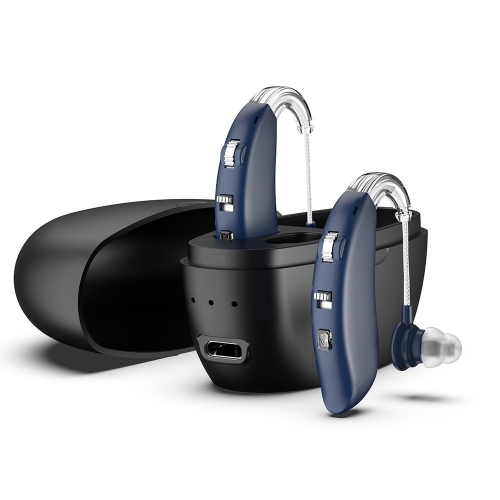
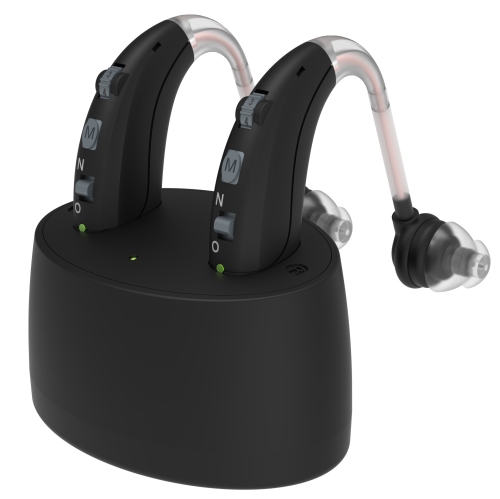
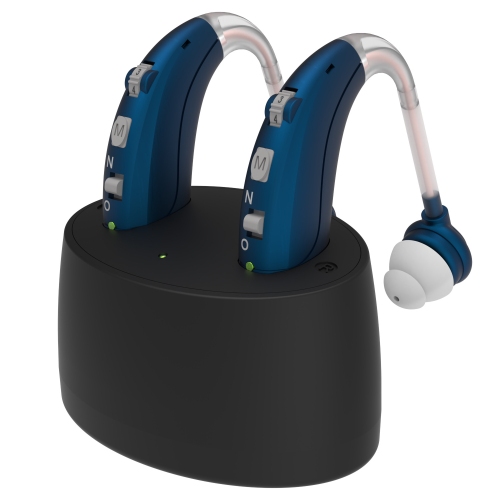
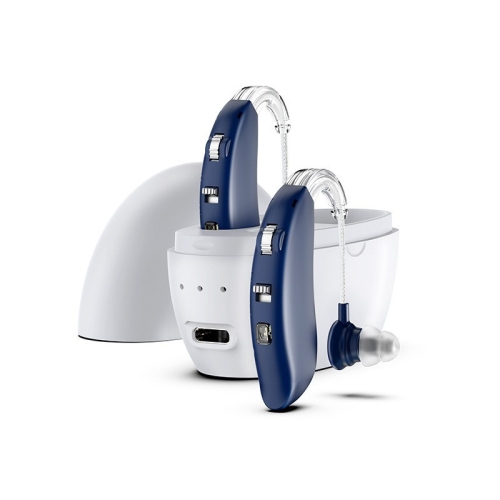
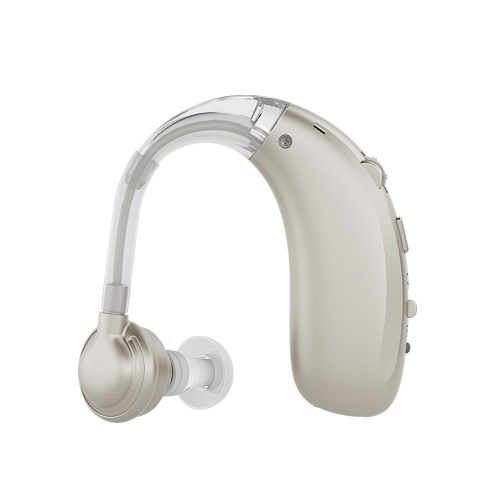
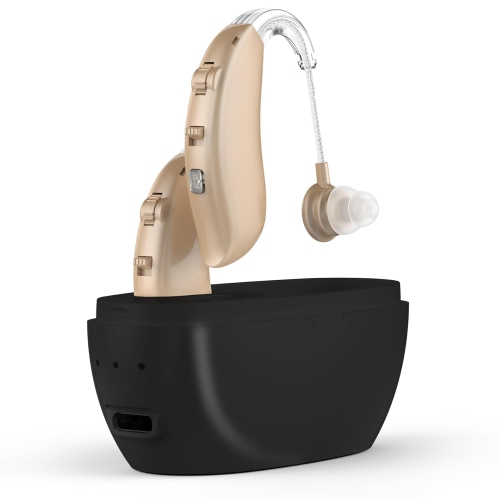
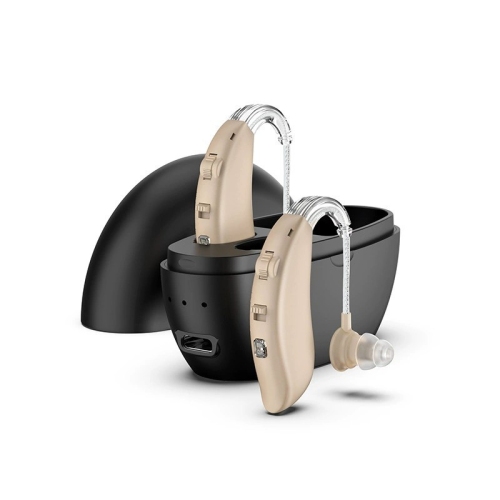
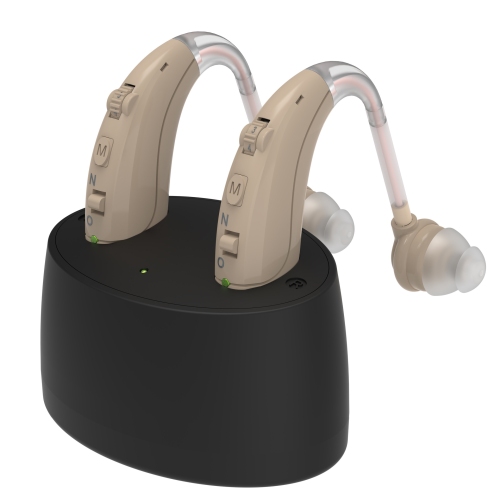
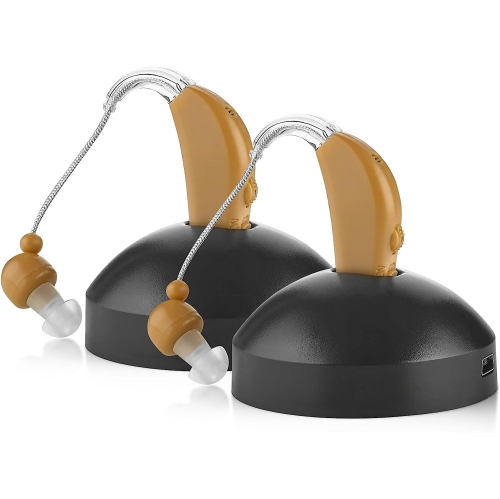
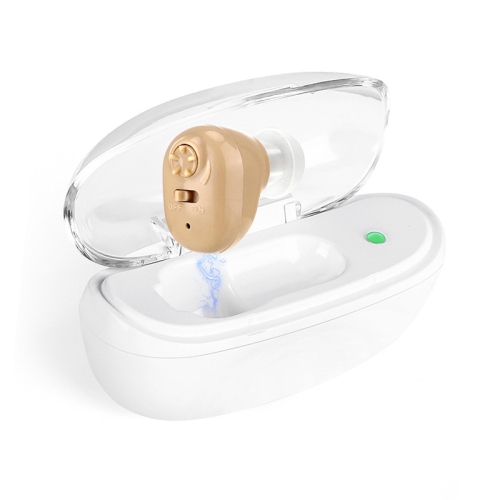
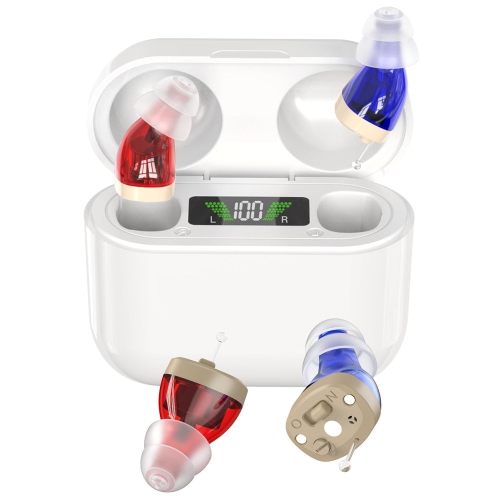
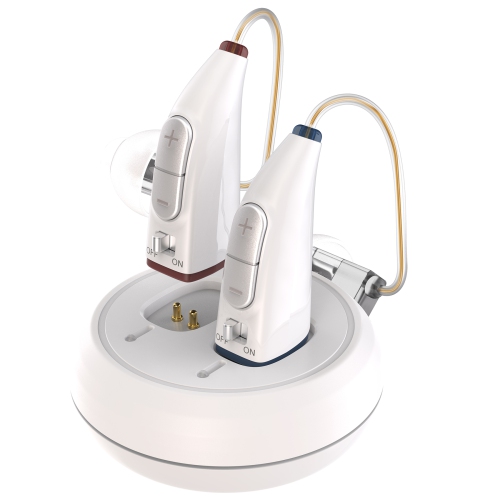
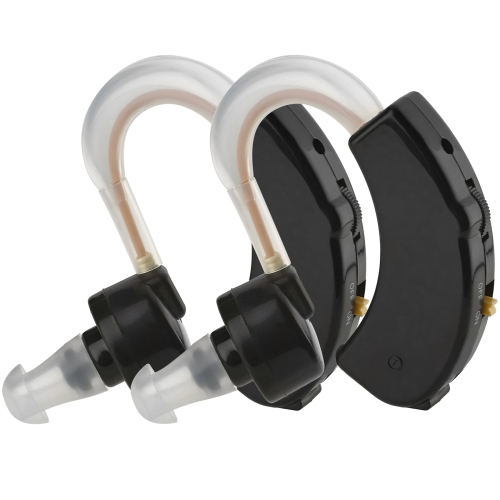
Fit and acoustic design have a direct effect on both comfort and sound quality. Behind-the-ear hearing aids sit above and behind the ear, with sound delivered through tubing or a wire connected to an earpiece. Receiver-in-canal designs place the speaker in the ear canal while keeping much of the device behind the ear. In-the-ear styles house their components within an earpiece, with size and suitability depending on the design, ear shape, and hearing needs. Lightweight housings, smooth surfaces, flexible silicone domes, and custom-moulded earpieces each affect how a hearing aid feels during a full day of wear. An open fit can feel less plugged and allow more natural sound into the ear, but it also lets background sound enter directly. A more closed fit may provide greater control over amplified sound for some wearers, although it can change the way their own voice sounds. Neither approach is universally better; the appropriate choice depends on hearing thresholds, comfort, and the amplification required. Glasses, face coverings, hats, and scarves can all share space around the ears, making secure positioning and easy handling especially relevant during the cooler months. Controls should also suit the wearer’s dexterity and vision. A small button may be discreet, while a larger control or compatible phone app may be easier for some people to operate. Professional assessment and fitting help establish which style and settings are appropriate. Real-ear measurements allow a hearing care professional to check amplified sound in the ear canal and adjust it towards prescribed targets, rather than relying only on default software settings. Follow-up adjustments can address feedback, uncomfortable sharpness, or speech that remains unclear in particular situations. For older adults and family members comparing comfort, handling, and everyday listening needs, Hearing Aids for Seniors offers another relevant category to explore. Age alone does not determine the right hearing aid, and choosing one as a gift is best approached with the intended wearer’s involvement and appropriate hearing care support.
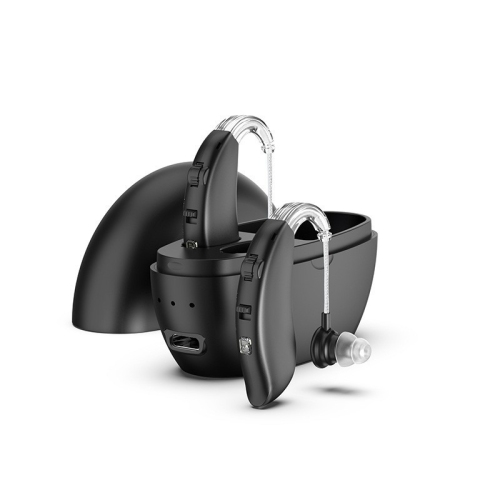
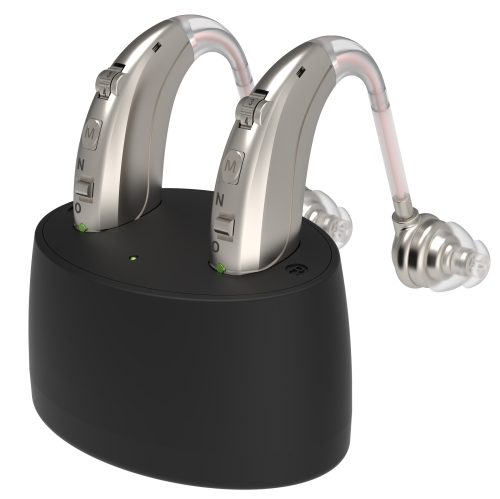
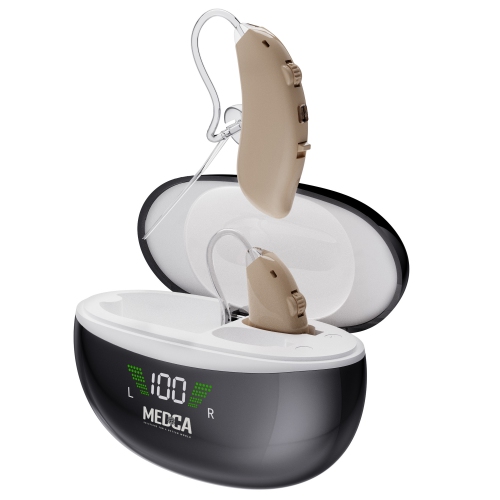
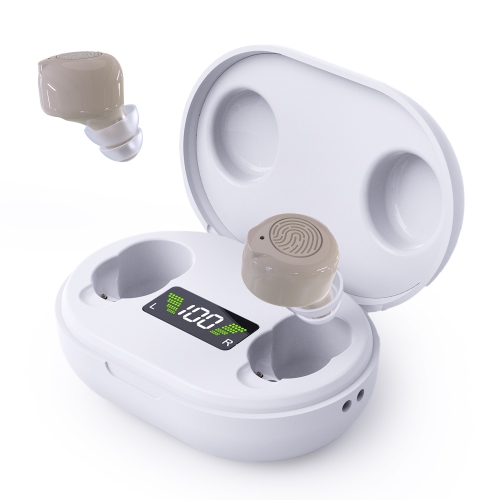
Day-to-day usability is just as important as performance in a crowded room. Rechargeable hearing aids can simplify the daily routine for people who prefer placing their devices in a charger rather than handling small batteries. Models with replaceable batteries may suit other routines, provided the wearer can manage battery changes comfortably. Battery life varies with settings, wireless use, and wearing time, so the stated conditions behind any runtime matter when considering long workdays or extended social visits. Bluetooth connectivity, where supported, can bring compatible phone calls or other audio directly to the hearing aids, but phone compatibility and app functions differ between designs. Wireless streaming does not replace the microphones used for face-to-face conversation. A compatible remote microphone serves another purpose: positioned near a speaker, it can send that person’s voice to the hearing aids with less interference from distance and surrounding noise. This can be useful in meetings or across a table, although accessory compatibility needs to be confirmed. Durability also depends on daily care. Hearing aids are exposed to skin oils, earwax, perspiration, and moisture, and their small microphone openings and sound outlets need attention. Water resistance should not be treated as permission to swim or shower while wearing them. Cleaning generally involves wiping the housing with a soft, dry cloth, checking earpieces for wax, and maintaining filters or wax guards according to the manufacturer’s directions. Moisture-management accessories may be appropriate where specified, while direct heat and unapproved cleaning liquids can damage delicate components. A protective case provides a consistent place to store devices away from pets and children when they are not being worn. Even with well-maintained hearing aids, the listening situation still matters: sitting away from a kitchen doorway, keeping a speaker’s face visible, and reducing unnecessary distance can support clearer conversation. Hearing aids intended for background noise work best as individually fitted listening tools, with comfort, realistic expectations, suitable features, and reliable care all contributing to their usefulness.
Top selling and popular products
-
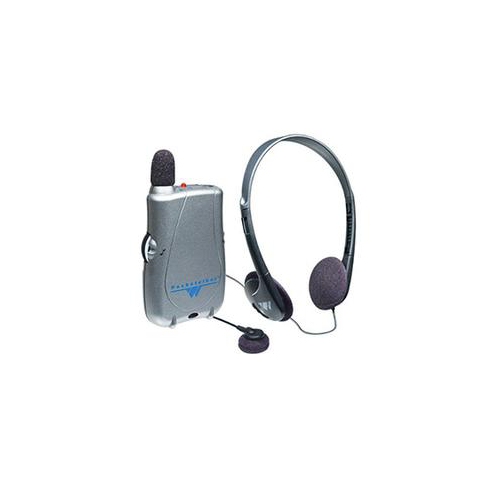 Your price for this item is $331.22
-
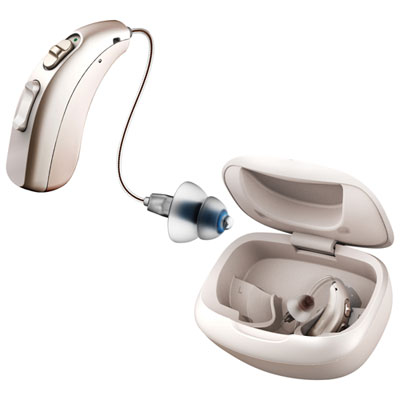 Your price for this item is $499.99
-
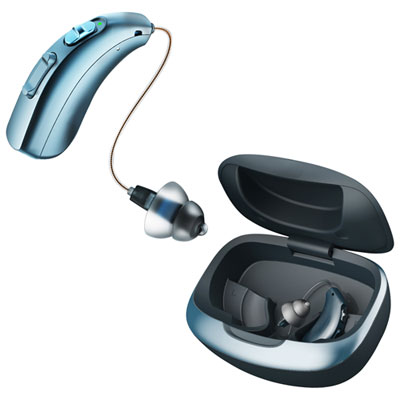 Your price for this item is $349.99
-
 Your price for this item is $289.99
-
 Your price for this item is $259.99
-
 Your price for this item is $36.24
-
 Your price for this item is $49.99
-
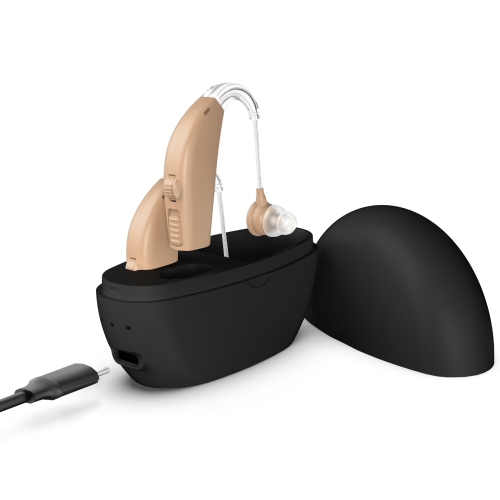 Your price for this item is $82.99
Discover more categories related to Hearing Aids for Noisy Environments
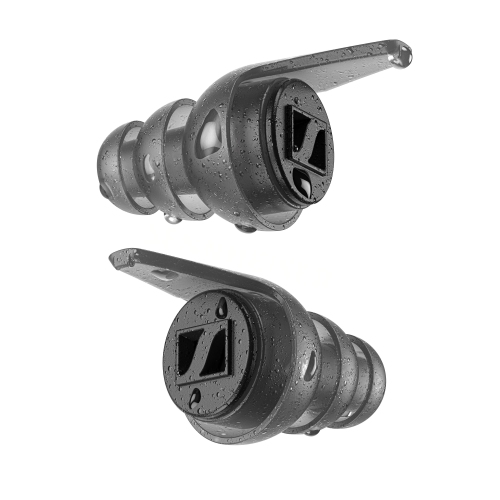
Top Collections:
Pokemon Centers, Best Cameras for Sports Photography, Kindle Devices, Samsung Galaxy Phones, Canon G7X Cameras, Pokémon 30th Celebration Cards, Refurbished Apple Laptops, iPhone 15 Apple, Laptops for Students, Budget Smartphones
Some products may be subject to Environmental Handling Fees
(EHF) depending on your province.
Learn more about EHFs.