Help for Light Sleepers
Finding quality rest can be a challenge for those who wake easily at night. The right solutions can make all the difference, offering help for light sleepers to enjoy a more peaceful and uninterrupted sleep experience. Explore a wide selection of products designed to create a calming environment, minimize disturbances, and support your journey toward better rest. Discover options that cater to your unique needs and transform your nighttime routine for a more restful tomorrow.
Sort

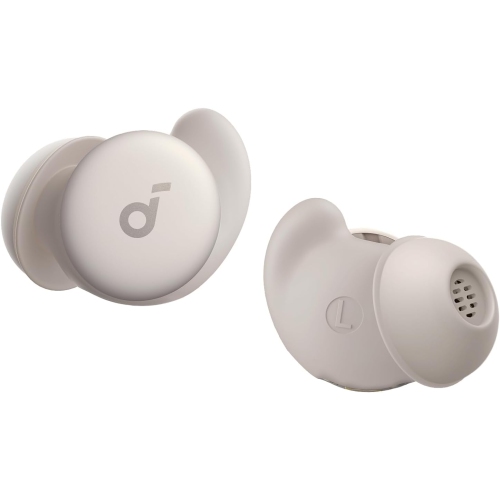
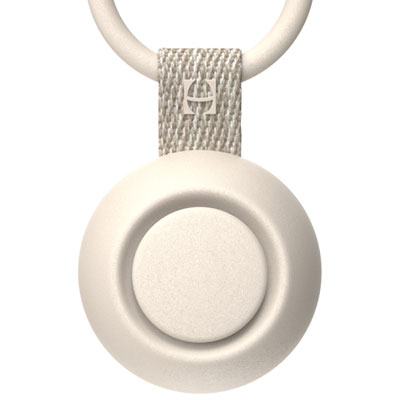

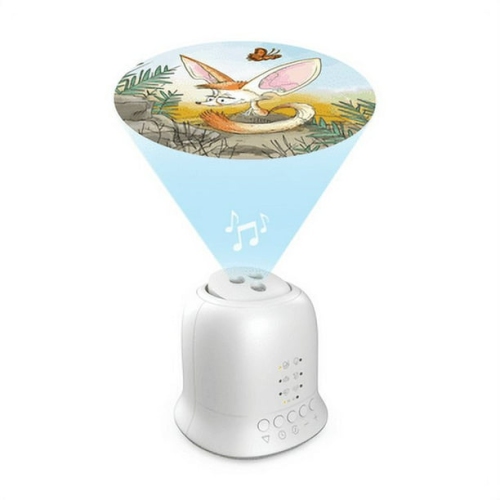
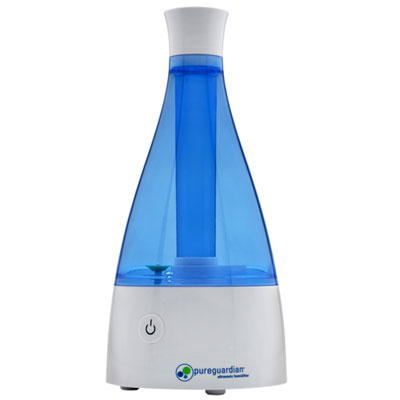
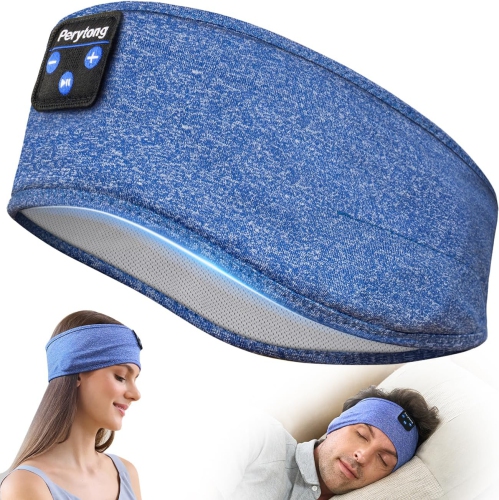
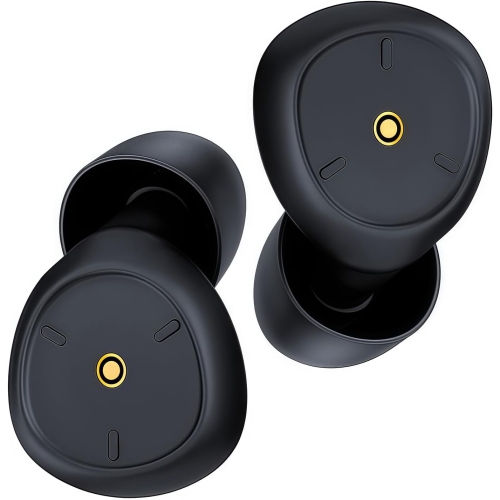
Support for a quieter, darker bedroom at night
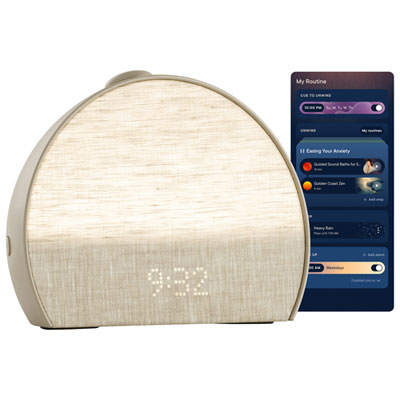
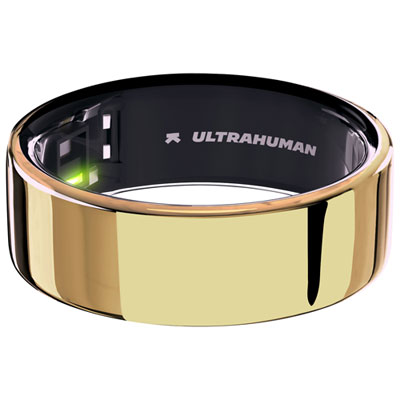
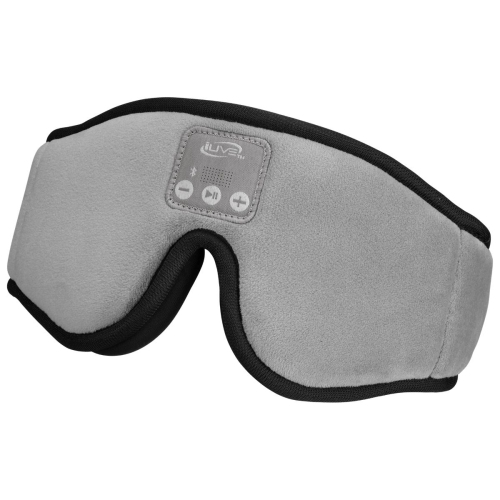
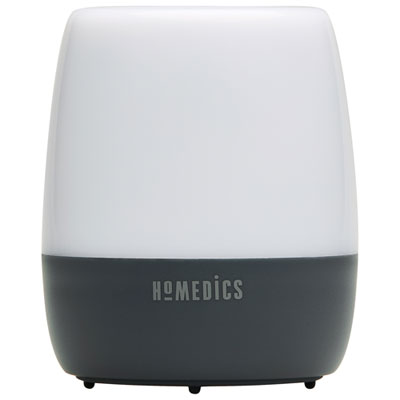
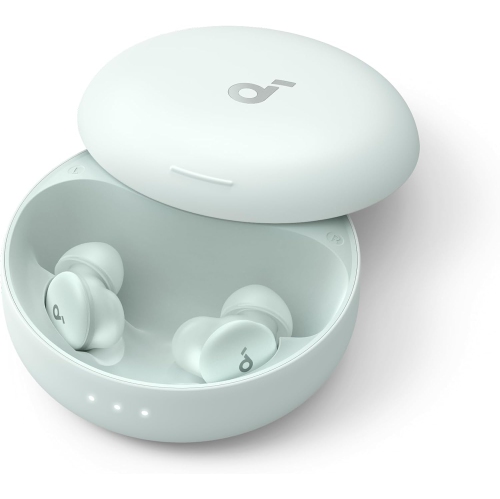
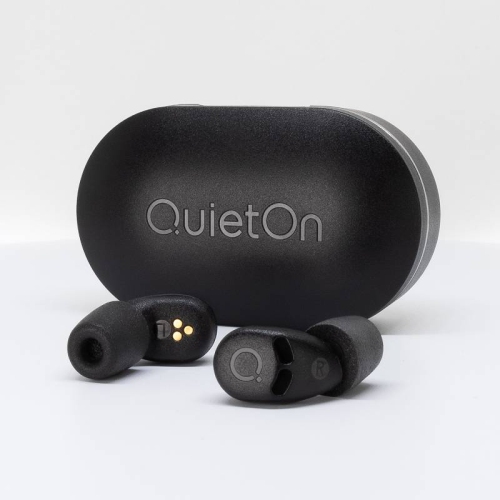
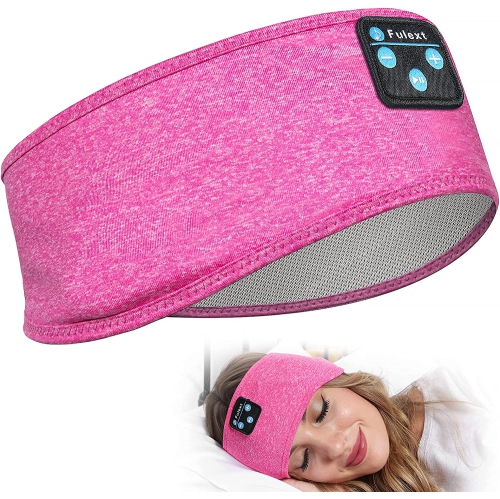
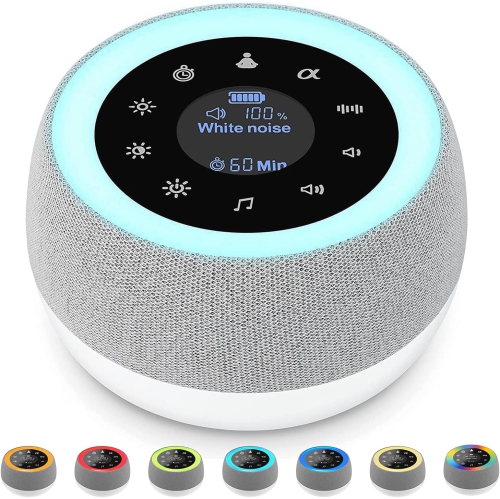
Light sleepers can be affected by small changes that other people barely notice: a car door closing outside, a hallway light under the bedroom door, a heating system starting up, or the faint glow from a phone charging beside the bed. The right sleep-support products can help create a more consistent bedroom environment by reducing sudden interruptions and making the room feel calm, dark, and comfortable. For many people, sound is the first concern. A white noise machine, fan, or other ambient sound device can soften sharp noises by adding a steady background layer, helping the occasional siren, barking dog, or creaking floor blend into the room instead of standing out. Look for adjustable volume, a choice of sound profiles, and simple controls that can be used without turning on a bright screen. Soft earplugs may also be useful for people who share a home with different schedules, live near traffic, or need a little extra quiet while travelling. Comfort and fit matter more than maximum noise reduction; earplugs should feel secure without creating pressure or irritation, particularly for side sleepers. Light control is just as important. Blackout curtains, room-darkening shades, and comfortable sleep masks can limit early-morning sunlight, street lighting, and small electronic glows that make it harder to stay asleep. Curtains with the right width and length can help reduce light around the edges, while a mask with a soft, adjustable fit may be more practical for guests, dorm rooms, or overnight travel. Even small changes, such as turning illuminated displays away from the bed, covering bright indicator lights, and keeping phones out of direct view, can make the bedroom feel less active after bedtime.
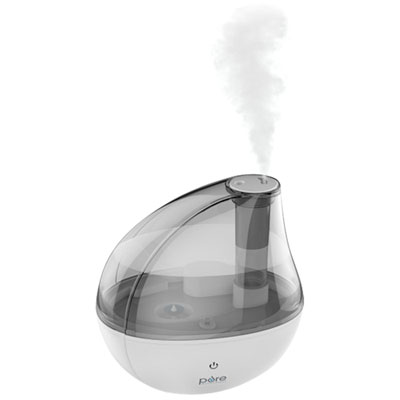
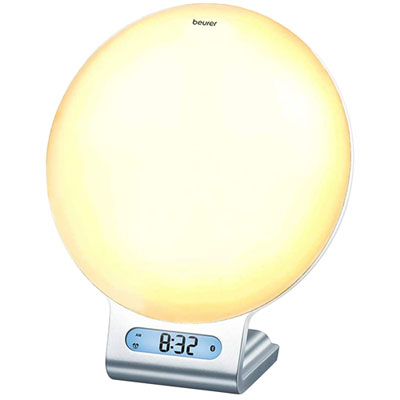
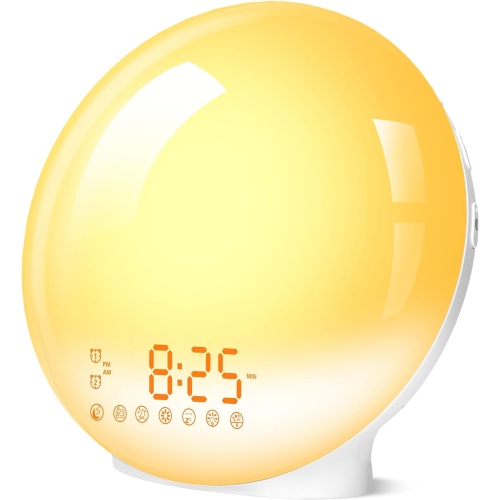
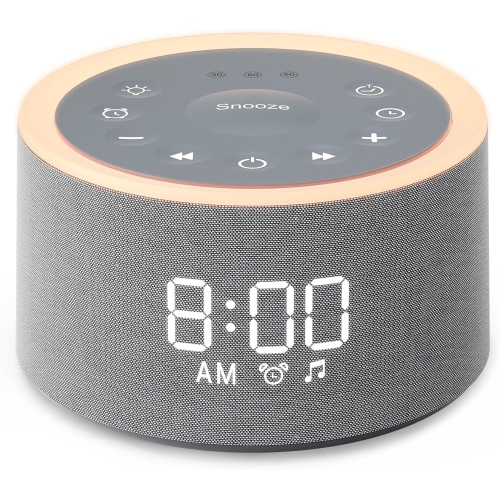
Temperature and routine also shape the conditions that support uninterrupted rest. During the cooler months, a room that becomes too warm can feel stuffy beneath heavy bedding, while dry indoor air may make some sleepers uncomfortable. A quiet fan, adjustable heating or cooling control, or a humidity-supporting device can help create a more comfortable setting, provided it is used according to the manufacturer’s instructions and kept clean. Bedding layers that can be added or removed are useful for people whose comfort changes through the night, and breathable sleepwear can make it easier to settle without overheating. A calm bedroom routine works alongside these products. Keeping a fairly consistent bedtime and wake-up time gives the body a predictable rhythm, while natural daylight in the morning can help signal that the day has begun. Caffeine is best limited earlier in the day for people who are sensitive to it, and alcohol close to bedtime may lead to lighter, more fragmented sleep. A relaxing wind-down period can include dimmer lighting, quiet reading, gentle stretching, or a warm shower rather than bright screens and stimulating activities. For sleepers who need to wake at a particular time without a loud, abrupt alarm, a gradual-light alarm or a device with adjustable volume and display brightness may be a helpful choice. A compact option with battery backup can add reassurance during travel or a power interruption; a larger display may be easier to read from bed, while a fully dimmable display can be preferable for anyone who is easily disturbed by light. Products in the [Alarm Clock for Deep Sleepers](https://www.bestbuy.ca/en-ca/shop/home-living/alarm-clock-for-deep-sleepers) assortment may suit bedrooms where dependable waking and a less disruptive nighttime display are both priorities.
These types of sleep-support products can be selected around the specific interruption rather than purchased as a one-size-fits-all solution. Someone waking to hallway or outdoor noise may benefit from layered sound control, while a person disturbed by dawn light may prefer room-darkening window coverings or a well-fitting sleep mask. A light sleeper sharing a room could appreciate separate, low-brightness controls, quiet airflow, or a personal sound option that does not affect a partner. They can also make thoughtful gifts for students moving into a new residence, new parents adjusting to changing household routines, frequent travellers, shift workers, and anyone creating a more restful guest room. When choosing, consider the room size, available outlets, control placement, operating noise, timer settings, cleaning requirements, and whether the design is easy to use when tired. A device with complicated menus may be frustrating at midnight, while one-touch controls and automatic shutoff can make a noticeable difference. For travel, compact construction, USB charging, and a reliable carry case may be more important than a large selection of features. For a shared bedroom, independent settings and quiet operation can help both people feel comfortable. It is also worth checking how curtains mount, how much window coverage is needed, and whether a sleep mask leaves gaps around the nose or sides of the face. No product can guarantee uninterrupted sleep, and persistent waking, loud snoring, breathing pauses, pain, or severe daytime tiredness may call for advice from a qualified health professional. For everyday disturbances, however, a carefully chosen combination of darkness, steady background sound, comfortable temperature, and dependable routines can turn a restless bedroom into a more settled space.
Temperature and routine also shape the conditions that support uninterrupted rest. During the cooler months, a room that becomes too warm can feel stuffy beneath heavy bedding, while dry indoor air may make some sleepers uncomfortable. A quiet fan, adjustable heating or cooling control, or a humidity-supporting device can help create a more comfortable setting, provided it is used according to the manufacturer’s instructions and kept clean. Bedding layers that can be added or removed are useful for people whose comfort changes through the night, and breathable sleepwear can make it easier to settle without overheating. A calm bedroom routine works alongside these products. Keeping a fairly consistent bedtime and wake-up time gives the body a predictable rhythm, while natural daylight in the morning can help signal that the day has begun. Caffeine is best limited earlier in the day for people who are sensitive to it, and alcohol close to bedtime may lead to lighter, more fragmented sleep. A relaxing wind-down period can include dimmer lighting, quiet reading, gentle stretching, or a warm shower rather than bright screens and stimulating activities. For sleepers who need to wake at a particular time without a loud, abrupt alarm, a gradual-light alarm or a device with adjustable volume and display brightness may be a helpful choice. A compact option with battery backup can add reassurance during travel or a power interruption; a larger display may be easier to read from bed, while a fully dimmable display can be preferable for anyone who is easily disturbed by light. Products in the [Alarm Clock for Deep Sleepers](https://www.bestbuy.ca/en-ca/shop/home-living/alarm-clock-for-deep-sleepers) assortment may suit bedrooms where dependable waking and a less disruptive nighttime display are both priorities.
These types of sleep-support products can be selected around the specific interruption rather than purchased as a one-size-fits-all solution. Someone waking to hallway or outdoor noise may benefit from layered sound control, while a person disturbed by dawn light may prefer room-darkening window coverings or a well-fitting sleep mask. A light sleeper sharing a room could appreciate separate, low-brightness controls, quiet airflow, or a personal sound option that does not affect a partner. They can also make thoughtful gifts for students moving into a new residence, new parents adjusting to changing household routines, frequent travellers, shift workers, and anyone creating a more restful guest room. When choosing, consider the room size, available outlets, control placement, operating noise, timer settings, cleaning requirements, and whether the design is easy to use when tired. A device with complicated menus may be frustrating at midnight, while one-touch controls and automatic shutoff can make a noticeable difference. For travel, compact construction, USB charging, and a reliable carry case may be more important than a large selection of features. For a shared bedroom, independent settings and quiet operation can help both people feel comfortable. It is also worth checking how curtains mount, how much window coverage is needed, and whether a sleep mask leaves gaps around the nose or sides of the face. No product can guarantee uninterrupted sleep, and persistent waking, loud snoring, breathing pauses, pain, or severe daytime tiredness may call for advice from a qualified health professional. For everyday disturbances, however, a carefully chosen combination of darkness, steady background sound, comfortable temperature, and dependable routines can turn a restless bedroom into a more settled space.
Top selling and popular products
-
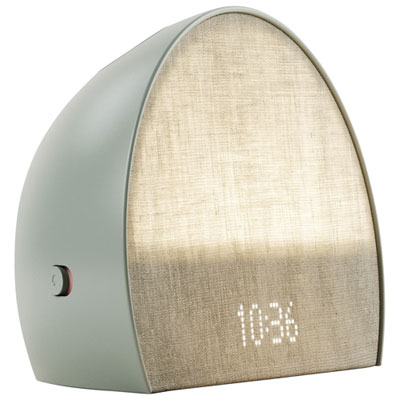 Your price for this item is $229.95
 -
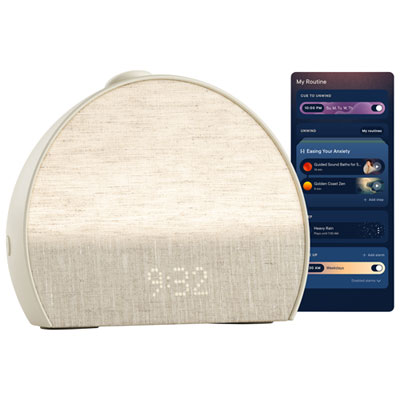 Your price for this item is $229.99
 -
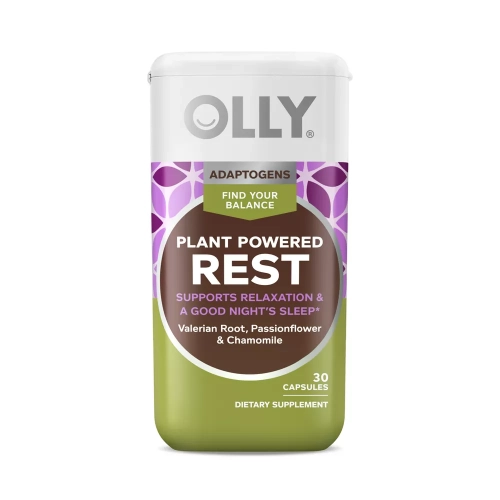 Your price for this item is $59.94
 -
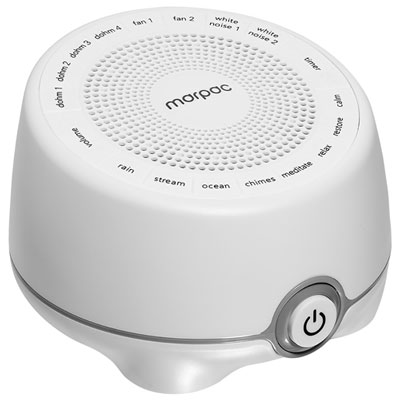 Your price for this item is $74.99
 -
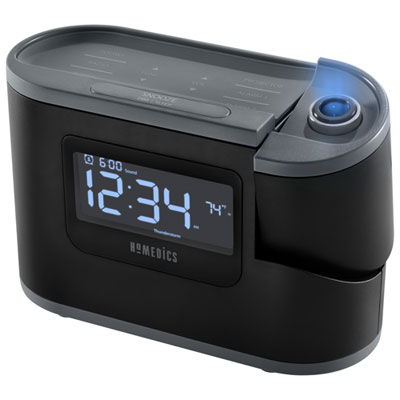 Your price for this item is $79.99
 -
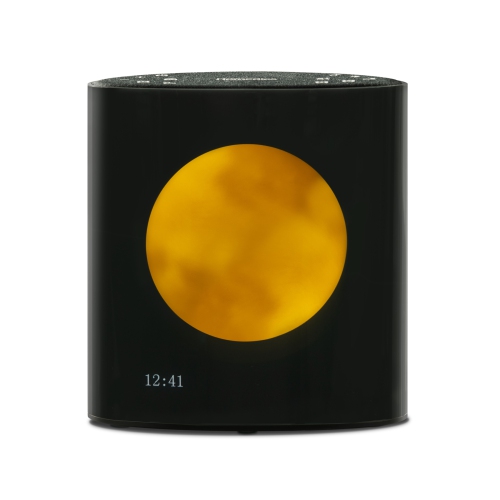 Your price for this item is $89.99
 -
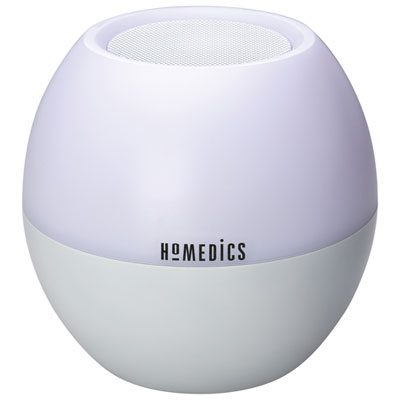 Your price for this item is $119.99
 -
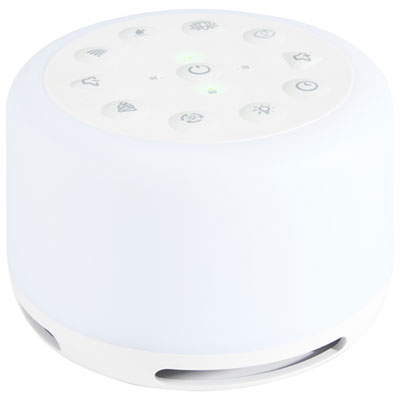 Your price for this item is $59.95
Discover more categories related to Help for Light Sleepers
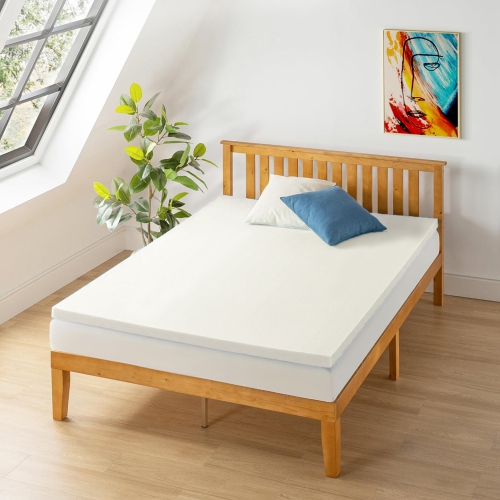
Top Collections:
Best Laptops for Video Editing, Pokemon Centers, Samsung Z Fold, Kindle Devices, Best Cell Phones Under $300, Best Laptop Computers for Students, iPhone 15 Apple, Best Cell Phones Under $500, Alarm Clock, Canon G7X Cameras
Some products may be subject to Environmental Handling Fees
(EHF) depending on your province.
Learn more about EHFs.