Sleep Aids for Insomniacs
Struggling to catch those elusive Z's? Our collection of sleep aids for insomniacs is here to help you reclaim your nights and wake up feeling refreshed. From soothing white noise machines to innovative sleep trackers, we've curated a selection of products designed to promote relaxation and improve your overall sleep quality. Say goodbye to restless nights and hello to a rejuvenated morning routine with these carefully chosen solutions for a better night's rest.
Sort
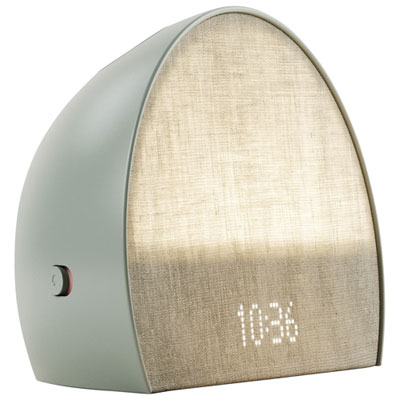
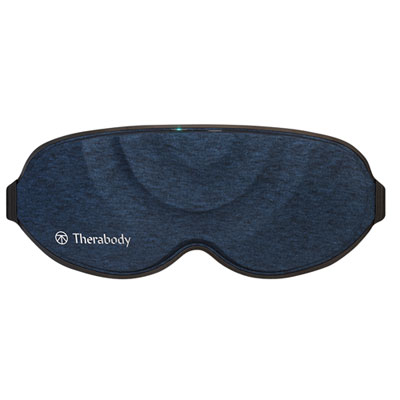
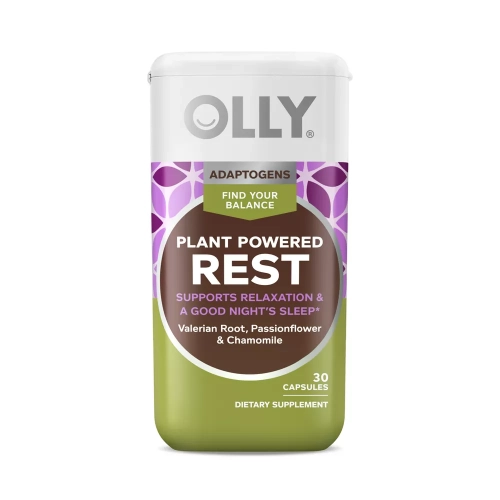
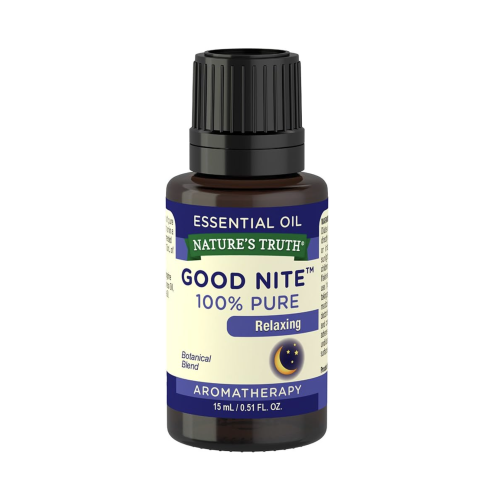
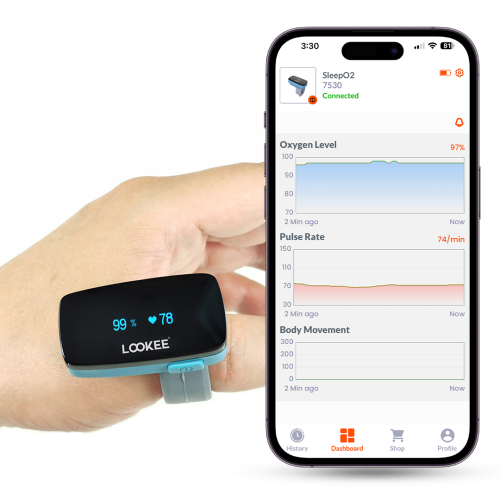
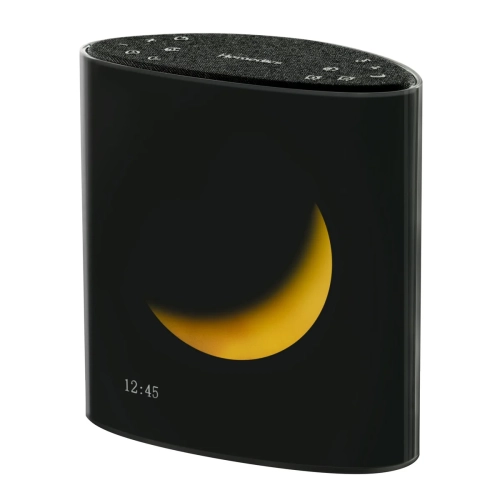

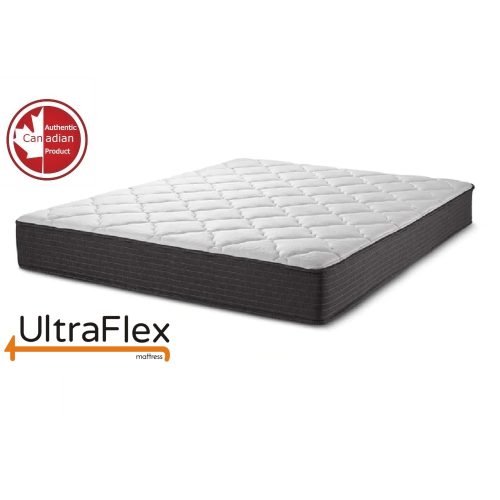
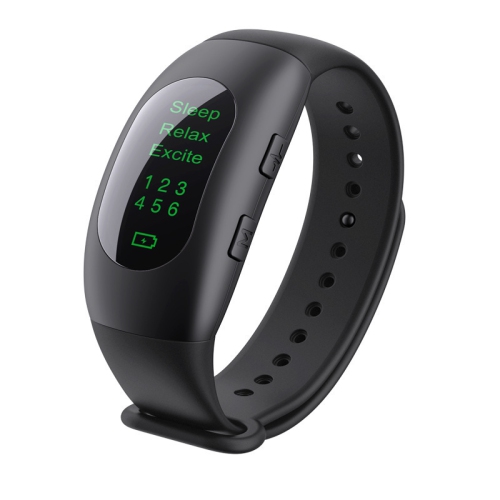
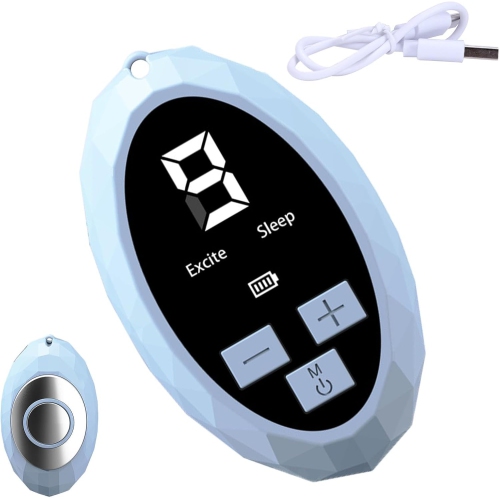
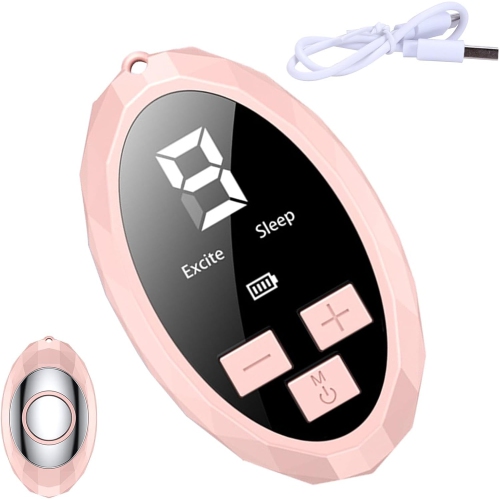
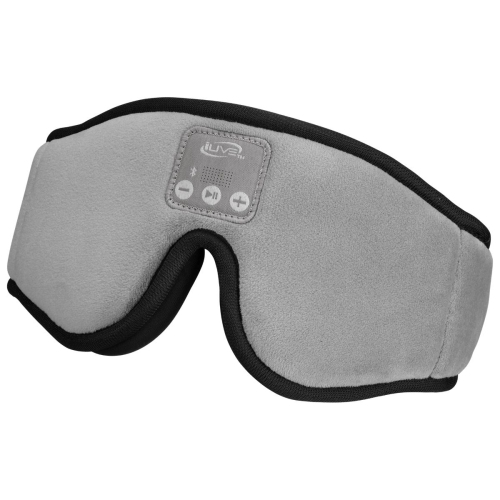
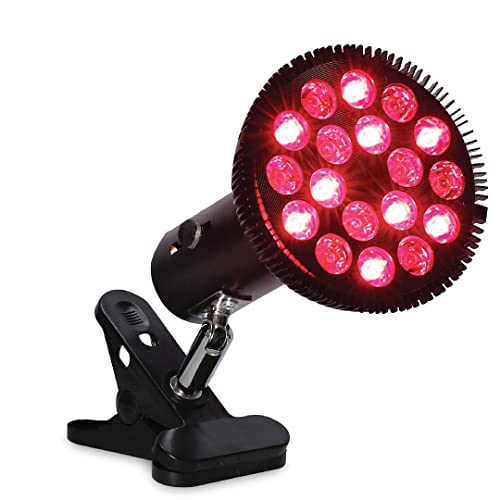

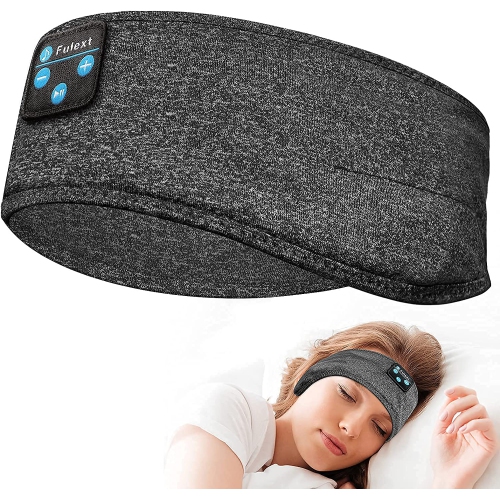
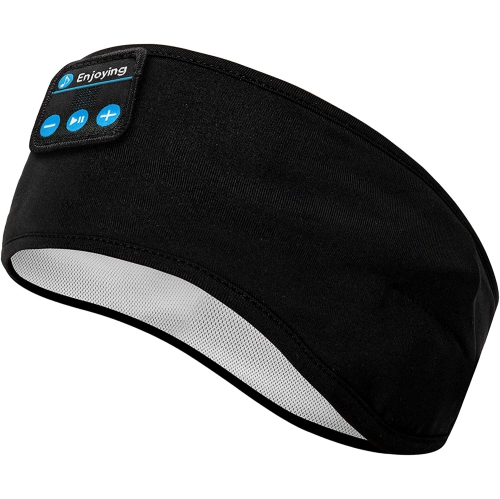
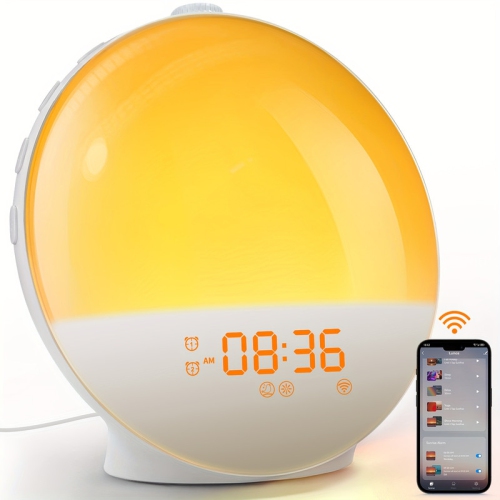
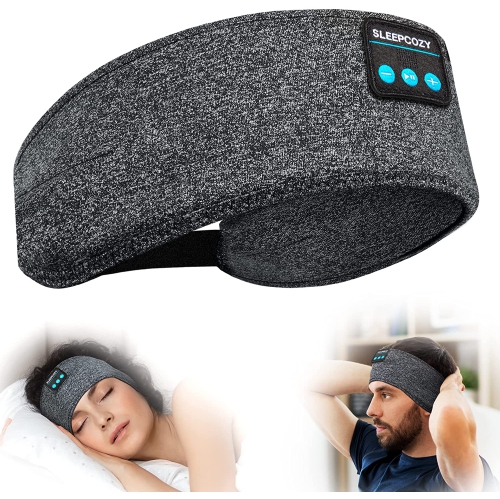


How sound, light and routines can support better sleep
Sleep aids for insomniacs can support a calmer, more consistent bedtime routine, particularly when occasional sleeplessness is linked to stress, travel, changing schedules, noise, light or an uncomfortable sleep environment. The most useful option depends on what is interrupting rest. Some people benefit from gentle background sound that masks traffic, household activity or a partner’s movements, while others sleep more comfortably with a darker room, a softer reading light or a more relaxing wind-down routine. Products designed to encourage relaxation can be used before bed as part of a predictable sequence: dim the lights, put away stimulating screens, settle into a comfortable position and give your mind time to slow down. A sleep aid is not meant to replace a regular sleep schedule or medical care, but it can make the bedroom feel more restful and help reduce the small distractions that keep a tired person alert. During the cooler months, a warm, comfortable room and a consistent evening routine may be especially inviting, although keeping the bedroom quiet, dark and comfortably cool remains important for many sleepers. When choosing among sleep aids, consider whether the item is easy to use in low light, quiet enough for a shared bedroom, simple to clean and suitable for the person’s existing routine. Features such as adjustable sound, automatic shutoff, brightness controls, compact sizing and rechargeable or battery operation can make a noticeable difference when an aid is used every night. A thoughtful choice can also be a practical gift for a student, new parent, shift worker, frequent traveller or anyone adjusting to a new sleeping space. For ideas tailored to campus rooms, shared accommodation and irregular study schedules, explore Sleep Aids for Students.
For people dealing with occasional difficulty falling asleep, non-medication sleep aids may be a useful first step alongside healthy sleep habits. Going to bed and waking up at similar times helps reinforce the body’s sleep-wake rhythm, while limiting caffeine later in the day and avoiding heavy meals close to bedtime may make it easier to settle. Gentle stretching, quiet reading and breathing exercises can help create a transition between daytime activity and sleep. A device that provides steady, unobtrusive sound may be helpful for masking unpredictable noise, while a sleep mask or room-darkening solution can reduce visual interruptions from streetlights, early morning brightness or electronic displays. Light-based products require particular care because timing and brightness can affect the body’s internal clock; follow the instructions and consider professional advice if you have an eye condition, take medication that increases light sensitivity or have a sleep disorder. Supplements and over-the-counter medicines are a separate category and should not be treated as risk-free simply because they are widely available. Ingredients such as melatonin, minerals or herbal extracts may affect people differently, and evidence for some supplements is mixed. Product quality and strength can vary, and some sleep medicines can cause dry mouth, dizziness, confusion or next-day grogginess. Older adults may face a higher risk of confusion and falls with sedating medicines, while children, pregnant or nursing people, and anyone taking other medication should seek advice from a doctor or pharmacist before use. Never combine sleep aids with alcohol or other products that cause drowsiness unless a qualified health professional has specifically advised it. Always read the label, follow the recommended amount and stop using an item if concerning effects occur.
Persistent insomnia deserves more than a collection of bedtime accessories. If trouble sleeping lasts for weeks, happens most nights, causes significant daytime fatigue or affects driving, work, school or mood, speak with a doctor or another qualified health professional. Snoring with pauses in breathing, gasping during sleep, uncomfortable leg sensations, severe anxiety, depression or sudden changes in sleep can also point to an underlying issue that a general sleep aid will not address. Cognitive behavioural therapy for insomnia, often called CBT-I, is widely recognized as an effective long-term approach and can help identify the thoughts, habits and patterns that keep insomnia going. Professional guidance is particularly valuable when sleeplessness is chronic, because relying on sedating products for extended periods may lead to unwanted effects or mask another condition. It can help to keep a simple sleep diary, noting bedtime, wake time, awakenings, caffeine, naps and how rested you feel; this gives a healthcare professional a clearer picture and helps reveal patterns. For everyday shopping decisions, focus on comfort, safety, ease of use and whether the item supports a repeatable routine rather than promising an instant cure. A well-chosen sleep aid can bring the bedroom closer to the peaceful setting many people picture at the end of a long day: fewer interruptions, softer surroundings and a familiar sequence that signals the body and mind that it is time to rest.
For people dealing with occasional difficulty falling asleep, non-medication sleep aids may be a useful first step alongside healthy sleep habits. Going to bed and waking up at similar times helps reinforce the body’s sleep-wake rhythm, while limiting caffeine later in the day and avoiding heavy meals close to bedtime may make it easier to settle. Gentle stretching, quiet reading and breathing exercises can help create a transition between daytime activity and sleep. A device that provides steady, unobtrusive sound may be helpful for masking unpredictable noise, while a sleep mask or room-darkening solution can reduce visual interruptions from streetlights, early morning brightness or electronic displays. Light-based products require particular care because timing and brightness can affect the body’s internal clock; follow the instructions and consider professional advice if you have an eye condition, take medication that increases light sensitivity or have a sleep disorder. Supplements and over-the-counter medicines are a separate category and should not be treated as risk-free simply because they are widely available. Ingredients such as melatonin, minerals or herbal extracts may affect people differently, and evidence for some supplements is mixed. Product quality and strength can vary, and some sleep medicines can cause dry mouth, dizziness, confusion or next-day grogginess. Older adults may face a higher risk of confusion and falls with sedating medicines, while children, pregnant or nursing people, and anyone taking other medication should seek advice from a doctor or pharmacist before use. Never combine sleep aids with alcohol or other products that cause drowsiness unless a qualified health professional has specifically advised it. Always read the label, follow the recommended amount and stop using an item if concerning effects occur.
Persistent insomnia deserves more than a collection of bedtime accessories. If trouble sleeping lasts for weeks, happens most nights, causes significant daytime fatigue or affects driving, work, school or mood, speak with a doctor or another qualified health professional. Snoring with pauses in breathing, gasping during sleep, uncomfortable leg sensations, severe anxiety, depression or sudden changes in sleep can also point to an underlying issue that a general sleep aid will not address. Cognitive behavioural therapy for insomnia, often called CBT-I, is widely recognized as an effective long-term approach and can help identify the thoughts, habits and patterns that keep insomnia going. Professional guidance is particularly valuable when sleeplessness is chronic, because relying on sedating products for extended periods may lead to unwanted effects or mask another condition. It can help to keep a simple sleep diary, noting bedtime, wake time, awakenings, caffeine, naps and how rested you feel; this gives a healthcare professional a clearer picture and helps reveal patterns. For everyday shopping decisions, focus on comfort, safety, ease of use and whether the item supports a repeatable routine rather than promising an instant cure. A well-chosen sleep aid can bring the bedroom closer to the peaceful setting many people picture at the end of a long day: fewer interruptions, softer surroundings and a familiar sequence that signals the body and mind that it is time to rest.
Top selling and popular products
-
 Your price for this item is $32.68
 -
 Your price for this item is $31.64
 -
 Your price for this item is $399.82
 -
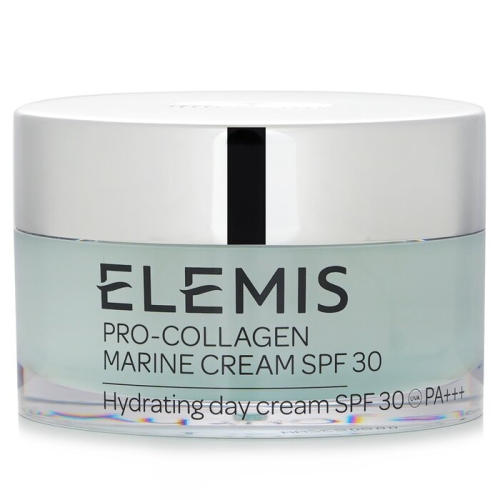 Your price for this item is $545.27
 -
 Your price for this item is $368.2
 -
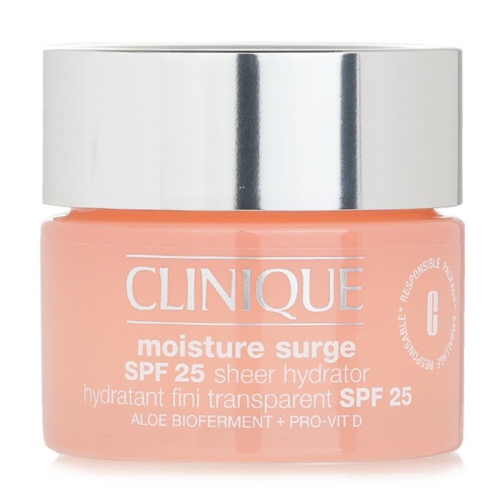 Your price for this item is $69.99
 -
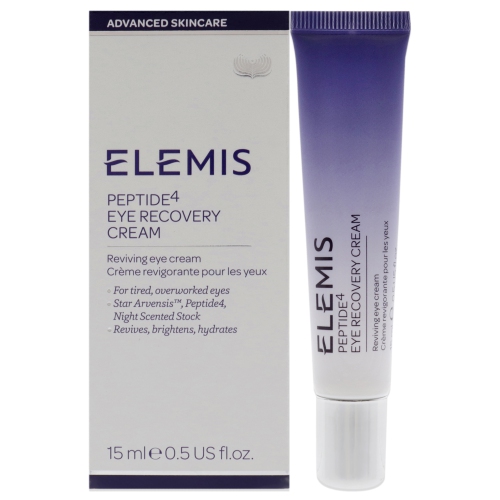 Your price for this item is $60.13
 -
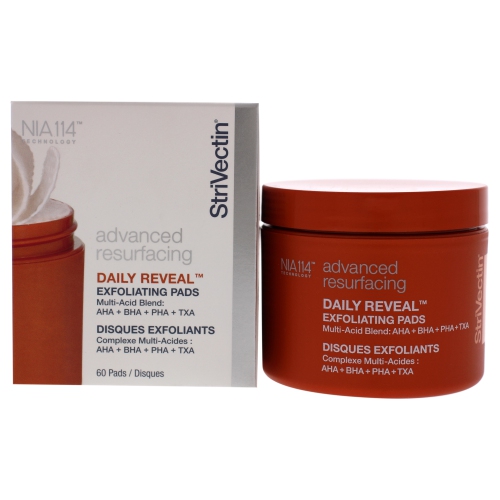 Your price for this item is $52.75
Discover more categories related to Sleep Aids for Insomniacs
Top Collections:
Best Laptops for Video Editing, Pokemon Centers, Samsung Z Fold, Kindle Devices, Best Cell Phones Under $300, Best Laptop Computers for Students, iPhone 15 Apple, Best Cell Phones Under $500, Alarm Clock, Canon G7X Cameras
Some products may be subject to Environmental Handling Fees
(EHF) depending on your province.
Learn more about EHFs.