Lightest Folding Wheelchair
Light folding wheelchairs are portable, compact, and easy to store. They are also a good option for people with limited mobility who need a little help getting around. These wheelchairs are designed to be used in apartments or other small spaces. Here are some of our favorites.
Sort

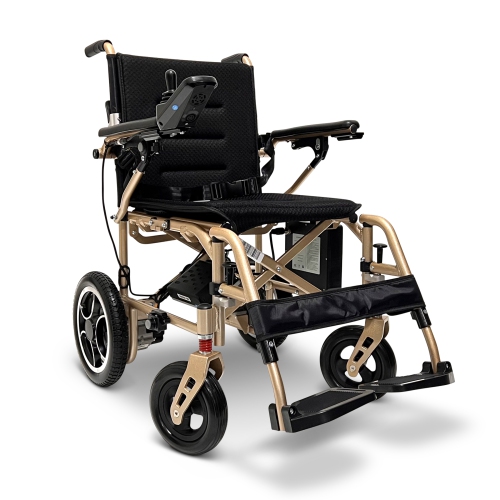
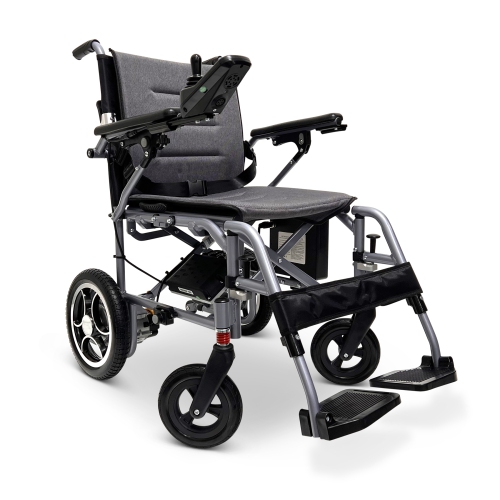
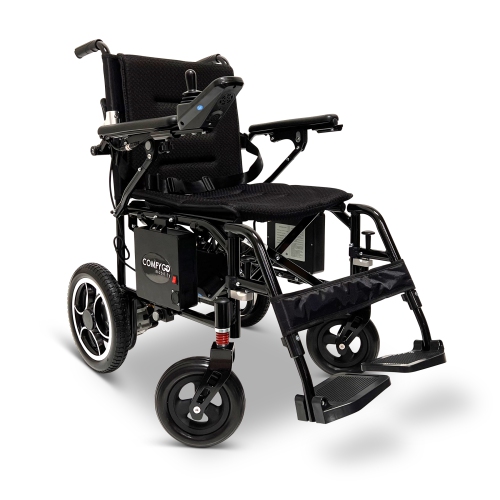
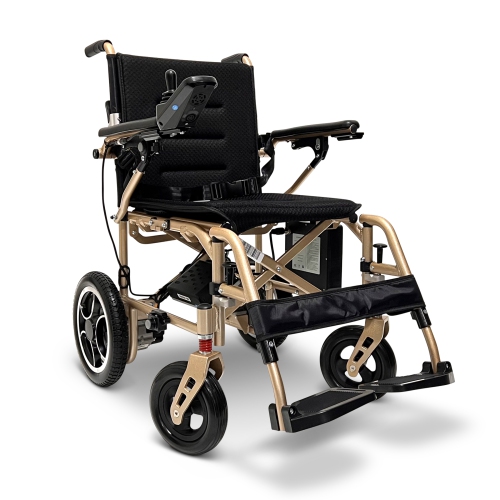
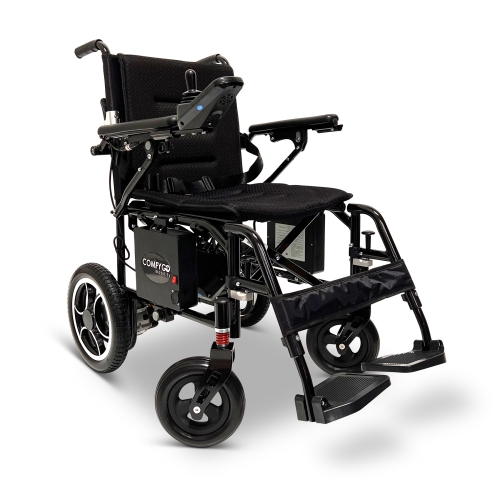
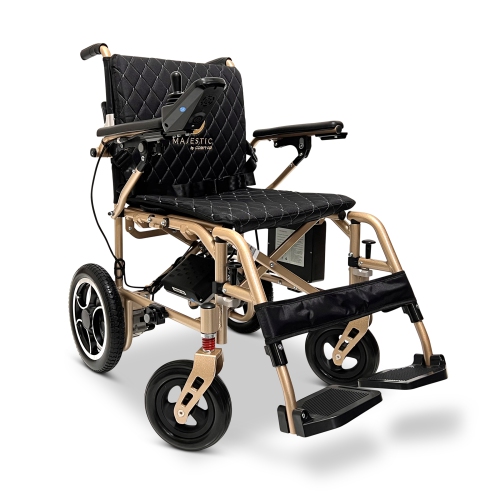
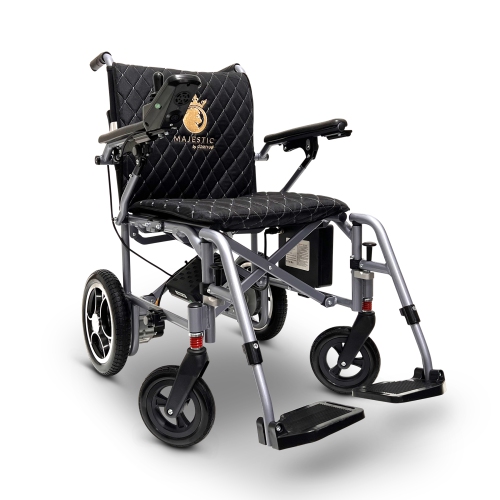
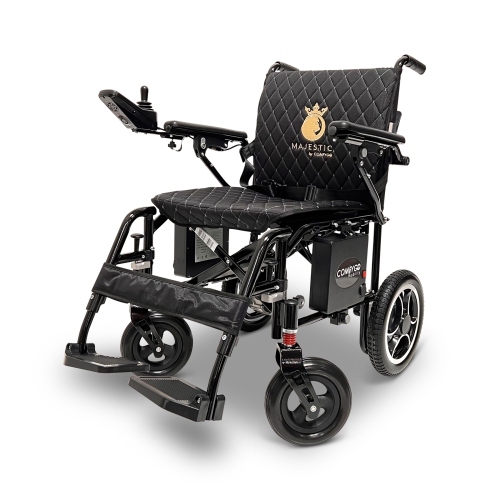


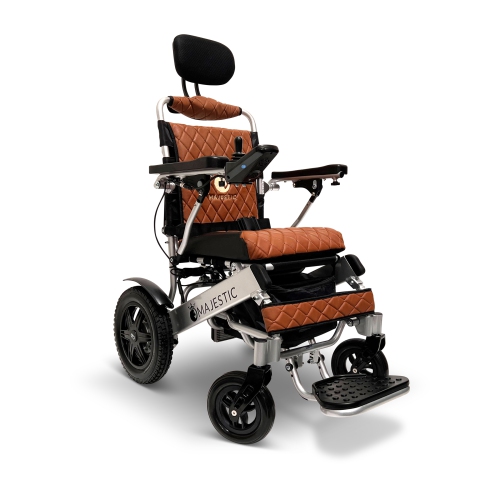
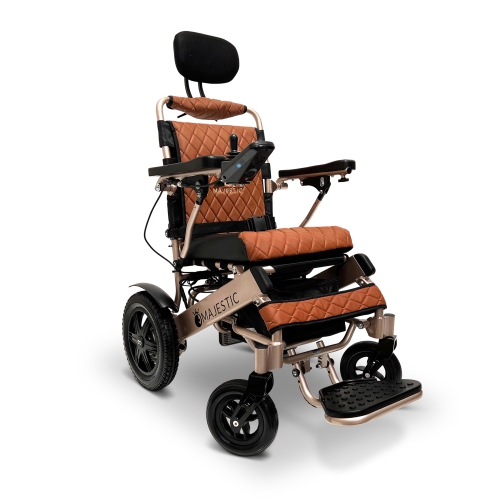
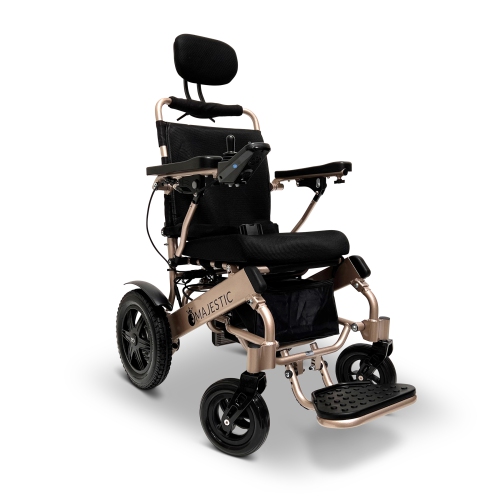
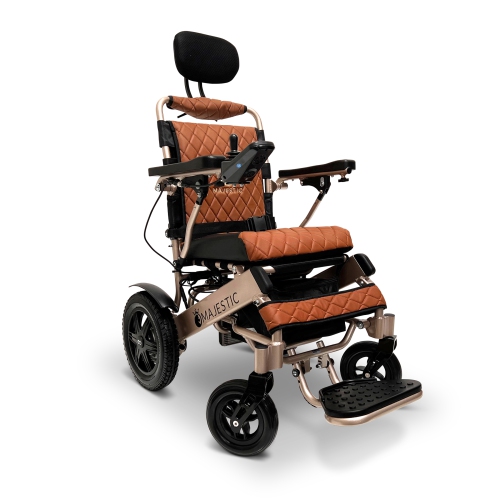
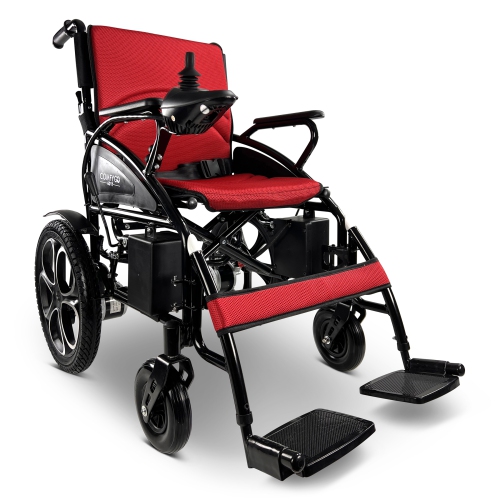
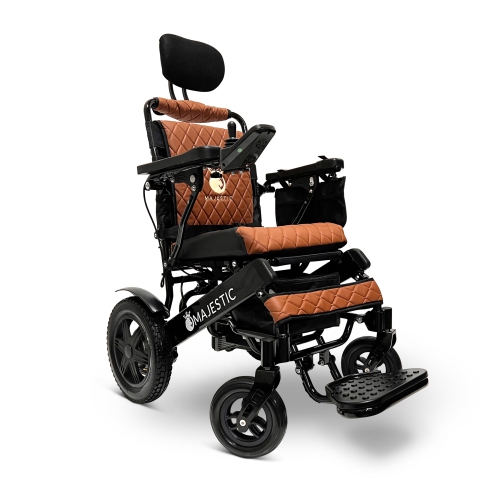
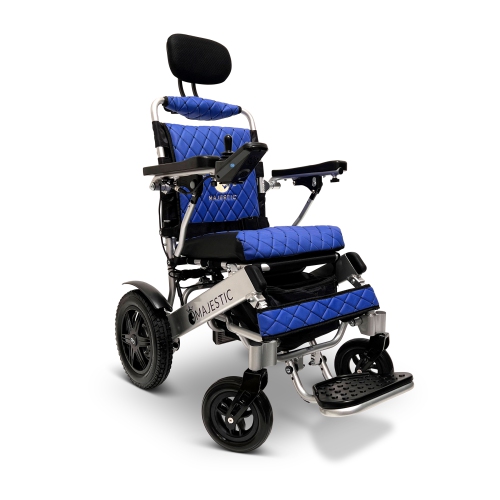
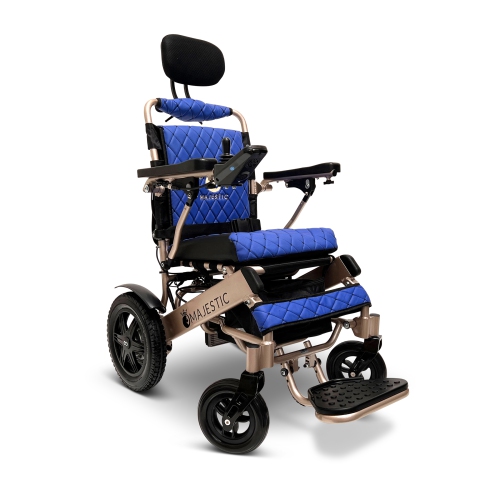
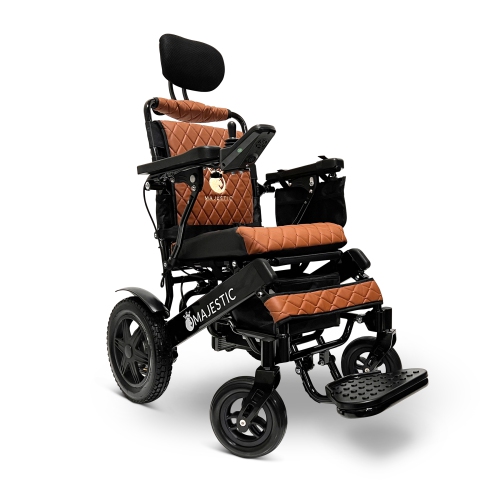
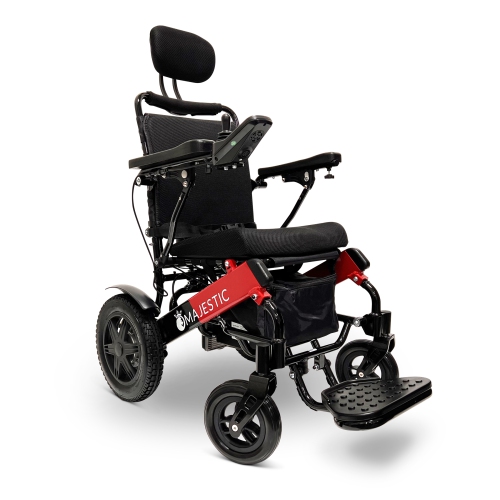
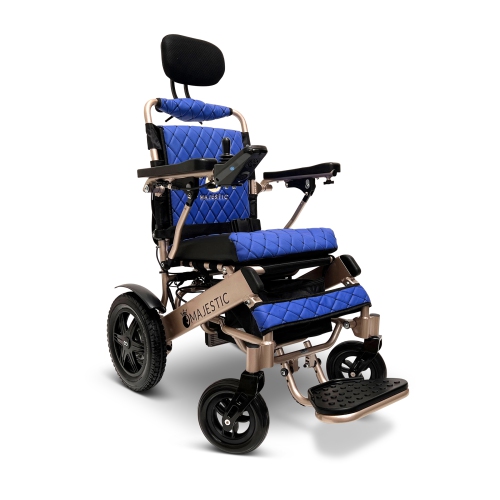
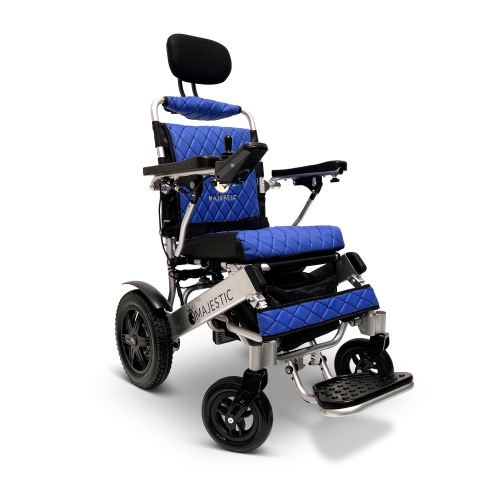
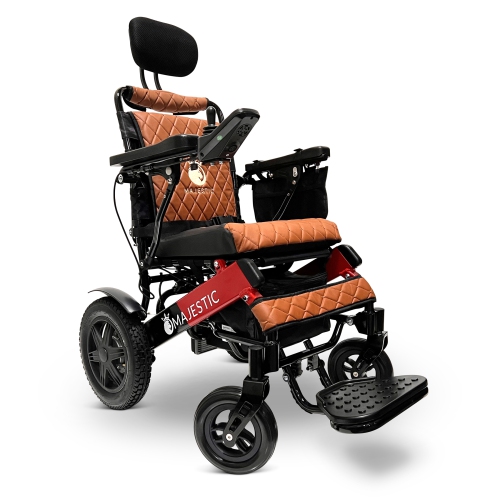
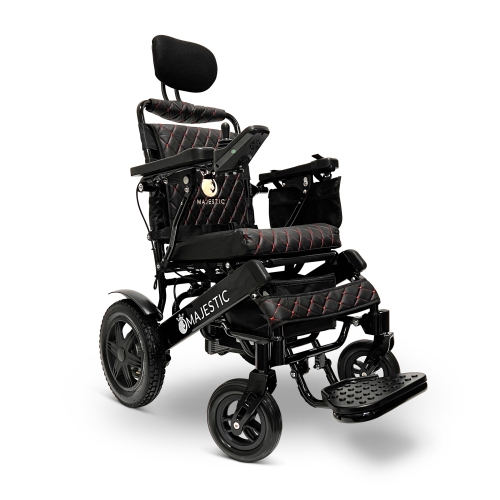
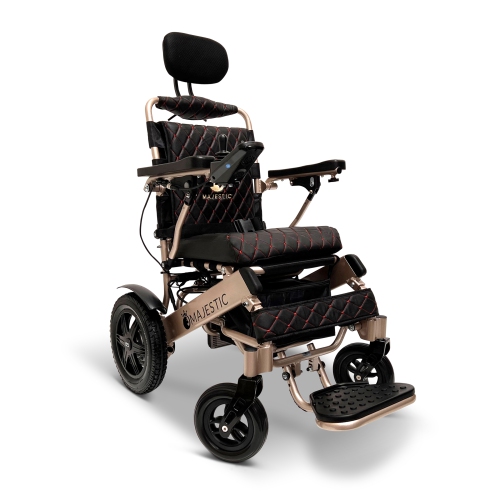
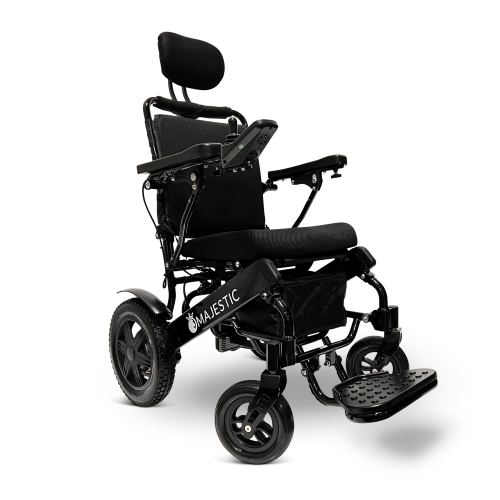
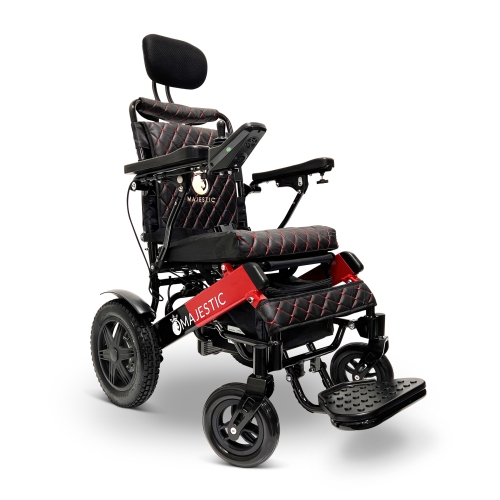
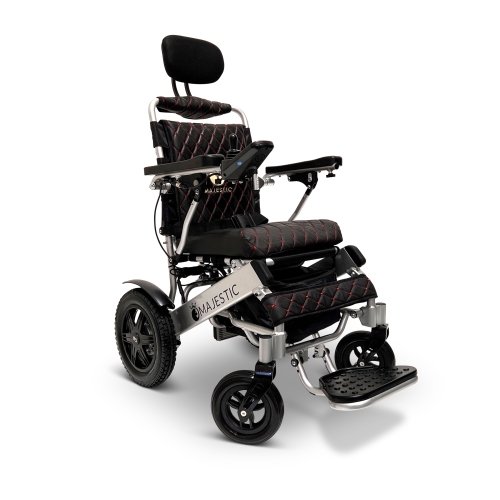
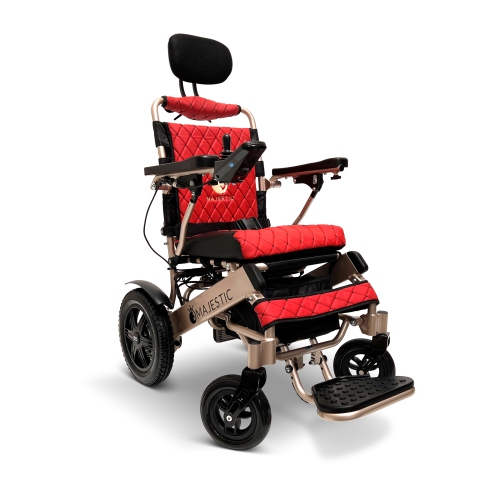
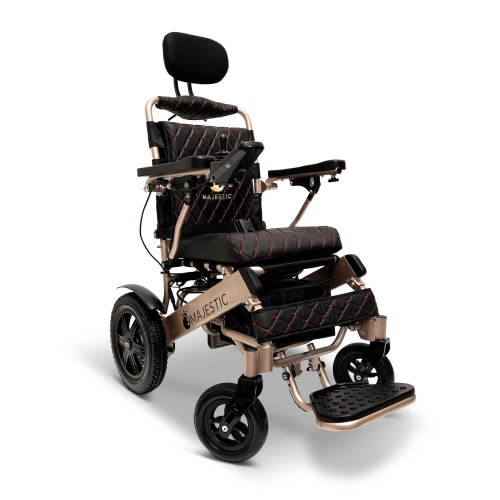
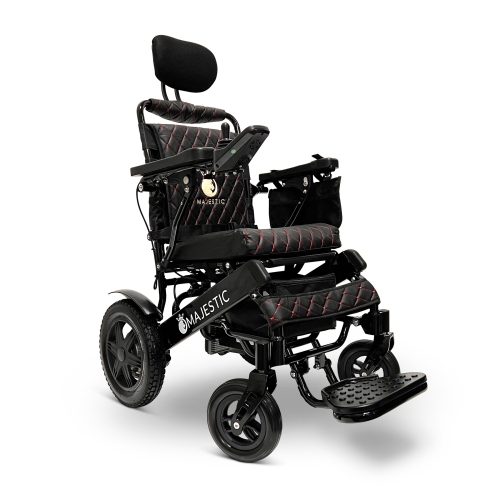
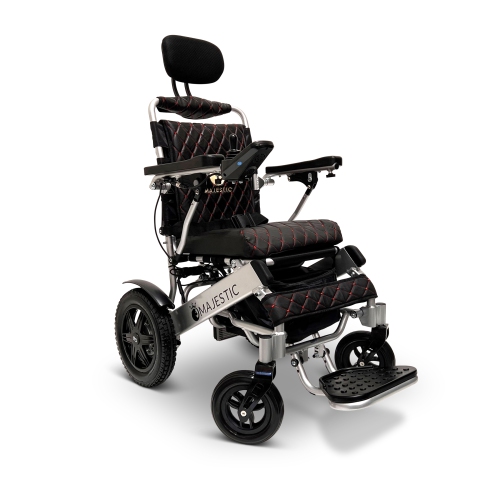
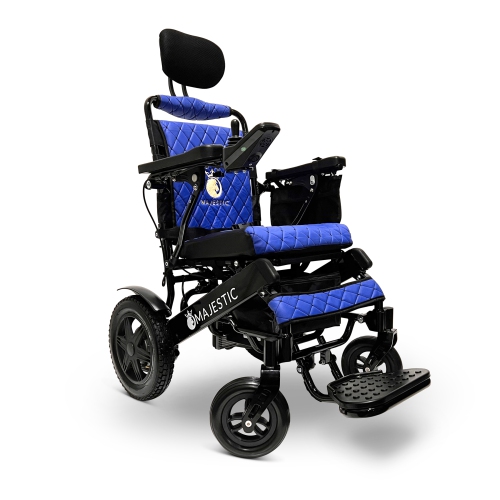
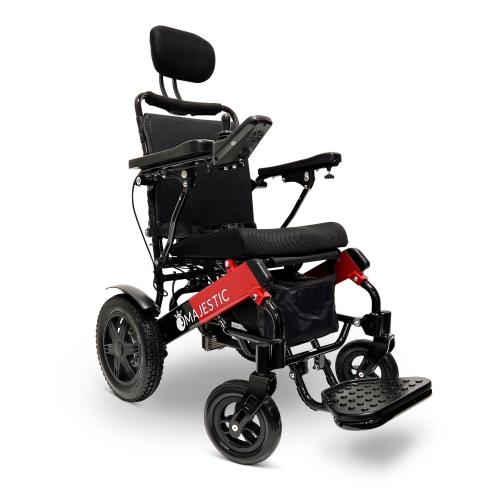
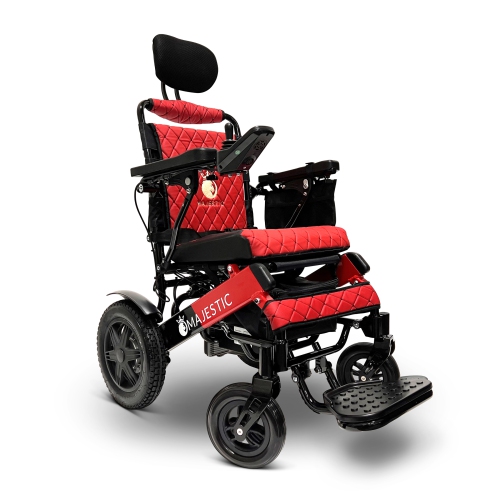
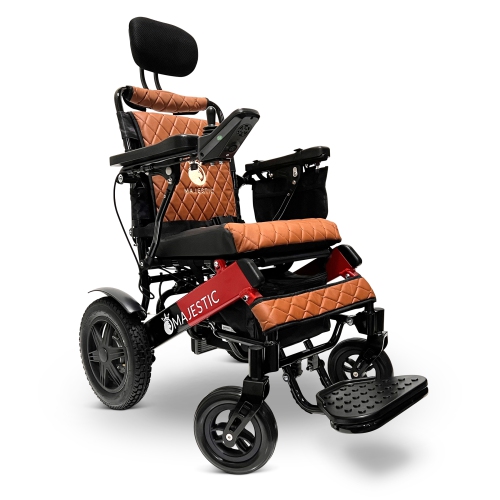
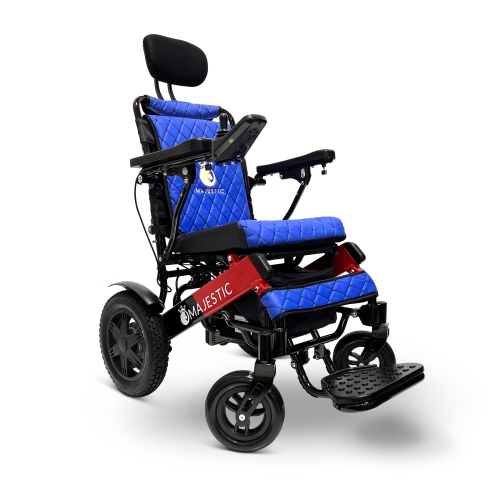
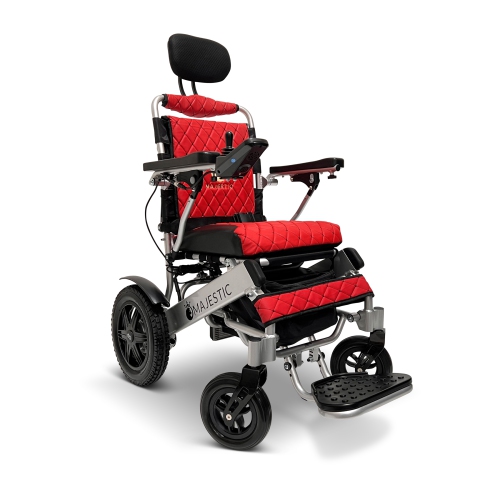
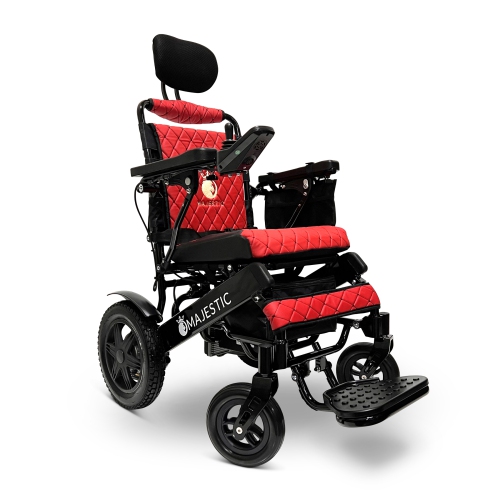
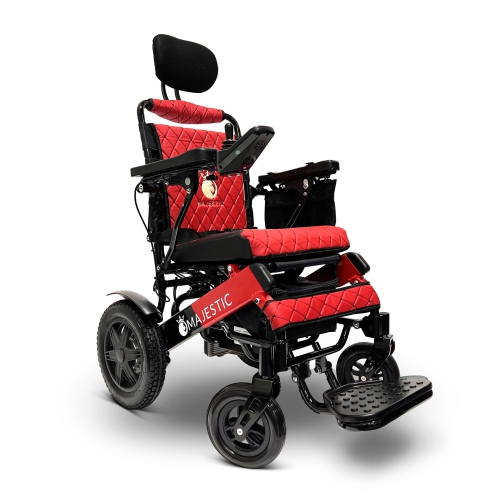
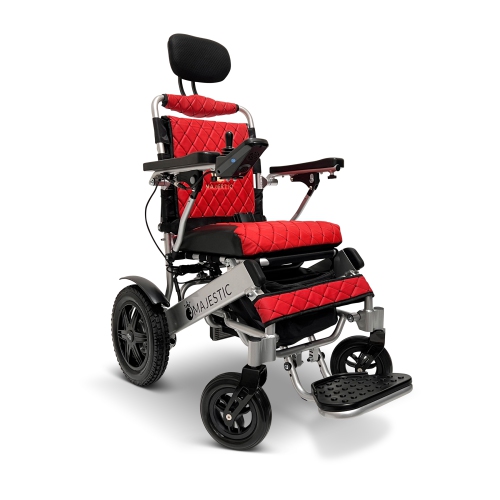
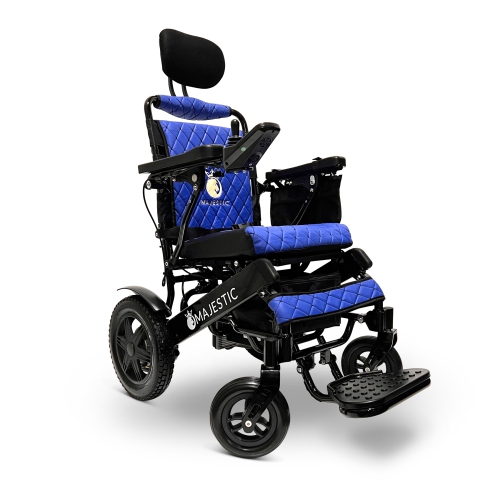
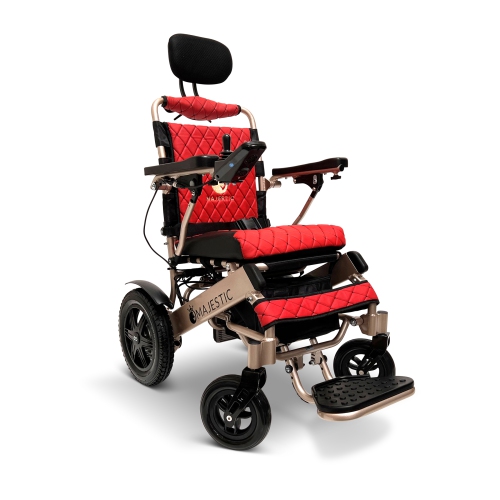
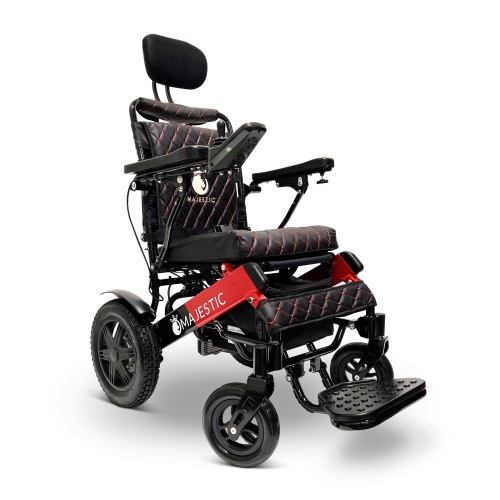
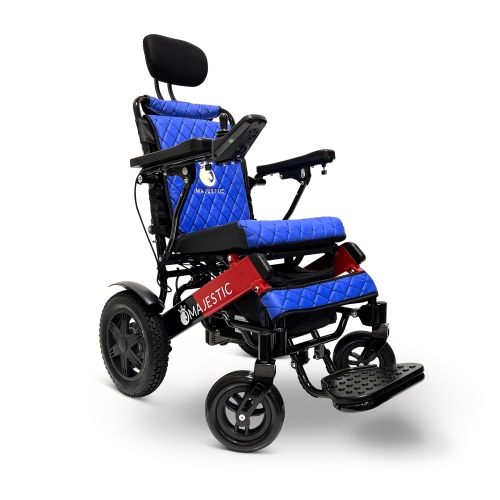
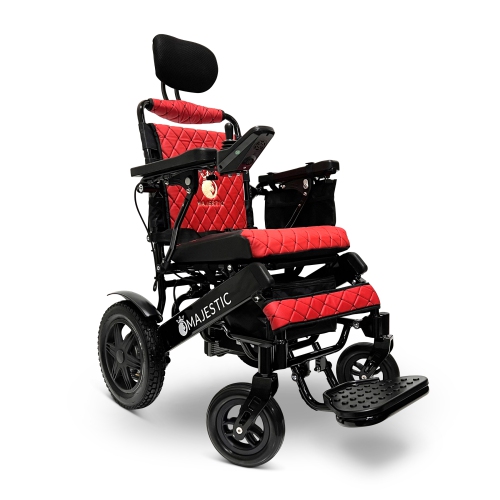
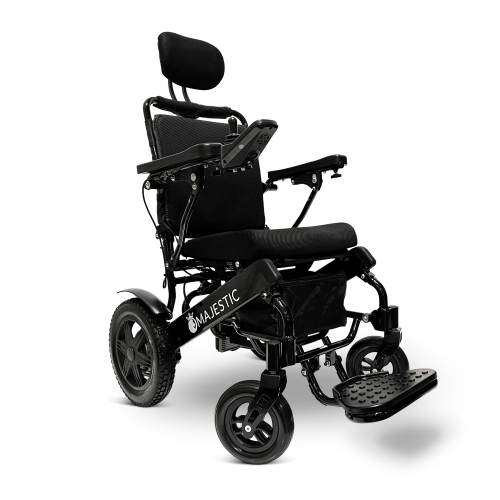
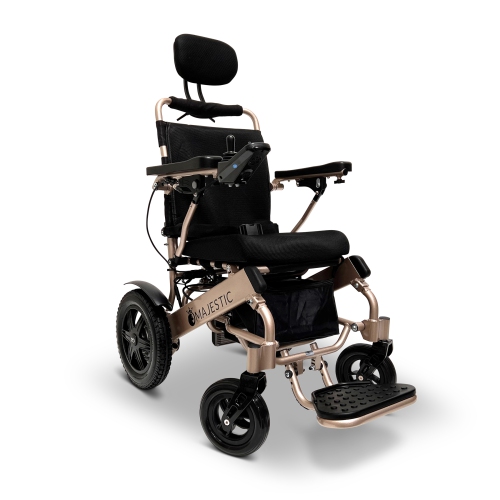
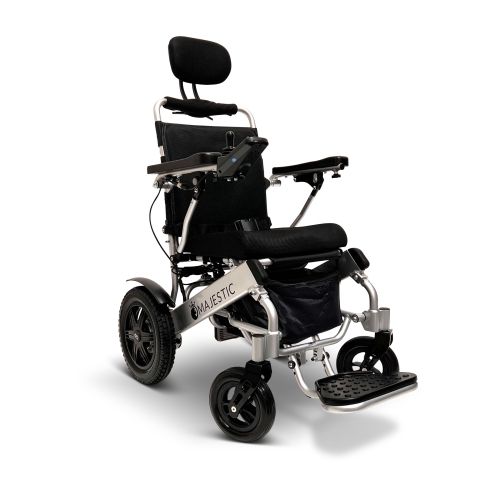
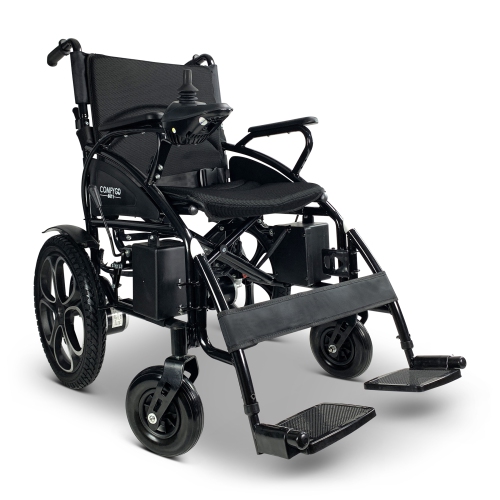
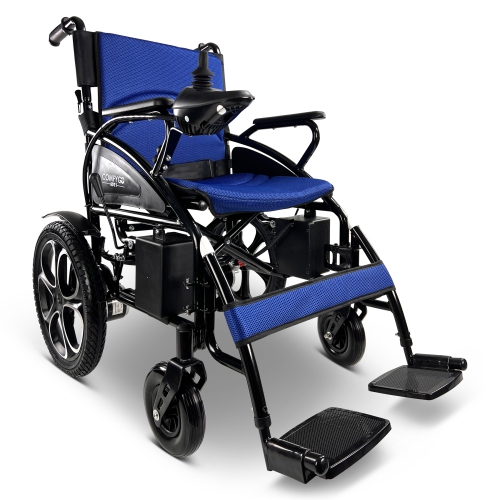
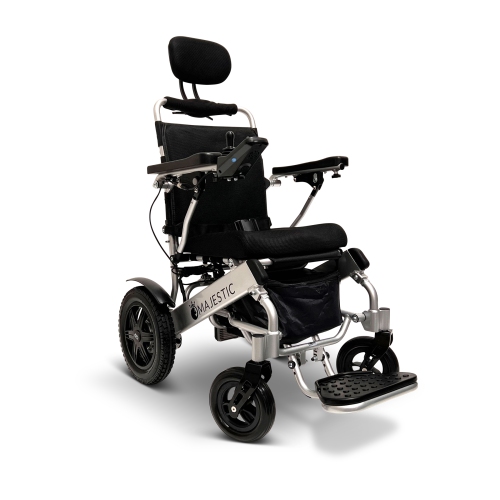

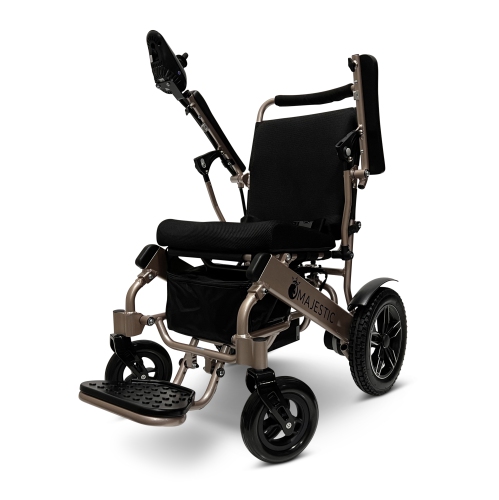
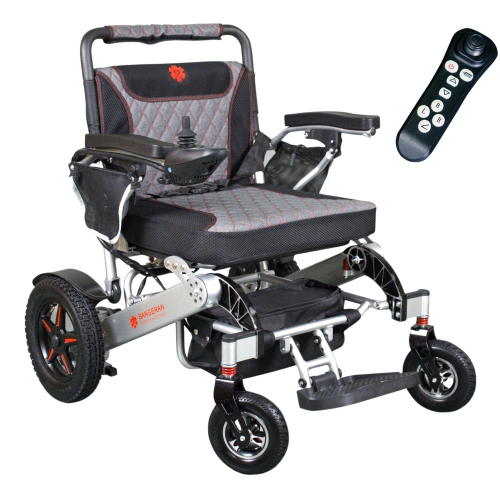
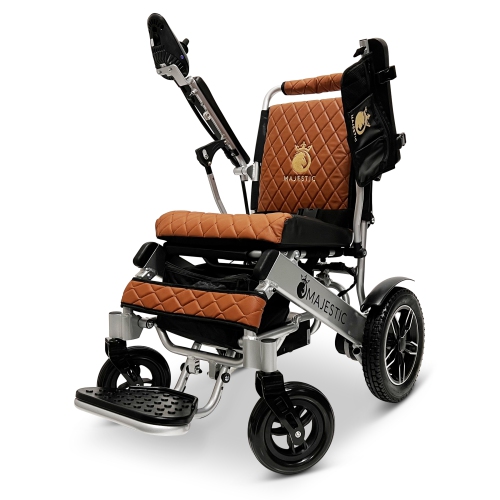

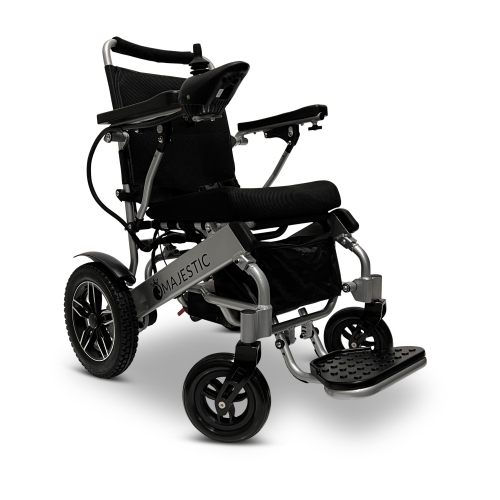
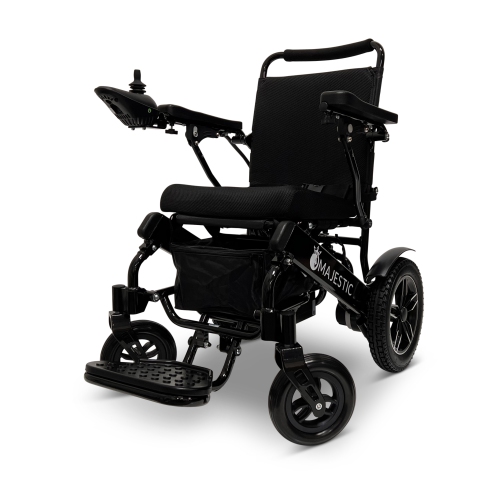
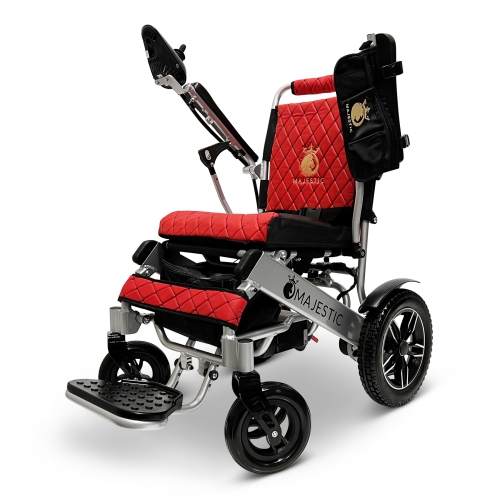
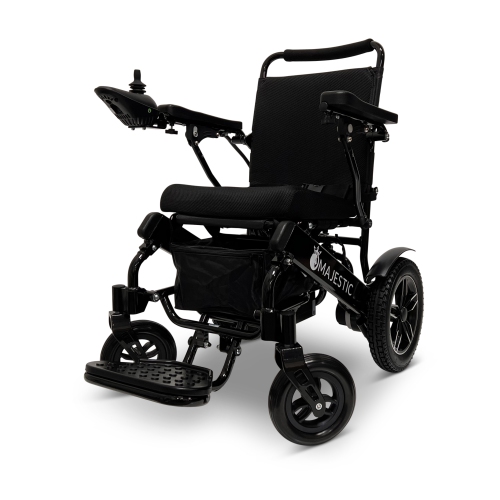
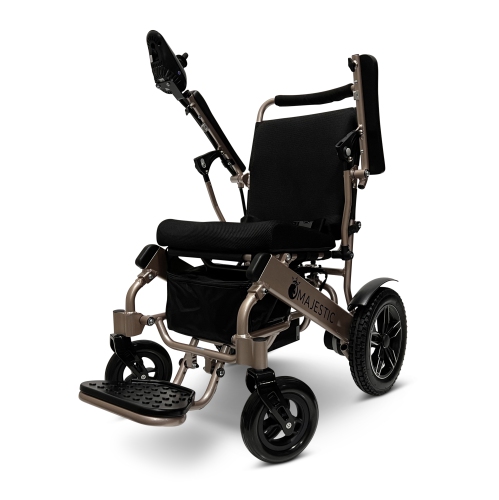
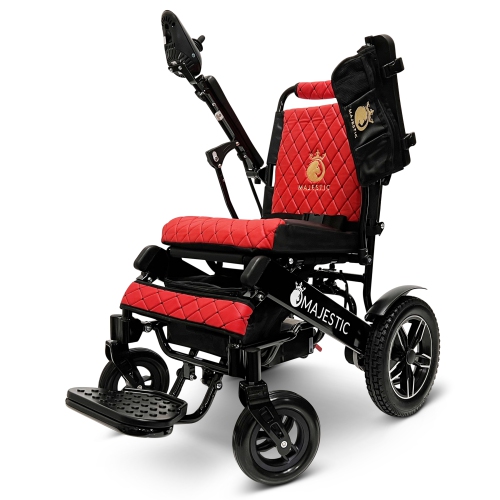
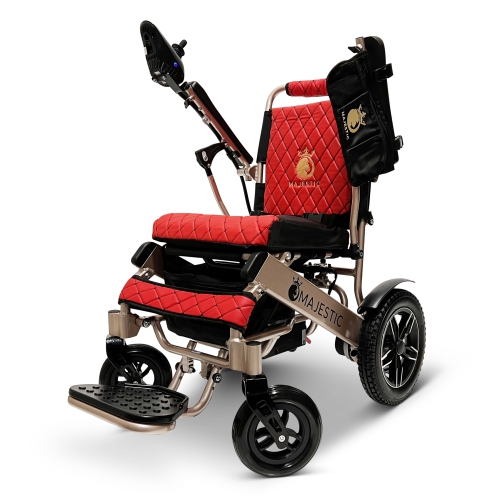
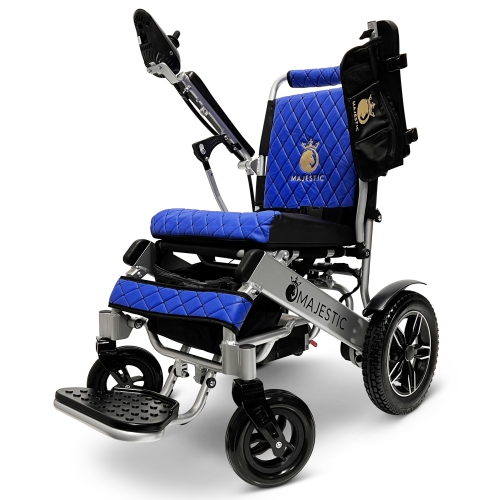
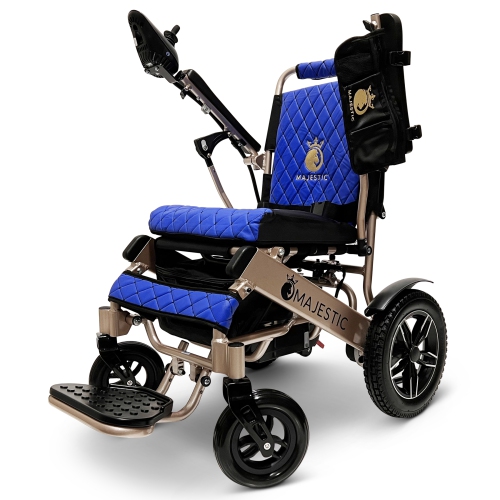

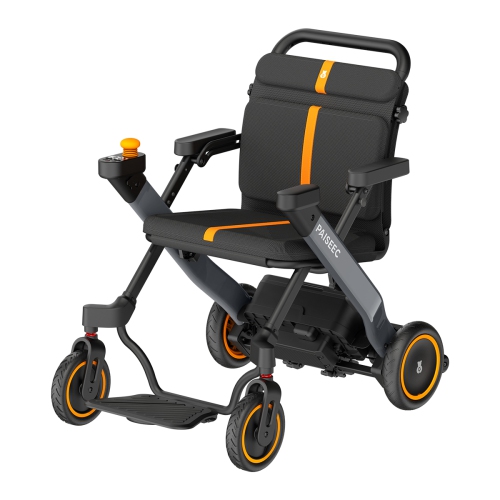
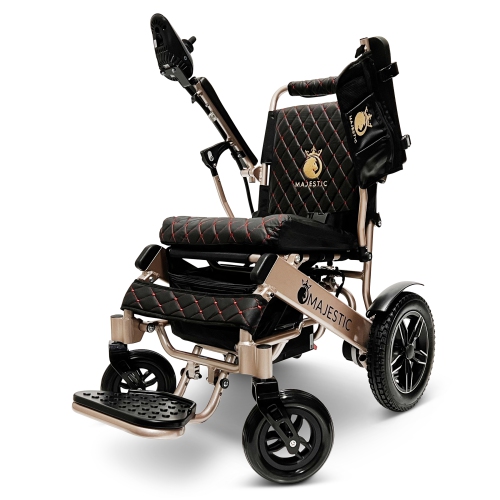
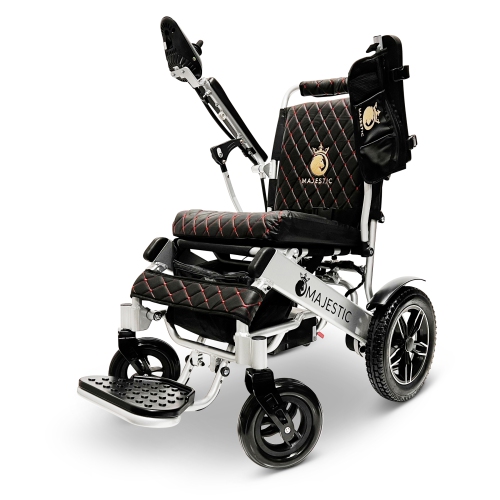
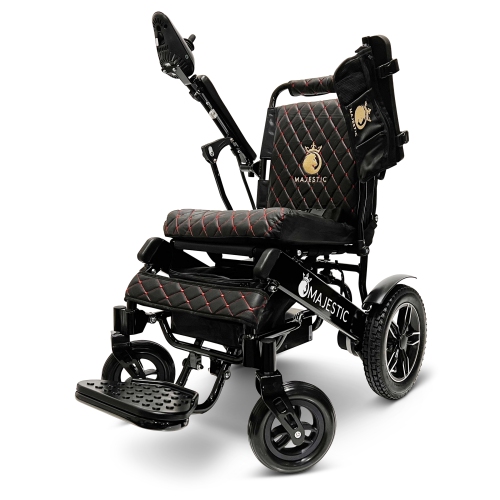
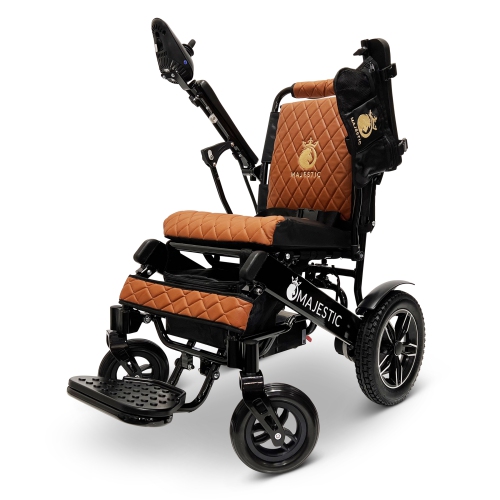
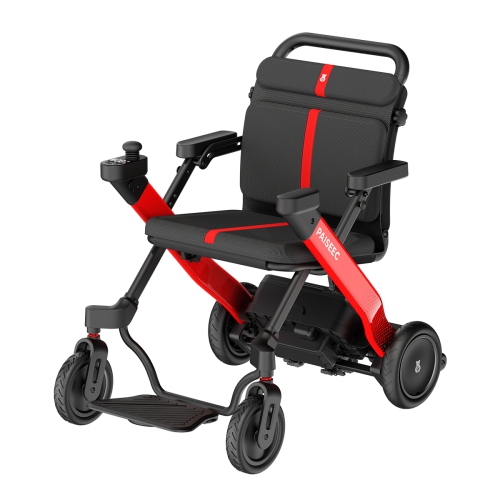
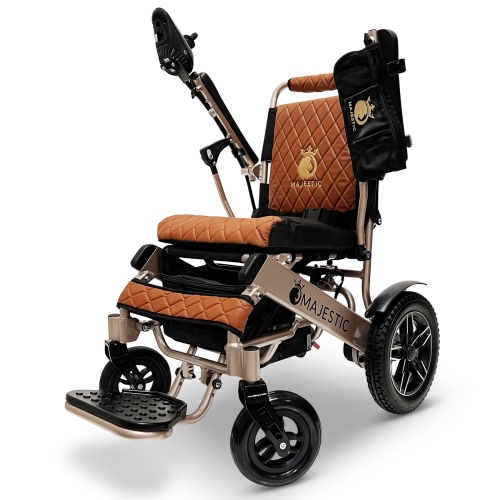
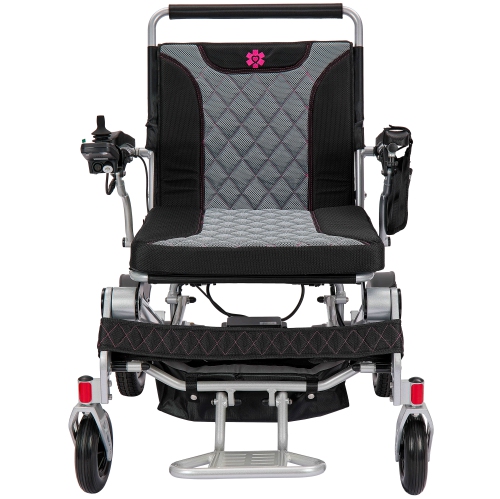
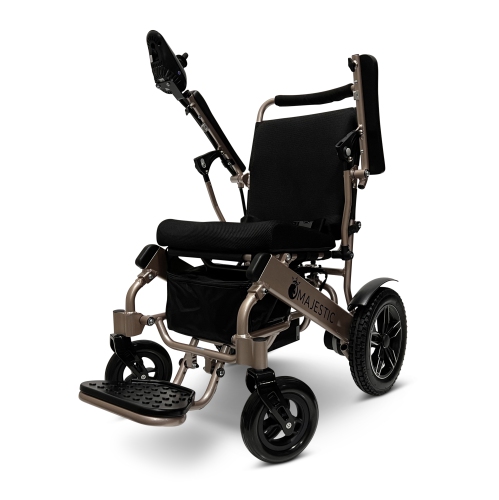
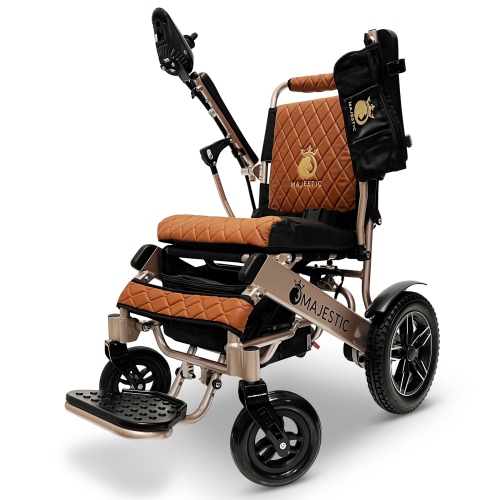
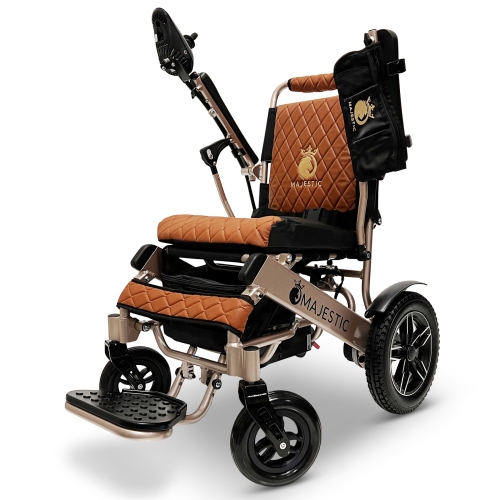
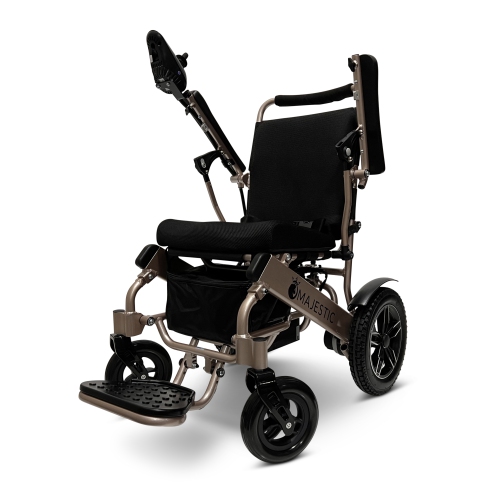
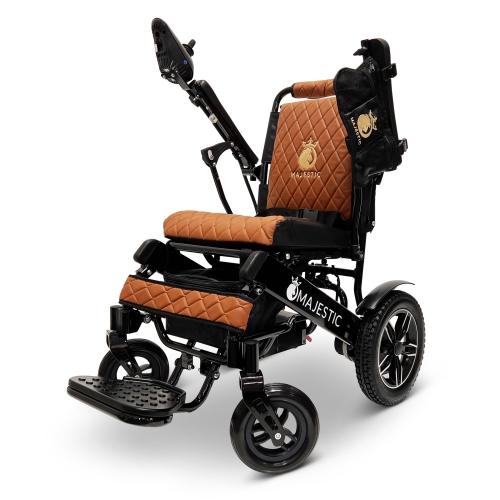
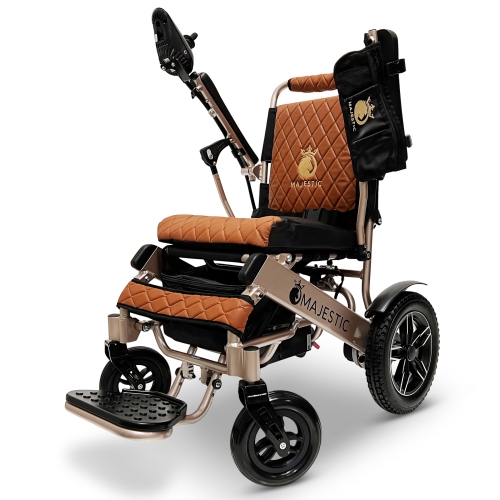
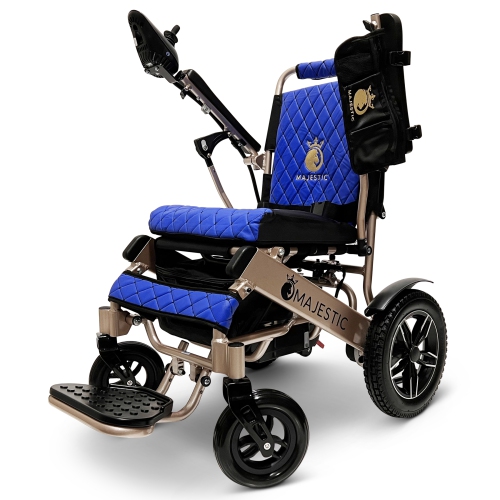
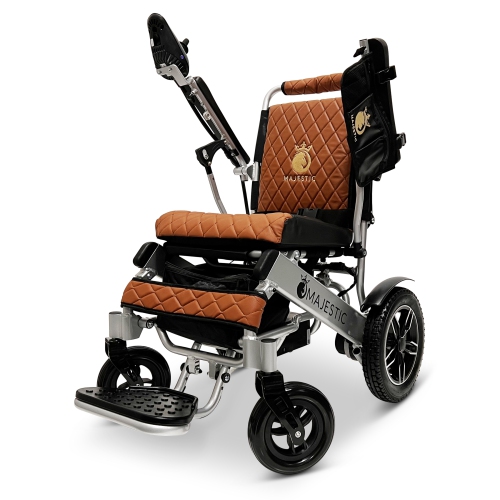
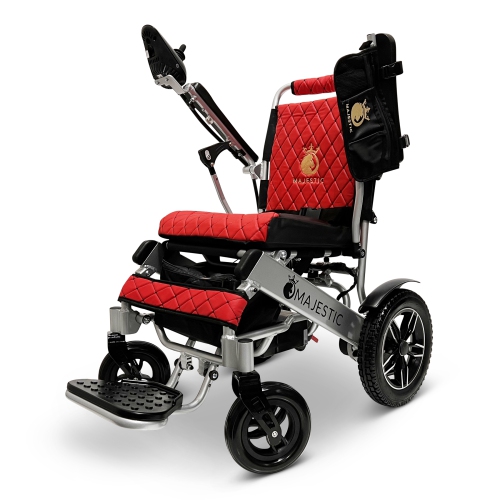
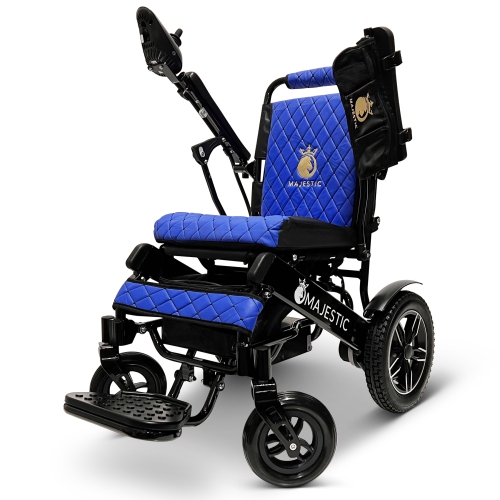
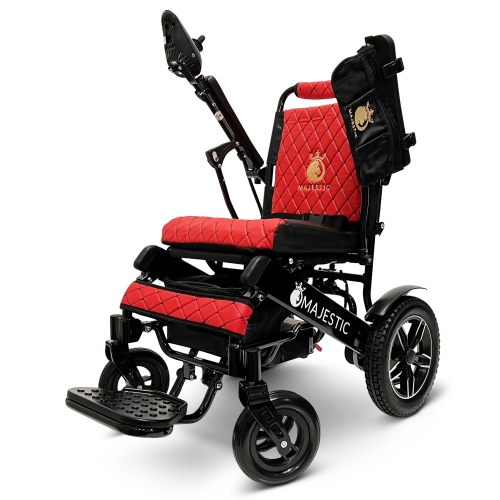
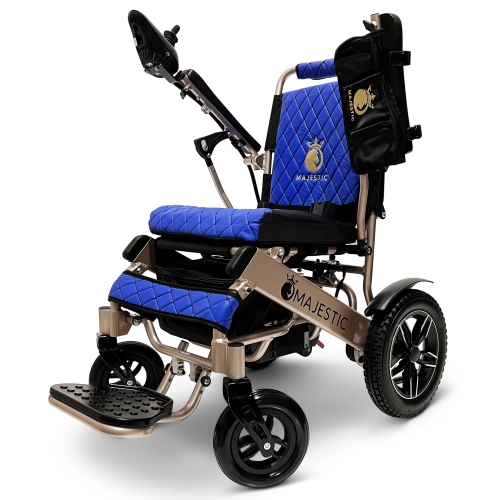
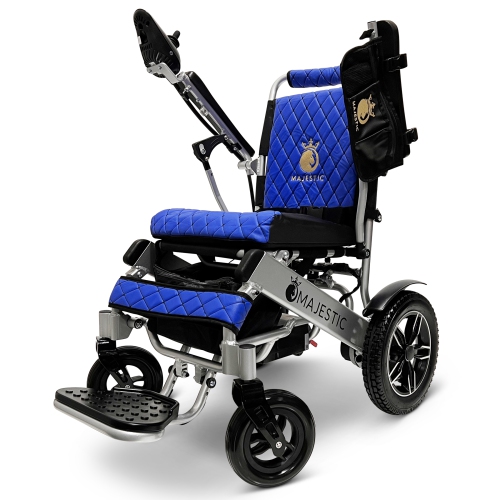

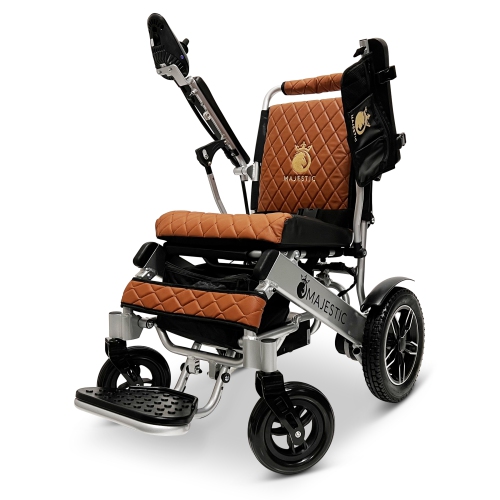
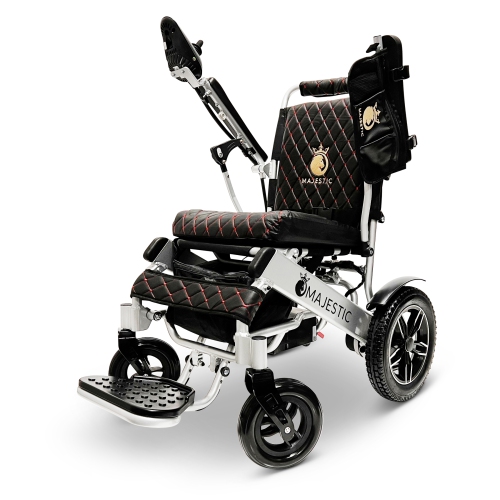
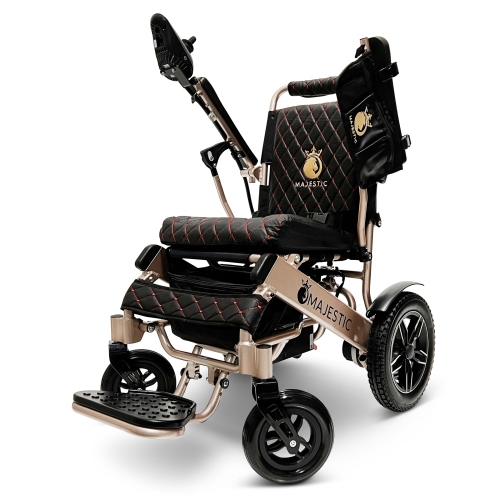
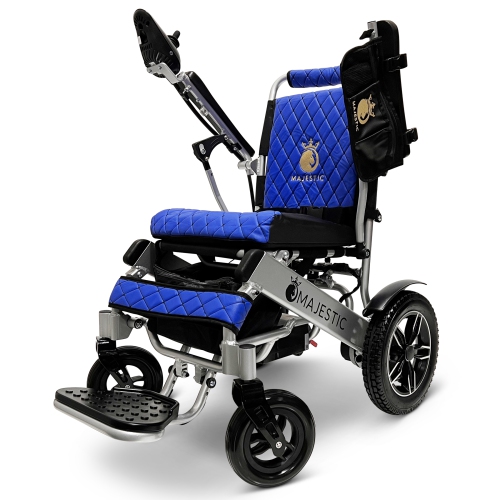
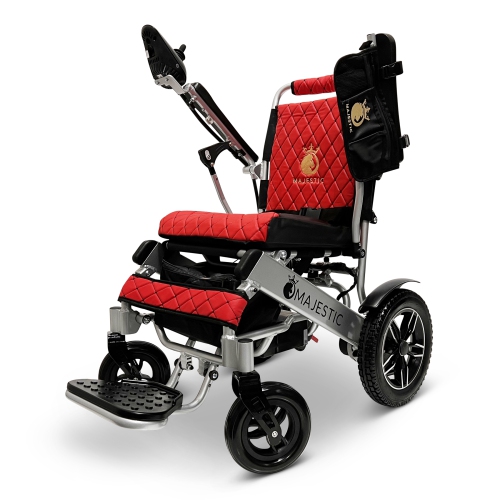
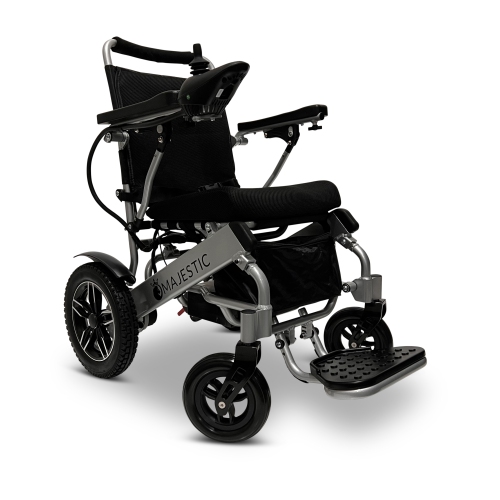
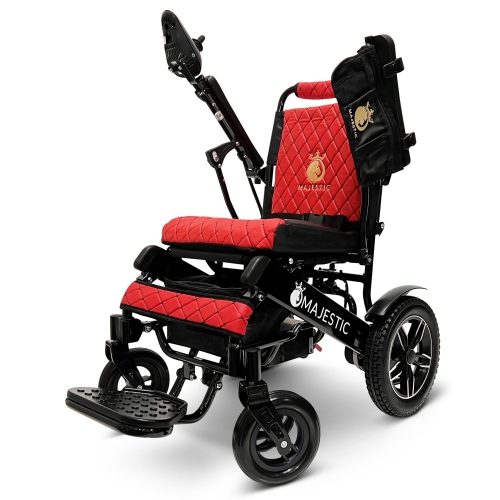
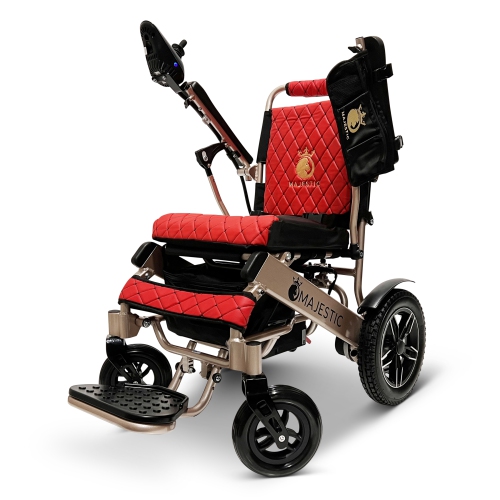
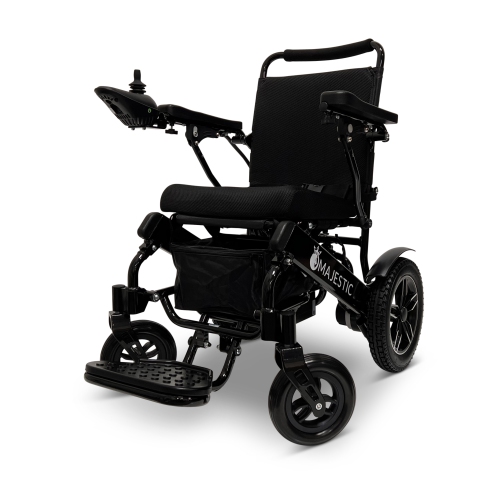
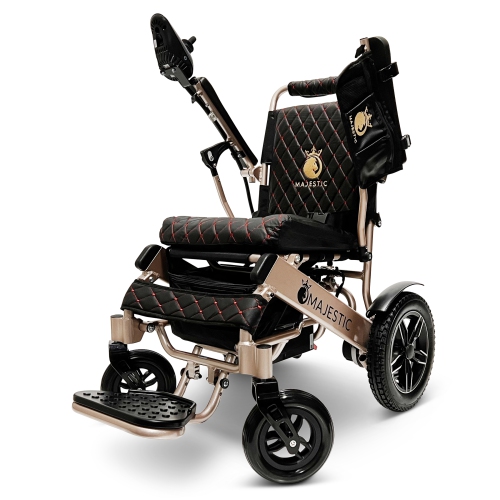
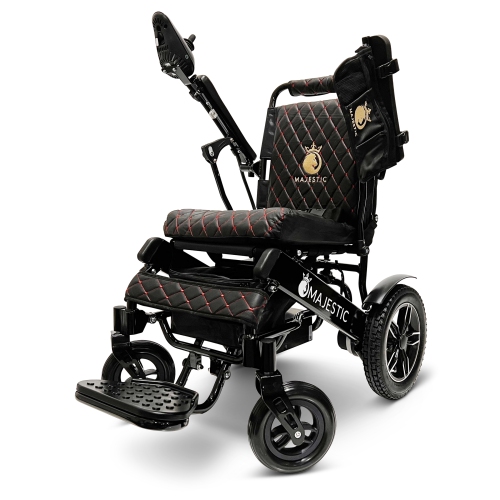
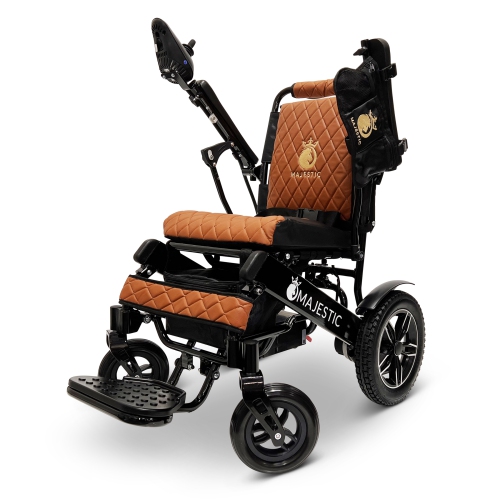
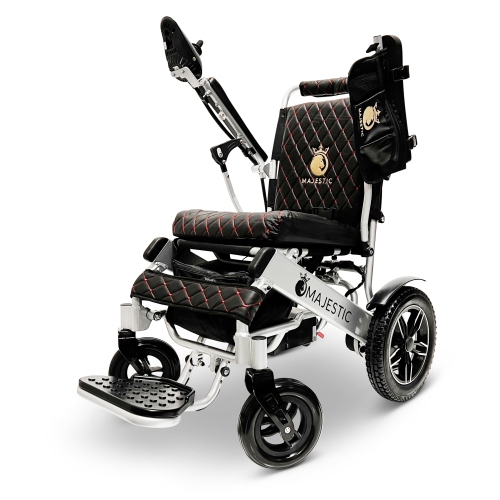
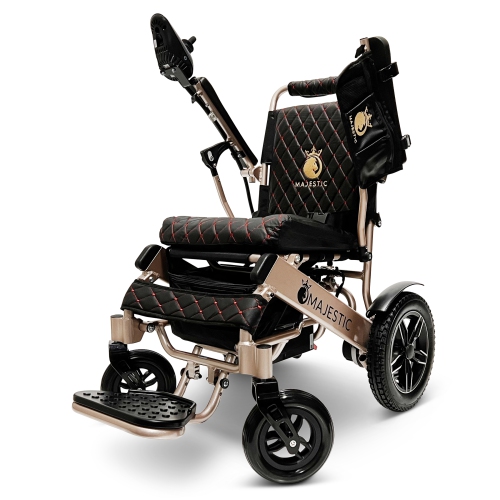
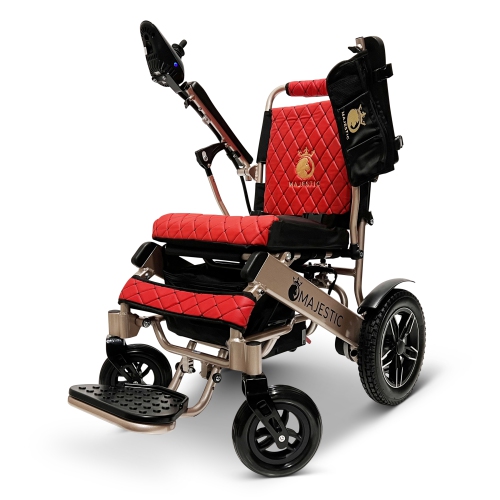
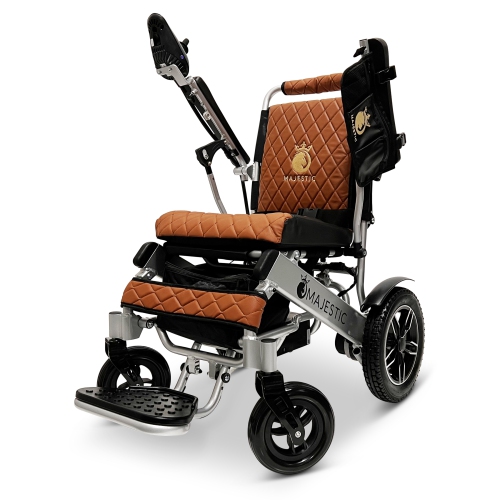
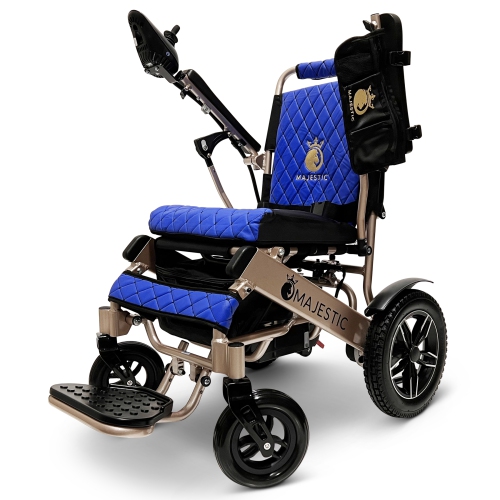

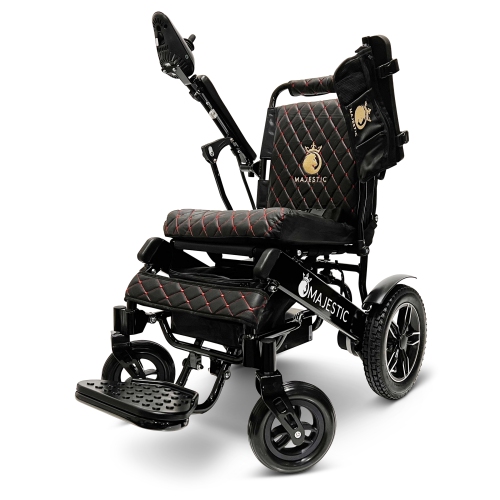
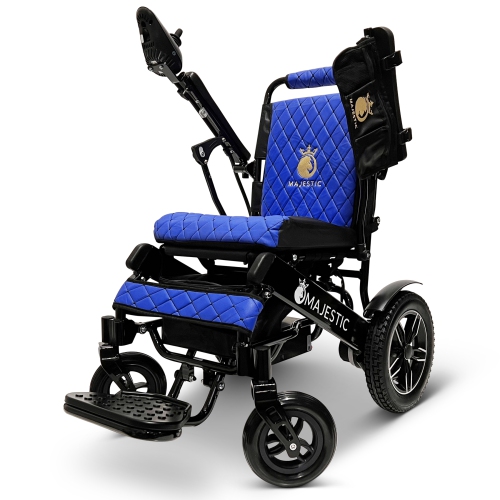
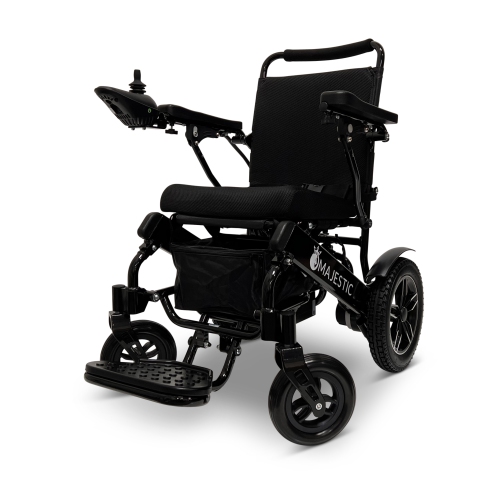
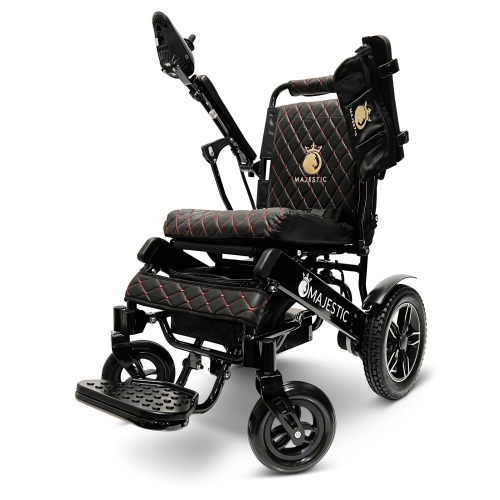
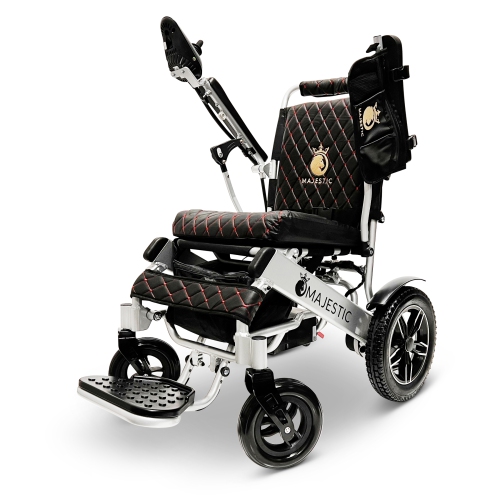
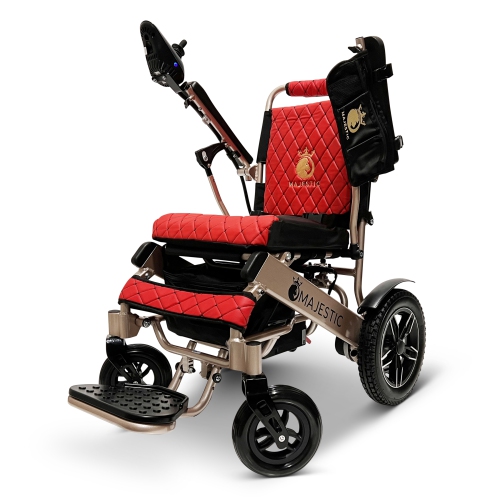
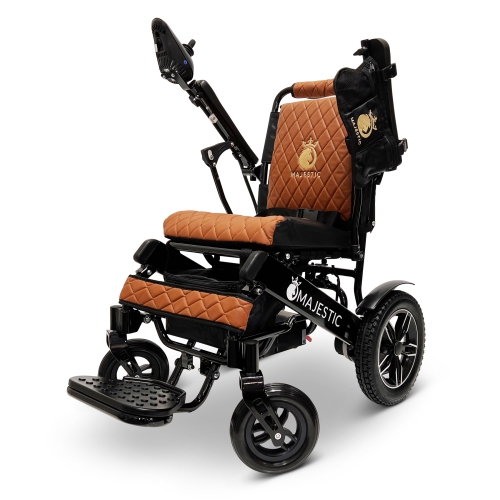
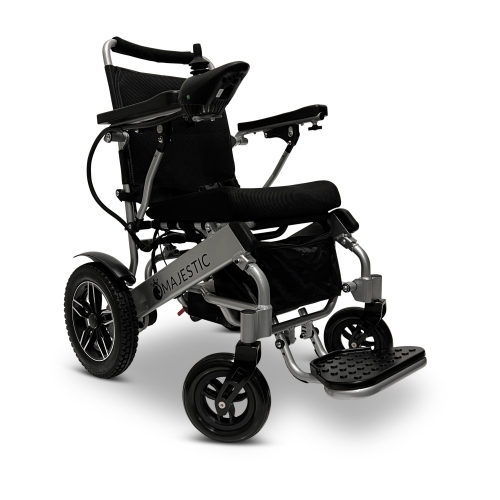
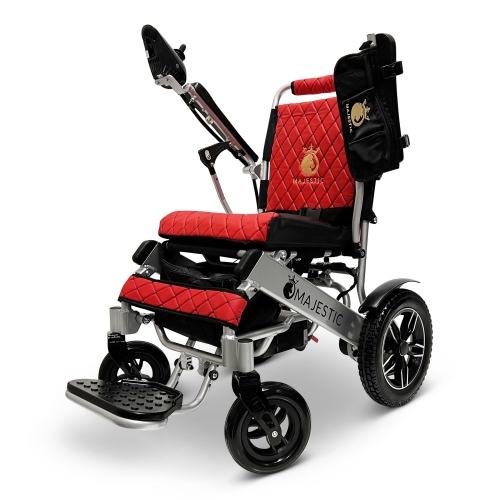
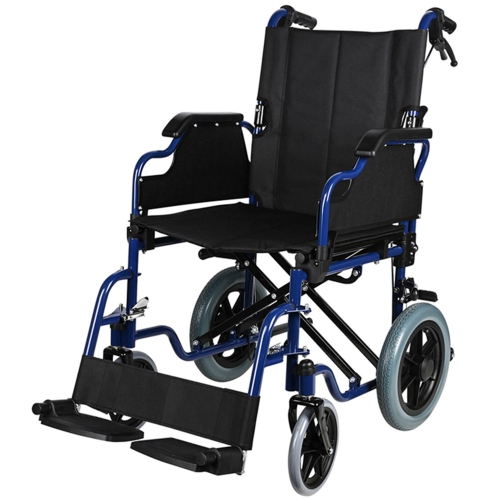
Lightweight mobility that makes everyday travel more manageable
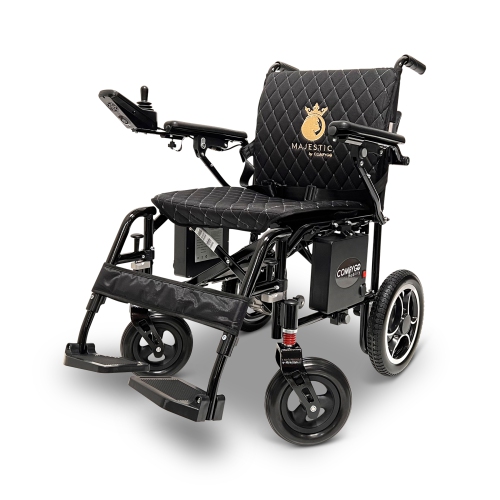
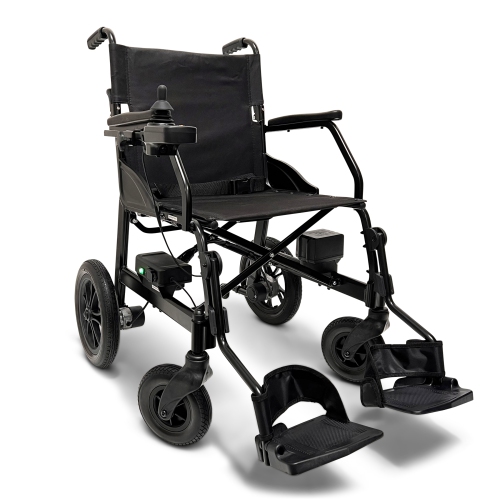
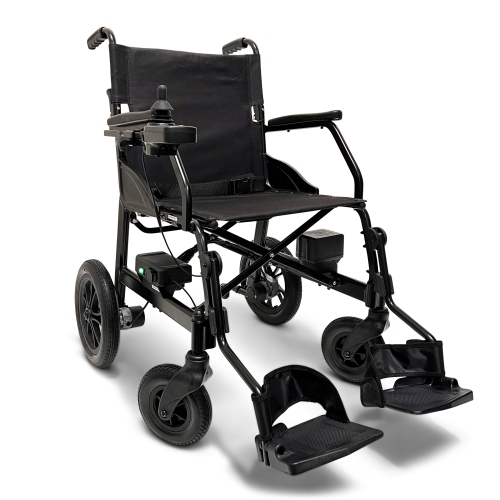
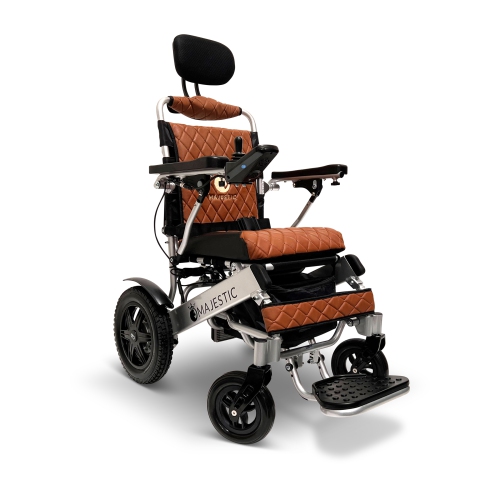
Finding the lightest folding wheelchair can make everyday mobility easier to manage, especially when a chair needs to travel in a vehicle, be lifted into a trunk, or stored in a hallway closet between outings. Manual wheelchairs designed for maximum portability can weigh in the low-teens when configured with lightweight frames and removable components, while some folding electric wheelchairs weigh approximately 25 to 30 lb before the battery is installed. Actual weights vary by seat width, frame material, wheel size, footrests, armrests, battery, and other included accessories, so it is important to compare the listed transport weight rather than relying on the chair’s overall appearance. A chair that folds compactly may be a practical choice for airport transfers, accessible taxis, medical appointments, shopping trips, visiting friends, or enjoying a paved path during warmer weather. It may also be useful around the home when a family member needs occasional assistance over longer distances but can still stand or walk for shorter periods. When the chair is intended as a gift, the most thoughtful choice is one that suits the recipient’s daily routine, body measurements, mobility needs, and the person who will help lift, fold, or transport it. A lighter chair can reduce strain for caregivers, but portability should never come at the expense of safe support, comfortable positioning, or dependable control. Consider the chair’s maximum user weight, seat width, seat depth, back height, and overall folded dimensions before purchase. A narrow seat may be easier to manoeuvre through doorways, while a wider seat may provide more comfort for longer periods. Measuring the vehicle’s cargo area, storage space, and the narrowest doorway at home can prevent an unpleasant surprise when the chair arrives.
Manual and electric folding wheelchairs offer different kinds of convenience. A lightweight manual wheelchair may be suitable when another person will push the chair, or when the user wants a simple mobility option for short visits, public spaces, and occasional transport. Pay close attention to whether the chair is self-propelled or intended primarily for attendant use. Larger rear wheels, push rims, and a suitable wheel position can affect whether the user can move independently, while smaller transport wheels may keep the folded package lighter and more compact. Removable or swing-away footrests can make transfers easier and may reduce the packed size, although they should be secured correctly before use. Locking brakes, heel loops, armrests, calf support, and a stable seat are also important details for comfort and safety. Some folding designs use quick-release wheels or foldable backrests to simplify storage, but each additional mechanism should be easy for the intended caregiver to operate. For users who need powered movement, an ultra-light folding electric wheelchair can offer greater independence without the bulk of a traditional power chair. Look for clear information about the battery type, charging time, travel range, maximum speed, controller placement, and whether the stated weight includes the battery. A removable battery may make lifting easier and can be helpful when charging indoors, while a compact folding frame may fit more easily in a vehicle. Travel plans also deserve attention: airline and carrier requirements can differ, and battery transport rules may apply, particularly for lithium batteries. Confirm the chair’s folded dimensions, battery documentation, and transport instructions before heading to an airport. For shoppers comparing powered options, the selection of Lightweight Electric Wheelchairs can provide a useful place to review portable mobility features alongside other electric designs.
The lightest option is not automatically the most suitable option, because real-world comfort and handling depend on more than the number on the specification sheet. Think about the surfaces the chair will encounter: smooth indoor flooring, door thresholds, ramps, gravel, grass, uneven sidewalks, and sloped driveways all place different demands on the wheels and frame. Small wheels and a very compact design may be convenient indoors but less comfortable over rough pavement. A cushioned seat and supportive back can matter greatly during a full afternoon away from home, while breathable upholstery may feel more comfortable during active use as the weather warms and into the cooler months. Check how the chair turns, how firmly it holds on an incline, and whether the attendant handles provide a natural pushing height. If the user has limited upper-body strength, reduced hand control, or difficulty sitting upright for long periods, a health professional or seating specialist can help identify suitable support features. Before each outing, inspect the brakes, tyres, footrests, folding joints, and battery connection, and make sure every locking mechanism is fully engaged after unfolding. Practise folding and lifting the chair at home first; a few trial runs can reveal whether one person can manage it safely or whether assistance is needed. It is also helpful to keep the folded chair protected from loose items in the trunk and to avoid placing heavy luggage on top of the frame. Whether selected for occasional family trips, regular appointments, accessible travel, or daily independence, a lightweight folding wheelchair should balance low transport weight with stability, fit, ease of use, and the level of support the user expects. Careful measurements and a realistic look at where and how the chair will be used can lead to a more comfortable experience long after the first fold.
Manual and electric folding wheelchairs offer different kinds of convenience. A lightweight manual wheelchair may be suitable when another person will push the chair, or when the user wants a simple mobility option for short visits, public spaces, and occasional transport. Pay close attention to whether the chair is self-propelled or intended primarily for attendant use. Larger rear wheels, push rims, and a suitable wheel position can affect whether the user can move independently, while smaller transport wheels may keep the folded package lighter and more compact. Removable or swing-away footrests can make transfers easier and may reduce the packed size, although they should be secured correctly before use. Locking brakes, heel loops, armrests, calf support, and a stable seat are also important details for comfort and safety. Some folding designs use quick-release wheels or foldable backrests to simplify storage, but each additional mechanism should be easy for the intended caregiver to operate. For users who need powered movement, an ultra-light folding electric wheelchair can offer greater independence without the bulk of a traditional power chair. Look for clear information about the battery type, charging time, travel range, maximum speed, controller placement, and whether the stated weight includes the battery. A removable battery may make lifting easier and can be helpful when charging indoors, while a compact folding frame may fit more easily in a vehicle. Travel plans also deserve attention: airline and carrier requirements can differ, and battery transport rules may apply, particularly for lithium batteries. Confirm the chair’s folded dimensions, battery documentation, and transport instructions before heading to an airport. For shoppers comparing powered options, the selection of Lightweight Electric Wheelchairs can provide a useful place to review portable mobility features alongside other electric designs.
The lightest option is not automatically the most suitable option, because real-world comfort and handling depend on more than the number on the specification sheet. Think about the surfaces the chair will encounter: smooth indoor flooring, door thresholds, ramps, gravel, grass, uneven sidewalks, and sloped driveways all place different demands on the wheels and frame. Small wheels and a very compact design may be convenient indoors but less comfortable over rough pavement. A cushioned seat and supportive back can matter greatly during a full afternoon away from home, while breathable upholstery may feel more comfortable during active use as the weather warms and into the cooler months. Check how the chair turns, how firmly it holds on an incline, and whether the attendant handles provide a natural pushing height. If the user has limited upper-body strength, reduced hand control, or difficulty sitting upright for long periods, a health professional or seating specialist can help identify suitable support features. Before each outing, inspect the brakes, tyres, footrests, folding joints, and battery connection, and make sure every locking mechanism is fully engaged after unfolding. Practise folding and lifting the chair at home first; a few trial runs can reveal whether one person can manage it safely or whether assistance is needed. It is also helpful to keep the folded chair protected from loose items in the trunk and to avoid placing heavy luggage on top of the frame. Whether selected for occasional family trips, regular appointments, accessible travel, or daily independence, a lightweight folding wheelchair should balance low transport weight with stability, fit, ease of use, and the level of support the user expects. Careful measurements and a realistic look at where and how the chair will be used can lead to a more comfortable experience long after the first fold.
Top selling and popular products
-
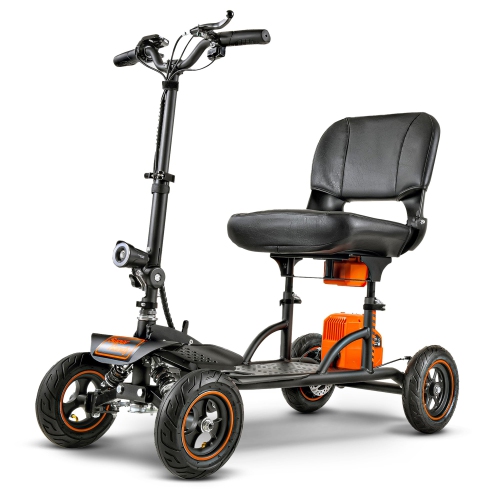 Your price for this item is $1100.99
 -
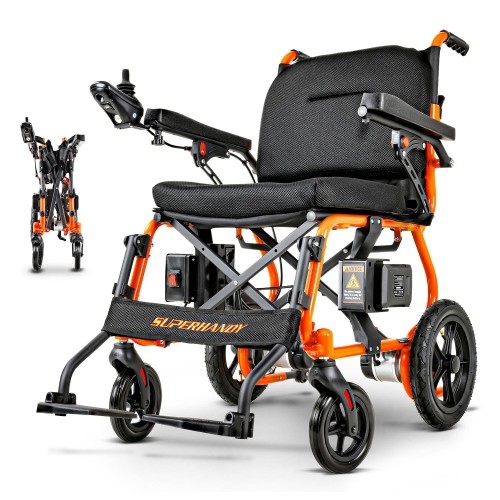 Your price for this item is $950.99
 -
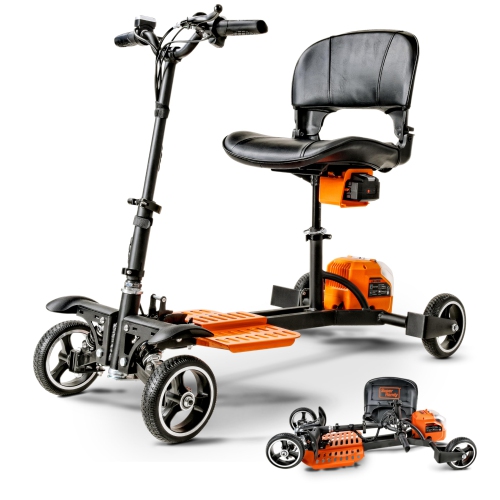 Your price for this item is $999.99
 -
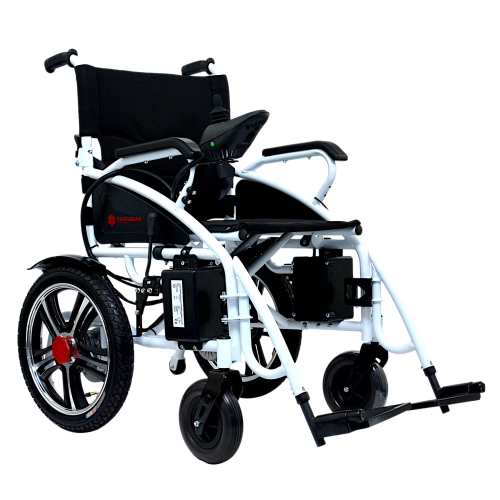 Your price for this item is $1999
 -
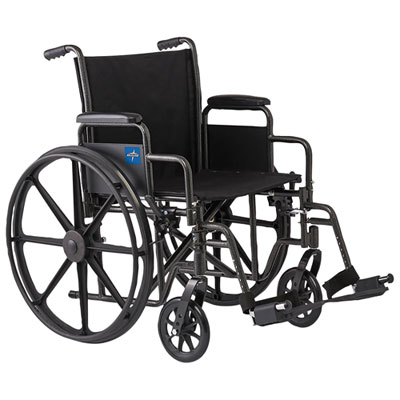 Your price for this item is $314.98
 -
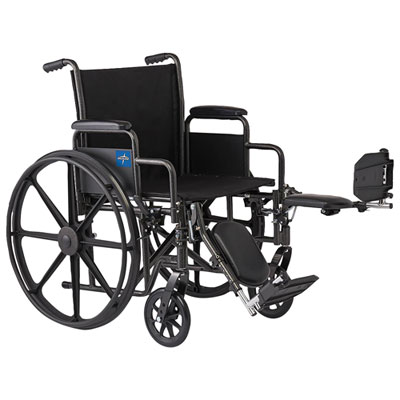 Your price for this item is $458.98
 -
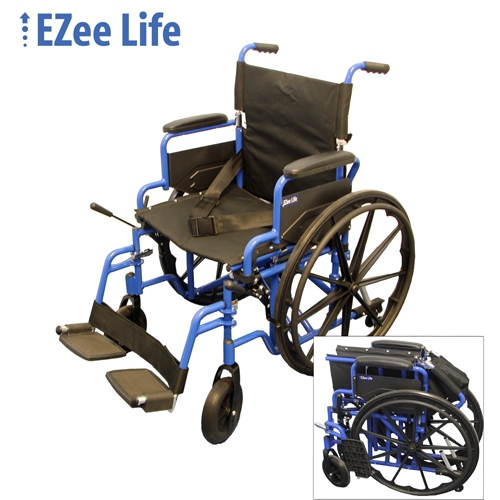 Your price for this item is $600
 -
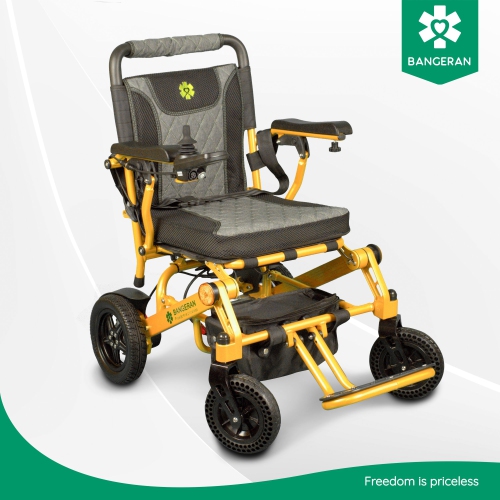 Your price for this item is $1849
Discover more categories related to Lightest Folding Wheelchair
Top Collections:
Pokemon Centers, Best Cameras for Sports Photography, Kindle Devices, Samsung Galaxy Phones, Canon G7X Cameras, Pokémon 30th Celebration Cards, Refurbished Apple Laptops, iPhone 15 Apple, Laptops for Students, Budget Smartphones
Some products may be subject to Environmental Handling Fees
(EHF) depending on your province.
Learn more about EHFs.