Loop Resistance Bands
Looking to level up your fitness routine? Look no further than loop resistance bands. These versatile and compact exercise tools are designed to target specific muscle groups, helping you build strength, improve flexibility, and enhance your overall fitness. Whether you're a beginner or a seasoned fitness enthusiast, loop resistance bands offer endless possibilities for challenging workouts that can be done anywhere, anytime. So, get ready to amp up your training sessions and achieve your fitness goals with the power of loop resistance bands.
Sort


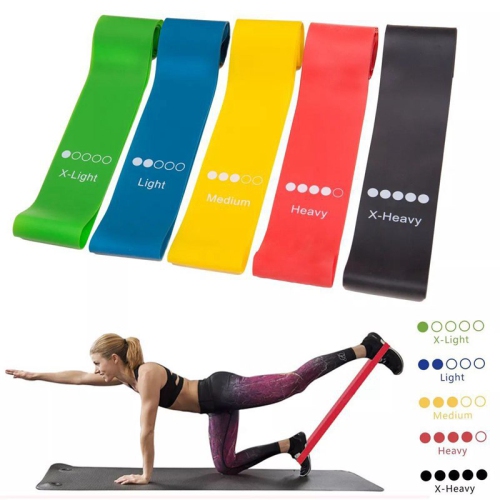
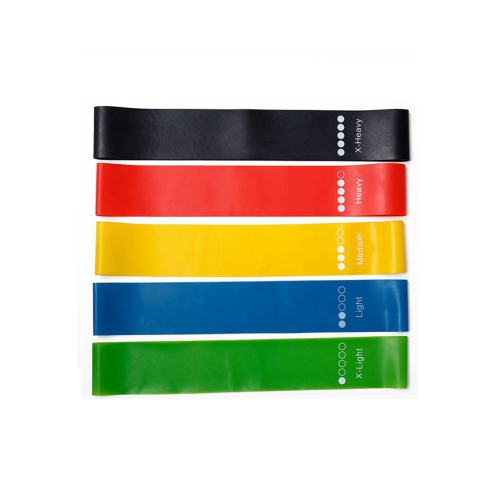

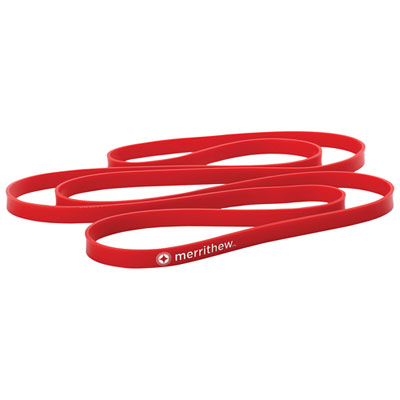


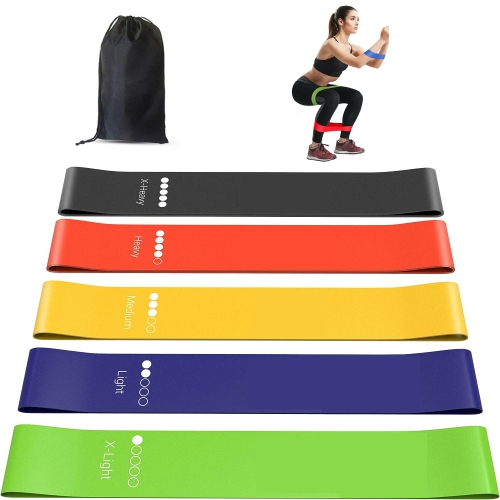













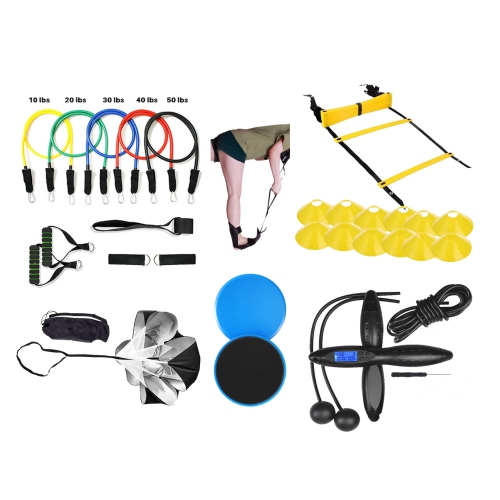


How band size and resistance shape your workout
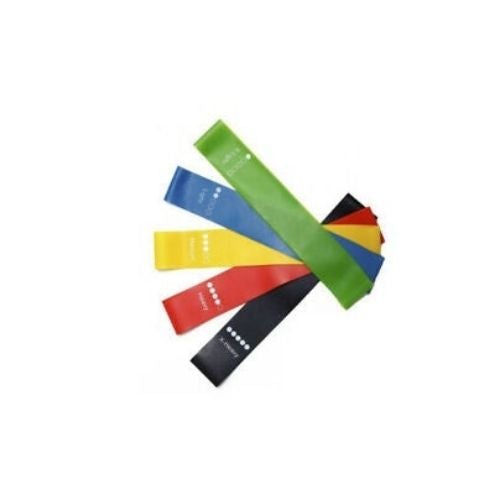
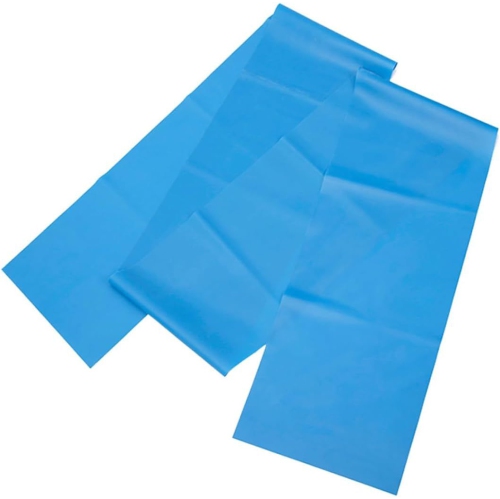
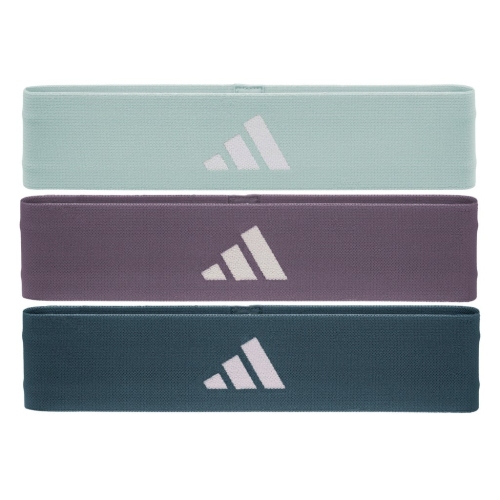
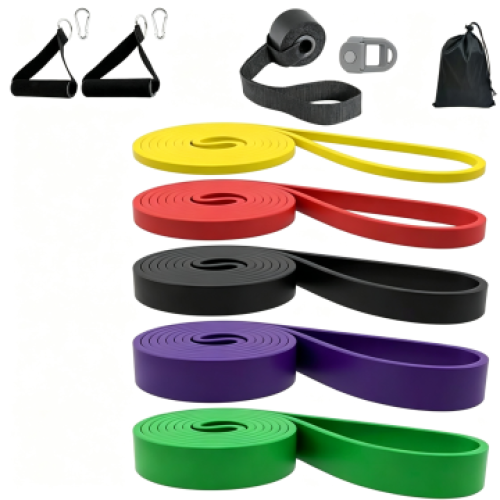
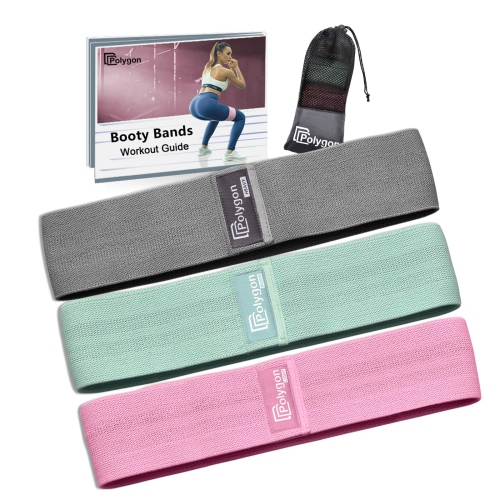
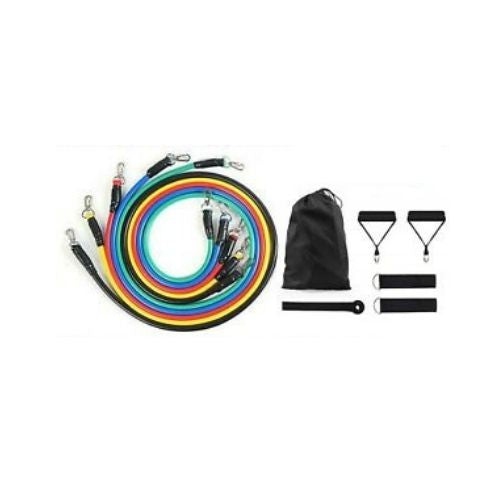
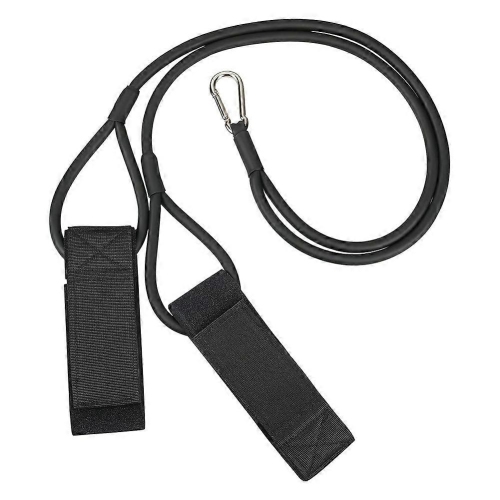
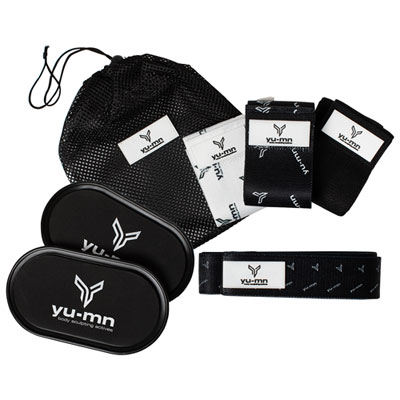
Loop resistance bands are continuous, closed-loop bands that add elastic resistance to strength, mobility, and muscle activation exercises. Unlike open-ended bands, they form a complete circle that can sit around the legs, stretch between the hands, or connect to a suitable exercise anchor, depending on their size and intended use. Their resistance generally increases as they stretch, adding a different feel from lifting a fixed weight. Three common formats serve distinct purposes: mini bands are short loops often used for hip and glute exercises; fabric bands are usually wider, textile-covered loops designed for lower-body movements; and long loop bands, sometimes called superbands, offer more length for assisted pull-ups and full-body strength work. For a home workout, a short loop above the knees can add outward resistance during glute bridges or controlled side steps. A long loop can provide resistance for rows, presses, or other movements when positioned and secured as directed. These formats are not interchangeable in every exercise: a compact hip band does not provide the reach needed for a standing overhead press, while a long loop may be awkward for small lateral steps. Loop resistance bands suit people building a home exercise setup, experienced lifters adding targeted work to a routine, and travellers who want equipment that fits into a small bag. They can also be used in physiotherapist-directed rehabilitation, where the appropriate resistance and movement range depend on individual needs. For Pilates-style sessions, bands can add feedback and resistance to controlled movements without requiring a large training space. The related Pilates Resistance Bands collection offers another way to browse bands for that style of exercise. Whether the goal is a brief movement break beside a desk or an accessory workout after lifting, the most useful format is one that matches the exercise, the available space, and the user’s ability to maintain steady control.
Material, dimensions, and resistance level all affect how a loop band feels in use. Natural rubber latex is common in elastic loops because it stretches readily and provides a smooth pull. Latex-free materials offer alternatives for people who need to avoid latex, but the material description should explicitly confirm that claim. A fabric outer layer does not necessarily mean a band is latex-free, since elastic fibres or inner components may still contain latex. Fabric resistance bands typically combine woven textiles with elastic components, creating a broad surface that can feel comfortable over workout clothing. Their width and texture may help reduce rolling or bunching during squats and side steps, although fit, clothing, placement, and movement all play a part. Smooth rubber loops are often thinner and more compact, with a stretch profile that suits a wide range of exercises, but they can pinch or roll if positioned poorly. The practical difference is easy to notice during a floor exercise: a wide band may sit more evenly above the knees, while a thinner loop may be easier to reposition for an exercise that calls for a different placement. Circumference matters just as much as width. A loop that is too small may feel restrictive before a movement begins, while one that is too large may remain slack through the intended range. Check whether a listed measurement refers to the full circumference or the band’s length when laid flat, since these describe different dimensions. Resistance labels such as light, medium, and heavy are not standardized across manufacturers, and colours do not provide a universal comparison. Where resistance is expressed as a force range, the amount of stretch affects the force produced. A suitable band allows controlled repetitions without forcing the knees inward, changing posture, or shortening the movement unintentionally. Having more than one resistance level can be useful because a small shoulder movement and a lower-body exercise rarely need the same amount of tension. For assisted pull-ups, the relationship is different: a stronger long loop generally provides more assistance, rather than making the exercise harder.
Durability depends on the band’s construction, how far it is stretched, and the surfaces it touches during exercise and storage. A smooth floor and a clear workout area help keep bands away from sharp furniture edges, rough concrete, and other surfaces that can nick or abrade the material. Before each session, inspect rubber loops for cuts, cracks, thinning, or changes in texture, and check fabric bands for fraying, damaged seams, or exposed elastic. A compromised band should be replaced rather than stretched again to test its strength. Long loops used with an anchor require particular care: the anchor must be intended for the exercise, securely installed, and free of sharp contact points. A door handle or an unstable piece of furniture is not a substitute for a suitable attachment. Follow the stated stretch limits, maintain a controlled grip, and avoid releasing a band while it is under tension. Cleaning instructions vary by material, so a fabric loop should not be assumed to be machine washable, and a rubber loop should not automatically be treated with household cleaners. Wiping with a damp cloth or handwashing may be appropriate where the care instructions allow it; thorough drying before storage helps keep the band and its carrying pouch clean. Store bands away from direct sunlight, heaters, and sharp objects, without leaving them stretched around equipment. A pouch or small drawer keeps several resistance levels together and makes a compact exercise setup easier to use. For someone sharing a workout space, clearly marked resistance levels can also make it simpler to select the intended band without trial and error. As a gift, loop resistance bands are most useful when their format suits an established activity, such as strength training, Pilates, or travel workouts, and when any material sensitivities are known. Comfort, dependable construction, and clear care information matter more than choosing the strongest option. A well-matched loop should stay comfortably positioned, provide manageable resistance through the intended movement, and be straightforward to clean and put away after the session.
Top selling and popular products
-
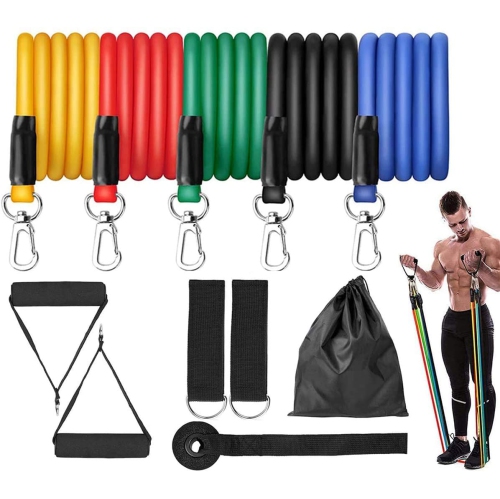 Your price for this item is $19.99
-
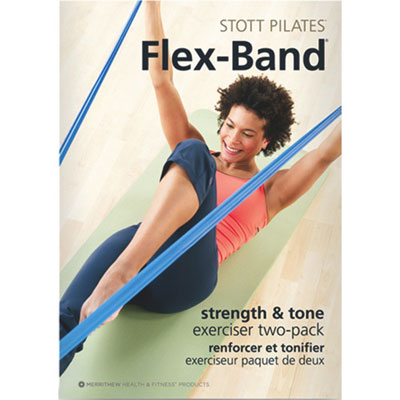 Your price for this item is $20.99
-
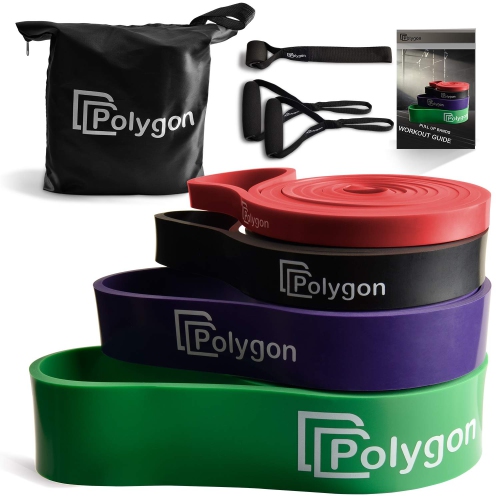 Your price for this item is $109.96
-
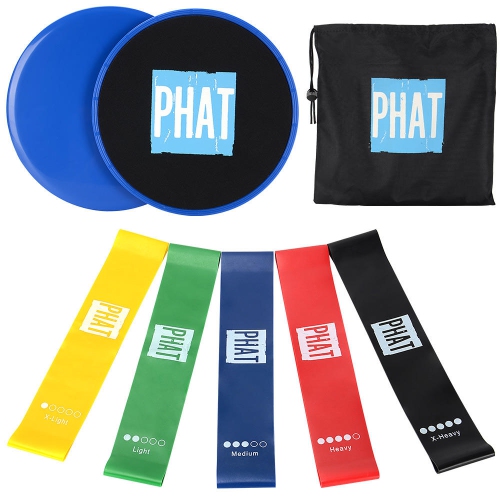 Your price for this item is $27.99
-
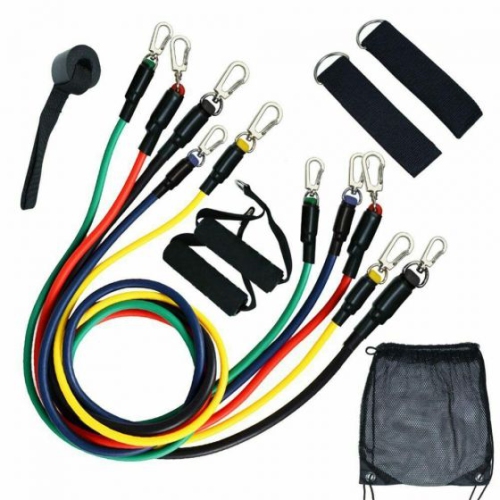 Your price for this item is $24.29
-
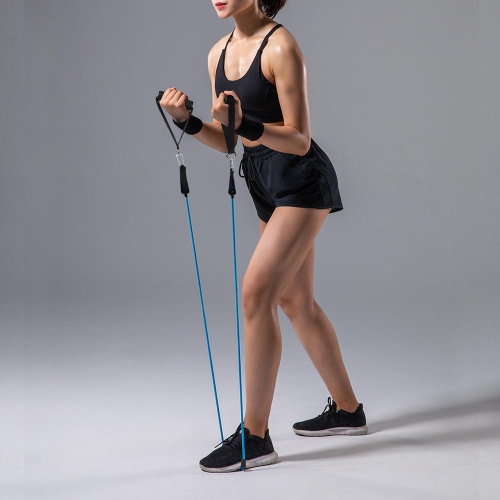 Your price for this item is $39.99
-
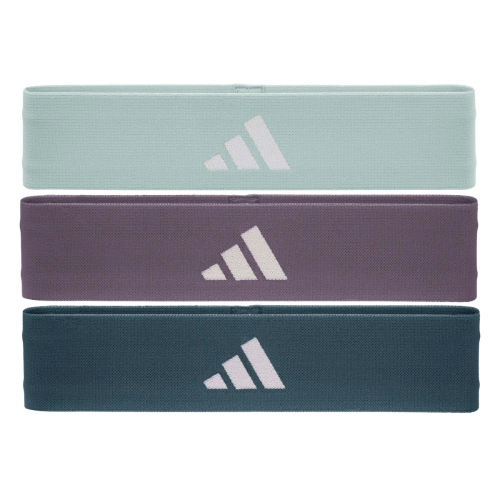 Your price for this item is $69.99
-
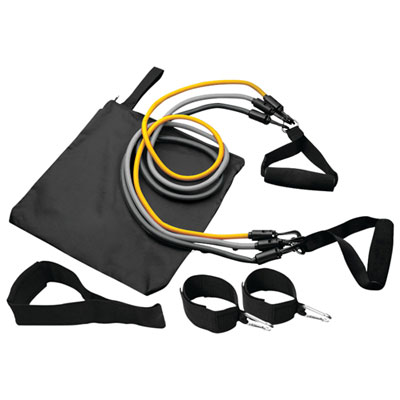 Your price for this item is $29.99
Discover more categories related to Loop Resistance Bands
Top Collections:
Pokemon Centers, Kindle Devices, Best Budget Office Chairs, Canon G7X Cameras, Apple iPhones 16, Samsung Galaxy Phones, Refurbished Apple Laptops, Laptops for Students, iPhone 15 Apple, Budget Smartphones
Some products may be subject to Environmental Handling Fees
(EHF) depending on your province.
Learn more about EHFs.