Workout Resistance Bands
Get ready to take your workout to the next level with our selection of workout resistance bands. Whether you're looking to tone and strengthen your muscles, increase flexibility, or add a new challenge to your fitness routine, these versatile bands are the perfect addition to any home gym setup. With varying levels of resistance to choose from, you can customize your workouts to target different muscle groups and achieve your fitness goals.
Sort







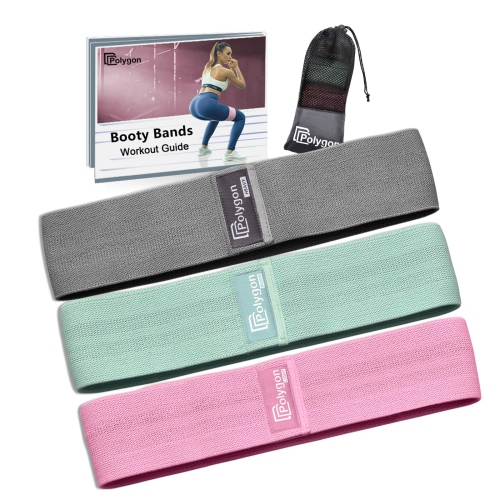
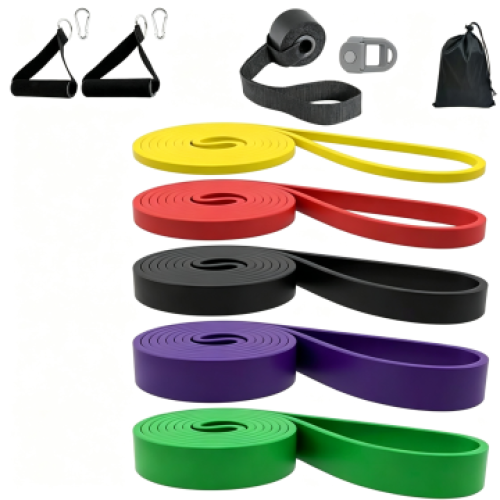


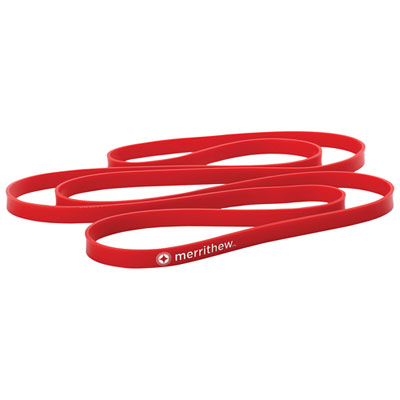
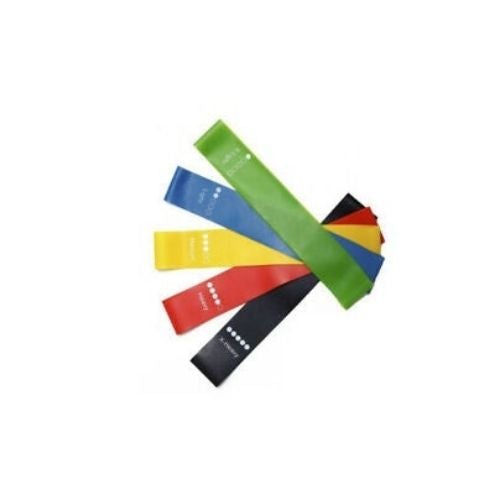


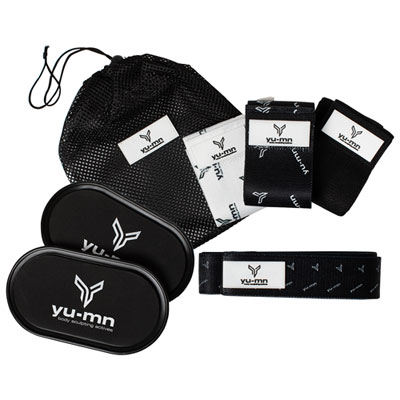
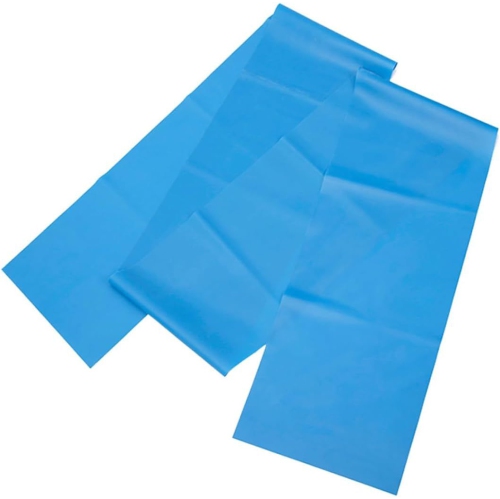
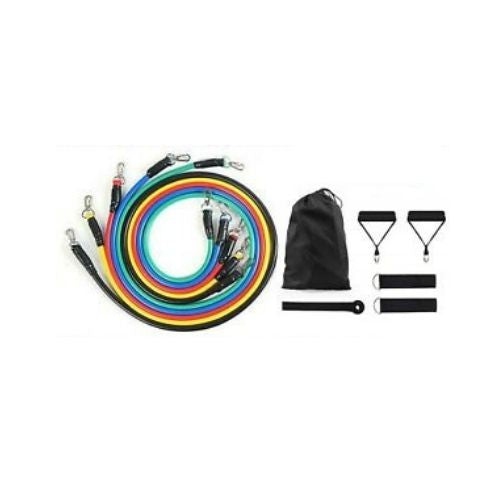


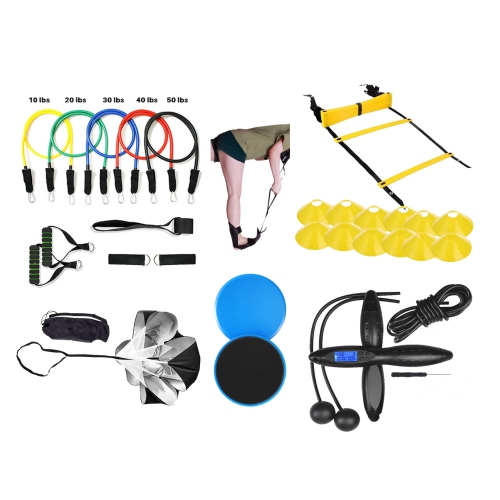











How band shape and tension influence your workout
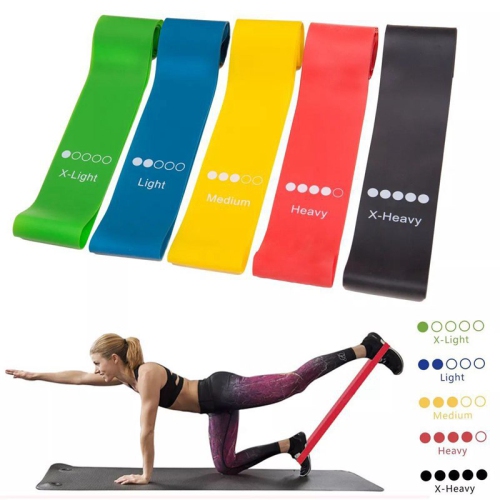
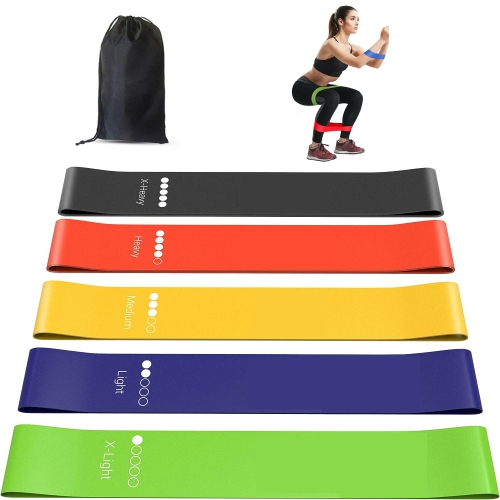
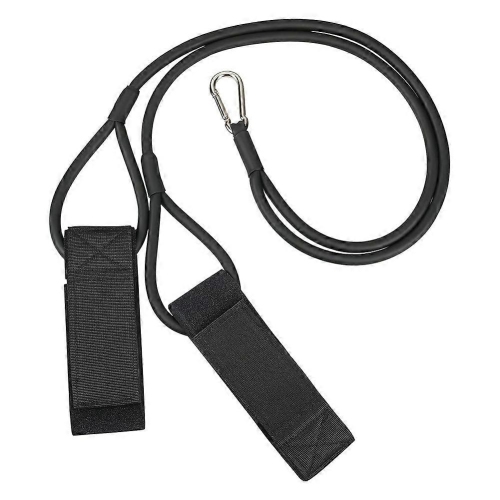
Workout resistance bands are flexible exercise tools that add tension to strength training, mobility work, and stretching. They take up little space, travel easily, and suit a wide range of movements, from standing rows and biceps curls to lateral steps and assisted pull-ups. As a band stretches, its resistance generally increases, so the effort can feel different at the beginning and end of a movement. That changing tension is part of what makes bands useful alongside body-weight exercises, dumbbells, and other fitness equipment. Within the broader selection of Resistance Bands, shape and length help distinguish different uses. Short loop bands, often called mini bands, are commonly worn around the thighs or ankles for hip exercises, side steps, and lower-body warm-ups. Longer continuous loops offer more reach for full-body strength movements, while heavier power loops can provide pull-up assistance with a suitable, properly rated setup. Tube bands with handles offer a familiar grip for curls, rows, and presses, depending on the attachment and how the band is secured. Flat, open-ended bands allow different hand positions and are often used for gentle strengthening, mobility exercises, or rehabilitation directed by a qualified health professional. These formats are not interchangeable in every situation: a compact mini band suited to side steps will not offer the same working length as a long band used for a standing row. For someone exercising beside a desk, packing equipment for a trip, or adding variety to a home fitness space, the appeal is practical. A band can provide resistance without requiring a rack of weights, and several tension levels can fit into a small pouch. Bands can also complement an established gym routine, adding targeted resistance to warm-ups or accessory exercises without taking over the room. Their usefulness depends less on how much equipment is included and more on whether the format matches the movements someone actually enjoys.
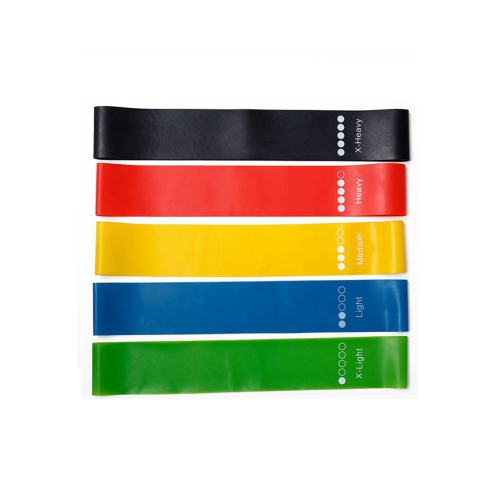
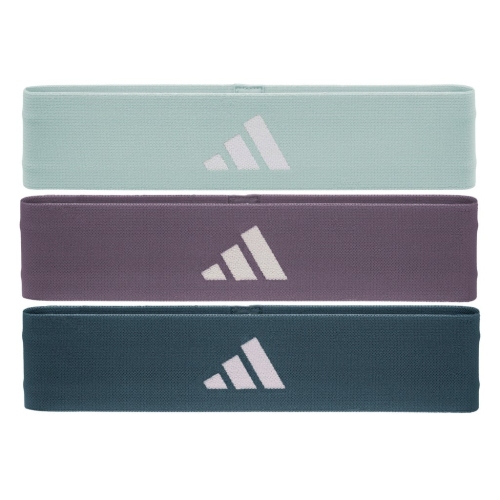
Resistance level, working length, and material all influence how a band feels in use. A lighter band may suit a smaller muscle group or a movement that needs careful control, while a stronger band may be appropriate for larger muscle groups and more demanding exercises. The relationship reverses with assistance: a stronger loop generally provides more help during an assisted pull-up, rather than making that exercise harder. Colour alone is not a reliable way to compare resistance because colour systems differ between manufacturers. Published resistance ratings also need context, since the force changes with the amount of stretch and testing methods may differ. A useful fit allows the intended movement without slack at the starting position or a need to stretch the band beyond its stated limit. Height, limb length, hand position, and attachment location can all affect that fit. Material is another meaningful distinction. Latex bands are typically stretchy and pliable, while non-latex options may suit people who need to avoid natural rubber latex; the material label remains important, including on handles and accessories. Fabric loop bands often combine woven textiles with elastic fibres and may feel comfortable against exercise clothing during lower-body movements. They are not automatically latex-free, and their wider construction can feel quite different from a thin rubber loop. Grip matters just as much as tension. Handles should feel secure in the hand without forcing an awkward wrist position, and cuffs or ankle straps should fasten firmly without digging into the skin. For mini bands, width and surface texture can influence whether the band stays flat or rolls during movement. A band that bunches behind the knees or slips repeatedly can interrupt an otherwise comfortable exercise. Sets with several resistance levels can accommodate different movements and gradual progression, but the most useful range is one that offers controlled movement rather than simply the highest resistance rating. Smooth repetitions and a steady return are more meaningful signs of a suitable match than a difficult first pull.
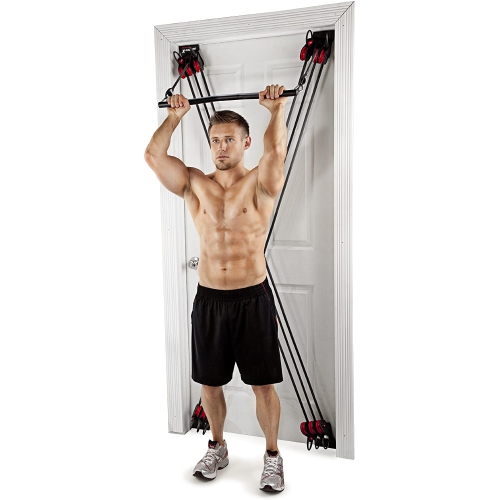
Durability depends on both construction and everyday handling. Bands repeatedly stretch and return to shape, so their surfaces, seams, handles, and connection points deserve attention. Cuts, cracks, thinning areas, fraying, or loose attachments can affect safe use, even when the damage initially looks small. Rough flooring, sharp jewellery, and abrasive edges can wear down flexible materials, while prolonged exposure to direct sunlight or excessive heat may shorten their useful life. Care instructions vary by material: some fabric bands may allow gentle washing, while rubber or tube designs may call for wiping with a damp cloth and air-drying. Harsh cleaners and storage while damp can create avoidable problems, so the manufacturer's directions are the best reference. A storage pouch helps keep bands together and separates them from keys or other sharp objects in a gym bag. Attachment accessories also shape the experience. Door anchors are intended for compatible doors and specific positioning, not any convenient gap, and a secure setup matters whenever a stretched band could recoil towards the body. Bands should only be used with attachment points and accessories appropriate to their design and stated limits. For beginners, a manageable resistance level and comfortable grip can make short home sessions feel more approachable. Experienced exercisers may value heavier loops, multiple tension options, or bands that complement free-weight training. Travellers and people with limited storage often appreciate equipment that packs flat, while those returning to exercise after an injury may use a particular band style as part of a professionally recommended programme. Resistance bands can also make a thoughtful fitness gift when the recipient's preferred activities, experience, and material sensitivities are known. A runner who already uses mini bands for warm-ups has different needs from someone who prefers upper-body strength exercises with handles. Matching the band to that familiar routine makes it more likely to become useful everyday equipment rather than another accessory left in a drawer.
Top selling and popular products
-
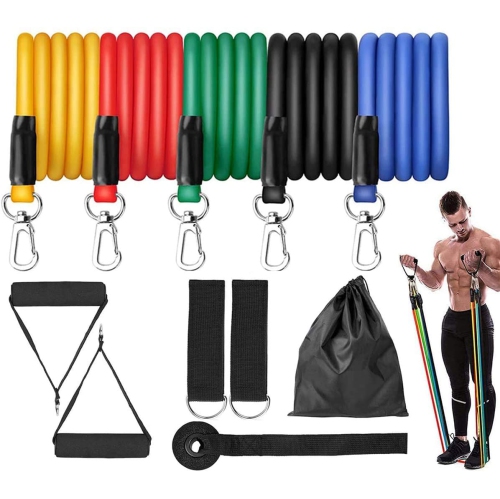 Your price for this item is $19.99
-
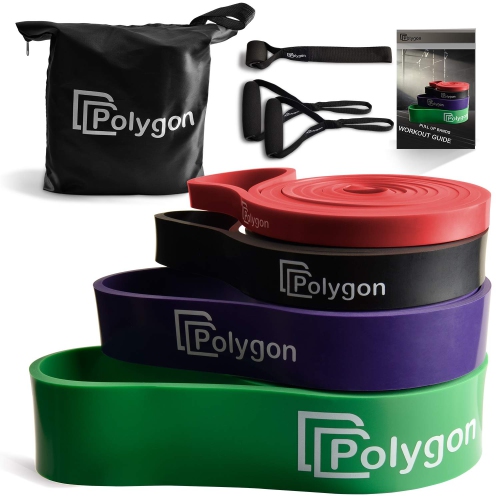 Your price for this item is $109.96
-
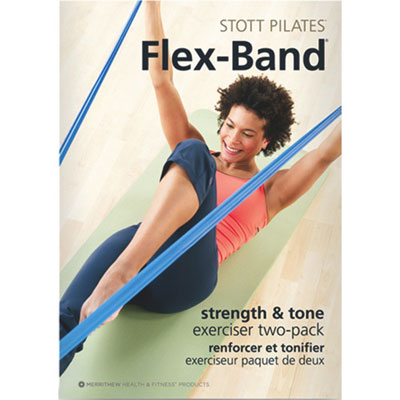 Your price for this item is $20.99
-
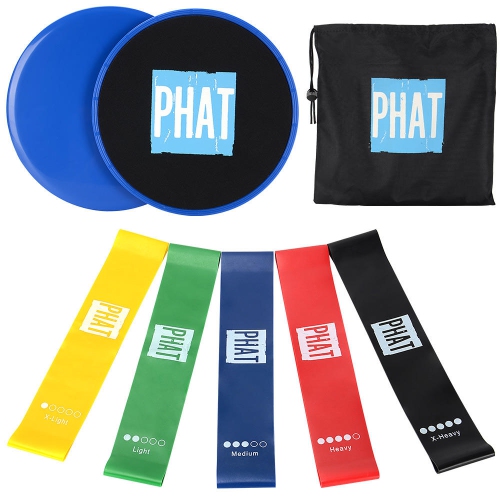 Your price for this item is $27.99
-
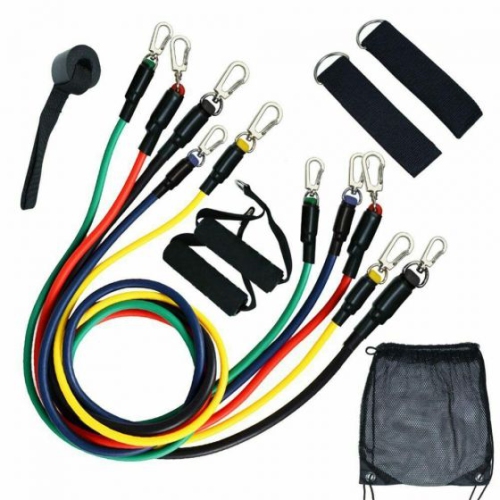 Your price for this item is $24.29
-
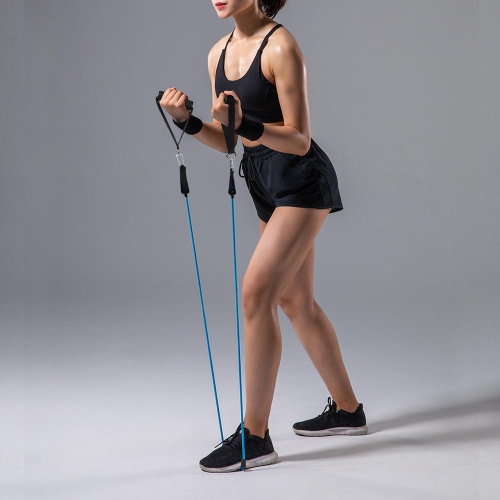 Your price for this item is $39.99
-
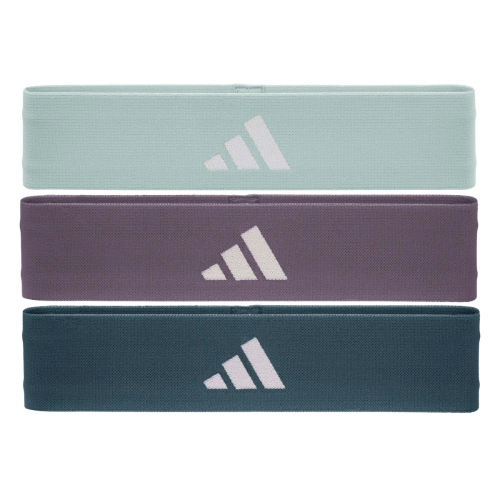 Your price for this item is $69.99
-
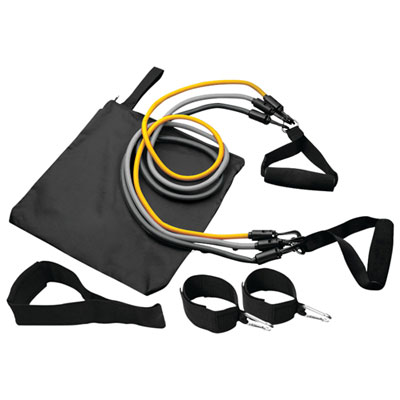 Your price for this item is $29.99
Discover more categories related to Workout Resistance Bands

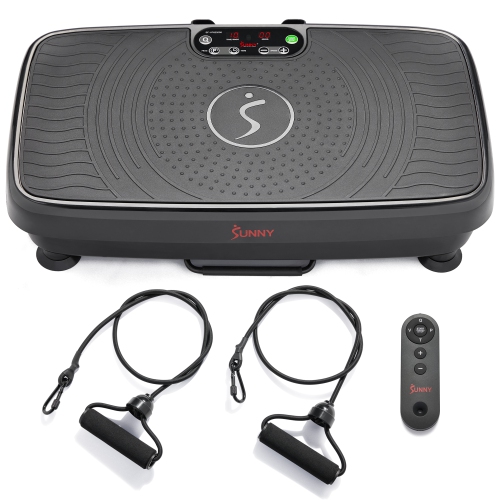
Top Collections:
Pokemon Centers, Kindle Devices, Best Budget Office Chairs, Canon G7X Cameras, Apple iPhones 16, Samsung Galaxy Phones, Refurbished Apple Laptops, Laptops for Students, iPhone 15 Apple, Budget Smartphones
Some products may be subject to Environmental Handling Fees
(EHF) depending on your province.
Learn more about EHFs.