Massage Balls
Massage balls are a versatile and effective tool for relieving muscle tension and promoting relaxation. These compact and portable spheres are designed to target specific areas of the body, providing targeted pressure to help release knots and improve circulation. Whether you're looking to soothe sore muscles after a workout or alleviate tension from everyday stress, massage balls offer a convenient way to enjoy the benefits of a deep tissue massage in the comfort of your own home. Discover a range of options to suit your needs and enhance your self-care routine with these handy massage tools.
Sort
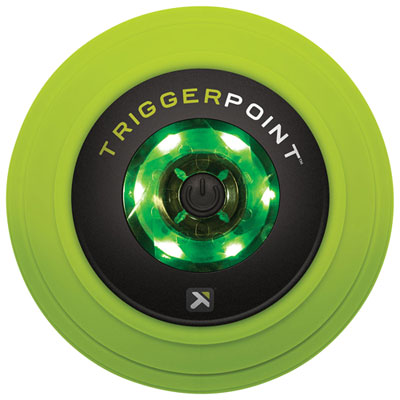
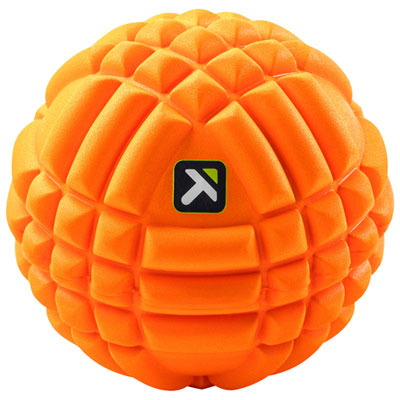
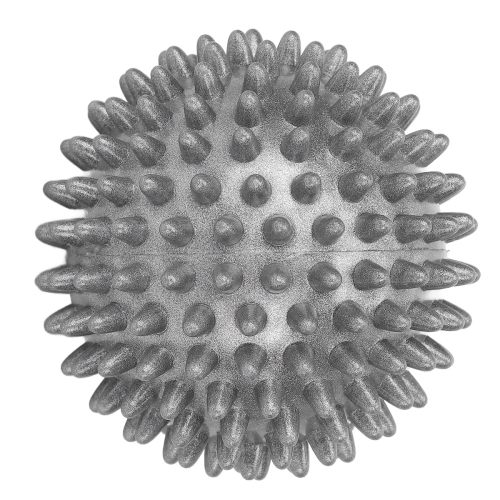
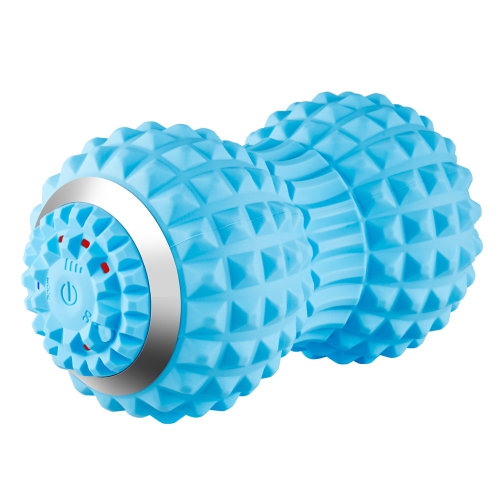
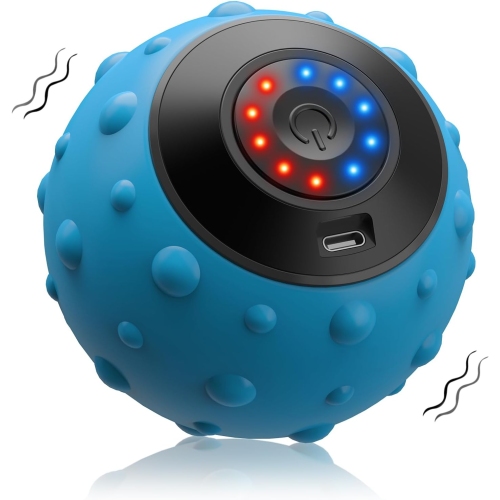
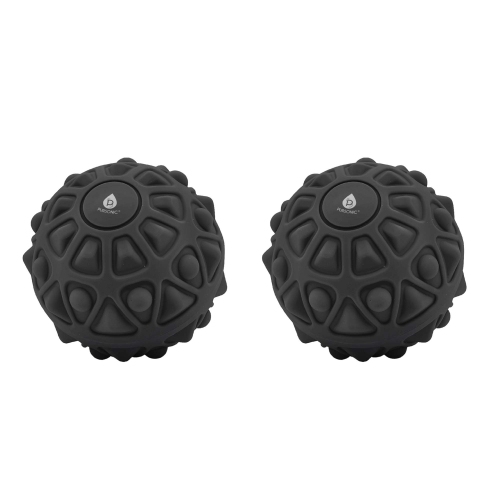
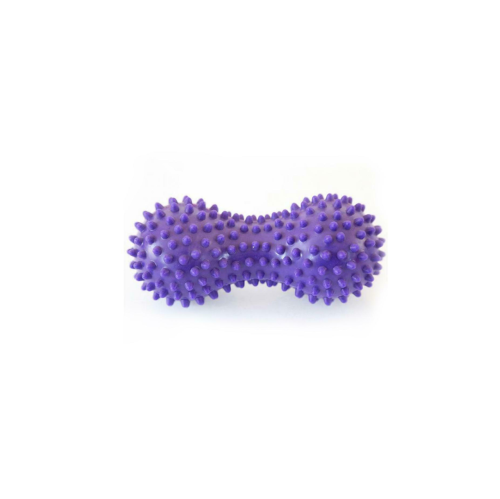
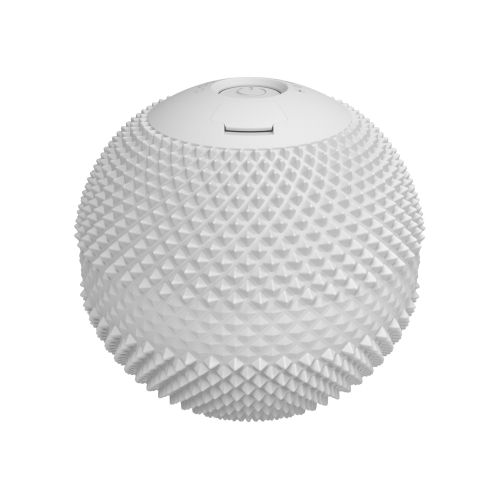
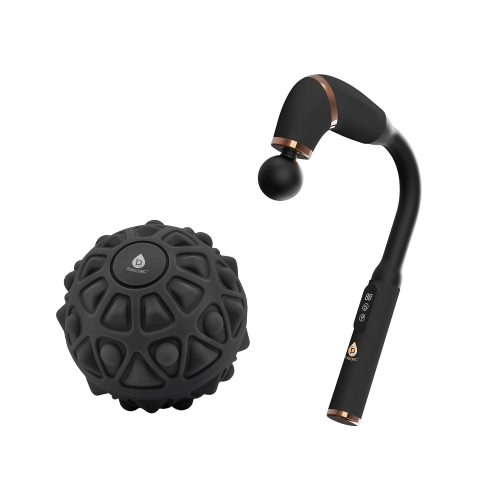
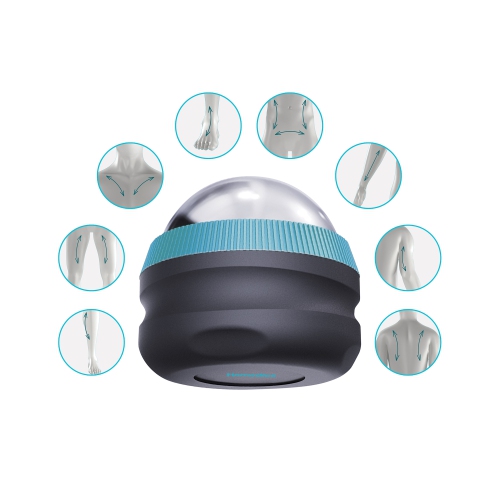
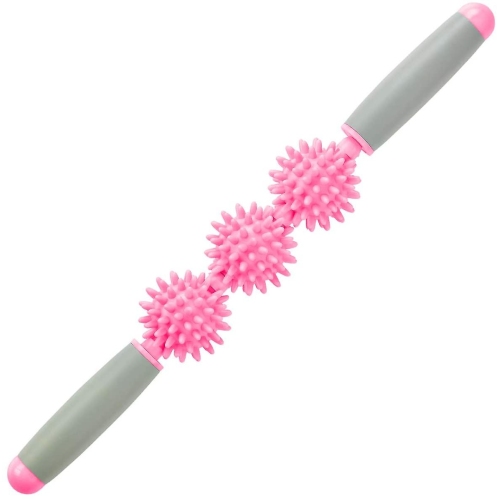
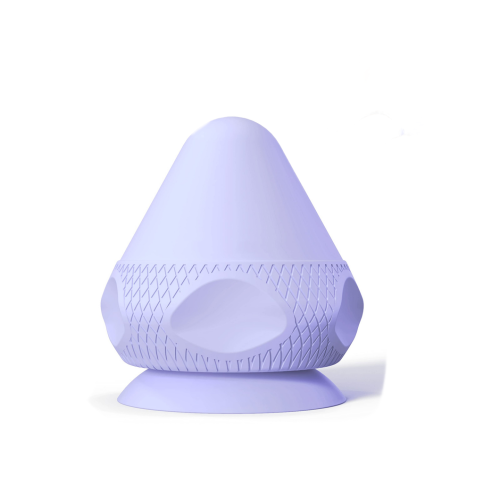
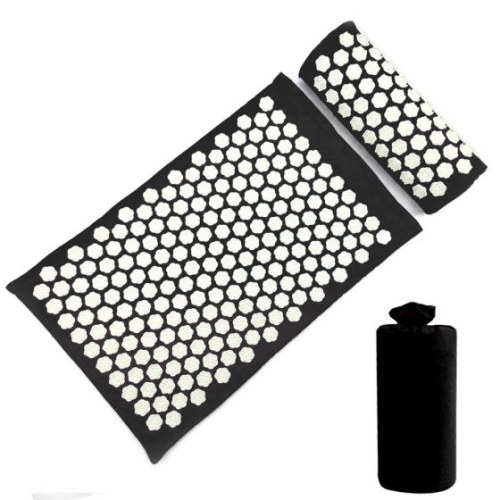
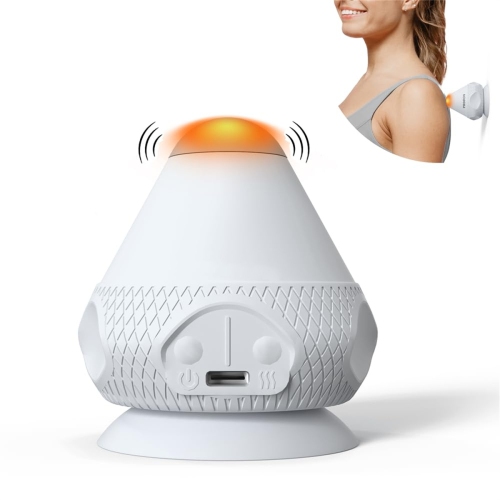
Focused muscle relief wherever your routine takes you
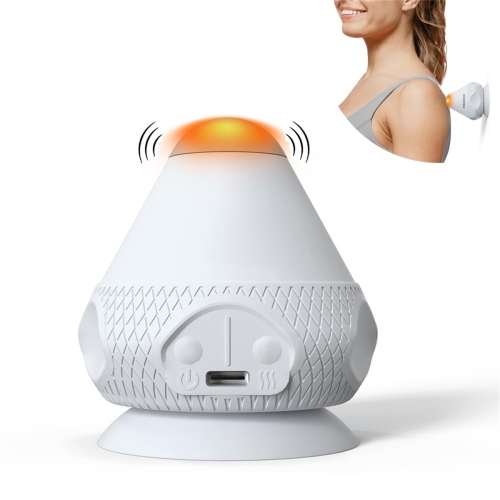
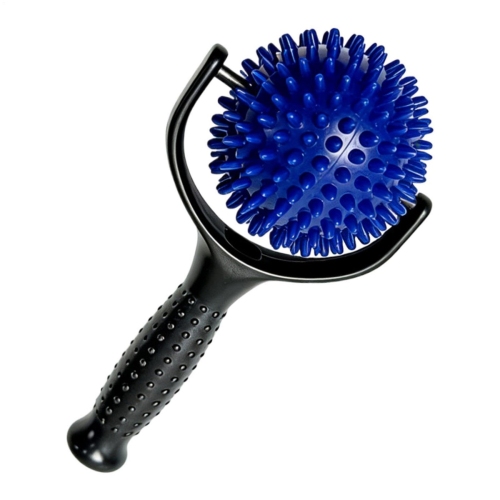
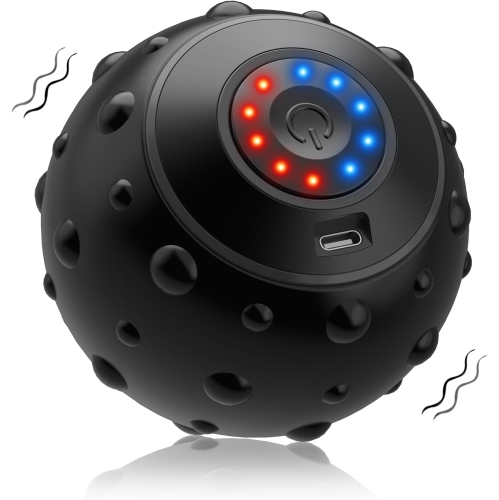
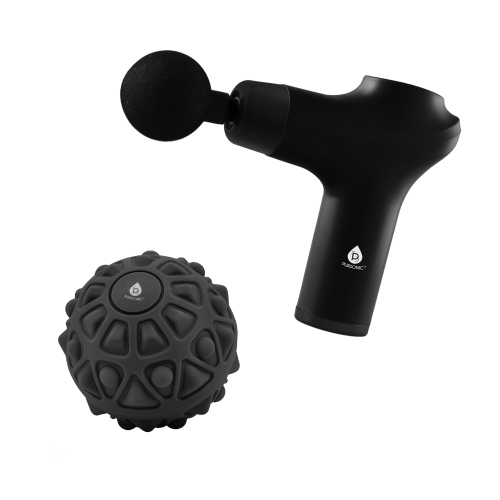
Massage balls are compact self-care tools designed to deliver focused pressure to areas that can be difficult to reach with larger recovery equipment. Their small size makes them useful for the feet, calves, hips, glutes, shoulders, upper back, and other muscle groups where tension often collects after exercise, long periods of sitting, standing, or repetitive movement. Unlike a large roller that covers a broad section at once, a massage ball lets you place pressure exactly where it feels most useful. A smooth rubber or lacrosse-style ball generally provides firm, predictable contact on a floor or wall, while a textured or spiky surface can create a more stimulating sensation with less concentrated pressure. Peanut-style massage balls, made with two connected spheres, are shaped to roll along the muscles on either side of the spine without placing the ball directly over the spinal bones. When comparing massage balls, consider the size, firmness, surface texture, and the areas you expect to target. A smaller ball can be helpful for the soles of the feet, hands, and other precise areas, while a larger ball may feel more comfortable under the hips or against a wall. Beginners and anyone who prefers a gentler experience may want a softer surface, whereas people accustomed to deep pressure may appreciate a firmer design. A ball that is easy to clean and simple to carry can also fit naturally into a gym bag, work drawer, suitcase, or bedside table, making it available whenever muscles feel tight after a busy day.
Massage balls can be used in several simple ways, with body weight providing control over the intensity. For foot relief, place the ball under one foot while standing near a wall or chair for support, then slowly roll from the heel toward the ball of the foot. Use lighter pressure at first and spend about 30 to 60 seconds exploring the sole before switching sides. To work the shoulders and upper back, stand with your back against a wall and position the ball between the wall and the soft muscle beside the shoulder blade. Bend and straighten your knees or make small, controlled movements to adjust the pressure, pausing briefly over areas that feel tight. A ball can also be placed beneath the glutes or outer hip while seated on the floor, allowing a gradual shift of weight to target deeper muscle tension. For the calves and thighs, use the ball against a wall or on the floor, moving slowly rather than rolling quickly over a large area. Aim for roughly one to two minutes per muscle group, and remember that more pressure is not always more effective. Stay on soft tissue and avoid pressing directly on the spine, neck, joints, kneecap, or other bony areas. The lower back deserves particular care because it contains prominent bones and sensitive structures; positioning a ball against a wall and using modest pressure is generally easier to control than placing the full body weight on it. Massage balls are intended for personal comfort and mobility support, not for diagnosing or treating an injury. Stop if you notice sharp pain, numbness, tingling, unusual swelling, or symptoms that worsen, and seek advice from a qualified health professional when dealing with a significant injury, persistent pain, circulation concerns, or a medical condition.
These tools can suit a wide range of routines and make practical gifts for people who enjoy fitness, running, cycling, yoga, strength training, hiking, dance, or recreational sports. They can also be appreciated by anyone who spends hours at a desk, drives for work, works on their feet, or carries tension in the shoulders after a demanding day. A massage ball beside a desk can encourage a short foot or forearm break between tasks, while one in a training bag can be useful after a workout or outdoor activity. During the cooler months, when people may spend more time indoors and feel stiff after commuting or settling into a favourite chair, a small recovery tool can add a few minutes of movement to an ordinary evening. Massage balls pair well with stretching, a warm-up, cool-down, or gentle mobility routine, but they do not need to be part of an elaborate programme. Some people use a smooth ball for controlled, deeper pressure against a wall, then choose a textured ball when they want a more noticeable surface sensation. Others prefer a dual-ball design for the upper back or a compact single ball for travel. If a broader rolling surface is better suited to your routine, explore Massage Rollers as another option for supporting larger muscle groups. Whether selected for personal use or as a thoughtful gift, massage balls are easy to store, straightforward to use, and versatile enough to fit into everyday recovery habits without taking up much space.
Massage balls can be used in several simple ways, with body weight providing control over the intensity. For foot relief, place the ball under one foot while standing near a wall or chair for support, then slowly roll from the heel toward the ball of the foot. Use lighter pressure at first and spend about 30 to 60 seconds exploring the sole before switching sides. To work the shoulders and upper back, stand with your back against a wall and position the ball between the wall and the soft muscle beside the shoulder blade. Bend and straighten your knees or make small, controlled movements to adjust the pressure, pausing briefly over areas that feel tight. A ball can also be placed beneath the glutes or outer hip while seated on the floor, allowing a gradual shift of weight to target deeper muscle tension. For the calves and thighs, use the ball against a wall or on the floor, moving slowly rather than rolling quickly over a large area. Aim for roughly one to two minutes per muscle group, and remember that more pressure is not always more effective. Stay on soft tissue and avoid pressing directly on the spine, neck, joints, kneecap, or other bony areas. The lower back deserves particular care because it contains prominent bones and sensitive structures; positioning a ball against a wall and using modest pressure is generally easier to control than placing the full body weight on it. Massage balls are intended for personal comfort and mobility support, not for diagnosing or treating an injury. Stop if you notice sharp pain, numbness, tingling, unusual swelling, or symptoms that worsen, and seek advice from a qualified health professional when dealing with a significant injury, persistent pain, circulation concerns, or a medical condition.
These tools can suit a wide range of routines and make practical gifts for people who enjoy fitness, running, cycling, yoga, strength training, hiking, dance, or recreational sports. They can also be appreciated by anyone who spends hours at a desk, drives for work, works on their feet, or carries tension in the shoulders after a demanding day. A massage ball beside a desk can encourage a short foot or forearm break between tasks, while one in a training bag can be useful after a workout or outdoor activity. During the cooler months, when people may spend more time indoors and feel stiff after commuting or settling into a favourite chair, a small recovery tool can add a few minutes of movement to an ordinary evening. Massage balls pair well with stretching, a warm-up, cool-down, or gentle mobility routine, but they do not need to be part of an elaborate programme. Some people use a smooth ball for controlled, deeper pressure against a wall, then choose a textured ball when they want a more noticeable surface sensation. Others prefer a dual-ball design for the upper back or a compact single ball for travel. If a broader rolling surface is better suited to your routine, explore Massage Rollers as another option for supporting larger muscle groups. Whether selected for personal use or as a thoughtful gift, massage balls are easy to store, straightforward to use, and versatile enough to fit into everyday recovery habits without taking up much space.
Top selling and popular products
-
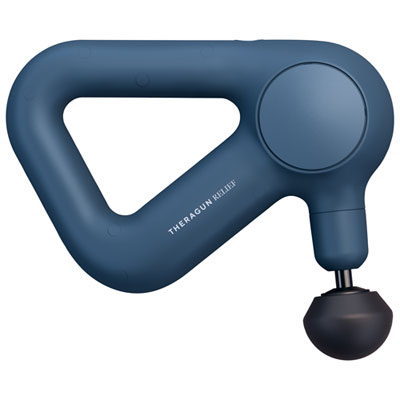 Your price for this item is $199.99
 -
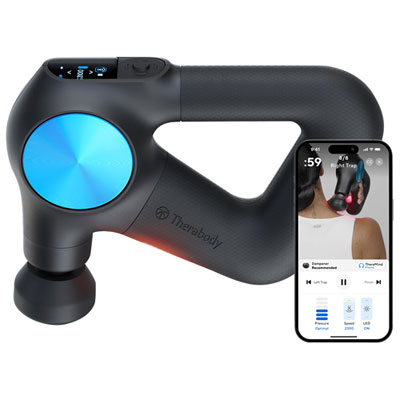 Your price for this item is $799.99
 -
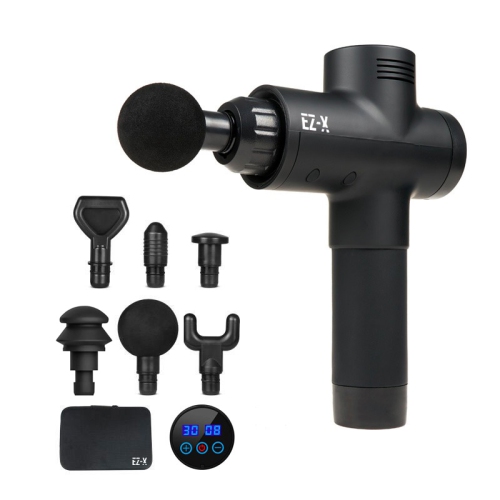 Your price for this item is $99.72
 -
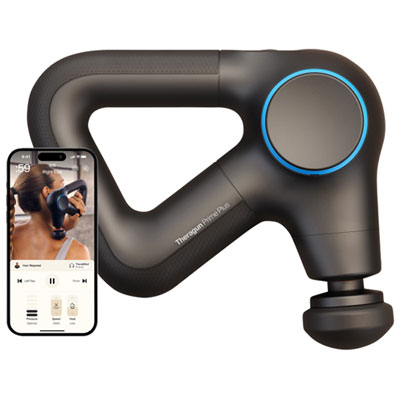 Your price for this item is $529.99
 -
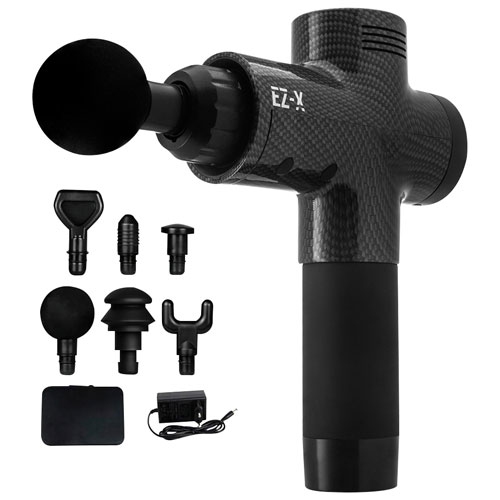 Your price for this item is $99.72
 -
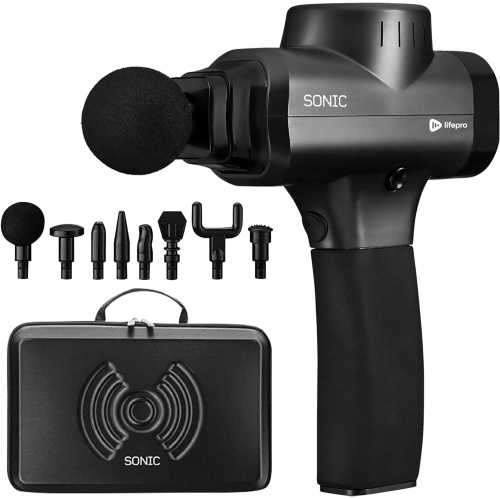 Your price for this item is $89.99
 -
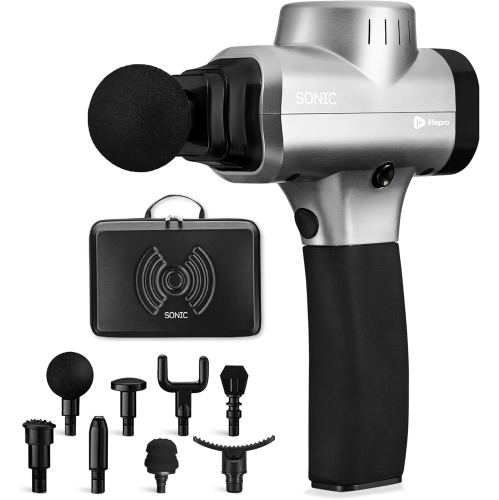 Your price for this item is $89.99
 -
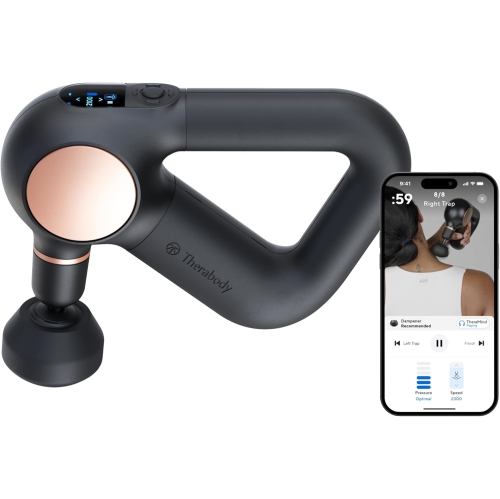 Your price for this item is $379
Discover more categories related to Massage Balls
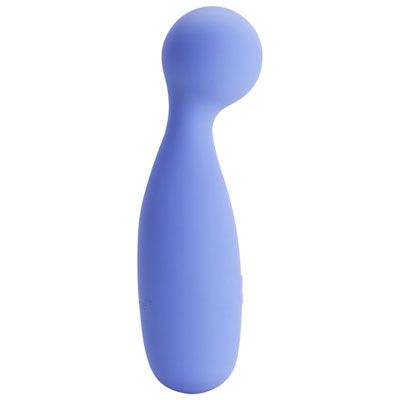
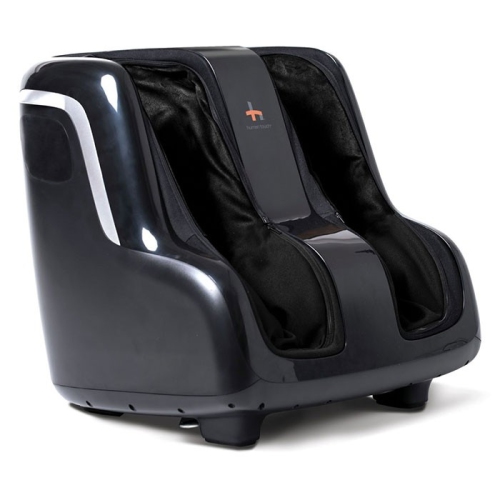
Top Collections:
Pokemon Centers, Kindle Devices, Best Budget Office Chairs, Apple iPhones 16, Best Laptops for Writers, iPhone 15 Apple, Canon G7X Cameras, Refurbished Apple Laptops, Alarm Clock, Motorola Razr Phones
Some products may be subject to Environmental Handling Fees
(EHF) depending on your province.
Learn more about EHFs.