Olympic Weight Plates
Looking to take your weightlifting game to the next level? Look no further than our wide selection of Olympic-weight plates. Designed with durability and performance in mind, these weight plates are perfect for serious lifters who want to push their limits. Whether you're a seasoned athlete or just starting out, our Olympic weight plates offer the versatility and quality you need to achieve your fitness goals. With various sizes and styles available, you can customize your workouts and build strength at your own pace. Elevate your training routine with our top-notch Olympic weight plates and see the difference they can make in your performance.
Sort
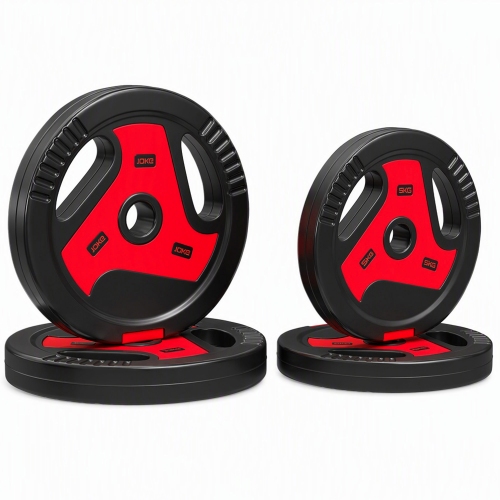
How materials and sizes shape your lifting setup
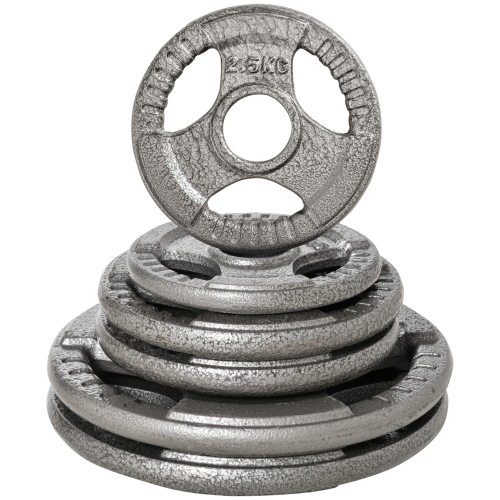
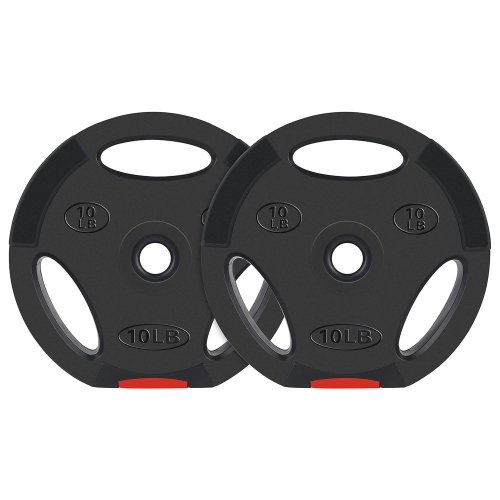
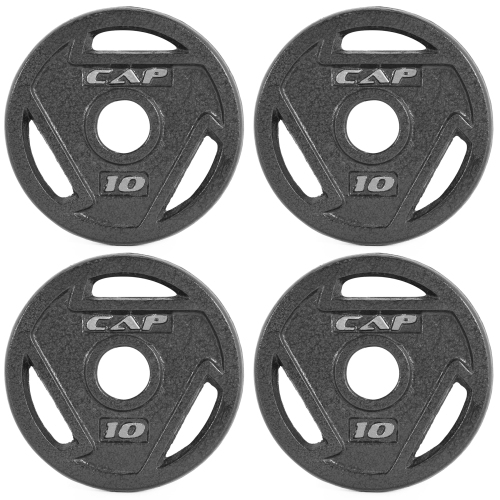
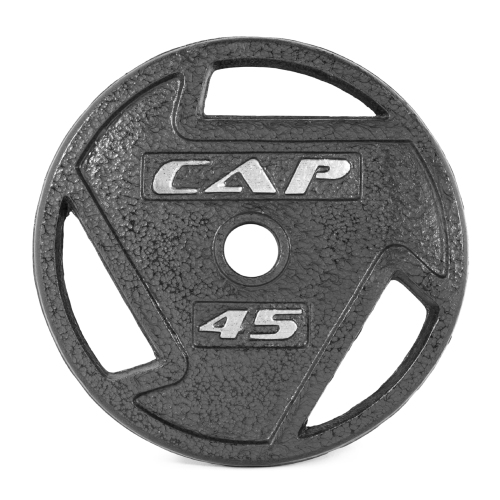
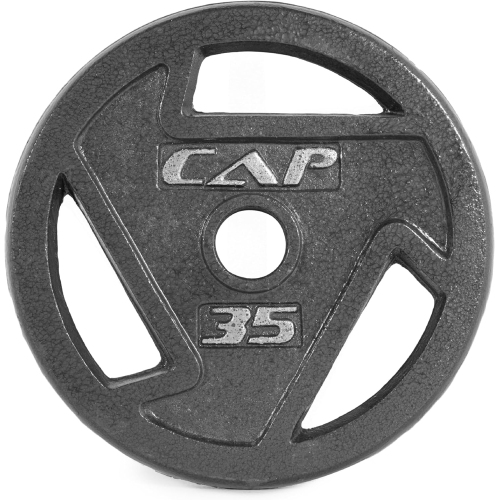
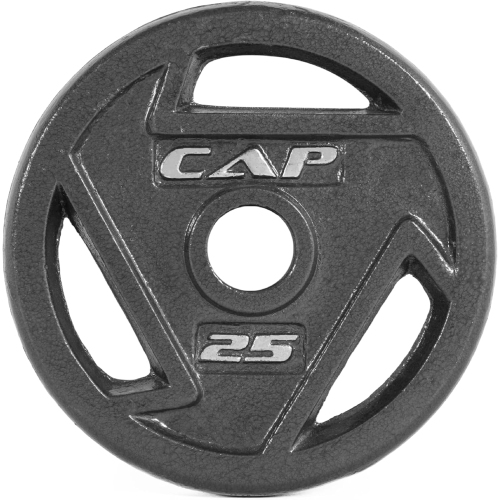
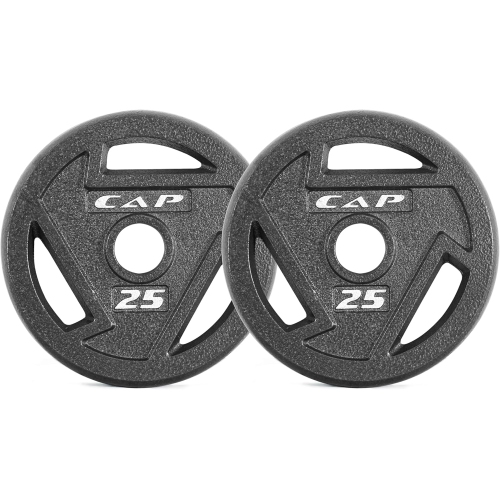
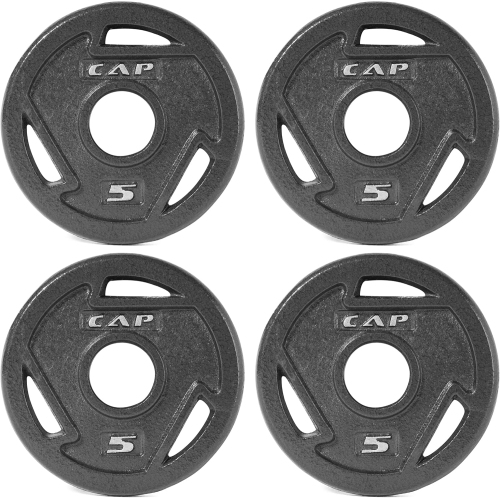
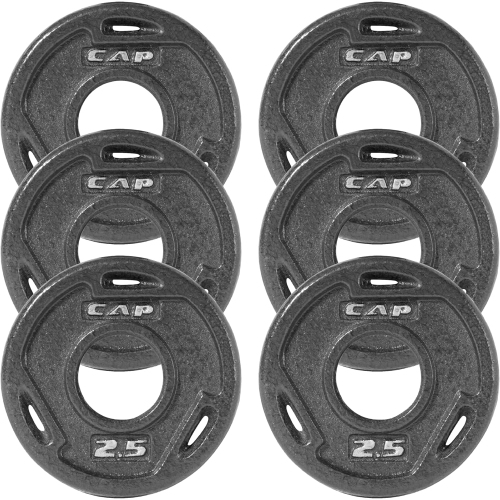
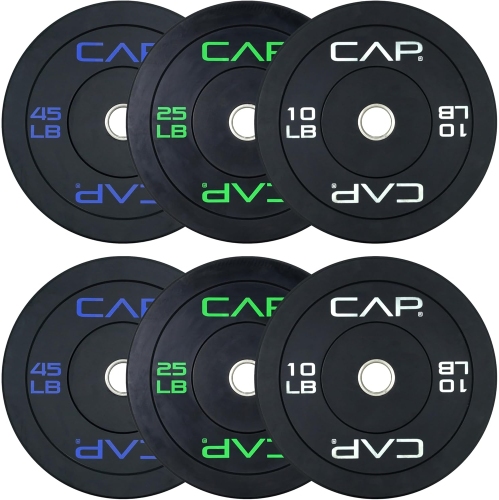
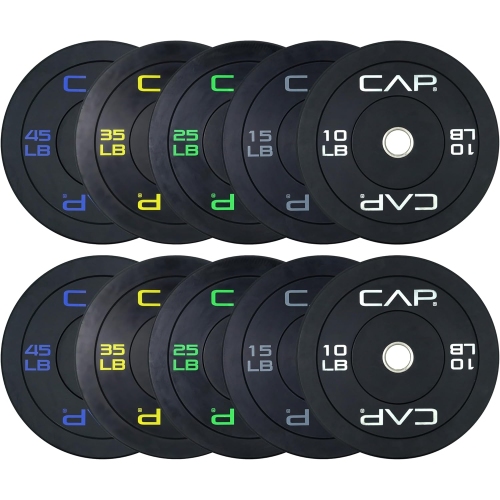
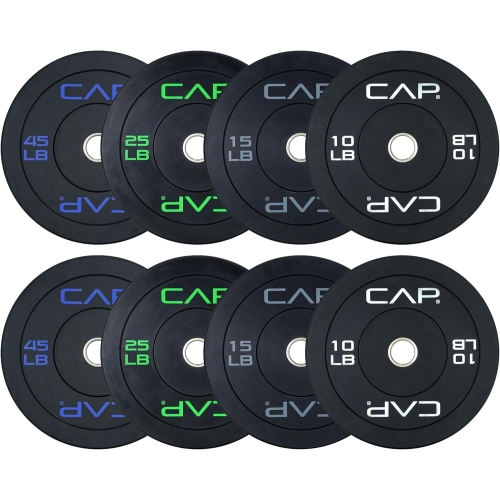
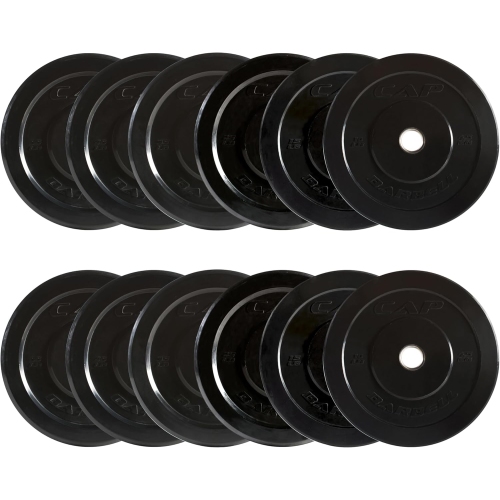
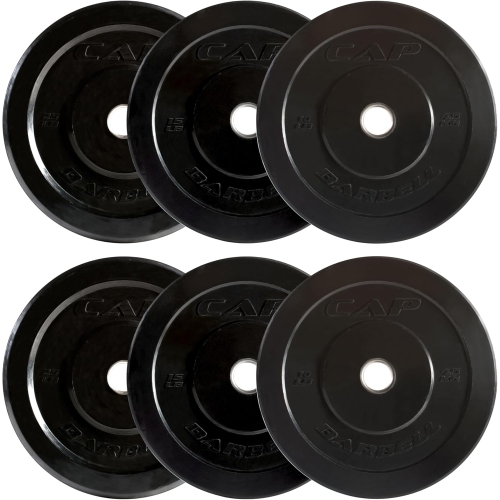
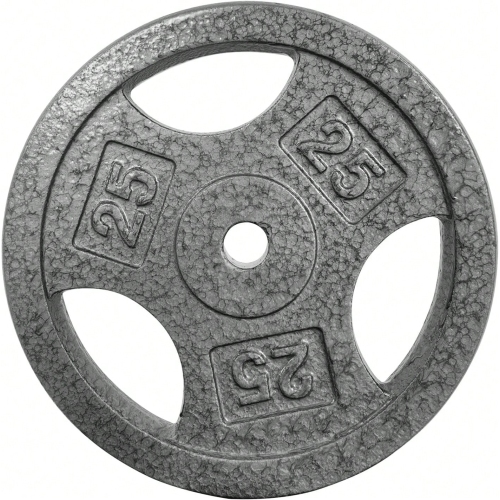
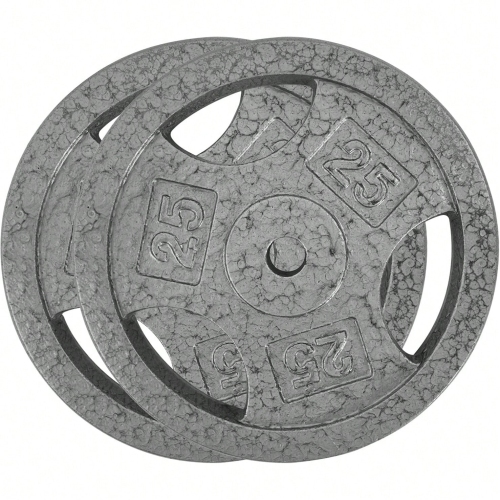
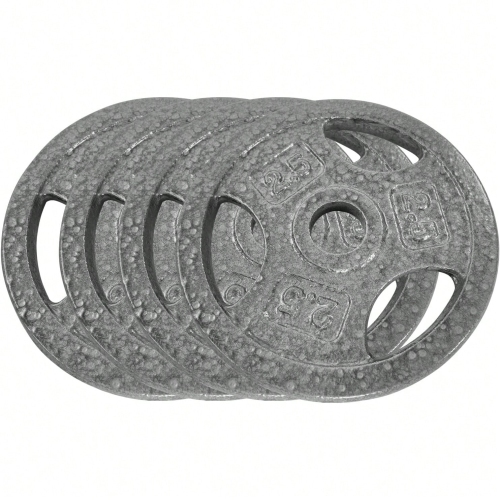
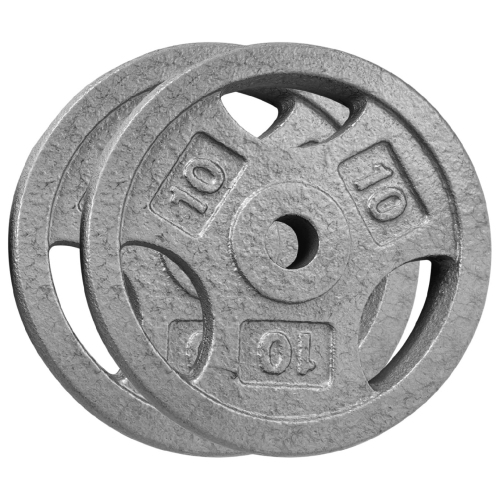
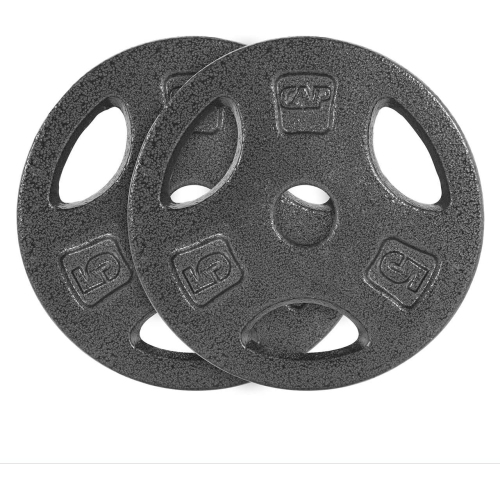
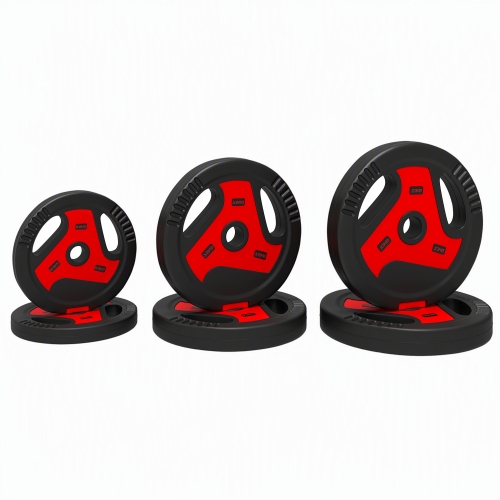
Olympic weight plates are designed for use with Olympic barbells, which have sleeves sized for a 2-inch (50 mm) centre hole. That larger opening distinguishes them from standard plates and allows the weight to sit securely on a compatible barbell while the sleeve rotates during lifts. They are available in a broad range of sizes, from lighter plates for gradual progression to heavier plates for serious strength training, making them suitable for beginners, experienced lifters, home gyms, garage setups, and commercial fitness spaces. Cast iron plates are the traditional choice: they have a slim profile, offer plenty of weight in a relatively small amount of bar space, and are often a practical option for strength training, bodybuilding, squats, presses, rows, and deadlifts. Their solid metal construction gives them a familiar feel and makes it easier to build a substantial load without filling the entire barbell sleeve. Bare iron can be louder when plates are moved or set down, and the finish may chip or show wear over time, so they are best used with suitable flooring and thoughtful handling. Rubber-coated and grip-style plates add convenience through built-in handles that make carrying, loading, and unloading easier, especially when moving several plates from storage to a rack. The coating can also soften contact with the floor and reduce the sharp clatter that comes from metal-on-metal loading. When choosing a size, consider both your present training level and the way you prefer to increase resistance. Smaller plates are useful for controlled progress and balanced loading, while larger plates help reach a higher total weight with fewer pieces. A selection of 10lb And Above Weight Plates can form the foundation of a versatile home setup, particularly when paired with lighter plates for incremental adjustments.
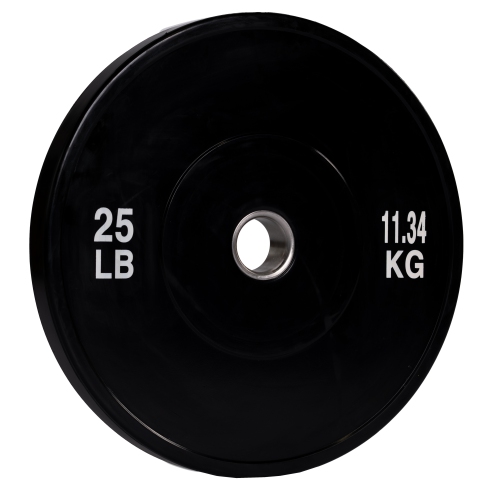
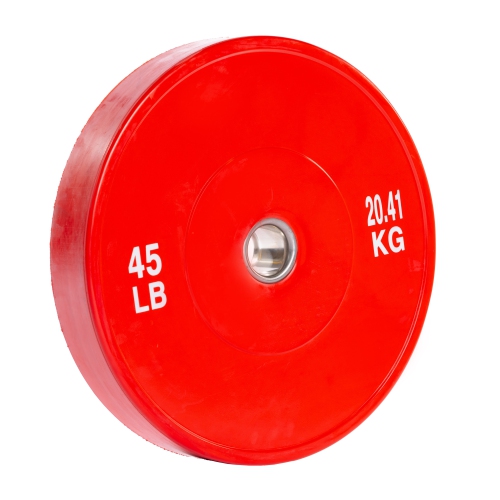
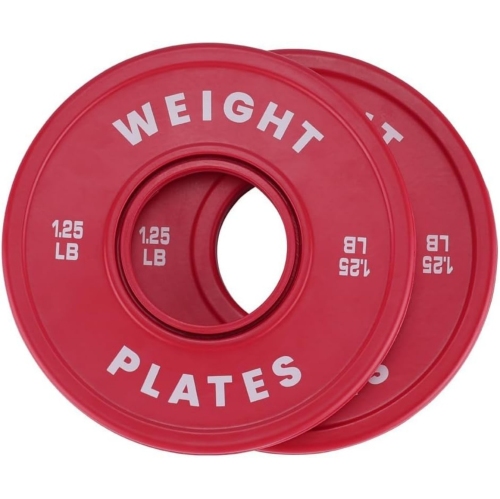
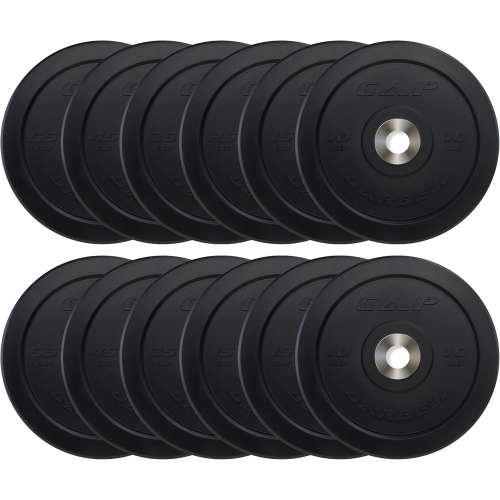
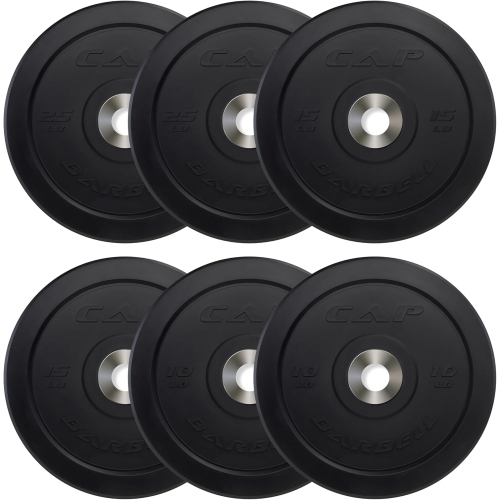
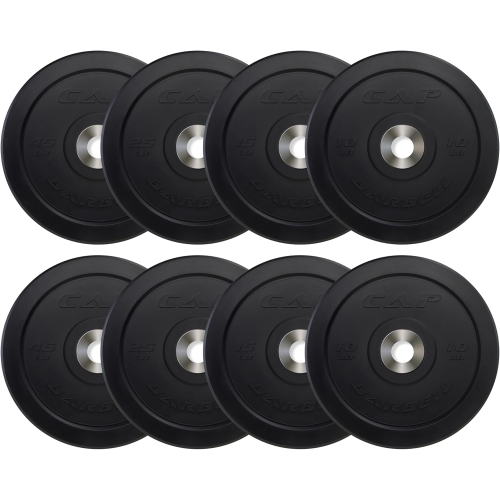
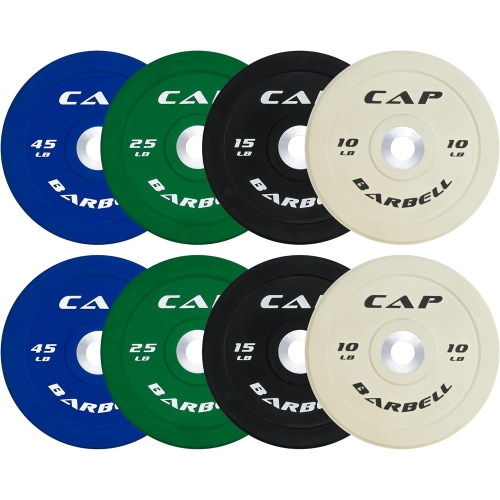
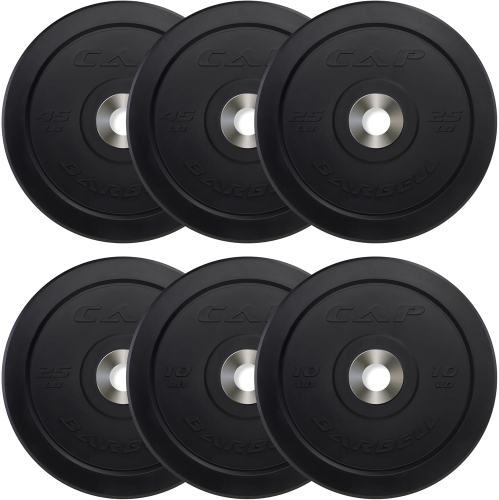
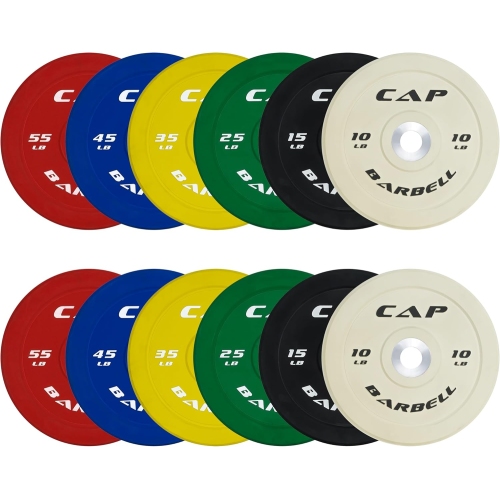
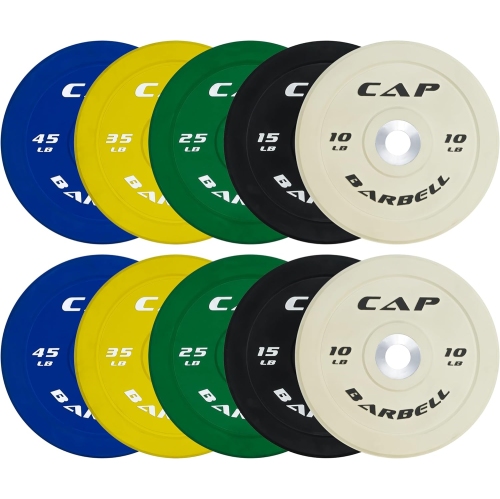
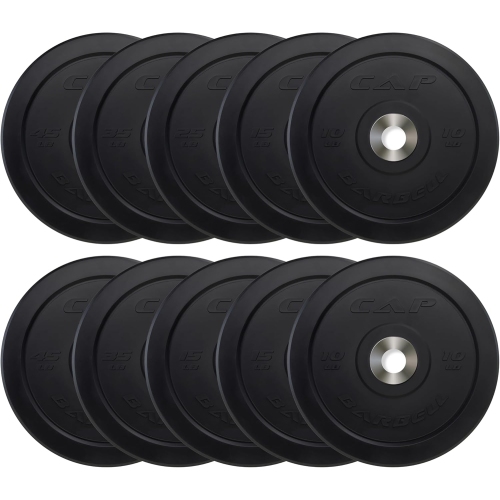
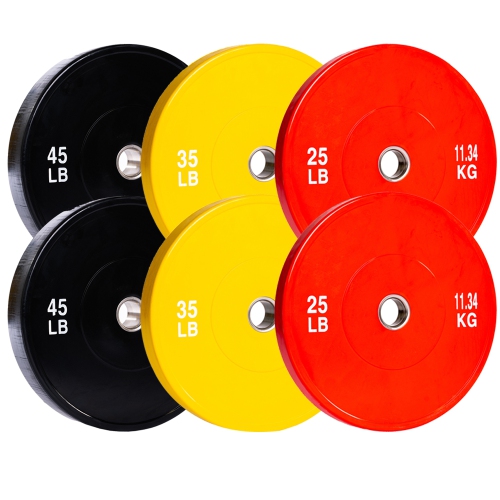
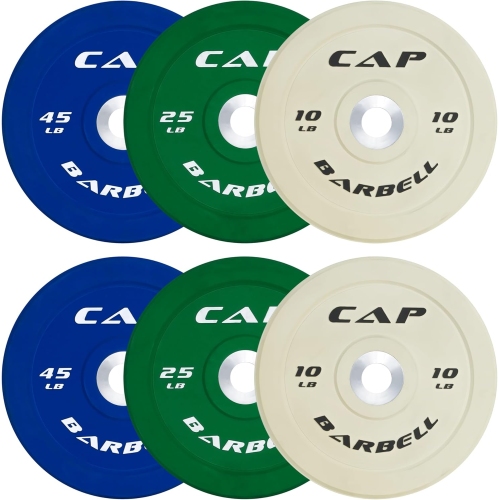
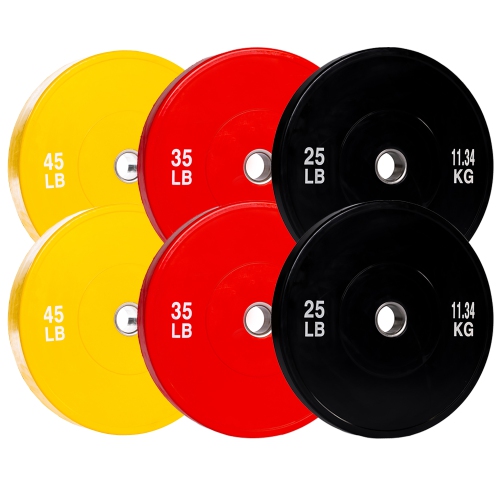
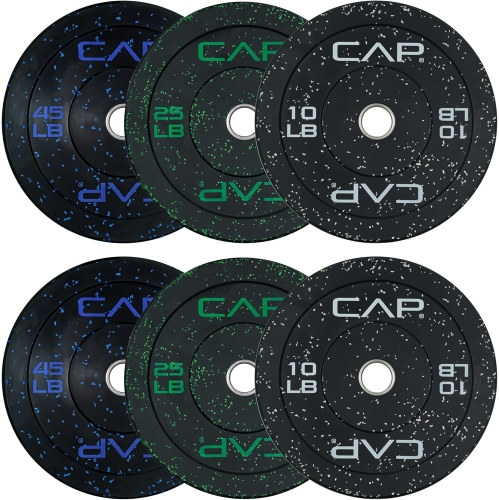
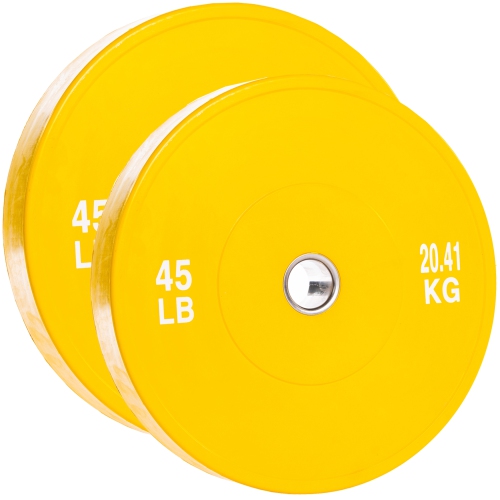
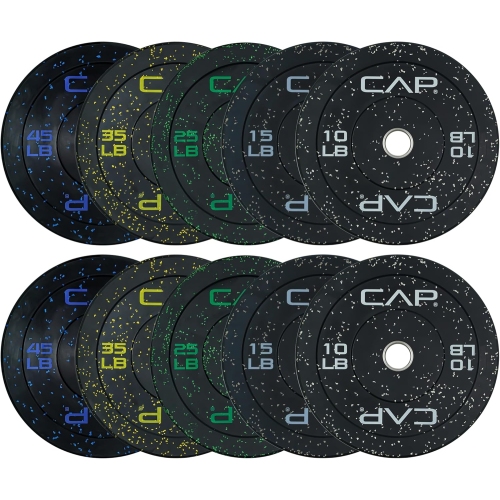
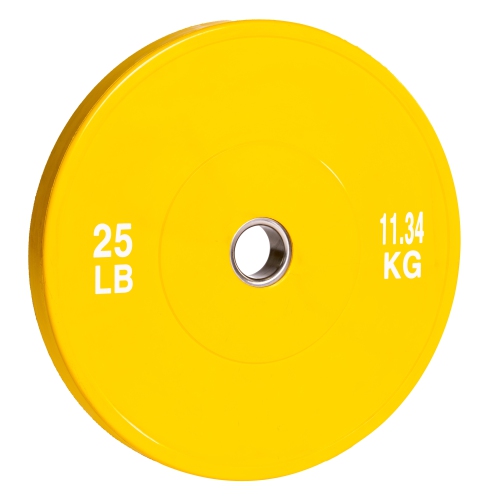
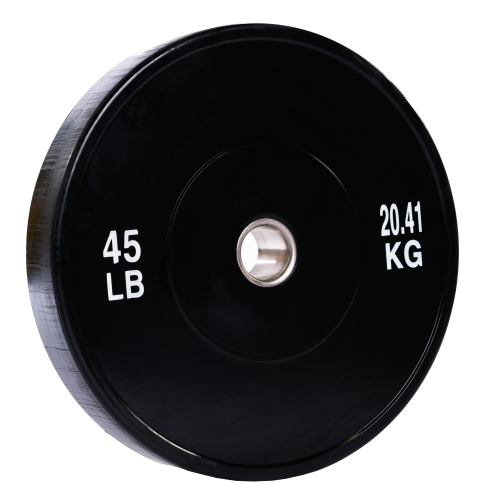
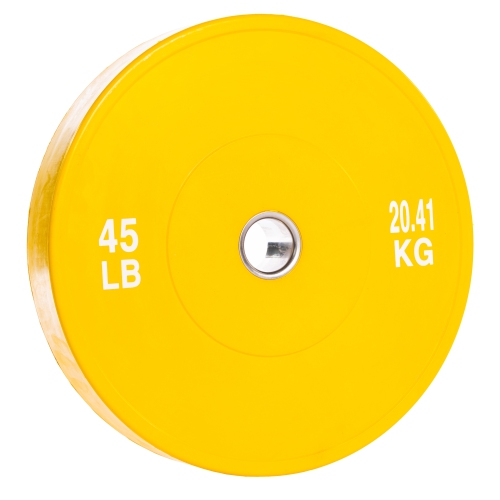
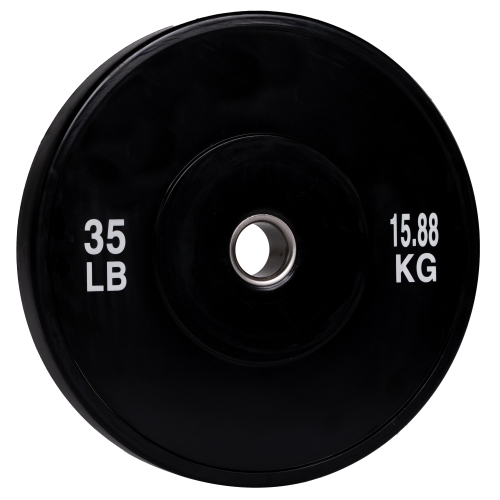
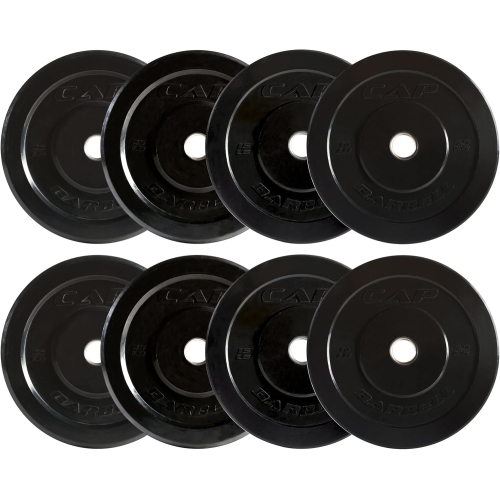
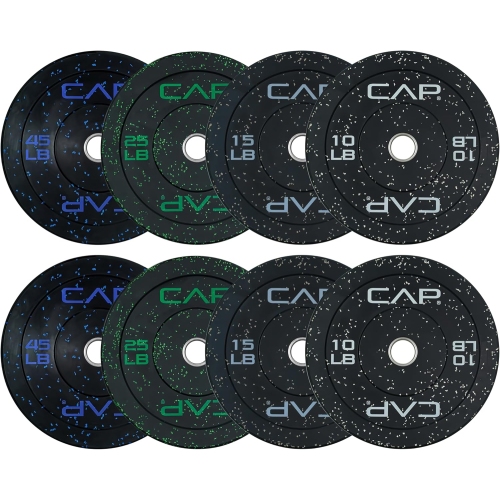
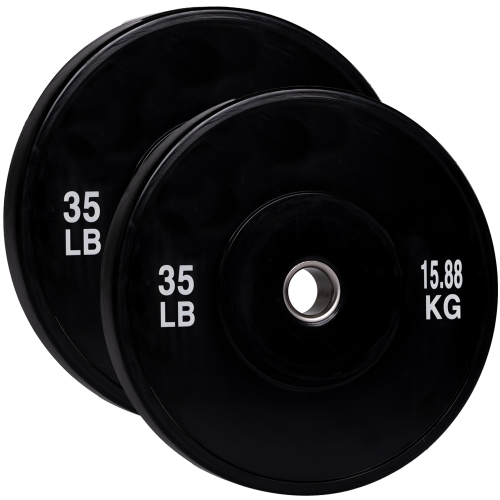
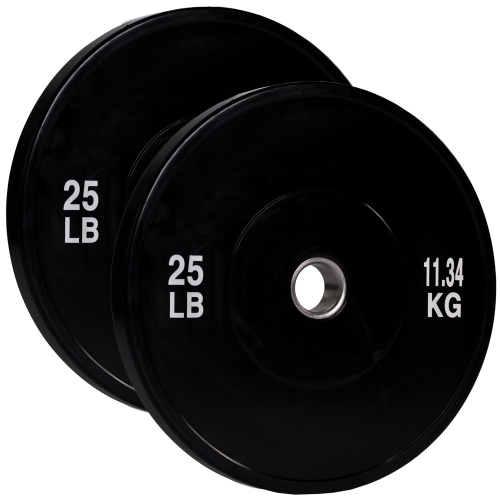
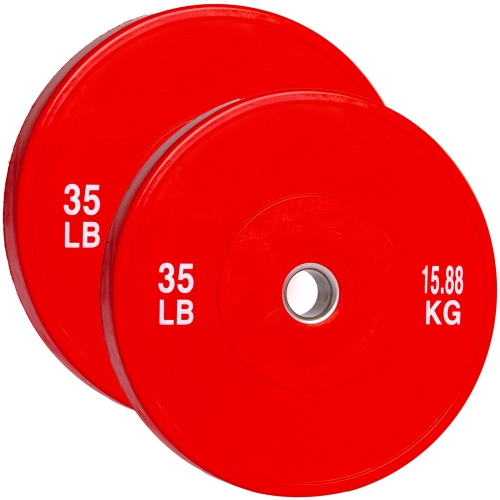
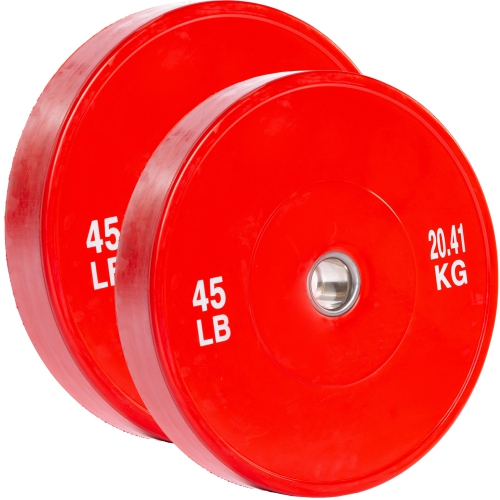
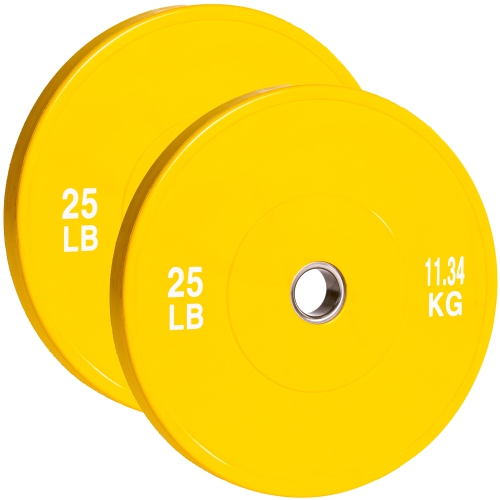
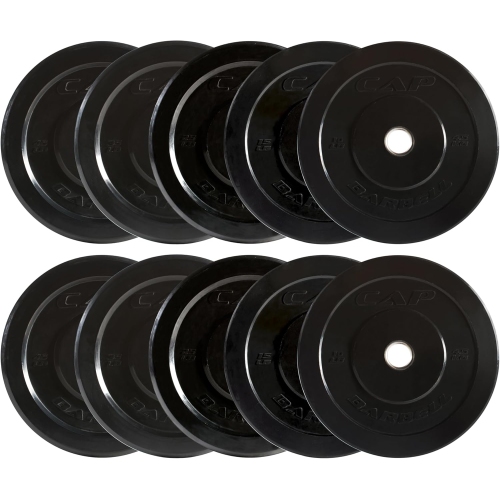
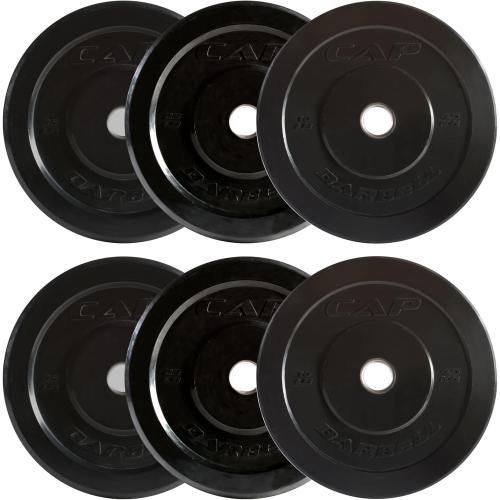
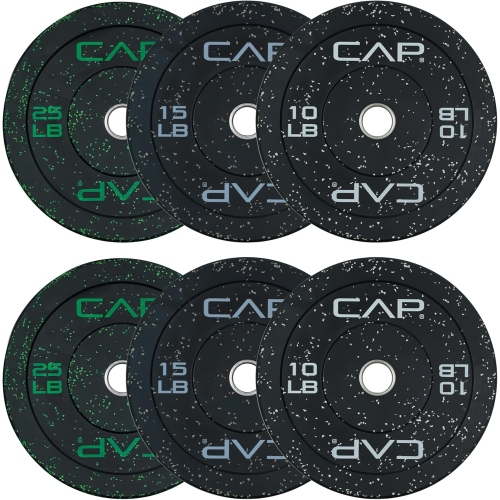
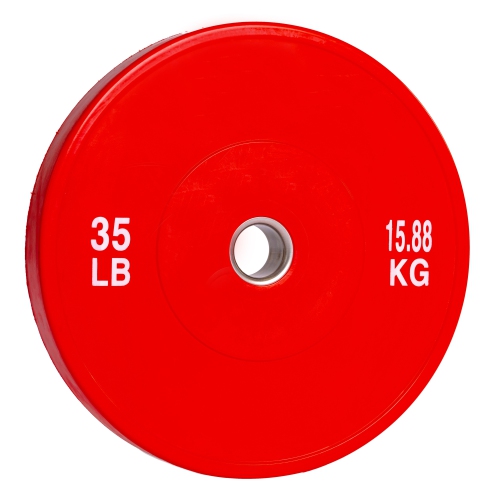
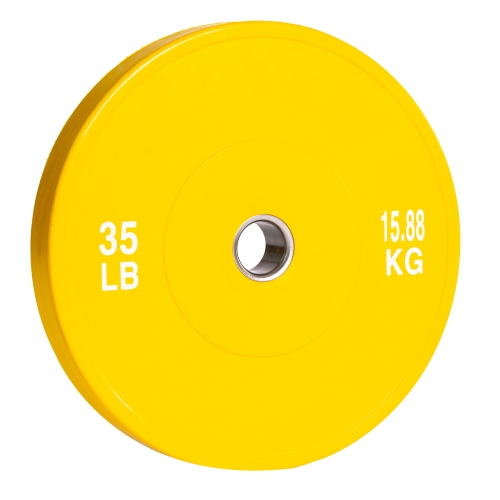
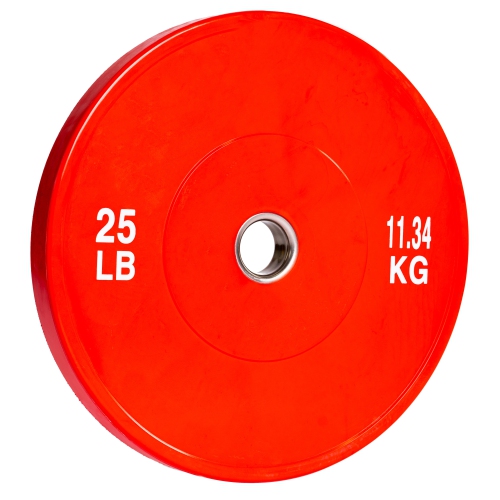
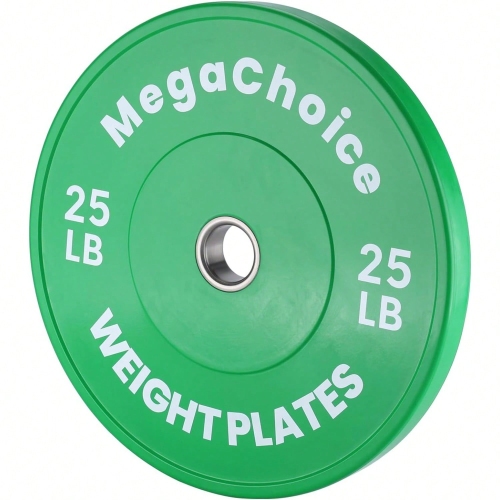
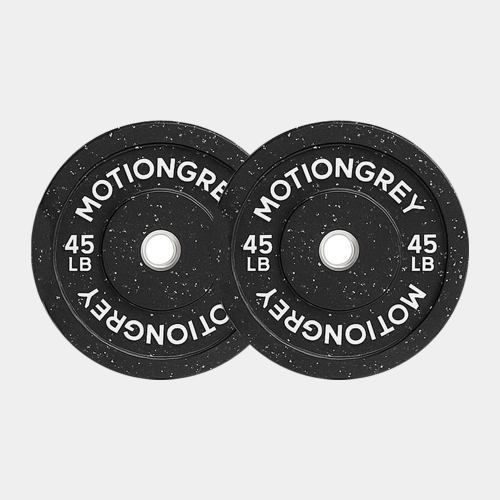
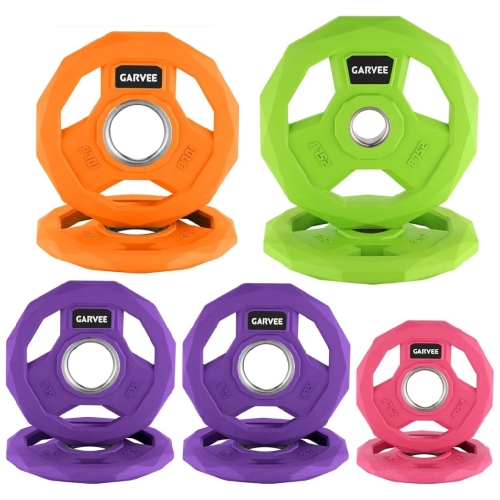
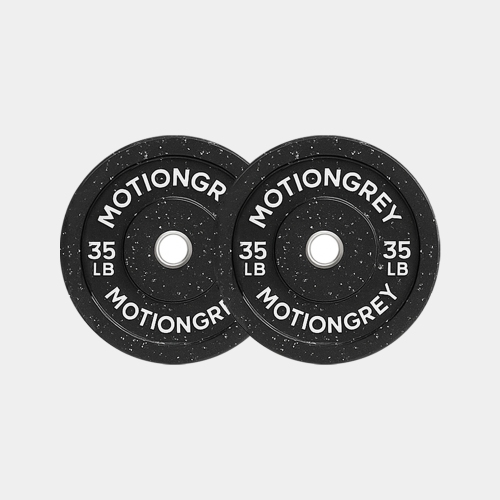
Bumper plates are made from dense rubber and usually share a consistent outside diameter regardless of their weight. This design is especially useful for Olympic weightlifting movements such as the snatch and the clean and jerk, where a loaded bar may need to be dropped safely after the lift. The resilient construction helps absorb impact and can be gentler on appropriate lifting platforms or reinforced gym flooring than bare cast iron. Bumper plates are also popular for functional fitness workouts that combine lifts with repeated barbell movements, although their greater thickness means that the barbell sleeve can reach its loading limit sooner than it would with slim iron plates. That trade-off matters in a compact home gym: a lifter working toward a high total may appreciate the space efficiency of iron, while someone practising overhead lifts may place greater value on the controlled landing and reduced noise of rubber. Urethane and competition-style plates offer another option for lifters who want precise sizing, clear weight identification, and a polished, consistent appearance. These plates are often made to tighter tolerances and may use colour coding to make quick weight checks easier between sets. Regardless of material, inspect the centre opening and outer surface for a clean, even finish, and confirm that the plates are intended for Olympic-sized sleeves rather than standard bars. It is also worth checking whether a listing includes a single plate or a pair, since many training plans require matching weight on both sides of the bar. A balanced set makes loading straightforward, reduces interruptions between exercises, and helps keep the bar centred as you work through warmups, working sets, and heavier attempts.
Olympic weight plates can support a wide range of training goals, from a first barbell routine to a carefully structured strength program. A new lifter may begin with lighter plates to learn bracing, grip, range of motion, and bar path before adding weight in small, manageable steps. More experienced athletes may combine different plate materials, using bumper plates for lifts that finish overhead and thinner iron or grip plates for presses, squats, deadlifts, and other movements where the bar remains controlled. They can also make a thoughtful gift for someone setting up a home gym, returning to strength training, or preparing for a new phase of fitness during the cooler months, provided the recipient has a compatible Olympic barbell and enough room for safe movement. Before purchasing, measure the available storage space, account for the diameter and thickness of each plate, and consider a vertical or horizontal rack if plates will be handled regularly. Floor protection is important in any indoor training area; rubber flooring or a dedicated lifting platform can help manage sound and reduce the chance of damage when plates are placed down. Keep the barbell and plates on a level surface, use collars during loaded exercises, and avoid mixing plates that do not fit the same sleeve. Weight markings should be easy to read, and handles should feel secure without sharp edges or awkward seams. With the right combination of sizes and materials, Olympic weight plates can turn a clear corner of a room into a dependable training space, whether the session involves steady strength work, technical lifts, or a few focused sets before the rest of the day begins.
Bumper plates are made from dense rubber and usually share a consistent outside diameter regardless of their weight. This design is especially useful for Olympic weightlifting movements such as the snatch and the clean and jerk, where a loaded bar may need to be dropped safely after the lift. The resilient construction helps absorb impact and can be gentler on appropriate lifting platforms or reinforced gym flooring than bare cast iron. Bumper plates are also popular for functional fitness workouts that combine lifts with repeated barbell movements, although their greater thickness means that the barbell sleeve can reach its loading limit sooner than it would with slim iron plates. That trade-off matters in a compact home gym: a lifter working toward a high total may appreciate the space efficiency of iron, while someone practising overhead lifts may place greater value on the controlled landing and reduced noise of rubber. Urethane and competition-style plates offer another option for lifters who want precise sizing, clear weight identification, and a polished, consistent appearance. These plates are often made to tighter tolerances and may use colour coding to make quick weight checks easier between sets. Regardless of material, inspect the centre opening and outer surface for a clean, even finish, and confirm that the plates are intended for Olympic-sized sleeves rather than standard bars. It is also worth checking whether a listing includes a single plate or a pair, since many training plans require matching weight on both sides of the bar. A balanced set makes loading straightforward, reduces interruptions between exercises, and helps keep the bar centred as you work through warmups, working sets, and heavier attempts.
Olympic weight plates can support a wide range of training goals, from a first barbell routine to a carefully structured strength program. A new lifter may begin with lighter plates to learn bracing, grip, range of motion, and bar path before adding weight in small, manageable steps. More experienced athletes may combine different plate materials, using bumper plates for lifts that finish overhead and thinner iron or grip plates for presses, squats, deadlifts, and other movements where the bar remains controlled. They can also make a thoughtful gift for someone setting up a home gym, returning to strength training, or preparing for a new phase of fitness during the cooler months, provided the recipient has a compatible Olympic barbell and enough room for safe movement. Before purchasing, measure the available storage space, account for the diameter and thickness of each plate, and consider a vertical or horizontal rack if plates will be handled regularly. Floor protection is important in any indoor training area; rubber flooring or a dedicated lifting platform can help manage sound and reduce the chance of damage when plates are placed down. Keep the barbell and plates on a level surface, use collars during loaded exercises, and avoid mixing plates that do not fit the same sleeve. Weight markings should be easy to read, and handles should feel secure without sharp edges or awkward seams. With the right combination of sizes and materials, Olympic weight plates can turn a clear corner of a room into a dependable training space, whether the session involves steady strength work, technical lifts, or a few focused sets before the rest of the day begins.
Top selling and popular products
-
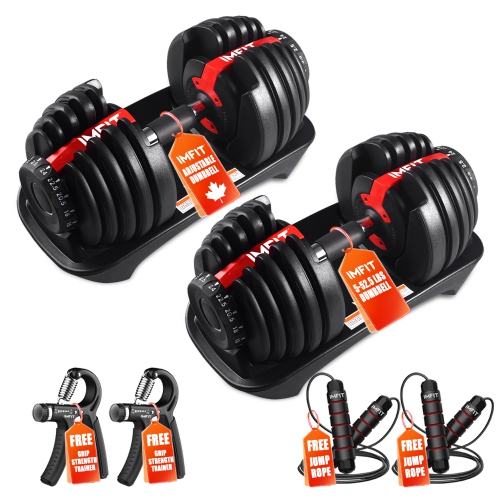 Your price for this item is $249.97
 -
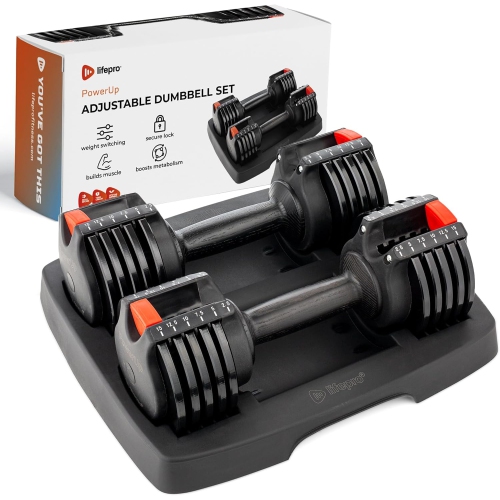 Your price for this item is $159.98
 -
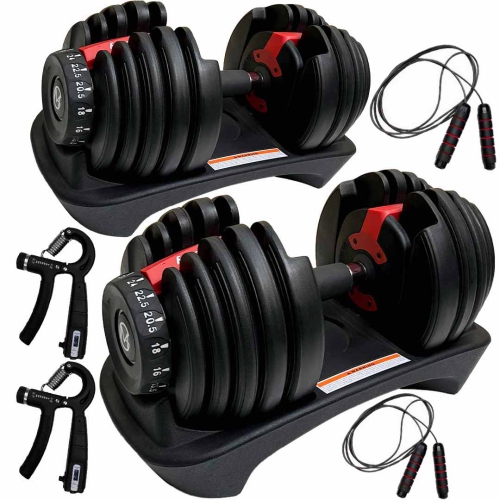 Your price for this item is $143.46
 -
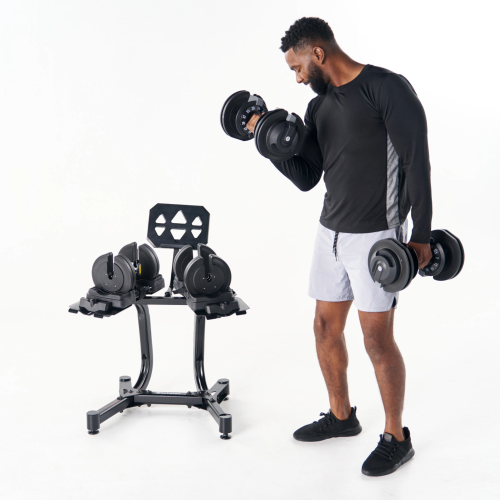 Your price for this item is $684.99
 -
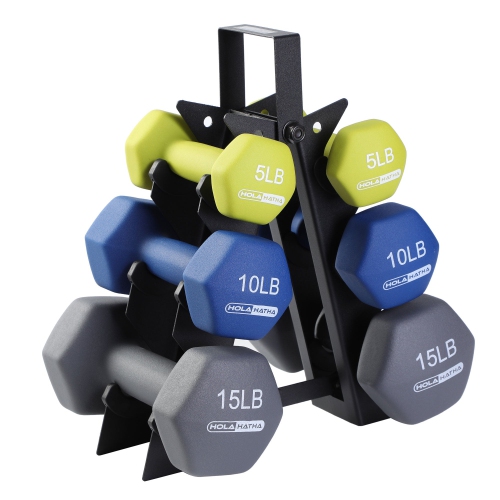 Your price for this item is $268.99
 -
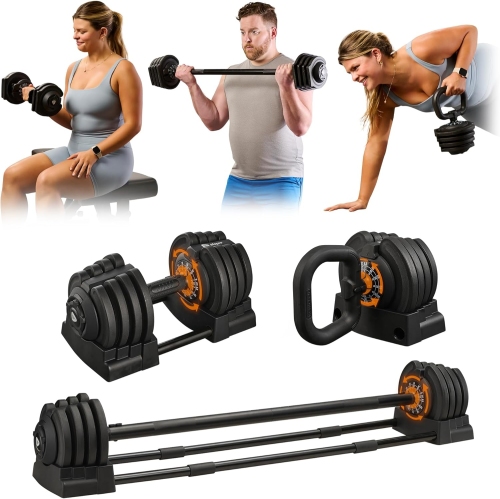 Your price for this item is $329.99
 -
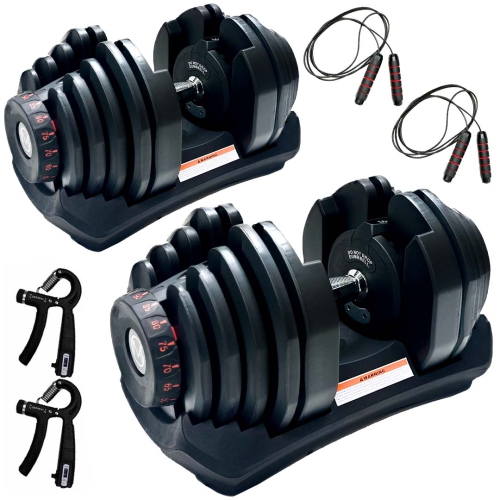 Your price for this item is $449.99
 -
 Your price for this item is $120.99
Discover more categories related to Olympic Weight Plates

Top Collections:
Pokemon Centers, Best Cameras for Sports Photography, Kindle Devices, Samsung Galaxy Phones, Canon G7X Cameras, Pokémon 30th Celebration Cards, Refurbished Apple Laptops, iPhone 15 Apple, Laptops for Students, Budget Smartphones
Some products may be subject to Environmental Handling Fees
(EHF) depending on your province.
Learn more about EHFs.