Outdoor Exercise Equipment
Get ready to take your workout routine to the great outdoors with our wide selection of outdoor exercise equipment. Whether you're a fitness enthusiast looking to switch up your routine or a beginner wanting to enjoy the fresh air while getting fit, we have everything you need to create your outdoor gym. From sturdy and durable cardio machines to versatile strength training equipment, our collection offers a range of options to suit every fitness level and goal. Say goodbye to stuffy indoor gyms and hello to invigorating workouts in nature with our top-quality outdoor exercise equipment.
Sort














Why outdoor workout gear needs more than weather resistance
Outdoor exercise equipment is fitness gear designed for physical activity in outdoor spaces, from portable equipment for individual workouts to permanently installed stations in shared recreation areas. It can support strength training, cardiovascular exercise, balance, flexibility, or a combination of movements within one routine. A backyard setup often centres on familiar exercises and the space available, while equipment in a park or communal fitness area is typically designed for repeated use by different people. That distinction matters: equipment intended for personal training is not necessarily suitable for a public installation, and gear that can be carried outside is not automatically built to remain there. For home use, a practical choice starts with the way a session unfolds. Someone who enjoys a short circuit before work may value a compact arrangement that moves easily from storage to a level training area. A person building a longer strength routine may prefer a dedicated setup with room to move around it. Body-weight equipment can support controlled pushing, pulling, or stepping movements, while adjustable resistance allows effort to change as a routine develops. The available range of motion should suit the intended exercises rather than simply offer the largest number of possible movements. A clear route between exercise areas is useful when sessions combine standing movements, floor work, and rest periods. On a narrow patio, storage dimensions and operating clearance may matter as much as the footprint during use. In a larger yard, a permanent training area can keep exercise separate from dining, play, and walkways. Adults returning to regular activity, experienced exercisers, and people who enjoy training alongside a partner may all use outdoor fitness gear, but the right arrangement depends on their abilities, goals, and comfort with each movement. An outdoor setting adds space and variety; the equipment still needs to match the person using it.
Materials and construction help determine how well outdoor exercise equipment handles repeated loading and exposure. Steel frames can provide rigidity, while aluminium components may make portable equipment easier to move. Protective coatings, corrosion-resistant hardware, and durable grip surfaces are worth considering, although the overall construction matters more than any single material. Joints should feel secure, contact surfaces should be comfortable, and moving parts should operate smoothly without unexpected play. A protective finish works best when it remains intact, so chips, worn edges, and exposed fasteners deserve attention during routine checks. Moulded components and fabric sections also need to be appropriate for outdoor use, particularly where they receive prolonged sunlight or contact with damp surfaces. An outdoor rating should apply to the equipment as a whole, not just its frame. Resistance elements, padding, bearings, and adjustment mechanisms may have different care requirements, and some equipment should return indoors after every session. Cleaning away grit and perspiration, drying surfaces before storage, and checking connections at the intervals specified by the manufacturer can help maintain dependable operation. Covers may limit surface debris, but they do not replace suitable storage or the care specified for individual components. The training surface is equally important. A level, stable base helps equipment sit correctly, while suitable footing gives the user room to step, turn, and finish a movement without encountering an edge or obstruction. A patio or deck should not be assumed to support every installation simply because the equipment fits. Permanent structures may require a specific foundation, anchoring method, or professional installation, especially where the user’s movement places changing loads on the frame. Renters and condominium residents may also need permission before attaching equipment or altering a shared space. Planning these details before installation can prevent a compact-looking setup from taking over an access route or leaving too little room for a full movement. Where several people share the area, allow space for others to pass without entering the exercise zone.
Fit and intended use are just as important as construction. The stated user capacity, adjustment range, and exercise clearances should suit everyone who will use the equipment. Overall height alone does not establish a good fit: reach, limb length, grip position, and the ability to get into and out of the starting position also affect comfort. A fixed station that feels natural for one adult may place another person too far from the handles or leave their feet poorly supported. Adjustable features can make a shared setup more accommodating, provided they are straightforward to secure and do not interrupt every change of exercise. For beginners, stable support and manageable resistance can be more useful than a complicated arrangement that makes basic movements difficult to learn. More experienced users may place greater value on progressive resistance, additional movement options, or a structure suited to their established training style. Anyone adapting exercise around an injury or limited mobility should seek advice from a qualified health professional about suitable movements rather than relying on equipment features alone. Household use also calls for practical boundaries: adult fitness equipment should not be treated as playground equipment, and children should remain clear of moving parts and active training areas. When outdoor exercise equipment is intended as a gift, the recipient’s preferred activities, available space, and willingness to assemble or maintain it are useful considerations. A substantial installation is best discussed in advance, while portable gear still needs to suit the person’s strength, experience, and storage arrangements. For households that divide their routines between a backyard and a dedicated room, Indoor Fitness Equipment can complement an outdoor setup without duplicating every function. The most useful combination is one that makes regular activity straightforward: enough room to move comfortably, settings that suit the user, and equipment that can be cared for without turning each workout into a lengthy setup task.
Top selling and popular products
-
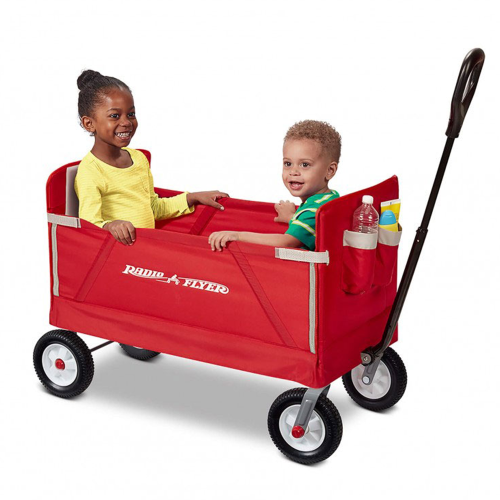 Your price for this item is $266.99
-
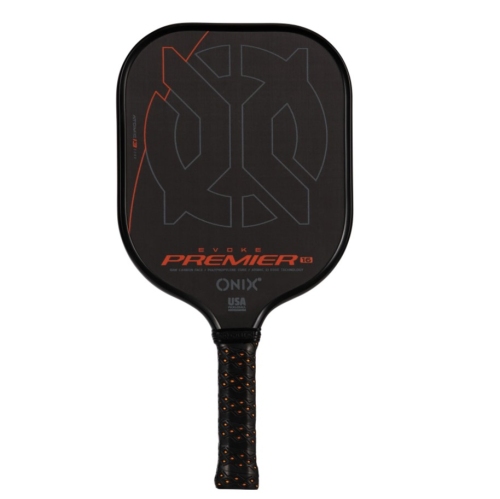 Your price for this item is $139.99
-
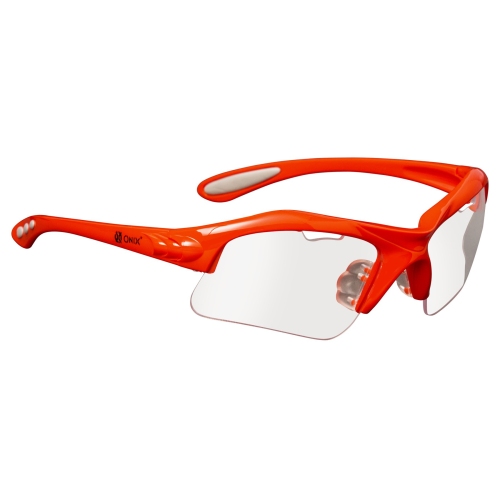 Your price for this item is $44.99
-
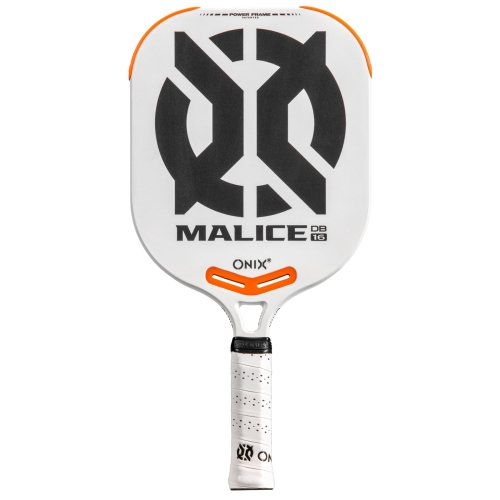 Your price for this item is $359.99
-
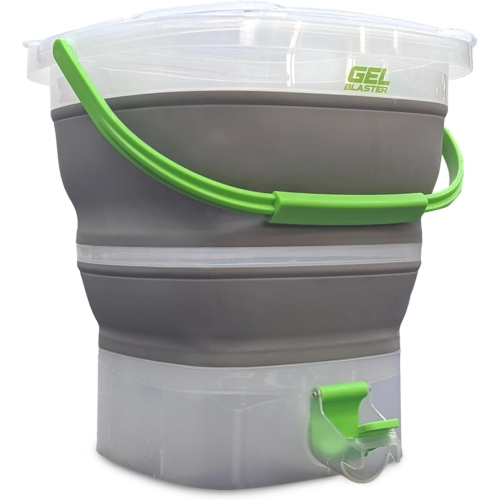 Your price for this item is $34.99
-
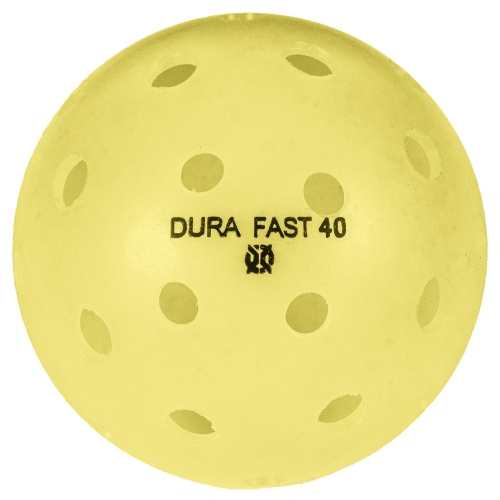 Your price for this item is $429.99
-
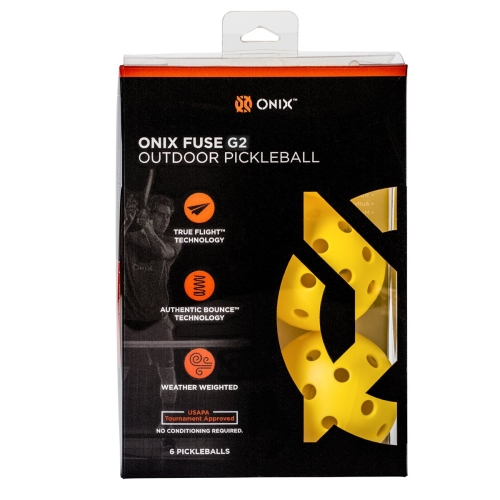 Your price for this item is $28.99
-
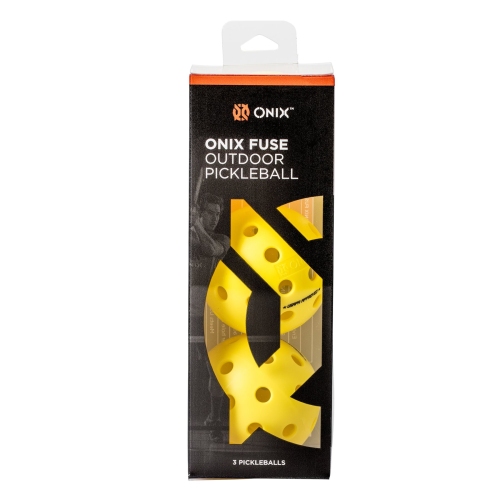 Your price for this item is $14.99
Discover more categories related to Outdoor Exercise Equipment


Top Collections:
Pokemon Centers, Best Cameras for Sports Photography, Kindle Devices, Samsung Galaxy Phones, Canon G7X Cameras, Pokémon 30th Celebration Cards, Refurbished Apple Laptops, iPhone 15 Apple, Laptops for Students, Budget Smartphones
Some products may be subject to Environmental Handling Fees
(EHF) depending on your province.
Learn more about EHFs.