Outdoor Stepping Stones
Transform your outdoor space into a captivating oasis with the addition of stylish and functional outdoor stepping stones. Perfect for creating inviting pathways through gardens, yards, or any landscape, these versatile stones offer both aesthetic appeal and practical benefits. With a variety of designs, materials, and finishes to choose from, you can effortlessly enhance your exterior decor while providing safe and sturdy footing for guests. Whether you're aiming for a rustic charm or a modern flair, outdoor stepping stones are the ideal solution to elevate your outdoor living area.
Sort
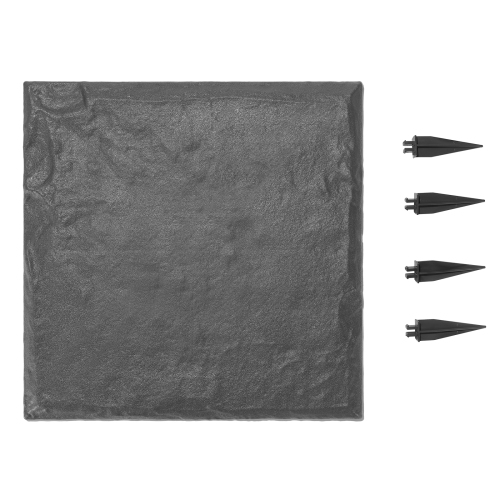
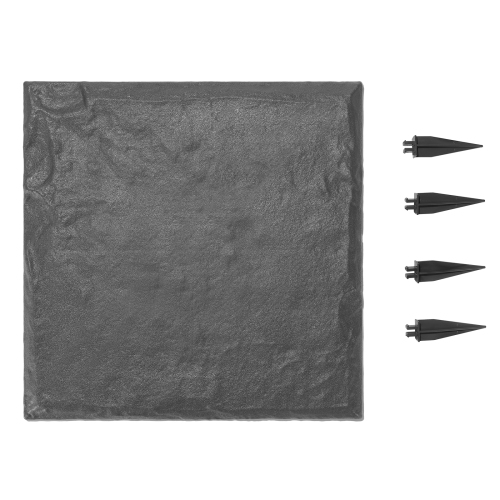
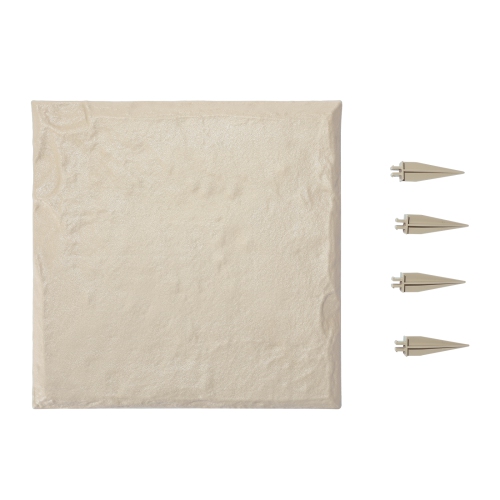
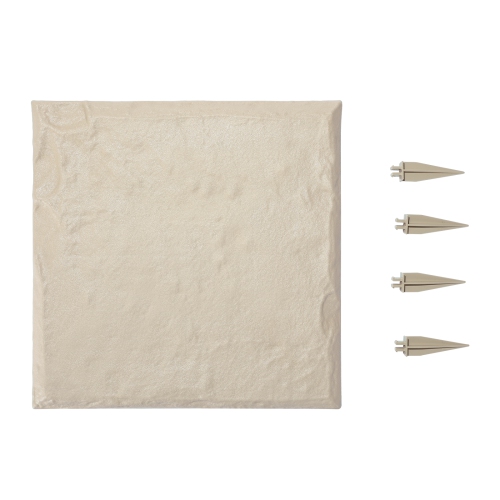
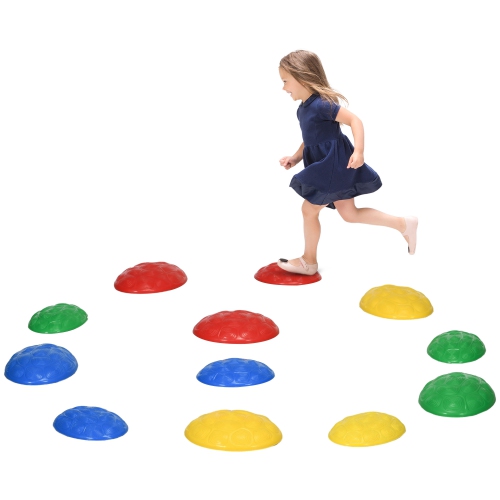
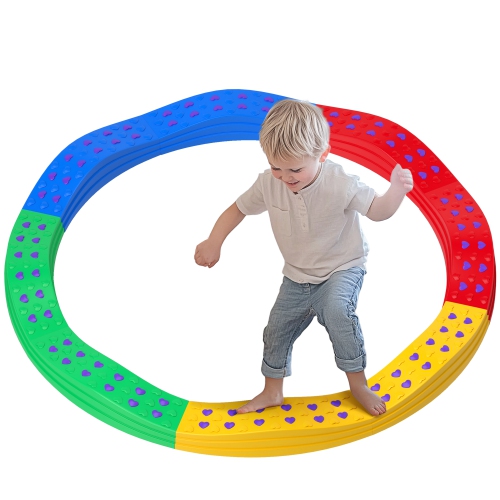
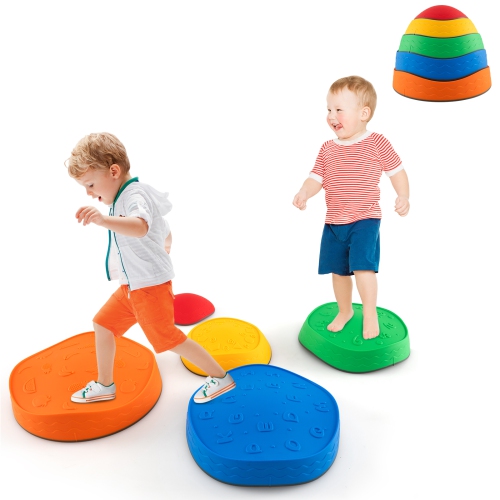
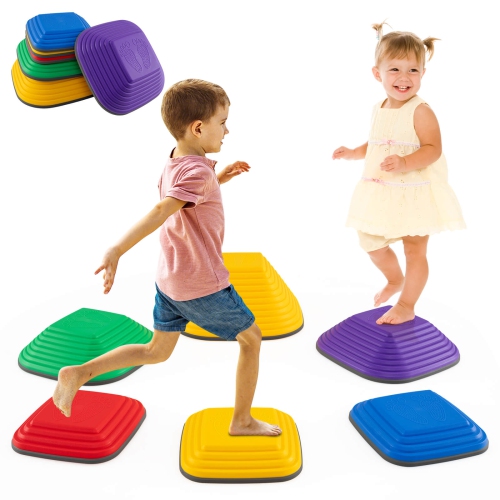
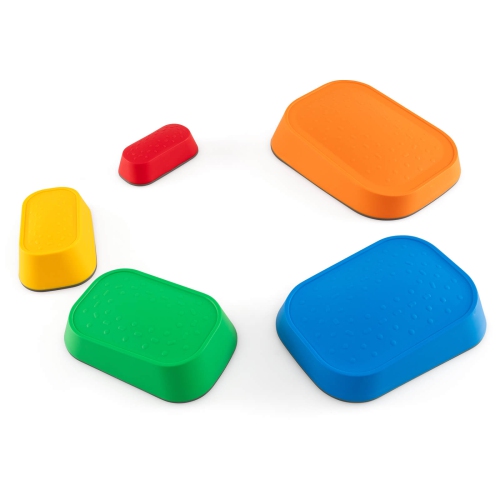
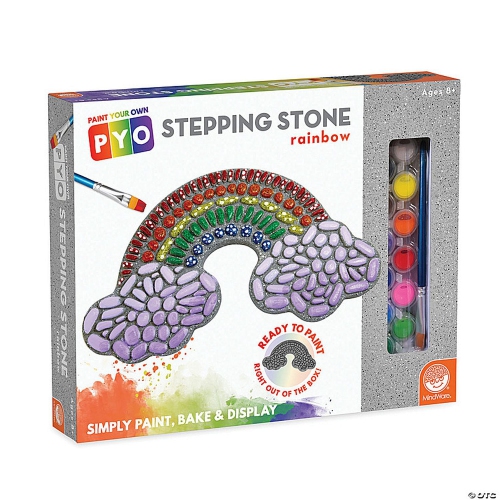
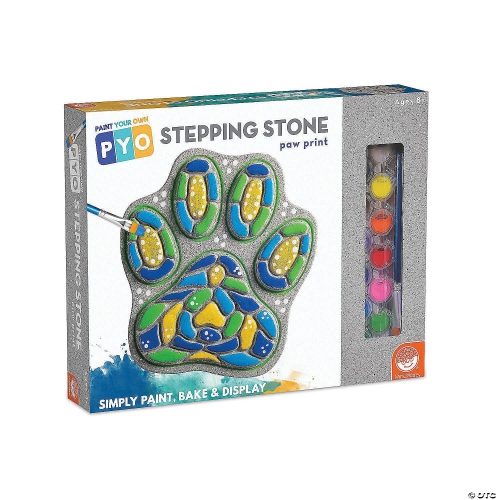
Practical paths that connect patios, gardens, and outdoor spaces
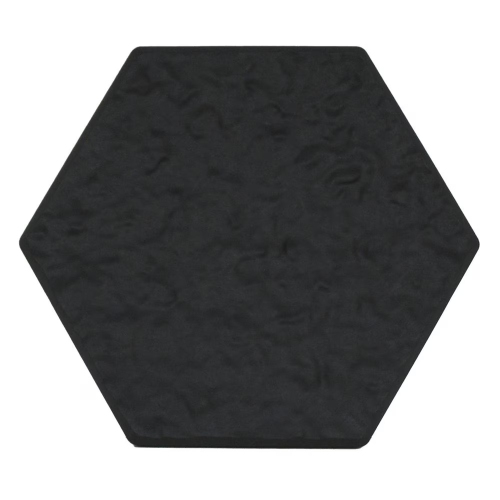
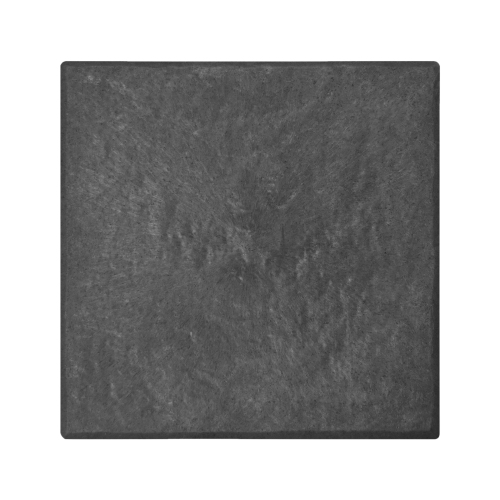
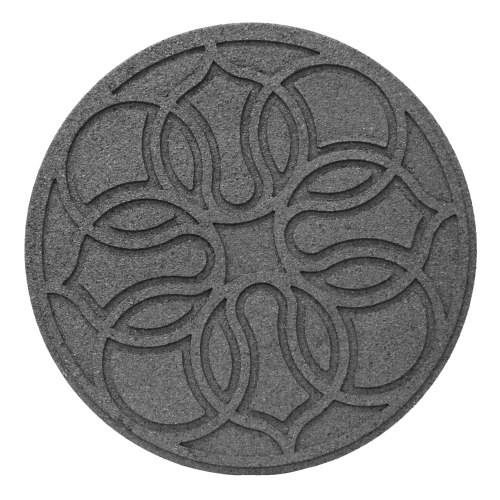
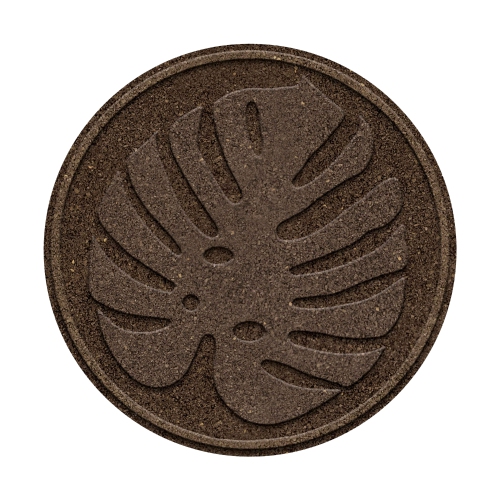
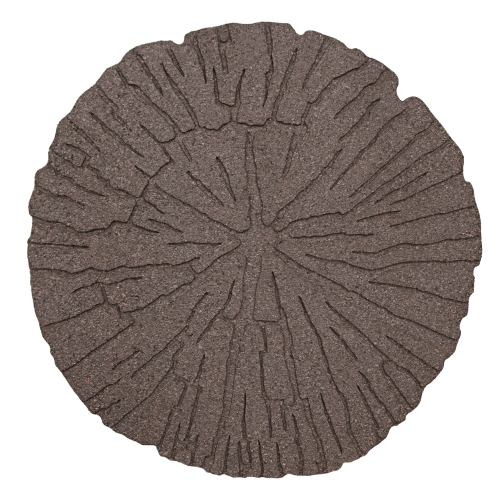
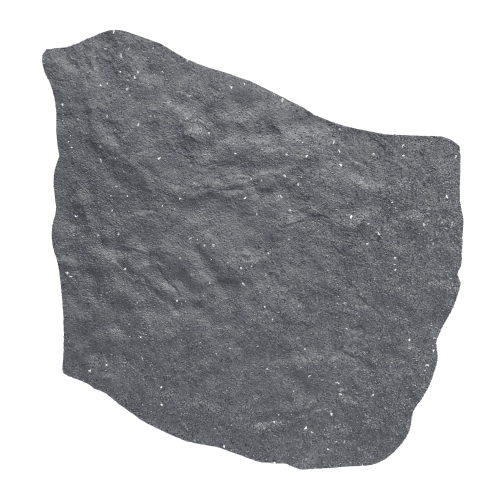
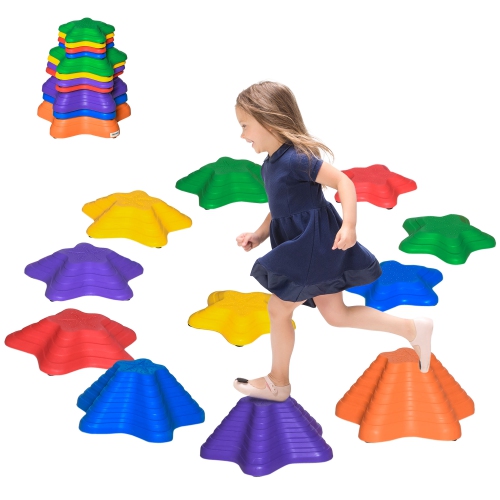
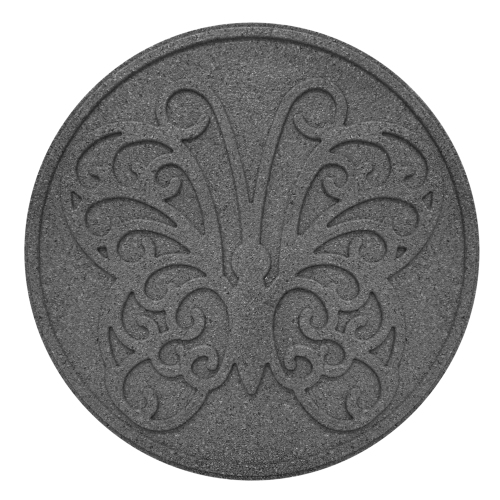
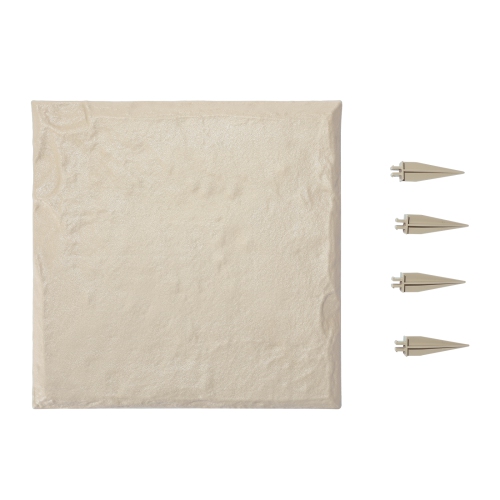
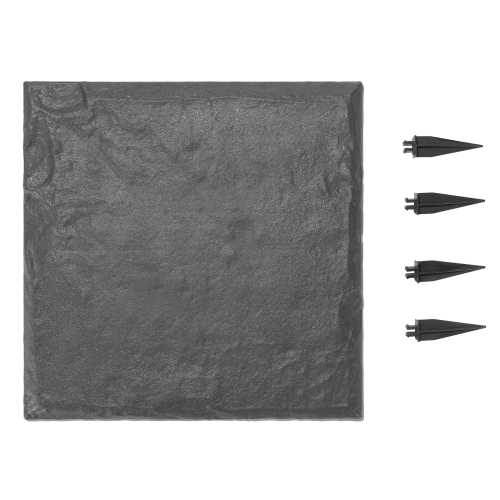
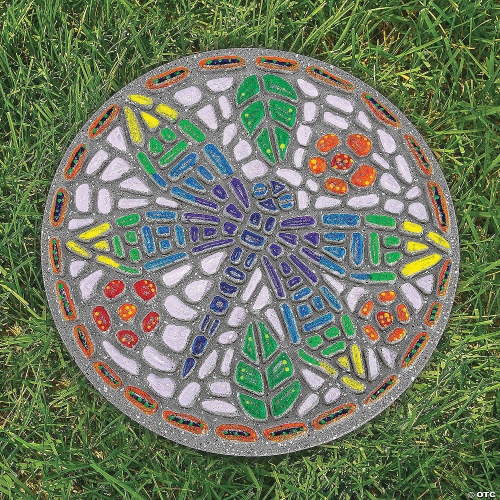
Outdoor stepping stones bring structure and personality to outdoor spaces while creating a practical route between a patio, garden, shed, deck, driveway, or play area. A well-placed path can keep shoes out of damp soil, reduce mud being carried indoors, and make it easier to move through the yard when grass is wet or the weather turns cooler. These products are available in a range of shapes, finishes, colours, and materials, so they can blend quietly into a garden or become a noticeable design feature. Natural stone options such as granite, bluestone, sandstone, and slate offer one-of-a-kind variations in colour and texture, with edges and surface markings that give a pathway a more organic appearance. Concrete stepping stones are often chosen for their weight, strength, and clean, consistent shapes, including round, square, geometric, and textured designs that can suit both traditional and contemporary landscaping. Rubber stepping stones are generally lighter and easier to move during installation, making them appealing for smaller projects, temporary layouts, rental properties, or anyone who prefers a simpler do-it-yourself setup. When comparing options, consider the size of the walking area, the amount of foot traffic, and the overall look of the surrounding space. Larger stones can make a path feel more substantial and are useful where people will walk with garden tools, baskets, or outdoor footwear, while smaller shapes can be arranged in a more relaxed pattern. Look for a textured or slightly raised surface that offers traction, particularly in areas exposed to rain, morning dew, fallen leaves, or frost. Weight also matters: heavier concrete and natural stone are less likely to move once placed correctly, while lighter materials are easier to carry, reposition, and store. Colour can affect how visible each stone remains over time, and a surface that complements nearby planters, fencing, siding, or patio furniture can help the entire yard feel thoughtfully connected.
Planning the route before placing the stones makes the finished walkway more comfortable and attractive. A straight arrangement can provide a direct connection between two frequently used areas, while a gently curved path can lead visitors through flower beds, shrubs, or a lawn without making the space feel overly formal. Leave enough room between stones for a natural stride, and arrange them so the centre of each stone meets the area where a foot is most likely to land. For a stable installation, clear away turf and loose topsoil beneath each location, then create a firm base with compacted crushed rock, road base, or decomposed granite. The base helps reduce shifting caused by regular foot traffic, rain, and seasonal ground movement. Each stone should sit level from side to side, with its surface slightly above the surrounding grass or soil to help prevent water from pooling and to make lawn maintenance easier. A rubber mallet can help settle a stone without damaging its surface, while a spirit level is useful for checking that the path feels even underfoot. Gaps can be filled with soil, fine gravel, decorative stone, or low-growing ground cover, depending on the desired appearance and the amount of maintenance you prefer. Leave a little room around irregular natural pieces so their individual shapes remain visible, or use a consistent spacing pattern for a neater, more structured look. In areas that become slippery, muddy, or shaded, prioritise stones with a grippy surface and consider how water will drain around the path. It is also worth checking the dimensions and weight of each piece before ordering, especially when access to the installation area is limited or the stones need to be carried over steps.
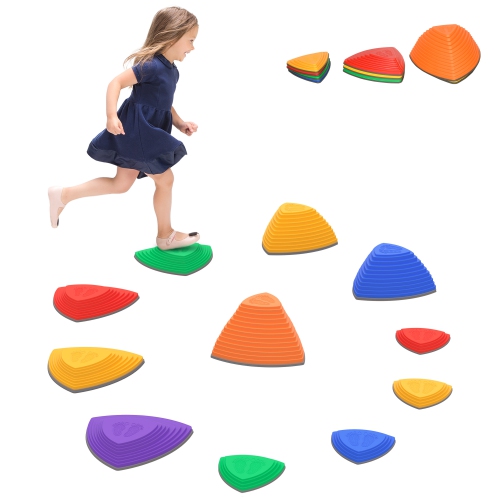
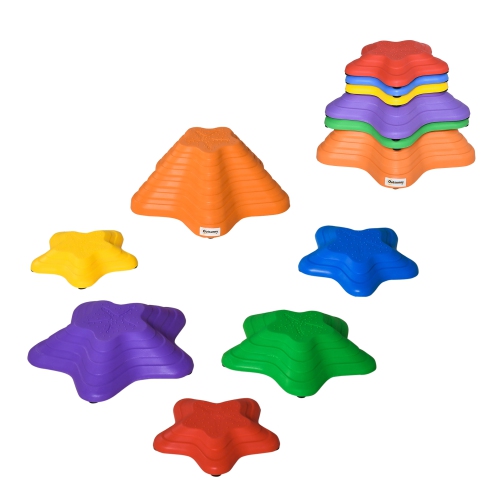
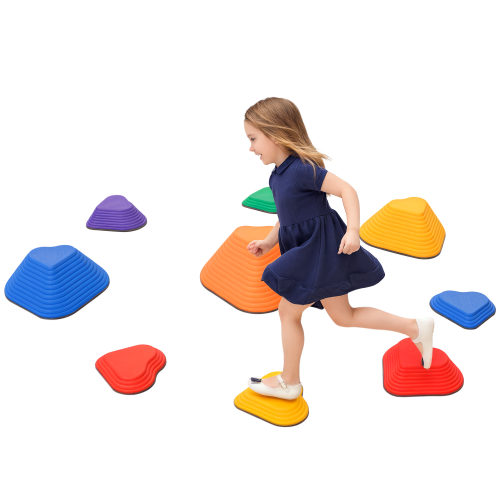
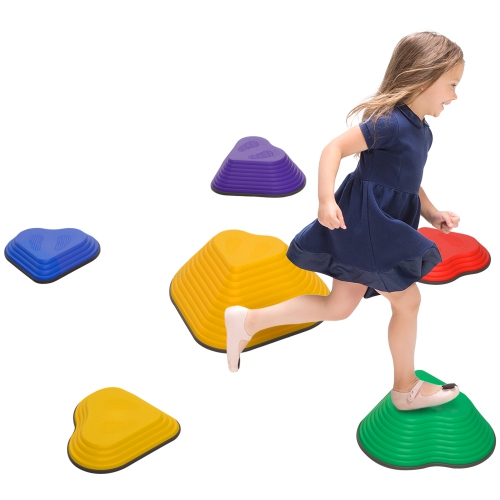
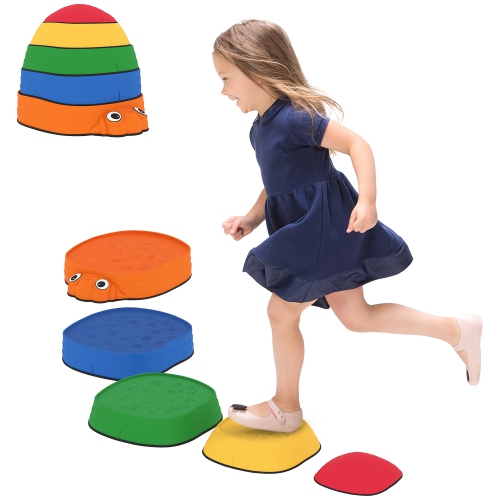
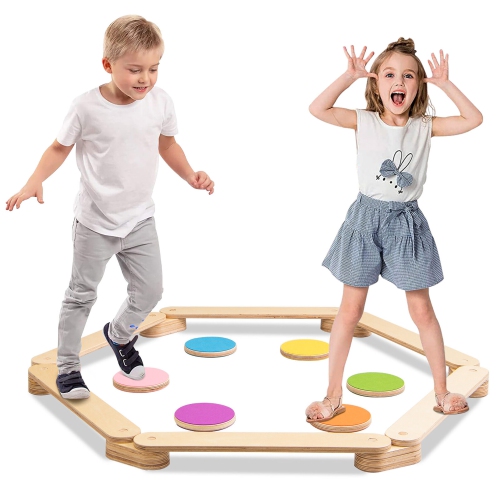
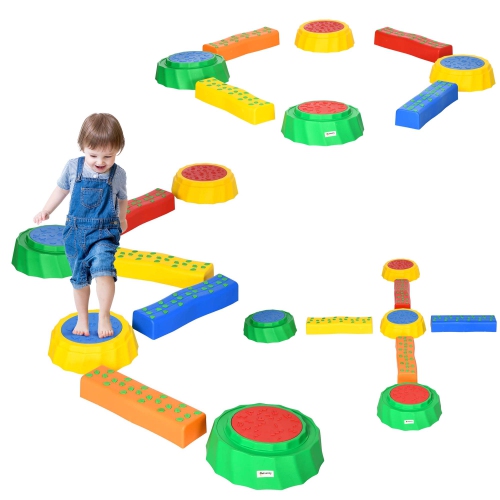
Outdoor stepping stones can be useful for homeowners refreshing a tired garden path, families creating a clearer route across a backyard, and apartment or townhouse residents working with a compact patio or shared outdoor area. They can mark a route to a barbecue, fire pit, pool area, vegetable garden, storage space, or outdoor seating, and they can make a larger yard feel easier to navigate without the cost or permanence of a fully paved walkway. Gardeners often use them to protect lawn edges and planting beds from repeated foot traffic, while hosts may appreciate a defined path that guides guests between entertaining areas. They can also be a thoughtful housewarming gift for someone who enjoys landscaping, container gardening, or hands-on home projects, particularly when the style suits the recipient’s existing outdoor décor. For families looking for playful balance and movement activities in a suitable setting, options such as Kids Stepping Stones can provide a different take on the stepping-stone concept. During the warmer part of the season, a newly arranged path can frame fresh greenery and colourful blooms; during the cooler months, durable materials and secure placement help the route remain useful among damp leaves and changing weather. Before making a purchase, measure the intended pathway, estimate the number of stones based on their dimensions and spacing, and check whether the surface, weight, and construction suit the location. Choosing pieces that feel stable, provide dependable traction, and complement the surrounding landscape will help create a pathway that looks natural and remains useful through changing outdoor conditions.
Planning the route before placing the stones makes the finished walkway more comfortable and attractive. A straight arrangement can provide a direct connection between two frequently used areas, while a gently curved path can lead visitors through flower beds, shrubs, or a lawn without making the space feel overly formal. Leave enough room between stones for a natural stride, and arrange them so the centre of each stone meets the area where a foot is most likely to land. For a stable installation, clear away turf and loose topsoil beneath each location, then create a firm base with compacted crushed rock, road base, or decomposed granite. The base helps reduce shifting caused by regular foot traffic, rain, and seasonal ground movement. Each stone should sit level from side to side, with its surface slightly above the surrounding grass or soil to help prevent water from pooling and to make lawn maintenance easier. A rubber mallet can help settle a stone without damaging its surface, while a spirit level is useful for checking that the path feels even underfoot. Gaps can be filled with soil, fine gravel, decorative stone, or low-growing ground cover, depending on the desired appearance and the amount of maintenance you prefer. Leave a little room around irregular natural pieces so their individual shapes remain visible, or use a consistent spacing pattern for a neater, more structured look. In areas that become slippery, muddy, or shaded, prioritise stones with a grippy surface and consider how water will drain around the path. It is also worth checking the dimensions and weight of each piece before ordering, especially when access to the installation area is limited or the stones need to be carried over steps.
Outdoor stepping stones can be useful for homeowners refreshing a tired garden path, families creating a clearer route across a backyard, and apartment or townhouse residents working with a compact patio or shared outdoor area. They can mark a route to a barbecue, fire pit, pool area, vegetable garden, storage space, or outdoor seating, and they can make a larger yard feel easier to navigate without the cost or permanence of a fully paved walkway. Gardeners often use them to protect lawn edges and planting beds from repeated foot traffic, while hosts may appreciate a defined path that guides guests between entertaining areas. They can also be a thoughtful housewarming gift for someone who enjoys landscaping, container gardening, or hands-on home projects, particularly when the style suits the recipient’s existing outdoor décor. For families looking for playful balance and movement activities in a suitable setting, options such as Kids Stepping Stones can provide a different take on the stepping-stone concept. During the warmer part of the season, a newly arranged path can frame fresh greenery and colourful blooms; during the cooler months, durable materials and secure placement help the route remain useful among damp leaves and changing weather. Before making a purchase, measure the intended pathway, estimate the number of stones based on their dimensions and spacing, and check whether the surface, weight, and construction suit the location. Choosing pieces that feel stable, provide dependable traction, and complement the surrounding landscape will help create a pathway that looks natural and remains useful through changing outdoor conditions.
Top selling and popular products
-
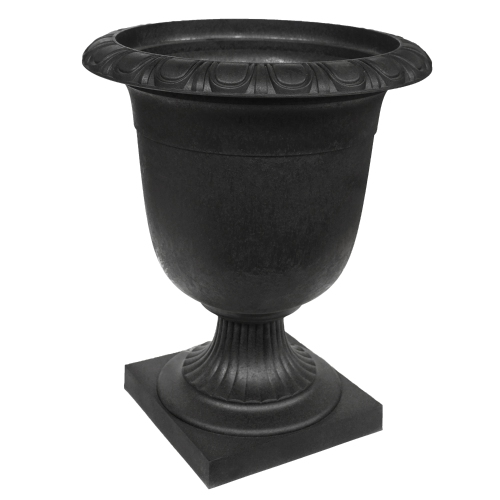 Your price for this item is $69.99
 -
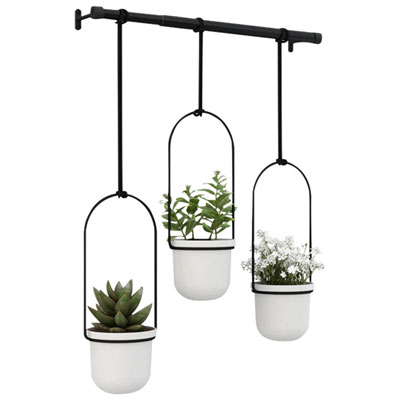 Your price for this item is $54.98
 -
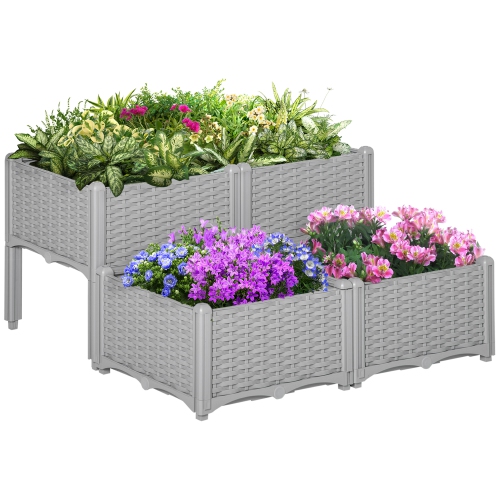 Your price for this item is $89.99
 -
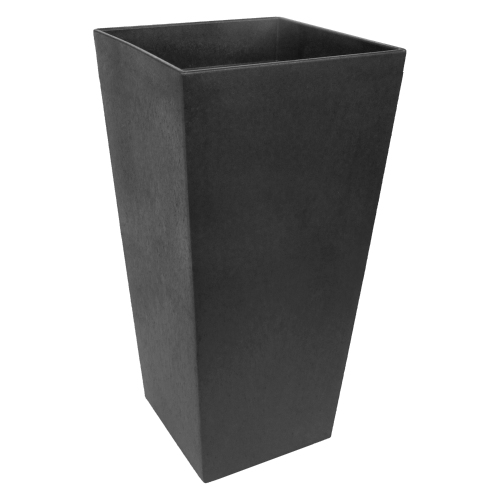 Your price for this item is $79.99
 -
 Your price for this item is $104.99
 -
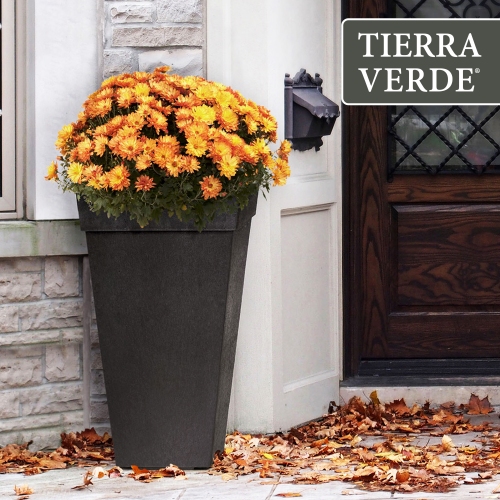 Your price for this item is $141.99
 -
 Your price for this item is $117.75
 -
 Your price for this item is $117.75
Discover more categories related to Outdoor Stepping Stones

Top Collections:
Pokemon Centers, Kindle Devices, Best Budget Office Chairs, Apple iPhones 16, Best Laptops for Writers, iPhone 15 Apple, Canon G7X Cameras, Refurbished Apple Laptops, Alarm Clock, Motorola Razr Phones
Some products may be subject to Environmental Handling Fees
(EHF) depending on your province.
Learn more about EHFs.