Patio Tiles
Create a stylish and functional outdoor oasis with our wide selection of patio tiles. Whether you're looking to revamp your backyard, create a cozy seating area, or upgrade your outdoor dining space, our range of patio tiles offers versatility and durability to suit any design preference. From sleek and modern designs to timeless classics, these tiles are perfect for transforming your outdoor space into a welcoming retreat for relaxing and entertaining. Browse through our collection to find the perfect patio tiles to elevate your outdoor living experience.
Sort

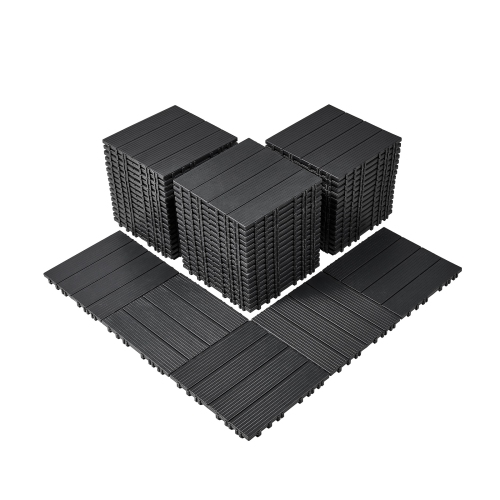
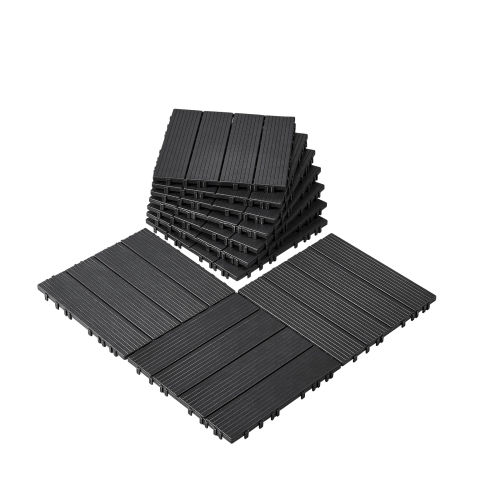
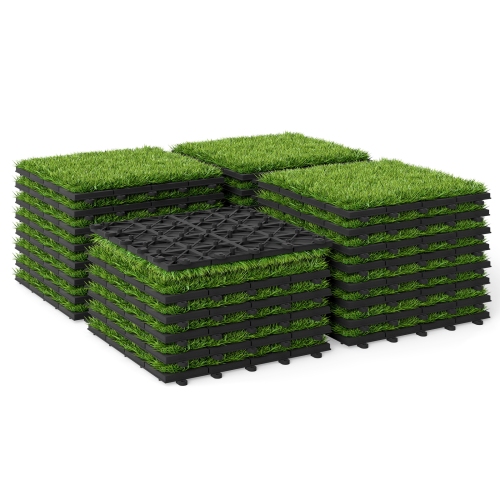
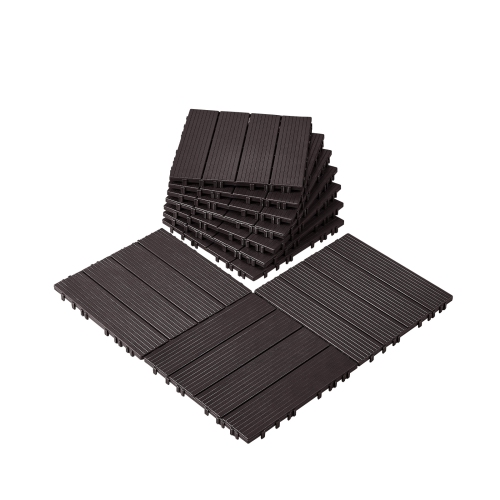

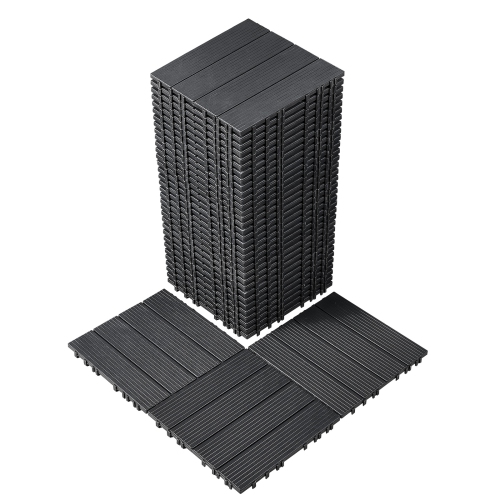
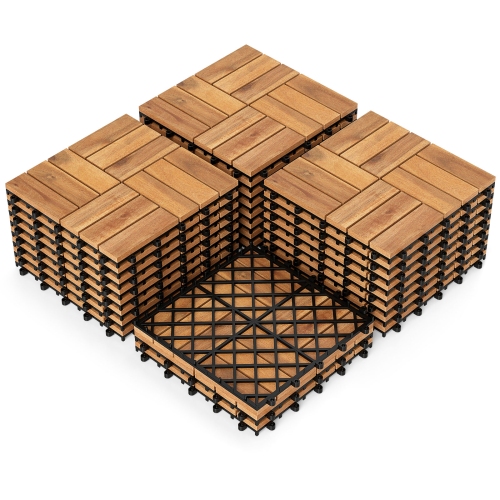
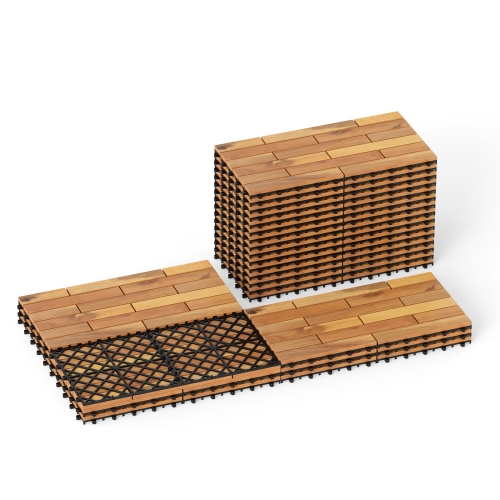
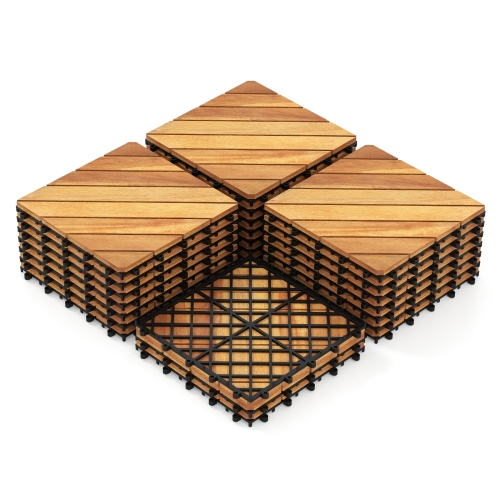
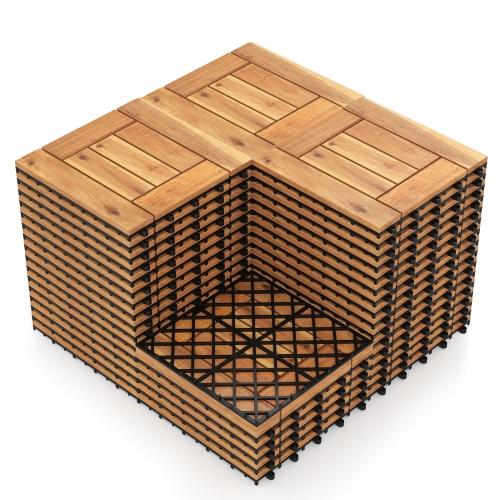
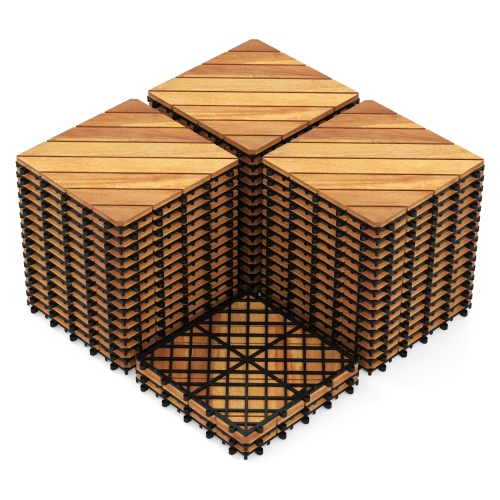
Great outdoor flooring starts below the surface
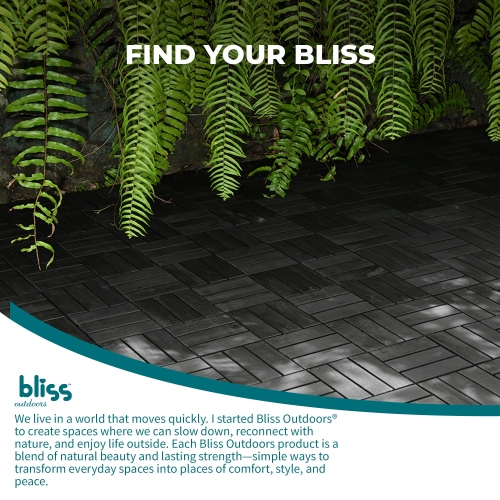
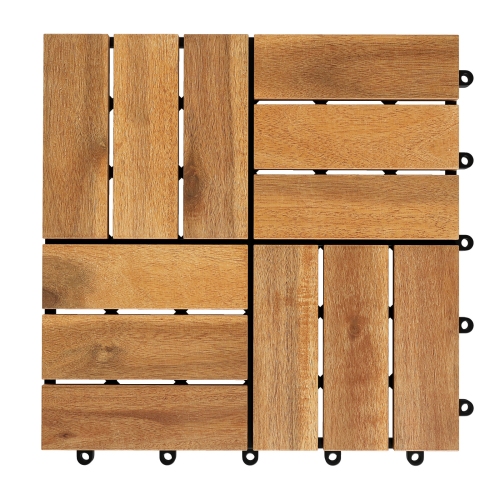
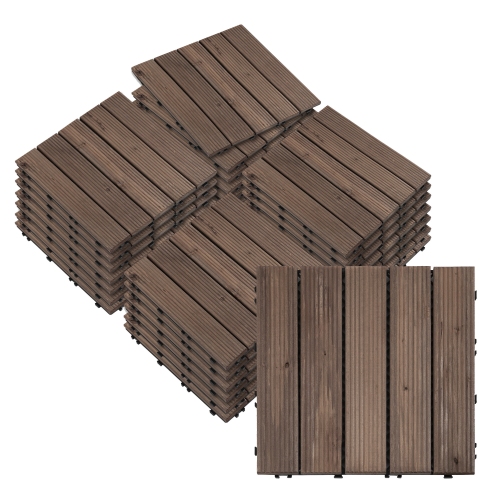
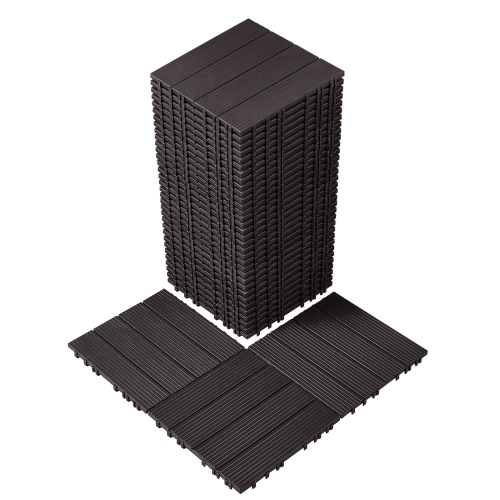
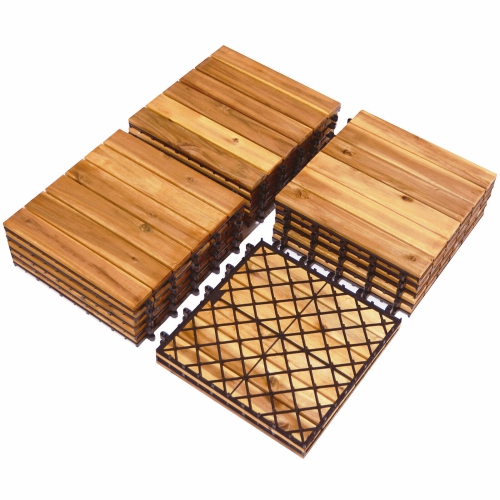
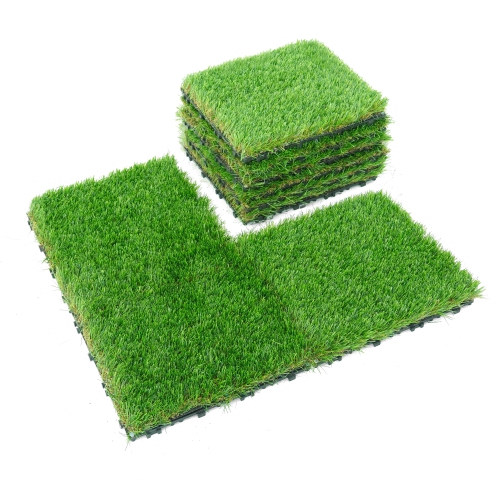
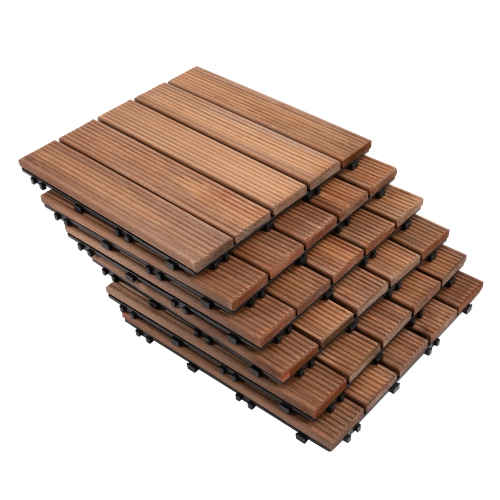
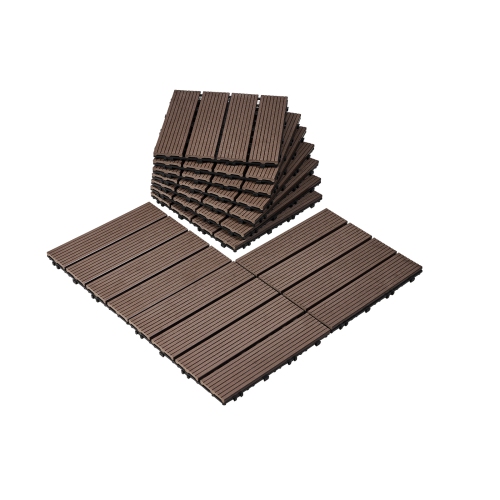
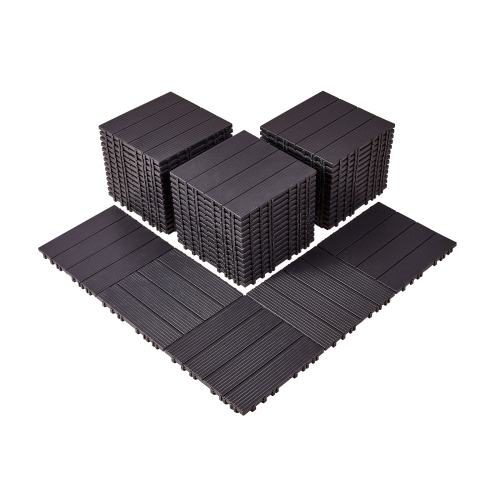
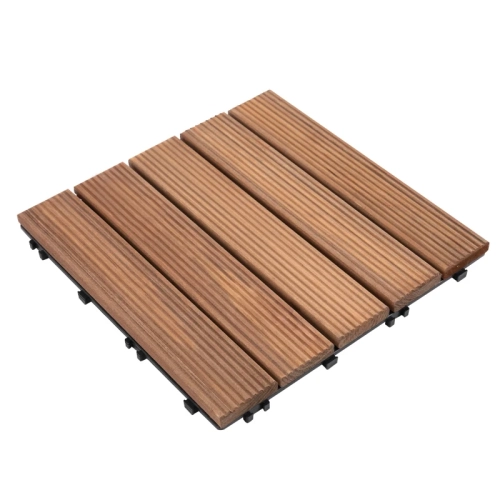
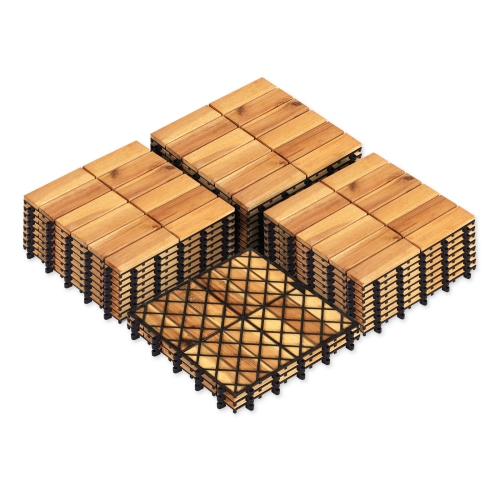
Patio tiles create a finished surface for outdoor seating areas, balconies, terraces, and backyard gathering spaces, with materials ranging from natural wood and composite to porcelain, stone, and concrete. Their appeal is both practical and visual: a tiled surface can give a plain concrete balcony more character, define a dining area beside the garden, or bring a consistent finish to a small courtyard. Interlocking patio tiles typically have individual panels attached to a connecting base, allowing adjacent pieces to lock together over a suitable existing surface. Wood versions may use acacia, teak, or fir, each with its own grain pattern, colour variation, and maintenance needs. Slatted designs bring the look of decking to compact spaces, while the gaps between slats allow water to pass through to the surface below. Composite patio tiles generally combine wood fibres and plastic, offering a wood-like appearance with different care requirements from solid timber. Resistance to fading, scratching, moisture, and staining varies by construction, so these qualities are best understood through the material specifications rather than appearance alone. Porcelain patio tiles offer another distinct finish, including stone-look and concrete-look surfaces with relatively low water absorption. Exterior suitability, frost resistance, and installation requirements remain important, since not every porcelain or ceramic tile is intended for outdoor floors. Natural stone introduces individual markings and tonal differences, while concrete paving tiles provide a substantial appearance that suits many ground-level patios. Both can have sealing or installation requirements that differ from those of lightweight interlocking panels. Across the broader category of Outdoor Tiles, the most meaningful distinctions are the material, construction, intended location, and support required beneath the finished surface. A tile that works well over a sheltered concrete balcony may not suit an exposed garden path, and a paving slab designed for a prepared ground base is not interchangeable with a snap-together deck tile. Thickness, weight, texture, and drainage all contribute to how comfortably the surface fits its intended use.
The area beneath patio tiles matters as much as the finish on top. Many interlocking designs need a firm, reasonably level surface, such as sound concrete or another base permitted by the manufacturer. Their connecting mechanisms hold neighbouring panels together, but they do not correct deep cracks, significant unevenness, or poor drainage. Grass, loose soil, and gravel are not suitable foundations for every tile system; some paving formats instead require a properly prepared aggregate base or a specified support system. Adhesive-set outdoor tile has different requirements again, including a suitable substrate, exterior-rated installation materials, and allowance for movement. These distinctions are particularly relevant for homeowners refreshing an older patio and condo residents covering an existing balcony floor. On a balcony, the combined weight of tiles, furniture, planters, and people needs to remain within the structure’s permitted load, while building rules may limit flooring changes or require access to drains. A removable tile system can be useful where permanent alterations are restricted, provided its use is allowed and it does not interfere with the balcony’s waterproofing or drainage. Fit also includes the details that become noticeable in daily use: whether a door clears the new floor height, whether an edge creates a trip point, and whether a chair leg rests securely rather than catching between slats. Tile dimensions and pack coverage help establish the quantity needed, but corners, posts, angled walls, and cuts can affect the final layout. Compatible edge pieces, where supported by the system, can provide a neater transition at exposed boundaries. Surface texture deserves similar attention. A lightly textured finish may feel different under bare feet than a deeply grooved panel, and slip resistance should be assessed using the stated rating for the intended application. No finish eliminates the need to clear standing water, fallen leaves, snow, or ice. Around a pool or hot tub, suitability also depends on exposure to treatment chemicals and repeated wetting, rather than outdoor use alone.
Everyday care varies with the material and the way the patio is used. Solid wood tiles may need periodic cleaning and a compatible protective treatment to help maintain their appearance, with the appropriate schedule depending on the wood and its exposure. Untreated or weathered wood can change colour over time, and that shift is different from damage that affects the tile’s strength or connecting base. Composite surfaces generally need routine washing rather than the same finishing treatments as timber, although food spills, grease, and trapped debris can still leave marks if neglected. Porcelain is often straightforward to clean with an appropriate mild cleaner, while natural stone may need a cleaner and sealer suited to its particular composition. Acidic cleaners can damage some stone surfaces, and abrasive tools or excessive pressure washing can affect certain finishes and joints. Drainage gaps and the space beneath raised tiles also need attention, since leaves and grit can collect out of sight. Where freezing conditions occur, exterior ratings and installation quality are especially important; trapped moisture and repeated freeze-thaw cycles can affect materials that are not suited to that exposure. Some removable systems may have storage recommendations, while others are designed to remain installed within stated conditions. Appearance and comfort remain part of the decision as well. Pale grey or sandy tones can complement light cushions and metal furniture, while deeper brown wood tones create contrast against glass doors and simple balcony railings. Alternating the direction of slatted panels can introduce a subtle pattern without mixing colours. Dark surfaces may become hot in direct sun, making shade and footwear relevant to areas used by children or pets. For a compact balcony, a consistent tile pattern can give a bistro table and two chairs a defined place to sit. On a larger patio, the same surface can connect lounging and dining areas, provided it suits the traffic, furniture weight, and maintenance the space will receive.
Top selling and popular products
-
 Your price for this item is $699.99
-
 Your price for this item is $339.99
-
 Your price for this item is $899
-
 Your price for this item is $269.99
-
 Your price for this item is $79.99
-
 Your price for this item is $103.99
-
 Your price for this item is $508.99
-
 Your price for this item is $604.99
Discover more categories related to Patio Tiles
Top Collections:
Best Black Friday Deals This Year, Best Black Friday Deals On Electronics, Kindle Devices, Dyson Airwrap, Best Cameras for Sports Photography, Best Budget Office Chairs, Canon G7X Cameras, PS5 Pro Consoles, Best Black Friday Deals On Apple Products, XBOX One S Consoles
Some products may be subject to Environmental Handling Fees
(EHF) depending on your province.
Learn more about EHFs.