Personal Mobility Devices
Upgrade your mobility and regain your independence with our wide selection of personal mobility devices. Whether you're looking for a lightweight transport chair for easy maneuverability, a versatile rollator walker for enhanced stability, or a reliable mobility scooter to explore the great outdoors, we have the perfect solution to meet your needs. Our range of personal mobility devices is designed to provide comfort, convenience, and freedom for individuals of all ages and abilities. Take control of your mobility and enjoy everyday activities with confidence by browsing our collection today.
Sort
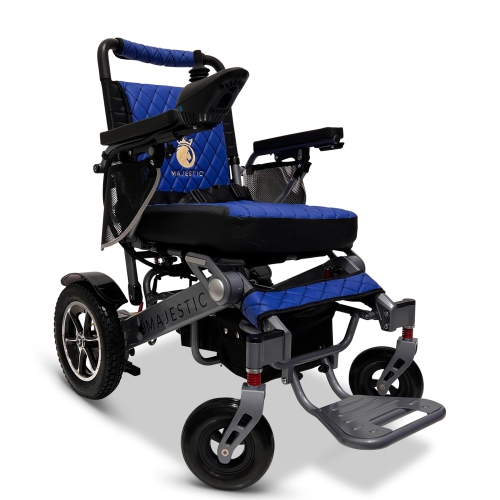
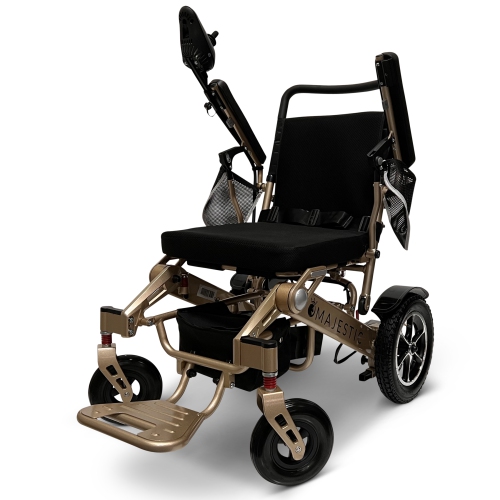
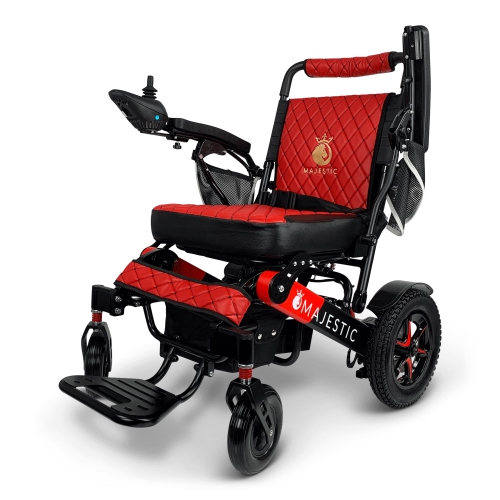
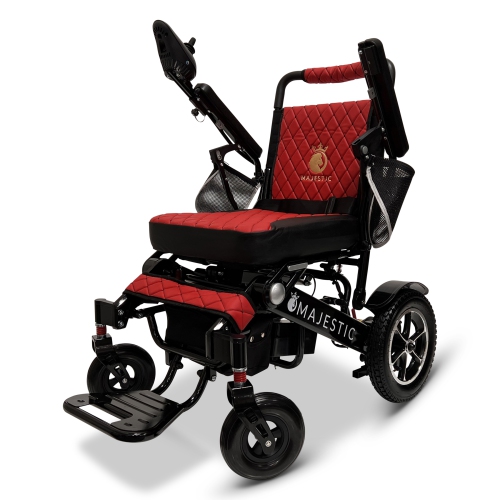
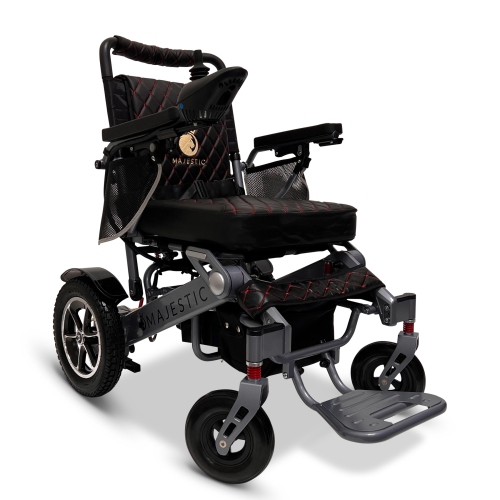
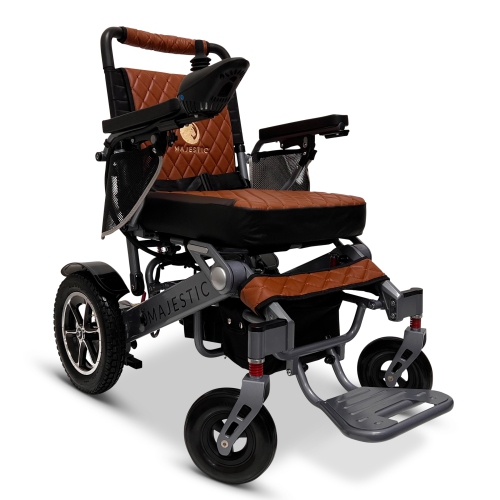
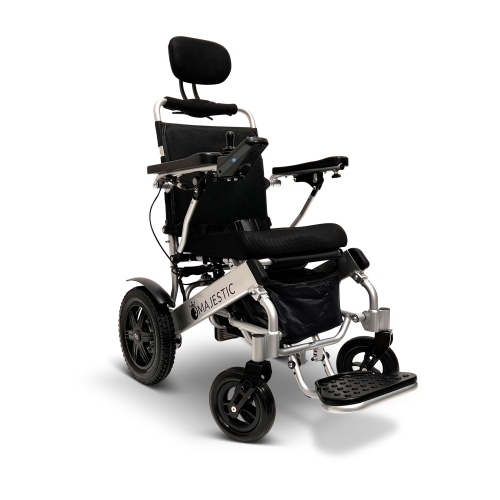
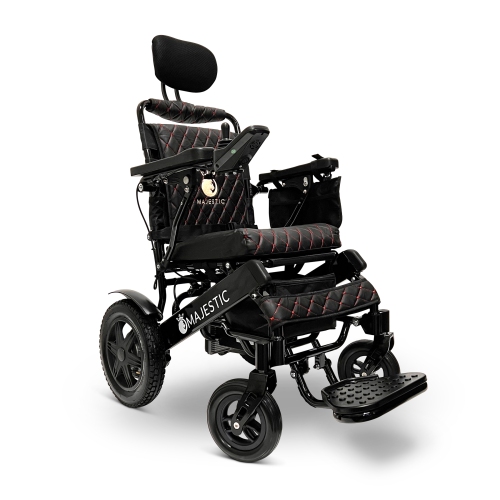
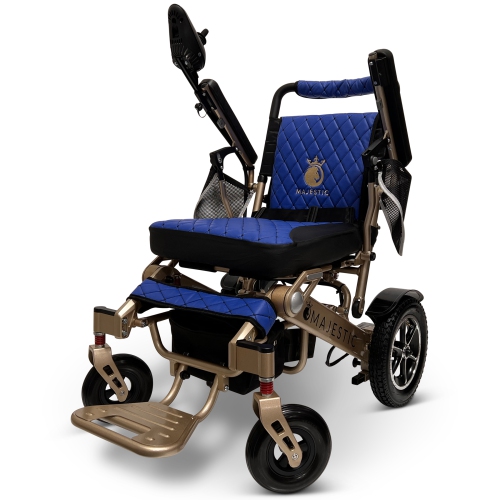
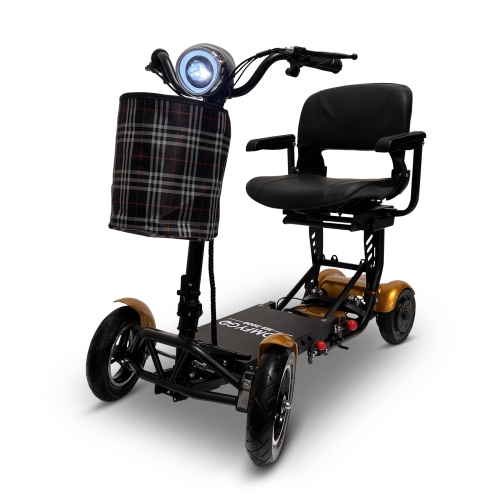
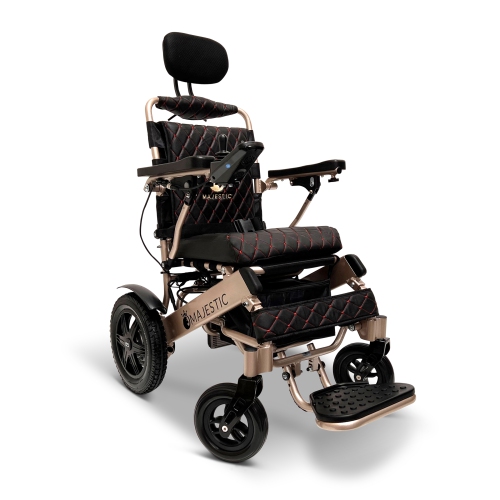
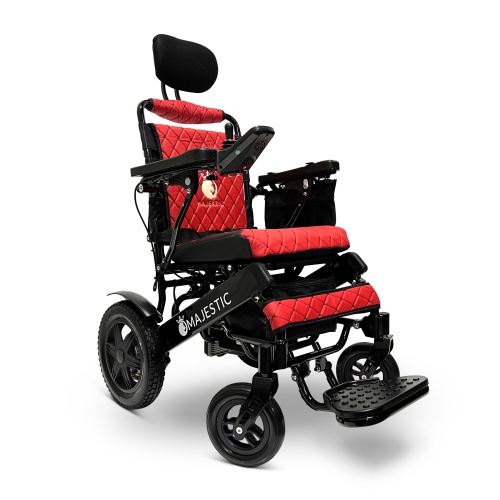

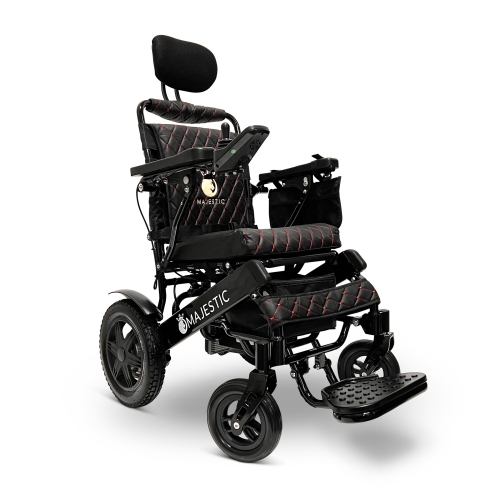
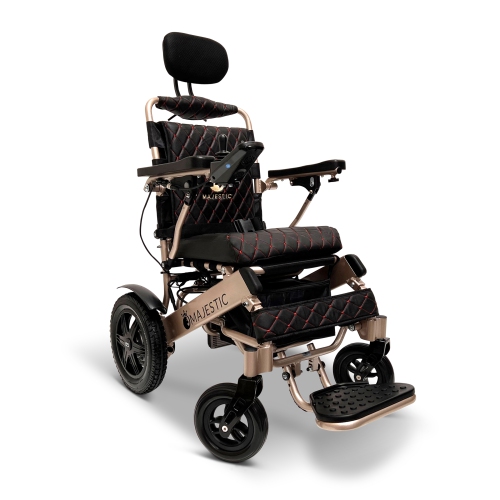
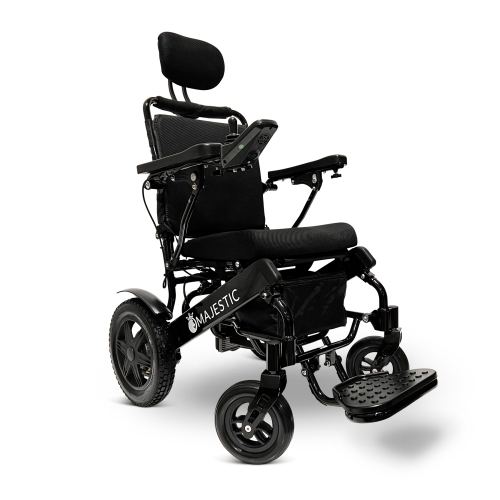
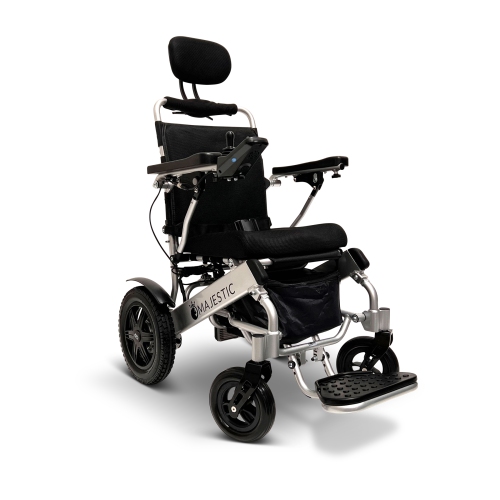
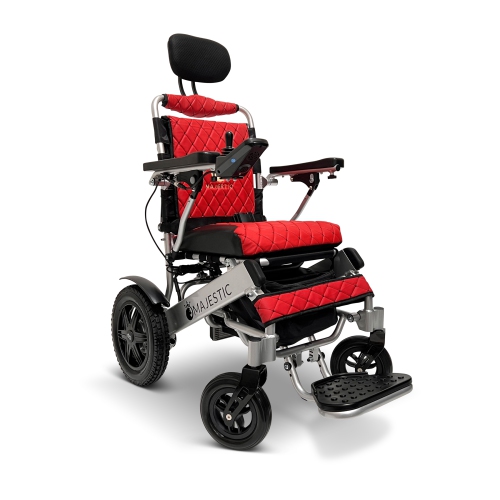
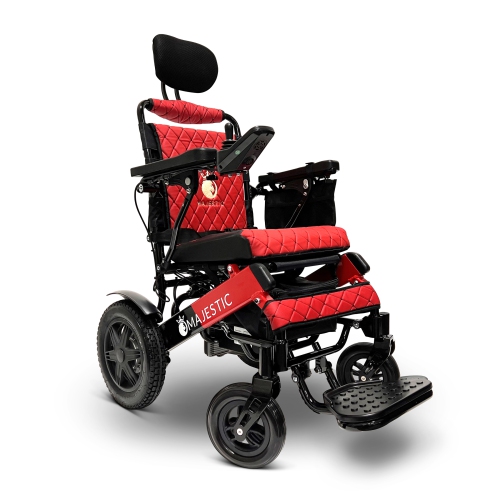
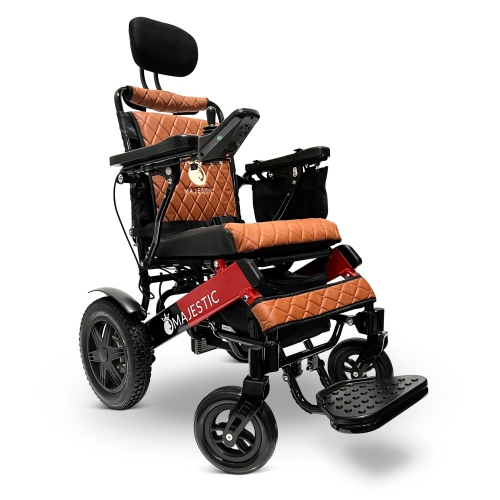
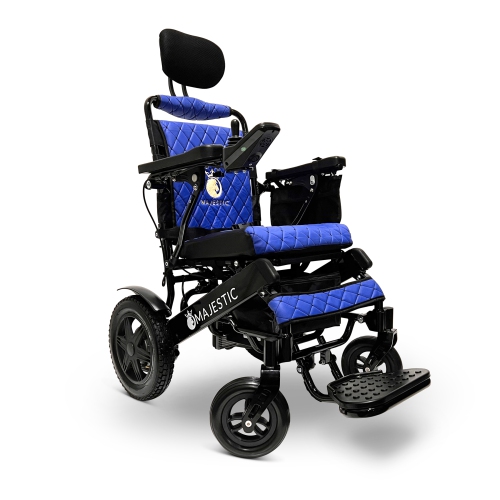
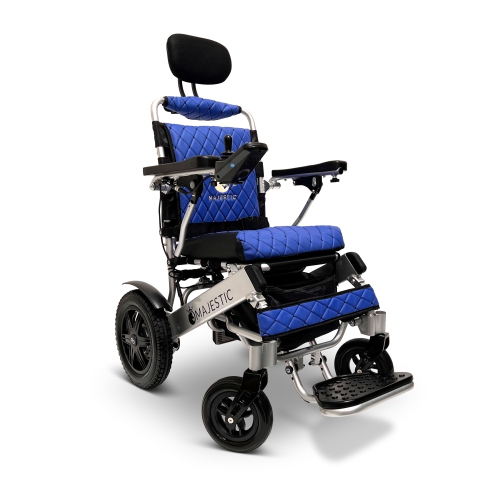
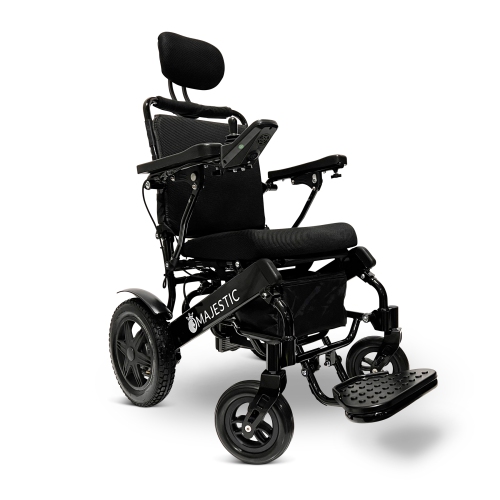
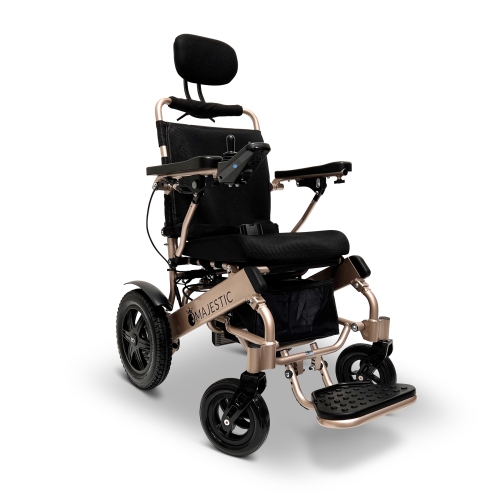
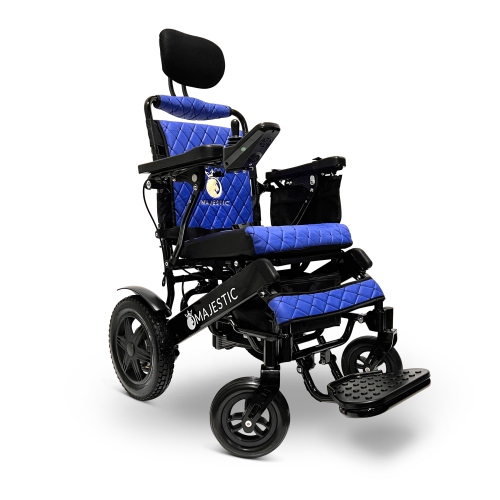


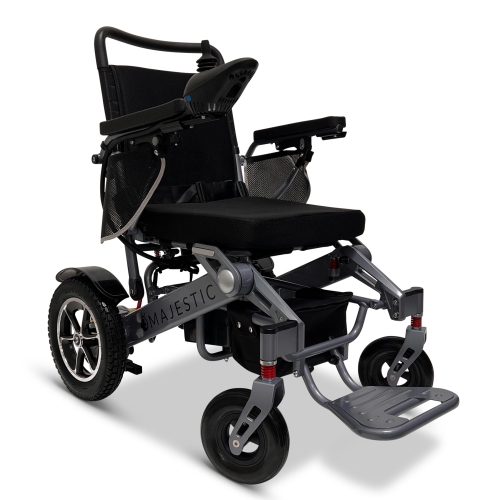
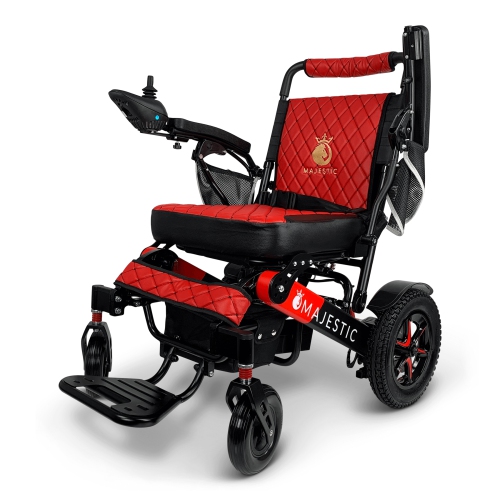
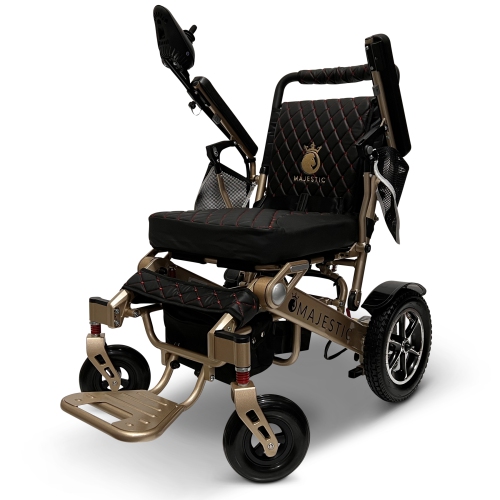
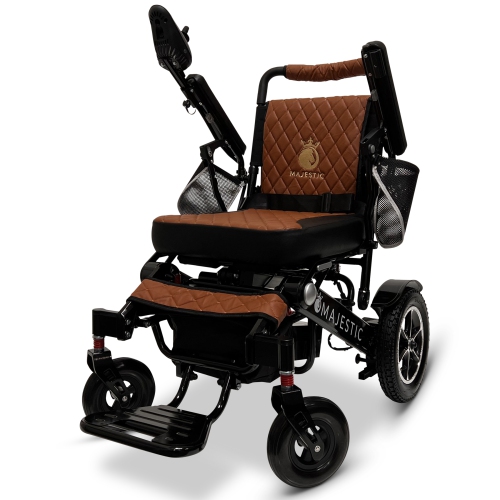

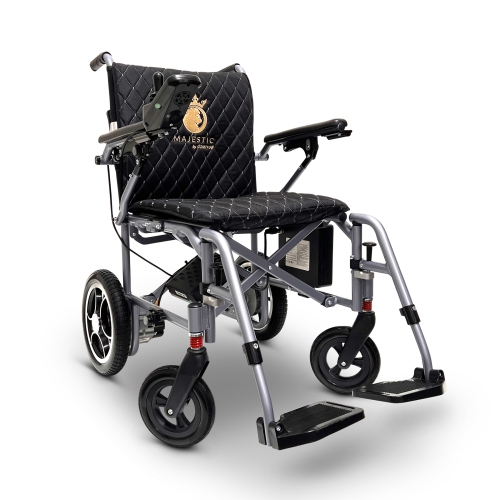
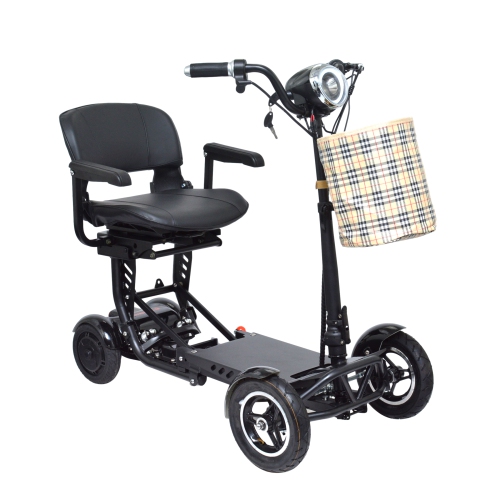
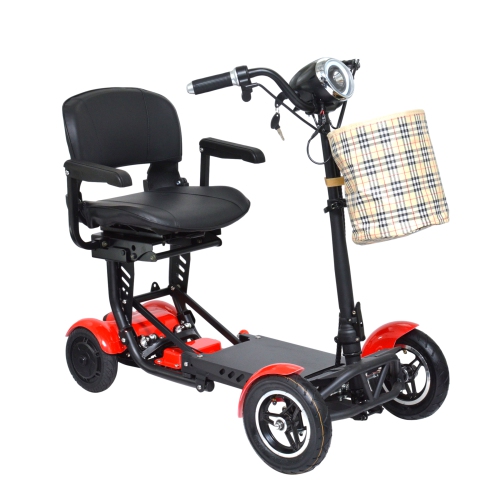
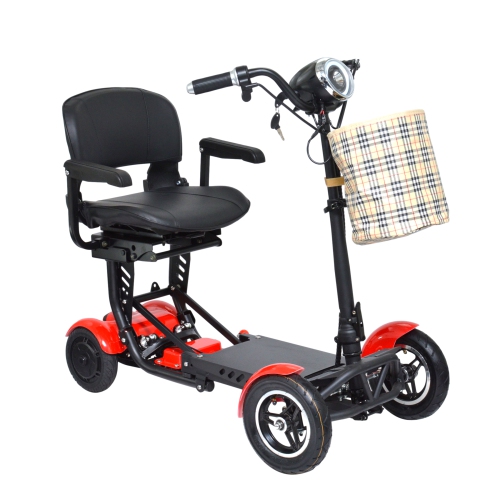

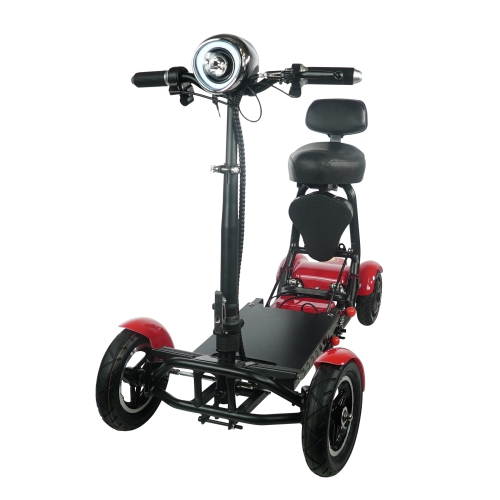
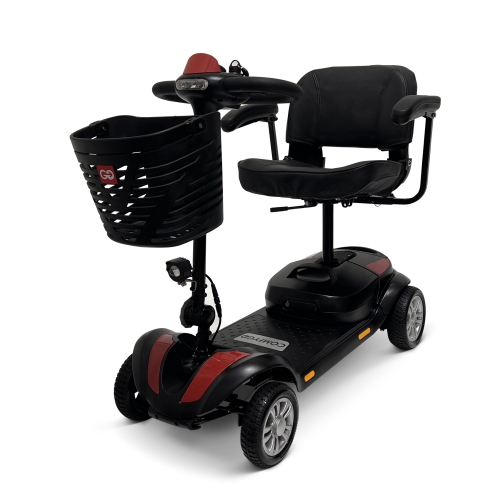
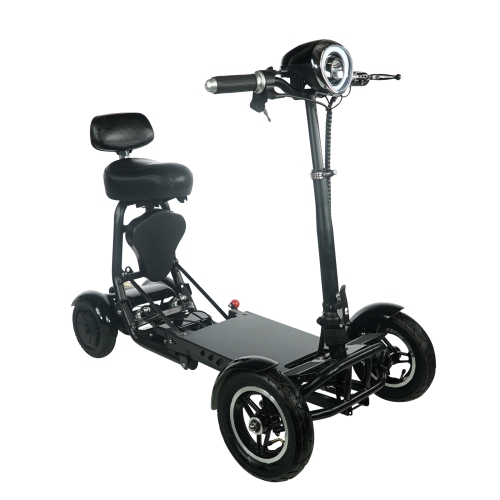
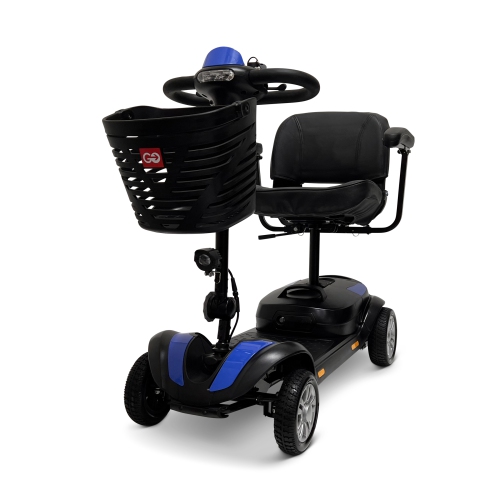
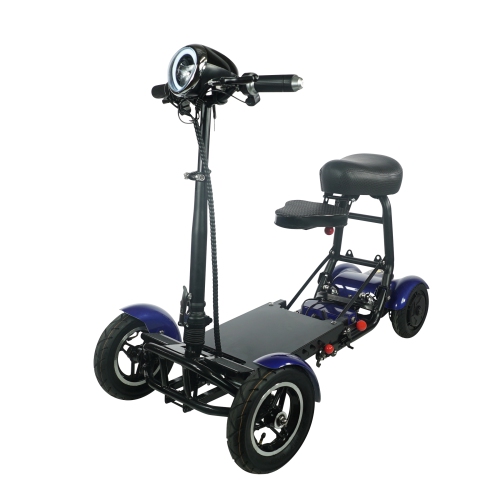
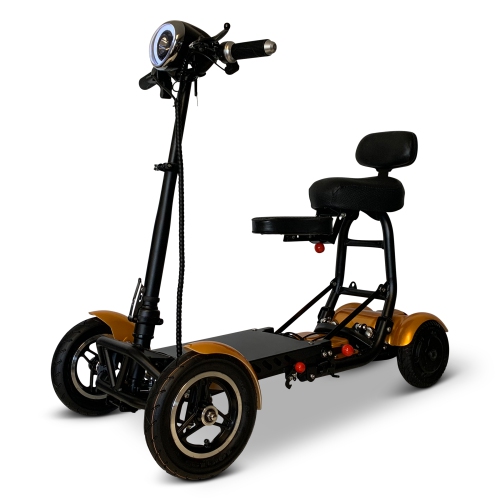
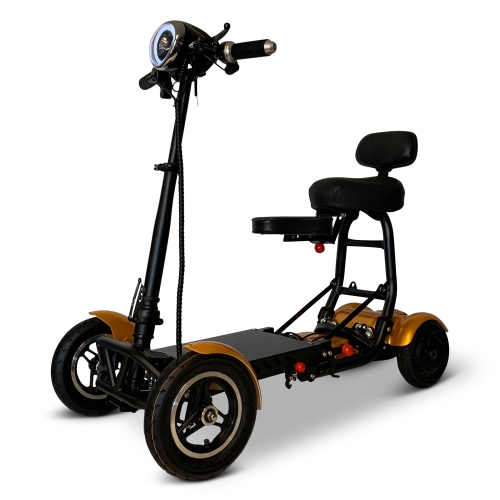
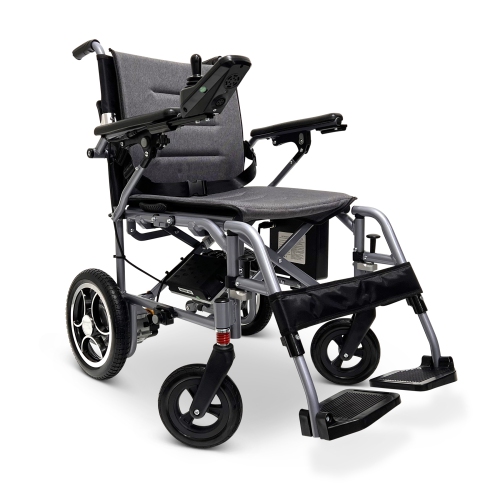

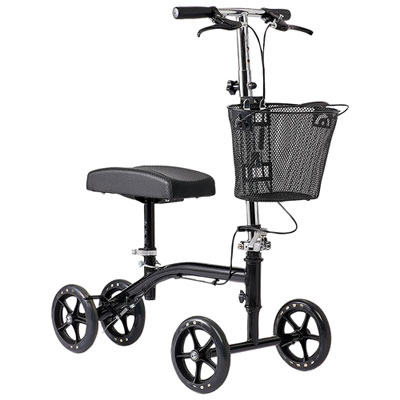
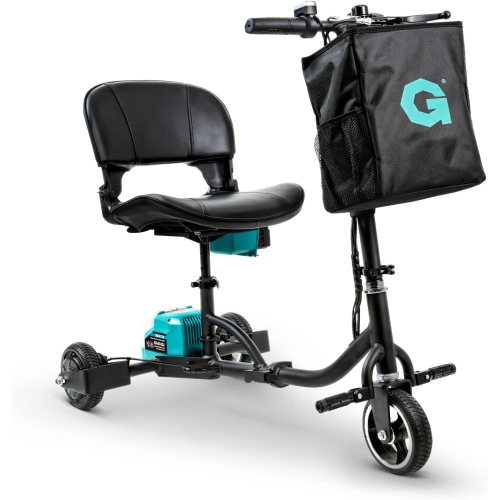

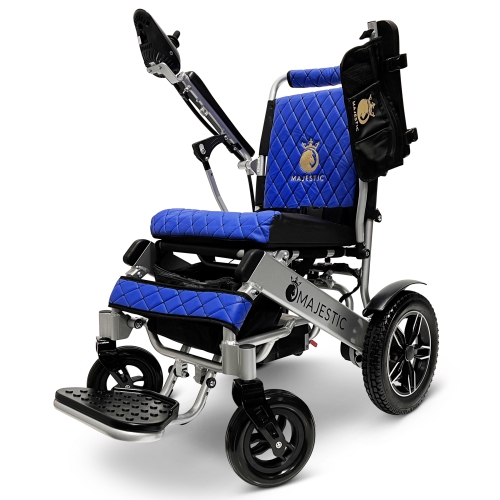
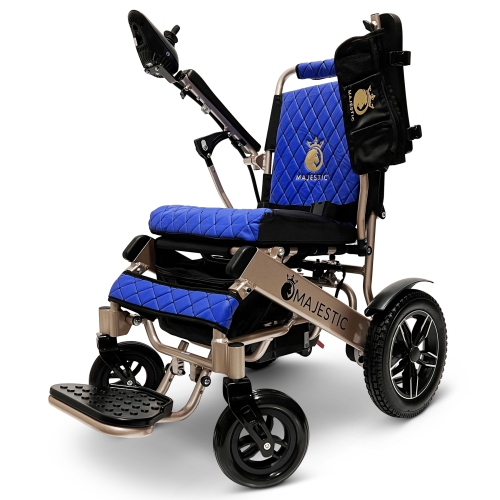
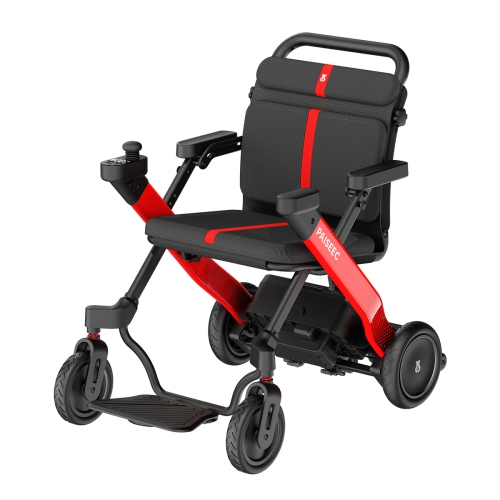
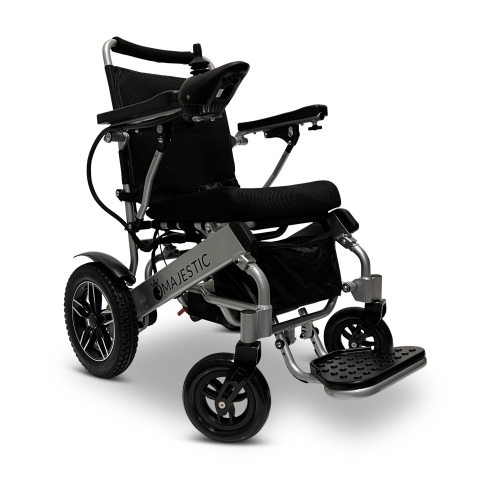

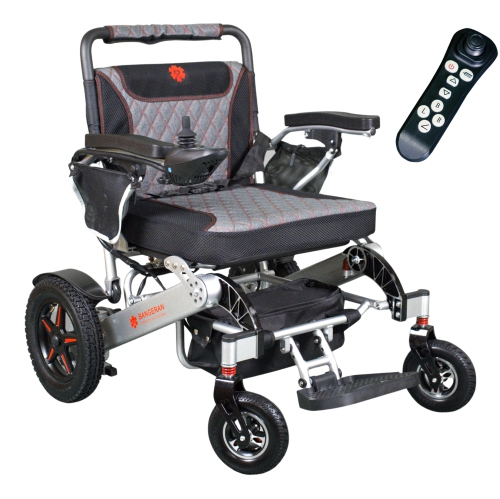
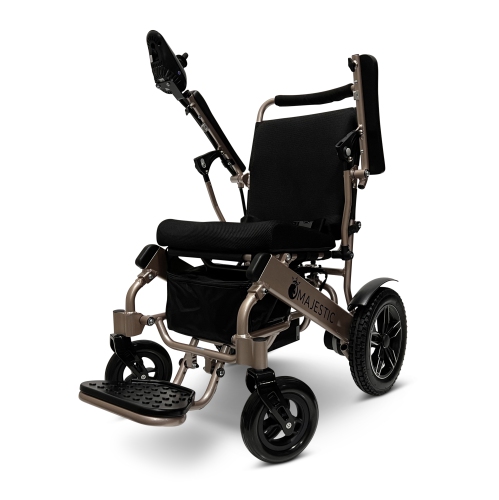
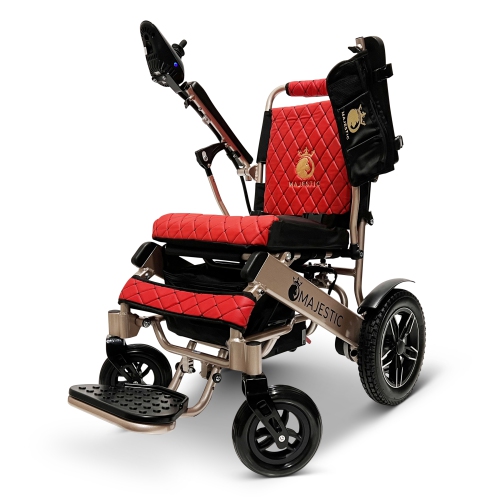
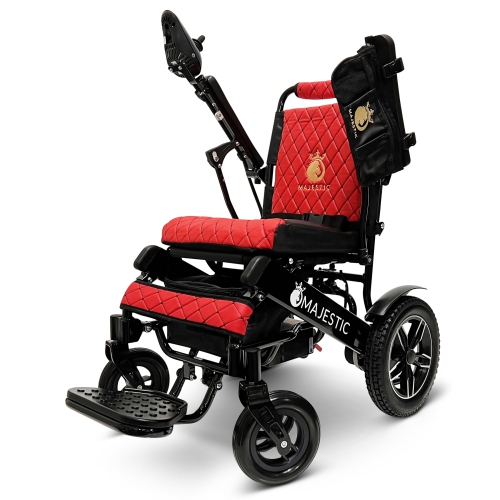
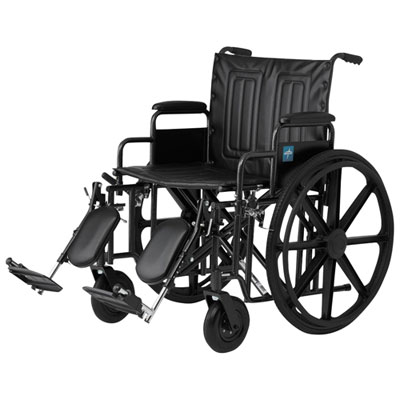
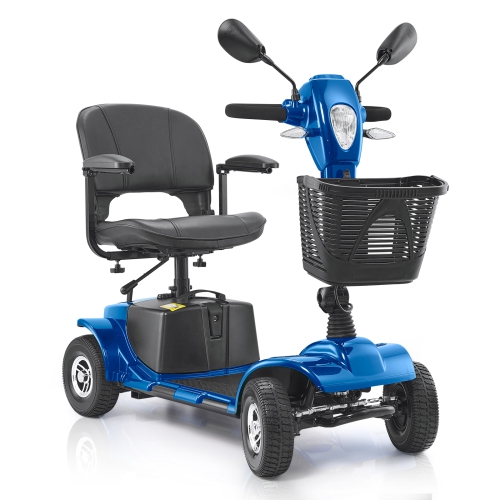
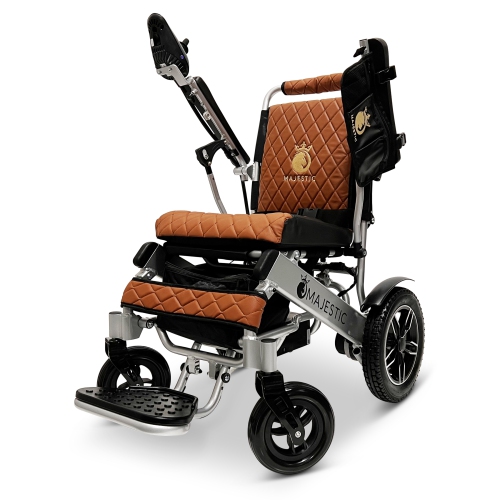
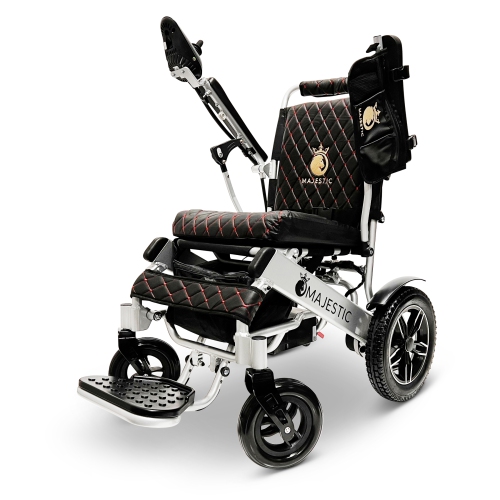
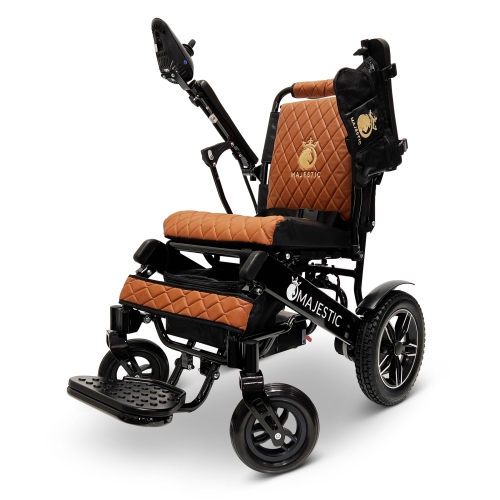
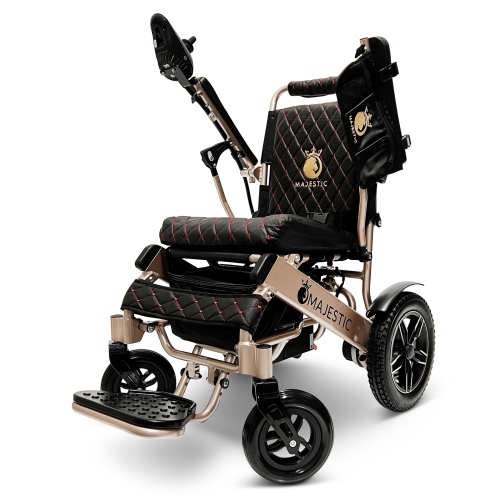


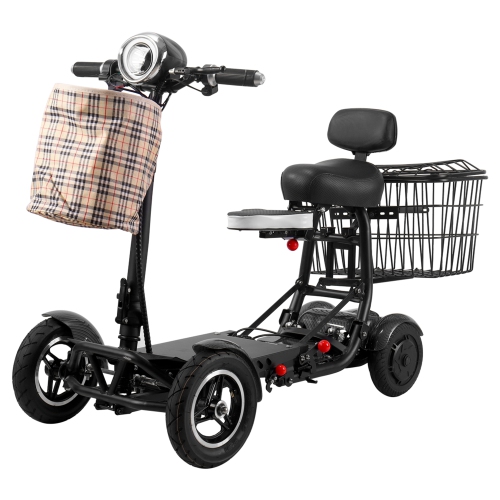
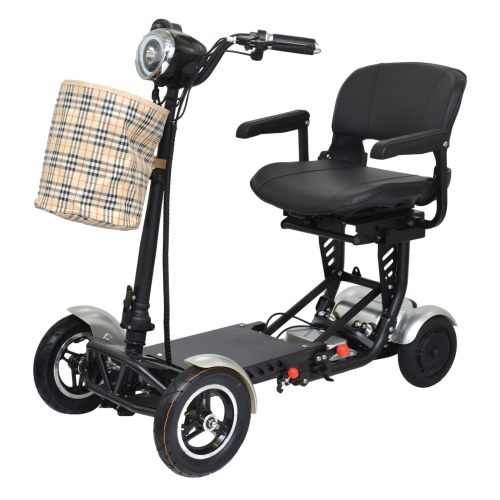

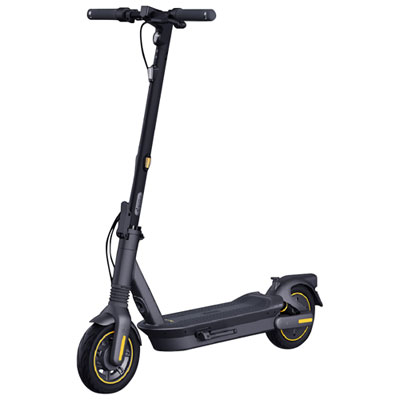
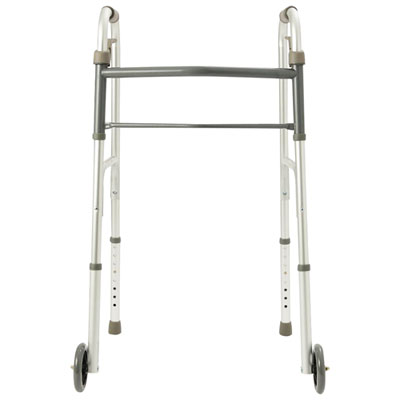
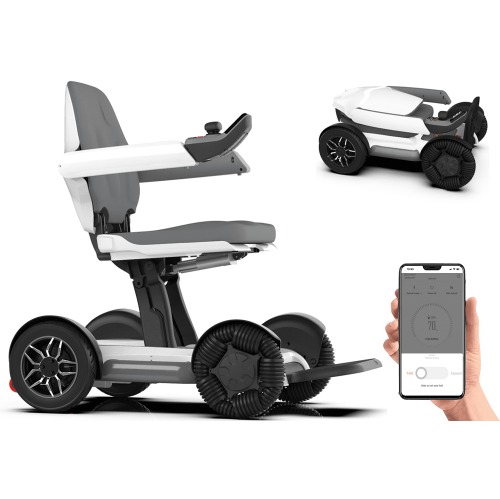

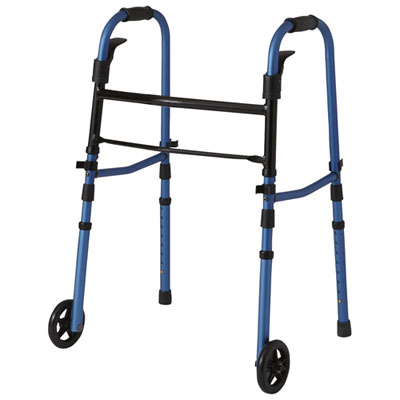
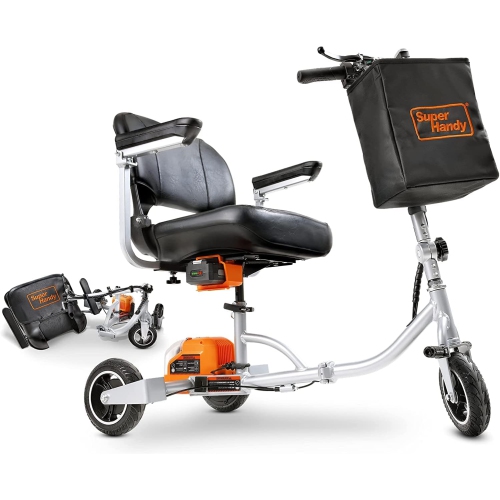

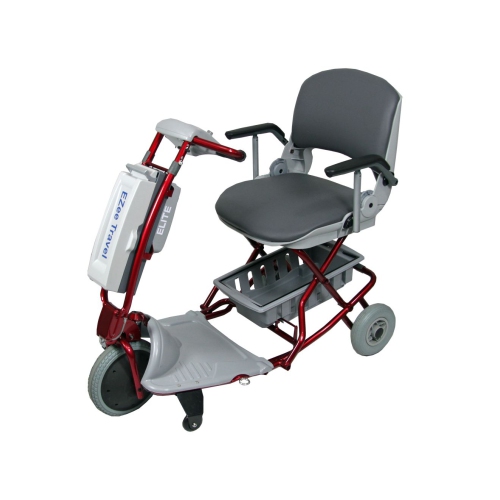
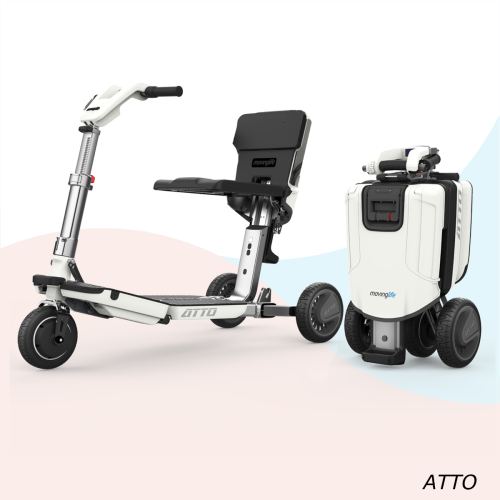
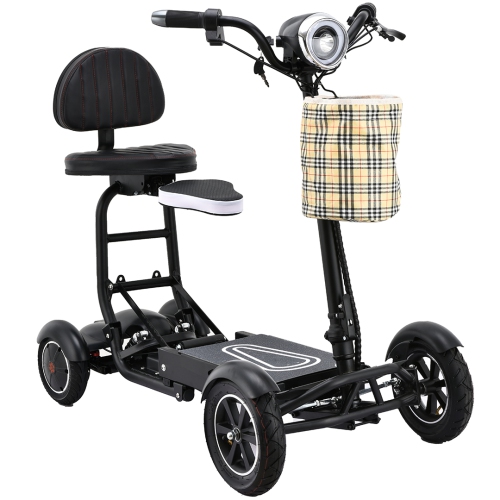
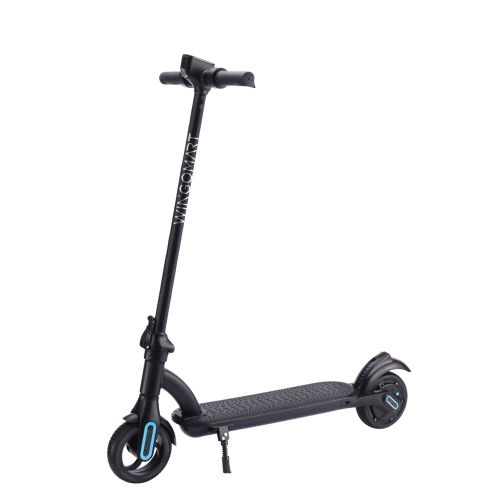

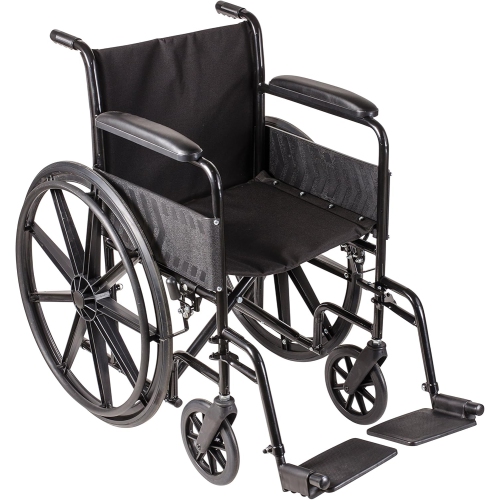
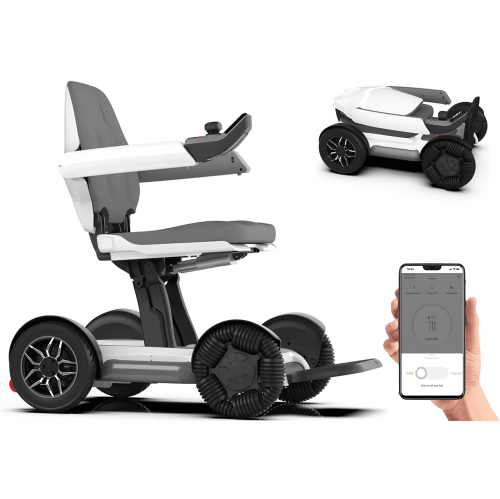

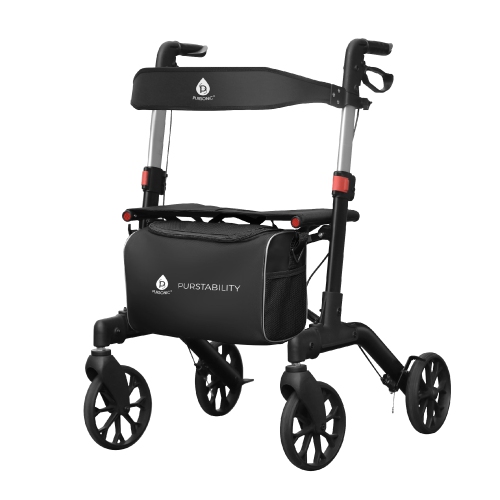


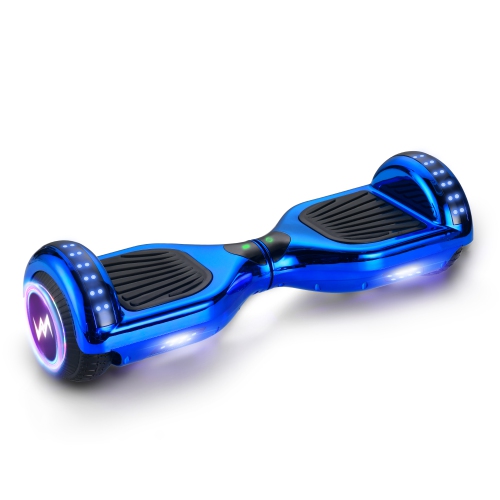

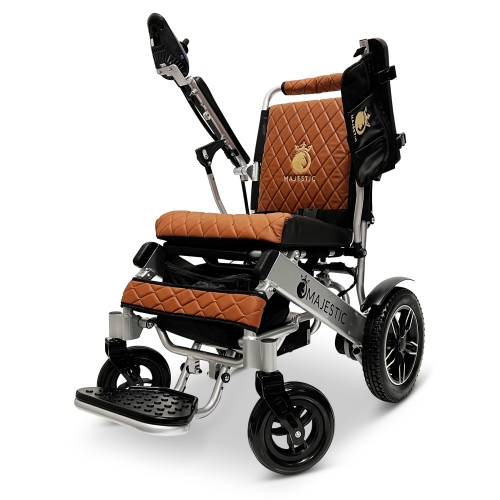

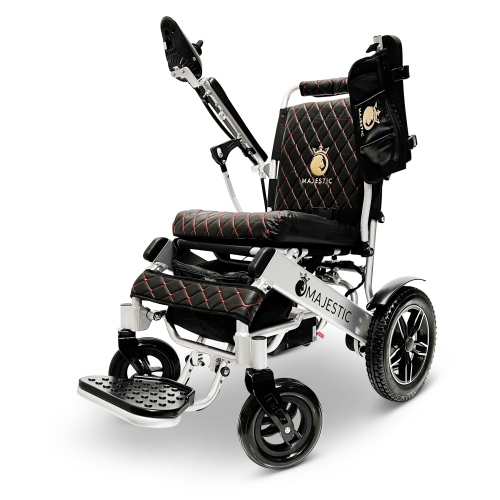
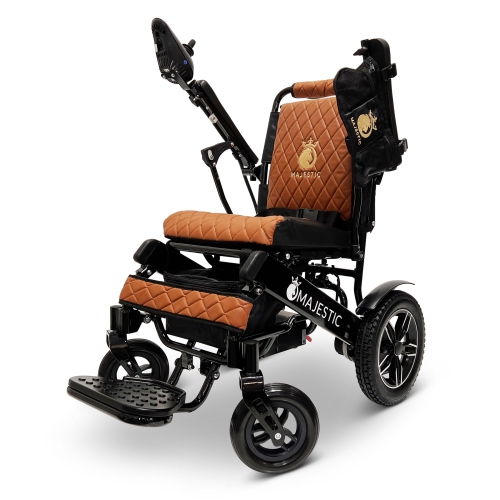
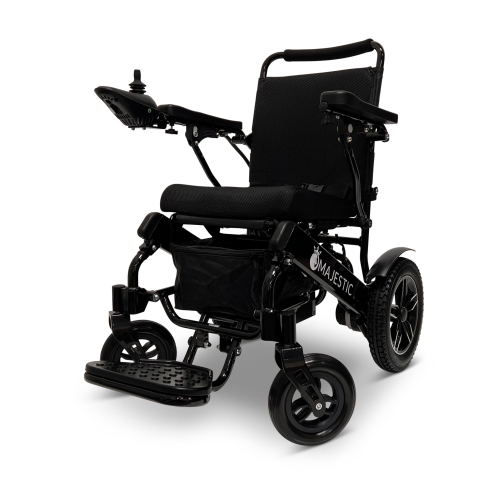
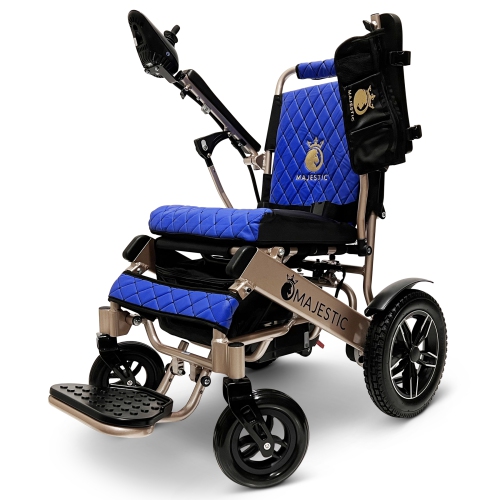
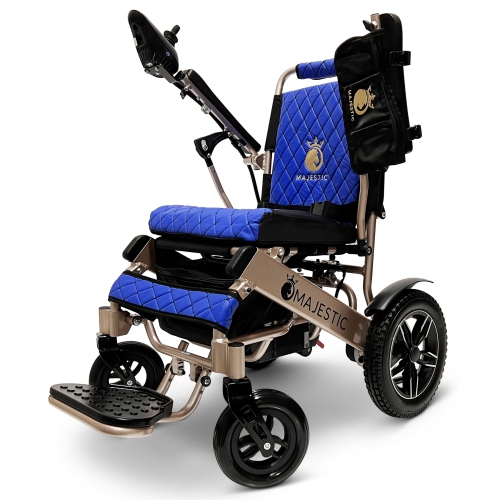
Everyday mobility support for comfort, confidence and independence
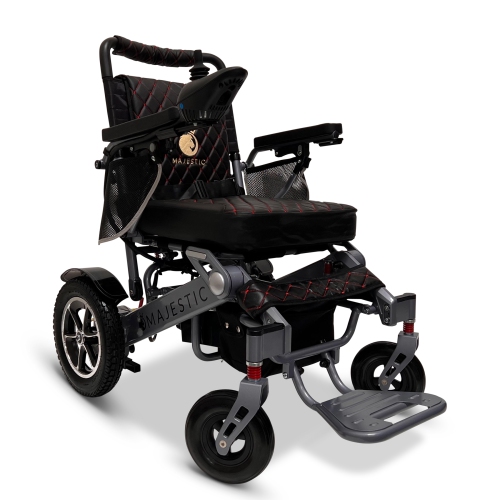
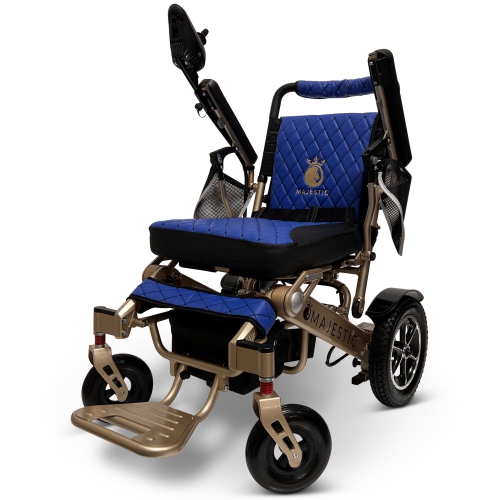
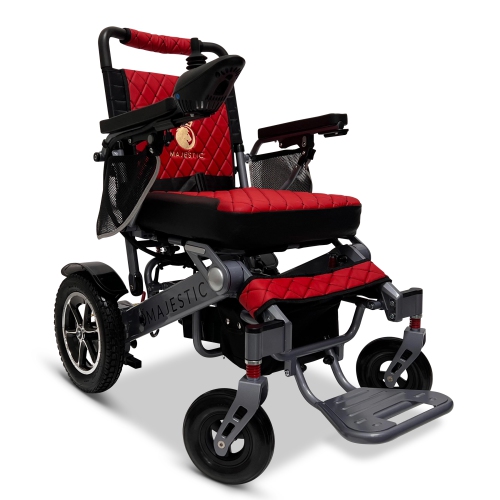
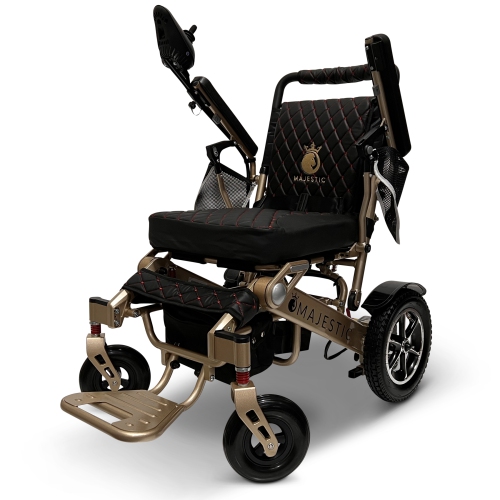
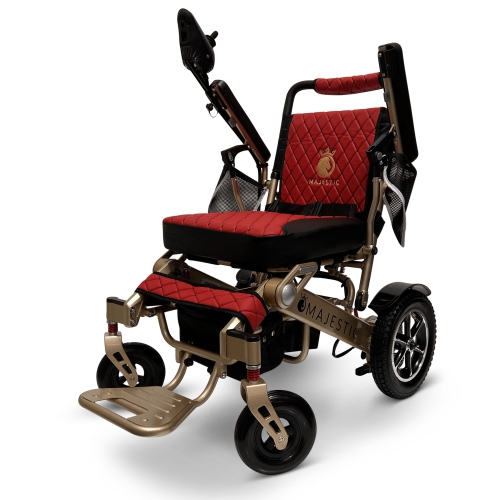
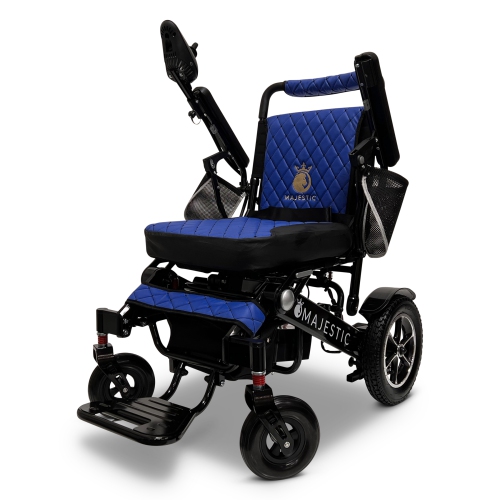
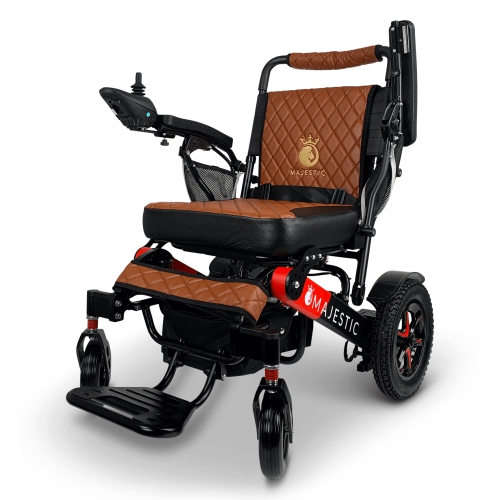
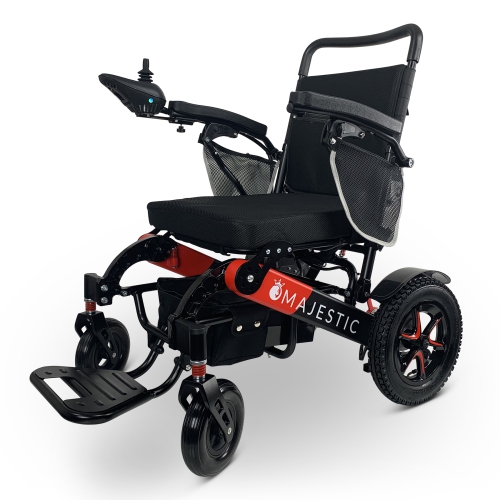
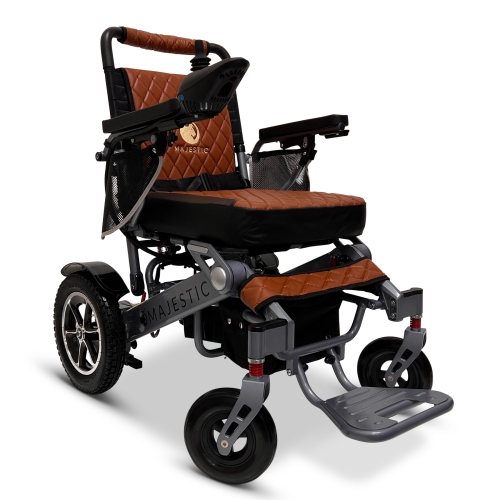
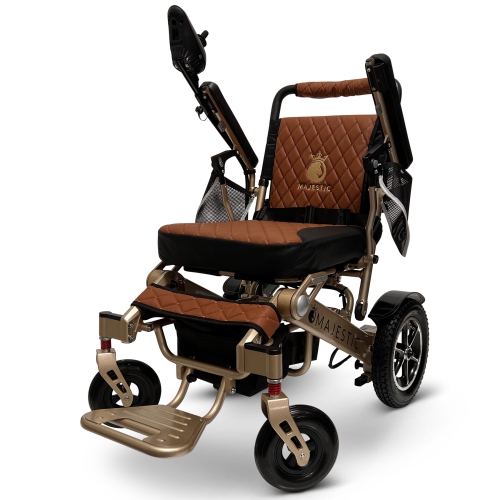
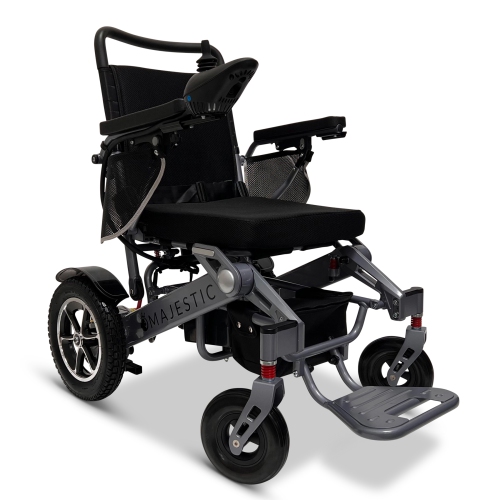
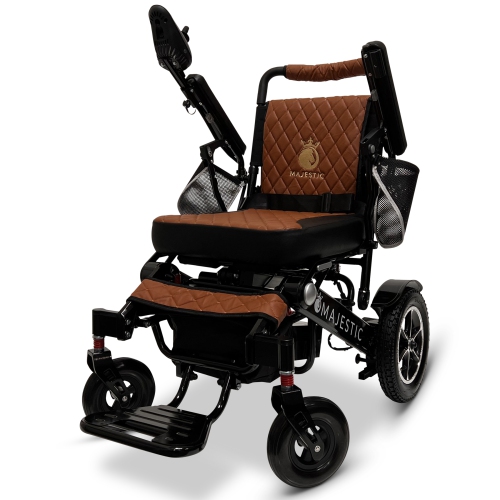
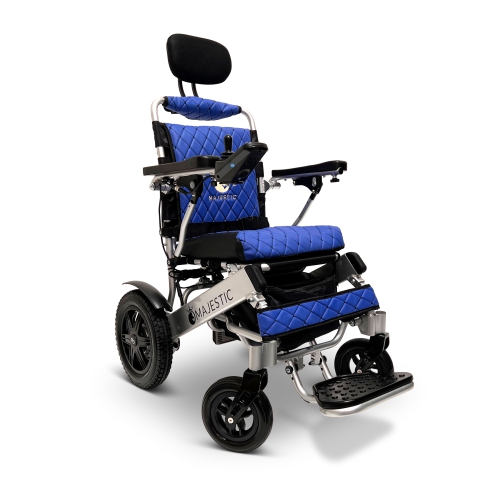
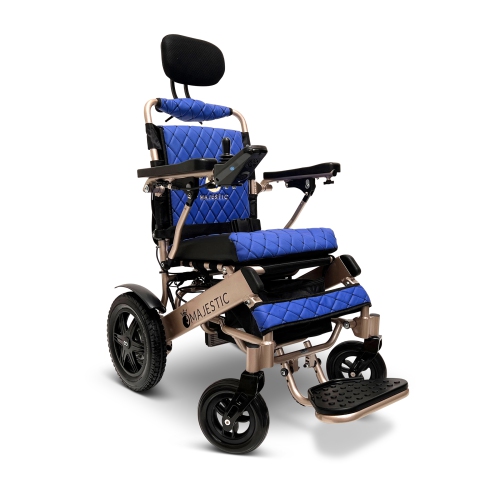
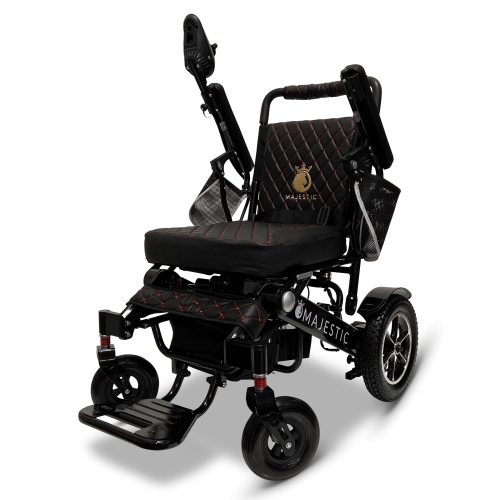
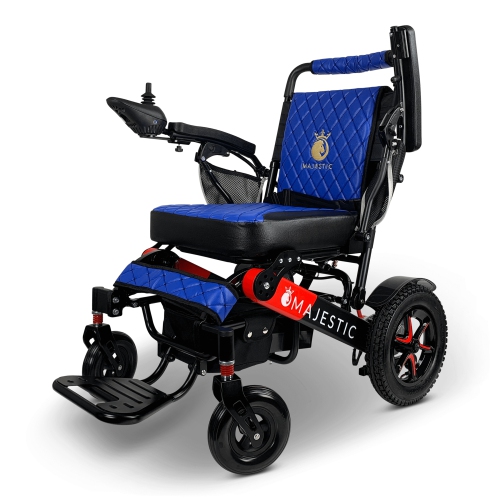
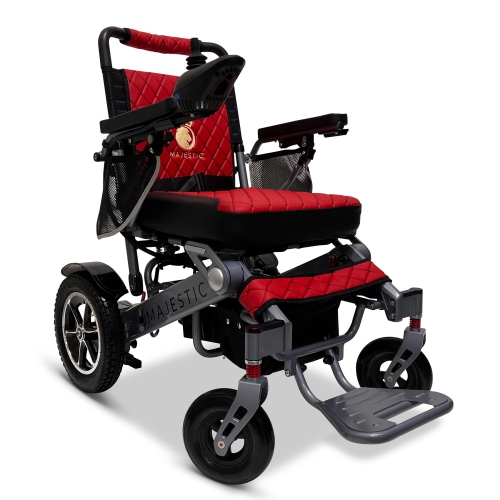
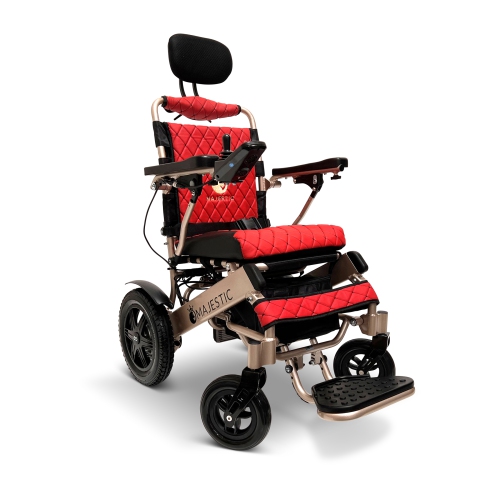
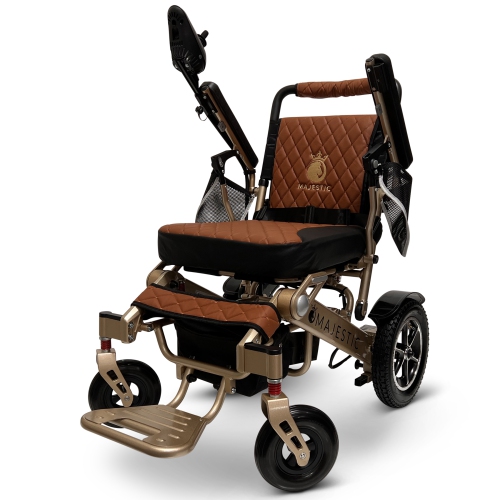
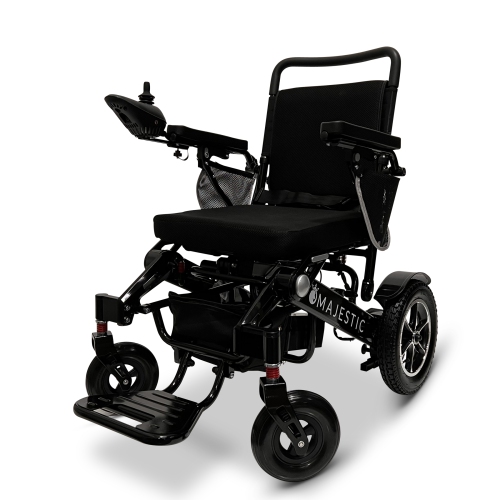
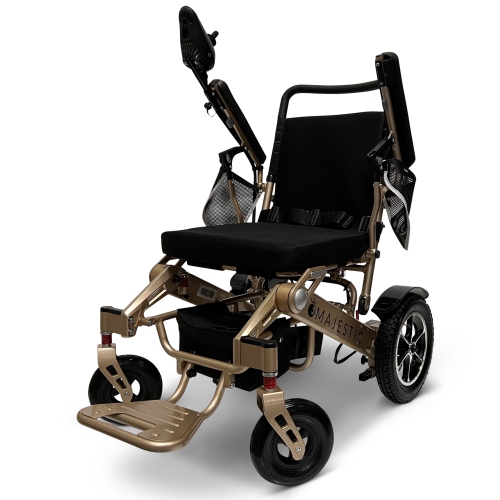
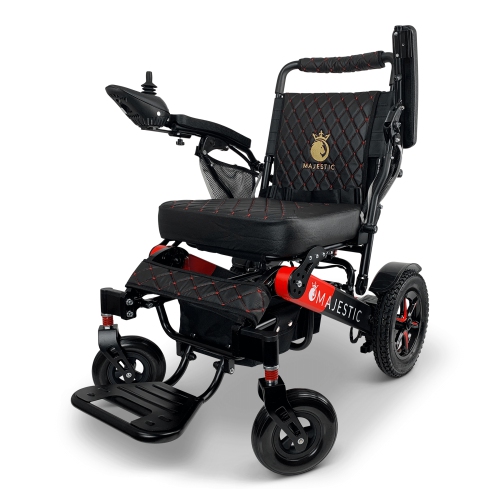
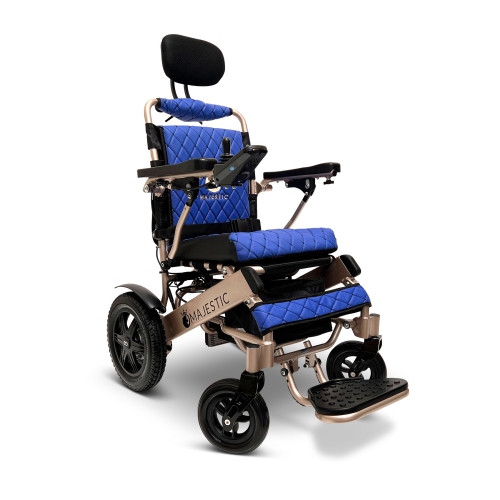
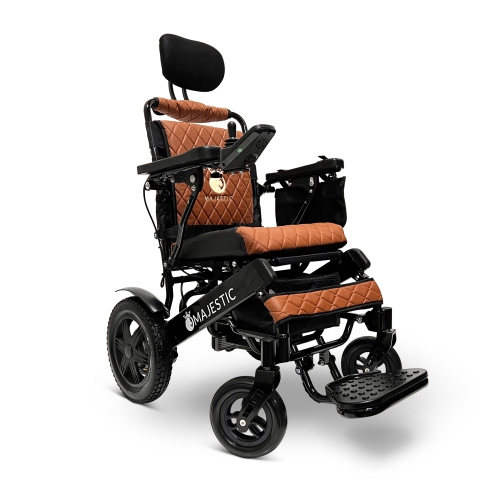
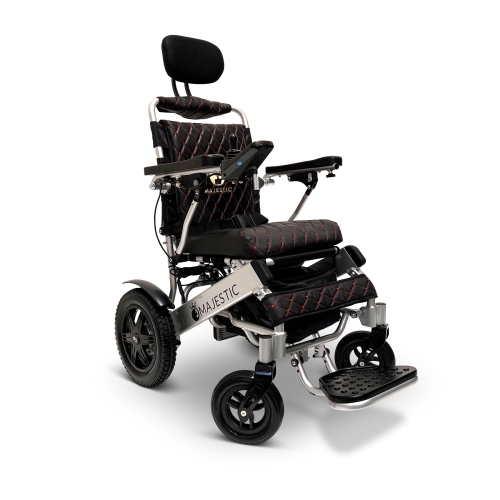
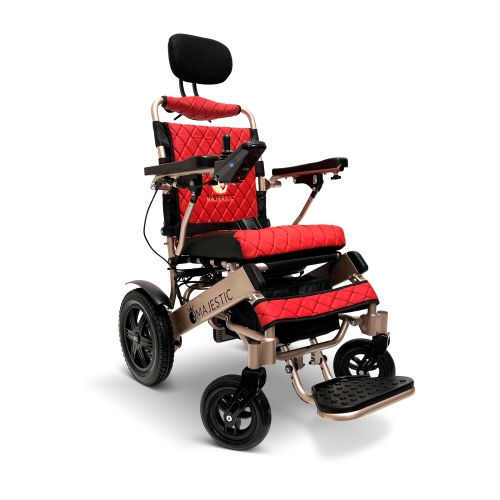
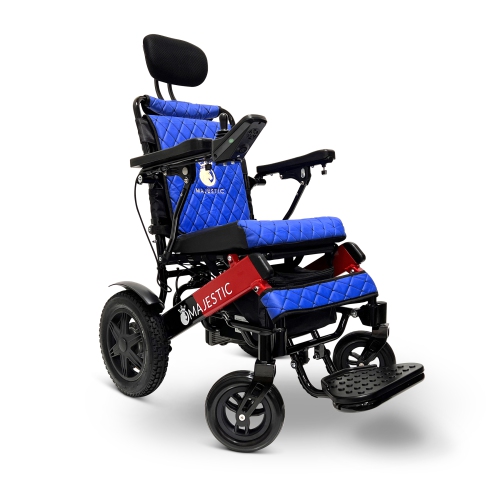
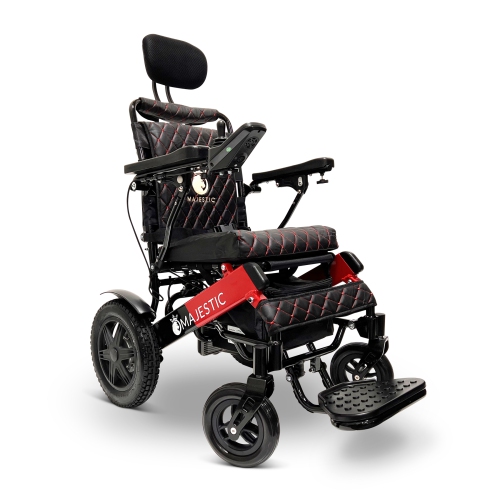
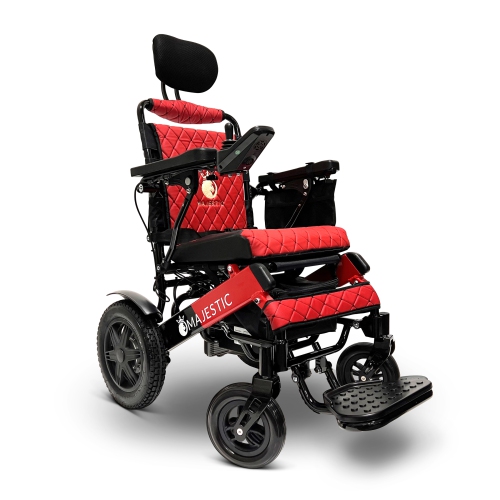
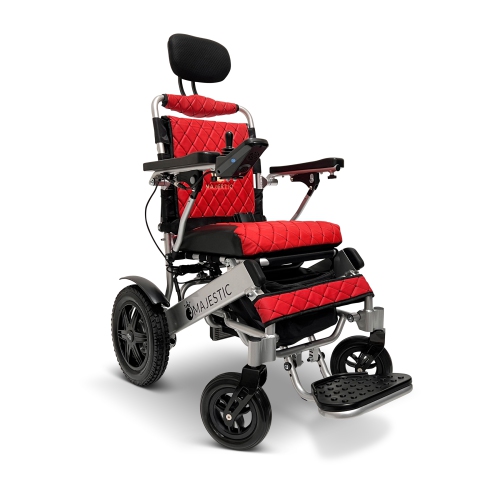
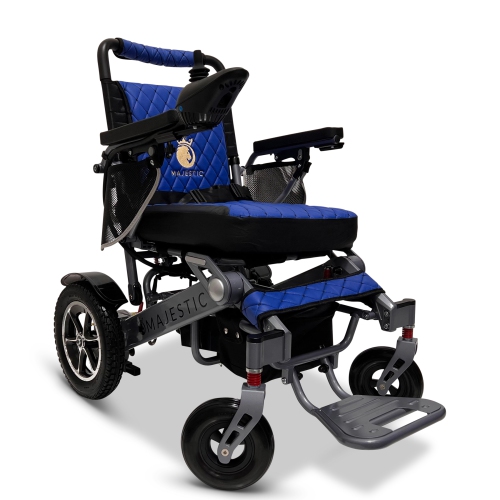
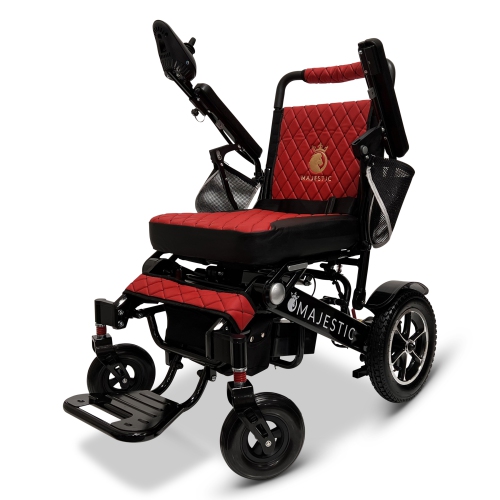
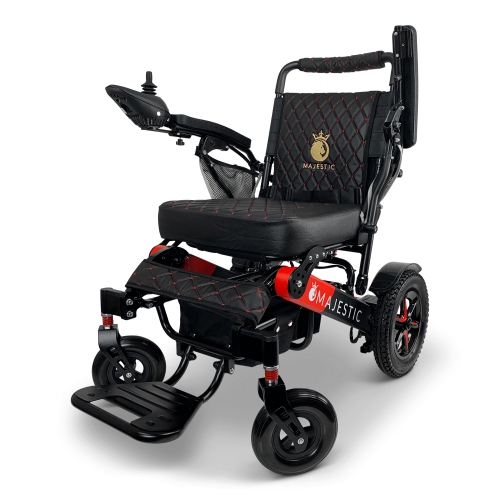
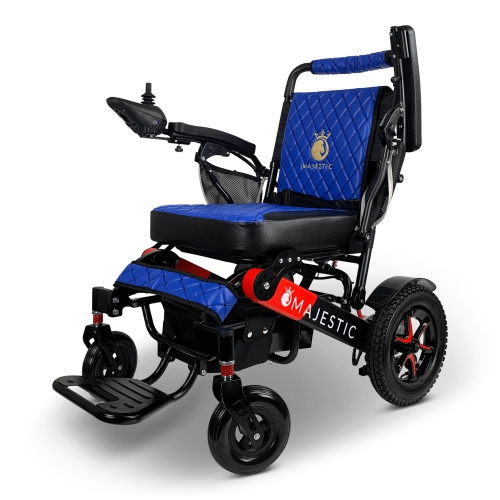
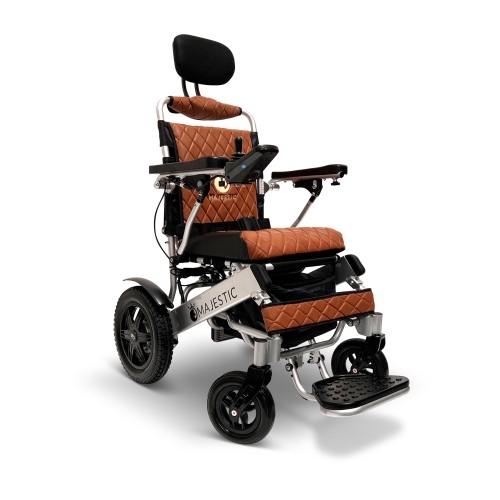
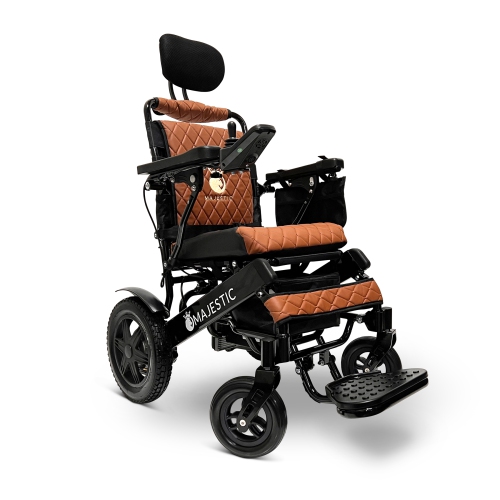
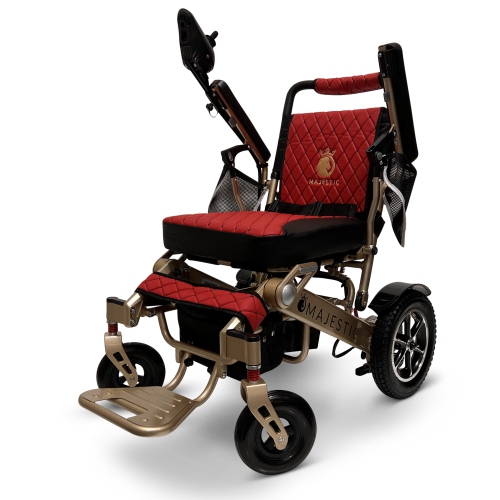
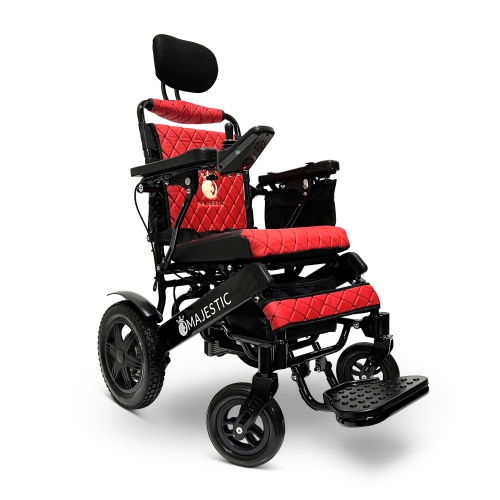
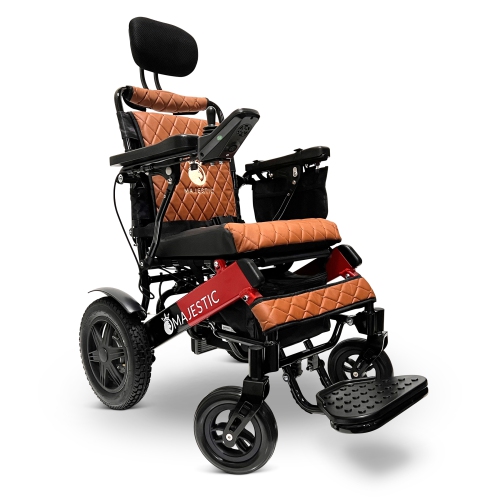
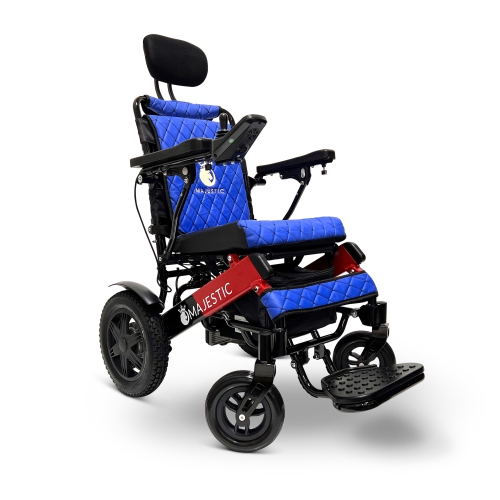
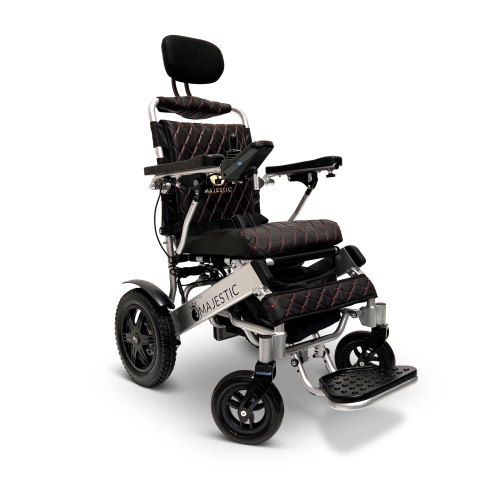
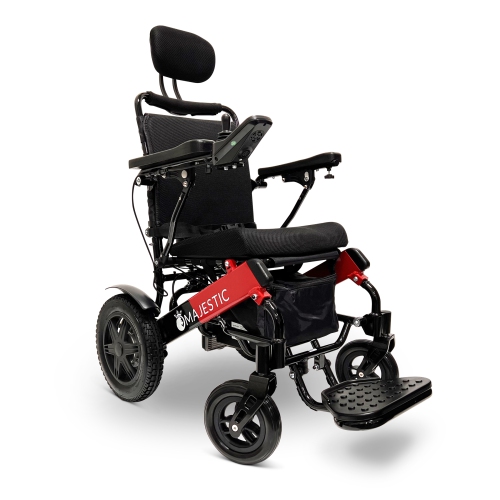
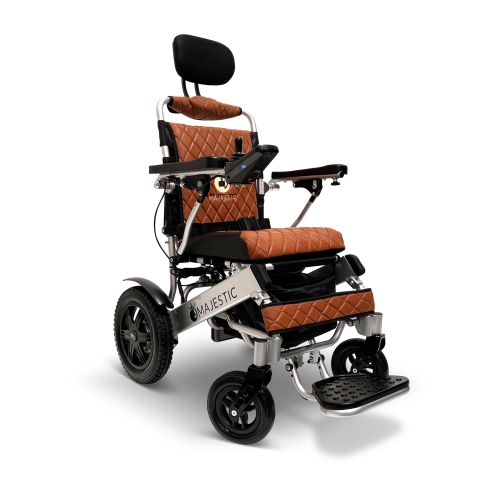
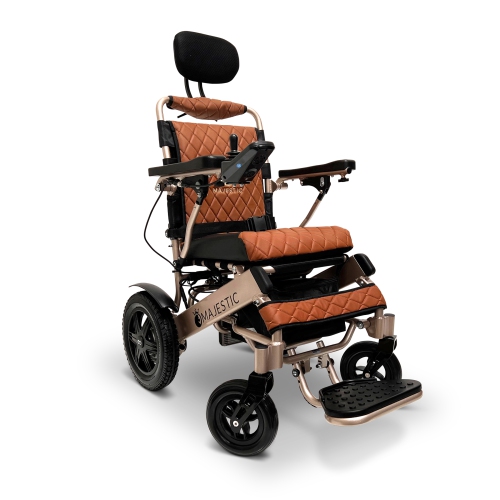
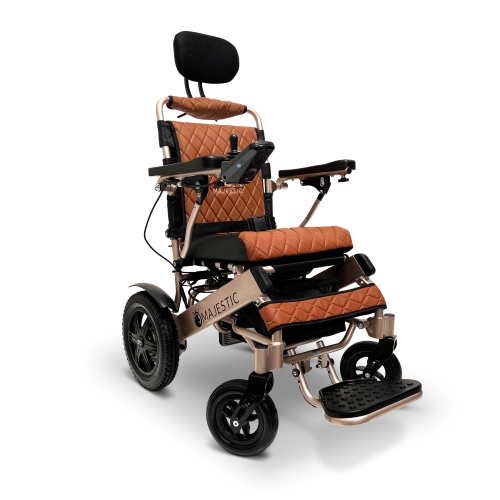
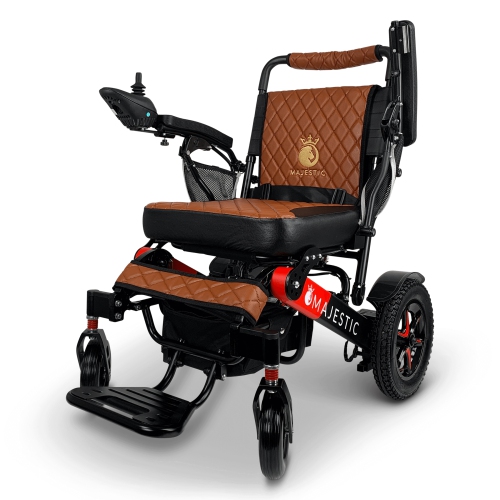
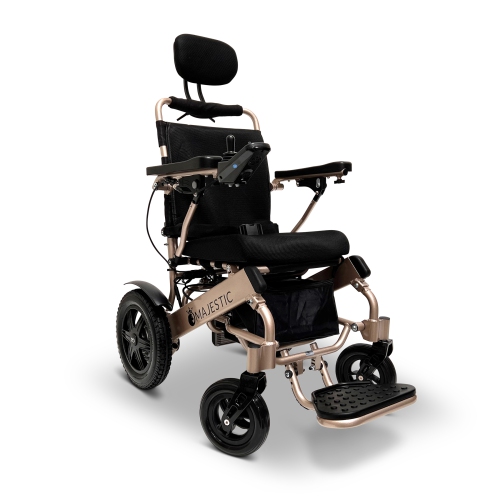
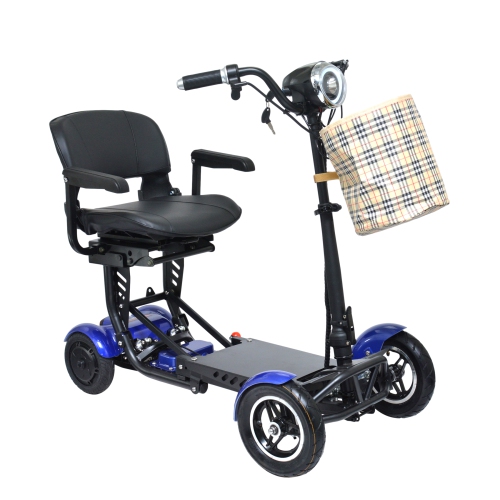
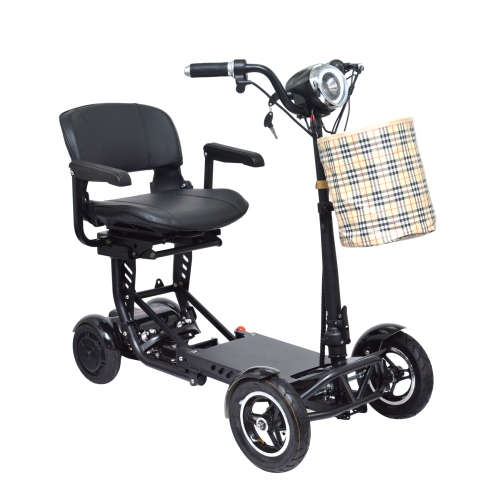
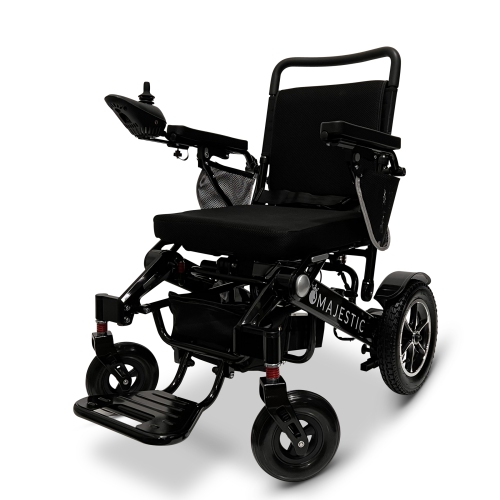
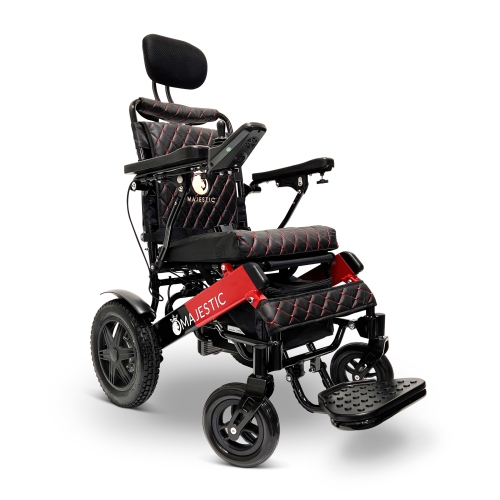
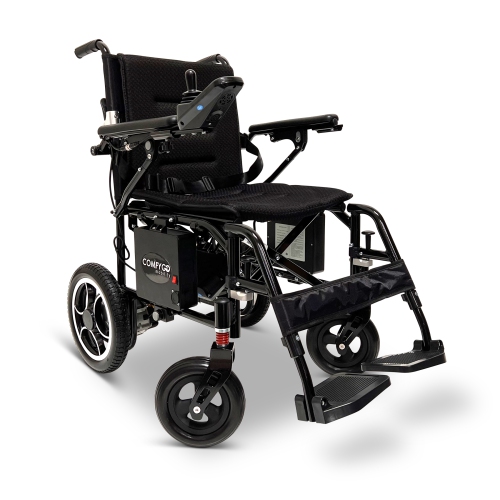
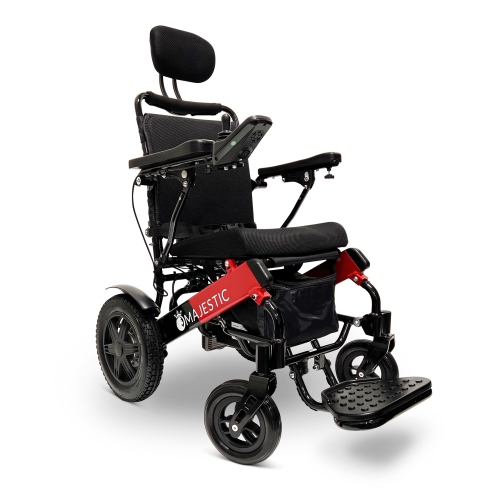
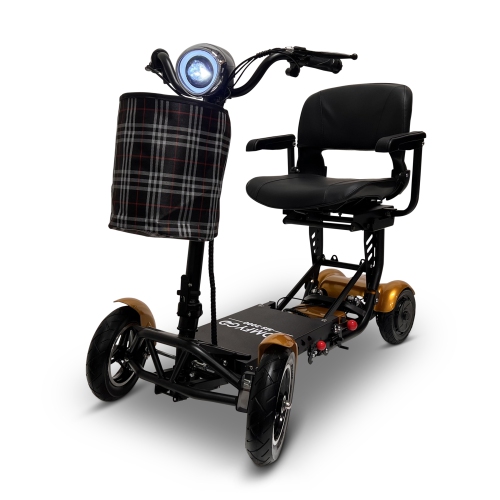
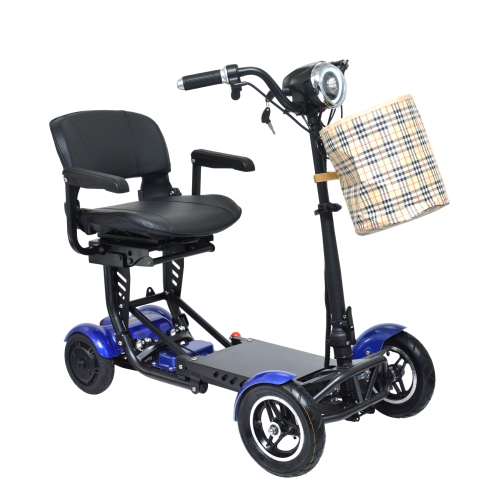
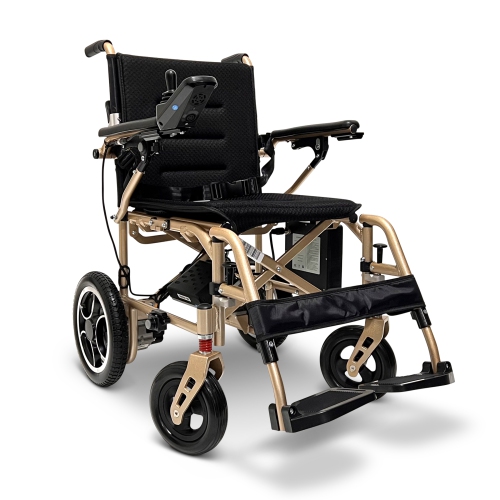
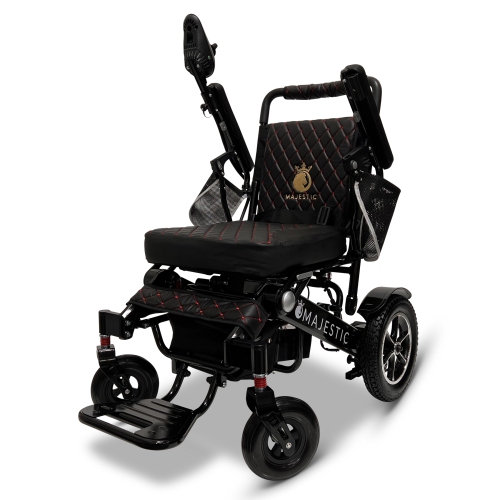
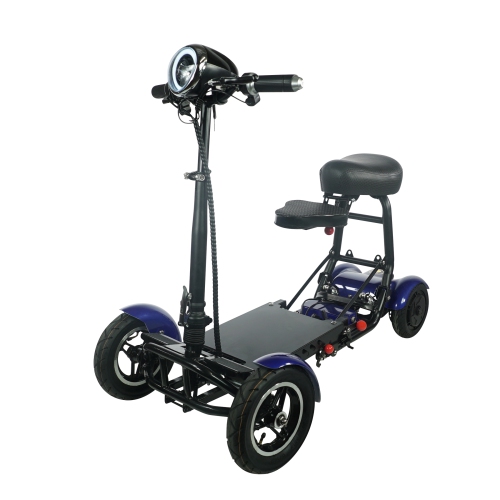
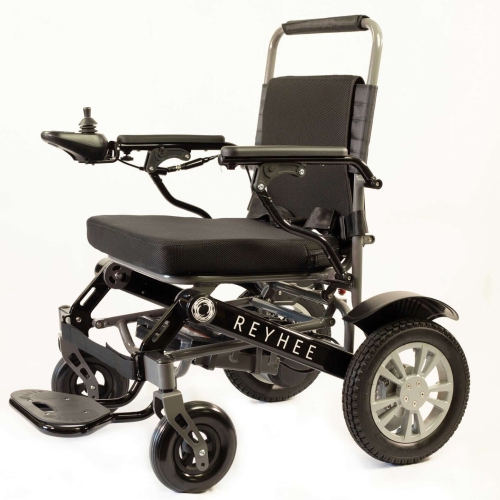
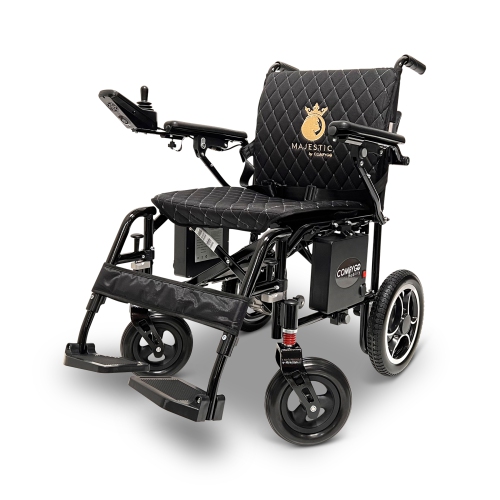
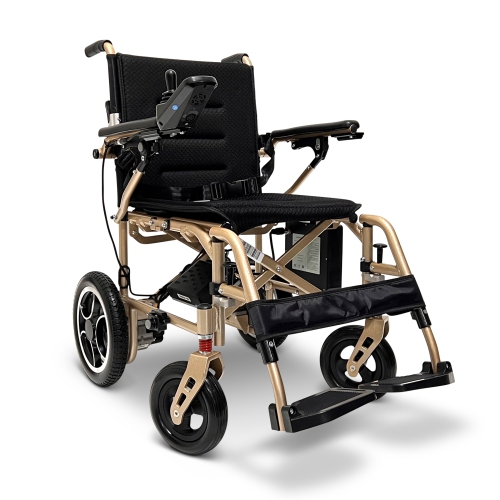
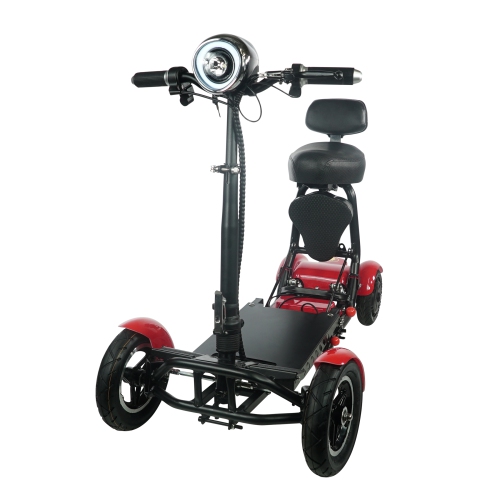
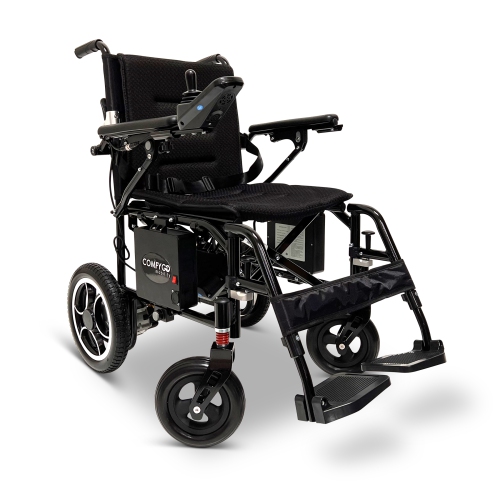
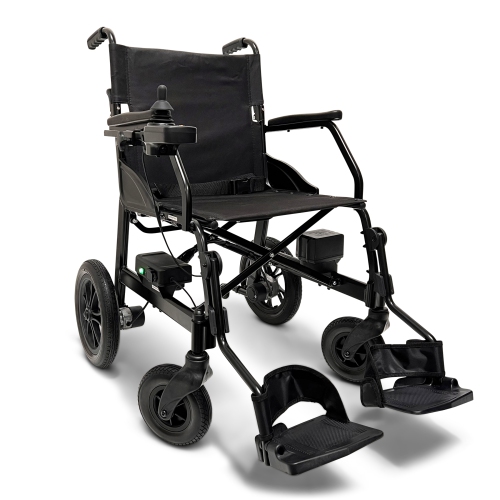
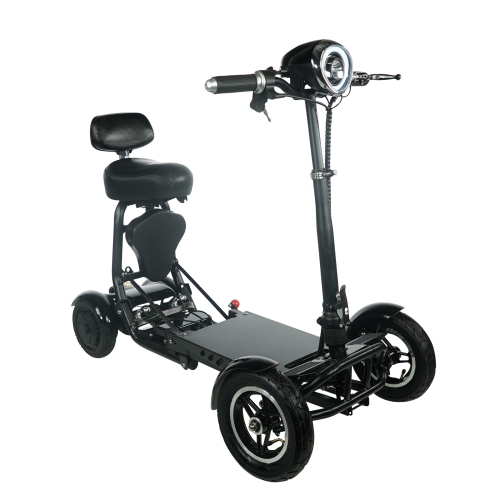
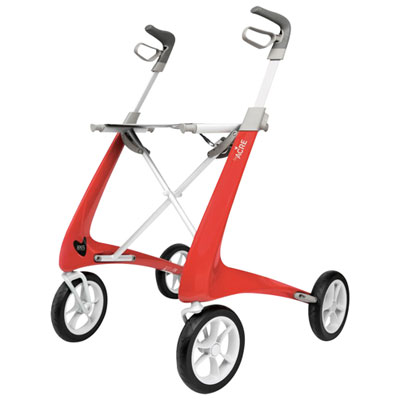
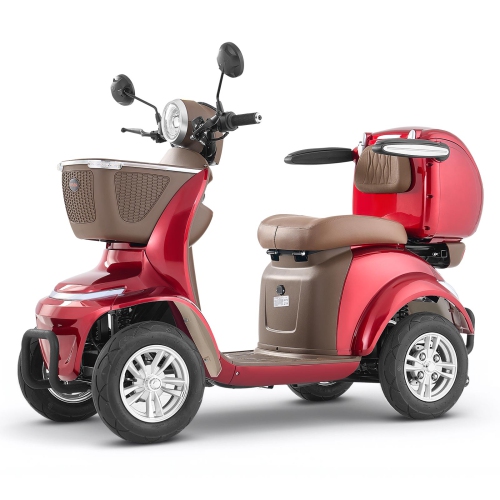
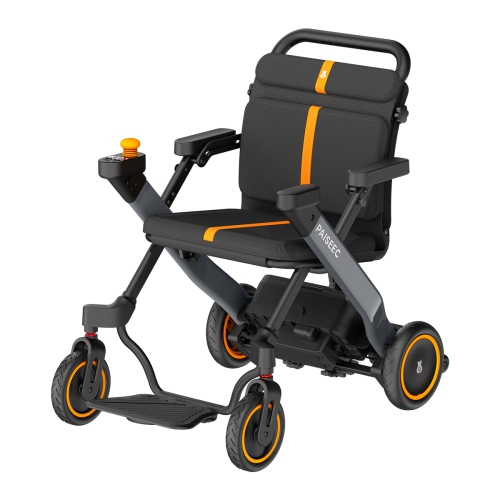
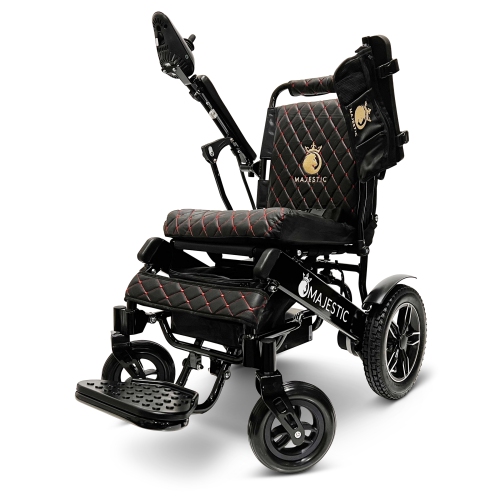
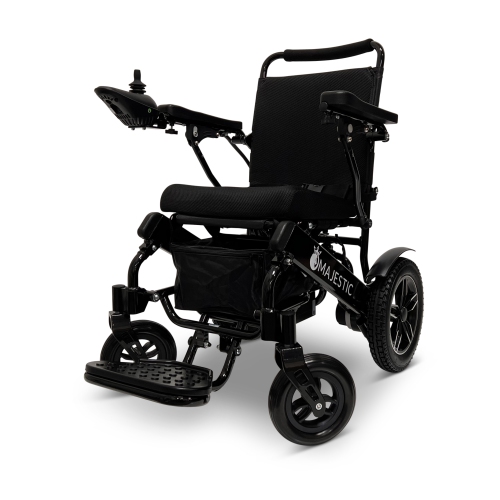
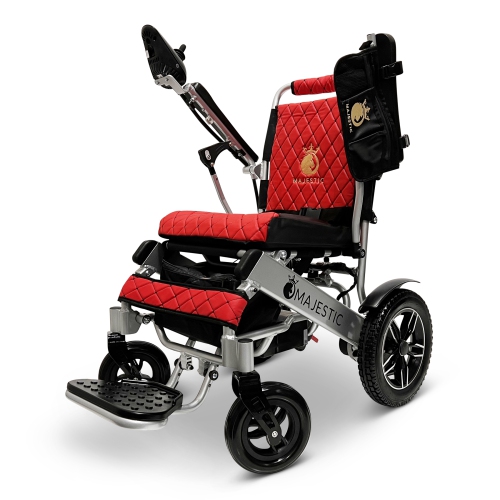
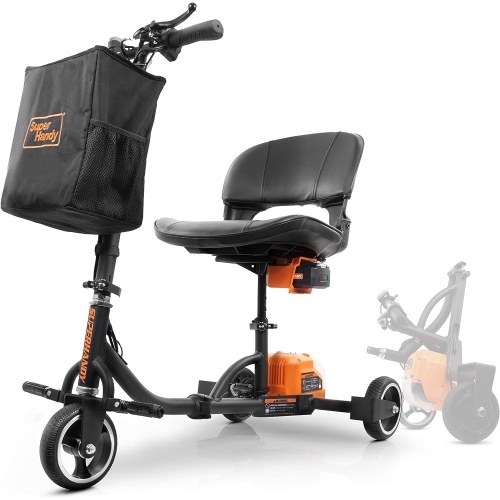
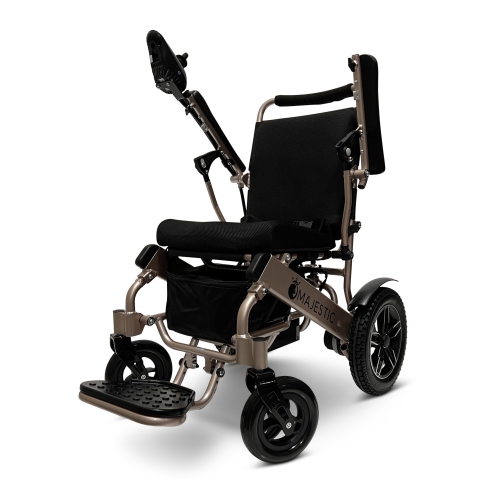
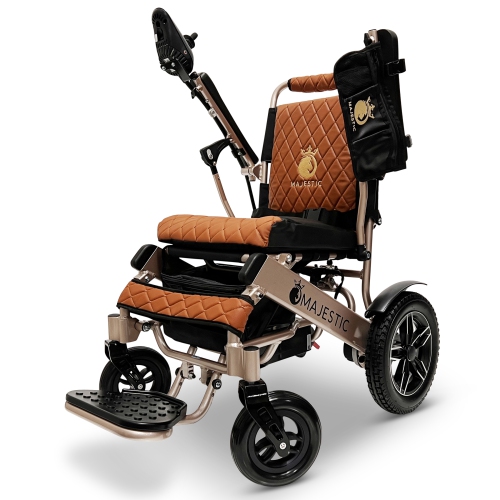
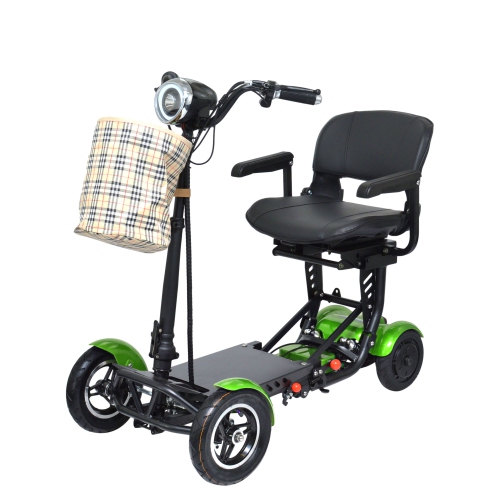
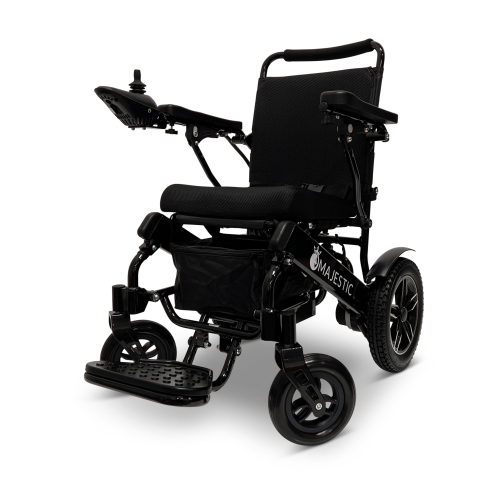
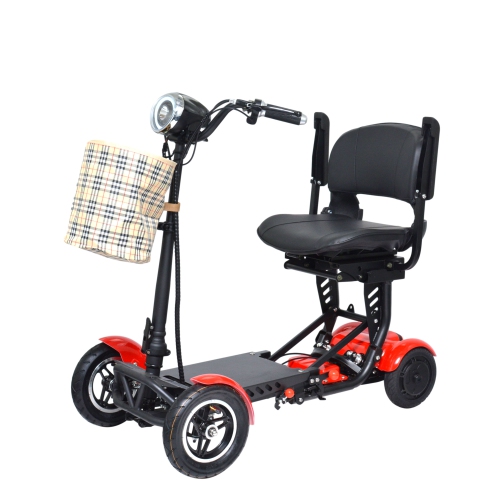
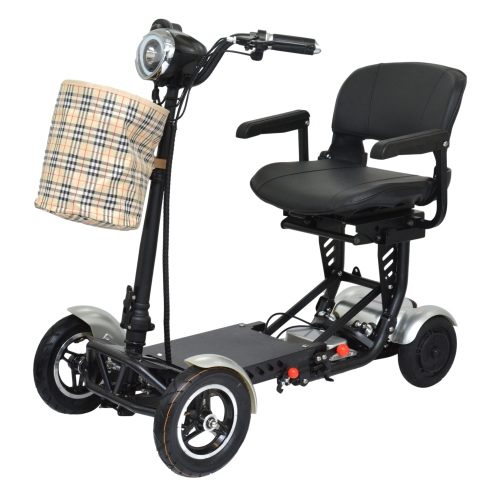
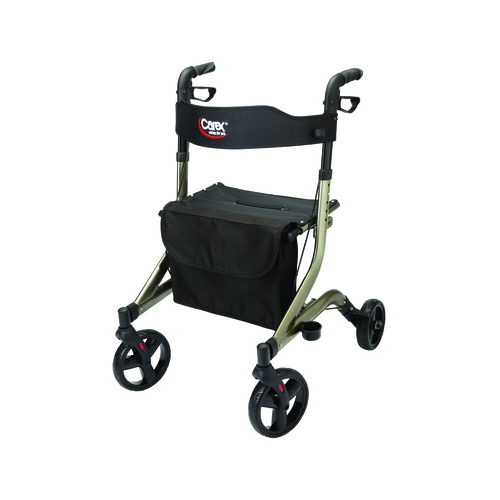
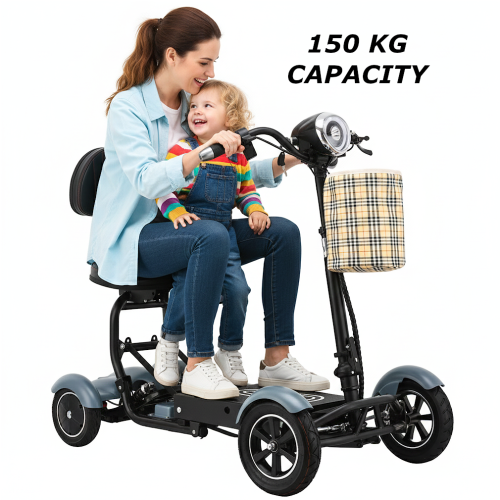
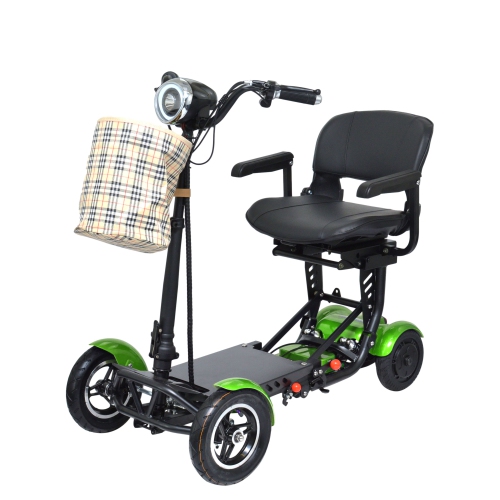
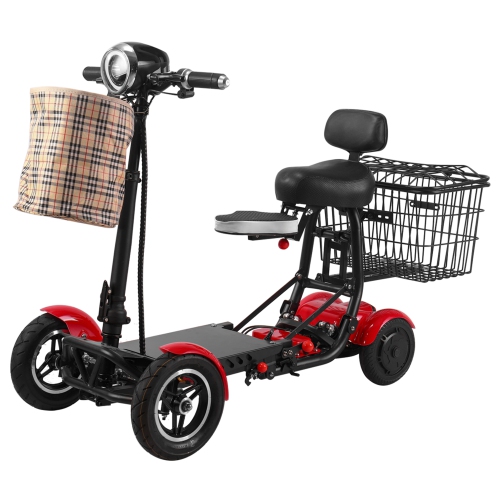
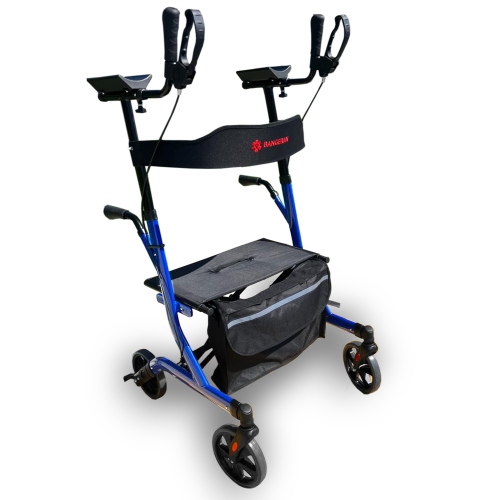
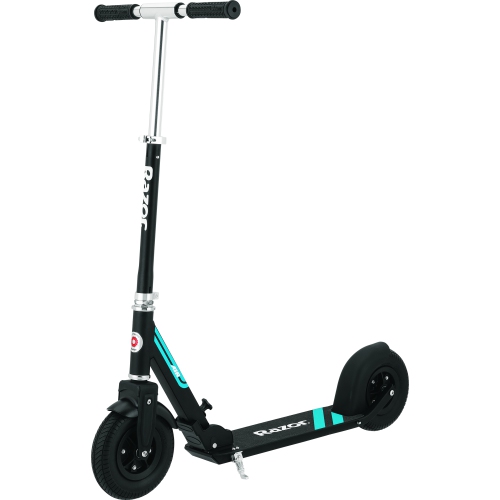
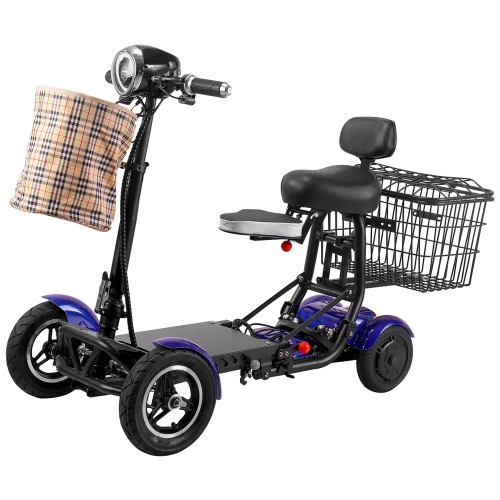
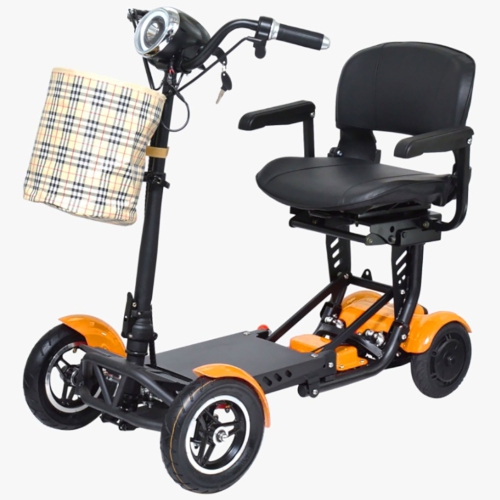
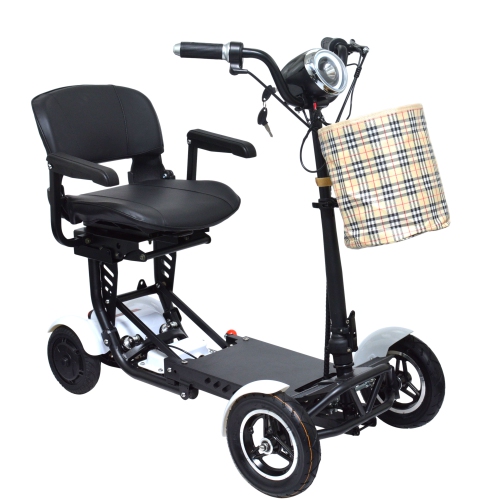
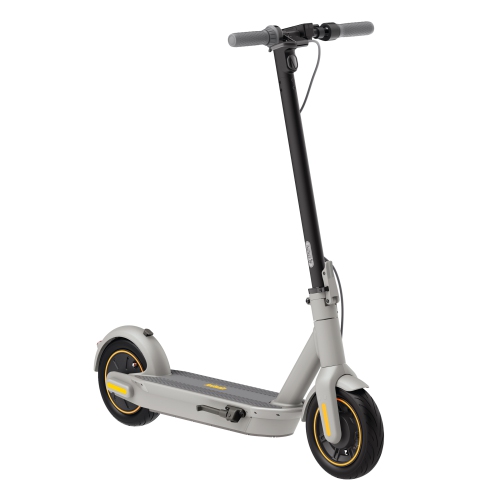
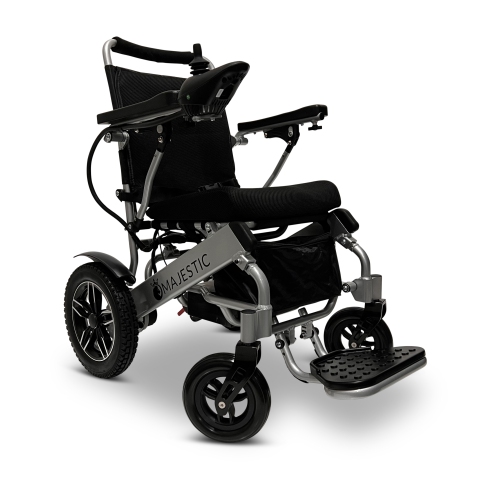
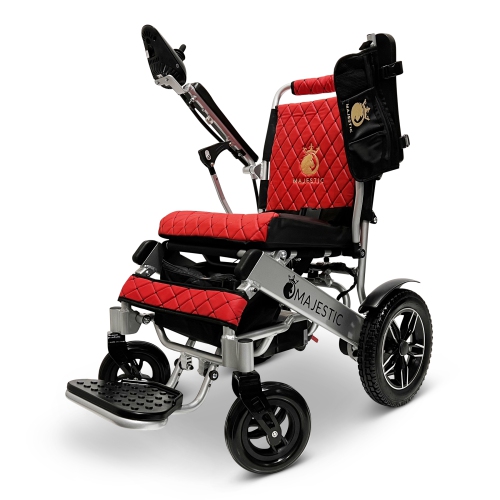
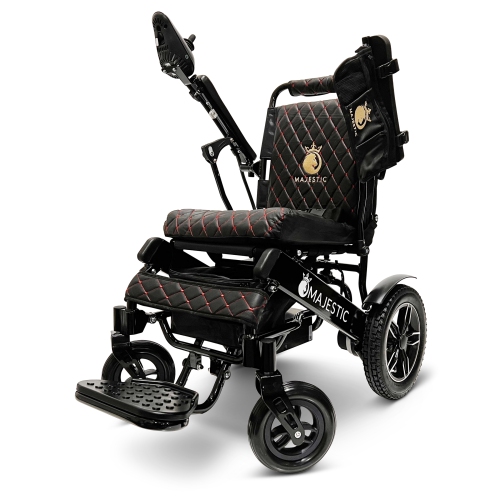
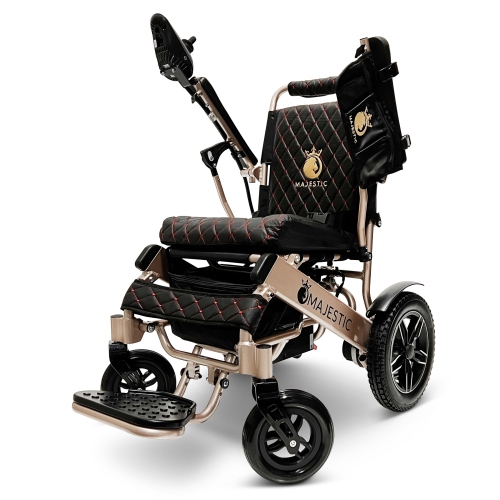
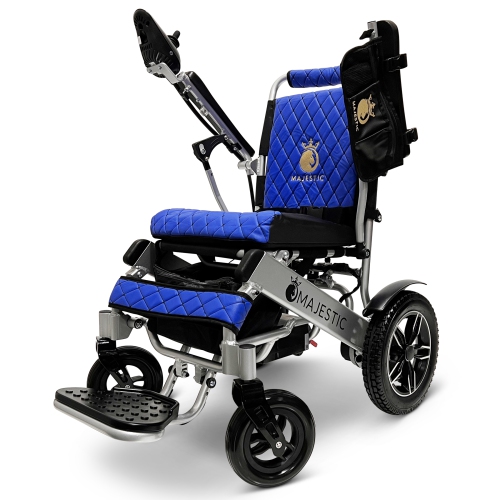
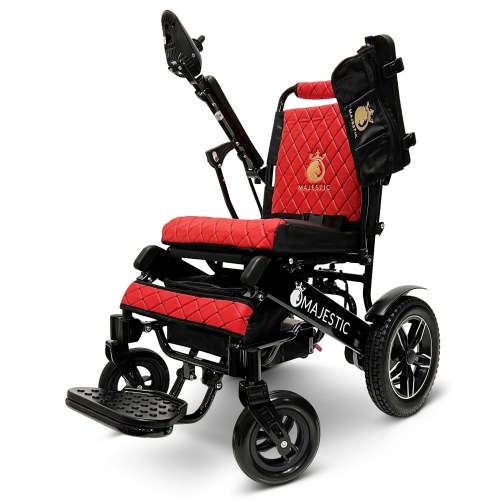
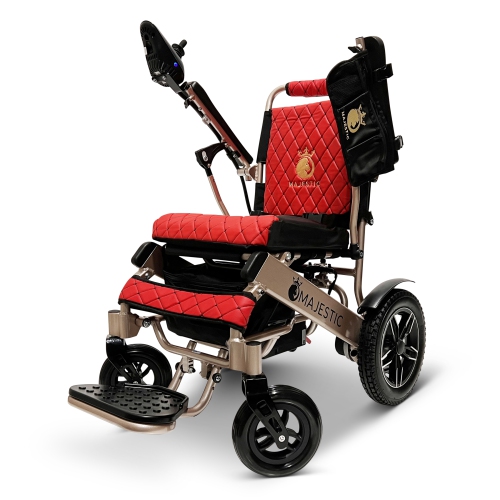
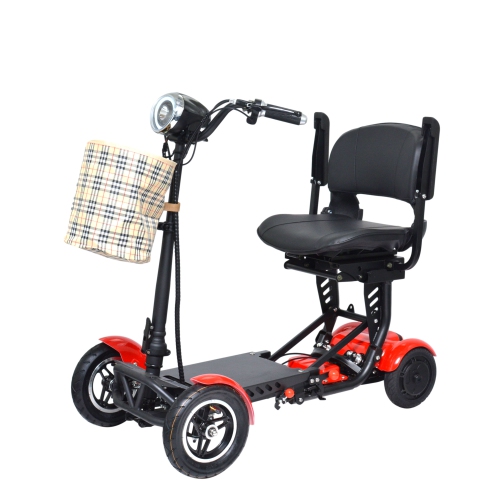
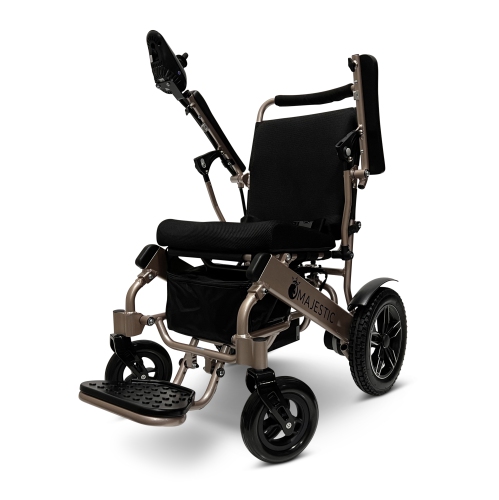
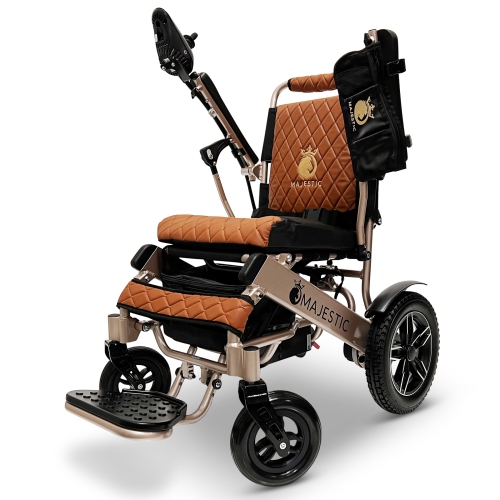
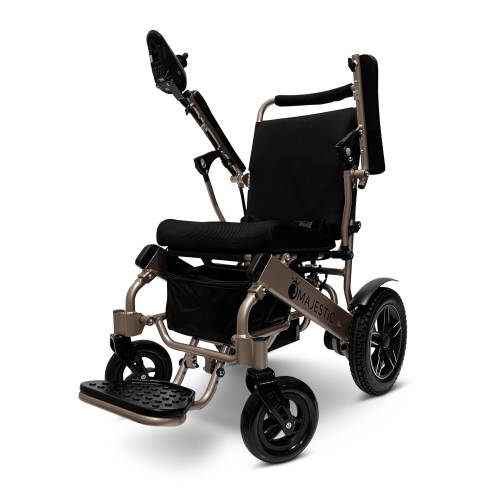
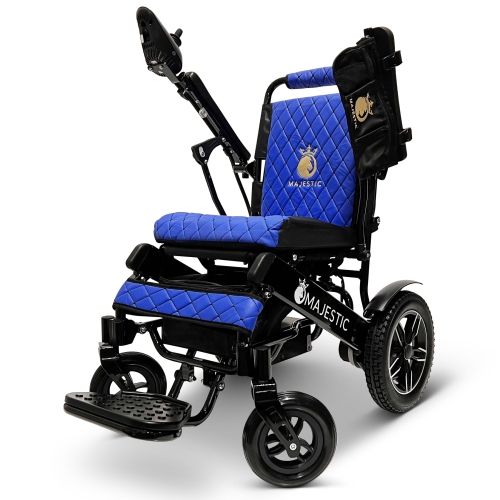
Personal mobility devices are designed to help people move through their homes, neighbourhoods and public spaces with greater confidence, comfort and independence. This broad category can include manual and power wheelchairs, mobility scooters, walkers, rollators, transport chairs and other devices intended for people who have difficulty walking, standing or travelling longer distances. It may also include some personal transportation devices used for everyday trips, depending on local product classifications and regulations. A suitable device can make a meaningful difference during ordinary routines: getting from the front entrance to the car, moving through a grocery store, attending an appointment, visiting family or enjoying time outdoors. For someone recovering from an injury or managing limited mobility, a device may provide practical support while conserving energy for the parts of the day that matter most. For an older adult, it can help make familiar outings feel more manageable. It can also be a thoughtful gift for a parent, grandparent or loved one who values staying active and connected, although the recipient’s comfort, physical needs and living environment should always guide the choice. When browsing personal mobility devices, begin by considering how the device will be used and who will operate it. Think about whether it needs to travel indoors, outdoors or in both settings; whether it must fit through narrow doorways or into a vehicle; and whether the user will need to lift, fold or disassemble it. Seat width, seat height, back support, handle or control placement, turning radius and overall weight can all affect daily comfort. A model that feels easy to manoeuvre in a spacious showroom may behave differently in a compact hallway, on a sloped driveway or over uneven pavement. Measure doorways, storage areas and vehicle compartments before purchasing, and check the manufacturer’s stated weight capacity and operating requirements. People who use walkers or rollators may appreciate ergonomic hand grips, dependable brakes, a stable frame and a seat for resting during longer walks. Those considering a wheelchair may need to compare manual and powered operation, footrest design, cushion compatibility and the amount of assistance available from a caregiver. For individuals looking for a compact powered option, Portable Mobility Scooters can offer a convenient format for errands and travel when portability is a priority.
Power, portability and terrain are especially important for motorized devices. Battery-operated mobility scooters and power chairs vary in range, charging time, speed, turning ability and suitability for different surfaces. A lightweight, folding design may be convenient for car travel and storage, while a larger frame may offer a roomier seat, additional stability and a smoother ride. Review the charging method, battery care instructions and availability of replacement parts before making a decision. Consider where charging will take place, whether the device can be stored safely indoors and how it will be protected from rain, snow and freezing conditions during the cooler months. Personal mobility devices are not automatically suitable for every road, sidewalk, pathway or public building, so users should check provincial and municipal requirements before travelling. Rules can vary by location and may address device dimensions, lighting, speed, helmet use, sidewalk access, crossing procedures, parking and operation on roads or shared paths. Accessibility policies can also differ between businesses, transit systems and public facilities. A device should be used according to its instructions, with attention to visibility, braking distance and the surrounding surface. Before heading out, practise steering, stopping, reversing and turning in a quiet area, then gradually move to busier routes as confidence grows. Keep controls, tyres, brakes and charging connections in good condition, and arrange professional service when a problem is beyond routine maintenance. During early fall and winter, shorter daylight, wet leaves, frost and snow can affect traction and visibility, so plan routes carefully and allow extra time. Accessories such as baskets, bags, lights, reflective elements, weather protection and mobility ramps may add everyday convenience when they are compatible with the device. For people who rely on a mobility device, small practical details often have the greatest effect: a basket that keeps both hands available, a seat that remains comfortable during an appointment, or a folding mechanism that makes a family visit easier. The best choice is one that matches the user’s abilities, routine, surroundings and support needs rather than simply offering the most features. If the device is being purchased for someone else, include them in the decision wherever possible and consider speaking with a qualified health-care professional or mobility specialist for individual guidance. With thoughtful sizing, safe operation and suitable storage, personal mobility devices can support everyday independence across the home, neighbourhood and community.
Power, portability and terrain are especially important for motorized devices. Battery-operated mobility scooters and power chairs vary in range, charging time, speed, turning ability and suitability for different surfaces. A lightweight, folding design may be convenient for car travel and storage, while a larger frame may offer a roomier seat, additional stability and a smoother ride. Review the charging method, battery care instructions and availability of replacement parts before making a decision. Consider where charging will take place, whether the device can be stored safely indoors and how it will be protected from rain, snow and freezing conditions during the cooler months. Personal mobility devices are not automatically suitable for every road, sidewalk, pathway or public building, so users should check provincial and municipal requirements before travelling. Rules can vary by location and may address device dimensions, lighting, speed, helmet use, sidewalk access, crossing procedures, parking and operation on roads or shared paths. Accessibility policies can also differ between businesses, transit systems and public facilities. A device should be used according to its instructions, with attention to visibility, braking distance and the surrounding surface. Before heading out, practise steering, stopping, reversing and turning in a quiet area, then gradually move to busier routes as confidence grows. Keep controls, tyres, brakes and charging connections in good condition, and arrange professional service when a problem is beyond routine maintenance. During early fall and winter, shorter daylight, wet leaves, frost and snow can affect traction and visibility, so plan routes carefully and allow extra time. Accessories such as baskets, bags, lights, reflective elements, weather protection and mobility ramps may add everyday convenience when they are compatible with the device. For people who rely on a mobility device, small practical details often have the greatest effect: a basket that keeps both hands available, a seat that remains comfortable during an appointment, or a folding mechanism that makes a family visit easier. The best choice is one that matches the user’s abilities, routine, surroundings and support needs rather than simply offering the most features. If the device is being purchased for someone else, include them in the decision wherever possible and consider speaking with a qualified health-care professional or mobility specialist for individual guidance. With thoughtful sizing, safe operation and suitable storage, personal mobility devices can support everyday independence across the home, neighbourhood and community.
Top selling and popular products
-
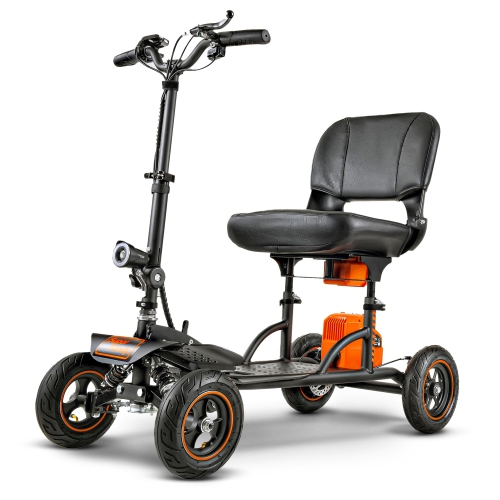 Your price for this item is $1100.99
-
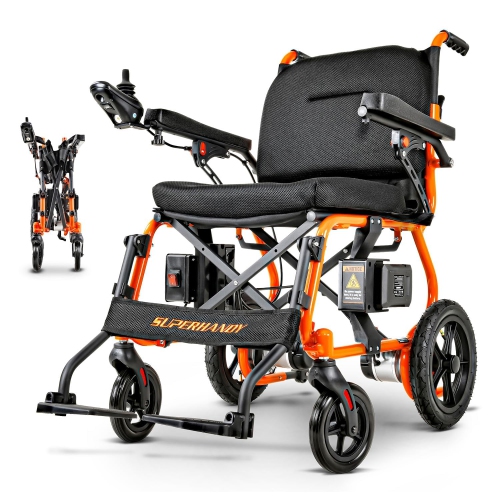 Your price for this item is $950.99
-
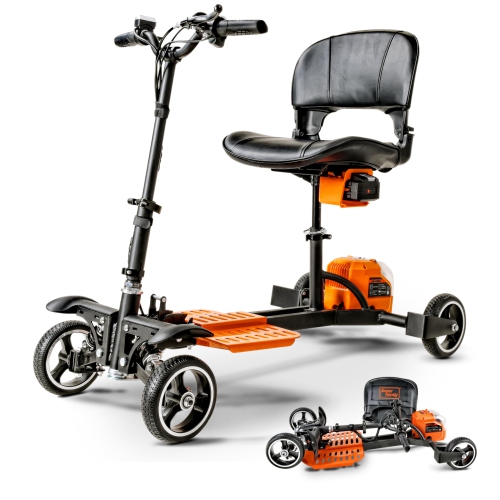 Your price for this item is $999.99
-
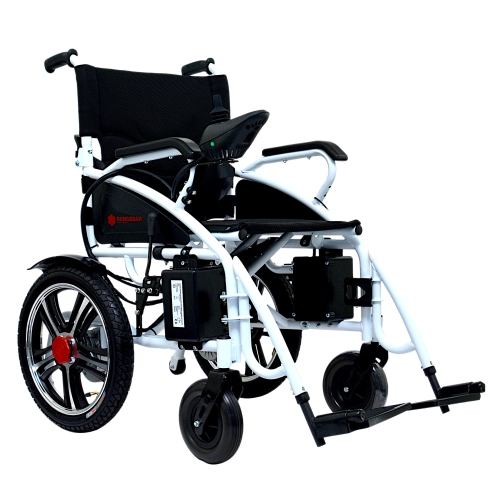 Your price for this item is $1999
-
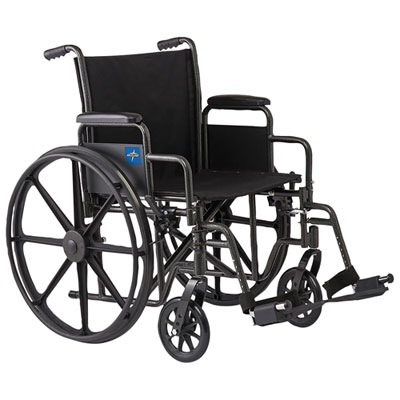 Your price for this item is $314.98
-
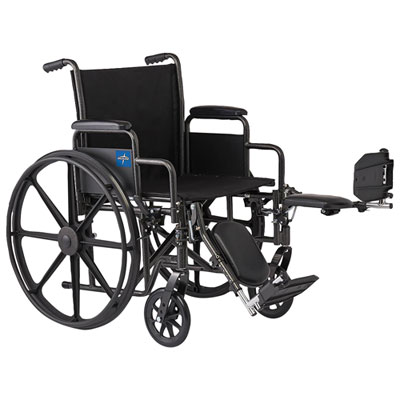 Your price for this item is $458.98
-
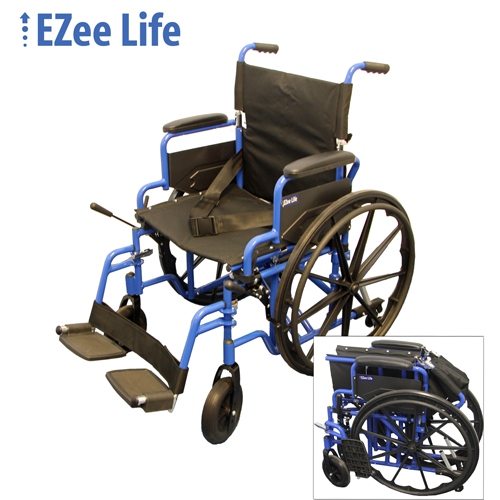 Your price for this item is $600
-
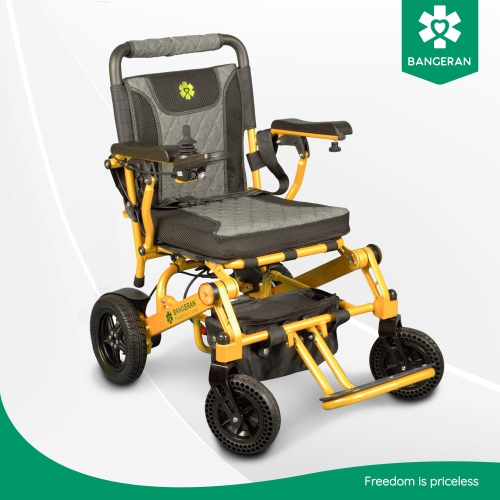 Your price for this item is $1849
Discover more categories related to Personal Mobility Devices
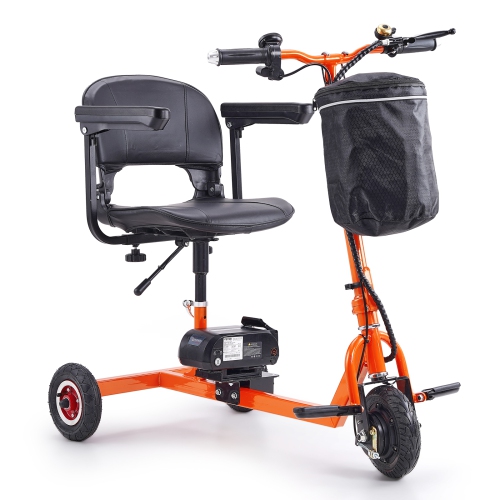
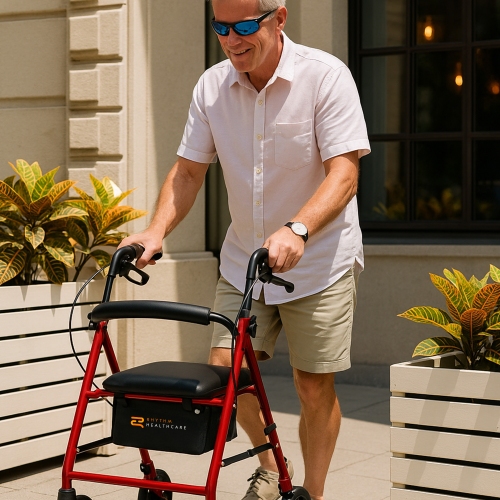
Top Collections:
Pokemon Centers, Best Cameras for Sports Photography, Kindle Devices, Samsung Galaxy Phones, Canon G7X Cameras, Pokémon 30th Celebration Cards, Refurbished Apple Laptops, iPhone 15 Apple, Laptops for Students, Budget Smartphones
Some products may be subject to Environmental Handling Fees
(EHF) depending on your province.
Learn more about EHFs.