Professional Foot Massagers
Are you looking to treat your feet to some well-deserved relaxation? Our selection of professional foot massagers is designed to provide you with the ultimate at-home spa experience. Say goodbye to sore and tired feet, as these innovative devices offer a variety of massage techniques to help relieve tension and promote overall foot health. Whether you're seeking relief after a long day of work or simply looking to indulge in some self-care, our range of foot massagers is sure to have the perfect option for you.
Sort






























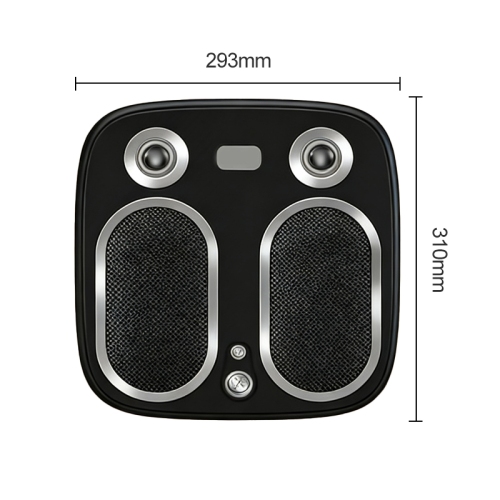


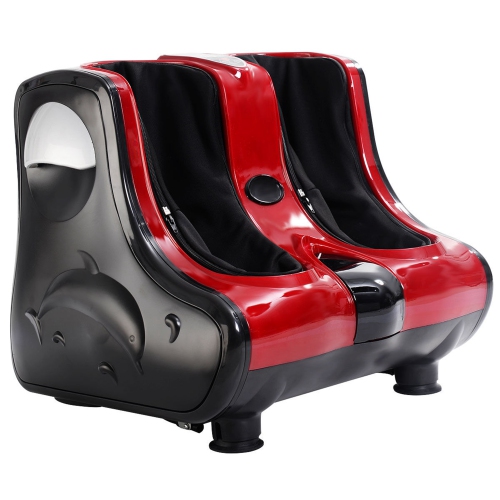
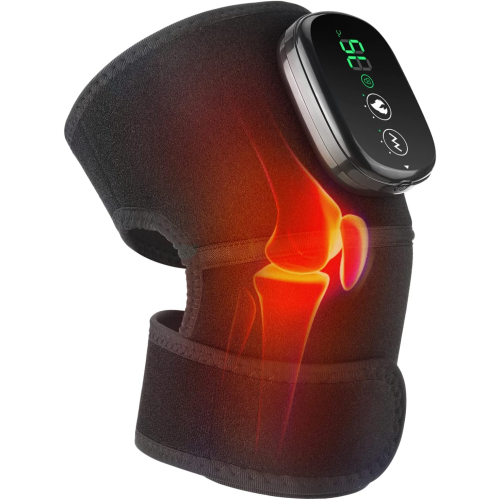

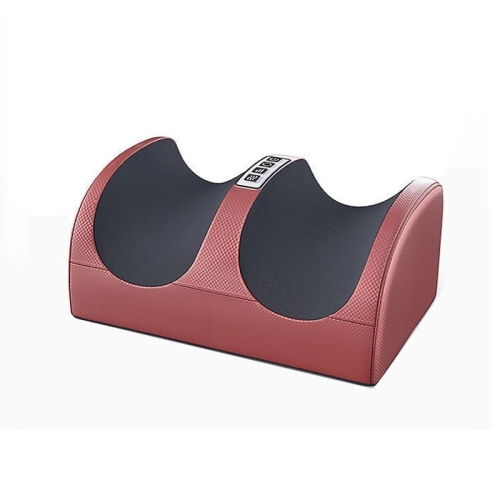






















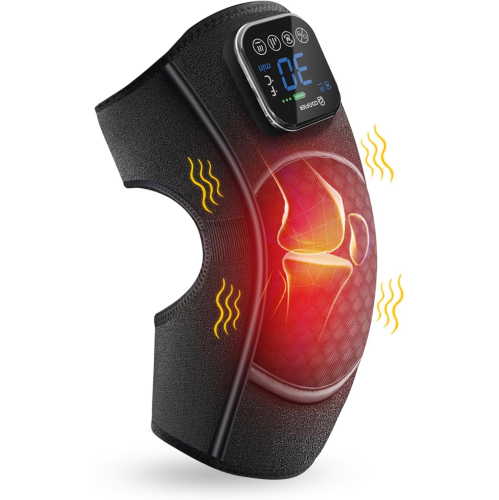
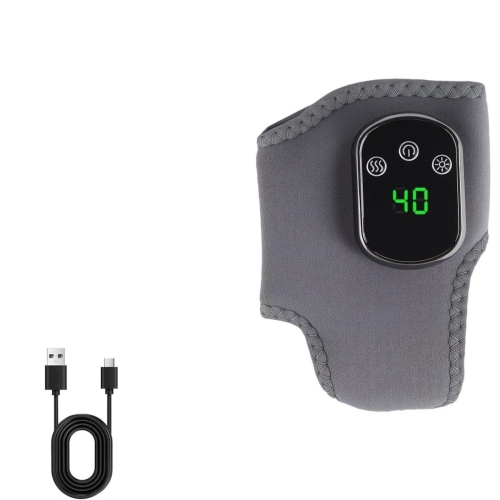
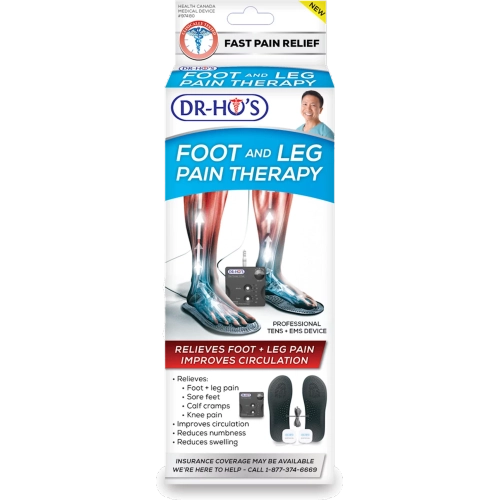


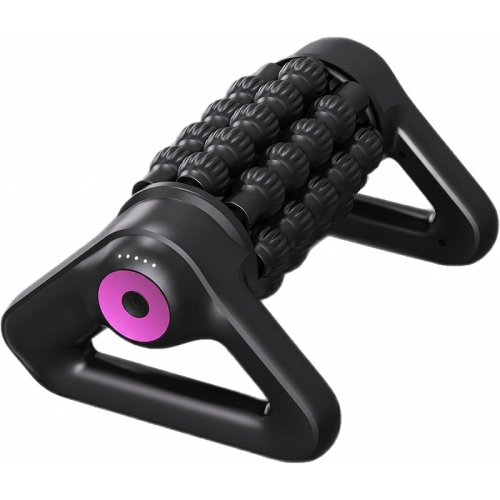





Why fit and pressure matter more than labels
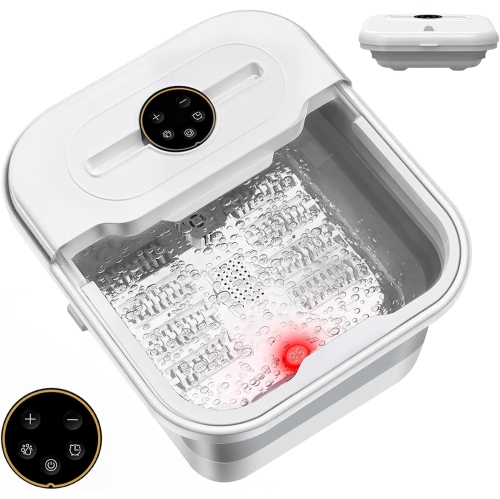
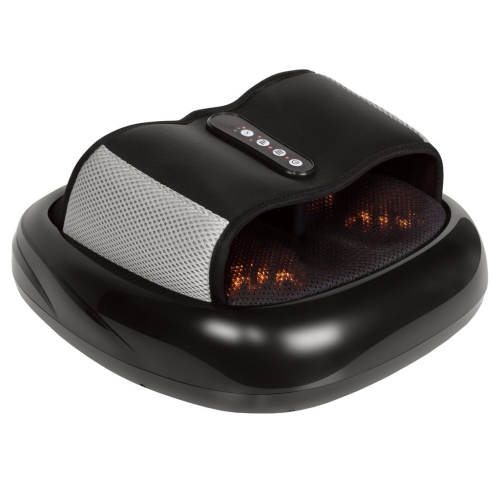
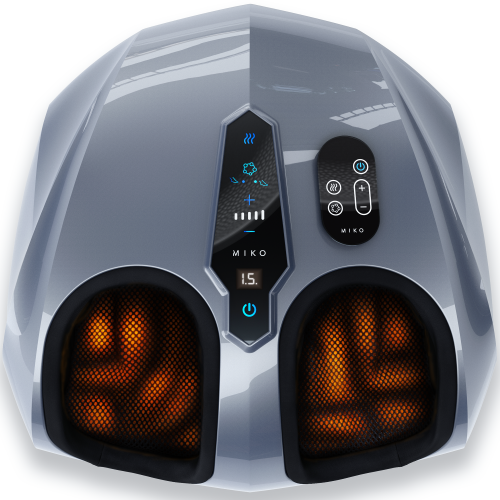
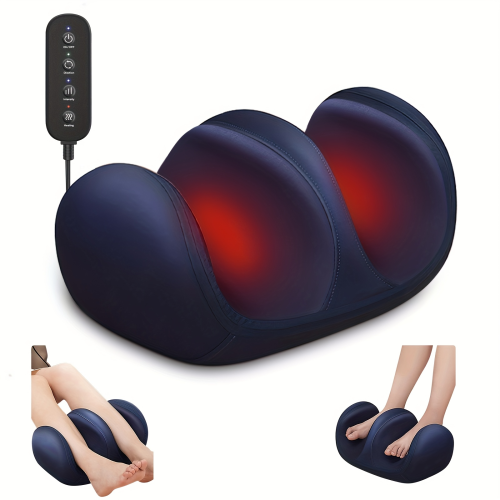
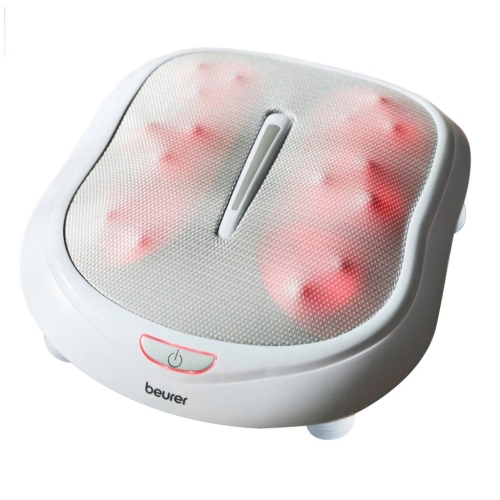
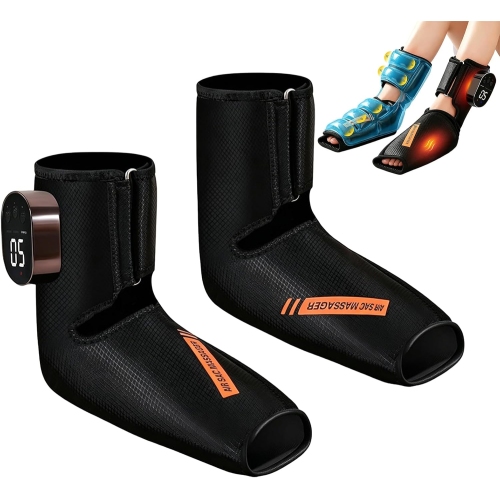
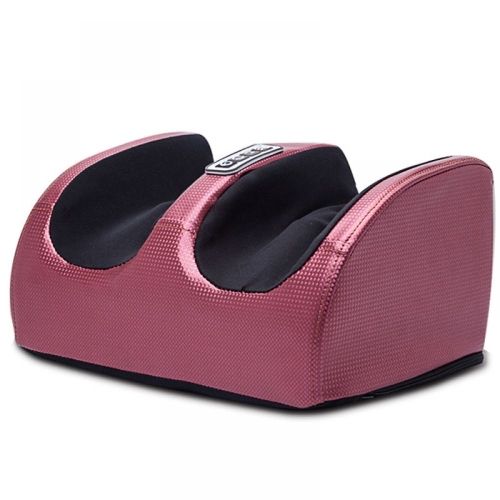
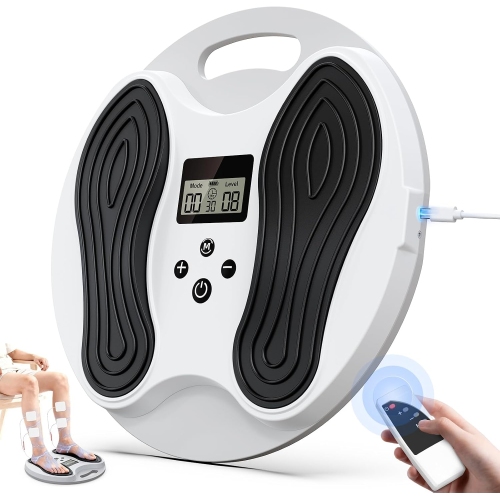
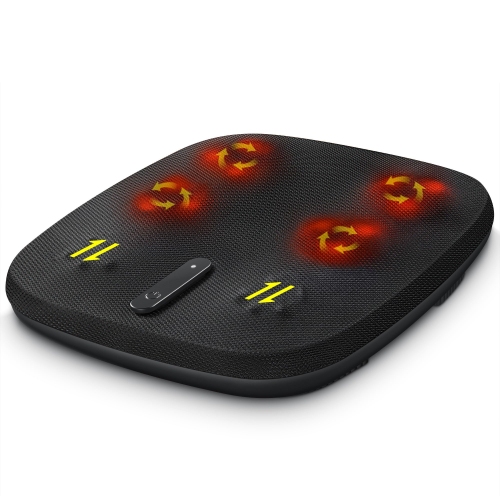
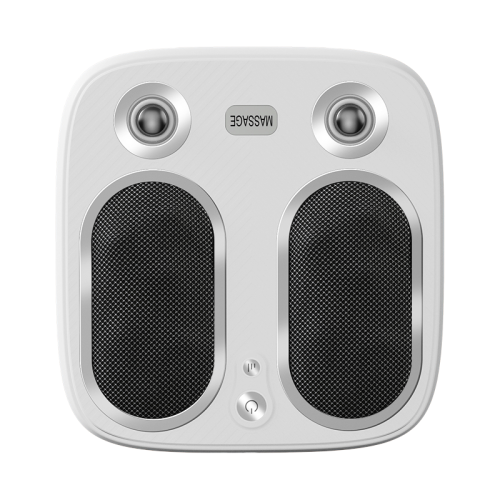
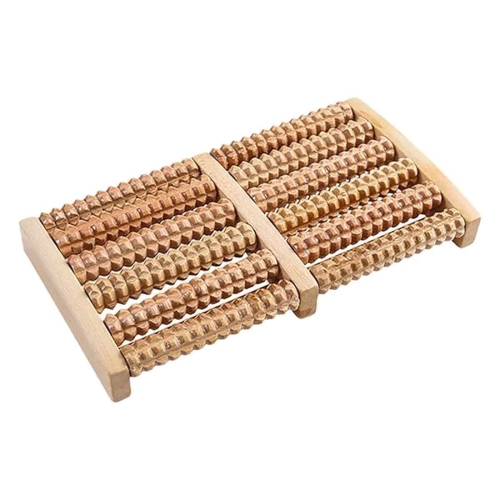
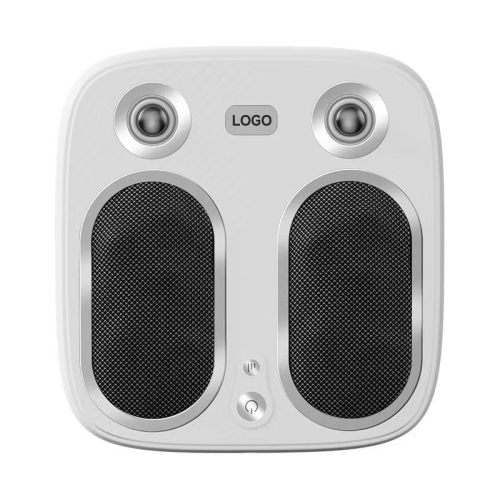
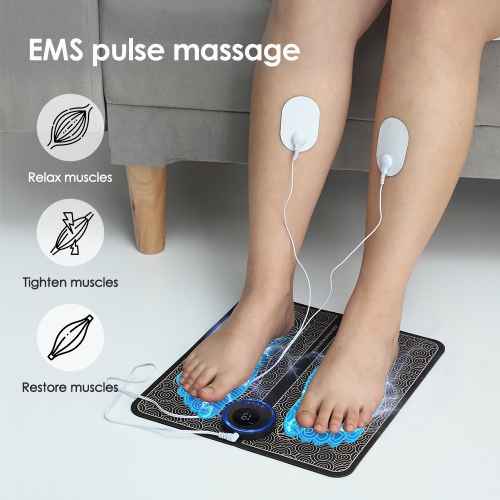
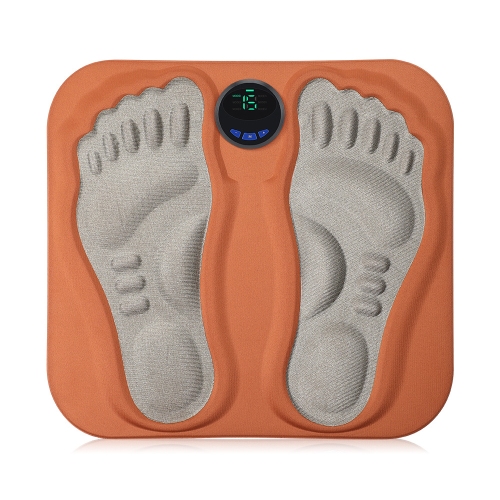
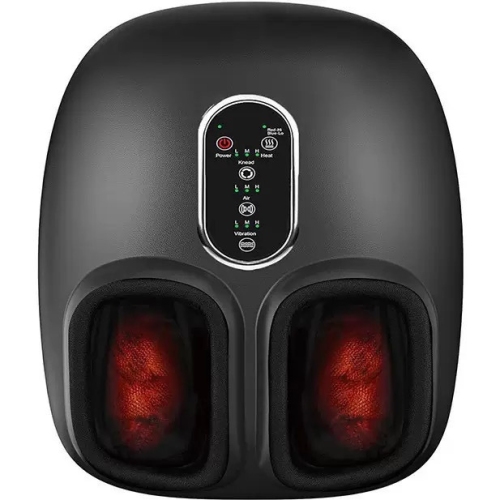
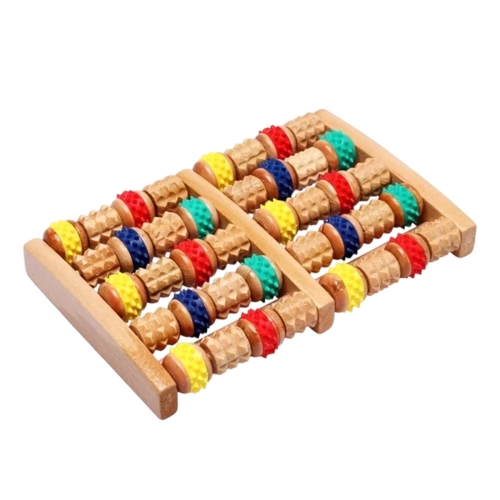
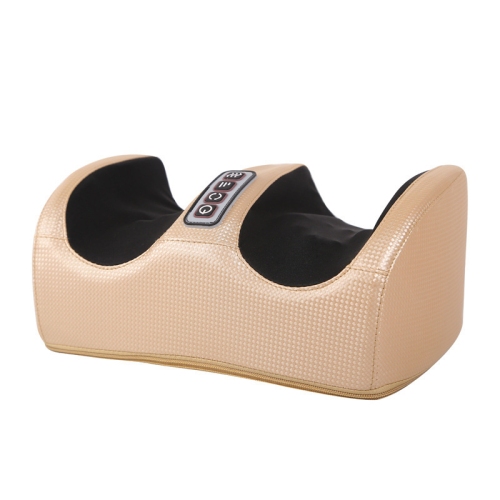
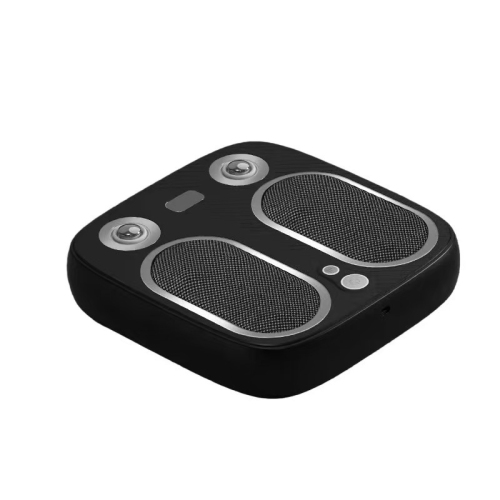
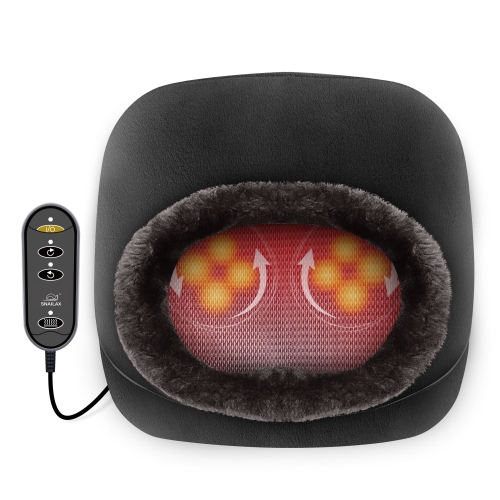
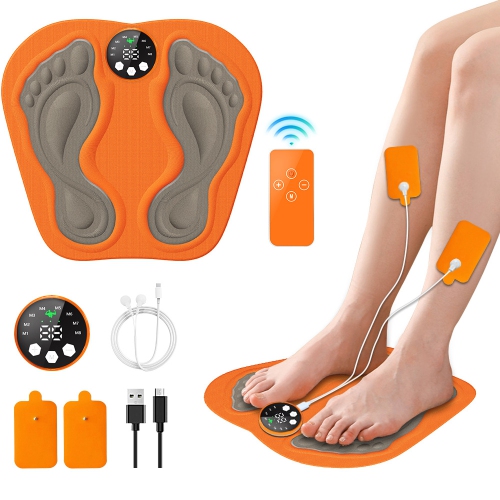
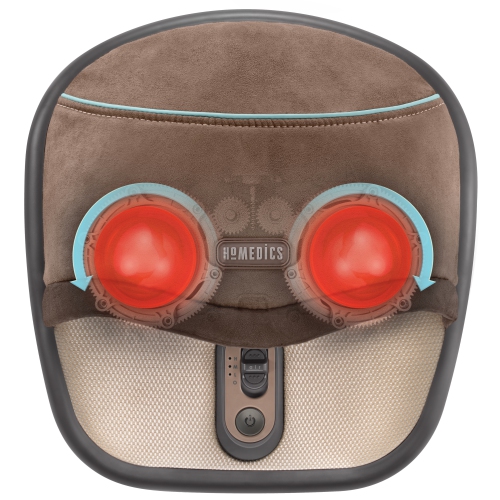
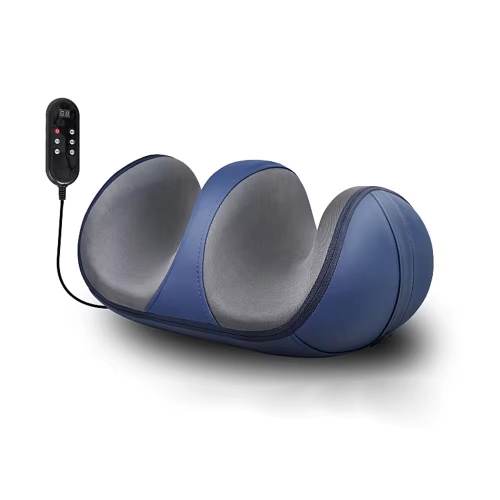
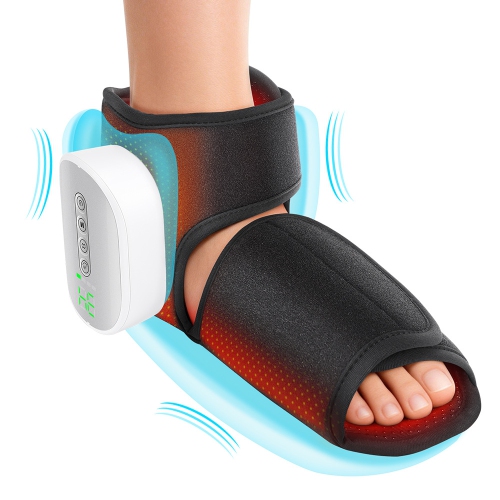
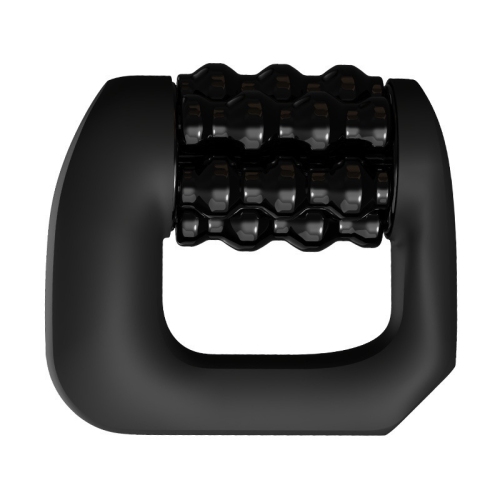
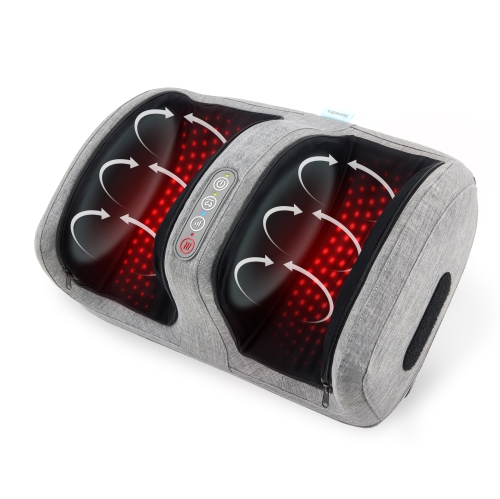
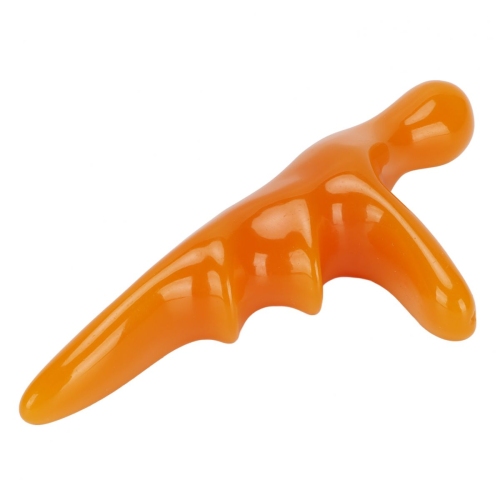
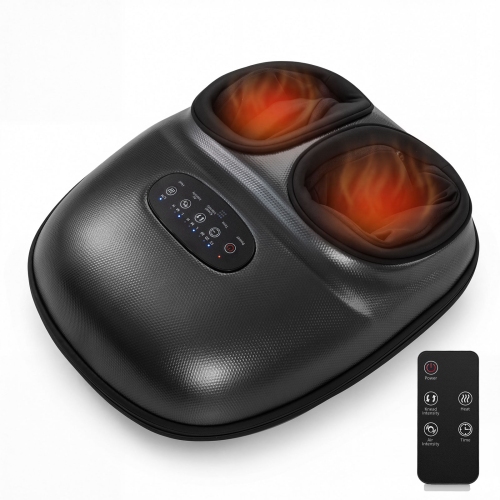
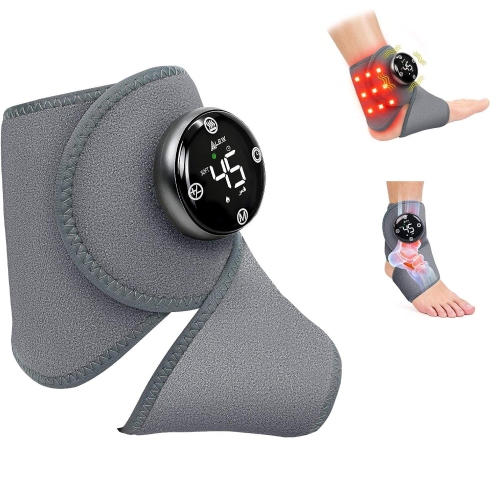
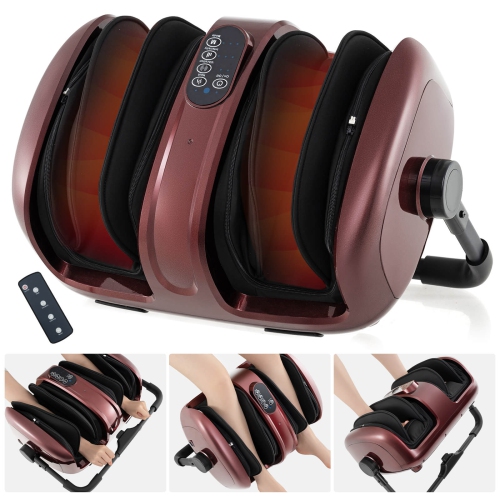
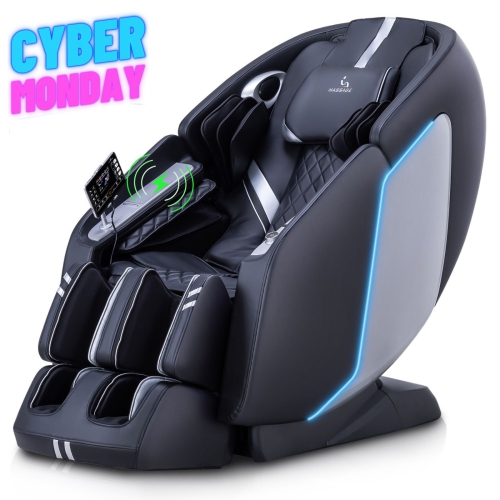
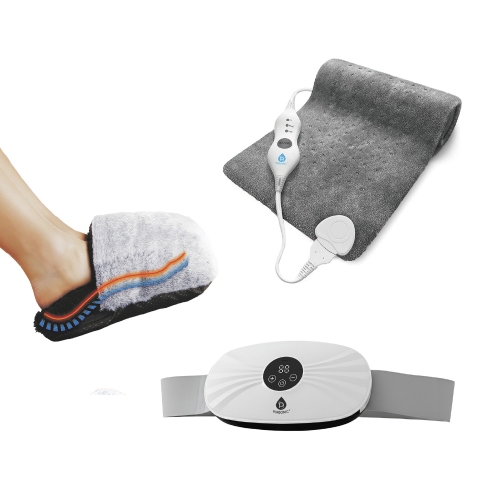
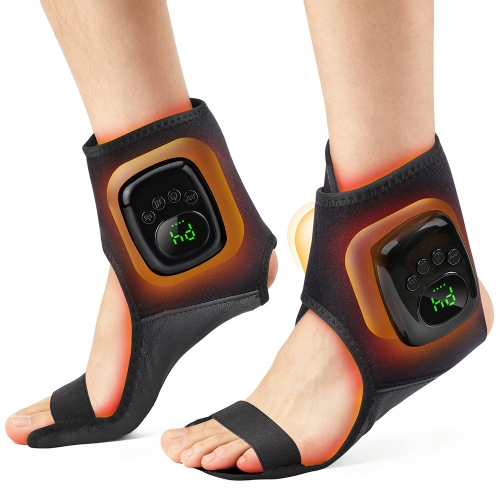
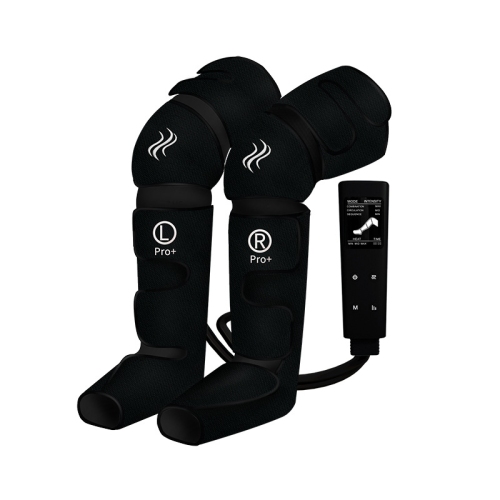
Professional foot massagers provide focused massage for the feet, with some designs extending coverage to the ankles and calves. Foot-only massagers suit those who want attention concentrated on the soles, arches and heels, while foot-and-calf designs offer broader lower-leg coverage and typically require more space. The distinction matters after a day spent standing at a service counter, walking between appointments or sitting at a desk with little opportunity to move. Different massage mechanisms create noticeably different sensations. Rotating nodes apply kneading pressure beneath the feet, rollers travel along selected contact areas, and air compression uses inflatable chambers to apply and release pressure around the feet or lower legs. Vibration produces a lighter, more diffuse sensation than concentrated kneading, although the experience varies with the design and settings. Shiatsu-style massage generally refers to a kneading action intended to resemble finger pressure; it does not mean the device can reproduce an individualized treatment from a trained practitioner. Adjustable intensity is particularly useful when more than one person will use the massager, or when firm arch pressure feels comfortable but pressure near the toes does not. Independent controls for kneading, compression and optional heat allow more flexibility than a single preset programme. Heat can add a warming sensation, but it is a comfort feature rather than a substitute for an appropriate massage setting. A stronger setting is not automatically a better one: comfortable, controlled pressure is more useful than a sensation that makes someone tense or pull away. The word professional can describe a device’s style, construction or range of functions, so intended use remains important. A massager designed for personal use should not be assumed suitable for repeated use in a clinic, salon or shared workplace. Clear operating limits, suitable coverage and an appropriate fit say more about everyday usefulness than the name alone.
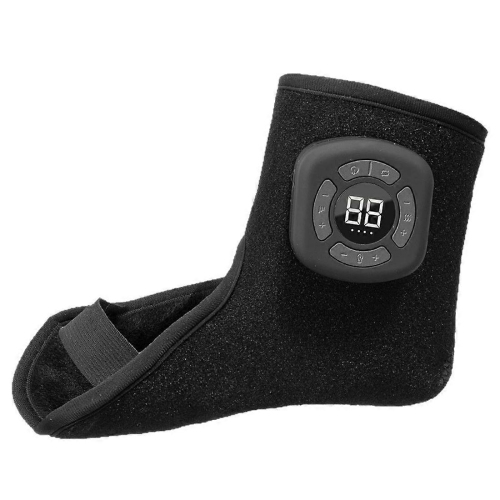
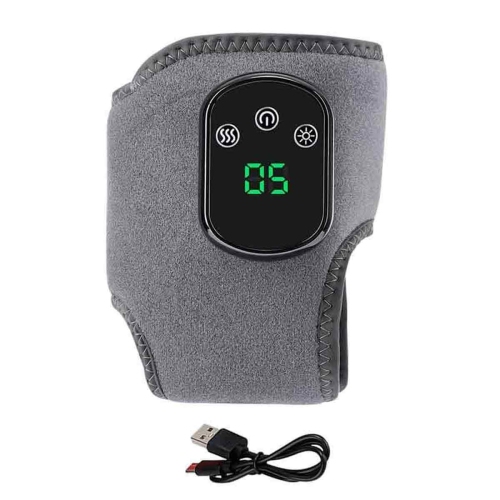
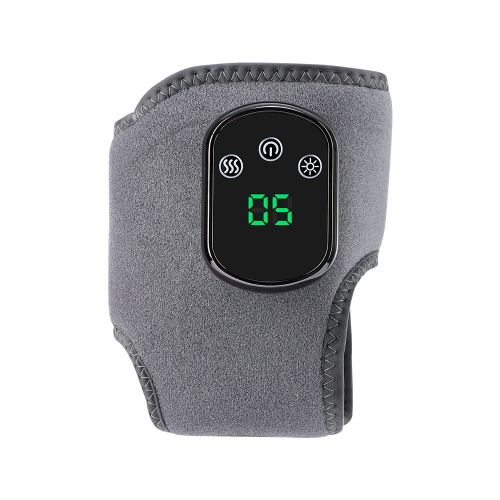
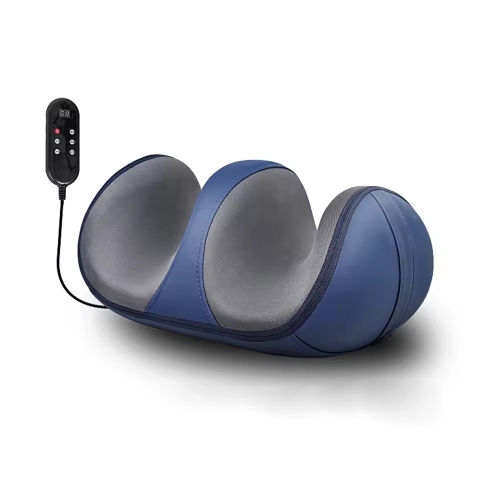
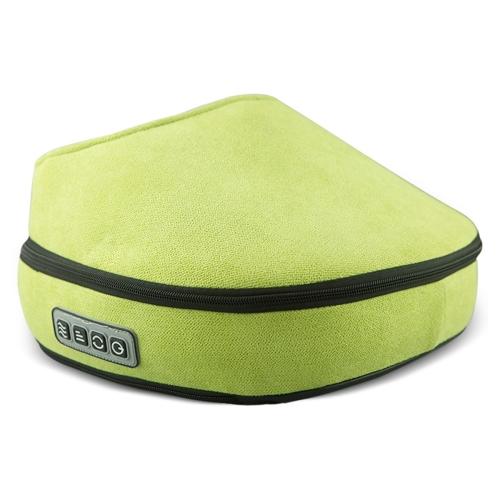
Fit affects both comfort and how effectively the massage components contact the intended areas. Enclosed foot chambers need enough room for foot length and width without pressing the toes against the front or leaving the heel poorly positioned. A stated maximum shoe size is helpful, but it does not fully describe the space available for a broad forefoot, high instep or larger ankle. Open-platform designs leave more room around the feet and can make repositioning easier, while enclosed designs can provide contact along the sides and tops as well as underneath. For extended foot-and-calf massagers, calf circumference, leg length and the position of the ankle section are additional considerations. Adjustable wraps or leg sections can help accommodate different builds, provided the fit remains within the manufacturer’s specifications. The angle of the massager also affects posture: feet should rest naturally without forcing the knees upward or making the user lean forward throughout the session. Materials contribute to comfort, cleaning and durability. Moulded plastic housings provide a firm outer structure, while fabric or mesh liners separate the skin or socks from internal massage components. Removable, washable liners can simplify routine care, especially in a household where the device is shared, but washing instructions vary and should be checked before cleaning. Seams, zips, attachment points and the finish around foot openings are worth considering because these areas receive repeated contact. A stable base and non-slip feet help limit movement on a suitable floor surface. Controls should be easy to read from a seated position, and a remote can reduce the need to bend down to change a setting. Device weight, carrying handles and storage dimensions matter when the massager will move between a living room and a cupboard. For powered designs, cord length and access to an outlet also affect placement; the cable should reach without stretching across a walkway. These practical details often determine whether a massager becomes part of a regular routine or remains difficult to use.
Professional foot massagers can suit people who spend long periods on their feet, adults looking for a comfortable seated break, and households that enjoy massage as part of their personal-care routine. For desk-based routines, foot massagers for office workers relate to the practical needs of seated use, where floor space, operating sound and accessible controls deserve particular attention. A quiet room can make motor and compression sounds more noticeable, and a unit that fits comfortably beside a chair may still be too tall to use beneath a low desk. Massage is generally better suited to a deliberate break than to a position that interferes with typing, reaching or maintaining comfortable posture. Session timers and automatic shut-off functions can help keep use within the intended duration, although the manufacturer’s directions remain the reference for session length and frequency. Starting with a lower intensity allows time to assess the sensation, and use should stop if it causes pain, numbness or discomfort. People with diabetes, neuropathy, reduced sensation, circulation problems or an existing foot injury should seek advice from a qualified healthcare professional before using a massager, particularly one with heat or compression. Persistent heel or arch pain, including symptoms associated with plantar fasciitis, also calls for appropriate assessment rather than relying on massage alone. Routine care usually involves unplugging the device before cleaning, keeping moisture away from electrical components and allowing cleaned liners to dry fully before refitting them. Storage should protect the cord from sharp bends and keep the housing away from accidental impacts. As a gift, a foot massager is most thoughtful when the recipient’s preferences, fit requirements and ability to operate the controls are understood. Someone who enjoys gentle pressure may appreciate adjustable compression, while someone who prefers targeted sole massage may find an open roller-style design more comfortable. Suitable coverage, straightforward care and manageable dimensions help make the gift practical beyond its first use.
Top selling and popular products
-
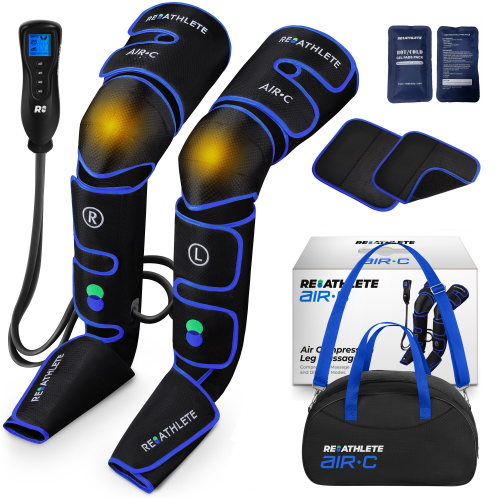 Your price for this item is $139.99
-
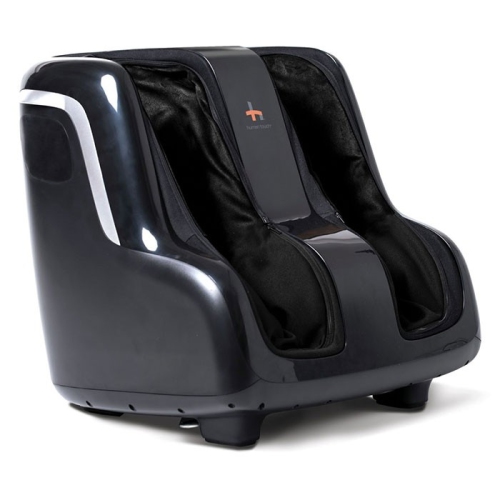 Your price for this item is $519.99
-
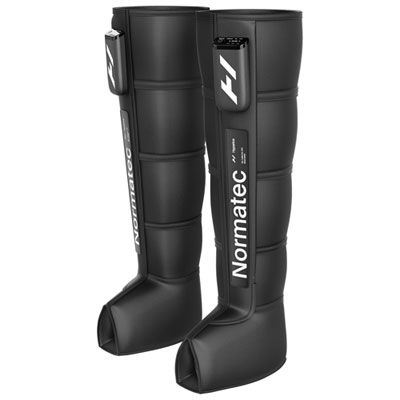 Your price for this item is $1399
-
 Your price for this item is $229.99
-
 Your price for this item is $249.99
-
 Your price for this item is $249.99
-
 Your price for this item is $1399.99
-
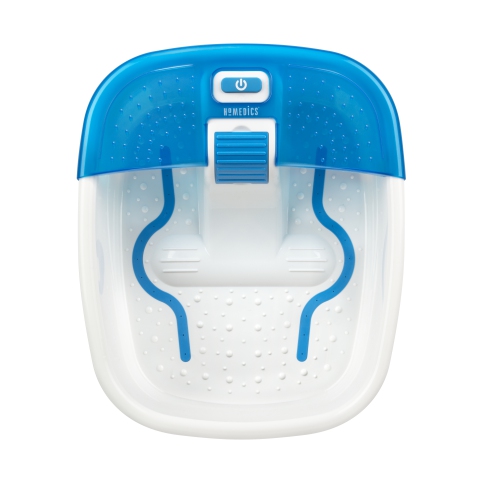 Your price for this item is $39.99
Discover more categories related to Professional Foot Massagers

Top Collections:
Pokemon Centers, Kindle Devices, Best Cameras for Sports Photography, Pokémon 30th Celebration Cards, Apple iPhones 16, Canon G7X Cameras, iPhone 15 Apple, Flip Phones, Samsung Galaxy Phones, Alarm Clock
Some products may be subject to Environmental Handling Fees
(EHF) depending on your province.
Learn more about EHFs.