Resistance Bands for Muscle Endurance
Resistance bands for muscle endurance offer a versatile way to support your fitness goals at home, in the gym, or on the go. These bands are designed to add extra resistance to your workouts, making them a popular choice for anyone looking to build stamina and improve overall muscle performance. Explore a wide selection of resistance bands for muscle endurance to find the perfect options for your training routine, whether you’re just starting out or looking to challenge yourself further.

How resistance bands support longer, controlled workouts
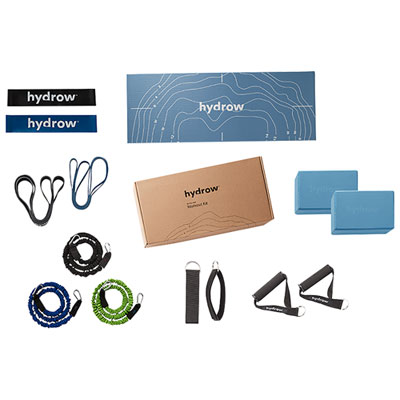
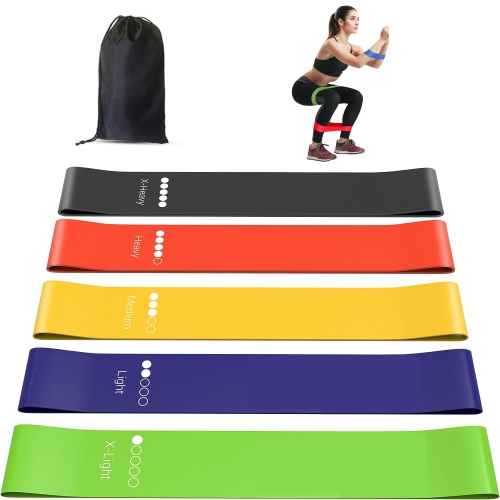
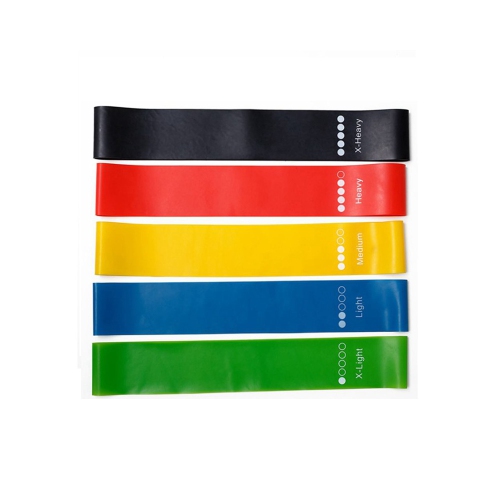
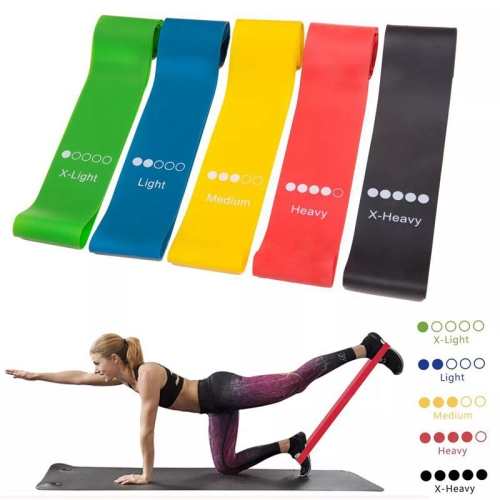
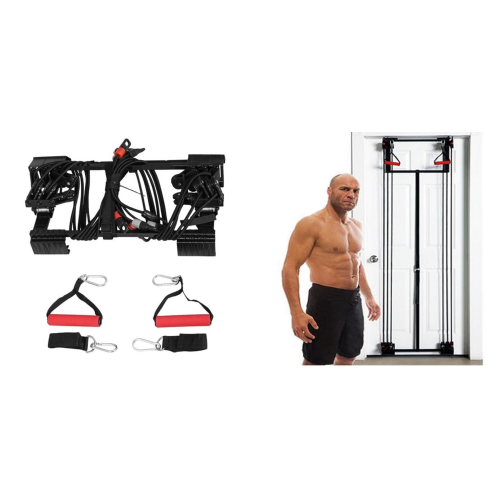
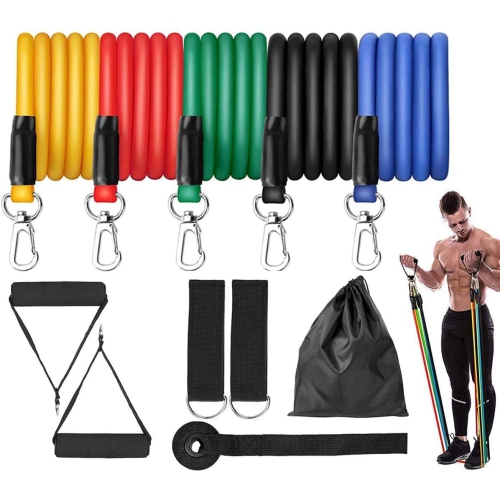
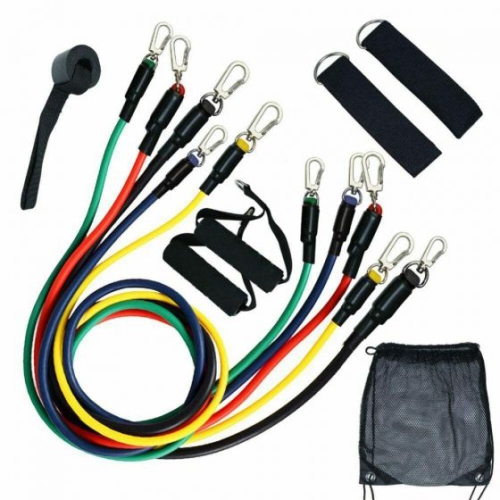
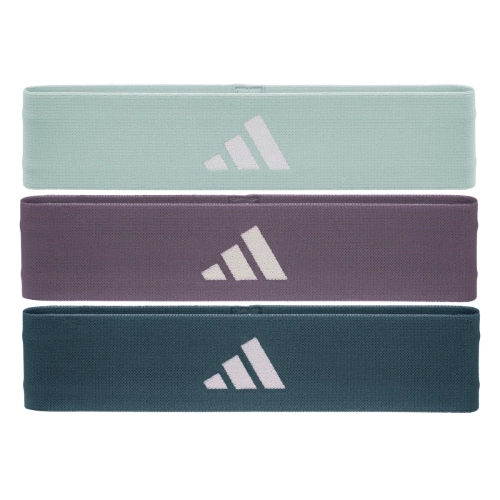
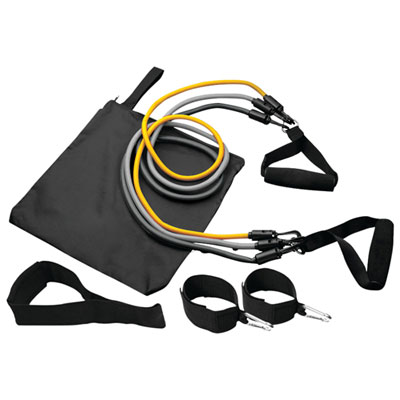
When choosing resistance bands for endurance training, consider the band style, resistance range, grip, length, and the types of exercises you plan to perform. Loop bands are useful for movements such as lateral walks, glute bridges, squats, and leg presses, while mini loops can sit around the thighs or ankles for focused work through the hips and glutes. Longer loop bands can assist with rows, presses, pull-aparts, and other full-body exercises. Tube bands with handles may feel familiar for standing curls, chest presses, and rows, and some sets include anchor points that broaden the range of possible movements. A variety of resistance levels is helpful because different muscle groups require different amounts of challenge; the band that feels appropriate for shoulder pull-aparts may be too light for squats, while a band suited to the legs may make smaller upper-body movements difficult to control. Look for bands that feel secure in the hand, provide enough stretch for a full range of motion, and suit your available space. If an anchor is included or used separately, check that it is properly secured before each set and keep the band away from sharp edges, heat, and rough surfaces. Inspect the material regularly for nicks, thinning, or signs of wear, and replace a band if it appears damaged. Beginners may appreciate a lighter option that allows them to practise posture and technique, while experienced users may prefer a selection that supports progression without forcing every exercise into the same resistance level. Bands can be a thoughtful gift for someone setting up a home workout space, returning to regular activity, preparing for a recreational sport, or looking for simple equipment to use during the cooler months when outdoor routines become less convenient.
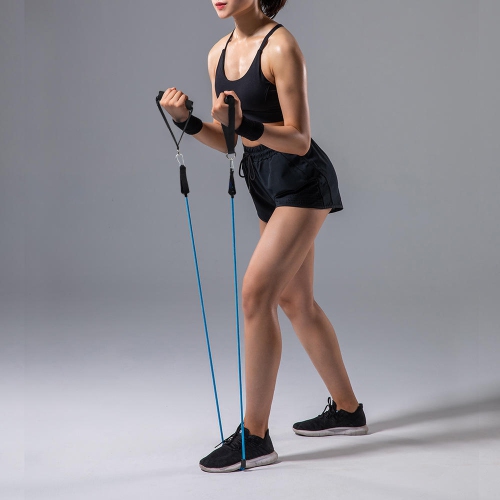
A muscle-endurance workout with bands can be straightforward and adaptable. For the upper back and rear shoulders, hold a band in front of the chest with the arms extended and pull the hands apart for controlled banded pull-aparts, keeping the shoulders relaxed rather than shrugging. For rows, anchor a longer band securely or place it under the feet, sit or stand tall, and draw the elbows back while squeezing the shoulder blades together. Biceps curls can be performed by standing on the middle of the band and lifting the handles or ends without swinging the body. For the lower body, place a loop band around the thighs or ankles and take deliberate side steps, keeping the knees aligned and the hips level as the glutes begin to fatigue. Resistance band squats can add continuous tension through the legs and hips; keep the feet stable, lower with control, and maintain an upright, comfortable posture. These exercises can be arranged as a circuit with 15 to 25 repetitions per movement, brief rests, and two or more rounds, or adjusted to suit a shorter session. A slower pace often makes a lighter band feel considerably more demanding, particularly near the end of a set. Keep breathing steadily, stop before technique breaks down, and choose a resistance that allows the final repetitions to feel challenging without compromising form. A gradual approach works well: begin with fewer rounds, increase repetitions or time under tension, and move to a stronger band only when the current level feels controlled. Anyone managing an injury, recovering from a medical procedure, or experiencing persistent pain should seek appropriate professional guidance before starting a new exercise routine. With thoughtful selection and regular use, resistance bands can help support the repeated, controlled effort that defines muscle endurance while fitting naturally into everyday training.
FAQ
What are resistance bands used for in muscle endurance training?
Resistance bands are commonly used to add external resistance to exercises, helping to improve muscle endurance by challenging muscles through a full range of motion. They are ideal for repetitive movements and can target various muscle groups.
Can resistance bands be incorporated into a full-body workout?
Yes, resistance bands are versatile tools that can be used for a wide range of exercises targeting the upper body, lower body, and core, making them suitable for full-body workouts focused on muscle endurance.
Are resistance bands suitable for beginners looking to build muscle endurance?
Resistance bands are an excellent choice for beginners because they offer adjustable levels of resistance and allow users to progress at their own pace while performing controlled movements.
How do resistance bands compare to free weights for muscle endurance exercises?
Resistance bands provide constant tension throughout the movement, which can help improve muscle endurance differently than free weights. They also allow for more varied angles and functional movement patterns.
What types of exercises can be performed with resistance bands to enhance muscle endurance?
Exercises such as squats, lunges, chest presses, rows, shoulder raises, and bicep curls can all be performed with resistance bands to help build and maintain muscle endurance.
Top selling and popular products
-
 Your price for this item is $19.99
 -
 Your price for this item is $109.96
 -
 Your price for this item is $20.99
 -
 Your price for this item is $27.99
 -
 Your price for this item is $24.29
 -
 Your price for this item is $39.99
 -
 Your price for this item is $69.99
 -
 Your price for this item is $29.99