Sanitizer Sprays
Sanitizer Spray offers a convenient solution for keeping your surroundings fresh and clean at home, in the office, or on the go. With a variety of options available, finding the right sanitizer spray to suit your needs is simple and hassle-free. Explore choices designed for quick application, perfect for busy lifestyles or high-traffic areas. Discover how Sanitizer Spray can help maintain a comfortable and inviting environment wherever you are.
Sort

Why the label matters more than the scent
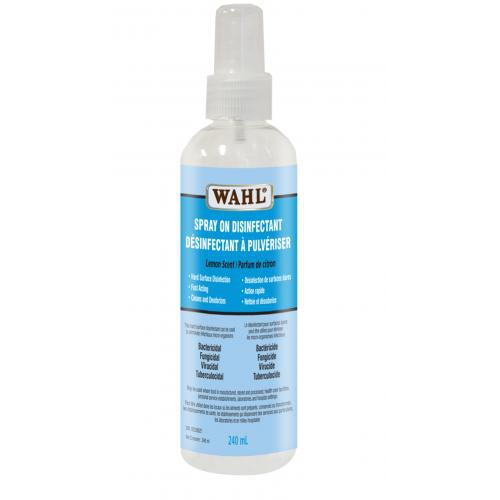
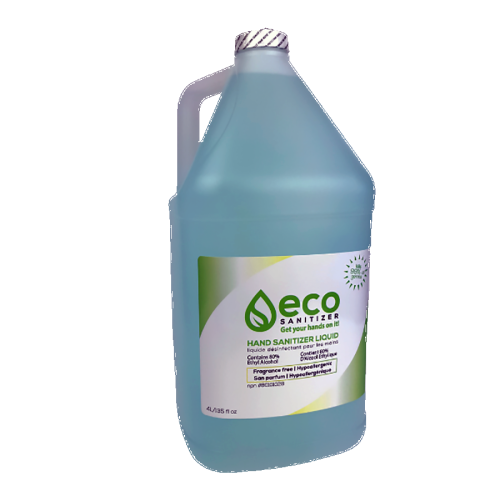
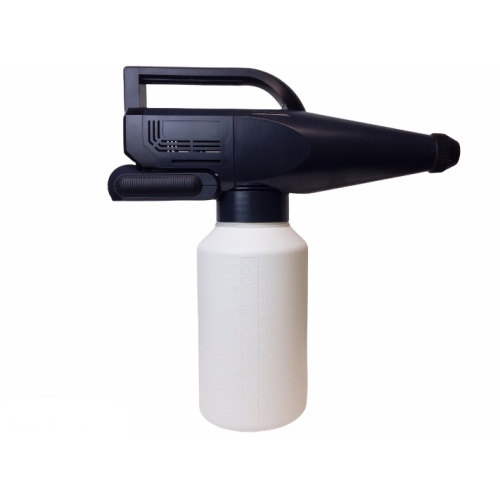
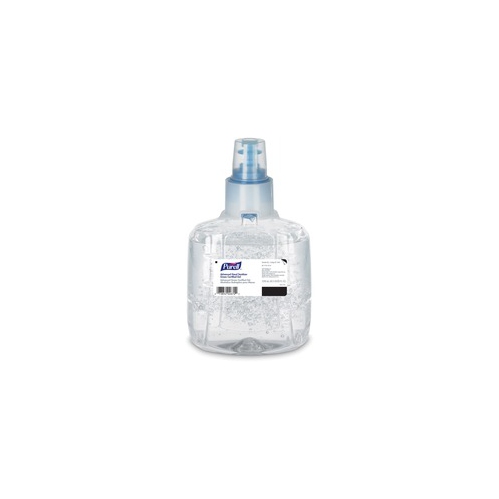
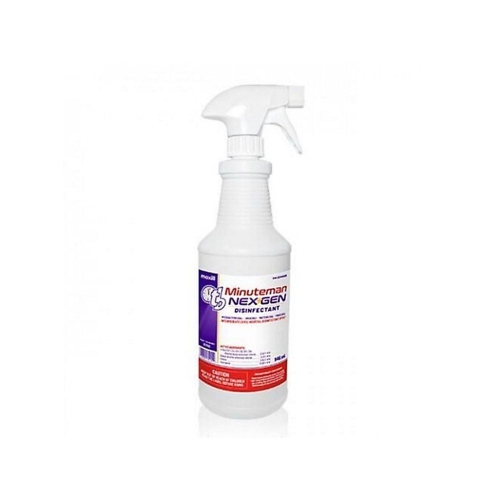
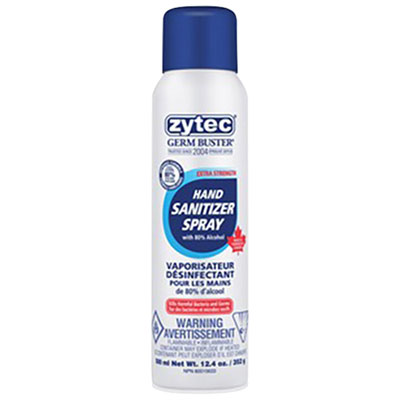
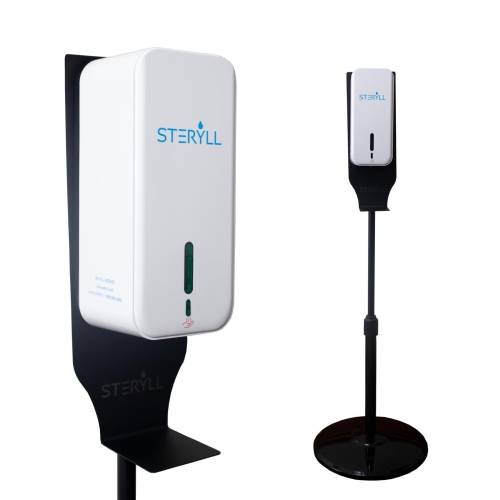
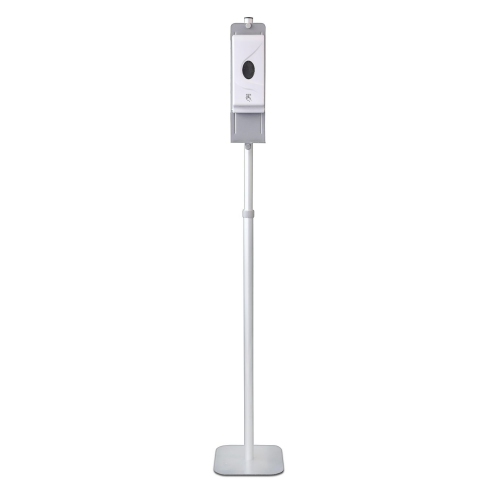
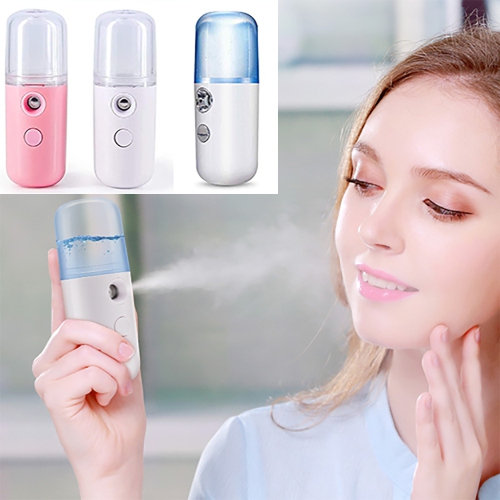
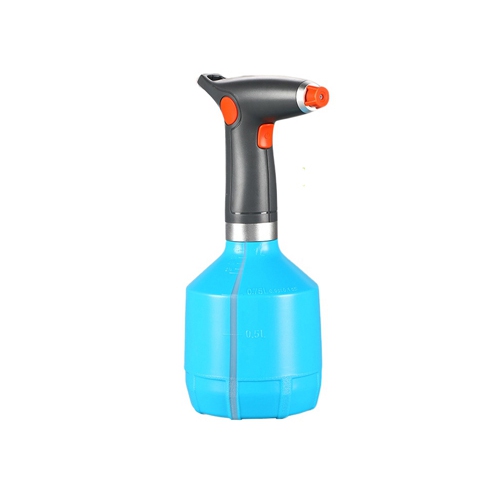
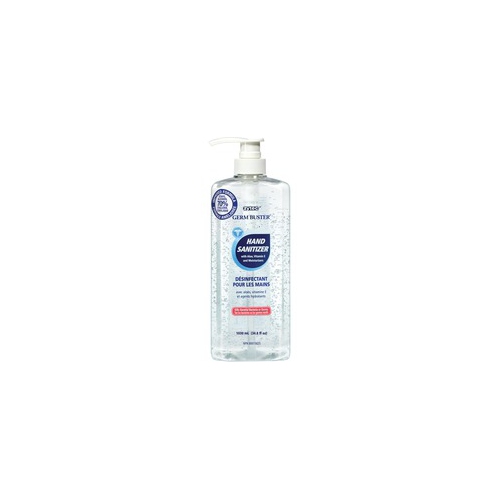
Sanitizer sprays offer a convenient way to clean hands when soap and water are not readily accessible, with a liquid format that dispenses through a pump or misting nozzle. A compact bottle can tuck into a handbag, backpack or work bag, while a larger dispenser can suit a desk or another designated spot for hand hygiene. For everyday hand use, the key distinction is between a hand sanitizer spray and a surface sanitizing spray: they are made for different purposes and should not be treated as interchangeable. A formula labelled for counters or other hard surfaces is not a substitute for a product intended for skin. Alcohol-based hand sanitizers should contain at least 60% alcohol, with ethanol, also called ethyl alcohol, or isopropyl alcohol commonly listed as the active ingredient. The percentage alone does not tell the whole story, however; the labelled directions, intended use and amount applied all matter. In Canada, a Natural Product Number, or NPN, or a Drug Identification Number, or DIN, helps identify a hand sanitizer authorized by Health Canada. These details are more useful for assessing its intended function than a fragrance description or a bottle’s appearance. Sprays sit alongside gels and other formats within Hand Sanitizers, giving shoppers a choice in how the liquid is dispensed and carried. A spray can feel light during application, but a fine mist still needs to deliver enough liquid to cover every part of the hands. It should be rubbed over the palms, backs of the hands, between the fingers and around the fingertips until dry, following the label’s directions. There is no universal number of sprays that works for every bottle, since pump output and hand size vary. When hands are visibly dirty or greasy, washing with soap and water is the better choice; sanitizer does not remove dirt and is not equally effective against every type of germ.
The feel and scent of a sanitizer spray can make a noticeable difference when it becomes part of a daily routine. Someone who uses it between errands may prefer a straightforward, fragrance-free formula, while another person may enjoy a lightly scented option for occasional use. Fragrance is a personal preference rather than an indicator of sanitizing performance. In shared workplaces, classrooms or other spaces with scent policies, a fragrance-free choice can be more appropriate. Added glycerin, aloe vera or other skin-conditioning ingredients may help hands feel more comfortable, although they do not guarantee that a formula will suit sensitive skin or prevent dryness. Ingredient lists deserve particular attention for anyone with known allergies or a history of irritation. Essential oils and botanical ingredients can also cause sensitivity, so their presence should not be taken as a promise of gentleness. A comfortable finish matters too: some formulas leave a more noticeable conditioning layer, while others feel lighter after drying. Allowing hands to dry fully before handling a phone, keyboard or bag helps avoid transferring wet liquid onto those belongings. Bottle size and shape affect how well a spray fits into a routine. Pocket formats often fall between 30 mL and 100 mL, but the stated capacity is only one part of portability; a broad, flat bottle and a narrow cylinder may fit quite differently in a small zipped compartment. For a commuter reaching into a crowded bag, a secure cap or locking pump can matter more than decorative packaging. A bottle carried beside keys also benefits from a sturdy body, a protected nozzle and a label that remains readable through regular handling. Transparent packaging can make the remaining liquid easier to see, while an easy-to-grip shape can help with dispensing. For anyone with limited hand strength or dexterity, the pressure needed to operate the pump and the ease of removing the cap are practical considerations worth weighing alongside capacity.
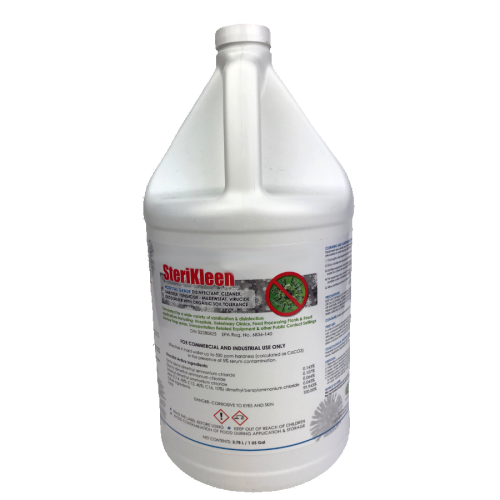
Intended use should also shape where a sanitizer spray is kept and how it is cared for. An adult might carry a small bottle for use after taking public transit or before eating when a handwashing facility is not nearby. At a workstation, a stable bottle with an accessible pump can be convenient without taking up much space. For family use, children need adult supervision to apply the correct amount and avoid spraying towards the face; hand sanitizer must never be swallowed and should be stored out of their reach. Spray formats should be directed onto the hands as instructed, not misted into the air or deliberately inhaled. Alcohol-based formulas are flammable, so keep them away from flames and ignition sources and let hands dry completely before approaching either. Storage directions and expiry dates remain important even when a bottle still appears full. Keeping the closure secure between uses helps limit leaks and evaporation, while leaving the formula in its original labelled container preserves the directions and safety information. Refillable packaging can be practical, but only when the dispenser is designed for refilling and the manufacturer provides a compatible formula and cleaning instructions. Mixing different formulas, diluting sanitizer with water or topping up a partly filled bottle without following those instructions can compromise the contents. Surface sanitizer sprays require a separate set of checks. Their labels should identify the materials they can be used on, whether pre-cleaning is needed and how long the surface must remain wet. Food-contact surfaces may require rinsing after treatment, depending on the directions. A spray suitable for a sealed countertop may not suit unfinished wood, upholstery, coated lenses or a touchscreen, and an alcohol-based formula can damage some finishes. For electronics, follow the device manufacturer’s cleaning instructions rather than assuming a hand or surface spray is appropriate. Whether the priority is a compact hand spray for a bag or a clearly labelled surface formula for a specific cleaning task, matching the product to its purpose, packaging needs and care directions makes it easier to use correctly.
The feel and scent of a sanitizer spray can make a noticeable difference when it becomes part of a daily routine. Someone who uses it between errands may prefer a straightforward, fragrance-free formula, while another person may enjoy a lightly scented option for occasional use. Fragrance is a personal preference rather than an indicator of sanitizing performance. In shared workplaces, classrooms or other spaces with scent policies, a fragrance-free choice can be more appropriate. Added glycerin, aloe vera or other skin-conditioning ingredients may help hands feel more comfortable, although they do not guarantee that a formula will suit sensitive skin or prevent dryness. Ingredient lists deserve particular attention for anyone with known allergies or a history of irritation. Essential oils and botanical ingredients can also cause sensitivity, so their presence should not be taken as a promise of gentleness. A comfortable finish matters too: some formulas leave a more noticeable conditioning layer, while others feel lighter after drying. Allowing hands to dry fully before handling a phone, keyboard or bag helps avoid transferring wet liquid onto those belongings. Bottle size and shape affect how well a spray fits into a routine. Pocket formats often fall between 30 mL and 100 mL, but the stated capacity is only one part of portability; a broad, flat bottle and a narrow cylinder may fit quite differently in a small zipped compartment. For a commuter reaching into a crowded bag, a secure cap or locking pump can matter more than decorative packaging. A bottle carried beside keys also benefits from a sturdy body, a protected nozzle and a label that remains readable through regular handling. Transparent packaging can make the remaining liquid easier to see, while an easy-to-grip shape can help with dispensing. For anyone with limited hand strength or dexterity, the pressure needed to operate the pump and the ease of removing the cap are practical considerations worth weighing alongside capacity.
Intended use should also shape where a sanitizer spray is kept and how it is cared for. An adult might carry a small bottle for use after taking public transit or before eating when a handwashing facility is not nearby. At a workstation, a stable bottle with an accessible pump can be convenient without taking up much space. For family use, children need adult supervision to apply the correct amount and avoid spraying towards the face; hand sanitizer must never be swallowed and should be stored out of their reach. Spray formats should be directed onto the hands as instructed, not misted into the air or deliberately inhaled. Alcohol-based formulas are flammable, so keep them away from flames and ignition sources and let hands dry completely before approaching either. Storage directions and expiry dates remain important even when a bottle still appears full. Keeping the closure secure between uses helps limit leaks and evaporation, while leaving the formula in its original labelled container preserves the directions and safety information. Refillable packaging can be practical, but only when the dispenser is designed for refilling and the manufacturer provides a compatible formula and cleaning instructions. Mixing different formulas, diluting sanitizer with water or topping up a partly filled bottle without following those instructions can compromise the contents. Surface sanitizer sprays require a separate set of checks. Their labels should identify the materials they can be used on, whether pre-cleaning is needed and how long the surface must remain wet. Food-contact surfaces may require rinsing after treatment, depending on the directions. A spray suitable for a sealed countertop may not suit unfinished wood, upholstery, coated lenses or a touchscreen, and an alcohol-based formula can damage some finishes. For electronics, follow the device manufacturer’s cleaning instructions rather than assuming a hand or surface spray is appropriate. Whether the priority is a compact hand spray for a bag or a clearly labelled surface formula for a specific cleaning task, matching the product to its purpose, packaging needs and care directions makes it easier to use correctly.
Top selling and popular products
-
 Your price for this item is $135
 -
 Your price for this item is $79
 -
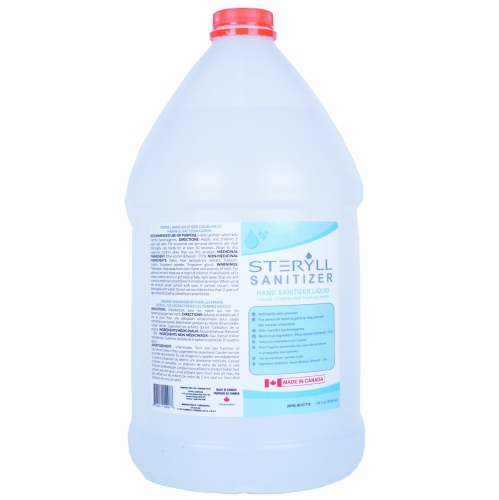 Your price for this item is $49.99
 -
 Your price for this item is $59.99
 -
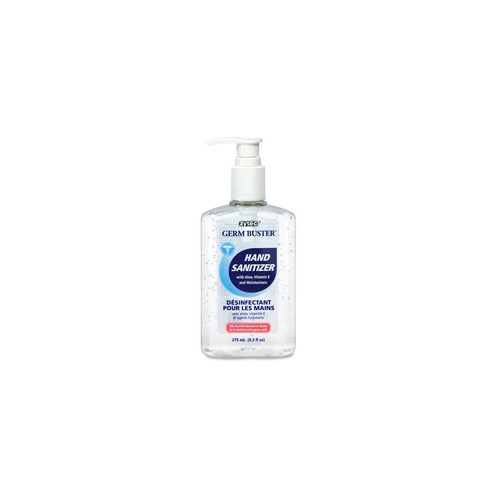 Your price for this item is $4.99
 -
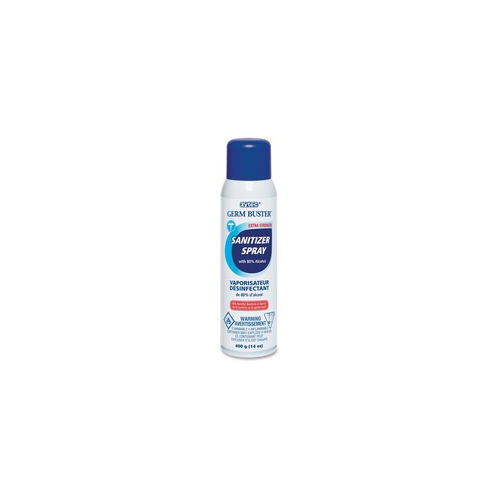 Your price for this item is $5.99
 -
 Your price for this item is $10.99
 -
 Your price for this item is $5.99
Discover more categories related to Sanitizer Sprays
Top Collections:
Pokemon Centers, Budget 4K TVs, Best Budget Office Chairs, Kindle Devices, Canon G7X Cameras, Apple iPhones 16, iPhone 15 Apple, Laptops for Business Work, Xiaomi Phones, Flip Phones
Some products may be subject to Environmental Handling Fees
(EHF) depending on your province.
Learn more about EHFs.