Sanitizing Wipes
Sanitizing wipes are a must-have item for keeping your surroundings clean and germ-free. Ideal for use at home, in the office, or on-the-go, these versatile wipes are designed to effectively eliminate bacteria and viruses from commonly touched surfaces. Whether you're looking to maintain a hygienic environment or simply want peace of mind while out and about, sanitizing wipes offer a convenient solution for quick and easy cleaning. Explore our selection of sanitizing wipes to find the perfect option to suit your needs.
Sort










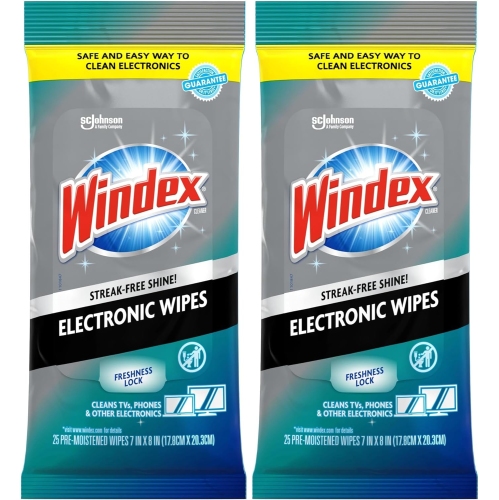
Why hands and surfaces need different wipes
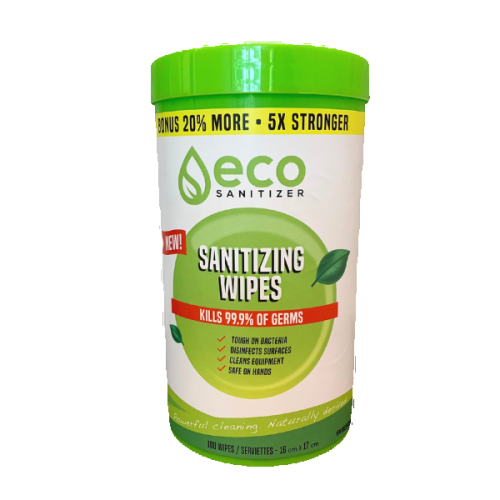
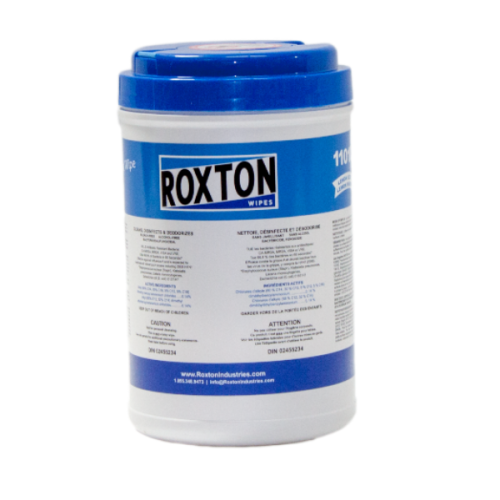
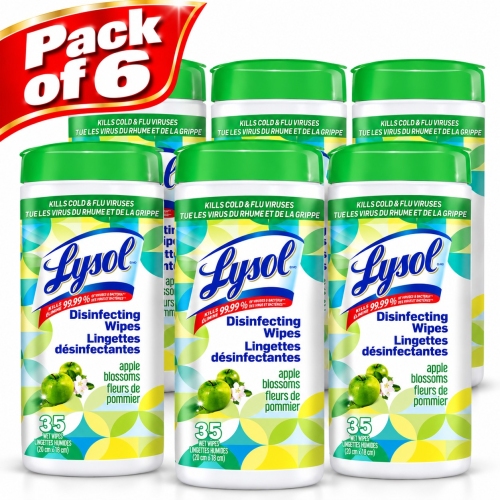
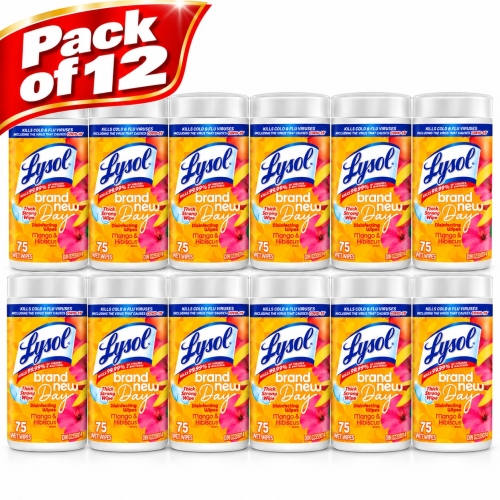
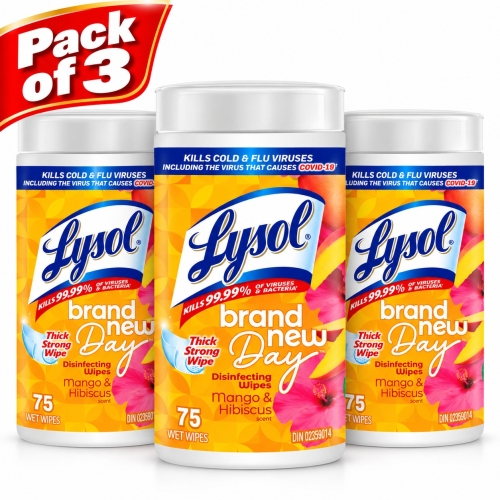
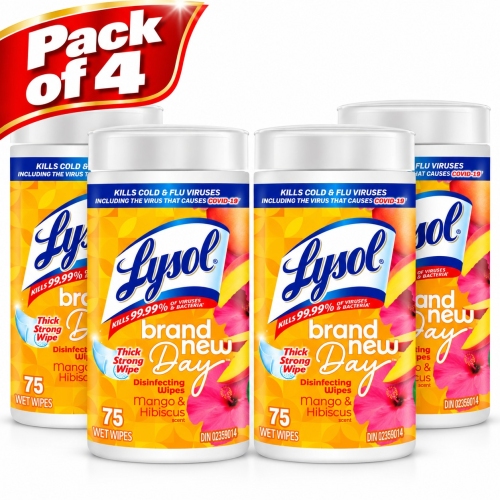
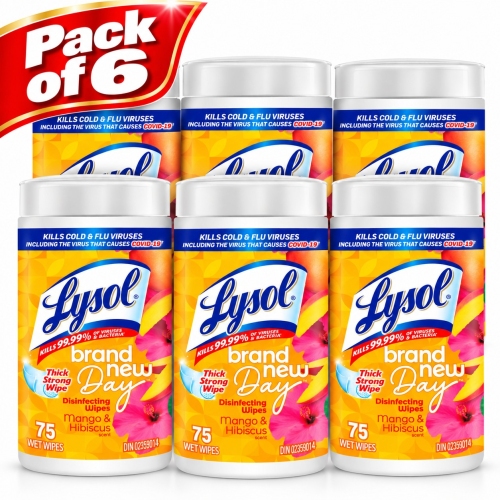
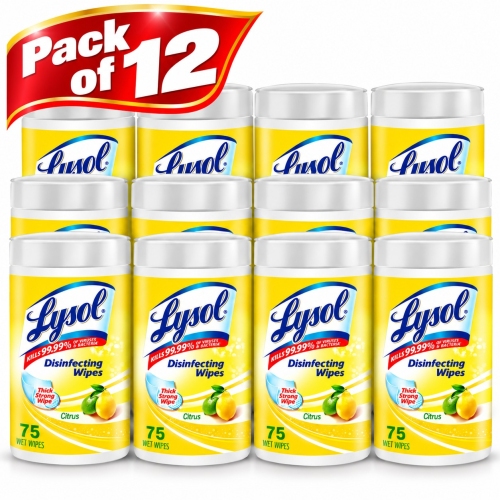
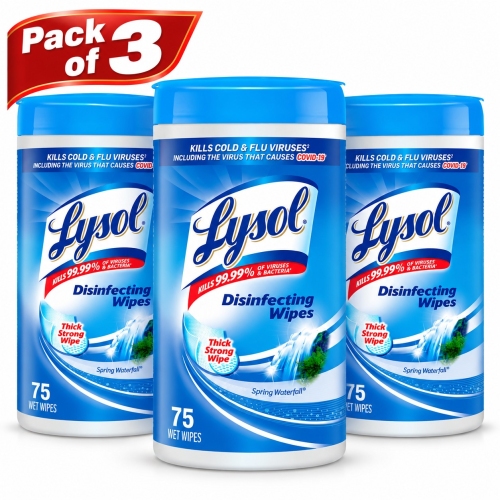
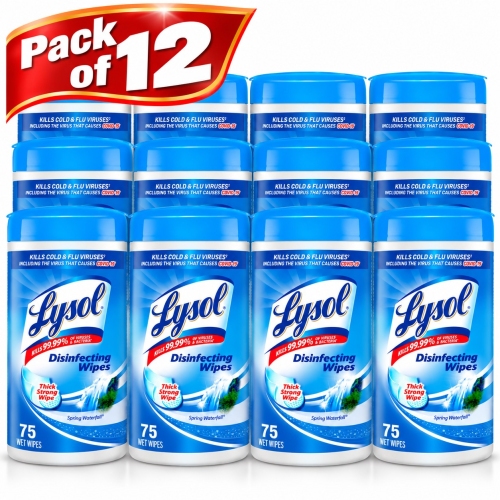
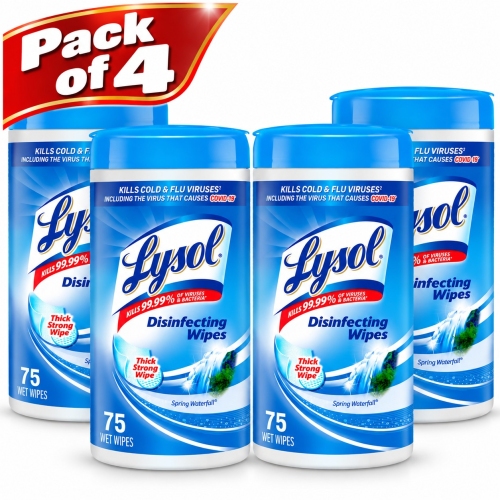
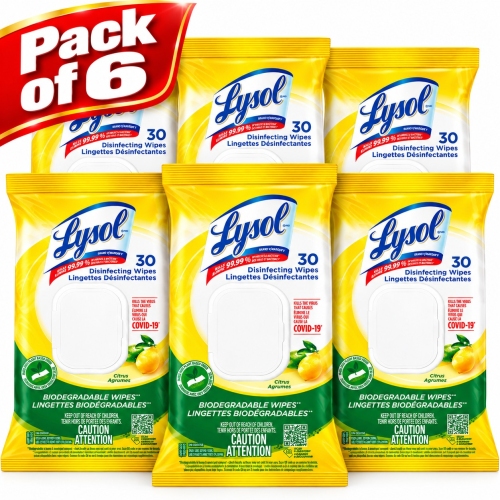
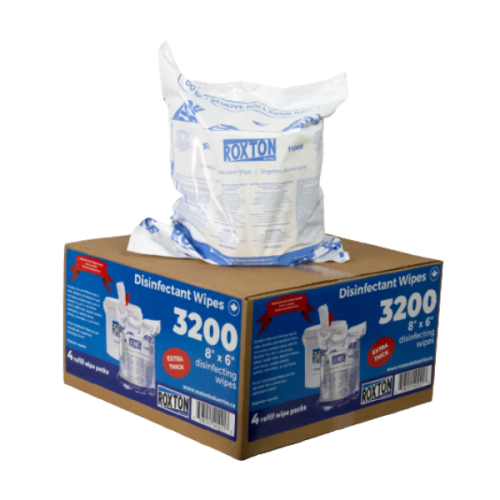
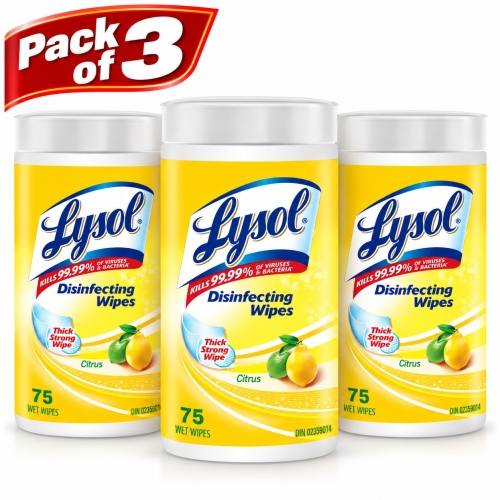
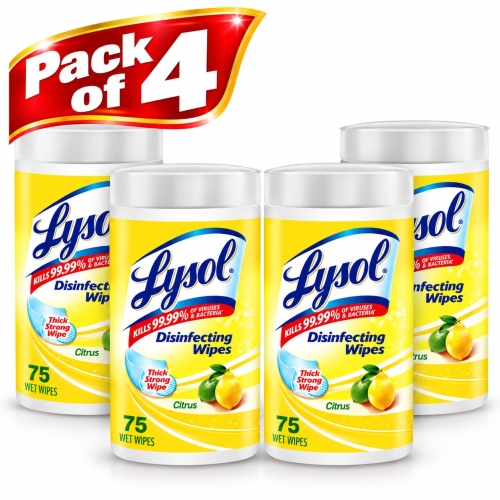
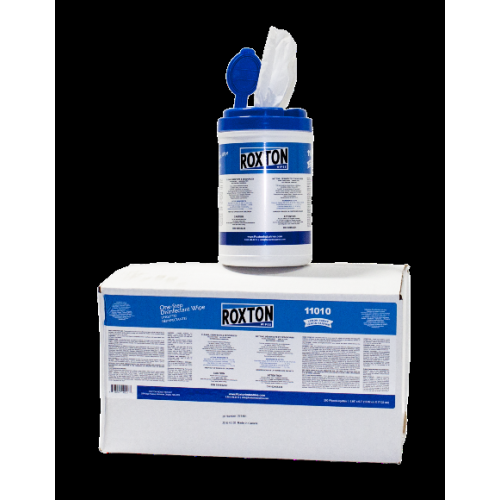
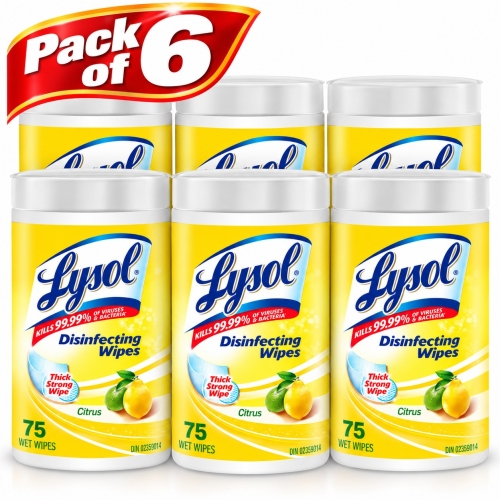
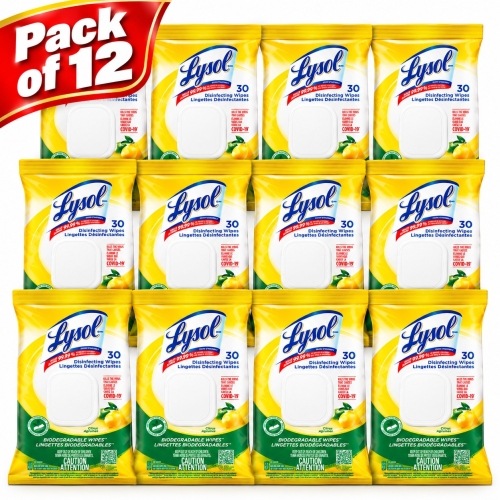
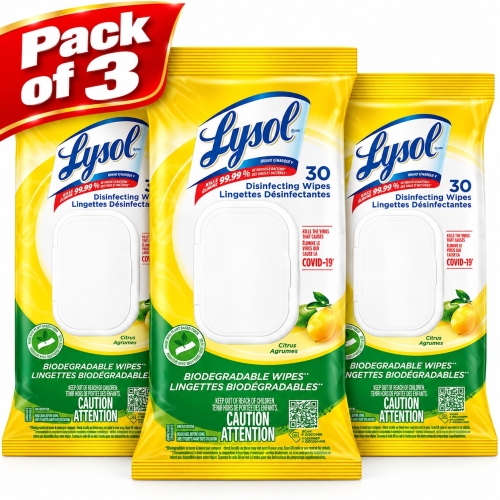
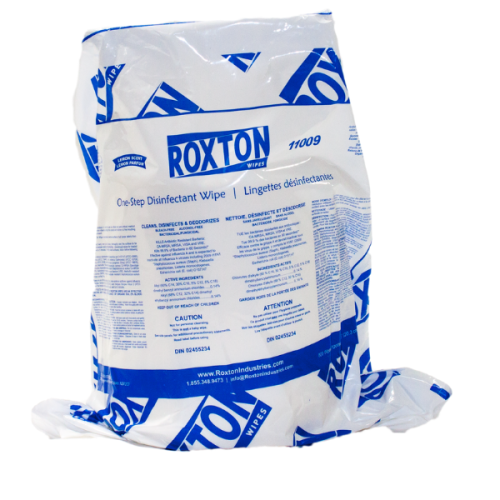
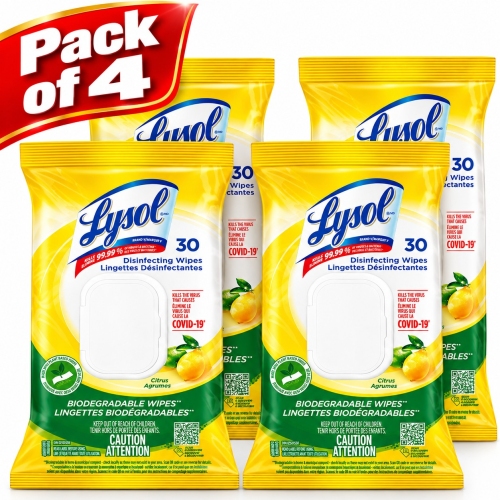
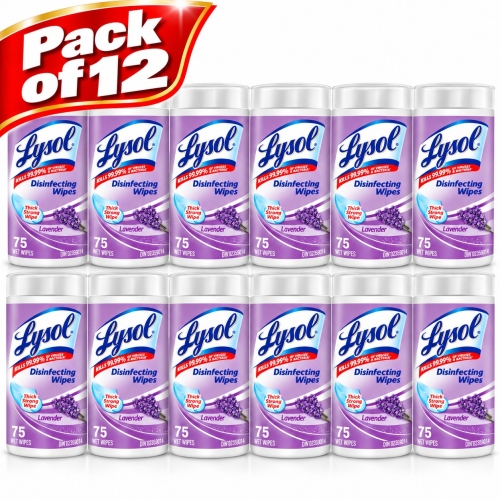
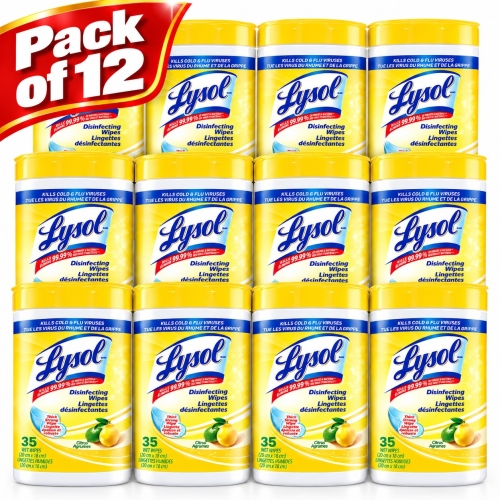
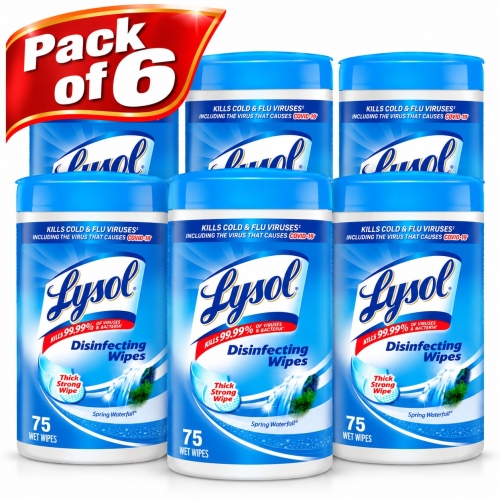
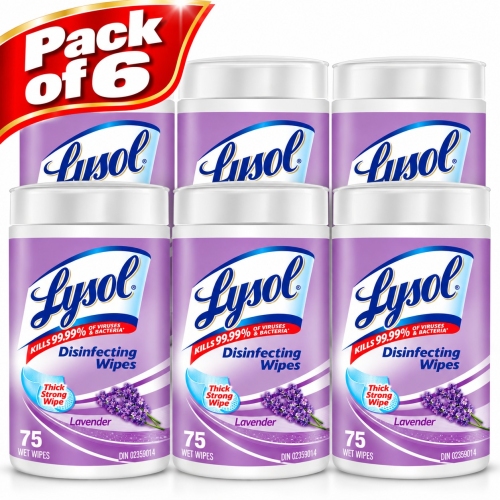
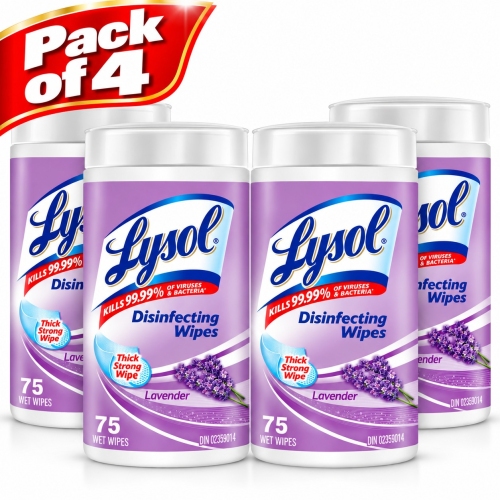
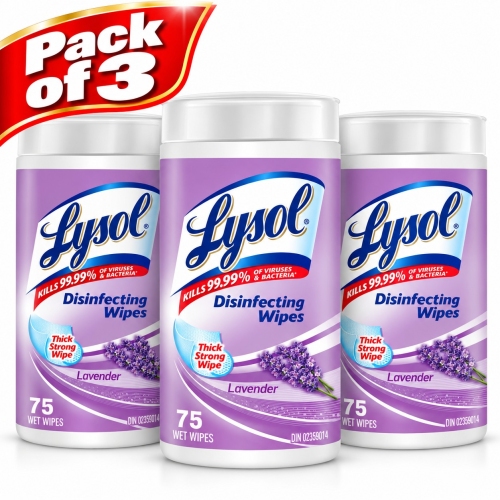
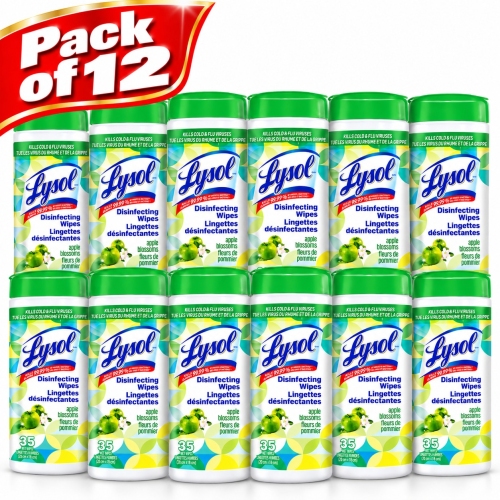
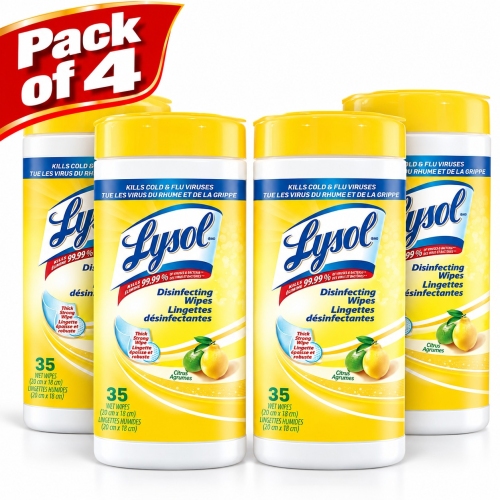
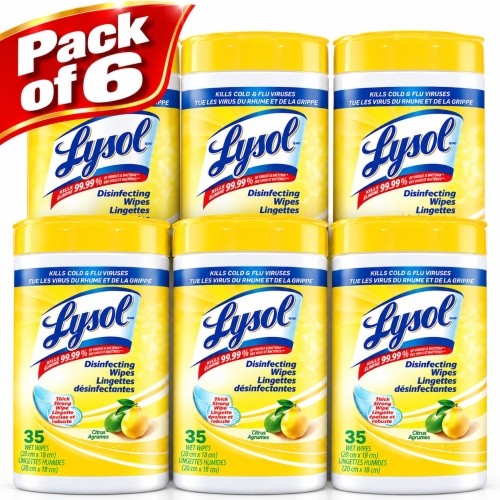
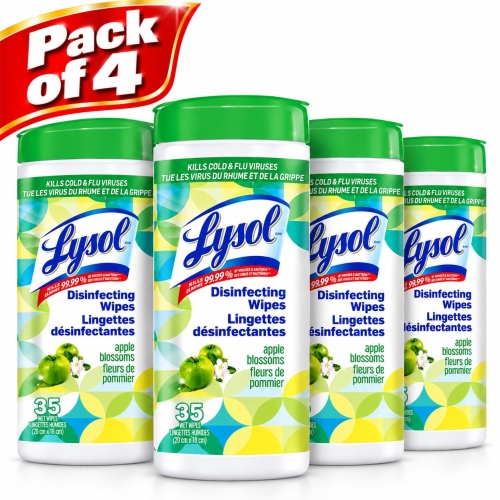
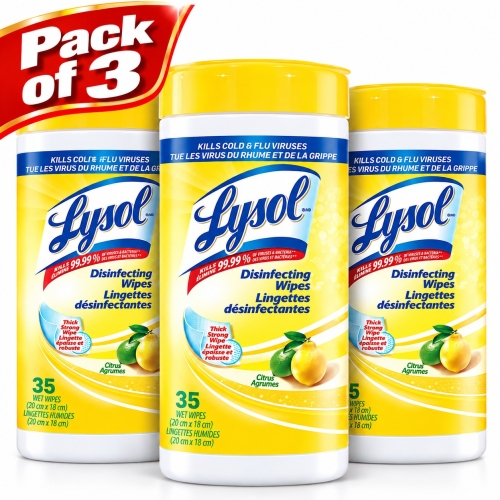
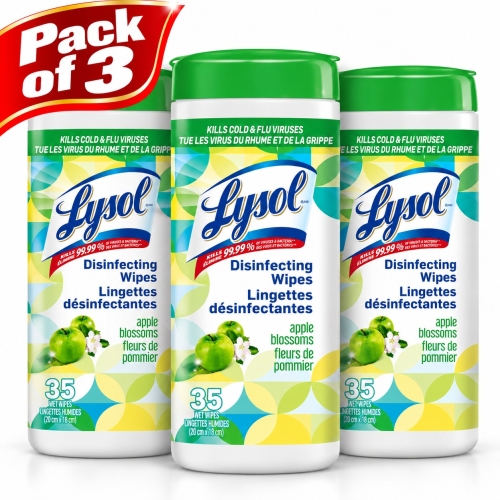
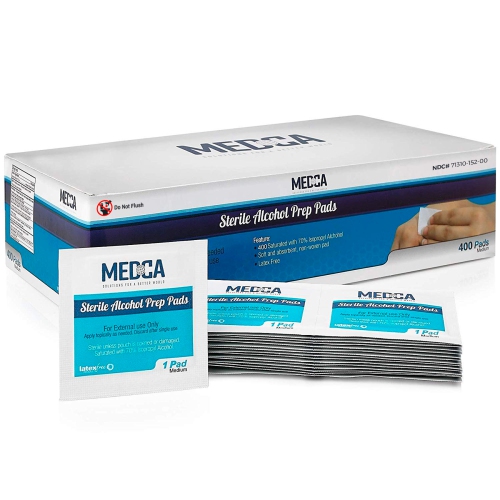
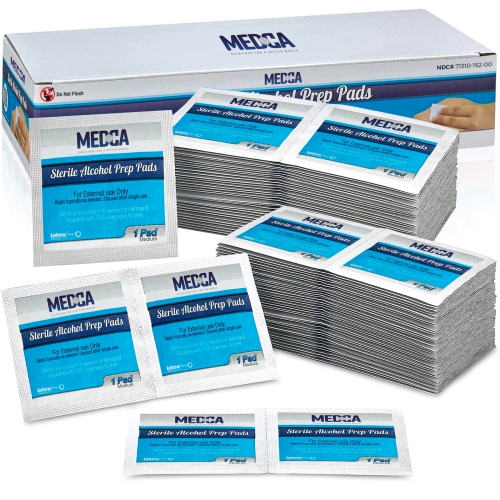
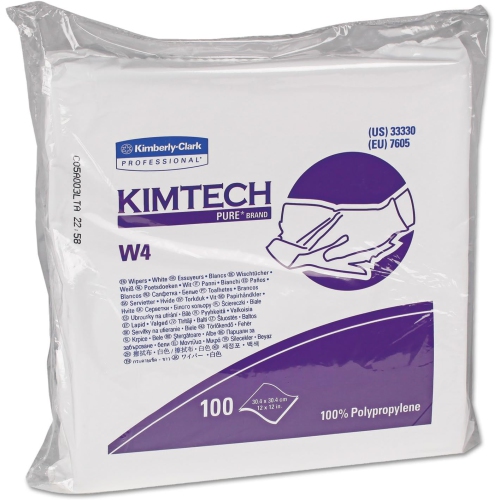
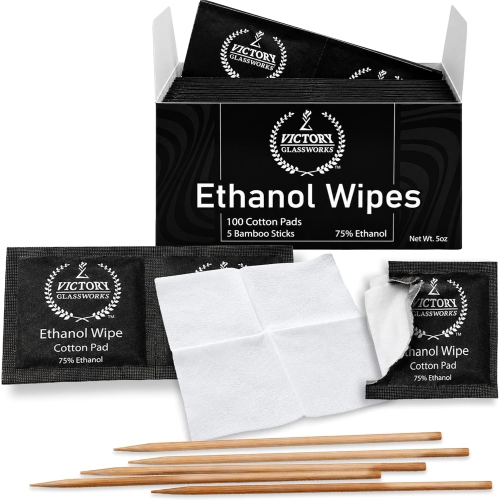
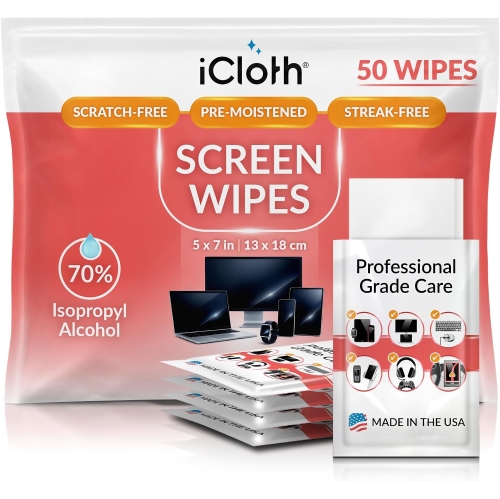
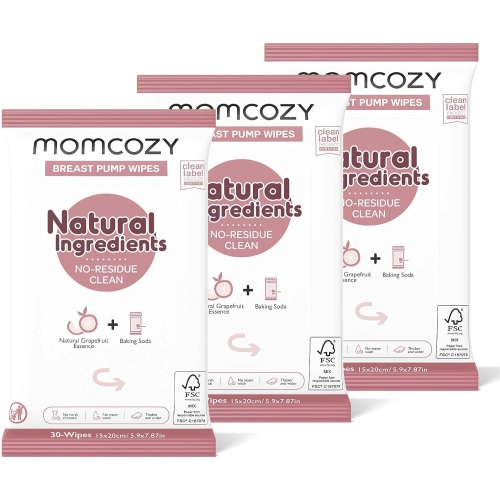
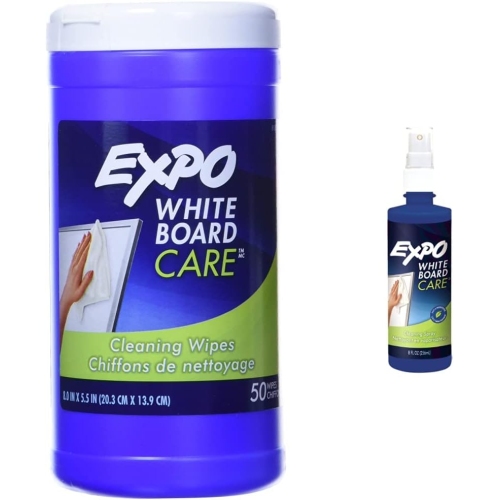
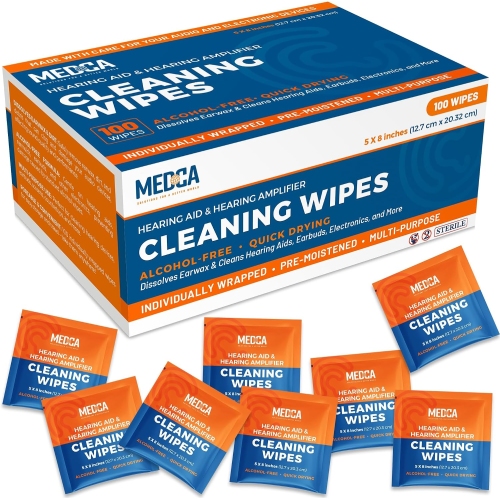
Sanitizing wipes are pre-moistened, single-use cloths formulated to reduce bacteria on skin or compatible surfaces, depending on their labelled purpose. They offer a convenient way to handle routine hygiene tasks without carrying a separate bottle and cloth, whether that means wiping hands between errands or treating a shared hard surface. Hand-sanitizing wipes and surface-sanitizing wipes are not interchangeable: a formula intended for a countertop may be unsuitable for skin, while a hand wipe may have no approved use on household surfaces. Cleaning, sanitizing, and disinfecting also describe different functions. Cleaning removes dirt, grease, and other residue; sanitizing reduces bacteria to levels established by applicable standards; disinfecting targets the bacteria, viruses, or other organisms specified on the label. Some wipes carry a claim to kill 99.9% of specified bacteria under stated test conditions, but that figure does not mean they eliminate every germ or work equally well on every material. For dust, smudges, and everyday spills, Cleaning Wipes may suit the task, while an antimicrobial claim requires the appropriate formula and use conditions. Contact time is particularly important for surface treatments: the surface generally needs to remain visibly wet for the full period listed on the package. A quick pass followed immediately by drying may not deliver the stated result. Visible food residue or grime may also need to be removed before sanitizing or disinfecting, unless the label specifically allows a combined cleaning and treatment process. For hands, wipes labelled for skin offer a portable option when soap and water are not readily accessible, but handwashing remains important when hands are visibly dirty or greasy. These distinctions make the intended use, approved surfaces, and directions more useful comparison points than a fresh scent or a broad claim on the front of a package.
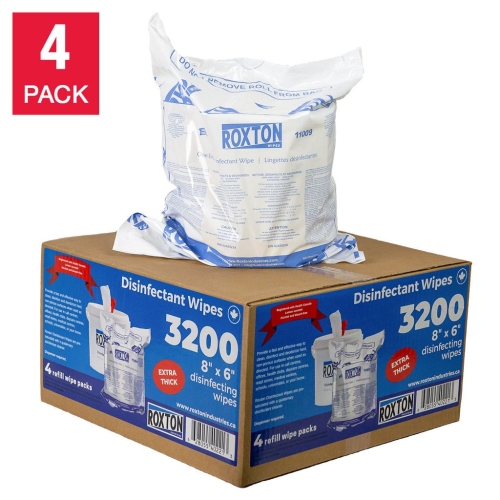
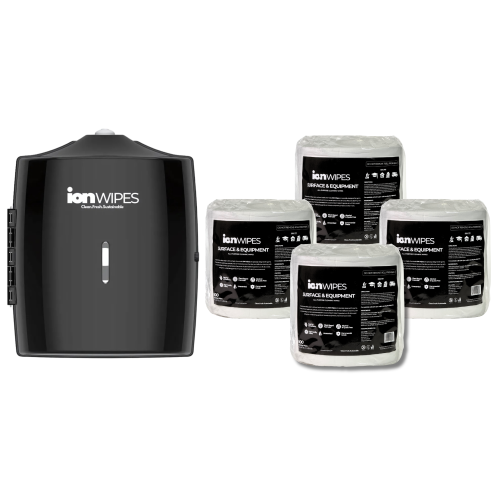
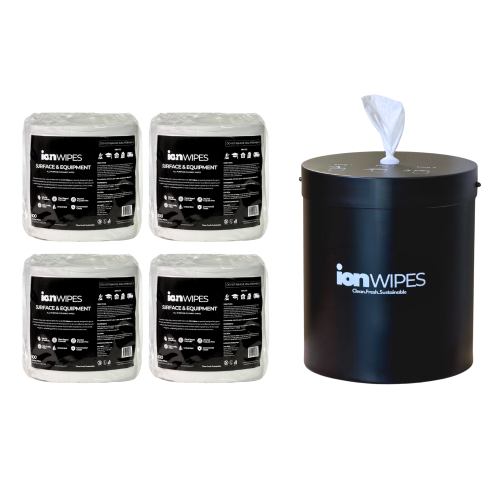
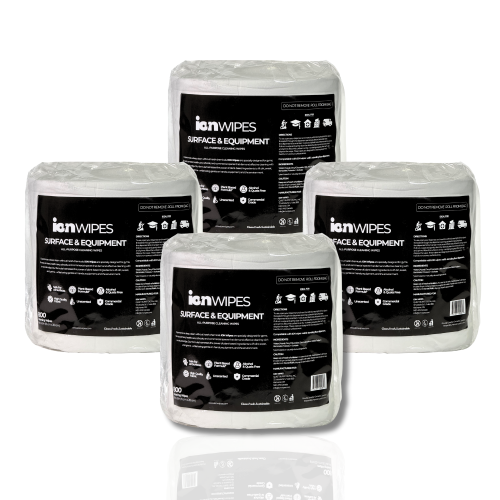
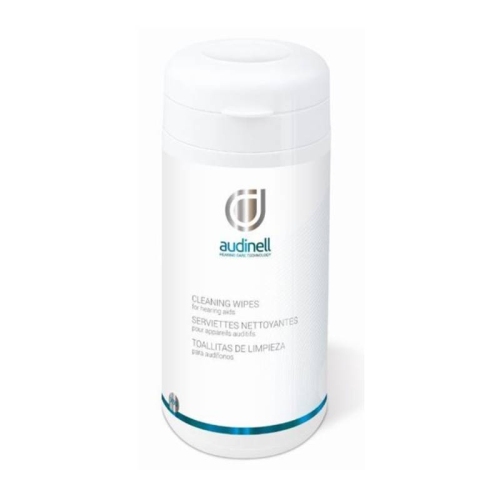
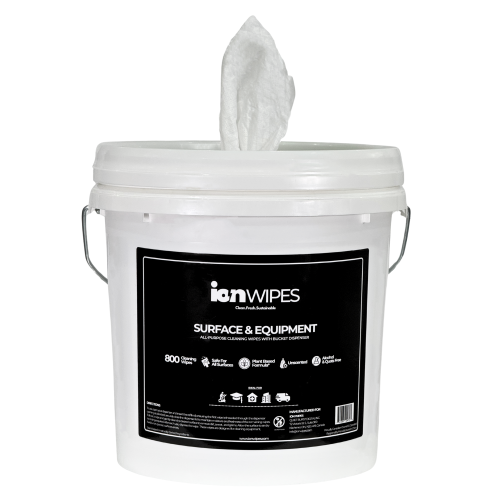
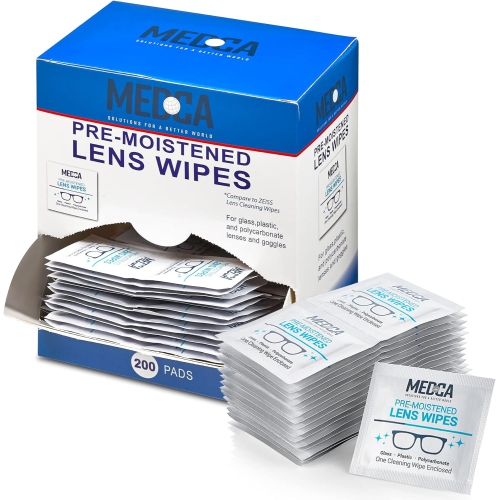
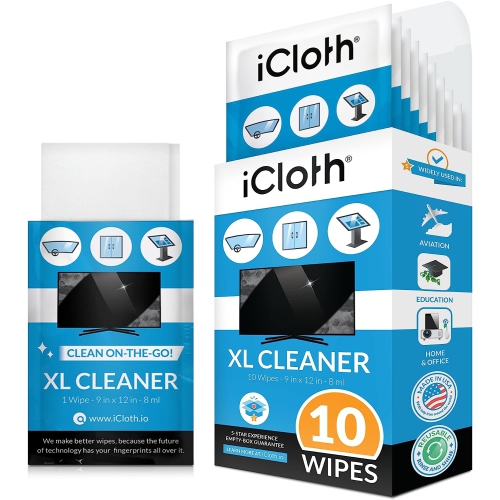
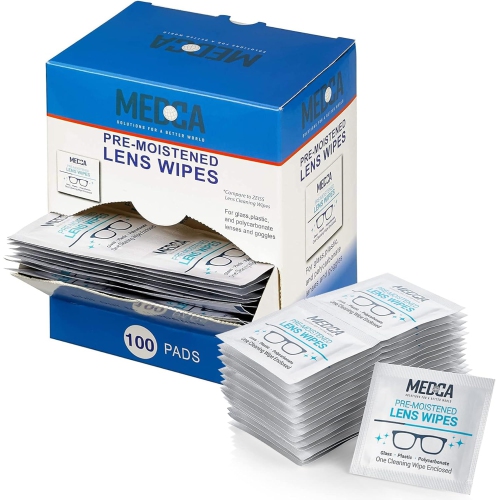
Wipe size, fabric texture, moisture level, and packaging all affect how practical sanitizing wipes feel in everyday use. Non-woven sheets may be smooth, lightly textured, or embossed, with differences in thickness and resistance to tearing. A textured sheet can help loosen light surface soil, while a softer hand wipe may feel more comfortable between the fingers and across the palms. Thickness alone does not establish sanitizing performance; the formula, adequate wetness, coverage, and labelled contact time still matter. A sheet that stays intact while moving over a chair arm or door handle is easier to manage than one that stretches apart, but even a sturdy wipe is intended for a single use. Larger sheets can cover more area, although the need for additional wipes depends on how quickly the surface dries and how much soil is present. Individually wrapped formats fit neatly into a handbag, backpack, or travel pouch and keep each unused sheet sealed until needed. Resealable soft packs take up relatively little room in a desk drawer, while dispensing canisters can be convenient beside a shared workstation or in a household cleaning cupboard. A closure that seals securely helps preserve moisture between uses; dried-out sheets may no longer provide the coverage needed for the labelled task. Fragrance-free options may appeal to people who prefer less scent on their hands or nearby surfaces, though fragrance-free does not automatically mean suitable for every skin sensitivity. Hand formulas may include moisturizing ingredients to improve comfort during repeated use, but that feature does not make them appropriate for the face or other areas unless the label allows it. Commuters, caregivers, travellers, and people sharing office equipment may each value different pack formats, with portability, ease of dispensing, and a dependable seal often making the greatest day-to-day difference.
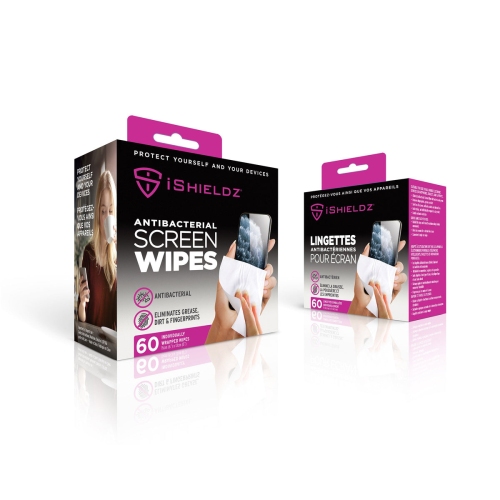
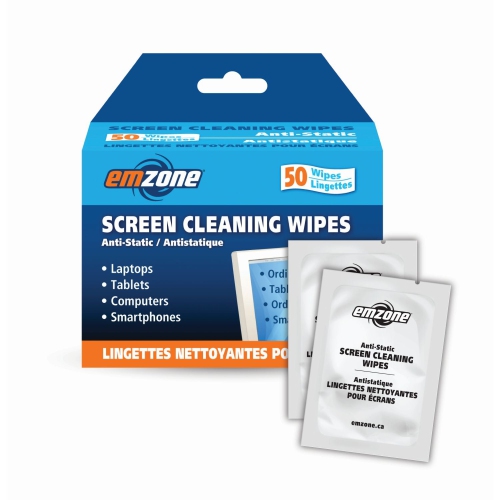
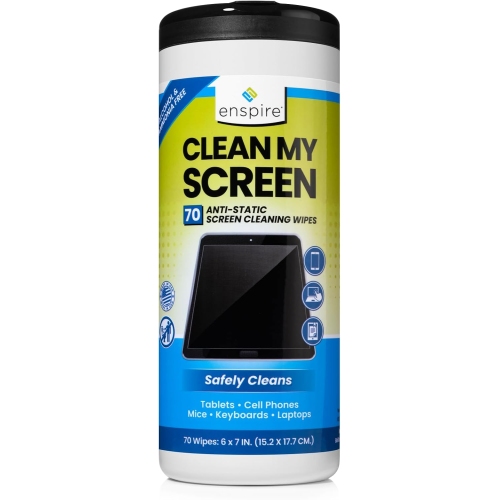
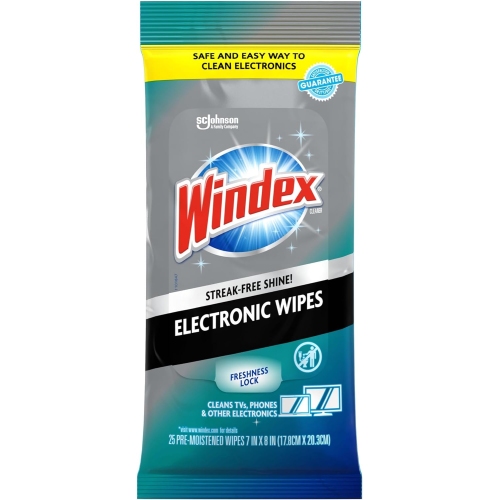
Surface compatibility deserves attention wherever sanitizing wipes become part of a regular routine. Sealed countertops, plastic chair arms, painted cupboard handles, stainless steel fixtures, and electronic devices can have very different care requirements, even when they all appear smooth and easy to wipe. A formula suitable for one hard, non-porous surface may dull a finish, affect a coating, or leave visible streaks on another. Unsealed wood, porous stone, leather, and fabric need particular care because they can absorb moisture or react to ingredients differently from sealed surfaces. For phones, tablets, keyboards, and touchscreens, the device manufacturer’s cleaning directions take priority; alcohol tolerance and resistance to moisture vary, and a wipe should not leave liquid pooling around ports, seams, or keys. A home office might benefit from a surface-compatible wipe for a shared mouse or desk edge, while a kitchen requires attention to whether a treated food-contact surface needs a potable-water rinse afterward. Toys and objects that children may put in their mouths also require explicit label permission and any stated rinsing step. These details help match the wipe to the task without treating every surface as though it has the same finish or exposure. Storage matters just as much as selection: the original package keeps directions, precautions, and first-aid information together, and a firmly closed lid or seal helps limit drying. Packages belong away from children and pets, separate from food, and away from heat or ignition sources when the formula is flammable. Sanitizing wipes should not be mixed with other cleaning chemicals or transferred into an unlabelled container. Used sheets belong in household waste rather than the toilet, since wipe fibres can contribute to plumbing blockages. A practical routine uses enough fresh wipes to cover the intended area and maintain the required wetness, without carrying visible dirt from a heavily soiled spot onto a cleaner one. The best fit is a wipe whose labelled purpose, material compatibility, pack design, and care requirements match the places and people it will serve.
Top selling and popular products
-
 Your price for this item is $10.99
-
 Your price for this item is $649.99
-
 Your price for this item is $70
-
 Your price for this item is $65
-
 Your price for this item is $70
-
 Your price for this item is $90
-
 Your price for this item is $75
-
 Your price for this item is $43.99
Discover more categories related to Sanitizing Wipes
Top Collections:
Best Black Friday Deals This Year, Best Black Friday Deals On Electronics, Kindle Devices, Pokemon Centers, Best Black Friday Deals On Apple Products, Best Cameras for Sports Photography, Dyson Airwrap, Pokémon 30th Celebration Cards, Apple iPhone 17 Pro, Canon G7X Cameras
Some products may be subject to Environmental Handling Fees
(EHF) depending on your province.
Learn more about EHFs.