Senior Walkers
As we age, maintaining independence and mobility becomes increasingly important. Senior walkers are designed to provide support and stability for those who may need assistance with walking. Whether for everyday use or during outings, these mobility aids offer a sense of security and freedom. With various styles and features available, finding the right senior walker can greatly improve quality of life for seniors and their caregivers. Discover a range of options to suit different needs and lifestyles in our selection of senior walkers.
Sort
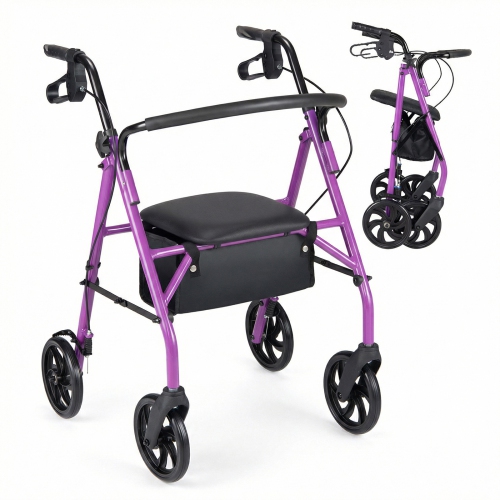
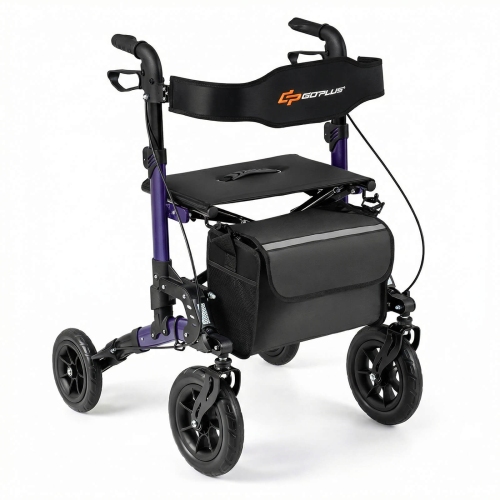
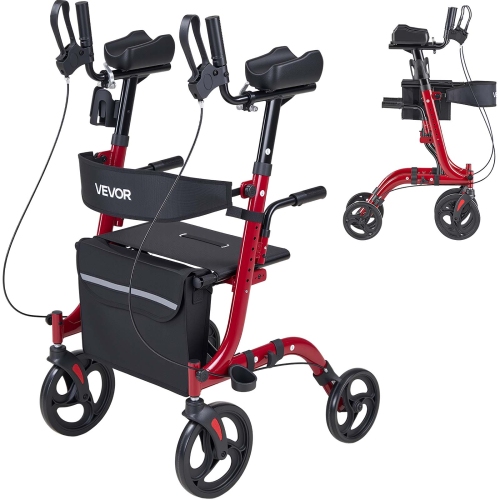
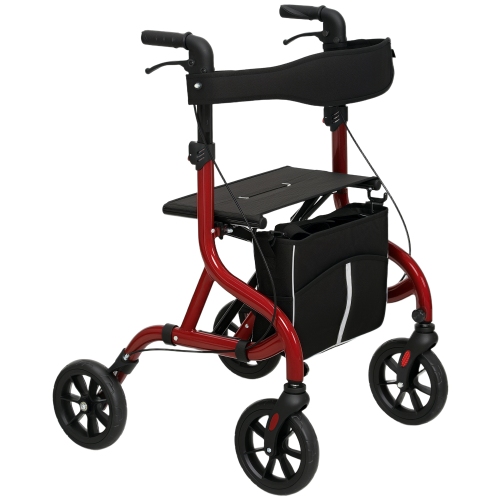

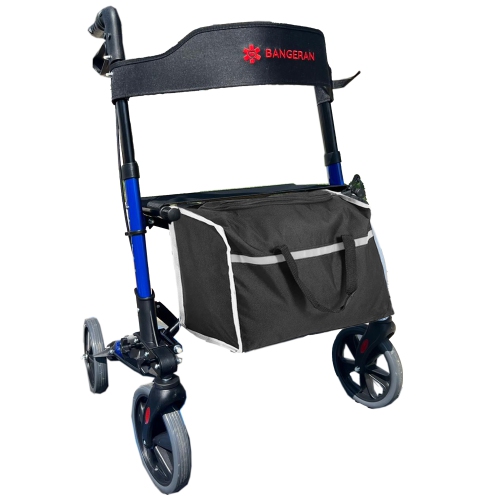
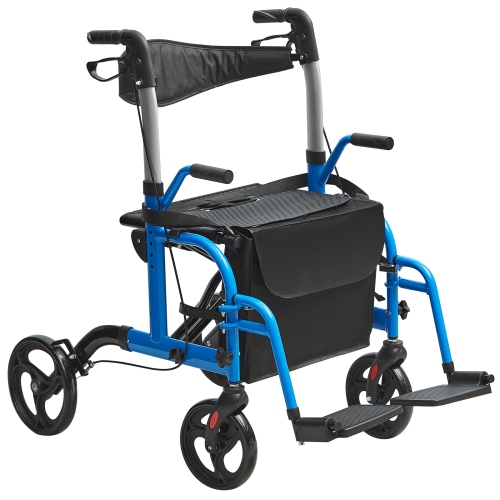
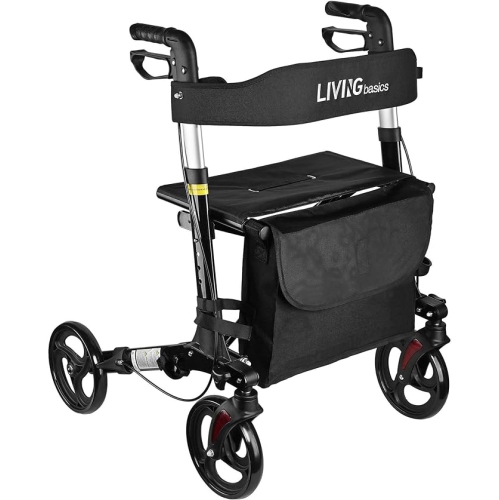
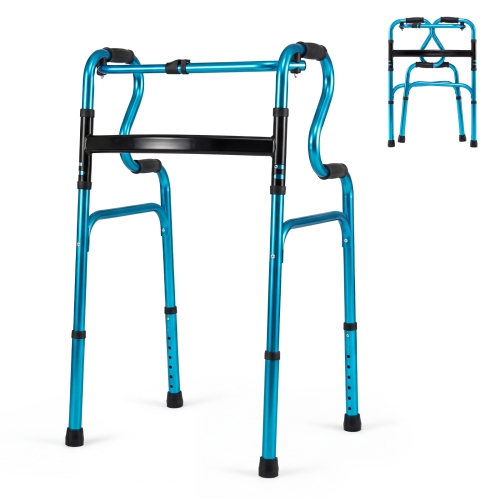

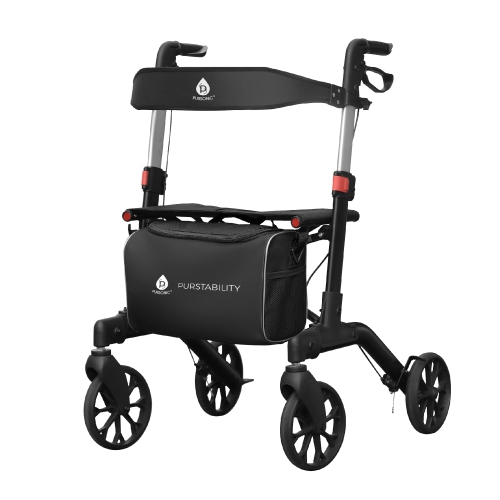
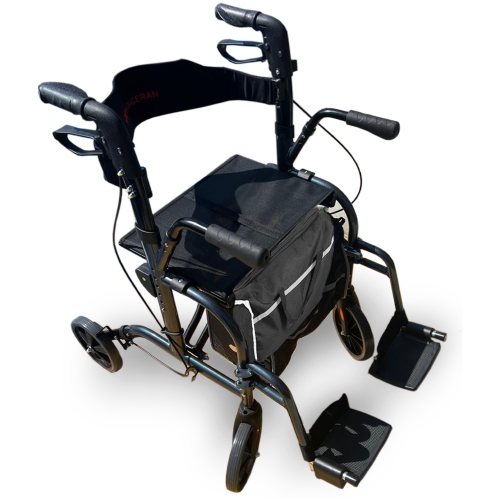
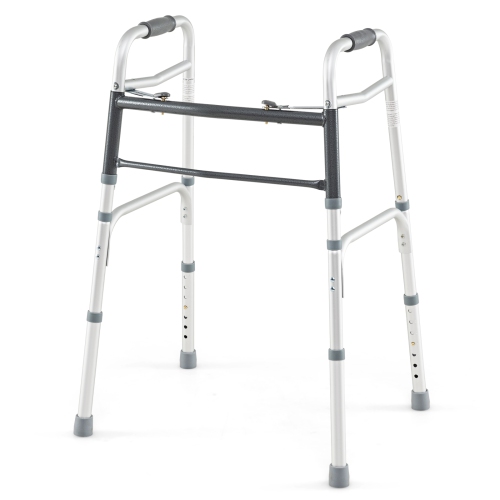
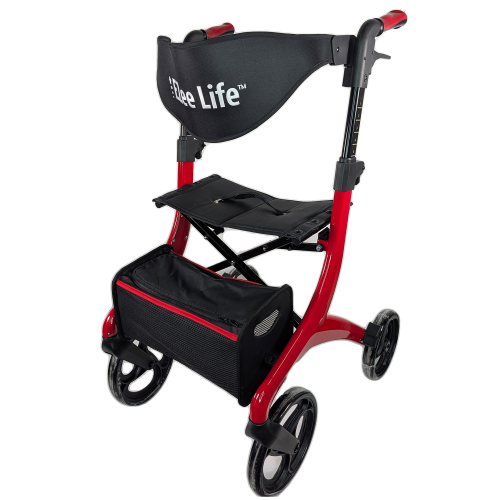
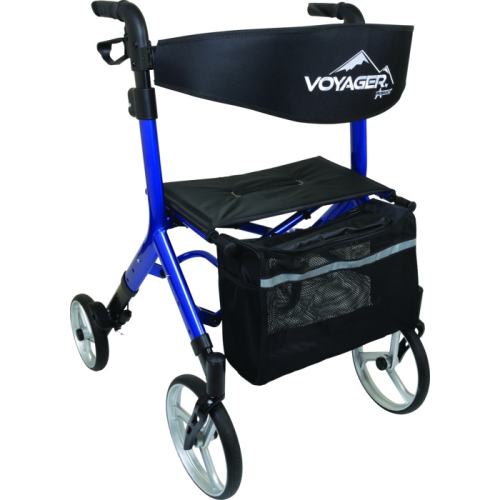
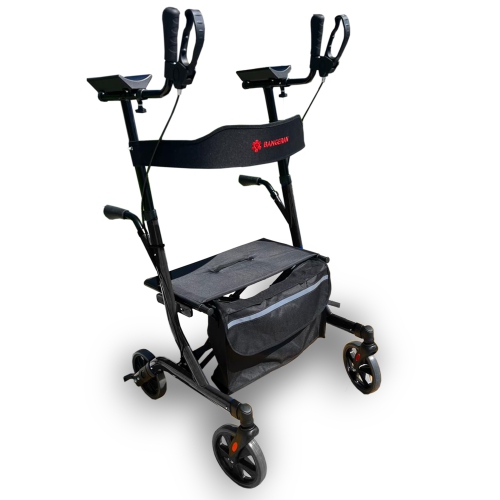
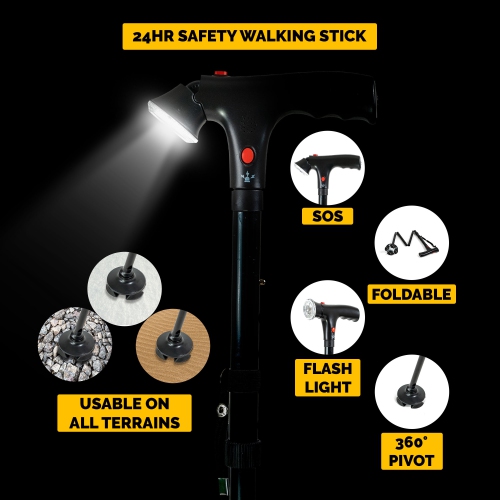
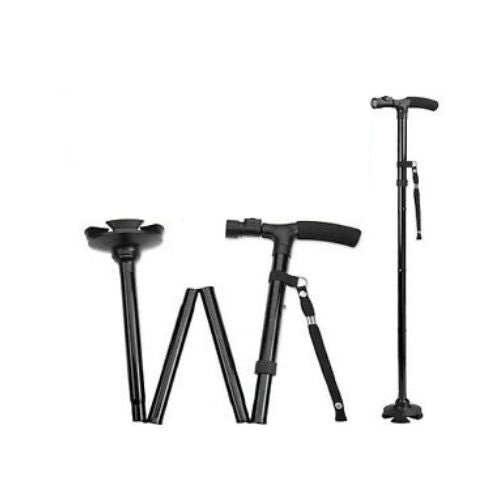
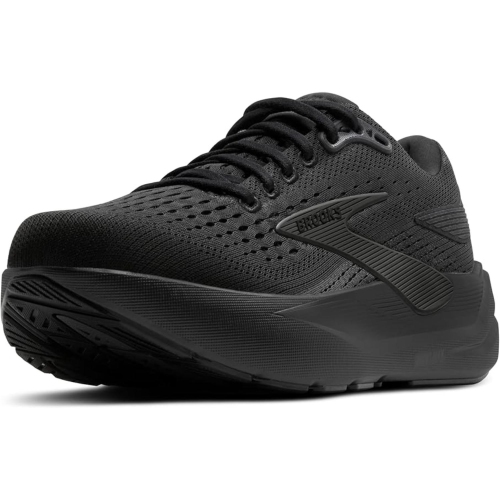
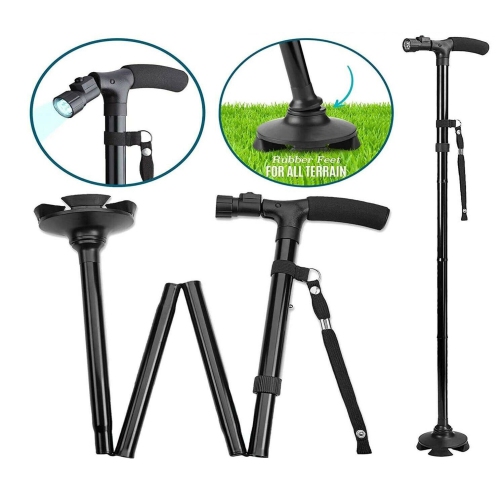
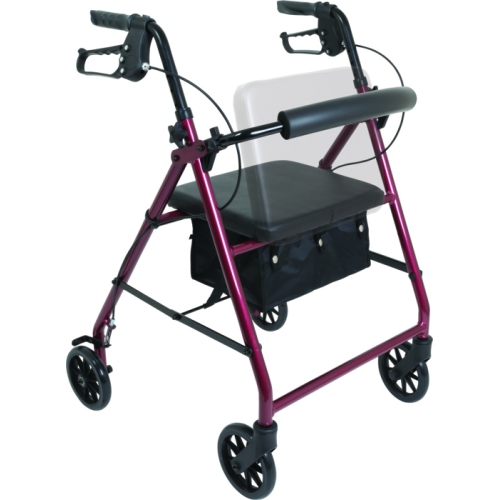
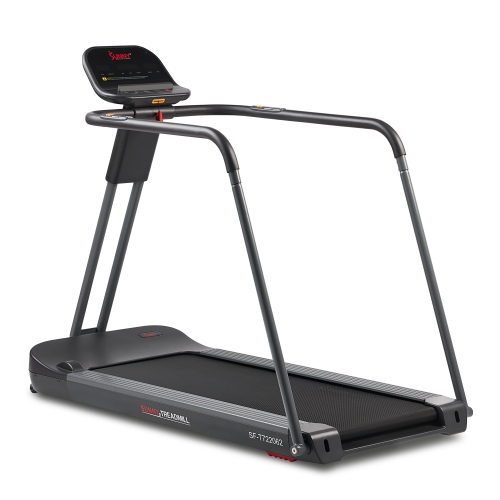
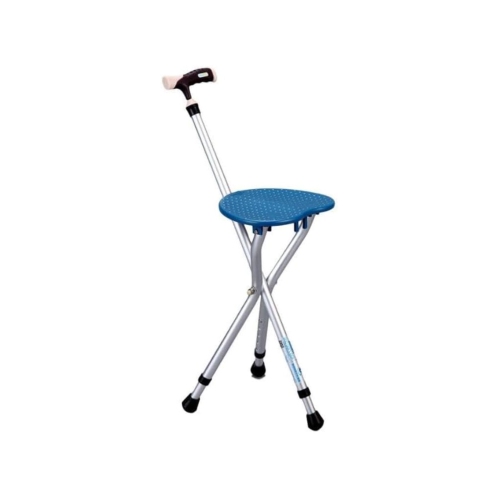
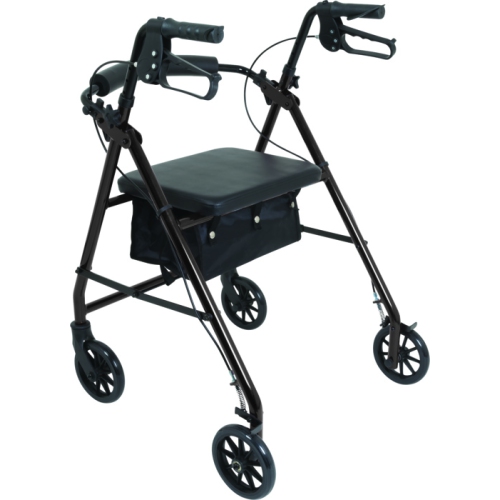
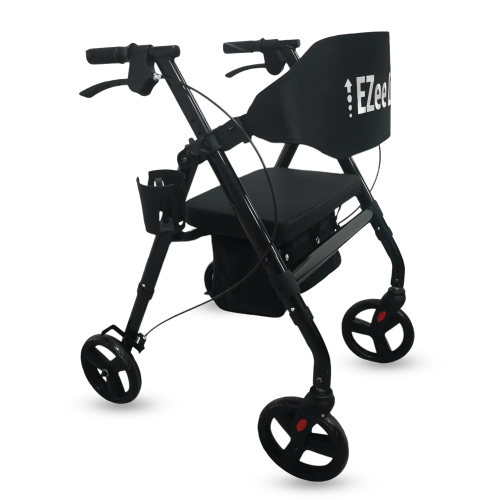
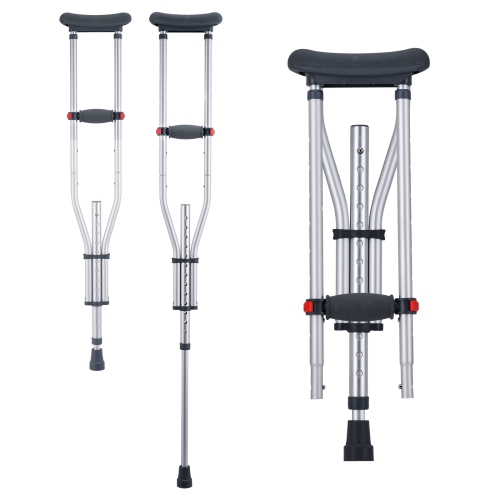

Practical features that support comfort and independence
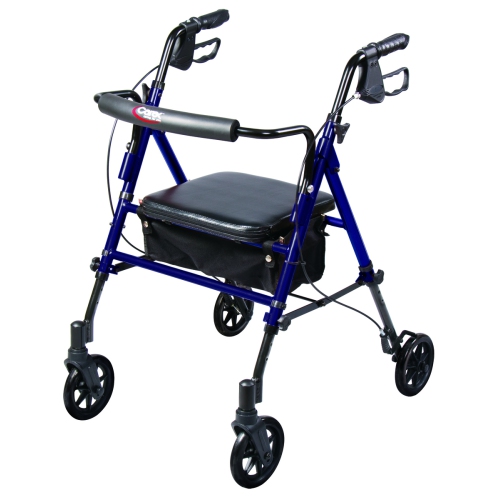
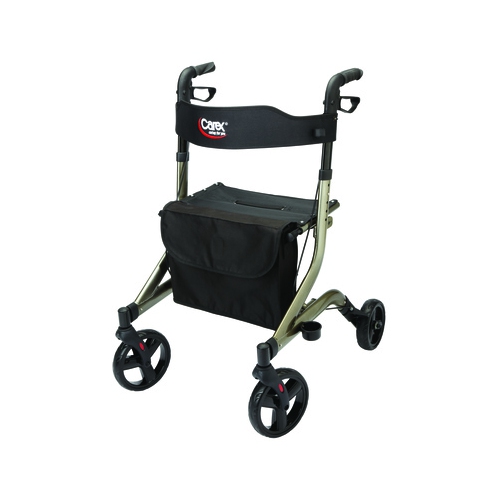
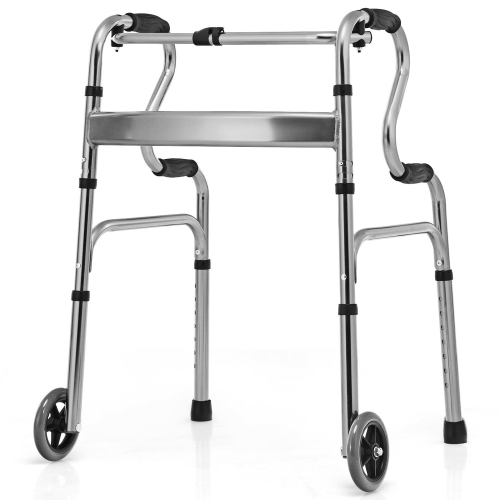
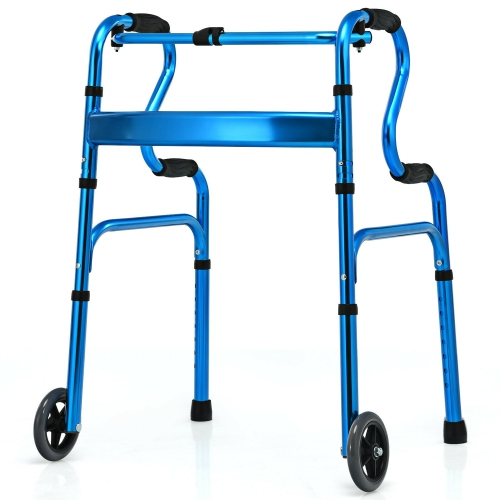
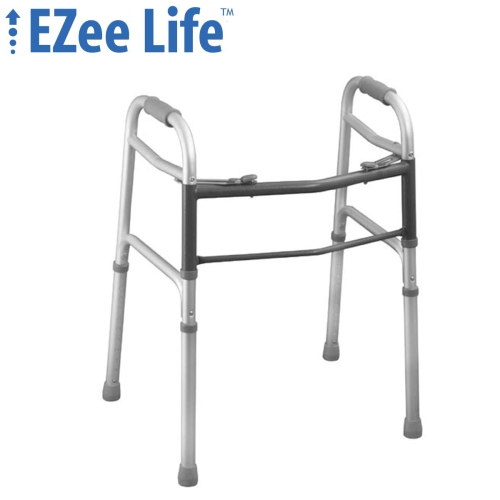
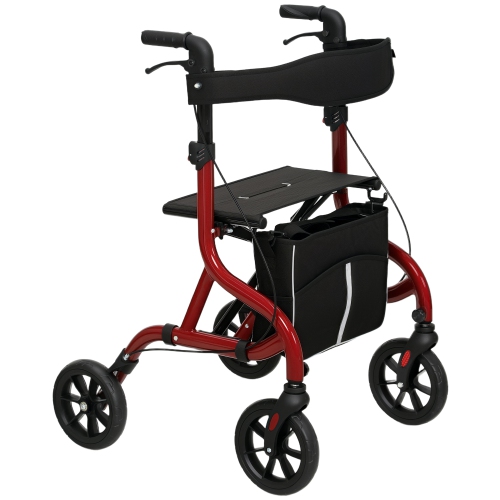
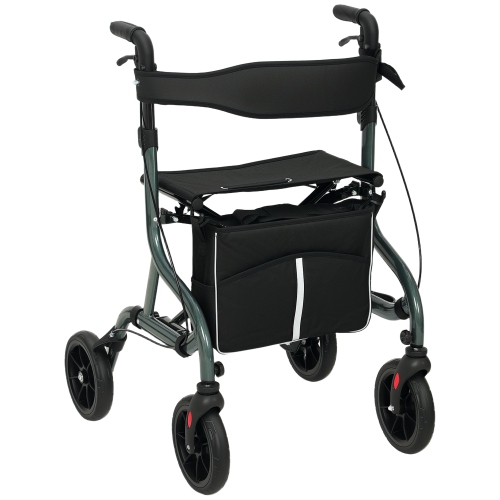
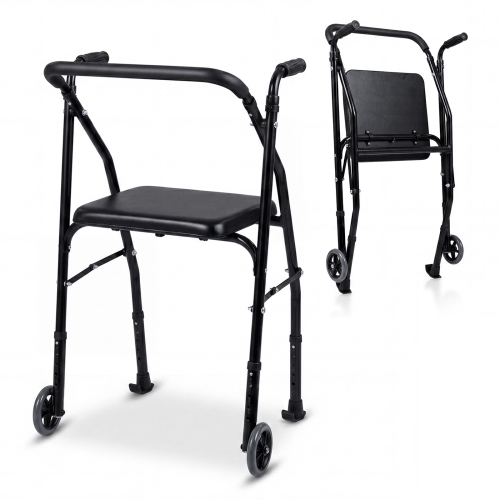
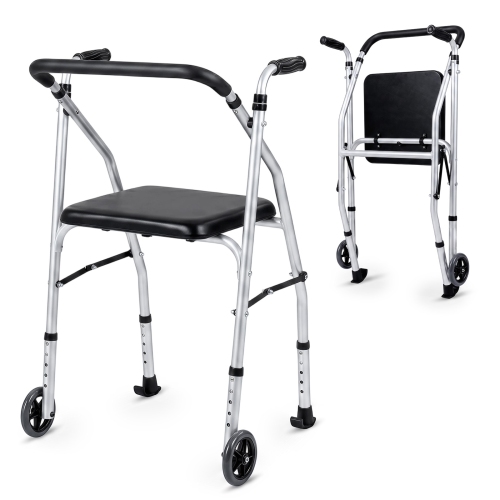
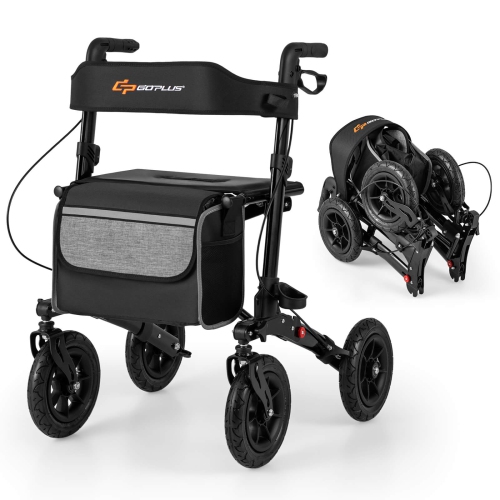
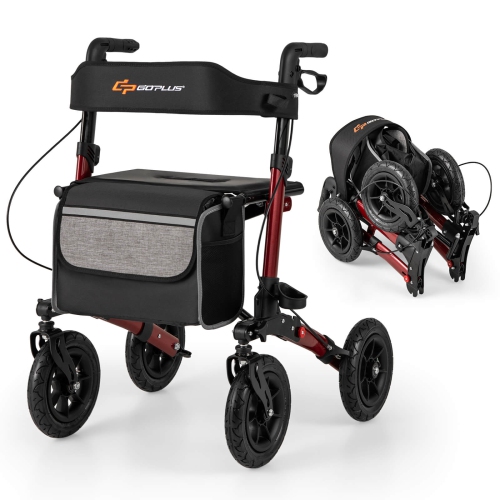
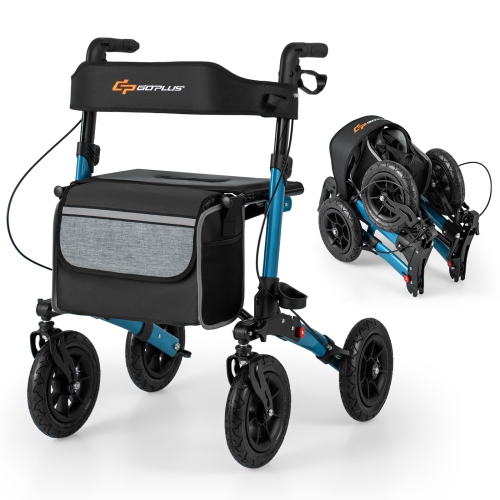
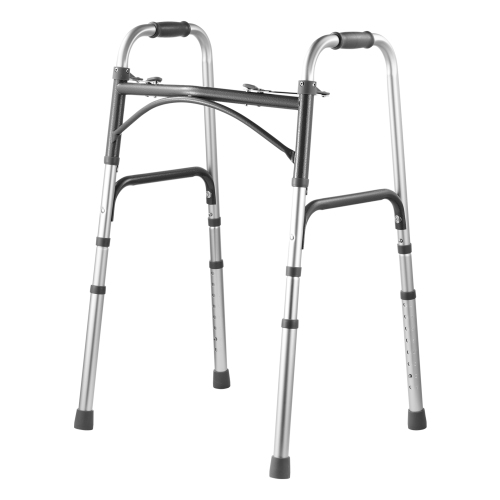
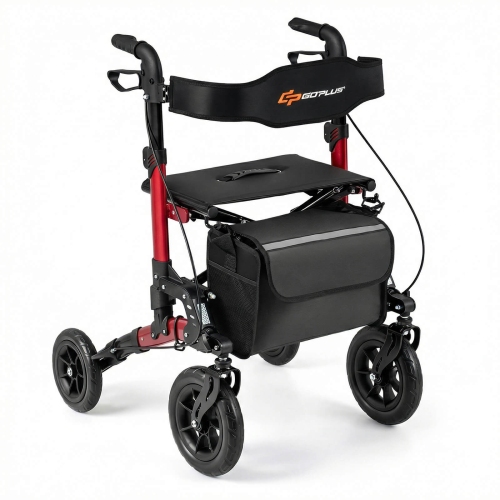
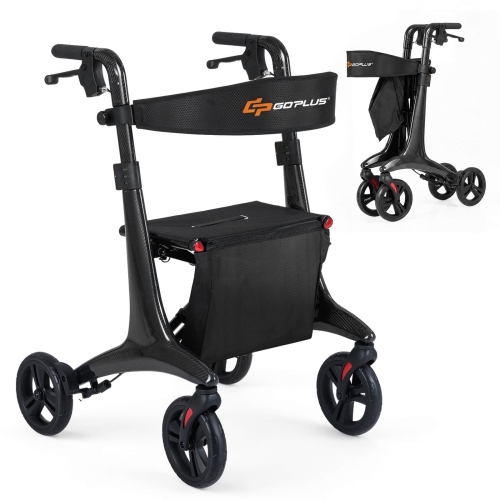
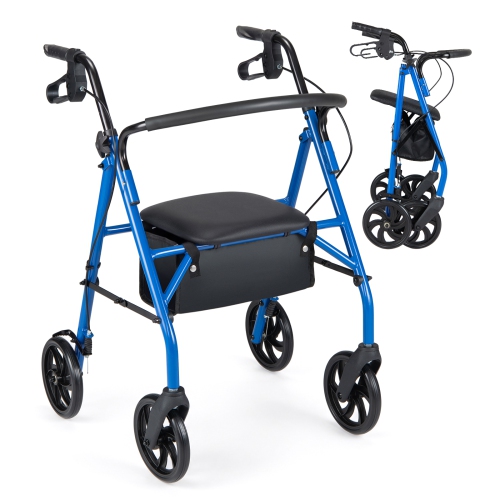
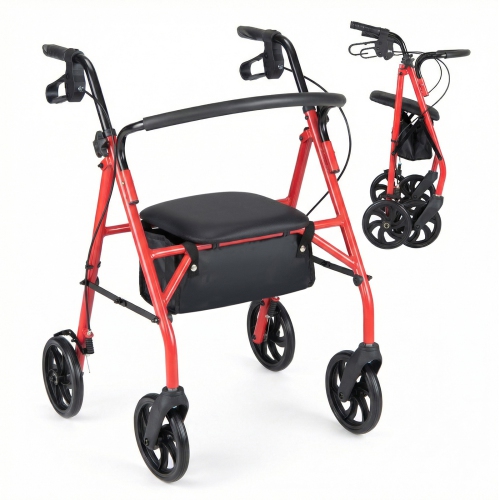
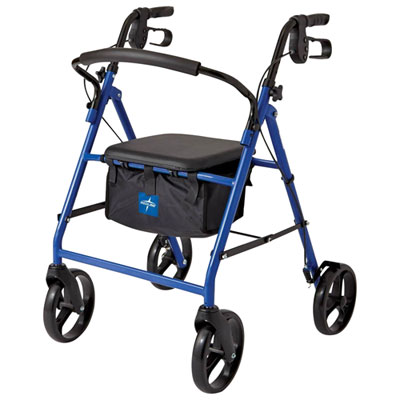
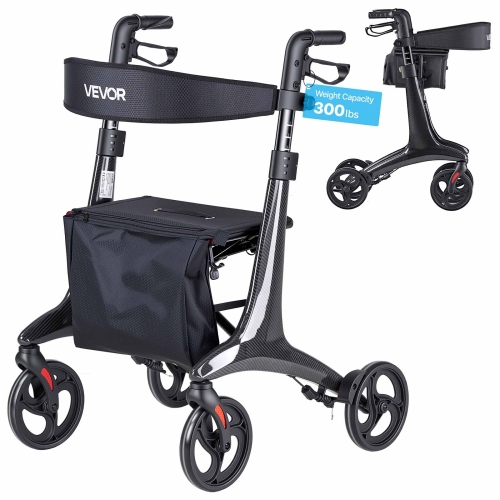
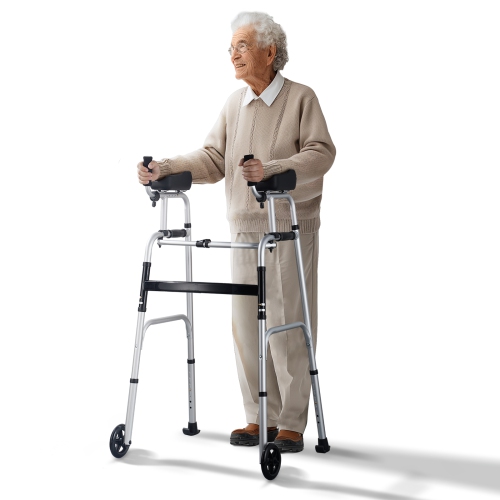
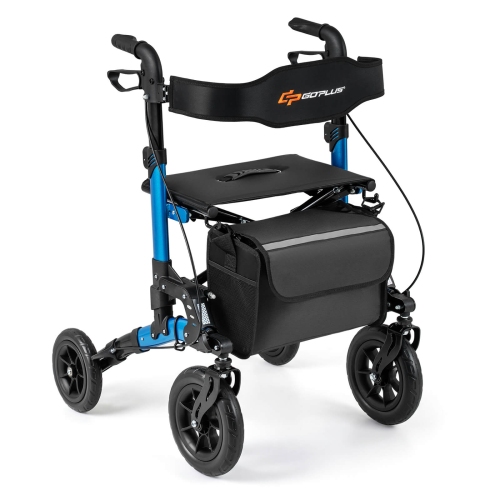
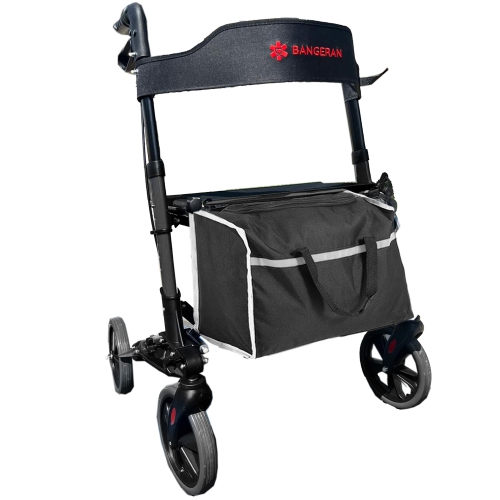
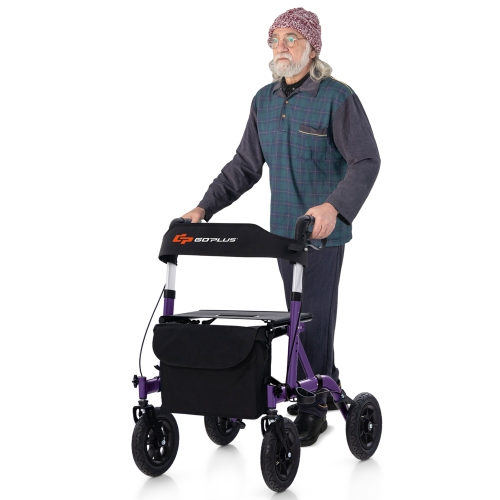
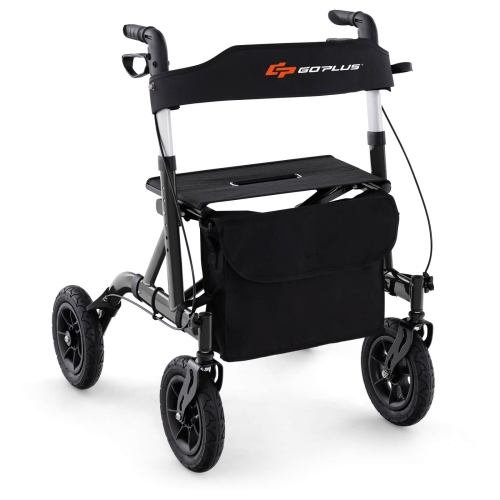
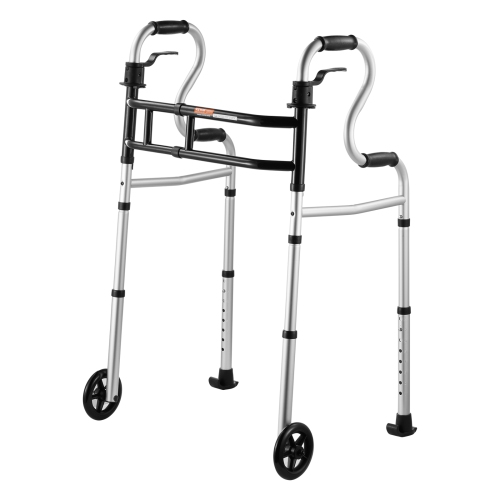
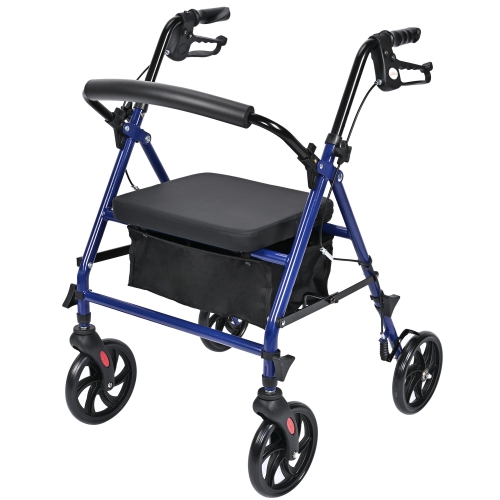
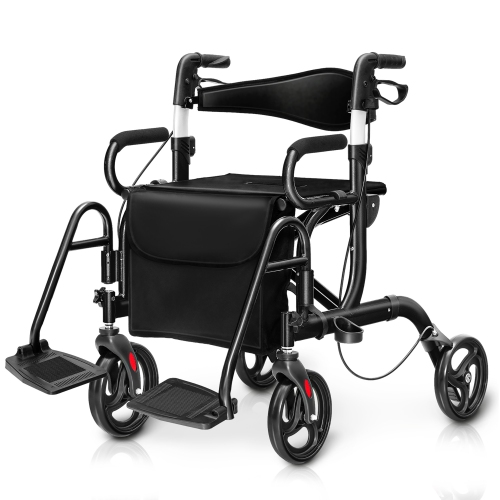
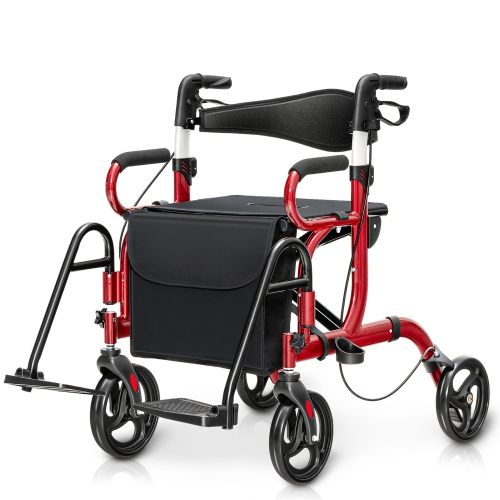
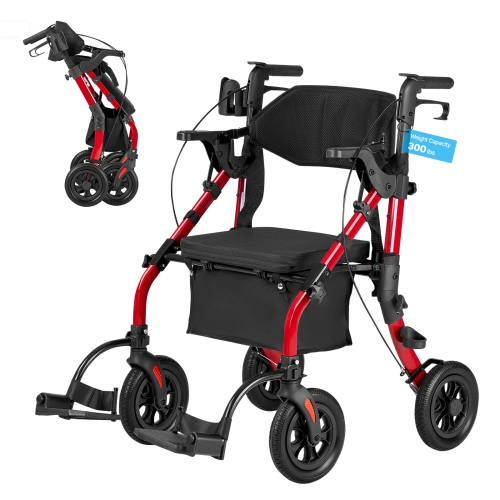
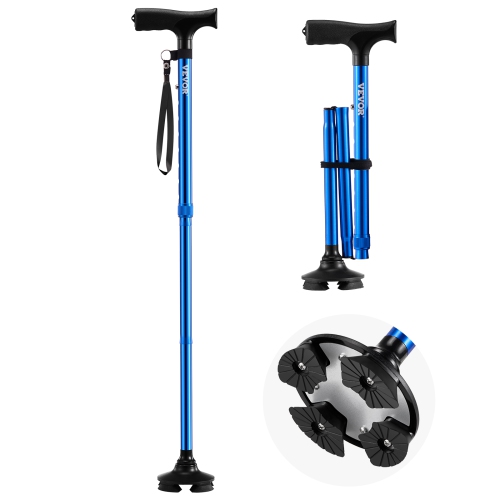
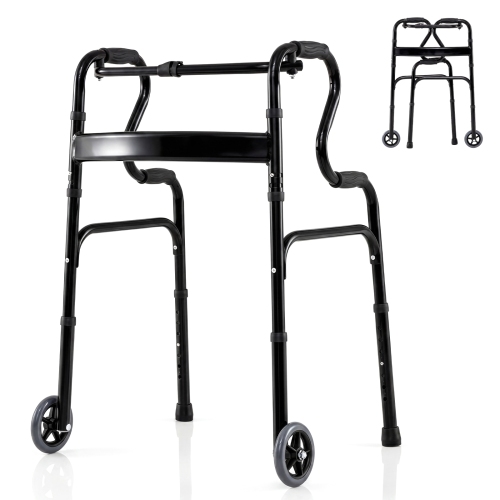
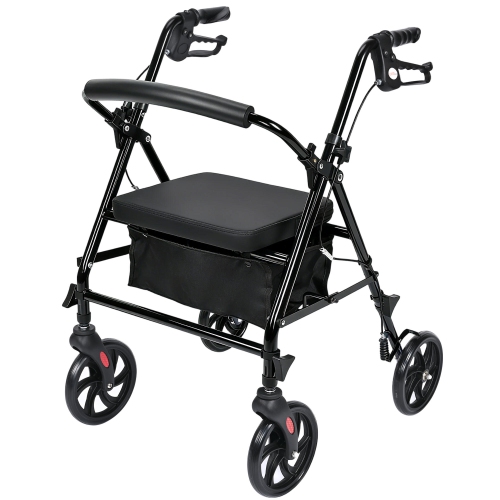
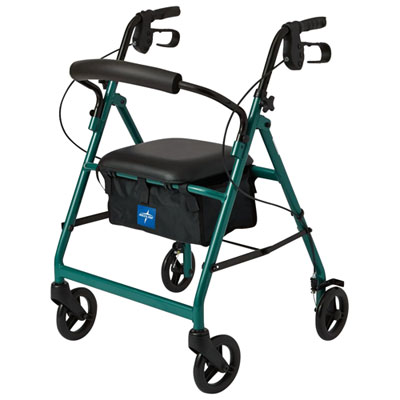
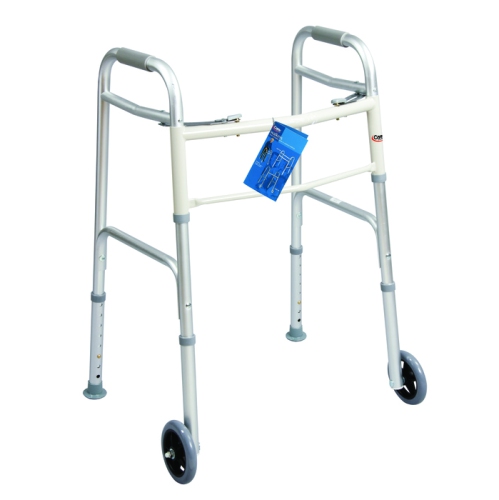
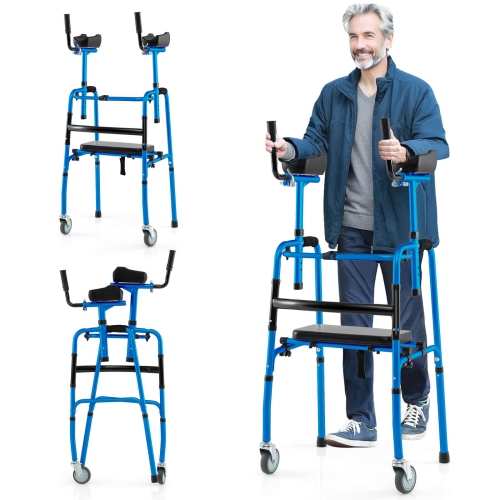
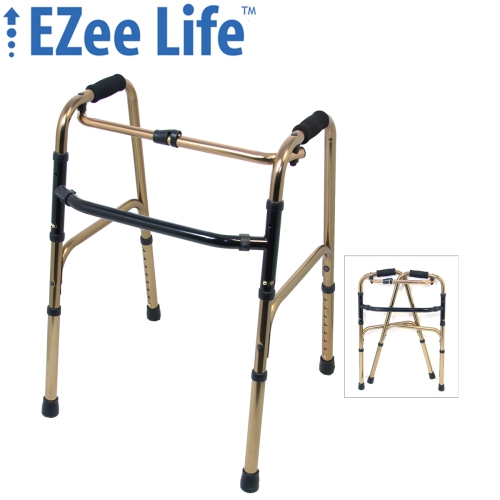
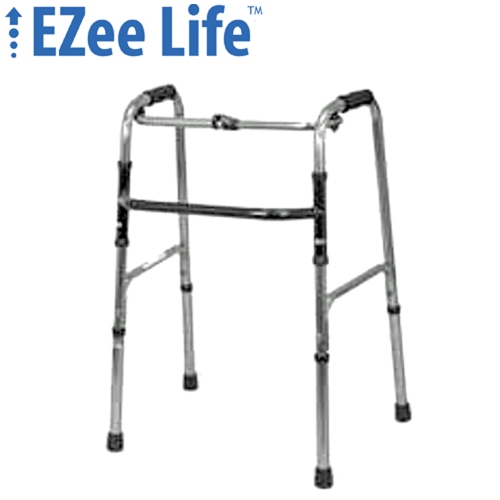
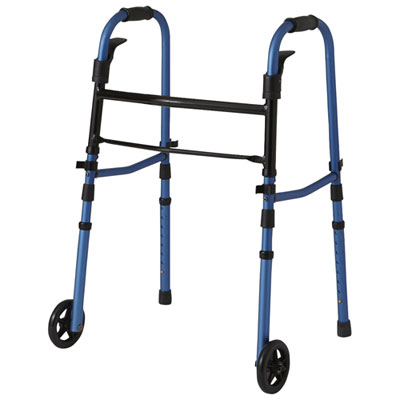
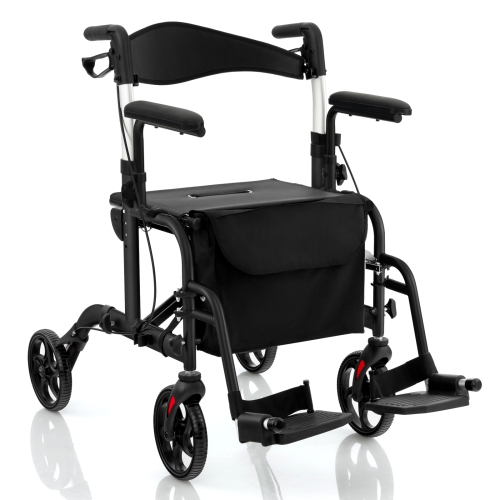
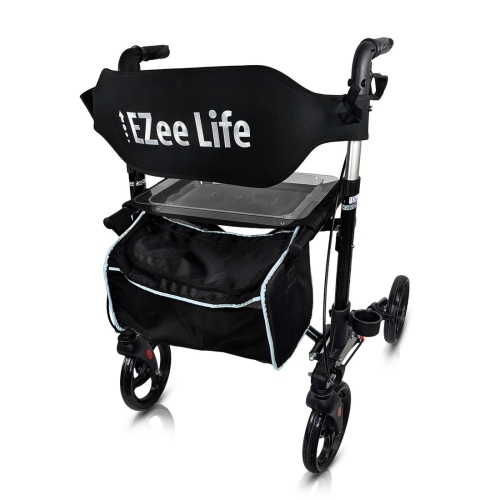
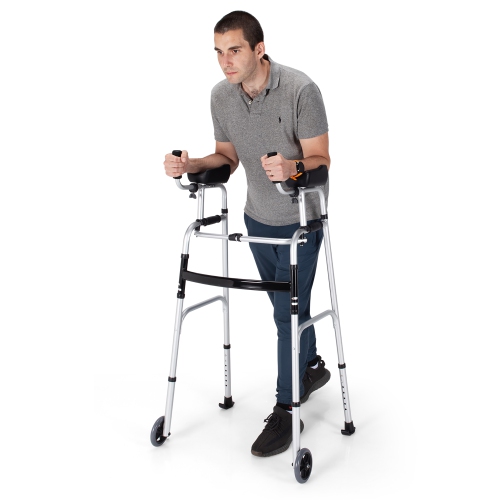
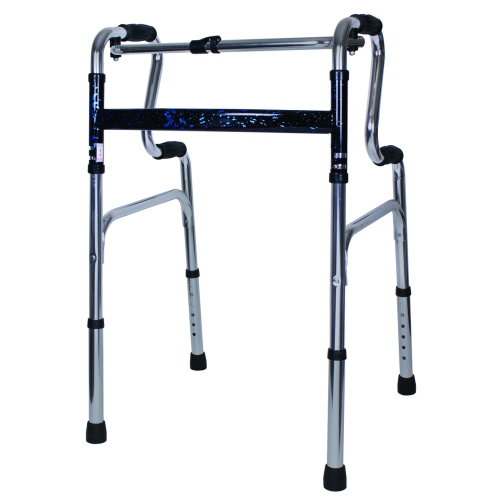
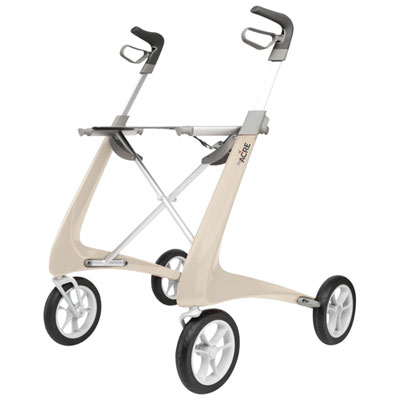
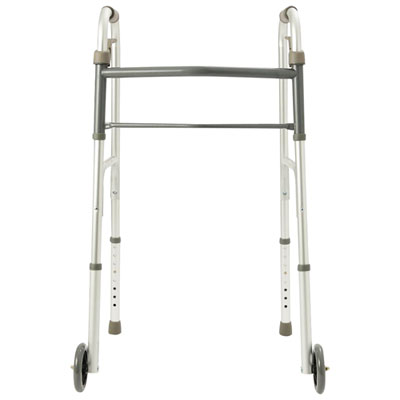
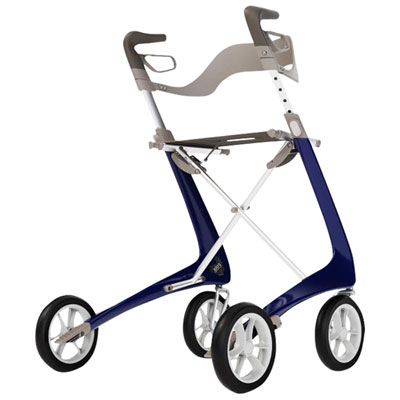
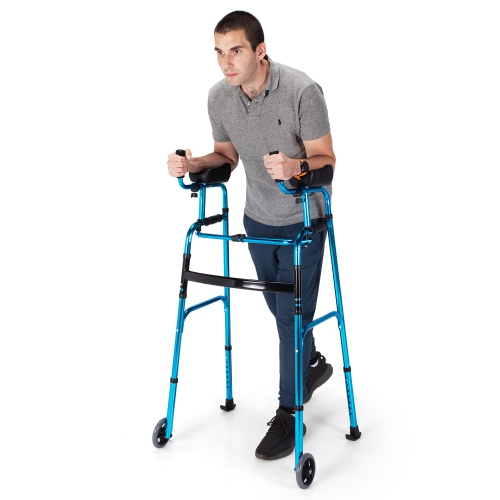
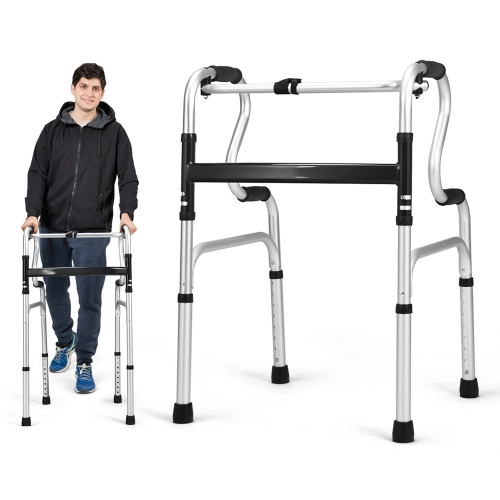
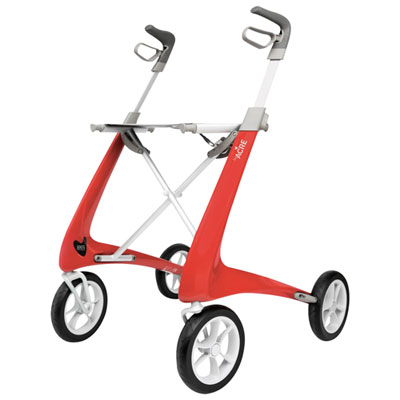
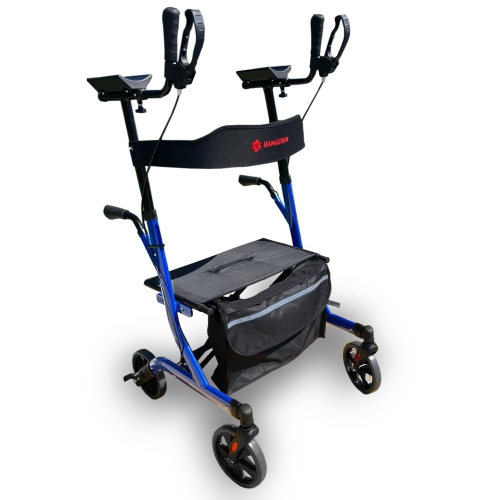
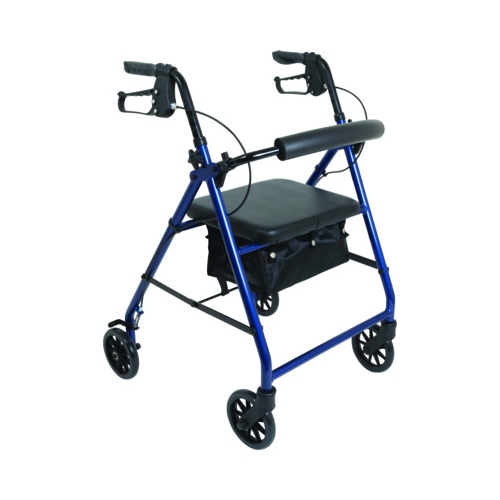
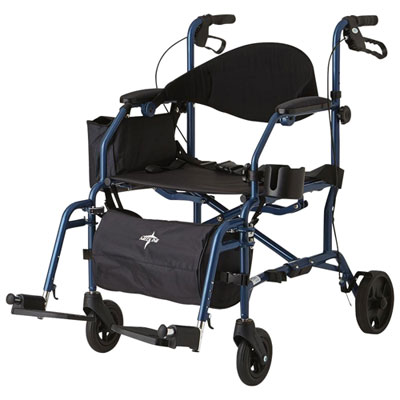
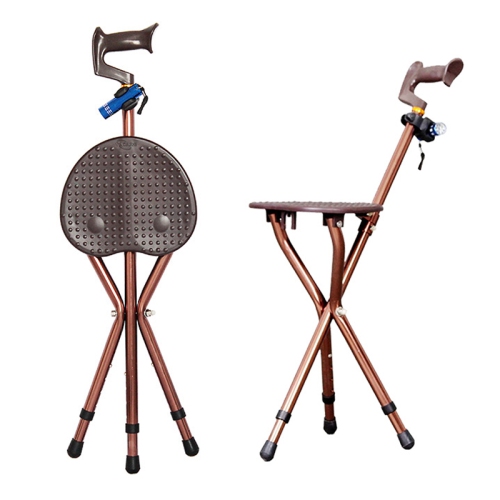
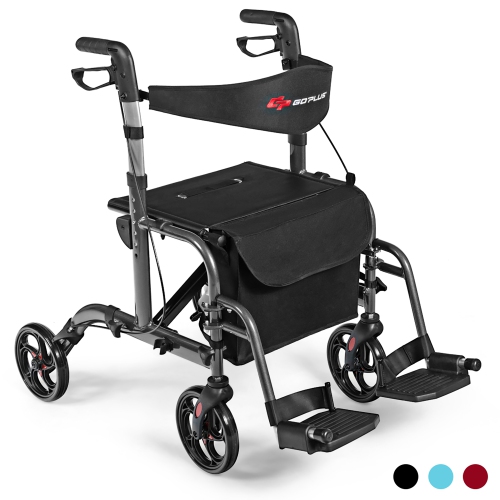
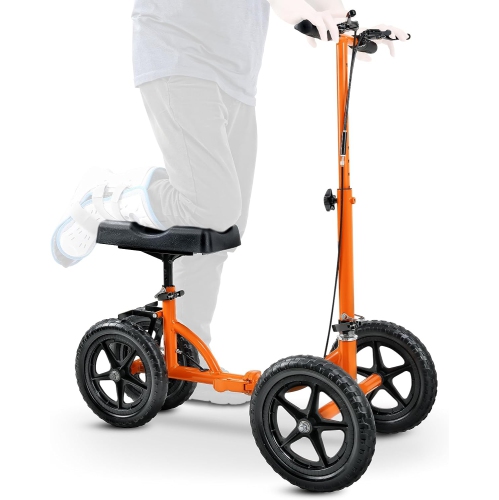
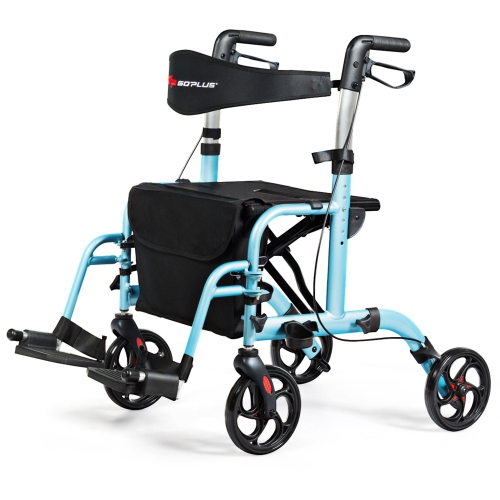
Senior walkers can provide practical support for older adults who want to move around their home and community with greater confidence. They may be useful for someone recovering from an injury, managing balance concerns, experiencing reduced strength, or simply looking for a steadier way to walk through the day. A walker can offer a stable frame to hold while standing, turning, or moving across different surfaces, making everyday routines such as getting from the bedroom to the kitchen, visiting a neighbour, or browsing a shop feel more manageable. The right choice depends on the user’s mobility, height, strength, environment, and level of assistance required. A basic walking frame may suit someone who needs a firm, lightweight support for short distances, while a wheeled style can make it easier to maintain a natural rhythm without lifting the entire frame with every step. For shoppers comparing options, consider the balance between stability and manoeuvrability, along with the walker’s overall weight and whether the user can comfortably lift, fold, steer, and store it. Height adjustment is especially important: the handles should allow the user to stand upright with a relaxed grip and slightly bent elbows rather than leaning heavily forward or reaching down. A healthcare professional, physiotherapist, or occupational therapist can help determine the most appropriate style and fit, particularly when a walker is being used after surgery or for a significant change in mobility. It is also wise to check the recommended user weight, frame width, wheel or foot design, and any instructions for safe operation before making a purchase.
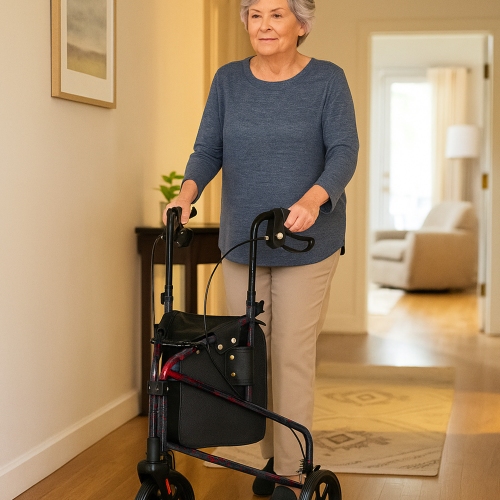
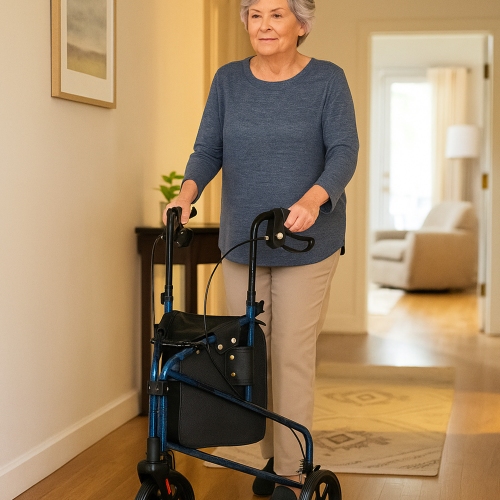
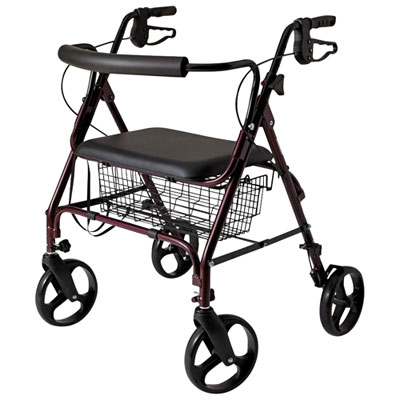
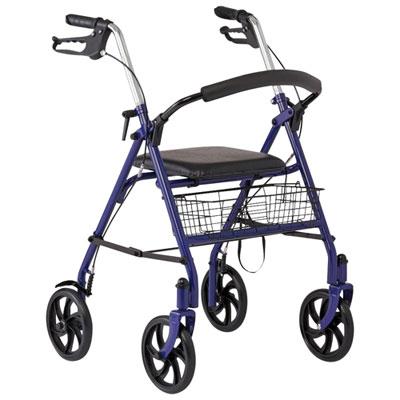
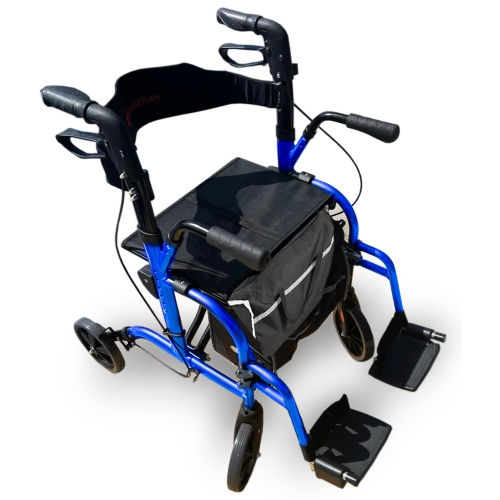
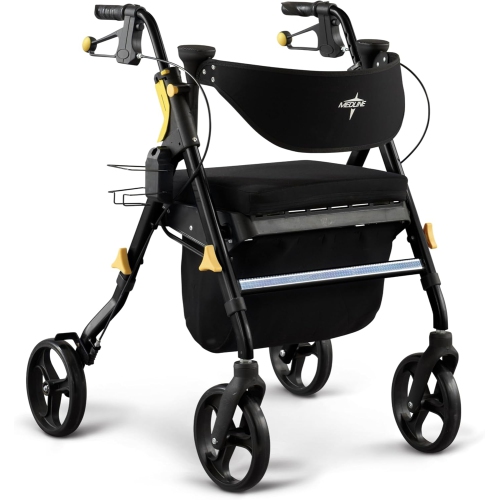
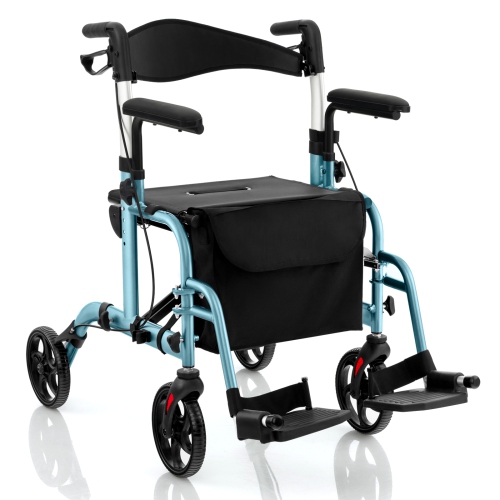
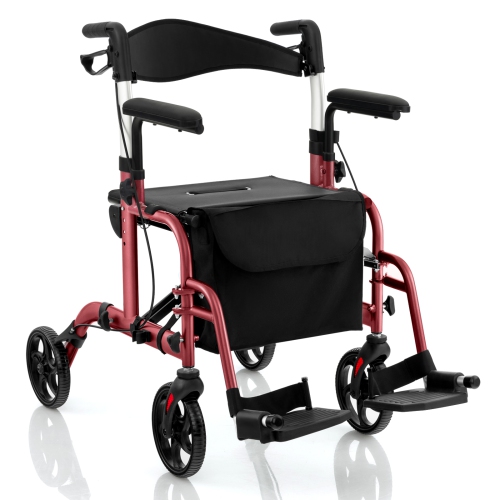
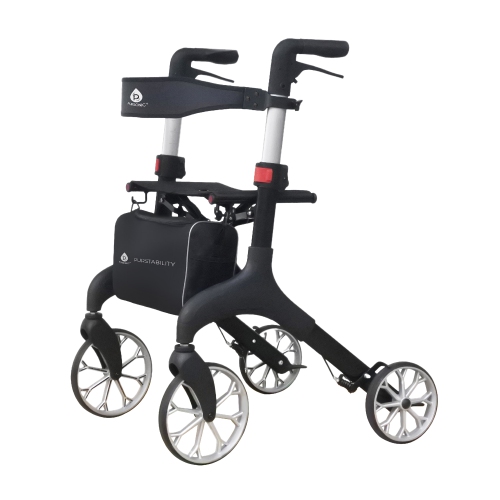
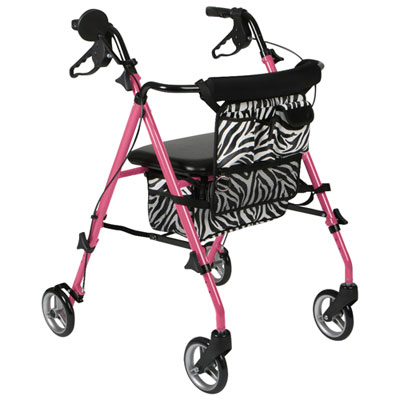
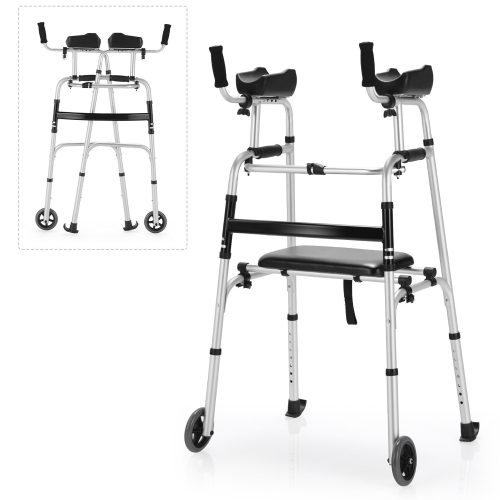
Think about where the walker will be used most often. In a home with narrow hallways, tight bathroom entrances, area rugs, and furniture arranged close together, a compact frame with a controlled turning radius may be easier to guide. For longer outings, the ability to move smoothly over sidewalks, building entrances, parking lots, and other firm surfaces can make a noticeable difference. Some users appreciate hand brakes that help control speed and allow the walker to remain securely in place when stopped, while others may prefer a simpler design with fewer controls. A built-in seat can provide a welcome place to pause during a walk, especially when spending time at a community centre, shopping area, garden path, or family gathering, but it can also add weight and bulk. If a seat is included, check that it is comfortable, stable, and used only when the walker is positioned as directed. Storage features may be helpful for carrying small personal items, but bags and baskets should not be overloaded or allowed to interfere with the wheels, brakes, or walking path. Folding mechanisms can make transport and storage more convenient, whether the walker is kept beside a favourite chair, placed in a vehicle, or carried between floors, although the user should be able to operate the mechanism safely or have assistance available. During the warmer seasons, a walker may accompany someone on a quiet stroll around the neighbourhood or to an outdoor appointment; during cooler months, it can support movement through indoor spaces such as libraries, recreation facilities, clinics, and shopping centres. Regardless of the season, clear pathways, adequate lighting, dry surfaces, and properly maintained wheels or glides are essential. Avoid using a walker on stairs or escalators unless a qualified professional has specifically recommended a safe method, and take extra care around wet entrances, loose mats, uneven pavement, and changes in floor height.
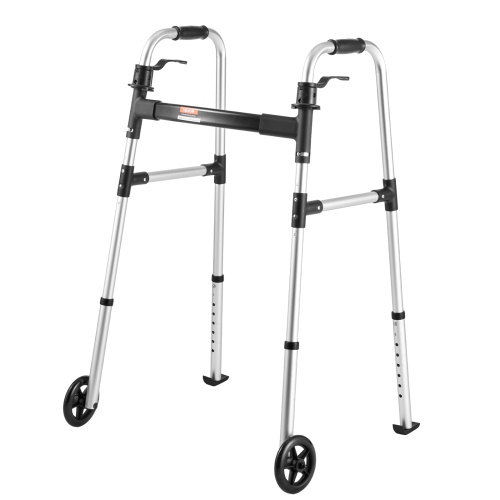
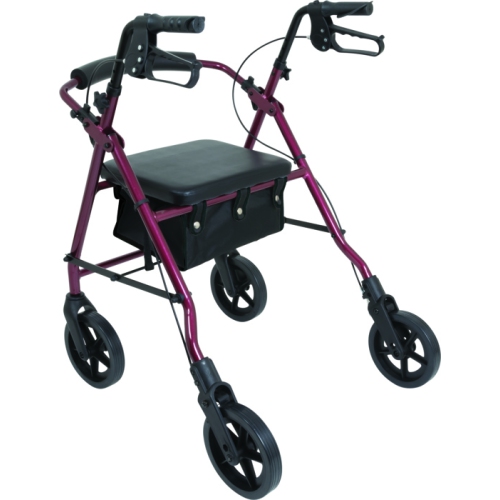
A senior walker can be a thoughtful and useful gift for a parent, grandparent, relative, friend, or neighbour who is adjusting to new mobility needs, although the recipient’s comfort and independence should guide the decision. Mobility aids are personal equipment, so choosing one together is often more helpful than surprising someone with a style that may not suit their body or daily routine. Before gifting or setting up a walker, confirm the correct handle height, read the manufacturer’s instructions, and make sure the frame locks fully into position. It is worth practising in a familiar room before heading outdoors: take small steps, keep both hands on the grips, look ahead rather than down at the wheels, and avoid placing excessive weight on the frame while sitting or standing. The walker should assist with balance and movement, not replace proper footwear, good lighting, or professional advice. For people who want added convenience on outings, Walkers With Wheels may offer features suited to moving across longer distances with less lifting. As needs change, details such as wheel size, brake response, seat height, frame weight, and ease of folding can become more important than appearance alone. A well-matched walker should feel reassuring without being cumbersome, fit naturally into the user’s home and routines, and support everyday activities from preparing breakfast to meeting loved ones for a relaxed afternoon. Taking the time to compare these practical details can help create a safer, more comfortable experience and encourage the user to remain active at a pace that feels right for them.
Think about where the walker will be used most often. In a home with narrow hallways, tight bathroom entrances, area rugs, and furniture arranged close together, a compact frame with a controlled turning radius may be easier to guide. For longer outings, the ability to move smoothly over sidewalks, building entrances, parking lots, and other firm surfaces can make a noticeable difference. Some users appreciate hand brakes that help control speed and allow the walker to remain securely in place when stopped, while others may prefer a simpler design with fewer controls. A built-in seat can provide a welcome place to pause during a walk, especially when spending time at a community centre, shopping area, garden path, or family gathering, but it can also add weight and bulk. If a seat is included, check that it is comfortable, stable, and used only when the walker is positioned as directed. Storage features may be helpful for carrying small personal items, but bags and baskets should not be overloaded or allowed to interfere with the wheels, brakes, or walking path. Folding mechanisms can make transport and storage more convenient, whether the walker is kept beside a favourite chair, placed in a vehicle, or carried between floors, although the user should be able to operate the mechanism safely or have assistance available. During the warmer seasons, a walker may accompany someone on a quiet stroll around the neighbourhood or to an outdoor appointment; during cooler months, it can support movement through indoor spaces such as libraries, recreation facilities, clinics, and shopping centres. Regardless of the season, clear pathways, adequate lighting, dry surfaces, and properly maintained wheels or glides are essential. Avoid using a walker on stairs or escalators unless a qualified professional has specifically recommended a safe method, and take extra care around wet entrances, loose mats, uneven pavement, and changes in floor height.
A senior walker can be a thoughtful and useful gift for a parent, grandparent, relative, friend, or neighbour who is adjusting to new mobility needs, although the recipient’s comfort and independence should guide the decision. Mobility aids are personal equipment, so choosing one together is often more helpful than surprising someone with a style that may not suit their body or daily routine. Before gifting or setting up a walker, confirm the correct handle height, read the manufacturer’s instructions, and make sure the frame locks fully into position. It is worth practising in a familiar room before heading outdoors: take small steps, keep both hands on the grips, look ahead rather than down at the wheels, and avoid placing excessive weight on the frame while sitting or standing. The walker should assist with balance and movement, not replace proper footwear, good lighting, or professional advice. For people who want added convenience on outings, Walkers With Wheels may offer features suited to moving across longer distances with less lifting. As needs change, details such as wheel size, brake response, seat height, frame weight, and ease of folding can become more important than appearance alone. A well-matched walker should feel reassuring without being cumbersome, fit naturally into the user’s home and routines, and support everyday activities from preparing breakfast to meeting loved ones for a relaxed afternoon. Taking the time to compare these practical details can help create a safer, more comfortable experience and encourage the user to remain active at a pace that feels right for them.
Top selling and popular products
-
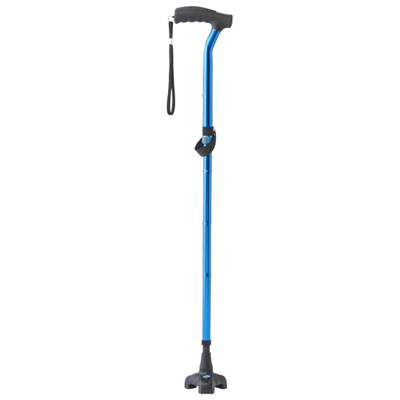 Your price for this item is $35.99
 -
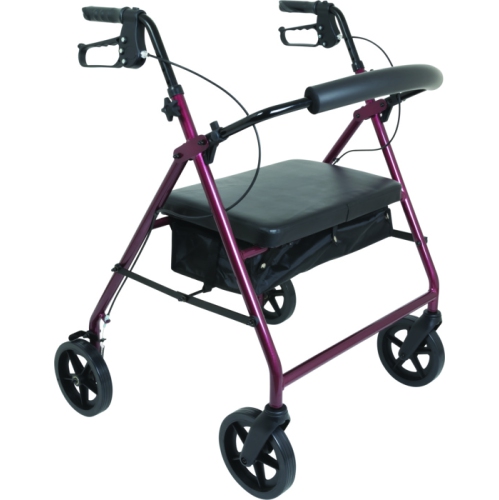 Your price for this item is $244.99
 -
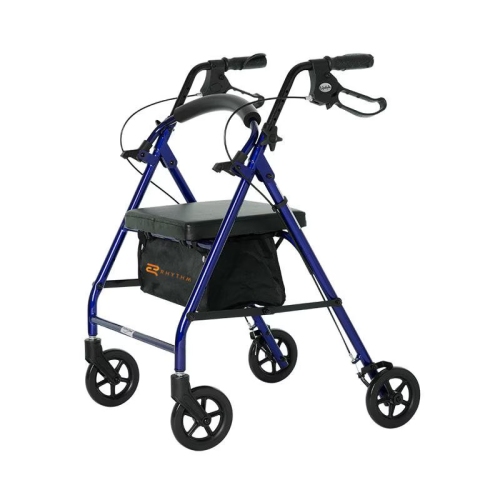 Your price for this item is $151.99
 -
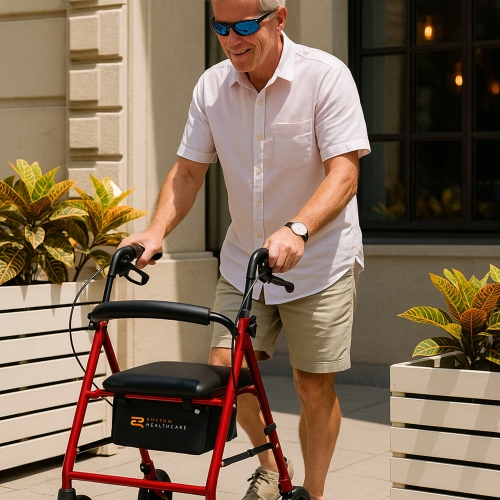 Your price for this item is $138.99
 -
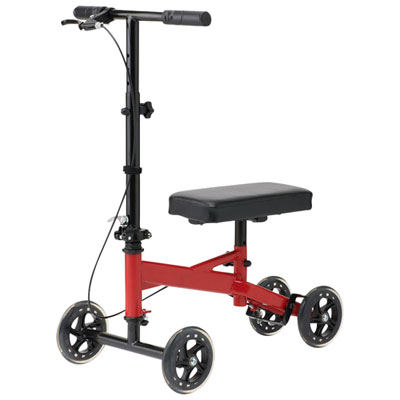 Your price for this item is $169.99
 -
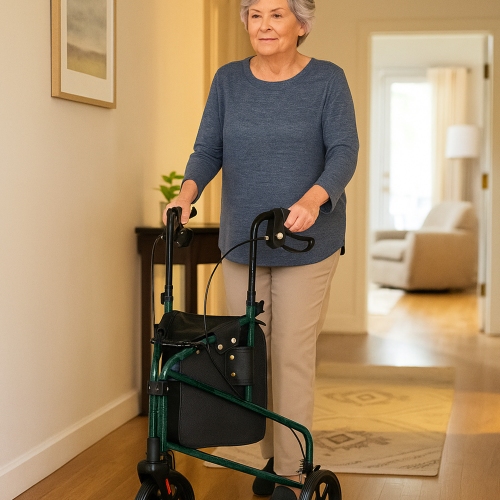 Your price for this item is $205.99
 -
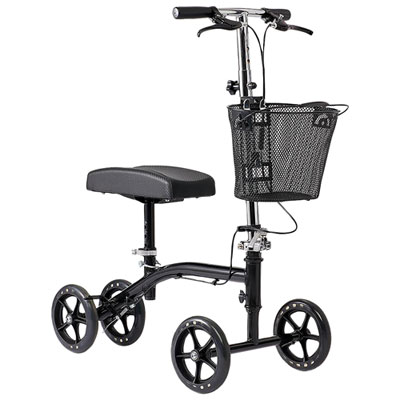 Your price for this item is $196.98
 -
 Your price for this item is $199.99
Discover more categories related to Senior Walkers
Top Collections:
Pokemon Centers, Kindle Devices, Best Budget Office Chairs, Canon G7X Cameras, Apple iPhones 16, Samsung Galaxy Phones, Refurbished Apple Laptops, Laptops for Students, iPhone 15 Apple, Budget Smartphones
Some products may be subject to Environmental Handling Fees
(EHF) depending on your province.
Learn more about EHFs.