Walkers With Wheels
Walkers with wheels offer a convenient and safe solution for individuals who require assistance with mobility. Designed to provide stability and support, these walkers are equipped with wheels that allow for smooth and effortless movement. Whether you're recovering from an injury, managing a chronic condition, or simply in need of added balance, these walkers are a reliable companion to help navigate through daily activities with confidence.
Sort
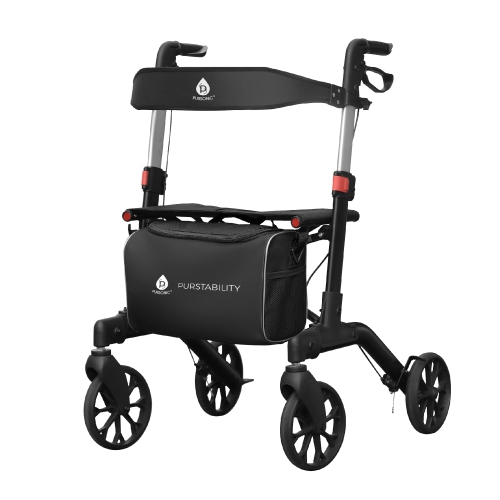
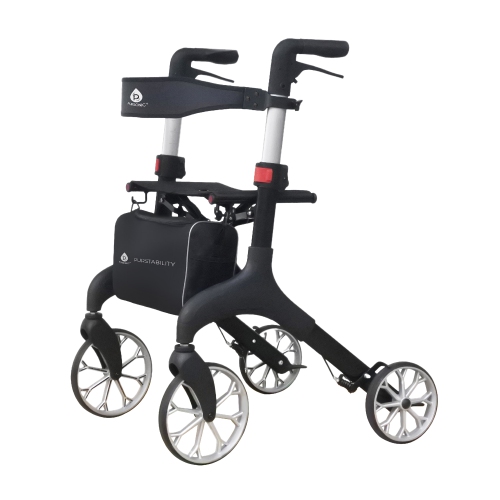
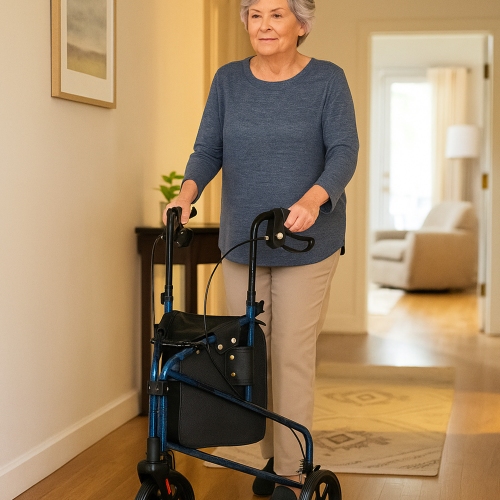
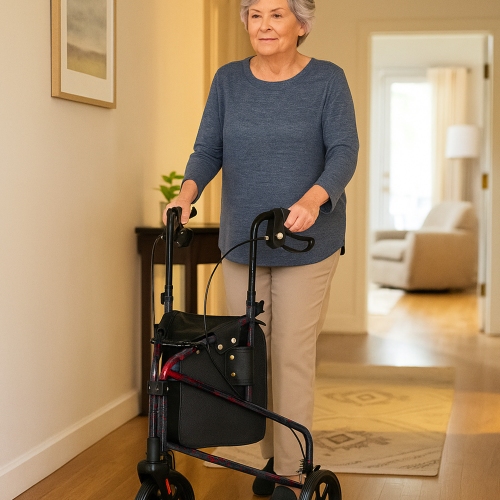
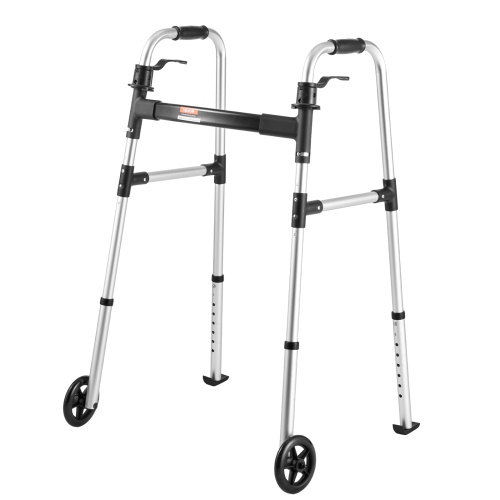
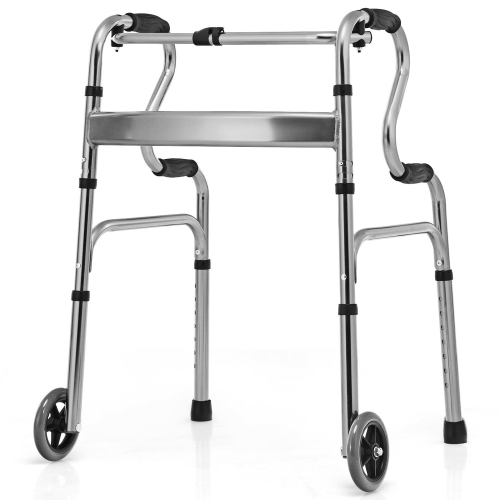
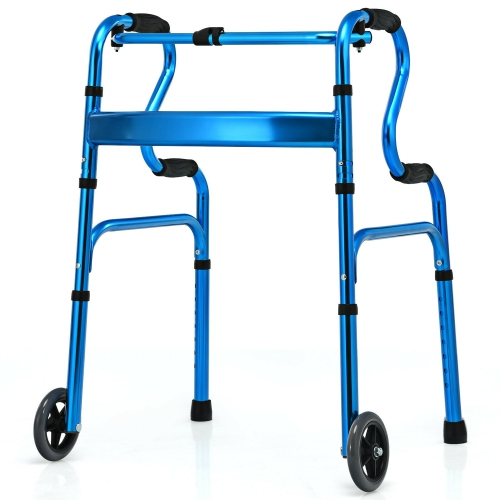
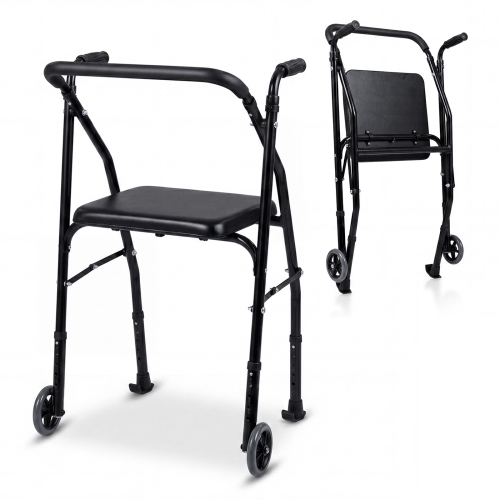
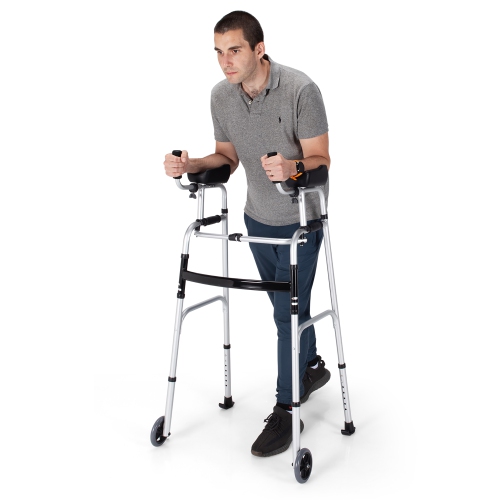
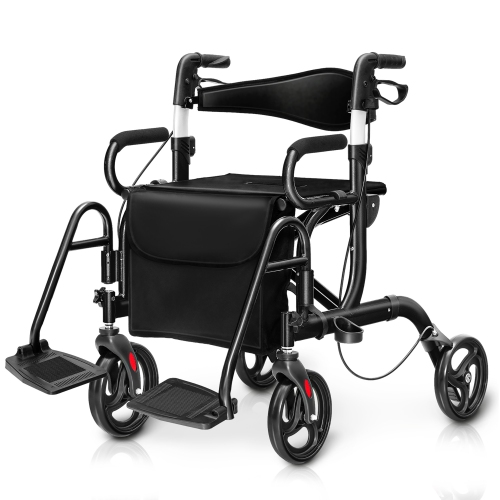
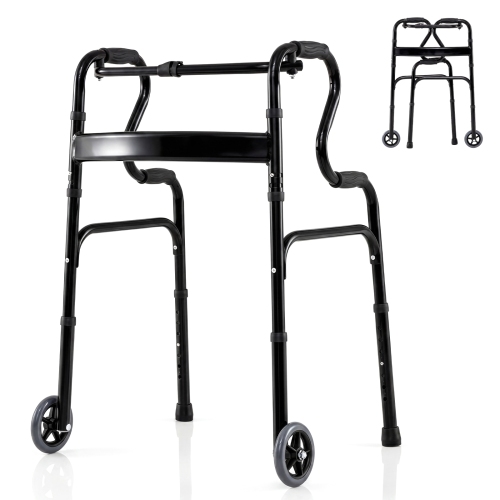
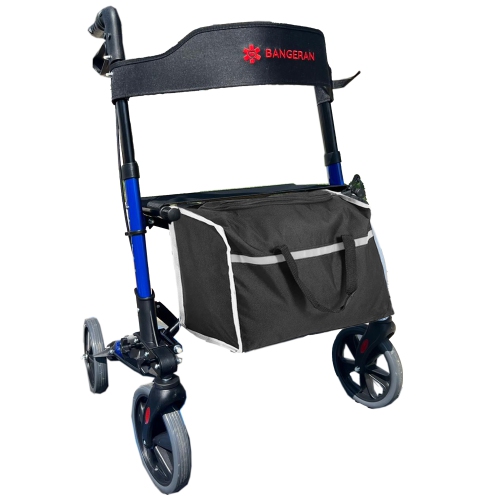
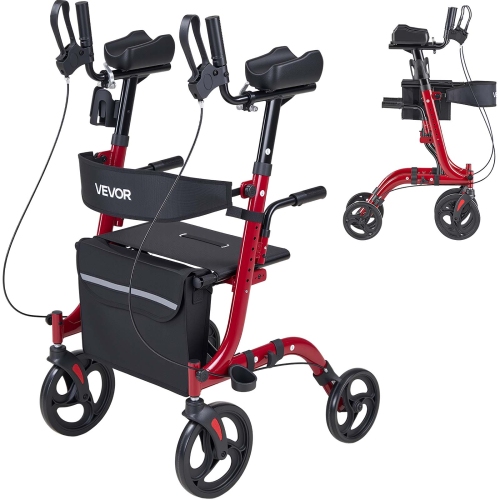
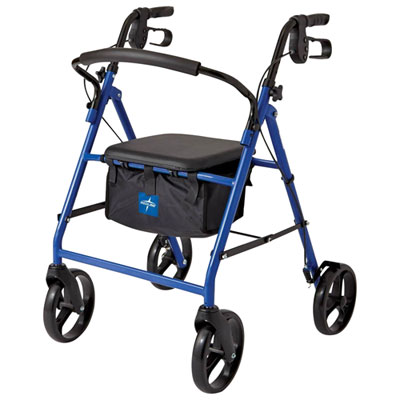
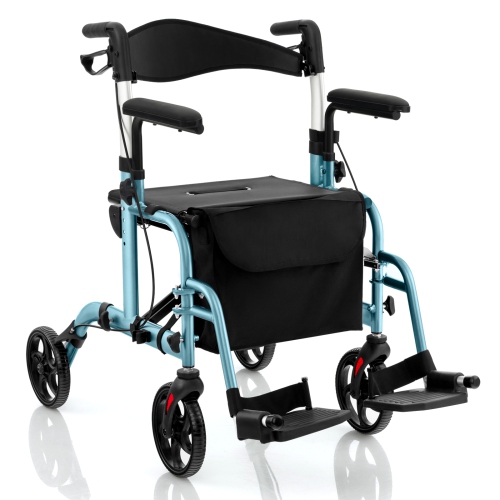
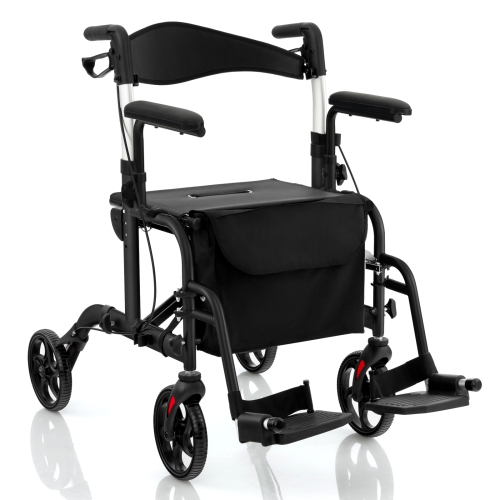
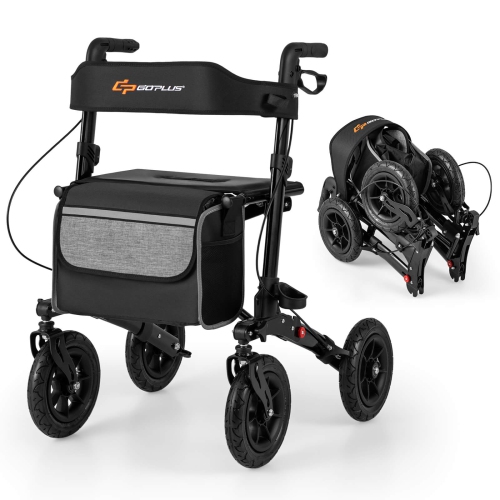
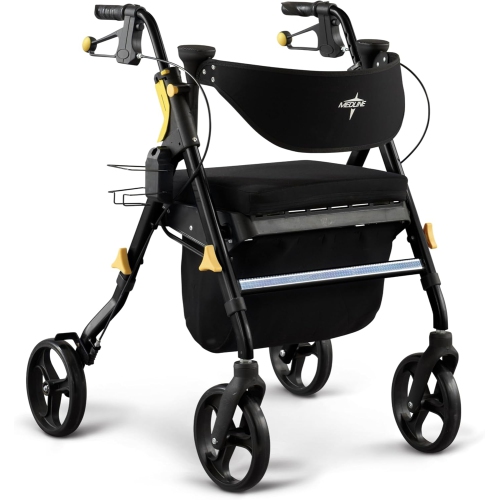
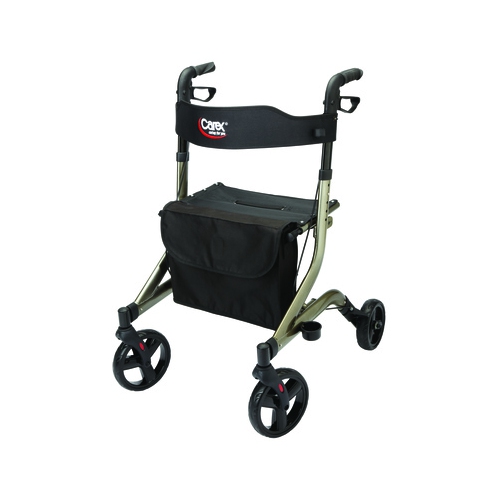
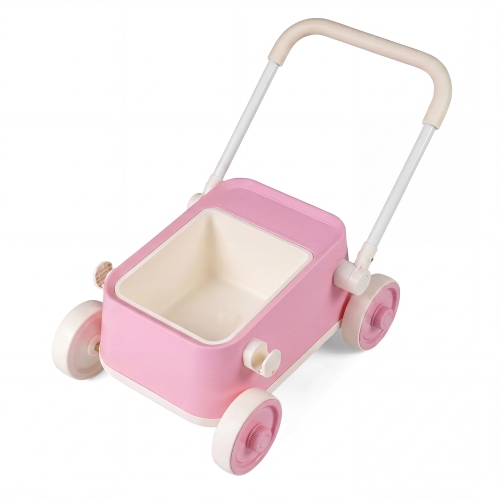
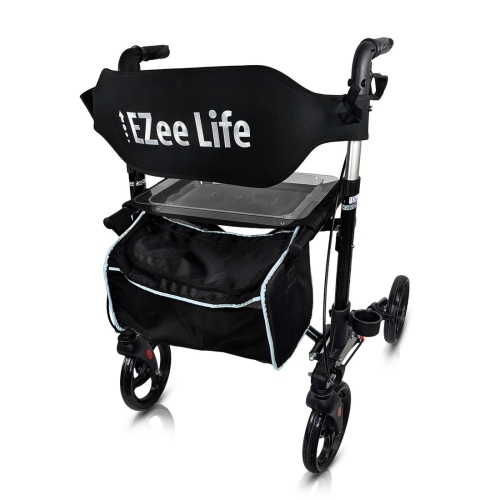
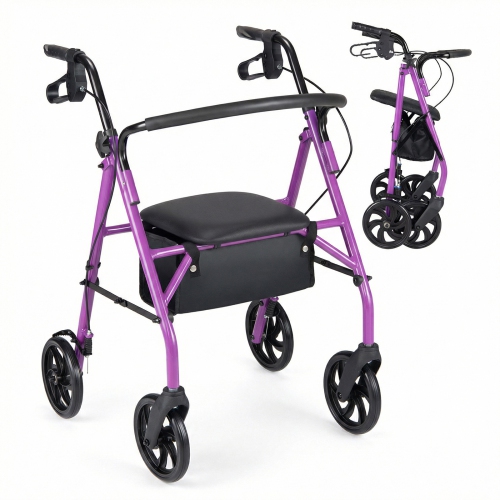
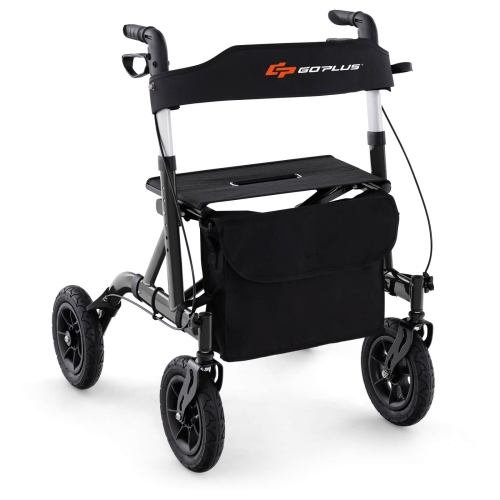
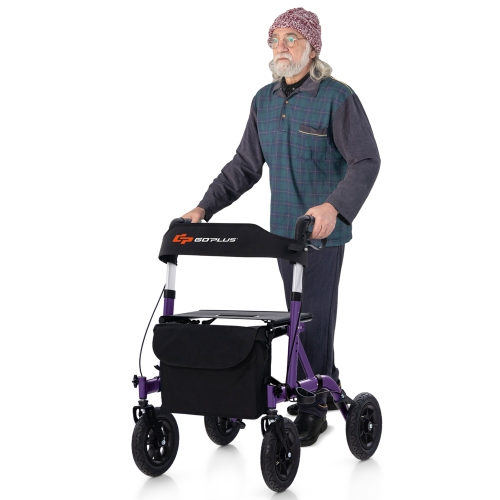
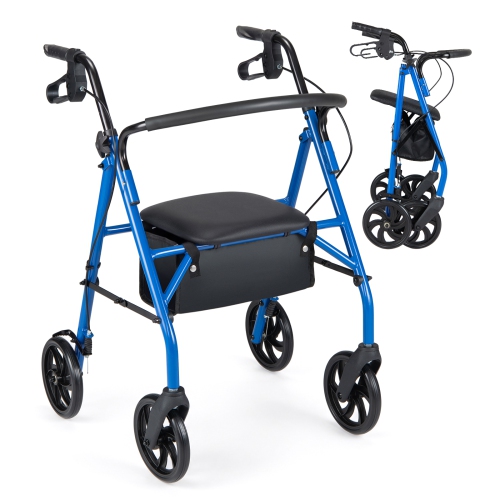
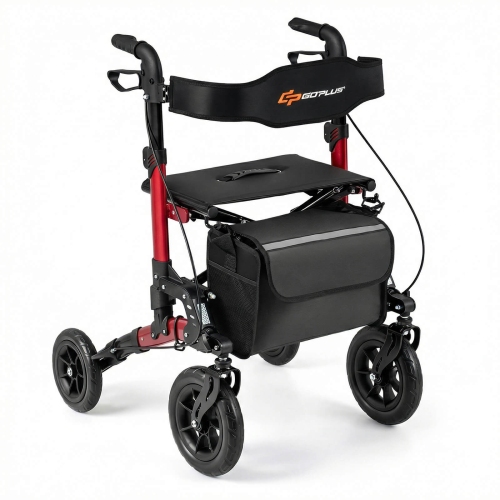
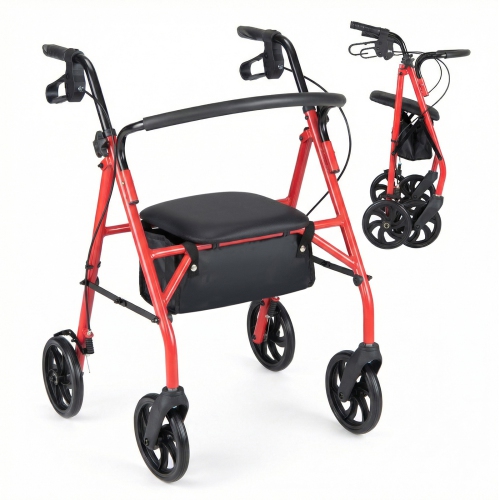
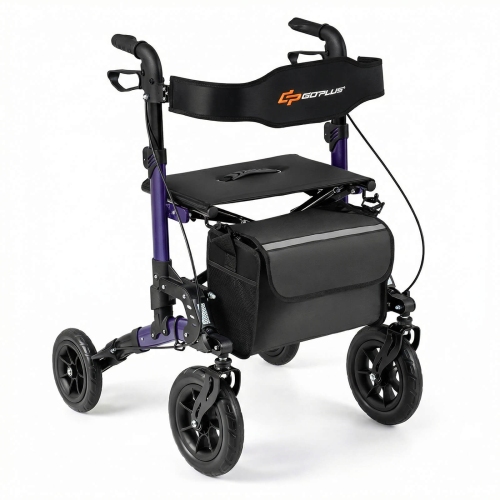
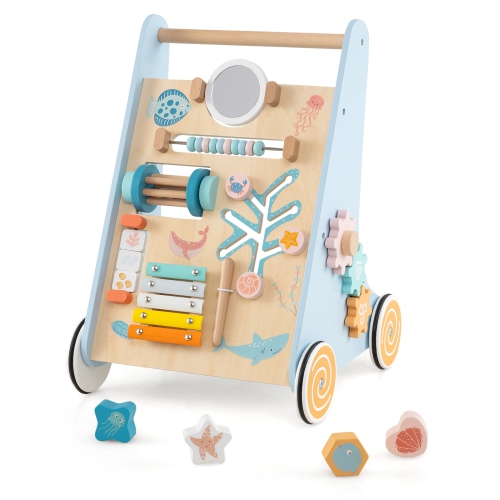
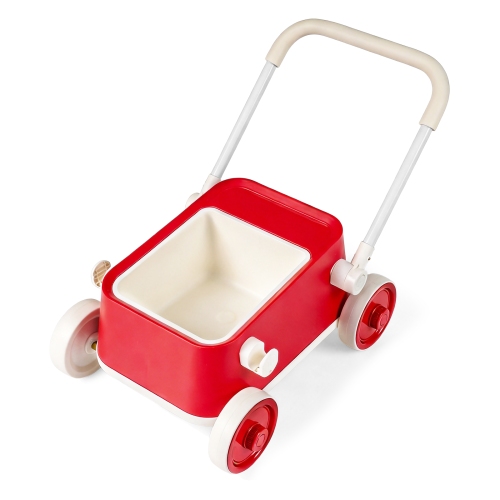
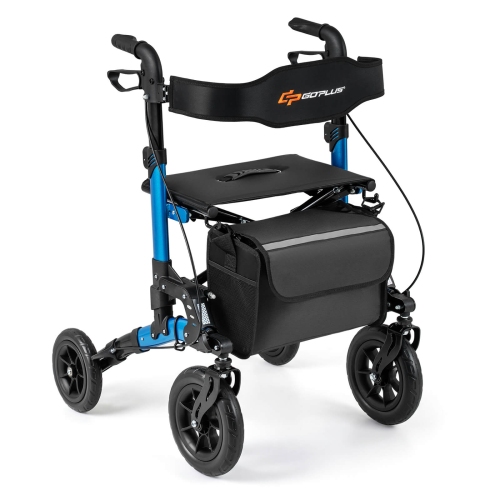
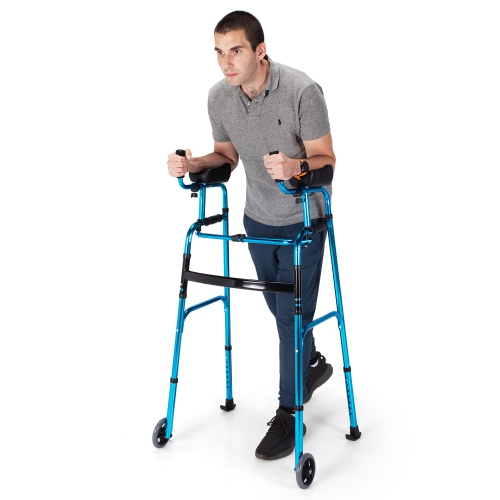
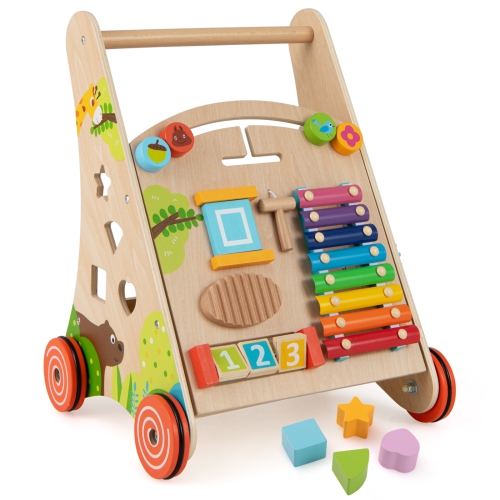
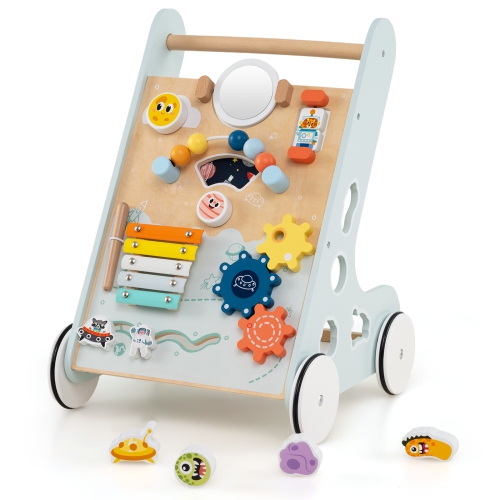
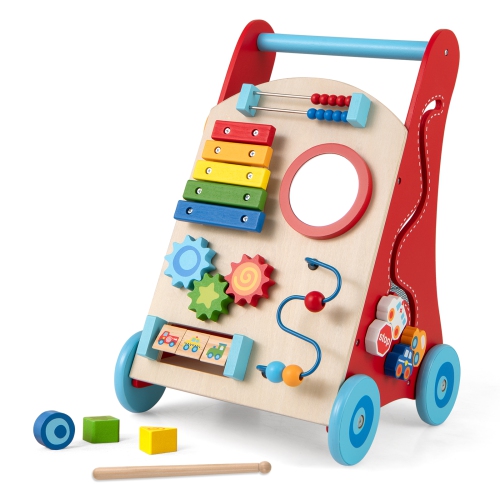
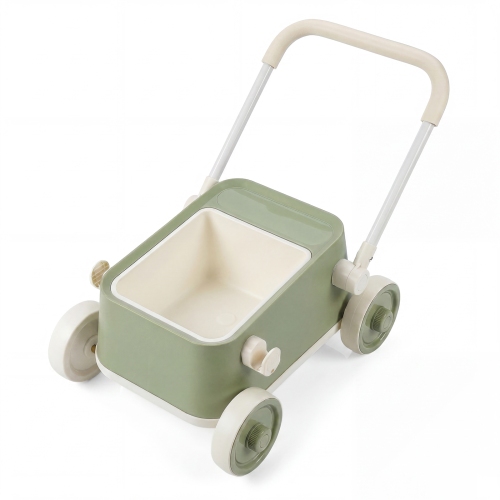

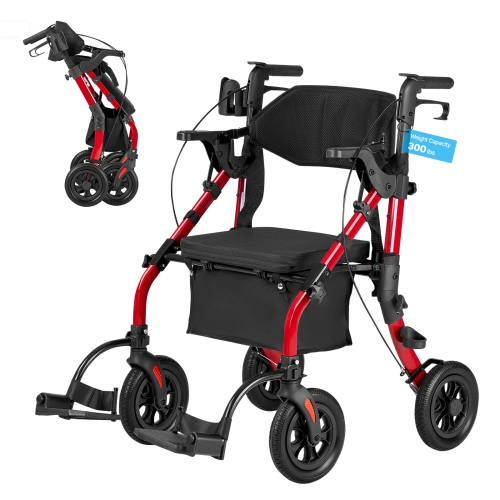
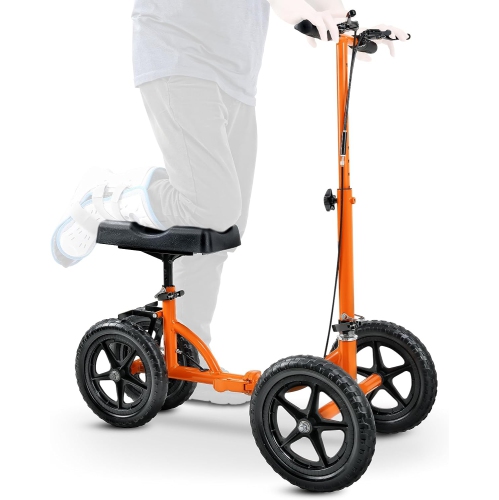
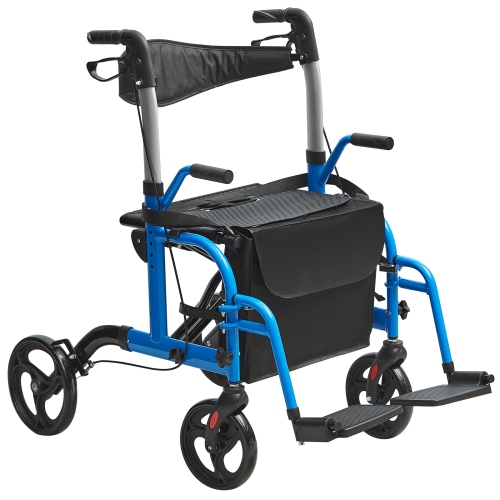
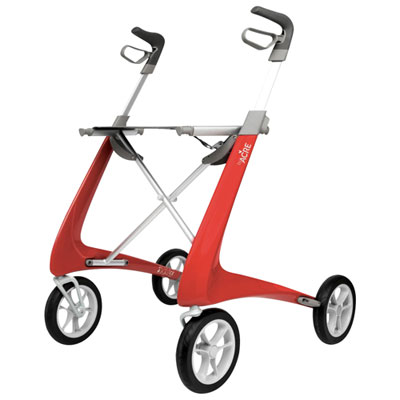
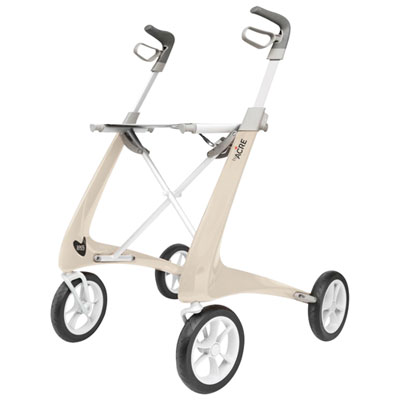
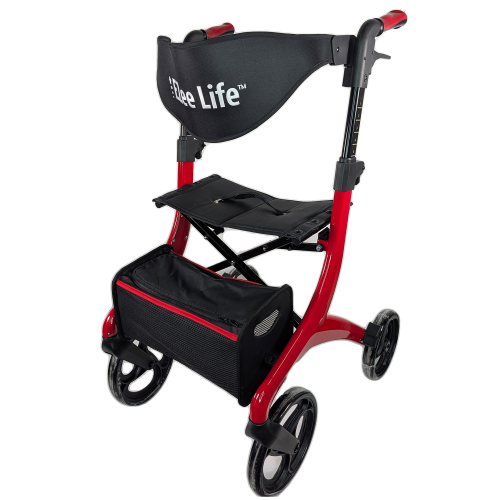
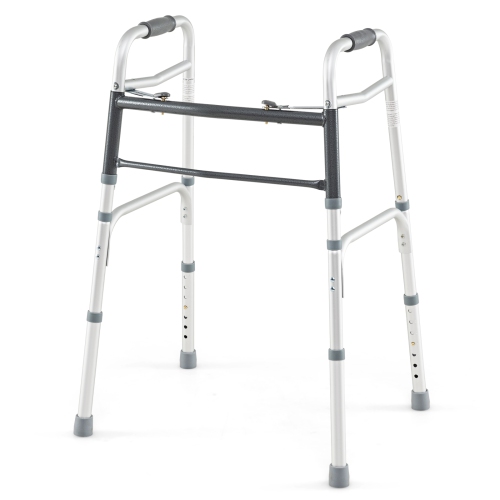
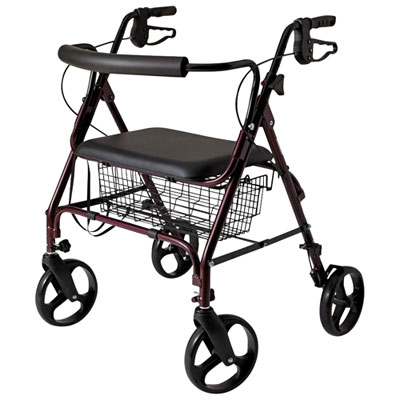
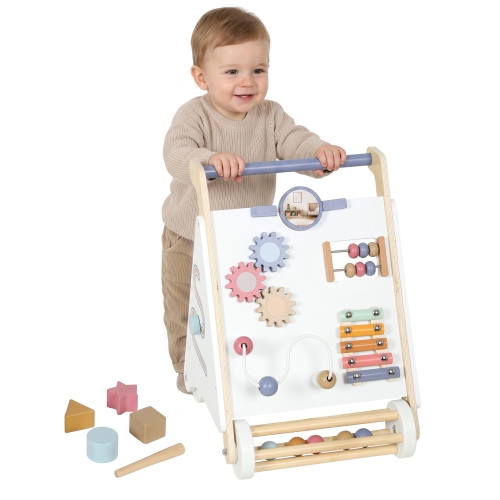
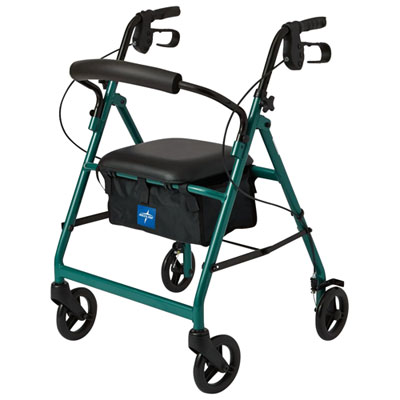
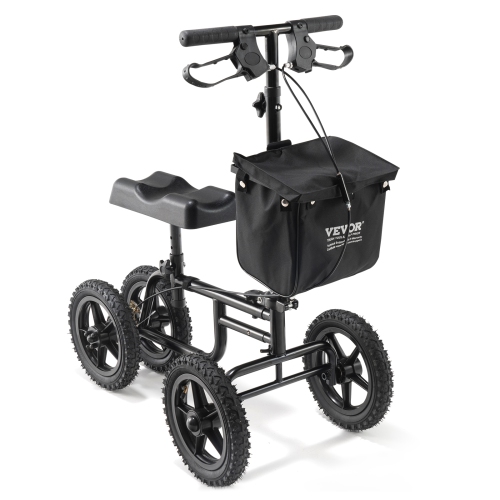

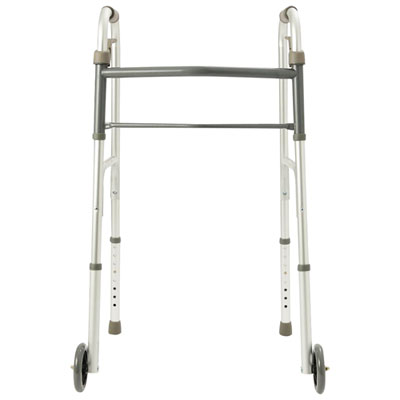
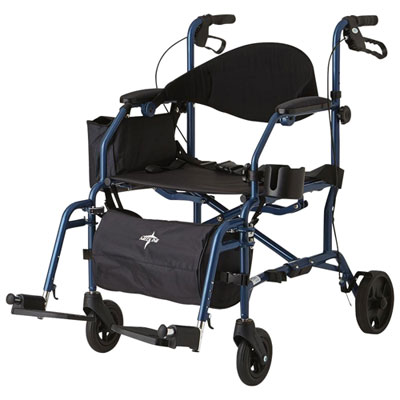

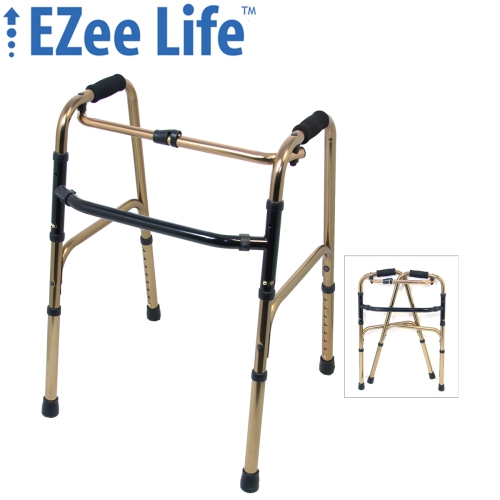
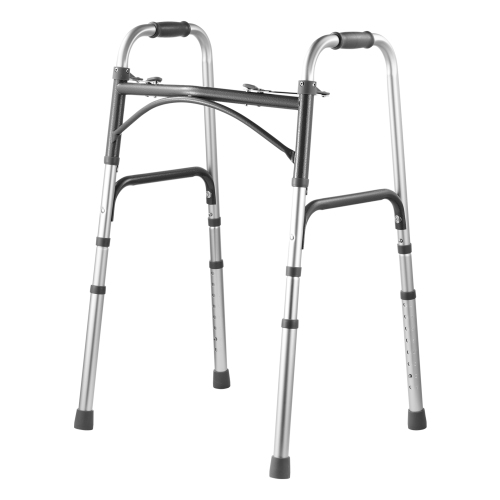
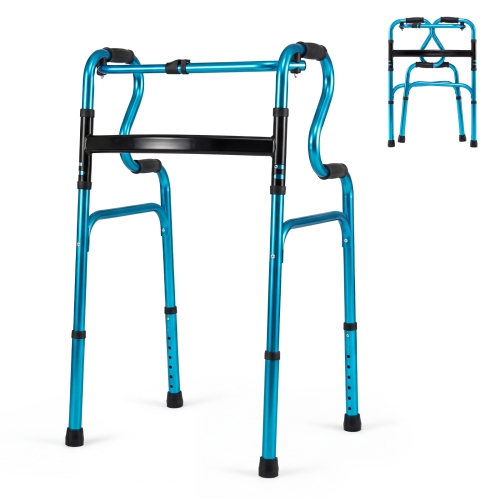

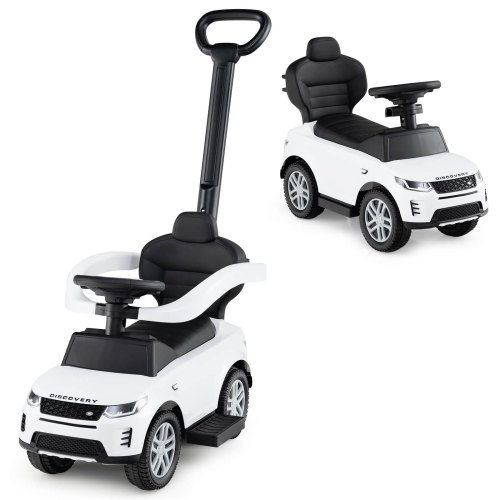
Wheel configurations, comfort, fit, and everyday convenience
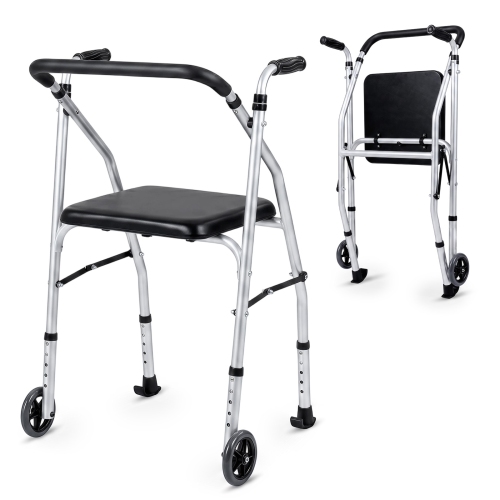
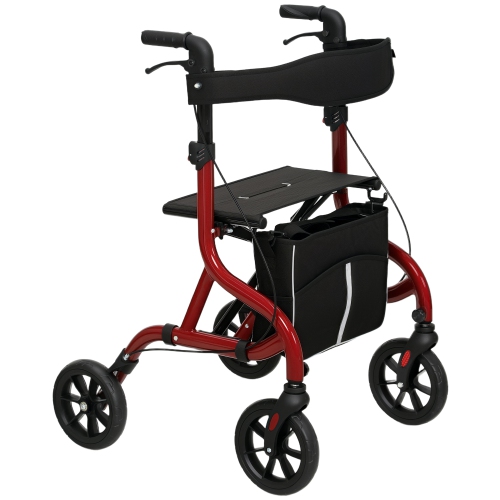
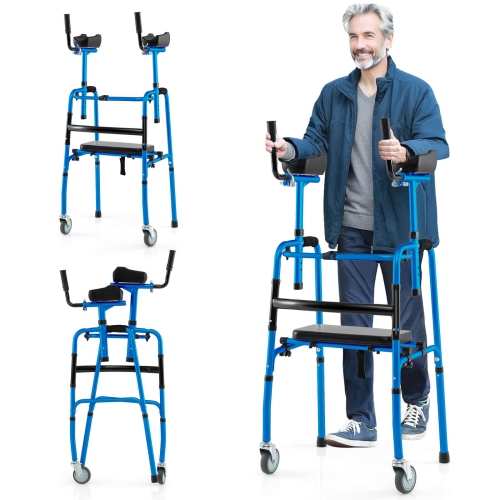
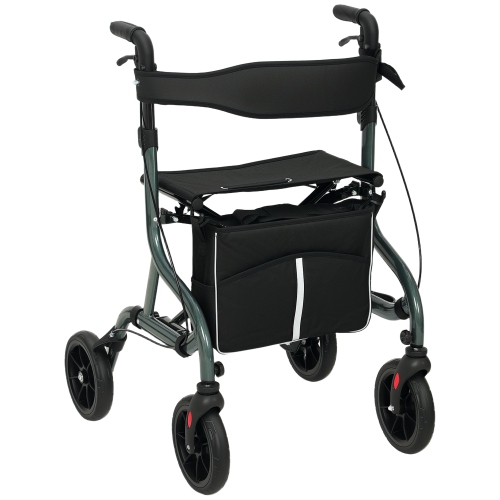
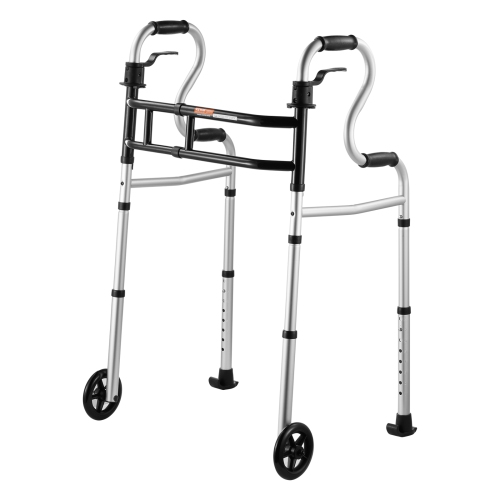
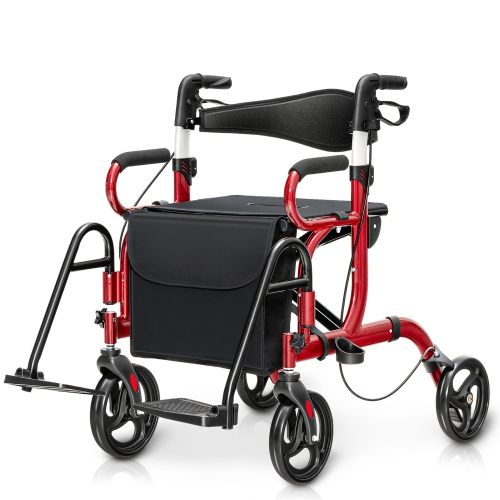
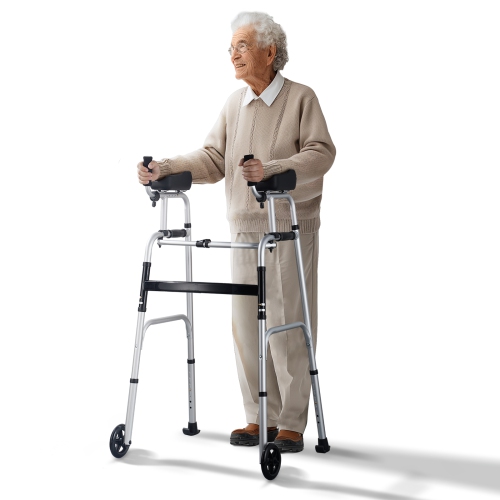
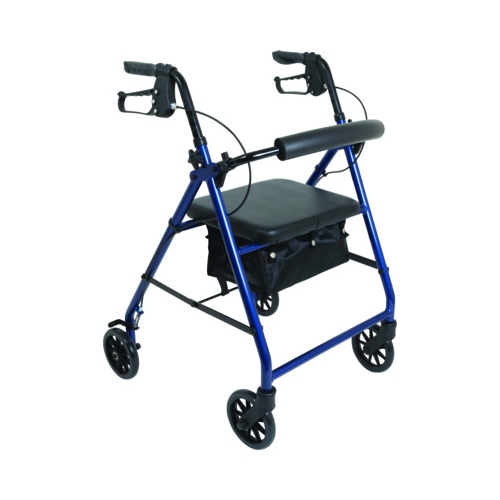
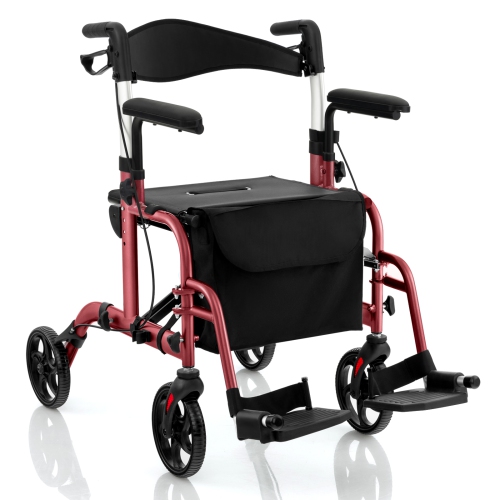
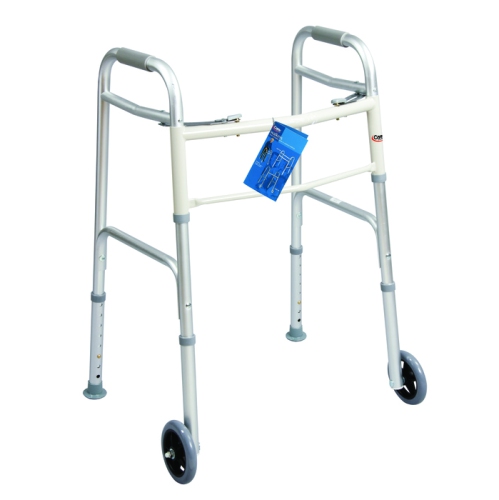
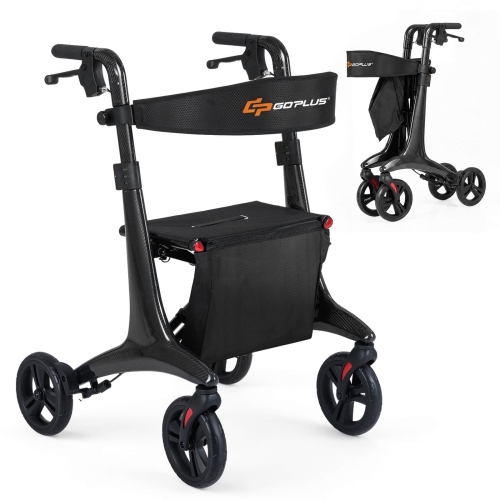
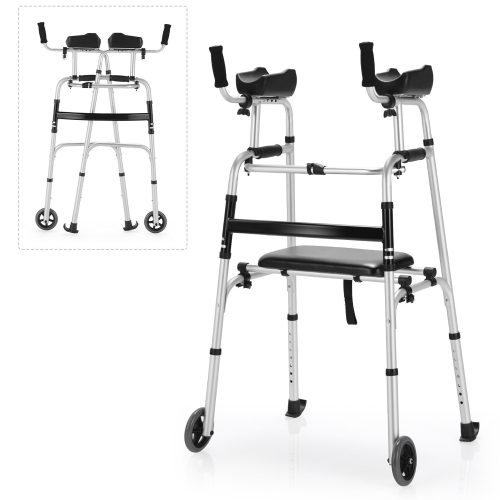
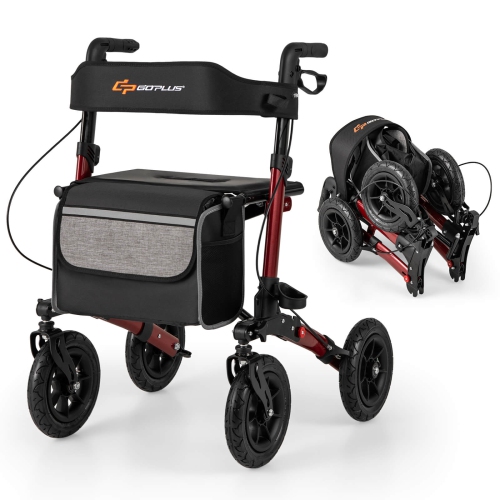
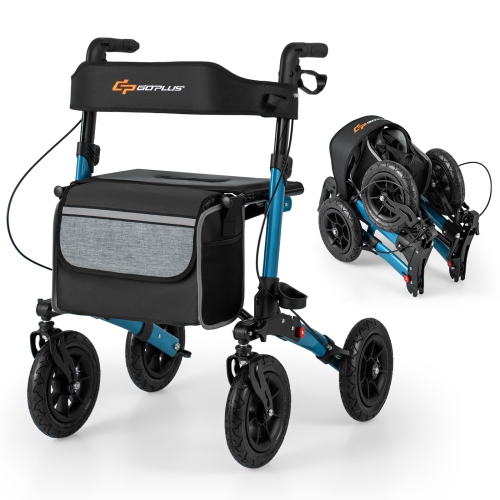
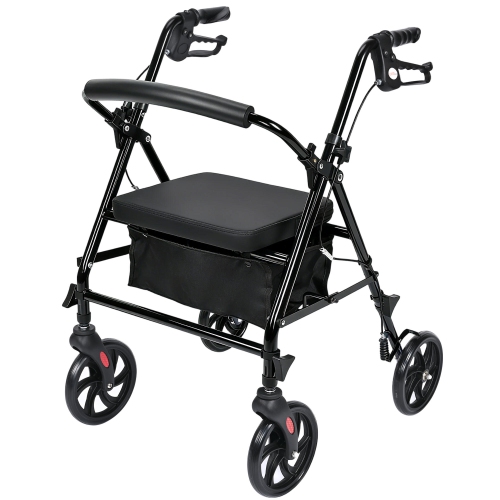
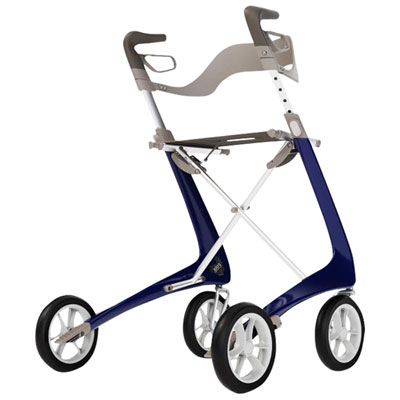
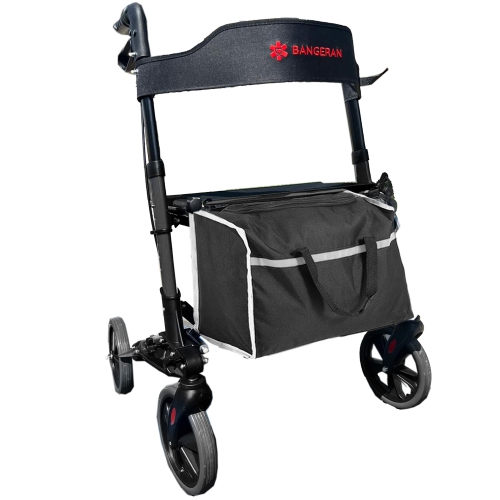
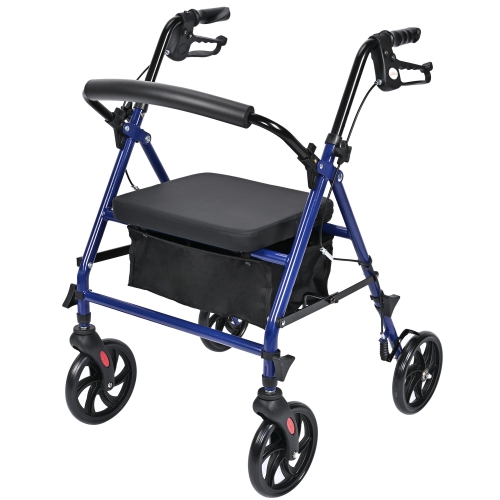
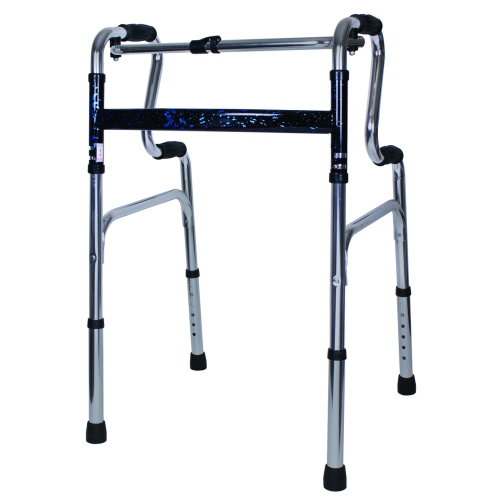
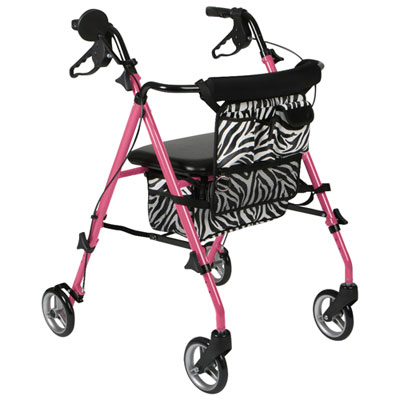
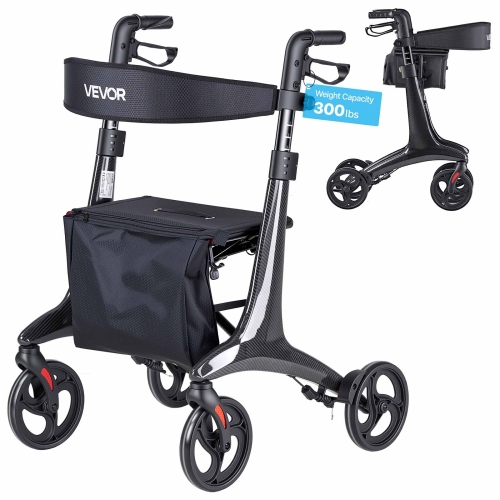
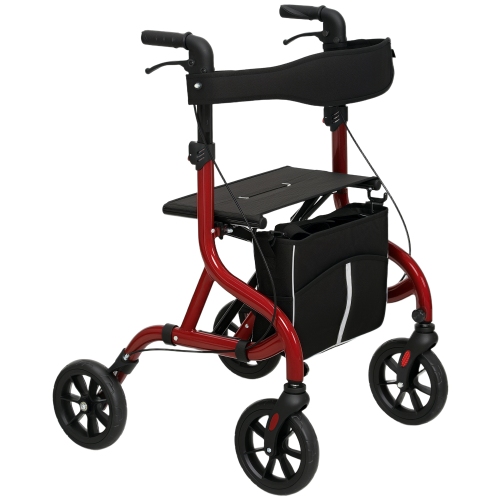
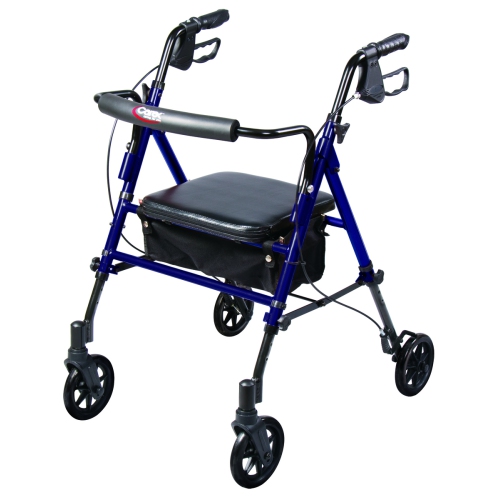
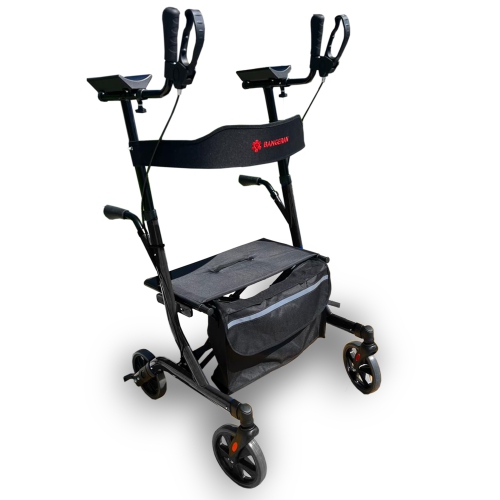
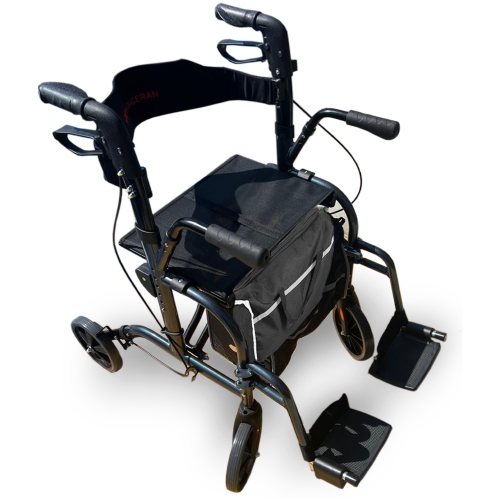
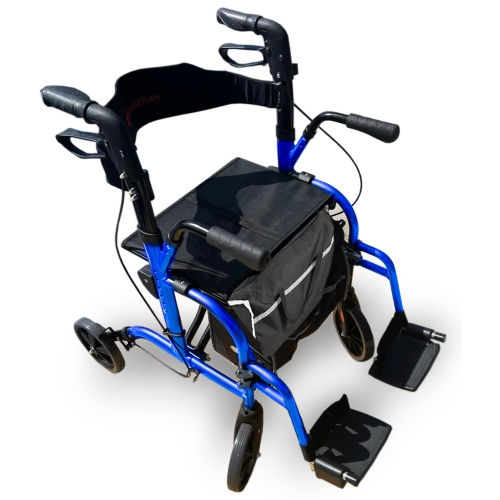
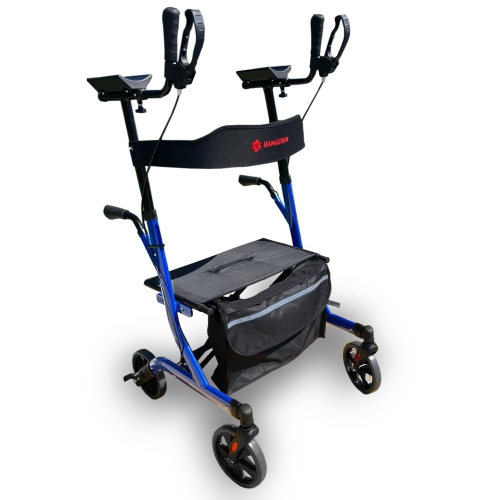
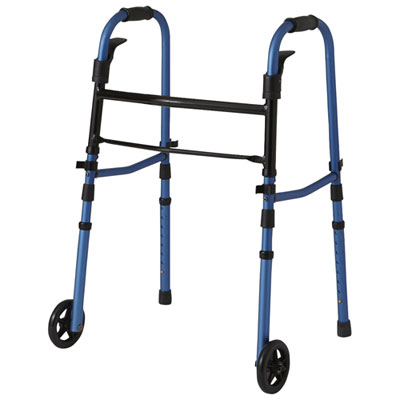
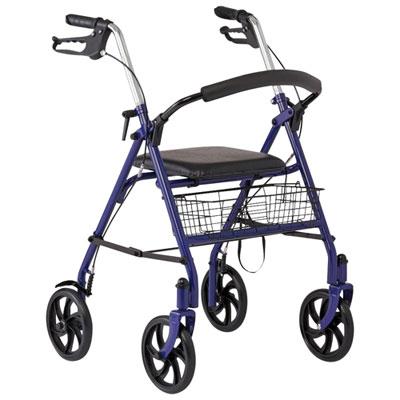
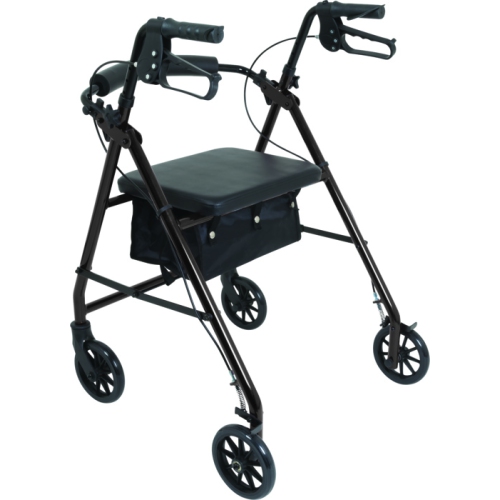
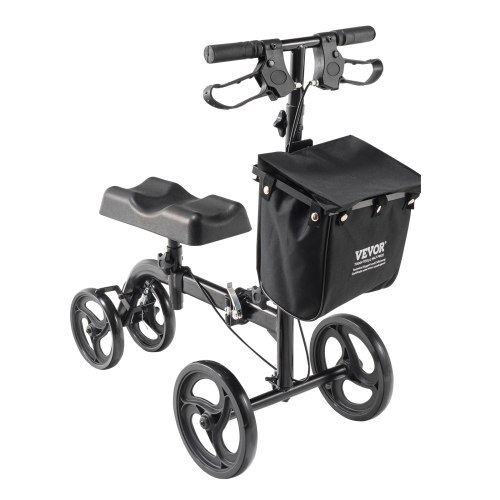
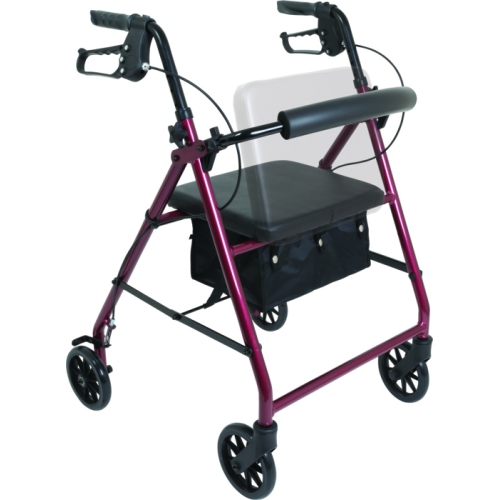
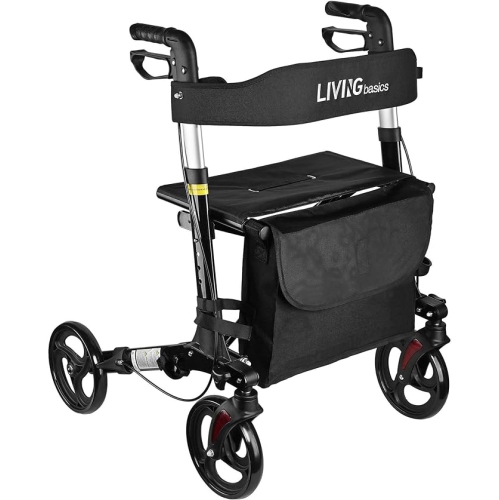
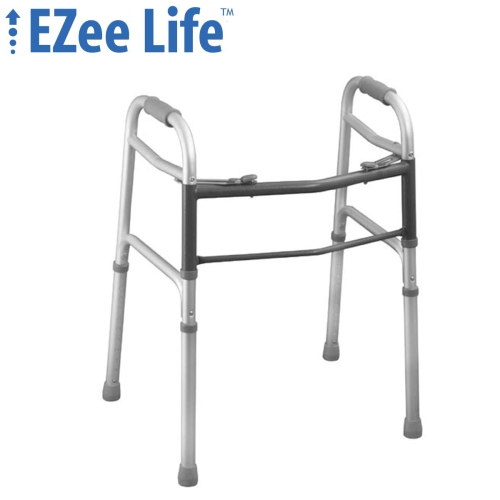
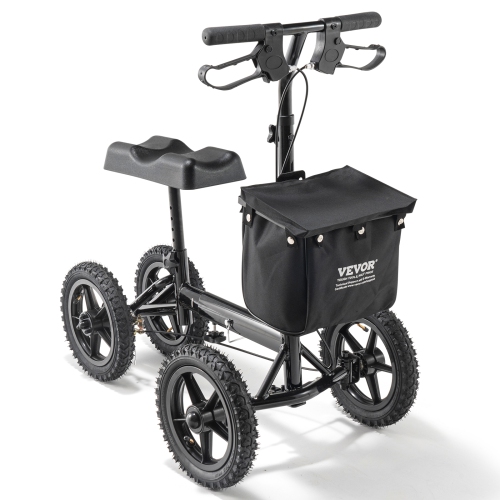
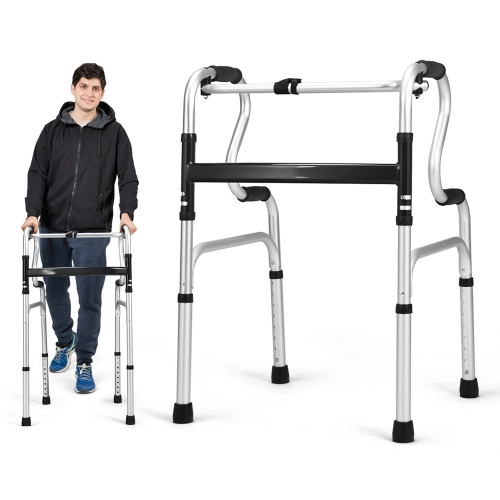
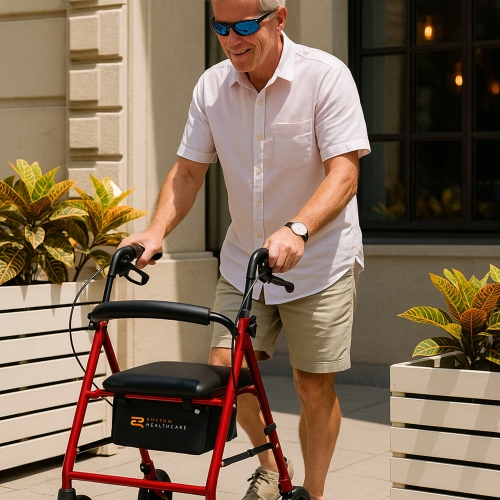
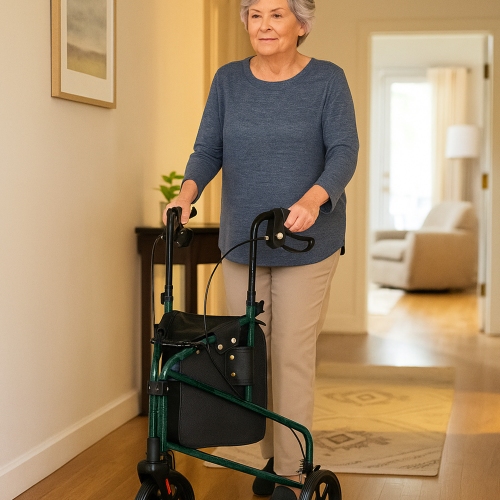
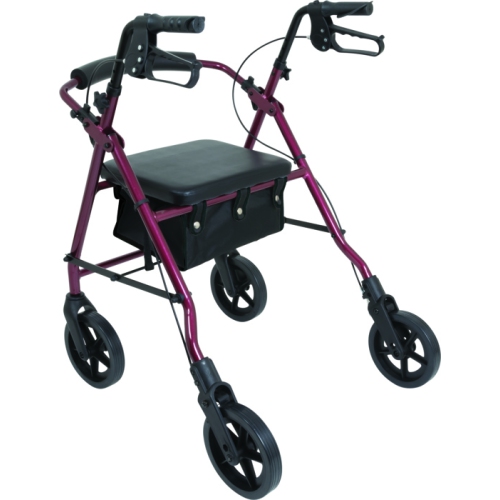
Walkers with wheels, often called rollators or rolling walkers, are designed to provide convenient support while making it easier to move through the home, workplace, community spaces, and outdoor paths. Unlike a traditional stationary walker, a wheeled model can glide forward with less lifting, which may feel more natural for people who want help with balance, stability, or endurance while staying active. The right choice depends on how and where the walker will be used. Four-wheel rollators are a popular everyday option because they are easy to steer and can offer a smooth, balanced feel on indoor floors, pavements, and other relatively even surfaces. Many include hand brakes that can be squeezed to slow down or engaged to keep the frame still when resting, sitting, or reaching for an item. A built-in seat can be useful during longer outings, giving the user a place to pause when walking through a shopping centre, visiting a community space, or taking a break on a path. Storage features such as a basket, tray, or pouch can keep personal items close at hand, including a water bottle, phone, keys, reading glasses, or a small bag. Three-wheel walkers are generally narrower and can turn easily in tighter areas, making them practical for navigating hallways, kitchens, smaller rooms, and busy indoor environments. Their lighter, more streamlined design may suit someone who values manoeuvrability and does not need an integrated seat. Two-wheel walkers offer a different balance of support and movement, with gliding wheels at the front and stationary legs or tips at the back. They can be a helpful option for someone who prefers a more controlled pace and wants the frame to remain steady when weight is placed on it. For indoor use, wheel size, frame width, handle height, and turning radius all deserve attention. Larger wheels may roll more comfortably over thresholds and uneven outdoor surfaces, while a narrower frame can be easier to guide through doorways and around furniture.
Comfort and fit matter just as much as the wheel configuration. Handles should be positioned at a height that allows a relaxed posture, with the user able to hold the grips without hunching forward or reaching too high. Adjustable handles make it easier to personalize the fit, particularly when the walker will be shared or purchased for someone whose height may not match the average frame setting. Check the overall width against the places the walker will pass through, including entranceways, lifts, washrooms, and the space beside a favourite chair. A walker that feels manageable in a spacious showroom may be less convenient in a compact apartment or a crowded kitchen. Weight is another important consideration: a lighter frame can be easier to lift into a vehicle, carry up a small step, or store in a closet, while a sturdier construction may feel more reassuring for regular use. Folding walkers and rollators can be especially convenient for homes with limited storage or for transport in a car. Look for a folding mechanism that is straightforward to operate and verify the folded dimensions before planning to keep it in a boot or behind a seat. Brakes should be easy to reach and comfortable to use, with controls that suit the user’s hand strength and dexterity. If the walker includes a seat, consider its height, width, padding, and back support, along with whether the frame remains firmly in place when the parking brakes are engaged. Storage compartments can add everyday convenience, but a heavily loaded basket may affect handling, so it is sensible to keep frequently used items light and evenly distributed. Wheel tread and overall construction should also match the intended setting. Smooth indoor flooring calls for easy-rolling wheels, while outdoor use may benefit from larger wheels that handle minor cracks, textured paths, and transitions more comfortably. A walker should be selected according to the user’s abilities, surroundings, and advice from a healthcare professional when appropriate; features that work well for one person may not be suitable for another.
Walkers with wheels can support a wide range of routines, from moving between rooms at home to enjoying an afternoon outdoors during the warmer season or staying mobile during the cooler months. Someone recovering from an injury or adjusting to a change in mobility may appreciate a model that makes short trips feel more manageable, while an older adult may value the confidence of having hand brakes, a convenient seat, and space for personal belongings. They can also be a thoughtful gift for a parent, grandparent, relative, or friend who has mentioned difficulty standing for long periods or keeping pace during outings. Because mobility needs are personal, it is best to involve the recipient in the selection process whenever possible, paying attention to their preferred height, comfort, style of movement, and daily environment rather than choosing based on appearance alone. For a person who spends most of their time indoors, compact dimensions and a tight turning radius may be more useful than a large storage basket. Someone who regularly visits shops, parks, appointments, or family gatherings may prefer a four-wheel model with a seat and dependable brakes. For travel between home and the car, a foldable, lightweight design can simplify storage and reduce the effort involved in getting ready to leave. Before use, read the instructions, adjust the handles properly, check that folding parts are locked in place, and practise braking and turning in a clear area. Keep both hands on the grips while moving, avoid hanging heavy items from the handles, and engage the parking brakes before sitting or reaching. A wide selection of Medical Walkers can make it easier to compare different configurations and find features that suit a particular routine. With the right fit and thoughtful setup, a wheeled walker can become a practical part of daily life, helping its user carry essentials, pause comfortably, and move through familiar places with greater ease.
Comfort and fit matter just as much as the wheel configuration. Handles should be positioned at a height that allows a relaxed posture, with the user able to hold the grips without hunching forward or reaching too high. Adjustable handles make it easier to personalize the fit, particularly when the walker will be shared or purchased for someone whose height may not match the average frame setting. Check the overall width against the places the walker will pass through, including entranceways, lifts, washrooms, and the space beside a favourite chair. A walker that feels manageable in a spacious showroom may be less convenient in a compact apartment or a crowded kitchen. Weight is another important consideration: a lighter frame can be easier to lift into a vehicle, carry up a small step, or store in a closet, while a sturdier construction may feel more reassuring for regular use. Folding walkers and rollators can be especially convenient for homes with limited storage or for transport in a car. Look for a folding mechanism that is straightforward to operate and verify the folded dimensions before planning to keep it in a boot or behind a seat. Brakes should be easy to reach and comfortable to use, with controls that suit the user’s hand strength and dexterity. If the walker includes a seat, consider its height, width, padding, and back support, along with whether the frame remains firmly in place when the parking brakes are engaged. Storage compartments can add everyday convenience, but a heavily loaded basket may affect handling, so it is sensible to keep frequently used items light and evenly distributed. Wheel tread and overall construction should also match the intended setting. Smooth indoor flooring calls for easy-rolling wheels, while outdoor use may benefit from larger wheels that handle minor cracks, textured paths, and transitions more comfortably. A walker should be selected according to the user’s abilities, surroundings, and advice from a healthcare professional when appropriate; features that work well for one person may not be suitable for another.
Walkers with wheels can support a wide range of routines, from moving between rooms at home to enjoying an afternoon outdoors during the warmer season or staying mobile during the cooler months. Someone recovering from an injury or adjusting to a change in mobility may appreciate a model that makes short trips feel more manageable, while an older adult may value the confidence of having hand brakes, a convenient seat, and space for personal belongings. They can also be a thoughtful gift for a parent, grandparent, relative, or friend who has mentioned difficulty standing for long periods or keeping pace during outings. Because mobility needs are personal, it is best to involve the recipient in the selection process whenever possible, paying attention to their preferred height, comfort, style of movement, and daily environment rather than choosing based on appearance alone. For a person who spends most of their time indoors, compact dimensions and a tight turning radius may be more useful than a large storage basket. Someone who regularly visits shops, parks, appointments, or family gatherings may prefer a four-wheel model with a seat and dependable brakes. For travel between home and the car, a foldable, lightweight design can simplify storage and reduce the effort involved in getting ready to leave. Before use, read the instructions, adjust the handles properly, check that folding parts are locked in place, and practise braking and turning in a clear area. Keep both hands on the grips while moving, avoid hanging heavy items from the handles, and engage the parking brakes before sitting or reaching. A wide selection of Medical Walkers can make it easier to compare different configurations and find features that suit a particular routine. With the right fit and thoughtful setup, a wheeled walker can become a practical part of daily life, helping its user carry essentials, pause comfortably, and move through familiar places with greater ease.
Top selling and popular products
-
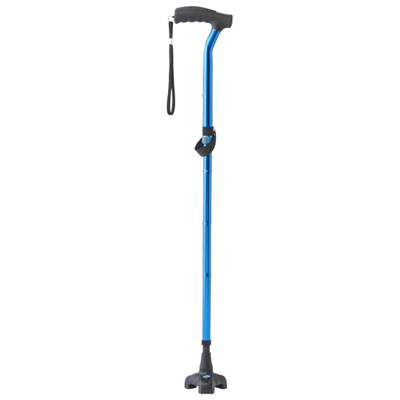 Your price for this item is $35.99
 -
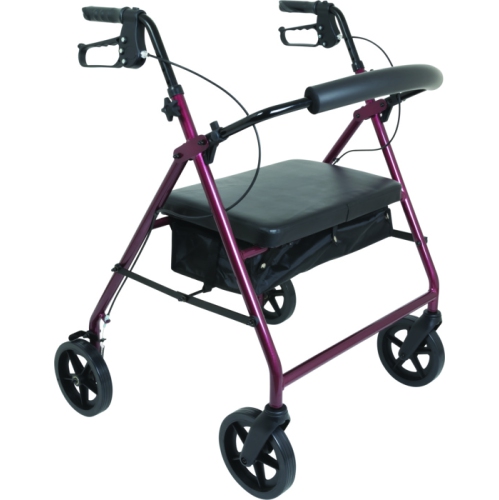 Your price for this item is $244.99
 -
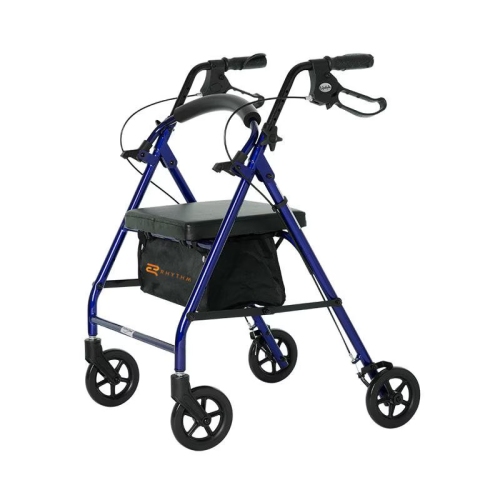 Your price for this item is $151.99
 -
 Your price for this item is $138.99
 -
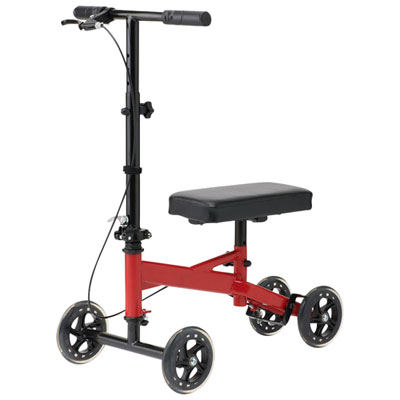 Your price for this item is $169.99
 -
 Your price for this item is $205.99
 -
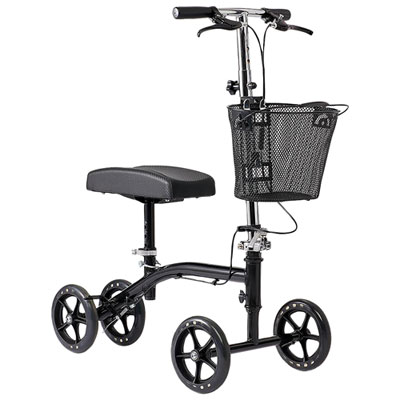 Your price for this item is $196.98
 -
 Your price for this item is $199.99
Discover more categories related to Walkers With Wheels
Top Collections:
Pokemon Centers, Kindle Devices, Best Budget Office Chairs, Canon G7X Cameras, Apple iPhones 16, Samsung Galaxy Phones, Refurbished Apple Laptops, Laptops for Students, iPhone 15 Apple, Budget Smartphones
Some products may be subject to Environmental Handling Fees
(EHF) depending on your province.
Learn more about EHFs.