Slam Balls
Looking to level up your workout routine with an intense full-body exercise tool? Look no further than slam balls! These versatile fitness accessories are designed to help you build strength, power, and endurance through dynamic movements. Whether you're a seasoned athlete or just starting your fitness journey, slam balls are a great addition to any home gym or workout space. Get ready to enhance your workouts and take your training to the next level with these durable and effective exercise balls.
Sort
Why low bounce matters for full-body training
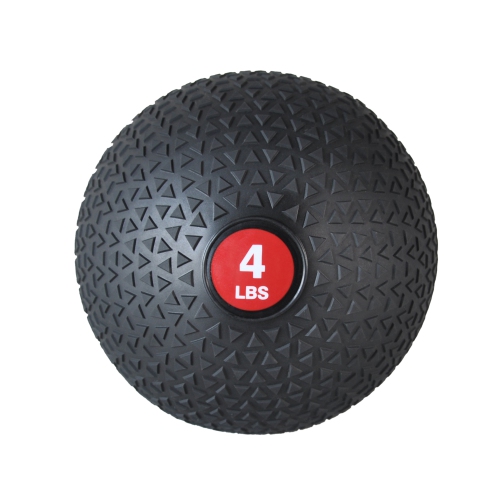
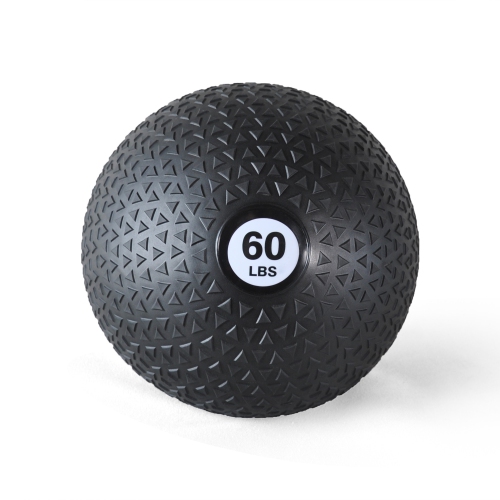
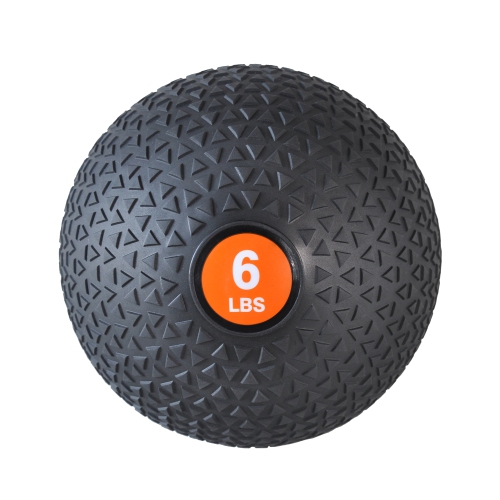
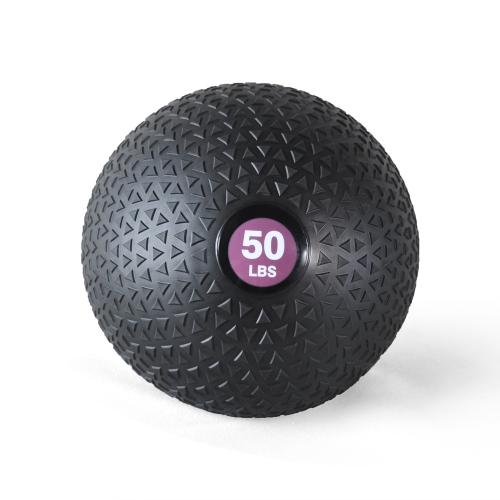
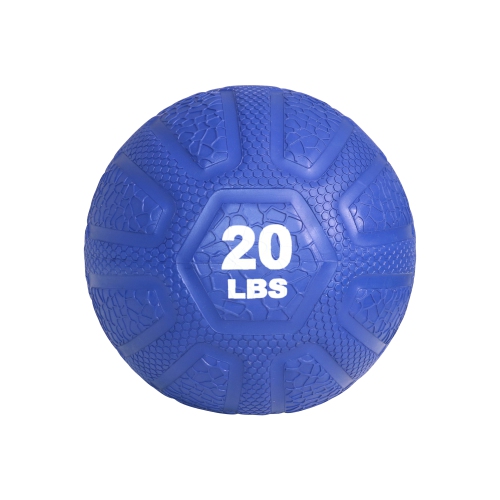
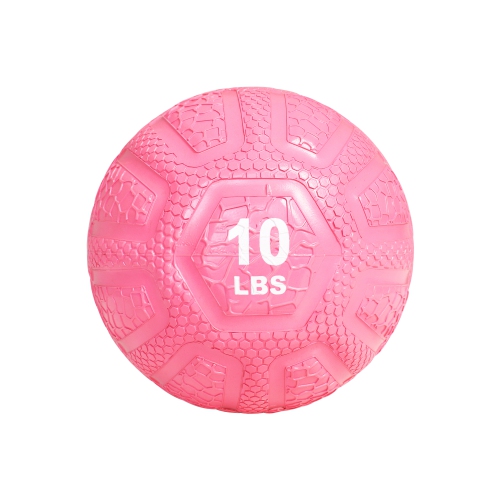
Slam balls are weighted exercise balls designed for forceful throws towards the floor, with a durable outer shell and a filling that helps absorb impact and limit bounce. Often made with a thick rubber or PVC shell and a sand-based filling, they bring a different feel to strength and conditioning workouts than rigid weights or balls intended to rebound. Their low-bounce design means the ball generally stays close to where it lands, although some movement or rolling is still possible depending on the construction and surface. This makes them well suited to repeated floor slams, where each repetition involves picking up the weight rather than catching it on the rebound. Slam ball exercises can involve the legs, hips, core, shoulders, back, and arms working together, making these compact tools useful for full-body training. Faster, controlled efforts can support power development and cardiovascular conditioning, while slower movements such as loaded squats and carries place more emphasis on strength and control. The difference between a slam ball and a medicine ball matters when comparing exercise equipment: slam balls are built specifically to withstand repeated floor impacts, whereas medicine balls cover a broader group of weighted balls with different shells, fillings, and intended uses. Some medicine balls bounce, and some soft, stitched designs are intended for wall throws rather than hard floor slams. Shoppers comparing these formats can also explore Fitness Medicine Balls for other weighted-ball training options. The intended use stated by the manufacturer is more useful than appearance alone, since two balls of similar size can behave very differently when thrown. In a home workout area or shared training space, a slam ball can complement dumbbells, resistance bands, and a bench without requiring a large equipment setup. It is especially relevant for people who enjoy circuit training, athletic conditioning, or short blocks of purposeful movement between other strength exercises.
Weight, diameter, grip, and shell flexibility all affect how a slam ball feels in use. A heavier ball is not automatically a better choice, particularly for movements that depend on speed, coordination, and a controlled overhead position. For someone new to this type of equipment, a manageable weight leaves more room to learn the movement without straining to lift the ball or losing control as fatigue builds. Experienced users may prefer different weights for different tasks: a lighter ball for quicker repetitions and a heavier one for deliberate carries or lower-body movements, provided those uses suit its design. Listed weights may appear in pounds or kilograms, so checking the unit is important when comparing options. Diameter deserves equal attention. A larger ball can be awkward to hold close to the body, even when its weight seems manageable, while a smaller ball may feel easier to grasp and reposition. People with smaller hands may find pronounced tread helpful, though the depth and pattern of the texture can also affect comfort during repeated pickups. Raised ridges, pebbled finishes, and other textured surfaces help provide purchase, but no surface removes the need for dry hands and a secure hold. Shell flexibility varies, too: some balls feel relatively firm, while others compress or change shape slightly against the floor. Loose internal filling can shift during movement, creating a different handling experience from a solid weight. That movement is part of the feel of many slam balls, rather than a sign that they should behave like a perfectly rigid sphere. For shared use, a weight that suits one person may be too demanding for another, so individual strength, mobility, and familiarity with the exercise remain important. Someone adding a ball to an established routine will usually get more value from matching its handling and load to that routine than from choosing the heaviest option. As a fitness gift, it is best suited to a recipient whose training preferences, available space, and preferred weight are already known.
Durability depends on both construction and how the ball is used. A substantial shell, sound seams where present, and a finish suited to repeated handling are useful features, but even equipment designed for impact needs an appropriate landing surface. Smooth, clear flooring with protective gym flooring approved for the activity is a more suitable setting than rough concrete, gravel, or a surface with sharp edges that could abrade or puncture the shell. Flooring protection does not eliminate impact noise or vibration, an important consideration in apartments, upstairs rooms, and spaces beside other occupied rooms. A ball that barely rebounds can still produce a noticeable thud. Enough overhead clearance for the user and ball, along with room around the landing area, helps keep the movement separate from furniture, mirrors, pets, and other people. The ball should not be assumed suitable for wall throws, partner catches, or outdoor use unless those activities are covered by its stated purpose. A familiar scenario is a compact home circuit where the ball sits beside a mat between sets: keeping it out of walking paths matters just as much as leaving the landing zone clear during exercise. Routine care is usually straightforward, with a soft cloth and a cleaner permitted by the manufacturer helping remove sweat and dirt from the textured surface. Harsh chemicals, prolonged soaking, and abrasive cleaning tools may damage some shell materials, so the supplied care directions take priority. Drying the surface before storage helps preserve a dependable grip for the next session. Regular checks for cracks, splitting, leaking filler, or damage around any valve can reveal wear before it becomes a larger problem; a damaged ball should be taken out of use. Any adjustment to air pressure should follow the manufacturer's directions rather than assumptions based on other types of exercise balls. Stored in a clean, dry place away from direct sunlight and sharp equipment, a well-matched slam ball can be a practical addition to a training setup, offering straightforward resistance for people who value hands-on, whole-body exercise.
Weight, diameter, grip, and shell flexibility all affect how a slam ball feels in use. A heavier ball is not automatically a better choice, particularly for movements that depend on speed, coordination, and a controlled overhead position. For someone new to this type of equipment, a manageable weight leaves more room to learn the movement without straining to lift the ball or losing control as fatigue builds. Experienced users may prefer different weights for different tasks: a lighter ball for quicker repetitions and a heavier one for deliberate carries or lower-body movements, provided those uses suit its design. Listed weights may appear in pounds or kilograms, so checking the unit is important when comparing options. Diameter deserves equal attention. A larger ball can be awkward to hold close to the body, even when its weight seems manageable, while a smaller ball may feel easier to grasp and reposition. People with smaller hands may find pronounced tread helpful, though the depth and pattern of the texture can also affect comfort during repeated pickups. Raised ridges, pebbled finishes, and other textured surfaces help provide purchase, but no surface removes the need for dry hands and a secure hold. Shell flexibility varies, too: some balls feel relatively firm, while others compress or change shape slightly against the floor. Loose internal filling can shift during movement, creating a different handling experience from a solid weight. That movement is part of the feel of many slam balls, rather than a sign that they should behave like a perfectly rigid sphere. For shared use, a weight that suits one person may be too demanding for another, so individual strength, mobility, and familiarity with the exercise remain important. Someone adding a ball to an established routine will usually get more value from matching its handling and load to that routine than from choosing the heaviest option. As a fitness gift, it is best suited to a recipient whose training preferences, available space, and preferred weight are already known.
Durability depends on both construction and how the ball is used. A substantial shell, sound seams where present, and a finish suited to repeated handling are useful features, but even equipment designed for impact needs an appropriate landing surface. Smooth, clear flooring with protective gym flooring approved for the activity is a more suitable setting than rough concrete, gravel, or a surface with sharp edges that could abrade or puncture the shell. Flooring protection does not eliminate impact noise or vibration, an important consideration in apartments, upstairs rooms, and spaces beside other occupied rooms. A ball that barely rebounds can still produce a noticeable thud. Enough overhead clearance for the user and ball, along with room around the landing area, helps keep the movement separate from furniture, mirrors, pets, and other people. The ball should not be assumed suitable for wall throws, partner catches, or outdoor use unless those activities are covered by its stated purpose. A familiar scenario is a compact home circuit where the ball sits beside a mat between sets: keeping it out of walking paths matters just as much as leaving the landing zone clear during exercise. Routine care is usually straightforward, with a soft cloth and a cleaner permitted by the manufacturer helping remove sweat and dirt from the textured surface. Harsh chemicals, prolonged soaking, and abrasive cleaning tools may damage some shell materials, so the supplied care directions take priority. Drying the surface before storage helps preserve a dependable grip for the next session. Regular checks for cracks, splitting, leaking filler, or damage around any valve can reveal wear before it becomes a larger problem; a damaged ball should be taken out of use. Any adjustment to air pressure should follow the manufacturer's directions rather than assumptions based on other types of exercise balls. Stored in a clean, dry place away from direct sunlight and sharp equipment, a well-matched slam ball can be a practical addition to a training setup, offering straightforward resistance for people who value hands-on, whole-body exercise.
Top selling and popular products
-
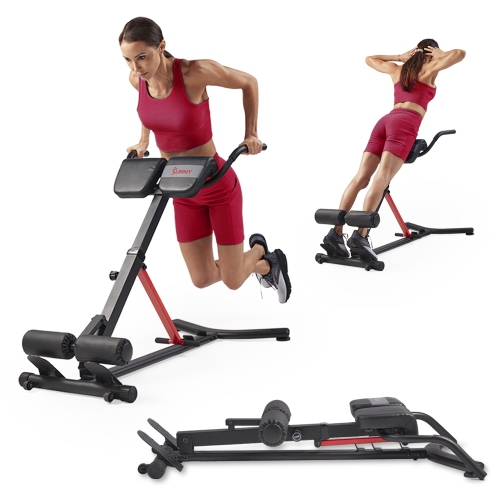 Your price for this item is $289.99
 -
 Your price for this item is $199.99
 -
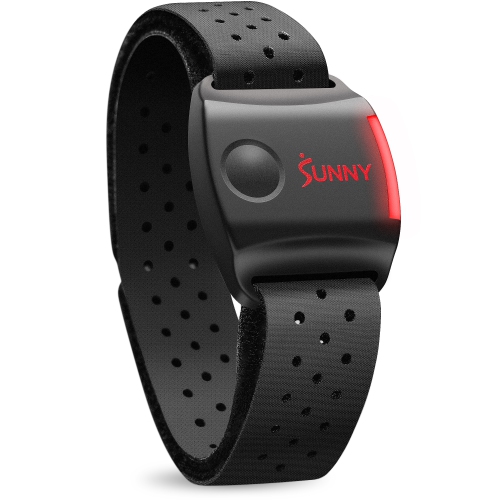 Your price for this item is $104.95
 -
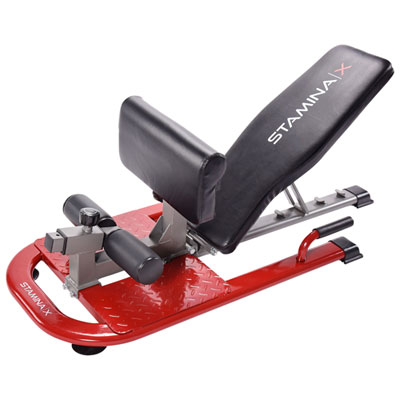 Your price for this item is $329.99
 -
 Your price for this item is $302.99
 -
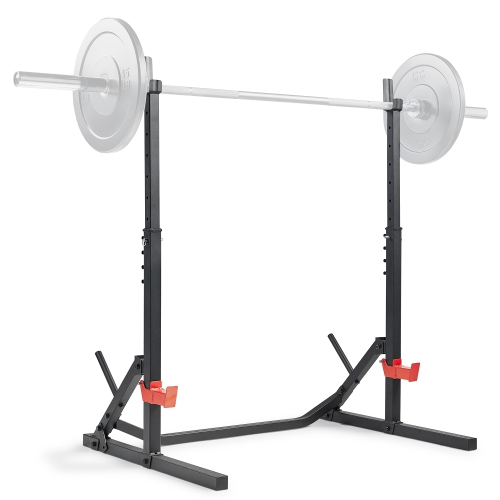 Your price for this item is $234.99
 -
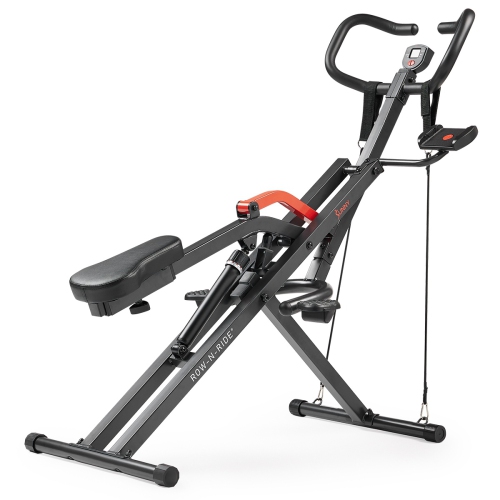 Your price for this item is $319.99
 -
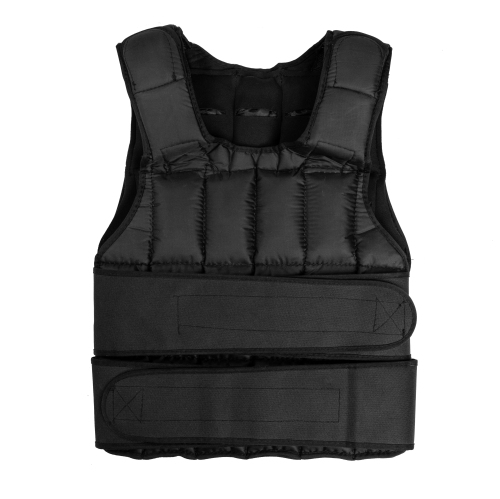 Your price for this item is $69.99
Discover more categories related to Slam Balls
Top Collections:
Pokemon Centers, Kindle Devices, Best Budget Office Chairs, Apple iPhones 16, Best Laptops for Writers, iPhone 15 Apple, Canon G7X Cameras, Refurbished Apple Laptops, Alarm Clock, Motorola Razr Phones
Some products may be subject to Environmental Handling Fees
(EHF) depending on your province.
Learn more about EHFs.