Fitness Medicine Balls
Fitness medicine balls are weighted balls used as part of a fitness program. They are designed to increase strength, power, and endurance. Medicine balls are a great tool for developing core strength, balance, and coordination. Here are some great options available.
Sort
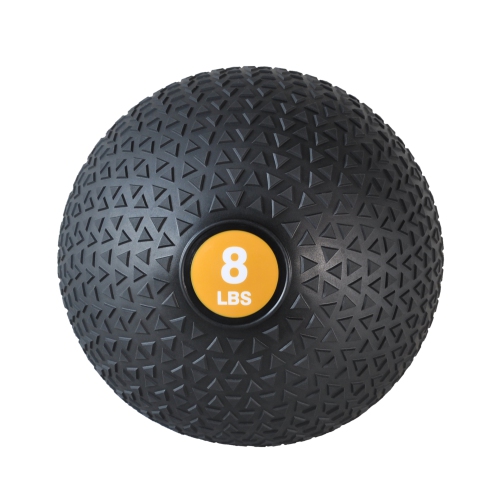
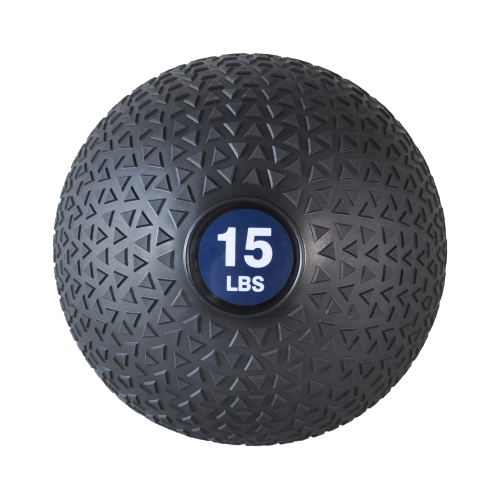
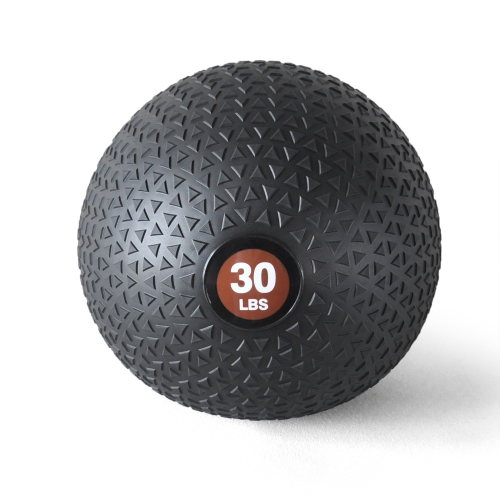
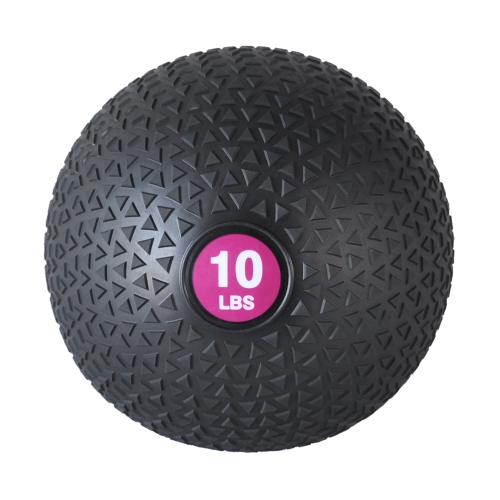
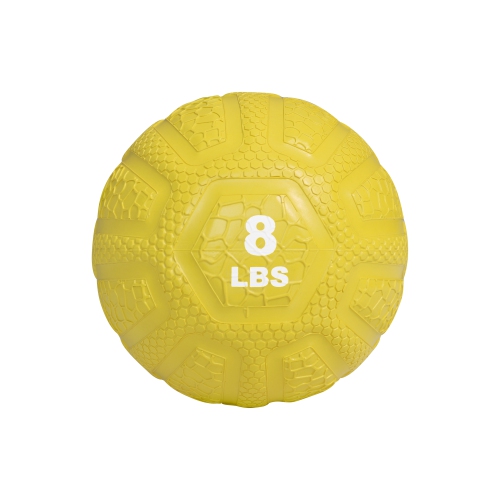
Why ball design matters as much as weight
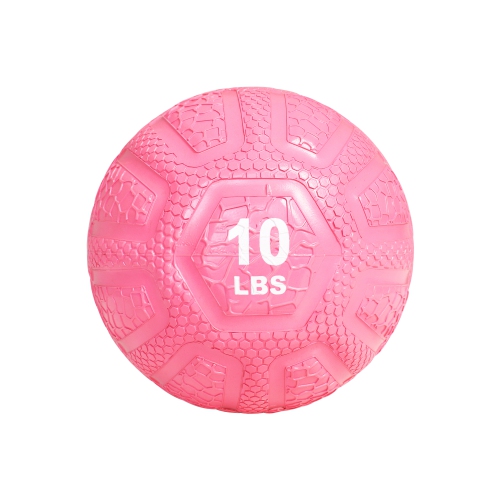
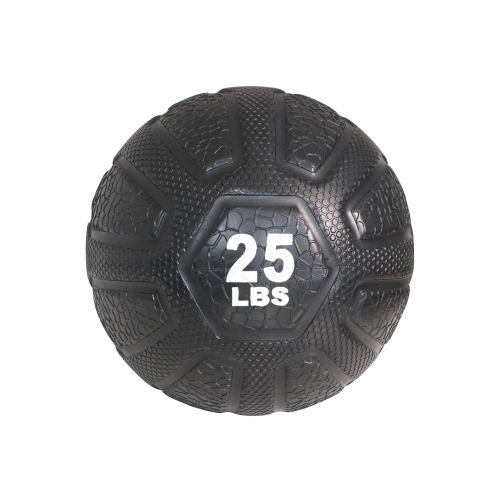
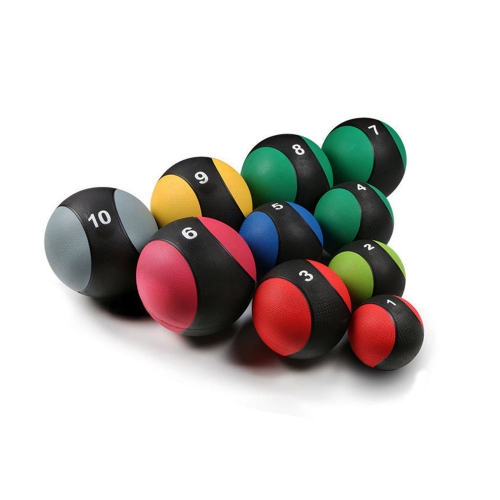
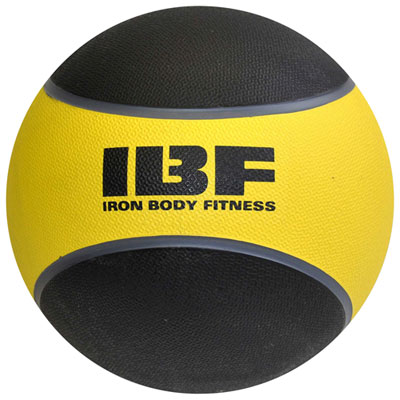
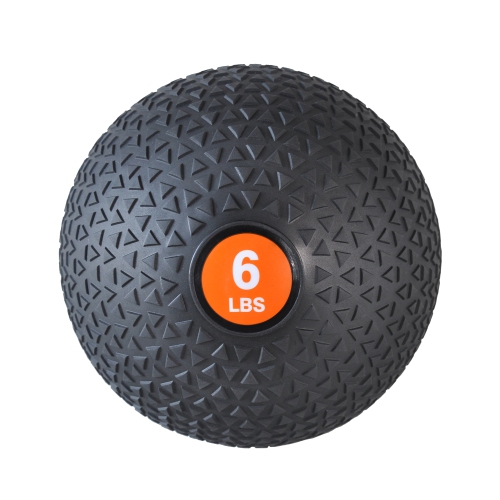
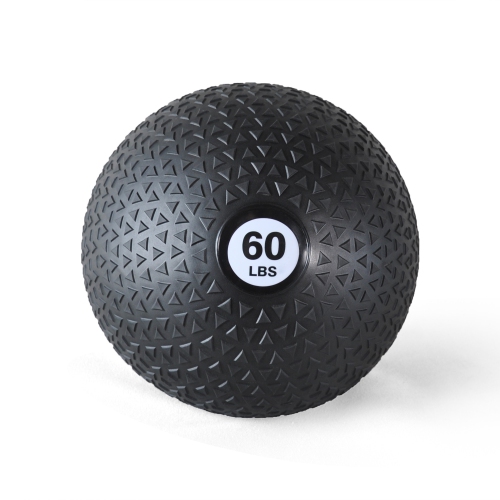
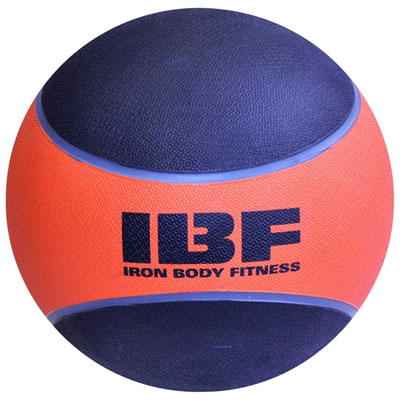
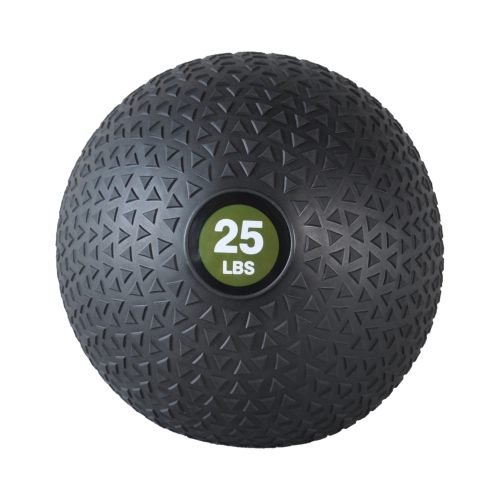
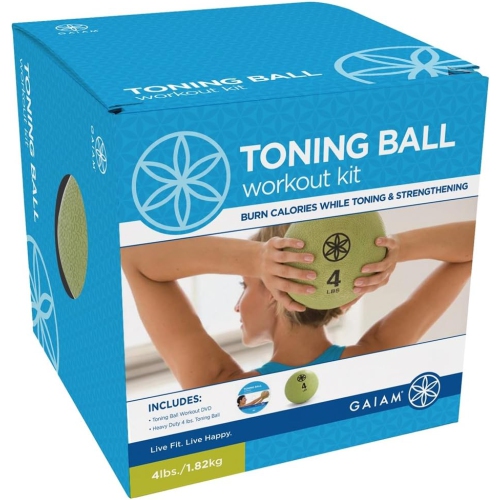
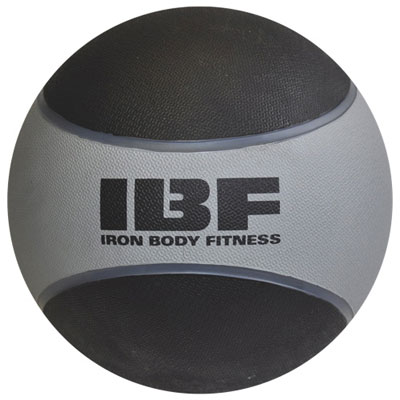
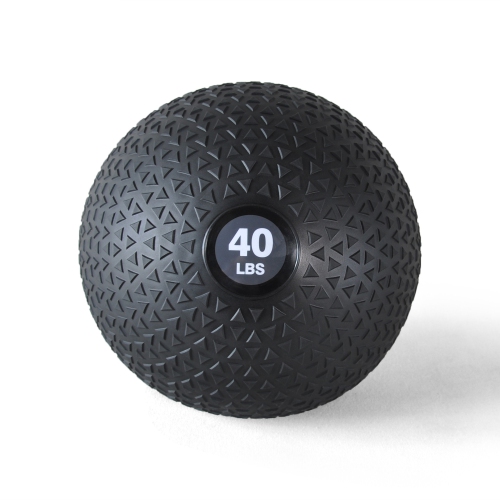
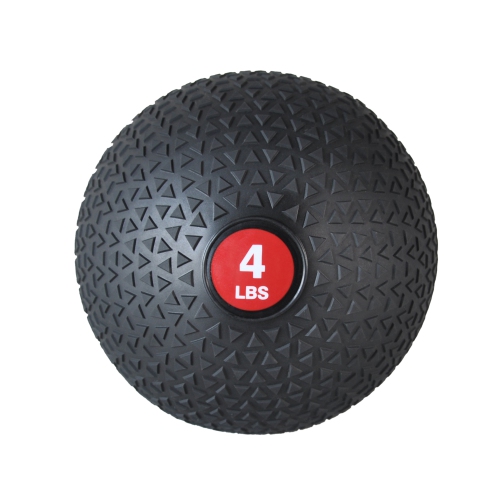
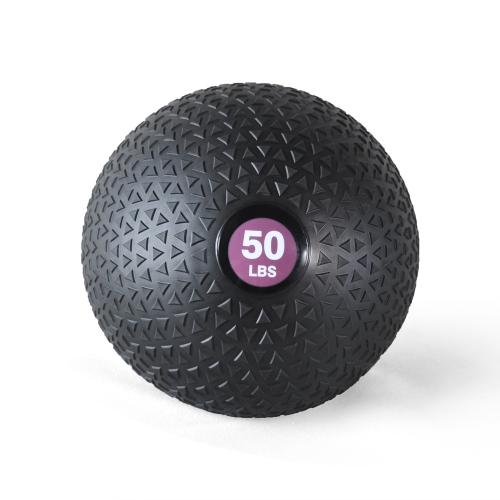
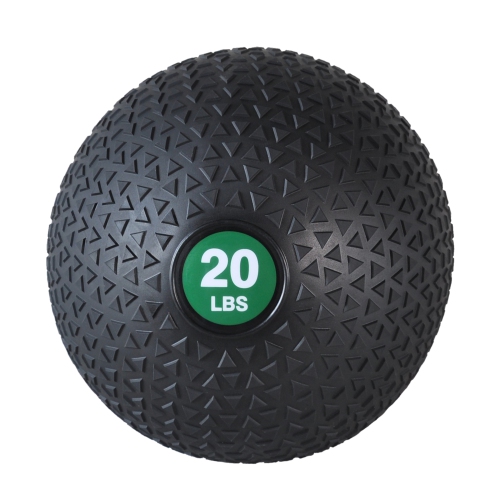
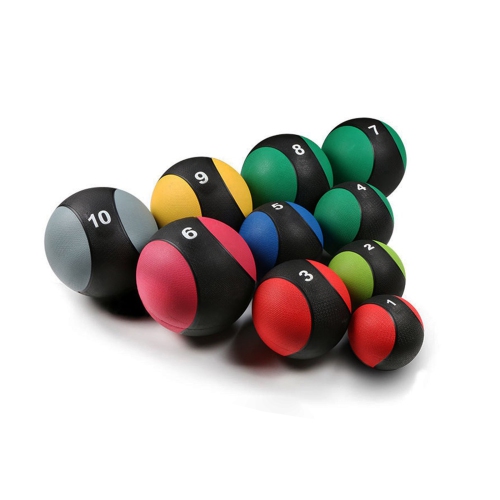
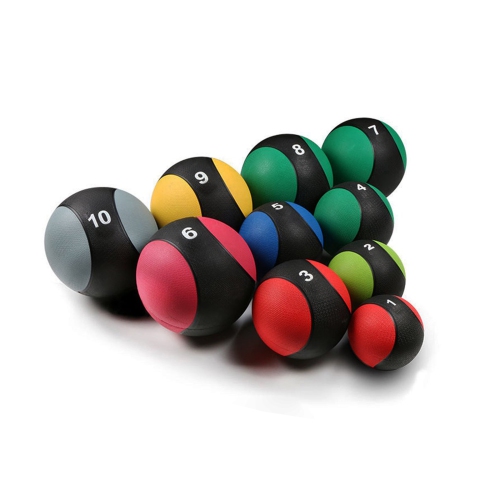
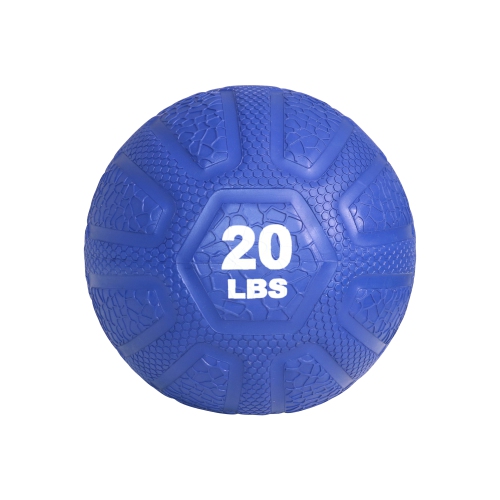
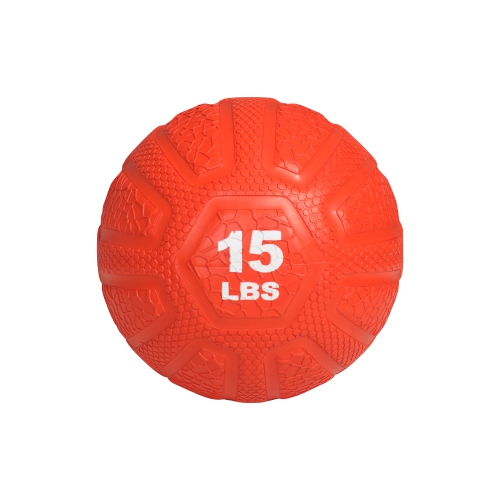
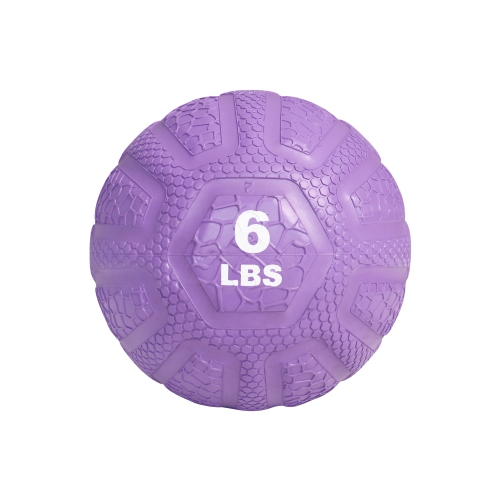
Fitness medicine balls are weighted exercise balls used for strength training, core stability, coordination, and athletic conditioning. Their compact shape lets the hands work together around a single load, making them useful for movements such as squats, standing presses, controlled torso rotations, and appropriately matched partner drills. Unlike a dumbbell, a medicine ball can be held close to the chest, extended away from the body, or passed between people when its construction supports that use. Those changes in position affect how demanding an exercise feels, even when the weight stays the same. The main types include traditional medicine balls, slam balls, and wall balls, each built for different movements. Traditional rubber medicine balls often have some bounce and a textured surface suited to gripping, carrying, and certain throwing exercises. Leather and synthetic leather versions offer a different feel, with stitched panels and varying degrees of firmness; their suitability for impact depends on the design. Slam balls typically have a tough, flexible shell and loose filling, such as sand, that absorbs impact and limits rebound during floor slams. Wall balls are generally larger, with a padded outer shell intended for throws against a suitable wall target. These categories are not interchangeable: a ball meant for controlled lifting may not tolerate repeated slams, and a rubber ball with a lively bounce can return unexpectedly after hitting the floor. Manufacturer instructions establish whether a particular design is suitable for bouncing, throwing, catching, or overhead work. Medicine balls also differ from the large inflatable stability balls commonly used for supported exercises and balance work. The broader Exercise Balls category provides context for those other formats, while medicine balls centre on adding resistance through a manageable handheld load. In a home workout area or shared training space, that combination of weight and movement makes them a practical complement to mats, resistance bands, and free weights rather than a direct replacement for every piece of equipment.
Weight, diameter, surface texture, and firmness all influence how a medicine ball fits the person using it. A suitable weight allows a movement to remain controlled from start to finish without forcing the shoulders upward, pulling the back out of position, or making a catch difficult to absorb. Someone learning a standing chest pass may need a much lighter ball than they would use for a squat held close to the torso. Likewise, a ball that feels comfortable during a short carry can become demanding when held farther from the body. For beginners, a manageable load leaves room to practise posture and movement before adding resistance. Experienced exercisers may use different weights for strength-focused movements and faster drills, since speed and control can matter more than using the heaviest option. Weight labels may be expressed in pounds or kilograms, so checking the unit is important when comparing otherwise similar balls. Diameter deserves equal attention: two balls with the same weight can have very different dimensions, and a larger shell may feel awkward for smaller hands or a shorter reach. A secure two-handed hold is especially important when the ball moves above chest height. Textured rubber can provide traction, while padded synthetic coverings may feel more comfortable against the forearms during a catch. Seams, surface grooves, and the amount of give in the shell all contribute to handling. Some designs include integrated handles for controlled lifting and carrying, although handles do not automatically make a ball suitable for throws or slams. Intended use should remain the deciding factor. A person adding resistance to a few slow exercises beside a workout mat has different needs from someone practising repeated wall throws in a dedicated training area. Medicine balls can also suit recreational athletes working on sport-related movement patterns, adults building a varied strength routine, and people following professionally supervised exercise programmes. For rehabilitation or exercise involving an existing injury, the appropriate movement and load are best established with a qualified healthcare professional rather than inferred from the term “medicine ball.”
Durability depends on matching the shell, filling, and seams to the exercise surface and the forces involved. Repeated impact places different demands on a ball than holding it during a lunge, so a sturdy appearance alone does not establish that it can withstand slams. Rubber shells may offer a firm, resilient feel, while stitched synthetic coverings provide a softer contact surface but still require attention around panel joins. Loose-filled slam balls can change shape slightly as the filling shifts; that feel is different from the more consistent shape of many traditional medicine balls. In a home gym, flooring and clearance are just as important as the ball itself. Floor slams require a ball designed for that purpose and a surface approved for impact, with enough space away from furniture, windows, pets, and other people. Wall throws belong against a suitable training surface, not an ordinary interior wall. Even a low-bounce ball can move after landing, and a padded shell does not guarantee quiet exercise or protection for the floor. In an apartment or a room above another living space, controlled squats, carries, and presses may be more practical than impact-based drills. During the cooler months, these quieter movements can bring variety to an indoor routine without requiring a large workout area. Basic care helps preserve grip and makes wear easier to spot: remove sweat and dust using the cleaning method specified by the manufacturer, allow the surface to dry before storage, and avoid soaking stitched coverings unless expressly permitted. Strong cleaners, prolonged direct sunlight, and heat sources can damage some materials. Regular checks for cracks, loose stitching, bulges, or escaping filling are particularly important before any throwing exercise; a damaged ball should be taken out of use. Stable storage on a suitable rack or at floor level helps prevent a heavy ball from rolling or falling. As a gift, a medicine ball is most useful for someone whose preferred exercises, comfortable weight range, and training space are already known. A well-matched format supports the movements they actually enjoy, whether that means deliberate strength work or more dynamic conditioning.
Weight, diameter, surface texture, and firmness all influence how a medicine ball fits the person using it. A suitable weight allows a movement to remain controlled from start to finish without forcing the shoulders upward, pulling the back out of position, or making a catch difficult to absorb. Someone learning a standing chest pass may need a much lighter ball than they would use for a squat held close to the torso. Likewise, a ball that feels comfortable during a short carry can become demanding when held farther from the body. For beginners, a manageable load leaves room to practise posture and movement before adding resistance. Experienced exercisers may use different weights for strength-focused movements and faster drills, since speed and control can matter more than using the heaviest option. Weight labels may be expressed in pounds or kilograms, so checking the unit is important when comparing otherwise similar balls. Diameter deserves equal attention: two balls with the same weight can have very different dimensions, and a larger shell may feel awkward for smaller hands or a shorter reach. A secure two-handed hold is especially important when the ball moves above chest height. Textured rubber can provide traction, while padded synthetic coverings may feel more comfortable against the forearms during a catch. Seams, surface grooves, and the amount of give in the shell all contribute to handling. Some designs include integrated handles for controlled lifting and carrying, although handles do not automatically make a ball suitable for throws or slams. Intended use should remain the deciding factor. A person adding resistance to a few slow exercises beside a workout mat has different needs from someone practising repeated wall throws in a dedicated training area. Medicine balls can also suit recreational athletes working on sport-related movement patterns, adults building a varied strength routine, and people following professionally supervised exercise programmes. For rehabilitation or exercise involving an existing injury, the appropriate movement and load are best established with a qualified healthcare professional rather than inferred from the term “medicine ball.”
Durability depends on matching the shell, filling, and seams to the exercise surface and the forces involved. Repeated impact places different demands on a ball than holding it during a lunge, so a sturdy appearance alone does not establish that it can withstand slams. Rubber shells may offer a firm, resilient feel, while stitched synthetic coverings provide a softer contact surface but still require attention around panel joins. Loose-filled slam balls can change shape slightly as the filling shifts; that feel is different from the more consistent shape of many traditional medicine balls. In a home gym, flooring and clearance are just as important as the ball itself. Floor slams require a ball designed for that purpose and a surface approved for impact, with enough space away from furniture, windows, pets, and other people. Wall throws belong against a suitable training surface, not an ordinary interior wall. Even a low-bounce ball can move after landing, and a padded shell does not guarantee quiet exercise or protection for the floor. In an apartment or a room above another living space, controlled squats, carries, and presses may be more practical than impact-based drills. During the cooler months, these quieter movements can bring variety to an indoor routine without requiring a large workout area. Basic care helps preserve grip and makes wear easier to spot: remove sweat and dust using the cleaning method specified by the manufacturer, allow the surface to dry before storage, and avoid soaking stitched coverings unless expressly permitted. Strong cleaners, prolonged direct sunlight, and heat sources can damage some materials. Regular checks for cracks, loose stitching, bulges, or escaping filling are particularly important before any throwing exercise; a damaged ball should be taken out of use. Stable storage on a suitable rack or at floor level helps prevent a heavy ball from rolling or falling. As a gift, a medicine ball is most useful for someone whose preferred exercises, comfortable weight range, and training space are already known. A well-matched format supports the movements they actually enjoy, whether that means deliberate strength work or more dynamic conditioning.
Top selling and popular products
-
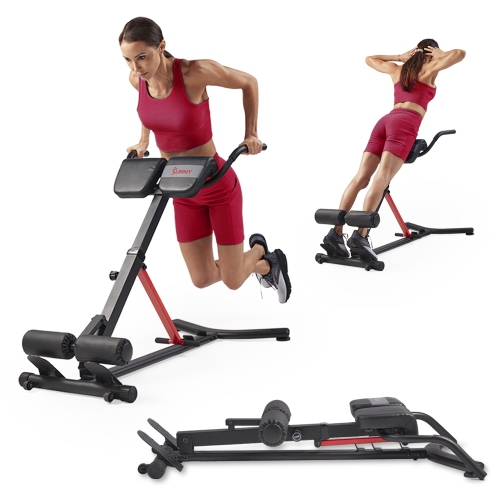 Your price for this item is $289.99
 -
 Your price for this item is $199.99
 -
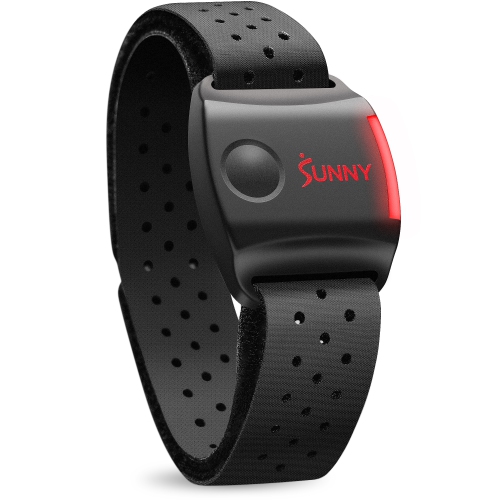 Your price for this item is $104.95
 -
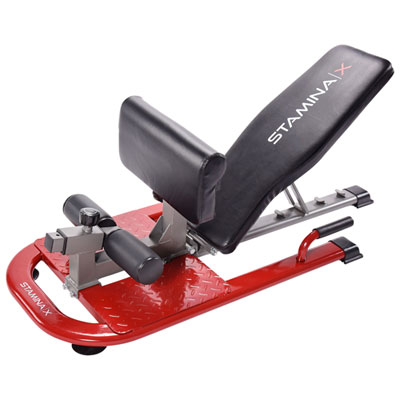 Your price for this item is $329.99
 -
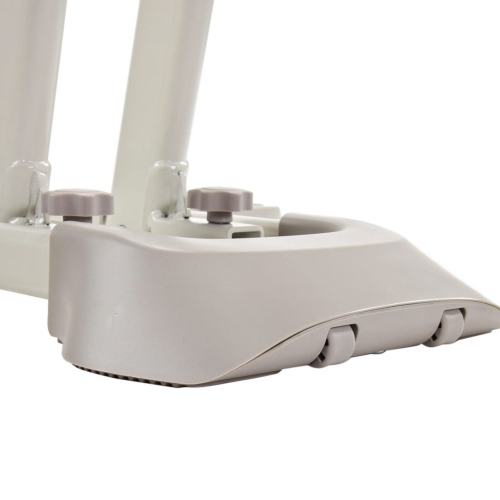 Your price for this item is $302.99
 -
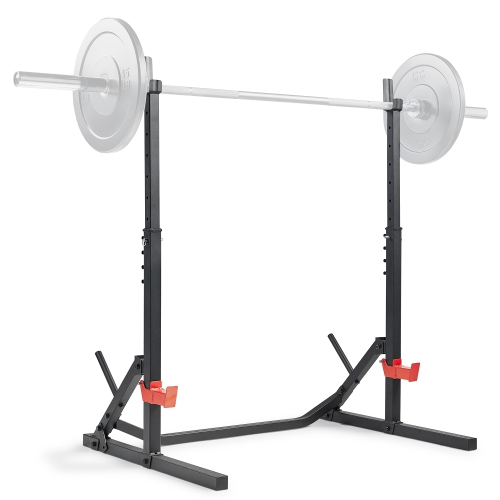 Your price for this item is $234.99
 -
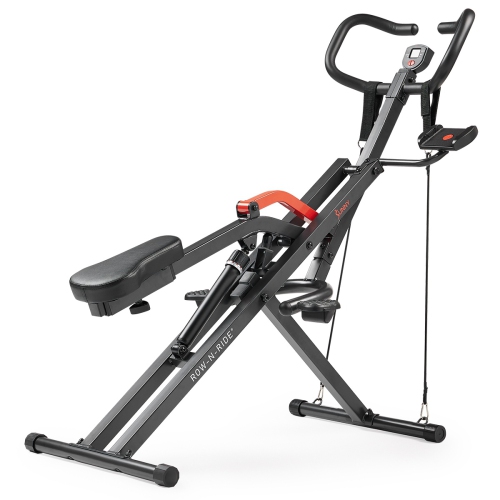 Your price for this item is $319.99
 -
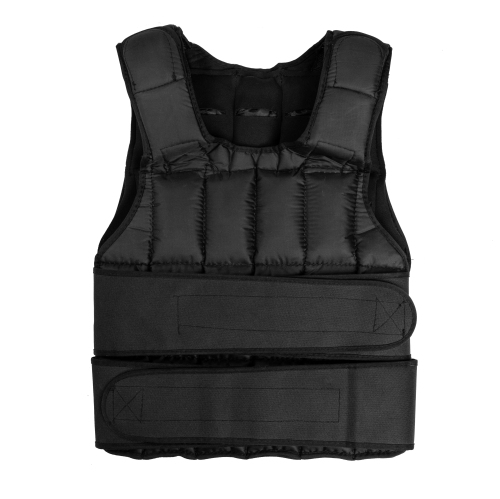 Your price for this item is $69.99
Discover more categories related to Fitness Medicine Balls
Top Collections:
Pokemon Centers, Kindle Devices, Best Budget Office Chairs, Apple iPhones 16, Best Laptops for Writers, iPhone 15 Apple, Canon G7X Cameras, Refurbished Apple Laptops, Alarm Clock, Motorola Razr Phones
Some products may be subject to Environmental Handling Fees
(EHF) depending on your province.
Learn more about EHFs.