Slim Walking Pads for Apartments
Slim walking pads for apartments offer a convenient way to stay active without taking up much space. Perfect for compact living areas, these walking pads are designed to fit seamlessly into your home routine. Whether you want to get your steps in during a busy workday or enjoy a light walk while watching TV, slim walking pads for apartments make it easy to prioritize your fitness goals without sacrificing valuable floor space. Explore options that blend function and style, helping you create a personalized exercise area right at home.
Sort
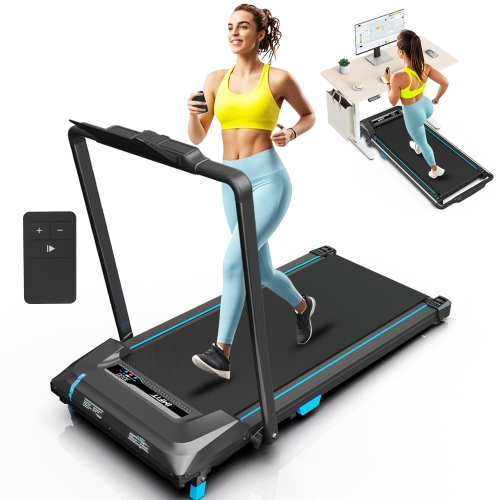
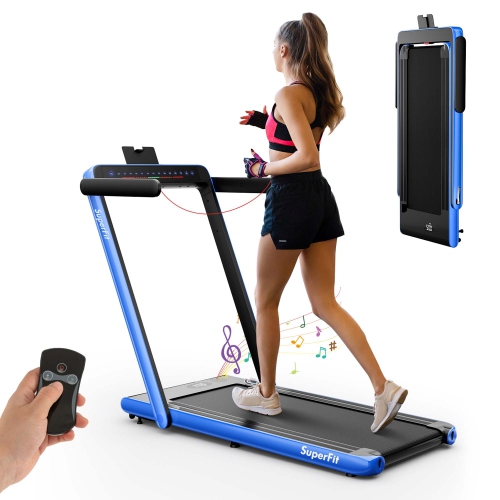
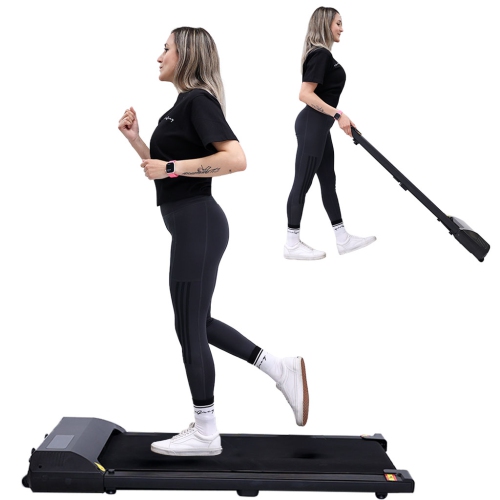
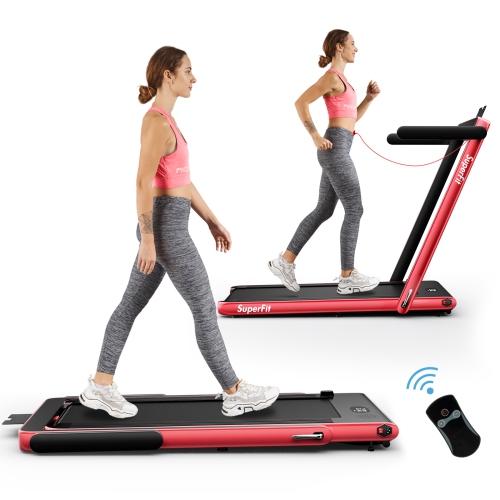

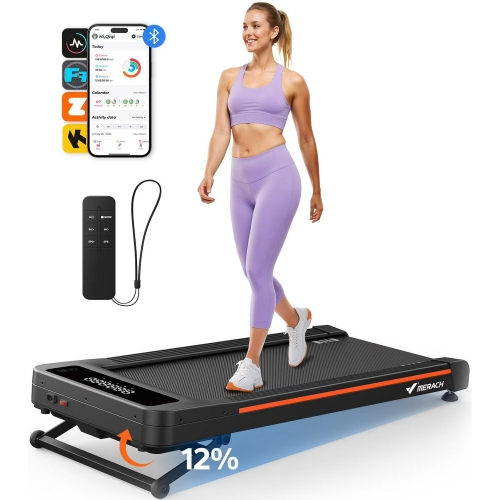
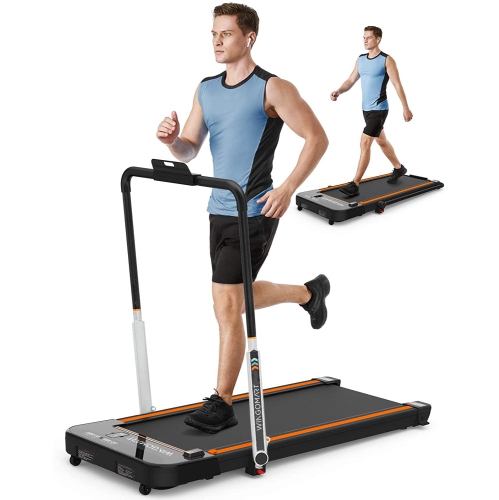
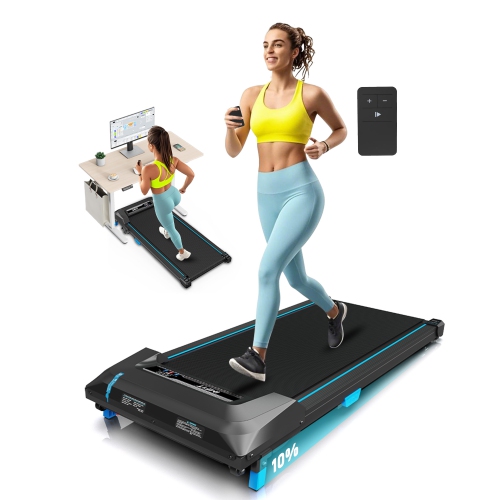
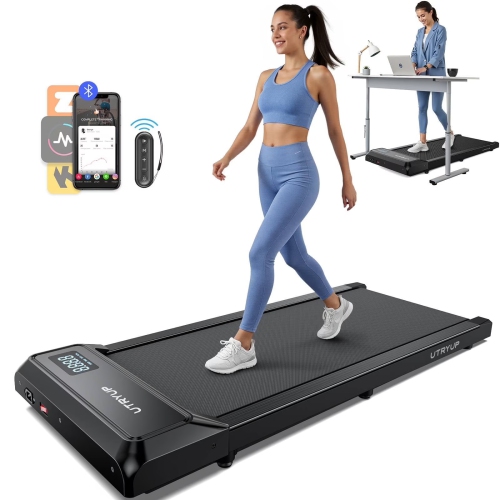


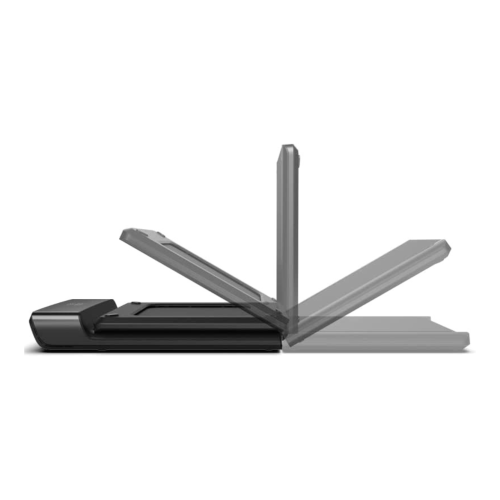
Comfortable indoor steps take more than a slim frame
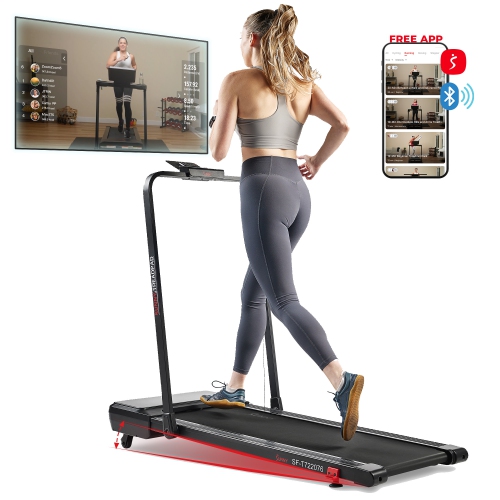
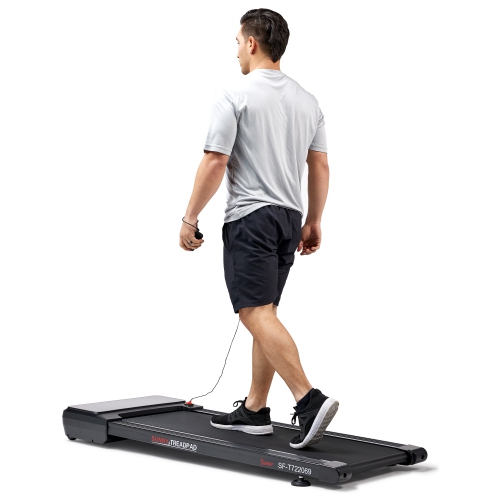
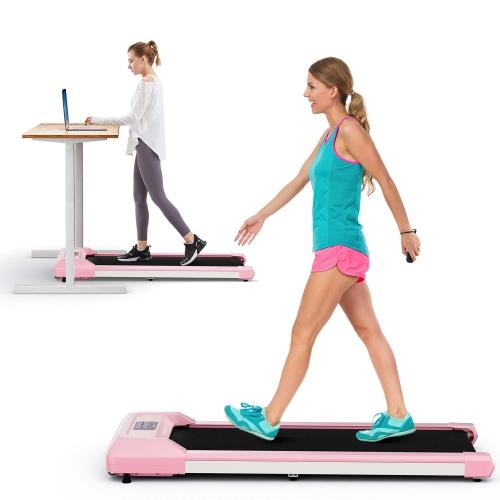
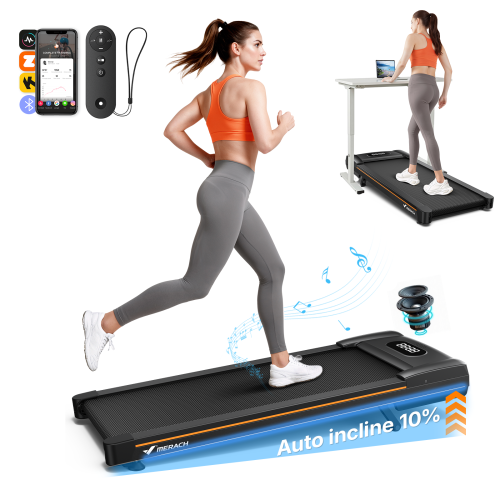
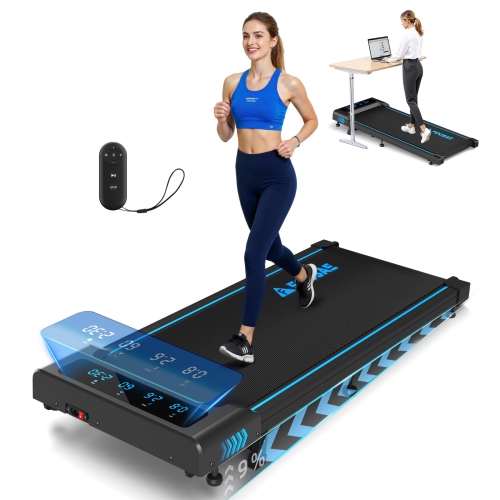
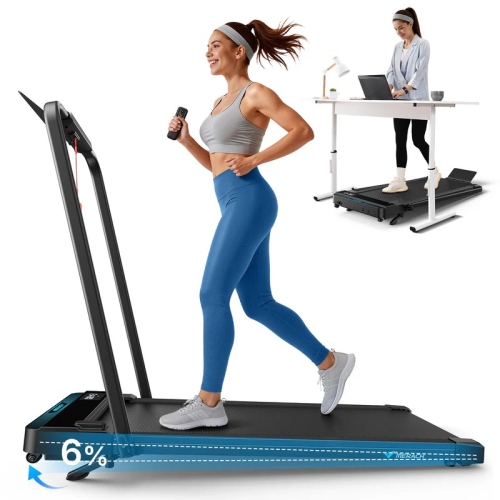
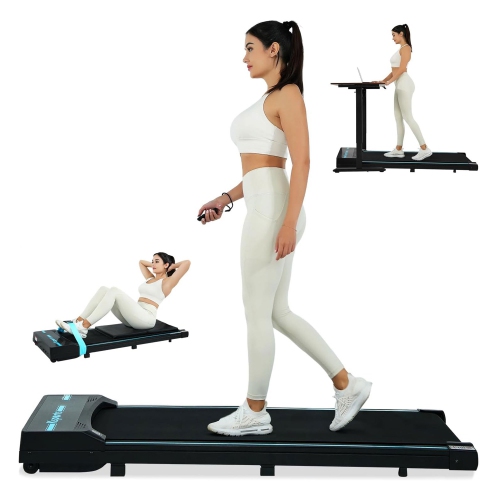
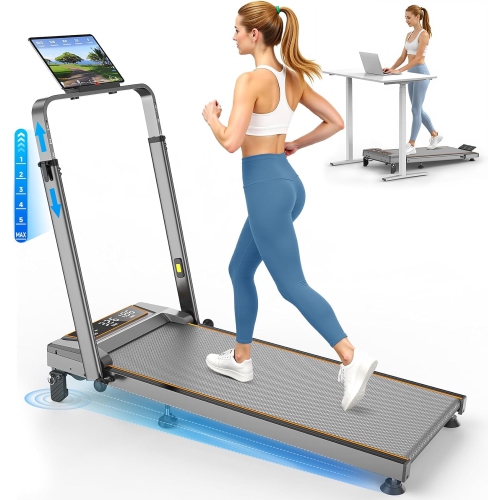
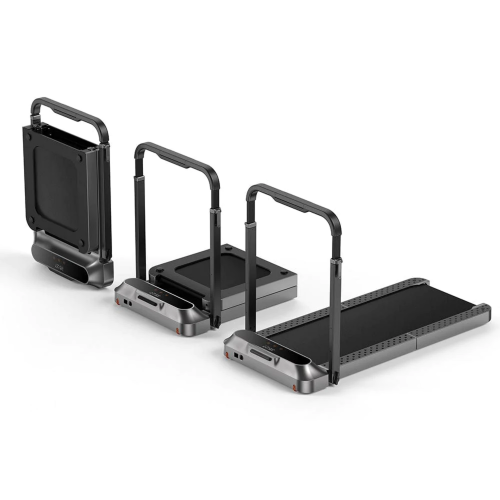
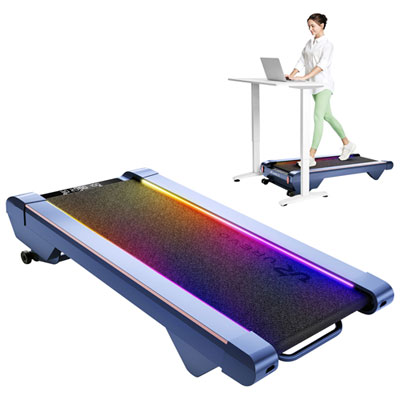
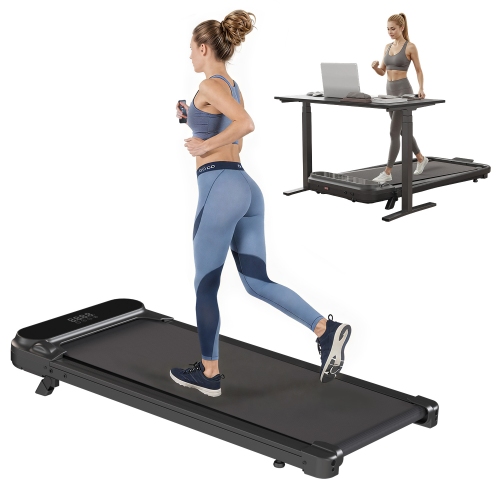
Slim walking pads for apartments are low-profile motorized treadmills designed mainly for walking in spaces where a full-size fitness machine would be difficult to fit. Their appeal is straightforward: a moving belt provides a place for steady indoor steps, while a compact frame leaves more room for everyday living. Some designs fit beneath a compatible standing desk; others work well in an open corner of a living room or bedroom. A slim profile does not automatically mean a walking pad will slide under every sofa or bed, however. Both the machine’s storage height and the furniture’s lowest clearance matter, including any support bars hidden beneath the frame. The full length and width also need to fit, with room to reach the transport wheels or lifting points without dragging the machine across the floor. Folding designs can reduce the storage footprint, although the folded dimensions may be taller than the walking surface suggests. Storage orientation is another important distinction: standing a walking pad against a wall is suitable only when the manufacturer permits it. For everyday use, the belt dimensions deserve as much attention as the outer measurements. A narrow frame saves space, but the walking surface still needs to accommodate a natural stride without making each step feel carefully placed. Taller walkers may appreciate a longer belt, while anyone with a wider stance may find belt width particularly important. Metal frames, often made from steel or aluminium, support the deck, while textured walking belts provide contact underfoot. Outer covers, hinges, wheels, and adjustment points all contribute to how the machine handles repeated use and movement between rooms. The listed user weight capacity, intended walking speeds, and presence or absence of a handrail help distinguish a suitable everyday walking pad from a design that may feel too restrictive. Compact dimensions are most useful when they preserve enough walking room for comfortable, controlled movement.
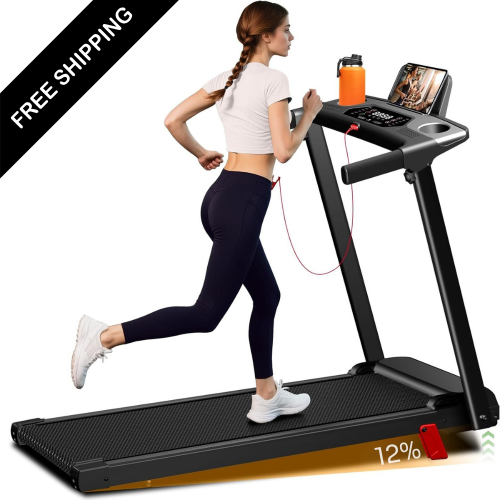
Sound is an especially practical consideration in an apartment, where a walking pad shares floors and walls with neighbouring homes. A quiet motor can reduce mechanical hum, but it does not eliminate the sound of footsteps or vibration passing through a building. Walking speed, gait, flooring, machine placement, and the construction of the building all affect what someone nearby may hear or feel. A cushioning deck may soften the sensation underfoot without making the machine silent. A treadmill mat approved for the flooring and equipment can help protect the surface and reduce some vibration, though it cannot guarantee that downstairs neighbours will hear nothing. Stable placement matters just as much: all support points should sit securely on a level surface, with the clearances specified by the manufacturer kept open. Thick rugs, uneven floorboards, and crowded corners can interfere with stability or ventilation. Beneath a standing desk, the walking surface raises the user above floor level, so the desk must adjust high enough to keep the keyboard and screen comfortably positioned. A workable setup leaves the shoulders relaxed, the elbows near the body, and enough space ahead to avoid drifting into the desk. Slow walking may suit reading or lighter computer tasks, while detailed typing, video calls, or precision mouse work may feel easier when standing still. An accessible stop control is valuable, whether it is on a remote, console, or another control supplied with the machine. Display information such as speed, time, and distance can make short sessions easier to follow, but connectivity features are secondary to a comfortable belt and dependable controls. Walking-only equipment should not be treated as a running treadmill, even when a faster pace seems possible. Similarly, an incline changes both the effort and the user’s position relative to a desk. Clear floor space around the machine, secure footwear, and keeping children and pets away from the moving belt remain important in even the smallest apartment.
A walking pad often fits best into a routine through manageable sessions rather than an ambitious daily target. Someone working from home might walk slowly through a short reading task, then stop the belt before joining a meeting. Another person might prefer a dedicated walk while listening to a podcast, with the machine positioned away from furniture edges and household traffic. These uses place different demands on the same compact format, making speed control, belt comfort, and the manufacturer’s operating limits more meaningful than appearance alone. For shared households, easy adjustment between users and straightforward controls can be useful, particularly when stride lengths differ. A walking pad may also make a thoughtful gift for someone who has expressed an interest in walking at home, provided the recipient’s available space, preferred features, and ability to move and store the machine are understood. Designs without handrails may not suit people who need support for balance. Long-term practicality also depends on care. Dust and hair can collect around the belt and motor housing, especially when equipment is stored beneath furniture. Switching off and unplugging the machine before cleaning, wiping accessible surfaces as directed, and keeping liquids away from electrical parts help protect its components. Belt tension, alignment, and lubrication requirements vary, so maintenance should follow the manufacturer’s instructions rather than a general schedule or an assumed need for oil. Any stated session limits or cooling periods also matter for repeated daily use. Transport wheels make repositioning easier, but the machine’s total weight still affects whether moving it is realistic for one person. Warranty terms, access to service, and clear maintenance instructions add useful context when comparing construction and features. Explore Compact Walking Pads for Daily Walking for a related focus on everyday movement in smaller spaces. The most practical apartment setup balances a comfortable walking surface with manageable storage, suitable controls, and enough clear space to use the machine safely.
Top selling and popular products
-
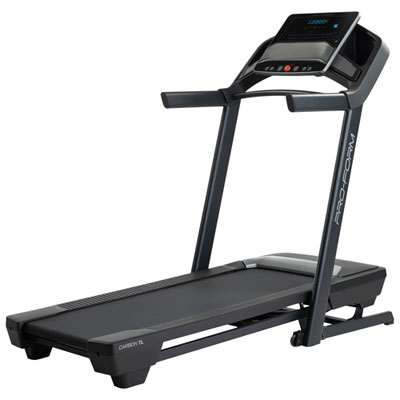 Your price for this item is $1099.98
-
 Your price for this item is $2901.98
-
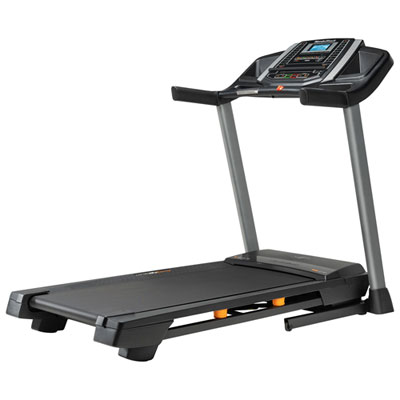 Your price for this item is $995.98
-
 Your price for this item is $1278.98
-
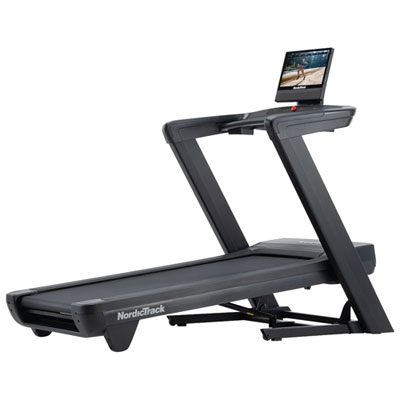 Your price for this item is $2501.98
-
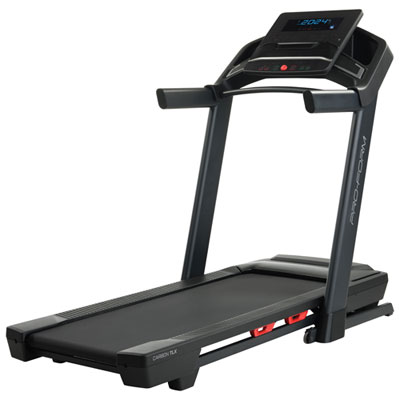 Your price for this item is $1399.99
-
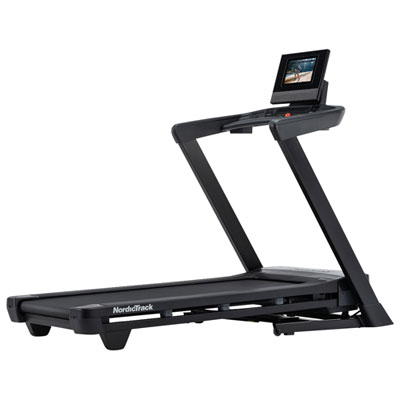 Your price for this item is $1799.99
-
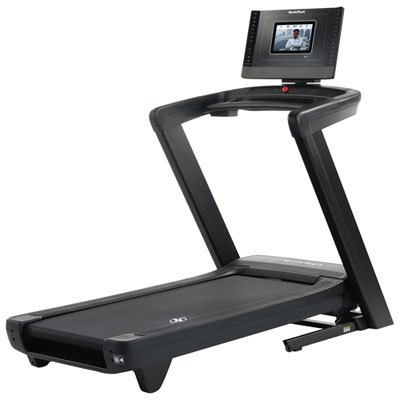 Your price for this item is $2698.98
Discover more categories related to Slim Walking Pads for Apartments
Top Collections:
Pokemon Centers, Best Cameras for Sports Photography, Kindle Devices, Samsung Galaxy Phones, Canon G7X Cameras, Pokémon 30th Celebration Cards, Refurbished Apple Laptops, iPhone 15 Apple, Laptops for Students, Budget Smartphones
Some products may be subject to Environmental Handling Fees
(EHF) depending on your province.
Learn more about EHFs.