Smart Muscle Recovery Devices
Smart muscle recovery devices are designed to help you optimize your post-workout routine and support your overall fitness goals. With innovative technology, these devices offer convenient solutions for enhancing your recovery process at home or on the go. Whether you're an athlete, a fitness enthusiast, or simply looking to improve your wellness regimen, smart muscle recovery devices can be a valuable addition to your daily routine. Explore a wide selection of options to find the ideal device that fits your needs and lifestyle.
Sort



Why comfort matters as much as connected features
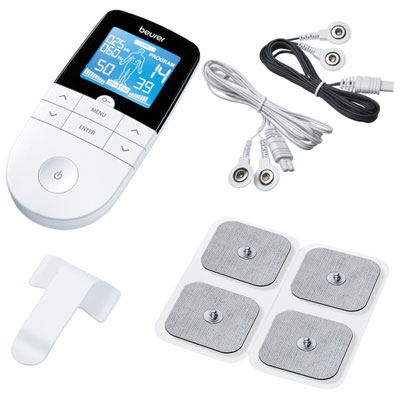
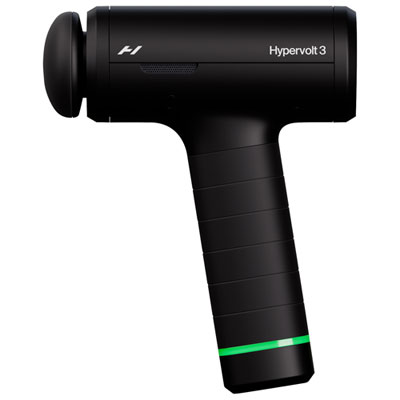
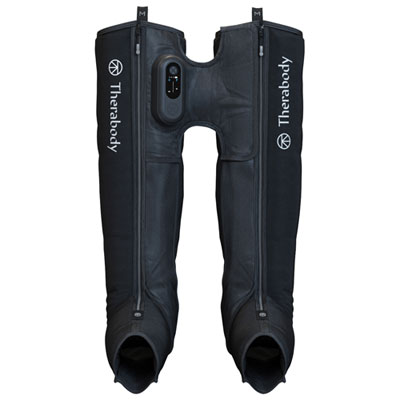
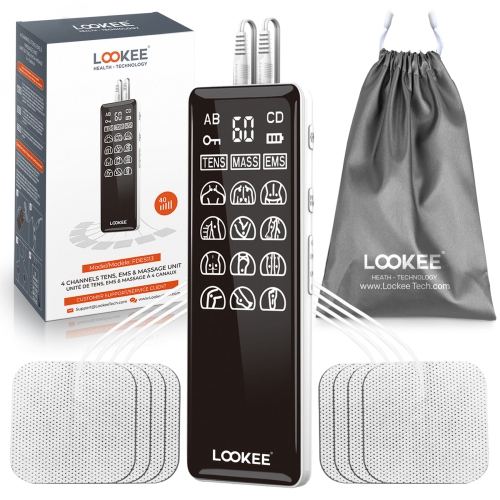
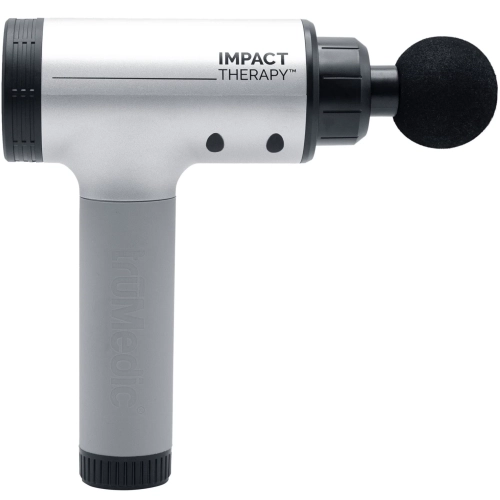
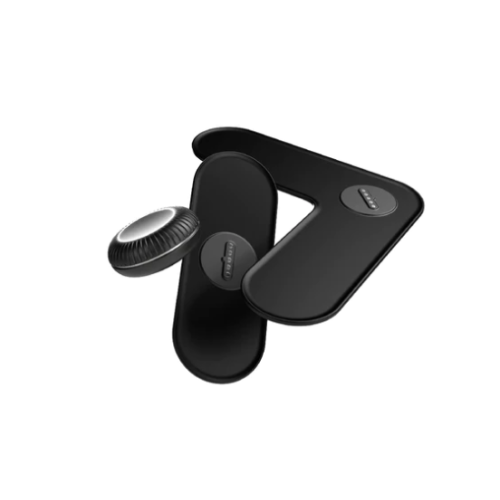
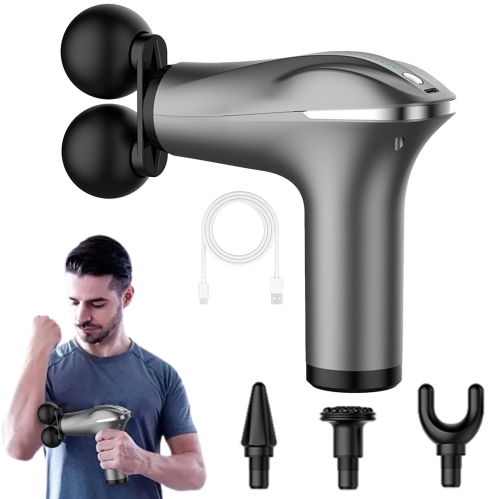
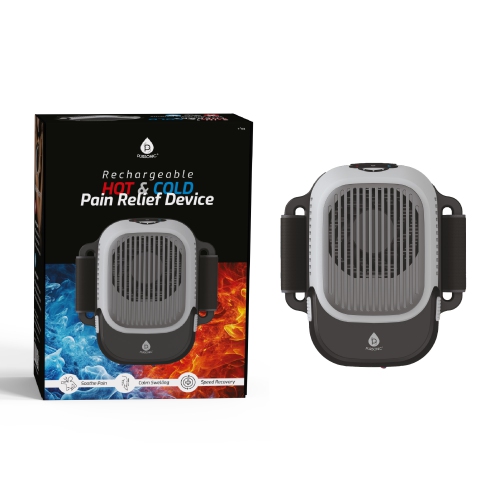
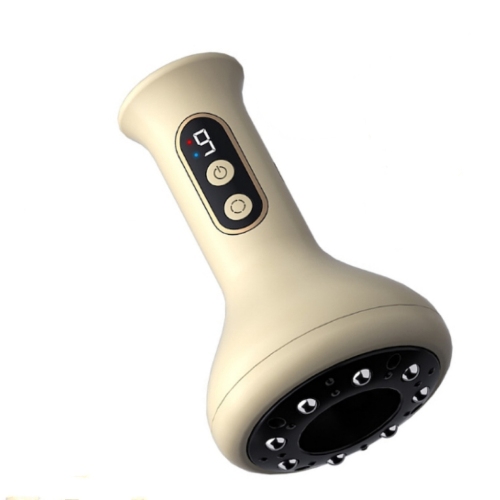
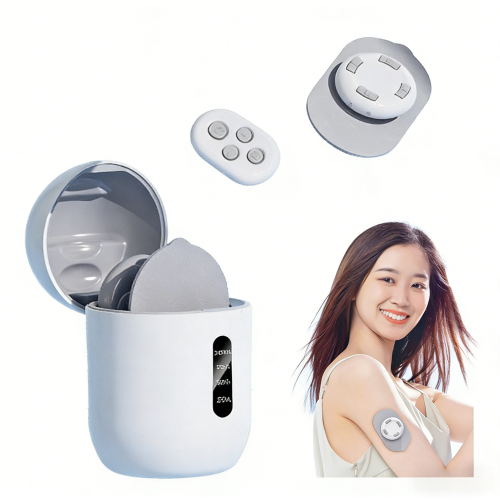
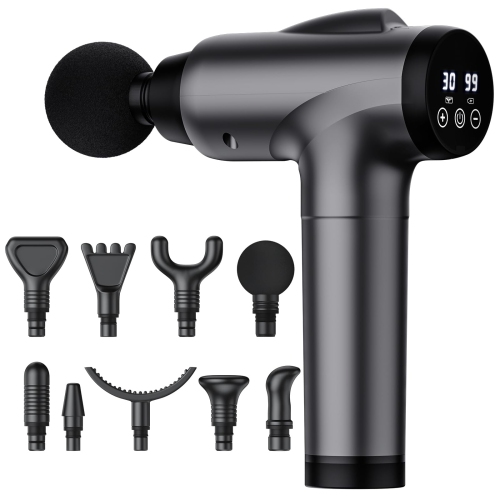
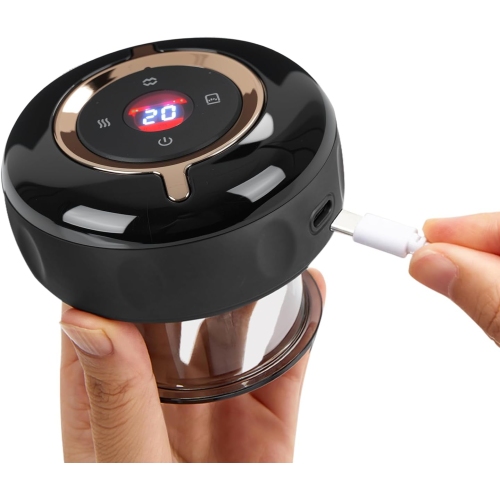
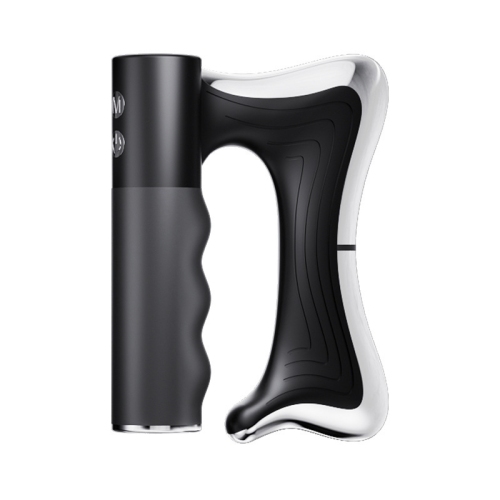
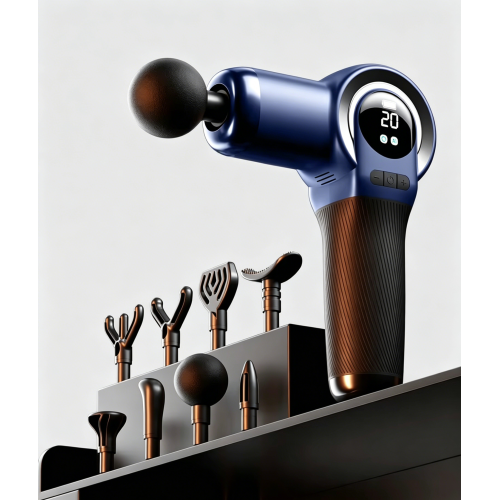
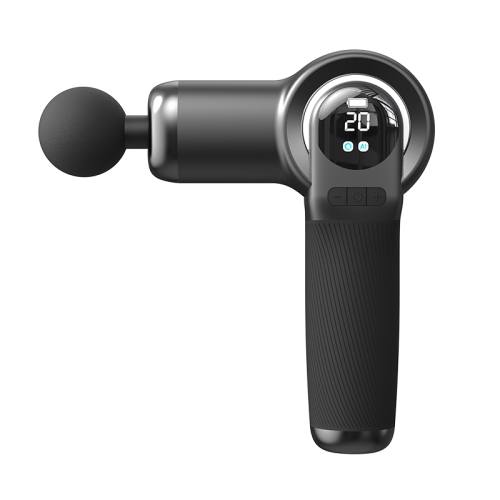
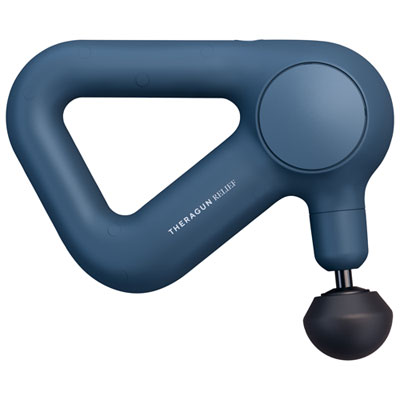
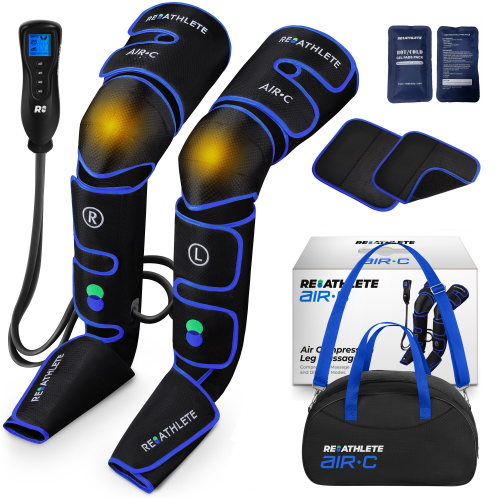
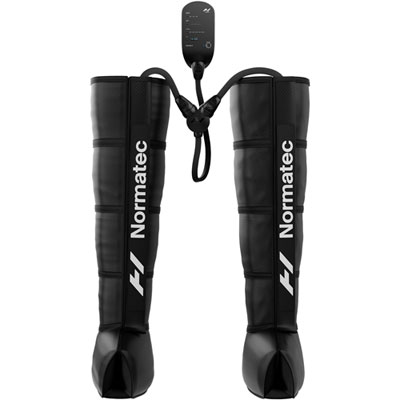
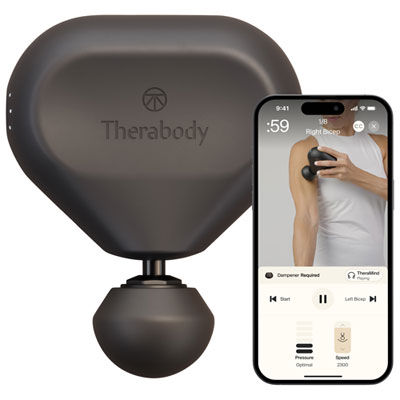
Smart muscle recovery devices bring adjustable massage, compression, or electrical stimulation together with digital controls that can make a recovery routine easier to personalize and repeat. Depending on the device, smart features may include Bluetooth connectivity, app-based session controls, guided routines, pressure feedback, and a record of completed sessions. These features help distinguish connected recovery equipment from a basic massager, although the physical action still matters more than the number of settings on a screen. Percussive devices use a moving attachment to deliver repeated pulses to a targeted muscle area. Air compression systems use inflatable chambers inside wearable sleeves or boots to apply and release pressure in a programmed sequence. Electrical muscle stimulation devices send controlled impulses through pads placed on the skin, producing muscle contractions rather than a kneading sensation. These approaches feel different and are not interchangeable: a runner seeking broad coverage across the legs may value a wearable compression system, while someone working on a small area of muscle tightness may prefer the control of a handheld device. Shoppers exploring targeted percussion can find that format among massage therapy guns for muscle recovery. Some recovery devices may help temporarily ease everyday muscle soreness or create a relaxing post-exercise routine, but results depend on the person, the technology, and how it is used. Connectivity alone does not establish therapeutic effectiveness, and a session log is not a medical assessment. For strength training enthusiasts, recreational cyclists, runners, or people who spend long stretches sitting or standing, the appeal is often practical: having an adjustable tool that fits into the space between finishing an activity and getting on with the rest of the day. Recovery equipment complements habits such as appropriate training, rest, sleep, and hydration rather than replacing them. A clear description of the intended body area and operating method is therefore more useful than a broad promise of faster recovery.
Comfort and fit have a direct effect on whether recovery equipment becomes part of a regular routine or stays tucked away. With handheld devices, weight, balance, handle shape, and reach all matter. A grip that feels manageable on the front of a thigh may be awkward when reaching a shoulder, particularly if the device must be held at an angle for several minutes. Textured or soft-touch handles can improve control, while accessible buttons make it easier to adjust a setting without changing grip. Attachment shape and firmness affect how pressure is distributed; a broad, softer surface generally feels different from a narrow, firmer contact point. Attachments should be used only on the areas identified in the instructions, not treated as interchangeable tools for every part of the body. Wearable compression equipment calls for attention to the stated height range, circumference measurements, coverage, and closure design. Sleeves should accommodate the intended user without bunching, pinching, or being forced closed, and a larger size is not automatically a better fit. For electrical stimulation devices, pad dimensions, placement instructions, skin compatibility, and the condition of the adhesive are important parts of everyday use. Smooth, wipeable housings and removable washable liners can simplify care, where the manufacturer permits those cleaning methods. Fabric seams, zips, hose connections, attachment fittings, and charging ports are sensible places to assess construction because they experience repeated handling. After use, equipment needs to be cleaned as directed, allowed to dry where necessary, and stored without crushing hoses or trapping moisture inside a case. Adhesive pads may need protective backing and eventual replacement to maintain reliable contact. Battery life is most meaningful when considered alongside session length, charging time, and whether the device can complete a routine without interruption. Noise also shapes the experience: a handheld motor may be unobtrusive in a home gym yet distracting beside someone reading, while a compression pump needs a stable place where its hoses will not be tugged or stepped on.
The most useful smart functions are the ones that remove friction from an ordinary session. Someone returning from a workout may appreciate a saved routine that restores familiar settings, while a person new to recovery equipment may find a clearly paced sequence easier to follow than a large menu of unexplained modes. Where supported, pressure feedback can offer a cue about applied force, but it should not be mistaken for a measurement of tissue health or permission to press harder. App-based tracking is most useful for remembering session duration, settings, and personal comfort rather than proving that a muscle has recovered. Compatibility with the intended phone or tablet, accessibility of the controls, and the ability to operate without opening an app all influence day-to-day convenience. Account requirements, data permissions, and supported software versions also deserve attention, especially when a connected device will be shared within a household. A readable display and straightforward physical controls may matter more than extra connected features for someone who prefers to leave their phone aside. Portability brings another set of considerations: a compact carrying case, secure attachment storage, and manageable charging equipment help keep a kit organized between home and the gym. Recovery devices can also make thoughtful gifts for adults who already enjoy fitness or have expressed an interest in at-home massage, provided the choice suits their preferences, mobility, and ability to use the controls comfortably. A gift should not assume that deeper pressure or a more intense sensation is desirable. Sensible use starts with the lowest comfortable setting and the session limits provided by the manufacturer; pain, numbness, unusual swelling, or worsening symptoms are reasons to stop rather than increase intensity. People with an injury, circulation concerns, reduced sensation, implanted electronic devices, or other relevant health conditions should seek advice from a qualified healthcare professional before using equipment that may be unsuitable for them. The right match is equipment with a suitable action, comfortable fit, clear instructions, and practical controls that support a repeatable routine without promising more than the technology can deliver.
Top selling and popular products
-
 Your price for this item is $1149.99
-
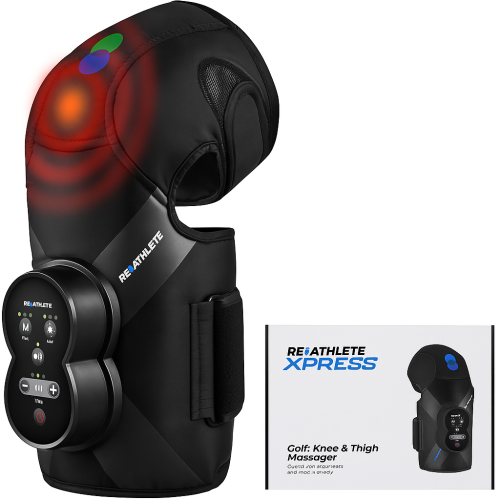 Your price for this item is $119.99
-
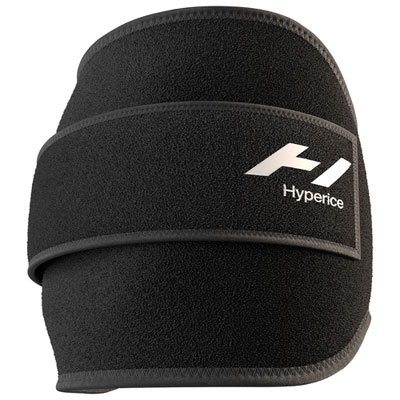 Your price for this item is $349
-
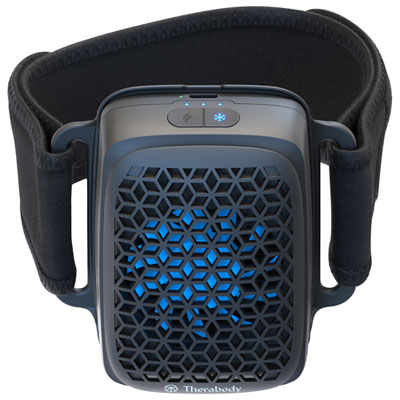 Your price for this item is $199.99
-
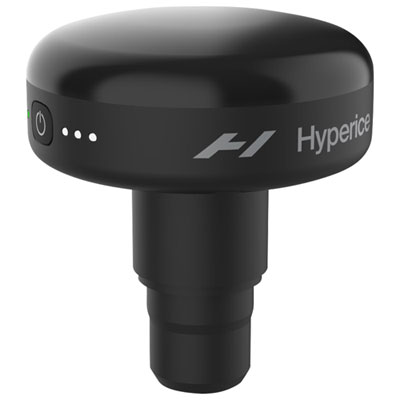 Your price for this item is $59.97
-
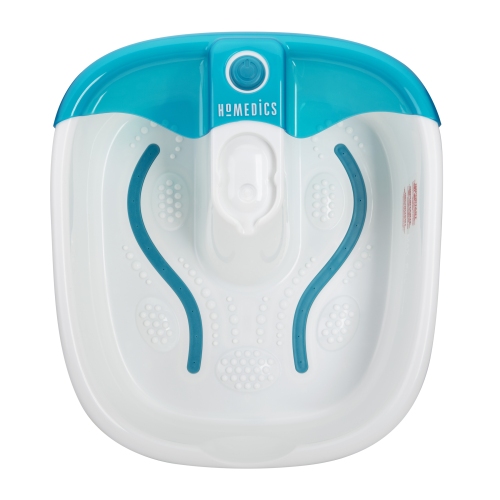 Your price for this item is $39.99
-
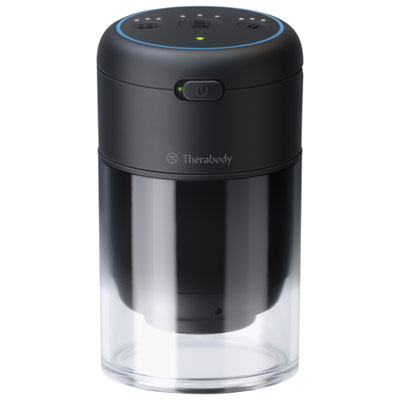 Your price for this item is $219.99
-
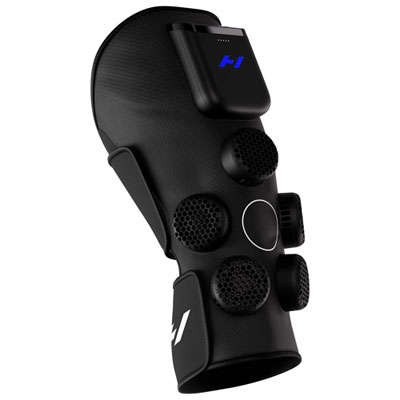 Your price for this item is $599.99
Discover more categories related to Smart Muscle Recovery Devices
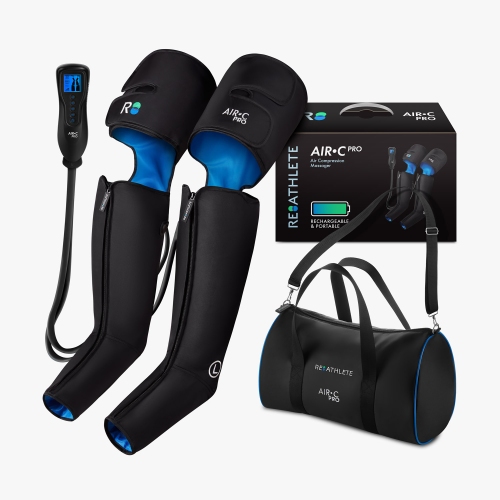
Top Collections:
Best Black Friday Deals This Year, Best Black Friday Deals On Electronics, Kindle Devices, Pokemon Centers, Best Black Friday Deals On Apple Products, Best Cameras for Sports Photography, Dyson Airwrap, Pokémon 30th Celebration Cards, Apple iPhone 17 Pro, Canon G7X Cameras
Some products may be subject to Environmental Handling Fees
(EHF) depending on your province.
Learn more about EHFs.