Snoring Earplugs
Discover the peaceful night's sleep you've been dreaming of with snoring earplugs, designed to help you rest undisturbed. Whether you're sharing a room with a snorer or simply looking for a quieter environment, these earplugs offer an effective solution to reduce unwanted noise. Crafted with comfort and functionality in mind, they provide a snug fit that helps block out disruptive sounds while you relax or sleep. Explore our selection to find the perfect pair that suits your needs and enjoy the serenity of soundless slumber.
Sort

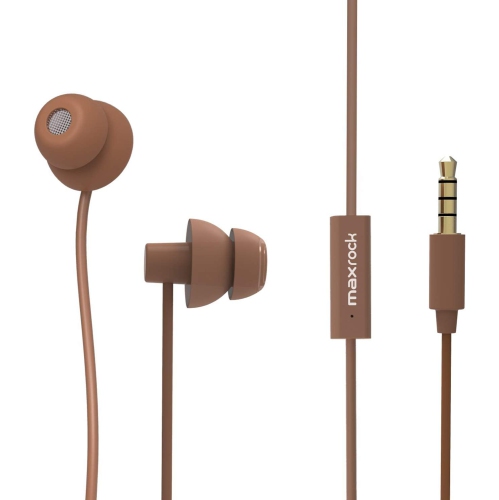
How fit, comfort, and noise ratings affect sleep
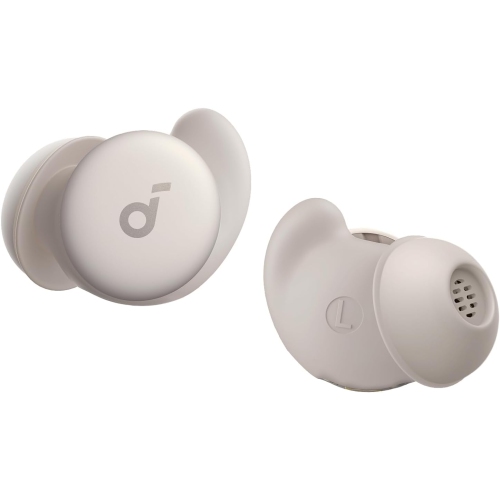
Snoring earplugs are designed to make nighttime noise less intrusive, helping you rest when a partner, roommate, family member, or nearby sleeper snores. They do not usually create complete silence, and no earplug can block every sound, but a well-fitted pair can significantly soften the rumble, rattling, and irregular bursts that interrupt sleep. When comparing options, check the Noise Reduction Rating (NRR), measured in decibels, and look for high-rated earplugs in the 29 to 33 dB range when maximum passive sound reduction is a priority. The number on the package is based on controlled testing, so the result in your bedroom will depend on the seal, the shape of your ear, the loudness of the snoring, and how consistently the earplugs stay in place overnight. Fit matters as much as the rating. Foam earplugs expand inside the ear canal and can provide some of the strongest noise reduction when rolled, inserted, and allowed to expand correctly. Reusable silicone or hybrid earplugs may sit more gently in or around the ear, making them appealing to people who dislike the pressure of foam or want an option they can use repeatedly. Moldable wax-style earplugs form over the outer ear opening rather than extending deeply into the canal, which can feel comfortable for sleepers who are sensitive to pressure. For people who prefer sound masking, sleep-focused earbuds may combine passive noise reduction with white noise, pink noise, nature sounds, or active noise cancellation. These devices can help cover the changing rhythm of snoring, although they may require charging, app setup, and a little more bedtime preparation than conventional earplugs. Exploring a selection of Noise Reduction Earplugs can help you compare styles intended for different comfort preferences and sleeping environments.
Your sleeping position is one of the most useful details to consider. Side sleepers often notice pressure from rigid housings or bulky earplugs when their ear rests against a pillow, so a low-profile design, soft silicone construction, or mouldable outer seal may be more comfortable. Back sleepers may have more flexibility and may prefer the stronger canal seal of expanding foam, particularly when snoring is loud or the bedroom has other background noise. Combination sleepers can benefit from trying a shape that remains secure as they turn from side to back during the night. Ear size also varies, and a pair that works beautifully for one person may feel loose, tight, or difficult to insert for someone else. Follow the fitting instructions carefully: foam should be compressed before insertion and held in place while it expands, while reusable earplugs should be positioned without forcing them too far into the canal. A poor seal can leave the snoring almost unchanged, while an overly tight fit may cause soreness, pressure, or a plugged-up sensation by morning. If you are new to earplugs, try wearing them for a short period while reading or relaxing before sleeping through the night. This makes it easier to identify discomfort and learn whether you can still hear important sounds such as an alarm, a baby monitor, a smoke detector, or a partner calling your name. People with narrow ear canals, sensitive ears, frequent wax buildup, tinnitus, or a history of ear infections may need to be especially selective and should stop using earplugs if they experience pain, discharge, dizziness, or persistent irritation. Earplugs should never be shared, and reusable styles should be cleaned and dried according to the manufacturer’s instructions. Foam options are commonly intended for limited use, while silicone and hybrid options need regular inspection for wear, discolouration, or a change in texture.
Snoring earplugs can be useful for anyone whose sleep is disturbed by sound, including couples with different sleep schedules, shift workers sleeping during daylight, university students sharing a room, travellers staying in unfamiliar accommodations, and guests visiting a home where bedrooms are close together. They can also make a considerate, practical gift for someone settling into a new apartment, preparing for travel, or adjusting to a new household routine. A small case helps keep reusable earplugs clean in a bedside drawer, overnight bag, or carry-on, while a variety pack can be helpful for discovering whether foam, silicone, wax, or sound-masking earbuds best suit a particular sleeper. Keep expectations realistic: reducing noise is not the same as treating the cause of snoring, and earplugs are not a substitute for medical attention when snoring is unusually loud, accompanied by pauses in breathing, gasping, choking, or severe daytime tiredness. In those situations, the sleeper should speak with a healthcare professional, as persistent snoring can sometimes be linked to an underlying sleep-related condition. For ordinary household noise, the right earplugs can create a calmer layer between your ears and the room: the mattress shifts, the heating system hums, and a nearby snore becomes a softer, less disruptive sound in the background. Consider the required noise reduction, your sleeping position, comfort over several hours, ease of cleaning, and whether you prefer a simple disposable design or a reusable listening device. Choosing with those details in mind makes it easier to find a bedtime solution that feels natural rather than distracting during the cooler months and throughout changing sleep routines.
Your sleeping position is one of the most useful details to consider. Side sleepers often notice pressure from rigid housings or bulky earplugs when their ear rests against a pillow, so a low-profile design, soft silicone construction, or mouldable outer seal may be more comfortable. Back sleepers may have more flexibility and may prefer the stronger canal seal of expanding foam, particularly when snoring is loud or the bedroom has other background noise. Combination sleepers can benefit from trying a shape that remains secure as they turn from side to back during the night. Ear size also varies, and a pair that works beautifully for one person may feel loose, tight, or difficult to insert for someone else. Follow the fitting instructions carefully: foam should be compressed before insertion and held in place while it expands, while reusable earplugs should be positioned without forcing them too far into the canal. A poor seal can leave the snoring almost unchanged, while an overly tight fit may cause soreness, pressure, or a plugged-up sensation by morning. If you are new to earplugs, try wearing them for a short period while reading or relaxing before sleeping through the night. This makes it easier to identify discomfort and learn whether you can still hear important sounds such as an alarm, a baby monitor, a smoke detector, or a partner calling your name. People with narrow ear canals, sensitive ears, frequent wax buildup, tinnitus, or a history of ear infections may need to be especially selective and should stop using earplugs if they experience pain, discharge, dizziness, or persistent irritation. Earplugs should never be shared, and reusable styles should be cleaned and dried according to the manufacturer’s instructions. Foam options are commonly intended for limited use, while silicone and hybrid options need regular inspection for wear, discolouration, or a change in texture.
Snoring earplugs can be useful for anyone whose sleep is disturbed by sound, including couples with different sleep schedules, shift workers sleeping during daylight, university students sharing a room, travellers staying in unfamiliar accommodations, and guests visiting a home where bedrooms are close together. They can also make a considerate, practical gift for someone settling into a new apartment, preparing for travel, or adjusting to a new household routine. A small case helps keep reusable earplugs clean in a bedside drawer, overnight bag, or carry-on, while a variety pack can be helpful for discovering whether foam, silicone, wax, or sound-masking earbuds best suit a particular sleeper. Keep expectations realistic: reducing noise is not the same as treating the cause of snoring, and earplugs are not a substitute for medical attention when snoring is unusually loud, accompanied by pauses in breathing, gasping, choking, or severe daytime tiredness. In those situations, the sleeper should speak with a healthcare professional, as persistent snoring can sometimes be linked to an underlying sleep-related condition. For ordinary household noise, the right earplugs can create a calmer layer between your ears and the room: the mattress shifts, the heating system hums, and a nearby snore becomes a softer, less disruptive sound in the background. Consider the required noise reduction, your sleeping position, comfort over several hours, ease of cleaning, and whether you prefer a simple disposable design or a reusable listening device. Choosing with those details in mind makes it easier to find a bedtime solution that feels natural rather than distracting during the cooler months and throughout changing sleep routines.
Top selling and popular products
-
 Your price for this item is $189.05
 -
 Your price for this item is $39.25
 -
 Your price for this item is $21.99
 -
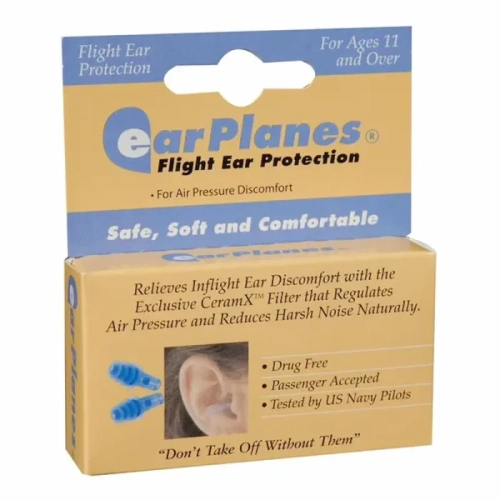 Your price for this item is $16
 -
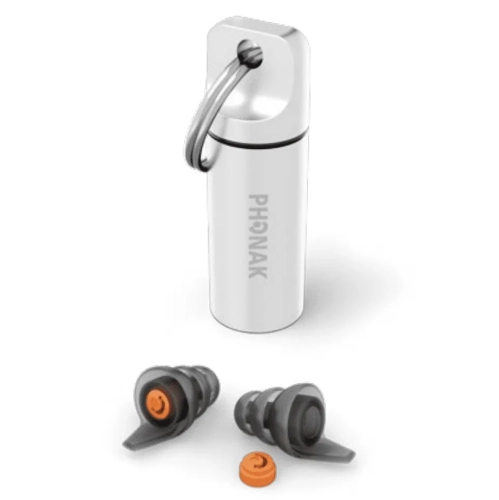 Your price for this item is $44.8
 -
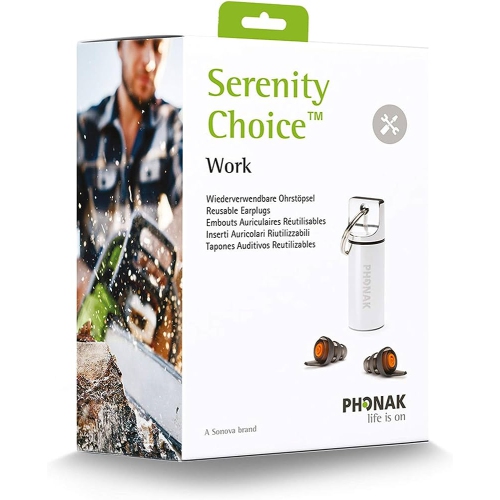 Your price for this item is $52
 -
 Your price for this item is $2.68
 -
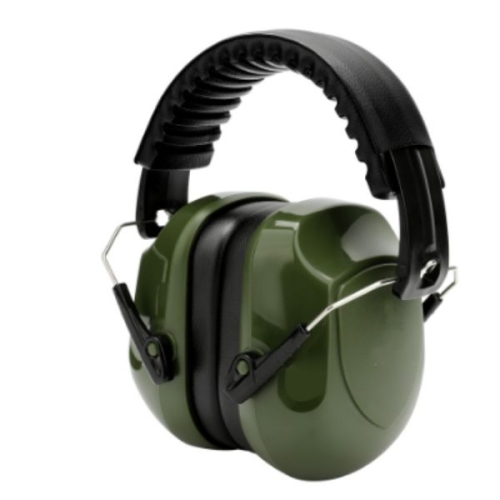 Your price for this item is $31.99
Discover more categories related to Snoring Earplugs
Top Collections:
Pokemon Centers, Kindle Devices, Best Budget Office Chairs, Apple iPhones 16, Best Laptops for Writers, iPhone 15 Apple, Canon G7X Cameras, Refurbished Apple Laptops, Alarm Clock, Motorola Razr Phones
Some products may be subject to Environmental Handling Fees
(EHF) depending on your province.
Learn more about EHFs.