Sleeping Ear Plugs
Sleeping ear plugs are a simple solution for anyone looking to enjoy a quieter, more restful night. Whether you’re dealing with noisy neighbors, city sounds, or a snoring partner, these ear plugs can help minimize distractions and create a more peaceful sleep environment. Explore a variety of sleeping ear plugs designed to support uninterrupted rest and help you wake up feeling refreshed. Find the perfect fit for your nighttime routine and experience the benefits of better sleep.
Sort

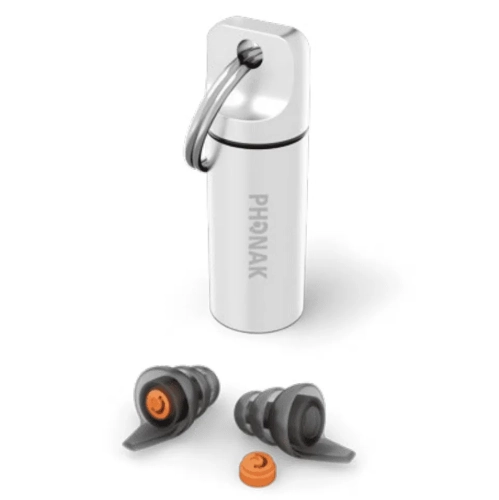
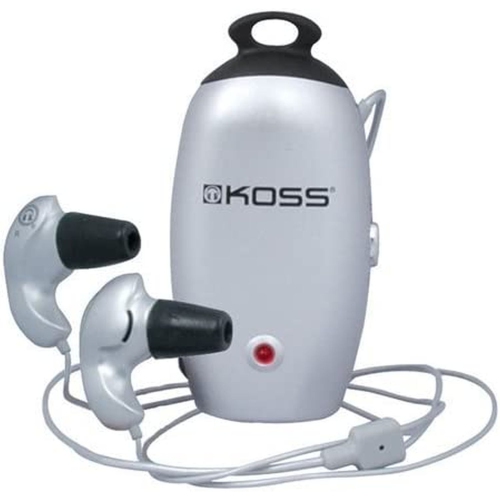
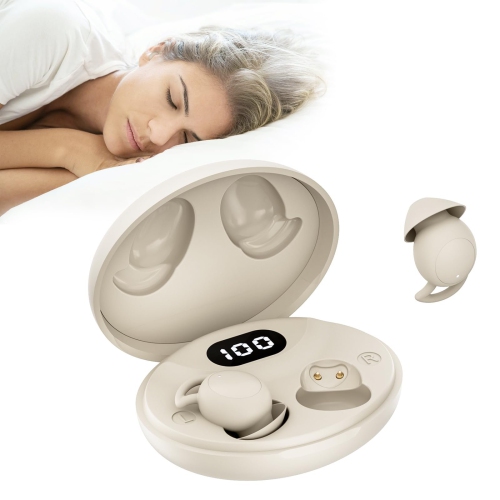
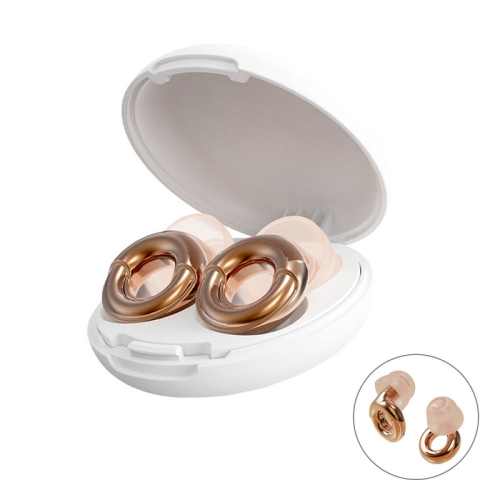

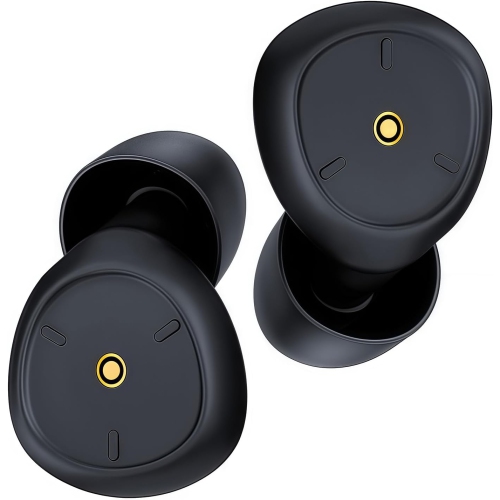
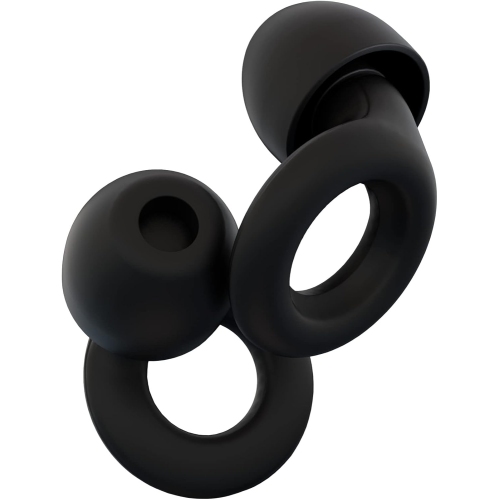
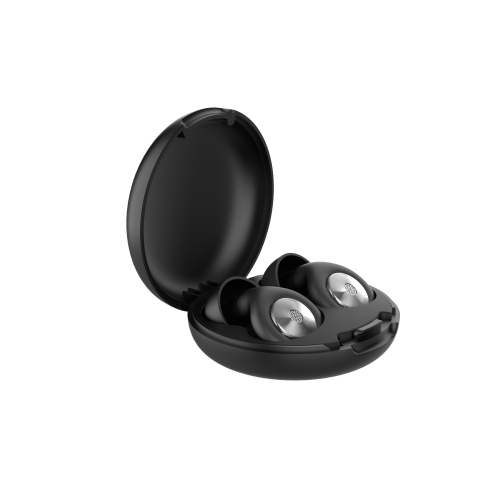
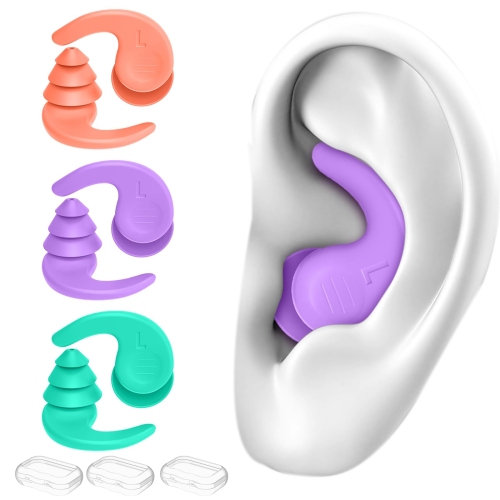

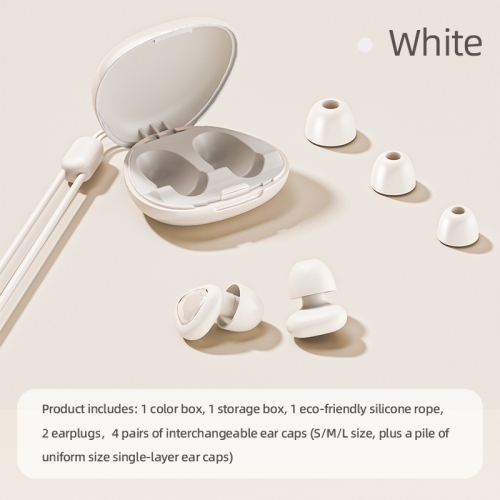
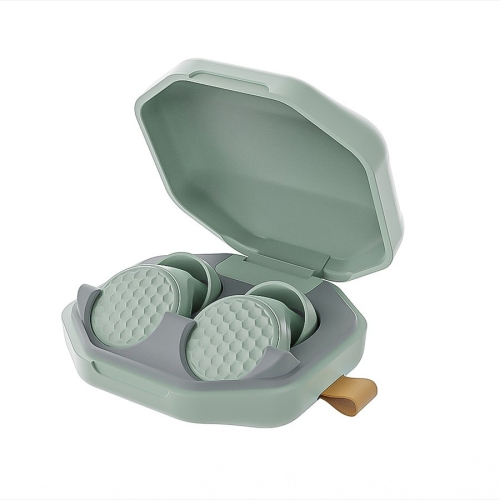
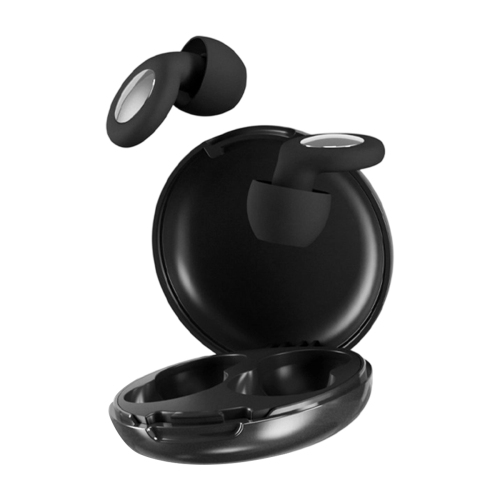
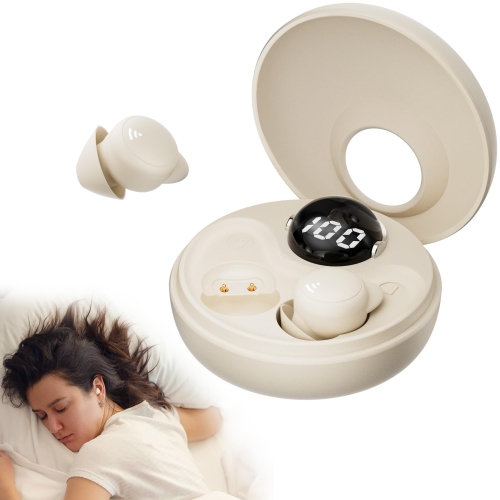
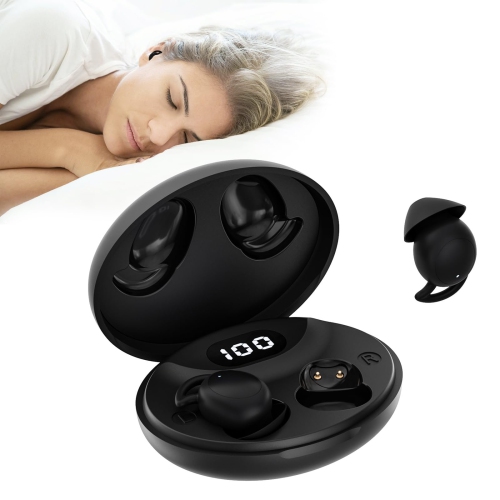
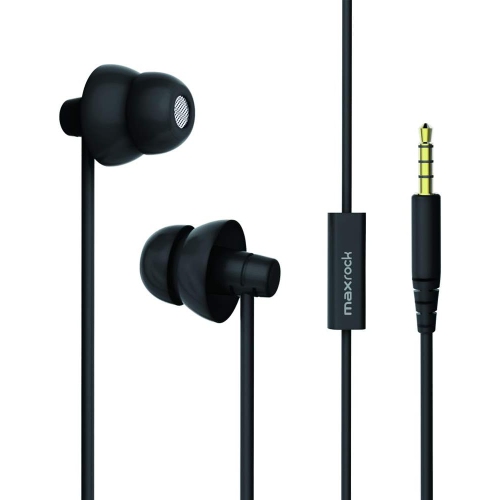
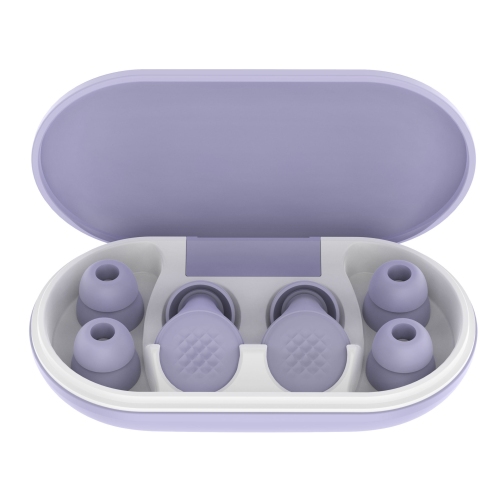
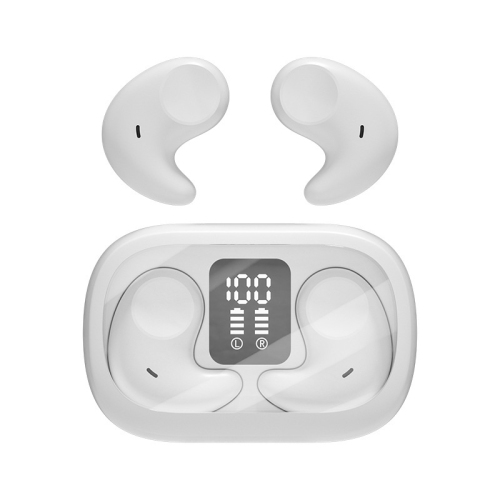
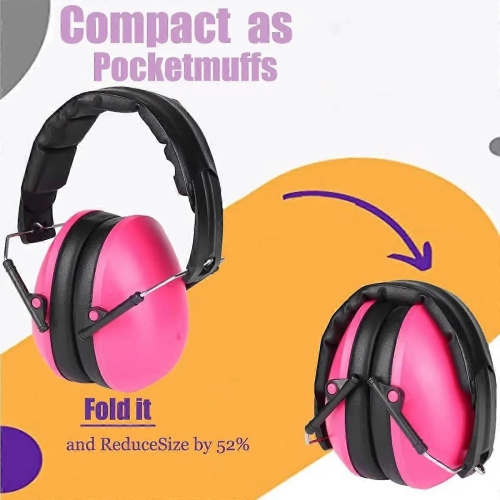
Why fit matters as much as noise reduction
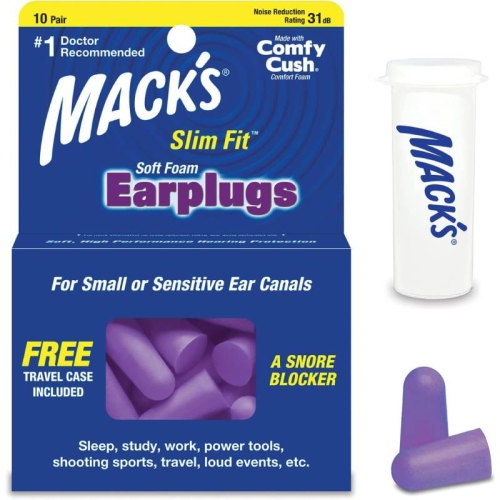
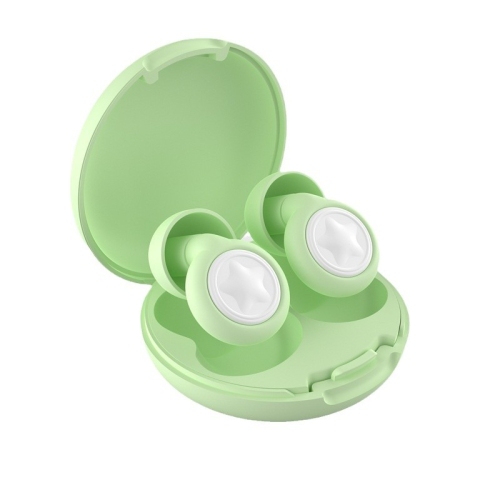
Sleeping ear plugs are designed to soften unwanted sound so a bedroom, hotel room, or shared living space feels less distracting at bedtime. They can be useful for someone sleeping beside a snoring partner, resting after a night shift, or trying to settle while household activity continues beyond the bedroom door. Most work passively, creating a seal that reduces the amount of airborne sound reaching the ear rather than playing audio or electronically cancelling noise. Materials make a noticeable difference to how that seal feels. Soft foam ear plugs compress for insertion and expand gradually to fit the ear canal; their light weight and cushioning can suit people who prefer a simple design with little bulk. Reusable silicone models often have shaped tips or flexible flanges, while mouldable silicone and wax styles typically sit over the ear opening instead of being pushed into the canal. Each type has its own fitting instructions, and differences in softness, shape, and depth can matter as much as the material itself. No single style is the best sleeping ear plug for every person: a comfortable seal depends on ear shape, sleeping position, and sensitivity to pressure. Sound-reduction ratings offer a useful comparison, but they are measured under specified test conditions and do not guarantee the same result for every wearer. A higher rating is not automatically a better choice if the ear plug feels uncomfortable or fails to seal properly. Ear plugs also do not create complete silence. Voices, traffic, and snoring may sound quieter, while low-frequency vibration or sound travelling through a bed frame or building can remain noticeable. For everyday sleep, the practical goal is a comfortable reduction in distracting noise, balanced with the ability to respond to important sounds. That makes fit and intended use central to choosing between disposable foam, washable reusable designs, and mouldable options.
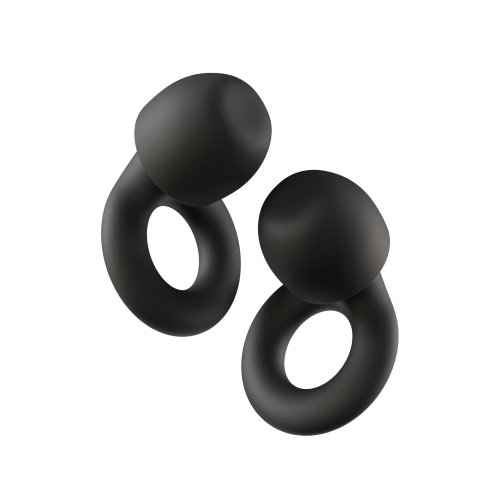
Comfort becomes especially important when an ear plug rests against a pillow for several hours. Side sleepers often prefer a low-profile shape without a rigid stem or bulky outer section pressing against the ear. A design that feels unobtrusive while sitting upright can feel quite different with the weight of the head against a pillow, so outer shape deserves attention alongside the size of the tip. People with smaller ear canals may find a narrower foam body or a smaller reusable tip more comfortable, while others need a broader size to form a consistent seal. An ear plug should feel secure without causing pain, strong pressure, or a persistent blocked sensation after removal. For reusable designs with interchangeable tips, the fit can differ between ears; matching both sides by appearance alone is not always enough. Mouldable styles have a different feel, forming a cover at the opening rather than relying on a tip inside the canal, and should only be shaped and positioned as directed by the manufacturer. When comparing Noise Reduction Earplugs for Sleep, useful details include the material, dimensions, outer profile, stated sound-reduction rating, and whether the design is specifically intended for sleeping. Ear plugs made for concerts, swimming, or workplace hearing protection may have different priorities, even when they look similar. Filtered designs can also vary in how much sound they allow through, so the presence of a filter alone does not establish suitability for bedtime. Someone sharing a room may want to soften a partner’s breathing without wearing headphones, while a traveller may value a compact case that keeps a pair separate from toiletries and loose belongings. For a person who moves frequently during sleep, a secure but gentle fit may matter more than having the smallest possible outer profile. These everyday differences help explain why comfort is a personal measure rather than a feature that can be judged from a photograph alone.
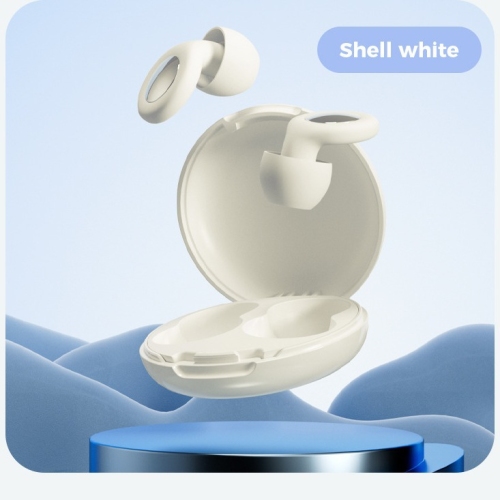
Care and durability depend on the material and construction. Disposable foam ear plugs are generally intended for limited use, and their surface and ability to expand can change with handling. Washing them may affect their performance unless the manufacturer specifically permits it. Reusable silicone designs may be washable, but cleaning methods, drying time, and replacement intervals vary; any removable tips, filters, or other components need the care specified for that design. Mouldable wax and silicone styles also have their own reuse limits and should be replaced when dirty, damaged, or no longer able to form a reliable seal. Clean hands, a clean storage case, and fully dry reusable ear plugs help keep everyday handling straightforward. A case is particularly useful on a bedside table or in a travel bag, where uncovered ear plugs can collect lint, dust, or residue. Ear plugs should not be shared, and changes such as tears, stiffened surfaces, distorted flanges, or foam that no longer expands normally are reasons to check whether replacement is needed. Gentle insertion and removal matter, too: the manufacturer’s directions should determine placement, and mouldable material should never be pushed deep into the ear canal. Pain, irritation, discharge, or an existing ear condition calls for advice from a qualified health professional rather than continued wear. Sleeping ear plugs are not a treatment for sleep apnoea, hearing conditions, or the cause of a partner’s snoring. Their role is to reduce sound, not replace assessment of an ongoing sleep concern. They can make a thoughtful practical gift for an adult who travels or sleeps in a shared space, although fit preferences are personal and should not be assumed. Anyone who needs to hear a child, an emergency alarm, or an essential call should consider that responsibility before wearing sound-reducing ear plugs overnight. An appropriate waking arrangement and a comfortable, well-maintained pair help keep the focus on their intended purpose: making ordinary background noise less intrusive during rest.
Top selling and popular products
-
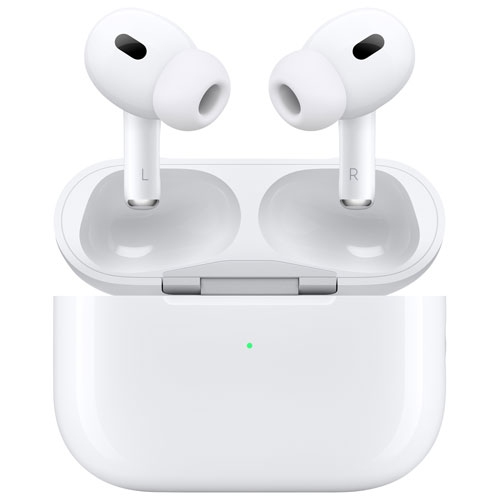 Your price for this item is $349.99
-
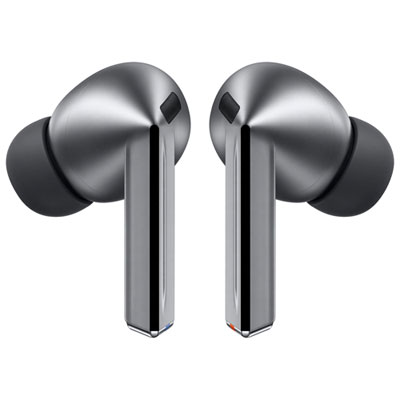 Your price for this item is $329.99
-
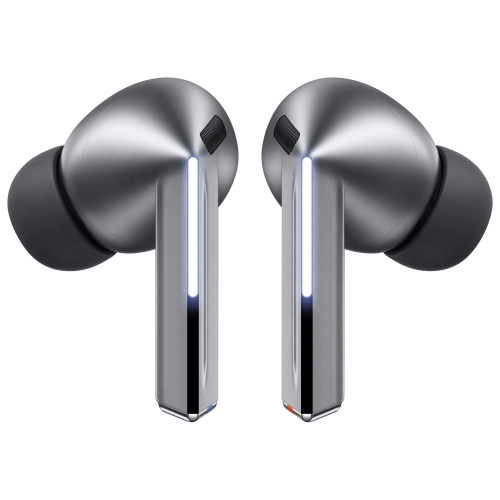 Your price for this item is $229
-
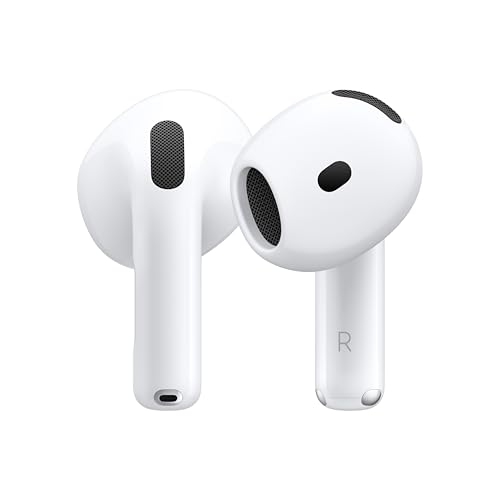 Your price for this item is $354.66
-
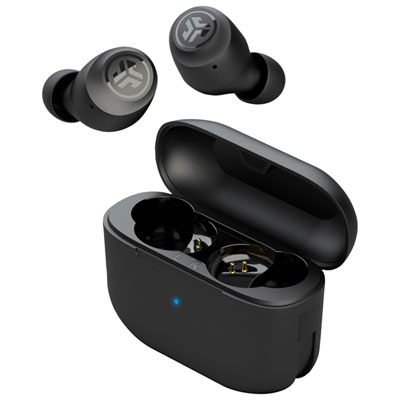 Your price for this item is $19.99
-
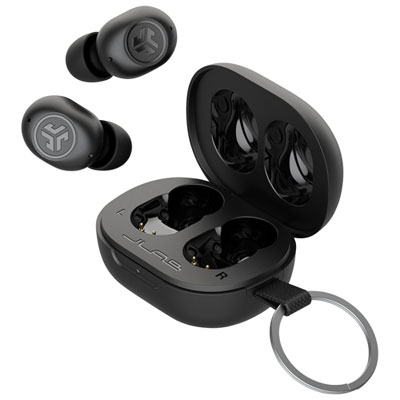 Your price for this item is $59.99
-
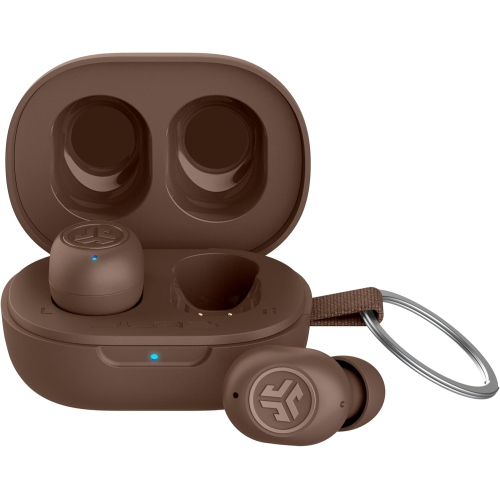 Your price for this item is $107.49
-
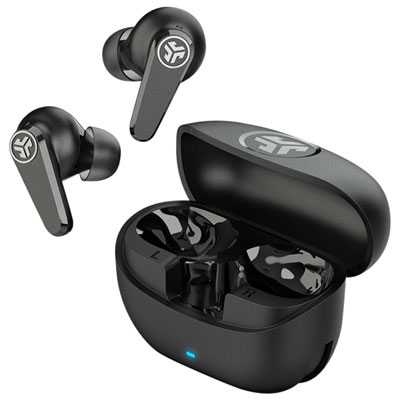 Your price for this item is $59.99
Discover more categories related to Sleeping Ear Plugs
Top Collections:
Best Black Friday Deals This Year, Best Black Friday Deals On Electronics, Kindle Devices, Dyson Airwrap, Best Cameras for Sports Photography, Best Budget Office Chairs, Canon G7X Cameras, PS5 Pro Consoles, Best Black Friday Deals On Apple Products, XBOX One S Consoles
Some products may be subject to Environmental Handling Fees
(EHF) depending on your province.
Learn more about EHFs.