Sports Injury Tape
Whether you're an avid athlete or simply enjoy staying active, dealing with sports injuries can be a frustrating setback. That's where sports injury tape comes in – a versatile and essential tool for athletes of all levels. Designed to support and stabilize muscles and joints, sports injury tape provides targeted relief and protection during physical activities. At Best Buy, we offer a wide range of sports injury tapes to help you recover faster and get back in the game. From gentle support for minor sprains to advanced compression for more serious injuries, our collection includes options to suit every need. Explore our selection today and discover the perfect sports injury tape to keep you performing at your best.
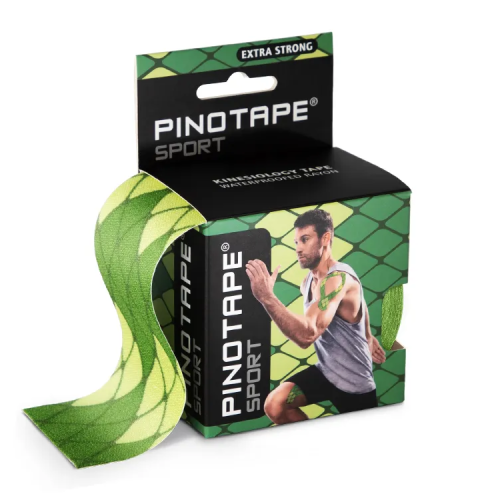
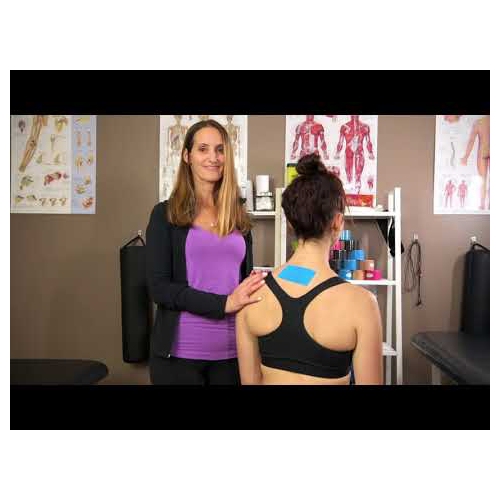
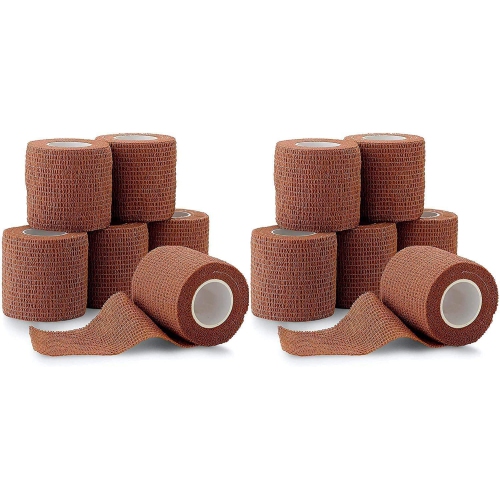
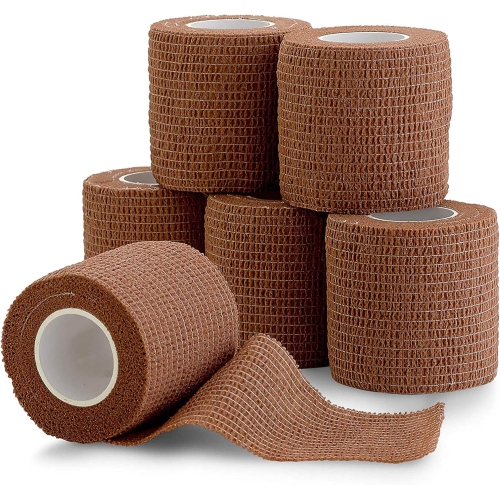
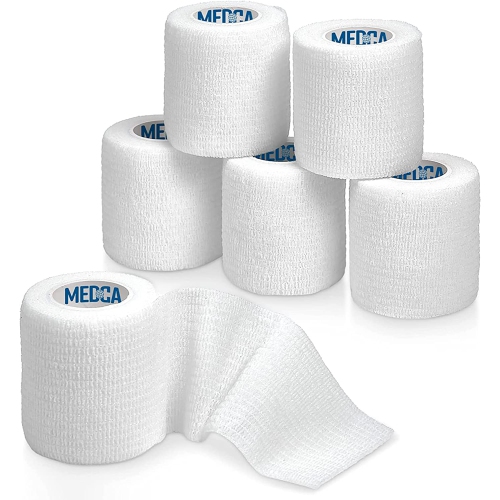
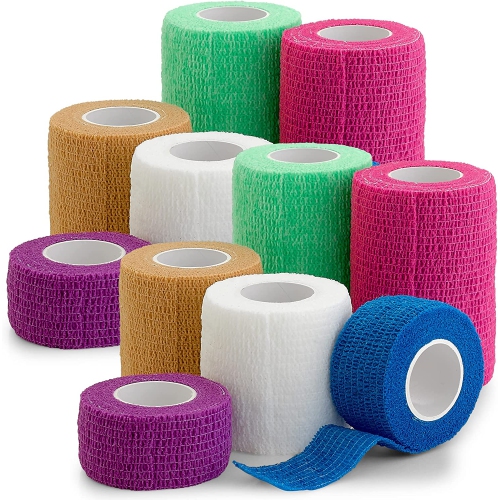
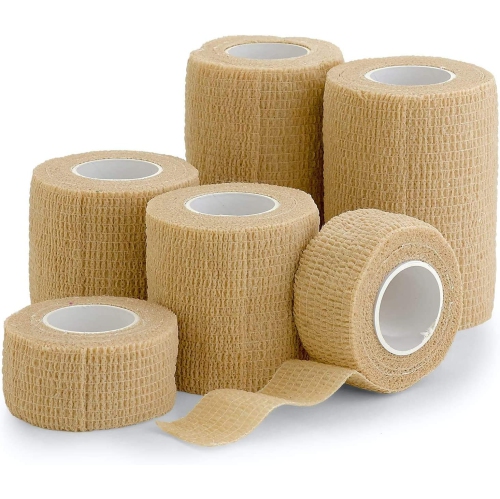
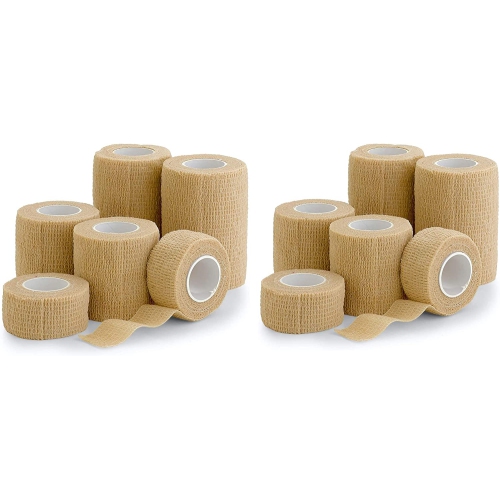
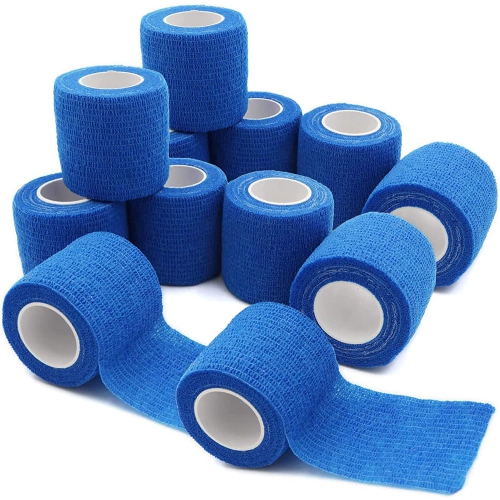
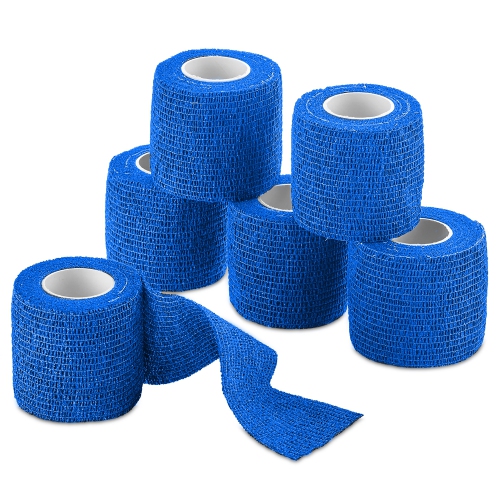
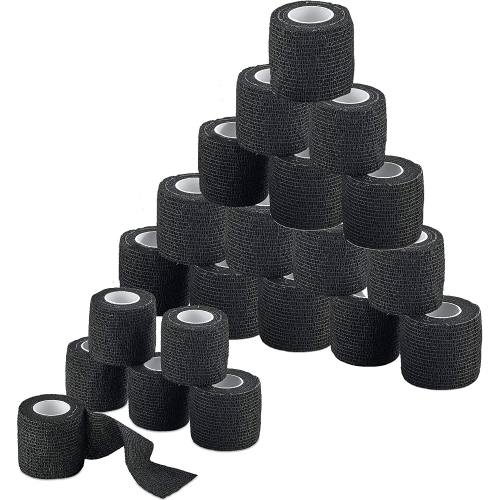
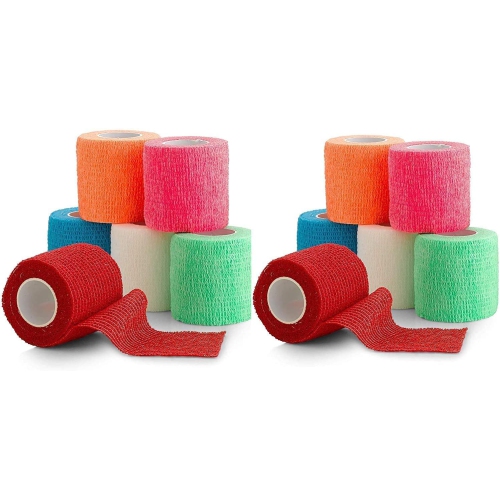
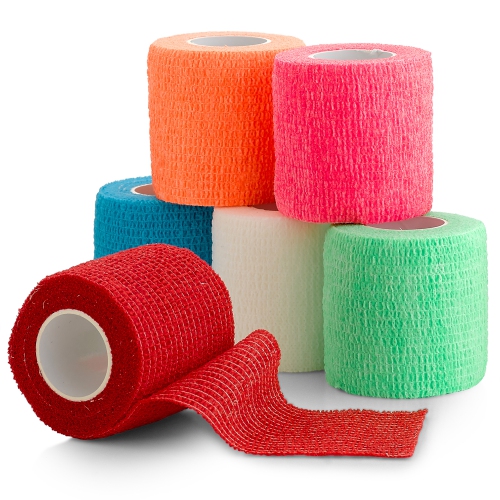
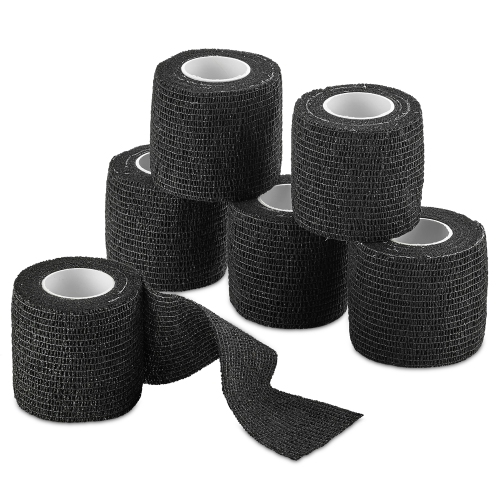
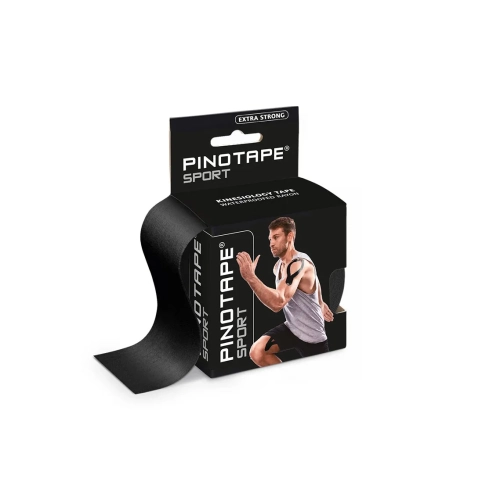
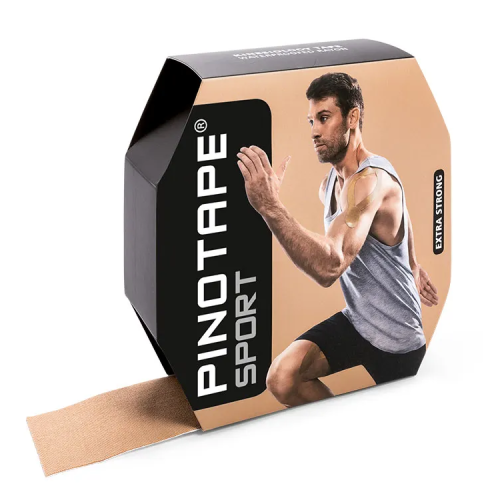
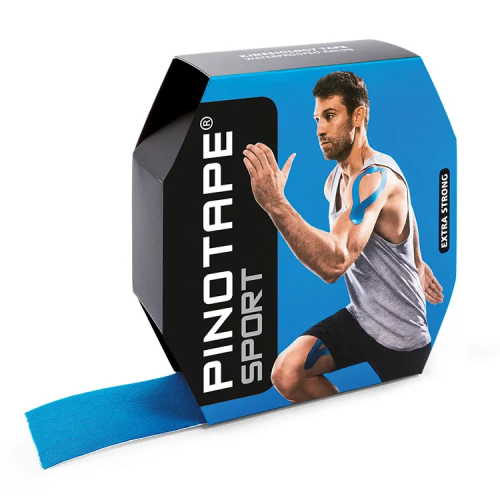
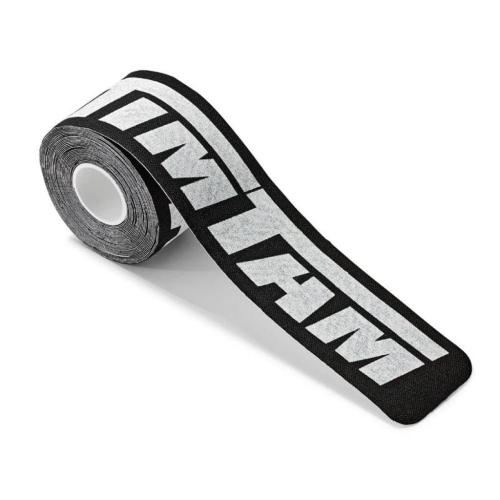
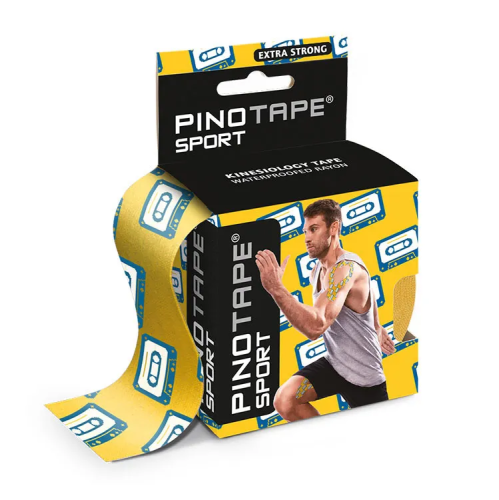
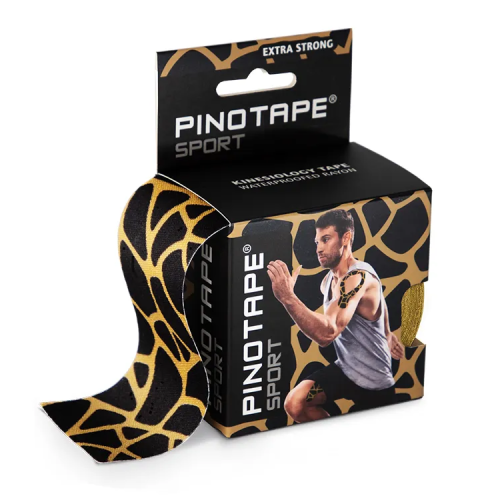
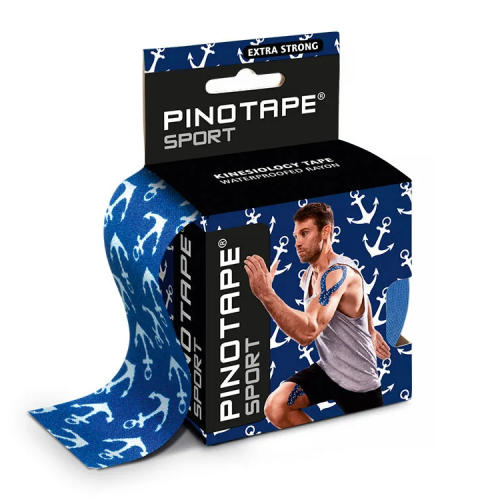
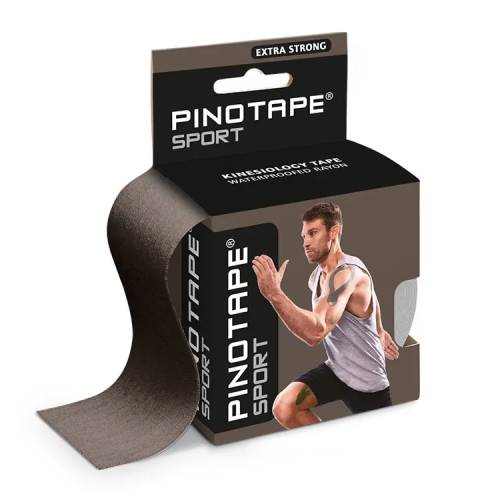
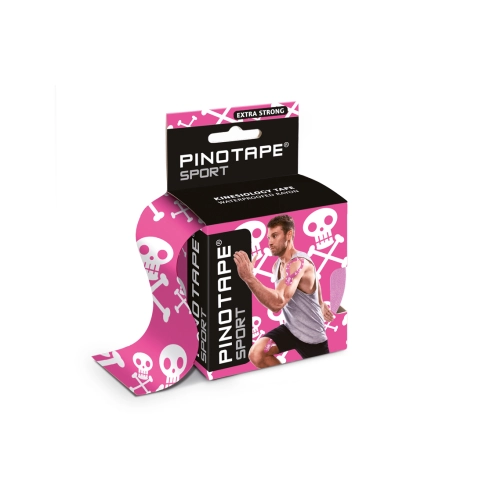
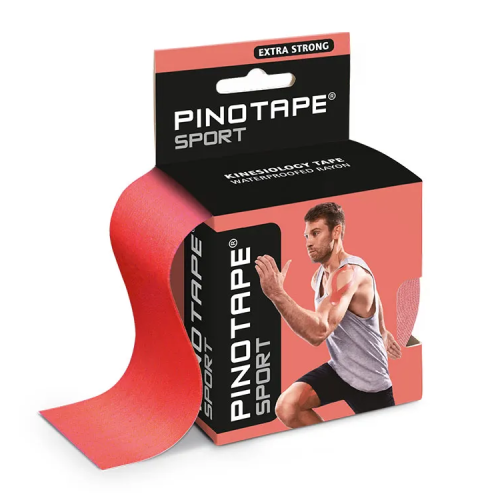
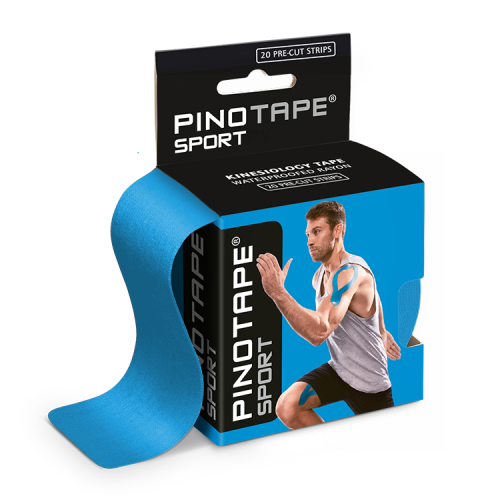
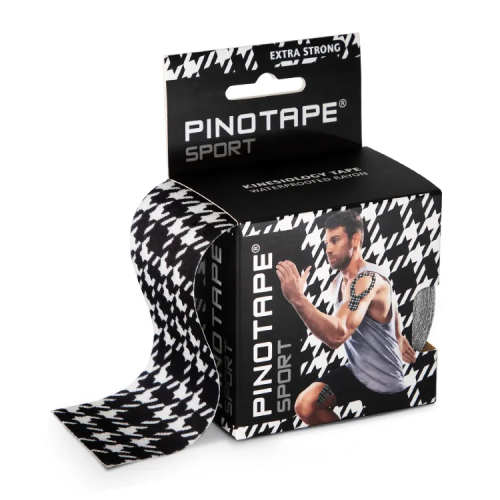
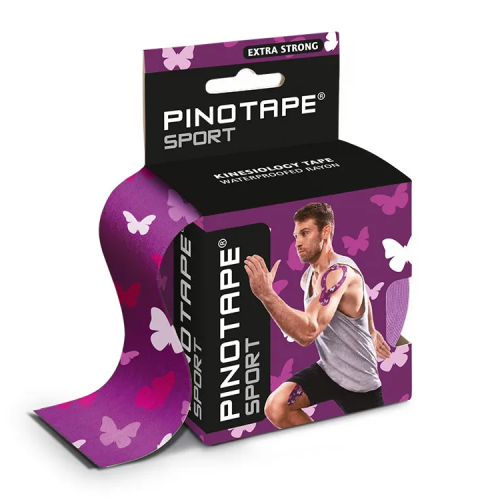
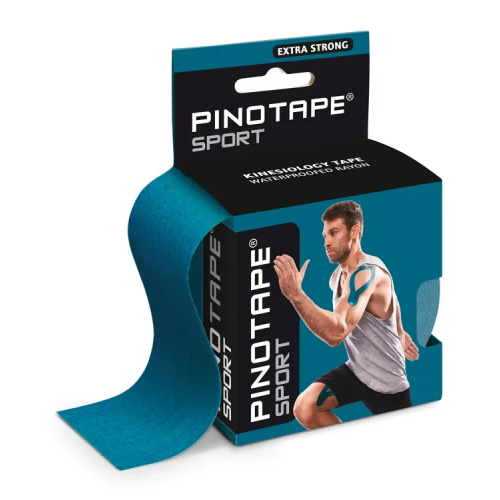
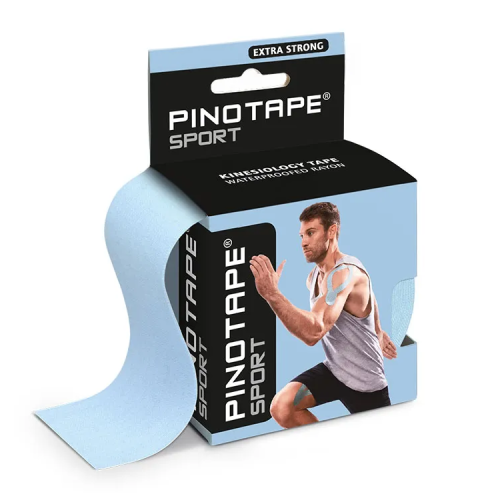

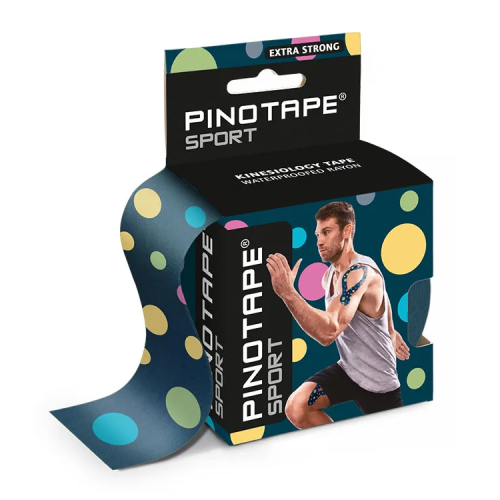
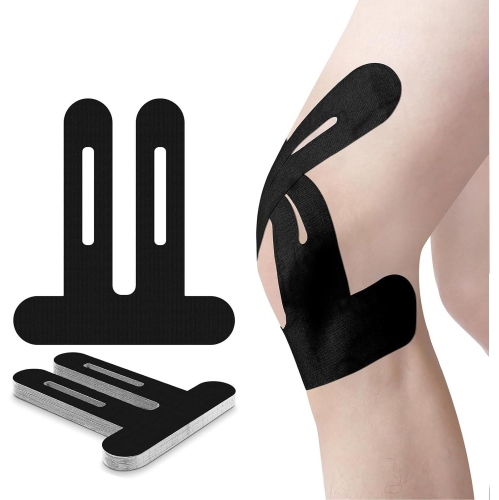

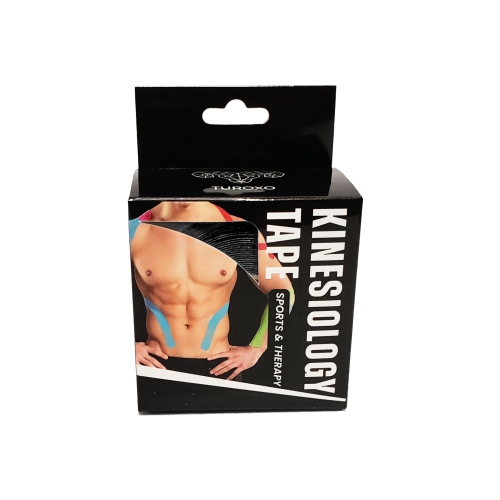
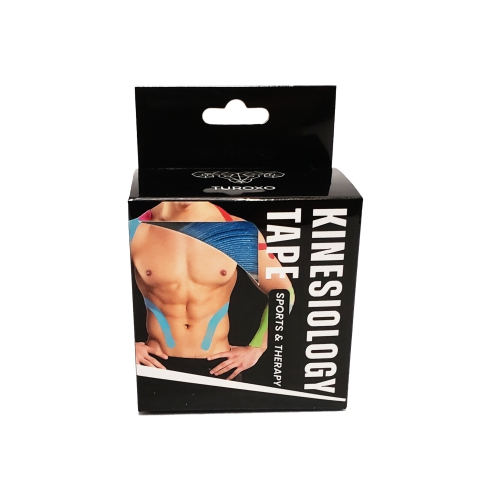
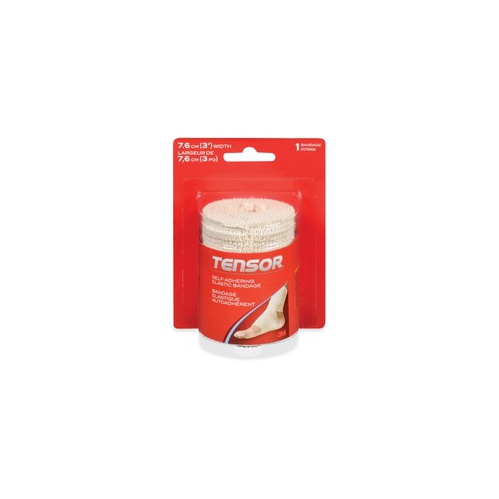
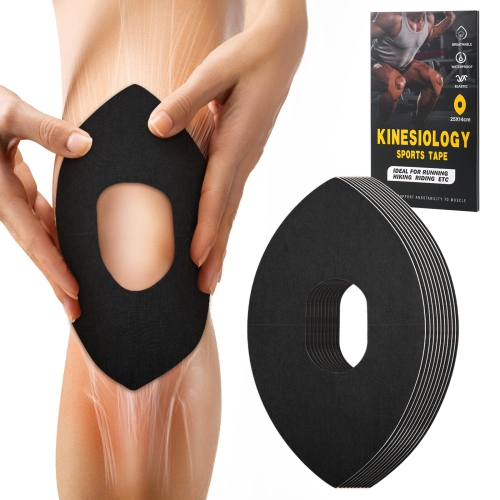
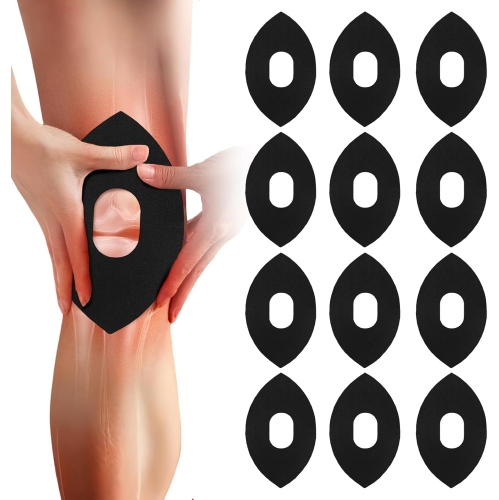
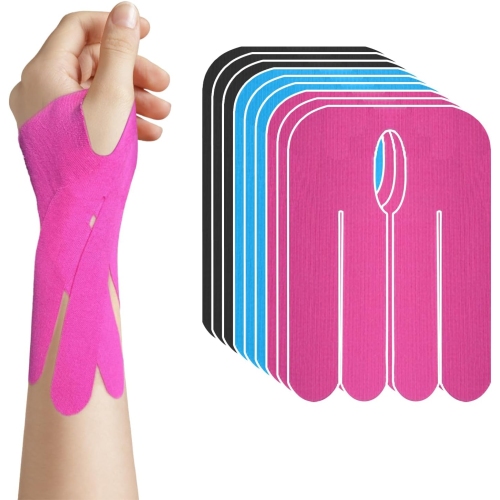
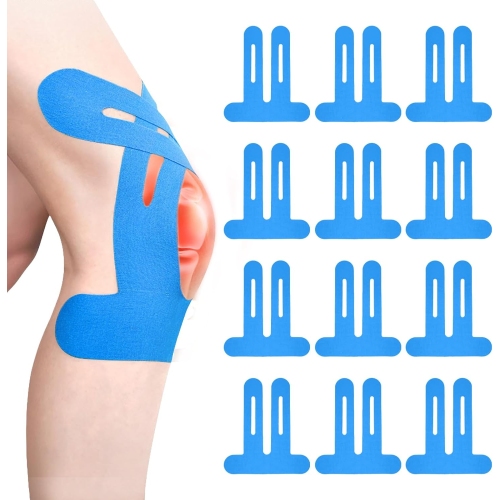
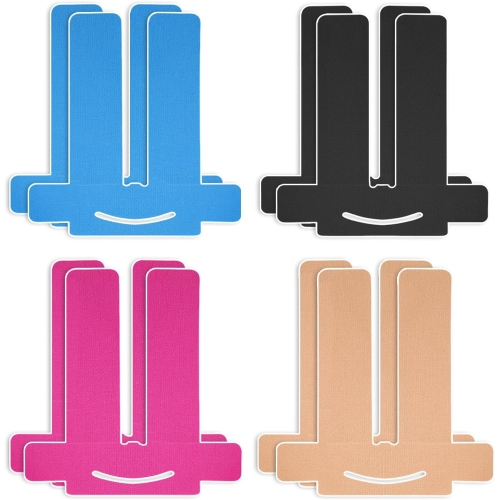
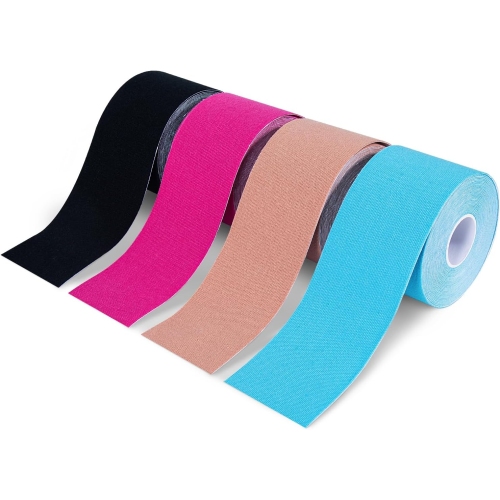
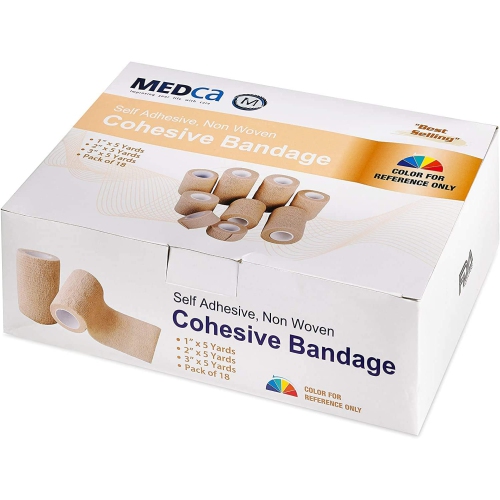
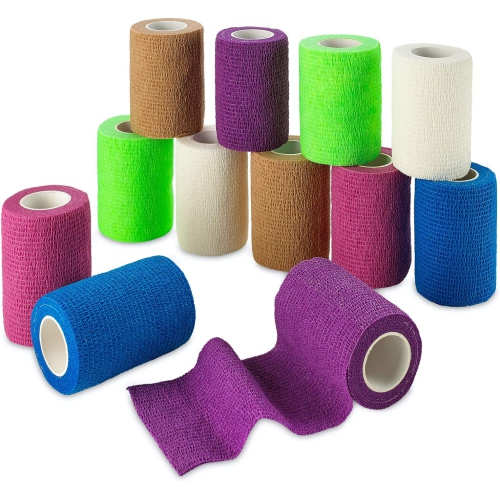
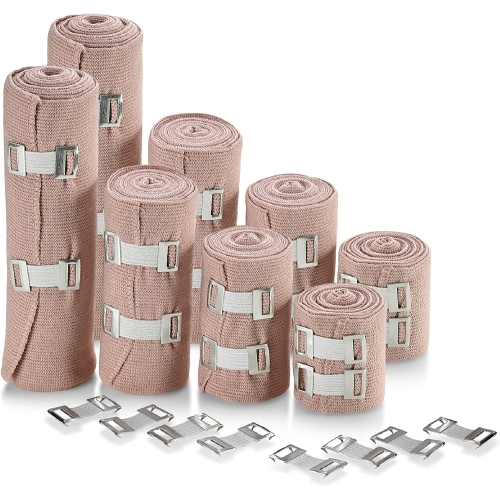
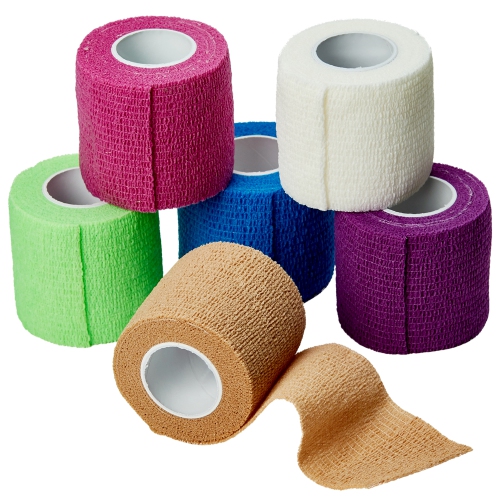
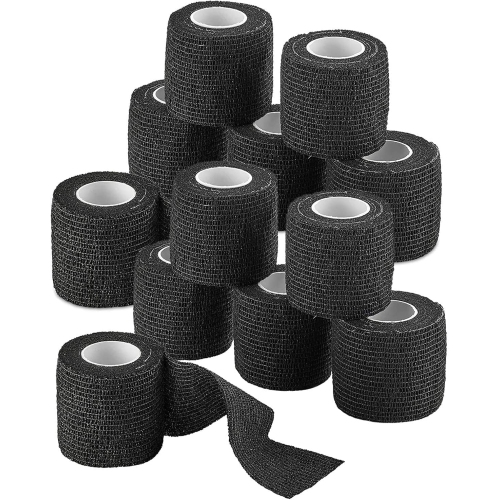
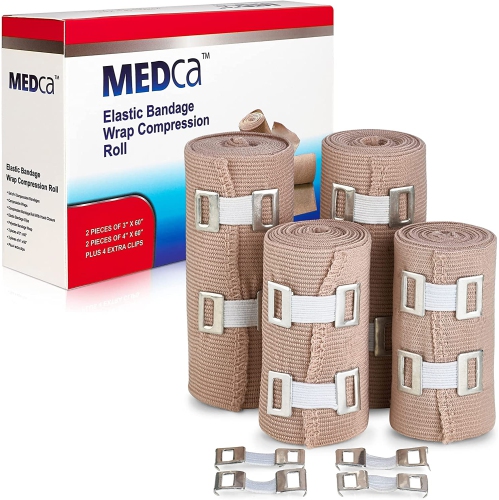
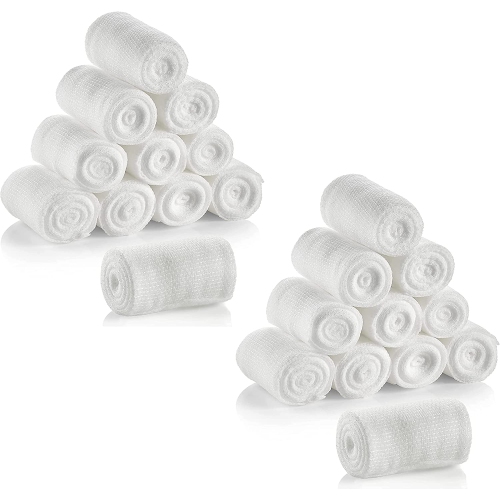
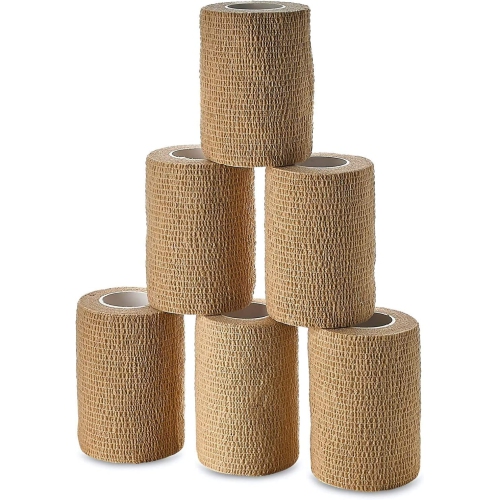
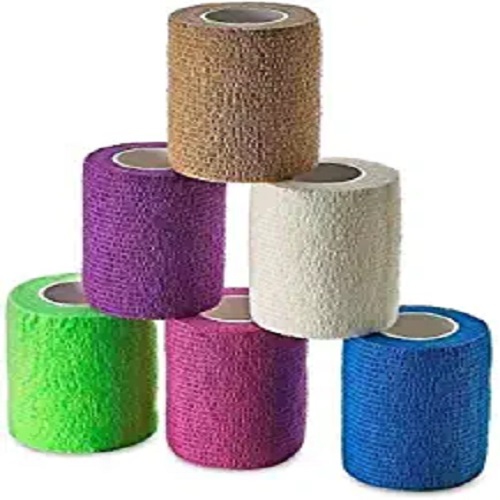
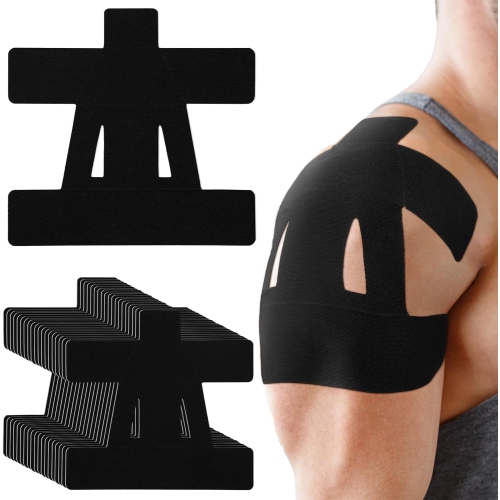
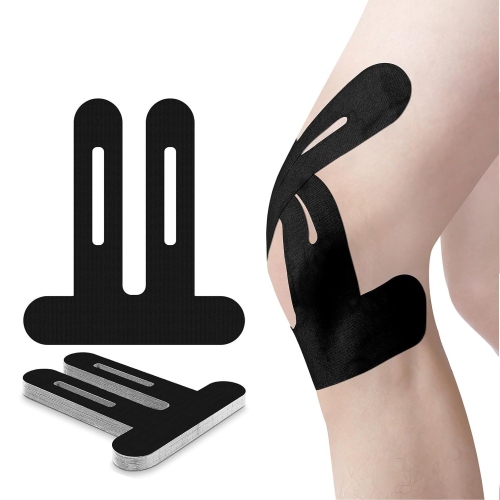
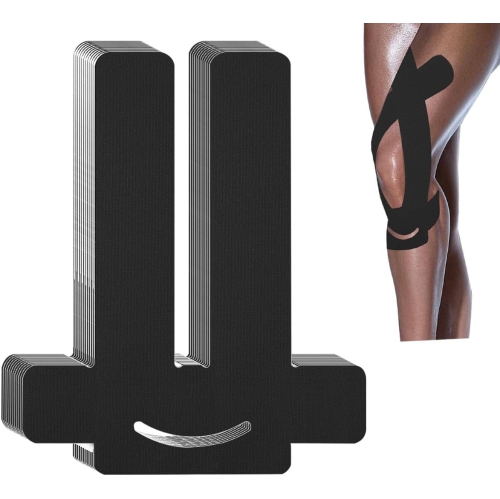
How tape types differ in support and application
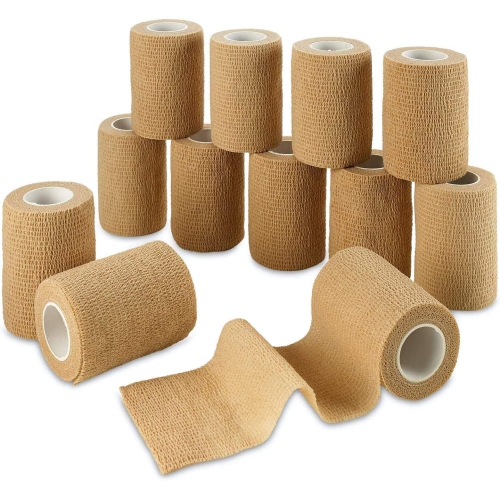
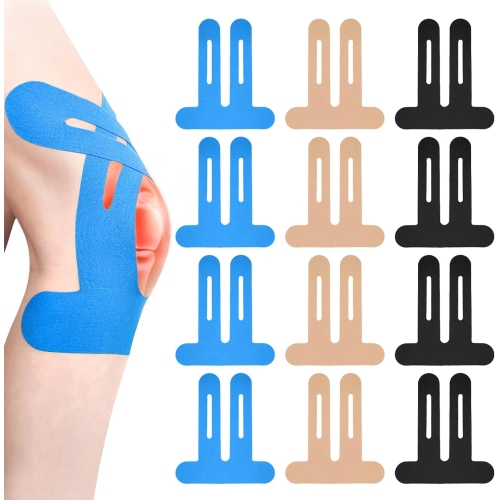
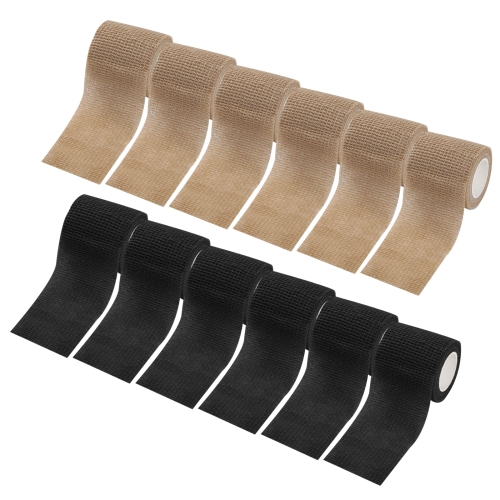
When comparing sports injury tape, consider the body area, the activity and the conditions in which it will be worn. A roll intended for an ankle or wrist should be easy to tear or cut cleanly, while tape for a larger muscle group may need enough length and width to create the desired pattern without excessive overlap. Adhesive strength matters, but stronger is not always better; sensitive skin may be more comfortable with a gentler option, and anyone with a history of skin reactions should check the materials and test a small area before applying a larger strip. Look for tape that feels secure during movement without causing numbness, tingling, excessive tightness or changes in skin colour. Flexible tape can be useful for practices, runs, court sports and everyday movement because it follows the body as it bends and stretches. Rigid tape is commonly associated with pre-game joint support, but proper application is important because an overly tight wrap can restrict circulation. Clean, dry skin usually helps tape adhere, while body lotion, sweat, hair and moisture can reduce its hold. Apply tape with the skin in a comfortable, neutral position, smooth out wrinkles and avoid covering broken, irritated or infected skin. Removing it slowly and in the direction of hair growth can help reduce discomfort. Some people keep several types on hand so they can choose between joint stability, flexible muscle support and a wrap for securing other supplies. A roll of sports injury tape can also be a thoughtful gift for a runner, dancer, student athlete, coach, hiker or weekend player, particularly when paired with a compact kit containing scissors, athletic socks, reusable cold packs and other basic care essentials. For activities that place repeated stress on the knees, shoppers may also wish to explore Knee Supports for Injury Prevention as a separate support option.
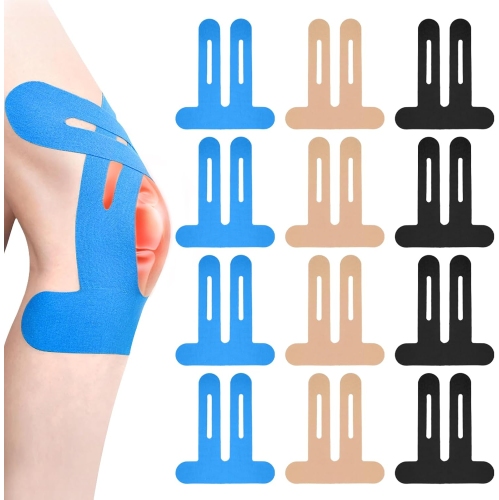
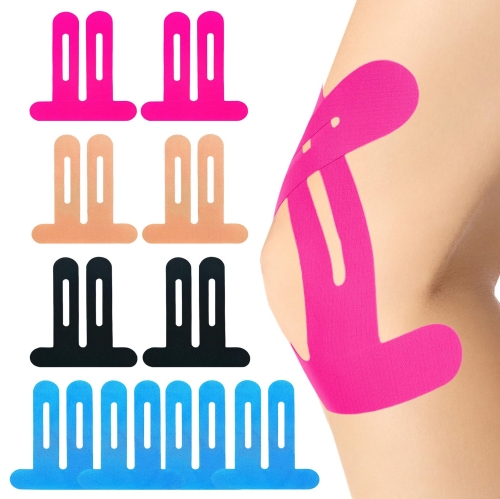
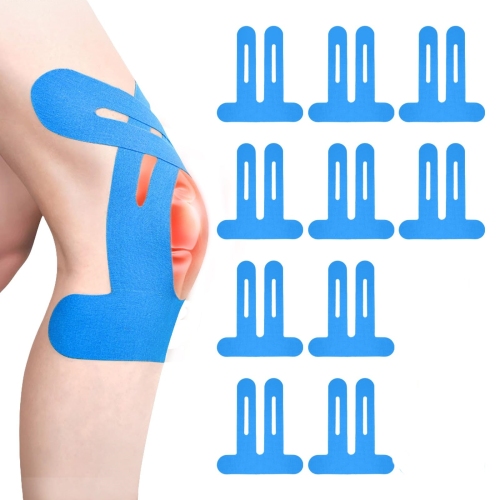
Application technique is just as important as the tape itself. Rigid athletic tape is often placed in strips around or across a joint to discourage excessive movement, but the exact method depends on the body part and the activity. It should be applied by someone familiar with safe taping practices, or under the direction of a qualified health professional, athletic therapist or physiotherapist. Kinesiology tape is commonly cut into straight, Y-shaped or other strips and applied over clean, dry skin with varying levels of stretch. More stretch does not necessarily mean more support, and pulling the tape too firmly can create skin irritation or an uncomfortable tugging sensation. Cohesive wrap should sit smoothly and securely, with enough room for normal circulation and swelling changes. Remove any tape promptly if it causes burning, itching, rash, increased pain, coldness, discolouration or pins and needles. Seek professional care for severe pain, significant swelling, visible deformity, an open wound, inability to bear weight or symptoms that do not improve. Tape may help with comfort, awareness and temporary support during ordinary activity, but it cannot repair a torn ligament, fractured bone or serious muscle injury. During the cooler months, it can be convenient to keep a few rolls in an indoor training bag, locker or household first-aid area, ready for court sessions, swimming, strength workouts, skating or daily tasks. Choosing the right format, checking the fit and using it thoughtfully can help make sports injury tape a practical part of an active routine while keeping safety at the centre of every application.
Top selling and popular products
-
 Your price for this item is $84.95
 -
 Your price for this item is $28.97
 -
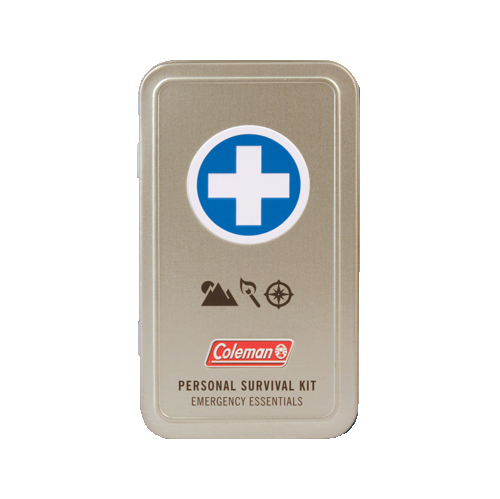 Your price for this item is $32.97
 -
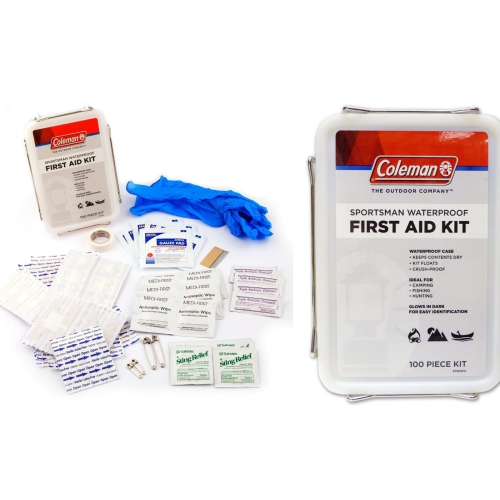 Your price for this item is $32.98
 -
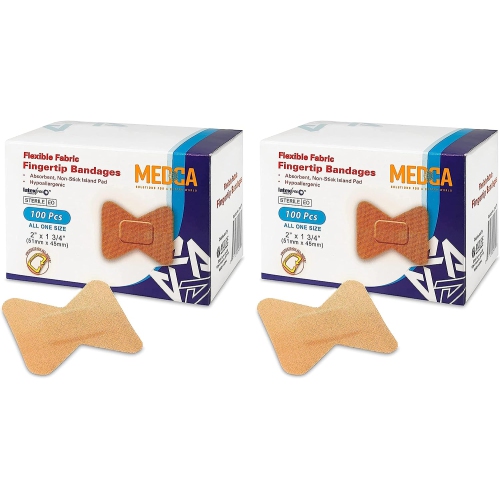 Your price for this item is $29.99
 -
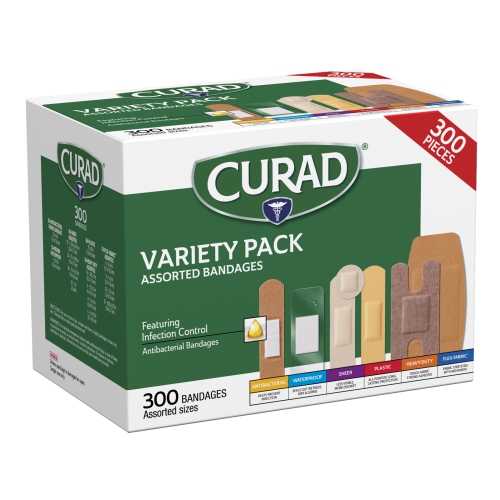 Your price for this item is $45.55
 -
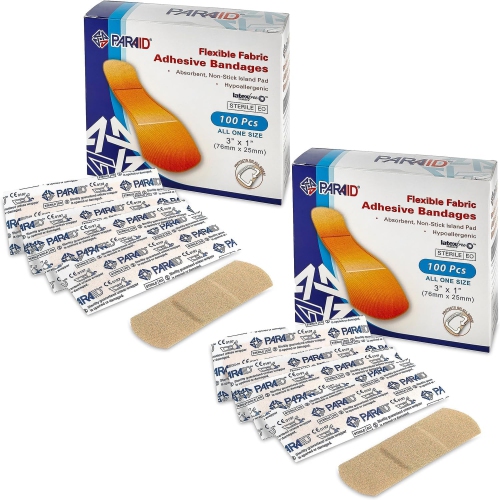 Your price for this item is $35.17
 -
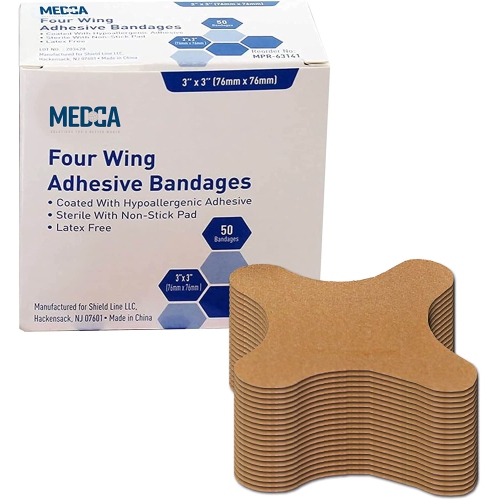 Your price for this item is $27.99