Knee Supports for Injury Prevention
Explore knee supports for injury prevention, with options to help support your knees during exercise and everyday movement. Compare knee braces and sleeves by fit, coverage, and level of support to find an option suited to your activity. A comfortable, secure fit matters, and knee supports should complement—not replace—proper technique and advice from a healthcare professional.



FAQ
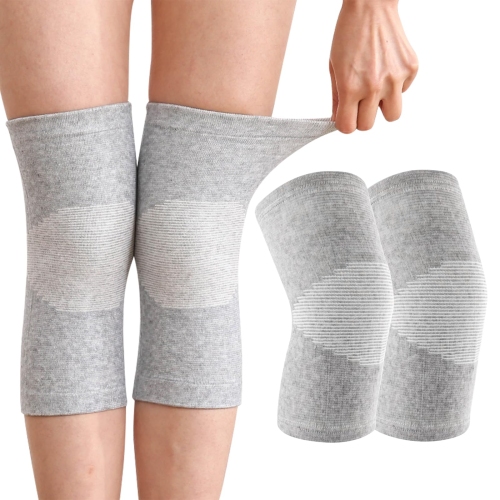
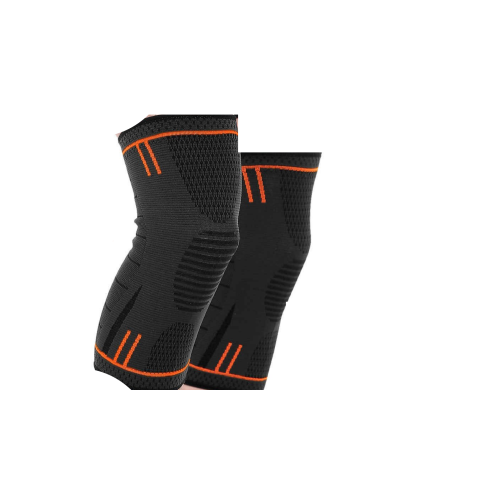
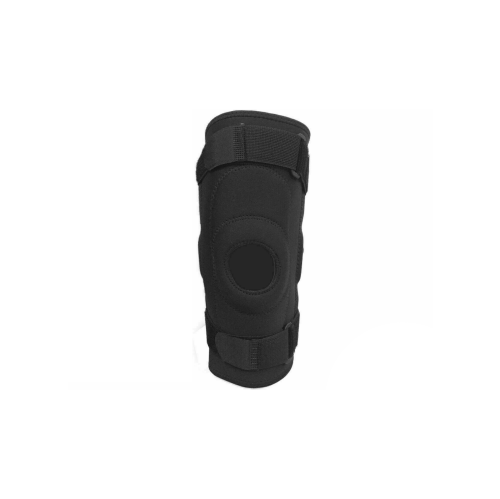
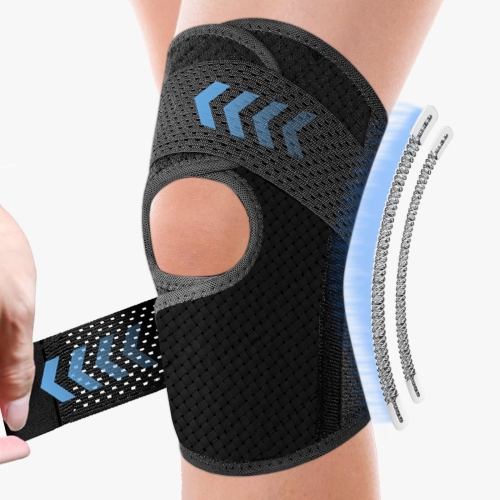
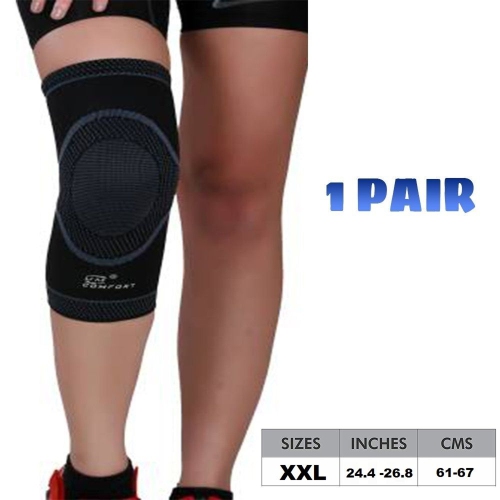
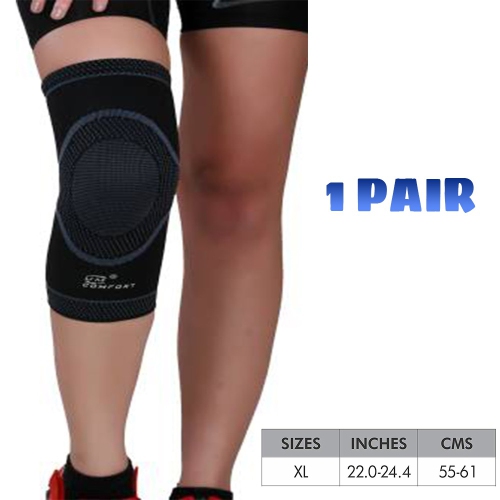
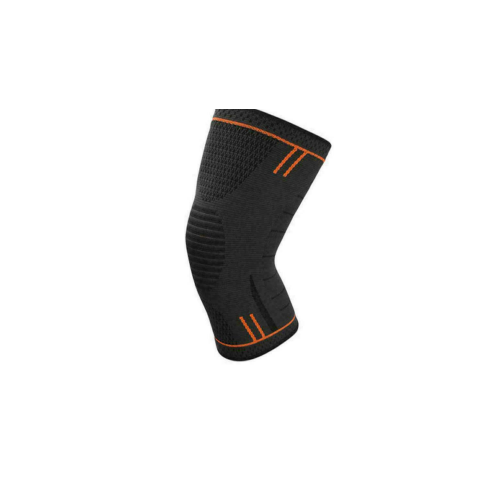
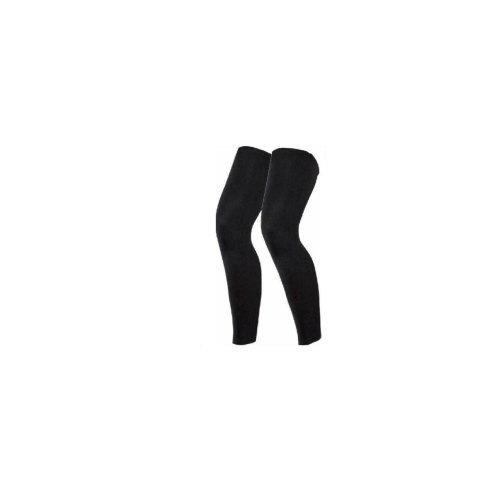
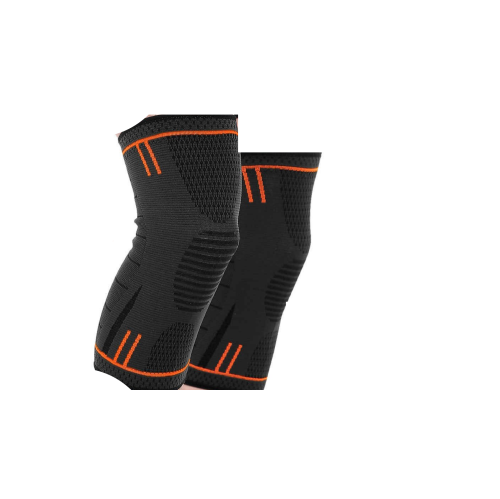
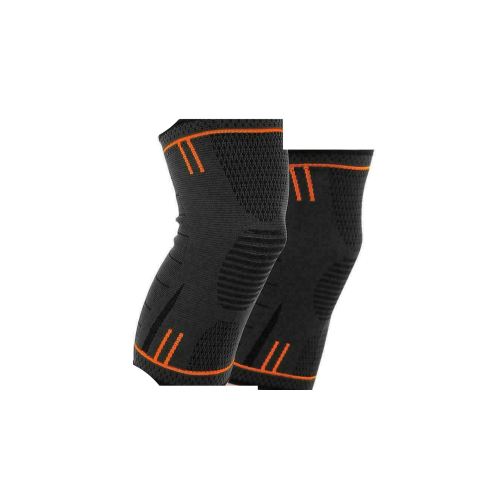
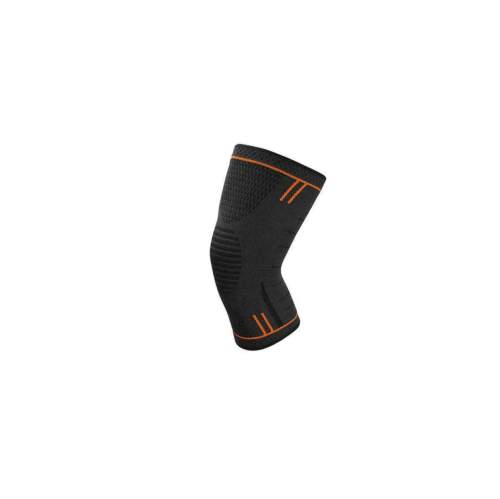
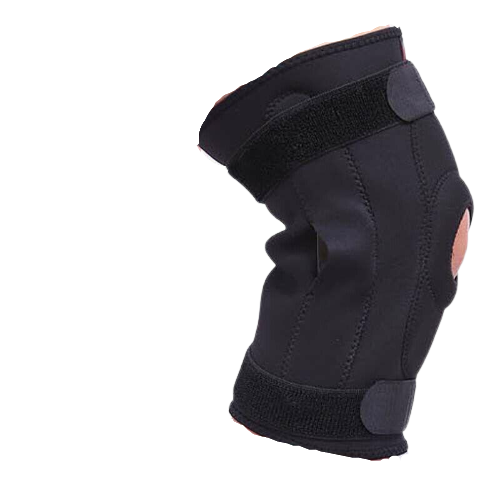
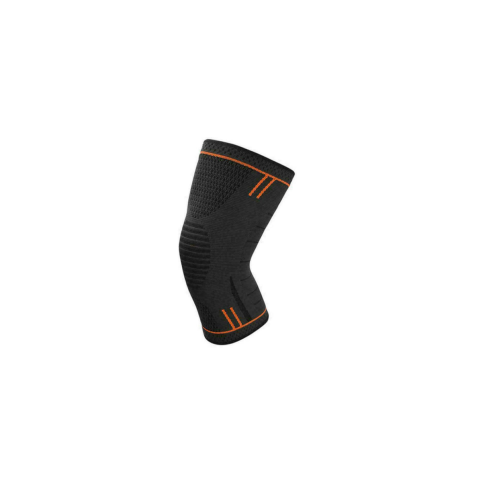
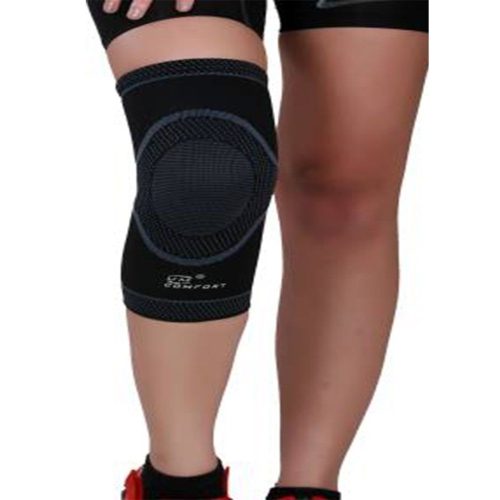
Common types include pull-on sleeves, adjustable wraps, patellar straps and hinged braces. Sleeves have a continuous fabric design, wraps use adjustable closures, patellar straps sit below the kneecap, and hinged braces feature articulated components along the sides.
Knee supports often combine nylon, polyester, elastane or neoprene. Knit fabrics offer stretch, mesh panels allow airflow, and neoprene has a thicker, padded feel. Some designs also include silicone strips, hook-and-loop fasteners or metal and plastic components.
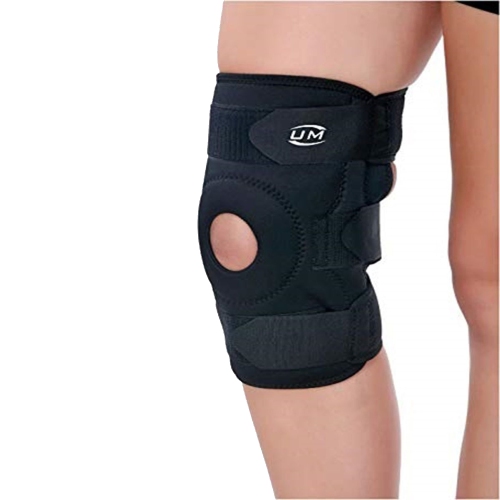
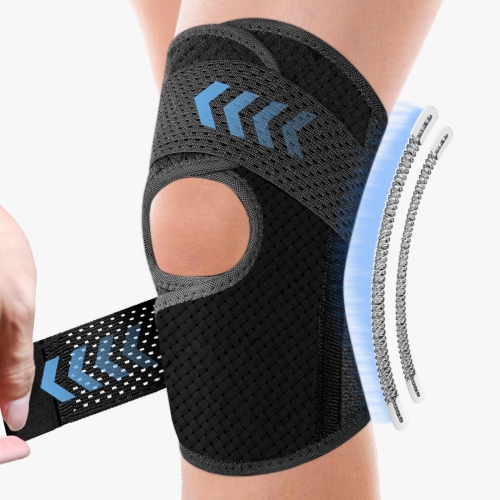
Pull-on sleeves slide over the foot and up to the knee, typically using a tubular fabric construction. Wraparound supports open out and fasten around the knee with straps or hook-and-loop closures. The main differences are how they are put on and how their closures are arranged.
Open-patella knee supports have a cutout over the kneecap, sometimes surrounded by a padded ring. Closed-patella styles cover the front of the knee with continuous fabric. Both designs are available in a range of materials and closure styles.
Follow the care label, as cleaning methods vary by fabric and construction. Many fabric supports can be hand-washed with mild detergent and air-dried, while styles with hinges or removable parts may need separate cleaning steps. Fasten hook-and-loop closures before washing and store the support once it is fully dry.
Top selling and popular products
Discover more categories related to Knee Supports for Injury Prevention
Some products may be subject to Environmental Handling Fees (EHF) depending on your province. Learn more about EHFs.