Therapy Massage Guns
Looking for a way to relieve muscle tension and promote relaxation at home? Look no further than our selection of therapy massage guns. These innovative devices are designed to deliver targeted percussive therapy, helping to soothe sore muscles, improve circulation, and enhance overall recovery. Whether you're an athlete looking to optimize your training or simply seeking a way to unwind after a long day, our range of therapy massage guns offers a variety of options to suit your needs. Discover the power of percussive therapy and take your self-care routine to the next level with our collection of therapy massage guns.
Sort






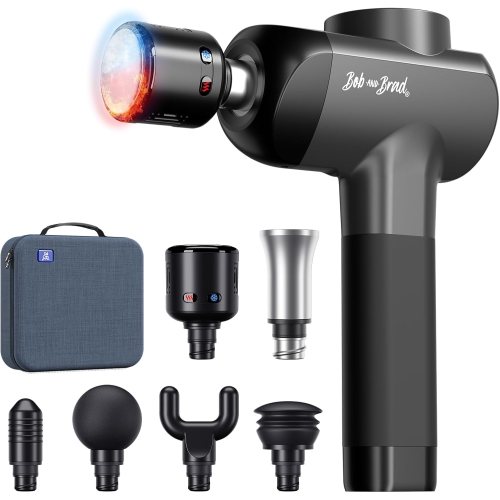
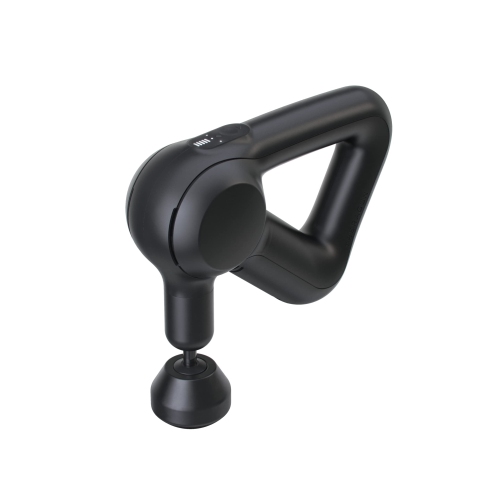


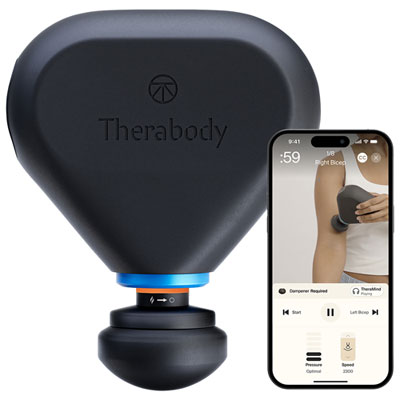
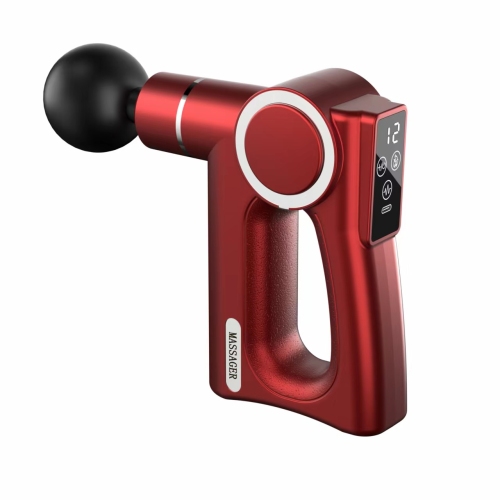


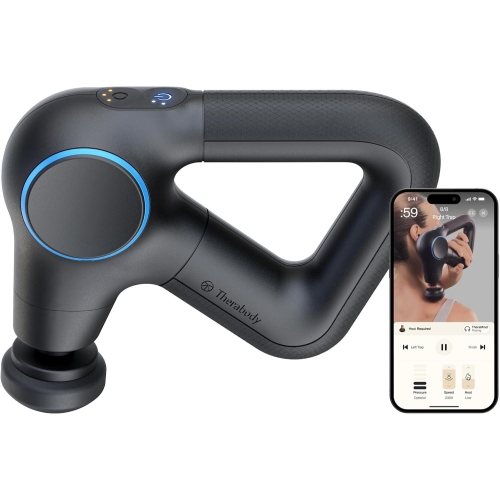

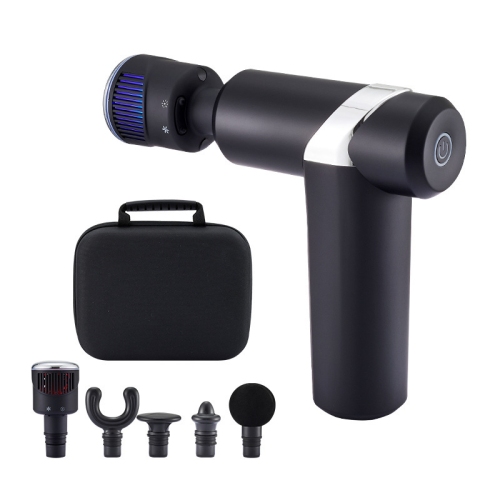
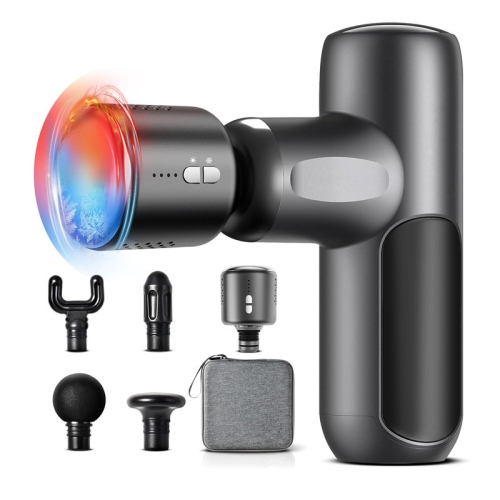
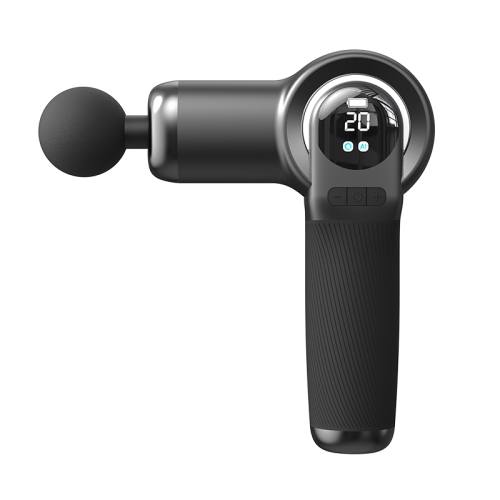




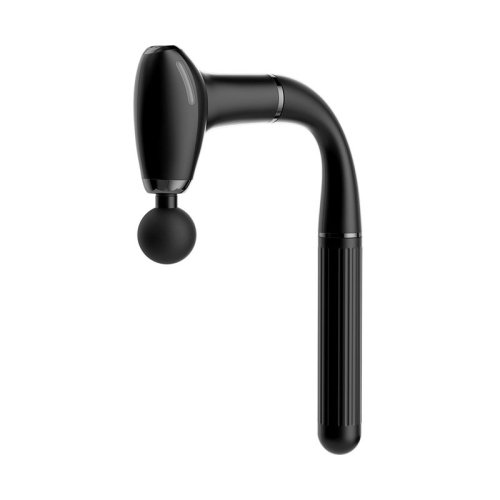


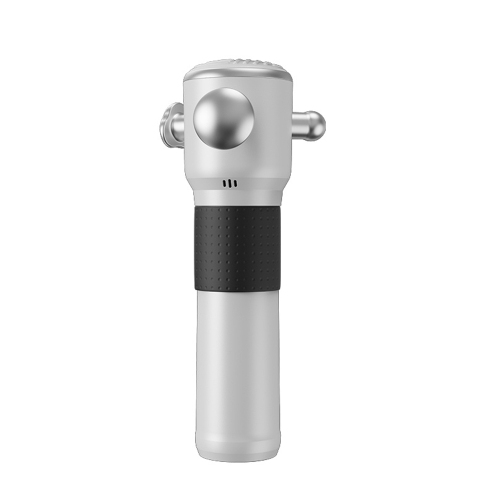
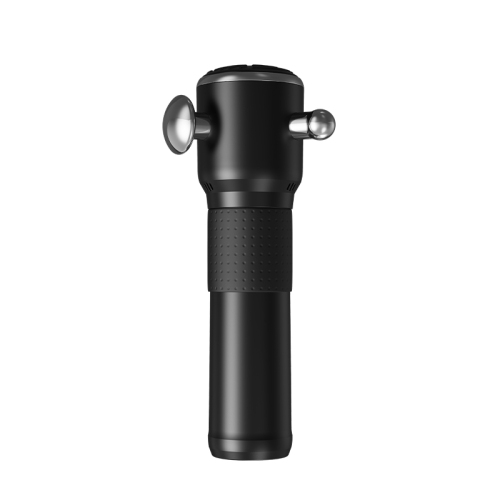


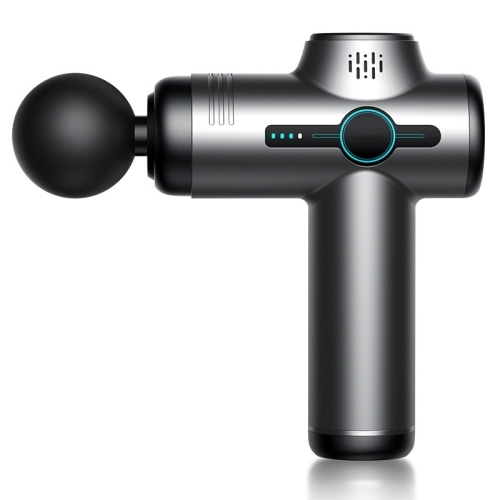







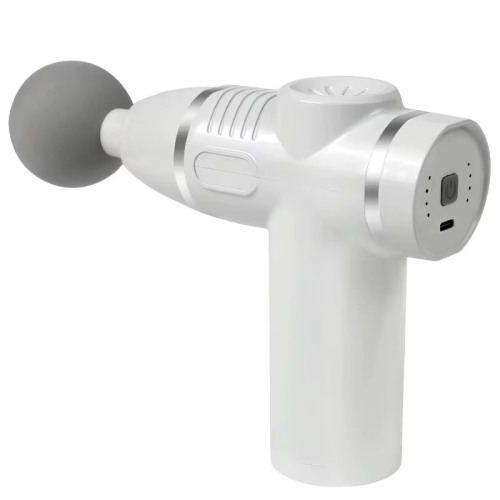


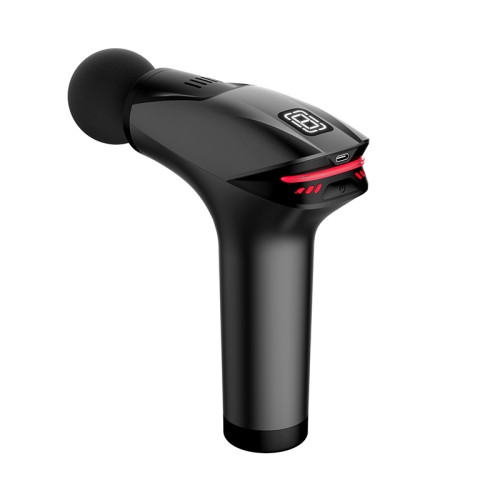
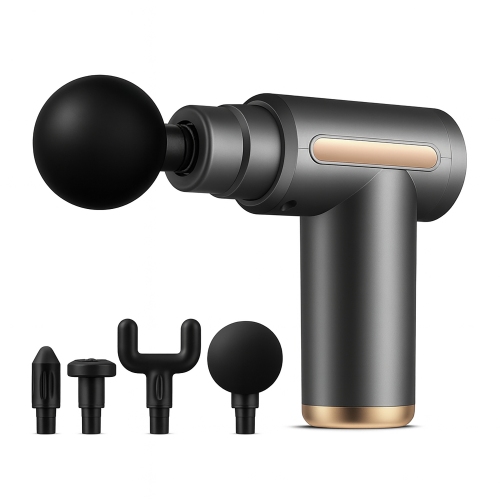


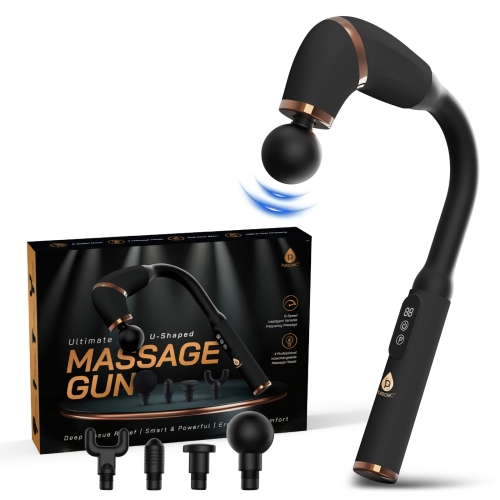


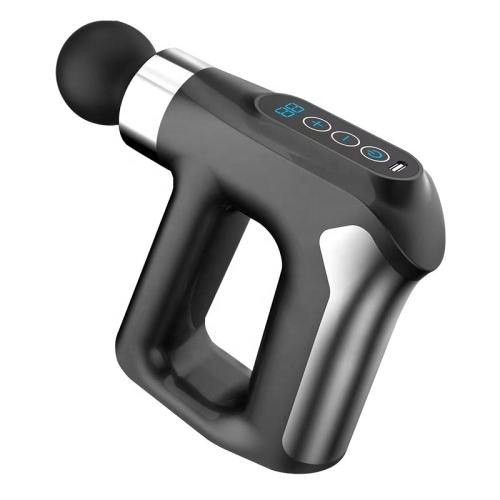


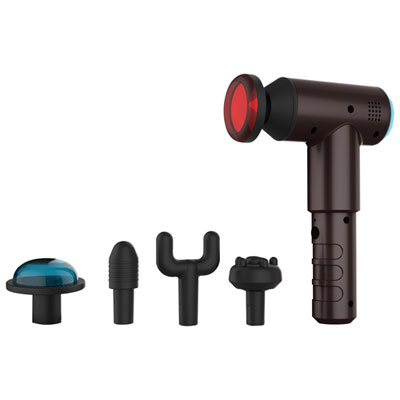


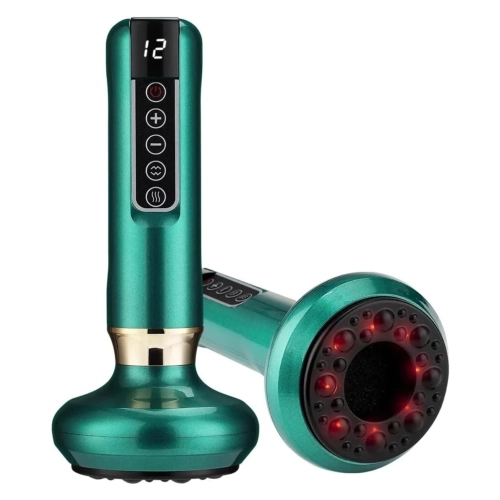
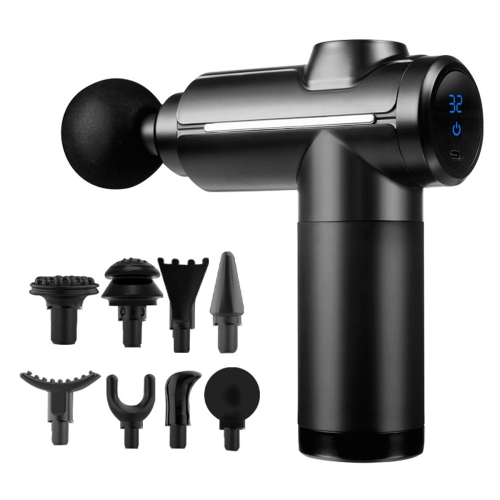
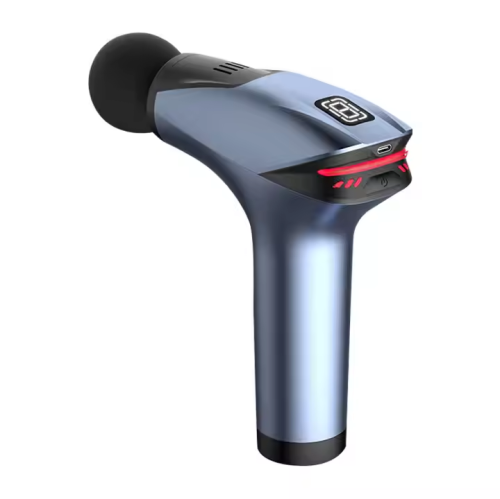


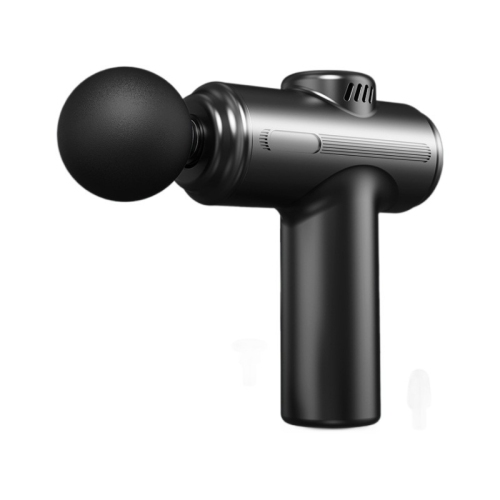
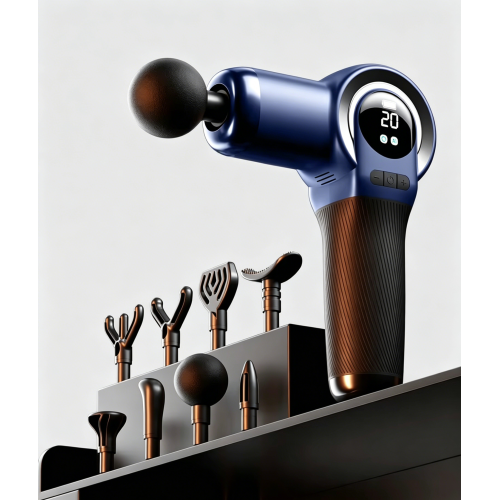


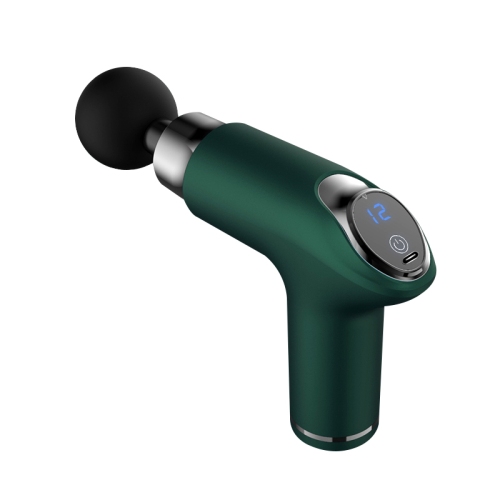


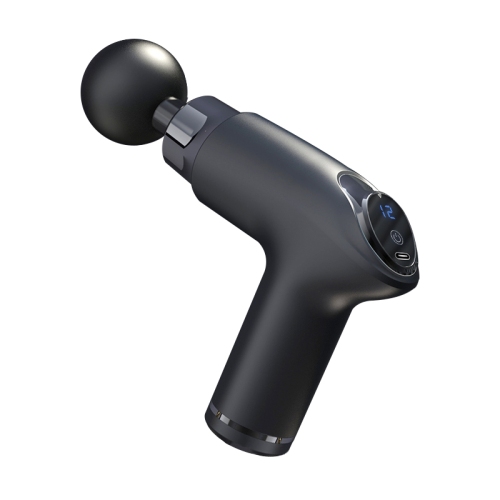


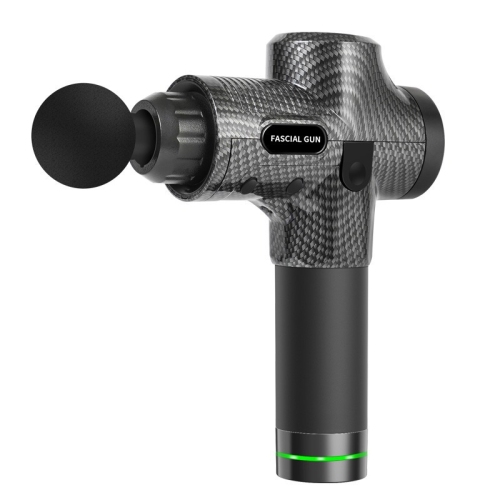

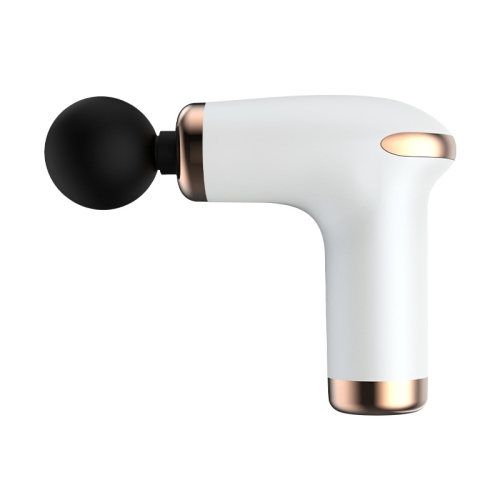
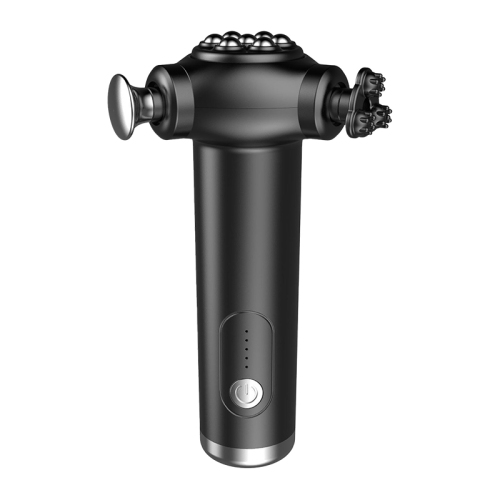
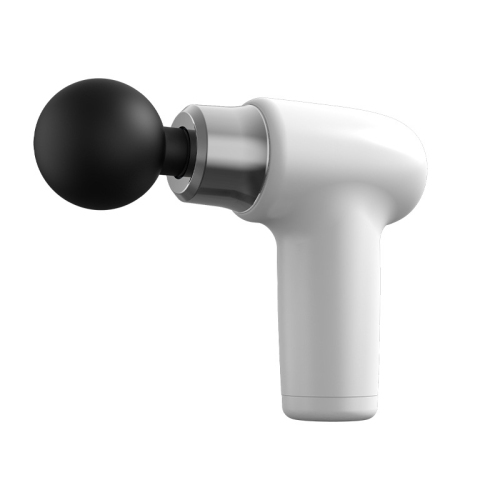

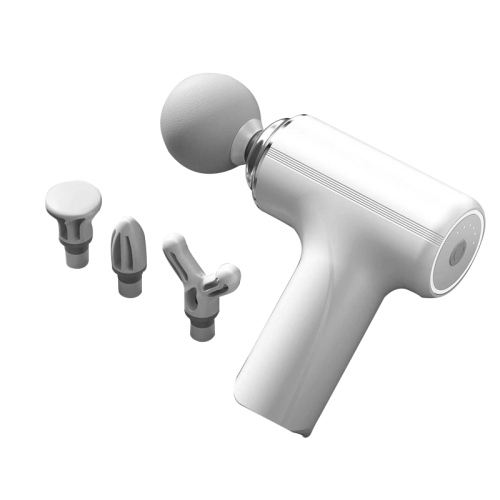

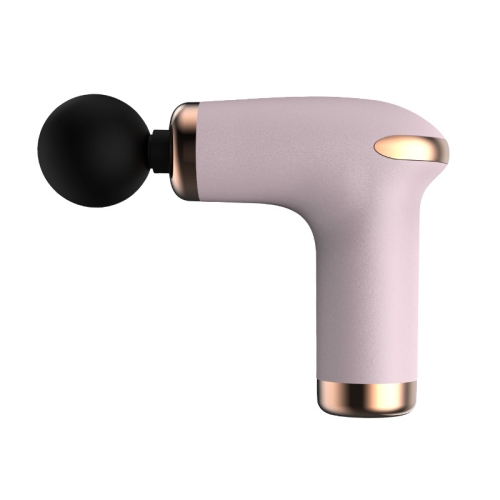

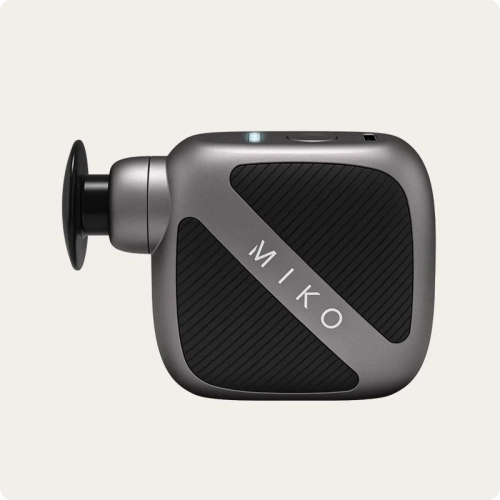












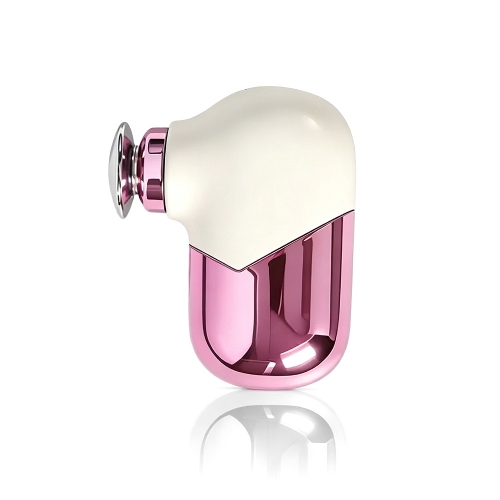

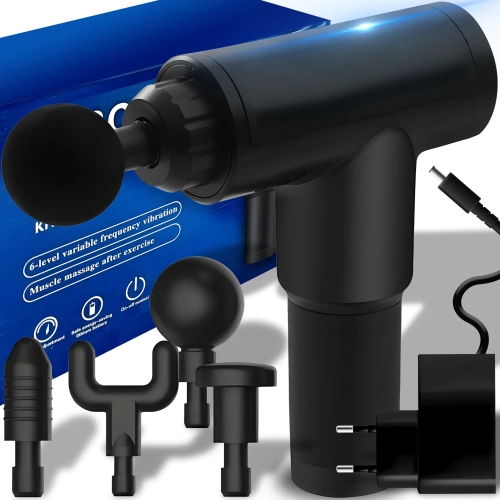
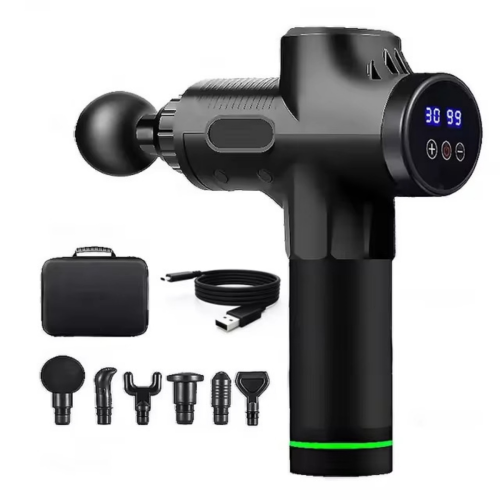
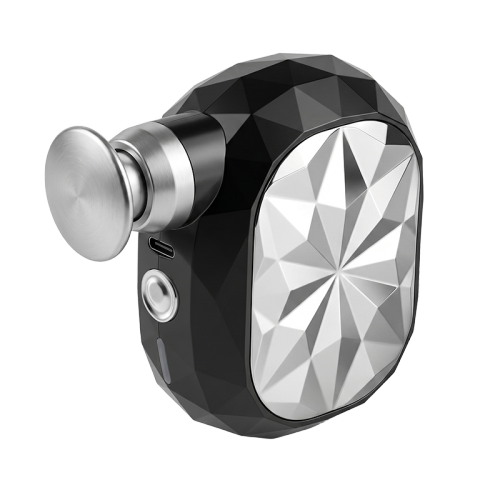













What to know about comfort, settings and safe use
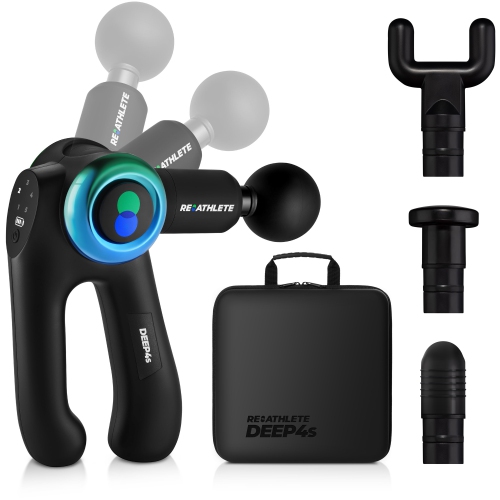
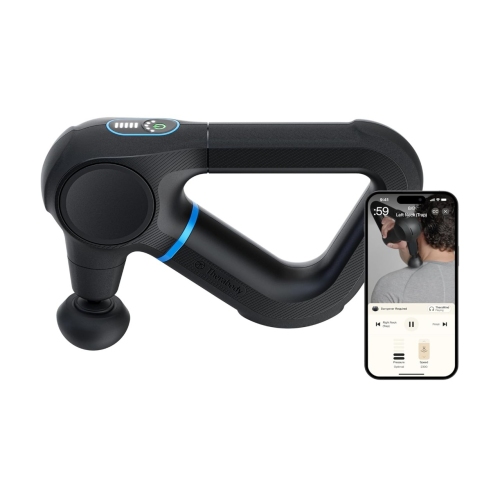
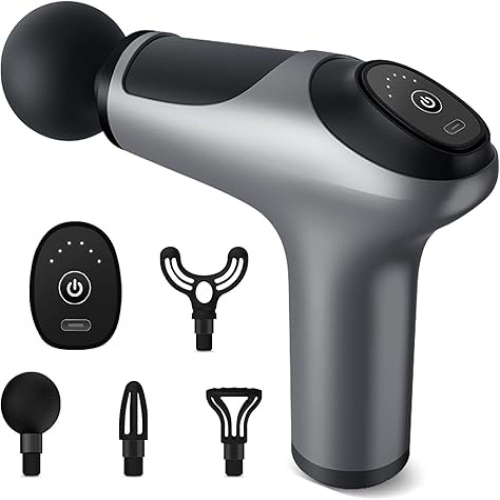
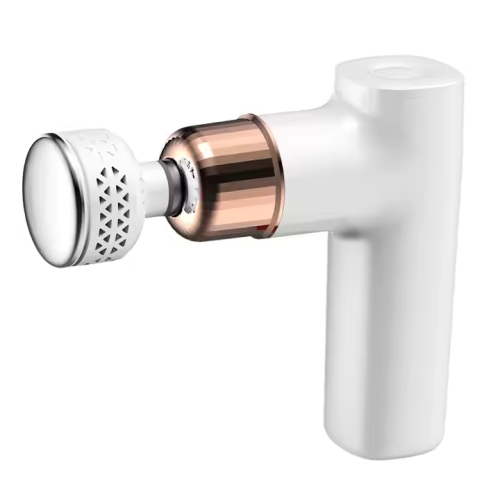
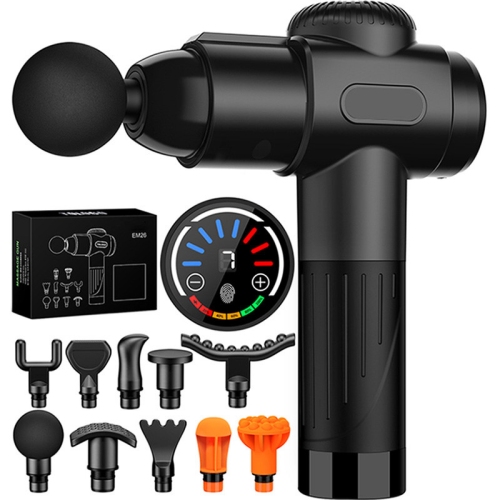
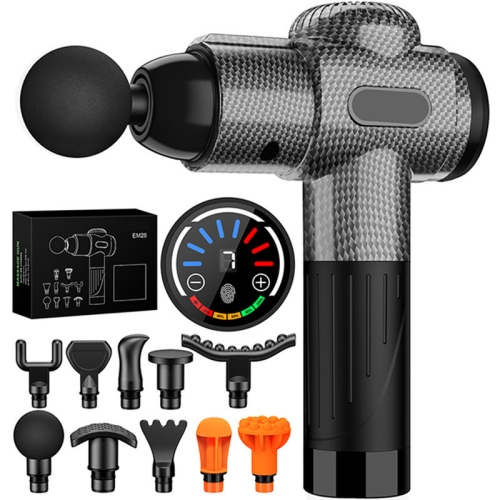
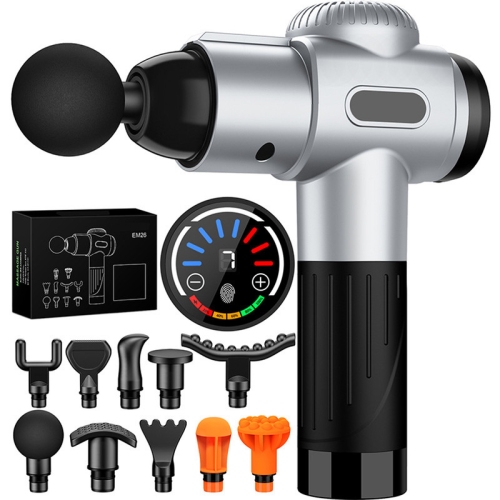
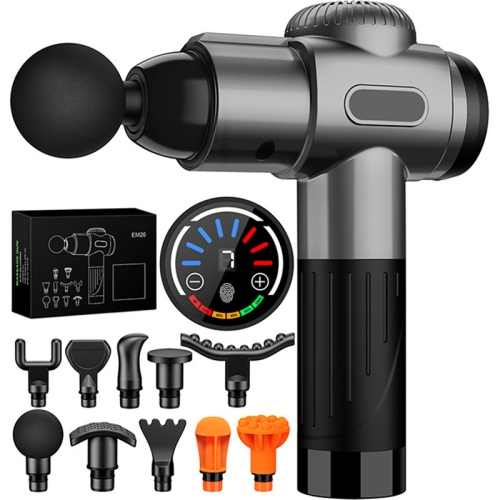
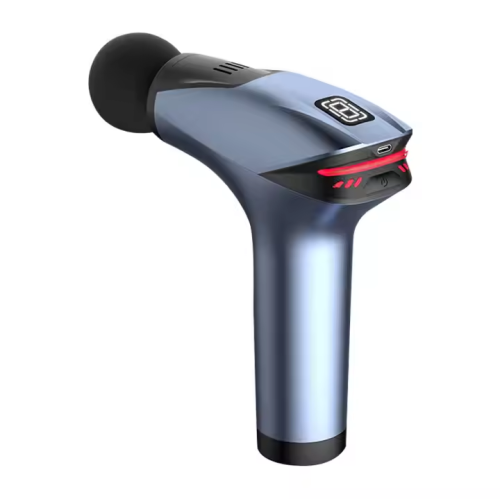
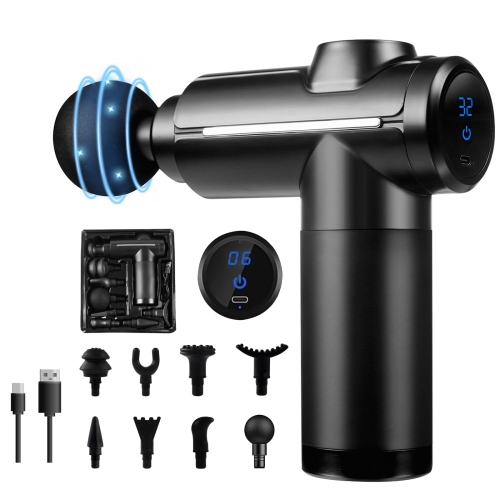
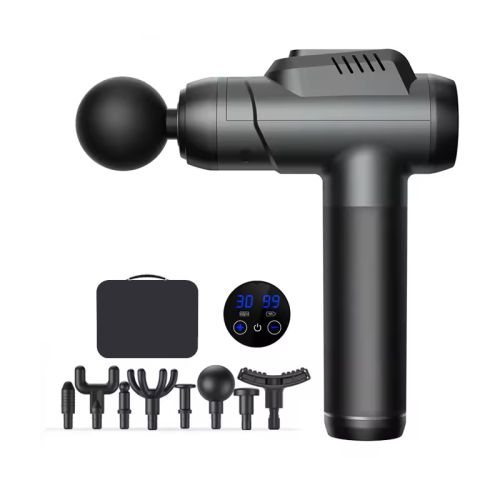
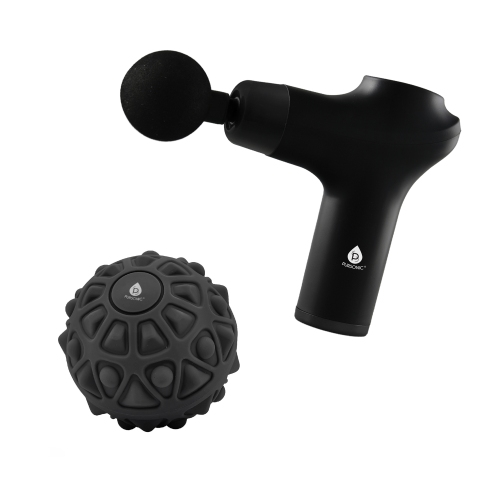
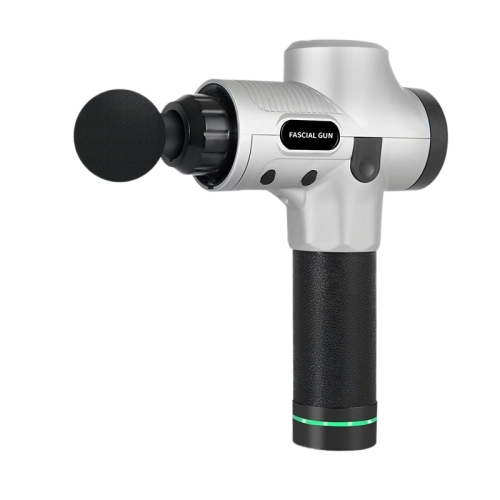
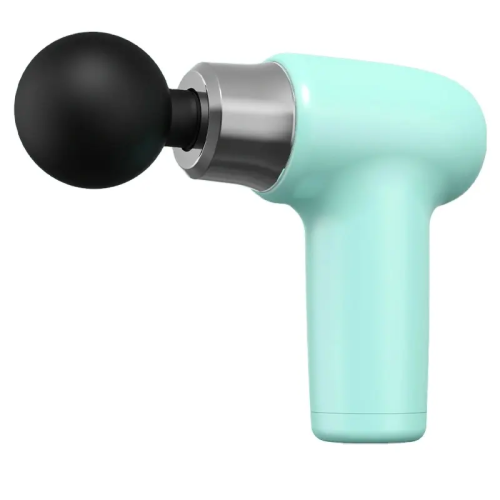
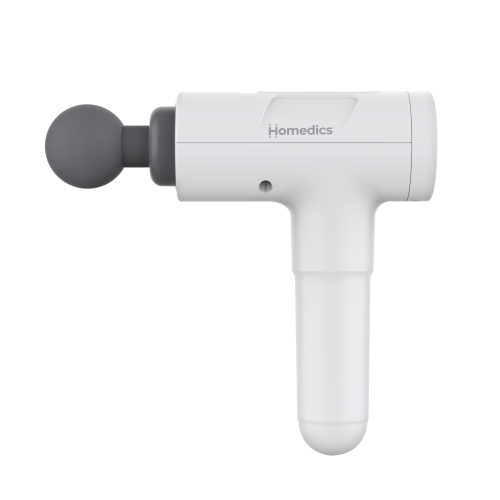
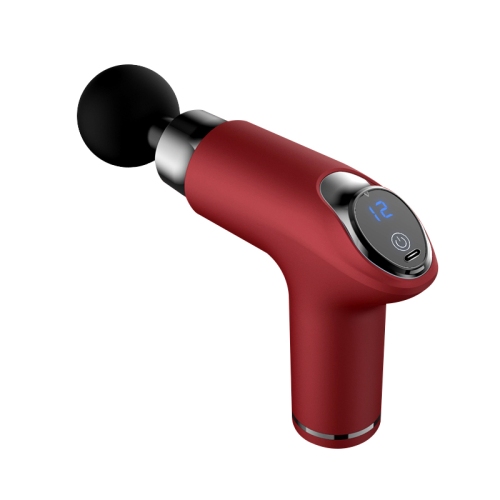
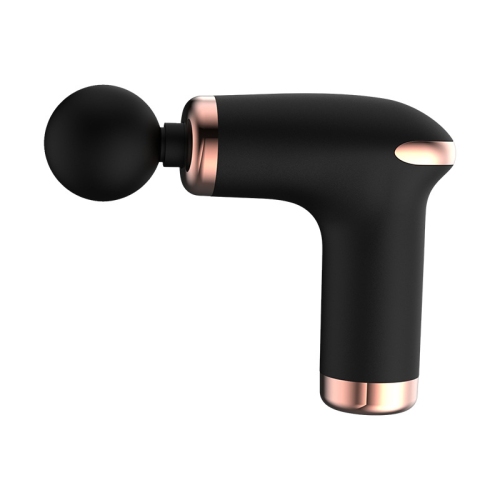
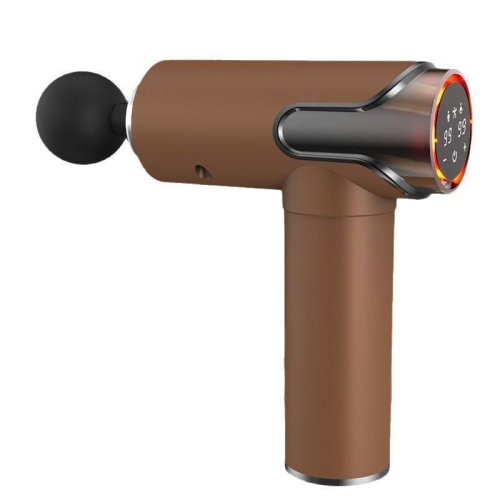
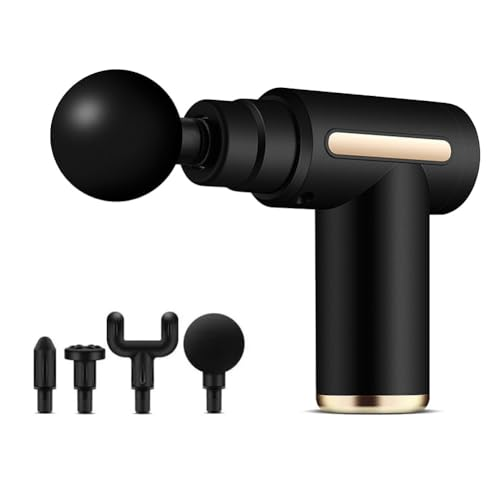
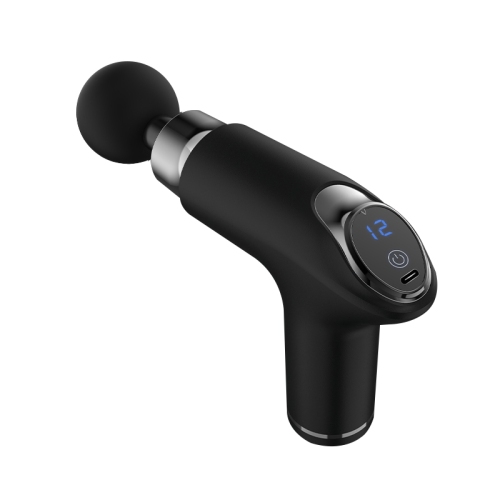
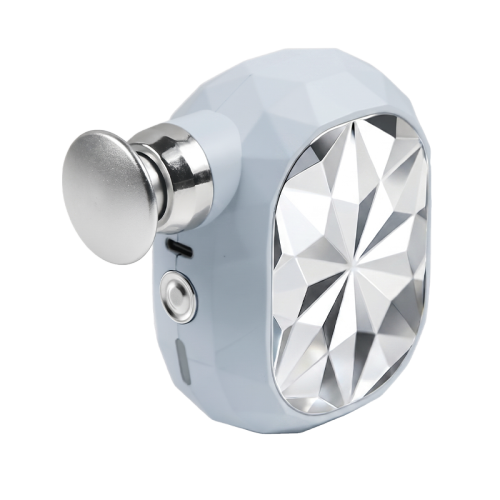
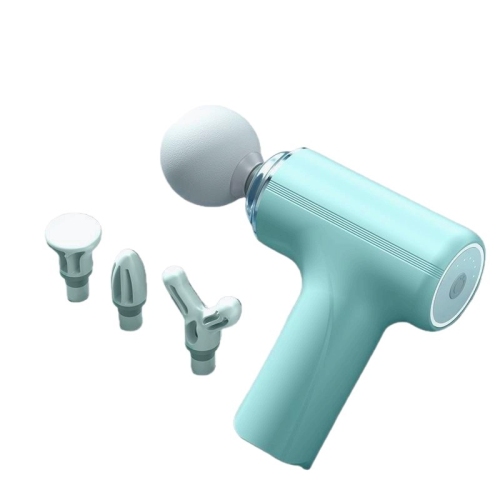
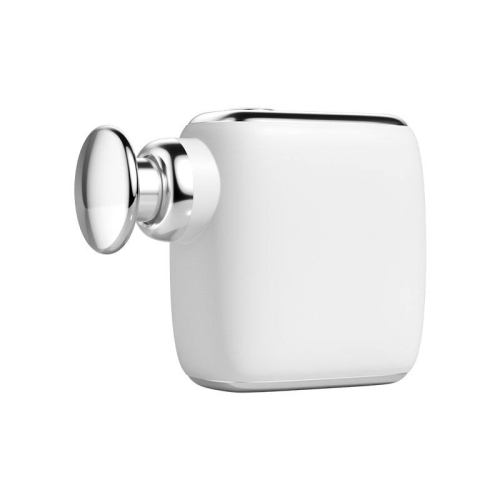
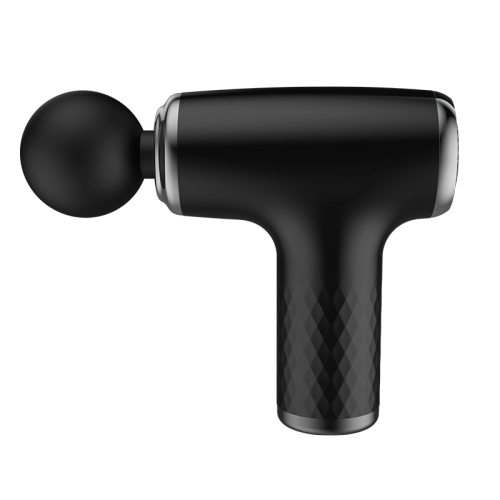
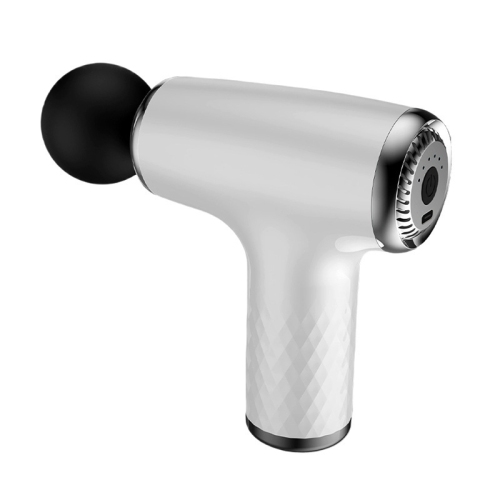
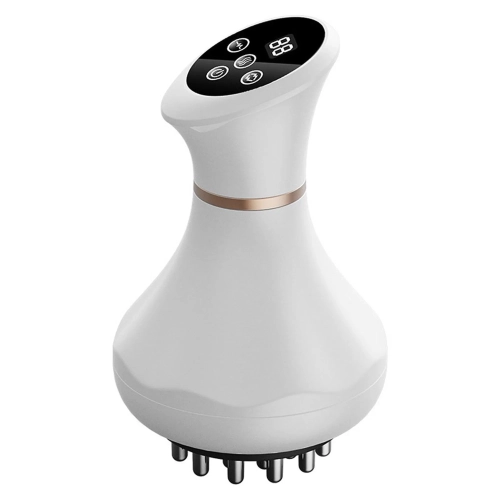
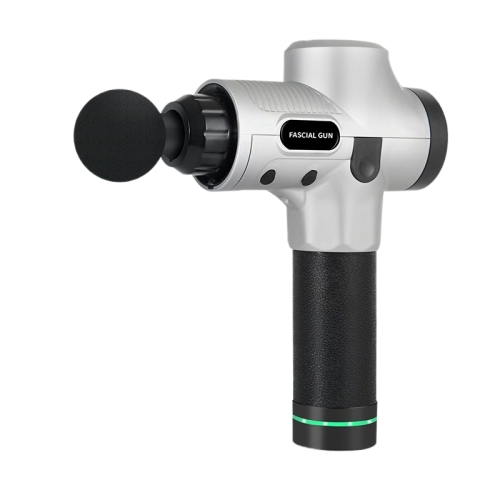
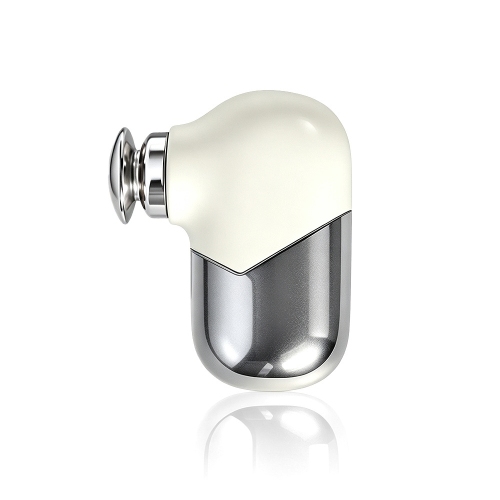
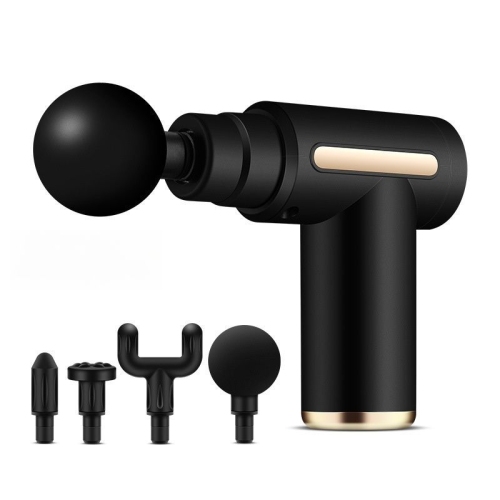
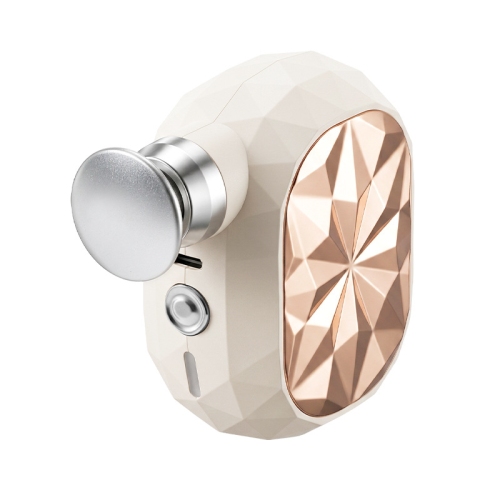
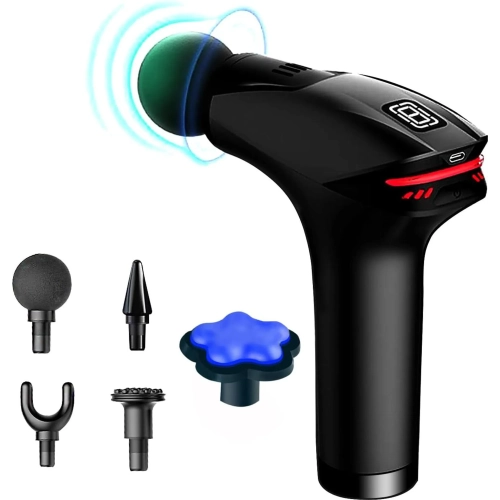
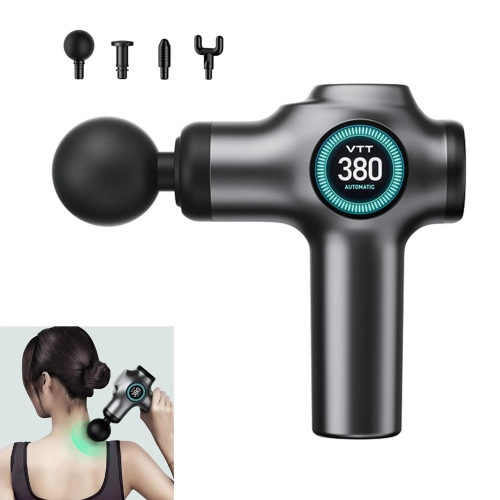
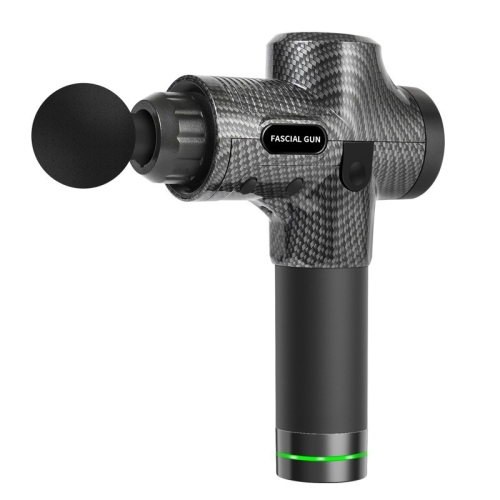
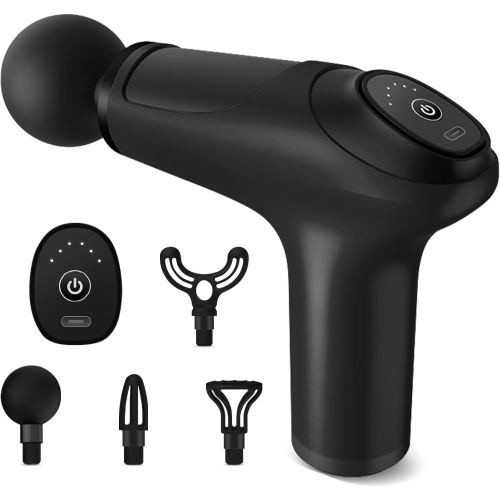
Therapy massage guns are handheld percussive therapy devices designed to deliver rapid, concentrated pulses to soft tissue. By moving a massage attachment back and forth at a high speed, they can help loosen the feeling of tight muscles, encourage local circulation and support a more comfortable warm-up or cool-down routine. Many people use them after exercise, following a long day on their feet or when everyday activities leave their shoulders, calves, thighs or lower back feeling tense. They can also be useful for people who spend hours at a desk, commute regularly, work in physically demanding roles or enjoy recreational activities such as running, cycling, strength training and hiking. The sensation is different from a traditional massage: instead of a kneading motion, the device applies repeated, rhythmic pressure to a targeted area. Used at a comfortable setting, it may make stiff muscles feel more relaxed and can be a convenient addition to stretching, mobility work and rest. Browse Portable Massage Therapy Guns to compare compact options for home, office or travel use. These devices may also make thoughtful gifts for someone who enjoys fitness, spends much of the day standing or simply appreciates a practical way to unwind during the cooler months. A massage gun can fit into a bedside table, gym bag or carry-on, making it easier to build a few minutes of muscle care into an existing routine rather than setting aside time for a lengthy appointment.
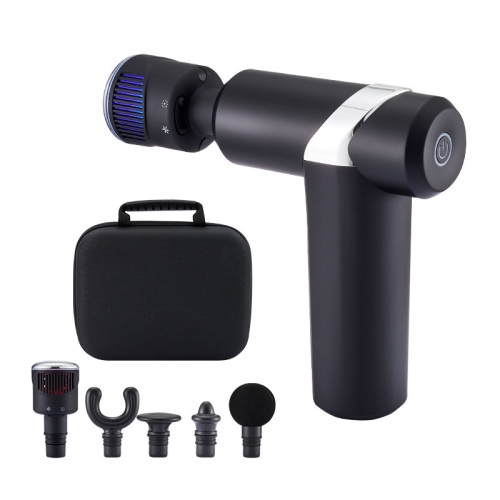
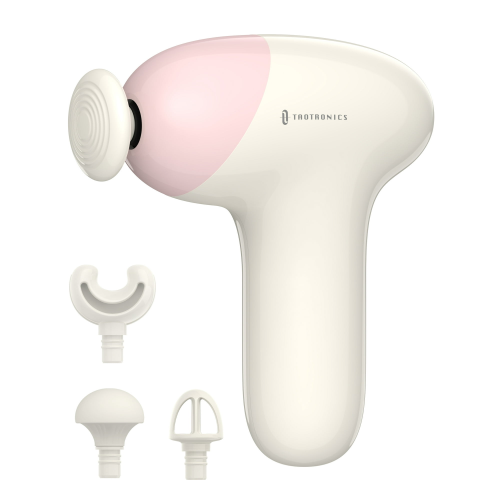
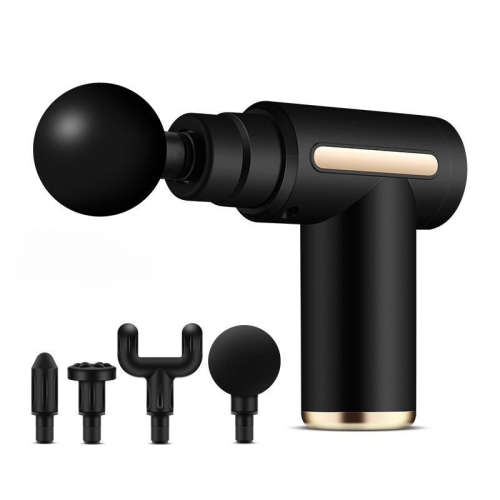
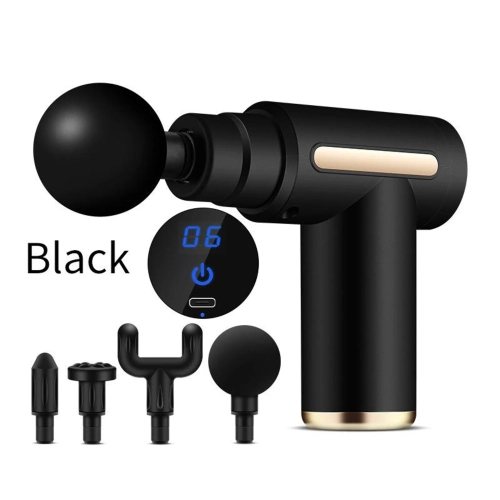
When choosing a therapy massage gun, consider how it will feel in everyday use as well as the headline specifications. Speed settings, often described as percussions per minute or ppm, allow you to choose a gentler rhythm for sensitive areas or a faster setting for larger muscle groups. Amplitude refers to how far the attachment travels into the tissue; a higher amplitude can feel more intense, while a shorter movement may be preferable for beginners or for lighter relaxation. Stall force indicates how much pressure the motor can tolerate before slowing or stopping, which may matter if the device will be used on dense muscle groups such as the glutes, quadriceps or hamstrings. A device with several intensity levels is easier to share among household members with different preferences. Attachment heads also serve different purposes: a broad, softer head can cover large areas, a smaller rounded head can focus on a particular muscle, and a flatter or wedge-shaped attachment may suit sweeping work across broader muscle groups. Look for a handle that is comfortable to hold, controls that are easy to reach and a weight that will not become tiring during use. Battery life, charging method, storage and noise level are practical considerations too. Someone using a massage gun in a quiet home, office or shared living space may prefer a quieter motor, while a traveller may value a compact design and a protective case. For a first device, straightforward controls and moderate adjustment options can be more useful than a complicated display. A more experienced user may appreciate finer speed control, additional attachments and a stronger motor. Thinking about who will use the device, which muscle groups need attention and where it will be stored can help narrow the selection without focusing on a single feature in isolation.
Safe, comfortable technique is important. Begin with the lowest comfortable speed and let the attachment glide slowly over the muscle rather than pressing forcefully into one spot. A short session of roughly two to three minutes per muscle group is generally sufficient for a warm-up or cool-down, and the device should not cause sharp pain, numbness, bruising or a lingering increase in discomfort. Keep the massage gun on soft tissue and avoid bones, joints, the front or sides of the neck, the head, the face and areas with reduced sensation. It should not be used over a recent injury, open wound, swelling, unexplained pain, recent surgery or an area that is hot and inflamed. People who are pregnant or who have a medical condition, circulation concern, bleeding disorder, implanted medical device or prescribed treatment should speak with a healthcare professional before using percussive massage equipment. A massage gun is not a substitute for assessment or care from a qualified healthcare provider, particularly when pain is severe, persistent or accompanied by weakness, tingling or loss of movement. Used thoughtfully, it can complement gentle stretching, hydration, regular movement and adequate rest. During the cooler months, when outdoor activity may give way to indoor workouts or long periods of sitting, a few careful passes over tired legs or shoulders can be a simple way to finish a routine. Store the device charged and accessible, keep the attachments clean according to the manufacturer’s instructions and allow the motor to rest as recommended so it is ready for the next session.
Top selling and popular products
-
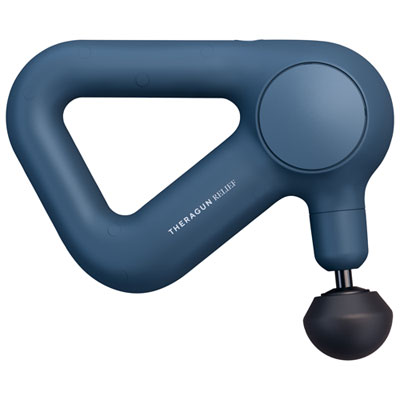 Your price for this item is $199.99
-
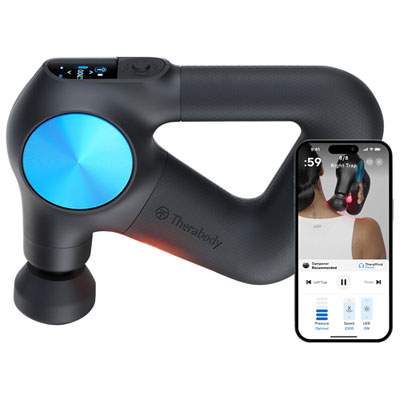 Your price for this item is $799.99
-
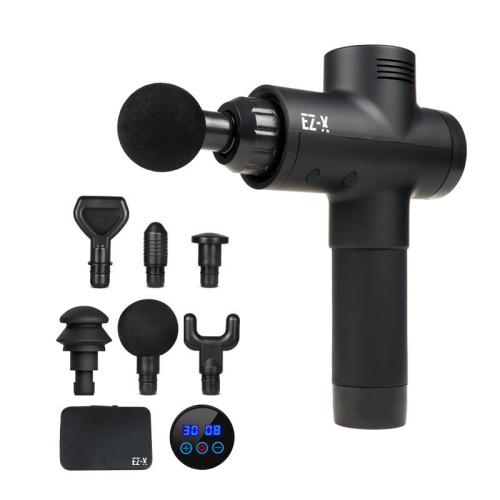 Your price for this item is $99.72
-
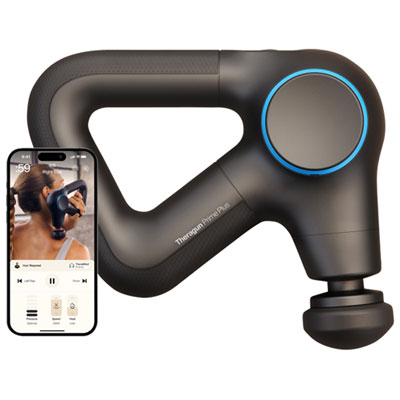 Your price for this item is $529.99
-
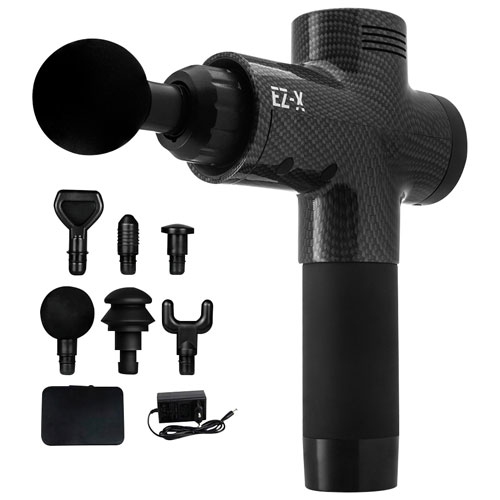 Your price for this item is $99.72
-
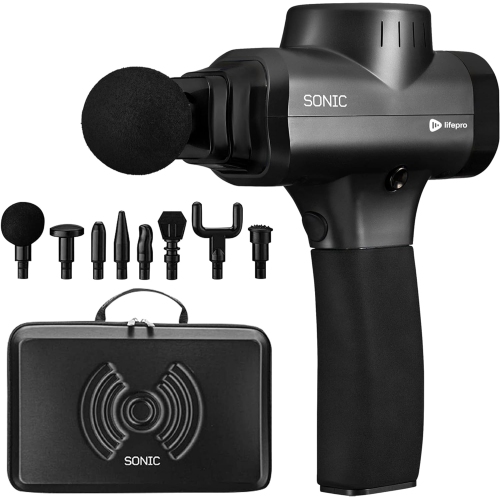 Your price for this item is $89.99
-
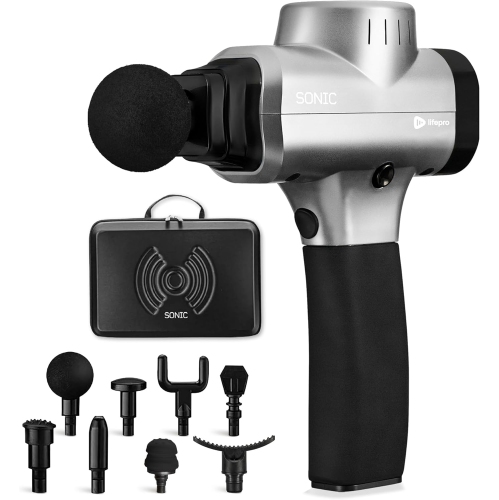 Your price for this item is $89.99
-
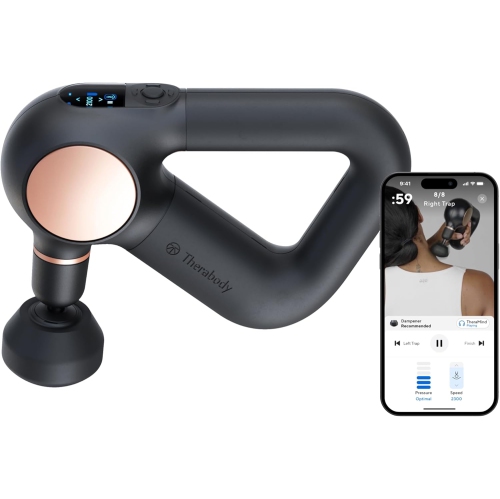 Your price for this item is $379
Discover more categories related to Therapy Massage Guns
Top Collections:
Pokemon Centers, Best Cameras for Sports Photography, Kindle Devices, Samsung Galaxy Phones, Canon G7X Cameras, Pokémon 30th Celebration Cards, Refurbished Apple Laptops, iPhone 15 Apple, Laptops for Students, Budget Smartphones
Some products may be subject to Environmental Handling Fees
(EHF) depending on your province.
Learn more about EHFs.