Thick Mats
Whether you're looking to enhance your home gym, upgrade your yoga practice, or add a layer of comfort to your floors, thick mats are the versatile solution you need. These durable and cushioned mats provide support for various activities, from intense workouts to relaxing stretches. With a range of sizes and materials available, finding the perfect thick mat to suit your needs has never been easier. Elevate your exercise routine and create a more comfortable space with our selection of thick mats.
Sort
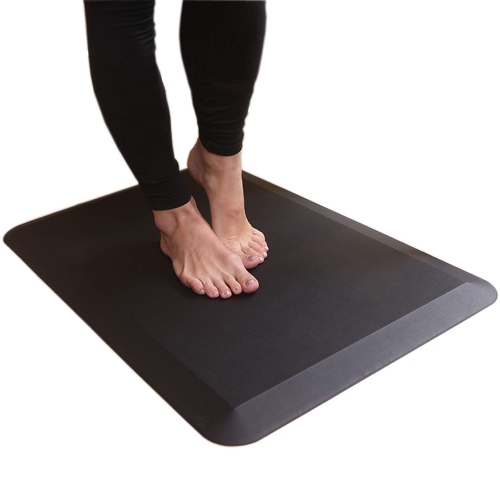
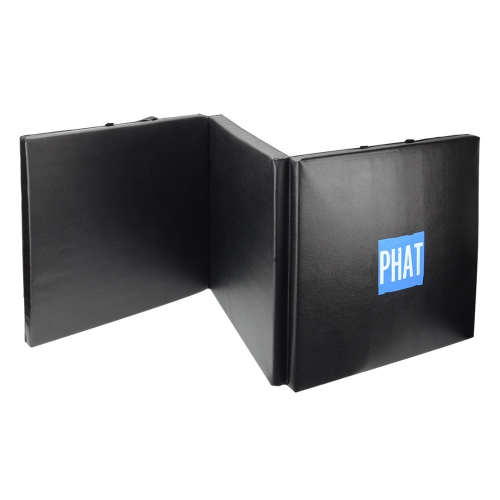
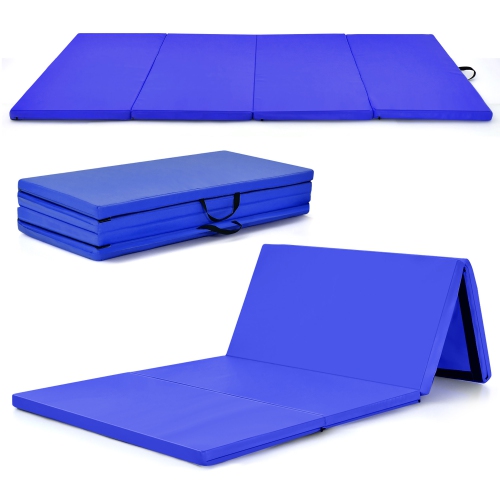
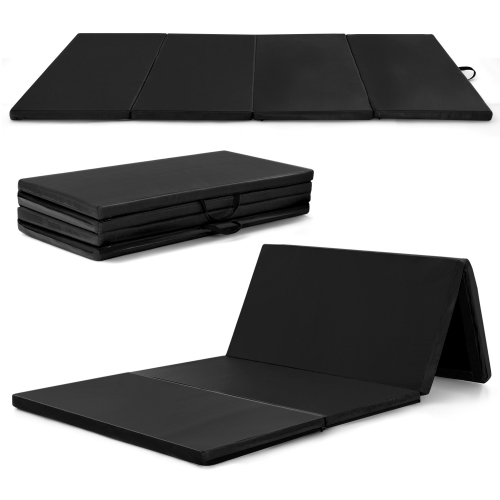
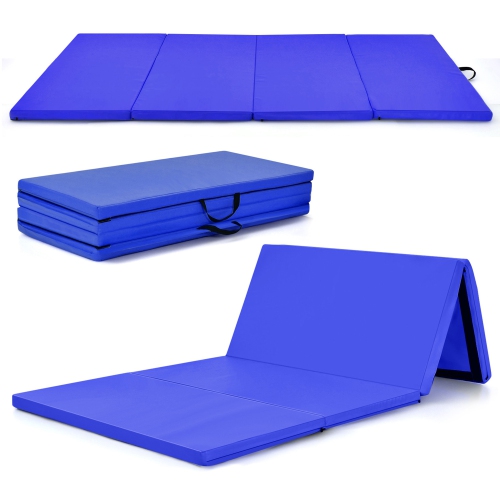
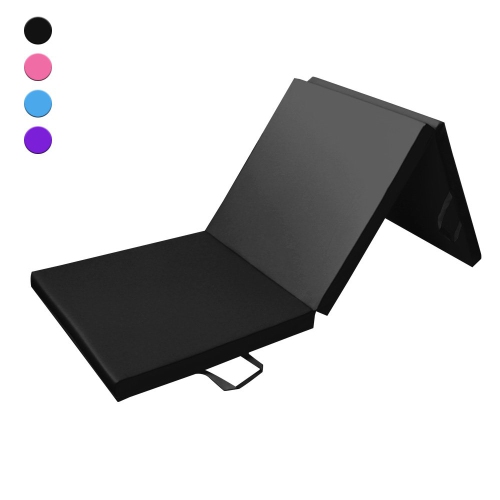

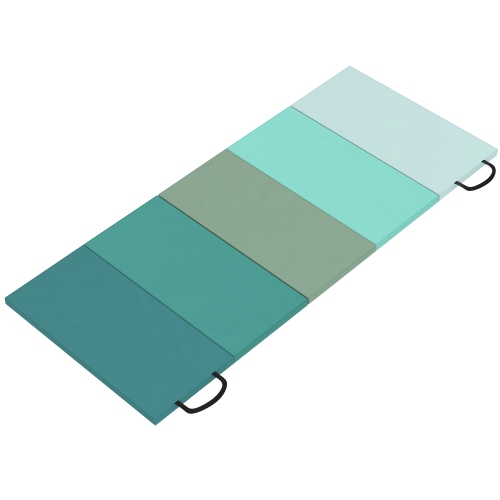

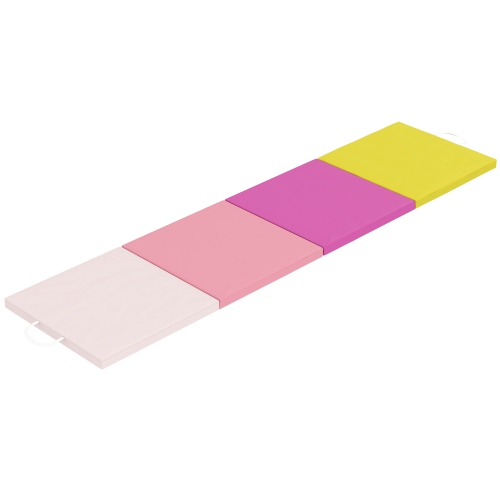
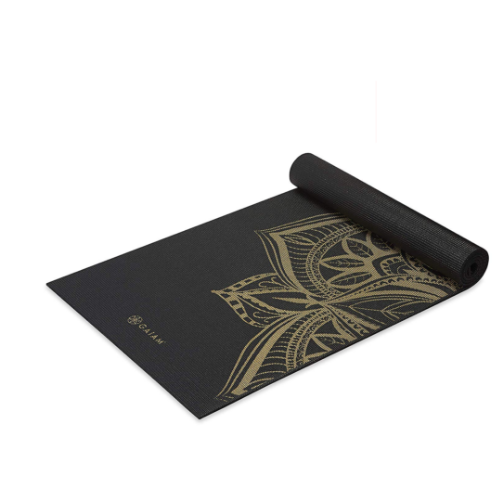



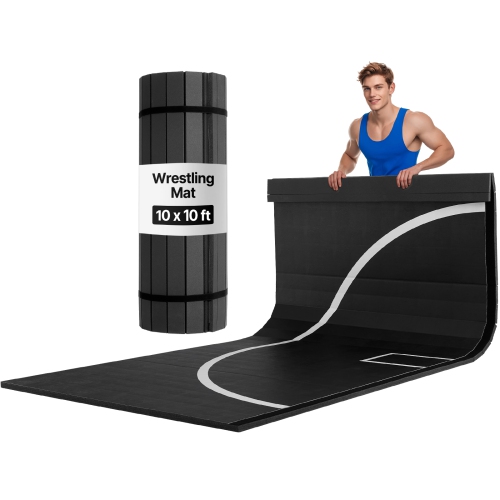

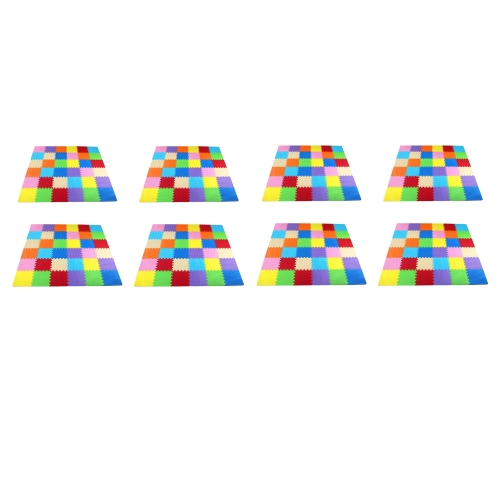
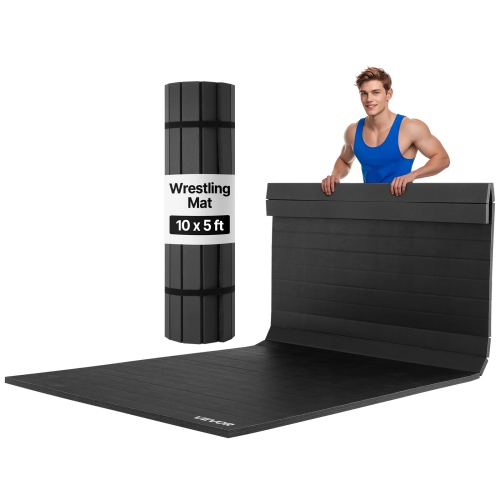
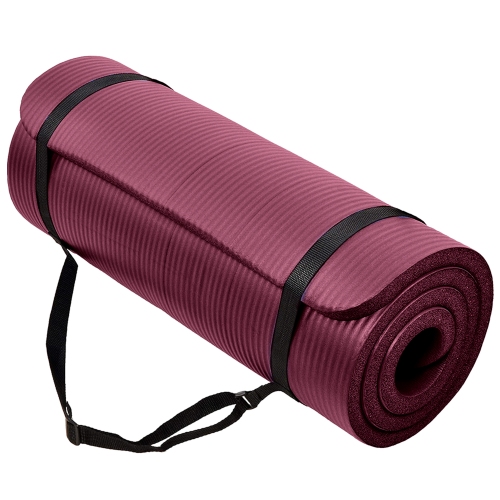
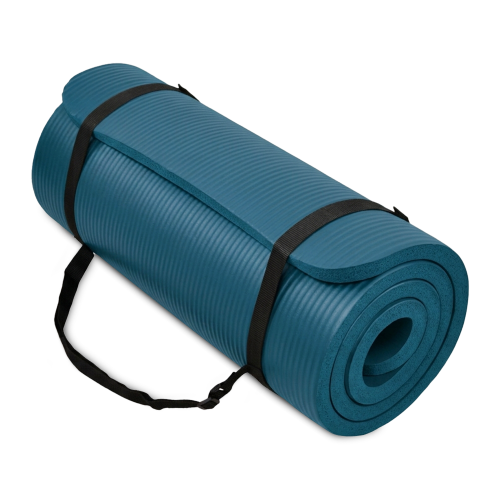
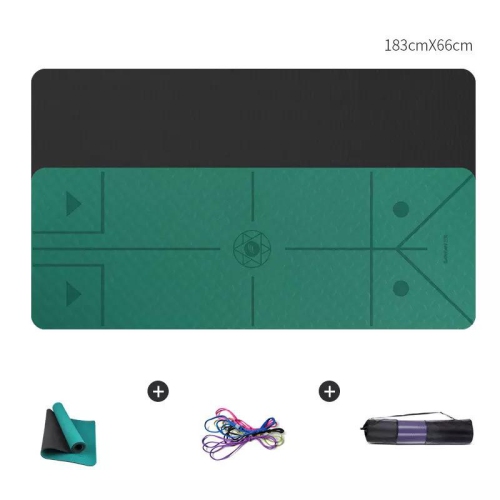
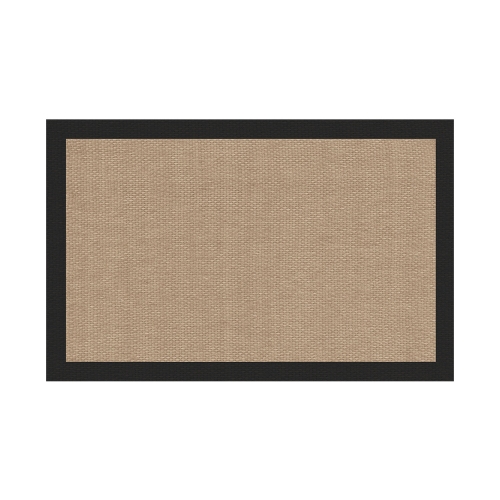
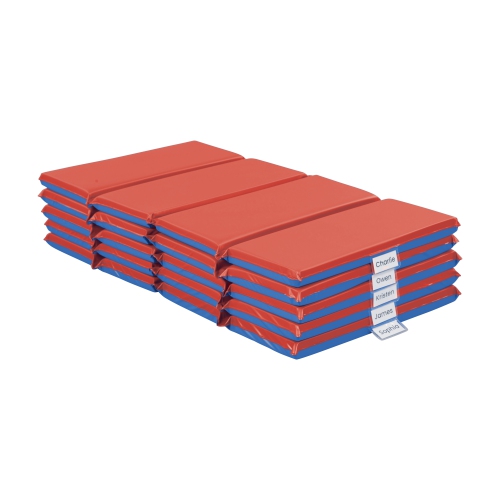
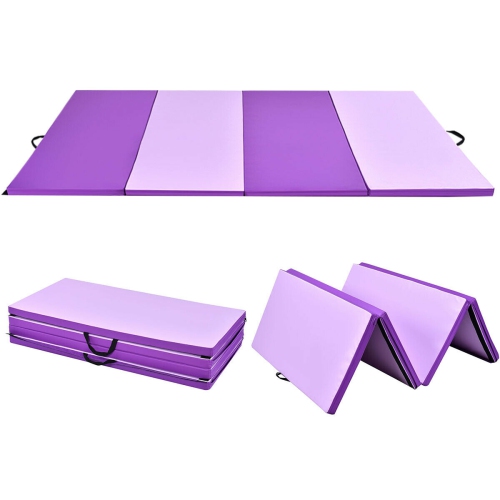
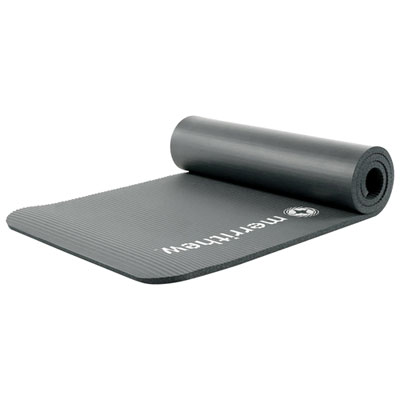
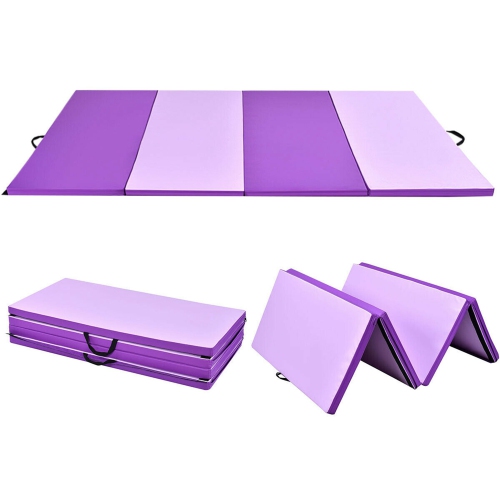
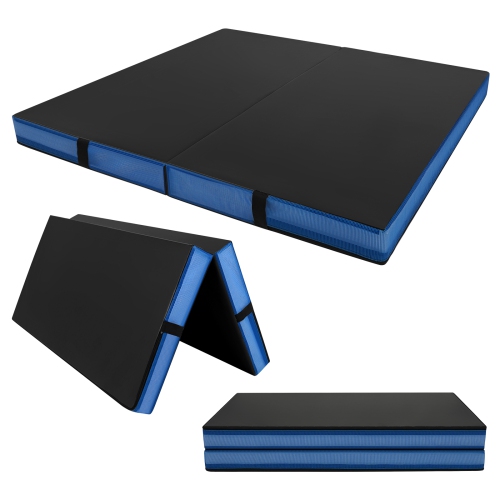
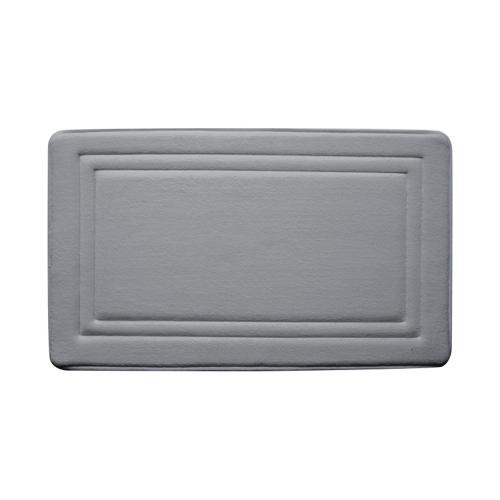
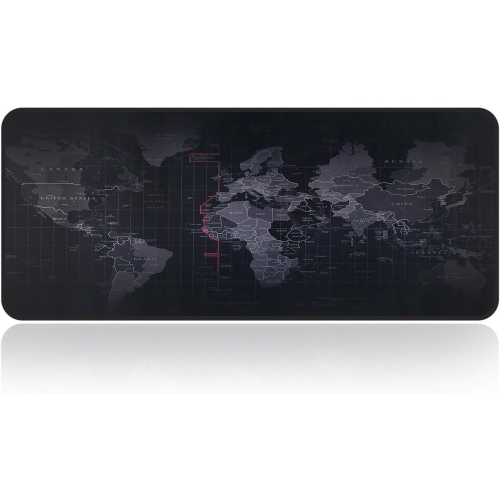
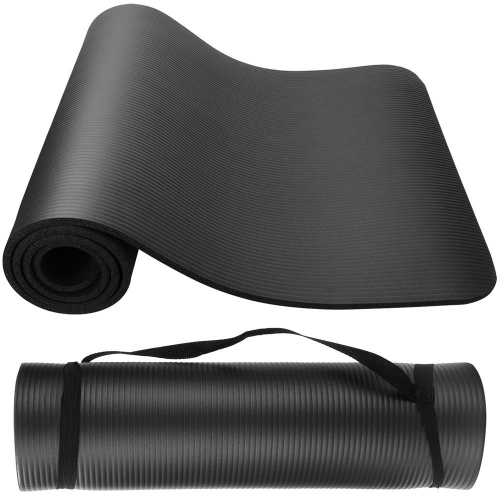
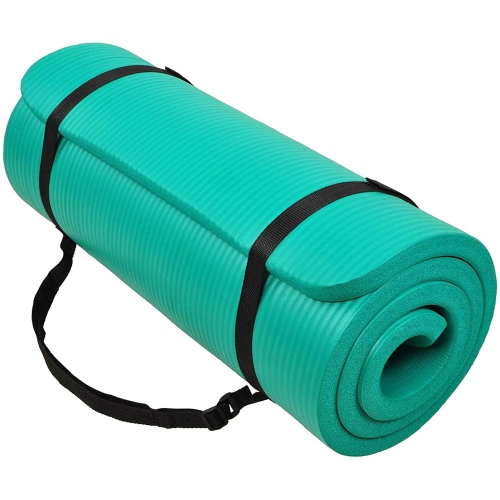
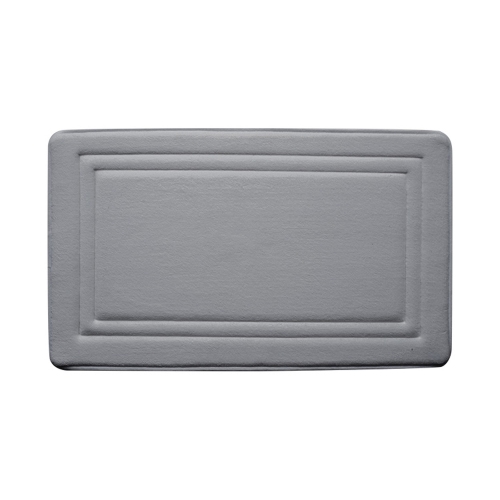
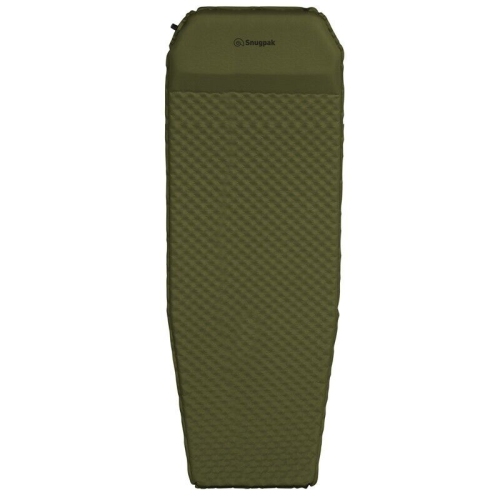
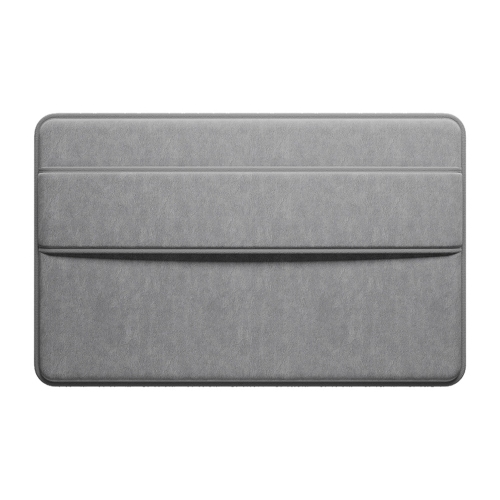
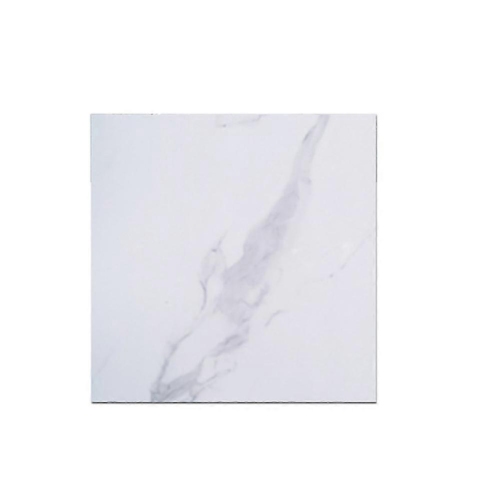
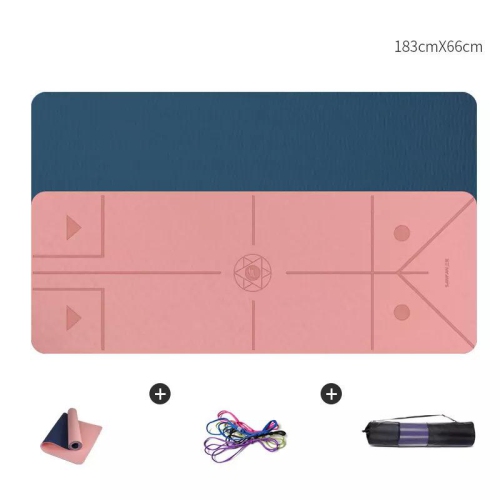
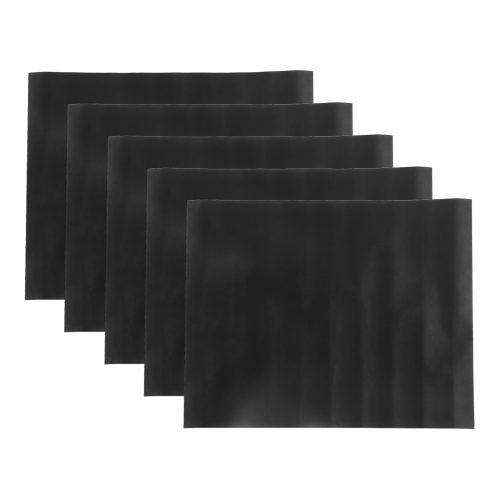

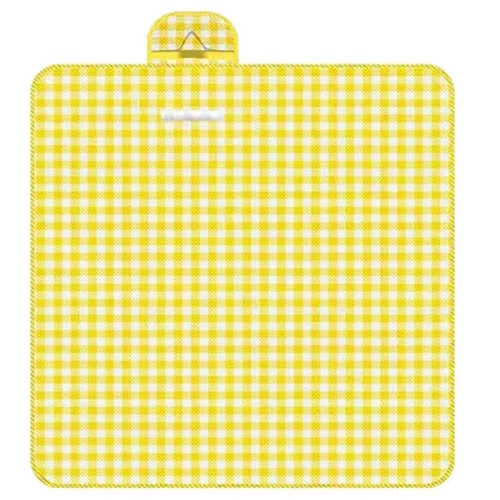
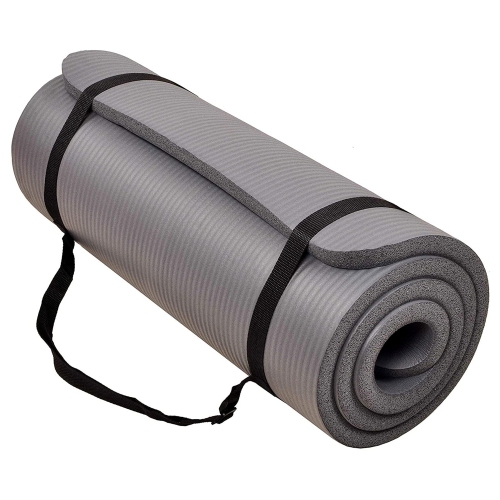
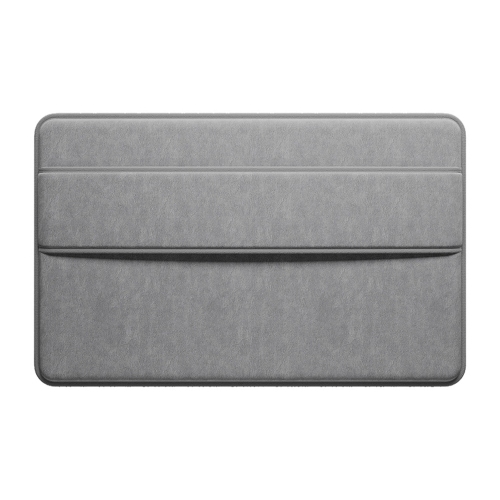
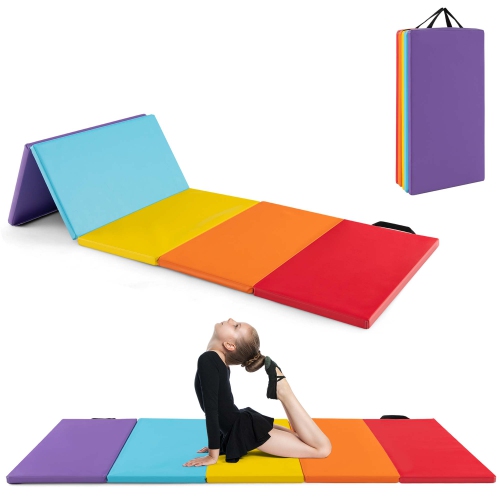
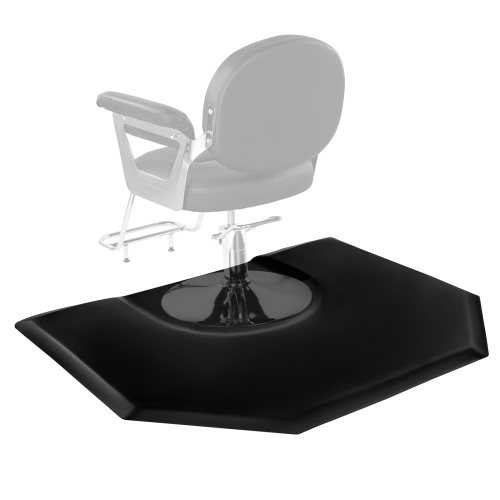
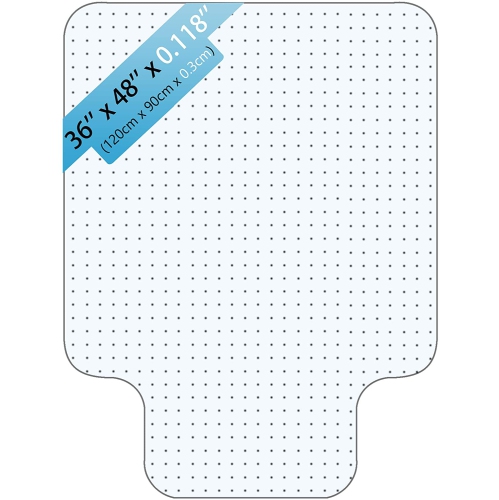
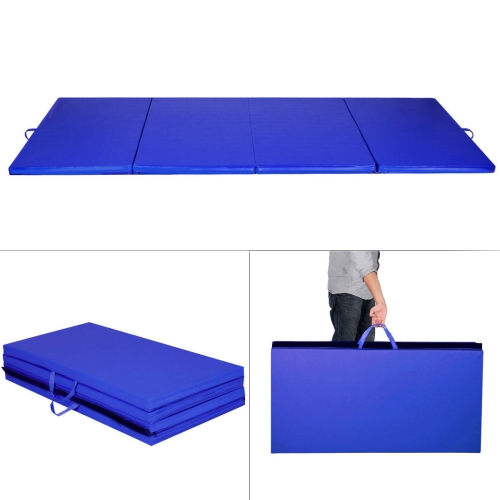
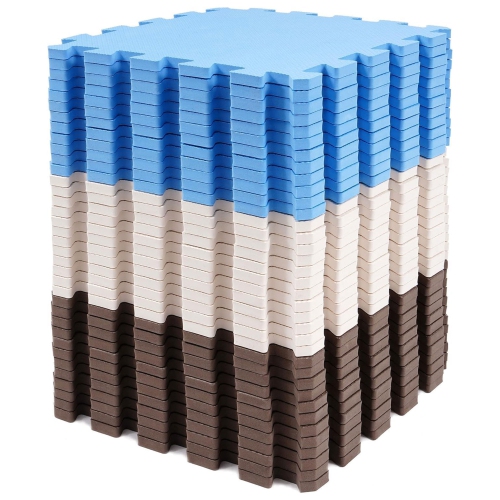
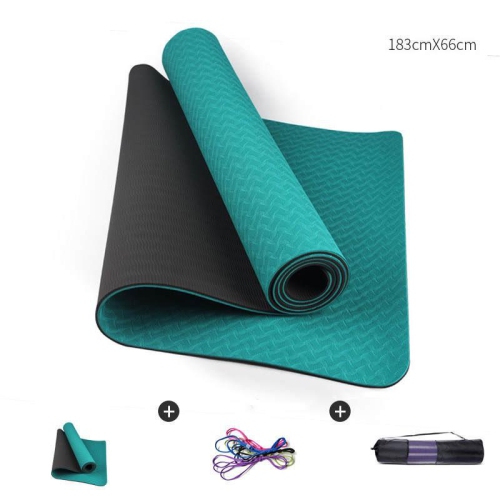
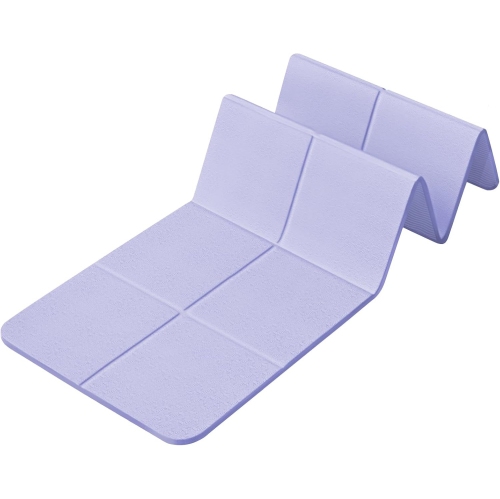
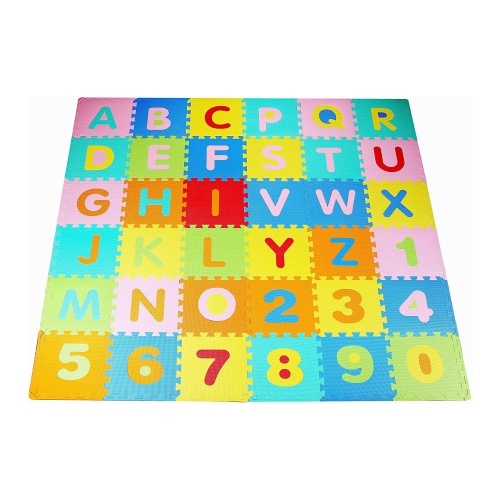
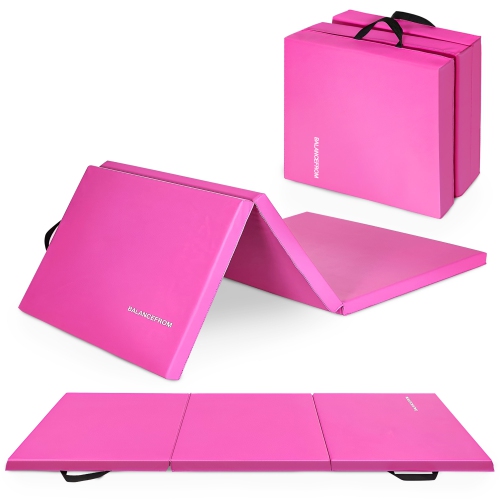
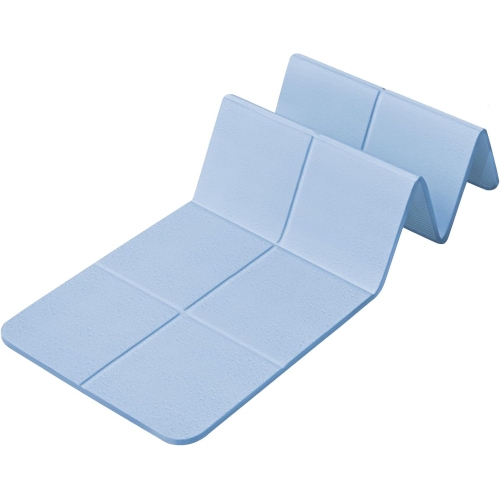
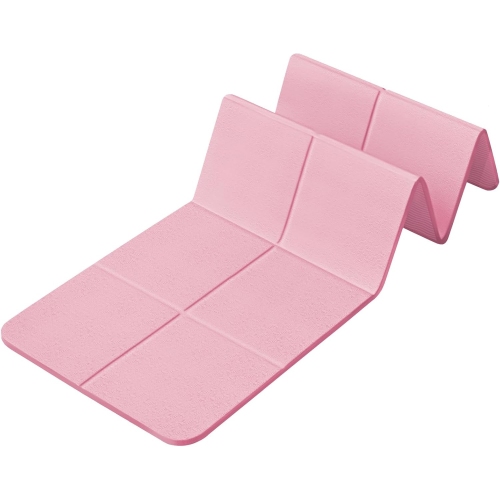
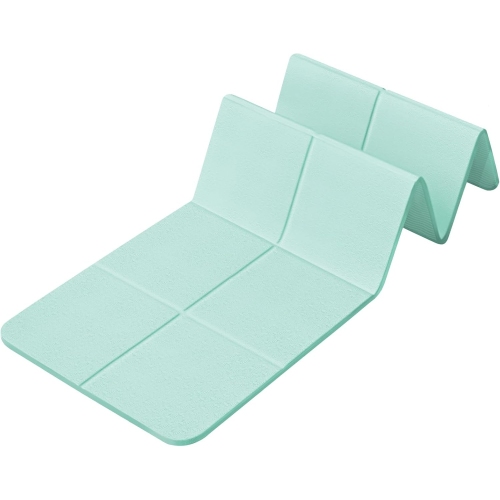
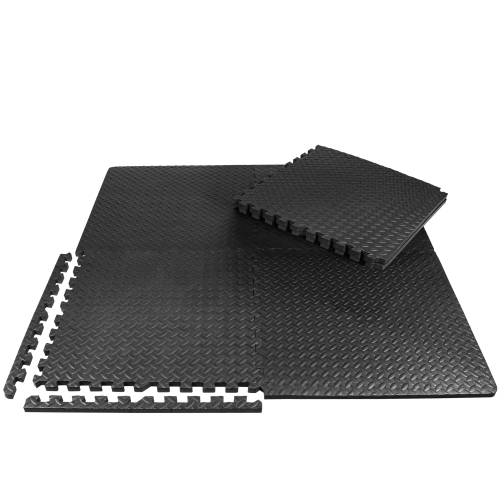
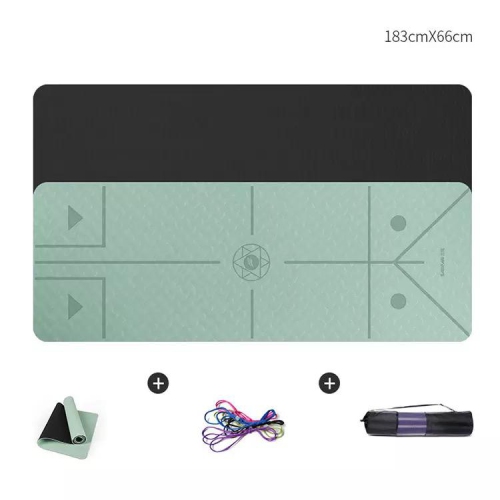
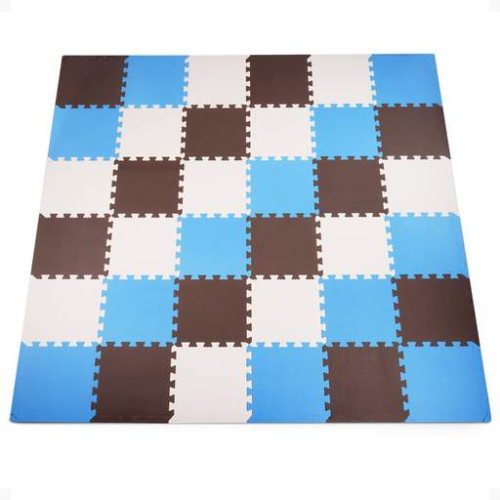
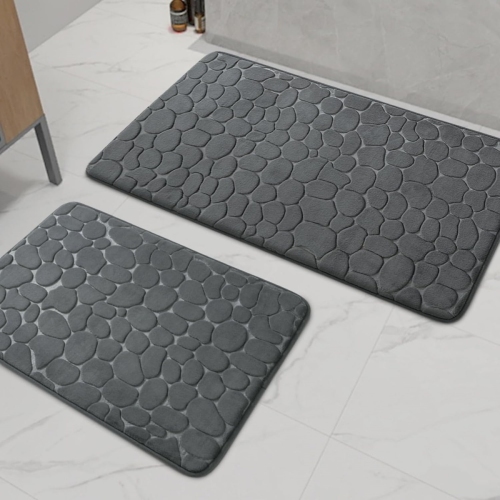
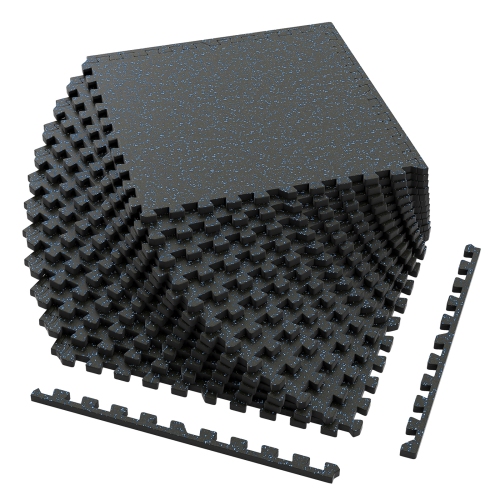
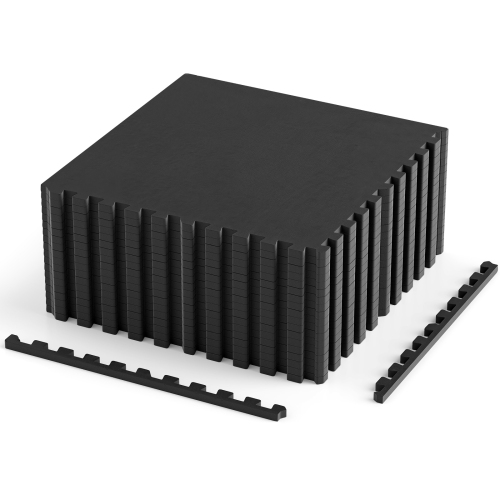
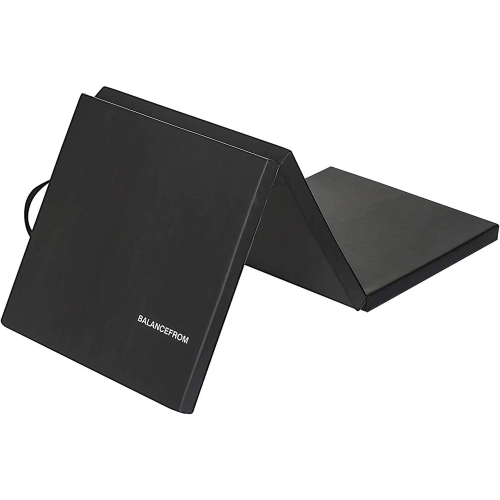
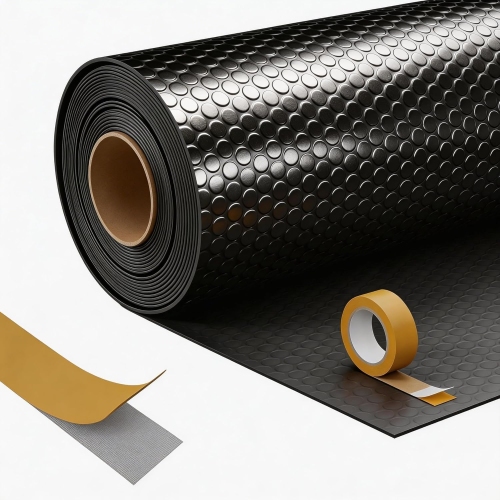
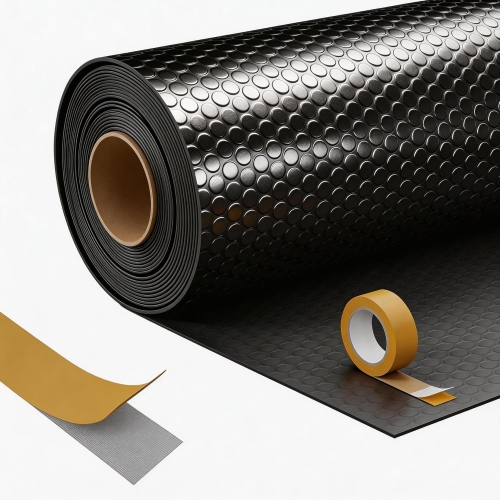
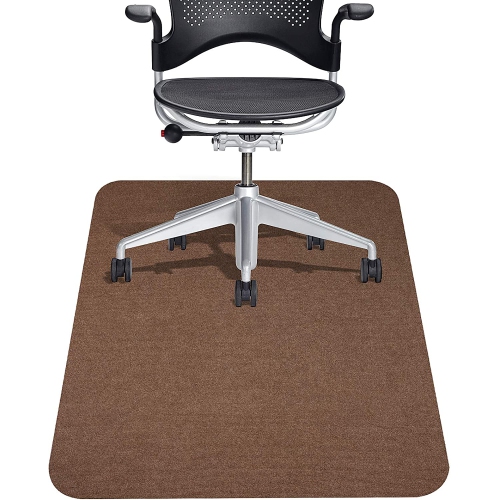
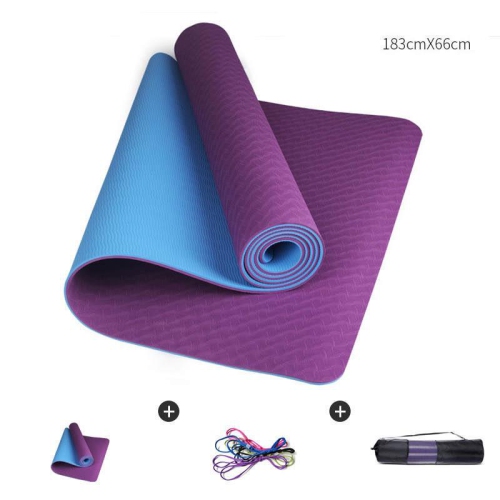
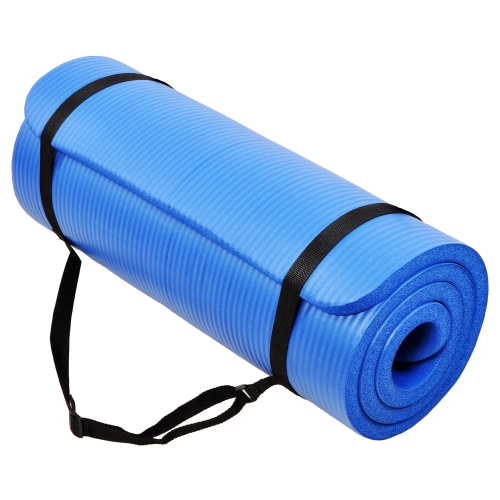
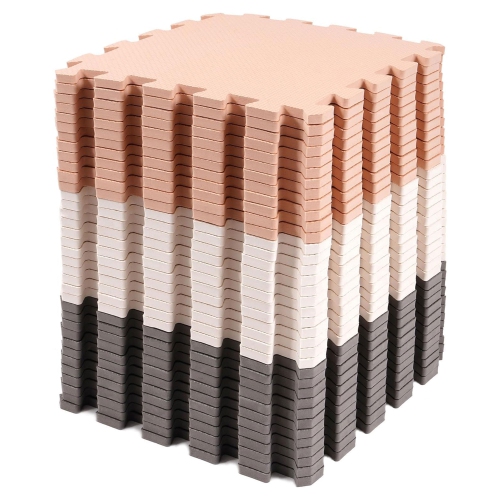
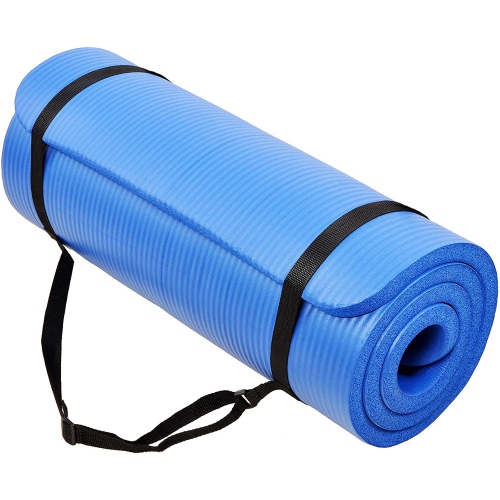
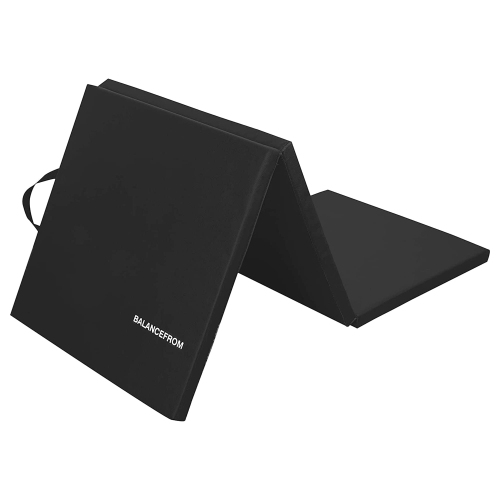
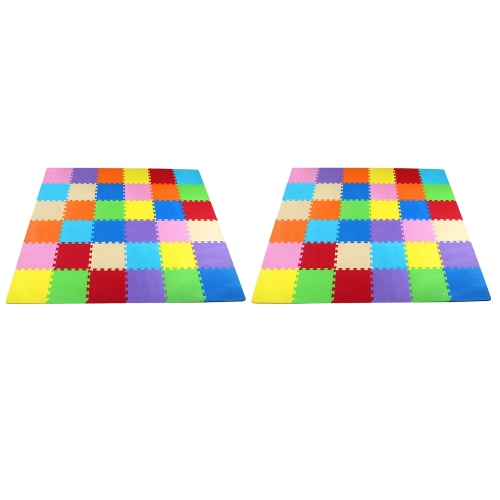
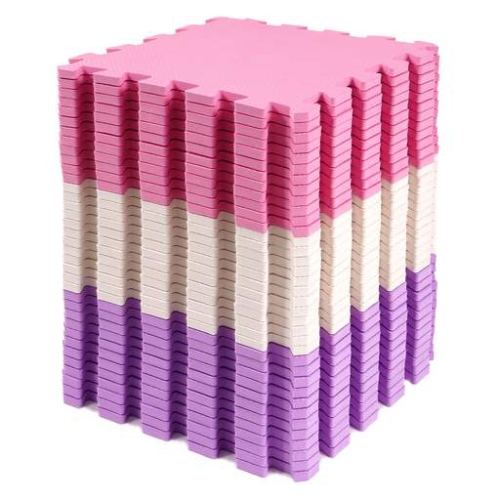
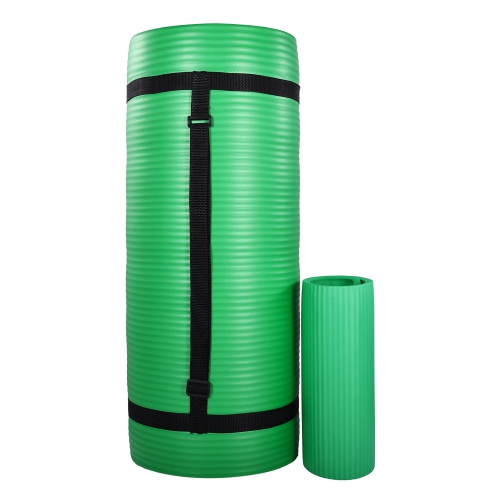
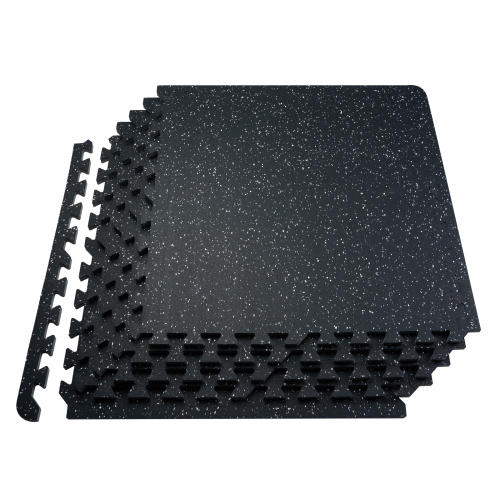
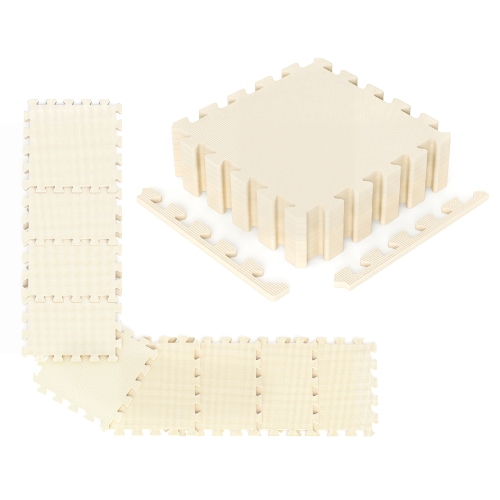
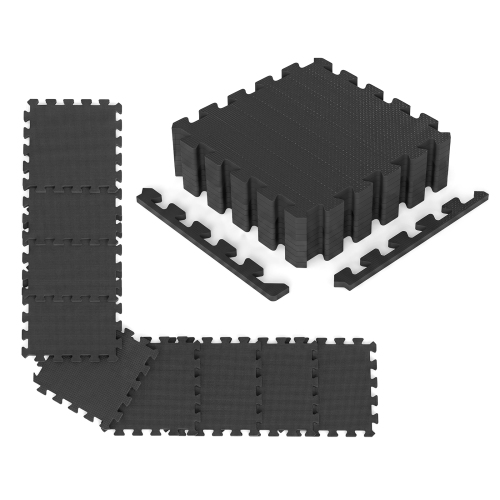
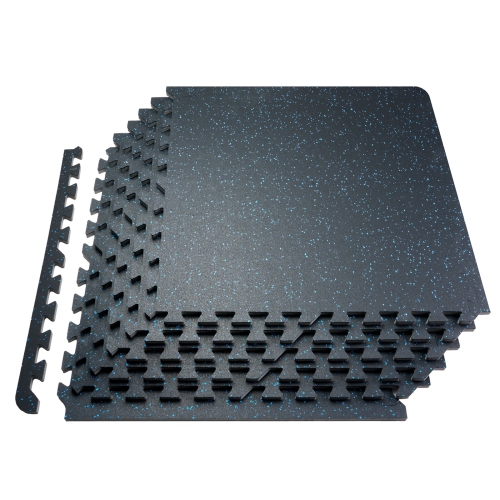
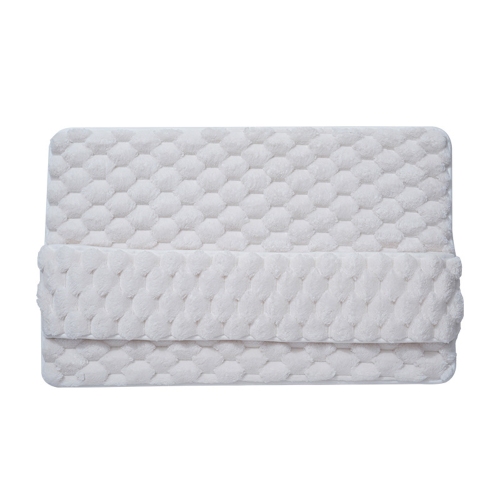
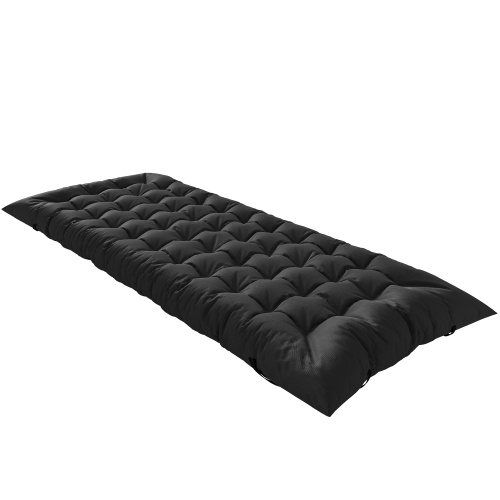
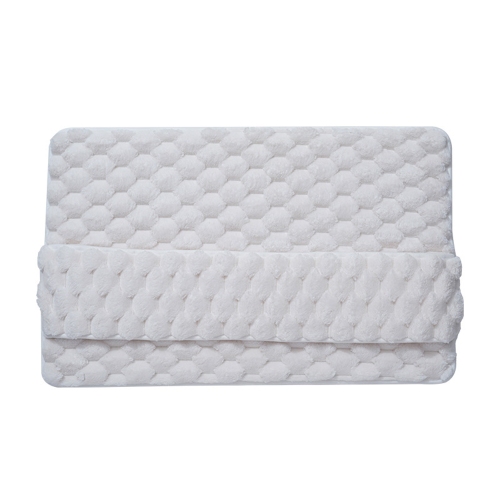
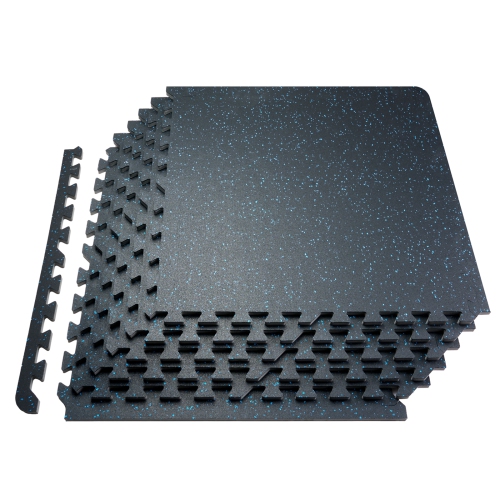
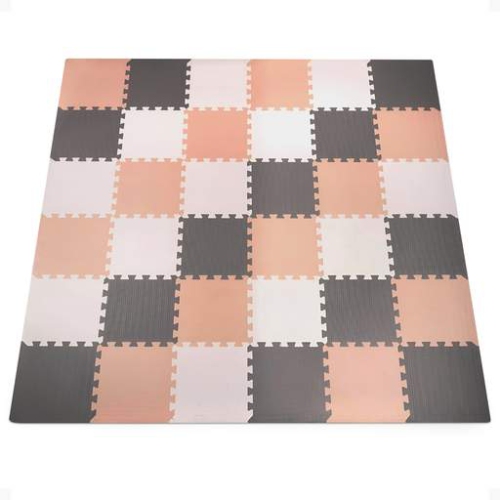
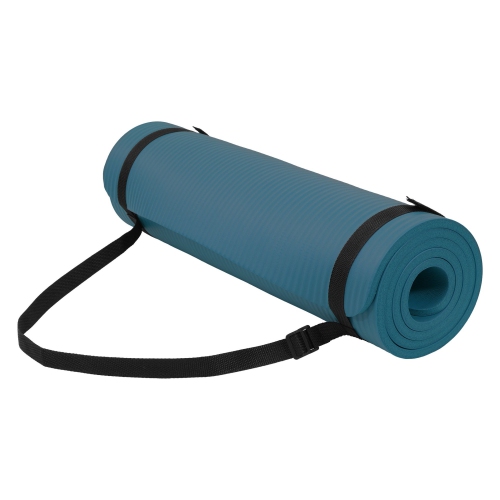
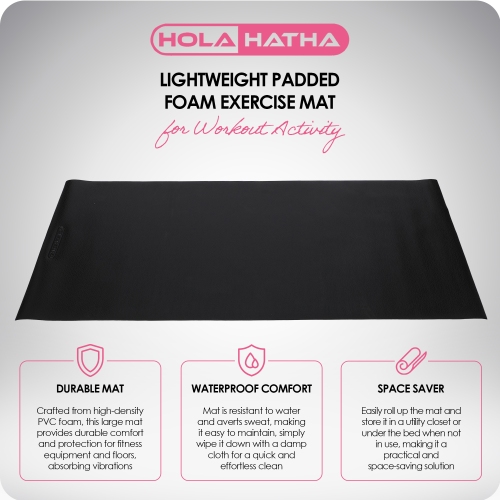
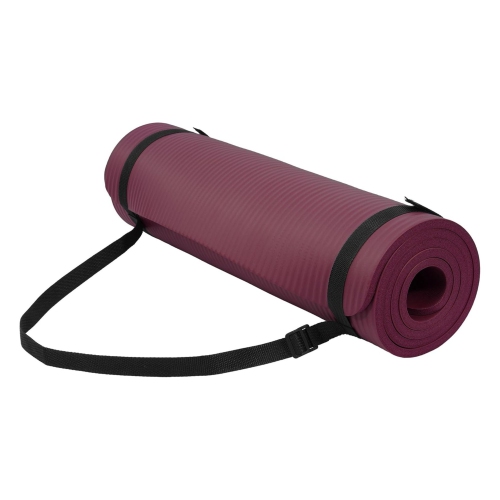
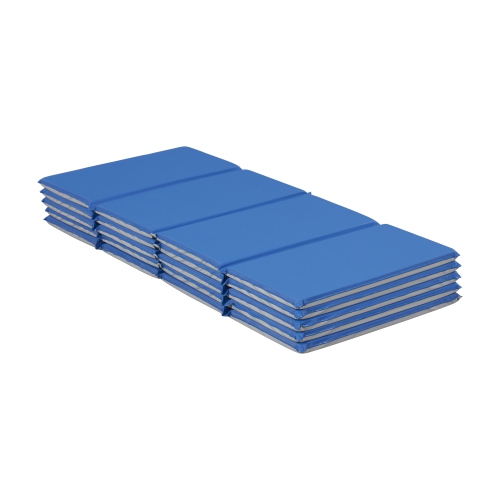
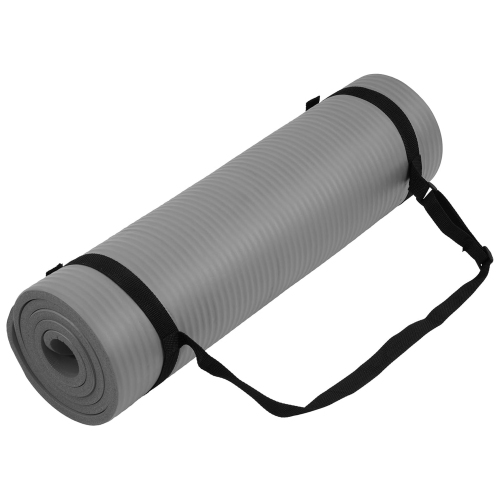
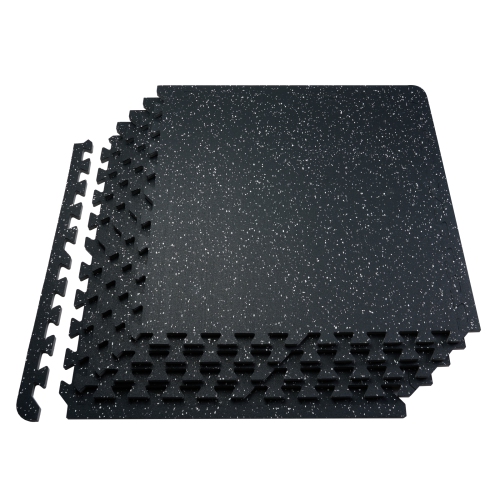
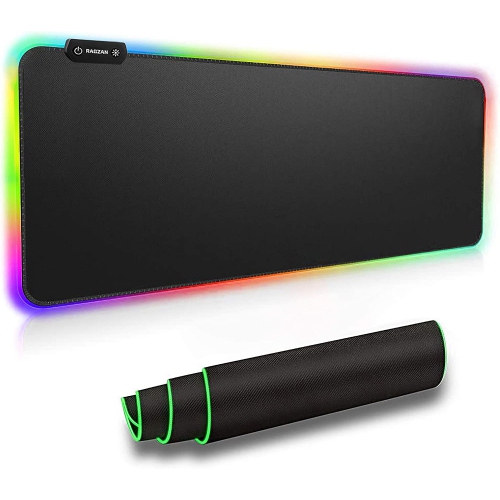
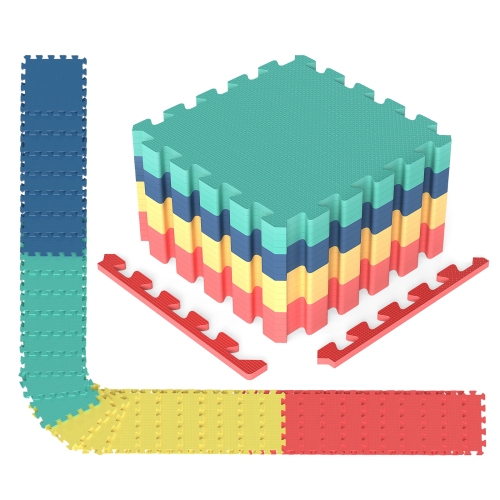
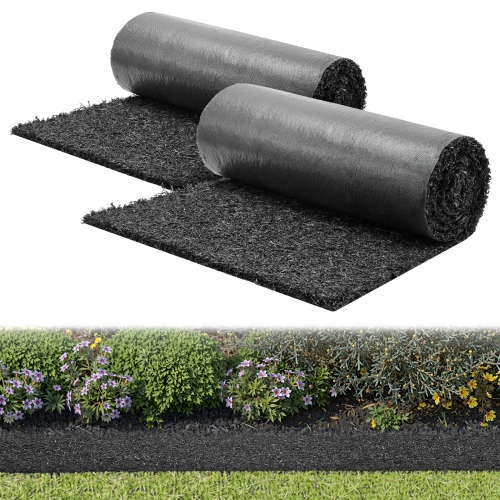
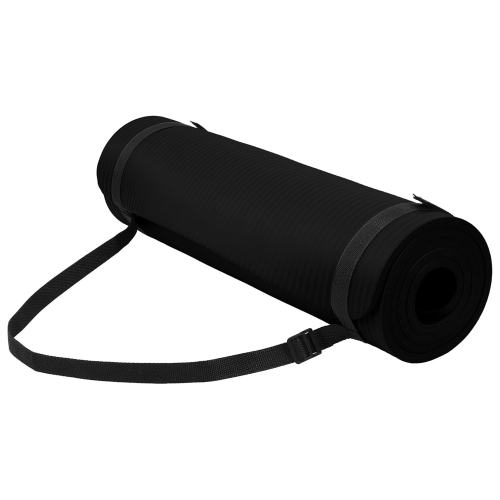
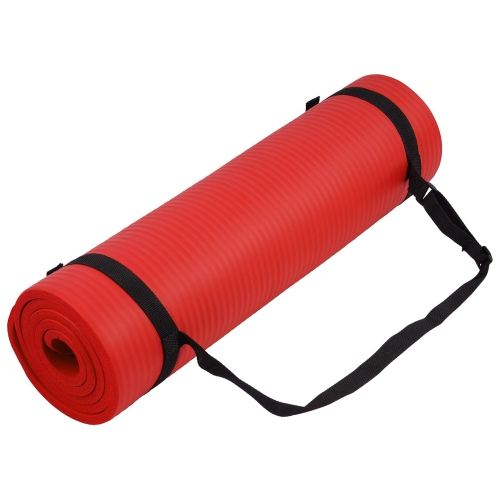
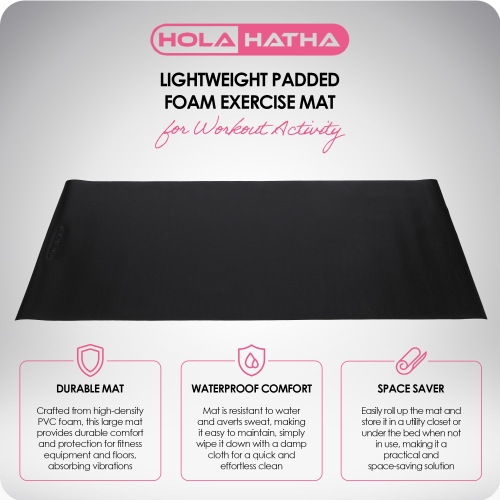
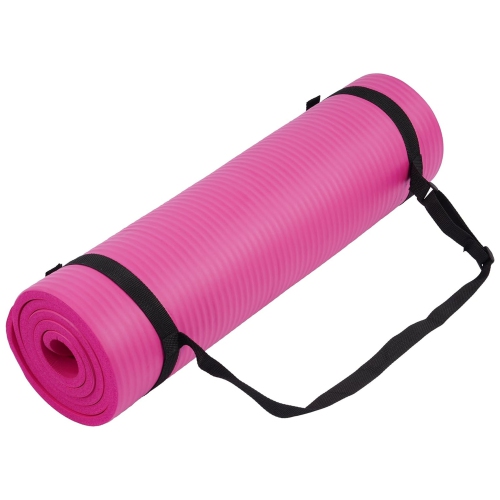
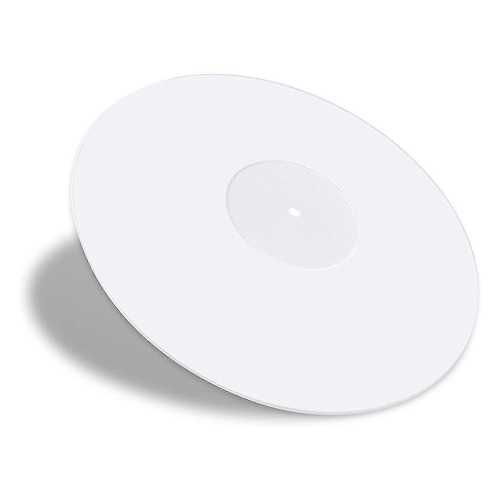
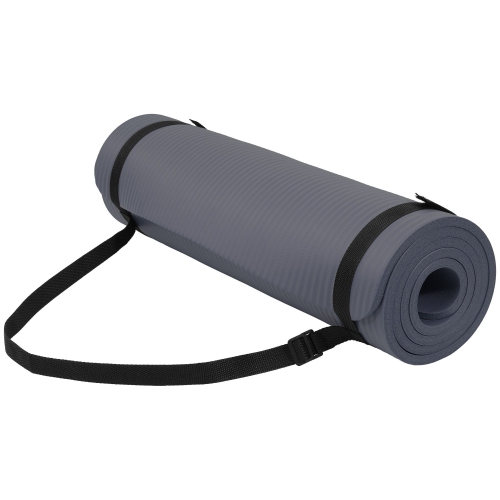
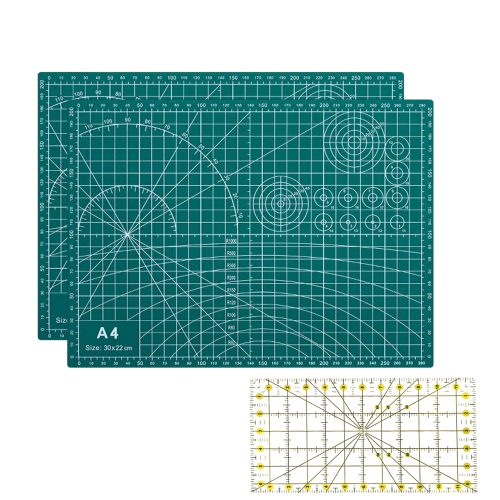
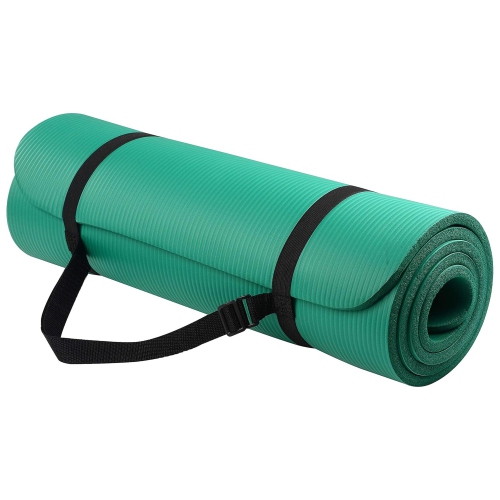
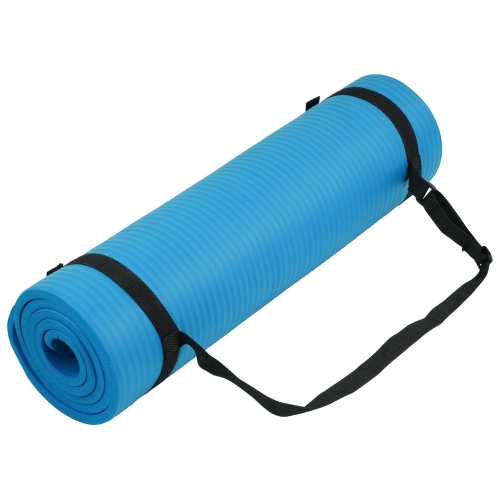
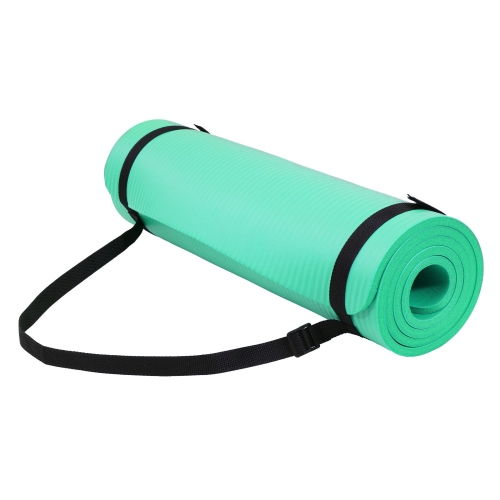
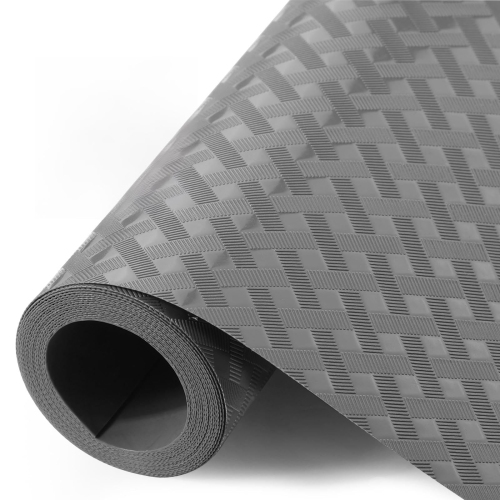
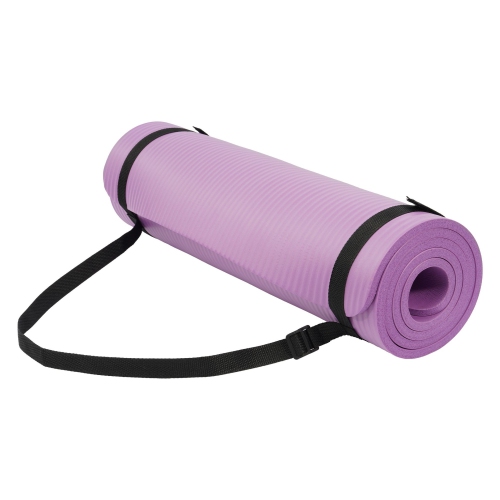
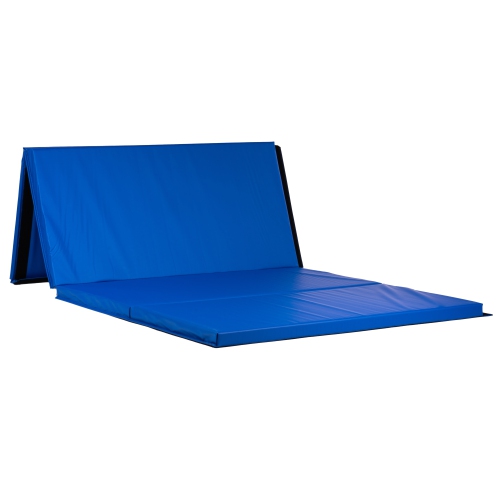
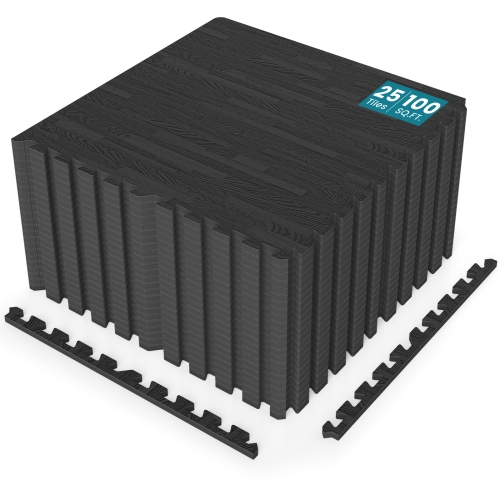
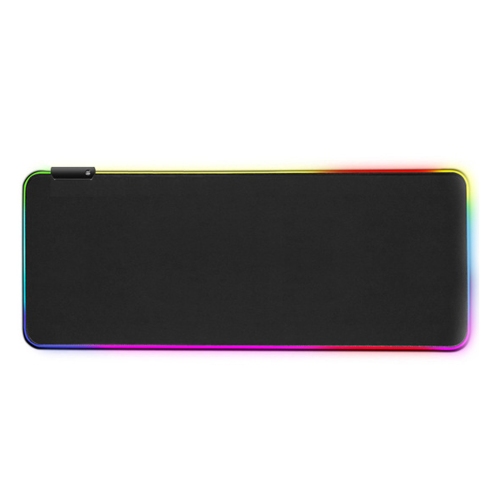
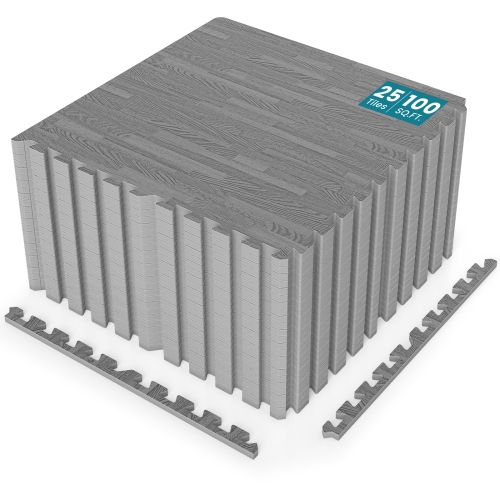
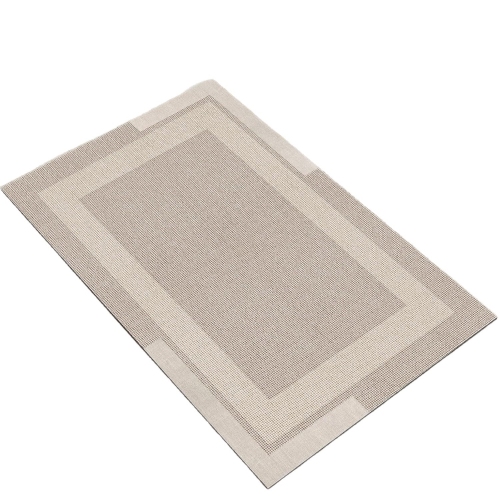
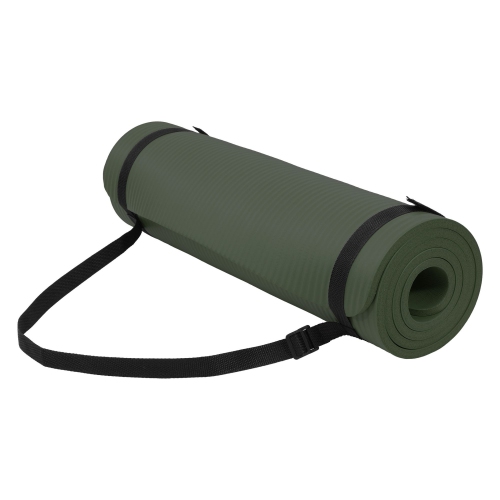
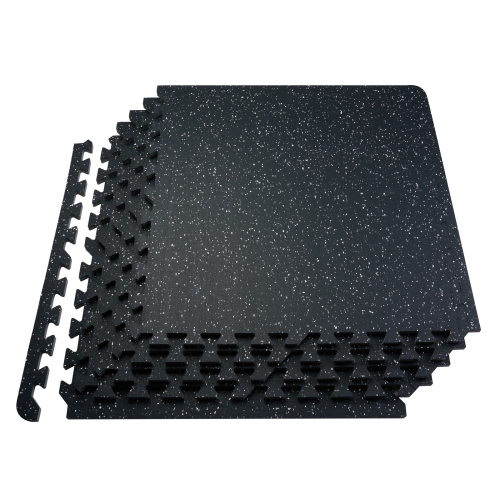
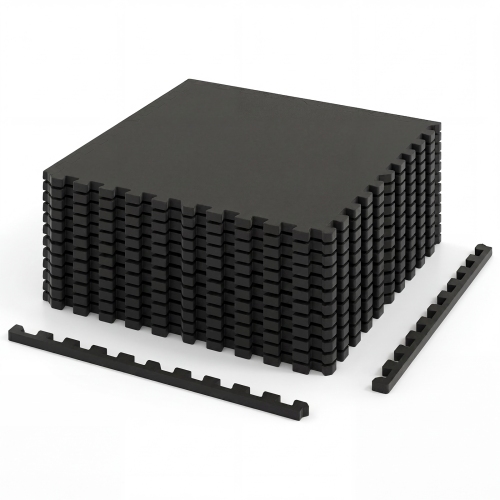
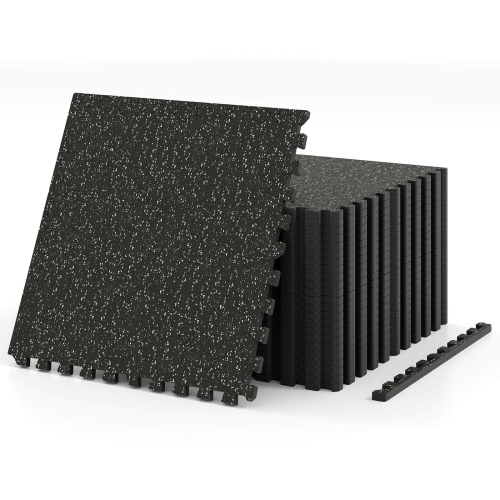
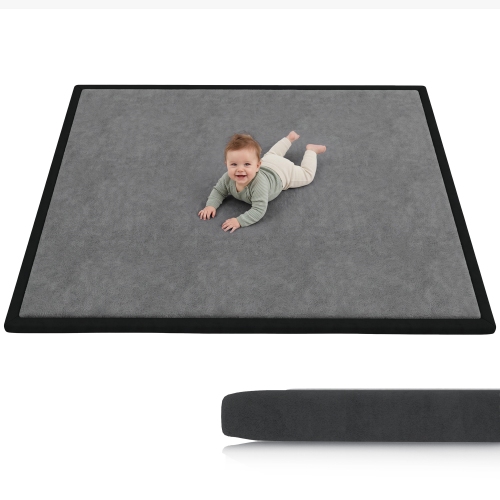
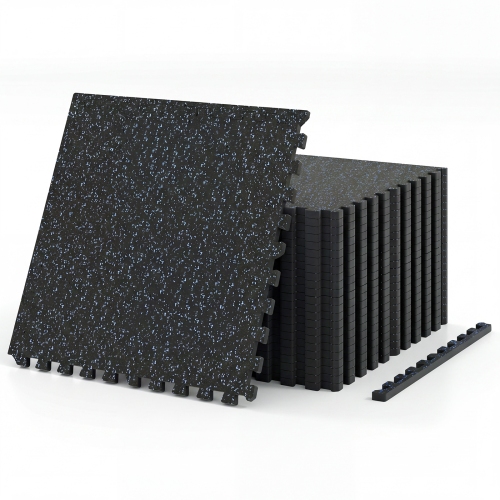
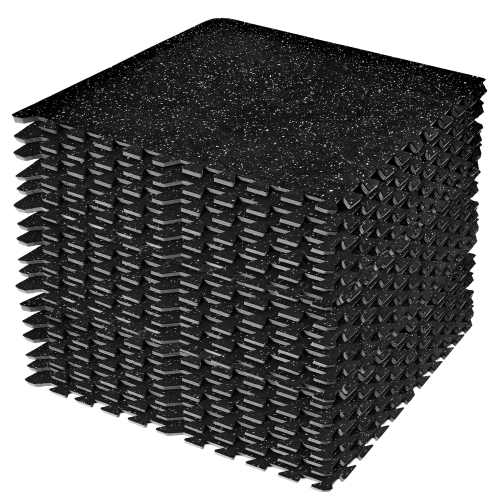
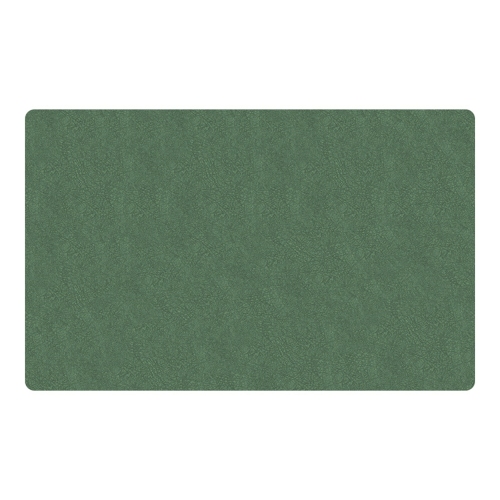
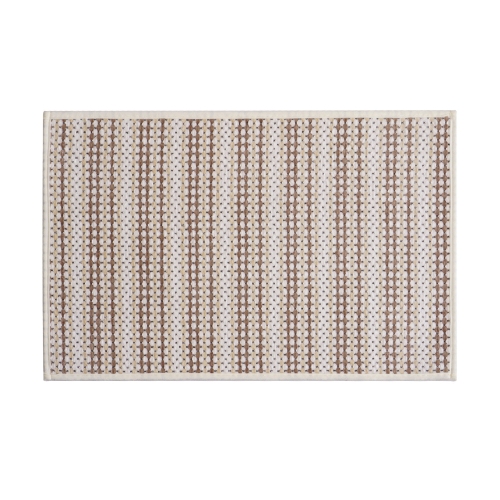
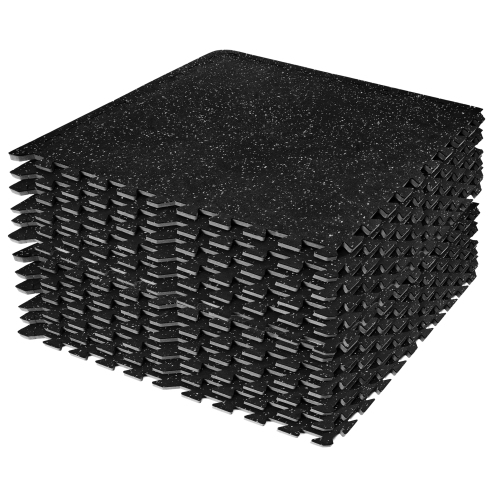
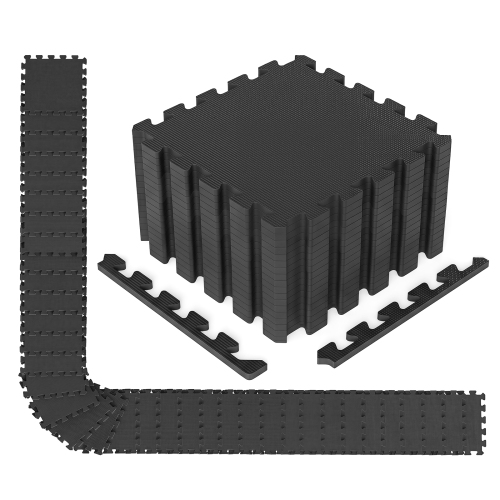
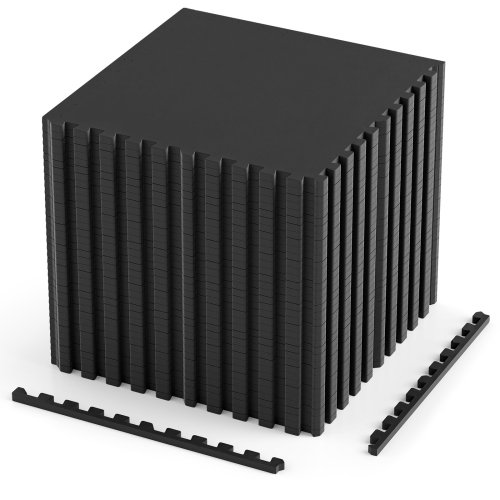
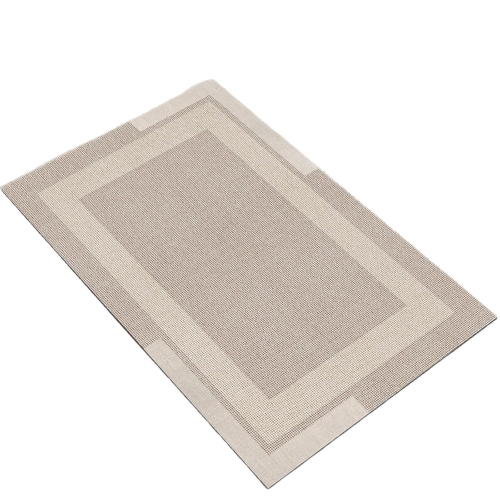
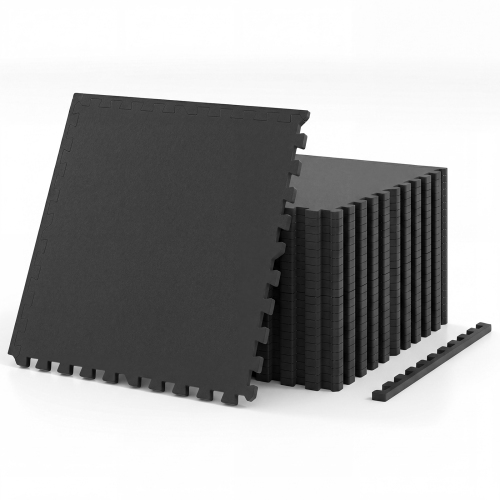
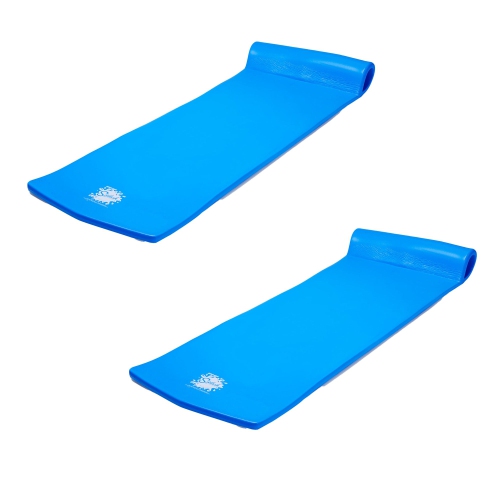
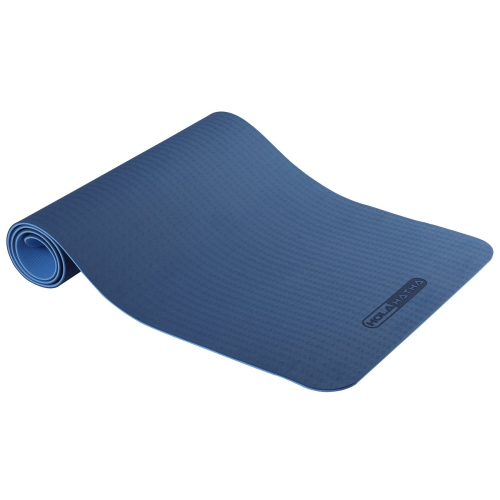
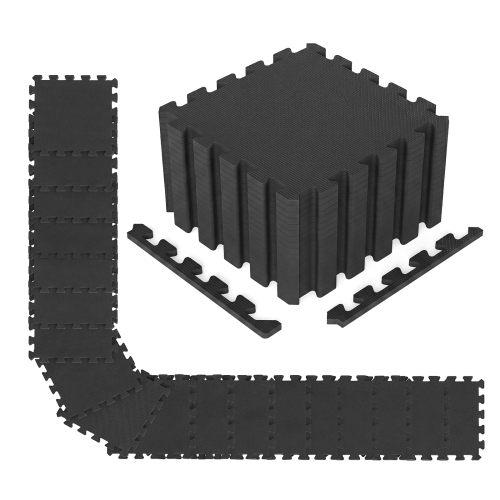
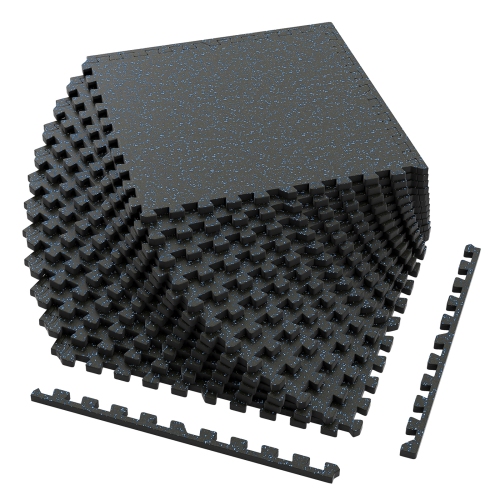
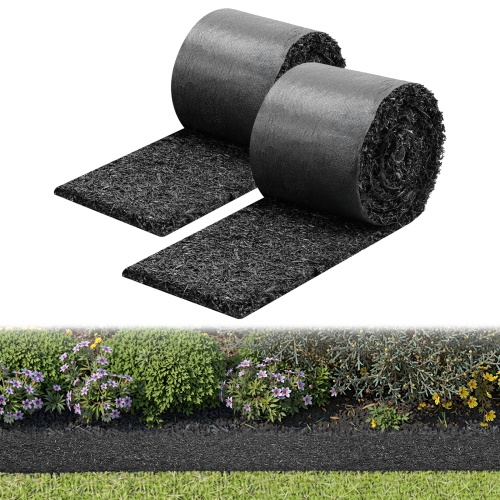
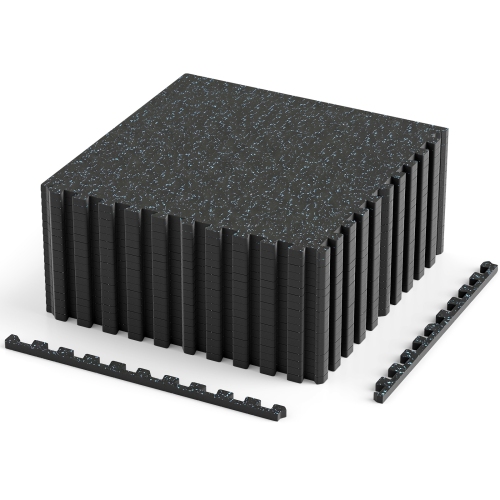

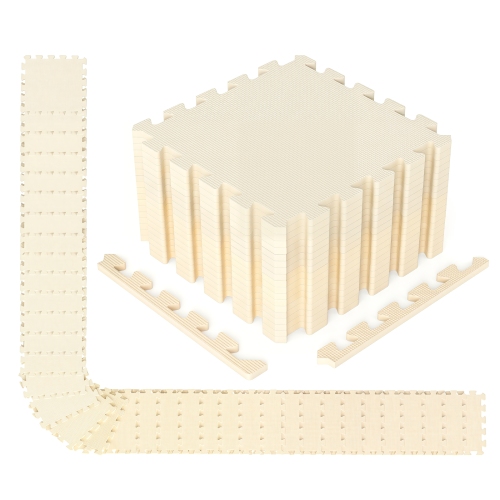
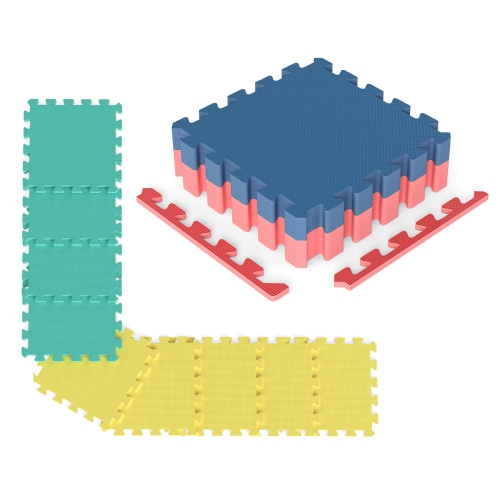
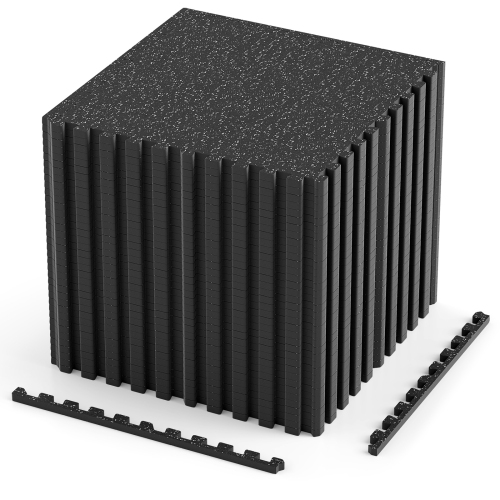
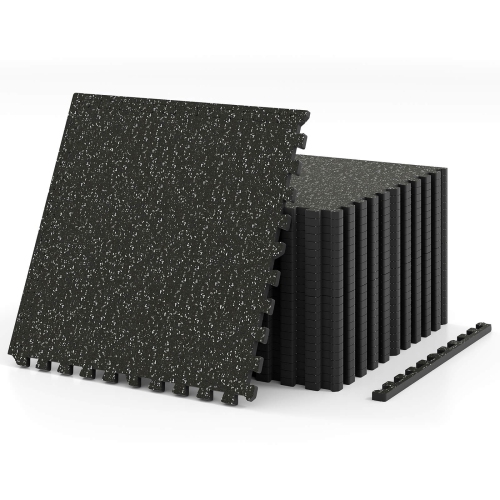
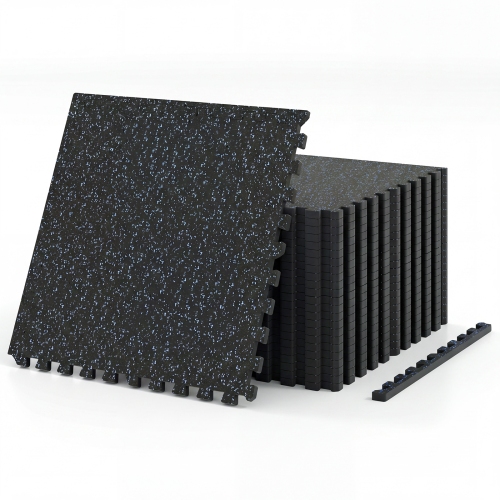
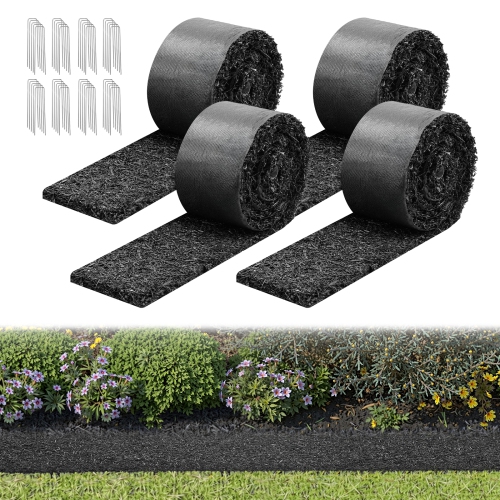
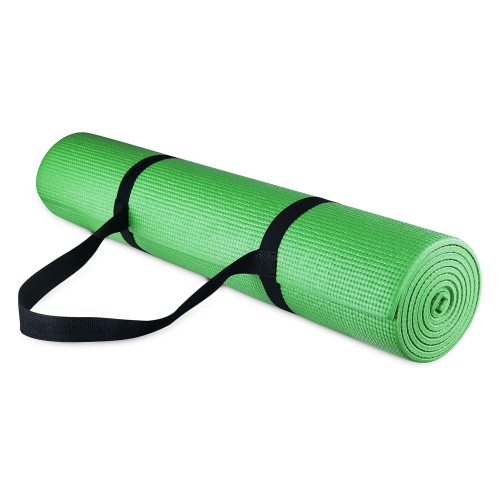
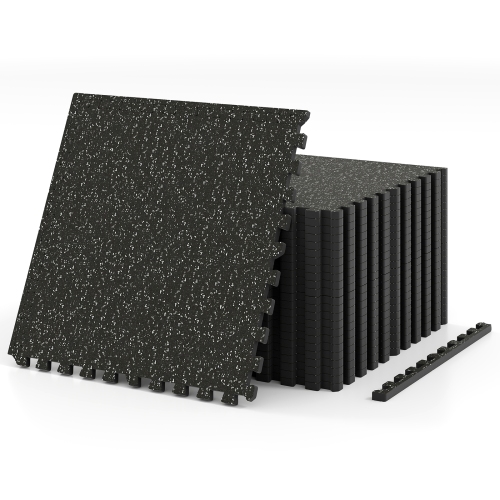
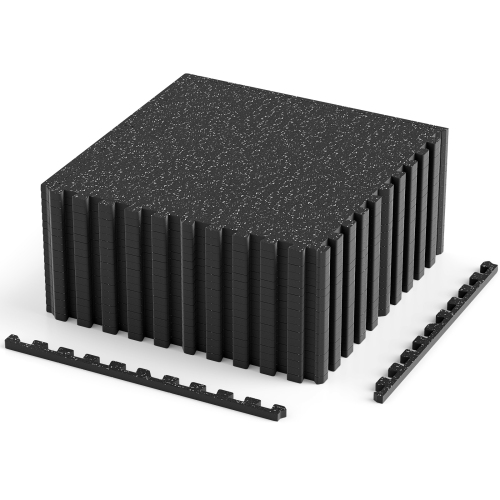
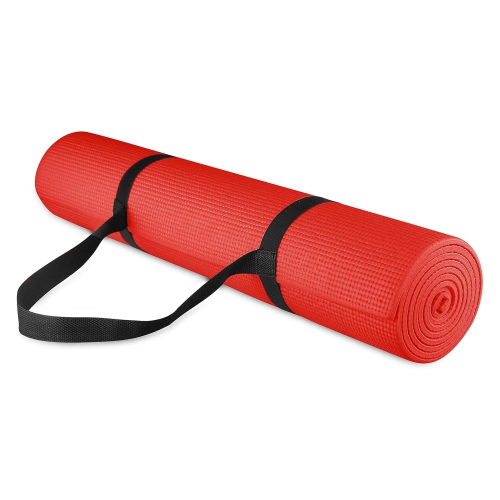
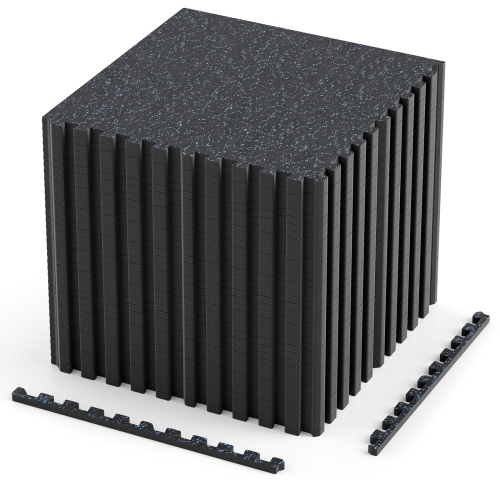
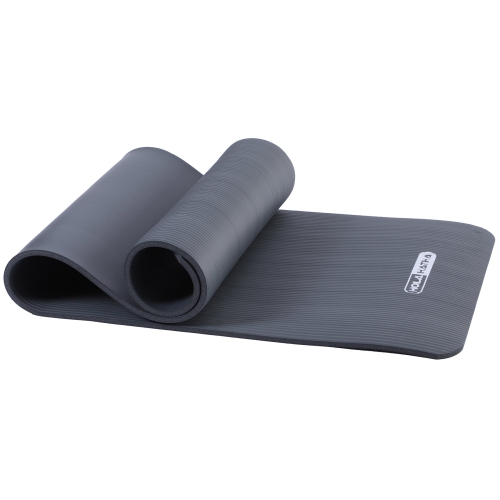
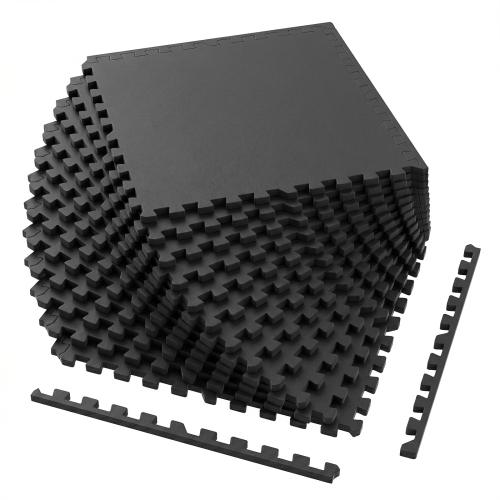
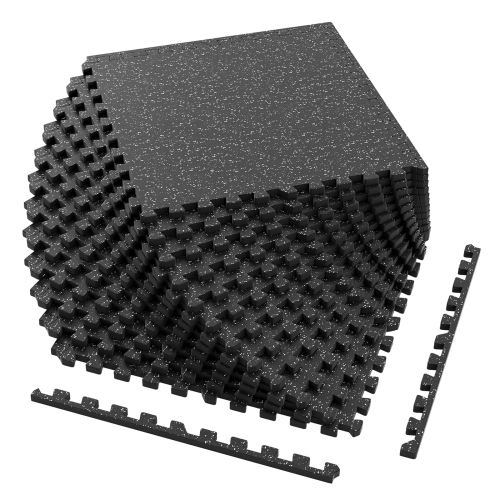
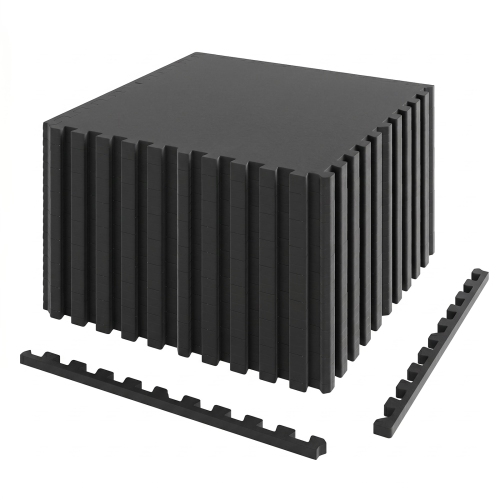
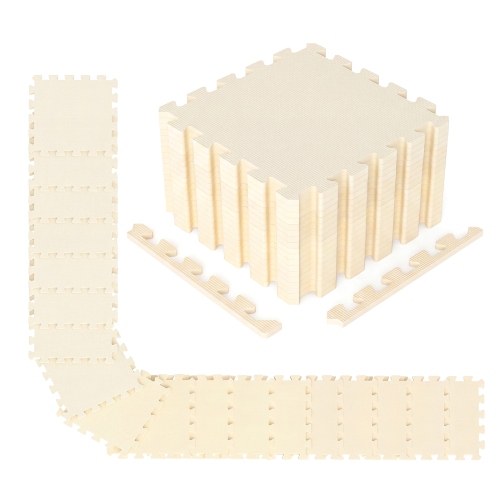
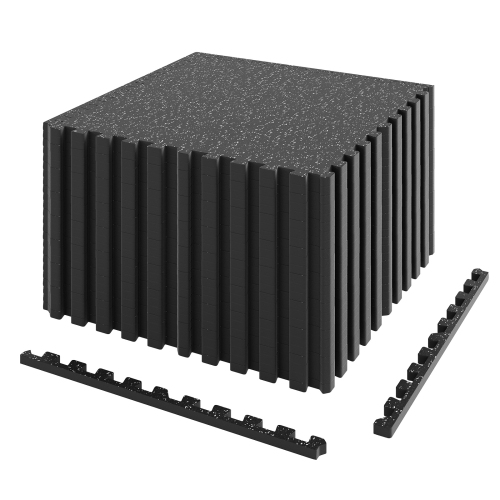
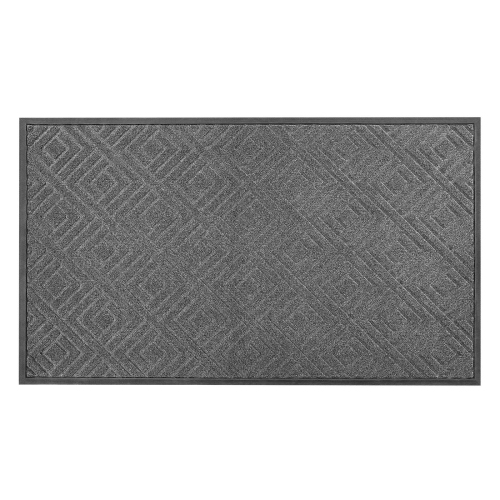
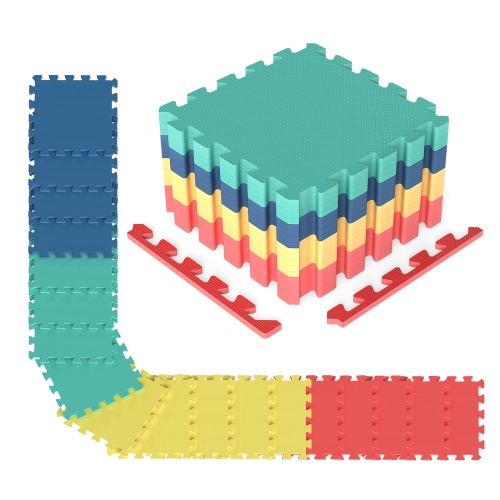
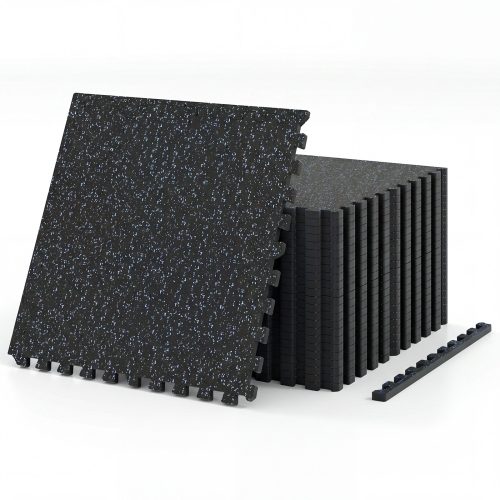
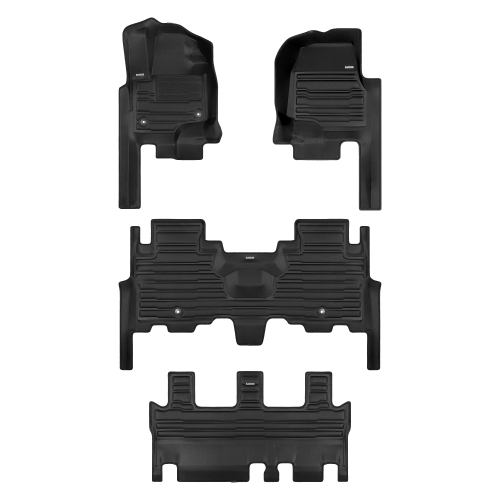
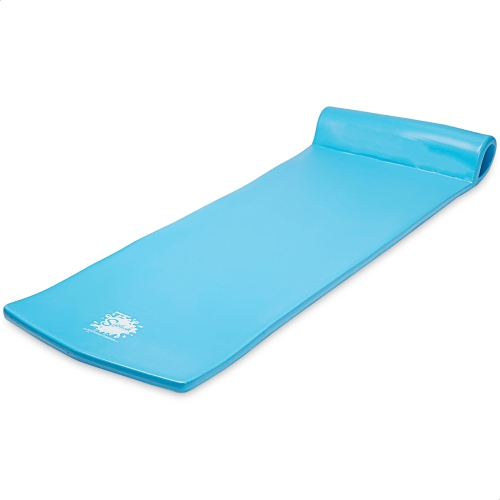
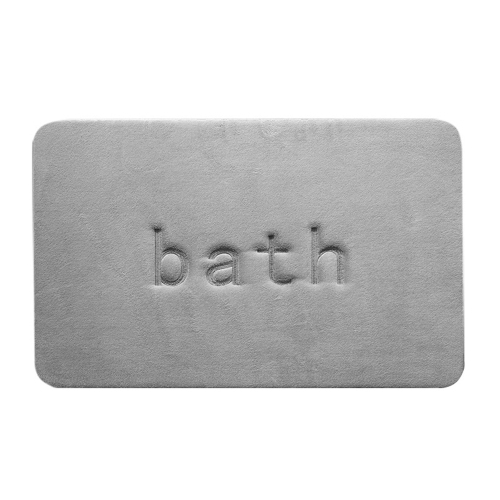
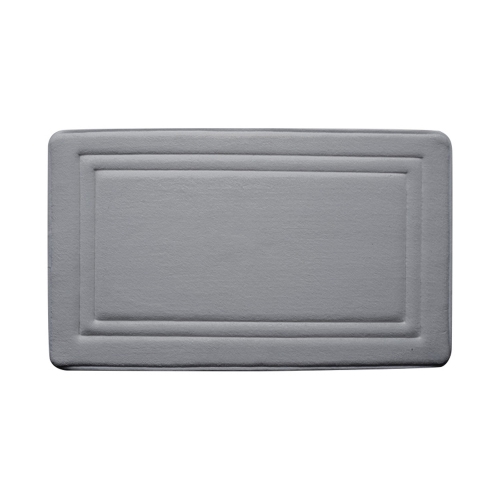
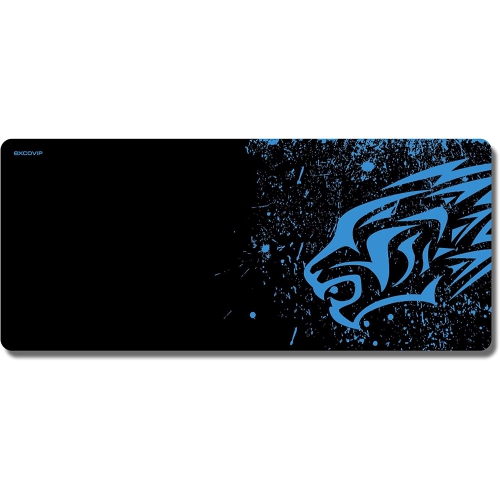
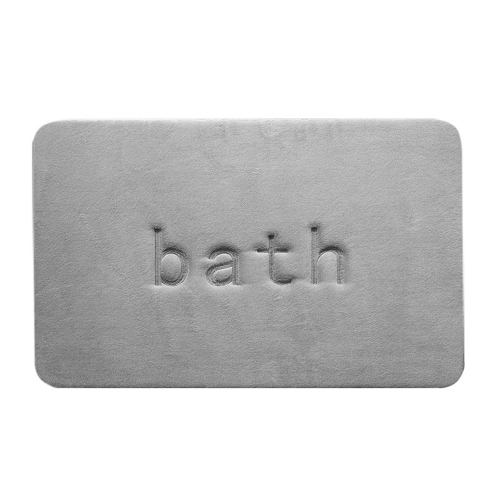
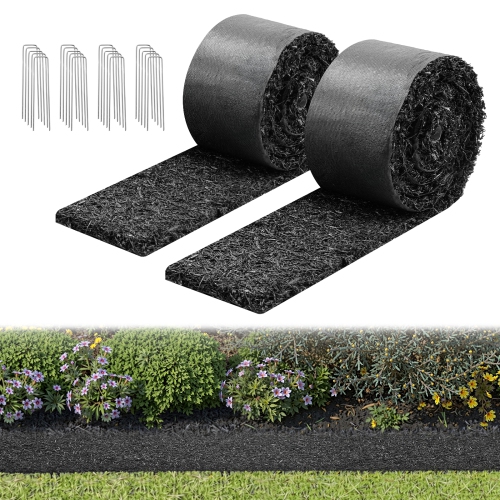
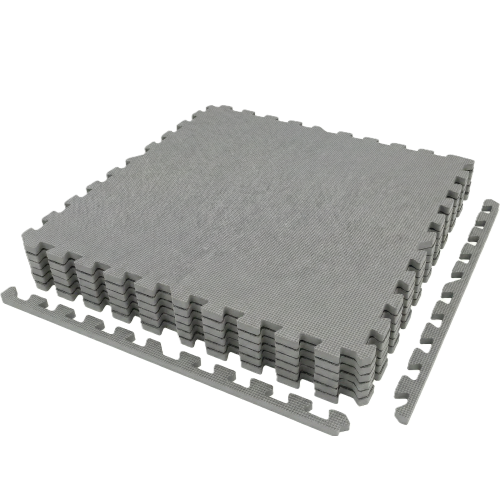
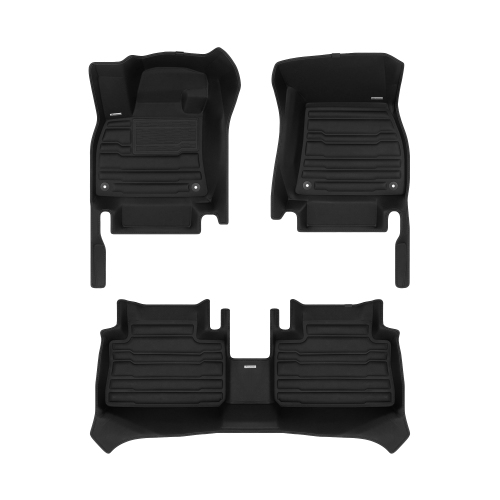
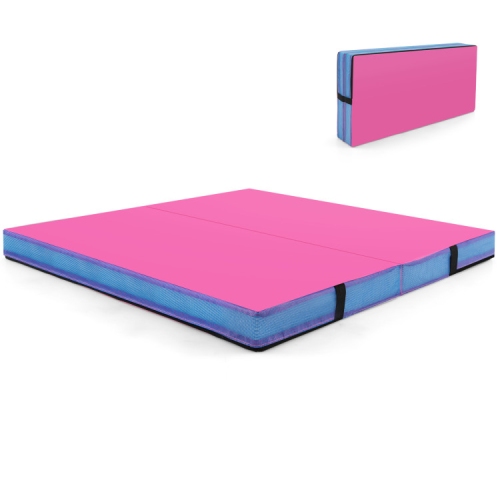
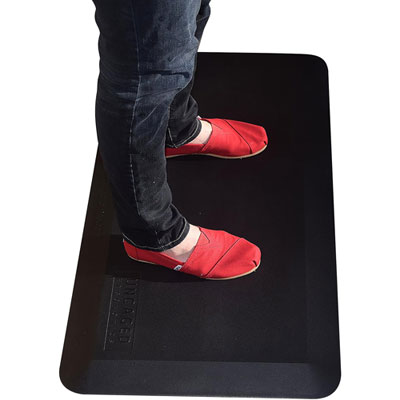
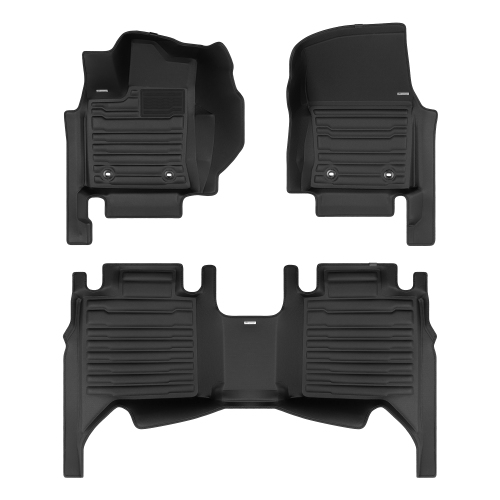
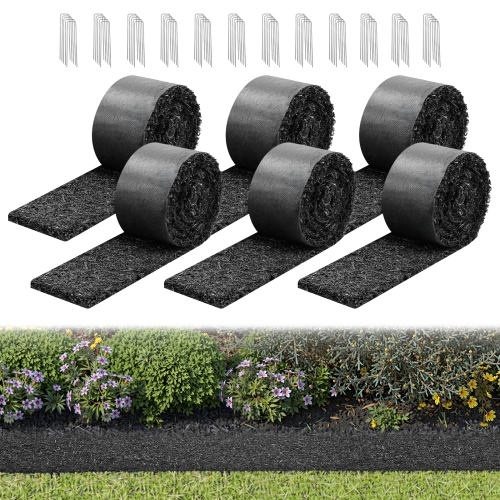
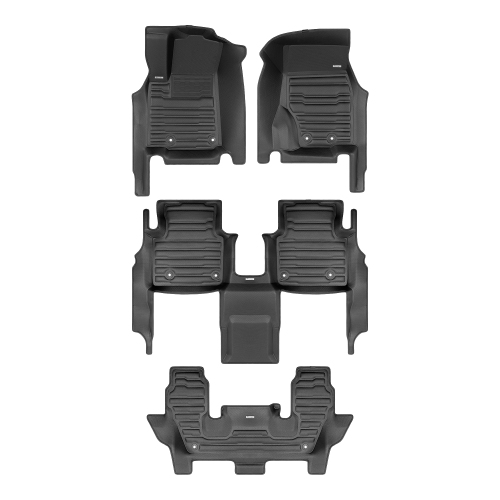
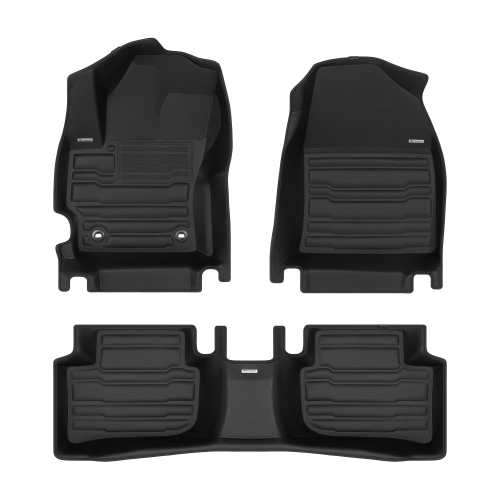
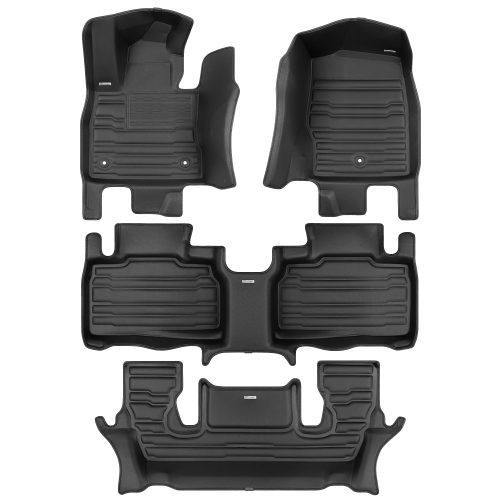
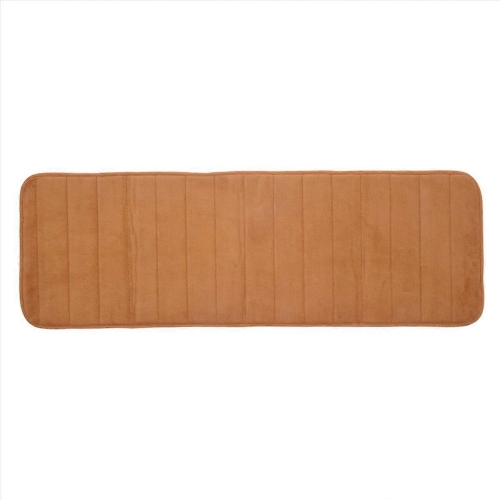
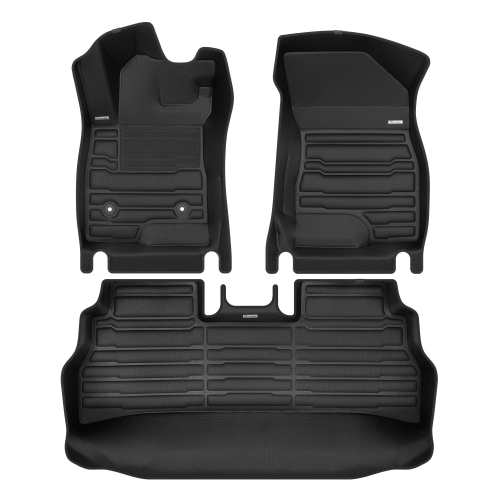
The right cushioning makes hard-floor movement more comfortable
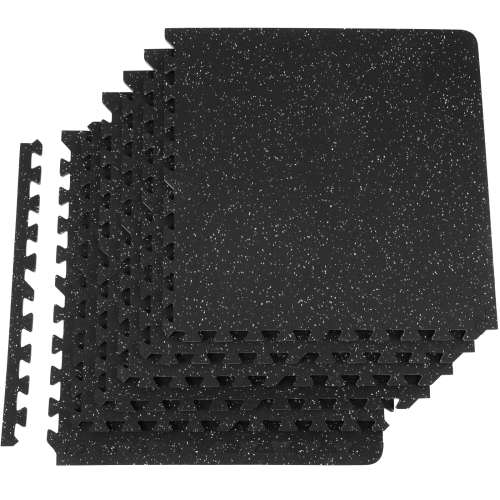
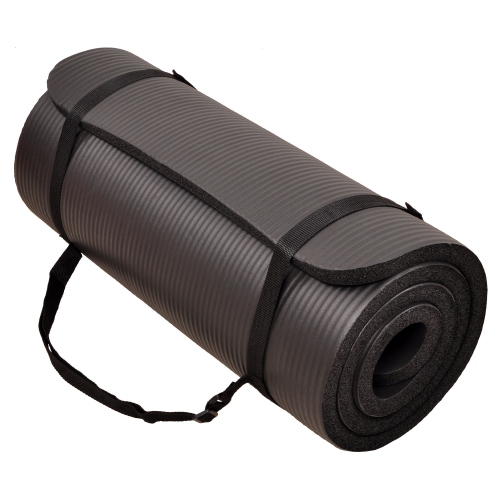
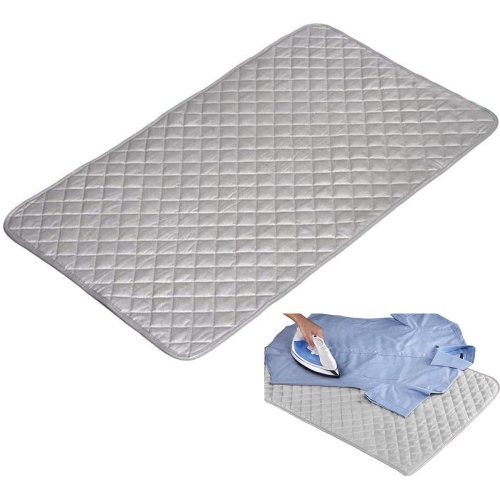
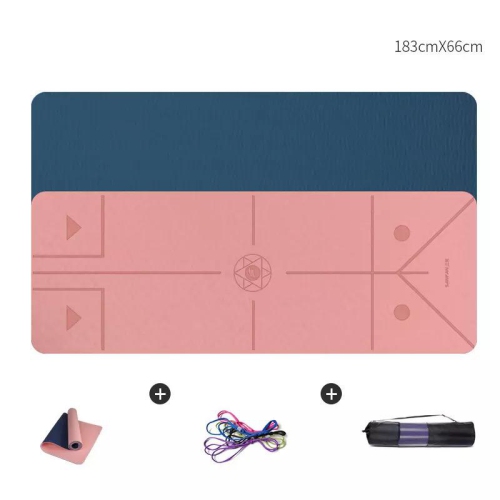
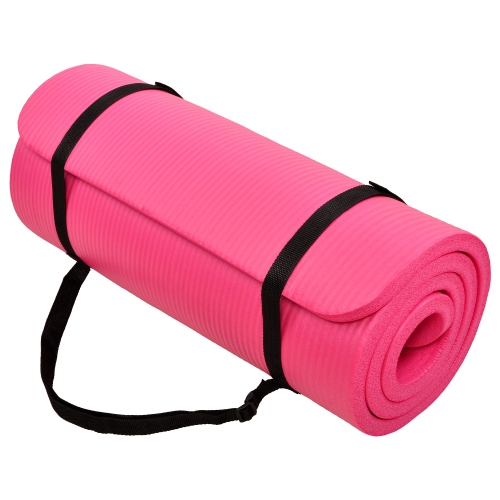
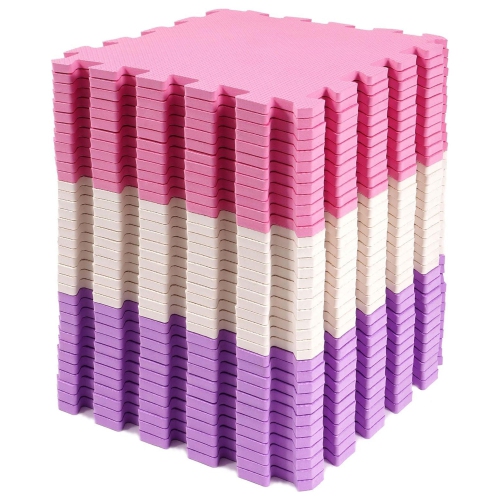
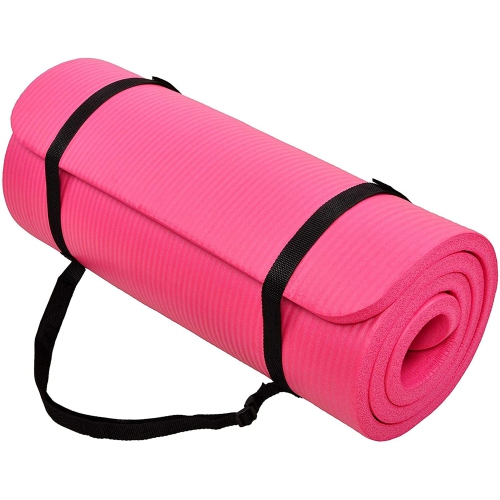
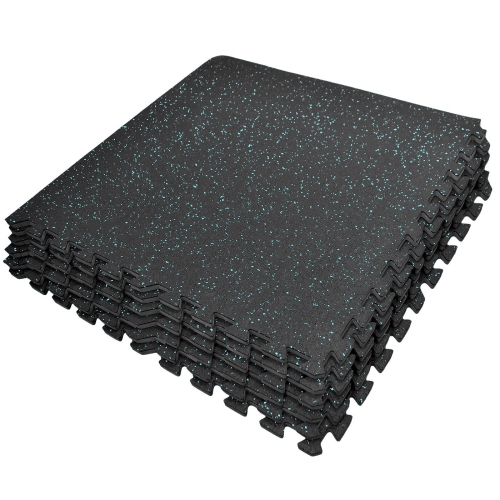
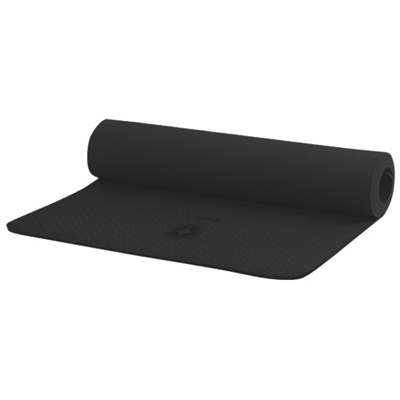
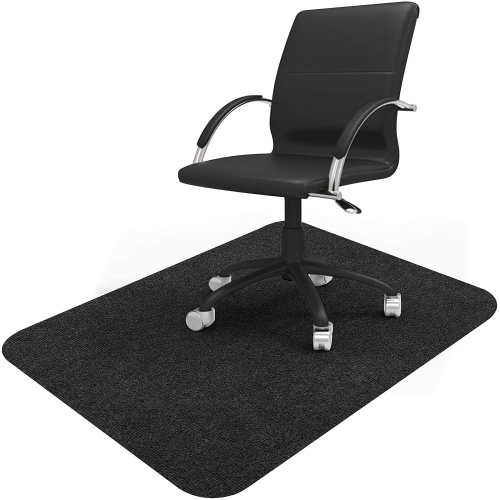
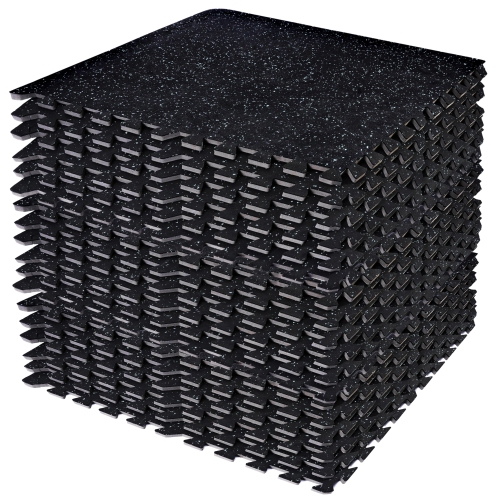
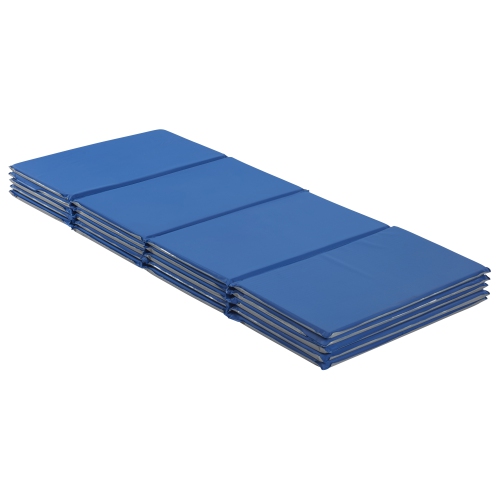
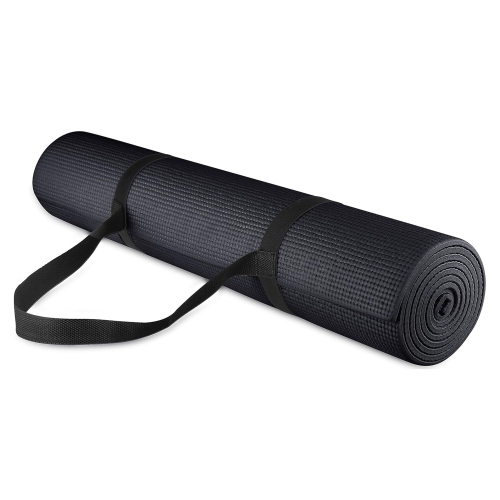
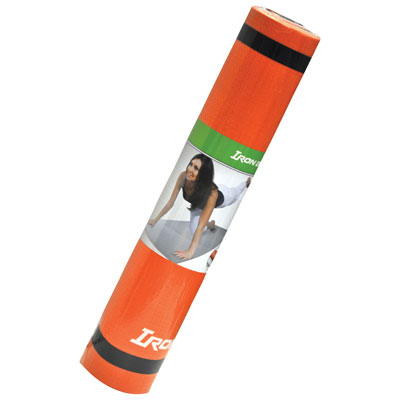
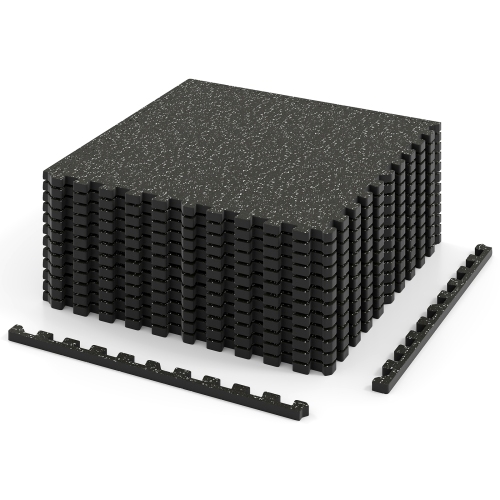
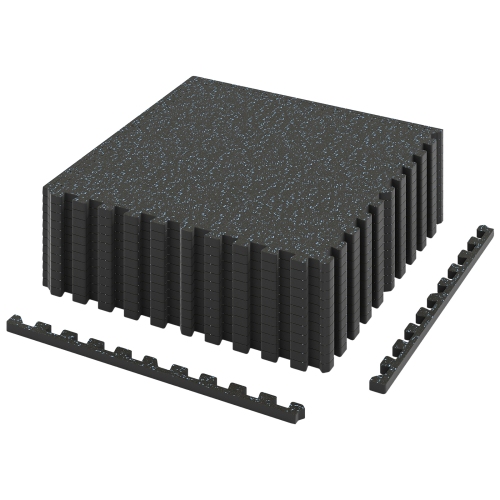
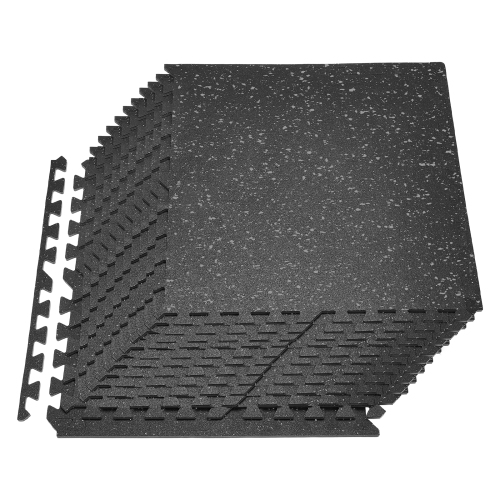
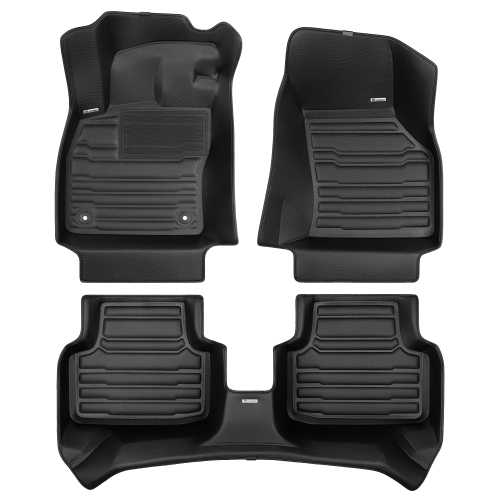
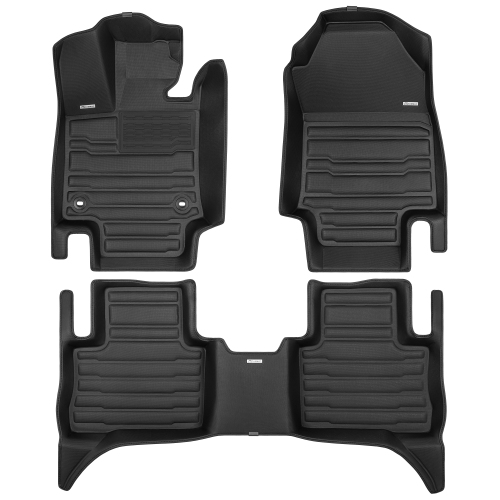
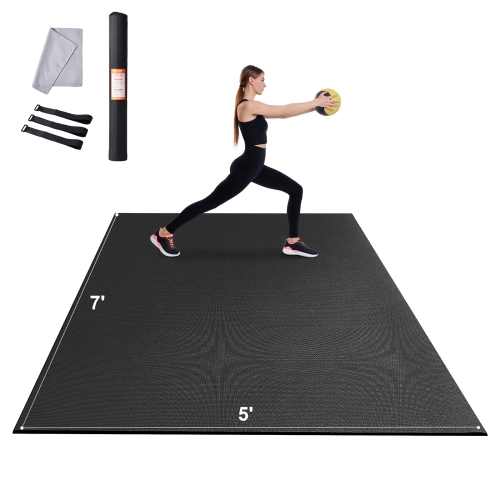
Thick mats provide a more cushioned, supportive surface for workouts, stretching, play and everyday movement on hard floors. They can help reduce the feel of impact through the knees, elbows, hips and spine during floor-based exercises, while also creating a more comfortable area for routines that involve kneeling, sitting or lying down. In a home gym, a thick mat may sit beneath an exercise area to make bodyweight training, core work, mobility sessions and light equipment workouts feel more manageable. In a multipurpose room, it can be rolled, folded or rearranged when the space needs to serve another purpose. The right choice depends on how the mat will be used, where it will be placed and how much cushioning is needed. Mats around 6 mm to 10 mm thick can be a practical fit for yoga, Pilates, stretching and general floor exercises, offering extra padding without feeling excessively soft or difficult to carry. Mats measuring roughly 12 mm to 19 mm, or about 1/2 inch to 3/4 inch, provide more shock absorption for core workouts, bodyweight circuits and light weightlifting. For activities involving jumping, tumbling, martial arts practice or repeated landings, a mat measuring 1 inch or more may offer the deeper cushioning and impact protection the space requires. A mat that feels comfortable for a gentle stretch may not provide enough support for high-impact movement, while an extremely thick mat can feel unstable during standing exercises that depend on balance. Considering the type of movement first makes it easier to select a surface that feels secure rather than simply choosing the thickest option available.
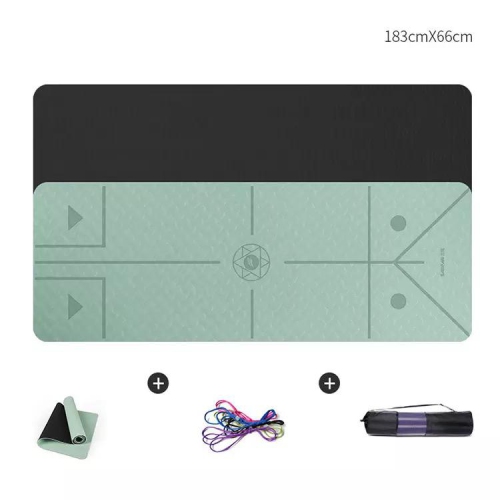
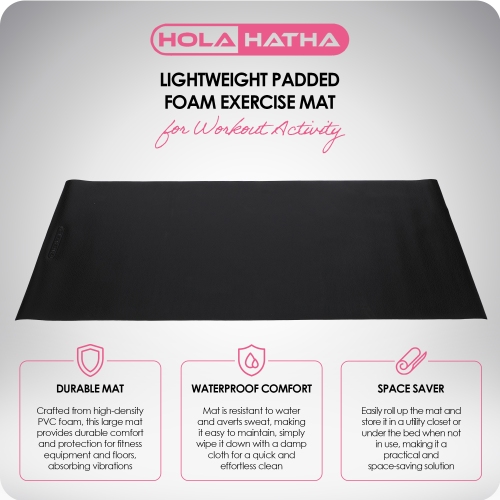
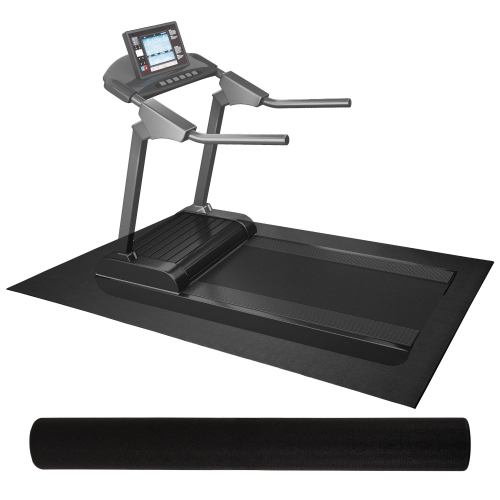
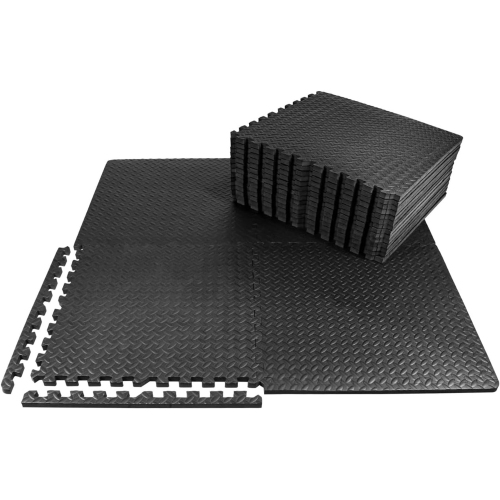
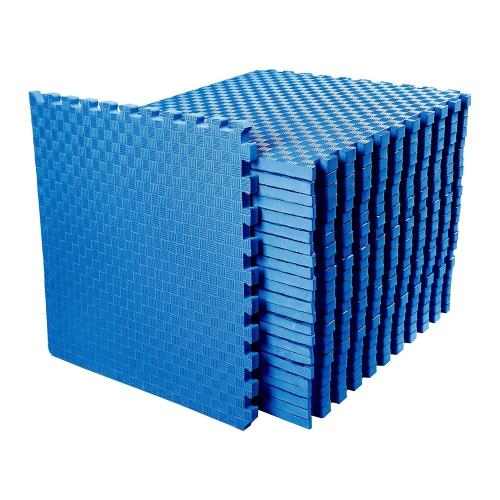
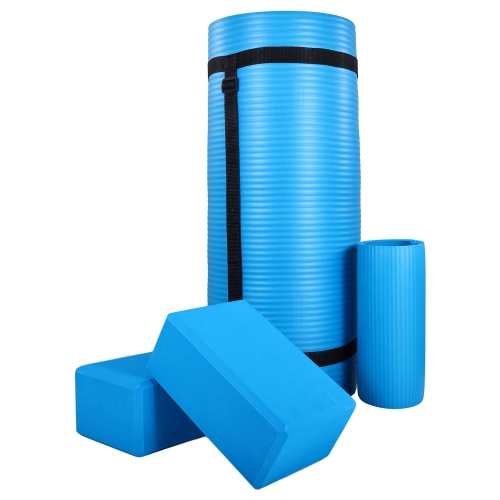
Material also affects comfort, grip, durability and ease of care. Foam mats are often lightweight and comfortable for home workouts, sit-ups, stretching and floor exercises. Their softer feel can be particularly welcome on hardwood, tile or concrete, where a thin mat may not provide enough separation from the floor. Rubber surfaces can offer a firm, steady foundation with useful traction underfoot and beneath exercise equipment. They may be well suited to dedicated workout areas, heavier equipment and routines where the mat needs to stay in place through repeated movement. Interlocking pieces can cover a larger area and may be convenient when a home gym needs flexible floor coverage, while a single large mat can create a cleaner, uninterrupted surface for stretching, floor work or children’s activities. Foldable panels are useful in rooms that serve several purposes because they can be opened for exercise and stored against a wall or in a closet when the room is needed for something else. Look for a texture that feels comfortable against bare skin, especially if the mat will be used for seated stretches, floor-based mobility or relaxation exercises. A non-slip underside can help limit shifting on smooth flooring, while a grippy top surface may provide more confidence during transitions and changing positions. Dimensions matter as much as thickness: a narrow mat may be easy to store but leave hands, knees or feet beyond the padded area, whereas a wider surface can make movements feel less restricted. It is also worth checking the available storage space, since a thick mat can take up more room when rolled or folded. Easy-to-wipe materials are convenient for frequent use, and mats that can be carried by handles or secured with straps are simpler to move between rooms. Colour can be part of the decision as well; a shade such as Blue Mats can add a distinctive accent to a workout corner while making the space feel more personal.
Thick mats can suit a wide range of users, from someone building a simple home workout area to a family looking for a softer surface for supervised play and movement. They can be helpful for people who exercise on firm floors, spend time practising mobility, or prefer additional comfort beneath the knees and elbows during low-impact routines. A mat may also be a thoughtful gift for a new homeowner setting up a fitness space, a student living in a compact apartment, or anyone returning to regular exercise and looking for a more inviting place to begin. During the warmer seasons, it can be used in a spare room, basement, covered area or other suitable space for stretching and exercise; during the cooler months, the added layer between the body and a cold floor can make indoor movement more comfortable. Before purchasing, measure the intended area and consider whether the mat will remain in place or be stored after each session. Check the floor type, the available clearance around the workout zone and the activities that will take place on top. For equipment use, confirm that the surface can support the expected weight and movement without excessive compression. For high-impact activities, prioritize adequate thickness, stable construction and enough room to land safely. For yoga, Pilates and stretching, comfort, grip and a manageable level of firmness may be more important than maximum depth. Keeping the mat clean according to its care instructions and allowing it to dry fully after wiping can help maintain its texture and feel. With the right balance of thickness, cushioning, traction, size and portability, a thick mat can turn an ordinary section of floor into a more comfortable, practical space for exercise, recovery and everyday activity.
Material also affects comfort, grip, durability and ease of care. Foam mats are often lightweight and comfortable for home workouts, sit-ups, stretching and floor exercises. Their softer feel can be particularly welcome on hardwood, tile or concrete, where a thin mat may not provide enough separation from the floor. Rubber surfaces can offer a firm, steady foundation with useful traction underfoot and beneath exercise equipment. They may be well suited to dedicated workout areas, heavier equipment and routines where the mat needs to stay in place through repeated movement. Interlocking pieces can cover a larger area and may be convenient when a home gym needs flexible floor coverage, while a single large mat can create a cleaner, uninterrupted surface for stretching, floor work or children’s activities. Foldable panels are useful in rooms that serve several purposes because they can be opened for exercise and stored against a wall or in a closet when the room is needed for something else. Look for a texture that feels comfortable against bare skin, especially if the mat will be used for seated stretches, floor-based mobility or relaxation exercises. A non-slip underside can help limit shifting on smooth flooring, while a grippy top surface may provide more confidence during transitions and changing positions. Dimensions matter as much as thickness: a narrow mat may be easy to store but leave hands, knees or feet beyond the padded area, whereas a wider surface can make movements feel less restricted. It is also worth checking the available storage space, since a thick mat can take up more room when rolled or folded. Easy-to-wipe materials are convenient for frequent use, and mats that can be carried by handles or secured with straps are simpler to move between rooms. Colour can be part of the decision as well; a shade such as Blue Mats can add a distinctive accent to a workout corner while making the space feel more personal.
Thick mats can suit a wide range of users, from someone building a simple home workout area to a family looking for a softer surface for supervised play and movement. They can be helpful for people who exercise on firm floors, spend time practising mobility, or prefer additional comfort beneath the knees and elbows during low-impact routines. A mat may also be a thoughtful gift for a new homeowner setting up a fitness space, a student living in a compact apartment, or anyone returning to regular exercise and looking for a more inviting place to begin. During the warmer seasons, it can be used in a spare room, basement, covered area or other suitable space for stretching and exercise; during the cooler months, the added layer between the body and a cold floor can make indoor movement more comfortable. Before purchasing, measure the intended area and consider whether the mat will remain in place or be stored after each session. Check the floor type, the available clearance around the workout zone and the activities that will take place on top. For equipment use, confirm that the surface can support the expected weight and movement without excessive compression. For high-impact activities, prioritize adequate thickness, stable construction and enough room to land safely. For yoga, Pilates and stretching, comfort, grip and a manageable level of firmness may be more important than maximum depth. Keeping the mat clean according to its care instructions and allowing it to dry fully after wiping can help maintain its texture and feel. With the right balance of thickness, cushioning, traction, size and portability, a thick mat can turn an ordinary section of floor into a more comfortable, practical space for exercise, recovery and everyday activity.
Top selling and popular products
-
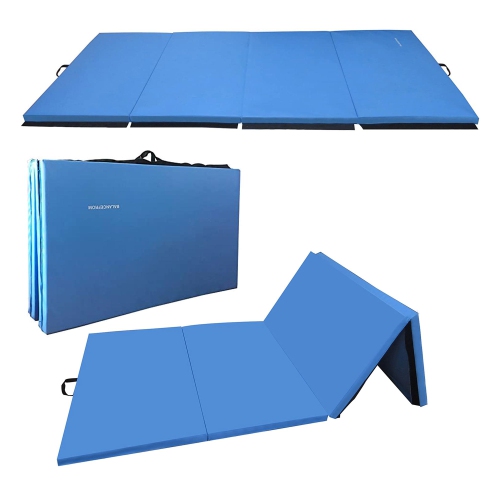 Your price for this item is $212.99
 -
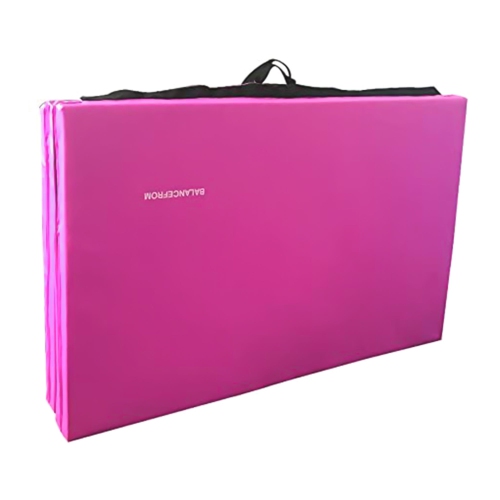 Your price for this item is $225.99
 -
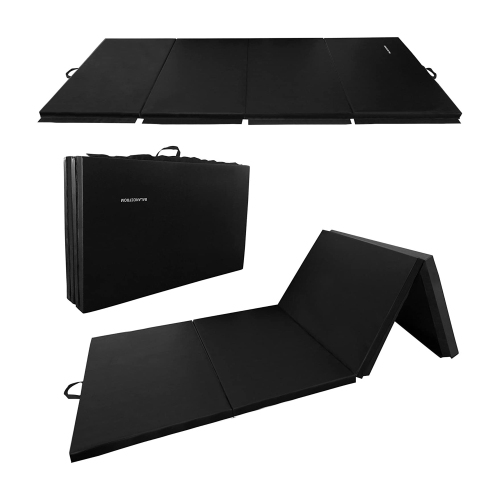 Your price for this item is $251.99
 -
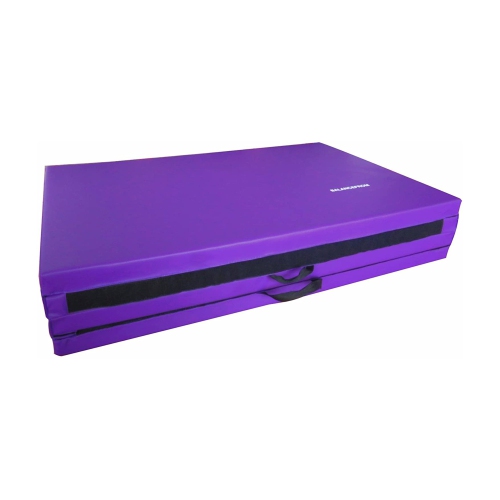 Your price for this item is $220.99
 -
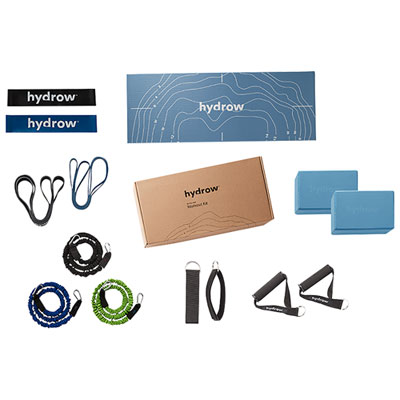 Your price for this item is $229.99
 -
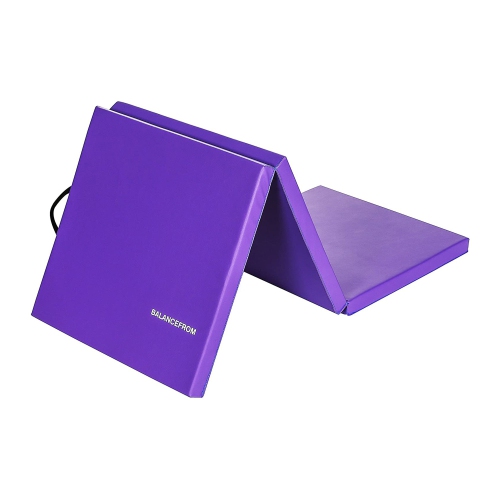 Your price for this item is $79.99
 -
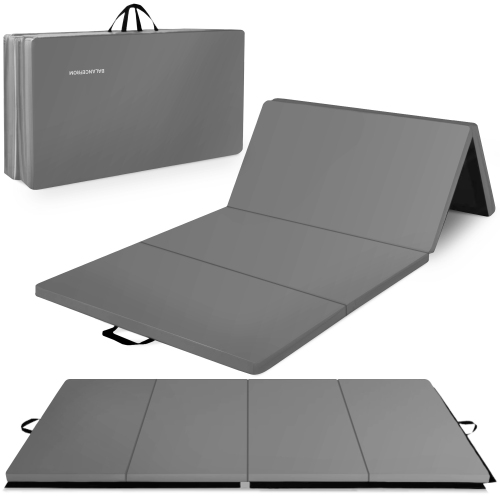 Your price for this item is $227.99
 -
 Your price for this item is $260.99
Discover more categories related to Thick Mats
Top Collections:
Pokemon Centers, Best Cameras for Sports Photography, Kindle Devices, Samsung Galaxy Phones, Canon G7X Cameras, Pokémon 30th Celebration Cards, Refurbished Apple Laptops, iPhone 15 Apple, Laptops for Students, Budget Smartphones
Some products may be subject to Environmental Handling Fees
(EHF) depending on your province.
Learn more about EHFs.