Transport Wheelchair
Looking for a convenient and lightweight solution to assist in transporting individuals with mobility challenges? A transport wheelchair may be just what you need. These wheelchairs are designed to provide easy maneuverability for caregivers while ensuring the comfort and safety of the passenger. With features such as compact folding mechanisms, durable construction, and comfortable seating options, transport wheelchairs offer practicality and convenience for both indoor and outdoor use. Explore our selection of transport wheelchairs to find the perfect option to enhance mobility and independence for your loved ones.
Sort
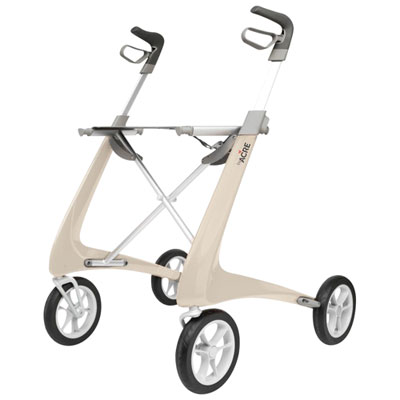
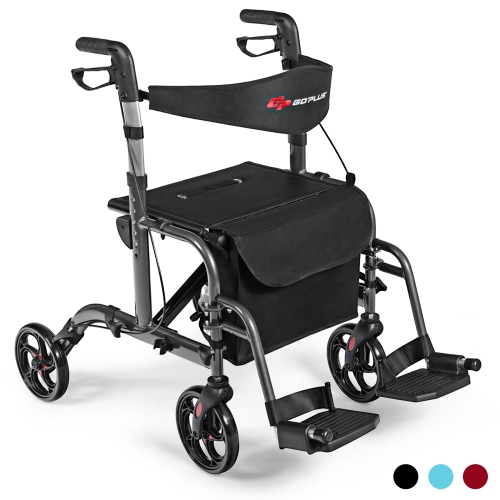
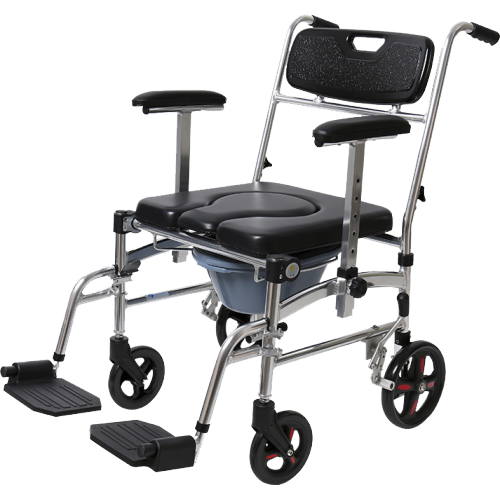
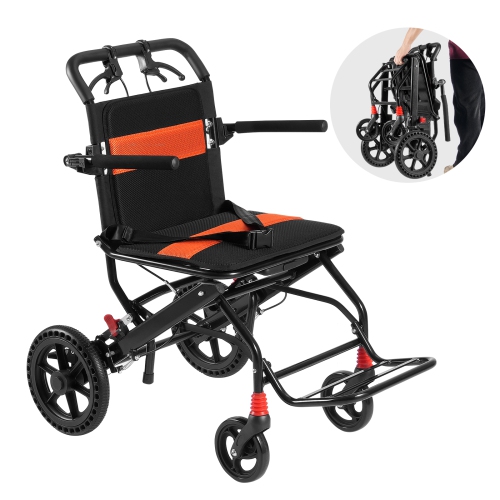
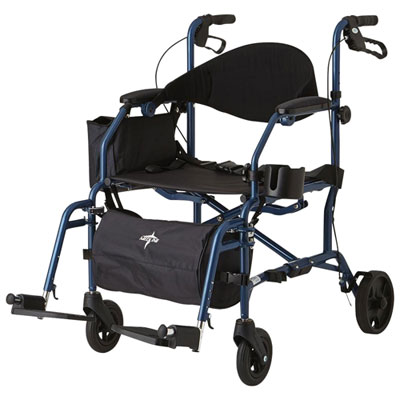
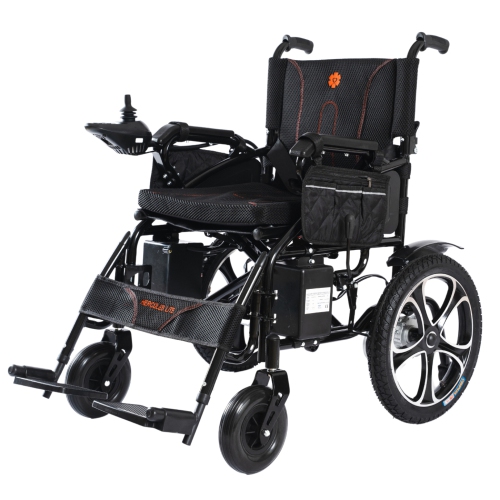
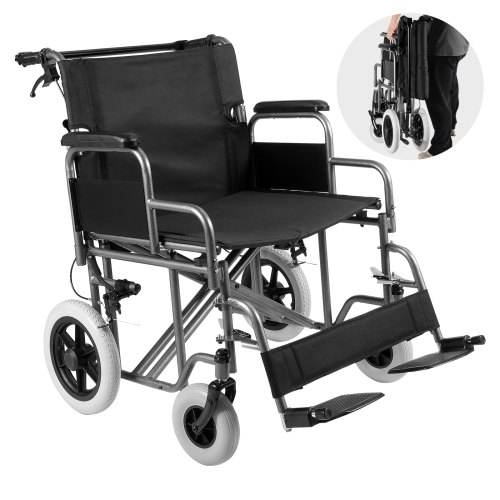
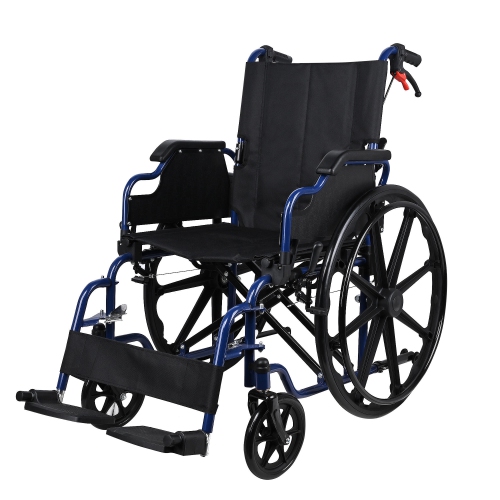
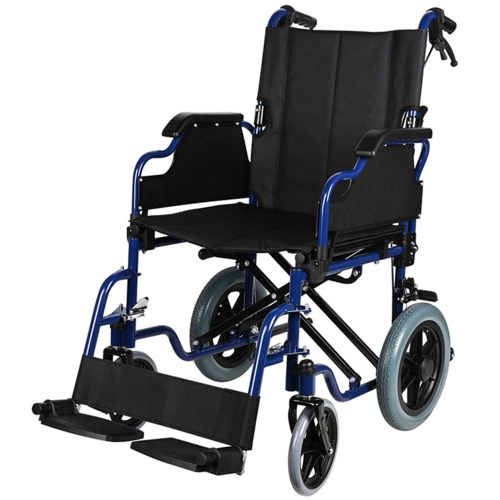
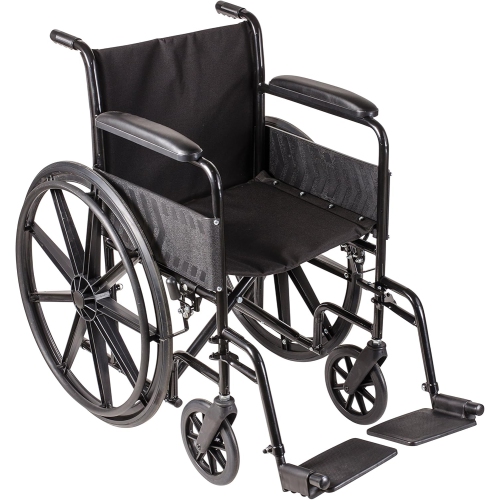
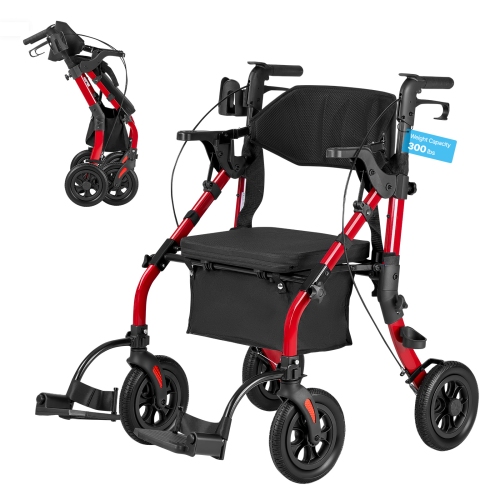

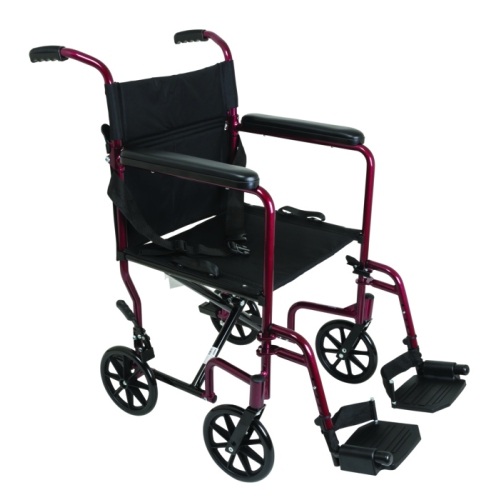
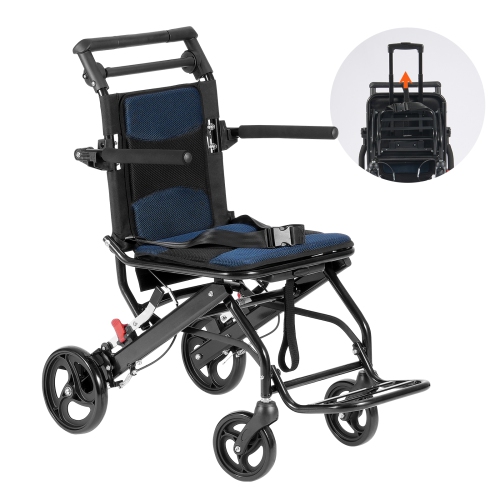

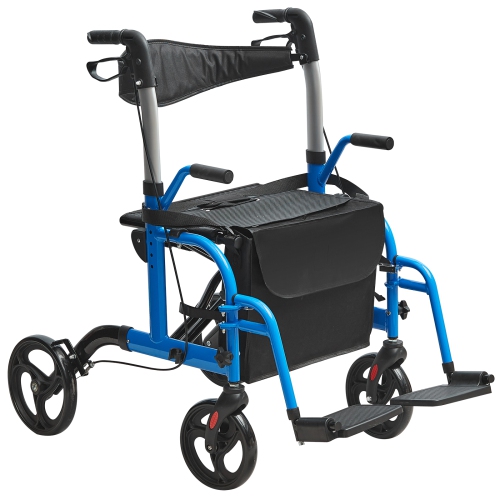

Comfort and portability for outings with a companion
A transport wheelchair is a compact mobility chair designed to be pushed by a caregiver or companion rather than propelled by the person sitting in it. Unlike a standard manual wheelchair with large rear wheels and hand rims, a transport chair usually has smaller wheels and a folding frame that makes it easier to handle between outings. Its main purpose is assisted mobility: getting from a parking area to an appointment, moving through a shopping centre, or covering longer distances when walking becomes tiring. It can be useful for older adults, people recovering from an injury or procedure, and anyone whose strength, balance, or endurance makes some journeys difficult. The person using it may still walk short distances but benefit from seated support for the longer parts of a trip. Many transport wheelchairs are intended for occasional outings rather than prolonged sitting, so comfort and support requirements matter as much as portability. Aluminium frames help keep carrying weight down, while steel frames can offer sturdy construction with a heavier overall feel. Frame material alone does not determine strength; the stated weight capacity, joints, cross braces, and overall construction are important parts of the chair’s suitability. Upholstery is commonly made from wipeable materials, with padded armrests providing a resting place for the forearms. Some chairs have folding backrests, detachable footrests, or carrying handles that make storage and lifting more manageable. These details are particularly useful when a companion needs to fold the chair beside a vehicle, place it in the boot, and unfold it again at the destination. Transport wheelchairs are not a substitute for independent mobility when the user needs to move without assistance. They work best when a capable companion is present and the chair suits both the seated person and the person pushing it. A lighter frame can simplify lifting, but a comfortable seat, reliable brakes, and manageable handling are equally important during everyday use.
Fit affects how a transport wheelchair feels from the moment someone sits down. Seat width needs to accommodate the user comfortably without leaving excessive room that makes supportive positioning difficult, while seat depth should support the thighs without pressing into the backs of the knees. A chair that appears compact beside a doorway can still feel too narrow at the hips, so both seating dimensions and overall width deserve attention. The stated weight capacity must cover the user’s weight, and any carried belongings need to stay within the manufacturer’s limits. Footrest height matters because the feet should rest securely without forcing the knees unusually high or leaving the legs unsupported. Swing-away or removable footrests can create clearer access during transfers, while some armrest designs provide more room alongside a bed or chair. Transfers should follow an appropriate care plan, with the parking brakes engaged and footrests moved out of the way; footplates are not intended to serve as steps. For someone who needs additional postural support, pressure management, or help maintaining a seated position, a healthcare professional can assess whether a transport chair is suitable and whether a compatible cushion is needed. Adding a cushion can change seat height and footrest fit, so it should not be treated as a purely decorative accessory. The companion’s comfort also influences everyday handling. Push-handle height, grip shape, chair weight, and brake placement can make a noticeable difference over a longer corridor or an extended outing. Some transport wheelchairs have caregiver-operated handbrakes for controlling movement, while others rely on wheel locks that secure the chair when stationary. Those functions are not interchangeable: parking locks should not be assumed to provide controlled braking on a slope. Wheel size and design also affect the ride. Small wheels are generally best suited to smooth, firm surfaces; uneven paving, loose gravel, and raised thresholds can be more demanding. Larger rear wheels on some transport chairs may improve handling over minor surface changes, but they do not make every chair suitable for rough ground.
Portability is most useful when it fits the spaces and routines involved. Folded dimensions help determine whether a transport wheelchair can share a vehicle boot with a walking aid or other essentials, and the full chair weight matters when it has to be lifted rather than rolled. Detachable components may reduce the weight of a single lift, although they also need a secure place during the journey. A folding backrest can reduce the height of the stored chair, while a frame that closes neatly from side to side may be easier to tuck into a cupboard between outings. Anyone comparing a transport chair with a portable wheelchair should consider more than the folded size: whether the seated person needs to propel themselves, how long they will remain seated, and who will lift or push the chair are central differences. Vehicle travel requires separate attention. A transport wheelchair should not be assumed safe for use as an occupied vehicle seat; that use requires a chair specifically approved for it, together with appropriate securement and occupant restraints. Care between trips helps preserve dependable handling. Upholstery can usually be wiped clean according to the manufacturer’s directions, and the chair should be dried thoroughly after cleaning. Hair, thread, and debris around wheel axles can interfere with rolling, while loose fasteners, damaged footrests, worn brake components, and torn seating deserve prompt attention. A quick check that the frame has opened fully, the folding mechanism is secure, and the brakes engage properly is valuable before each outing. Storage in a dry location helps protect metal parts and keeps the seating ready for use. Bags and accessories should be used only where permitted, since heavy loads hung from the push handles can affect stability. For families arranging assisted outings, the most practical transport wheelchair is one that balances a manageable carrying weight with the right fit and support. Thoughtful attention to those everyday details can make the journey from home to a waiting room, dining table, or visitor’s lounge more comfortable for the user and easier for the companion.
Top selling and popular products
-
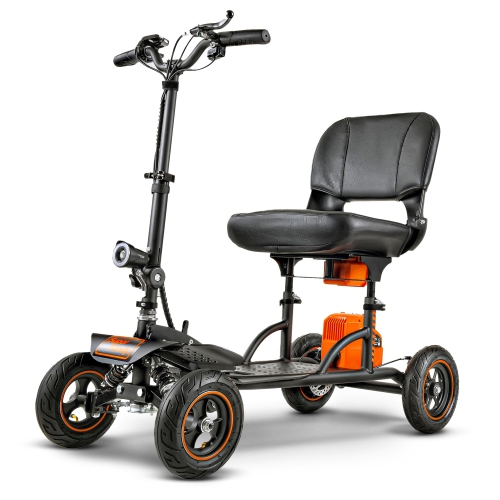 Your price for this item is $1100.99
-
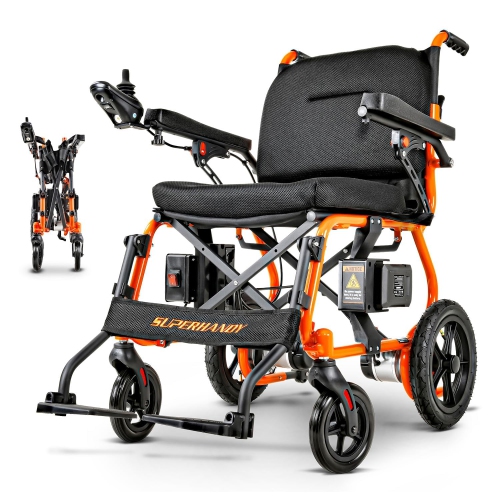 Your price for this item is $950.99
-
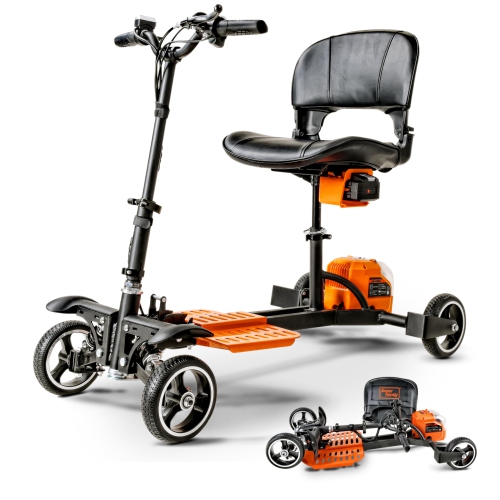 Your price for this item is $999.99
-
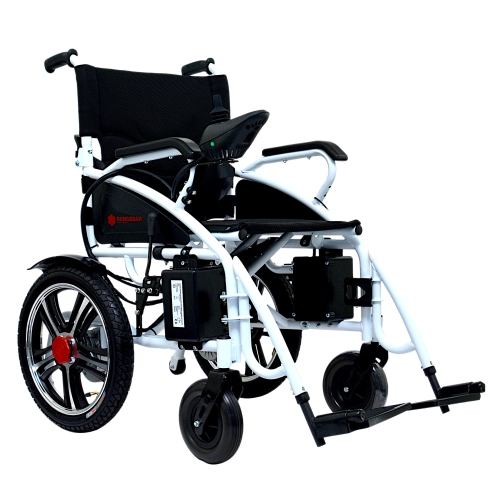 Your price for this item is $1999
-
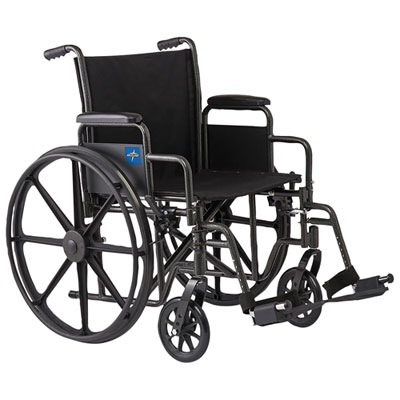 Your price for this item is $314.98
-
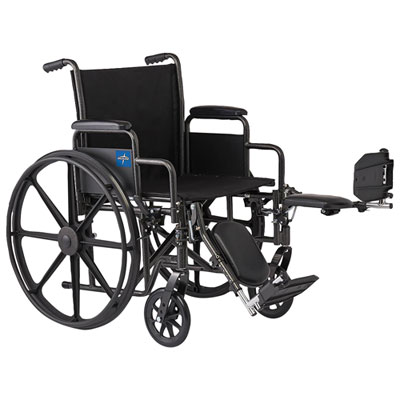 Your price for this item is $458.98
-
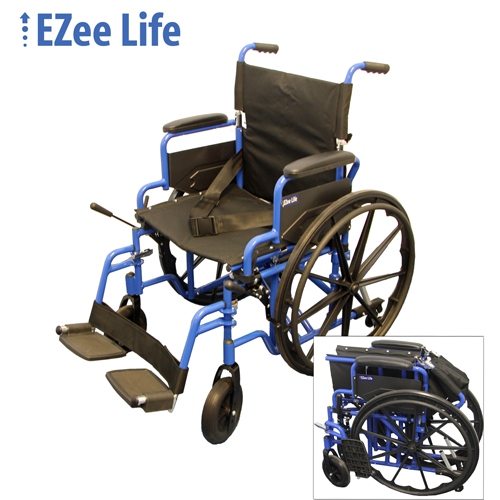 Your price for this item is $349.99
-
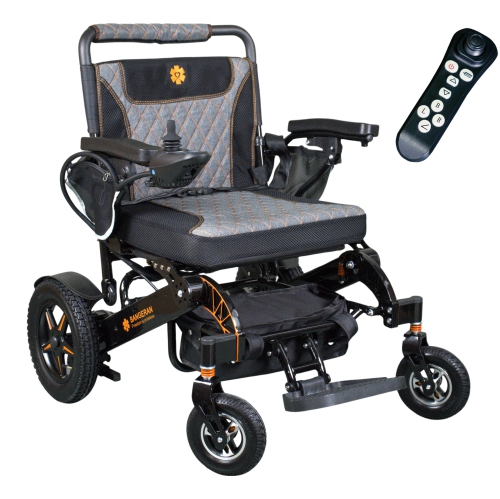 Your price for this item is $2039
Discover more categories related to Transport Wheelchair
Top Collections:
Pokemon Centers, Kindle Devices, Best Budget Office Chairs, Canon G7X Cameras, Apple iPhones 16, Samsung Galaxy Phones, Refurbished Apple Laptops, Laptops for Students, iPhone 15 Apple, Budget Smartphones
Some products may be subject to Environmental Handling Fees
(EHF) depending on your province.
Learn more about EHFs.