Wheelchair
Navigating the world with ease and independence is essential for individuals with mobility challenges, and a wheelchair can be a vital tool in enhancing their daily lives. Whether you're looking for a manual wheelchair for occasional use or a power wheelchair for more consistent mobility assistance, our selection offers a variety of options to suit your needs. From lightweight and portable models to those designed for rugged outdoor terrain, find the perfect wheelchair to support your lifestyle and regain your freedom of movement.
Sort
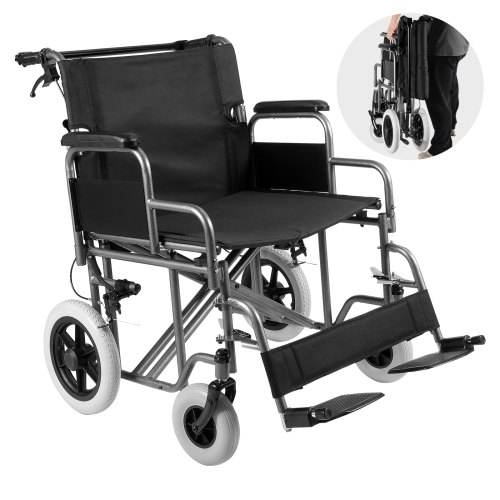
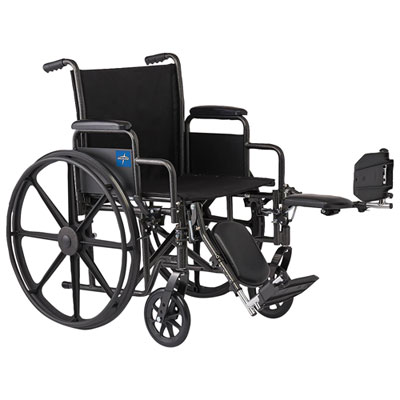

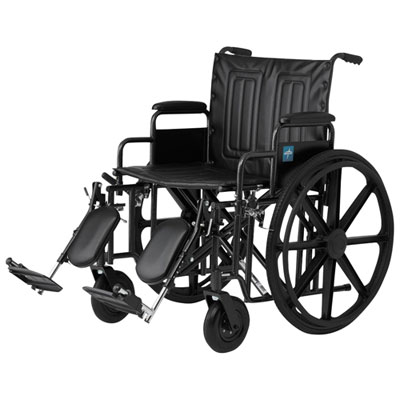

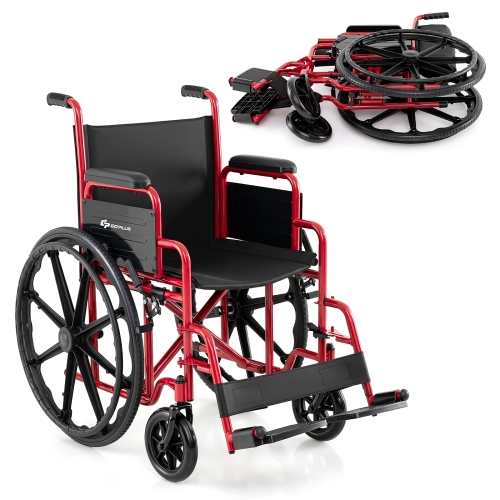


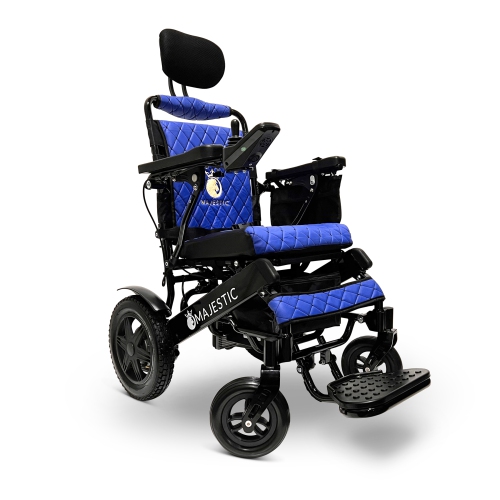
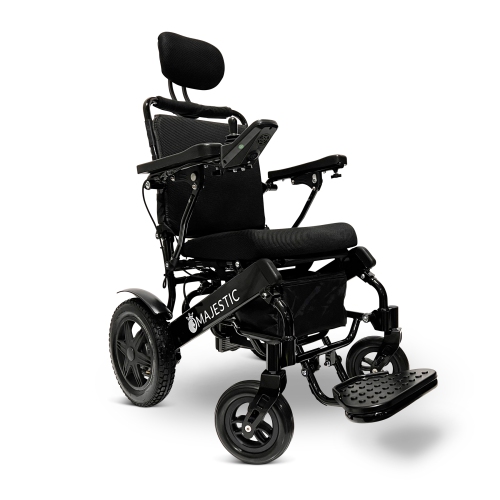
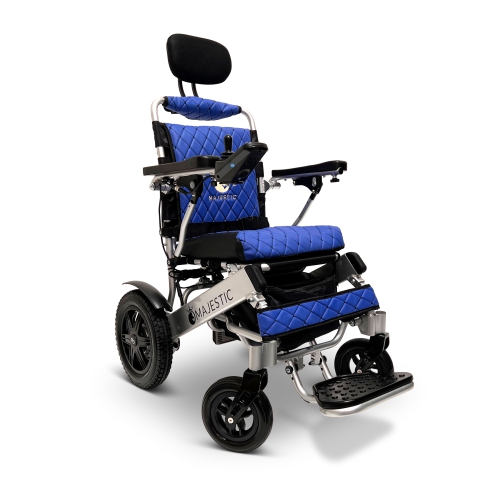
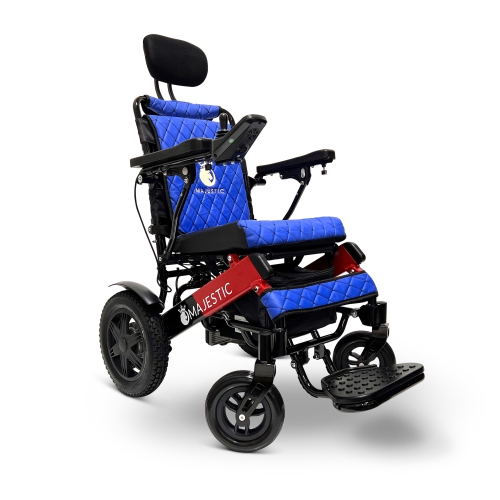

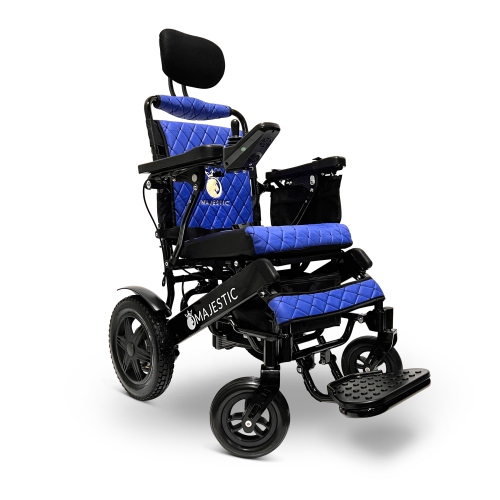
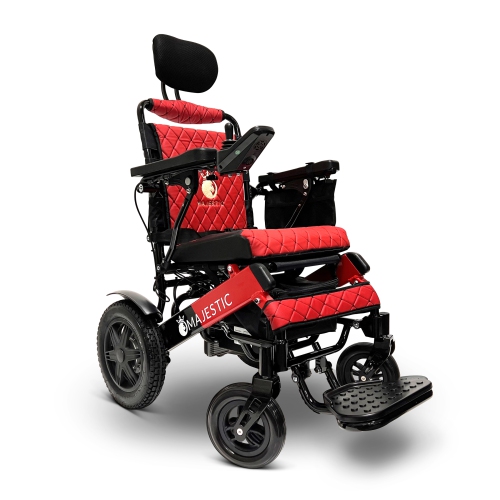
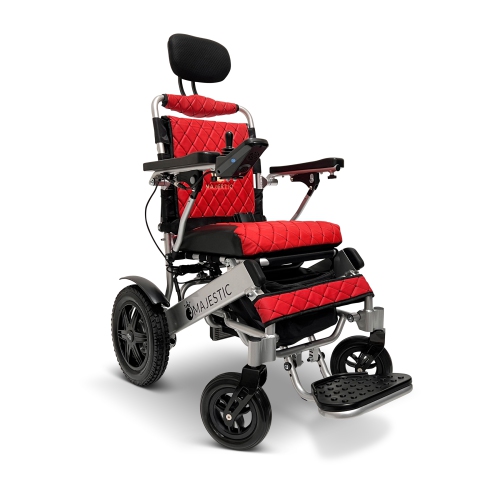
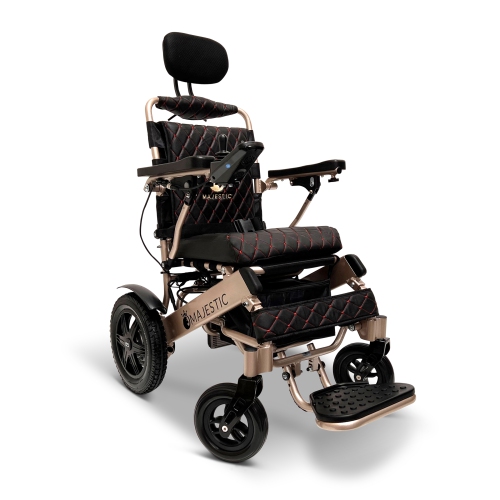
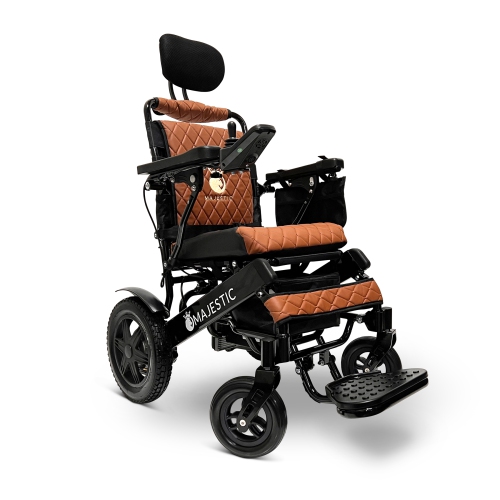
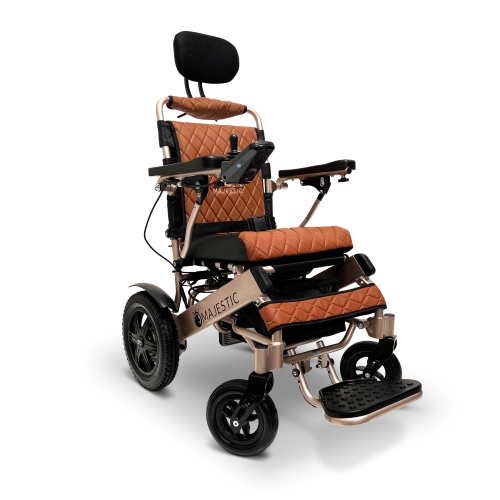
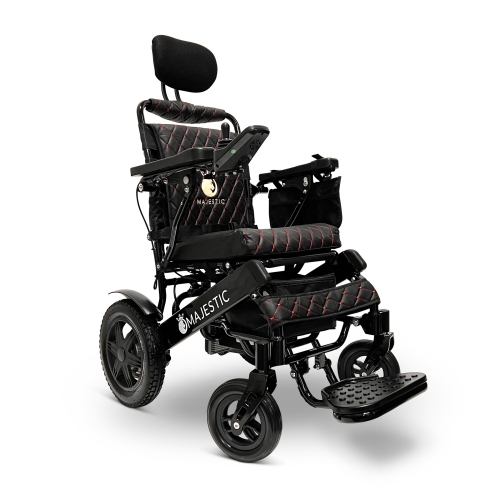
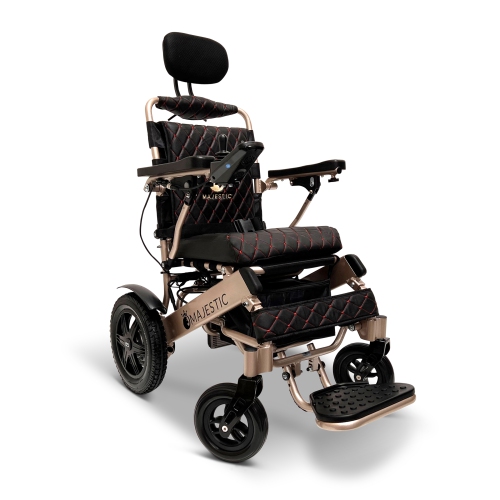


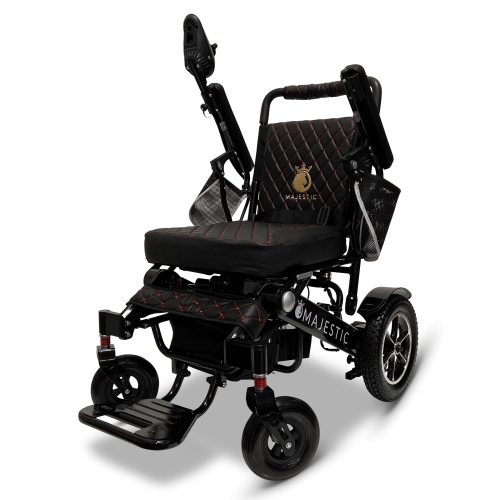
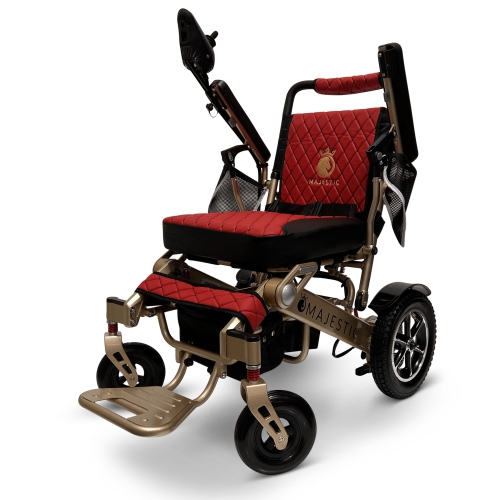
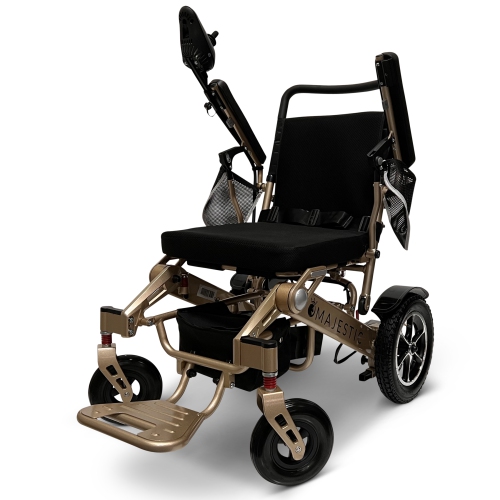
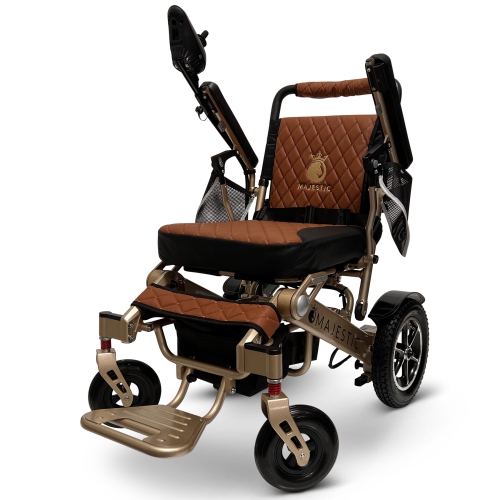

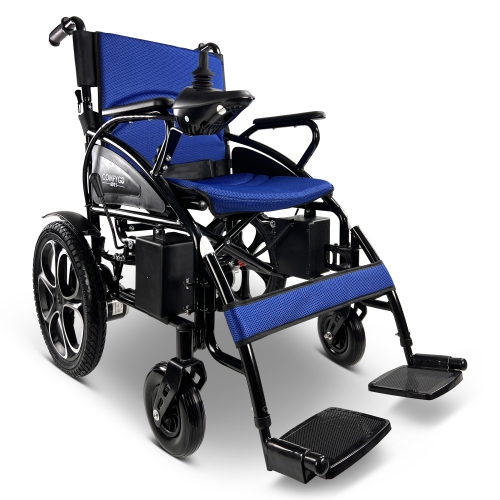
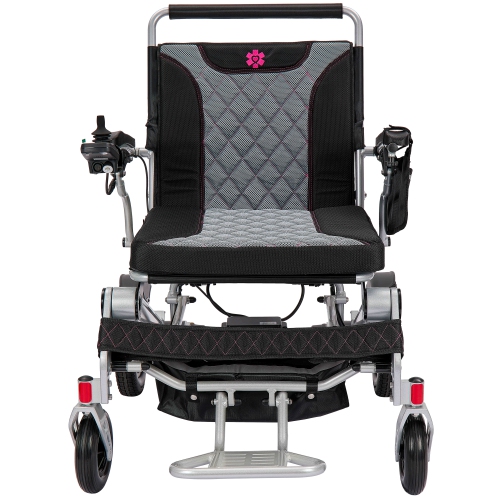
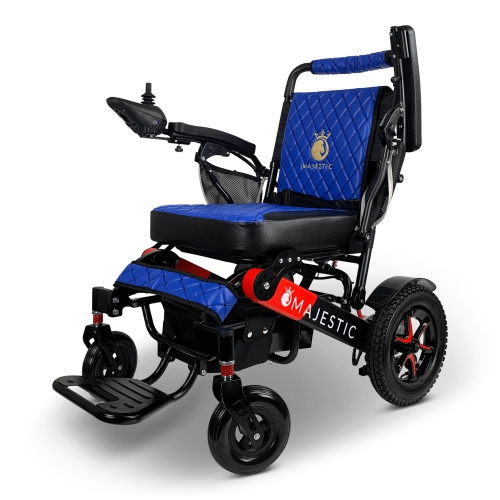
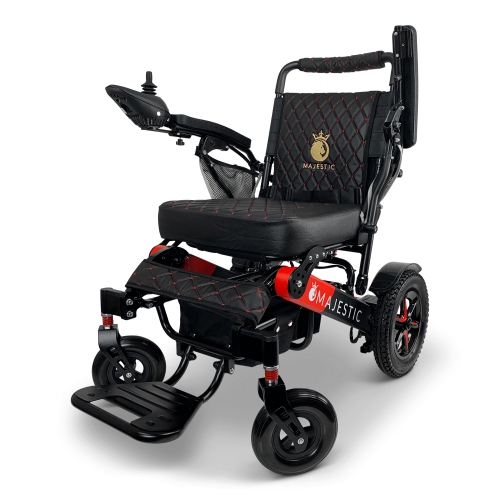





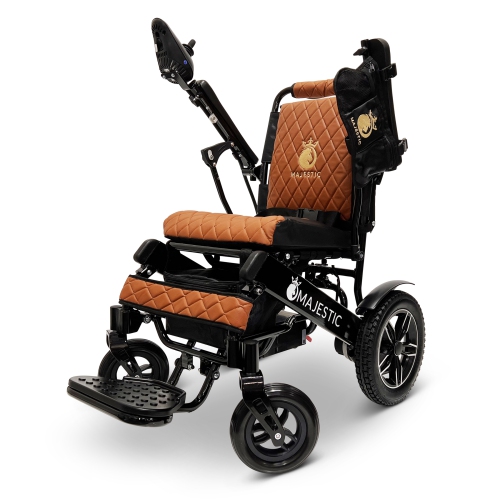
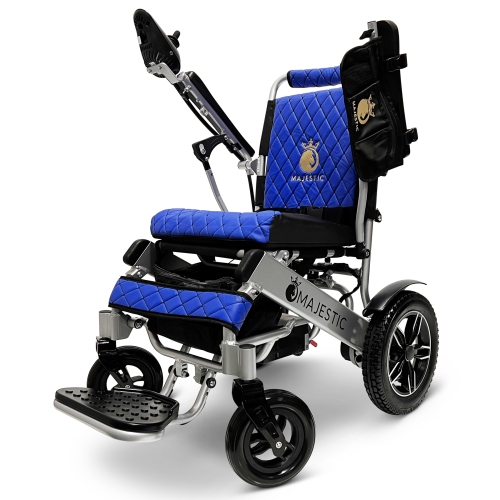
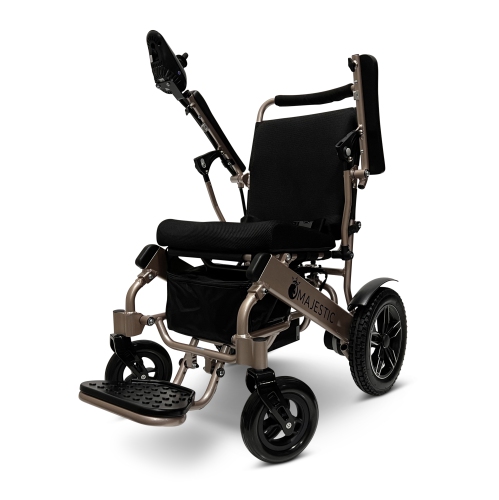
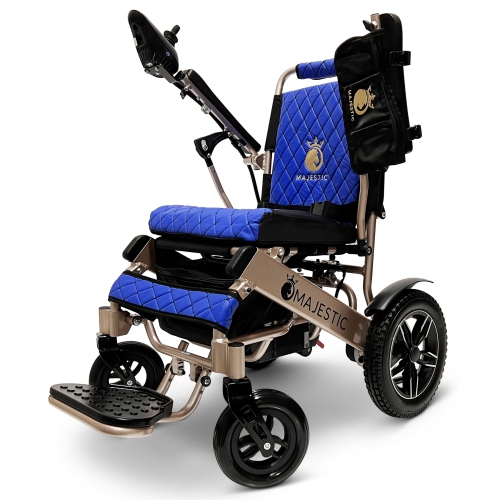

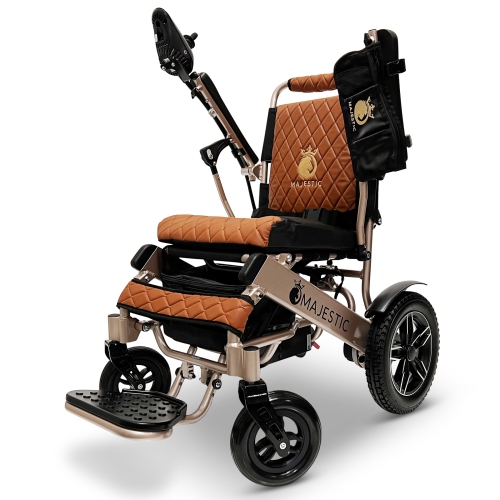
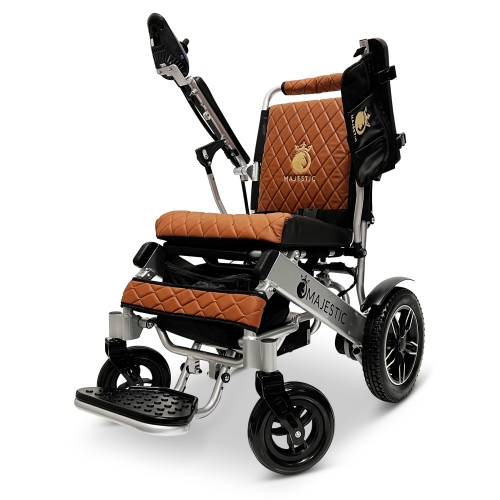
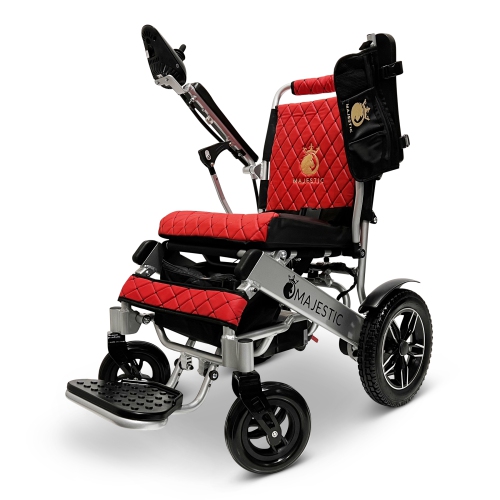
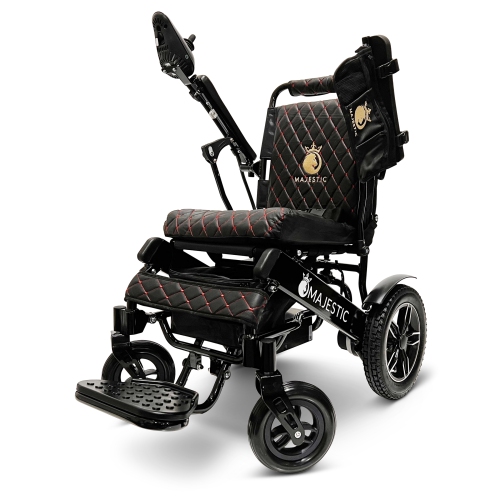
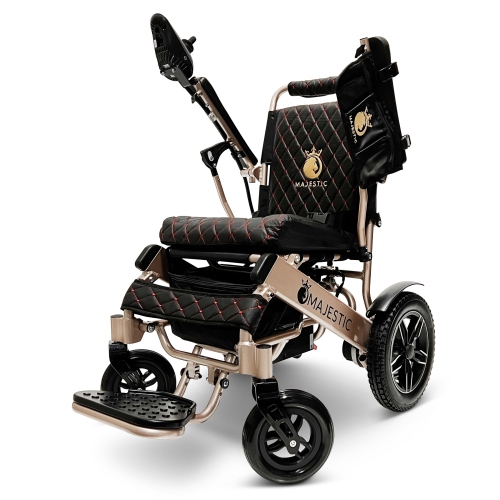
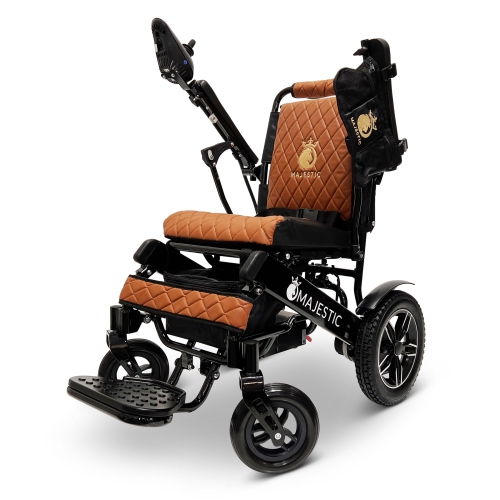
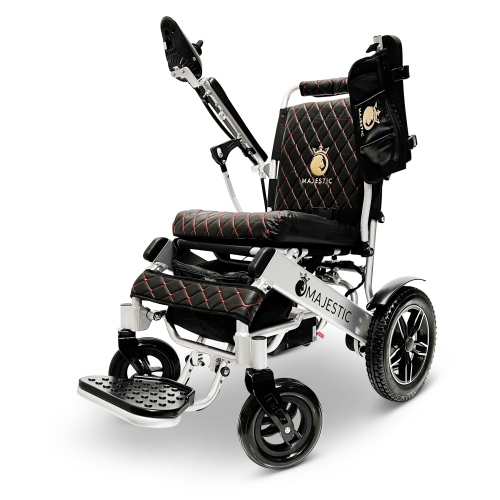
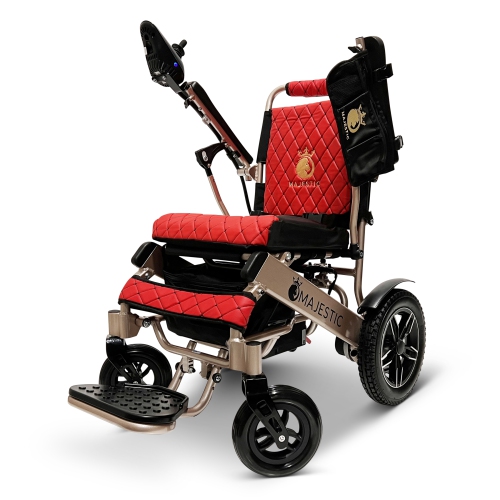
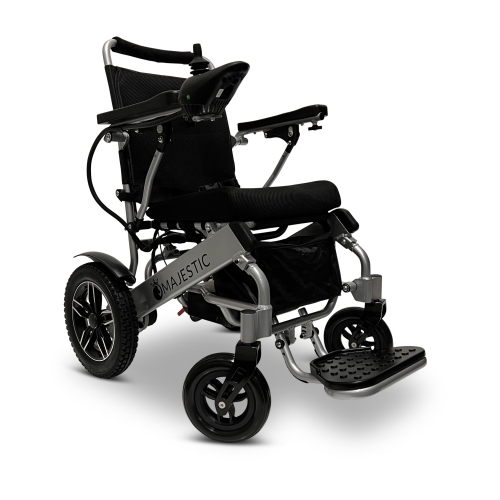

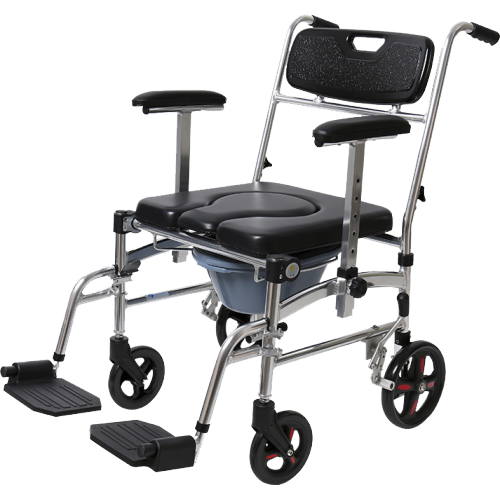
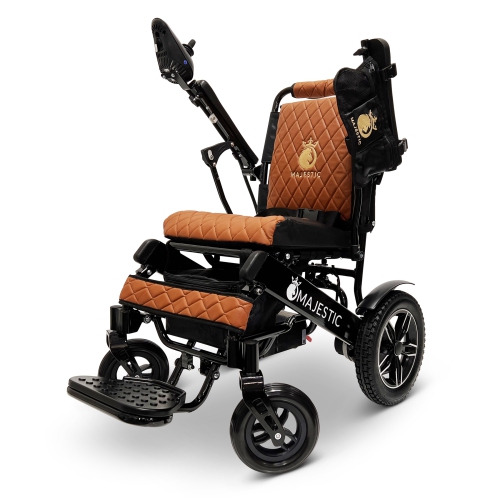
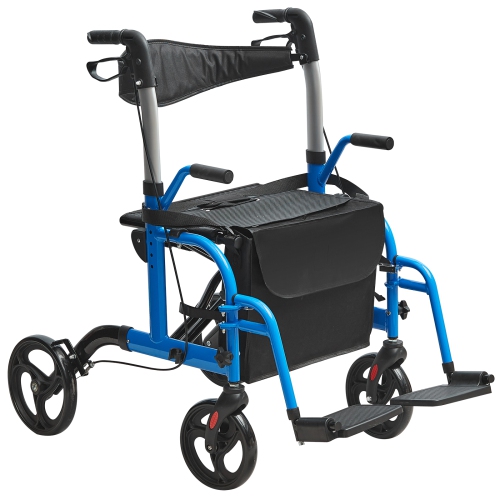



Understanding mobility options for comfort, fit, and everyday use
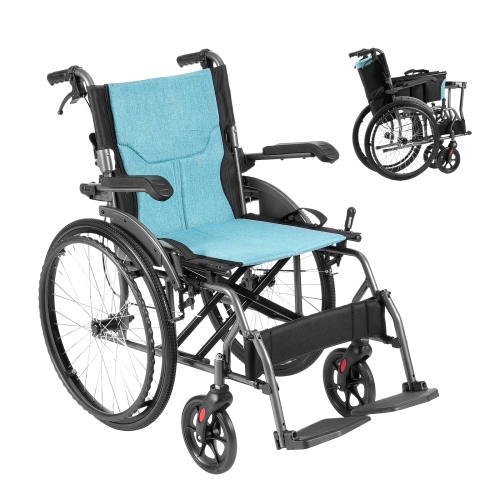
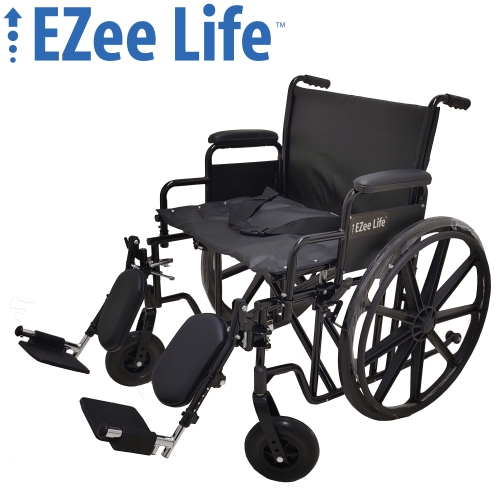
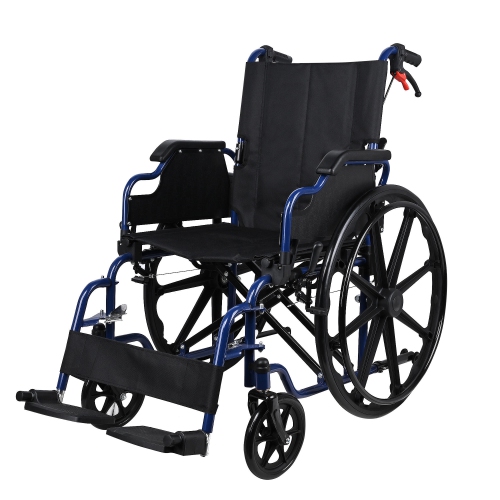
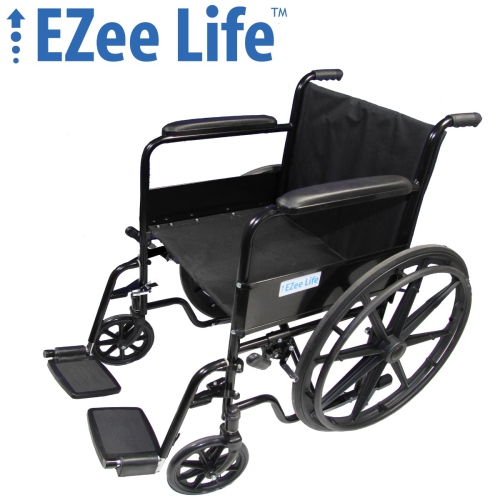
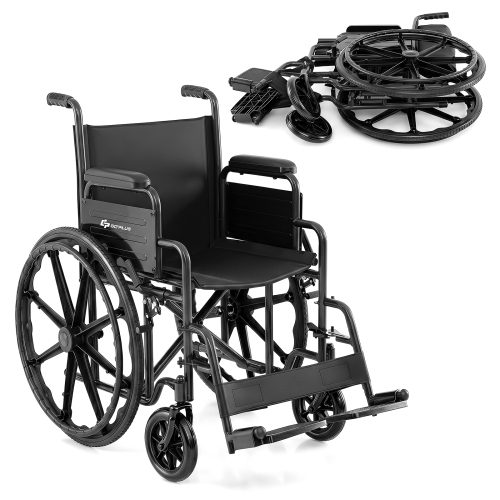
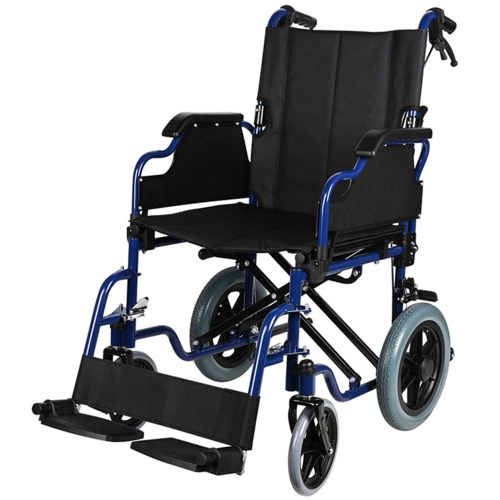
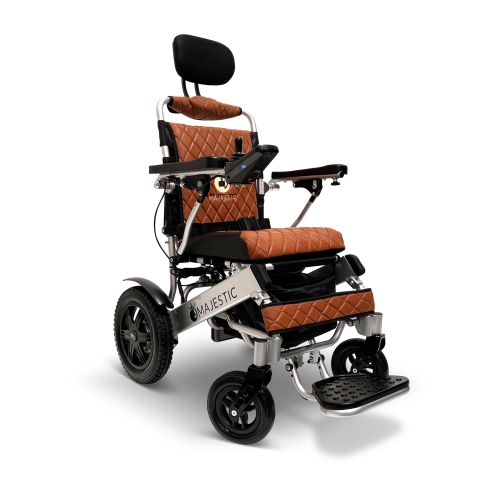
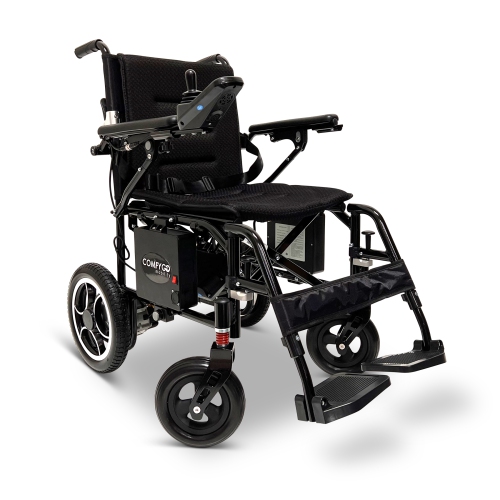
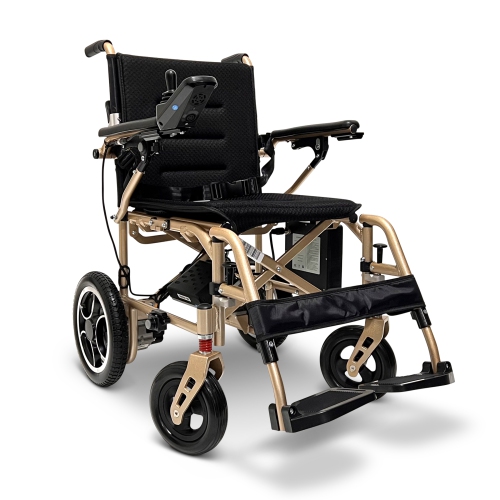
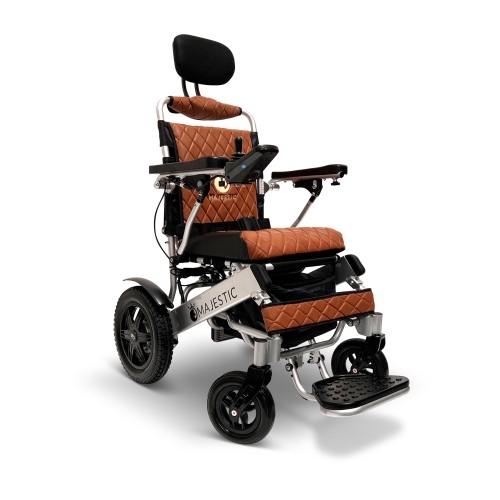
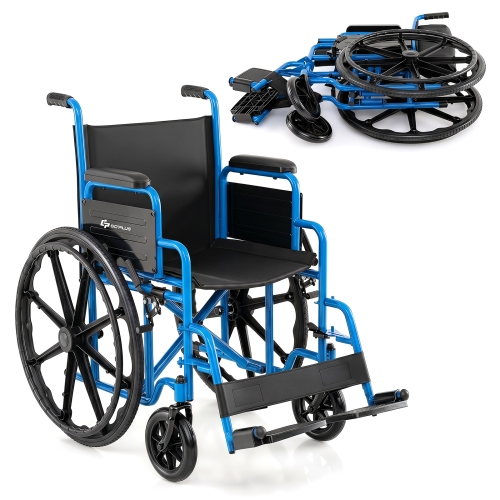
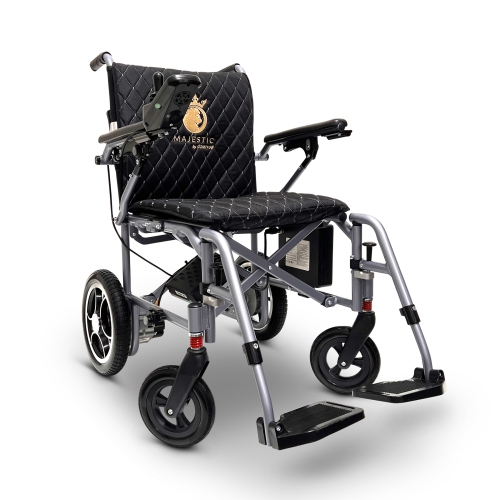
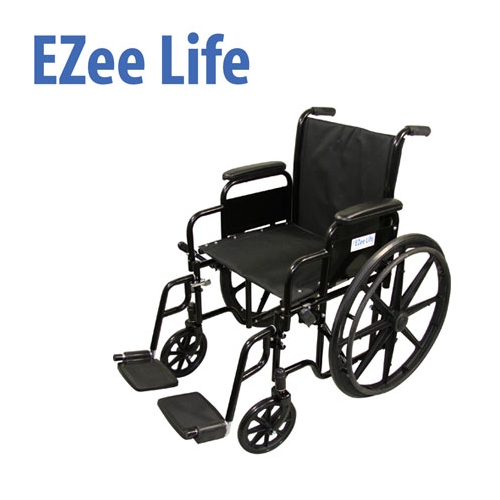
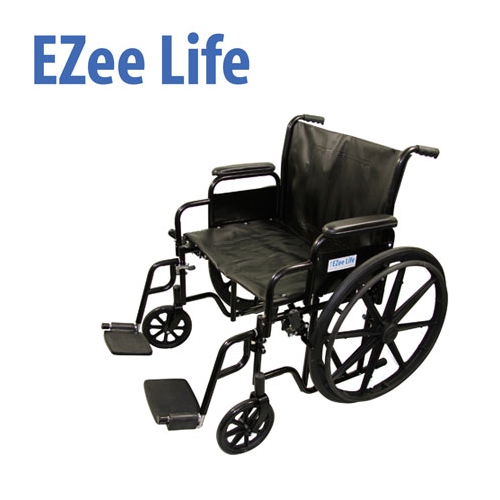
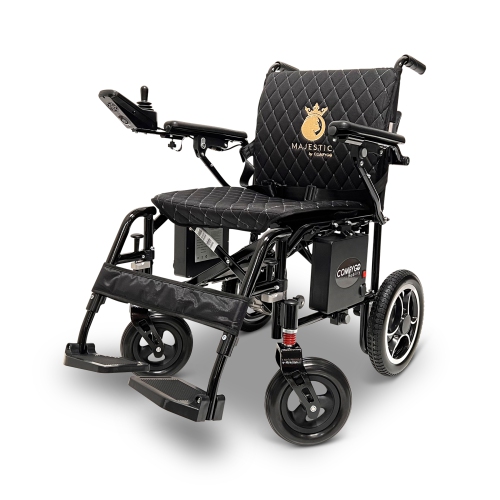
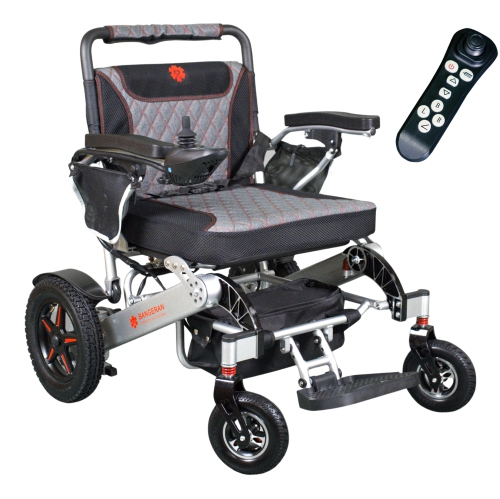
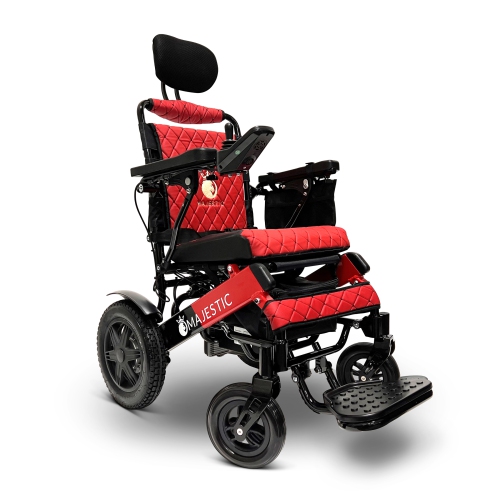
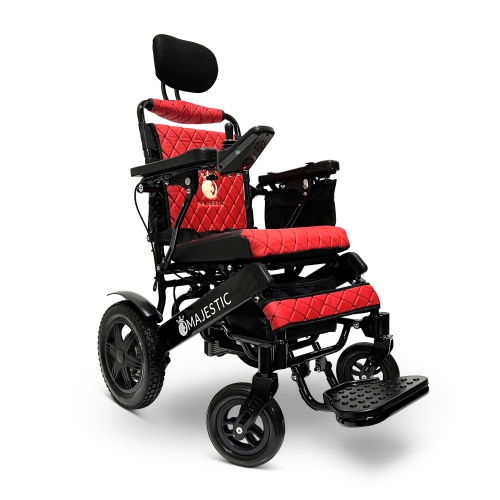
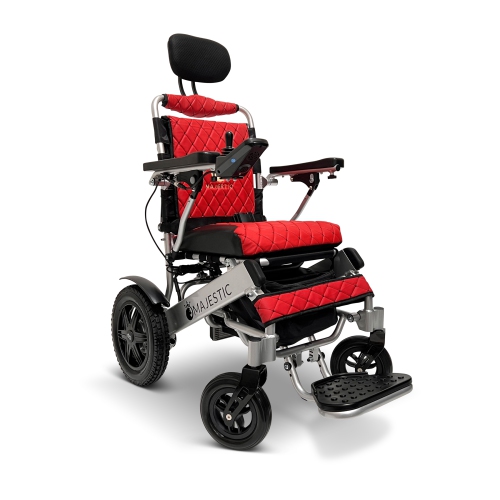
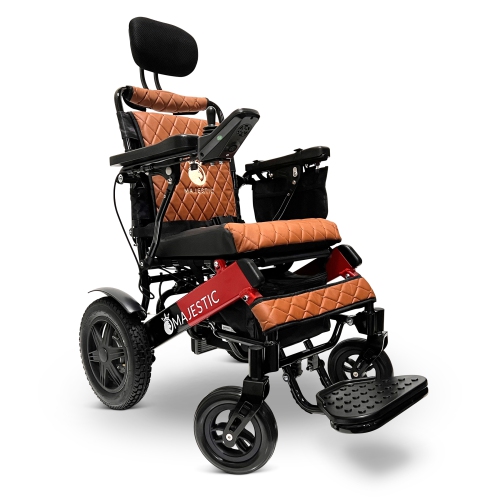
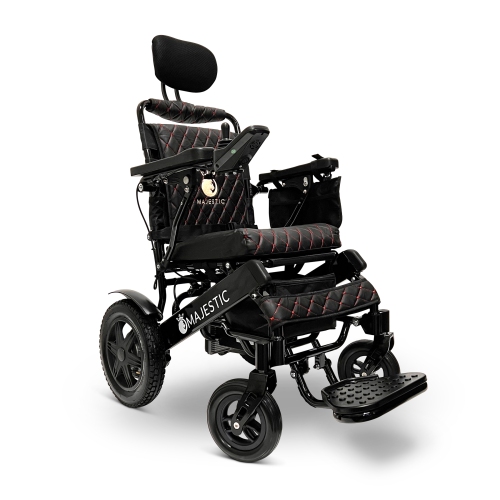
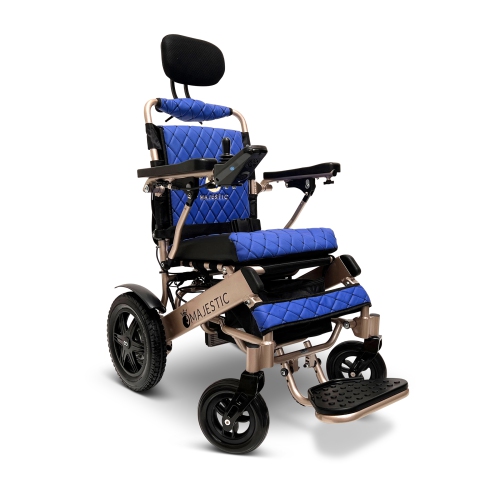
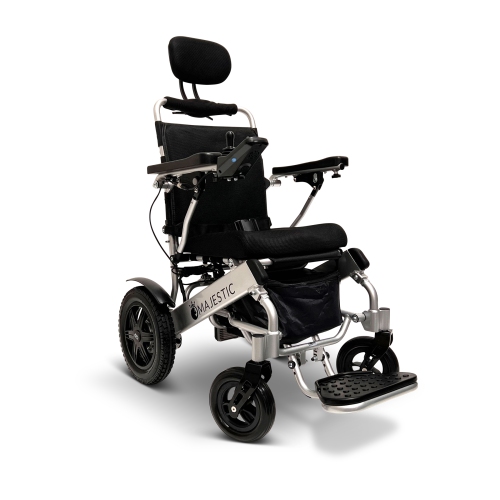
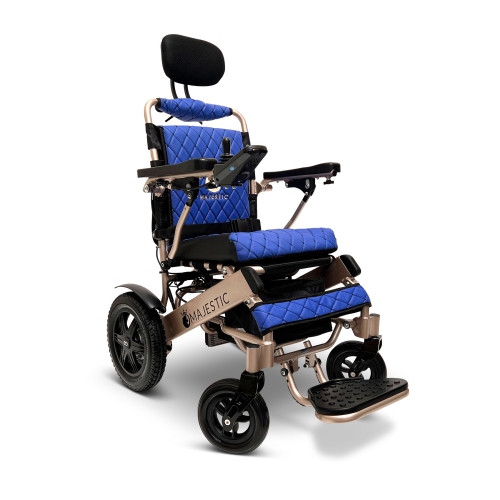
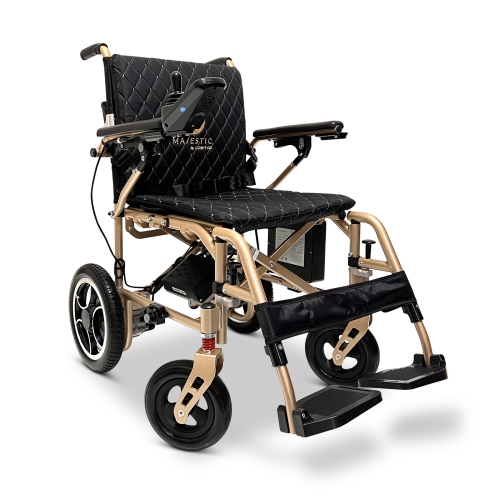
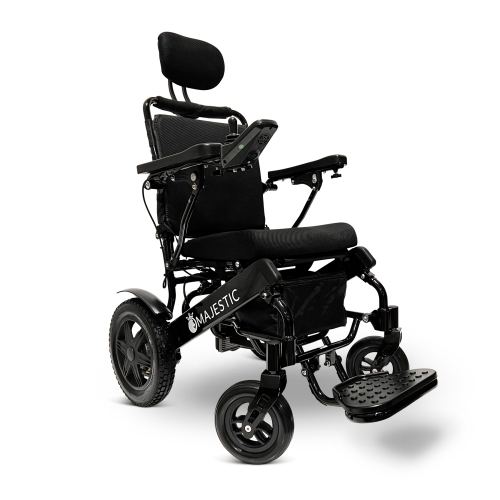
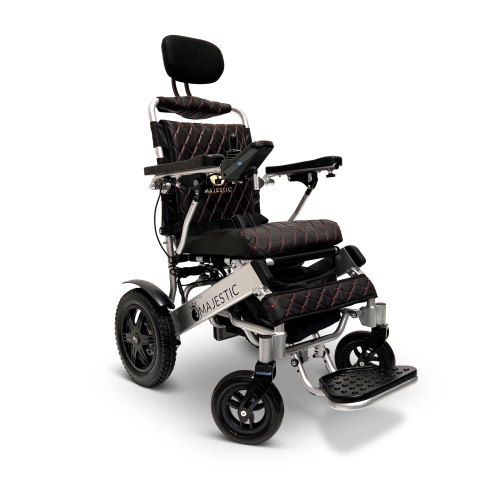
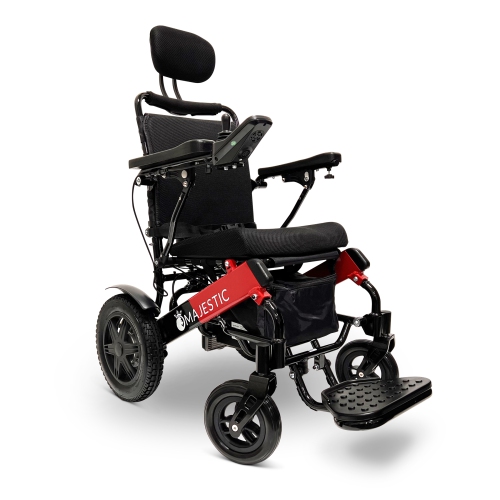
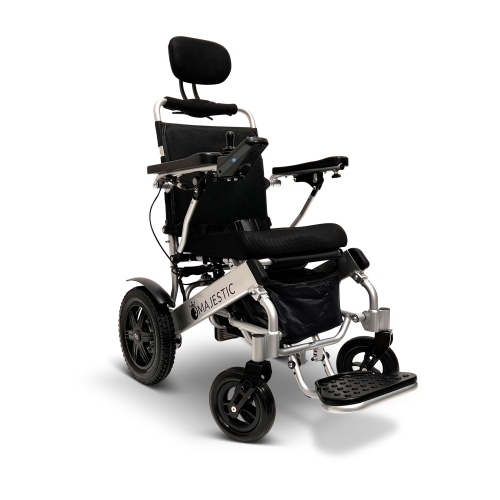
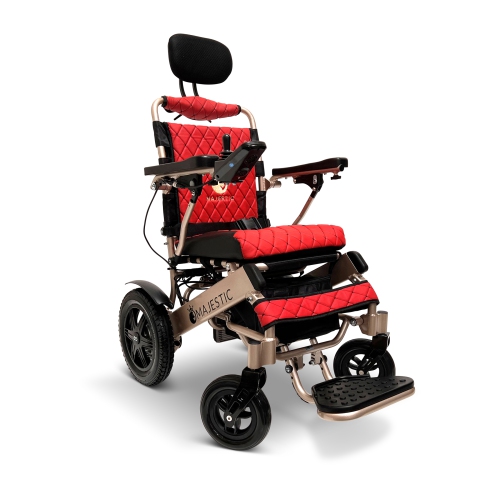
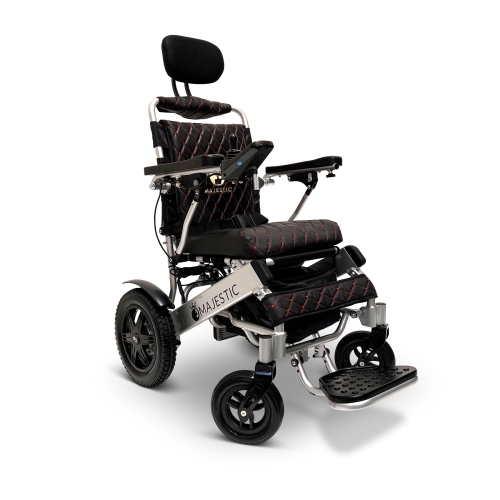
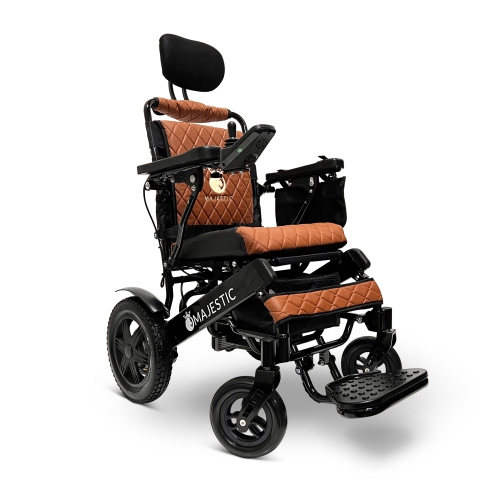
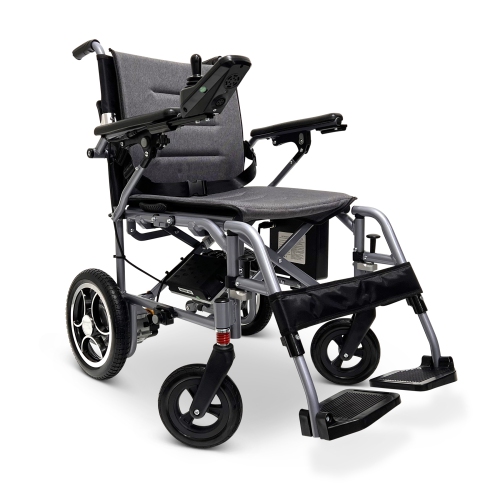
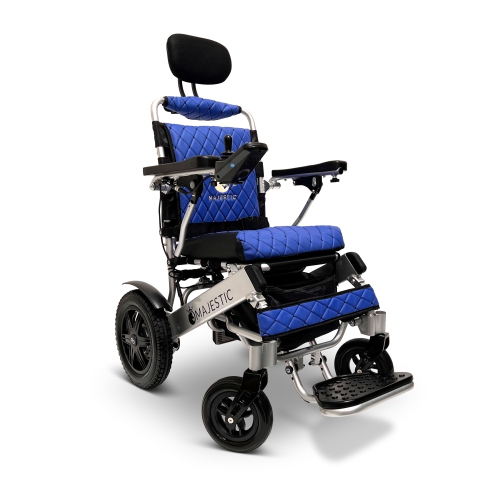
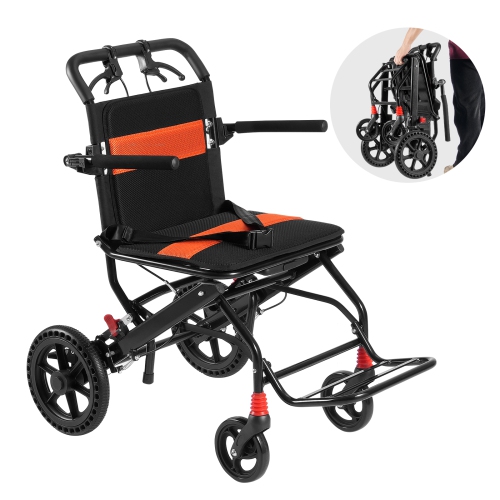
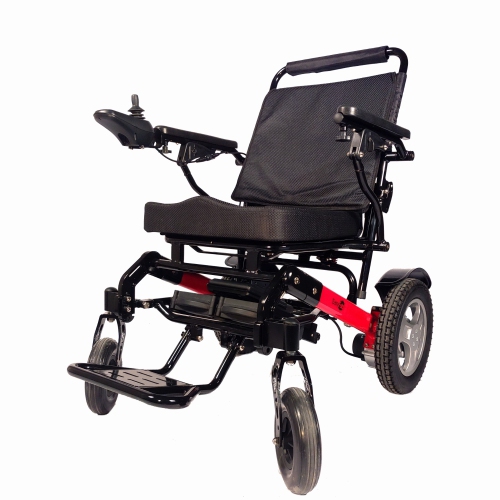
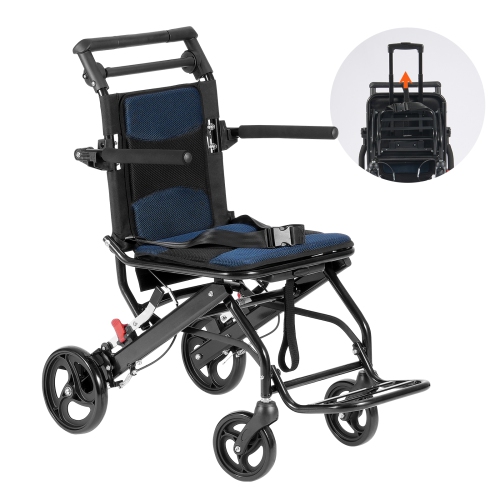
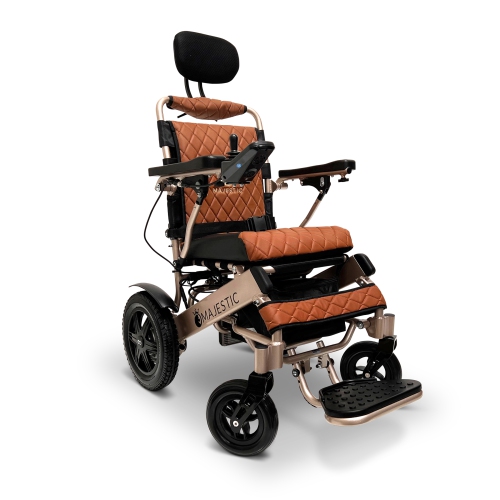
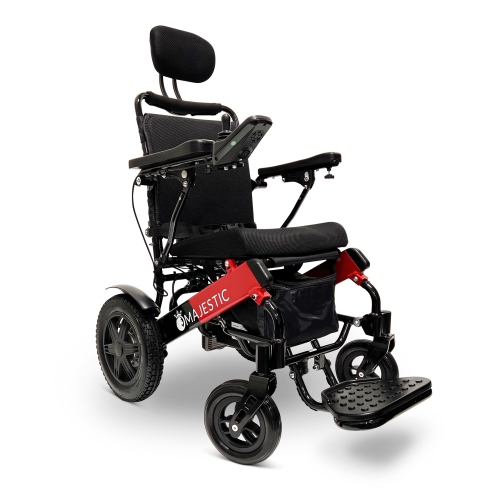
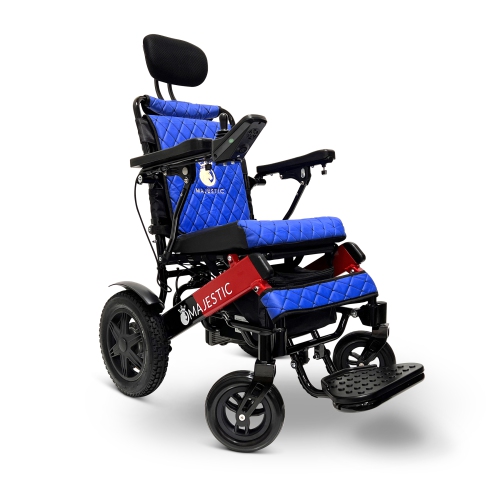
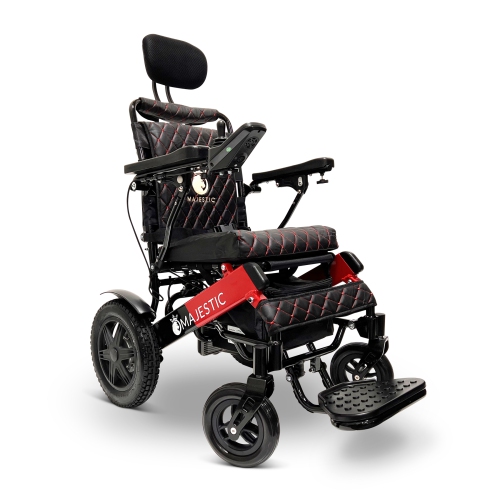
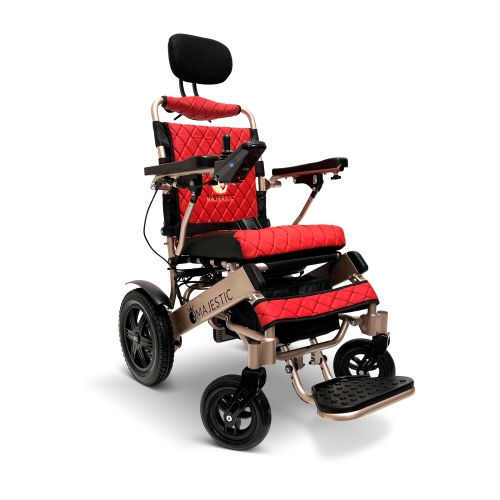
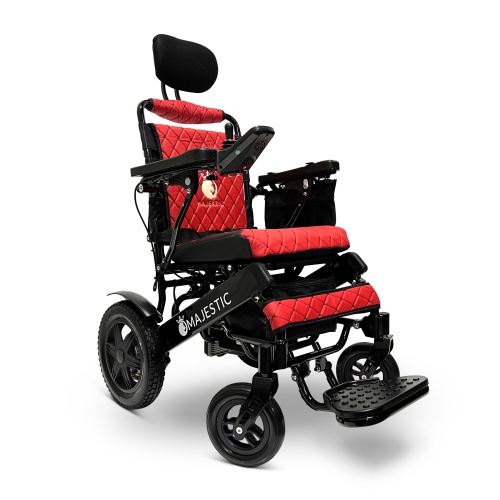
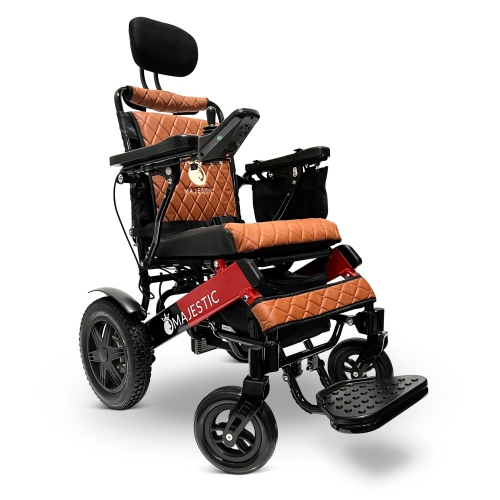
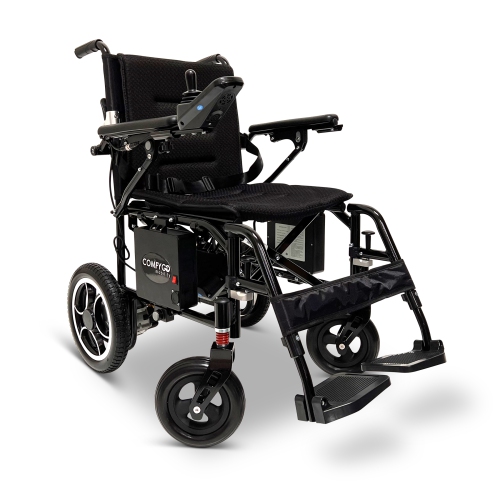
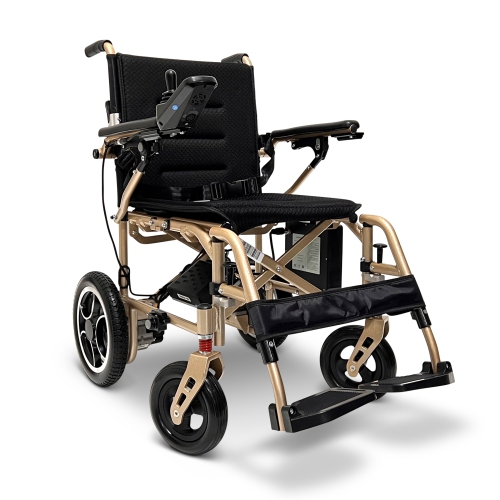
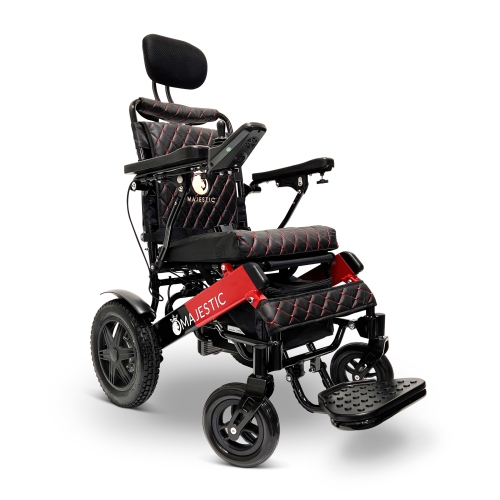
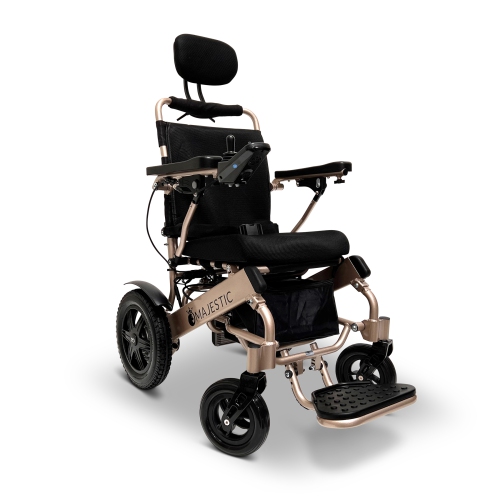
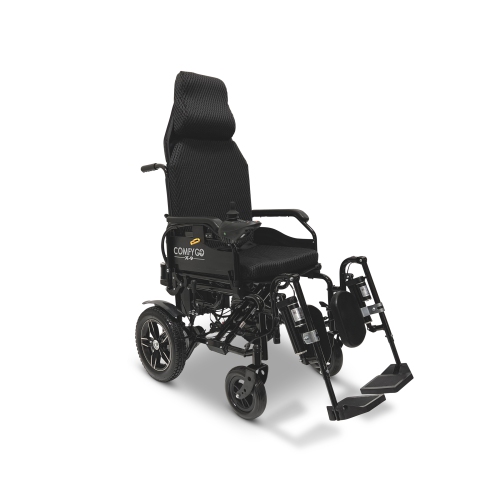
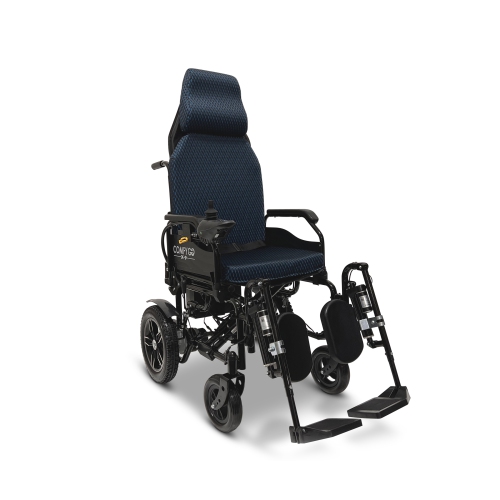
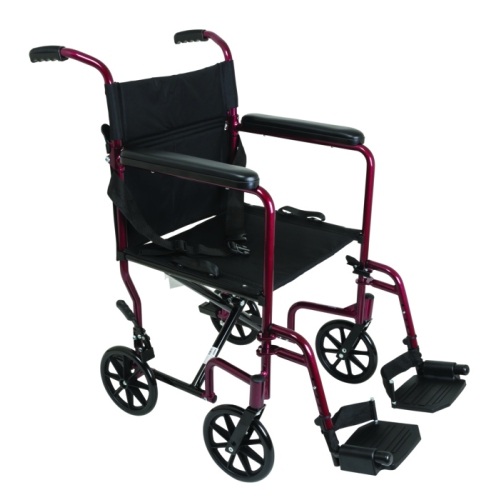
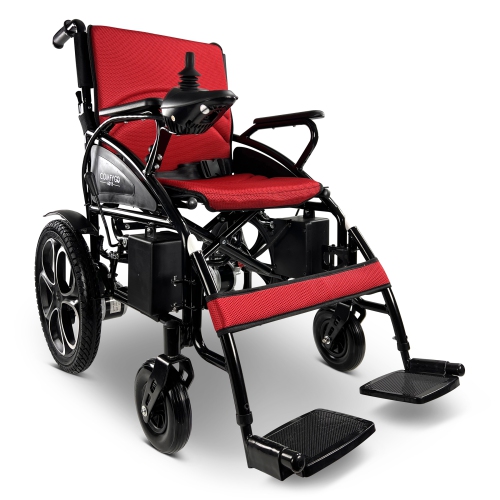
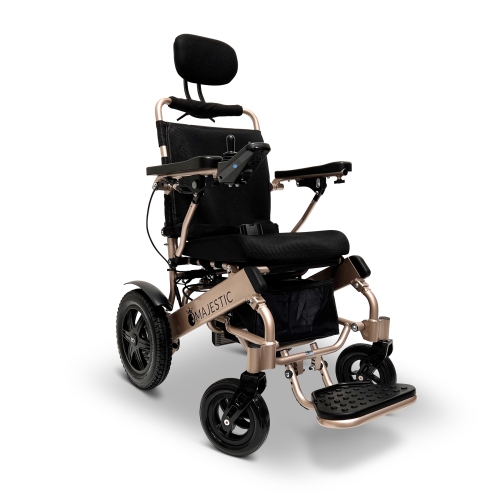
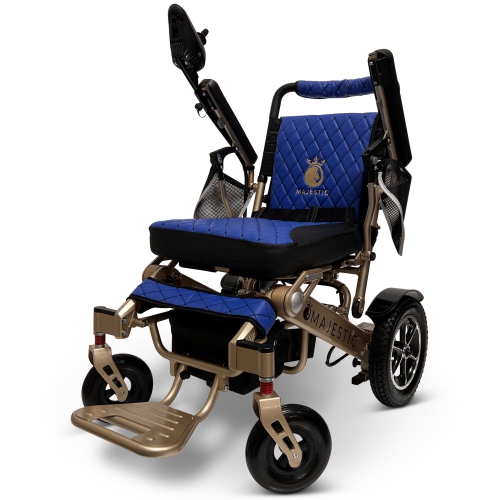
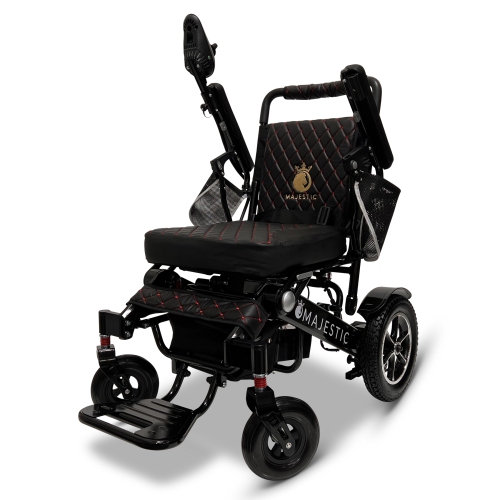
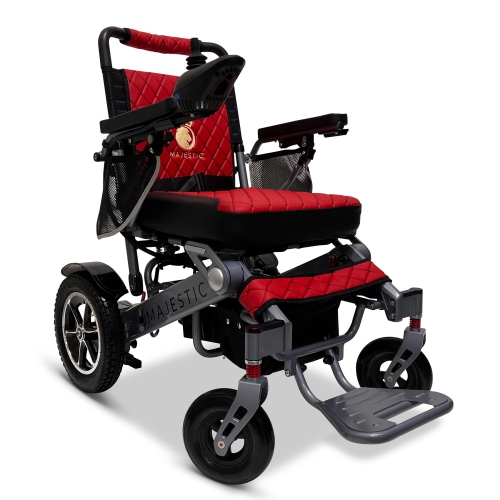
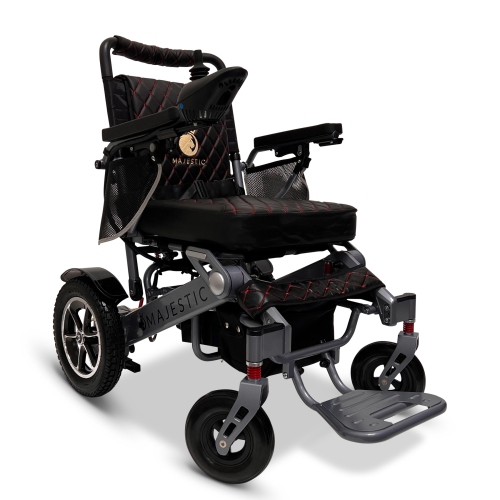
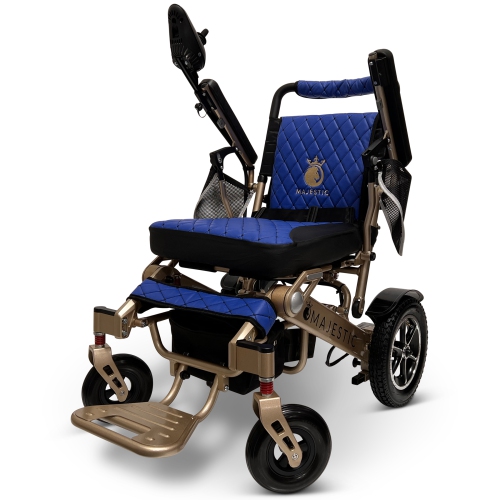
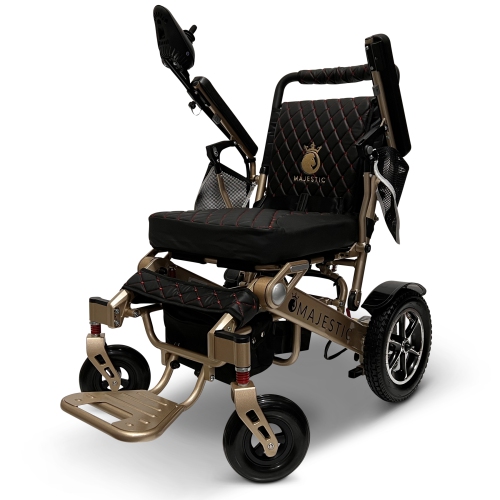
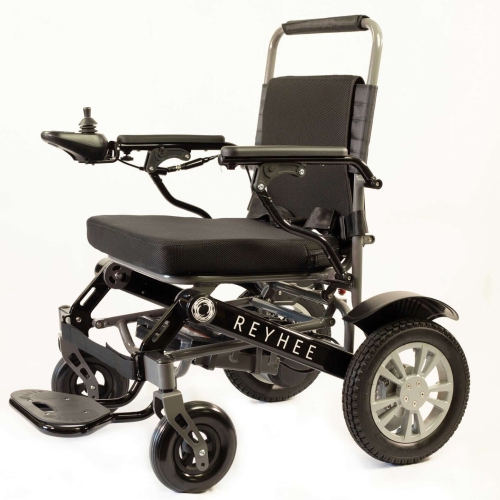
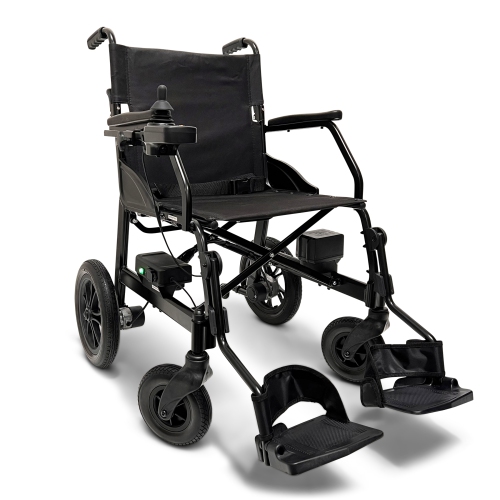
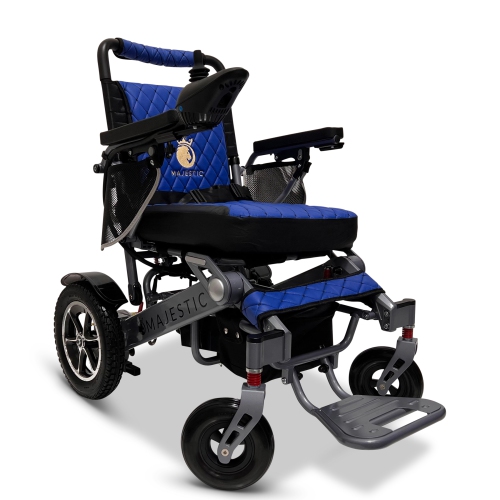
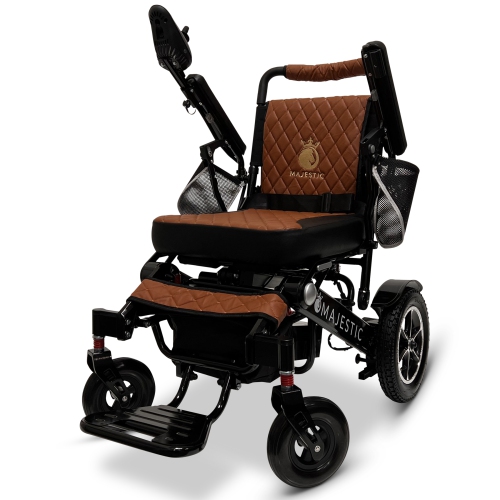
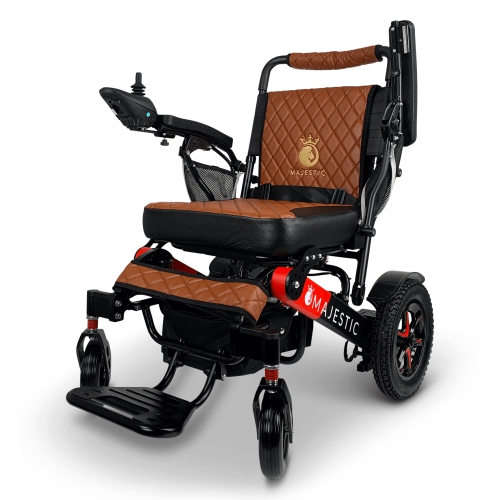
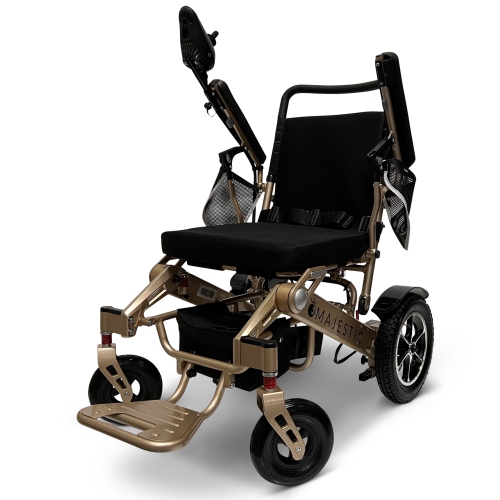
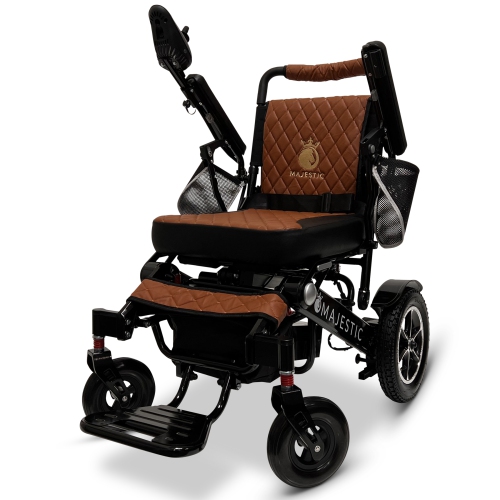
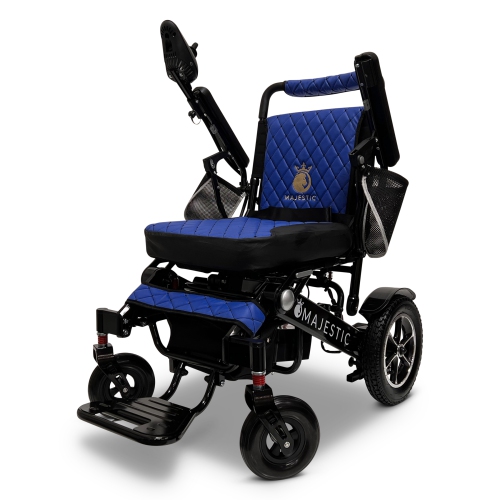
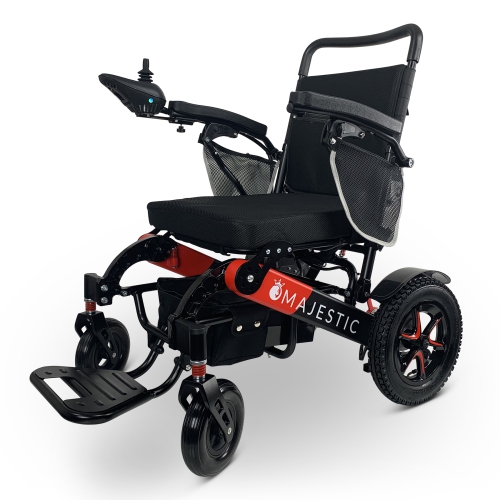
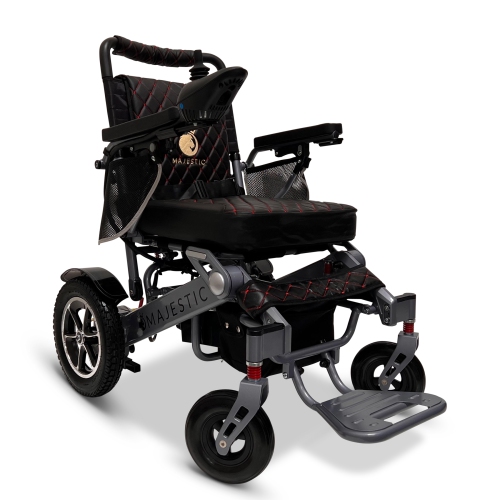
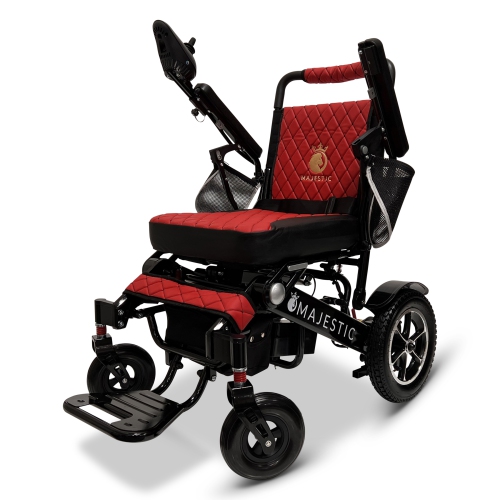
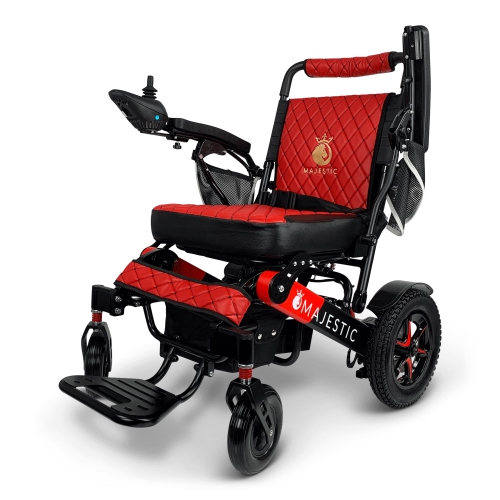
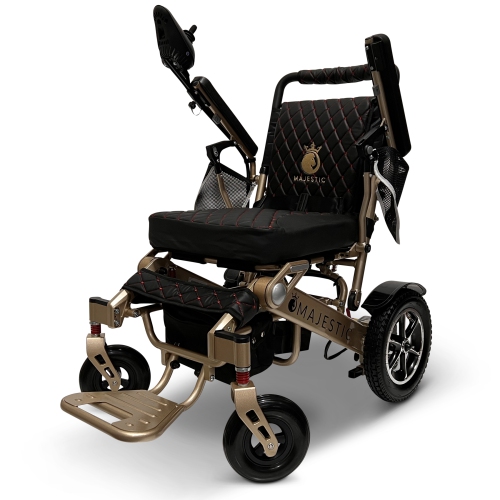
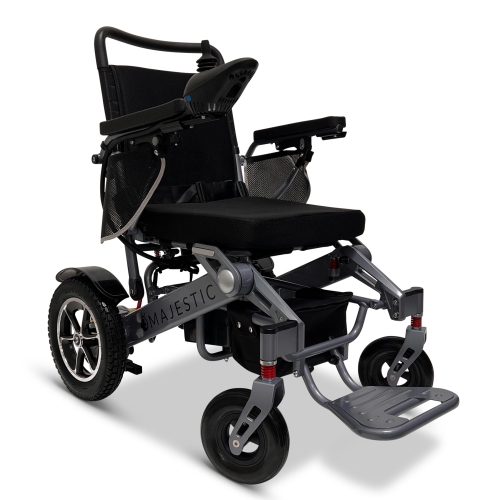
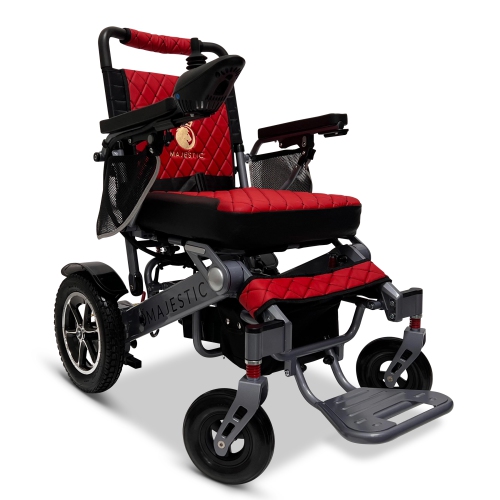
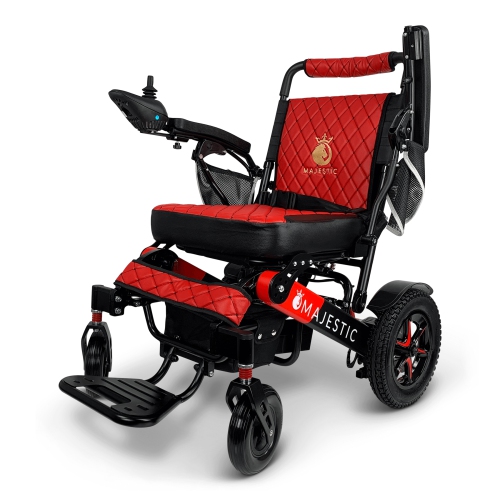
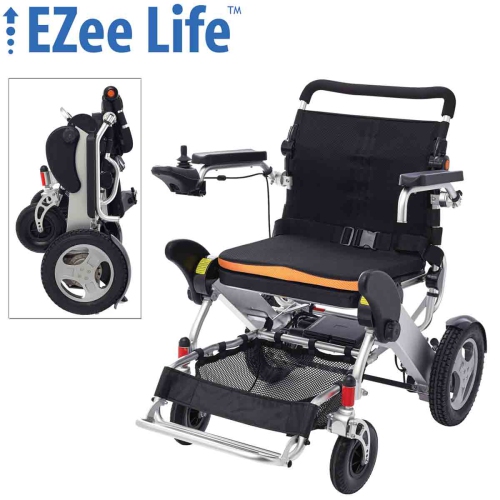
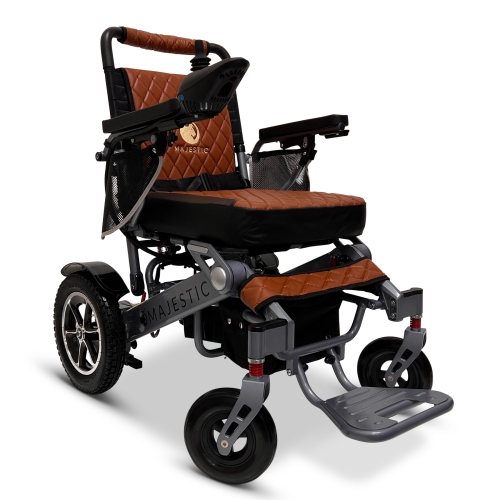
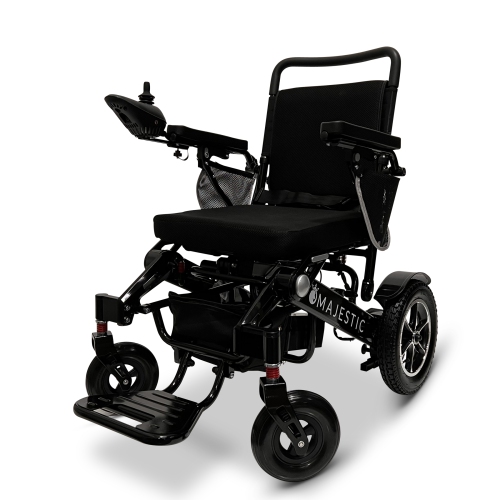
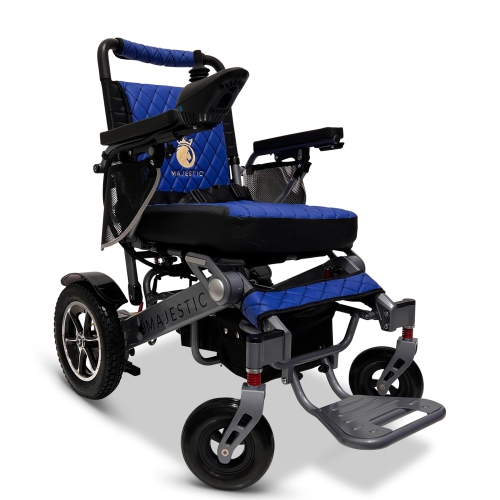
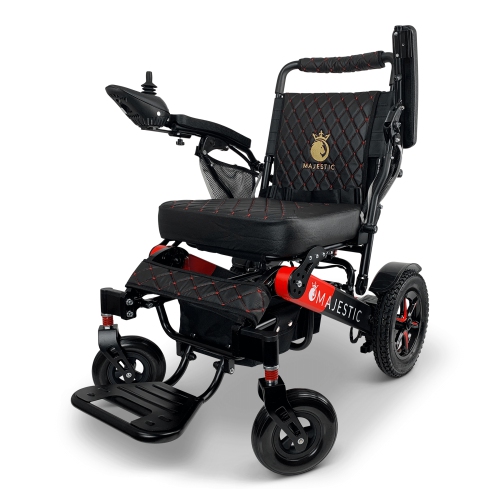
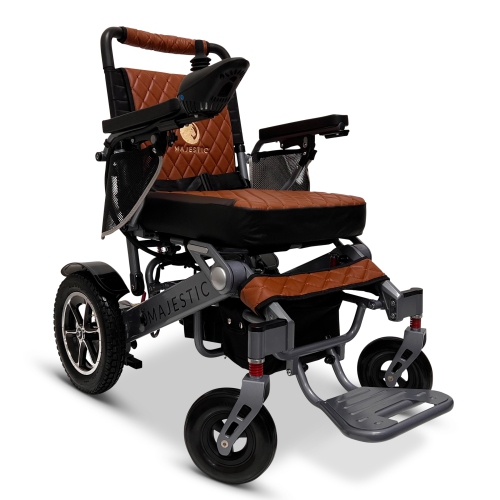
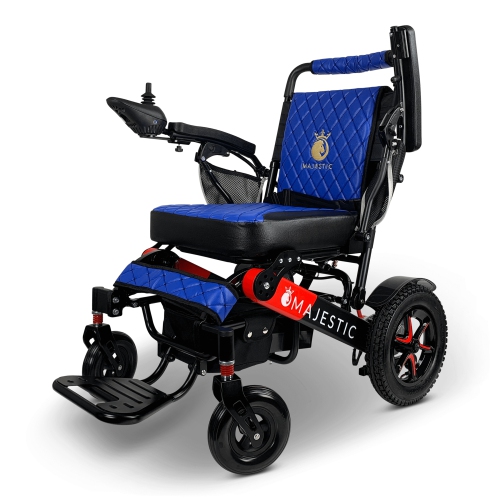
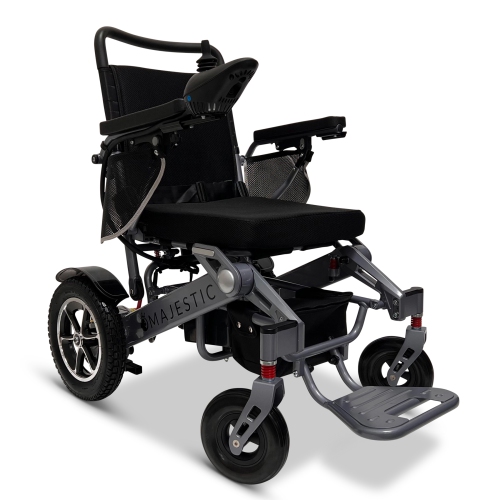
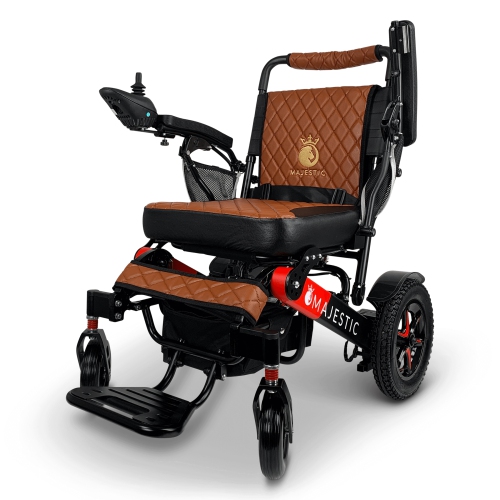
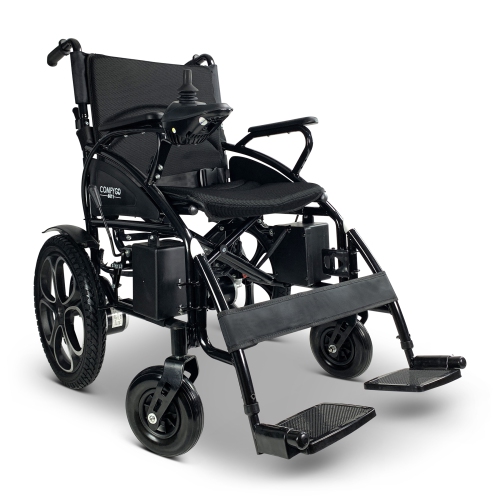
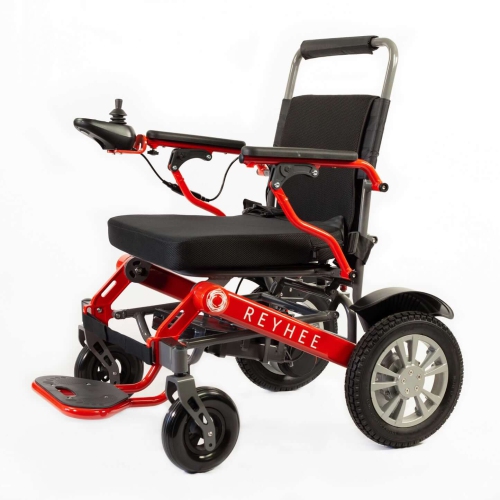
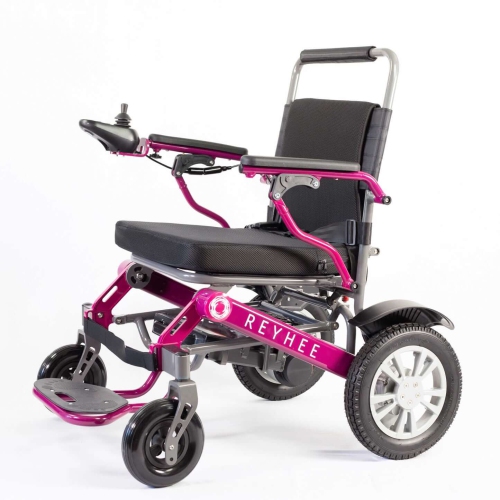
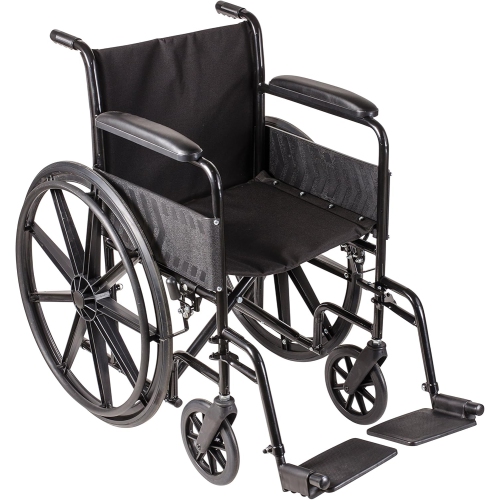
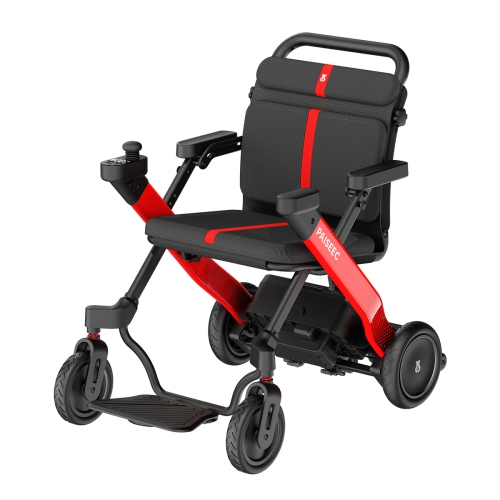
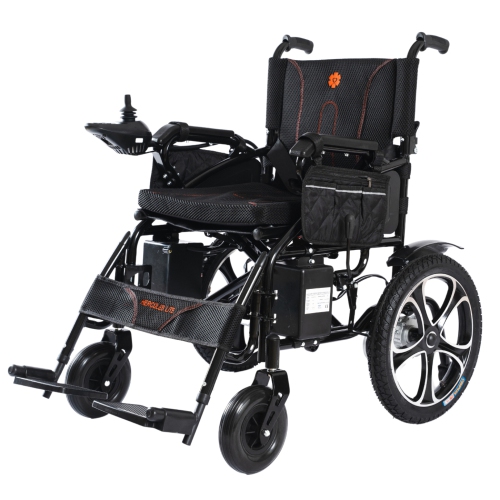
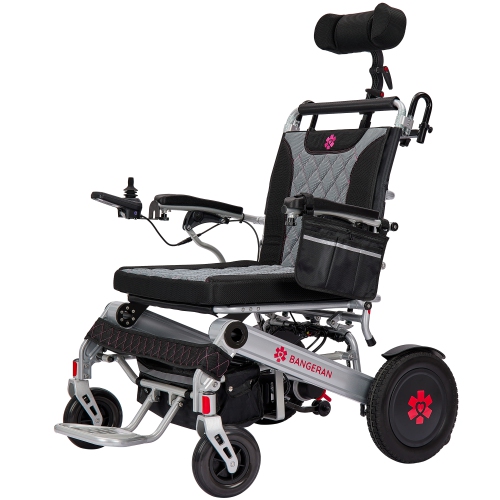
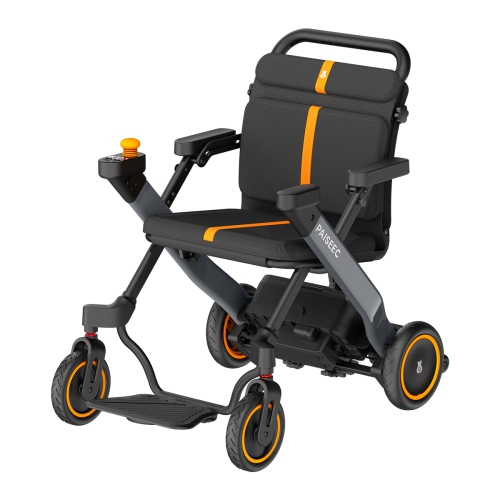
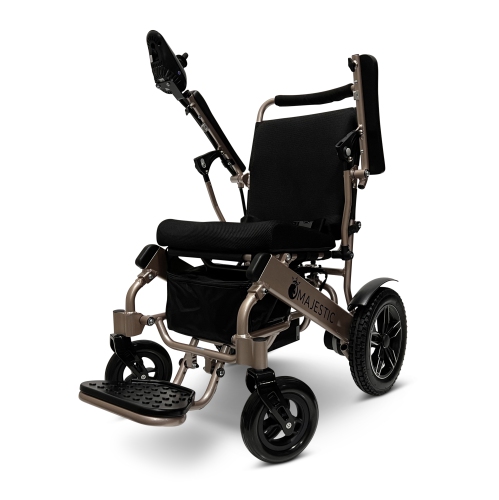
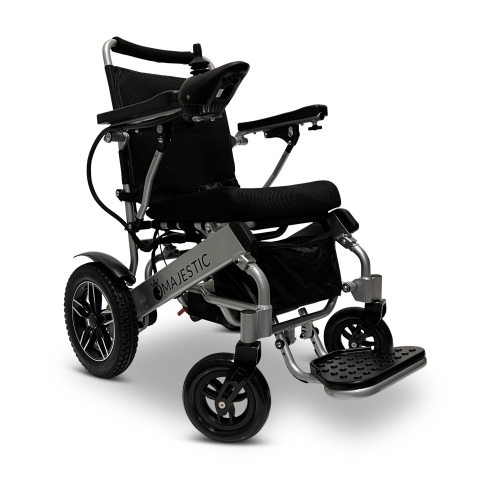
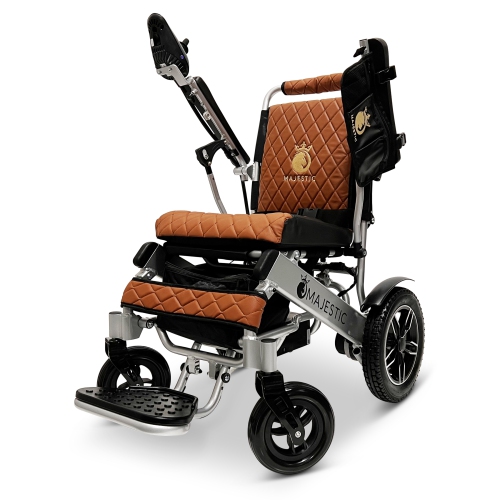
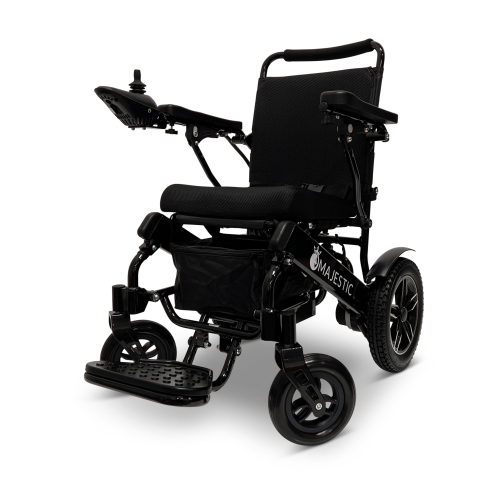
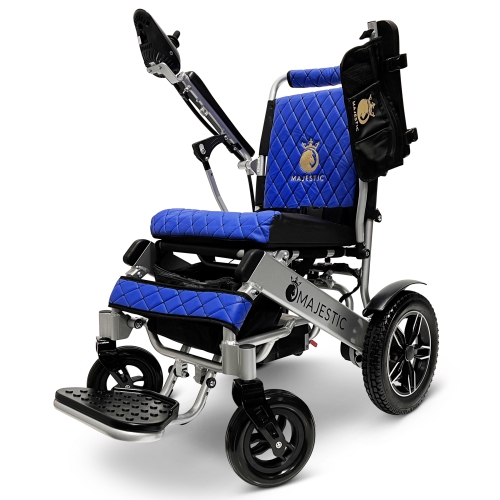
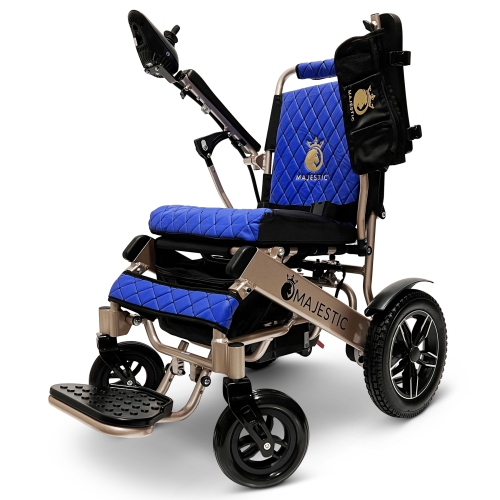
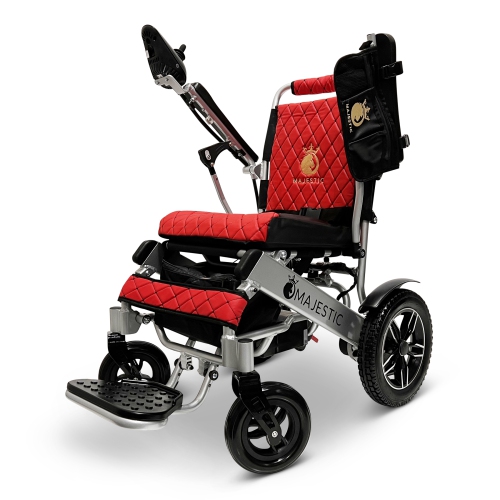
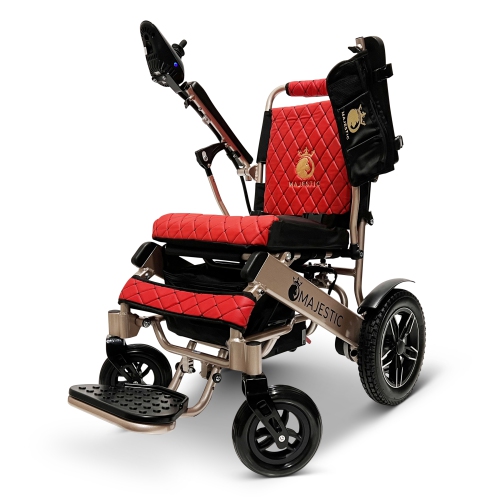
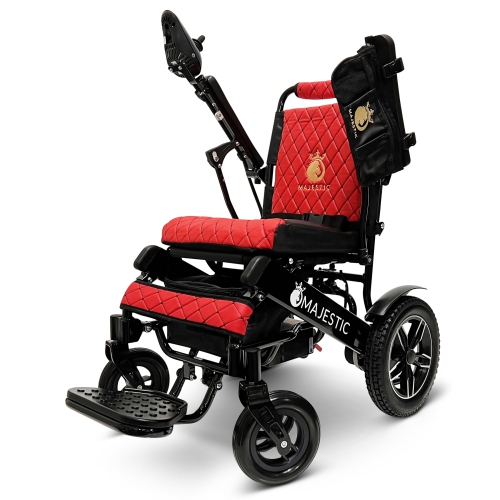
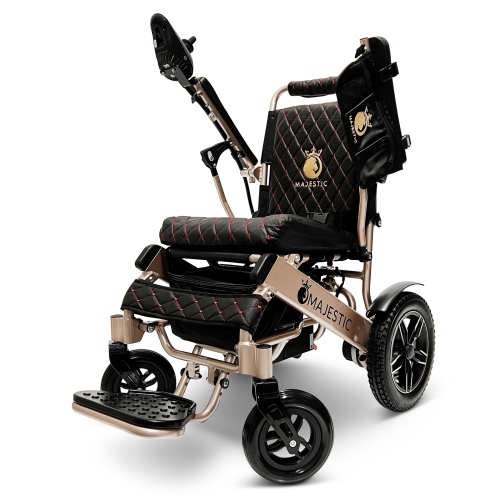
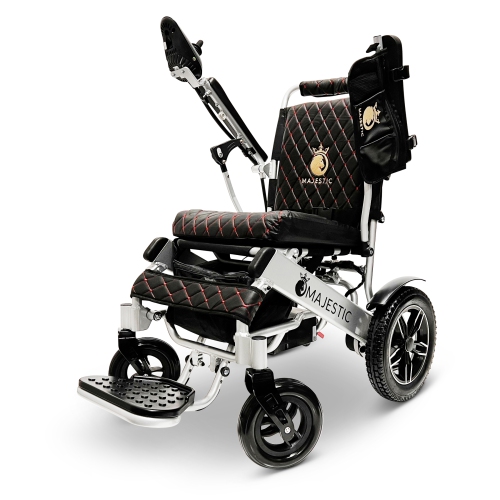
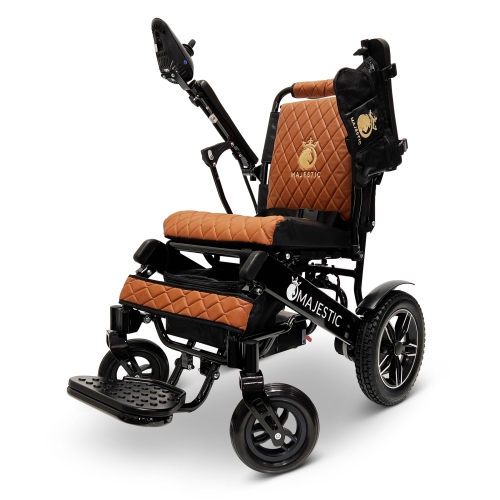
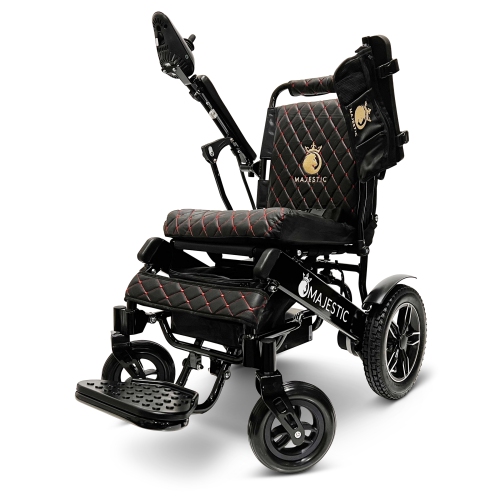
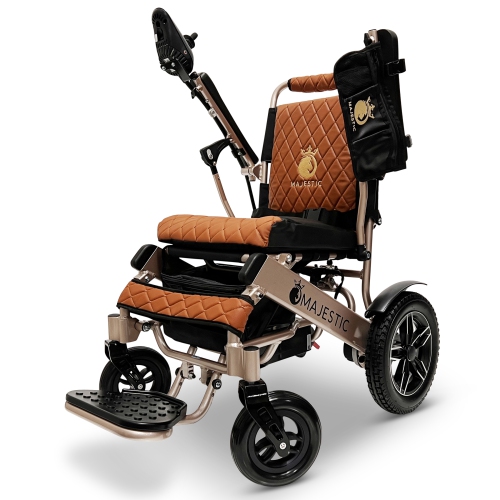
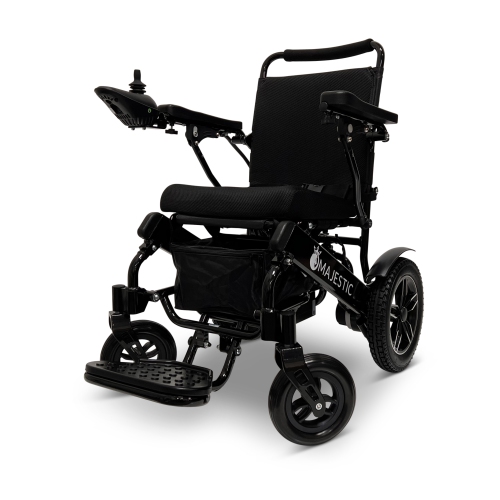
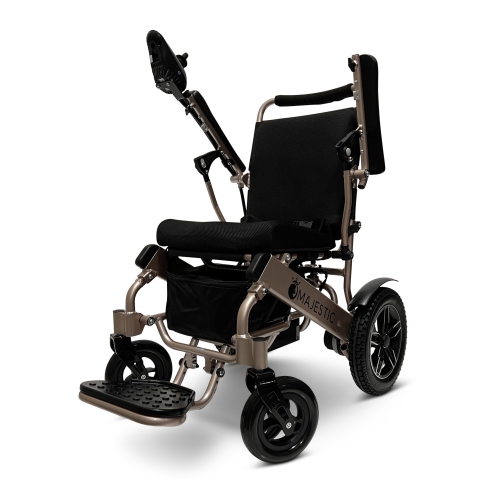
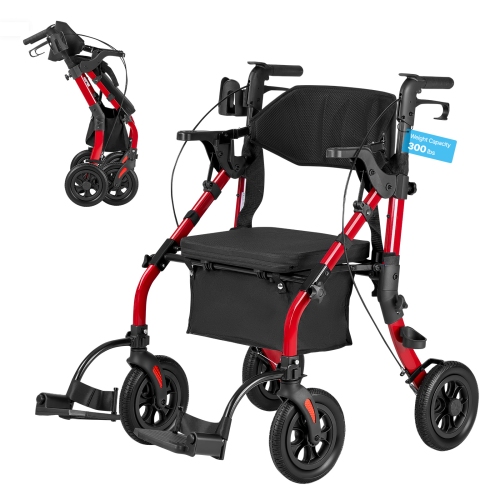
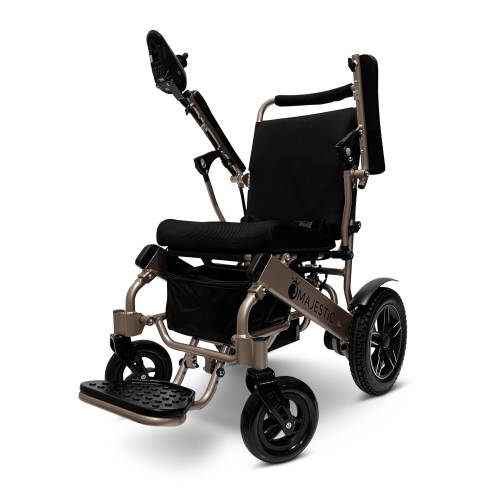
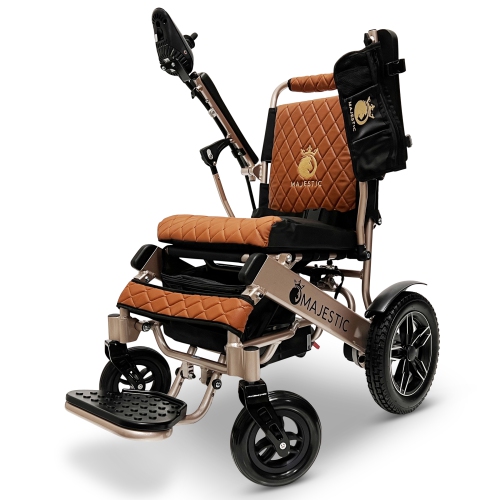
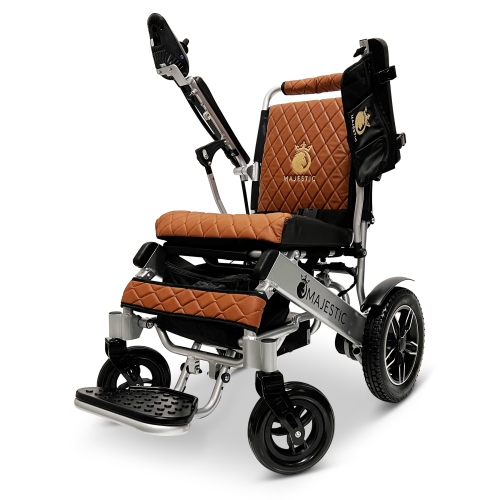
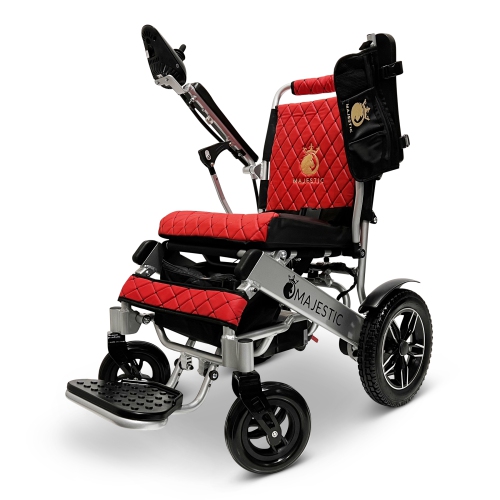
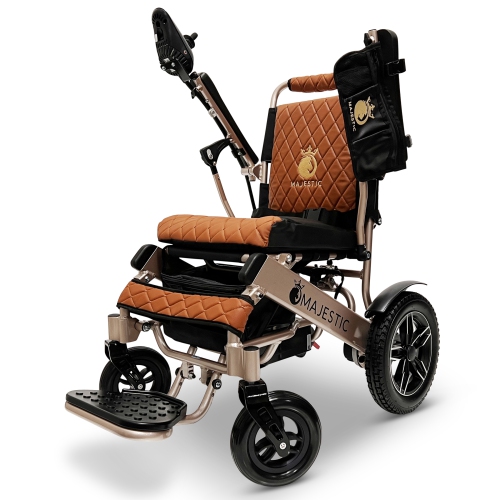
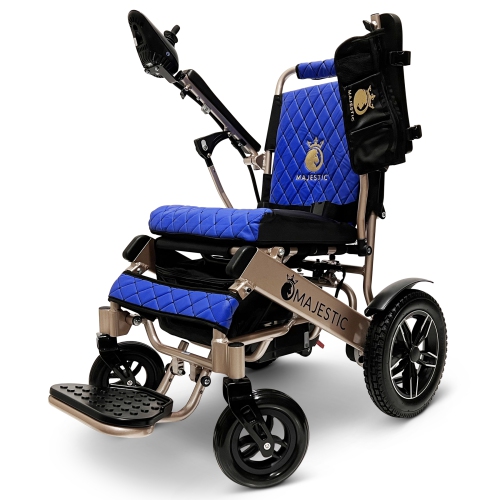
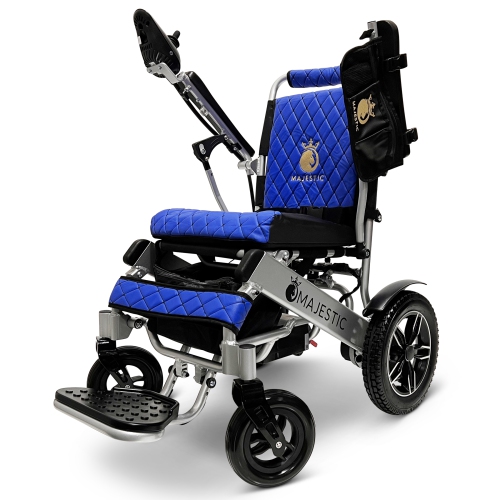
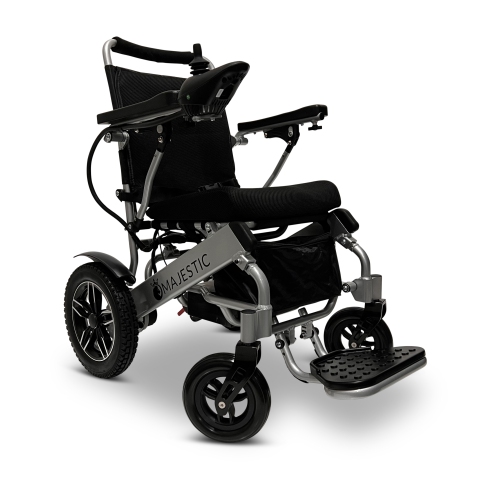
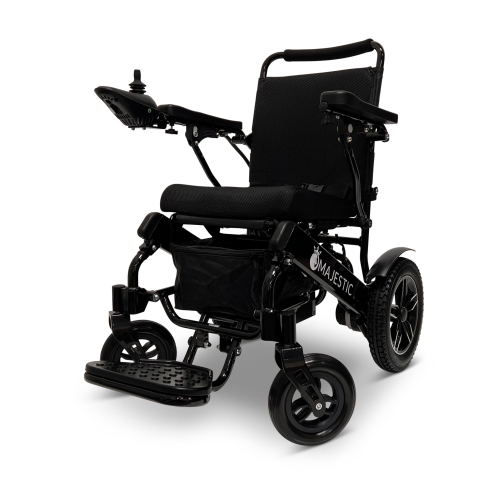
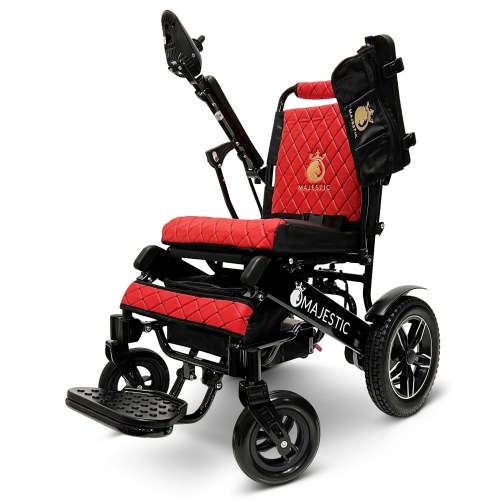
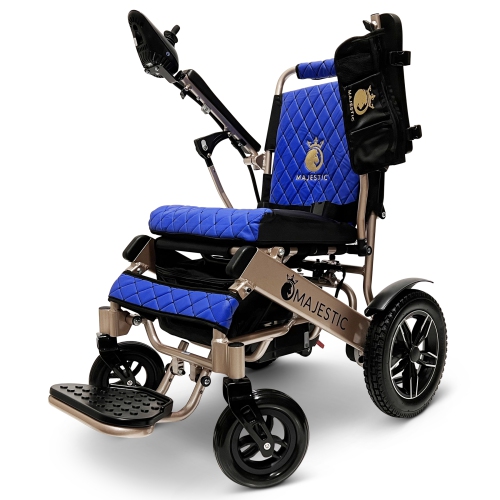
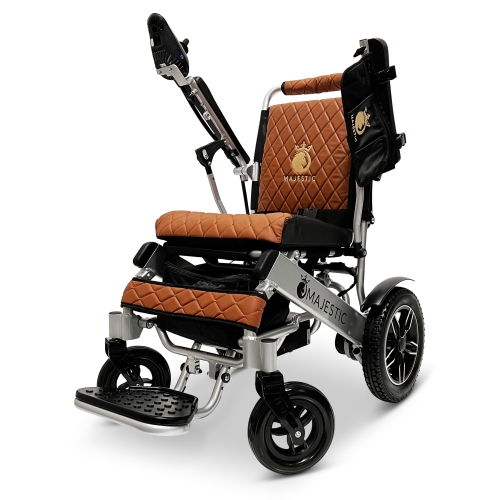
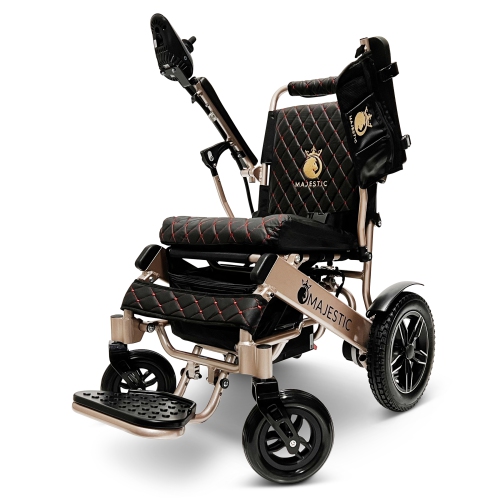
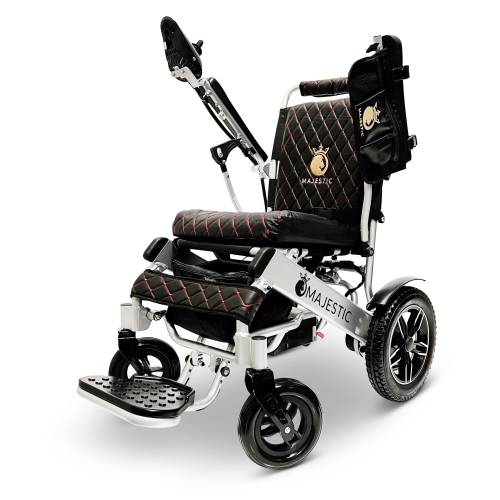
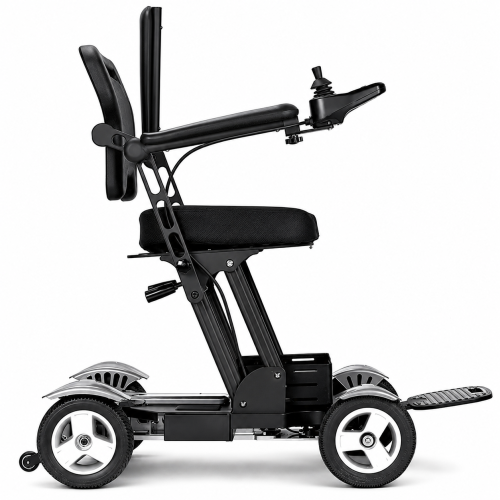
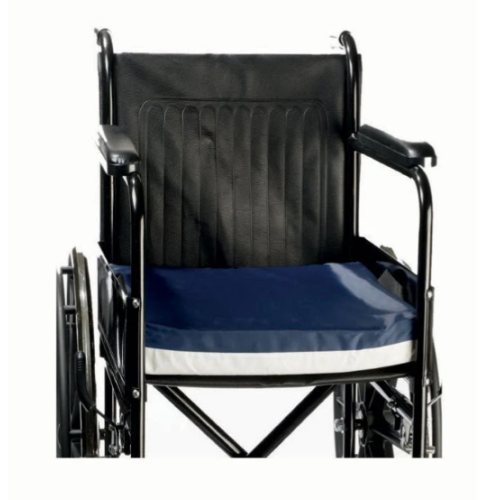
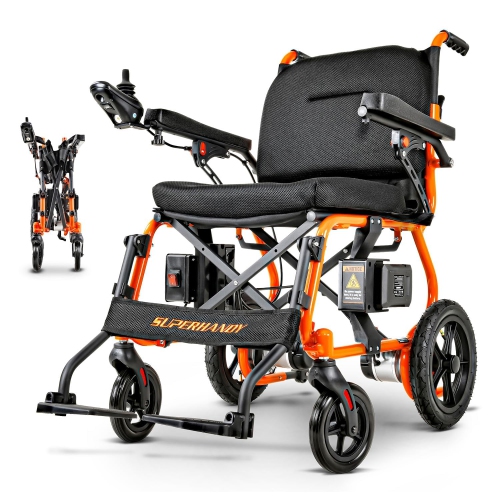
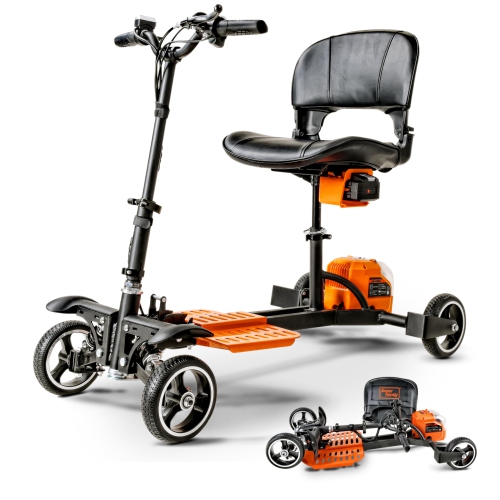
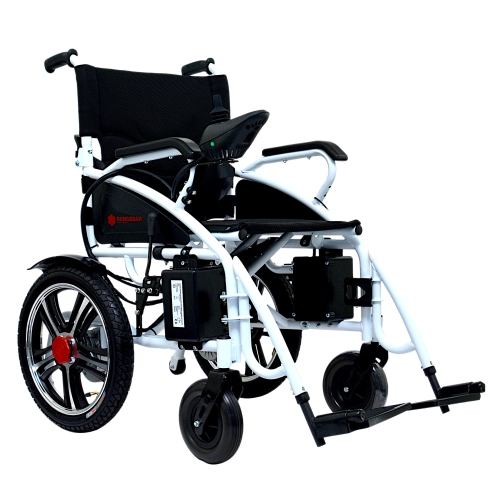
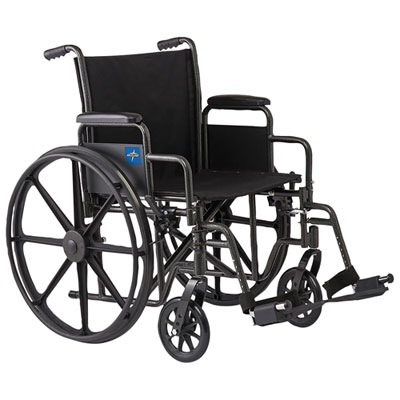
A wheelchair is a mobility device built around a supportive chair with wheels, designed to help someone move through the home, workplace, community spaces, or outdoor areas when walking is difficult, tiring, or not possible. The best choice depends on the person’s mobility, strength, balance, comfort needs, and daily routine. Manual wheelchairs are propelled by the user pushing the large rear wheels or by a caregiver using the push handles, making them a practical option for people who have sufficient upper-body strength or regular assistance. Power wheelchairs use a motor and a control system, commonly a joystick, so they can be suitable for people who cannot comfortably propel a manual chair or who need help travelling longer distances. Transport chairs are generally lighter and more compact, with smaller wheels intended for an attendant to push; they can be useful for appointments, travel, shopping trips, and short outings where portability matters most. When comparing wheelchair options, consider where it will be used, how often it will be transported, the amount of assistance available, and whether the user needs a chair for occasional support or everyday mobility. A chair used mainly indoors may need a tighter turning radius for hallways and doorways, while outdoor use calls for sturdy construction, dependable brakes, and wheels suited to pavement, ramps, and uneven surfaces. Measuring the user and the spaces they move through is also important. Seat width and depth should provide comfortable support without making it difficult to reach the wheels or navigate narrow areas, while seat height can affect transfers and foot placement. Weight capacity should always meet or exceed the user’s weight, and a qualified healthcare professional or mobility specialist can help confirm fit when positioning, posture, or pressure management is a concern.
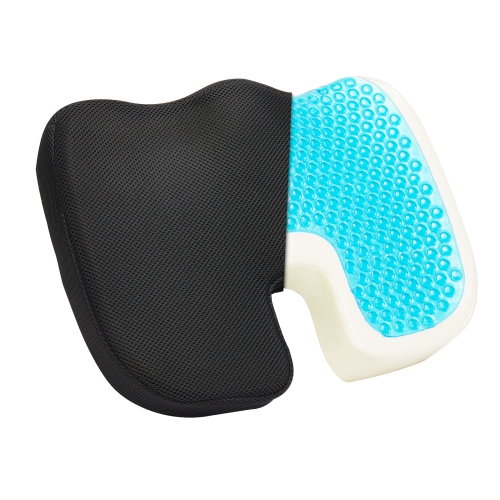
Convenience features can make a noticeable difference during everyday use. Foldable frames are helpful when a wheelchair needs to fit in a vehicle or be stored in a closet, while removable or swing-away footrests can simplify transfers and make it easier to position the chair near a table or bed. Removable armrests may help with side transfers, and adjustable foot supports can improve comfort by keeping the legs properly supported. Locking hand brakes, wheel locks, anti-tip features, and push handles provide added control for the user or caregiver, particularly on inclines and during transfers. Padded seating and back support may be appreciated during longer periods of use, although cushioning should not interfere with posture or safe positioning. For power models, pay attention to control placement, battery range, charging requirements, turning ability, and the type of surfaces the chair can handle. A manual model may be easier to lift and store, while a powered option can offer greater independence but may require more planning for charging and transportation. It is also worth considering door widths, lift or ramp access, vehicle space, and the availability of replacement parts or accessories. During the cooler months, indoor routes may become especially important as snow, ice, wet floors, and heavy outerwear can affect movement and transfers. Keeping pathways clear, using accessible entrances, and allowing extra time can help make outings more comfortable. Caregivers may also value a lightweight frame, ergonomic push handles, and straightforward folding mechanisms when helping someone attend appointments, visit family, or enjoy a community activity.
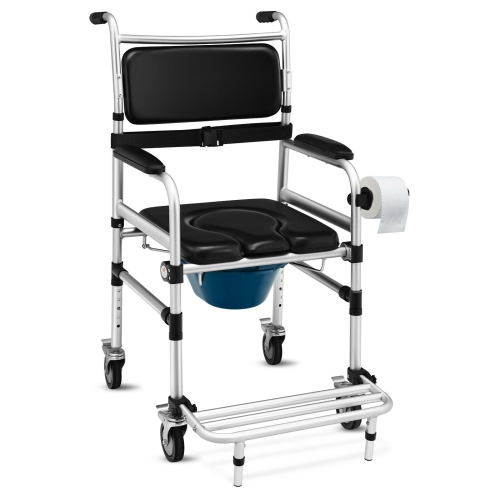
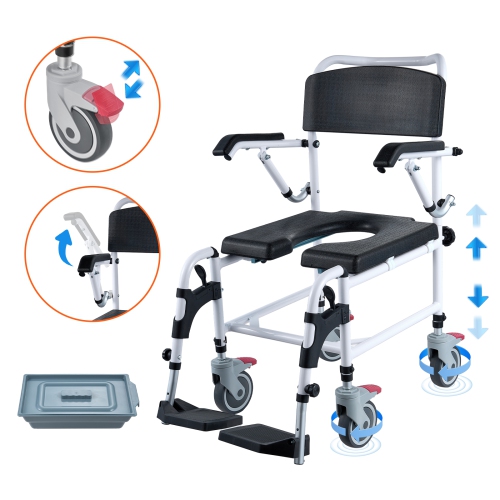
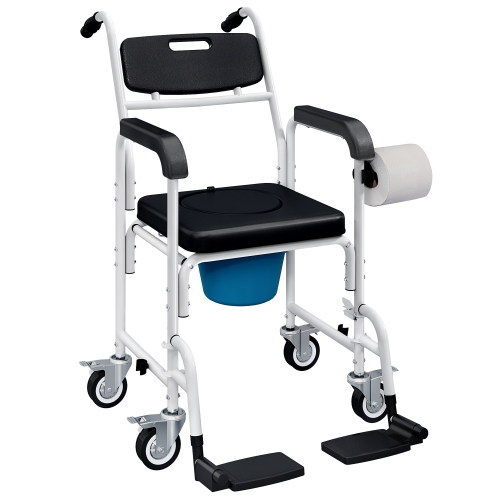
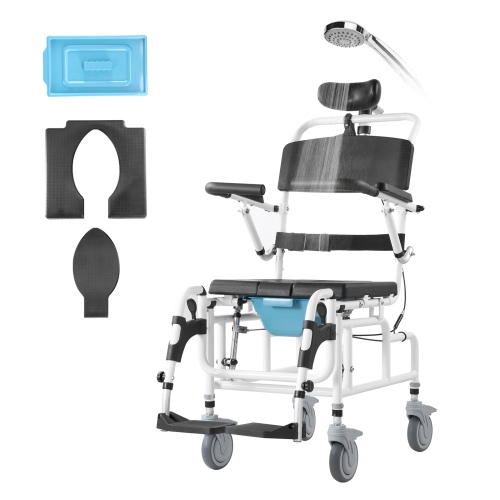
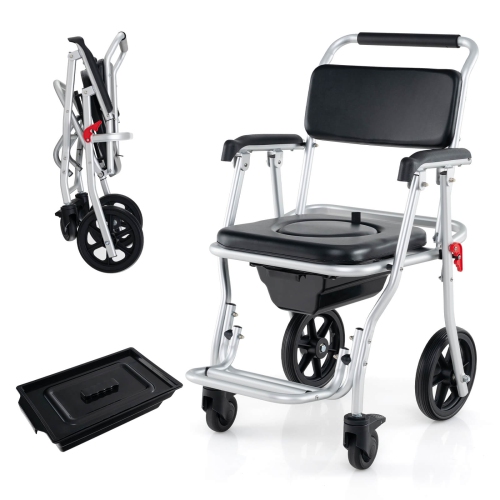
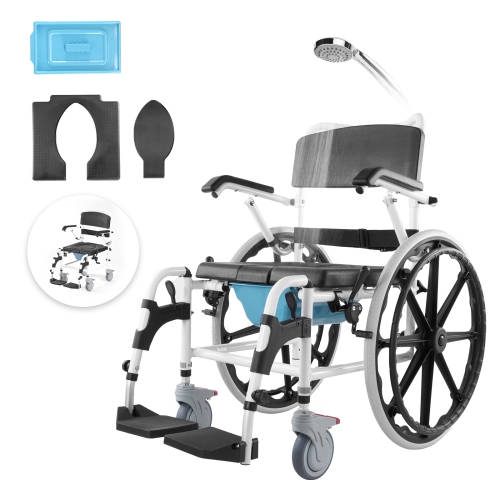
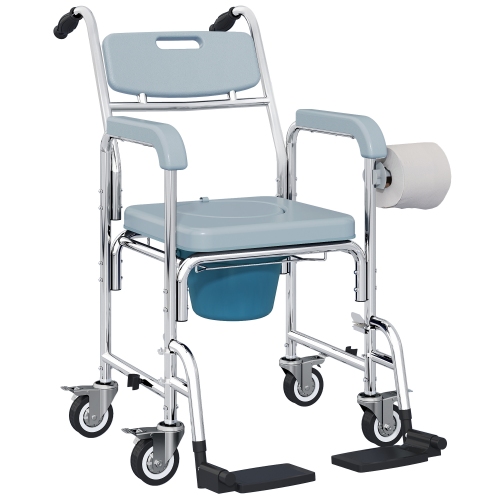
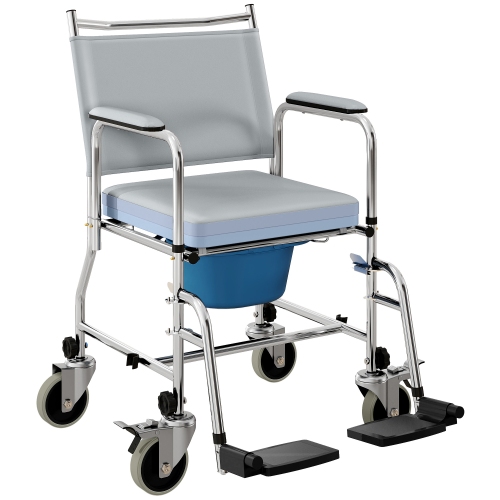
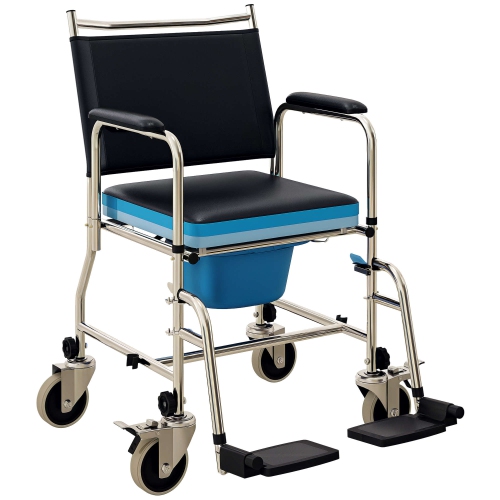
Wheelchairs can support people recovering from an injury or procedure, living with a long-term disability, managing reduced strength, or experiencing fatigue that makes walking unsafe. They may also be used by older adults who need additional stability for daily routines, or by someone who can walk short distances but requires seated mobility for larger spaces such as hospitals, airports, shopping centres, and recreational venues. A wheelchair can be purchased for personal use, shared household use, or as a thoughtful practical gift for a family member who has begun relying on mobility assistance, although the recipient’s measurements, preferences, and clinical recommendations should guide the decision. Alongside a wheelchair, some households may look for related equipment that supports safe routines in the bathroom, including Commode Chairs. Before purchasing, check the product specifications carefully and look for information about seat dimensions, overall width, folded size, weight, weight capacity, wheel configuration, and included accessories. If the chair will be used every day, comfort, adjustability, serviceability, and ease of cleaning deserve as much attention as the initial fit. If it will be used mainly for travel, a lighter design and compact folded profile may be more valuable. Canadian buyers may also wish to review provincial assistance programs and eligibility requirements, since coverage for approved mobility equipment can vary by province, individual circumstances, and whether the equipment is intended for daily use. A healthcare provider, occupational therapist, physiotherapist, or qualified mobility professional can offer guidance on safe transfers, seating position, pressure relief, and the most suitable type of wheelchair. With the right fit and features, a wheelchair can make ordinary moments feel more manageable, from moving between rooms at home to joining loved ones outdoors as the weather warms or staying comfortably mobile during colder, busier seasons.
Top selling and popular products
-
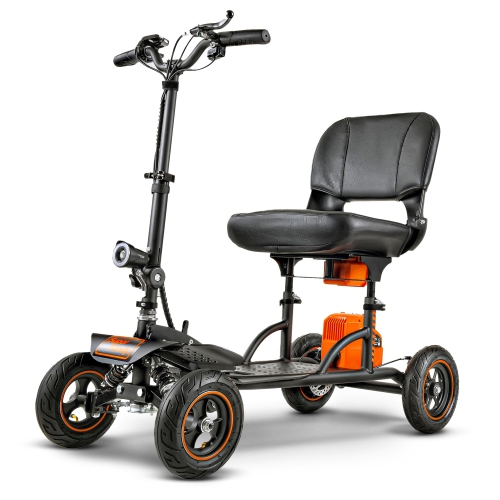 Your price for this item is $1100.99
-
 Your price for this item is $950.99
-
 Your price for this item is $999.99
-
 Your price for this item is $1999
-
 Your price for this item is $314.98
-
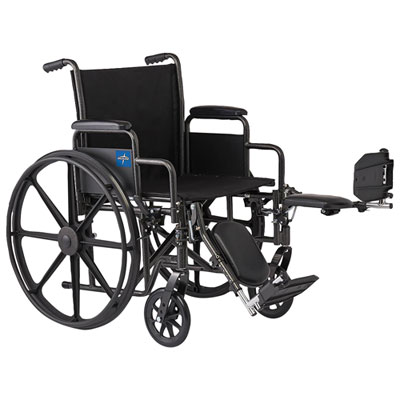 Your price for this item is $458.98
-
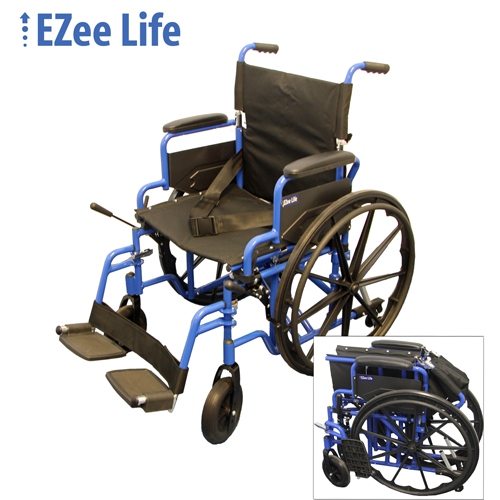 Your price for this item is $349.99
-
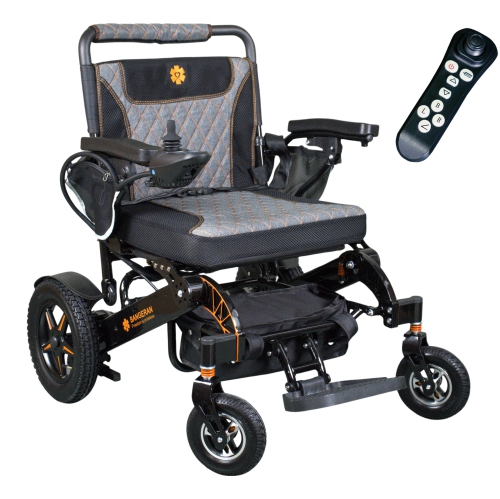 Your price for this item is $2039
Discover more categories related to Wheelchair
Top Collections:
Pokemon Centers, Kindle Devices, Best Budget Office Chairs, Canon G7X Cameras, Apple iPhones 16, Samsung Galaxy Phones, Refurbished Apple Laptops, Laptops for Students, iPhone 15 Apple, Budget Smartphones
Some products may be subject to Environmental Handling Fees
(EHF) depending on your province.
Learn more about EHFs.