Treadmills With Bluetooth
Enhance your workout experience with our selection of treadmills equipped with Bluetooth technology. With the ability to seamlessly connect your devices, these treadmills offer a whole new level of entertainment and motivation while you sweat it out. Whether you want to stream your favorite music, watch videos, or track your progress through fitness apps, our Bluetooth-enabled treadmills make it easy to stay connected and engaged during every step of your fitness journey. Discover the perfect treadmill that combines cutting-edge technology with top-notch performance, right here at Best Buy Canada.
Sort

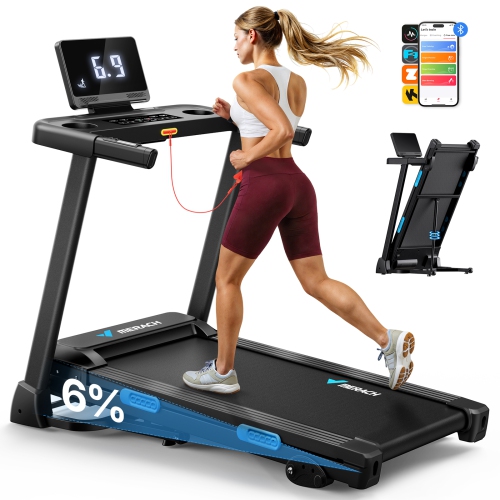
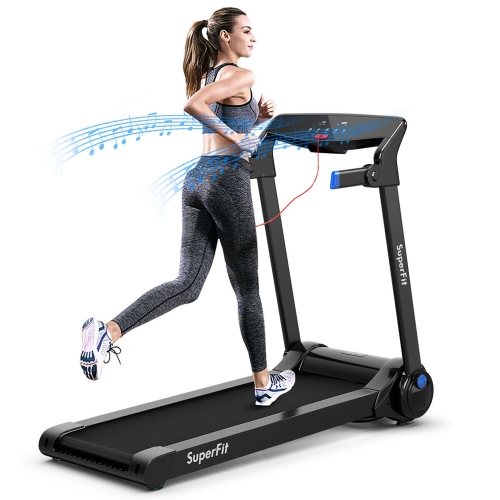
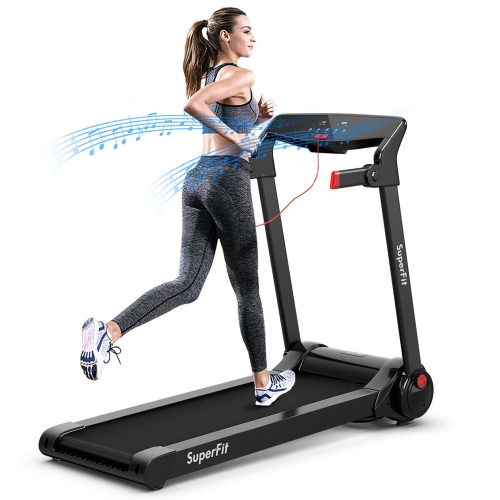
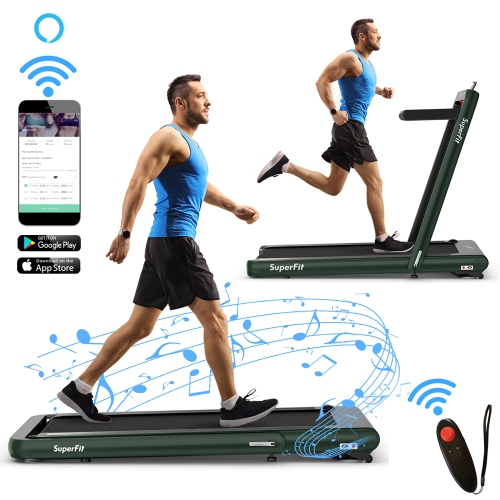
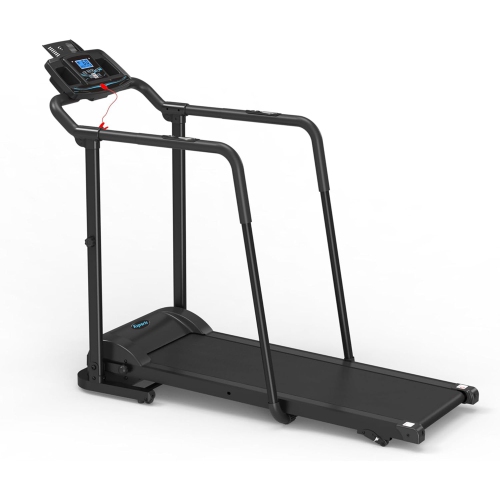
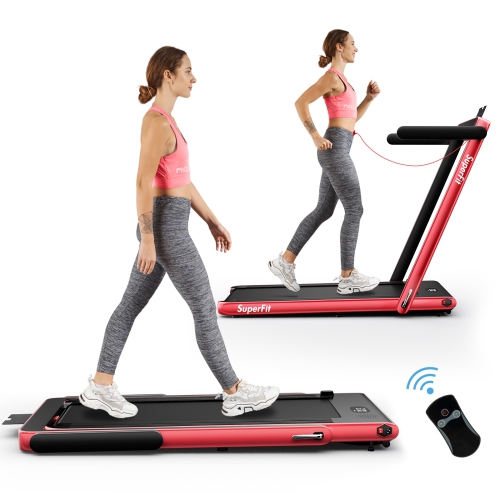
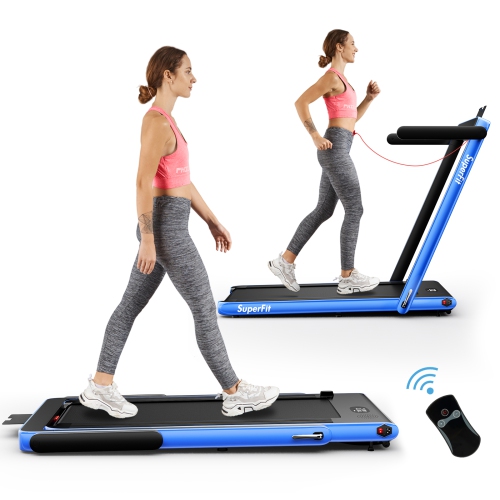
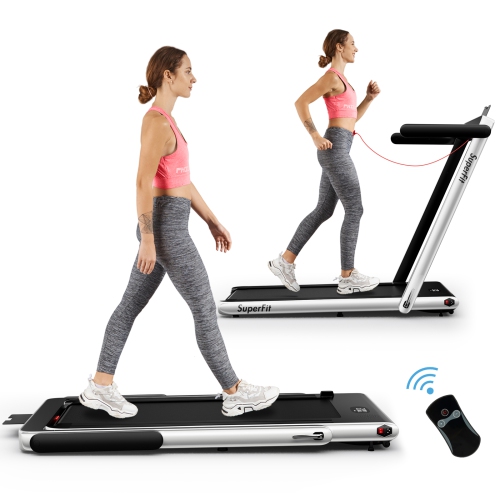
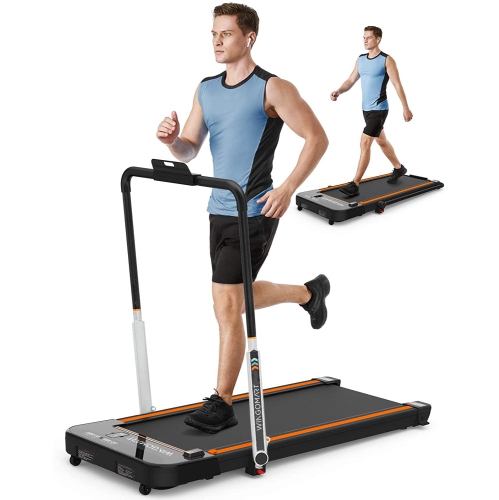
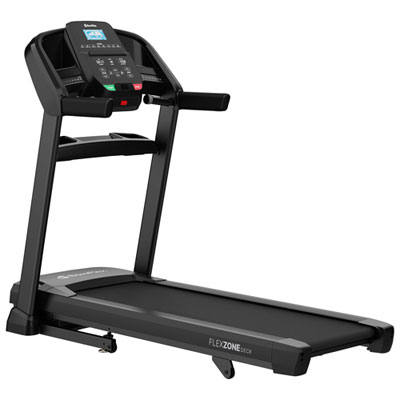
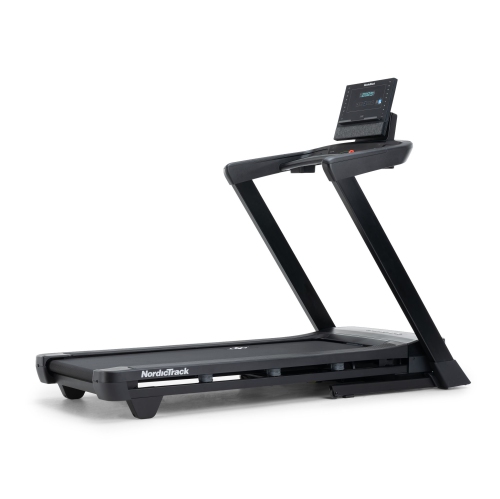
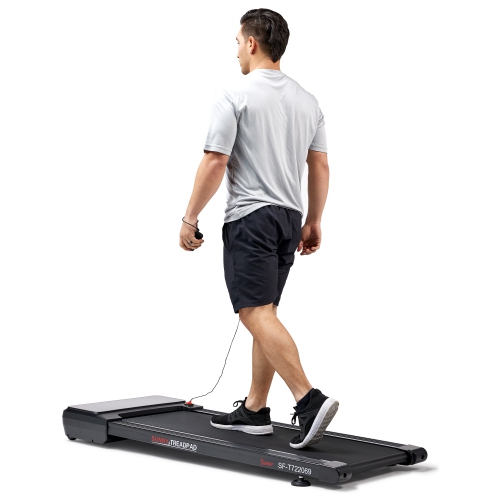
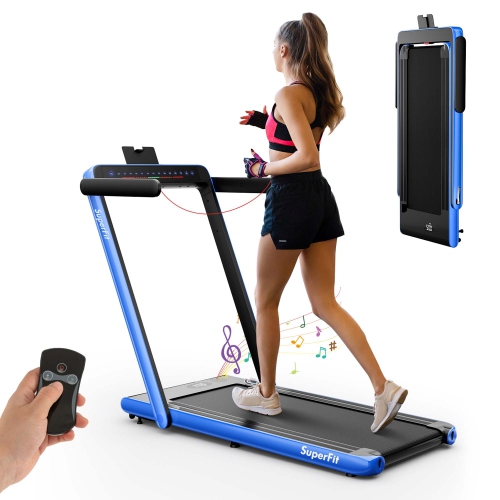
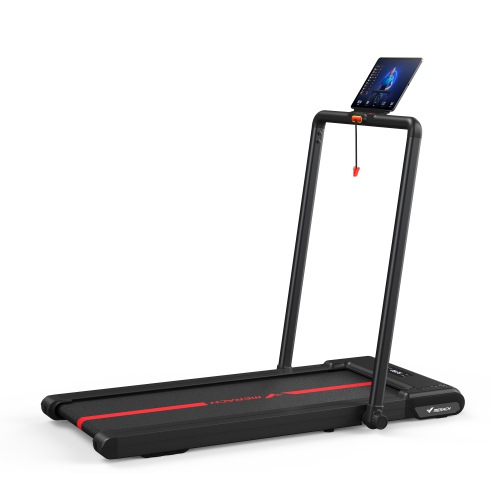
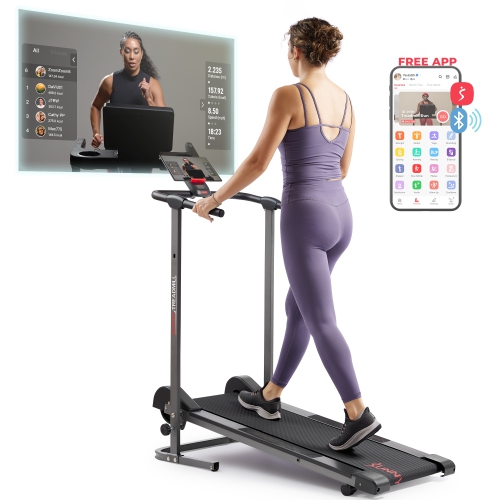
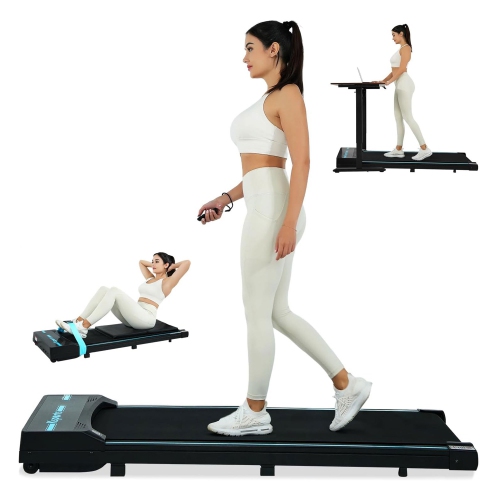

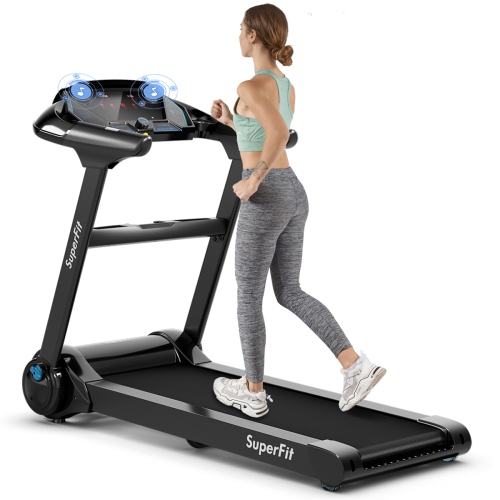
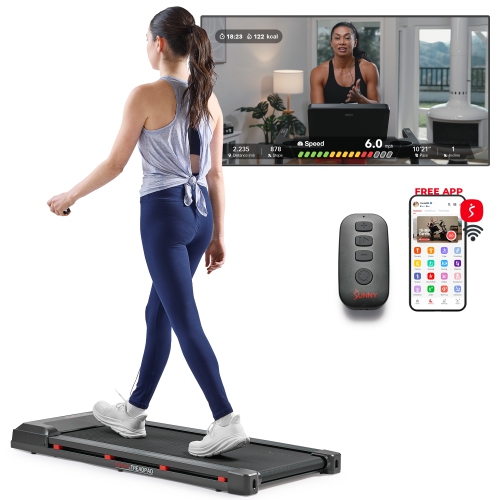
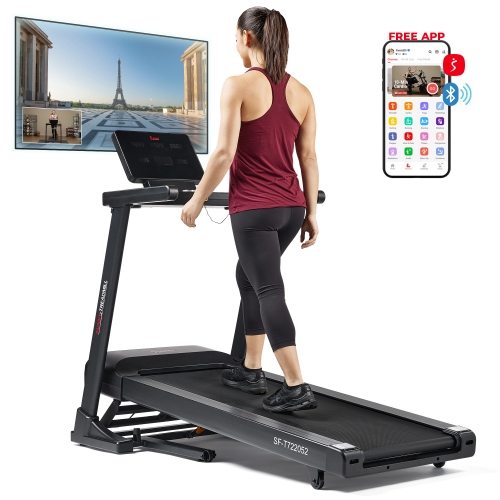

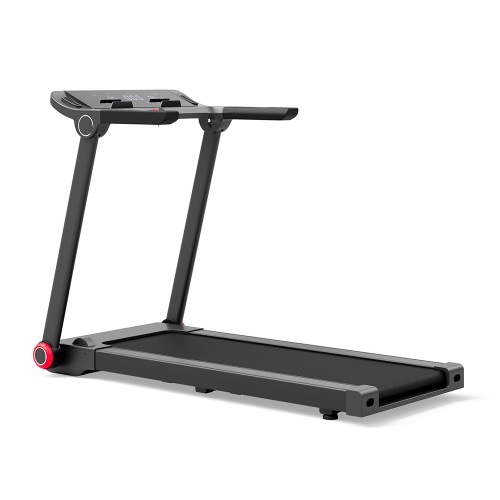
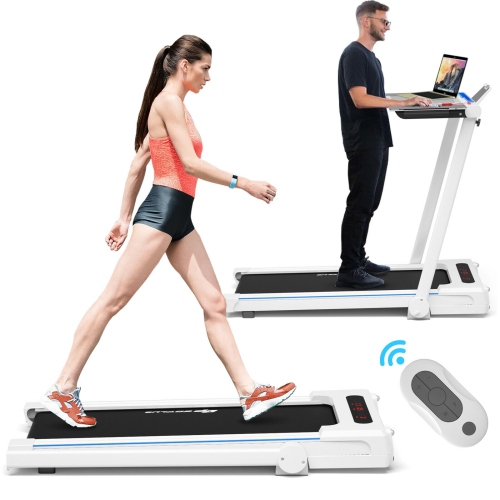
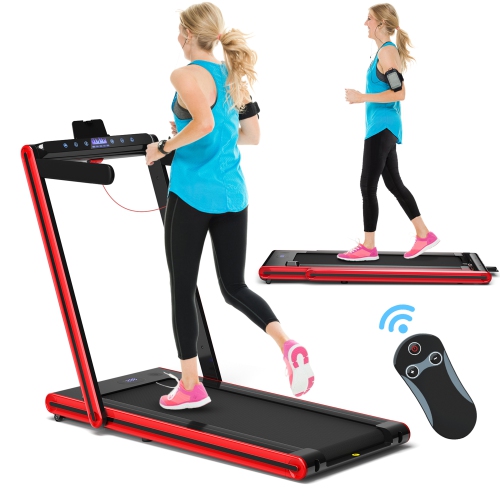
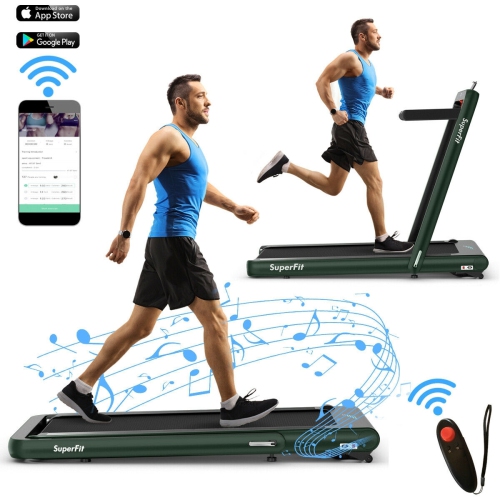
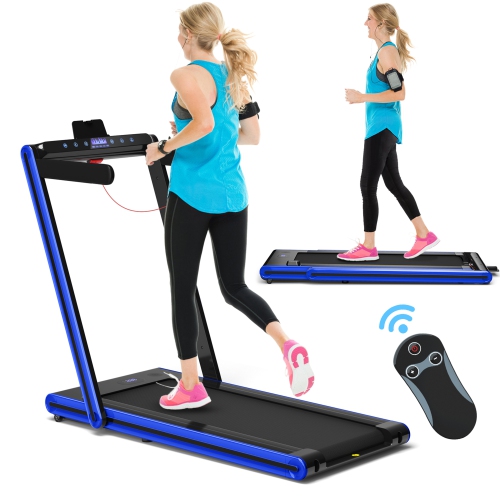


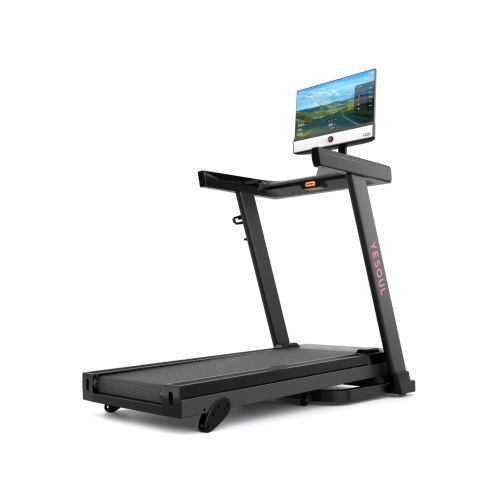
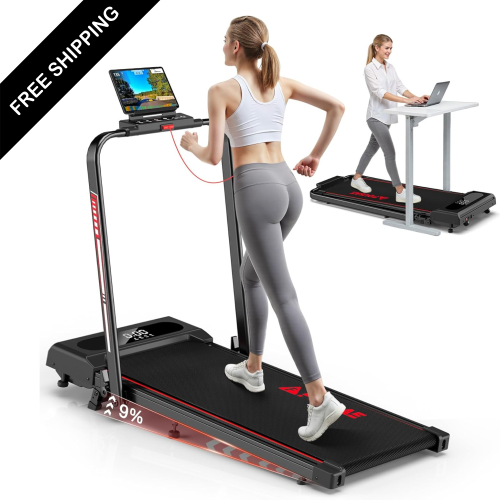
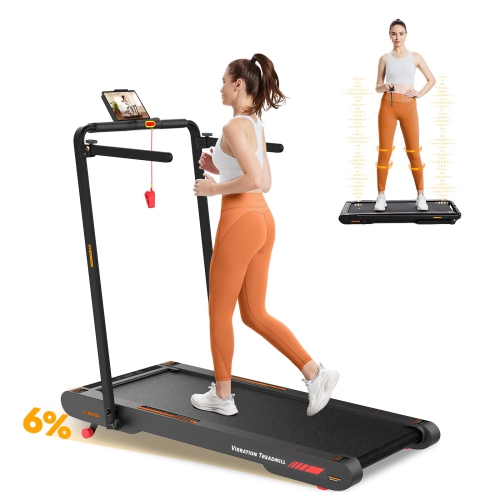
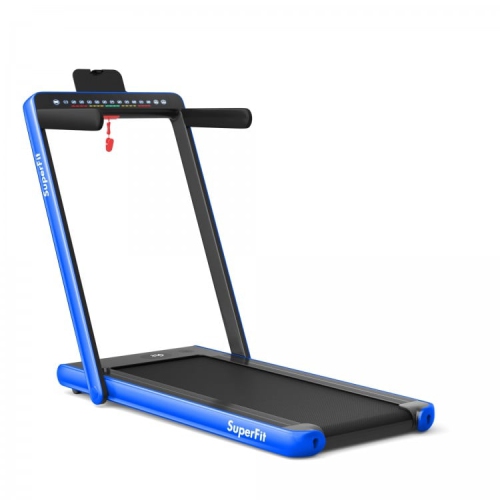
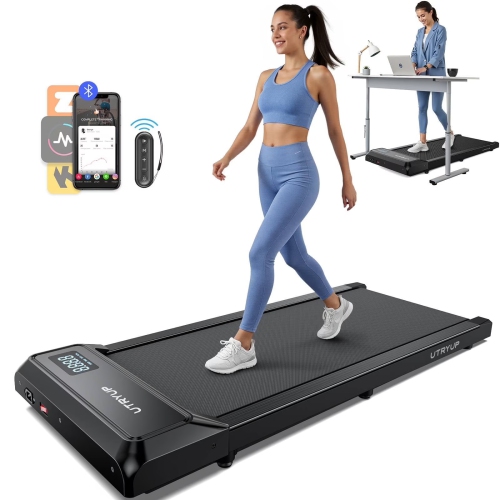
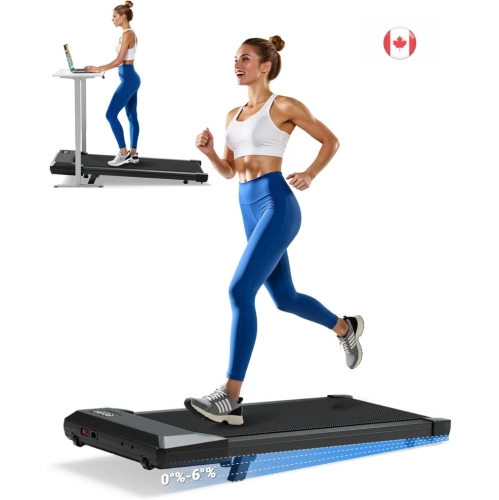
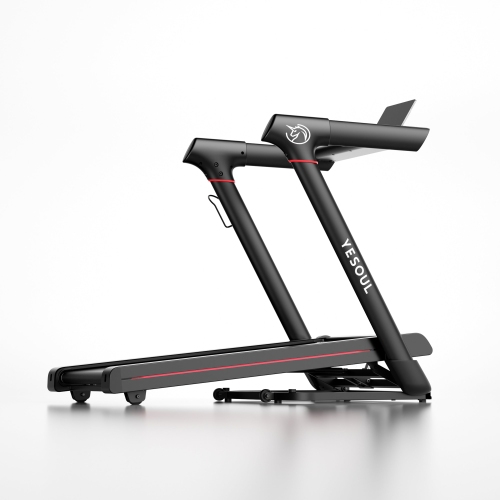
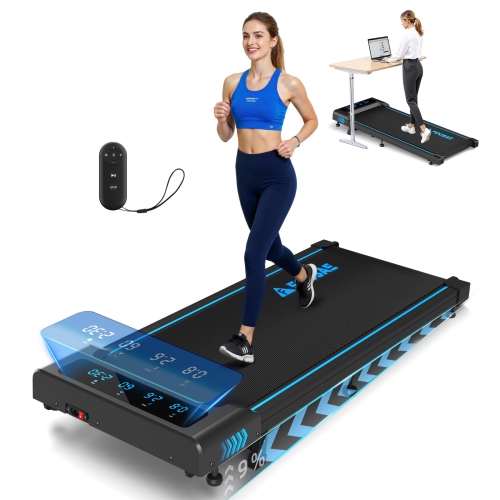
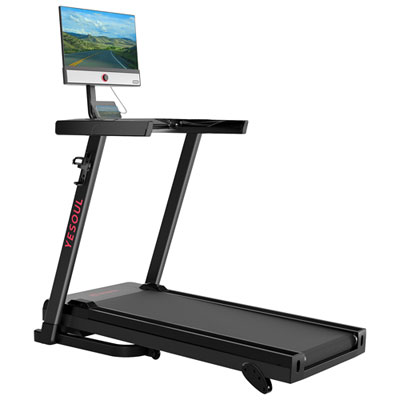
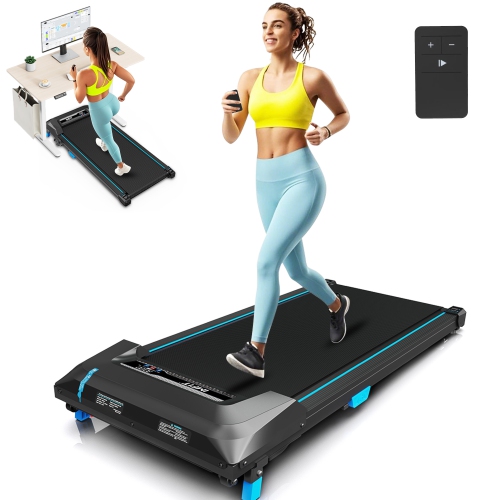
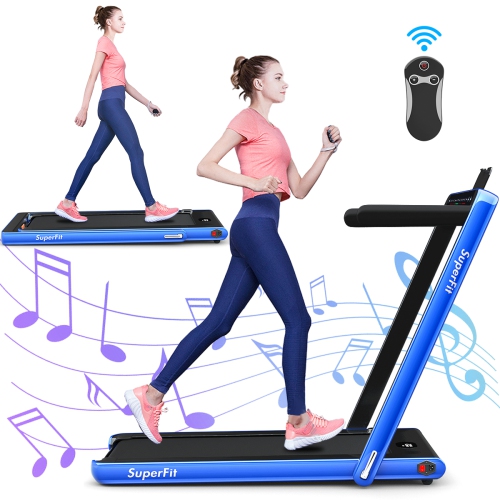
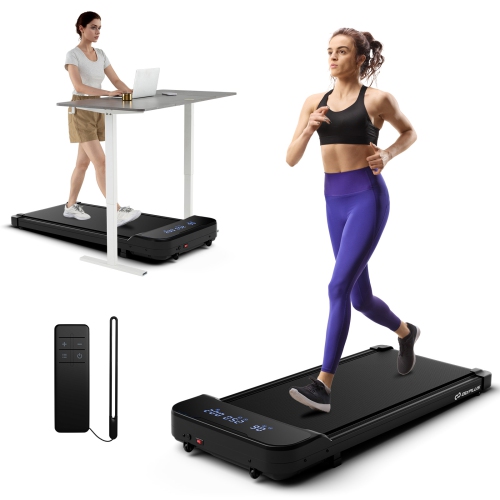
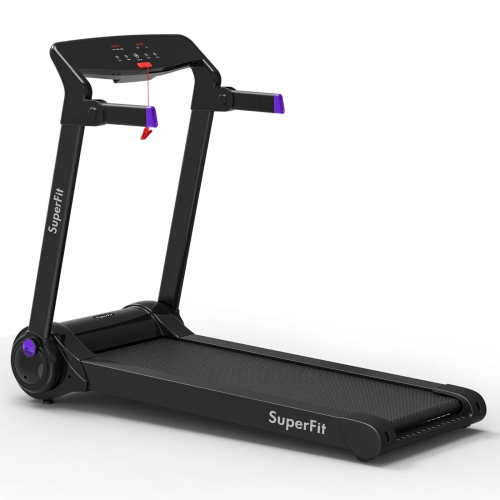
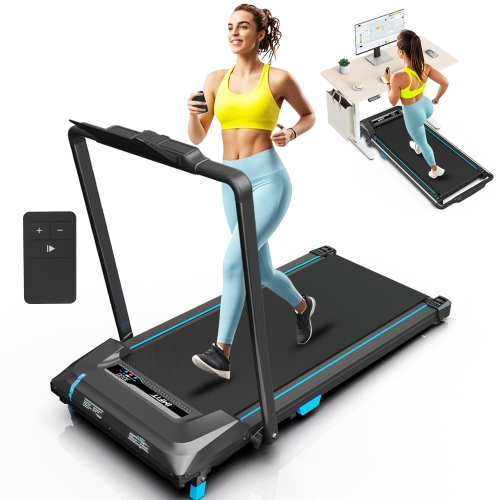
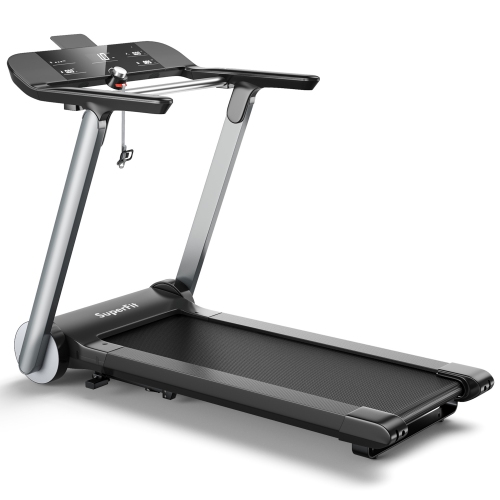
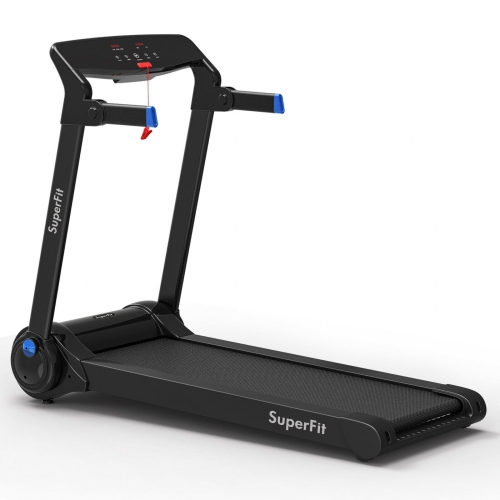
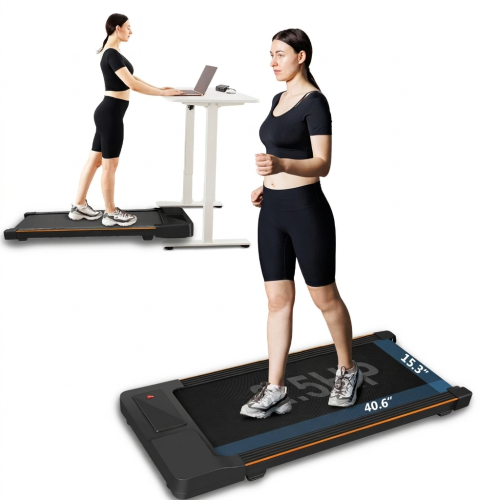
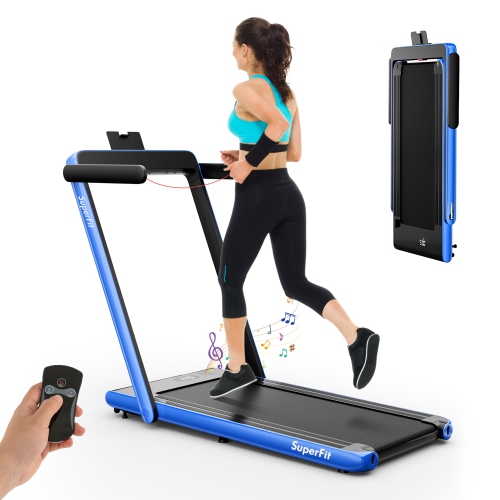
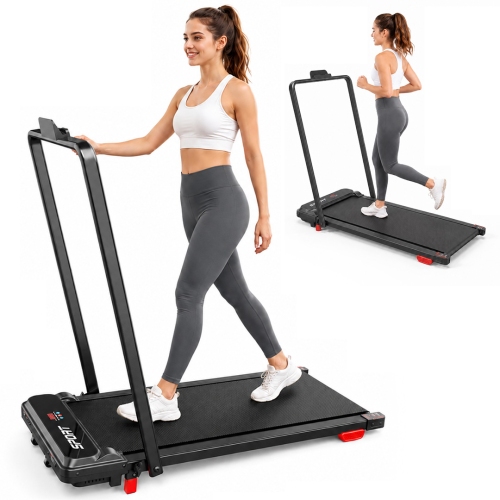

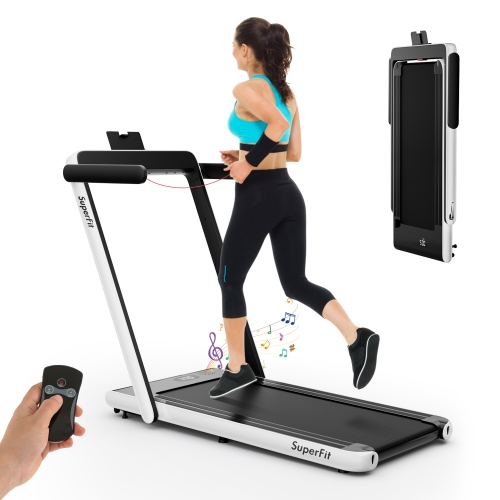
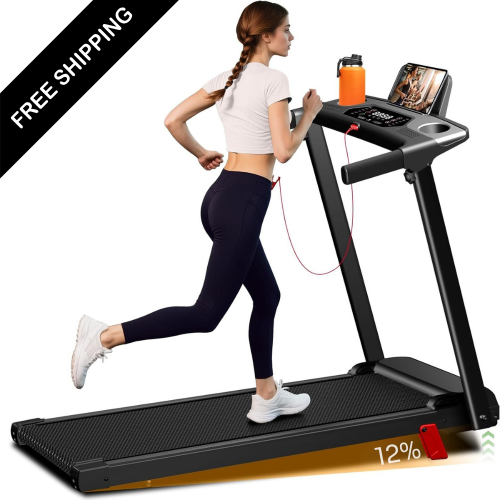
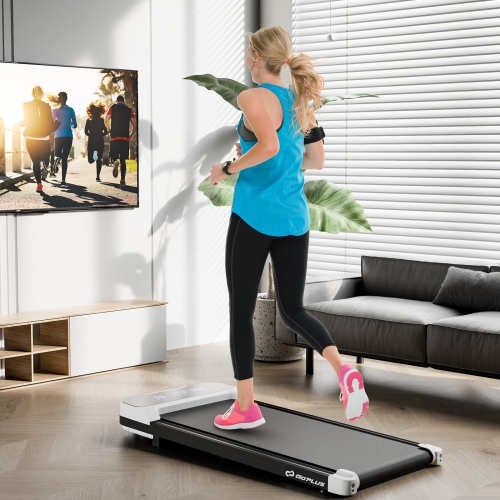
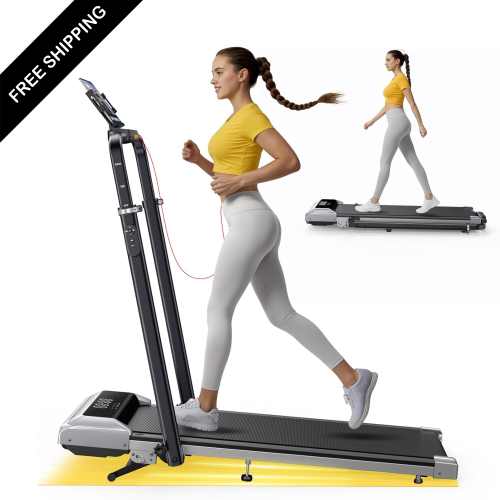
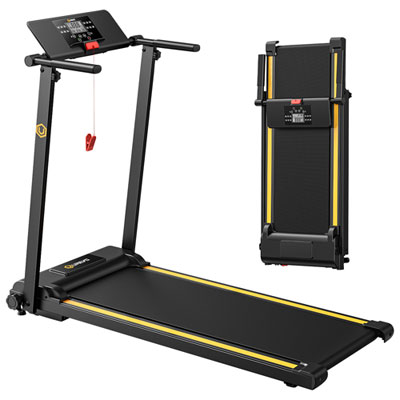
Not all Bluetooth connections offer the same features
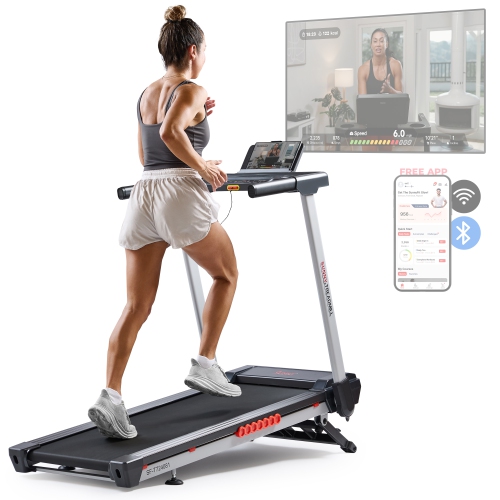
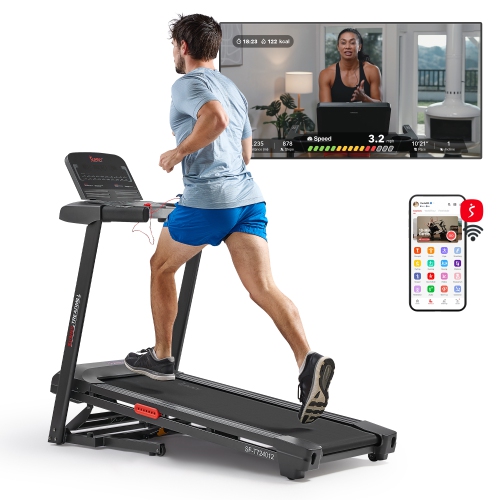
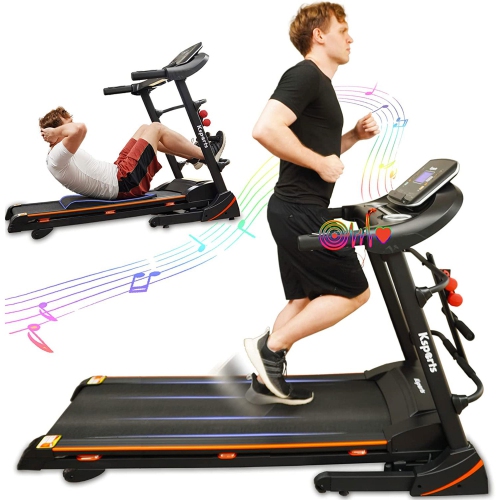
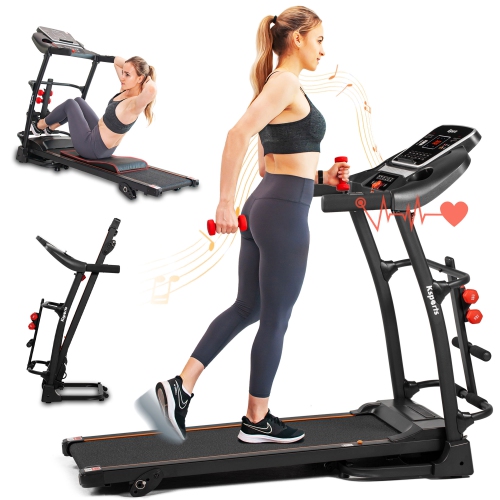
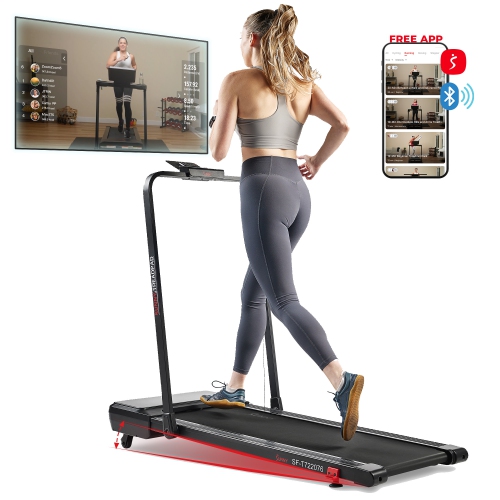
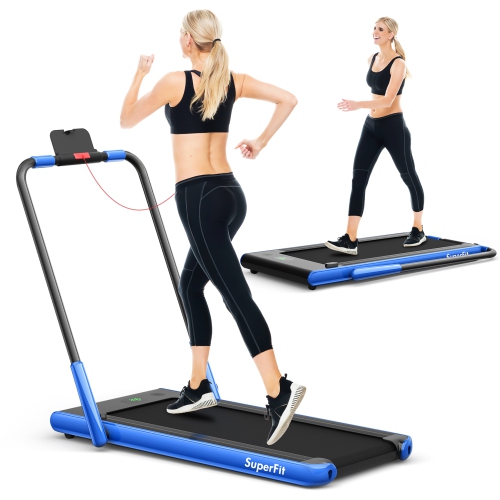
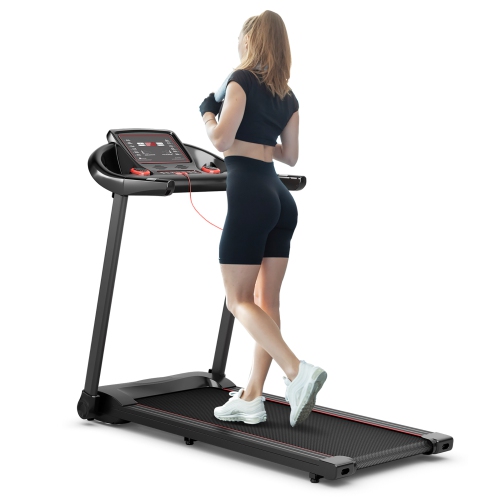
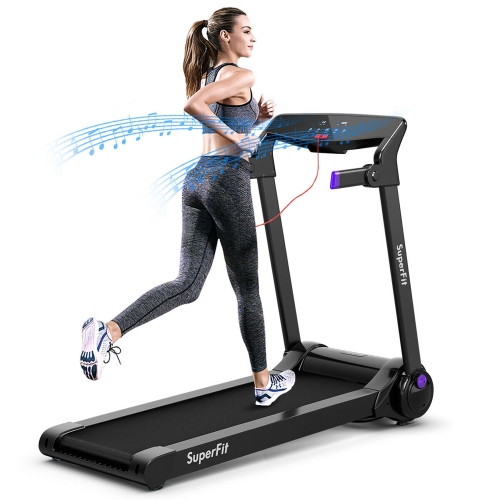
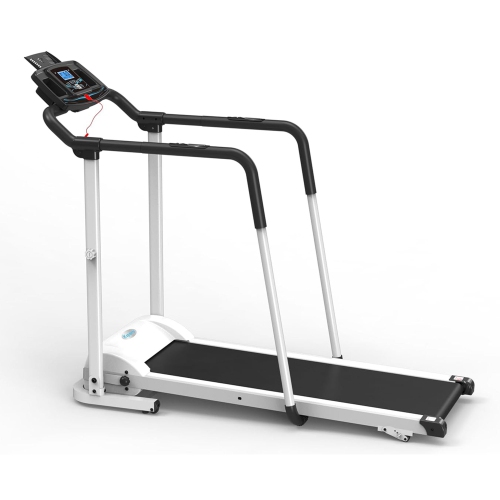
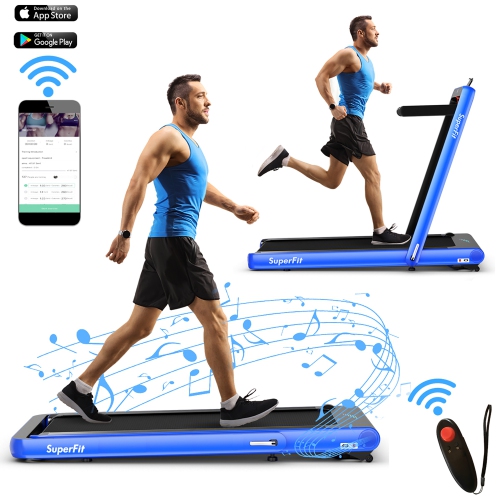
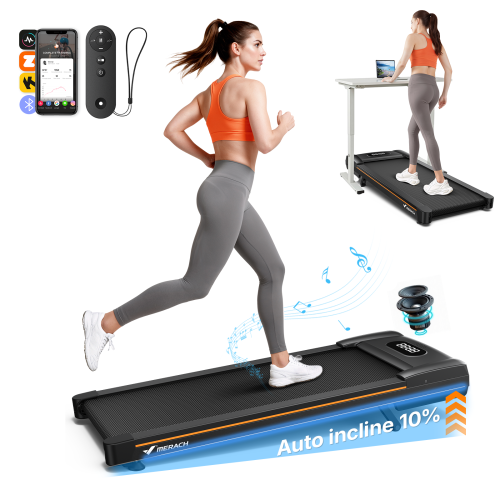
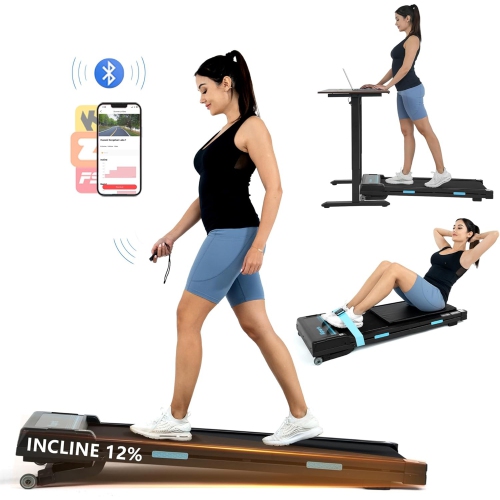
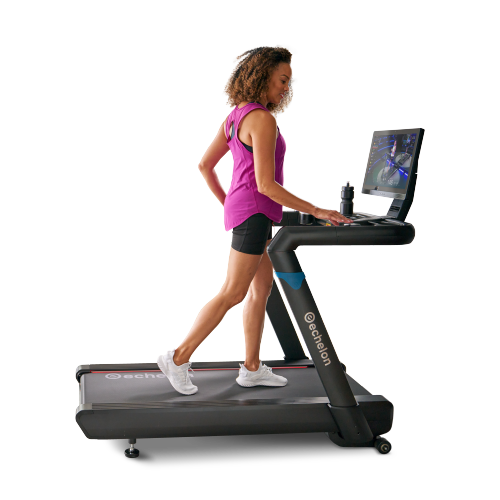
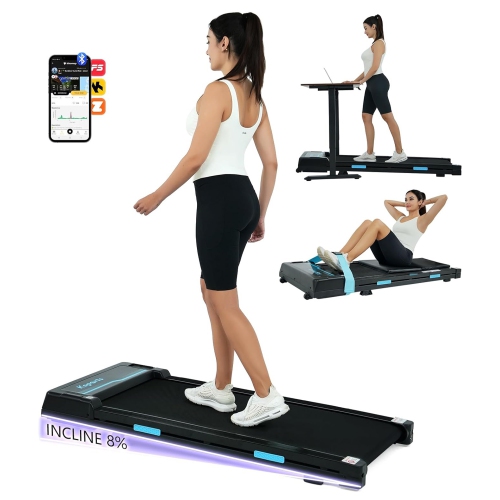
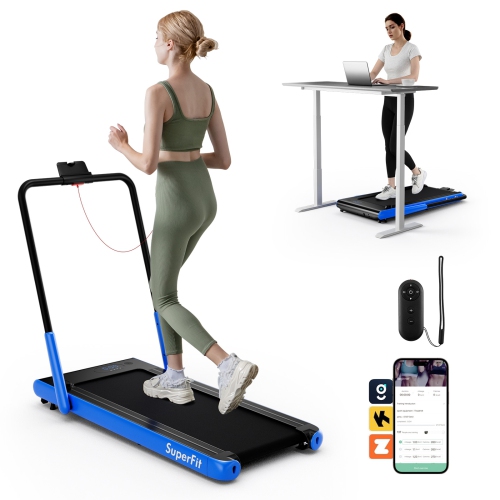
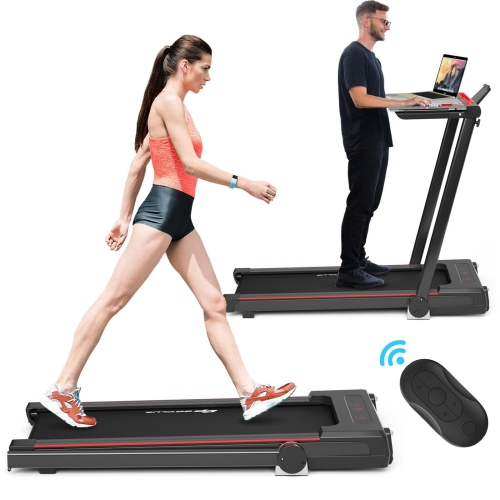
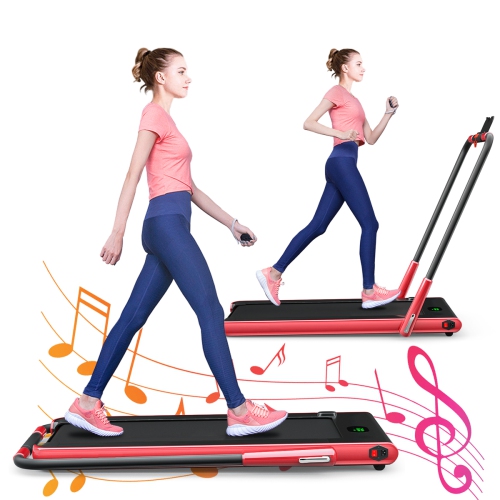
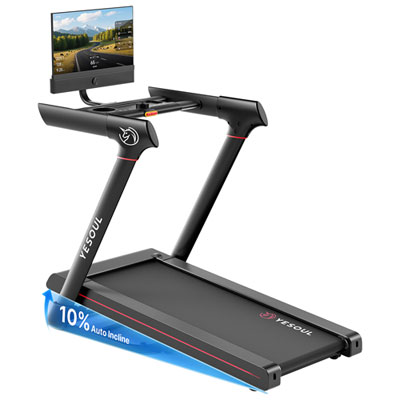
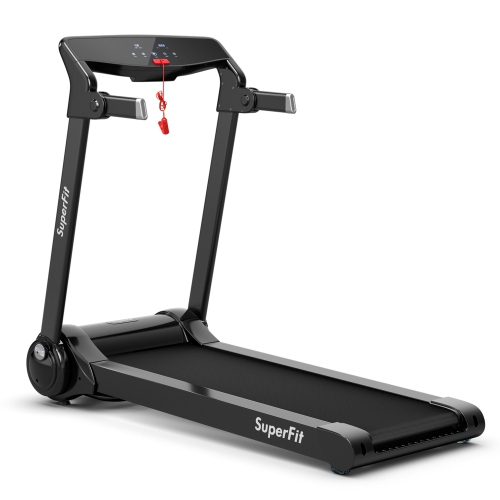
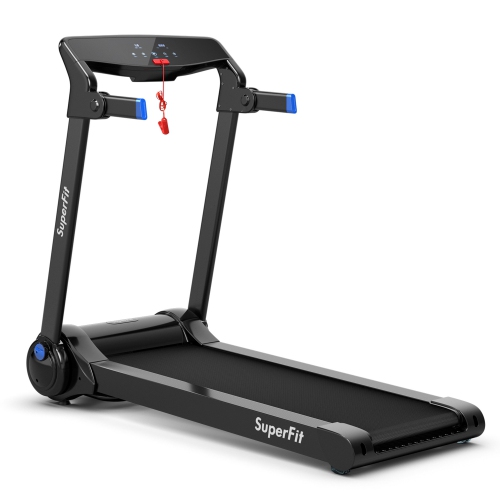
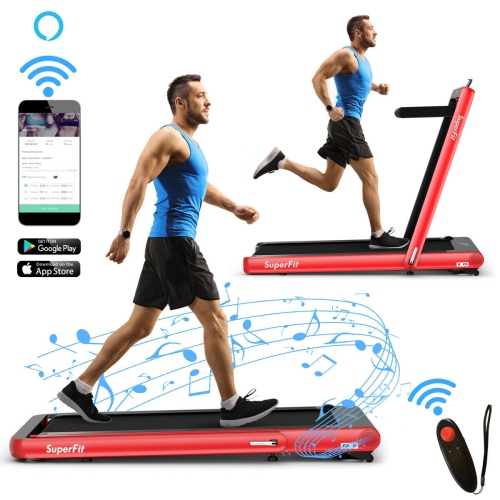
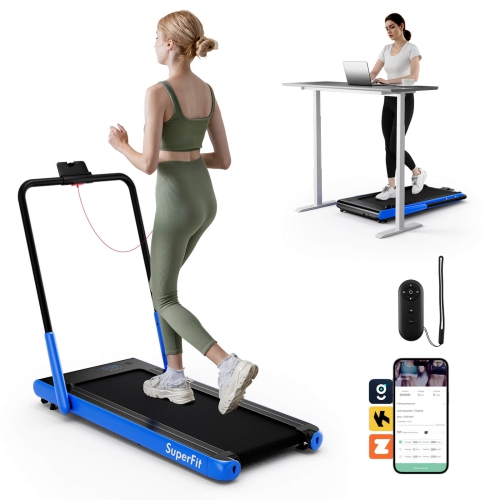
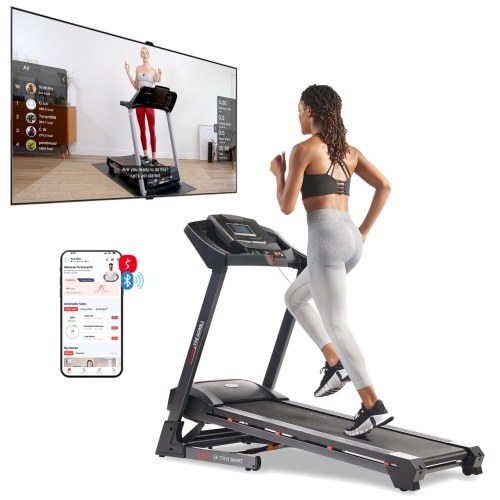
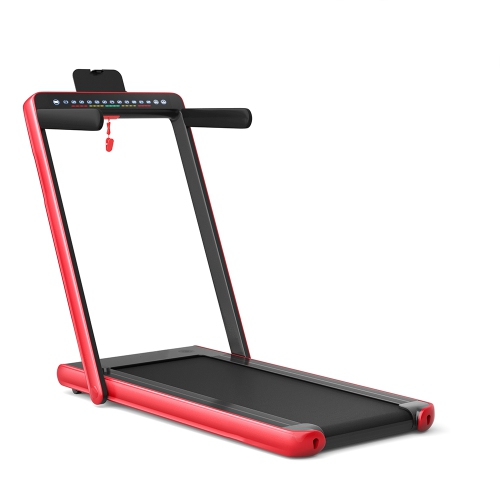
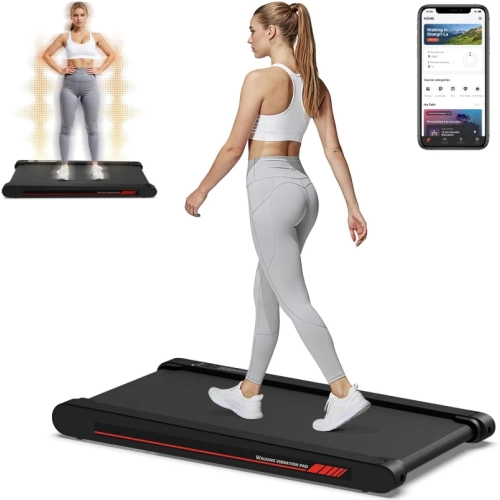
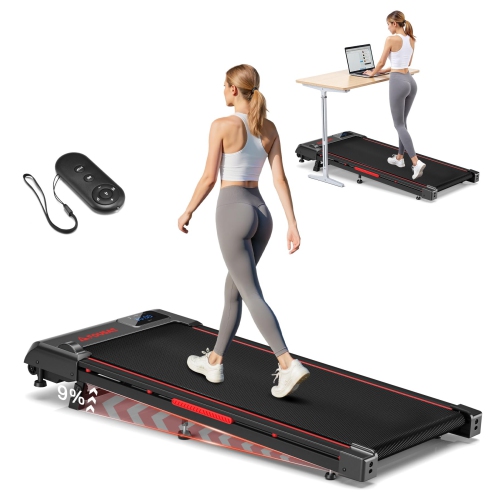
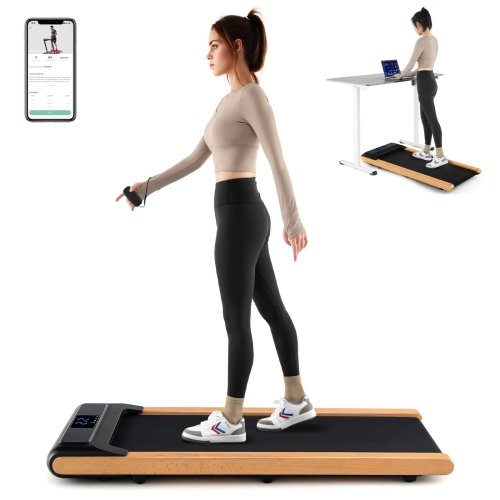
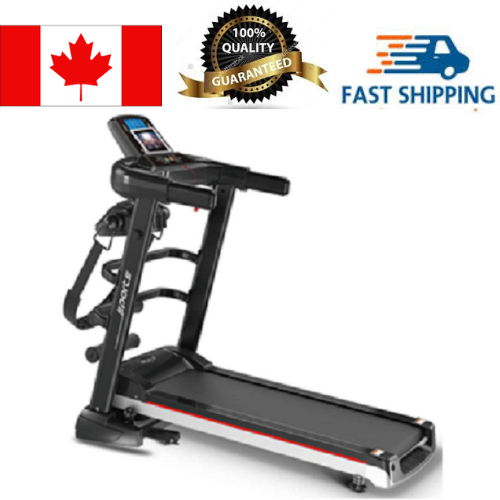
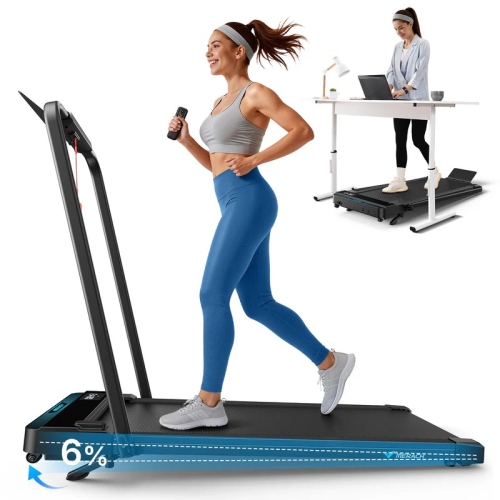
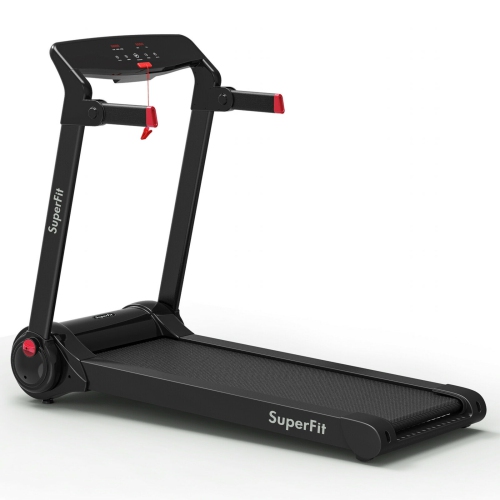
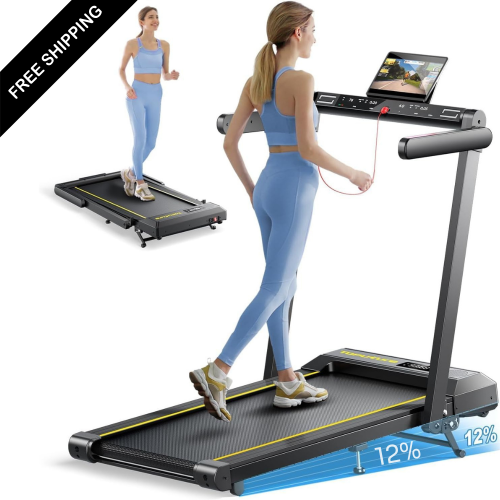
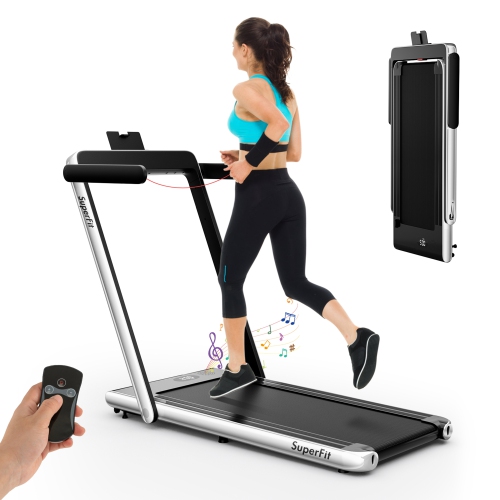
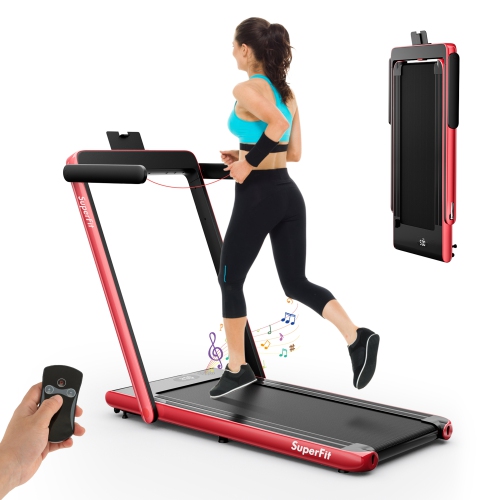
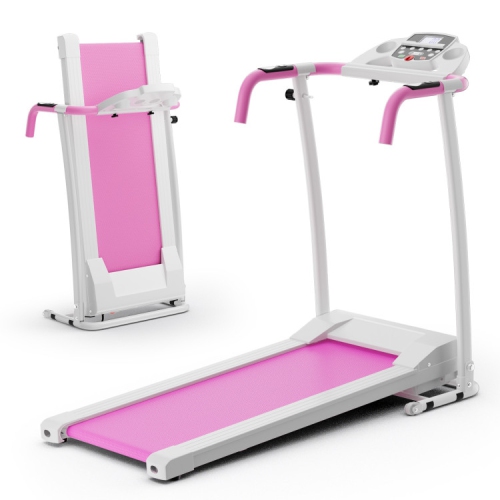
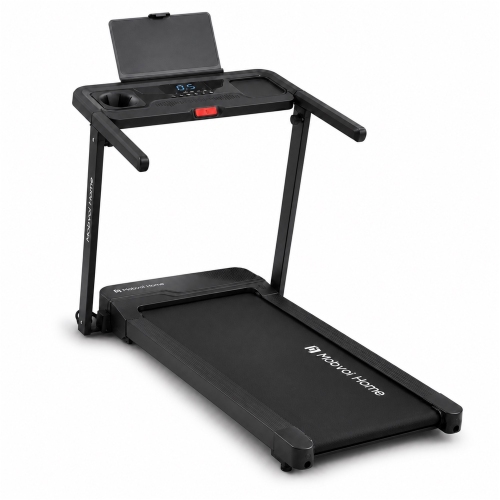
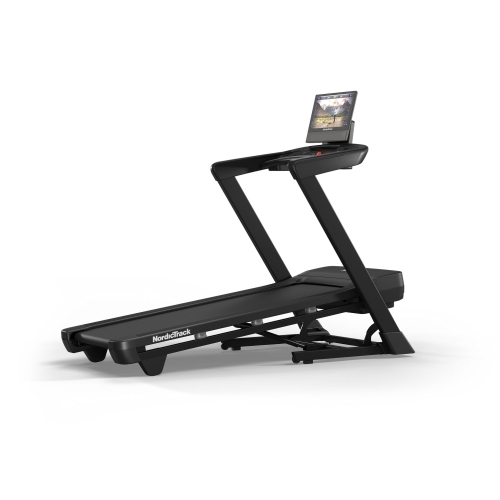
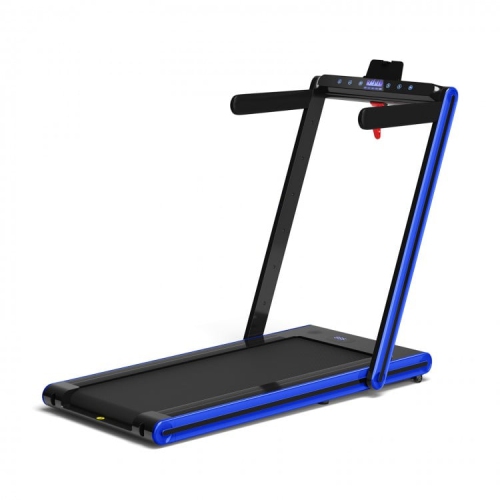
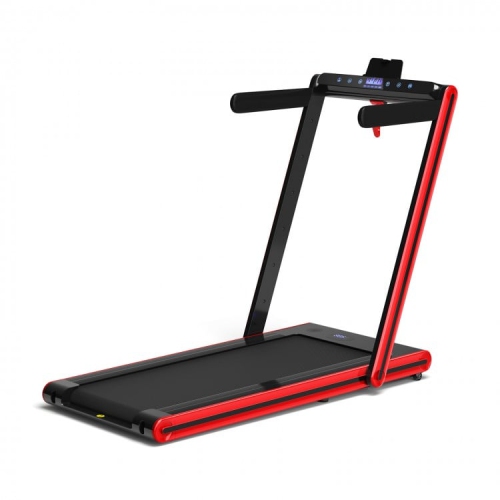
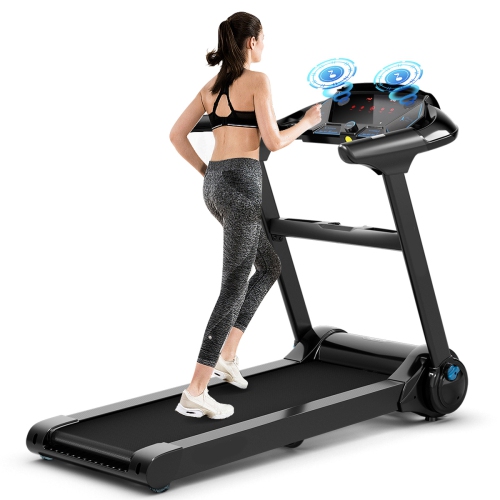
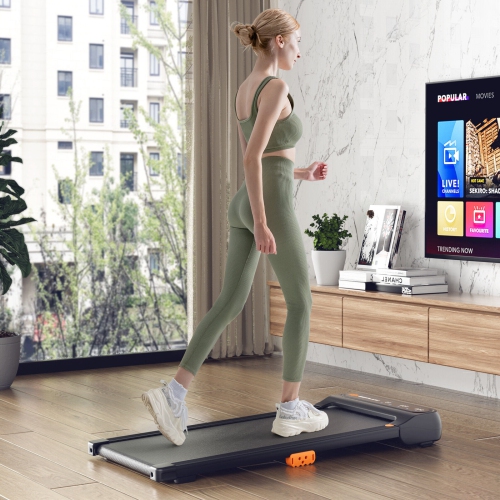
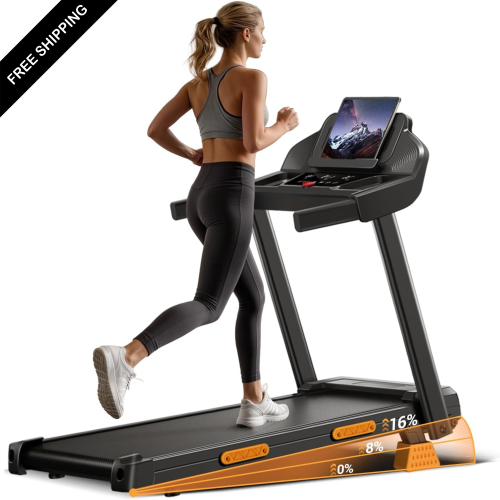
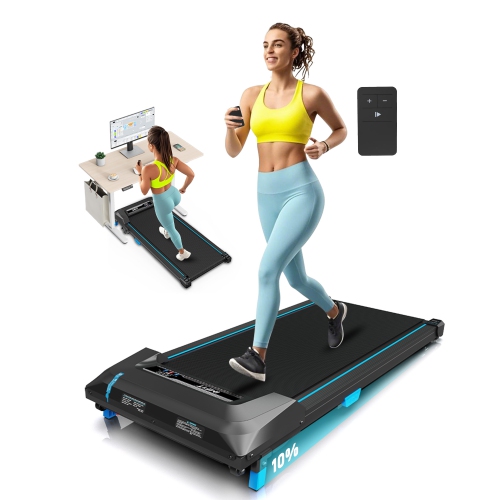
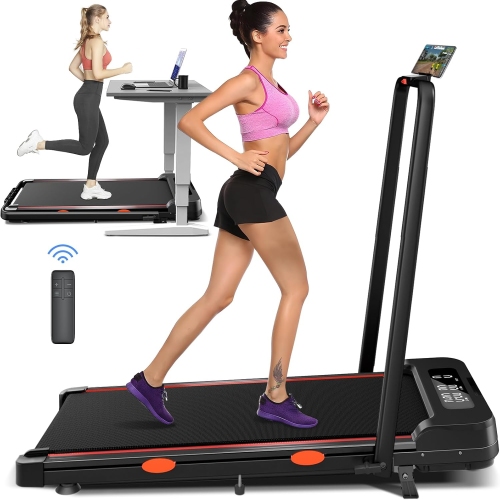
Treadmills with Bluetooth add wireless connectivity to indoor walking, jogging, and running, but the connection can serve different purposes. On some treadmills, Bluetooth sends workout information to a compatible fitness app on a phone or tablet. On others, it plays audio from a mobile device through built-in speakers. Some support both functions, while others connect to compatible heart-rate sensors. These features are not interchangeable: Bluetooth speakers do not automatically mean a treadmill can share exercise data, and app connectivity does not necessarily include wireless headphone support. For app-enabled exercise, supported information may include speed, distance, elapsed time, and incline, depending on the treadmill and software. Having those details together can make it easier to compare a short lunchtime walk with a longer weekend session or keep a running history without entering every workout manually. Compatible apps may also offer virtual routes, structured sessions, and progress summaries. Automatic speed or incline changes require support from both the treadmill and the app; a wireless connection alone does not provide that control. Some functions require an account or subscription, and compatibility can vary by mobile operating system. Bluetooth and Wi-Fi also serve different roles. A treadmill may use Bluetooth to communicate with a nearby device while that device uses an internet connection for streaming or online features. A built-in screen is not required for connected workouts, since a compatible phone or tablet can provide the display. A well-positioned device holder is useful here, especially when the console remains visible and the screen can be viewed without looking down at the belt. For people who want workout software to play a central role in their routine, Smart Treadmills With App Connectivity offers a closely related category to explore. The distinction is whether the wireless features support the intended experience: listening to a playlist, logging a steady walk, following a training session, or combining several of those activities.
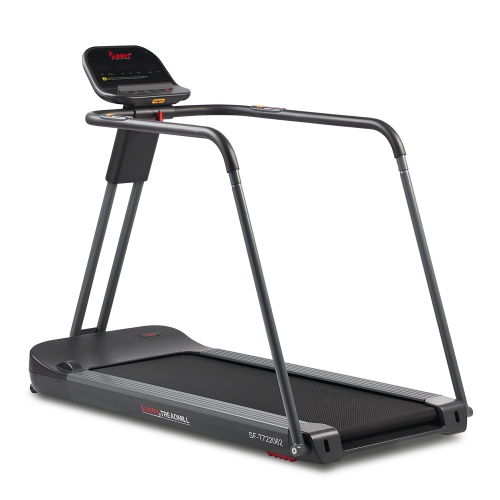
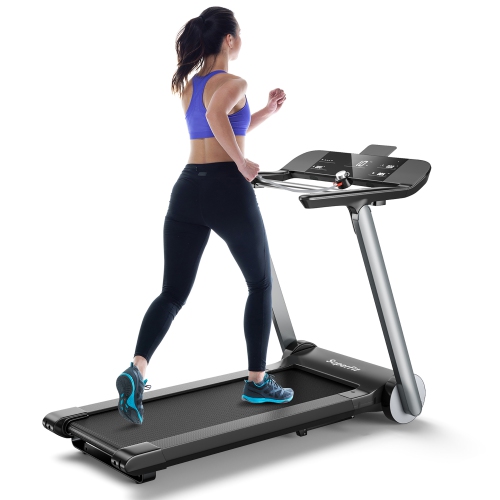
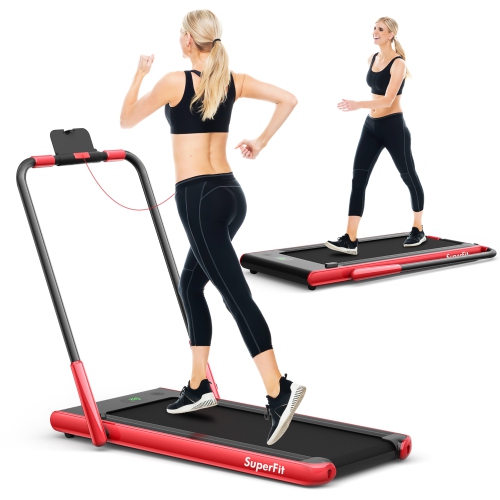
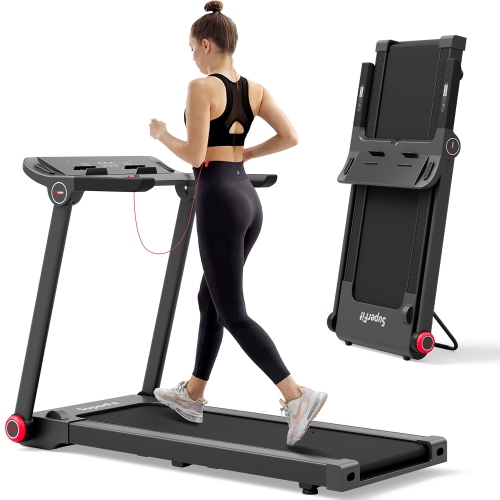
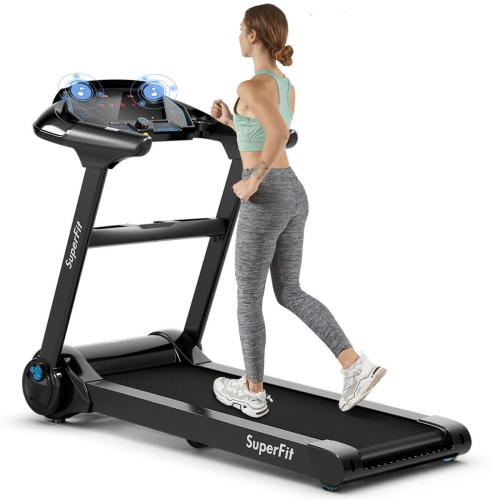
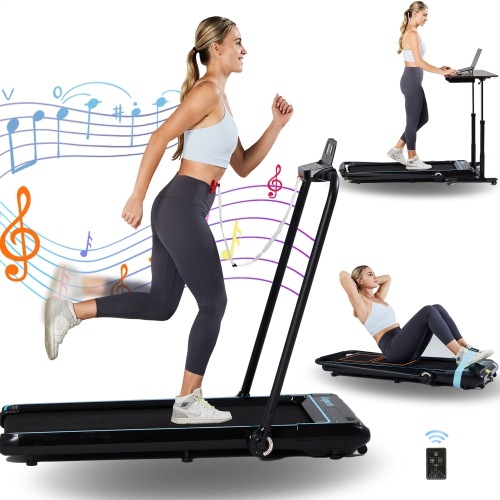
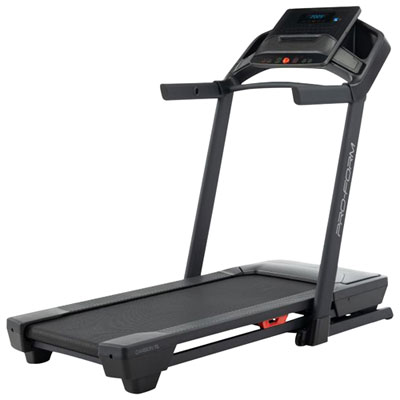
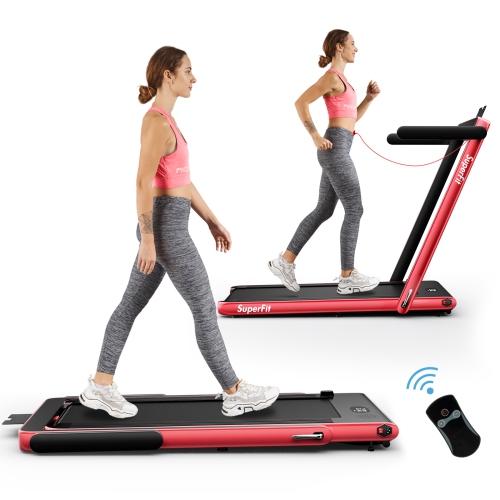
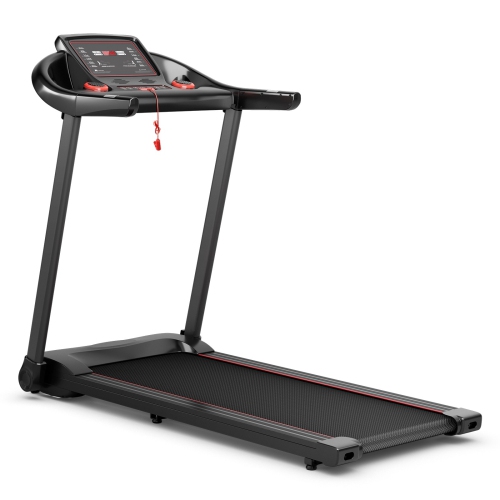
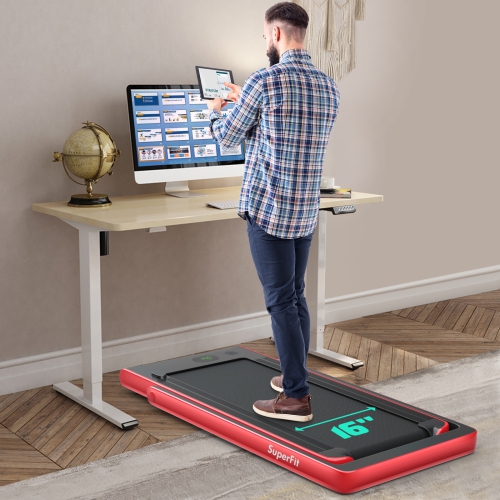
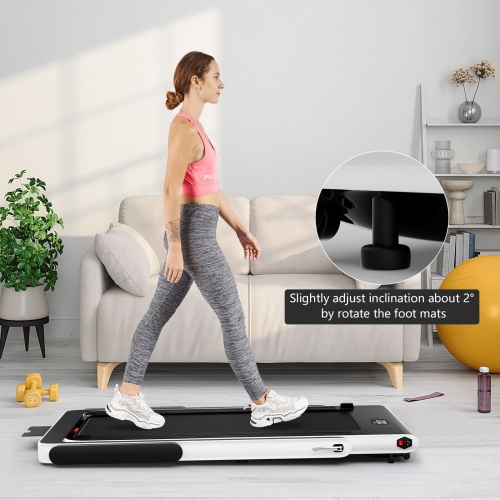
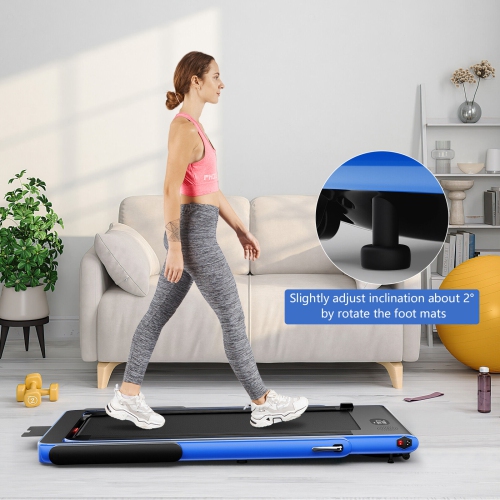
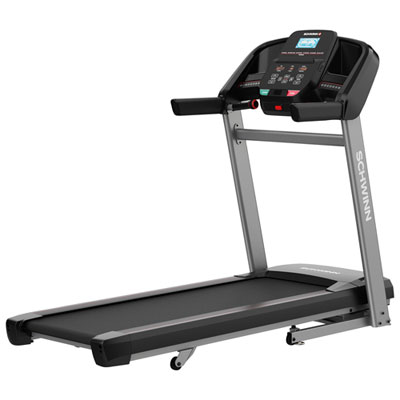
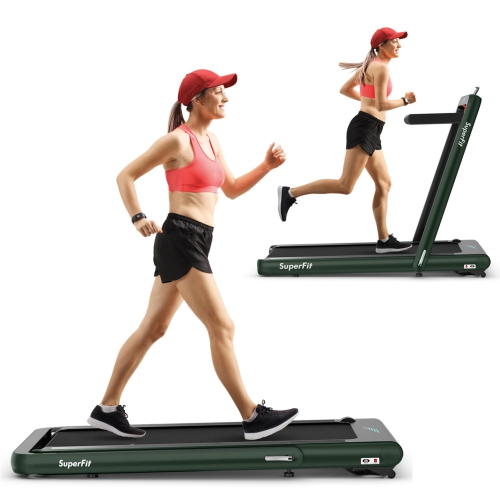
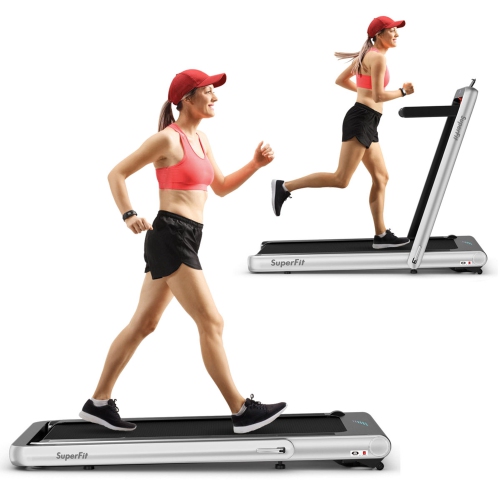
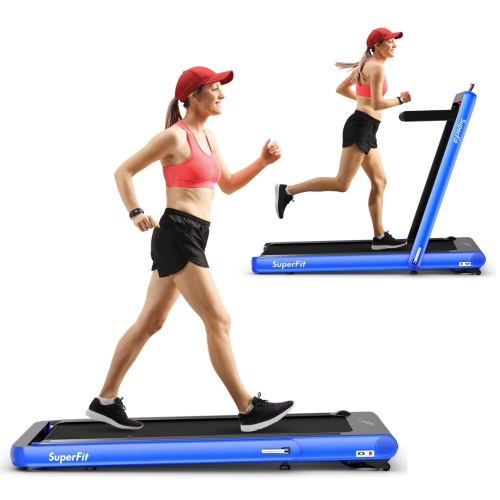
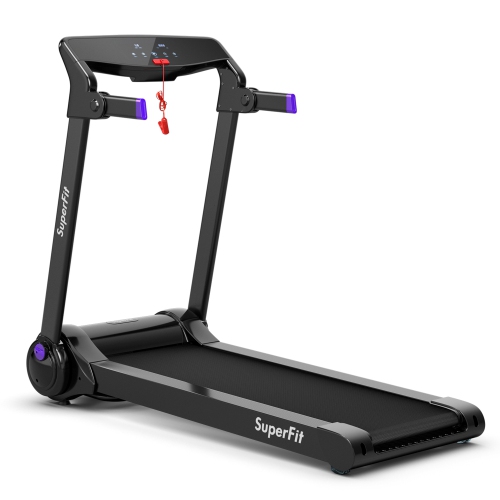
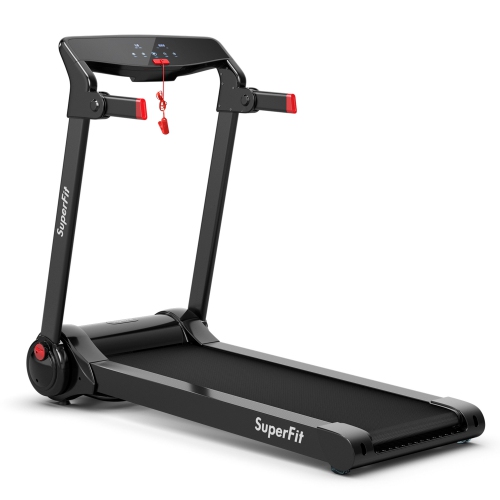
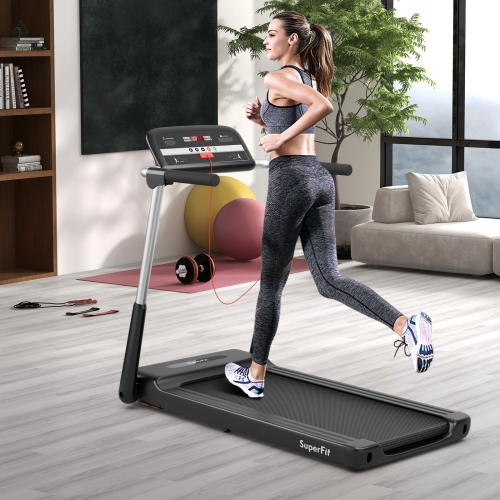
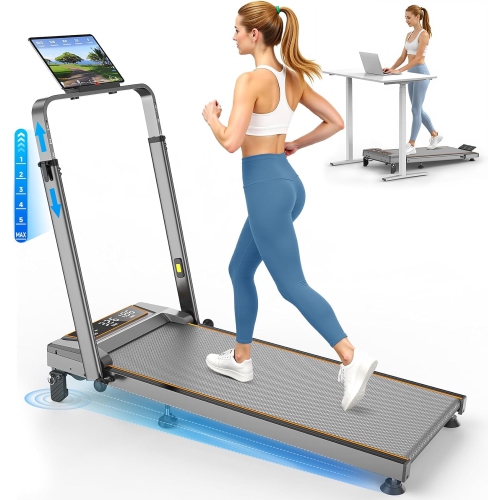
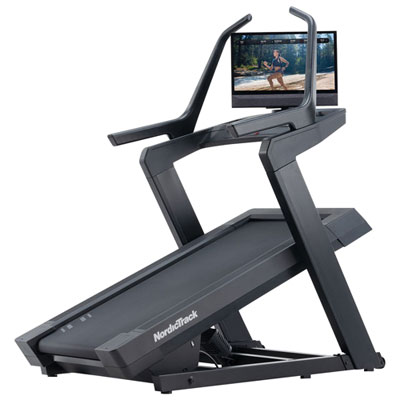
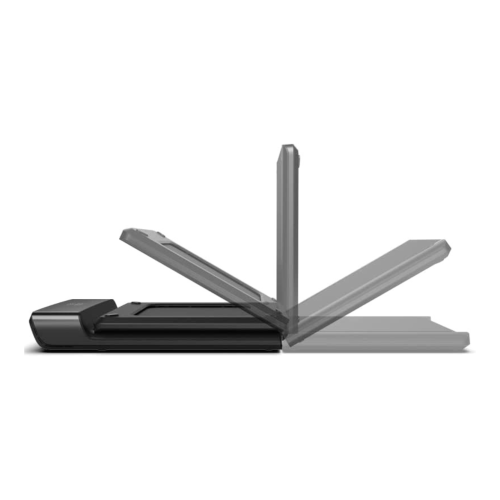
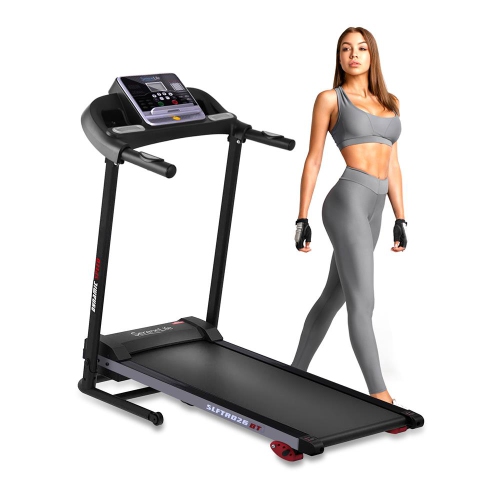
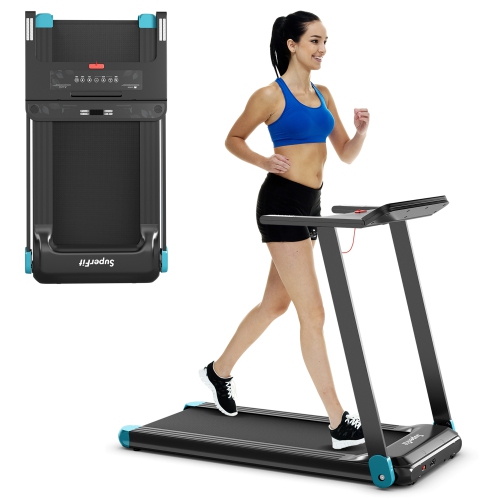
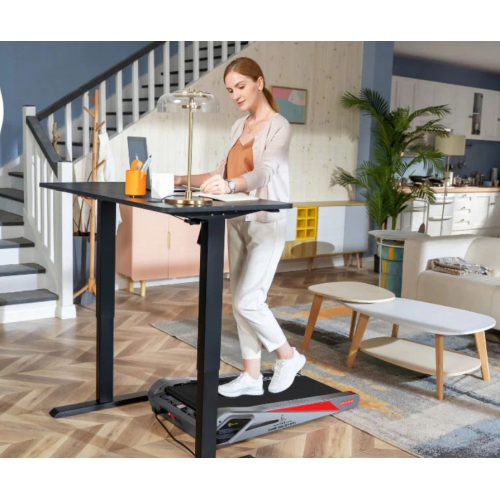
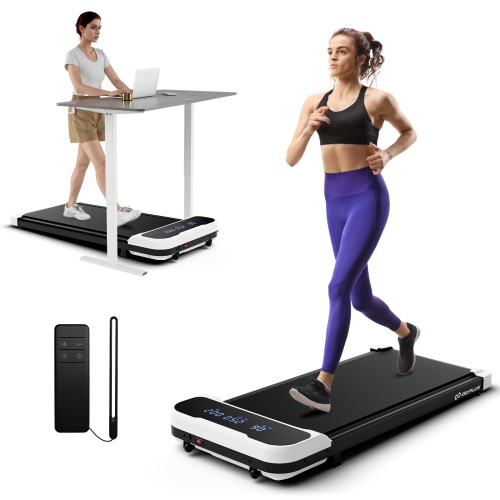
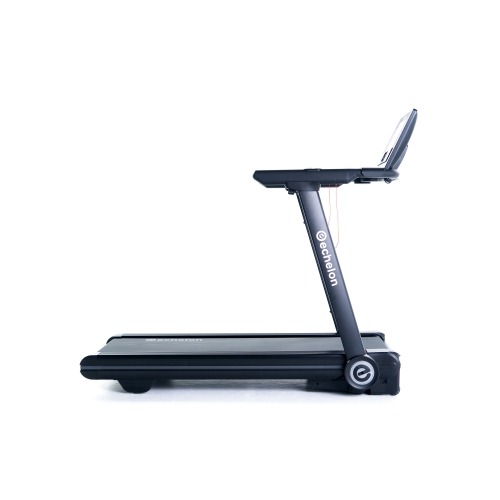
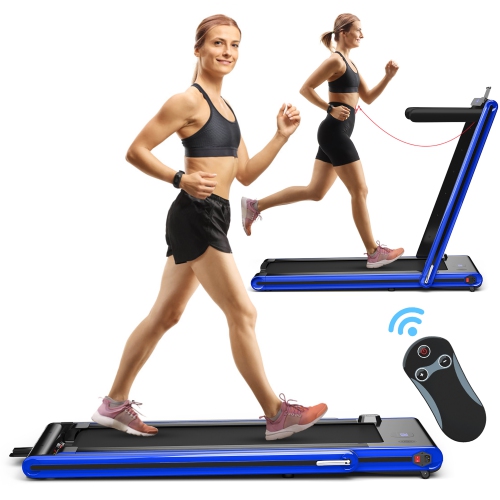
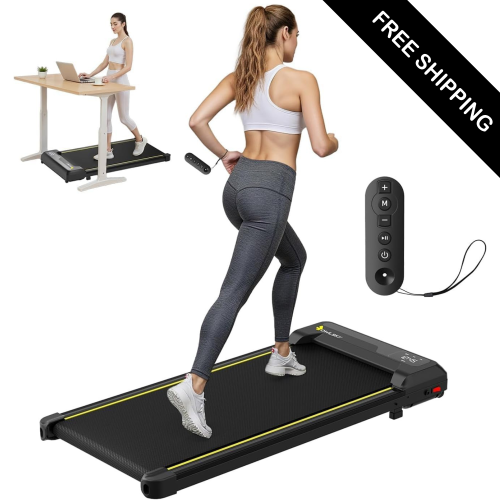
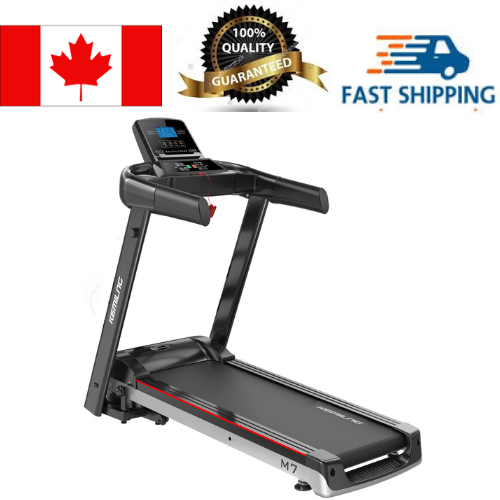
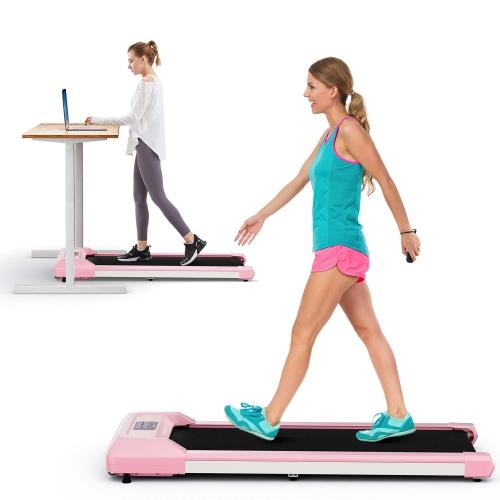
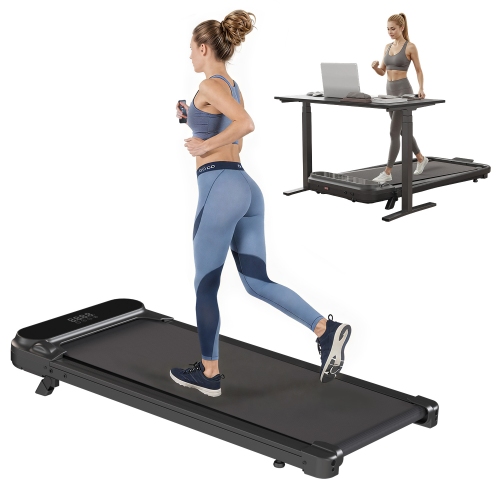
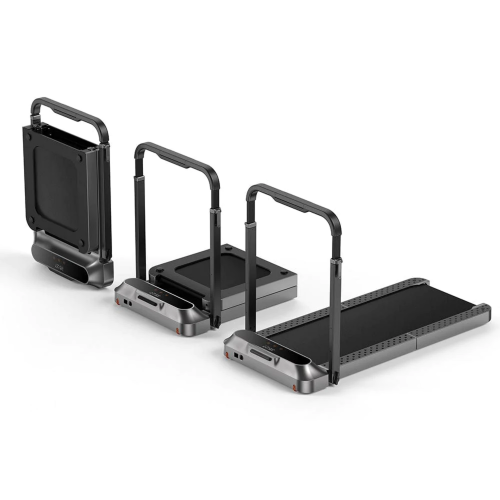
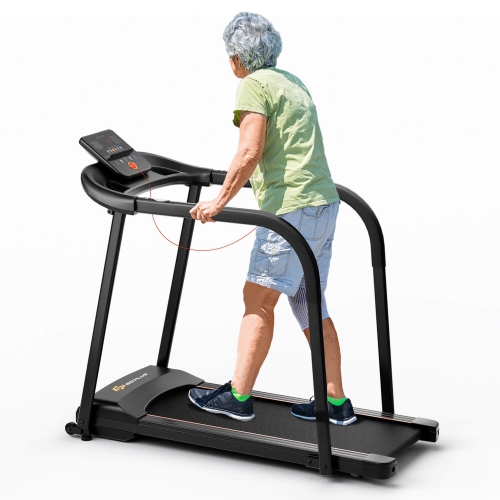
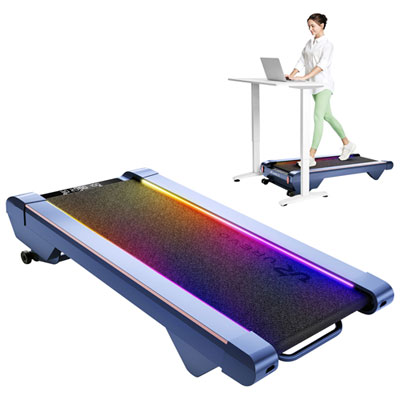
The physical design of a Bluetooth treadmill matters just as much as its connected features. Compact walking treadmills suit a different routine from full-size running treadmills, even when both can pair with a phone. Under-desk formats are intended for walking within their stated limits, while running requires a machine designed for faster speeds and the repeated demands of a running stride. A longer belt gives a runner more room from front to back, and adequate belt width helps a walker or runner move comfortably without feeling crowded by the side rails. Taller users and those with longer strides may need more running space, rather than simply a higher maximum speed. Stated user-weight limits, supported speeds, and intended use help establish whether a treadmill fits a household’s needs. Motor descriptions also deserve attention because peak horsepower and continuous-duty ratings describe different operating conditions and are not directly interchangeable. For someone who mainly takes steady walks, straightforward controls and a comfortable deck may be more useful than an extensive range of training settings. A runner doing regular intervals may place greater importance on responsive speed changes, accessible controls, and sufficient room to change pace naturally. Incline adds another dimension, although manual incline settings and powered adjustments create different workout experiences. Beneath the console, a sturdy frame, stable handrails, and a well-supported deck contribute to a secure feel. Steel frames and layered running belts are common, while cushioning systems vary in construction and firmness. Cushioning changes the feel underfoot but does not replace appropriate footwear or guarantee freedom from discomfort. Placement also shapes day-to-day usability. The treadmill’s operating footprint includes the clearance specified by its manufacturer, not just the dimensions of the frame. Ceiling height matters when the user is standing on an elevated deck, particularly at an incline. Folding designs can free up floor space between sessions, but folded dimensions, machine weight, transport wheels, and locking mechanisms determine how practical storage will be.
A treadmill earns its place in a home through ordinary, repeatable use: a walk before the first meeting, a steady jog while listening to an audiobook, or a planned session with gradual changes in pace. Bluetooth can make those routines more engaging without needing to dominate them. Shared households may appreciate separate app profiles where supported, so workout histories remain distinct, while simple console controls let another person exercise without using connected features. Headphone compatibility, speaker volume, and the position of a phone or tablet can affect how comfortably the machine fits into a shared space. Motor sound and footfall vibration are separate from audio playback, and both depend on the treadmill, the user’s pace, and the floor beneath it. A suitable equipment mat may help protect flooring and reduce some vibration, provided its use follows the treadmill manufacturer’s directions. Everyday care supports dependable operation as well. Sweat can be wiped from approved surfaces after exercise, with moisture kept away from electrical components. The belt and deck may need periodic inspection, alignment, tension adjustment, or lubrication, but maintenance requirements differ; some decks have specific lubrication instructions, while others should not receive added lubricant. The owner’s manual is the reference for cleaning methods, approved materials, and service intervals. Safety features remain important whether a workout is app-led or entirely manual. An accessible stop control, a safety key used as directed, and clear space around the moving belt help support safer use. Children and pets should be kept away during operation, and the treadmill should be secured when not in use. App figures are best treated as workout estimates rather than medical measurements, particularly for calorie use and heart-rate readings. For beginners, returning exercisers, and regular runners alike, the strongest fit is a treadmill whose walking or running capabilities, dimensions, controls, and connected functions match the routine it will actually support. A clear display, comfortable stride space, and reliable everyday operation remain valuable long after the novelty of a new app has worn off.
Top selling and popular products
-
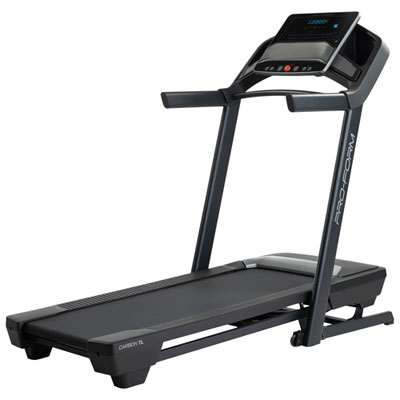 Your price for this item is $1099.98
-
 Your price for this item is $2901.98
-
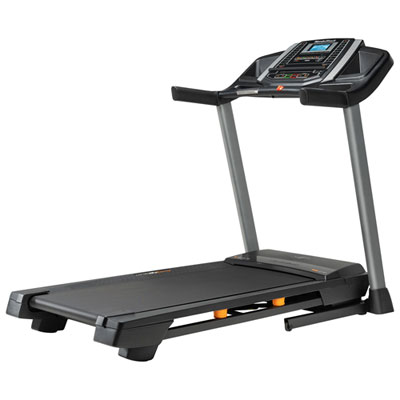 Your price for this item is $995.98
-
 Your price for this item is $1278.98
-
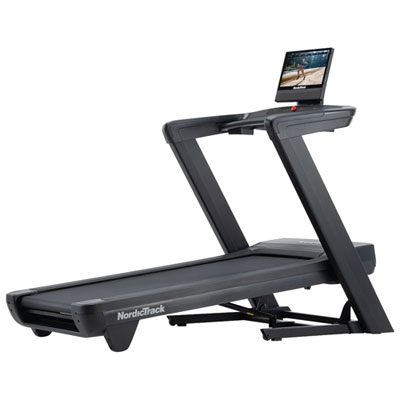 Your price for this item is $2501.98
-
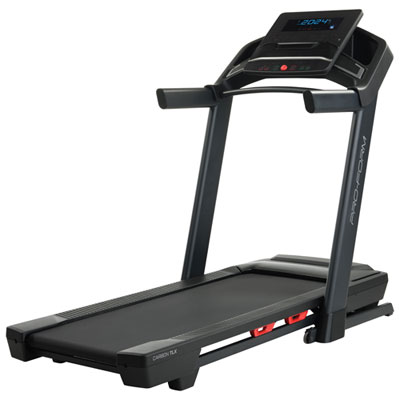 Your price for this item is $1399.99
-
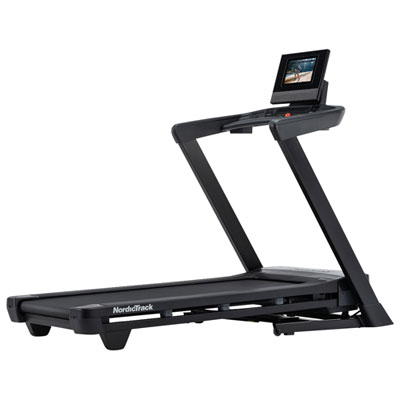 Your price for this item is $1799.99
-
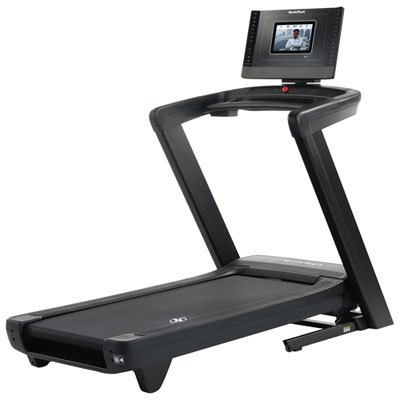 Your price for this item is $2698.98
Discover more categories related to Treadmills With Bluetooth
Top Collections:
Pokemon Centers, Best Cameras for Sports Photography, Kindle Devices, Samsung Galaxy Phones, Canon G7X Cameras, Pokémon 30th Celebration Cards, Refurbished Apple Laptops, iPhone 15 Apple, Laptops for Students, Budget Smartphones
Some products may be subject to Environmental Handling Fees
(EHF) depending on your province.
Learn more about EHFs.