Walking Aids
Whether you're recovering from an injury, living with a mobility issue, or simply looking for extra support during your daily walks, our selection of walking aids offers a range of solutions to help you move with confidence and independence. From ergonomic canes to versatile walkers and rollators, each product is designed with comfort, stability, and durability in mind. Explore our collection of walking aids to find the perfect companion for your mobility needs and take the next step towards greater freedom of movement.
Sort
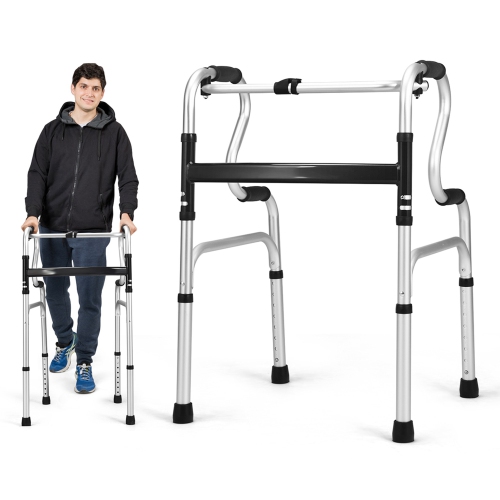
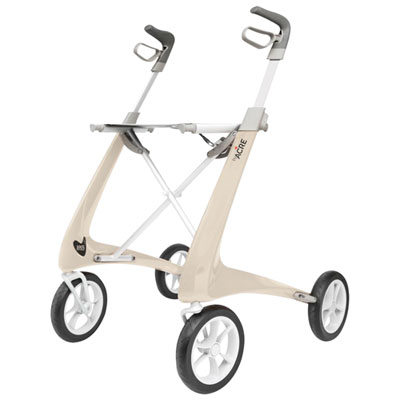
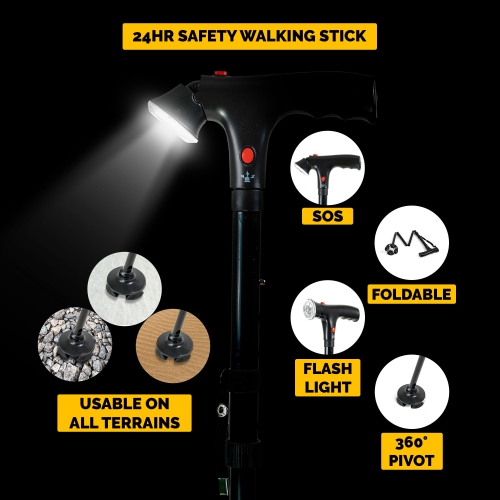
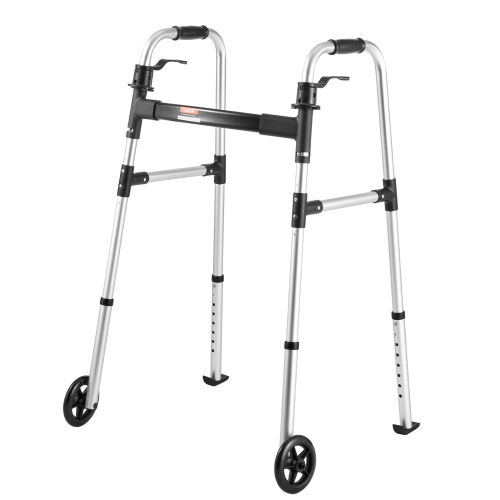

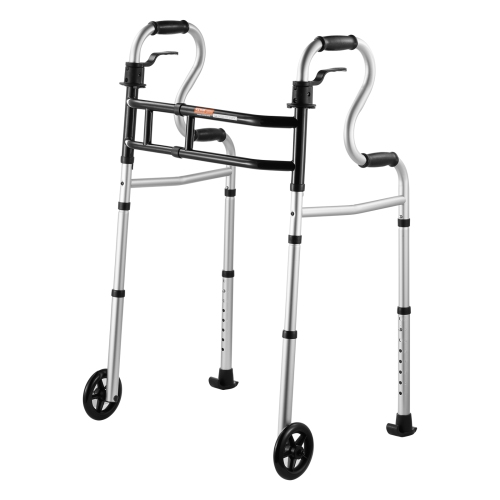
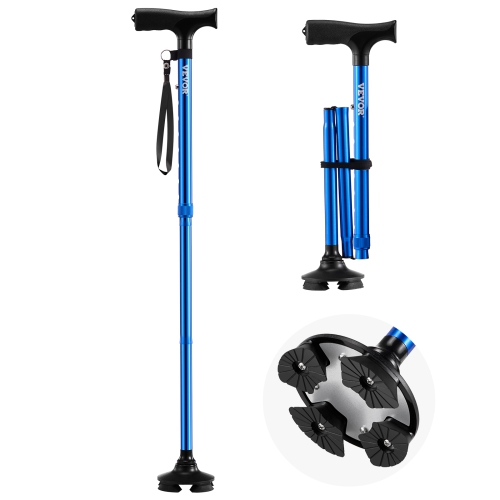
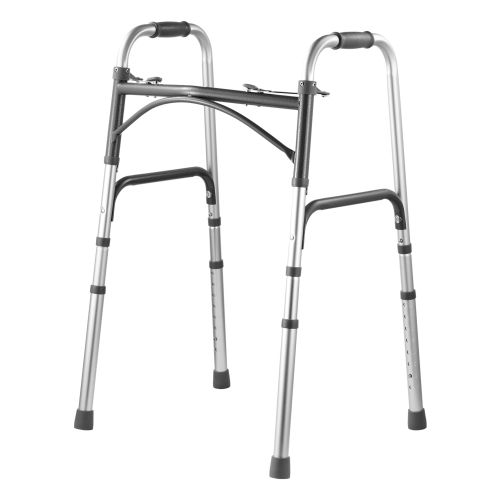
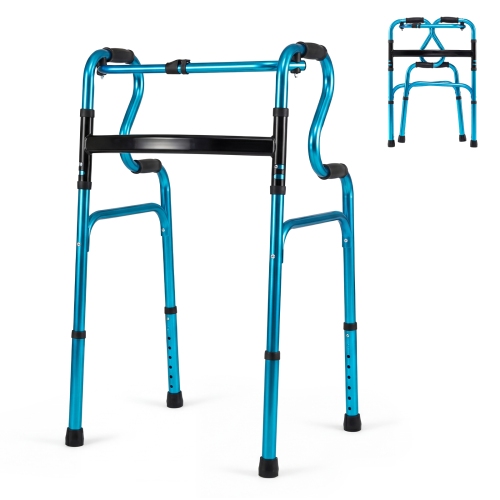
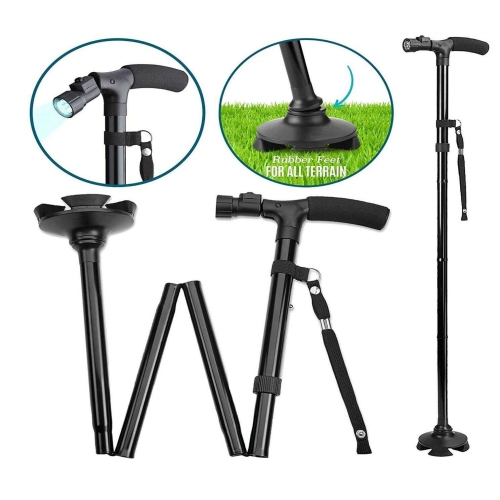
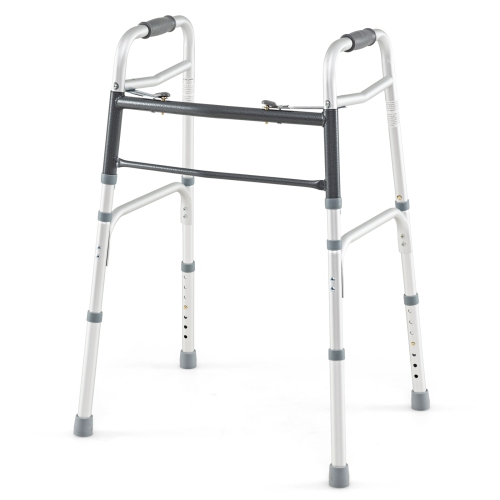
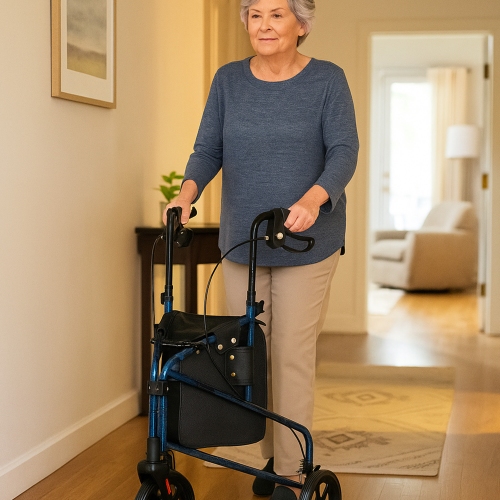
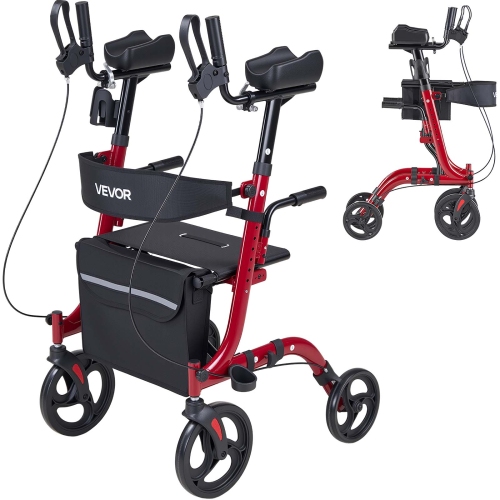
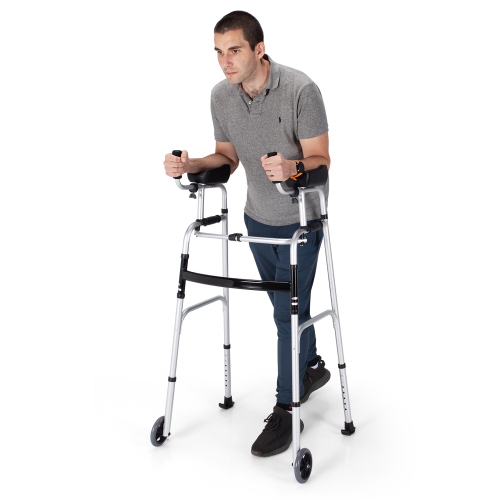
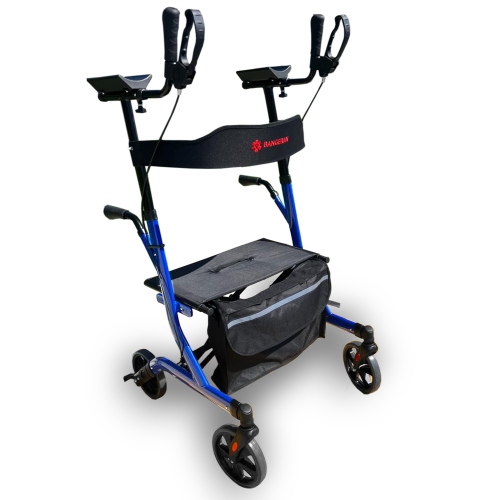
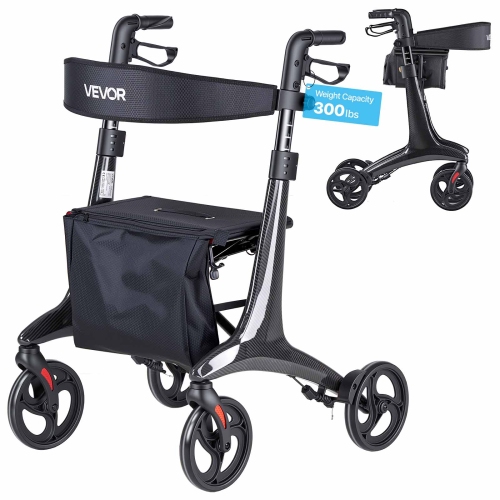
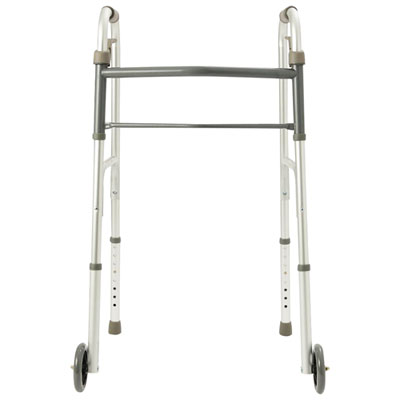
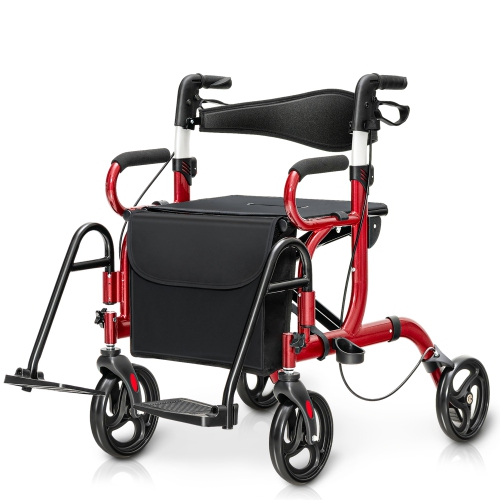
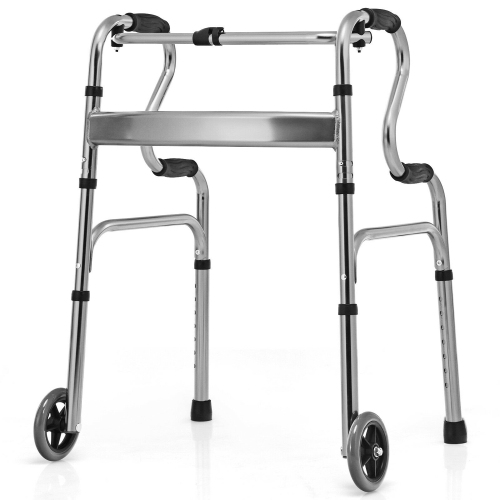
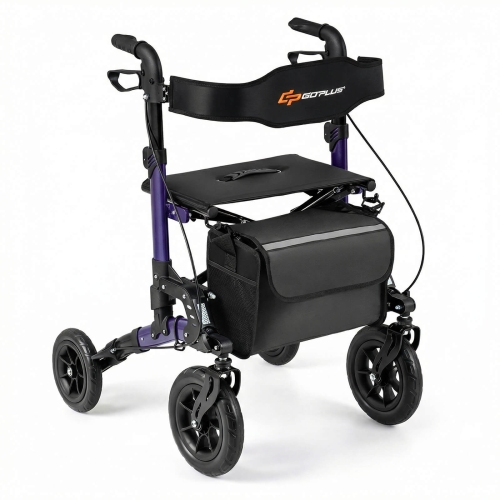
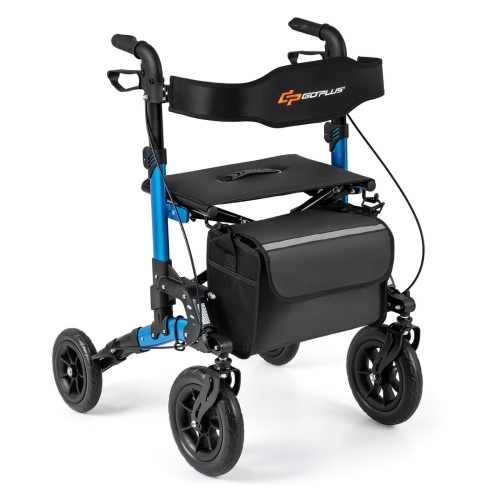
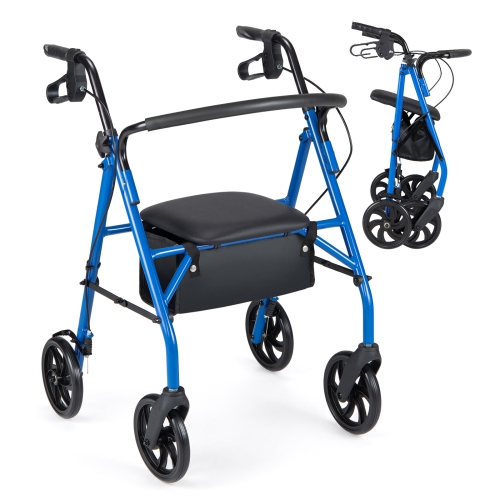
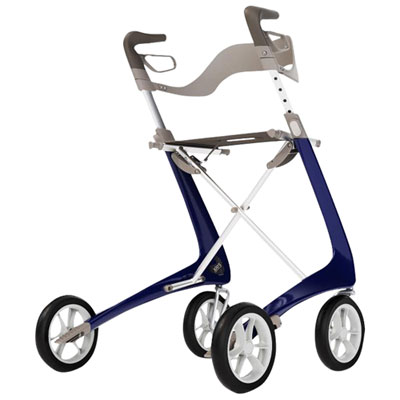
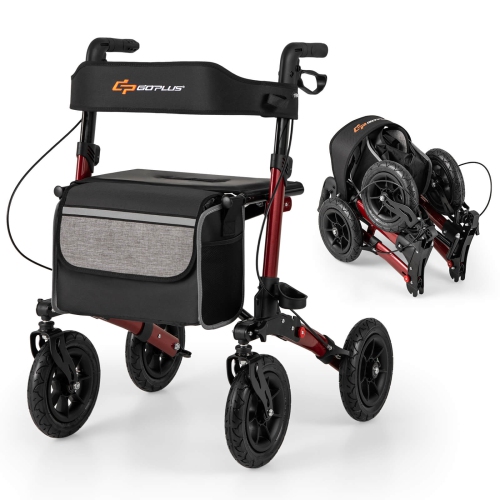
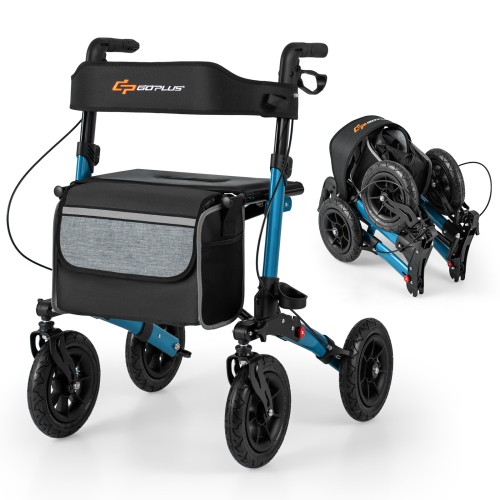


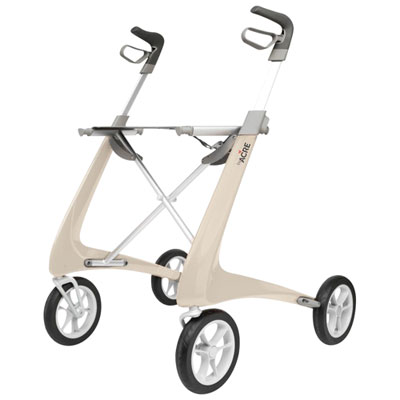
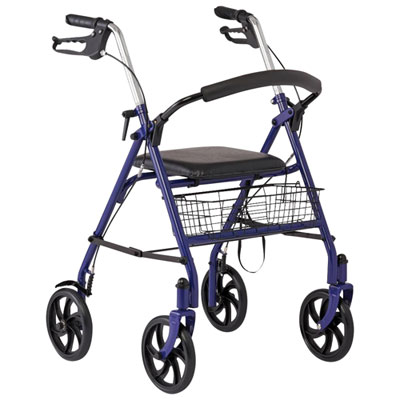
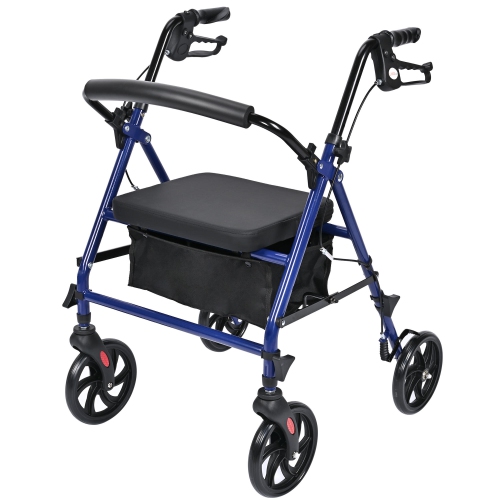
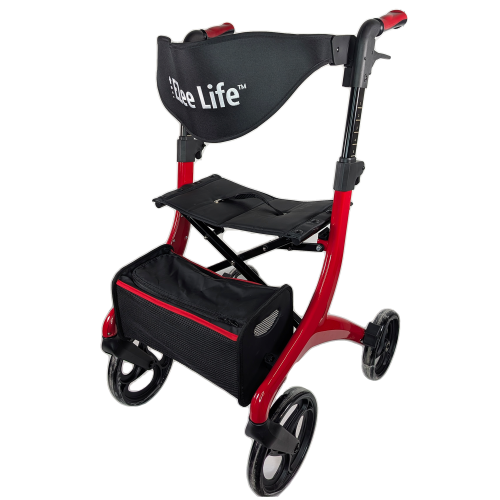
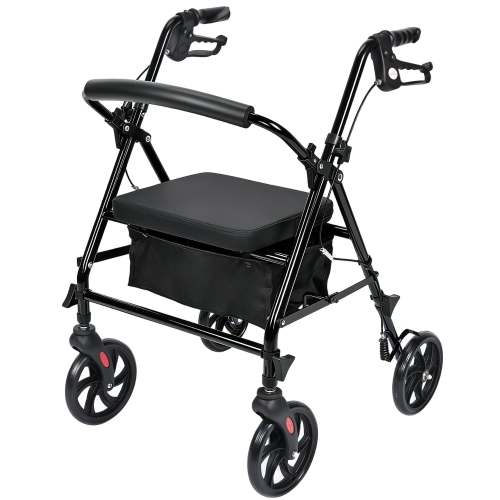
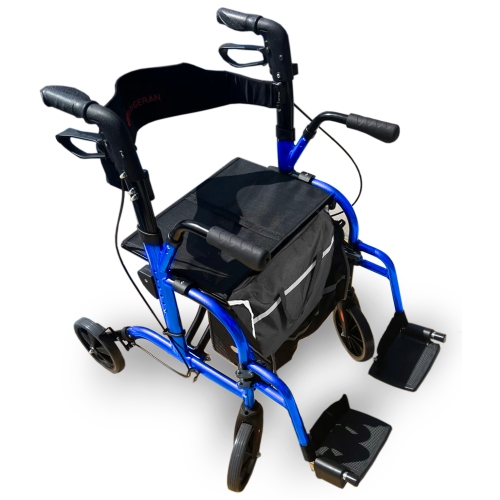
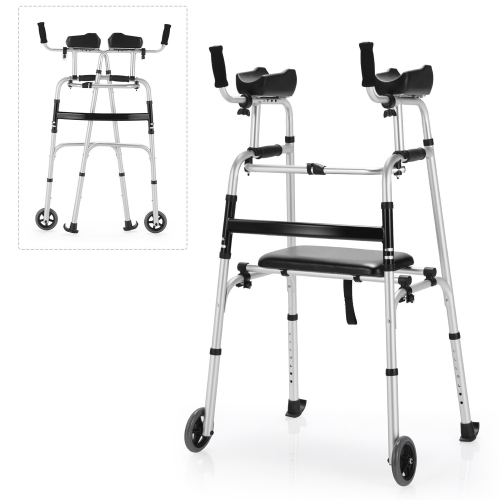
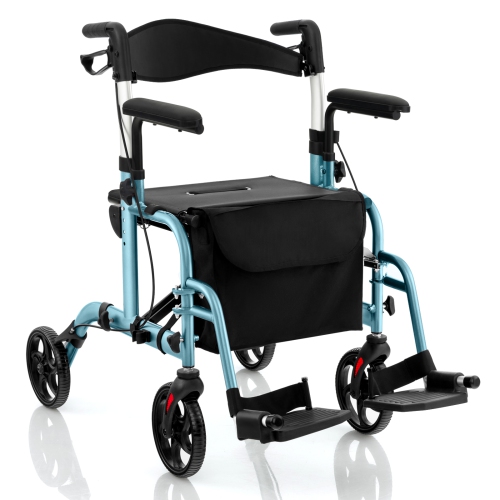


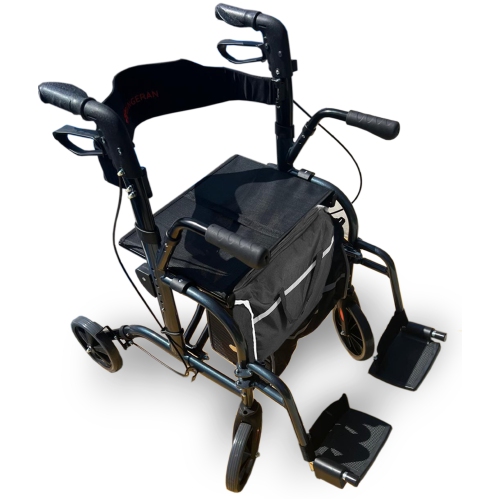
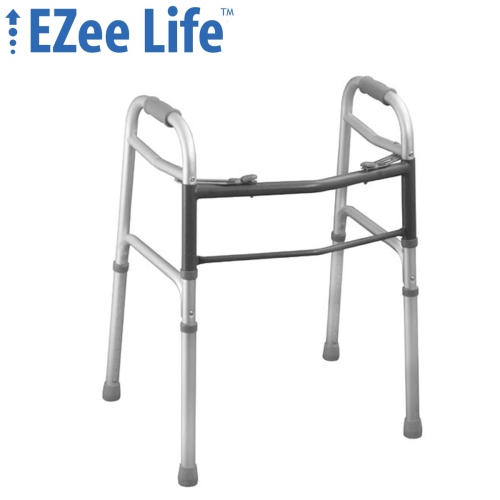
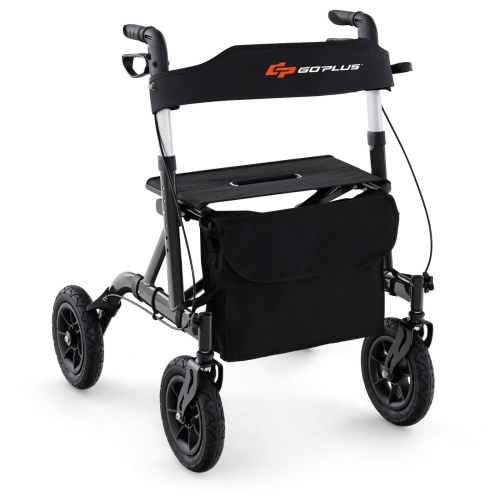
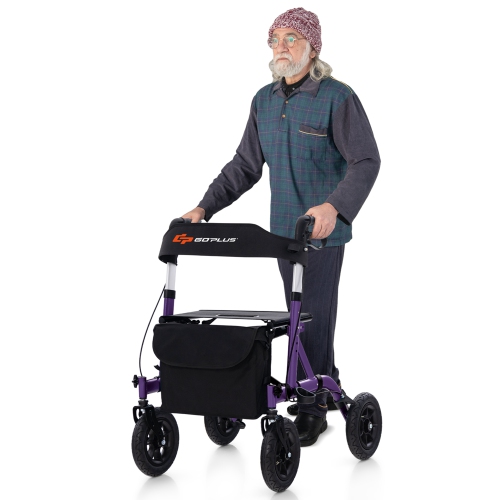
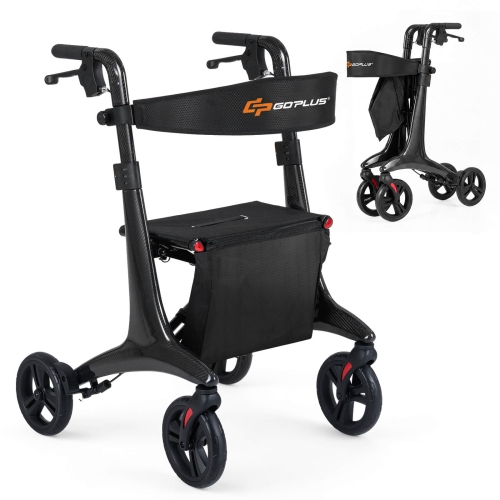
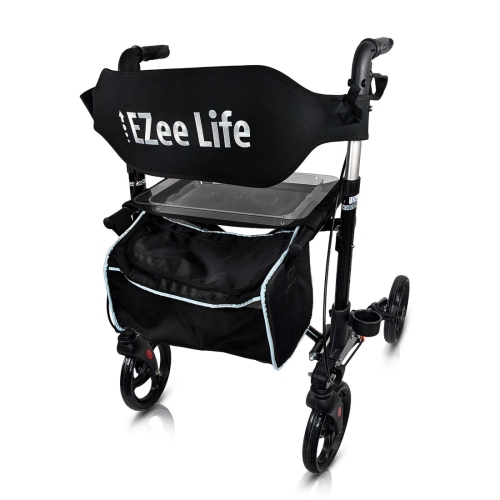

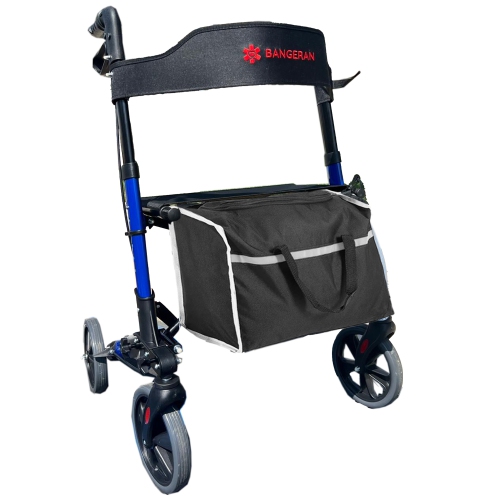
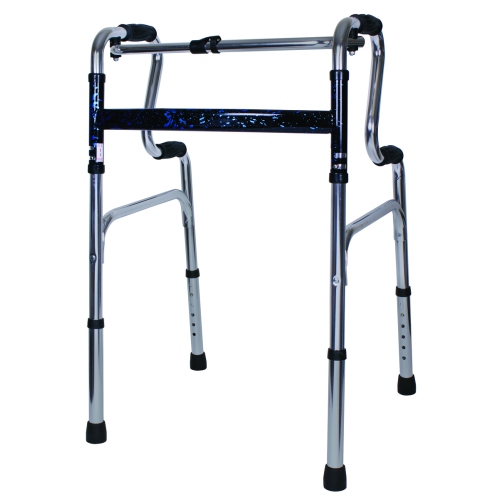
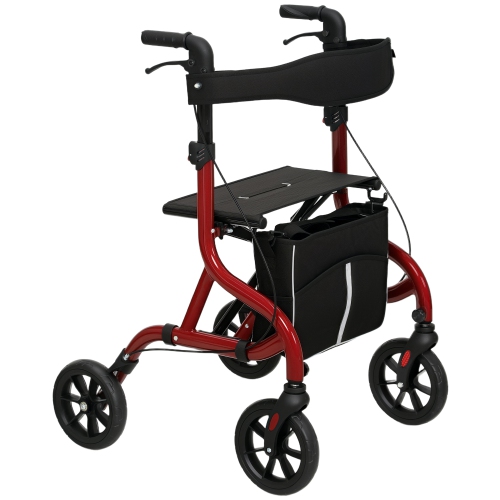
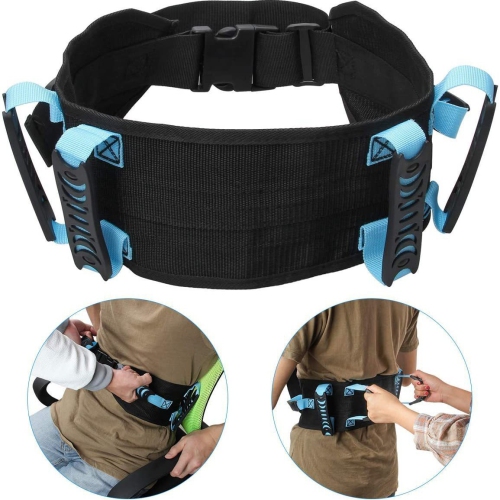
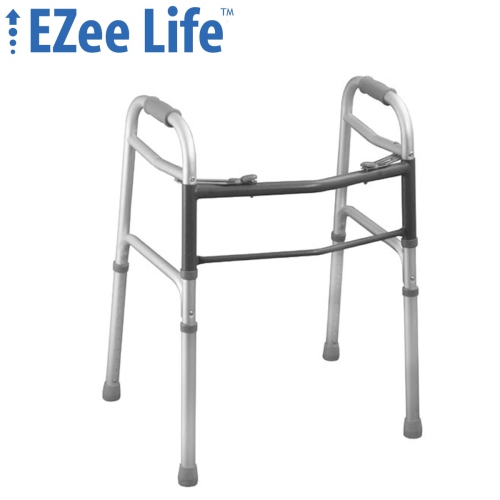
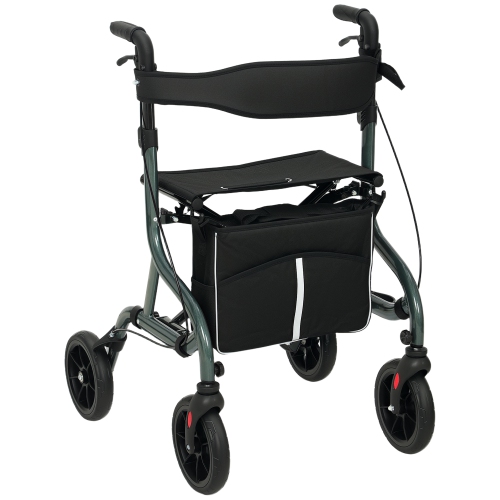
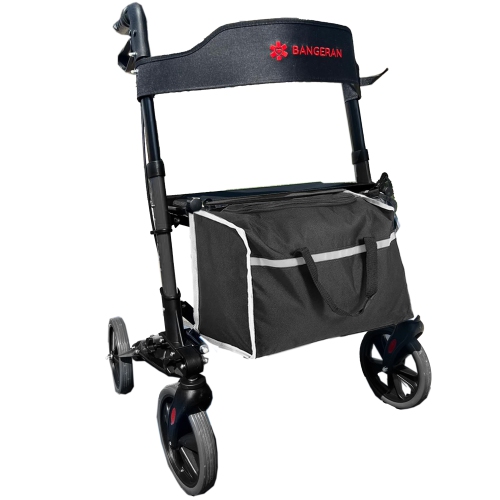

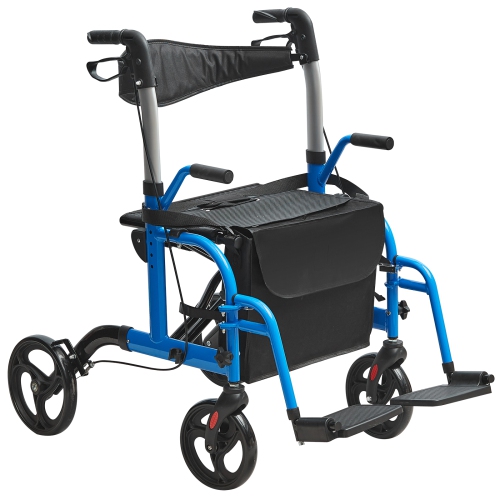
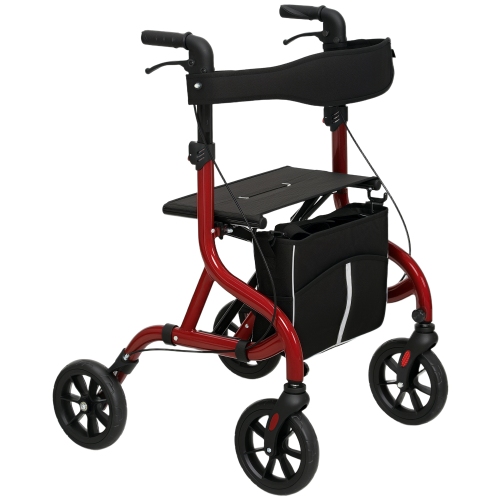
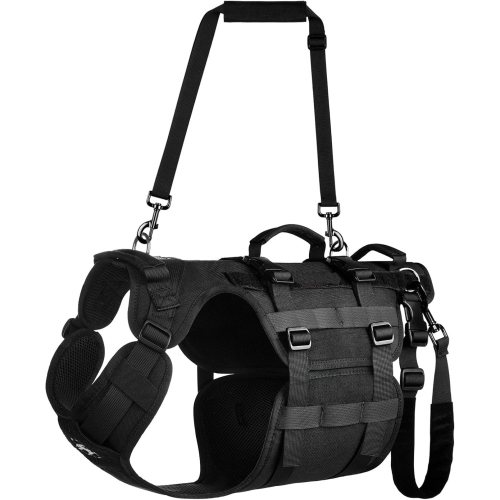



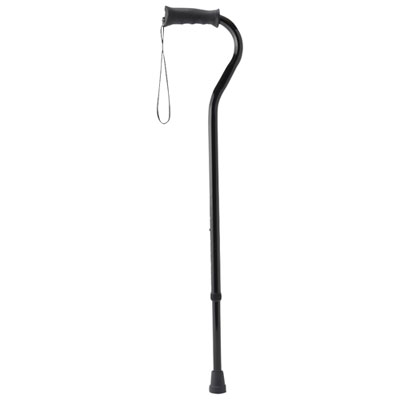
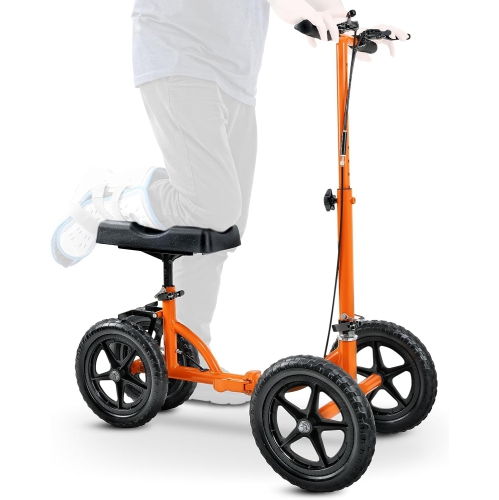

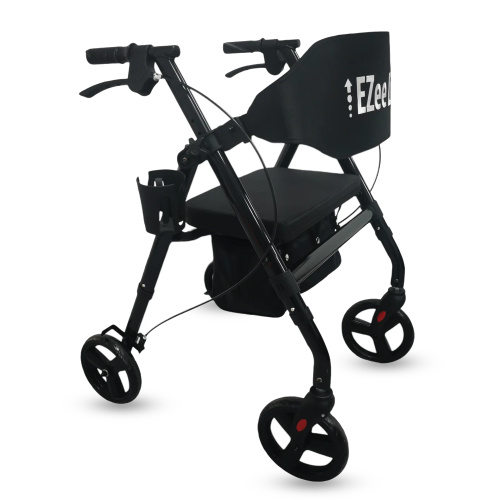
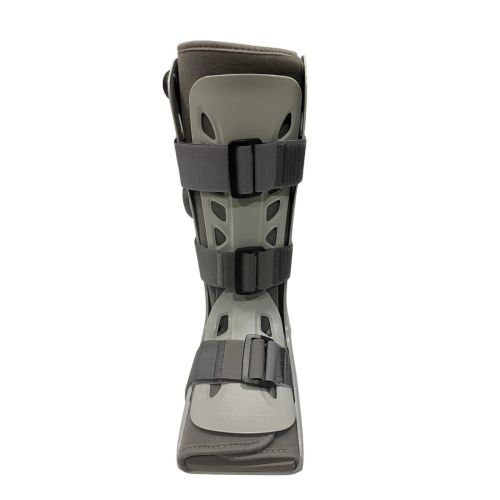


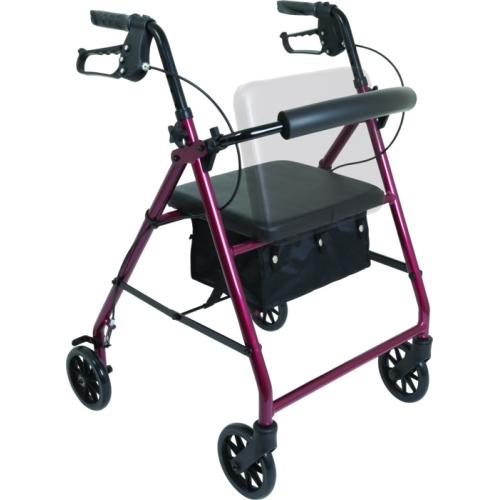
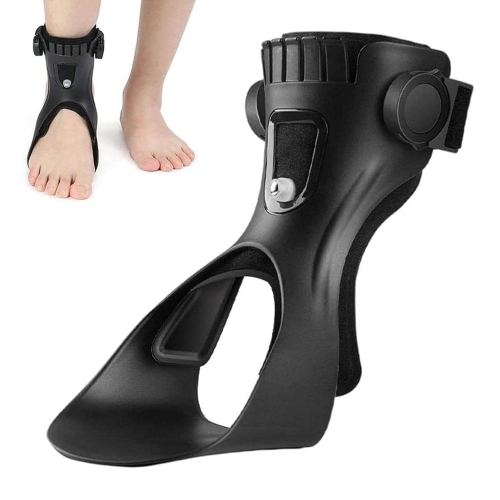
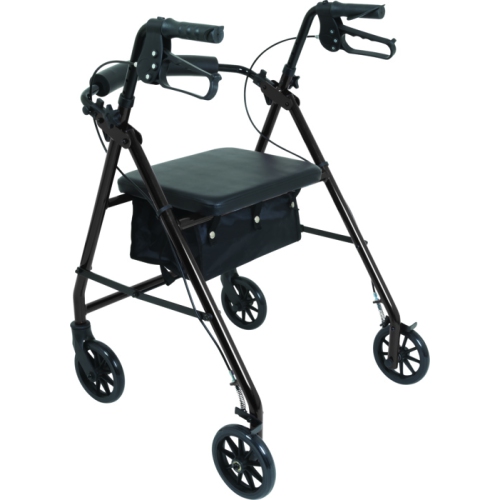

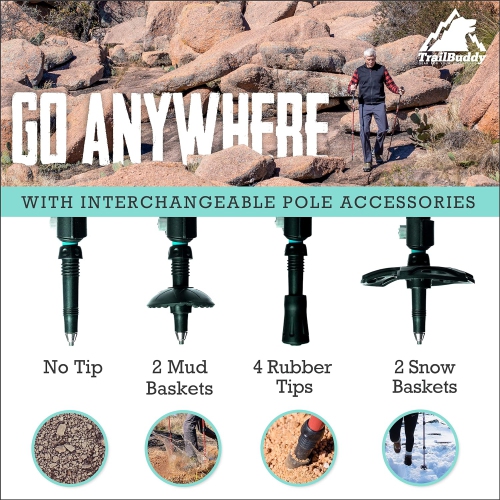

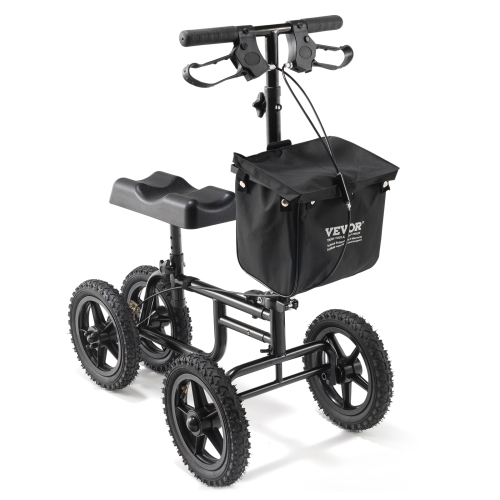


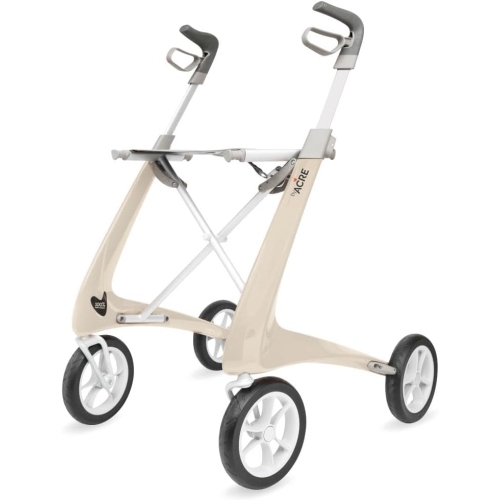

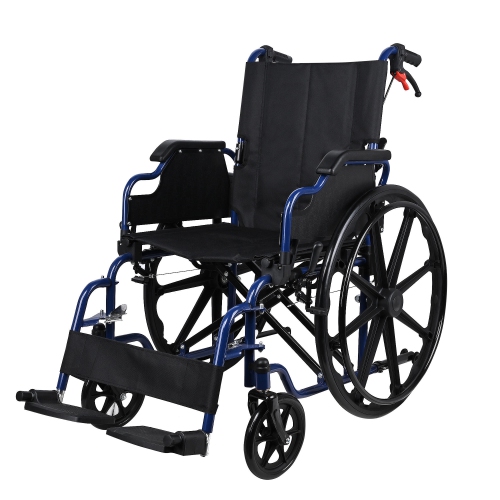
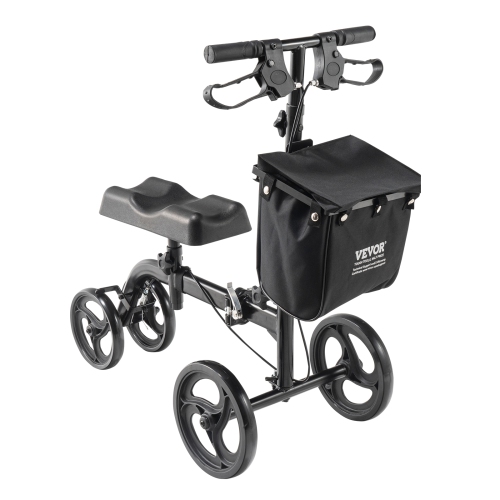
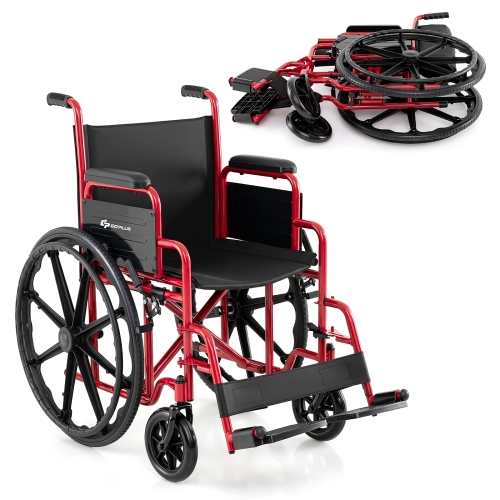

Mobility support that fits how and where you move
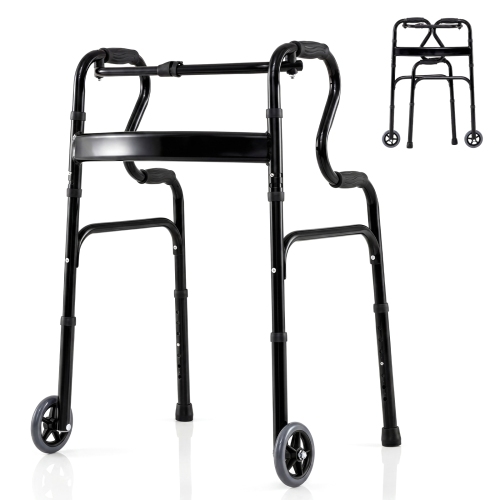
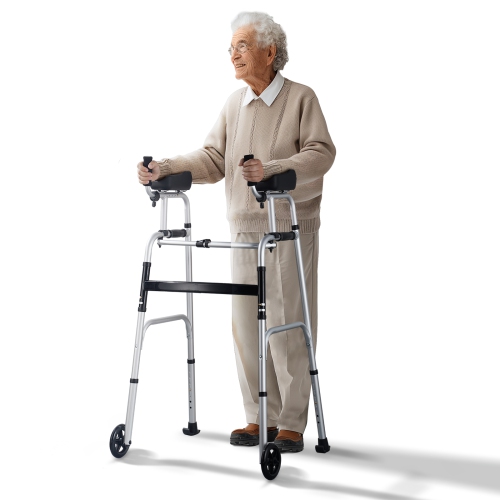
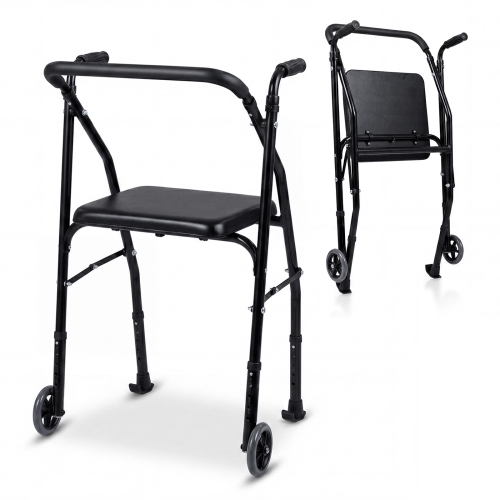
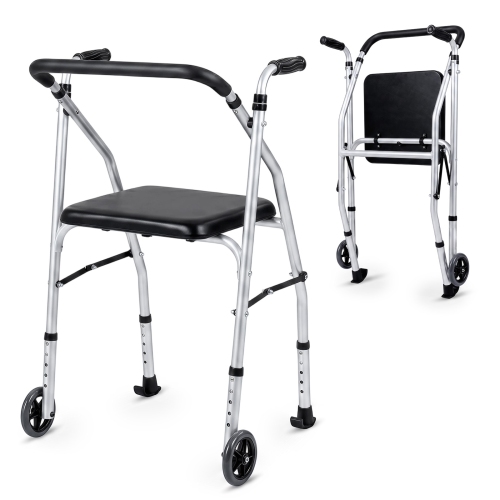
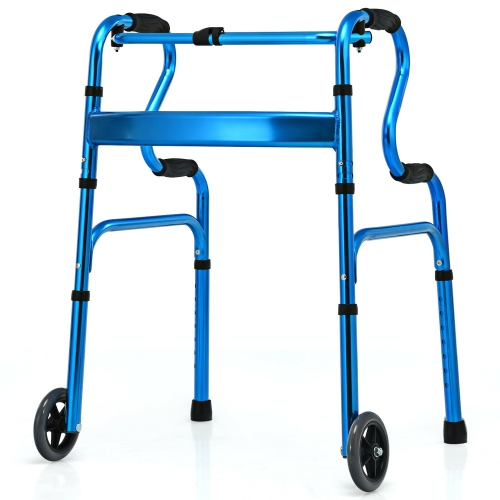
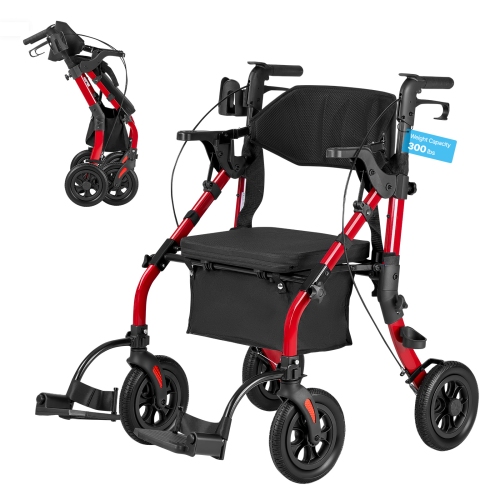
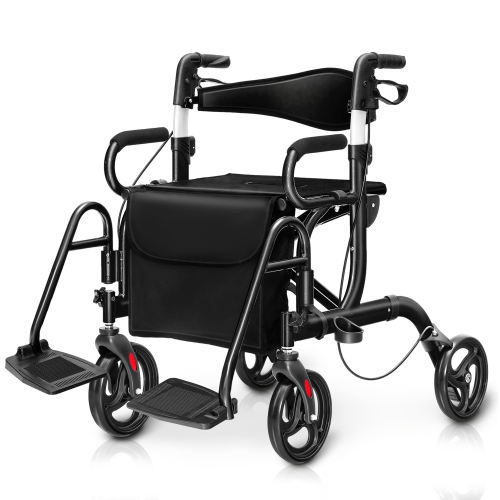
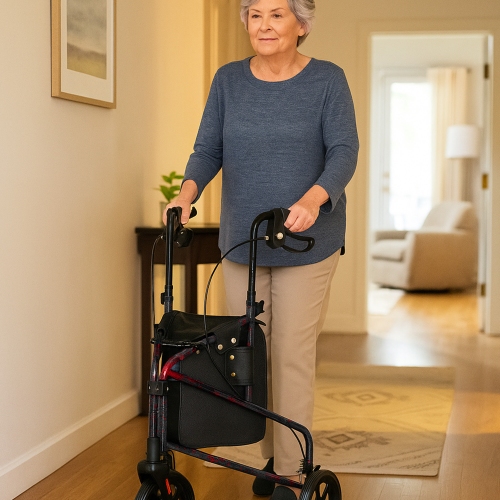
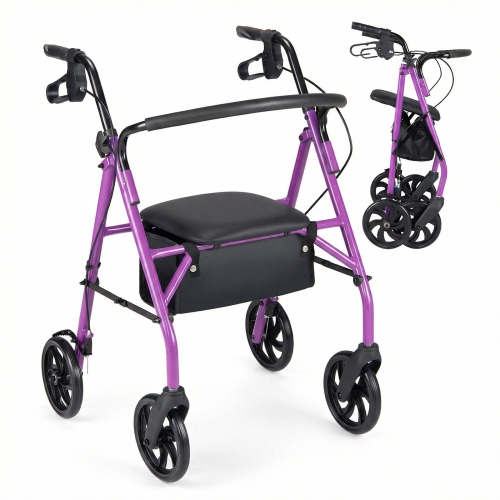
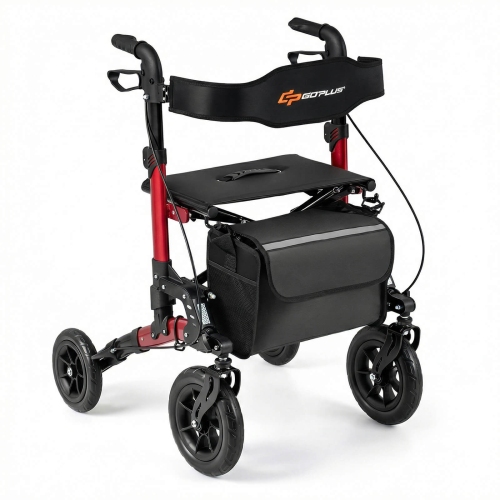
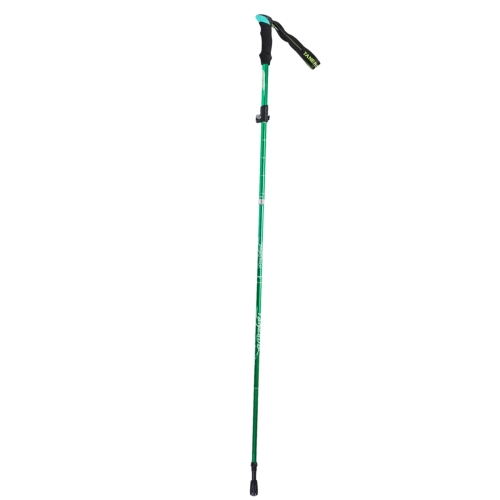
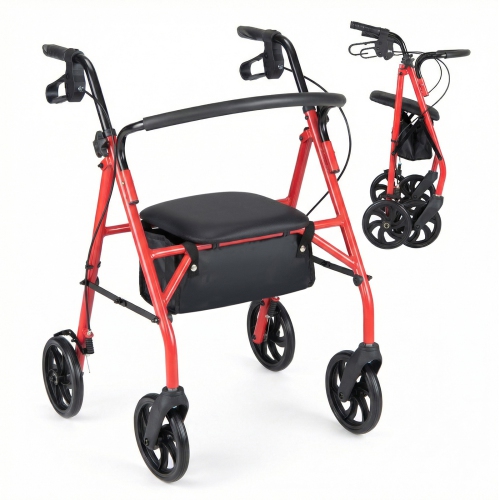
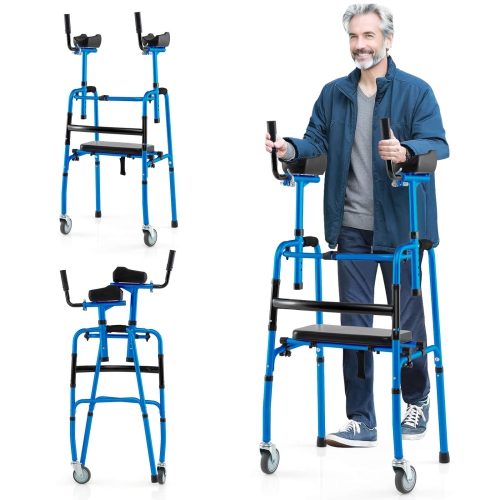
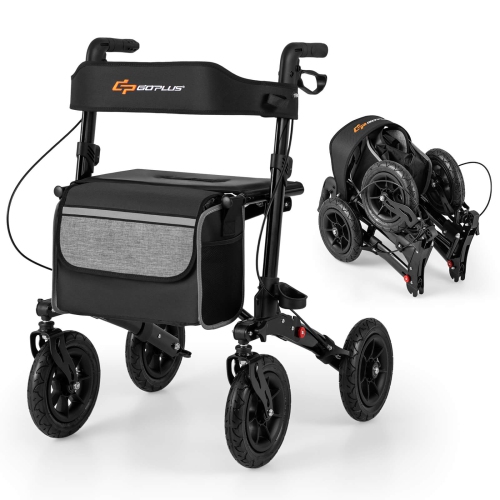
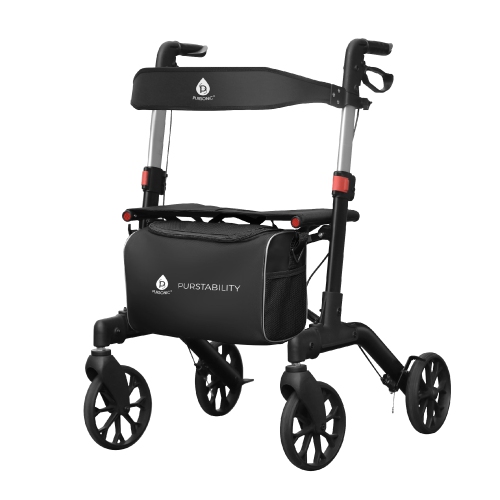
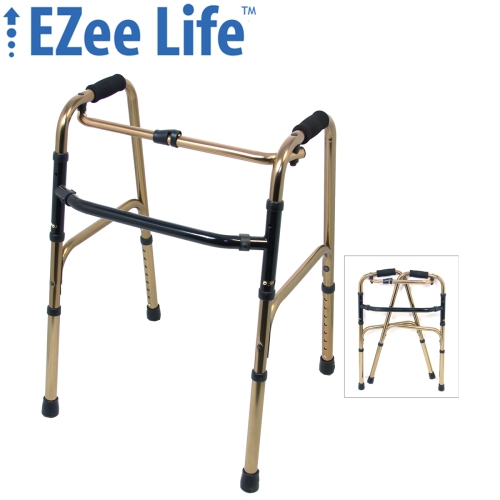
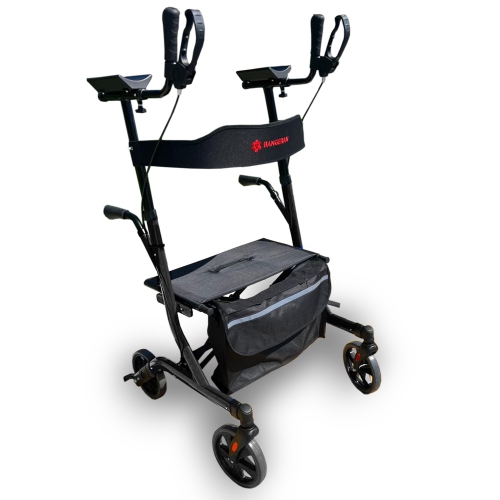
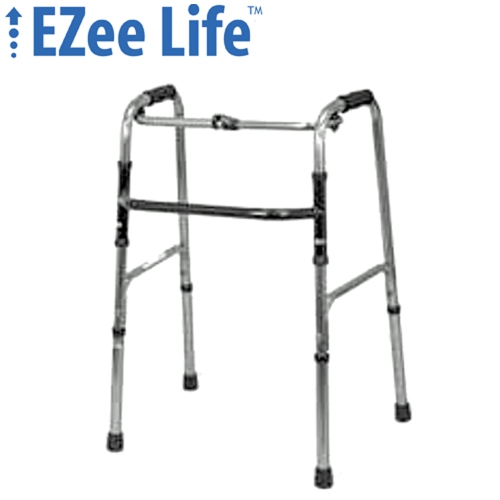
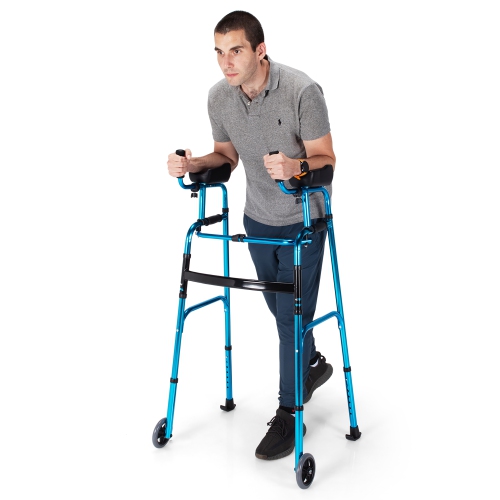
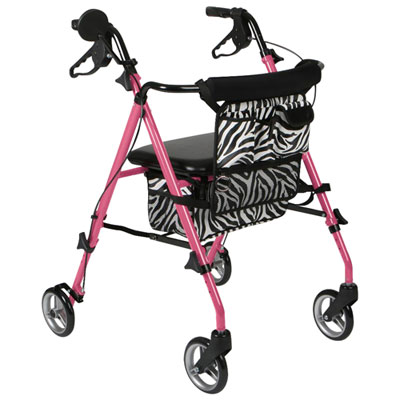
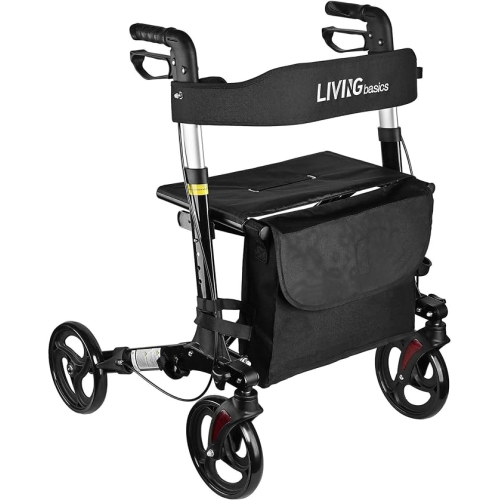
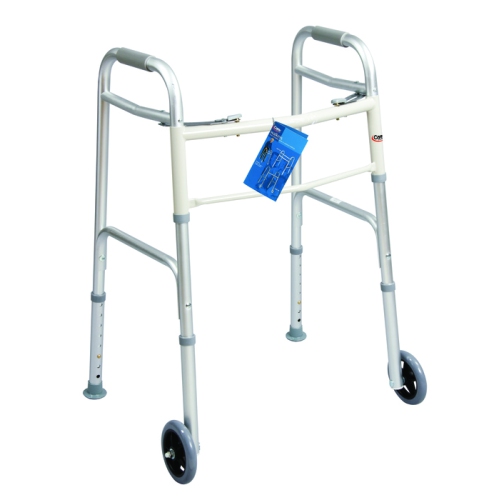
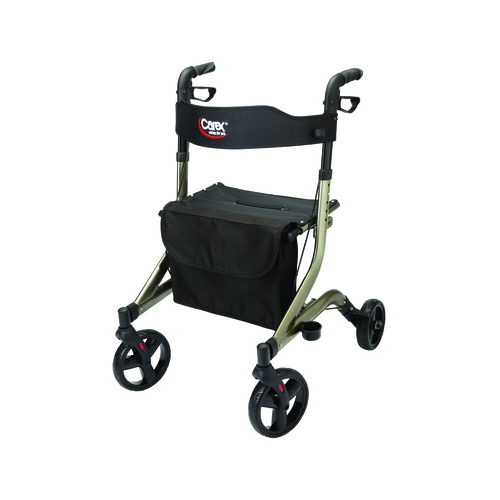
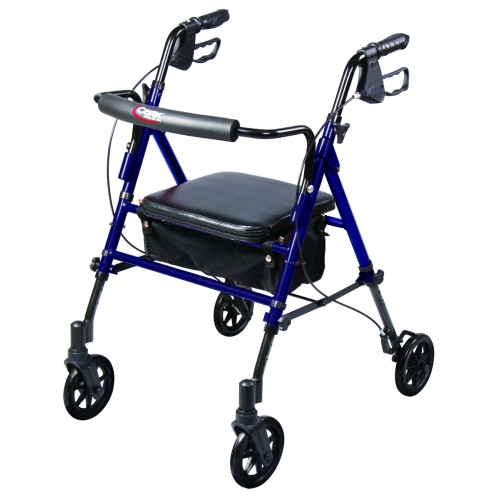
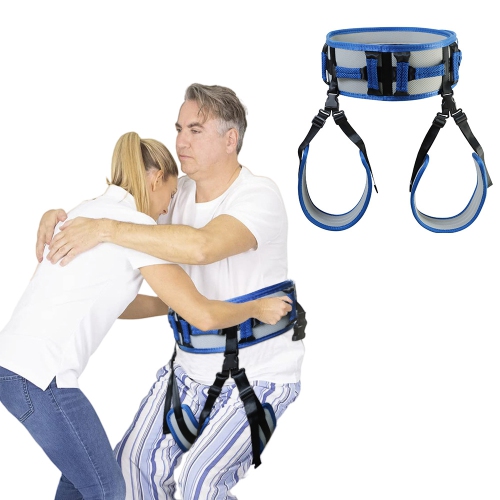
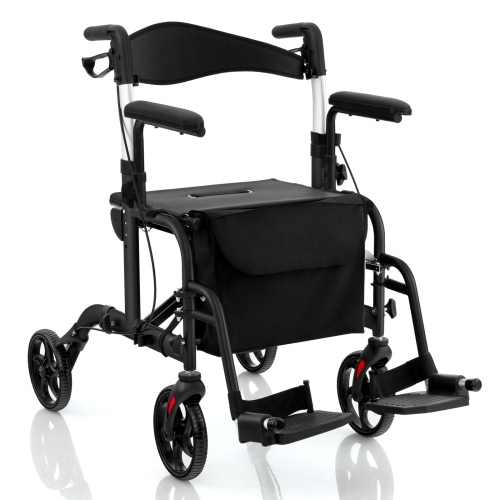
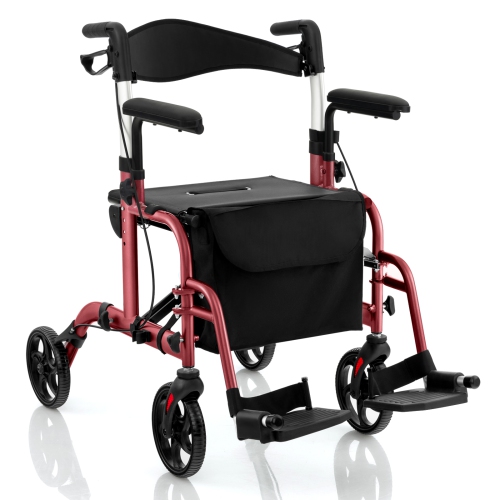
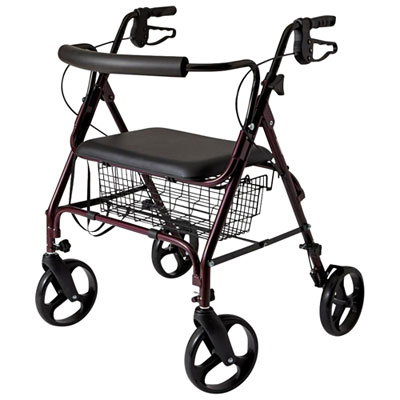
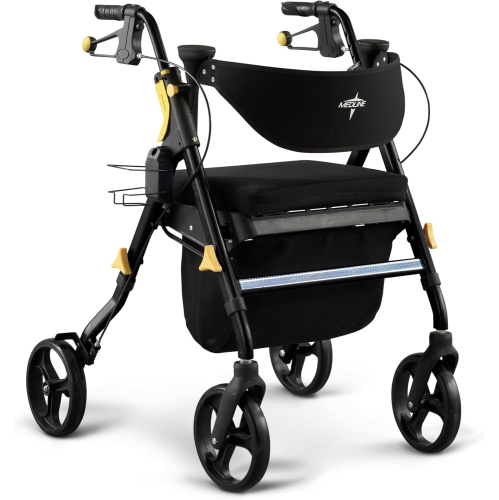
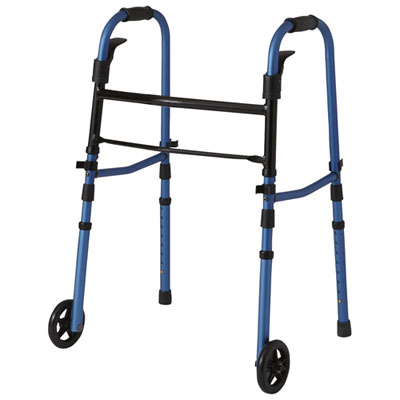
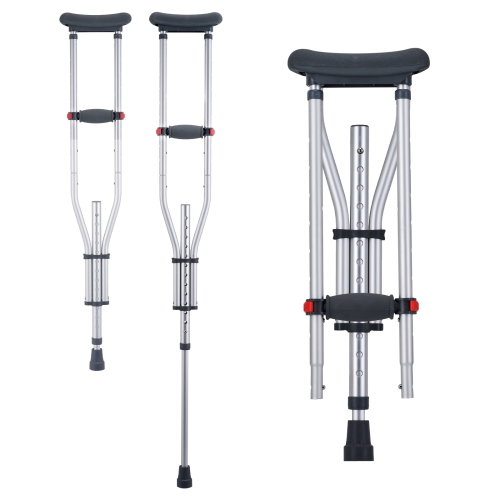
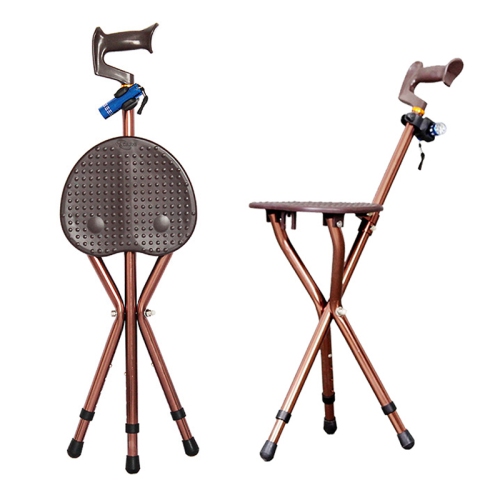
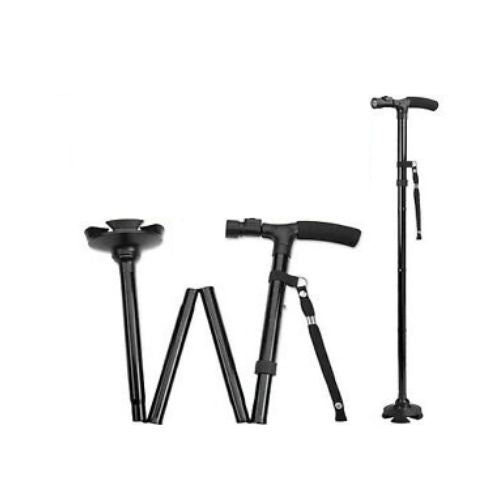
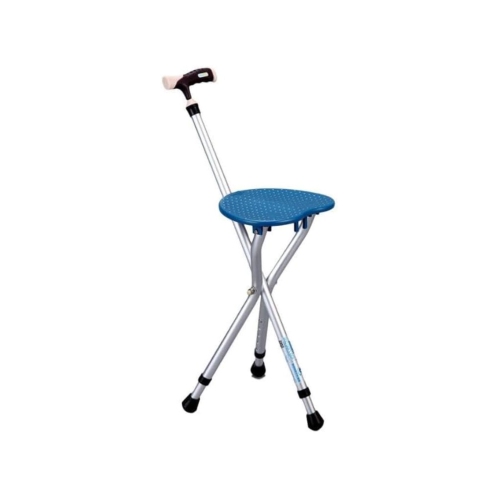
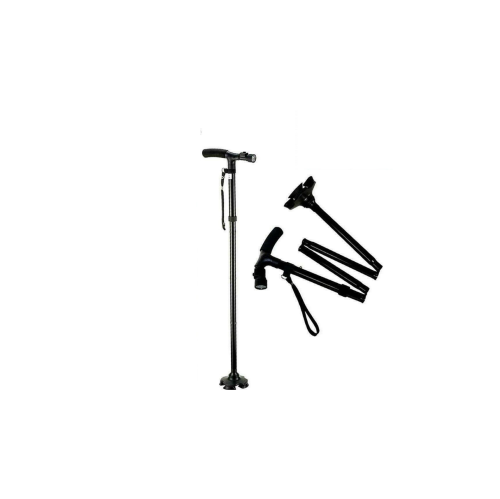
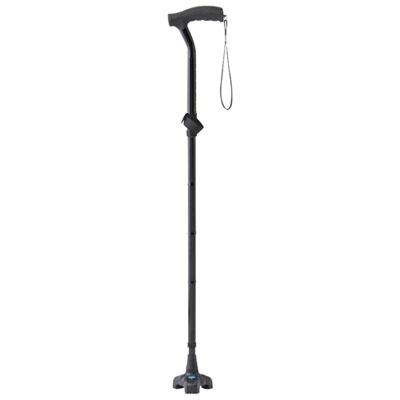
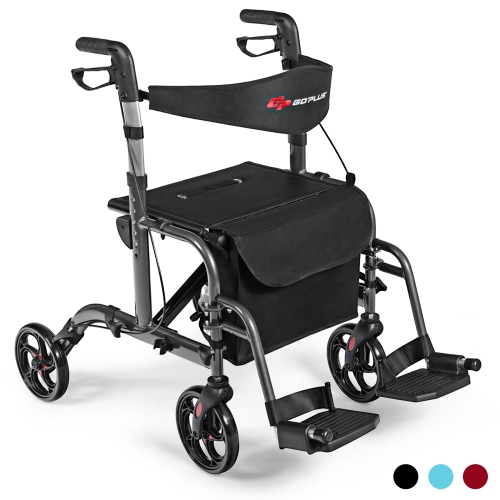
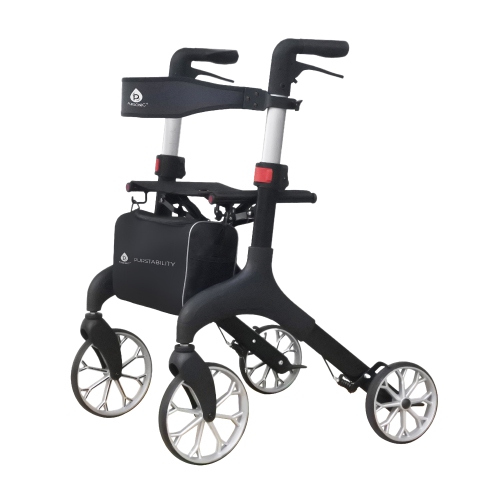
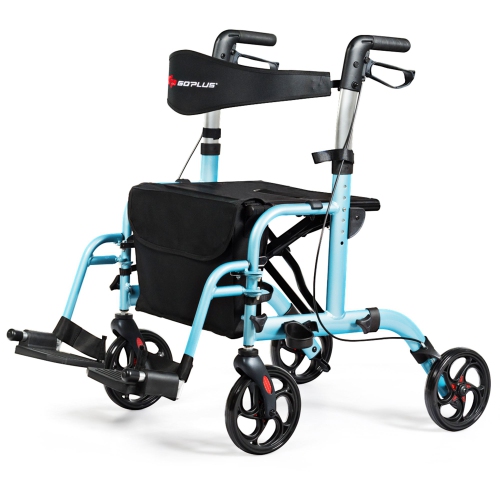
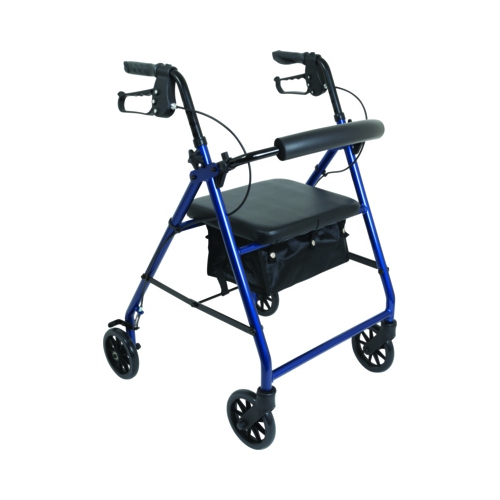
Walking aids provide support for people who need greater stability, help with balance, or assistance moving while an injury heals. The main types include canes, crutches, standard walkers, two-wheeled walkers, and rollators, each suited to different movement needs. A cane offers a point of contact with the ground and may suit someone who needs light support while still having enough balance and coordination to walk safely. Single-tip canes have a compact footprint, while quad canes have a broader base with four points of contact; the entire base needs to sit securely on the walking surface. Crutches can help reduce or avoid weight through an injured leg when used according to a healthcare professional’s instructions, but they also require appropriate strength, coordination, and fit. Standard walkers have four legs without wheels and are lifted forward between steps, providing a stationary support frame when all four feet are on the ground. Two-wheeled walkers combine front wheels with rear tips or glides, allowing forward movement without lifting the whole frame. Rollators move on wheels and generally use hand-operated brakes, with many four-wheeled designs including a seat for rest breaks. They can suit people who need support with balance or endurance, but they are not interchangeable with walkers intended for substantial weight-bearing assistance. Walking aids may be used by older adults, people with long-term mobility limitations, or adults returning to everyday activities after surgery or injury. Age alone does not determine the right choice: a person’s gait, grip strength, balance, and prescribed weight-bearing limits matter more. A physiotherapist or occupational therapist can assess those needs and help establish safe use. For age-related mobility needs, Walking Support for Seniors offers a related focus. Whether the aim is moving between rooms, reaching a building’s lift, or taking manageable breaks during an outing, the most useful support is one that fits both the person and the places they regularly go.
Fit and construction influence how comfortably a walking aid becomes part of a daily routine. Handle height affects posture and arm position, while the shape and size of a grip can make a noticeable difference for someone with stiff fingers or limited hand strength. For many canes and walkers, the wrist crease provides an initial reference for handle height when the user stands upright in their usual footwear with their arms relaxed, but final fitting should allow the appropriate elbow bend and suit the particular device. Crutches require their own fitting approach; underarm crutches should support weight through the hands rather than pressing into the armpits. Adjustable shafts and frame legs allow changes within a stated height range, and adjustment buttons or locking collars need to hold securely at the selected setting. The frame’s weight capacity is equally important and should be checked alongside any separate limits for a seat, basket, or storage pouch. A wider frame may provide more room within the walking area, yet its overall width still needs to work with doorways and furniture clearances. Materials contribute to handling as well as durability. Aluminum is common in lightweight frames that are easier to lift into a vehicle, while steel generally adds weight and may be used where a sturdier construction is needed. Some canes use wood or composite materials, with comfort depending on the finished shape, grip, and overall balance rather than material alone. Rubber or similar traction tips help create contact with the floor, although their performance depends on their condition and the surface beneath them. Foam, moulded plastic, and contoured grips offer different textures and levels of cushioning. For wheeled walking aids, brake levers should be within comfortable reach and manageable without an awkward stretch. Someone who finds squeezing a lever difficult may need a different braking arrangement or another type of support. Seat height and width also deserve attention on rollators: the user needs room to sit comfortably and a practical position from which to stand. These details can matter as much as the frame’s weight or folding size.
Intended use brings those features into focus. Inside a home, a walking aid needs enough turning room beside a bed, through a bathroom doorway, and around the corner of a kitchen counter. A narrow footprint can be helpful in close quarters, but adequate space for the user’s feet and a comfortable walking position remain essential. Thick rugs, loose cords, and raised thresholds can interrupt movement, so the route itself matters as much as the device. For outings, wheel size and design influence how a rollator handles paving joints and small surface irregularities; larger wheels may travel more easily over uneven ground, but no wheel design makes every surface suitable. Folding mechanisms can simplify transport and storage, especially when a caregiver needs to place a frame in a car boot. The folded dimensions, lifting weight, and location of release buttons all affect that task. Storage pouches or baskets can keep small essentials within reach without occupying the hands, provided their load limits are respected. Hanging heavy bags from handles can affect balance and should be avoided. A rollator seat provides a place to pause only when the device is stationary, positioned on a firm, level surface, and secured with its parking brakes. A standard rollator is not designed to carry a seated person while someone pushes it. Ongoing care is usually straightforward but important: grips and frames need cleaning according to the manufacturer’s directions, and walking aids should be dried thoroughly after cleaning. Tips, wheels, brake cables, fasteners, and folding locks need regular checks for wear, looseness, or damage. Worn traction tips and brakes that no longer hold securely call for attention before further use, with replacement parts matched to the device. When a family member is helping choose a walking aid, involving the intended user helps account for comfort, preferred routines, and how easily the aid can be handled. Practical support should make everyday movement more manageable without asking someone to adapt to a frame that is too heavy, a grip that hurts, or controls they cannot operate confidently.
Top selling and popular products
-
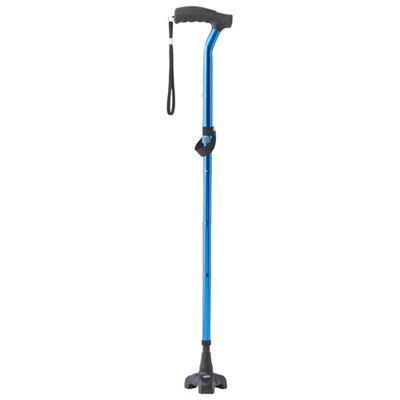 Your price for this item is $35.99
-
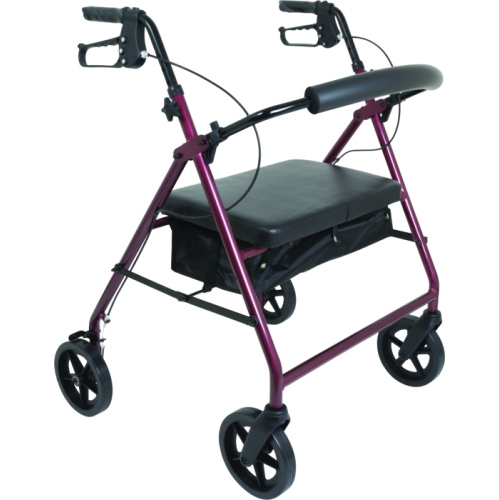 Your price for this item is $244.99
-
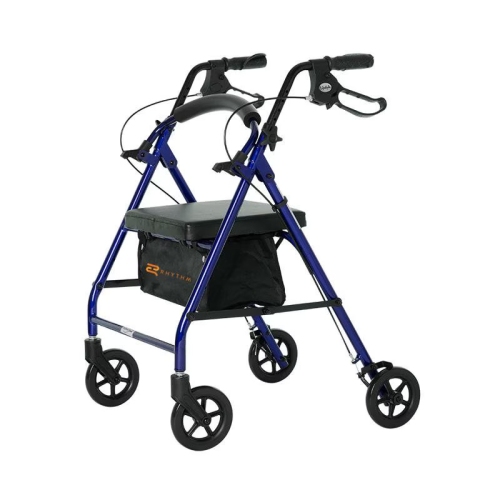 Your price for this item is $151.99
-
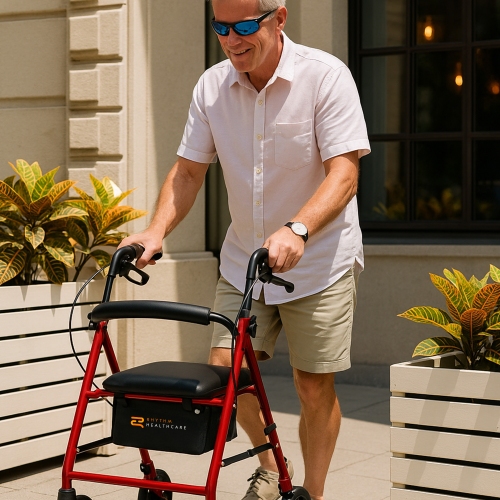 Your price for this item is $138.99
-
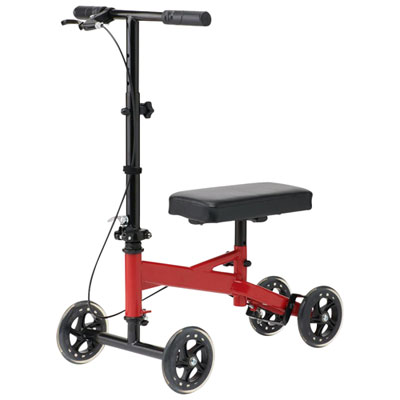 Your price for this item is $169.99
-
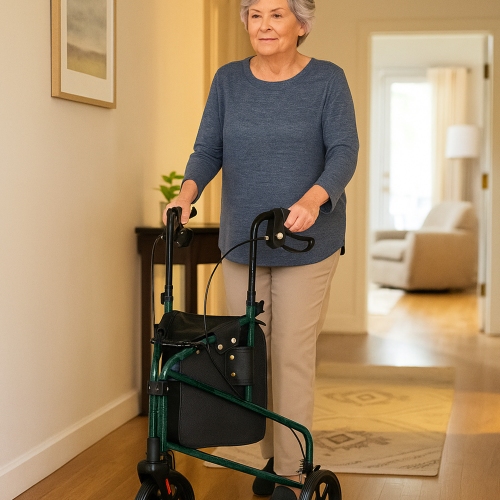 Your price for this item is $212.99
-
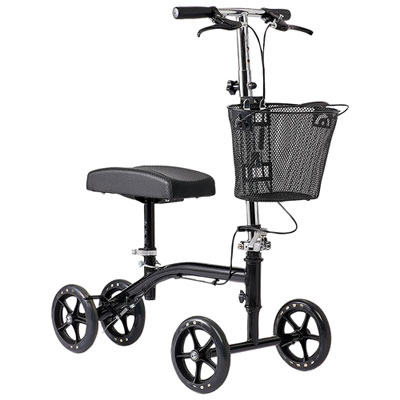 Your price for this item is $196.98
-
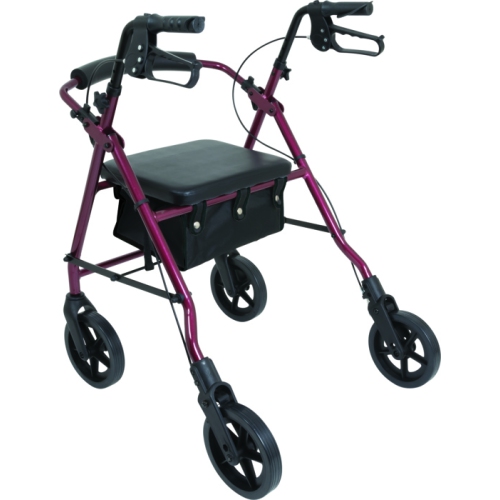 Your price for this item is $199.99
Discover more categories related to Walking Aids
Top Collections:
Pokemon Centers, Best Cameras for Sports Photography, Kindle Devices, Samsung Galaxy Phones, Canon G7X Cameras, Pokémon 30th Celebration Cards, Refurbished Apple Laptops, iPhone 15 Apple, Laptops for Students, Budget Smartphones
Some products may be subject to Environmental Handling Fees
(EHF) depending on your province.
Learn more about EHFs.