Water Bottles for Hiking
Stay hydrated on the trails with our selection of durable and practical water bottles for hiking. Whether you're embarking on a challenging mountain trek or enjoying a stroll through the woods, having a reliable water bottle by your side is essential. From lightweight and compact designs perfect for minimalist packers to insulated options that keep your drinks cold for hours, we have a variety of choices to suit every hiker's needs.
Sort
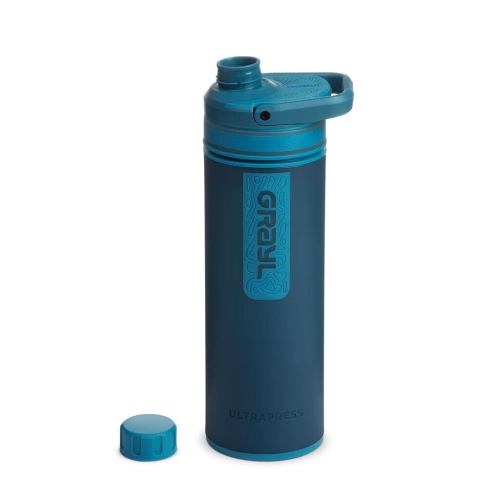
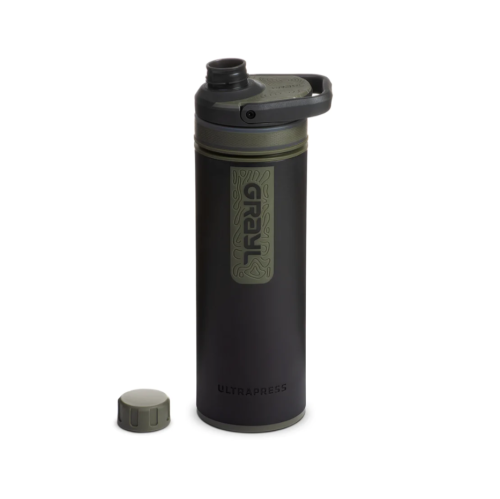
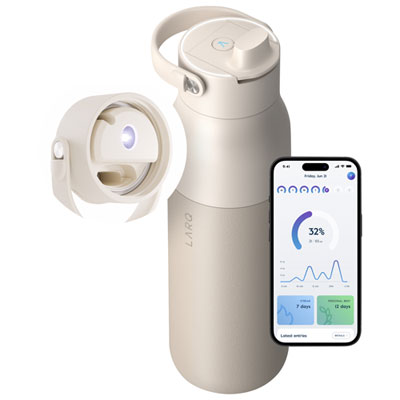
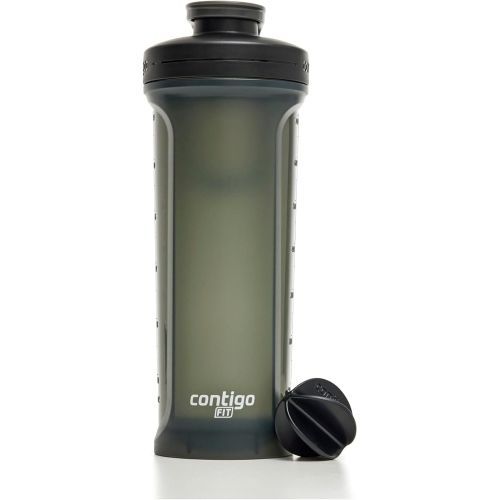
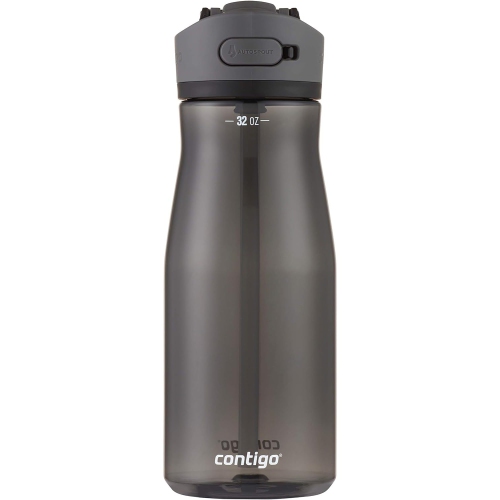
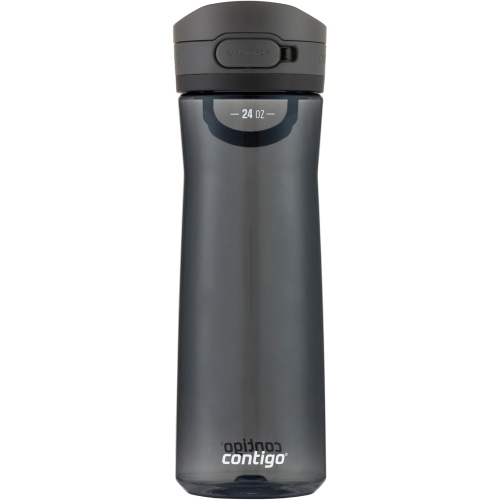
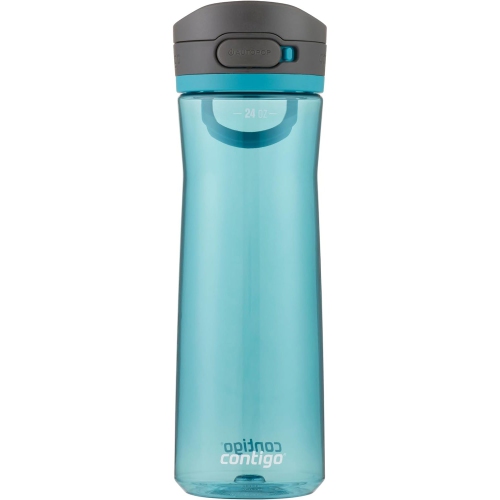
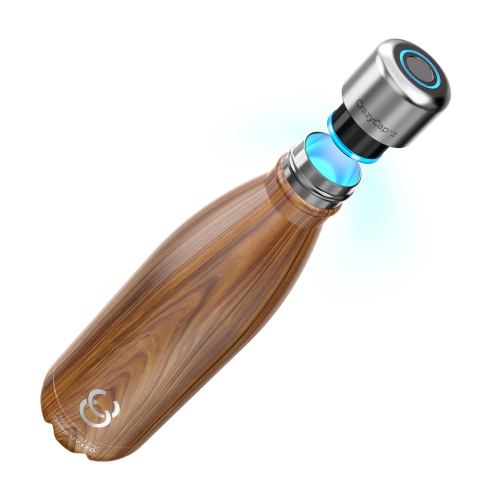
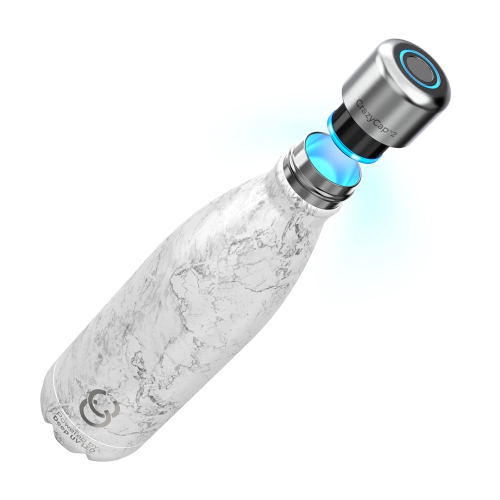
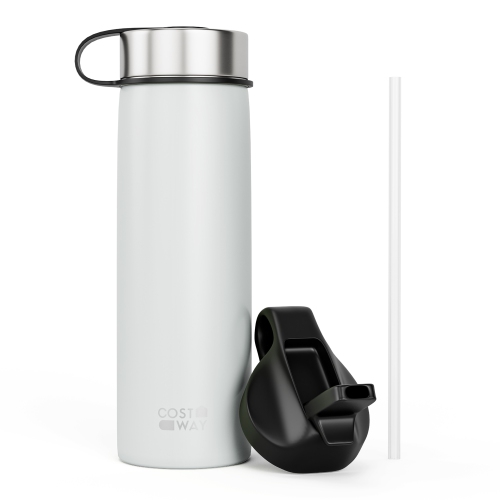
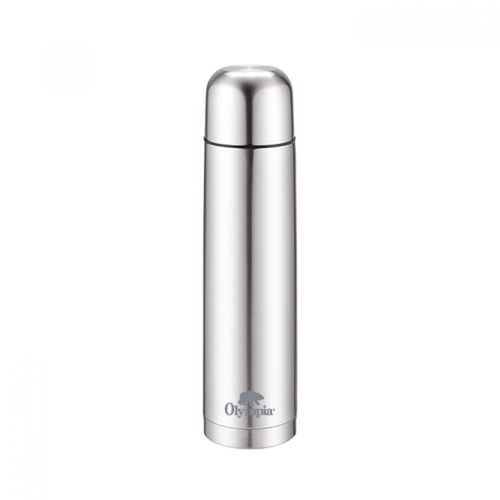
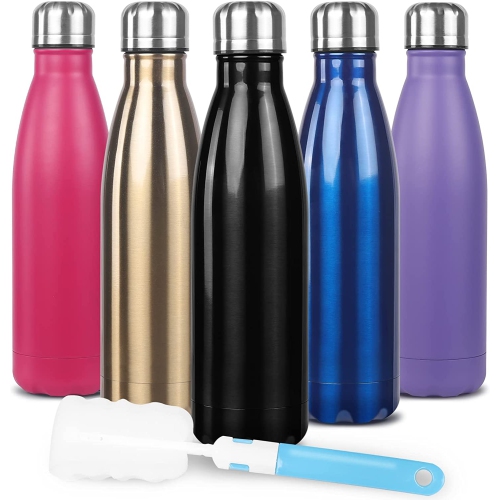




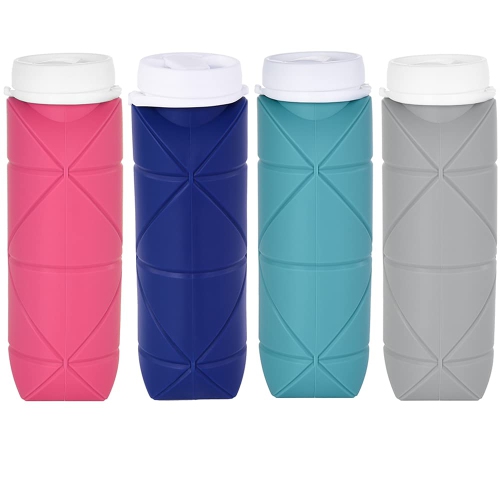
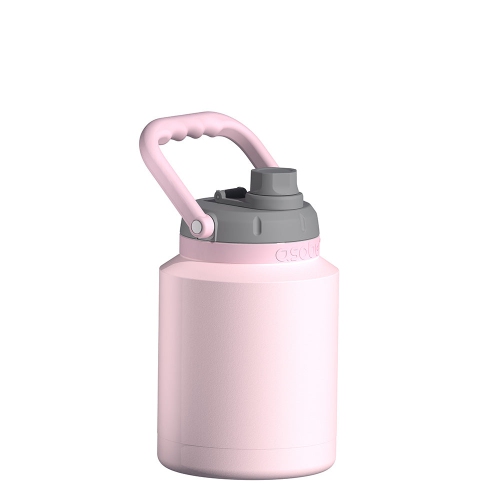
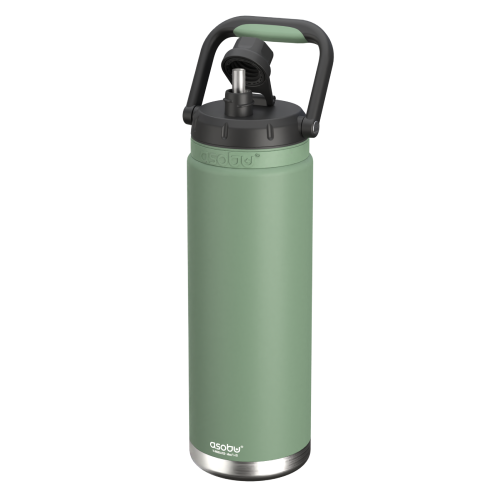
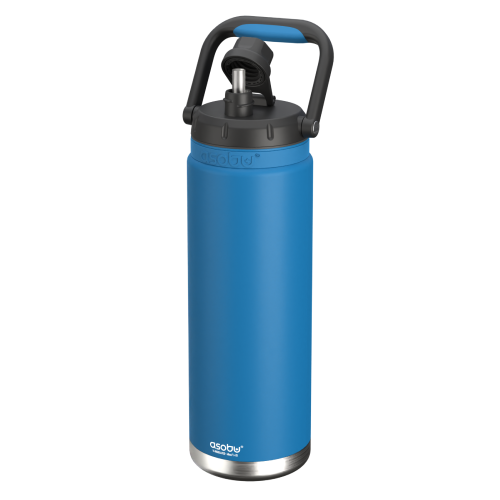

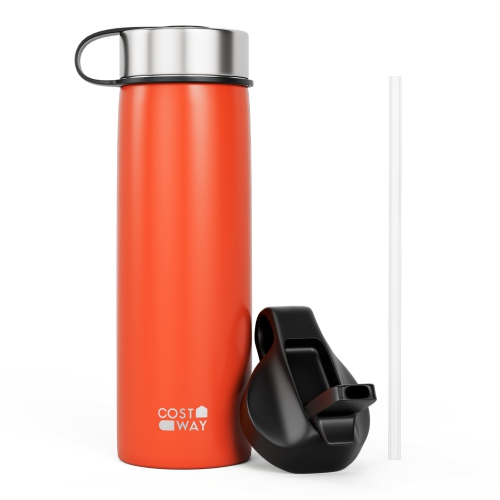
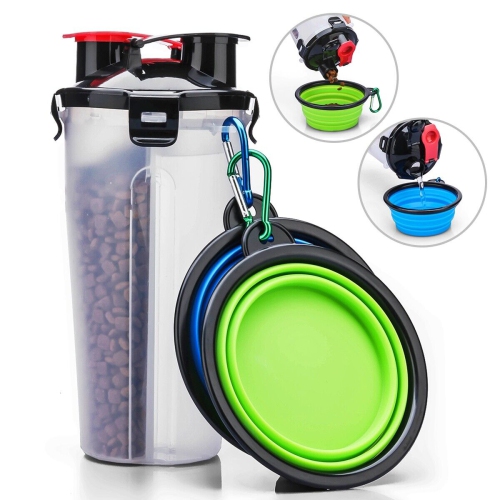
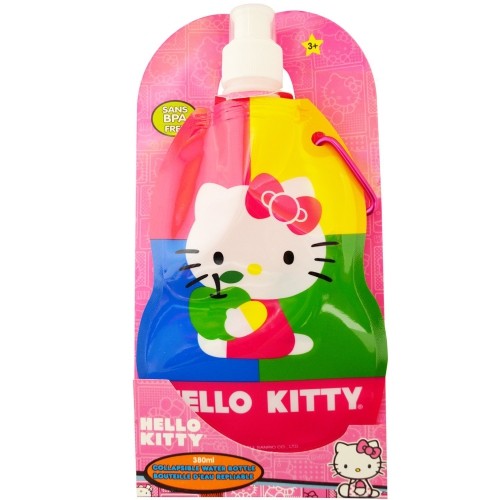
A full bottle changes how your pack feels
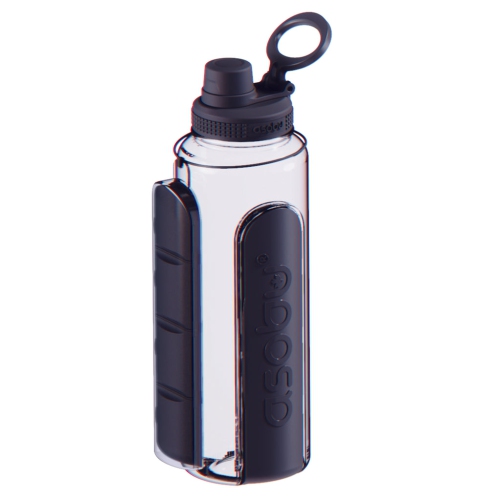
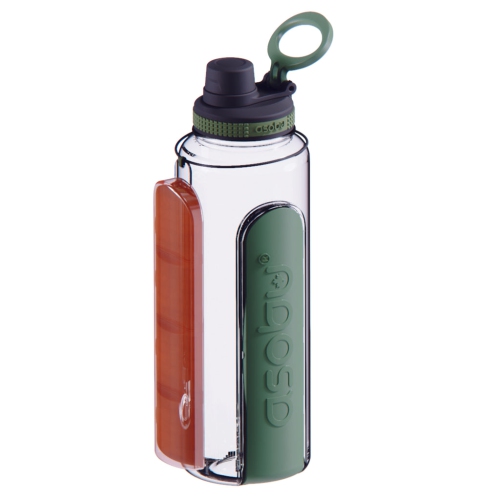
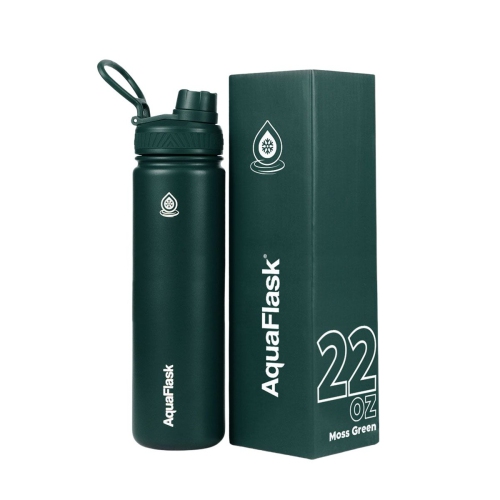
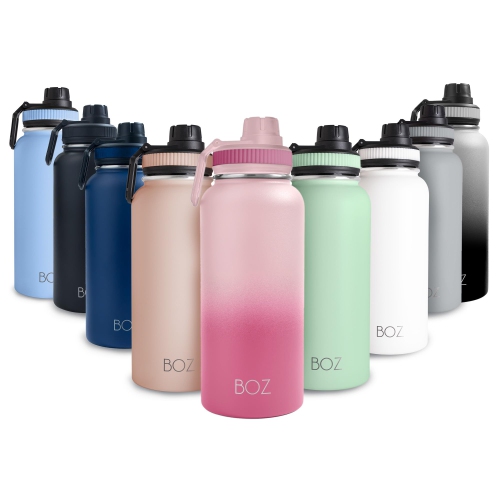
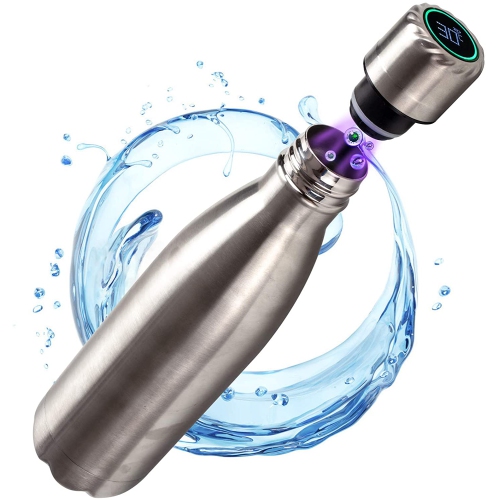
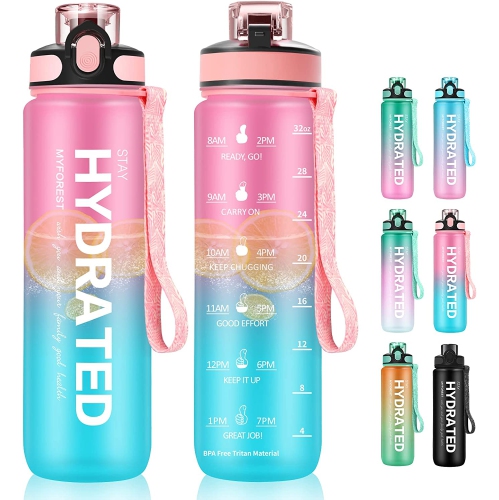
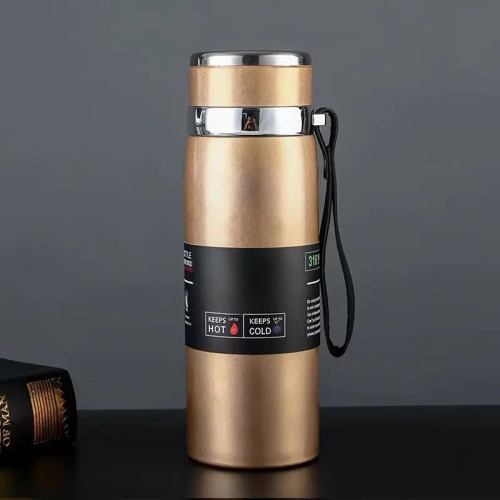
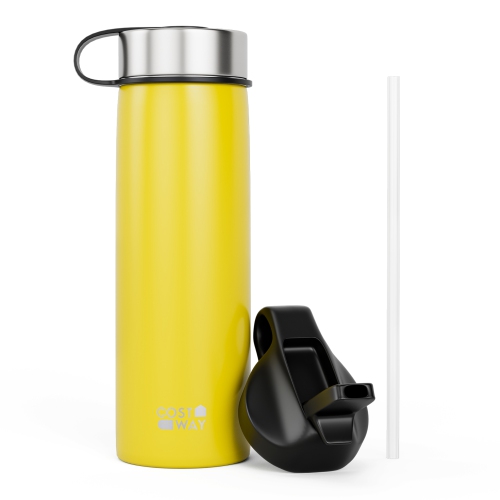
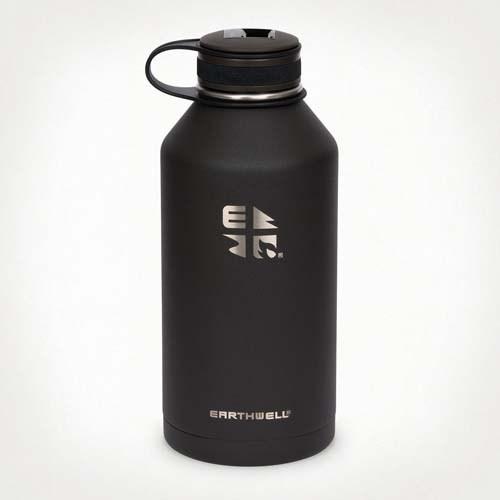
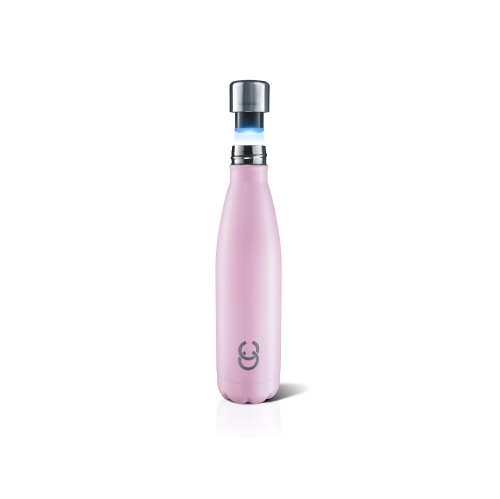
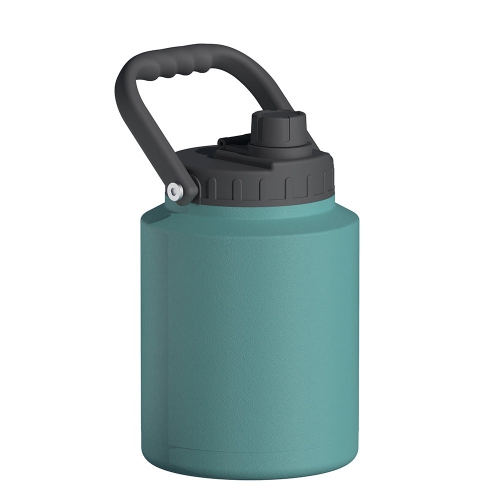
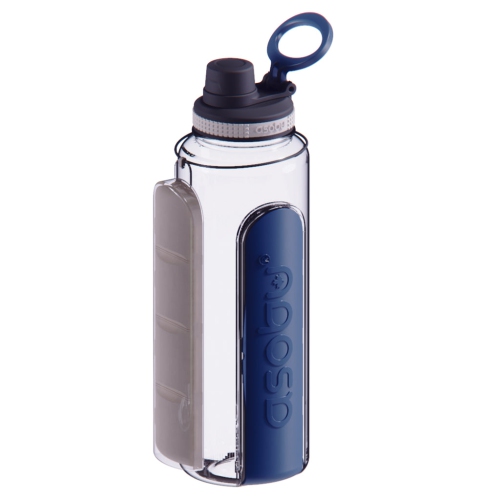
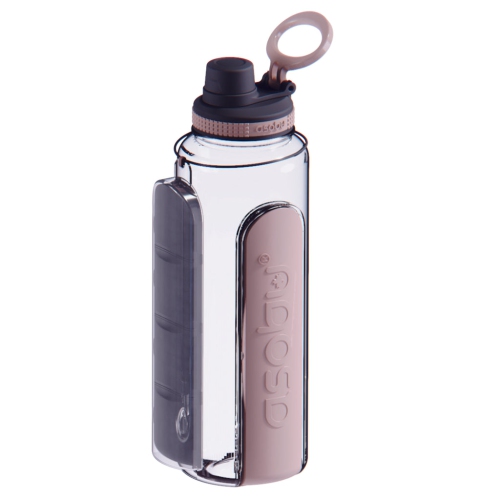
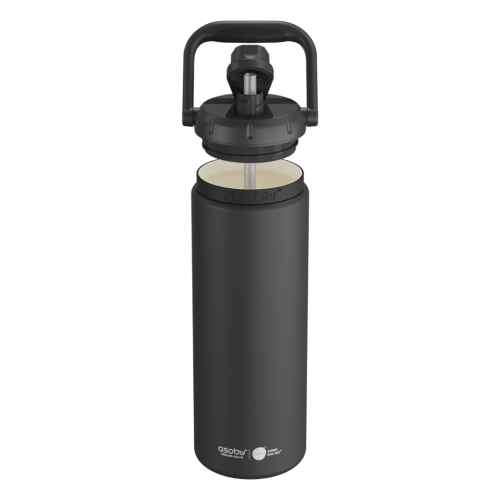
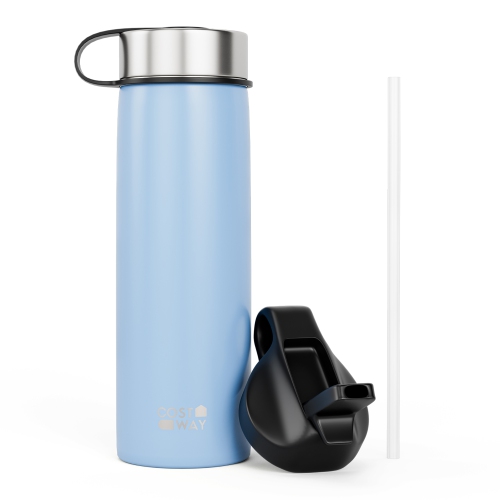
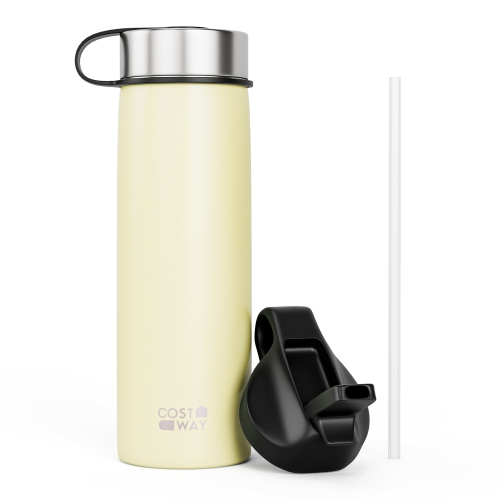
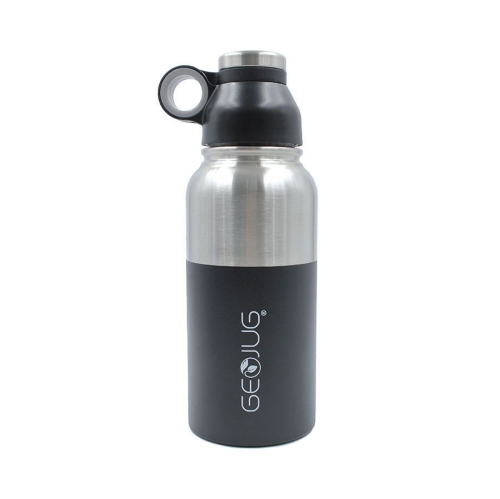
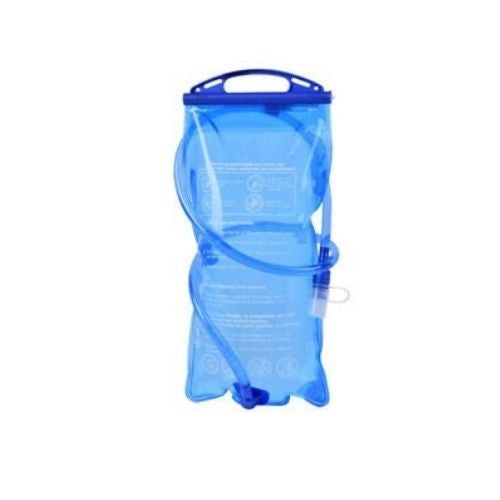
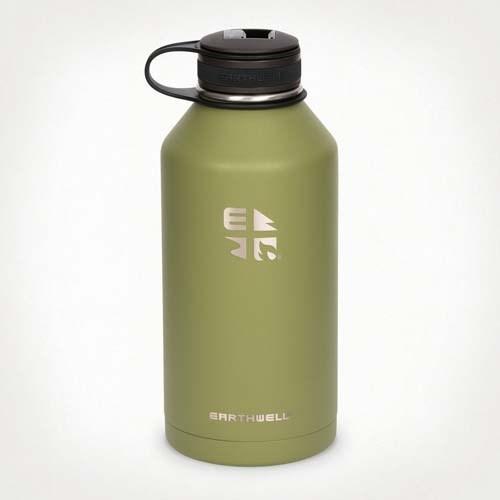
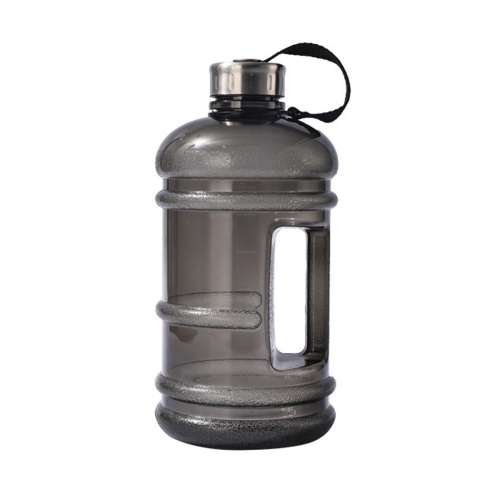
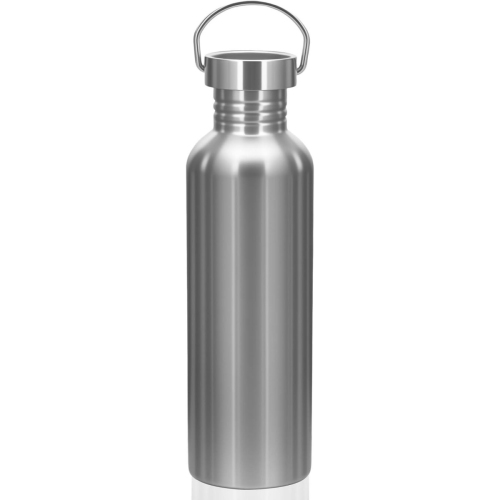
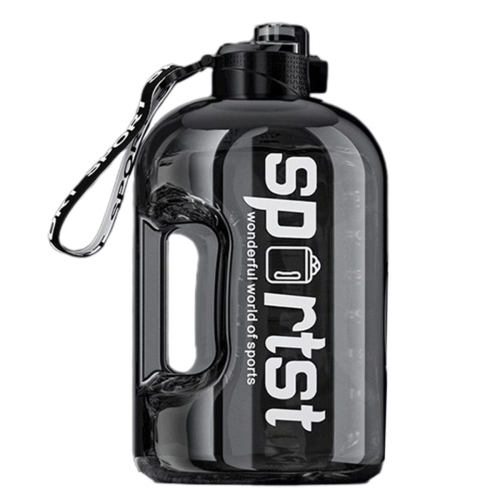
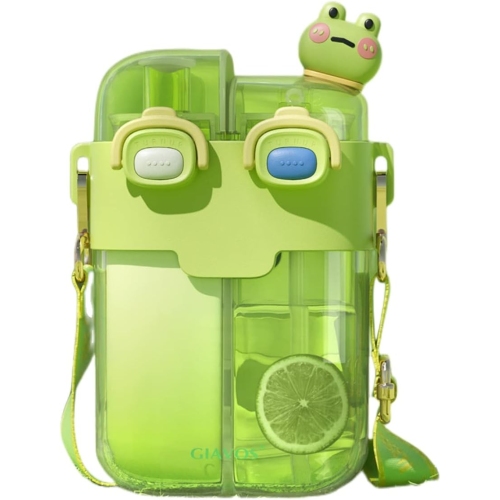
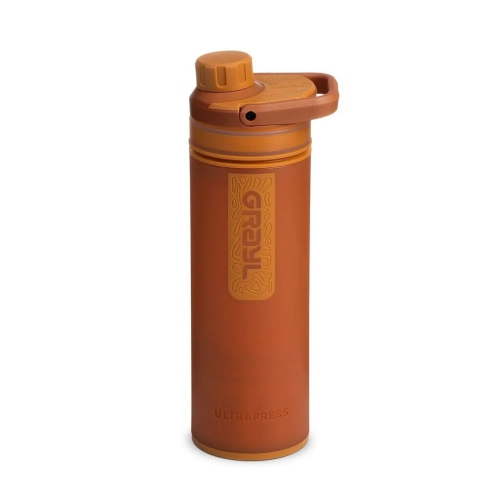
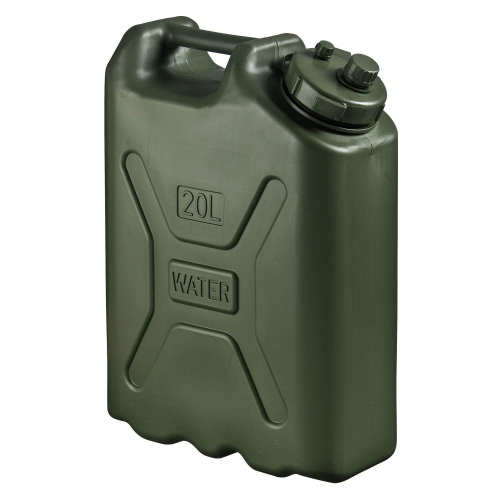
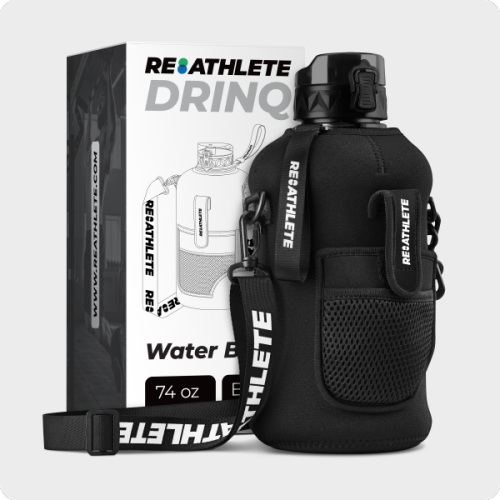
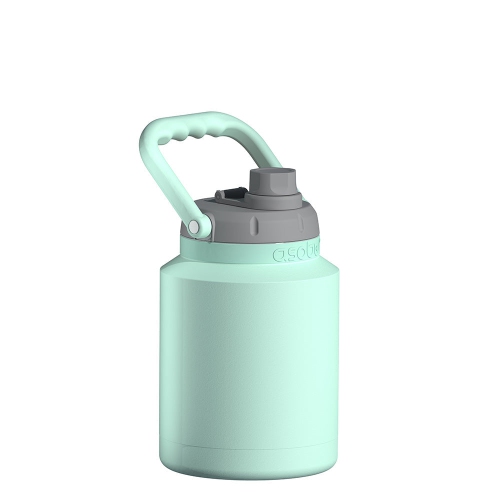
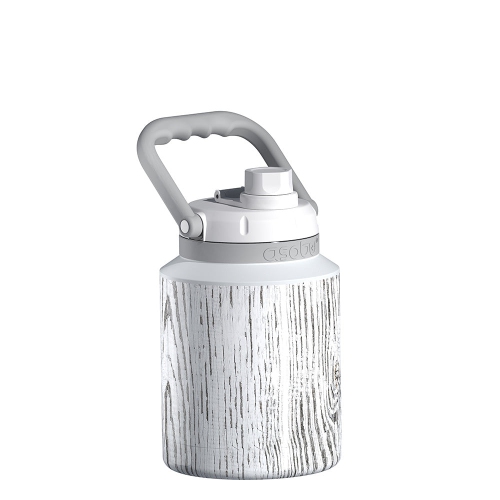
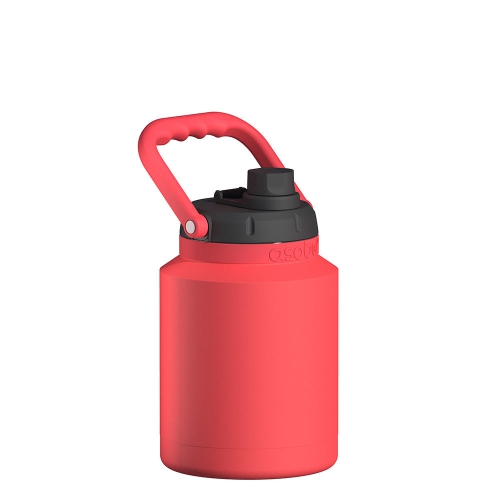
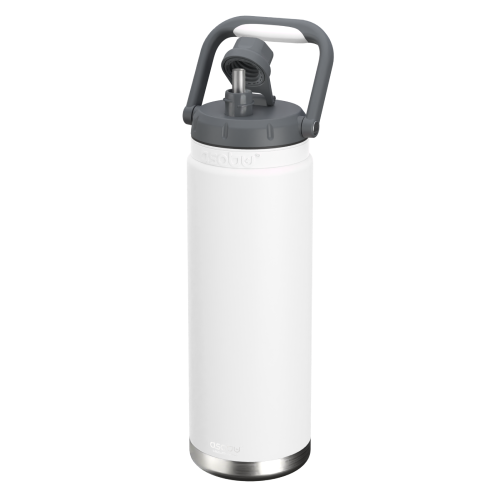
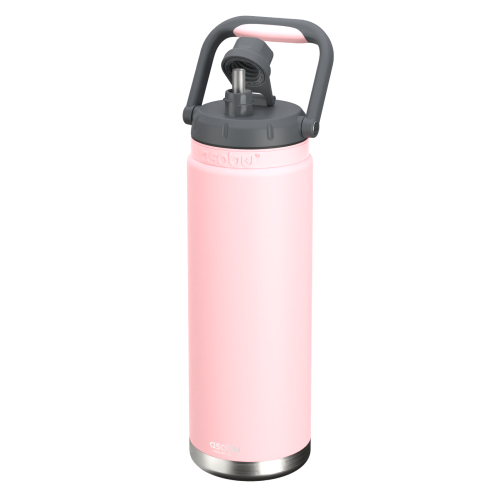
Water bottles for hiking keep drinking water within reach on wooded paths, exposed ridgelines, and longer routes where the next reliable refill may be far away. The best fit balances carrying weight, durability, capacity, and ease of drinking rather than relying on one feature alone. A bottle that feels comfortable on a short walk can become cumbersome after several hours of climbing, especially when packed alongside extra layers and food. Materials make a noticeable difference: rigid plastic bottles are often lightweight and let hikers see how much water remains, while stainless steel offers a sturdy feel and is commonly used for vacuum-insulated designs. Aluminum bottles can also provide a relatively light, rigid option, though their interior lining and care requirements deserve attention. Glass generally adds weight and presents a breakage concern on rocky trails, making it less practical for demanding hikes. Insulated hiking water bottles help limit changes in drink temperature, whether the bottle is resting in sunshine or tucked into a pack during cooler weather. That temperature control usually comes with more weight and bulk than a comparable single-wall design. Uninsulated bottles suit hikers who put a greater emphasis on a light pack and do not mind water approaching the surrounding air temperature. For brisk outings, a cool drink may be refreshing, while a warm beverage can be welcome during a sheltered rest stop; hot liquids belong only in bottles and lids expressly rated for them. A wider opening makes room for ice and allows easier access for cleaning, while a narrower opening can be more comfortable for sipping without spilling. For shoppers also considering bottles for workouts, commuting, or everyday carry, Hydration Water Bottles brings those uses into the picture. For hiking, the defining consideration remains how comfortably and reliably a bottle carries water over the whole route, not simply how it feels when empty.
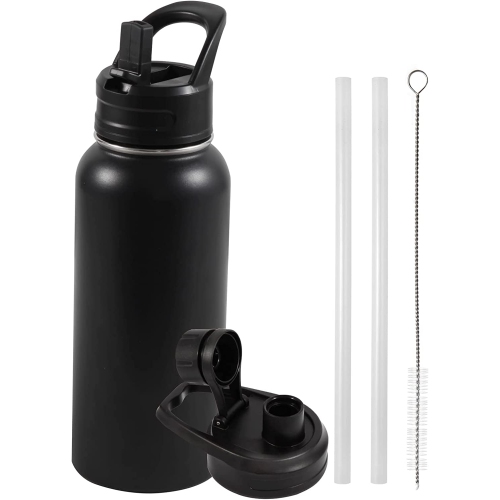
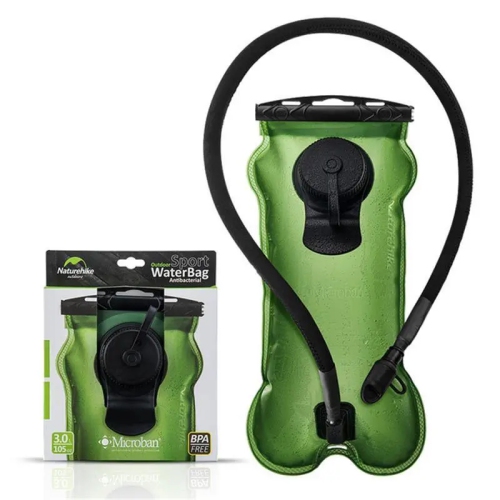
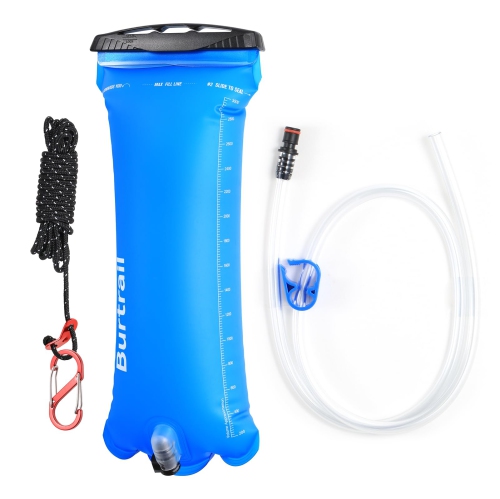
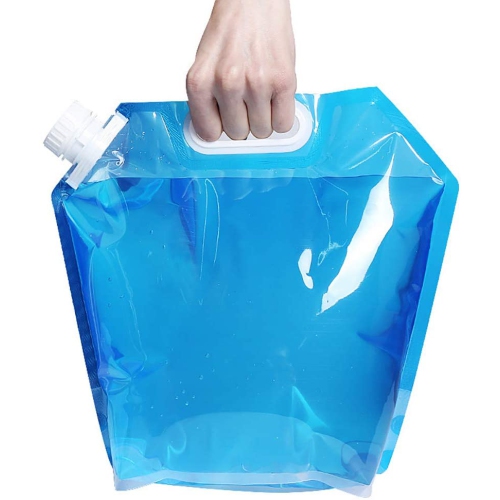
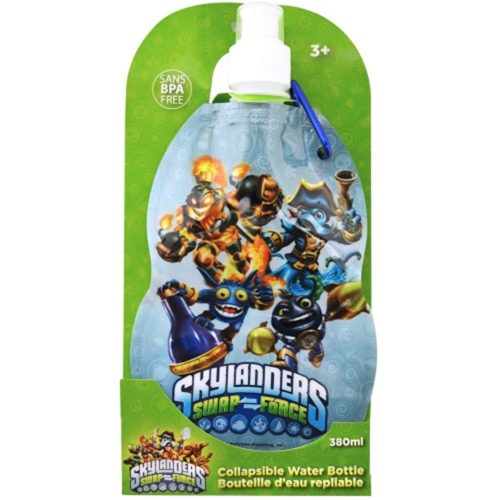
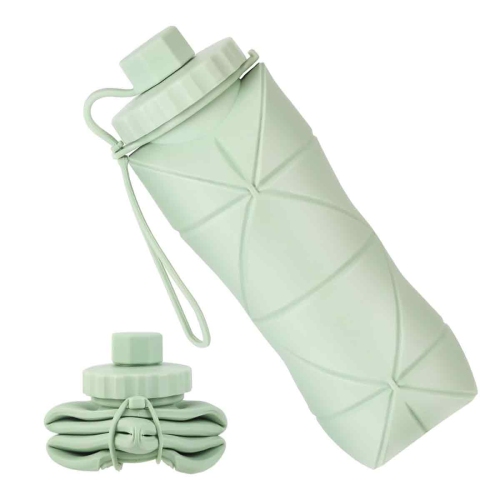
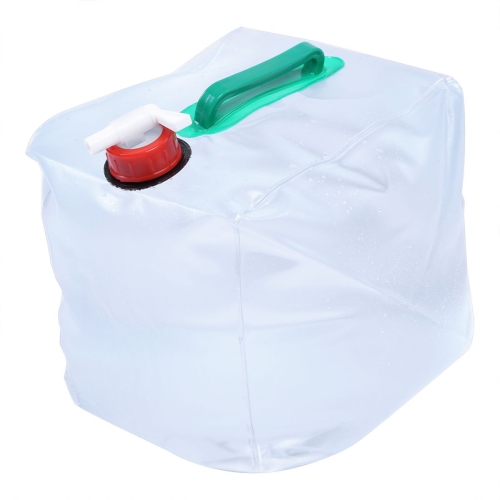
Capacity affects both pack space and the load carried with every step. A 1 L bottle is a useful reference size, but it is not a universal water allowance for a day hike. Drinking needs vary with outing length, exertion, temperature, altitude, and individual requirements, and the total supply needs to account for delays and the reliability of refill points. Water alone weighs about 1 kg per litre, before the bottle is included, so additional capacity has a tangible effect on a loaded backpack. Two smaller bottles can distribute that weight between side pockets and leave a separate supply if one leaks, while a larger bottle reduces the number of containers to manage. Collapsible bottles take up less room as they empty, although flexible walls can make them harder to slide into a snug pocket with one hand. Fit is about dimensions as much as volume: a broad bottle may hold plenty but sit poorly in a shallow mesh sleeve, and a tall, narrow shape may need a retaining strap to stay secure when bending beneath branches. The cap matters just as much during a steep ascent or a stop with cold fingers. Screw caps offer a straightforward closure, tethered lids are harder to misplace, and covered spouts help shield the drinking surface from trail dust. Straw and flip-top lids can make frequent sipping convenient, but their seals, vents, and locking mechanisms need to suit the way the bottle will travel. A carry loop is useful for lifting a bottle out of a pack; it should not automatically be treated as a secure attachment for a swinging load. Refill plans also influence bottle choice. Some water filters connect to particular bottle threads or opening sizes, but compatibility must be confirmed rather than assumed. A standard hiking bottle does not make untreated lake or stream water safe to drink. Backcountry refills require an appropriate treatment method, with clean drinking surfaces kept separate from untreated water.
Durability shows up in everyday trail details: a bottle brushing against granite, a cap landing in gritty soil, or a full container shifting inside a backpack. Rigid plastic can resist knocks without denting, although its performance depends on the material and construction. Metal can dent, and a hard impact may affect a lid, seal, or insulated bottle’s performance even when the damage appears minor. A protective base or grippy exterior can soften contact with hard surfaces and improve handling, but it may also add bulk or collect moisture underneath. Secure closures are especially important when a bottle shares space with spare clothing, a phone, or navigation equipment. Descriptions such as spill-resistant and leakproof are not interchangeable, and closure instructions still matter when a bottle is carried horizontally. Care is part of keeping a hiking bottle pleasant to use between outings. Wide-mouth designs generally give a brush better access to the interior, while removable gaskets and separable lid parts make it easier to reach places where residue can gather. Straw assemblies and bite valves require particular attention because rinsing the main container does not clean the entire drinking path. Dishwasher suitability varies by bottle, finish, and lid, so the manufacturer’s directions determine which parts can go into a machine and which need handwashing. After washing, allowing all components to dry fully before reassembly helps prevent lingering odours. Water left inside can freeze during cold conditions, potentially damaging the container as it expands; insulation can slow temperature change but cannot guarantee protection against freezing. For families, smaller bottles with manageable lids can make regular drinking stops easier, while experienced backpackers may value low empty weight and verified filter compatibility more than added features. A hiking water bottle can also make a thoughtful gift for a walking partner, a camping enthusiast, or someone building a first trail kit. Matching its size, opening, and carrying style to the recipient’s usual outings makes it more useful than choosing by appearance alone, whether those outings follow gentle lakeside paths or involve a full day of uneven terrain.
Capacity affects both pack space and the load carried with every step. A 1 L bottle is a useful reference size, but it is not a universal water allowance for a day hike. Drinking needs vary with outing length, exertion, temperature, altitude, and individual requirements, and the total supply needs to account for delays and the reliability of refill points. Water alone weighs about 1 kg per litre, before the bottle is included, so additional capacity has a tangible effect on a loaded backpack. Two smaller bottles can distribute that weight between side pockets and leave a separate supply if one leaks, while a larger bottle reduces the number of containers to manage. Collapsible bottles take up less room as they empty, although flexible walls can make them harder to slide into a snug pocket with one hand. Fit is about dimensions as much as volume: a broad bottle may hold plenty but sit poorly in a shallow mesh sleeve, and a tall, narrow shape may need a retaining strap to stay secure when bending beneath branches. The cap matters just as much during a steep ascent or a stop with cold fingers. Screw caps offer a straightforward closure, tethered lids are harder to misplace, and covered spouts help shield the drinking surface from trail dust. Straw and flip-top lids can make frequent sipping convenient, but their seals, vents, and locking mechanisms need to suit the way the bottle will travel. A carry loop is useful for lifting a bottle out of a pack; it should not automatically be treated as a secure attachment for a swinging load. Refill plans also influence bottle choice. Some water filters connect to particular bottle threads or opening sizes, but compatibility must be confirmed rather than assumed. A standard hiking bottle does not make untreated lake or stream water safe to drink. Backcountry refills require an appropriate treatment method, with clean drinking surfaces kept separate from untreated water.
Durability shows up in everyday trail details: a bottle brushing against granite, a cap landing in gritty soil, or a full container shifting inside a backpack. Rigid plastic can resist knocks without denting, although its performance depends on the material and construction. Metal can dent, and a hard impact may affect a lid, seal, or insulated bottle’s performance even when the damage appears minor. A protective base or grippy exterior can soften contact with hard surfaces and improve handling, but it may also add bulk or collect moisture underneath. Secure closures are especially important when a bottle shares space with spare clothing, a phone, or navigation equipment. Descriptions such as spill-resistant and leakproof are not interchangeable, and closure instructions still matter when a bottle is carried horizontally. Care is part of keeping a hiking bottle pleasant to use between outings. Wide-mouth designs generally give a brush better access to the interior, while removable gaskets and separable lid parts make it easier to reach places where residue can gather. Straw assemblies and bite valves require particular attention because rinsing the main container does not clean the entire drinking path. Dishwasher suitability varies by bottle, finish, and lid, so the manufacturer’s directions determine which parts can go into a machine and which need handwashing. After washing, allowing all components to dry fully before reassembly helps prevent lingering odours. Water left inside can freeze during cold conditions, potentially damaging the container as it expands; insulation can slow temperature change but cannot guarantee protection against freezing. For families, smaller bottles with manageable lids can make regular drinking stops easier, while experienced backpackers may value low empty weight and verified filter compatibility more than added features. A hiking water bottle can also make a thoughtful gift for a walking partner, a camping enthusiast, or someone building a first trail kit. Matching its size, opening, and carrying style to the recipient’s usual outings makes it more useful than choosing by appearance alone, whether those outings follow gentle lakeside paths or involve a full day of uneven terrain.
Top selling and popular products
-
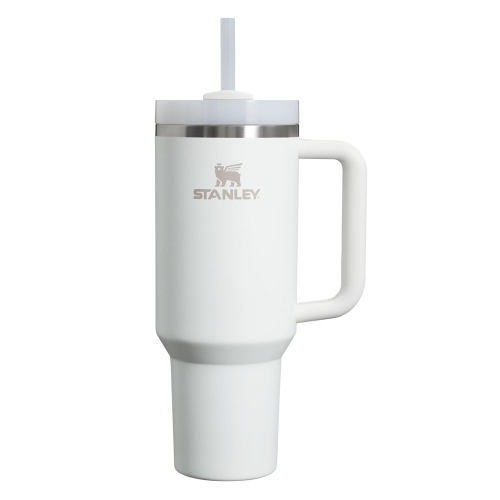 Your price for this item is $89
 -
 Your price for this item is $69.29
 -
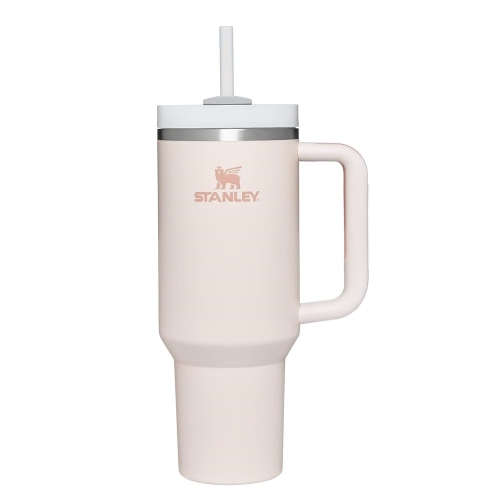 Your price for this item is $89
 -
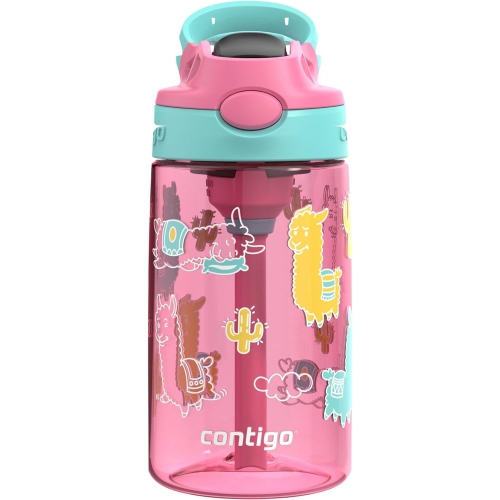 Your price for this item is $21.97
 -
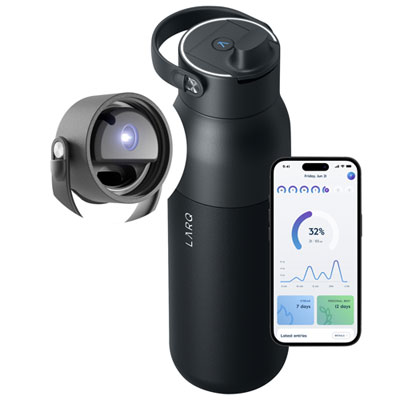 Your price for this item is $119.99
 -
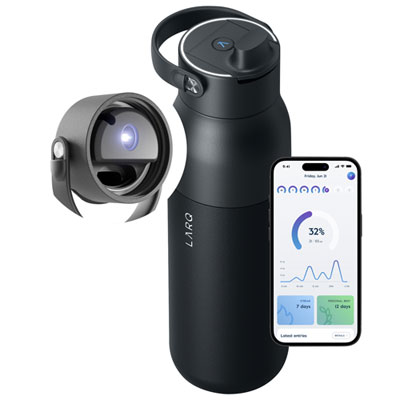 Your price for this item is $135.99
 -
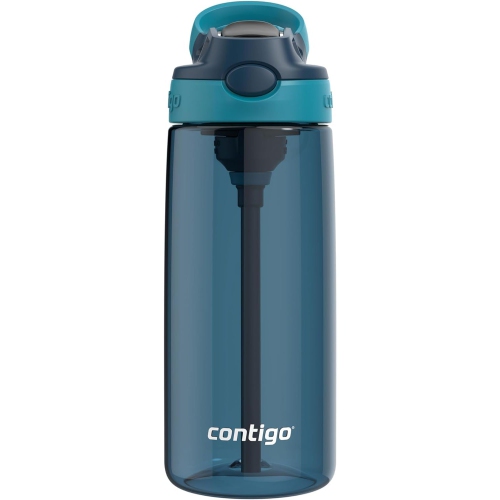 Your price for this item is $25.97
 -
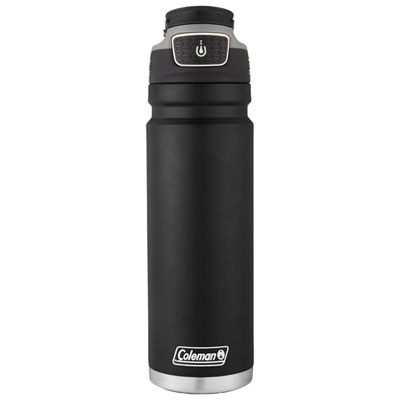 Your price for this item is $44.99
Discover more categories related to Water Bottles for Hiking
Top Collections:
Pokemon Centers, Kindle Devices, Best Budget Office Chairs, Apple iPhones 16, Canon G7X Cameras, iPhone 15 Apple, Alarm Clock, Refurbished Apple Laptops, Flip Phones, Best Laptops for Writers
Some products may be subject to Environmental Handling Fees
(EHF) depending on your province.
Learn more about EHFs.