Weights for Beginners
If you're looking to kickstart your fitness journey and build strength from the ground up, you've come to the right place. Our collection of weights for beginners is designed to help you gradually increase your muscle mass and improve your overall fitness level. Whether you're aiming to tone your body, enhance your endurance, or simply stay active, incorporating weights into your workout routine can make a significant difference. From dumbbells to kettlebells, we have a variety of options that cater to different preferences and fitness goals. Start sculpting your ideal physique today with our beginner-friendly weight selection.
Sort
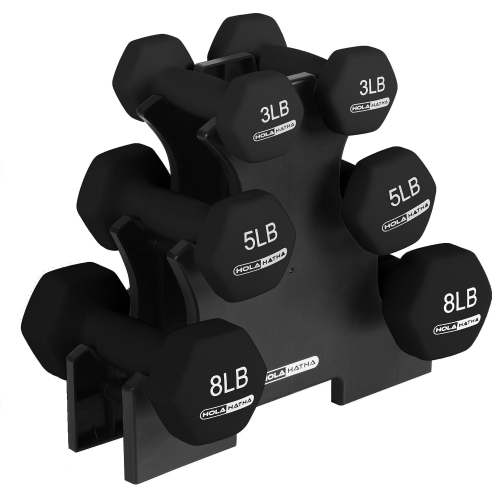
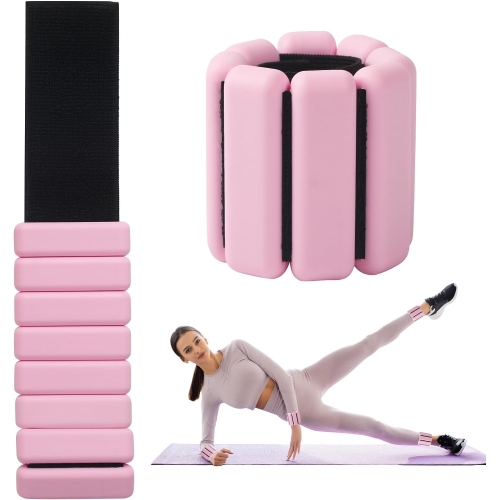
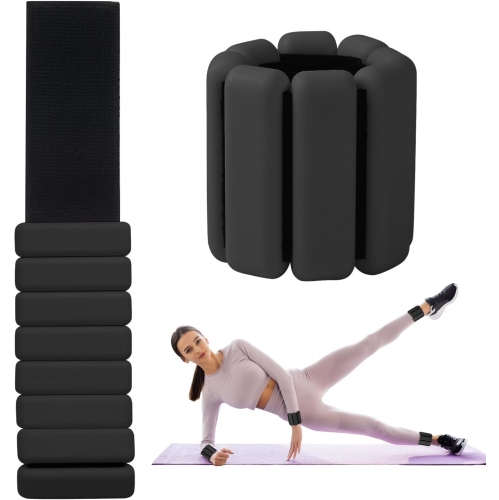
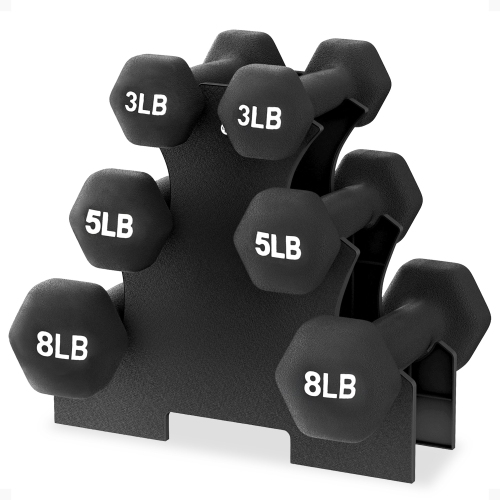
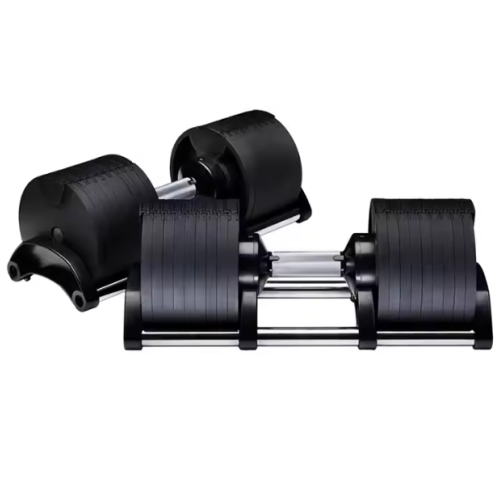
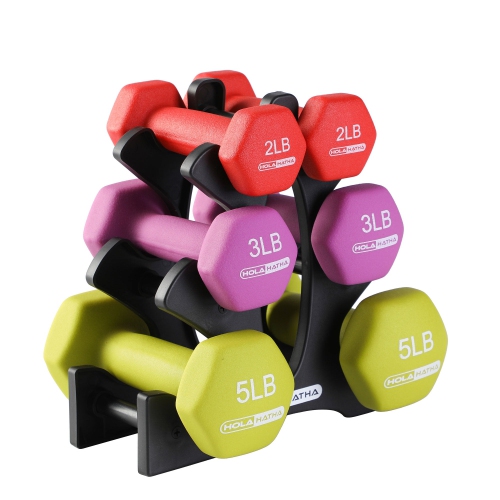
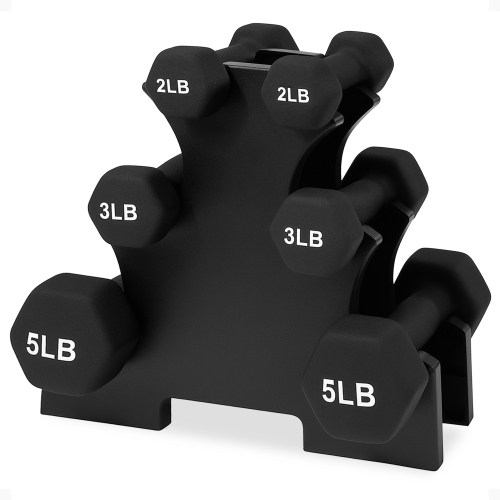
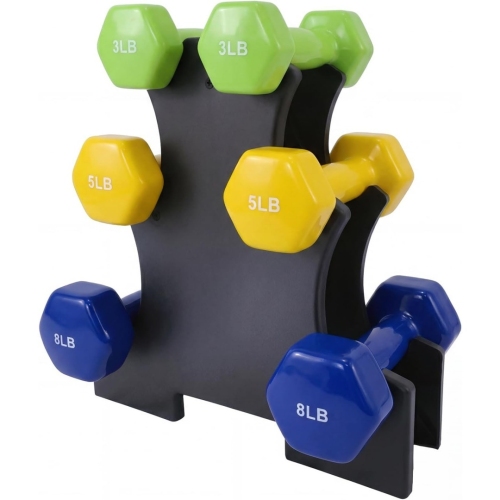
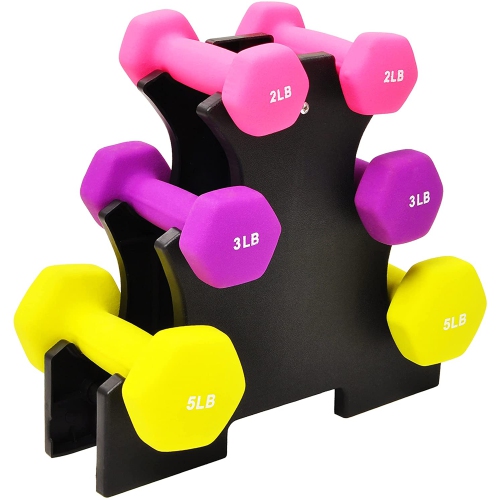
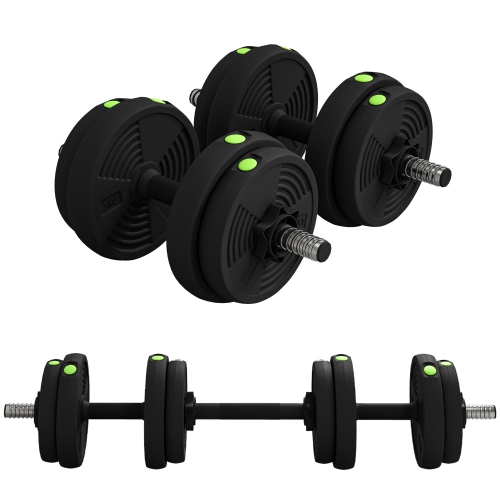
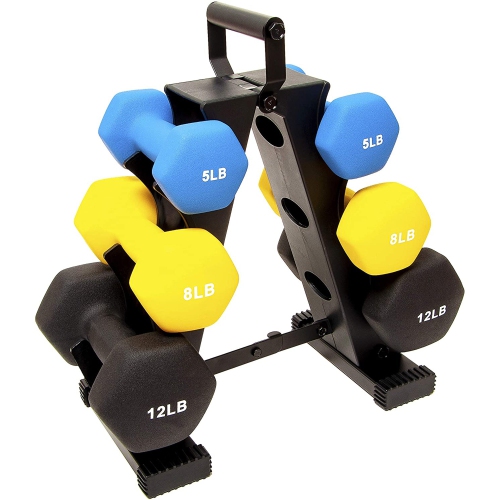
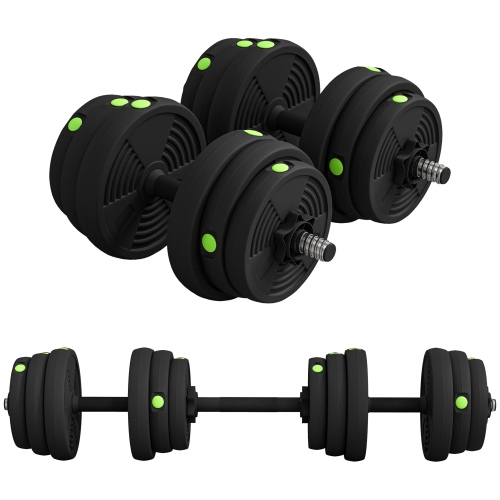

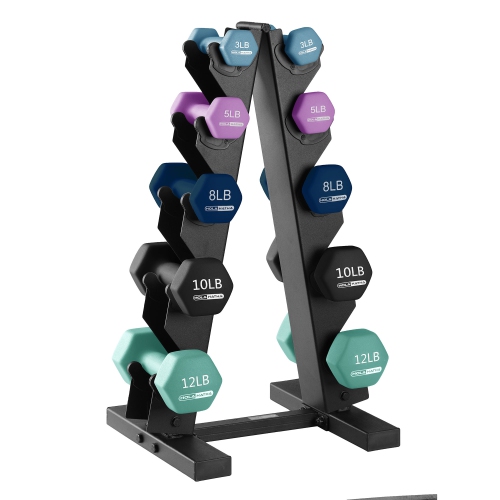
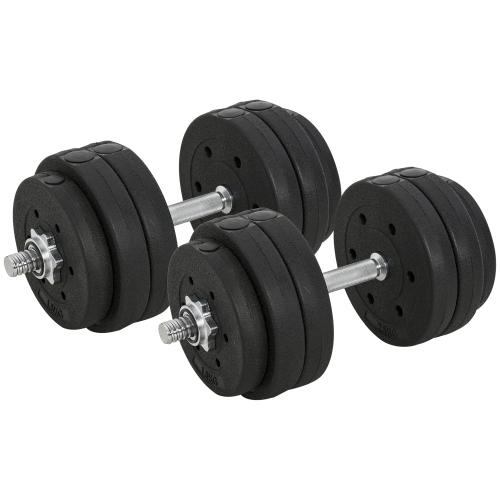
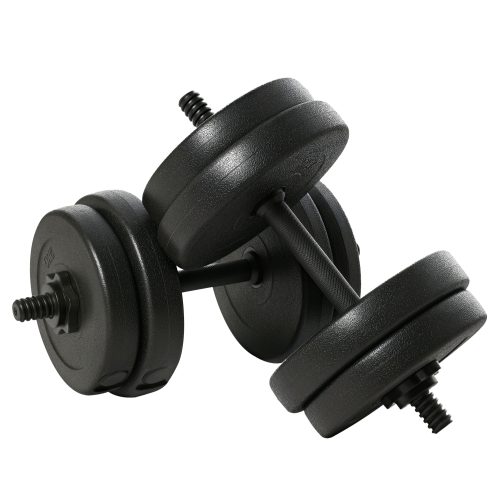
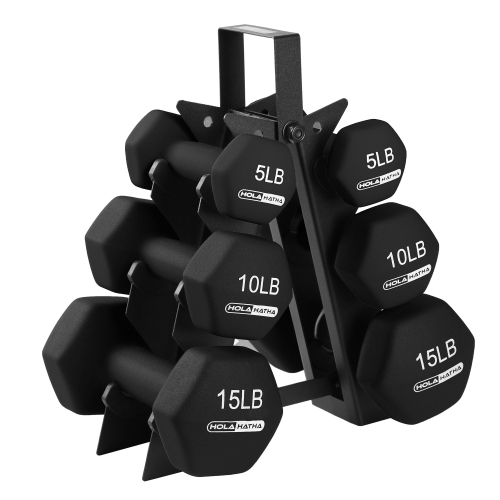
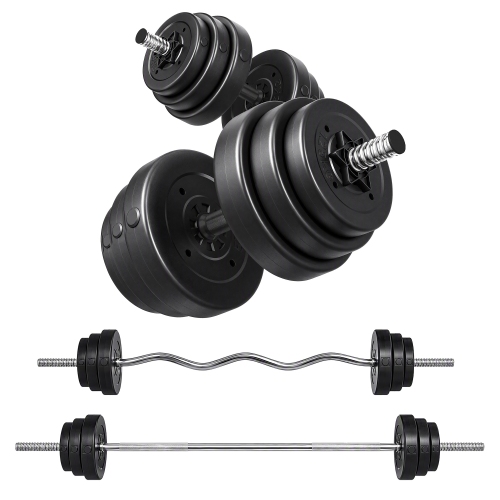
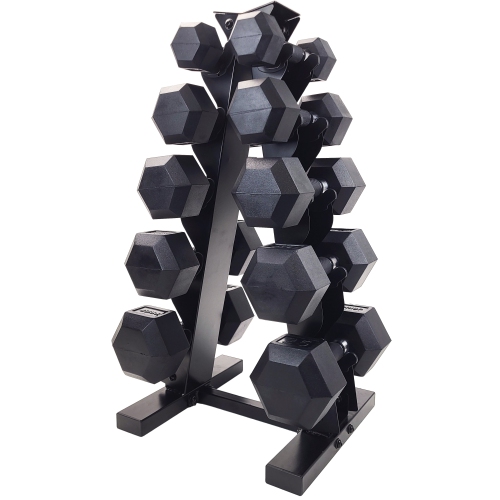
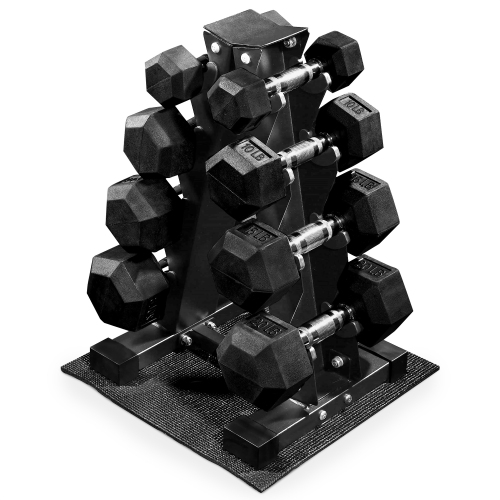
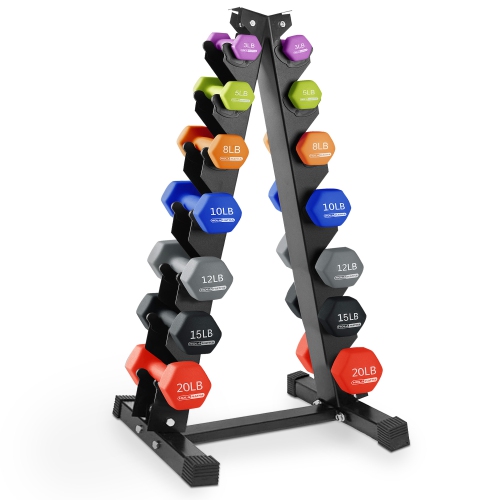
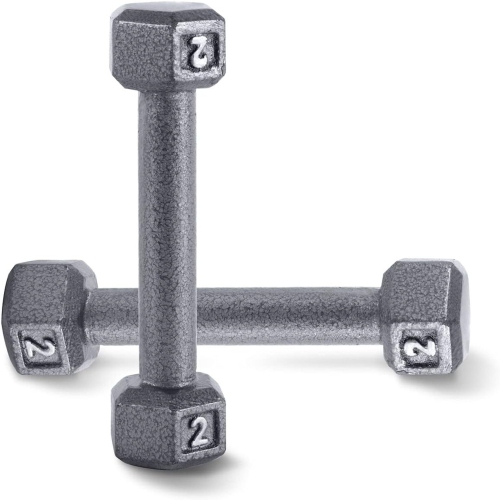
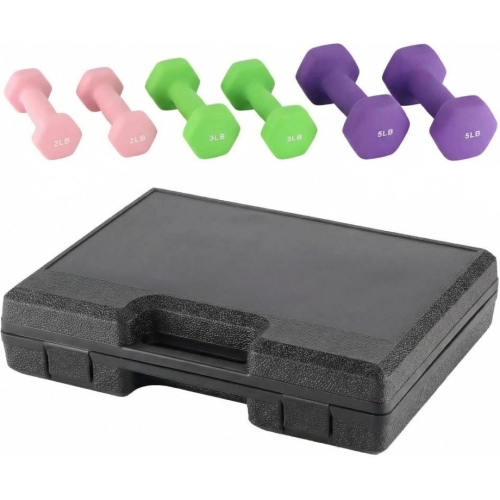
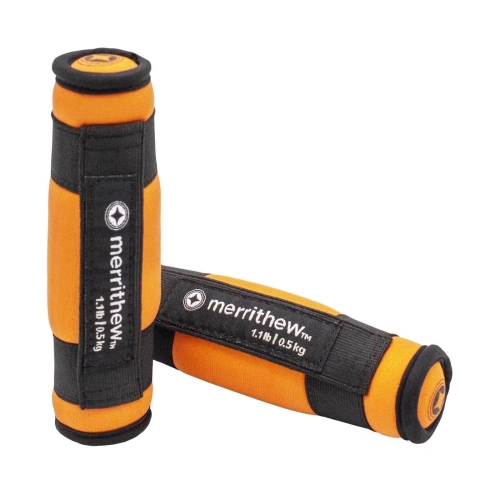
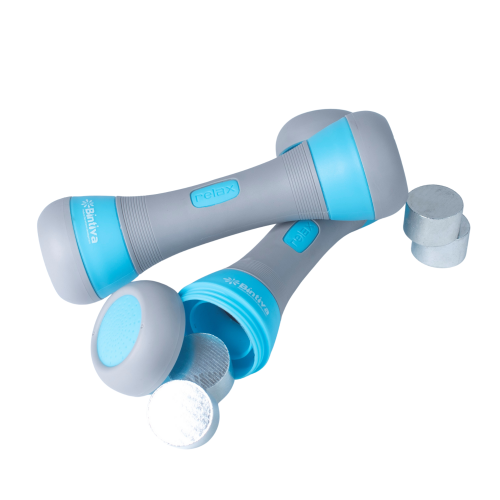
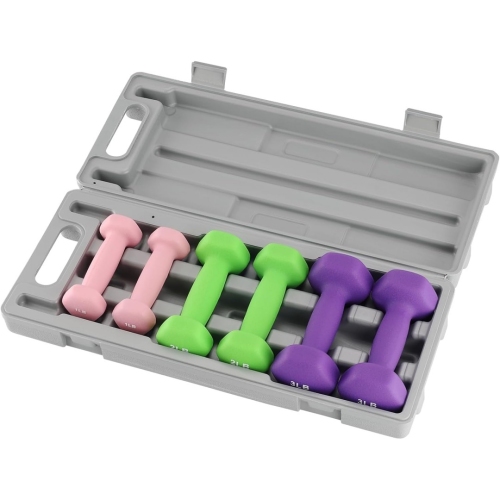
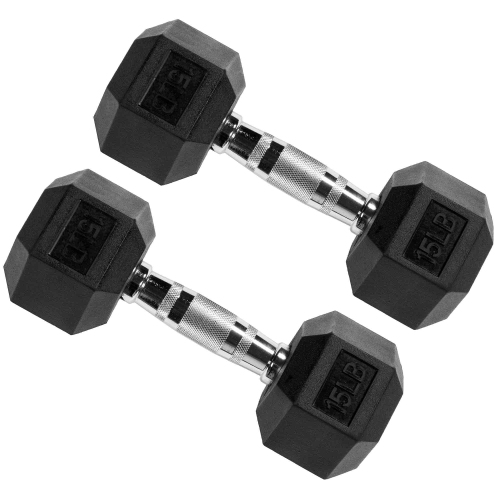
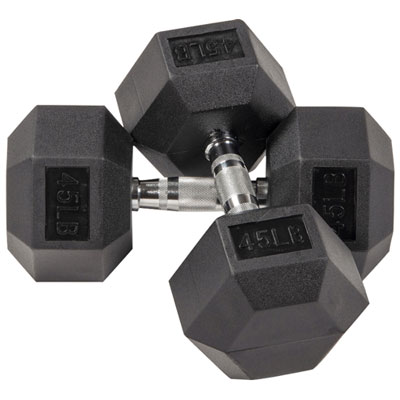
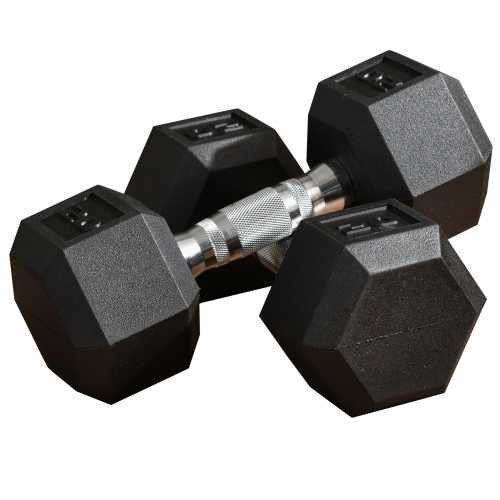
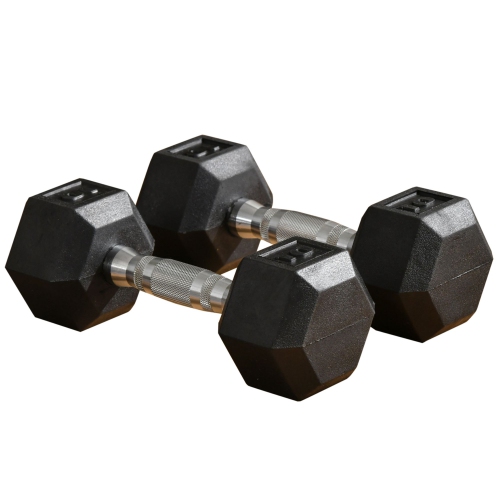
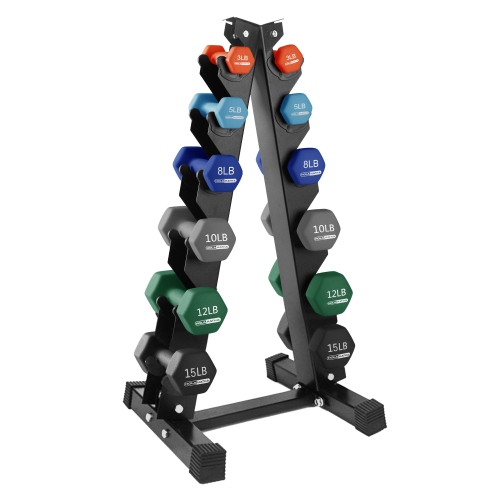
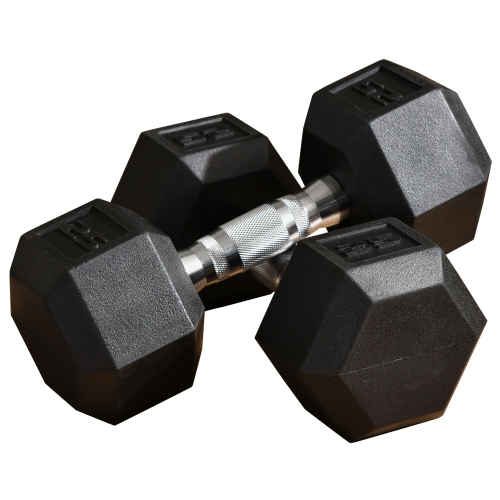
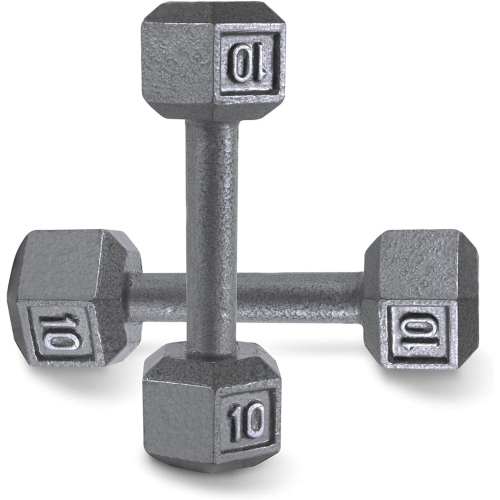

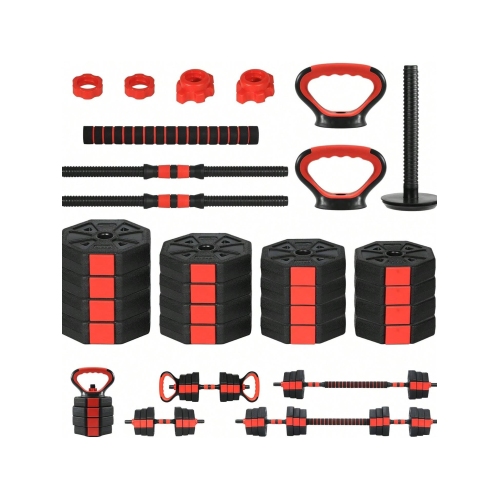
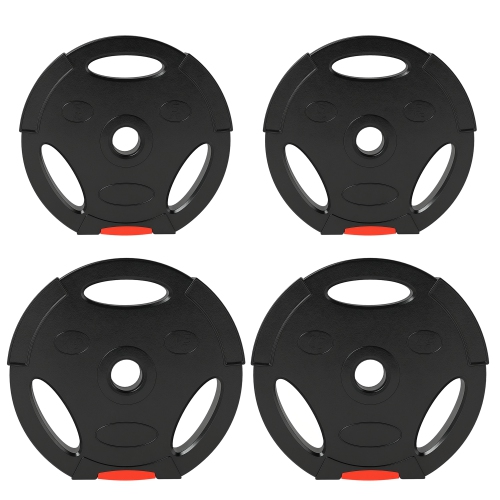
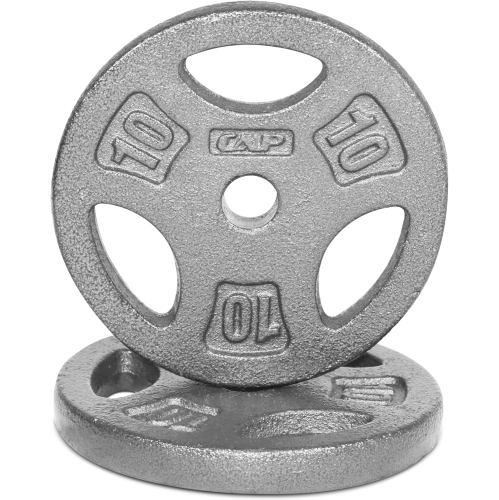
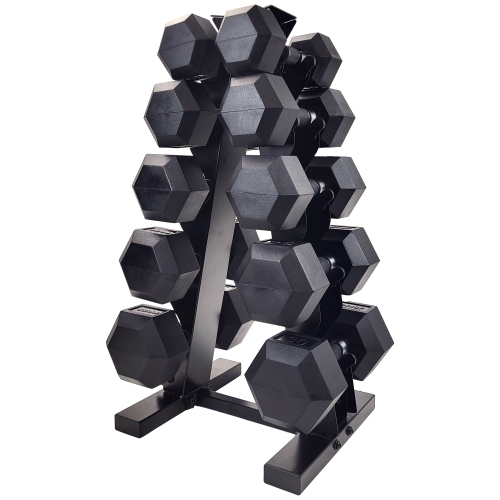
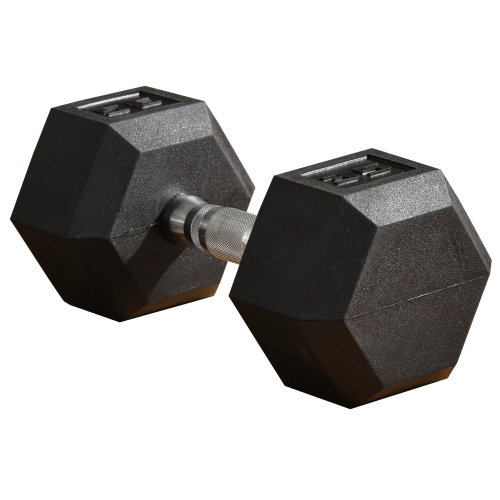
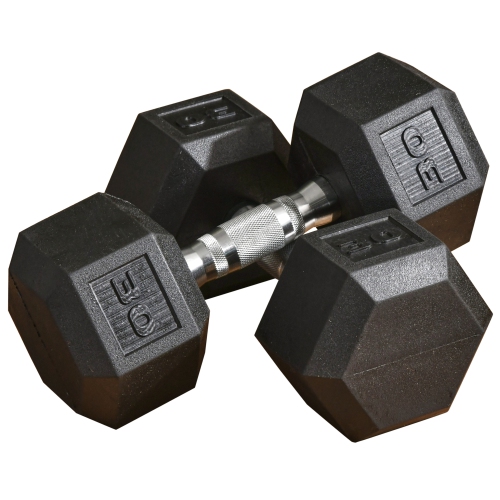
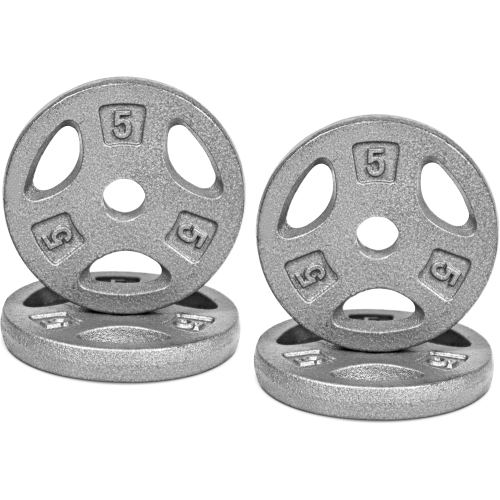
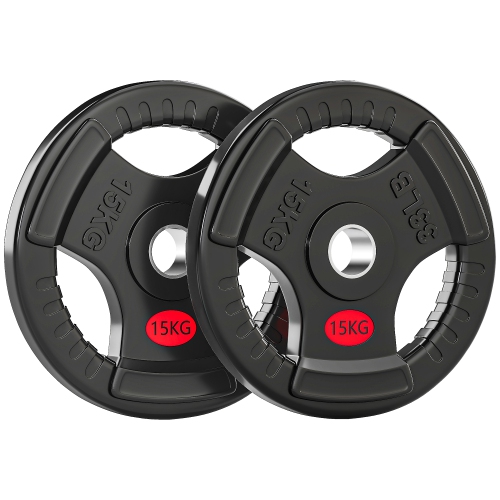


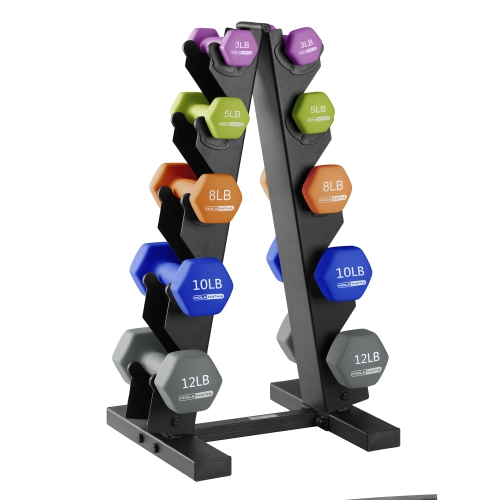
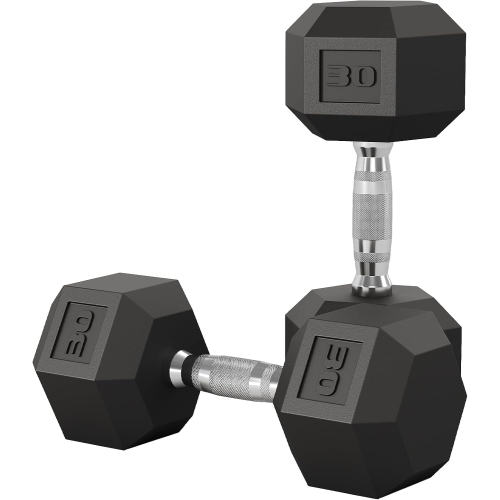
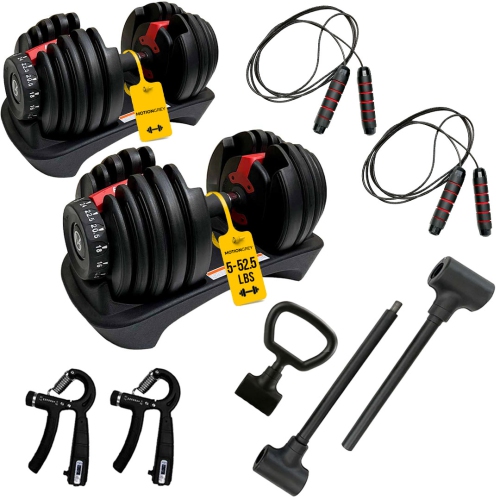

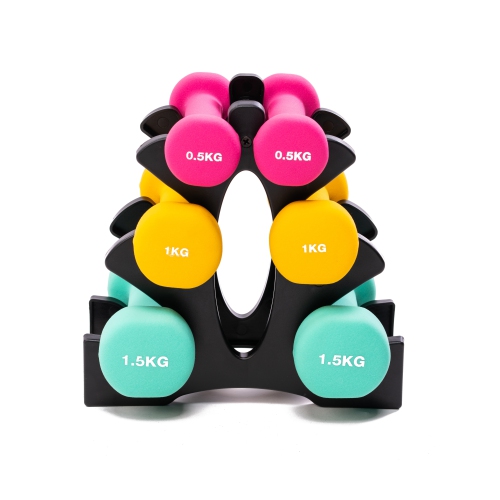


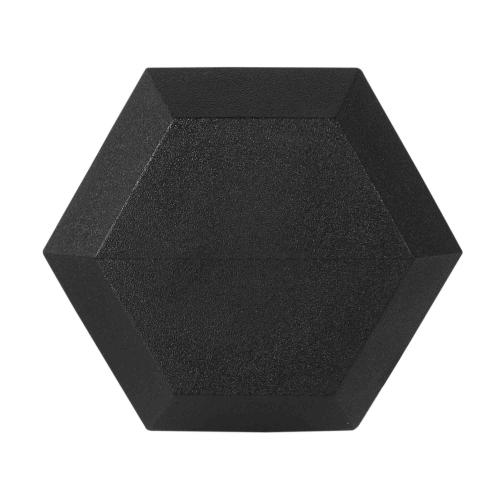
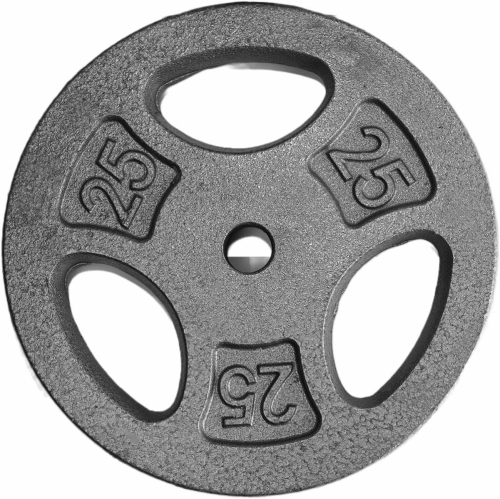
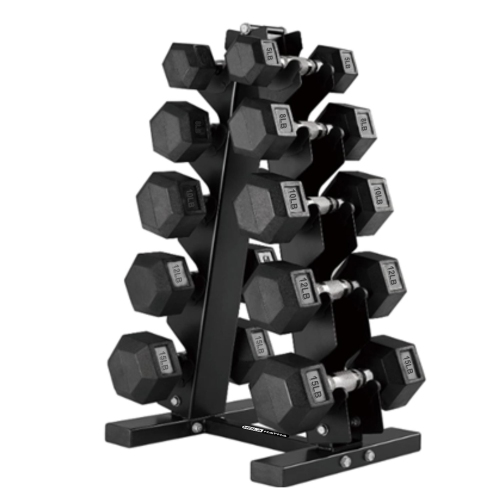
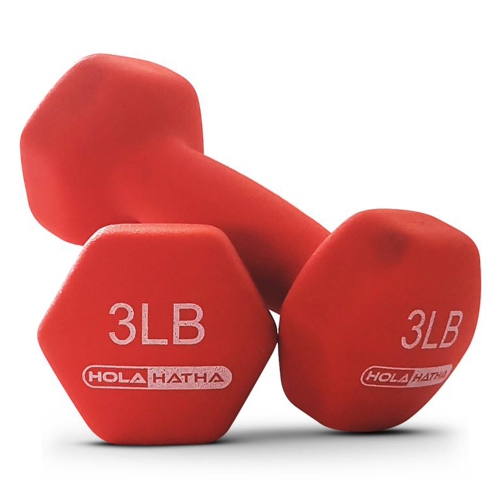
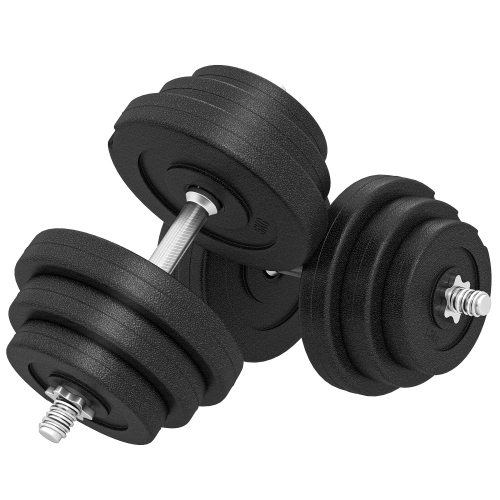
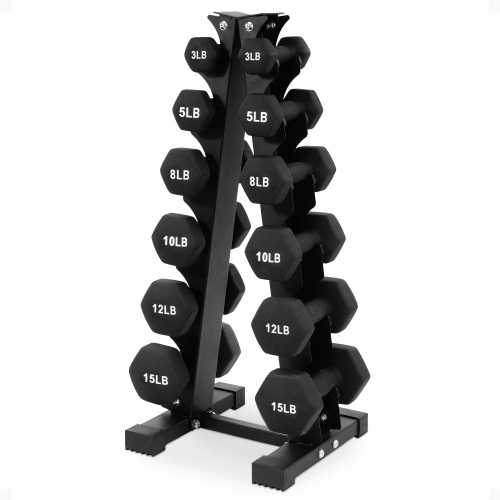
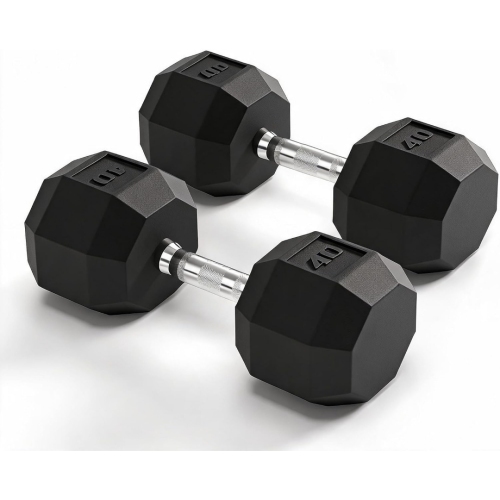
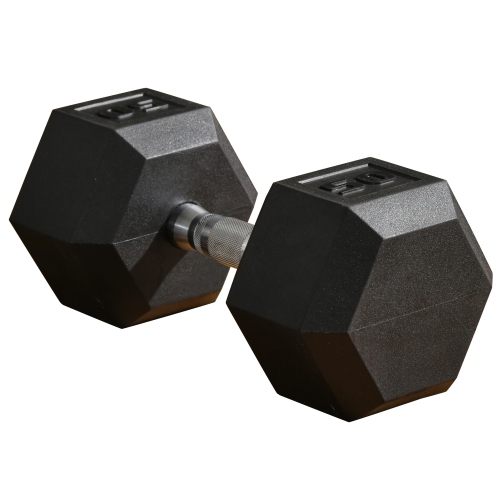
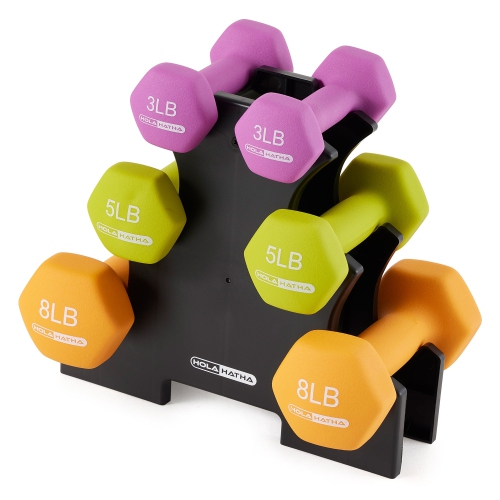
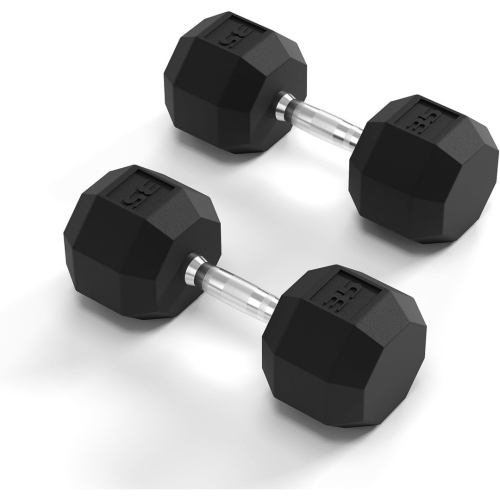
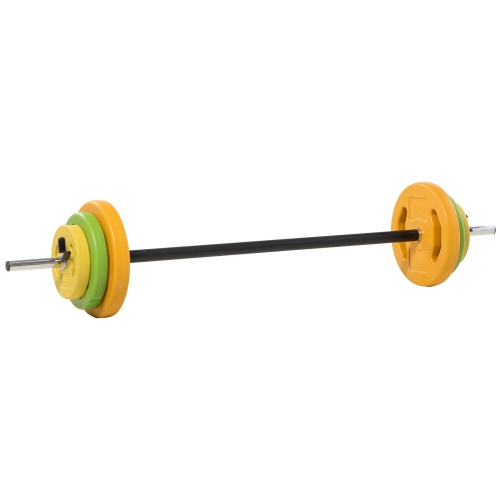
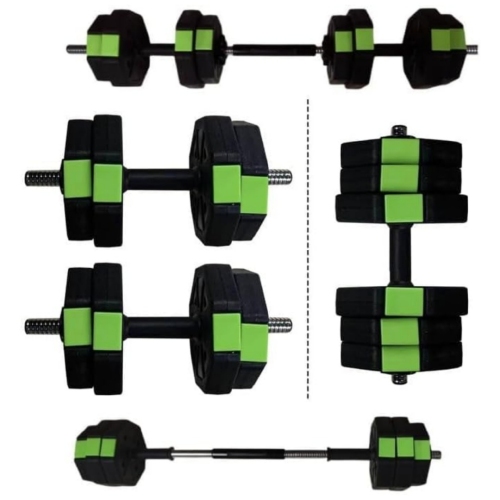

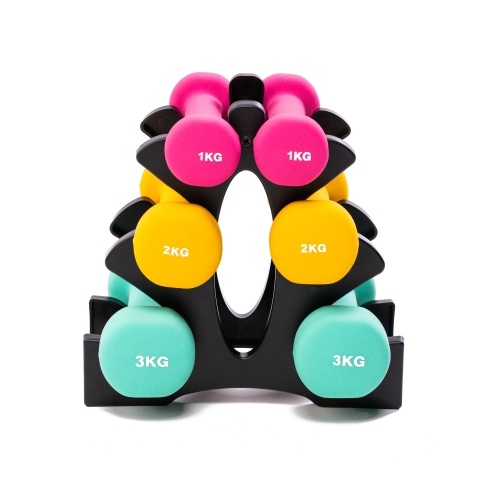
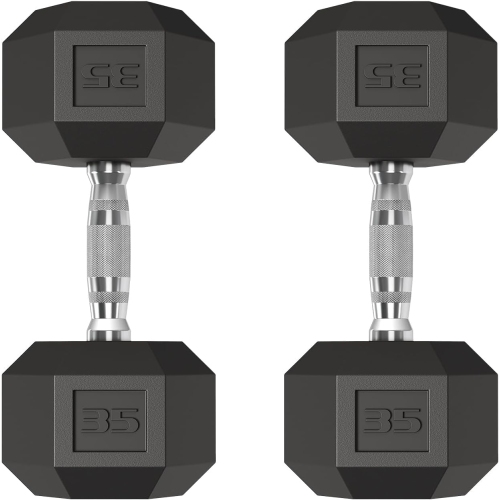
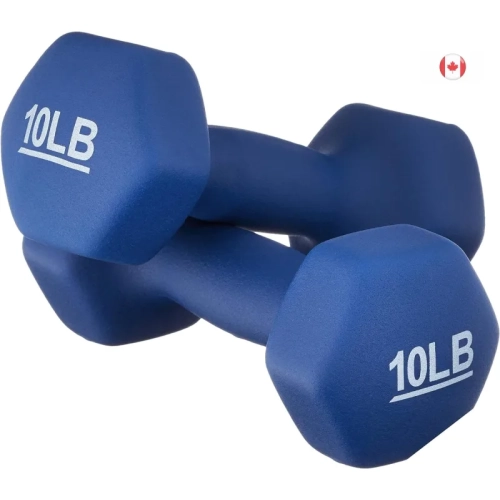
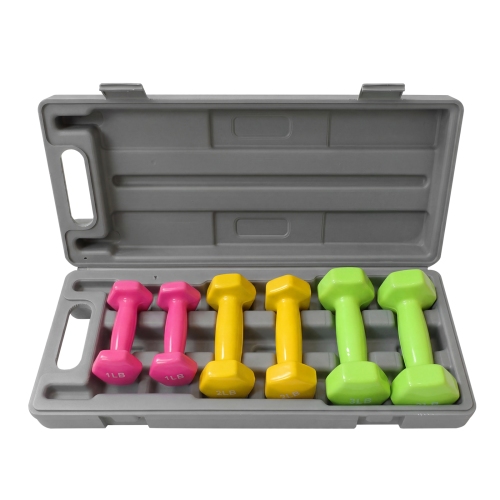
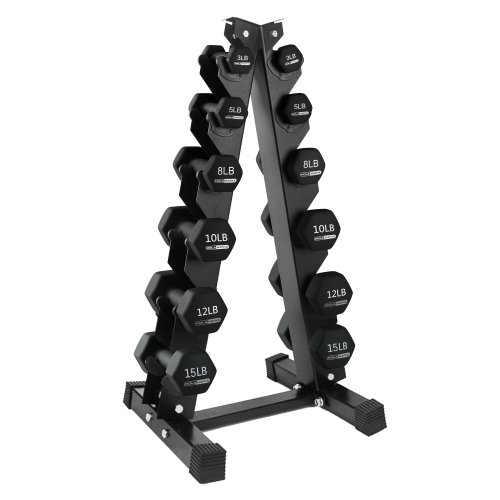
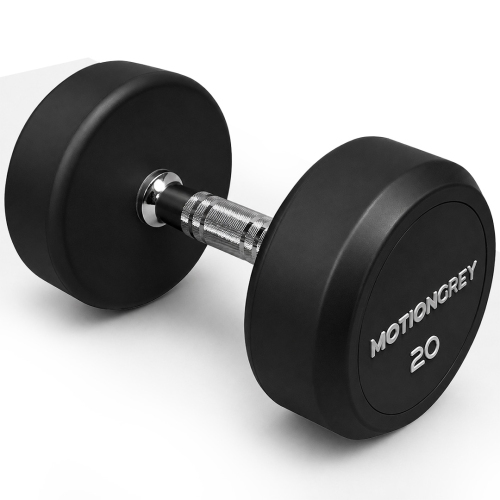
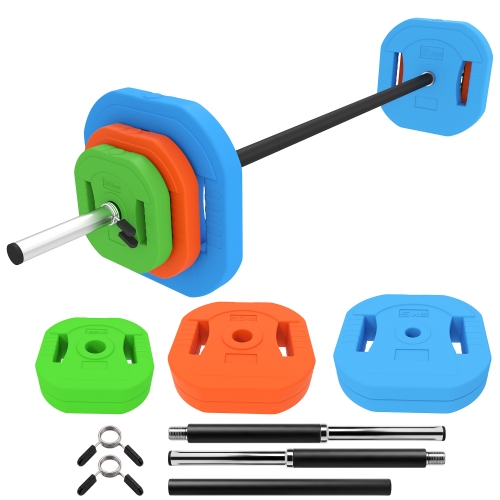
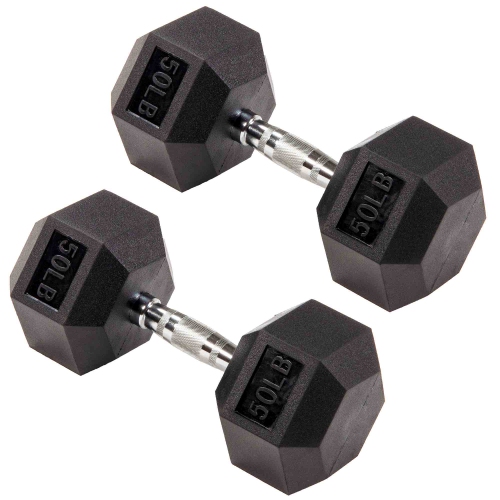
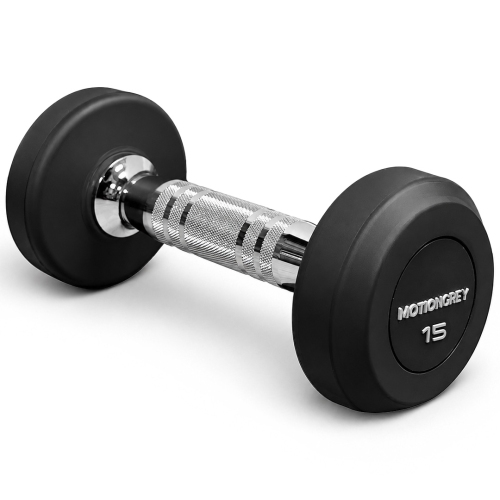
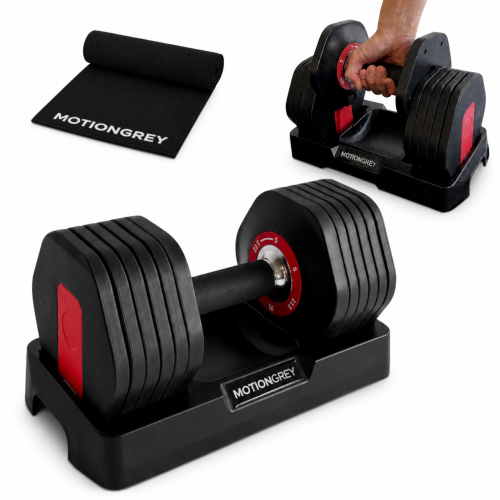
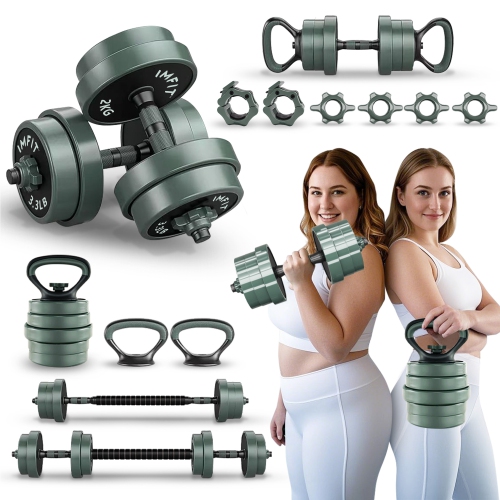
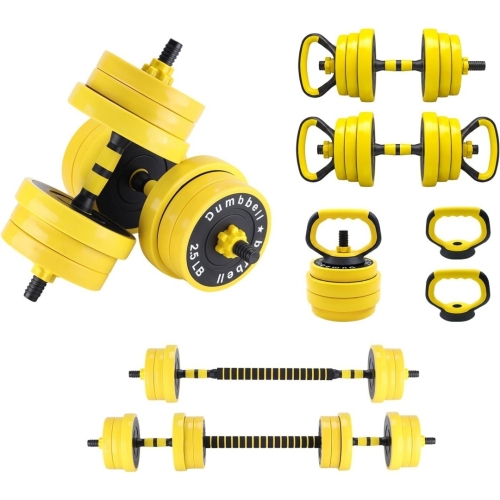
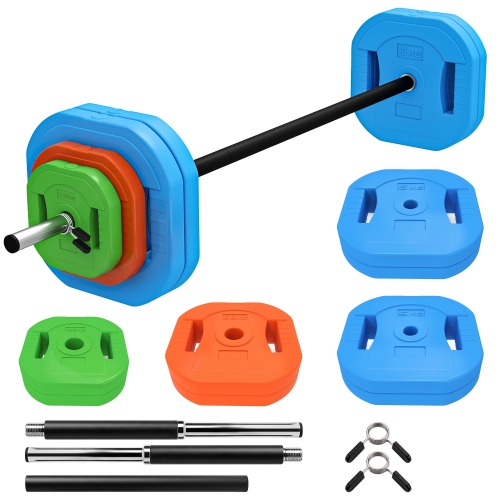
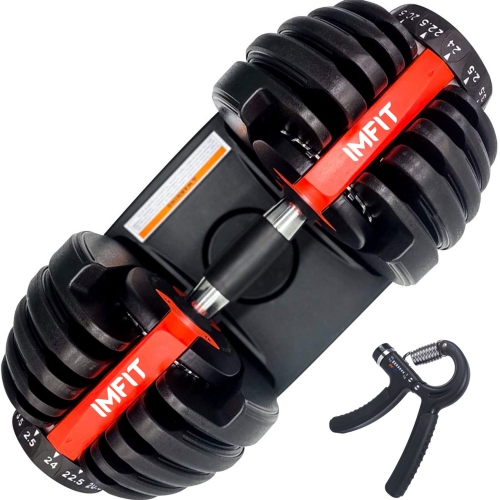
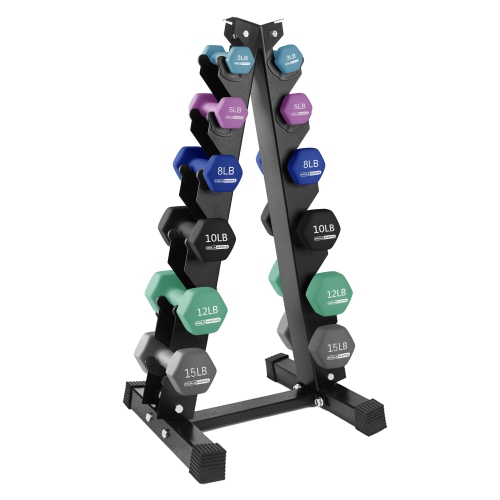
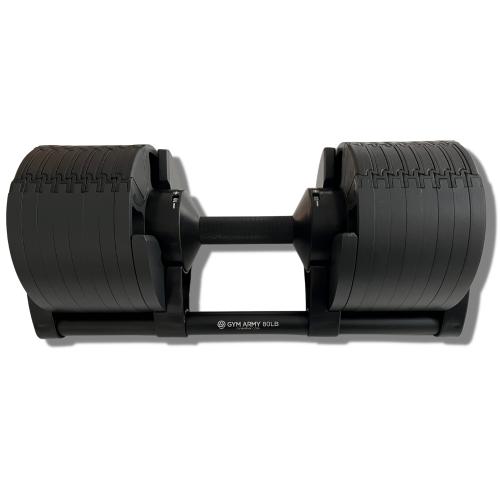
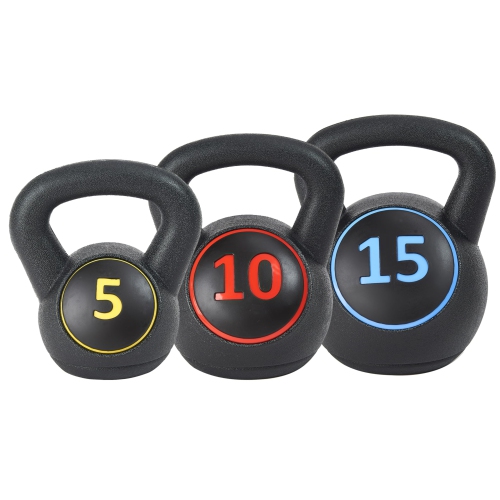
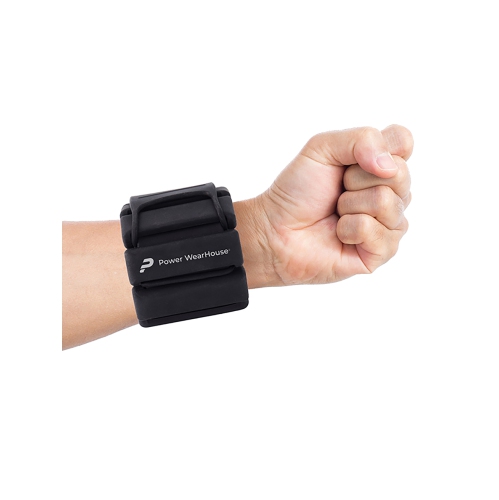
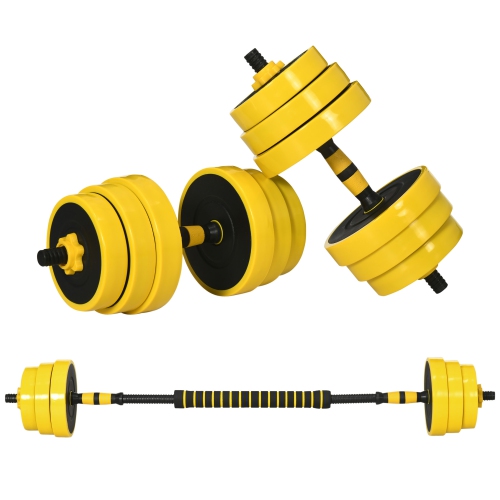
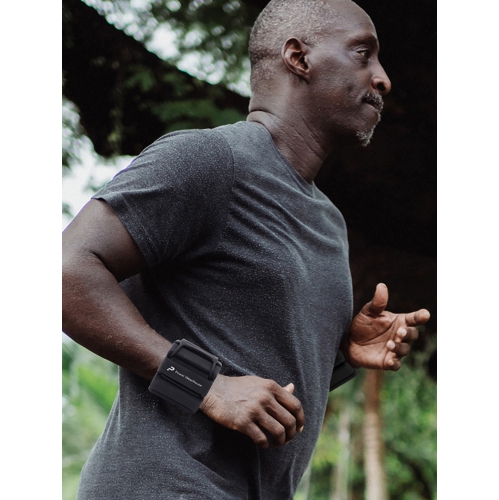
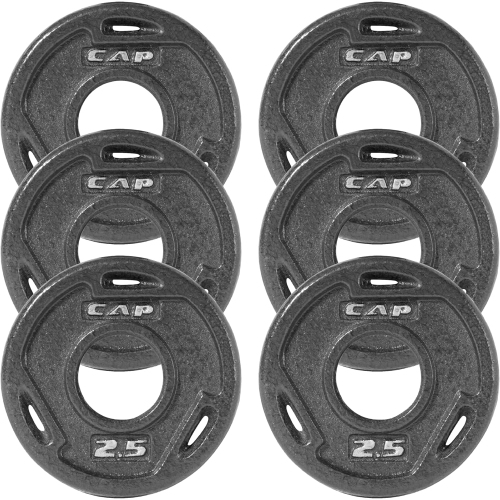
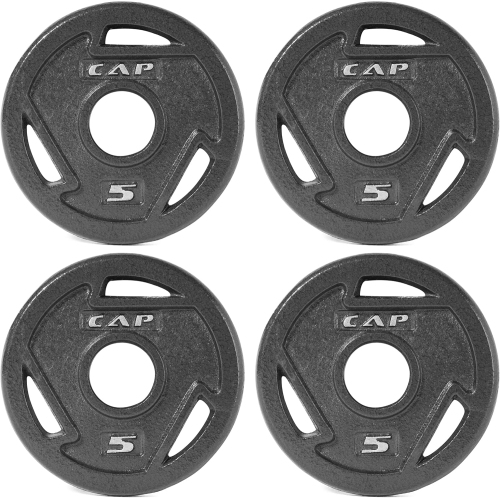
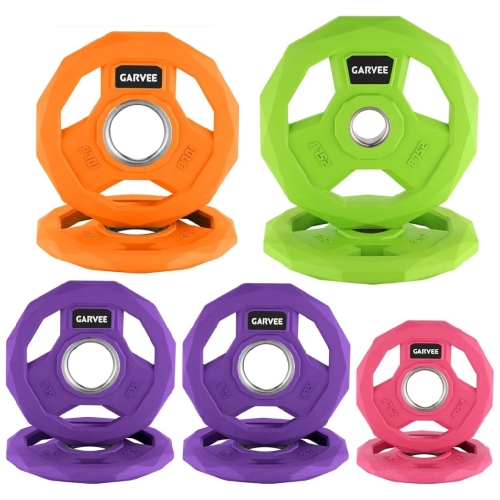
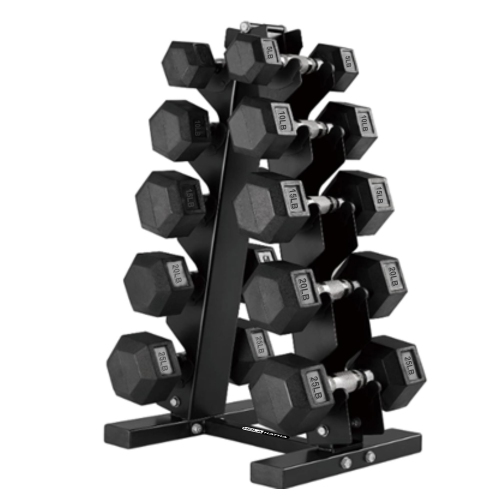
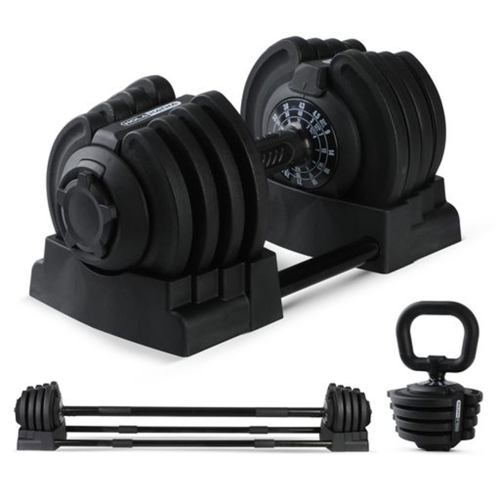
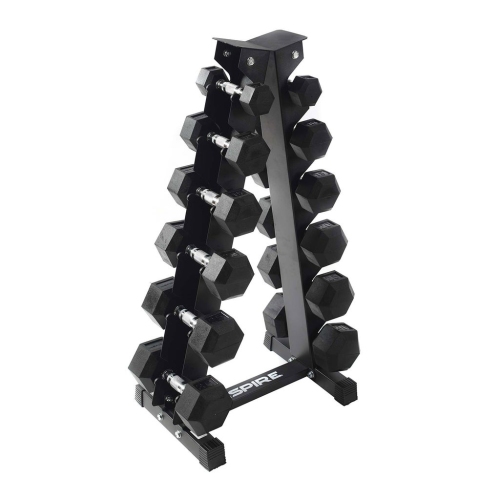

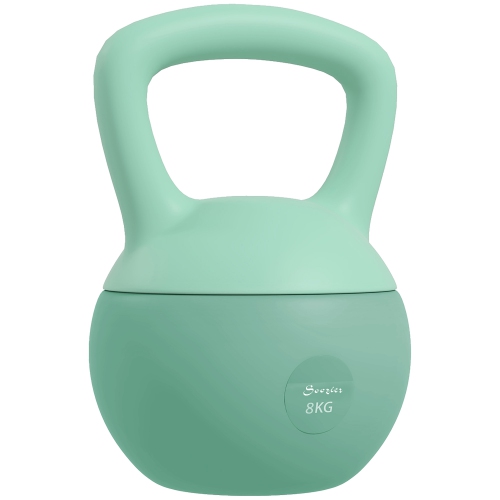
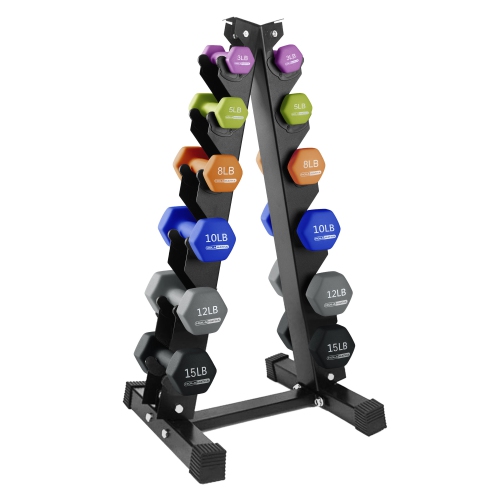
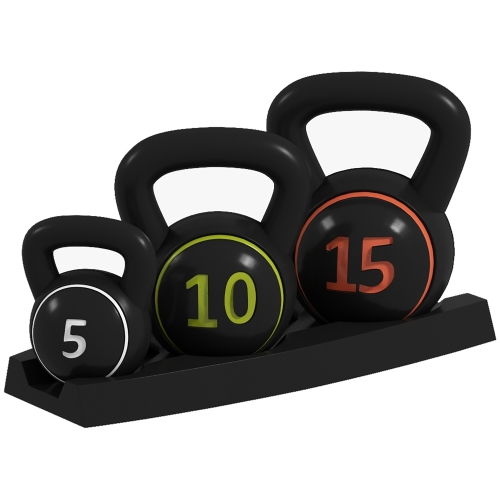
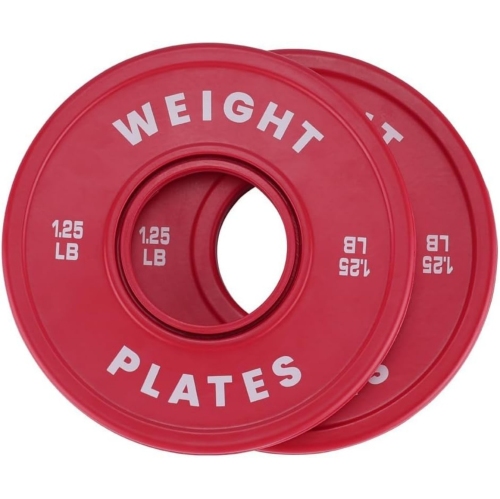
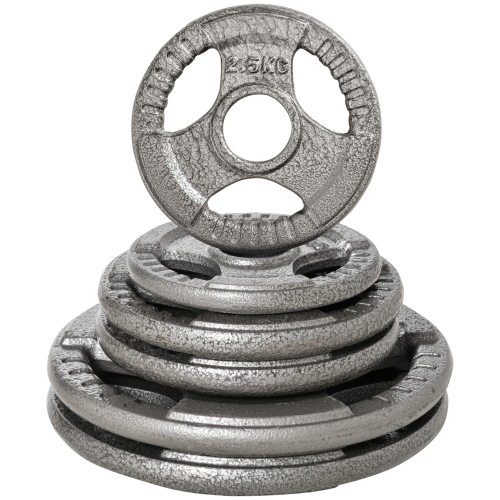
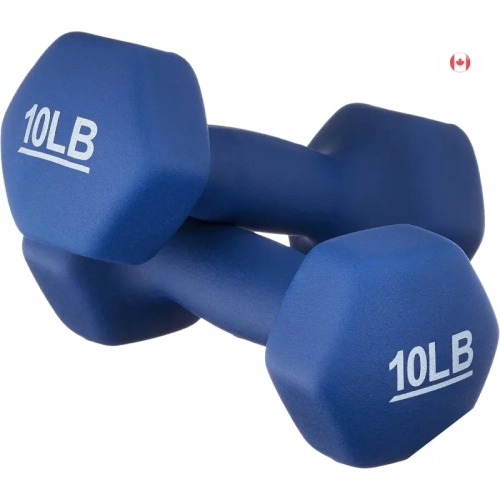
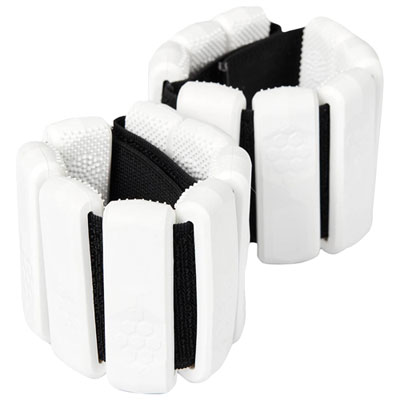
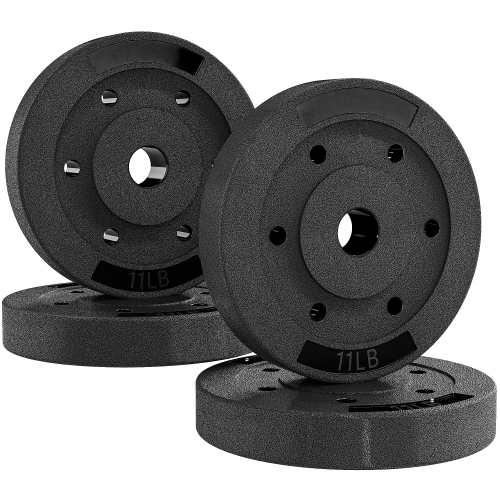

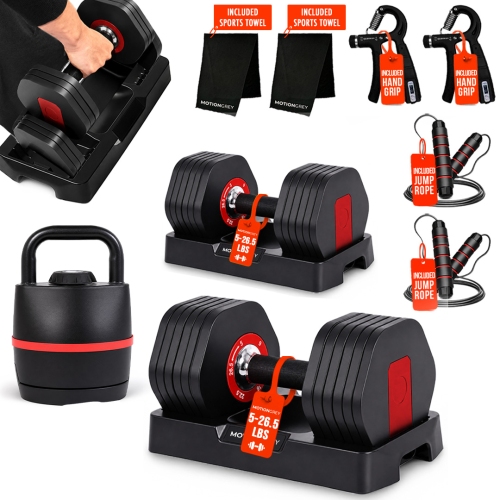
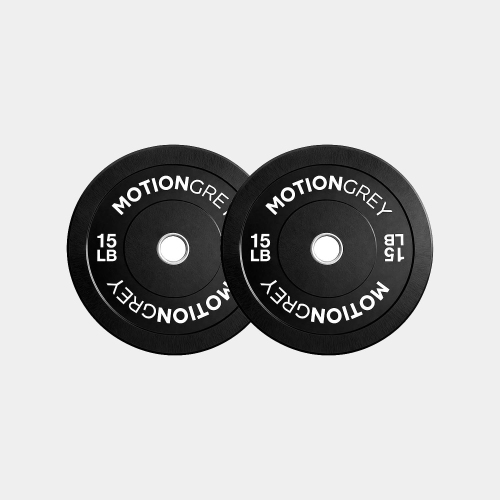
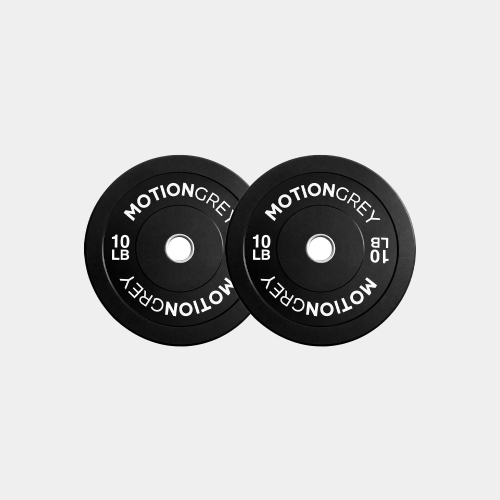
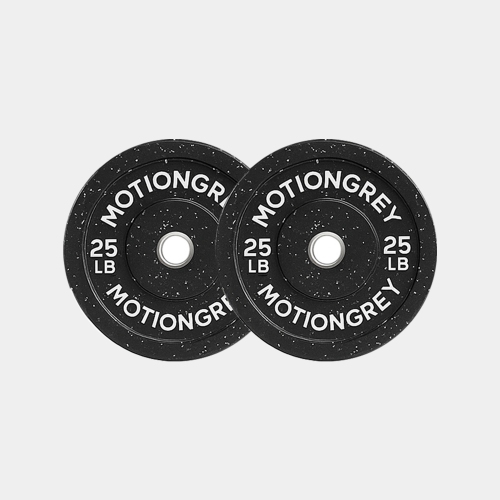
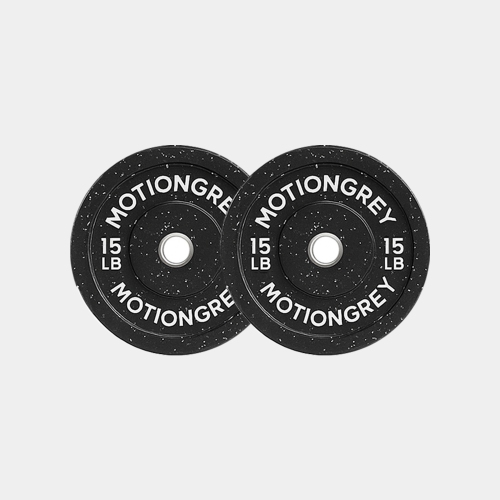
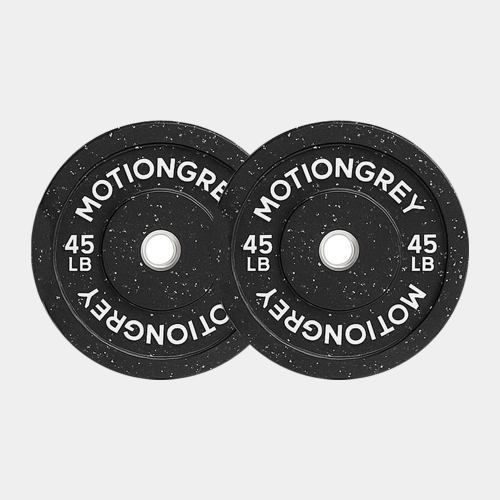
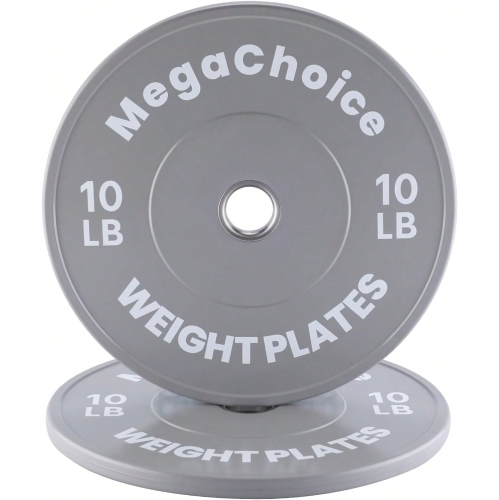
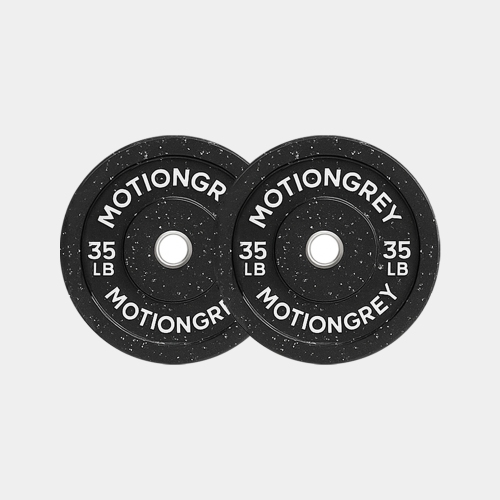
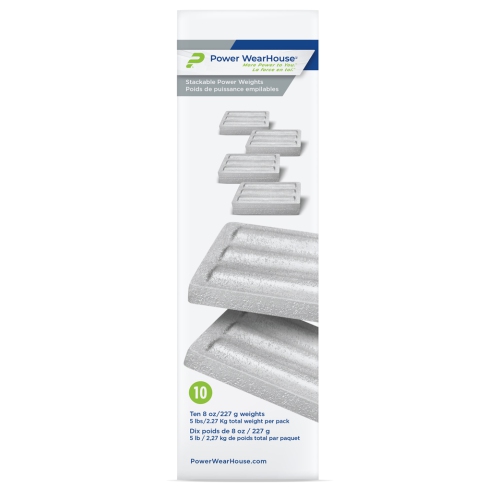
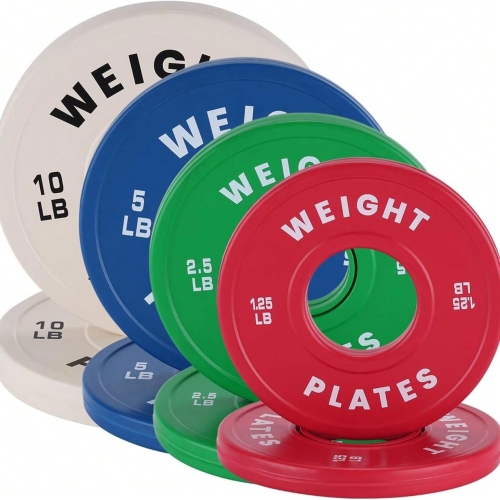
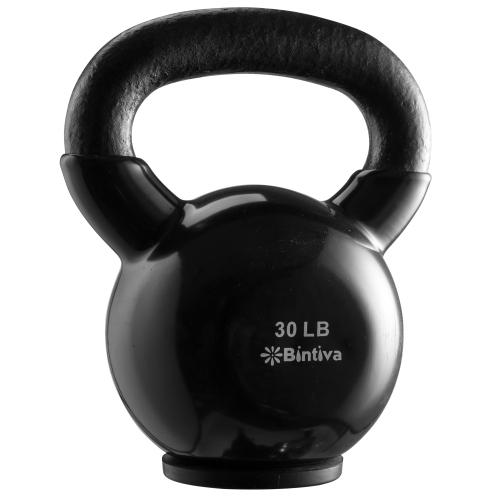
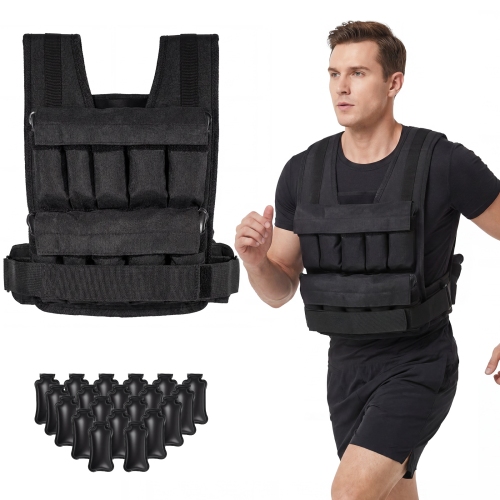
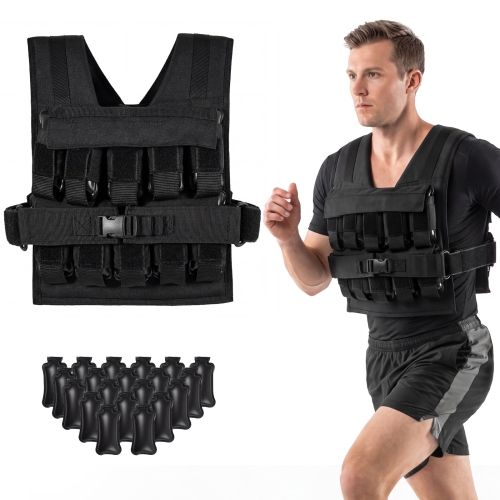
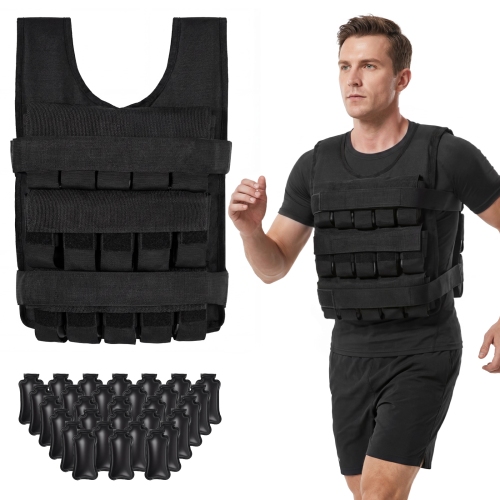
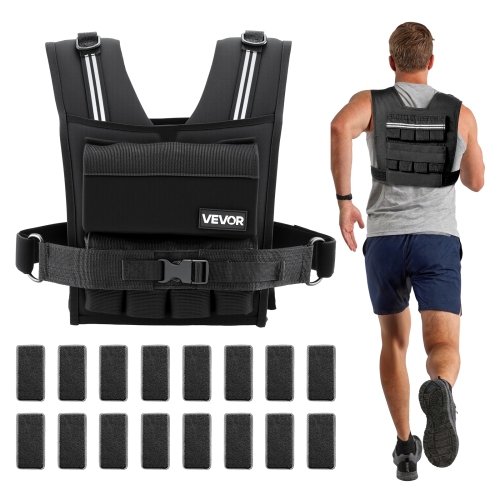
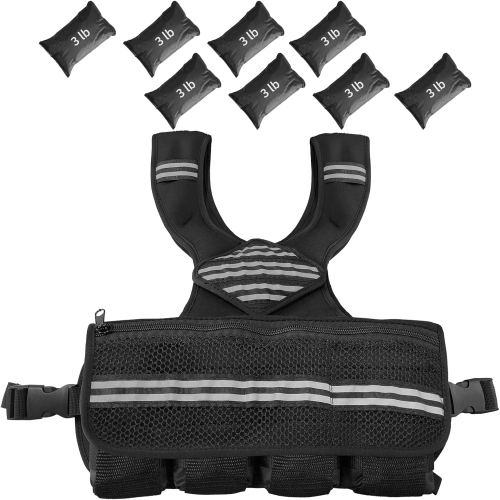
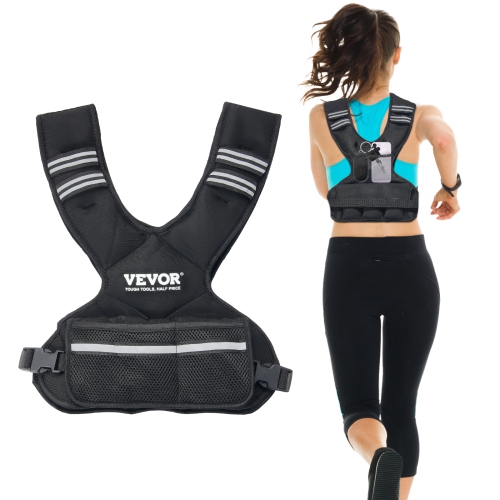
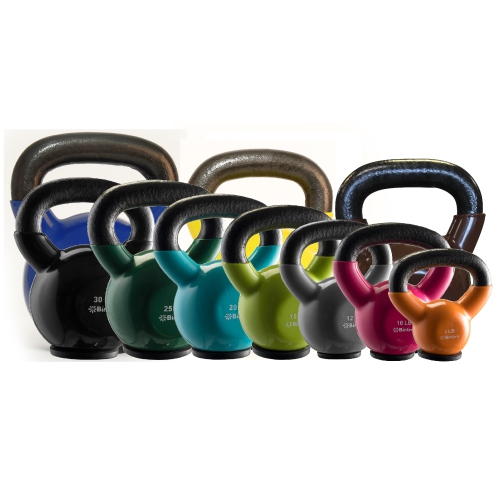
Matching resistance to your strength, space, and routine
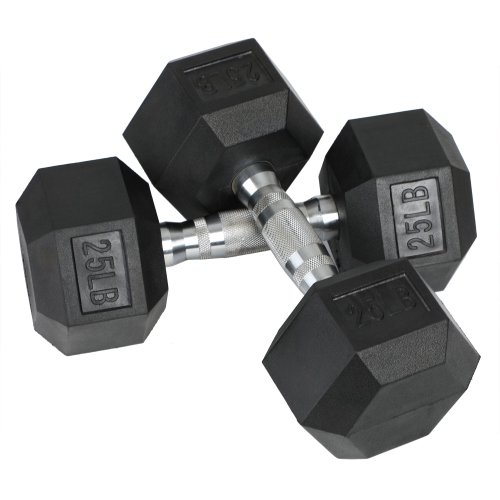
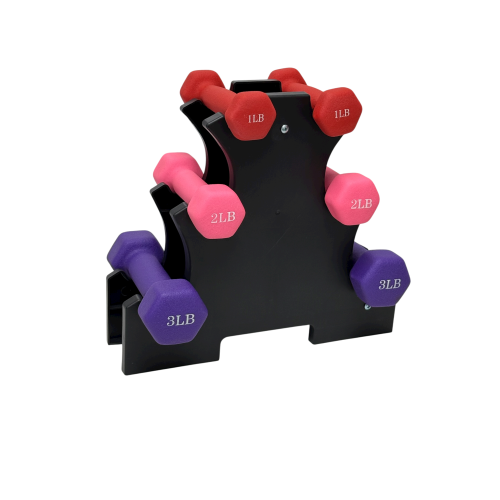
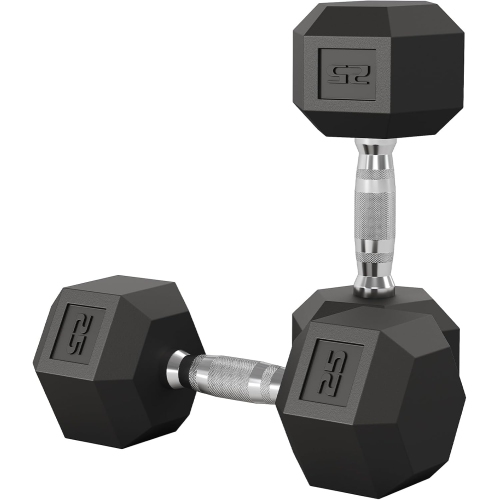
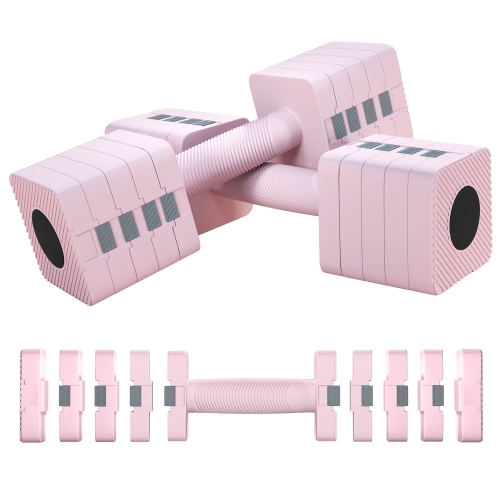
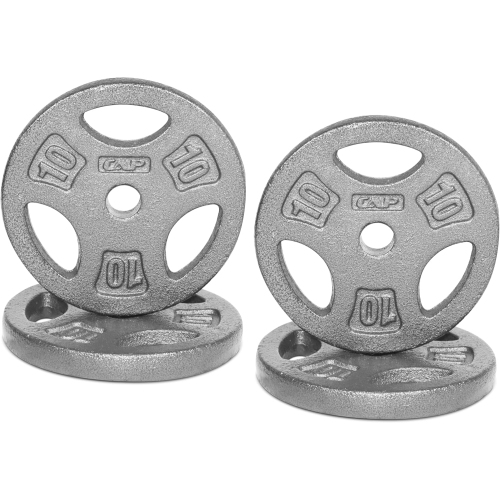
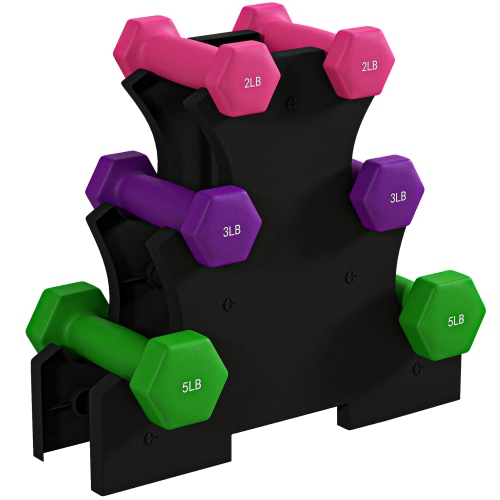
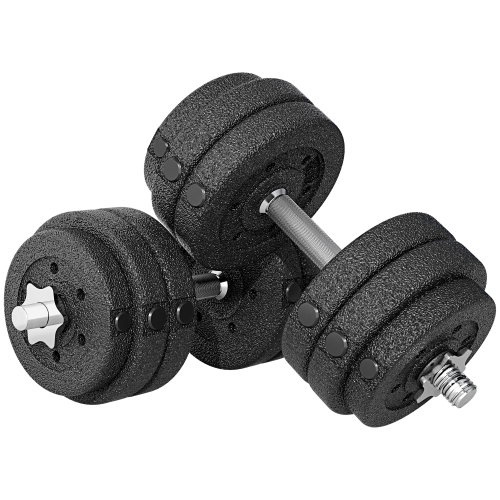
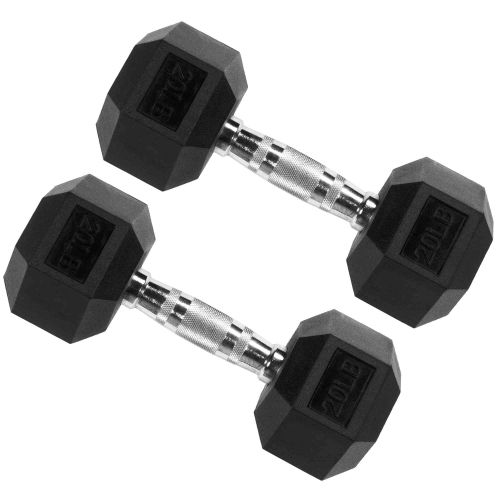
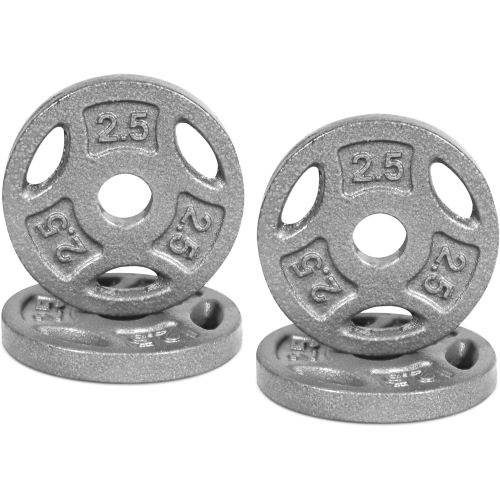
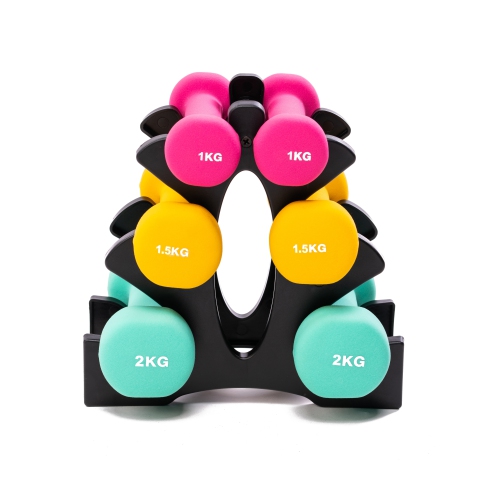
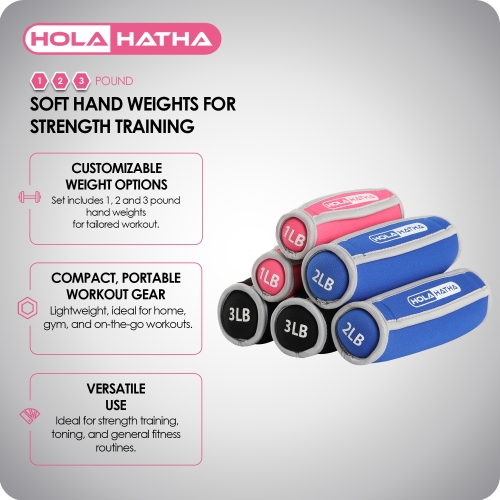
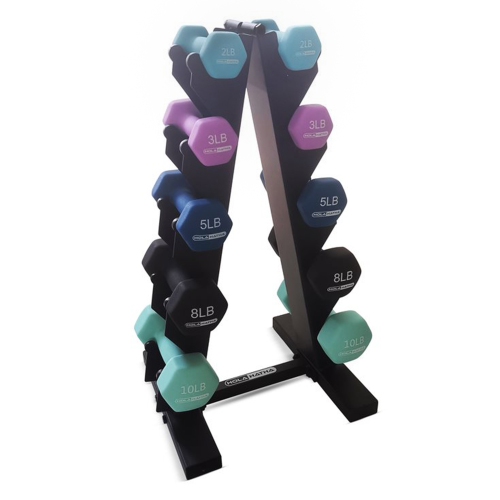
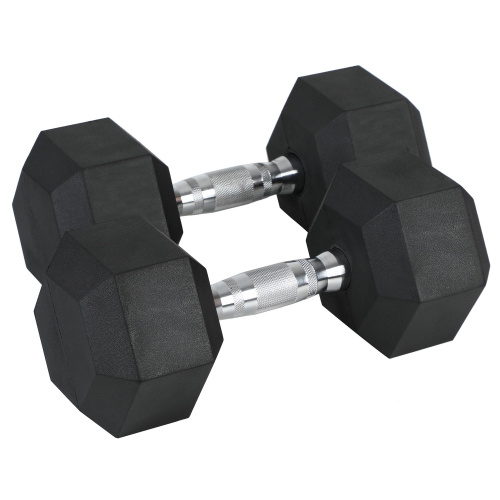
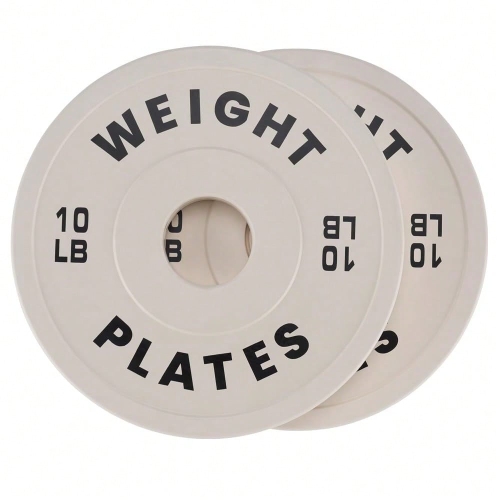
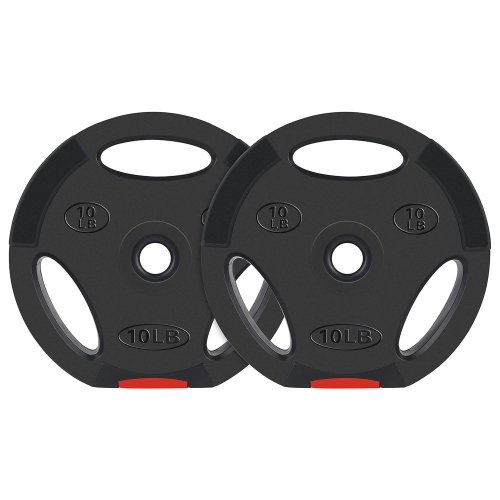
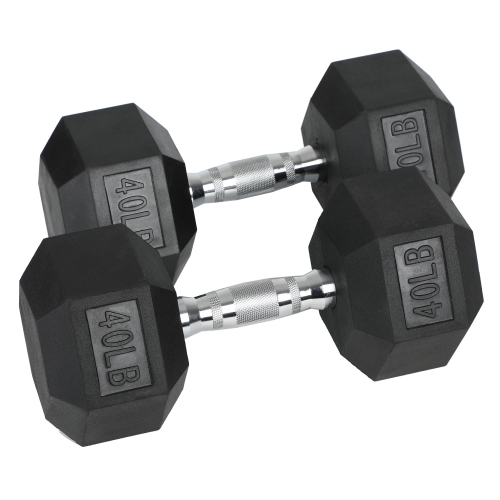
Choosing weights for beginners is easier when the equipment matches your current strength, available space, and preferred way to exercise. For many first-time lifters, comfortable hand weights or dumbbells in the 2 to 5 kg (5 to 10 lb) range provide a practical starting point for upper-body movements such as biceps curls, shoulder presses, chest presses, rows, and triceps extensions. The best starting weight is one that feels manageable through a controlled set while still making the final one or two repetitions noticeably challenging. You should be able to maintain steady breathing, balanced posture, and a smooth range of motion without swinging the weights or shifting your body to complete a repetition. Beginners often benefit from lighter weights for smaller muscle groups and overhead movements, with approximately 2 to 4 kg (5 to 8 lb) per hand being a useful reference point for arms and shoulders. Lower-body exercises such as squats, lunges, deadlifts, and glute bridges generally allow for more resistance, so weights in the 5 to 9 kg (10 to 20 lb) range may be suitable as a starting point, depending on the movement and your experience. These ranges are guidelines rather than requirements; your ideal choice will depend on your size, strength, mobility, previous activity, and whether you are returning to exercise after time away. A short warm-up, such as walking, gentle mobility exercises, or light bodyweight movements for about five minutes, can help you feel more prepared before lifting. Starting with one or two sets of 8 to 12 repetitions gives you room to practise technique and notice how your body responds. Move deliberately, particularly while lowering the weight, and leave enough space between sessions for your muscles to recover. If you are new to resistance training, managing an injury, or living with a health condition, consider getting advice from a qualified health professional before beginning a new routine.
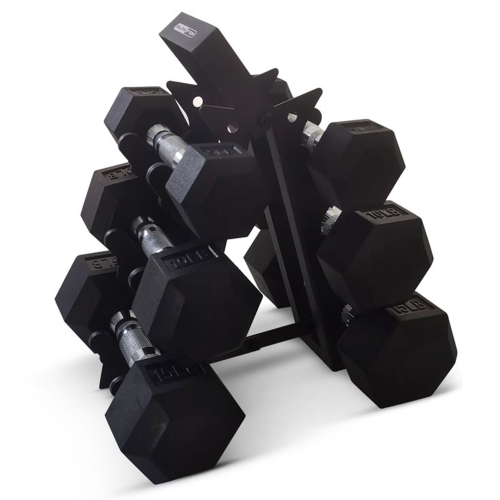
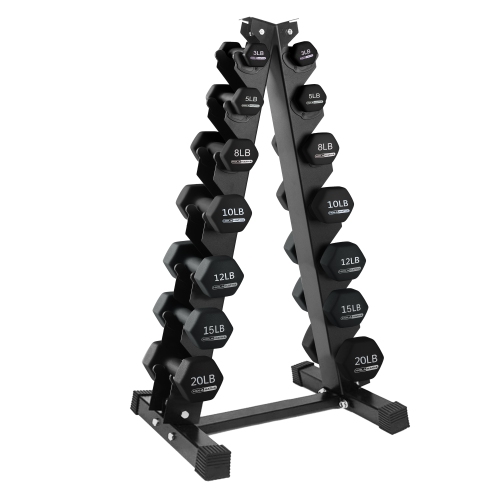
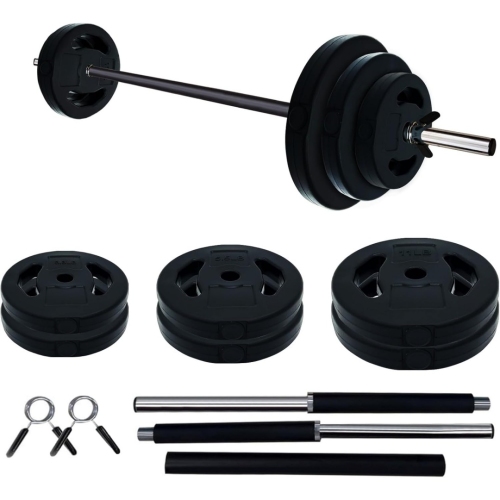
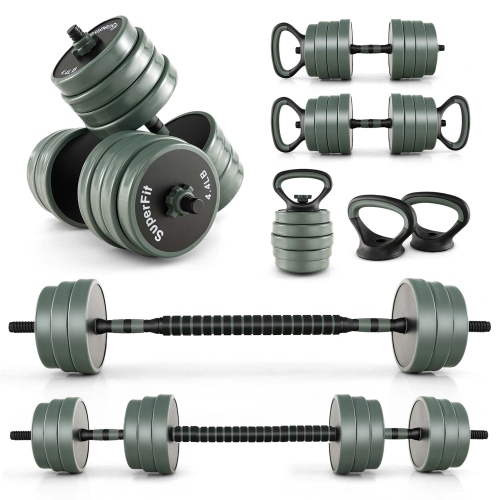
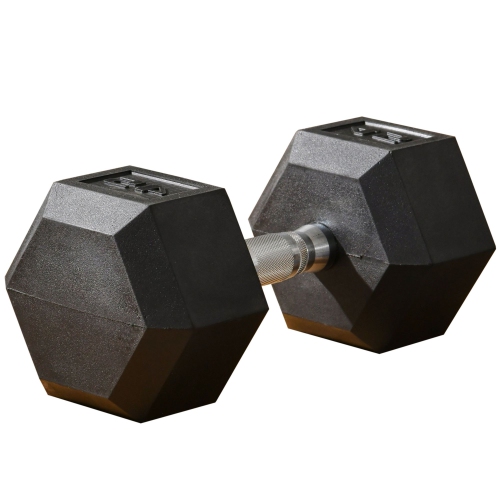
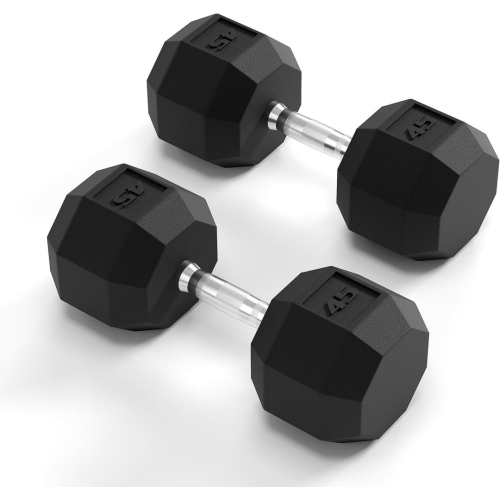
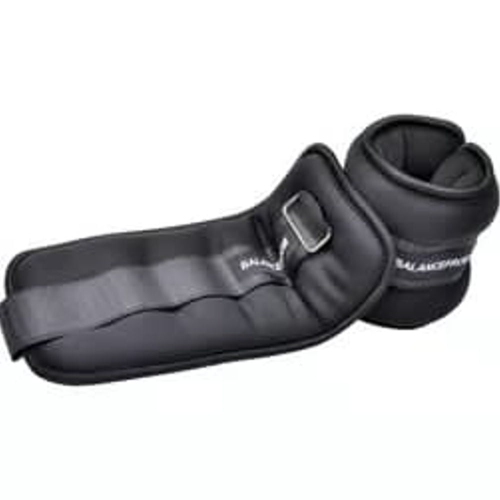
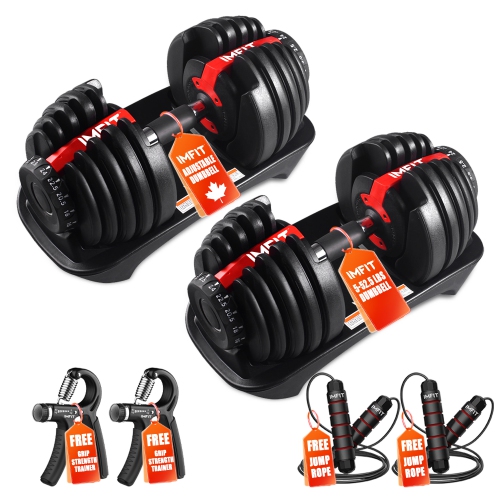
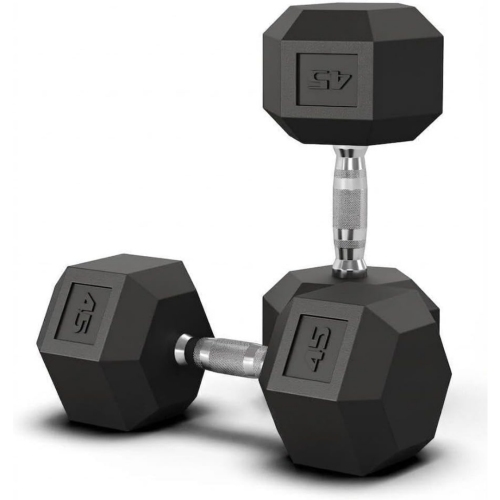
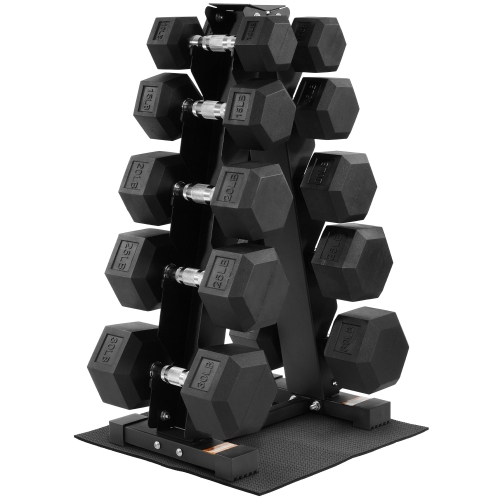
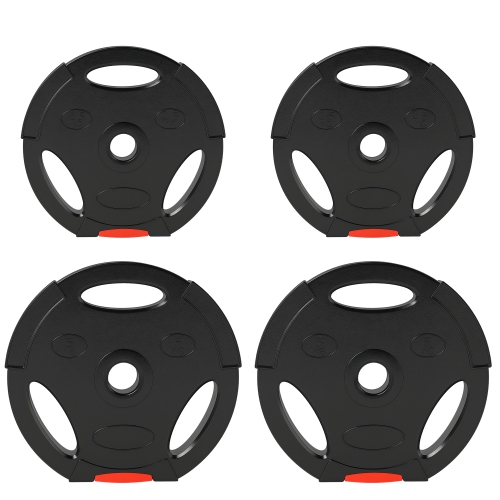
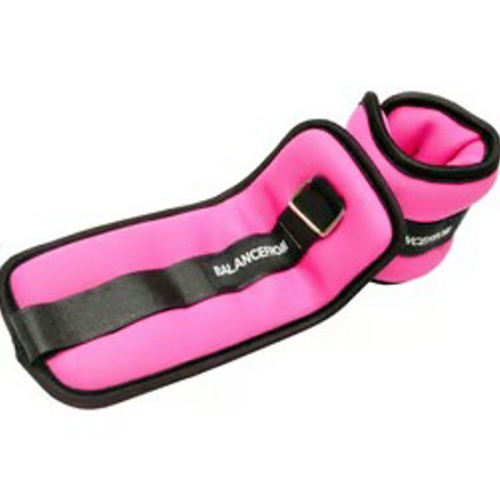
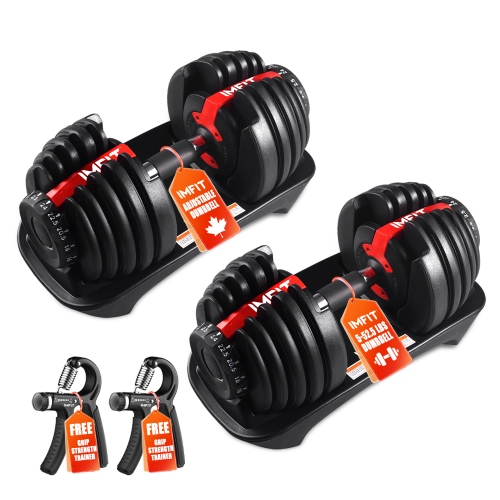
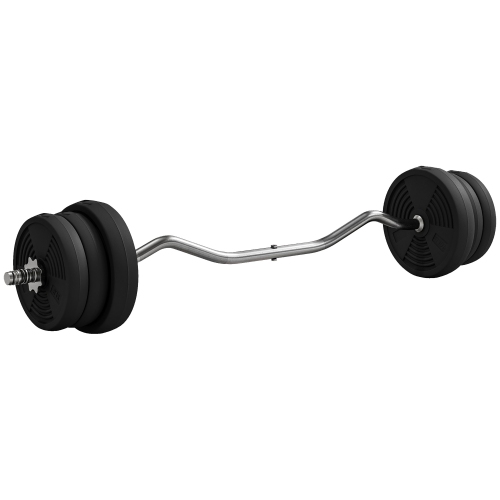
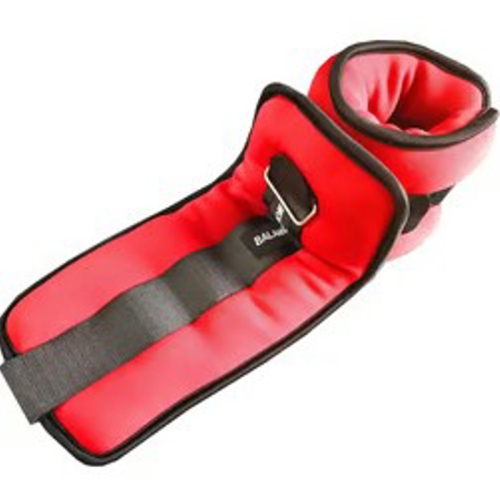
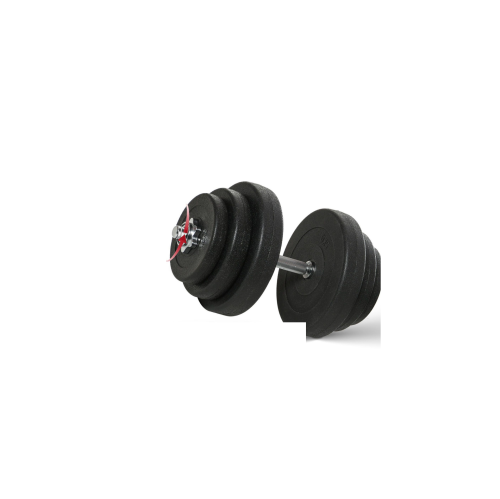
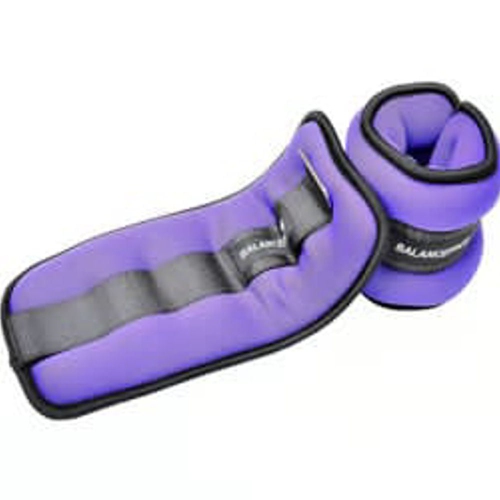
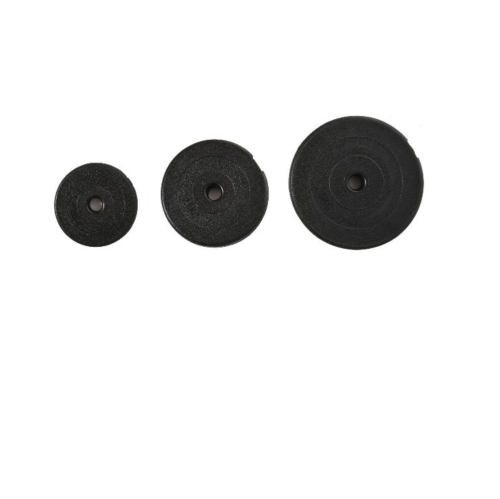
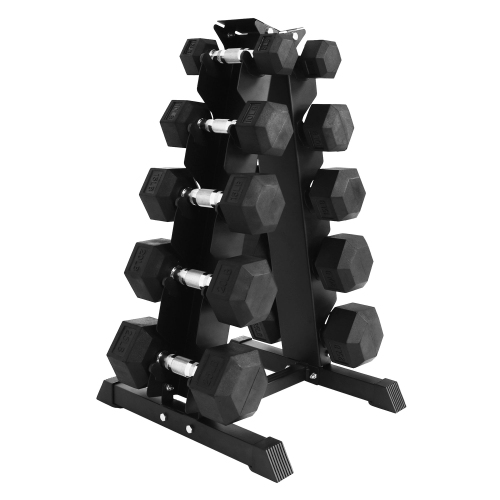
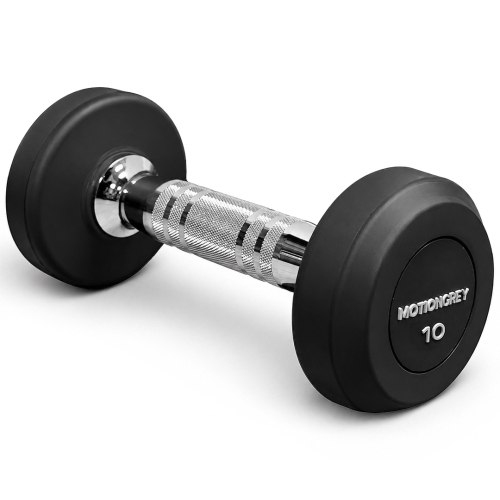
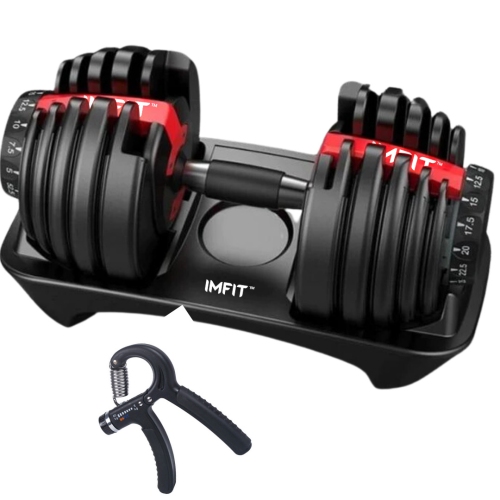
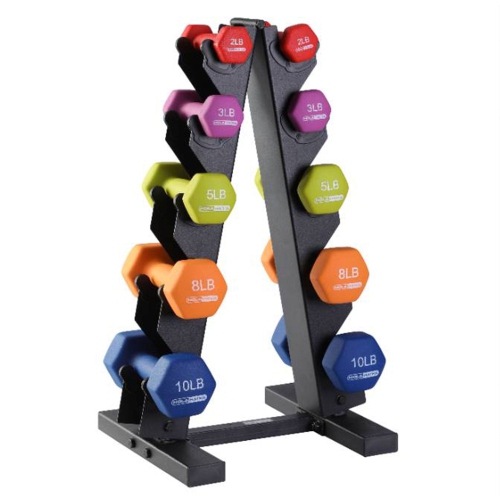
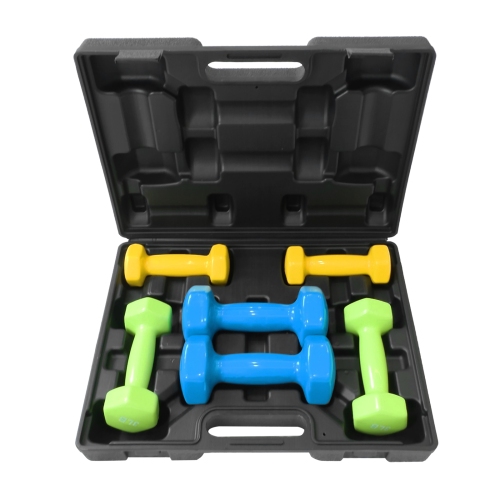
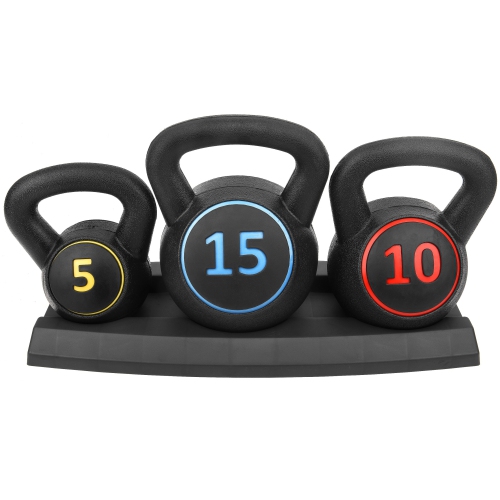
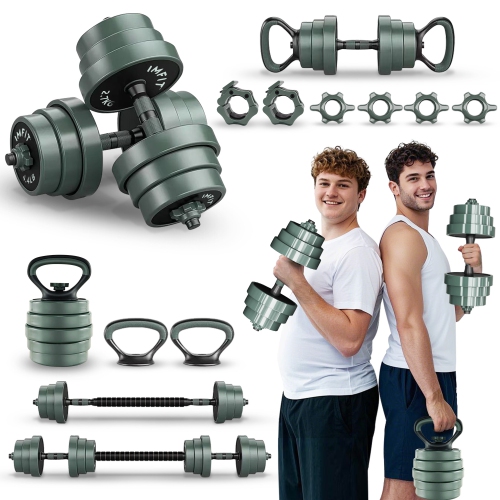
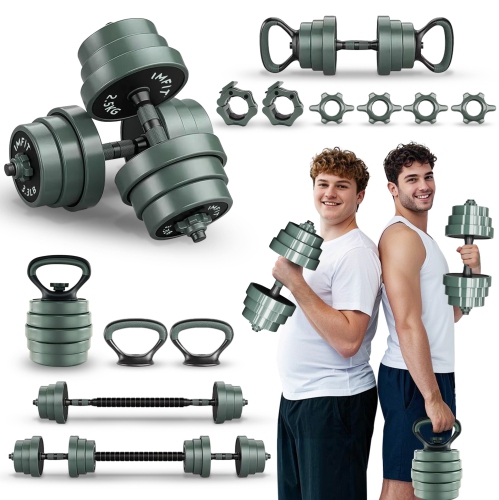
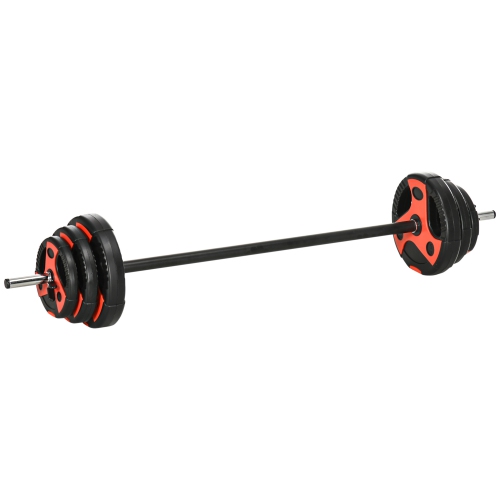
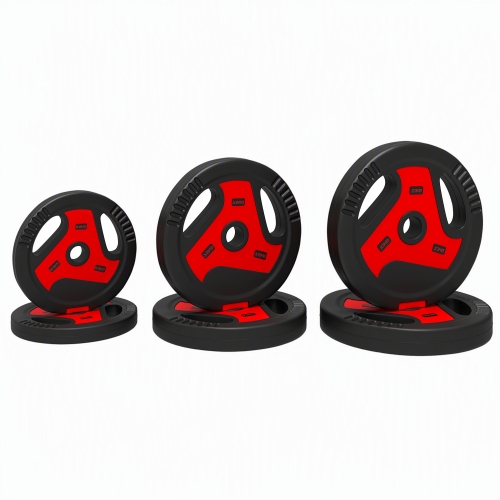
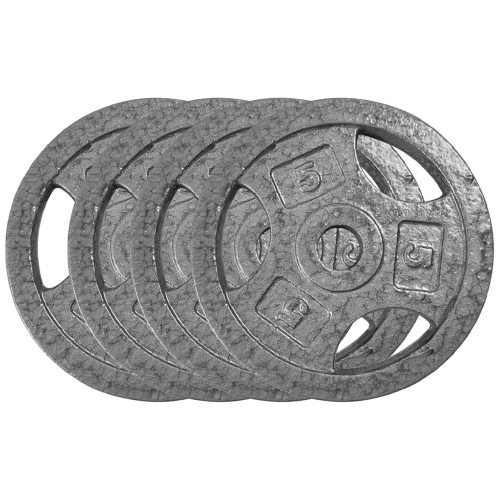
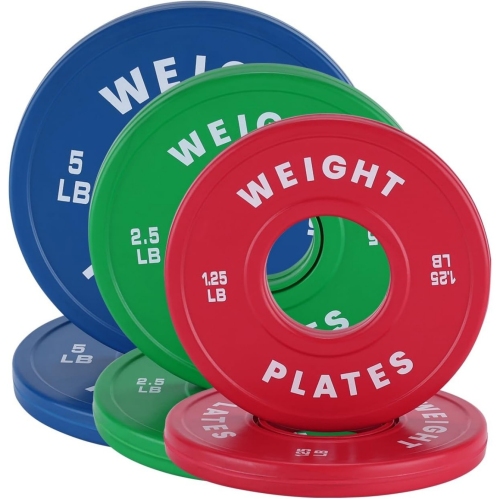
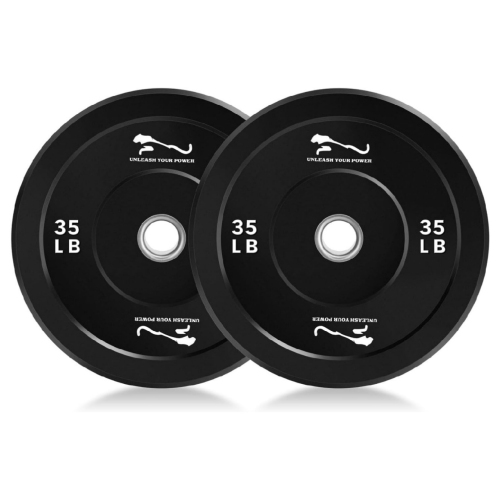
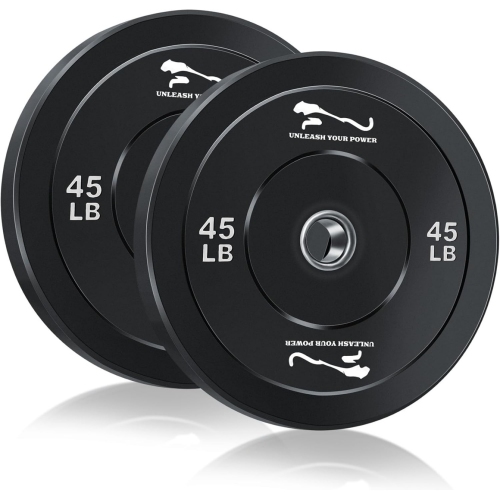
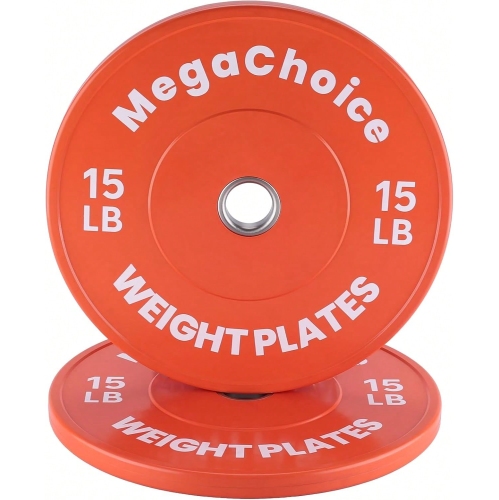
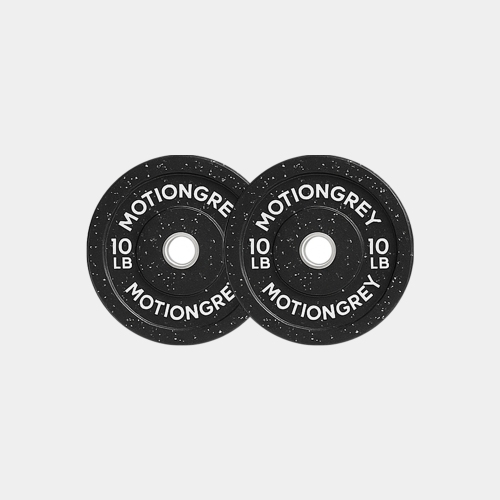
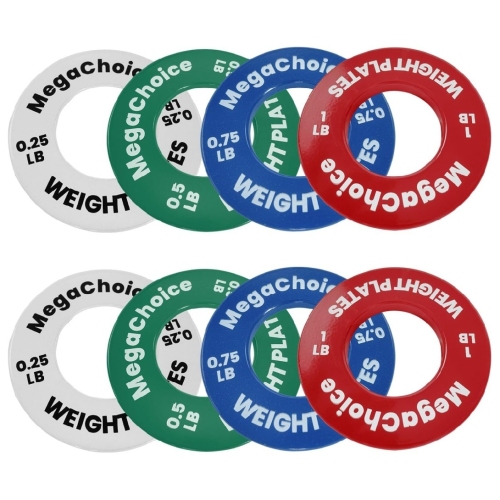
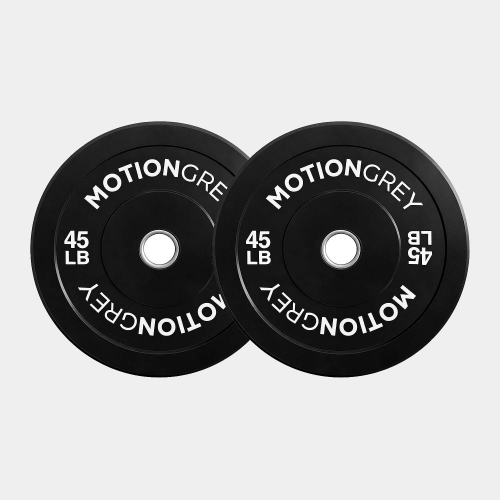
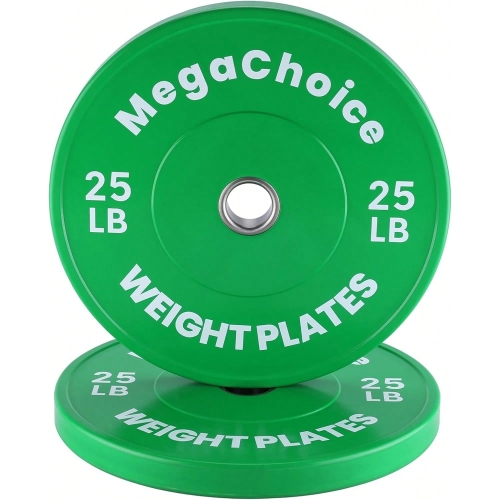
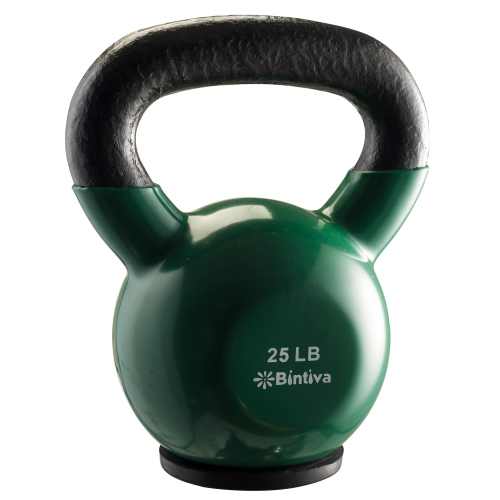
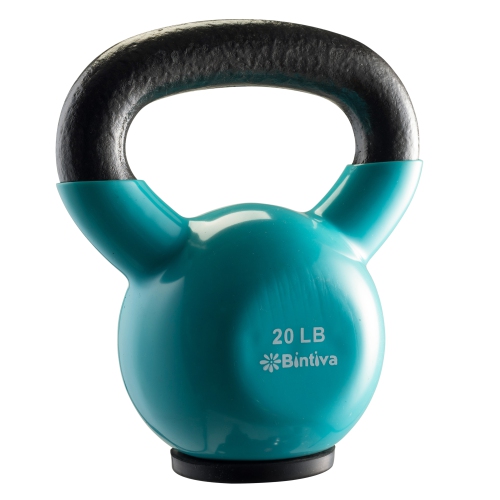
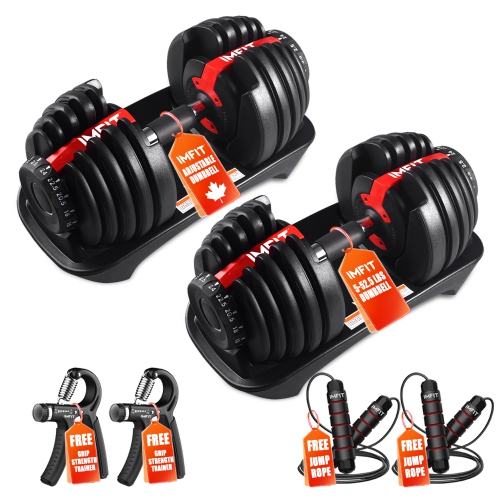
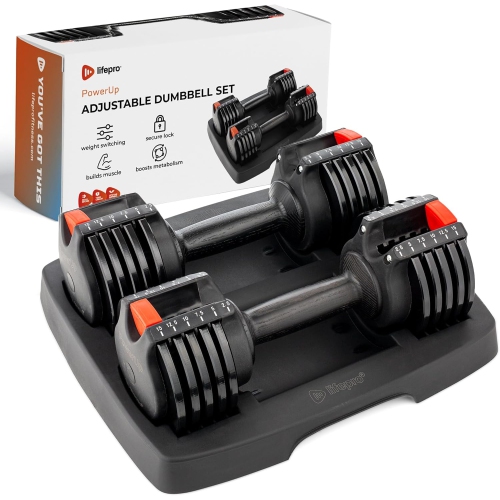
The range of weights available for beginners includes fixed hand weights, adjustable dumbbells, kettlebells, weight plates, ankle weights, and compact sets designed for home workouts. Fixed weights are straightforward and convenient: pick them up and begin, with no plates to change or parts to assemble. They can be especially appealing for someone who wants a simple routine beside a sofa, in a spare bedroom, or near a home office. Adjustable options can be useful when several exercises require different resistance, or when you want to increase the load gradually without storing a large collection of individual weights. When comparing adjustable designs, look at how securely the plates or components lock into place, how comfortable the handle feels, and whether the adjustment process fits naturally into your workout. The shape and grip matter as much as the number printed on the side. A textured handle may feel more secure during a sweaty session, while a compact profile can make floor exercises and storage more convenient. Kettlebell-style weights support movements that involve the hips, legs, shoulders, and core, although their offset shape may require extra attention to control. Ankle and wrist weights can add gentle resistance to selected low-impact movements, but they are not a substitute for heavier training and should be used in ways that do not strain your joints. Check that the weight is easy to lift from the floor, carry to your workout space, and return to storage. A set that remains visible and accessible is more likely to become part of your regular routine than equipment tucked behind boxes or in a crowded cupboard. For additional hand-weight options selected with new lifters in mind, explore Dumbbells for Beginners.
Beginner weights can suit a wide range of people, from someone building a first home fitness area to an experienced walker adding strength work to a weekly routine. They can also make a thoughtful gift for a friend moving into a new home, a family member looking for convenient indoor exercise during the cooler months, or anyone who enjoys practical equipment that supports short sessions without a trip to the gym. A pair of lighter weights may be a useful introduction for someone who prefers Pilates-inspired movements, mobility work, or low-impact training, while a starter set with several resistance options can accommodate gradual progress and different members of a household. Think about the recipient’s available space, comfort with exercise equipment, and preferred activities before choosing. Someone who travels between rooms or stores equipment in a small apartment may appreciate a compact pair, whereas a dedicated home workout area may have room for a broader selection. As your movements become familiar, a weight that once felt demanding may start to feel easier. That is a natural sign to reassess rather than rush: when you can complete 12 controlled repetitions with consistent form and plenty of energy left, consider moving to the next small increment, often around 2 to 5 percent heavier. Increase only one factor at a time, such as resistance, repetitions, or sets, so you can tell how your body is adapting. Two or three sets of 8 to 12 repetitions can provide a familiar structure, but the quality of each repetition matters more than chasing a number. Imagine placing a glass of water on a table with every lift: steady, quiet movement is usually a better target than speed. Keep weights clear of walkways, inspect adjustable parts before use, and store them where they cannot roll or fall. With the right fit, beginner weights can support strength, balance, and confidence through simple home sessions as the weather warms and during the cooler months.
The range of weights available for beginners includes fixed hand weights, adjustable dumbbells, kettlebells, weight plates, ankle weights, and compact sets designed for home workouts. Fixed weights are straightforward and convenient: pick them up and begin, with no plates to change or parts to assemble. They can be especially appealing for someone who wants a simple routine beside a sofa, in a spare bedroom, or near a home office. Adjustable options can be useful when several exercises require different resistance, or when you want to increase the load gradually without storing a large collection of individual weights. When comparing adjustable designs, look at how securely the plates or components lock into place, how comfortable the handle feels, and whether the adjustment process fits naturally into your workout. The shape and grip matter as much as the number printed on the side. A textured handle may feel more secure during a sweaty session, while a compact profile can make floor exercises and storage more convenient. Kettlebell-style weights support movements that involve the hips, legs, shoulders, and core, although their offset shape may require extra attention to control. Ankle and wrist weights can add gentle resistance to selected low-impact movements, but they are not a substitute for heavier training and should be used in ways that do not strain your joints. Check that the weight is easy to lift from the floor, carry to your workout space, and return to storage. A set that remains visible and accessible is more likely to become part of your regular routine than equipment tucked behind boxes or in a crowded cupboard. For additional hand-weight options selected with new lifters in mind, explore Dumbbells for Beginners.
Beginner weights can suit a wide range of people, from someone building a first home fitness area to an experienced walker adding strength work to a weekly routine. They can also make a thoughtful gift for a friend moving into a new home, a family member looking for convenient indoor exercise during the cooler months, or anyone who enjoys practical equipment that supports short sessions without a trip to the gym. A pair of lighter weights may be a useful introduction for someone who prefers Pilates-inspired movements, mobility work, or low-impact training, while a starter set with several resistance options can accommodate gradual progress and different members of a household. Think about the recipient’s available space, comfort with exercise equipment, and preferred activities before choosing. Someone who travels between rooms or stores equipment in a small apartment may appreciate a compact pair, whereas a dedicated home workout area may have room for a broader selection. As your movements become familiar, a weight that once felt demanding may start to feel easier. That is a natural sign to reassess rather than rush: when you can complete 12 controlled repetitions with consistent form and plenty of energy left, consider moving to the next small increment, often around 2 to 5 percent heavier. Increase only one factor at a time, such as resistance, repetitions, or sets, so you can tell how your body is adapting. Two or three sets of 8 to 12 repetitions can provide a familiar structure, but the quality of each repetition matters more than chasing a number. Imagine placing a glass of water on a table with every lift: steady, quiet movement is usually a better target than speed. Keep weights clear of walkways, inspect adjustable parts before use, and store them where they cannot roll or fall. With the right fit, beginner weights can support strength, balance, and confidence through simple home sessions as the weather warms and during the cooler months.
Top selling and popular products
-
 Your price for this item is $249.97
 -
 Your price for this item is $159.98
 -
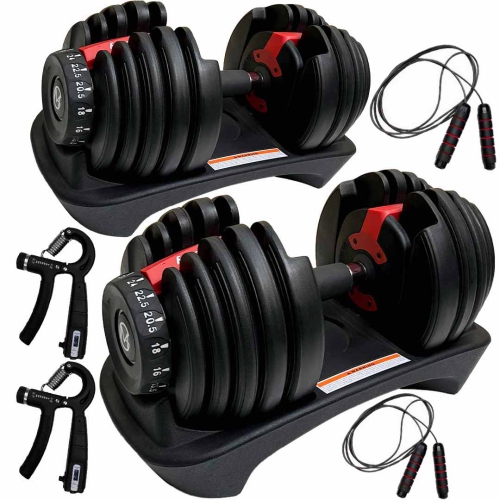 Your price for this item is $143.46
 -
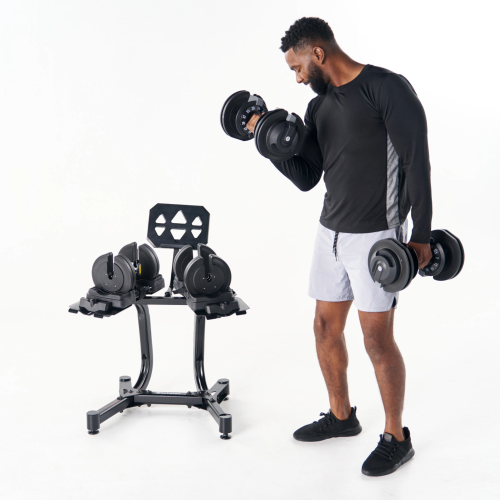 Your price for this item is $684.99
 -
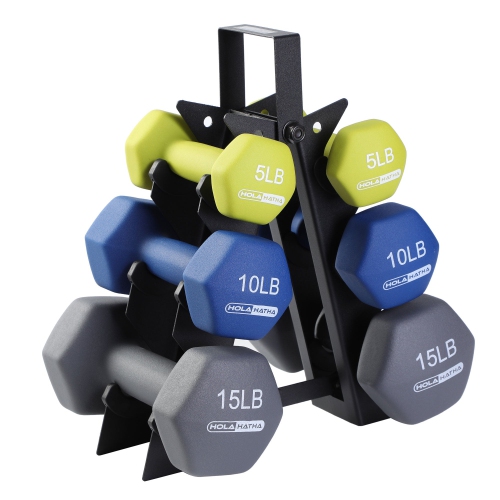 Your price for this item is $268.99
 -
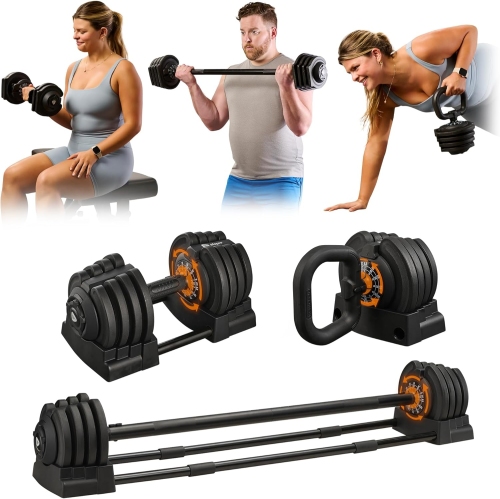 Your price for this item is $329.99
 -
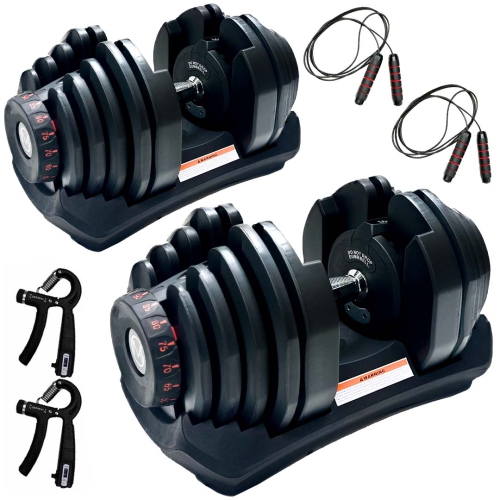 Your price for this item is $449.99
 -
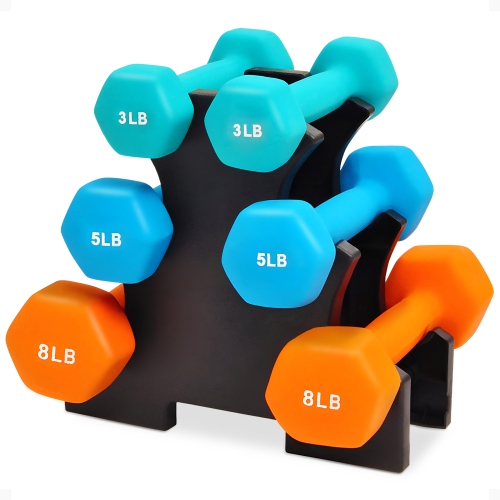 Your price for this item is $120.99
Discover more categories related to Weights for Beginners
Top Collections:
Pokemon Centers, Best Cameras for Sports Photography, Kindle Devices, Samsung Galaxy Phones, Canon G7X Cameras, Pokémon 30th Celebration Cards, Refurbished Apple Laptops, iPhone 15 Apple, Laptops for Students, Budget Smartphones
Some products may be subject to Environmental Handling Fees
(EHF) depending on your province.
Learn more about EHFs.