White Face Masks
Elevate your personal wellness routine with our selection of white face masks, a must-have for anyone seeking both style and functionality. These versatile accessories seamlessly blend into any wardrobe while providing essential coverage for everyday outings. Whether you're commuting, shopping, or simply enjoying the outdoors, our collection offers a variety of options designed to complement your lifestyle. Discover the perfect balance between comfort and protection as you explore our range of white face masks, each crafted to meet your needs with ease and elegance.
Sort
Why a mask’s purpose matters more than its colour
White face masks span several distinct product types, from disposable procedure masks and filtering respirators to washable fabric coverings and blank masks for crafts or costumes. Their shared colour gives them a simple, neutral appearance, but their purpose depends on their construction, fit, and labelling rather than their shade. For everyday face coverings, white pairs easily with work uniforms, casual clothing, and outerwear without adding a pattern or bright accent. Disposable procedure masks typically have a pleated shape, a flexible nose strip, and ear loops or ties, with layered non-woven material covering the nose and mouth. Filtering respirators often have a folded or moulded shape designed to sit more closely against the face. N95 and KN95 designations refer to different standards; the markings, manufacturer information, and intended use matter more than a similar appearance. A white mask is not automatically medical-grade, and the number of layers alone does not establish its filtration performance. A loose-fitting procedure mask also does not provide the same seal as a properly fitted respirator. These distinctions matter for people travelling on public transit, visiting a healthcare setting, working near others, or following a workplace masking requirement. Some workplaces require a particular respirator standard and formal fit testing, so a general-purpose covering may not meet those needs. Comfort becomes especially noticeable during a long commute or an extended period at a desk: a rough inner surface, slipping nose panel, or tight loop can make a mask distracting to wear. During the cooler months, moving between outdoor air and heated indoor spaces can also make moisture and glasses fogging more noticeable. White fabric and non-woven surfaces can show makeup, visible dirt, and handling marks readily, although a mask that looks clean is not necessarily suitable for continued use. Intended use, condition, and the manufacturer’s directions remain the practical basis for choosing between disposable, reusable, and task-specific designs.
Materials and fit influence how a white face mask feels throughout ordinary movements such as speaking, turning the head, or looking down at a phone. Disposable designs commonly use non-woven layers, including spunbond and meltblown materials, while reusable coverings may use cotton, polyester, or blended fabrics. A soft inner surface can feel more comfortable against the cheeks, but softness and breathability do not, on their own, confirm a level of protection. Descriptions such as latex-free or fragrance-free are useful only when supported by the product labelling, particularly for people with known sensitivities. Fit varies with face length, nose shape, and the distance from the nose to the chin. A covering should stay over both the nose and mouth without repeatedly sliding down, and large gaps at the cheeks can allow air to pass around the material. An adjustable nose strip helps shape the upper edge, while different loop lengths or headband arrangements change where tension is felt. Headbands and ear loops are not interchangeable on every design, and alterations can affect how a respirator seals. Facial hair in the sealing area can also interfere with a tight-fitting respirator. For people who wear glasses, a well-shaped nose section may help limit upward airflow, although fogging alone is not a reliable measure of fit or filtration. Children need an appropriately sized design rather than a loose adult mask; masks should not be used on children under two or anyone unable to remove one without assistance. Care depends on the construction. Single-use masks and disposable respirators should not be washed, sprayed with household cleaners, or treated like laundry. Replacement is appropriate when they become wet, visibly soiled, damaged, or difficult to breathe through, and any stated use limits still apply. Washable fabric coverings need cleaning and thorough drying according to their care label. Repeated laundering can weaken elastic, distort the nose area, or affect seams, so durability includes how well the whole mask retains its shape, not just whether the fabric remains intact. A clean, dry storage space helps keep unused masks separate from keys, loose coins, and other frequently handled belongings.
Plain white craft and costume masks serve a different purpose: they provide a blank surface for decoration, character work, displays, and creative activities. These masks are not substitutes for protective face coverings or respirators. Paper, papier-mâché, and plastic bases each have a different feel and finish. Paper-based shapes are often lightweight and can take pencil sketches and suitable paints, while rigid plastic offers a smoother surface that may need a compatible primer or adhesive. A white base makes pale colours, fine lines, and small details easier to see, whether the finished design uses a simple painted motif or layered decorative elements. Full-face shapes offer more space to decorate, while half masks leave more of the face uncovered. For a mask intended to be worn, the eye openings, edge finish, weight, and fastening method matter as much as its appearance. A lightweight blank can become uncomfortable after heavy decorations are added, and paint or trim should not obstruct vision or breathing openings. A student preparing a theatre character, an adult creating a display piece, and a family setting up a supervised craft activity may need quite different shapes and materials despite starting with the same white finish. Paints and adhesives need to be suitable for the base material and intended use, with sufficient drying or curing time before handling or wear. Paper-based masks generally need dry storage and gentle handling to keep their shape; plastic designs may allow surface wiping if the care directions permit it. Neither type should be cleaned using methods that damage attached decorations or leave irritating residues. Skin-care masks are another separate category, intended for facial treatments rather than respiratory protection or costume use. For that purpose, Facial Masks covers a different kind of face-care routine. Keeping these uses distinct makes the meaning of “white face masks” clearer: colour describes the appearance, while material, sizing, care requirements, and stated purpose determine whether a mask suits daily wear, a workplace requirement, or a creative project.
Materials and fit influence how a white face mask feels throughout ordinary movements such as speaking, turning the head, or looking down at a phone. Disposable designs commonly use non-woven layers, including spunbond and meltblown materials, while reusable coverings may use cotton, polyester, or blended fabrics. A soft inner surface can feel more comfortable against the cheeks, but softness and breathability do not, on their own, confirm a level of protection. Descriptions such as latex-free or fragrance-free are useful only when supported by the product labelling, particularly for people with known sensitivities. Fit varies with face length, nose shape, and the distance from the nose to the chin. A covering should stay over both the nose and mouth without repeatedly sliding down, and large gaps at the cheeks can allow air to pass around the material. An adjustable nose strip helps shape the upper edge, while different loop lengths or headband arrangements change where tension is felt. Headbands and ear loops are not interchangeable on every design, and alterations can affect how a respirator seals. Facial hair in the sealing area can also interfere with a tight-fitting respirator. For people who wear glasses, a well-shaped nose section may help limit upward airflow, although fogging alone is not a reliable measure of fit or filtration. Children need an appropriately sized design rather than a loose adult mask; masks should not be used on children under two or anyone unable to remove one without assistance. Care depends on the construction. Single-use masks and disposable respirators should not be washed, sprayed with household cleaners, or treated like laundry. Replacement is appropriate when they become wet, visibly soiled, damaged, or difficult to breathe through, and any stated use limits still apply. Washable fabric coverings need cleaning and thorough drying according to their care label. Repeated laundering can weaken elastic, distort the nose area, or affect seams, so durability includes how well the whole mask retains its shape, not just whether the fabric remains intact. A clean, dry storage space helps keep unused masks separate from keys, loose coins, and other frequently handled belongings.
Plain white craft and costume masks serve a different purpose: they provide a blank surface for decoration, character work, displays, and creative activities. These masks are not substitutes for protective face coverings or respirators. Paper, papier-mâché, and plastic bases each have a different feel and finish. Paper-based shapes are often lightweight and can take pencil sketches and suitable paints, while rigid plastic offers a smoother surface that may need a compatible primer or adhesive. A white base makes pale colours, fine lines, and small details easier to see, whether the finished design uses a simple painted motif or layered decorative elements. Full-face shapes offer more space to decorate, while half masks leave more of the face uncovered. For a mask intended to be worn, the eye openings, edge finish, weight, and fastening method matter as much as its appearance. A lightweight blank can become uncomfortable after heavy decorations are added, and paint or trim should not obstruct vision or breathing openings. A student preparing a theatre character, an adult creating a display piece, and a family setting up a supervised craft activity may need quite different shapes and materials despite starting with the same white finish. Paints and adhesives need to be suitable for the base material and intended use, with sufficient drying or curing time before handling or wear. Paper-based masks generally need dry storage and gentle handling to keep their shape; plastic designs may allow surface wiping if the care directions permit it. Neither type should be cleaned using methods that damage attached decorations or leave irritating residues. Skin-care masks are another separate category, intended for facial treatments rather than respiratory protection or costume use. For that purpose, Facial Masks covers a different kind of face-care routine. Keeping these uses distinct makes the meaning of “white face masks” clearer: colour describes the appearance, while material, sizing, care requirements, and stated purpose determine whether a mask suits daily wear, a workplace requirement, or a creative project.
Top selling and popular products
-
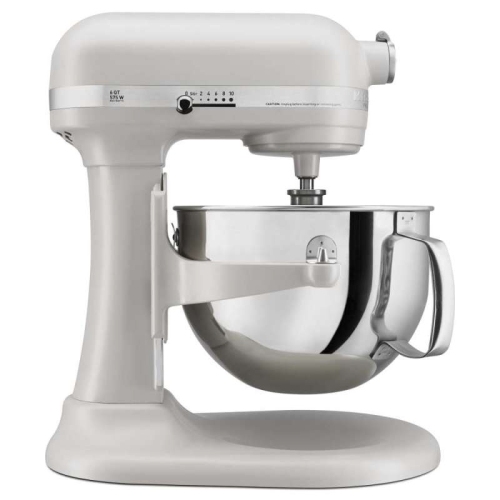 Your price for this item is $669.95
 -
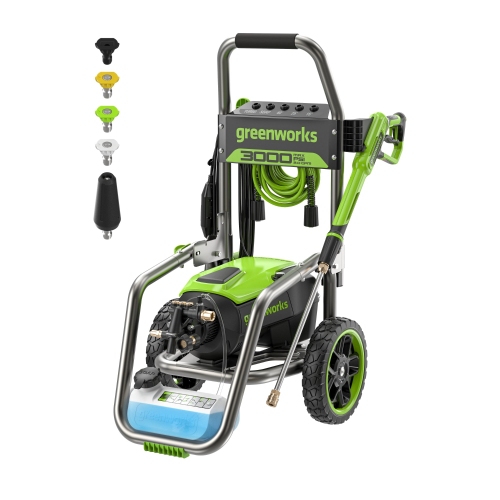 Your price for this item is $699.99
 -
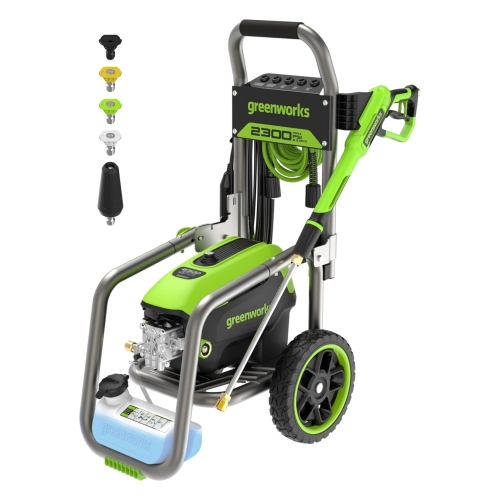 Your price for this item is $569.99
 -
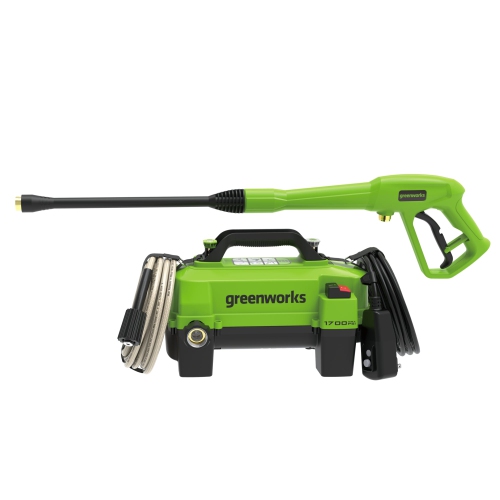 Your price for this item is $155.99
 -
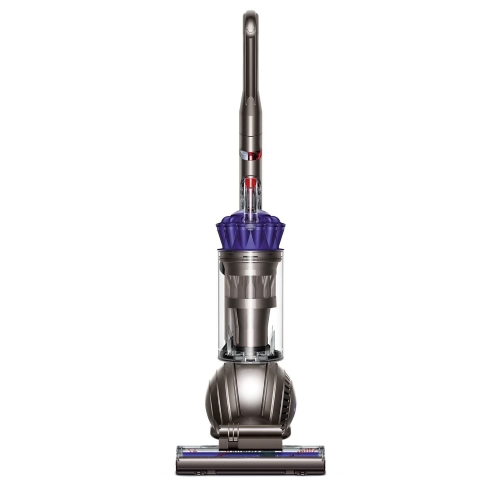 Your price for this item is $489
 -
 Your price for this item is $89.68
 -
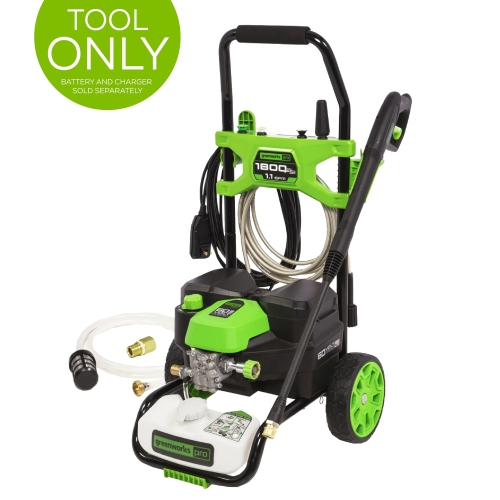 Your price for this item is $319.99
 -
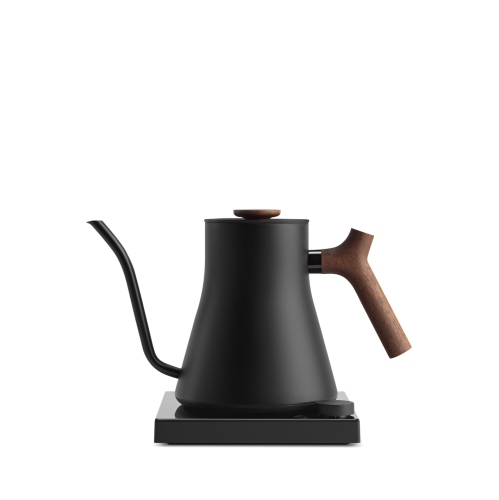 Your price for this item is $325
Discover more categories related to White Face Masks
Top Collections:
Pokemon Centers, Kindle Devices, Best Budget Office Chairs, Apple iPhones 16, Best Laptops for Writers, iPhone 15 Apple, Canon G7X Cameras, Refurbished Apple Laptops, Alarm Clock, Motorola Razr Phones
Some products may be subject to Environmental Handling Fees
(EHF) depending on your province.
Learn more about EHFs.