Heavy Duty Pool Loungers

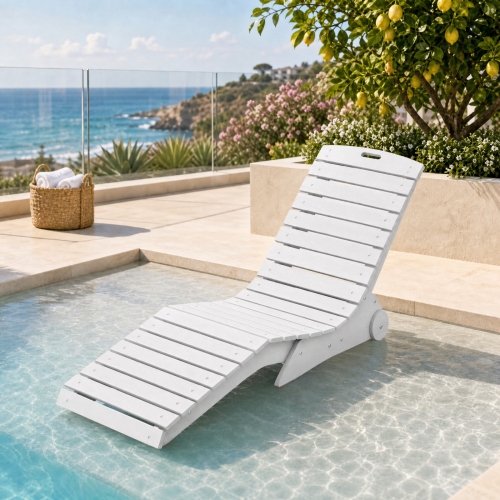
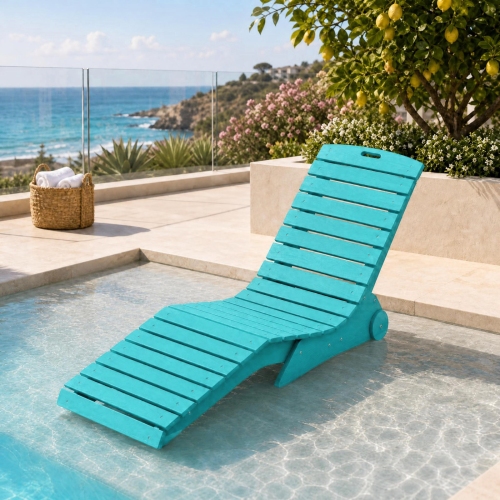
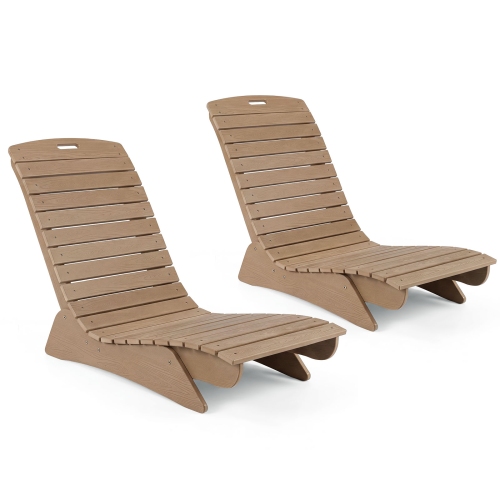
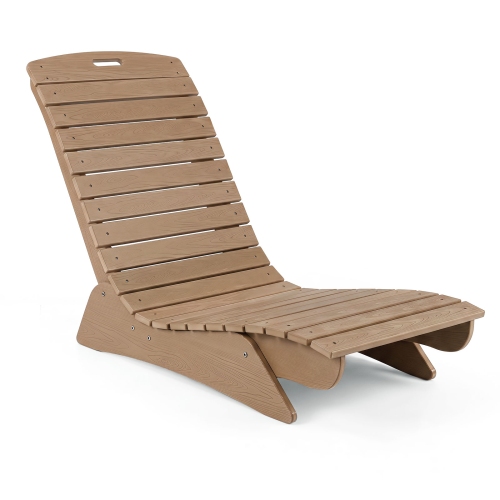
Browse heavy-duty pool loungers for relaxing by the pool, with a focus on sturdy construction and dependable support. Compare outdoor chaise lounges by weight capacity, frame material and dimensions to find a comfortable fit for your space, and check whether cushions or adjustable backrests are included.
Read More

Sort

Poolside and floating comfort starts with the right fit

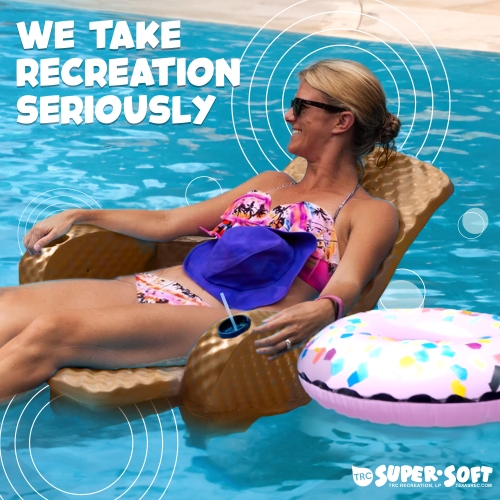
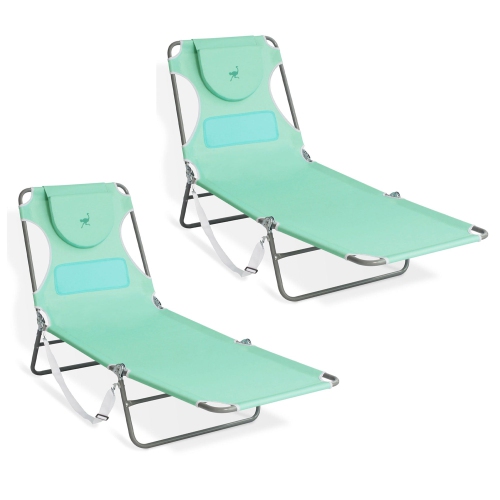
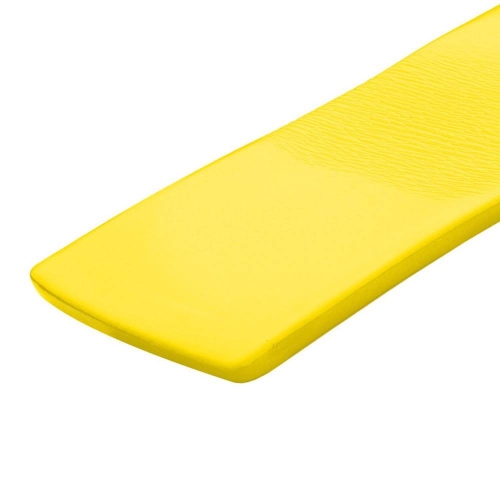
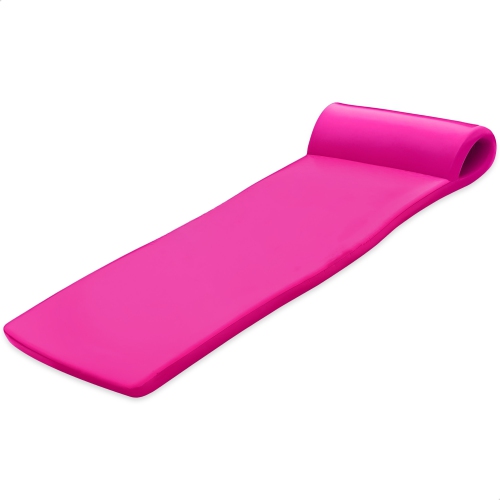
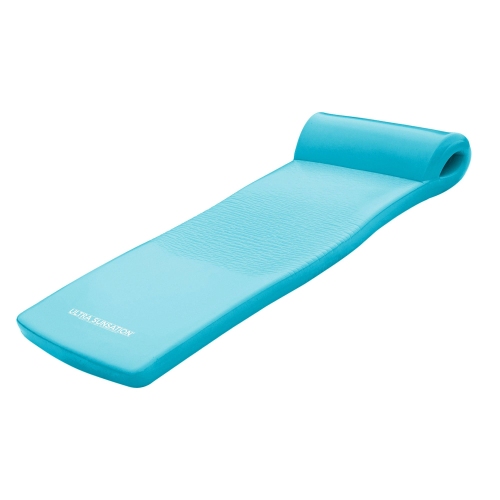
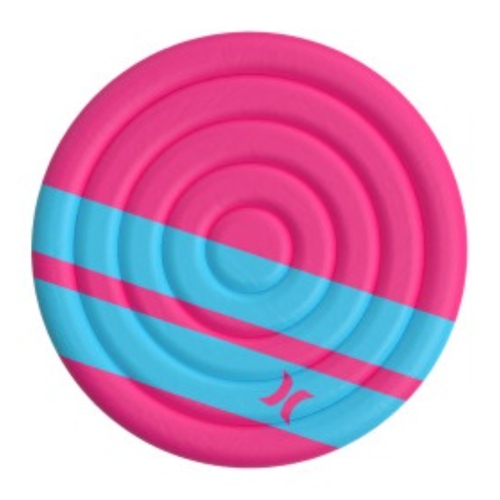
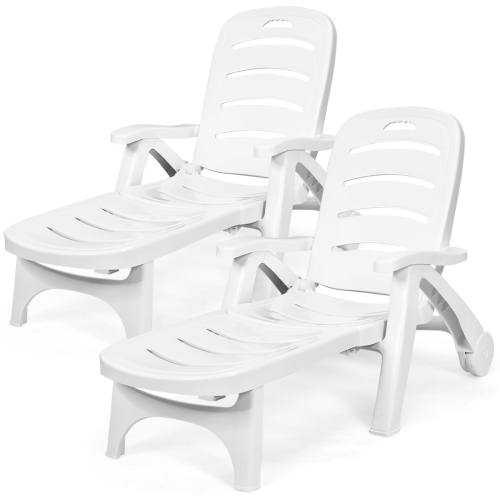
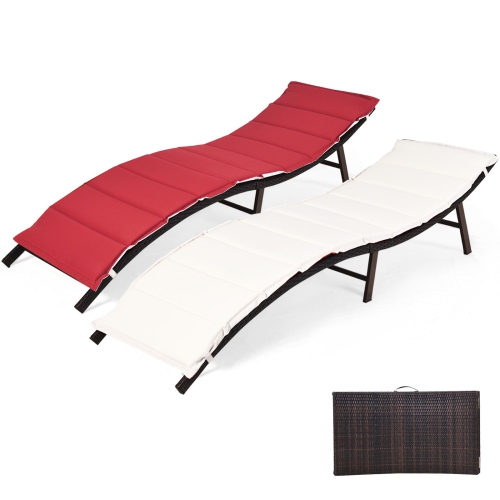
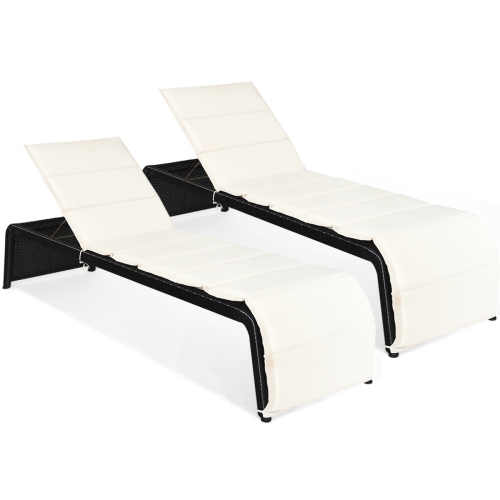
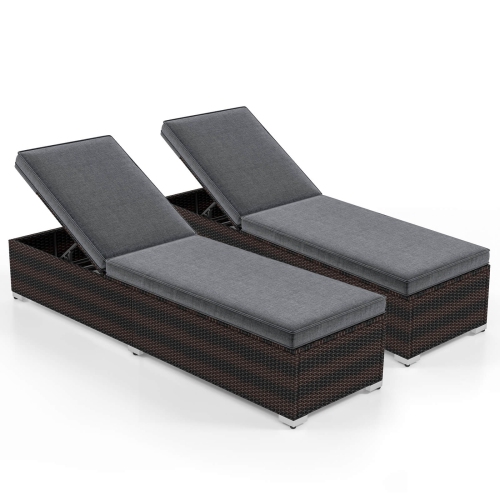
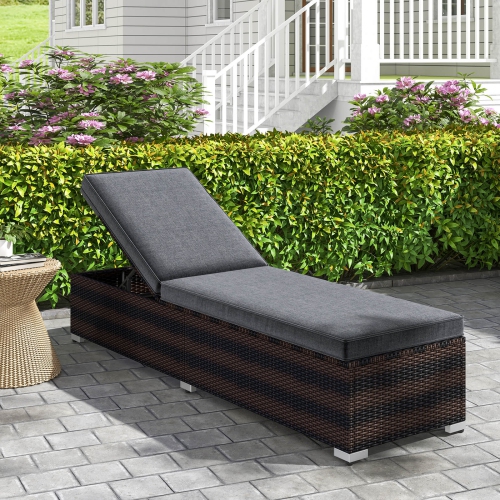
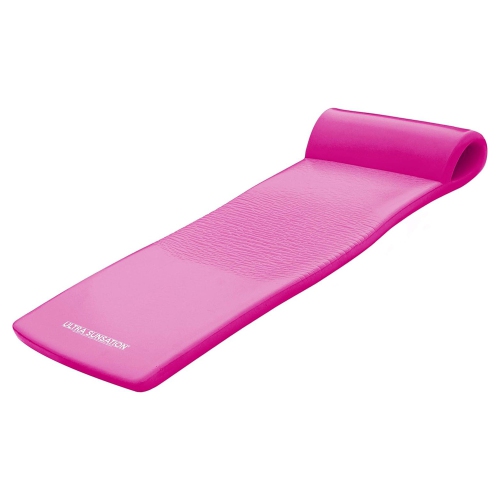
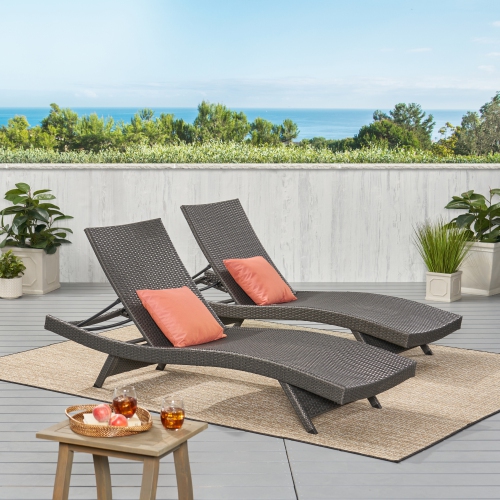
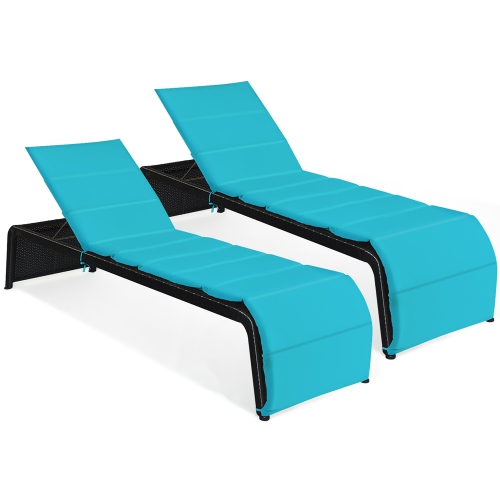
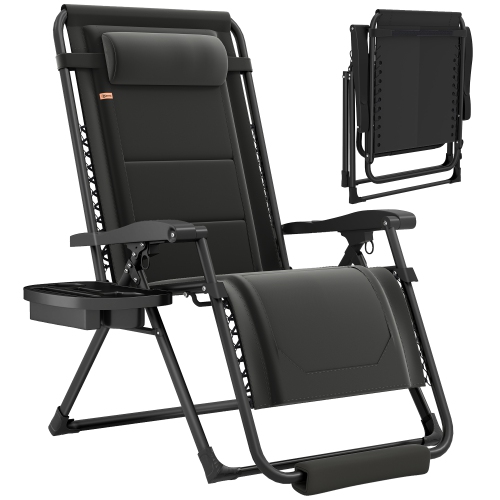
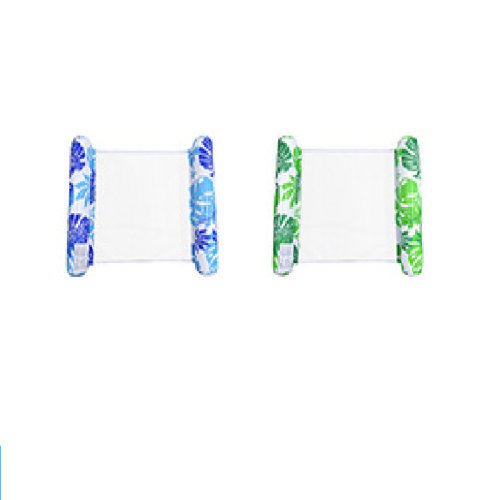
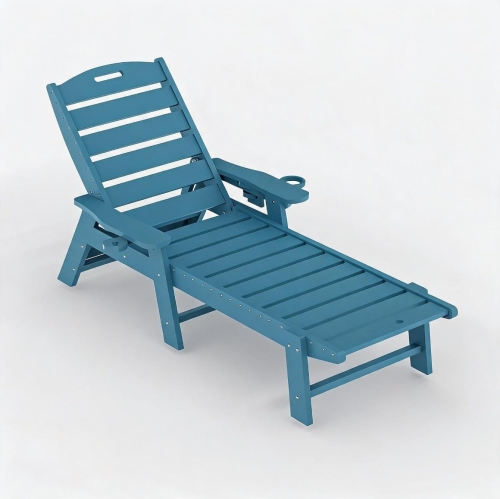
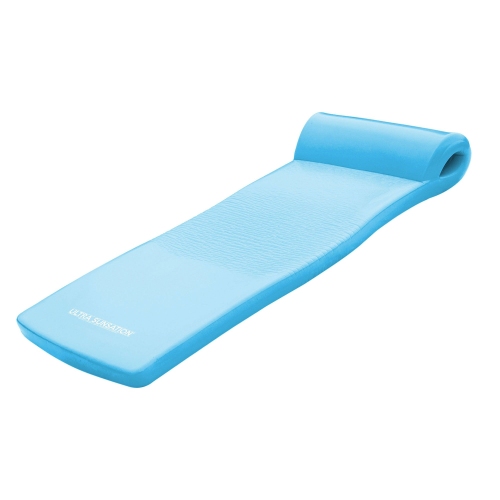
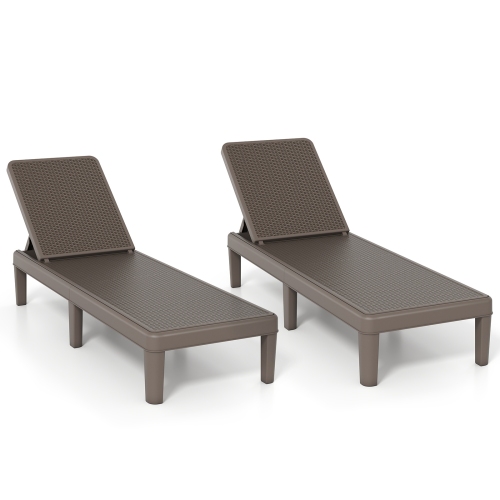
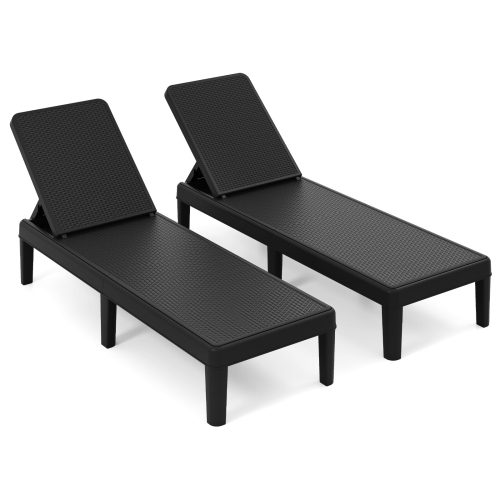
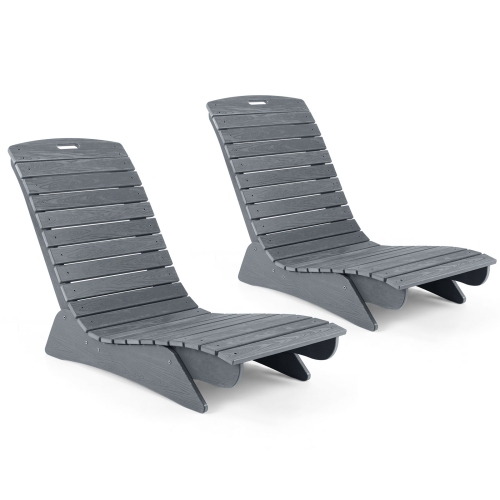
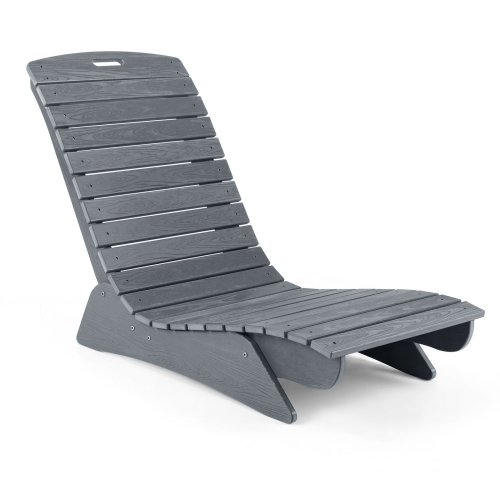
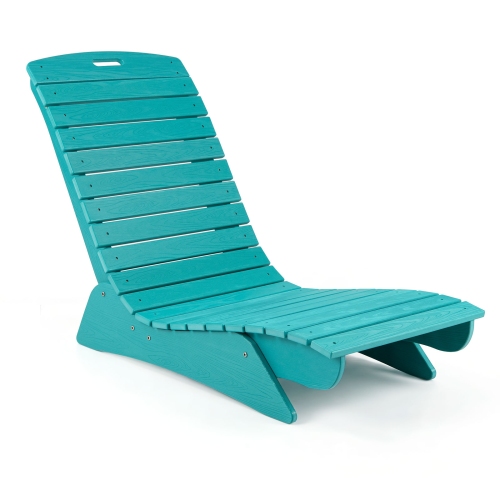
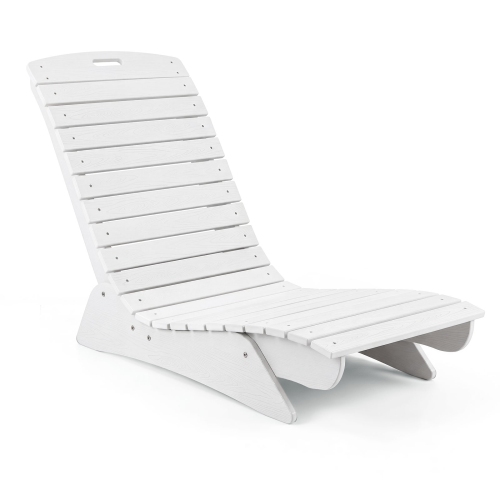
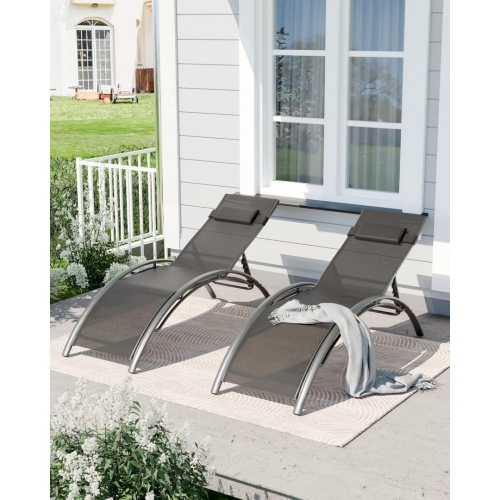
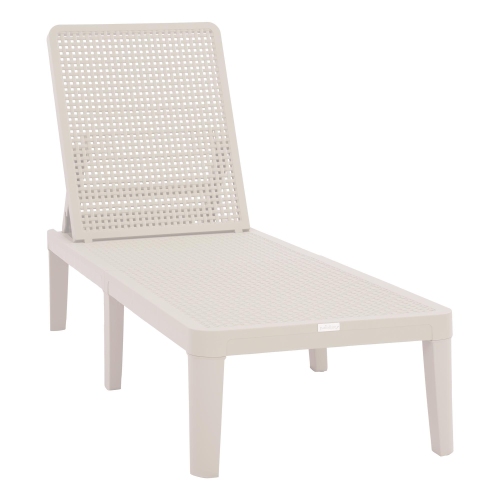
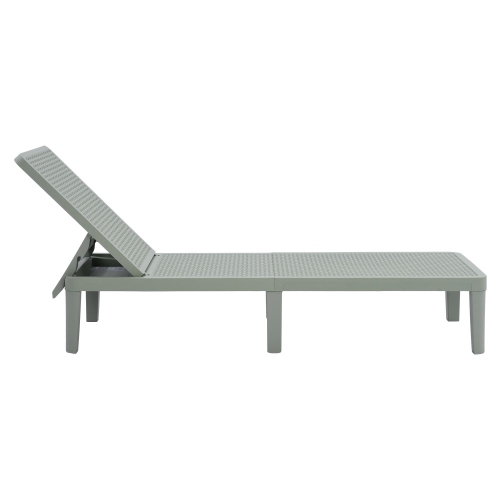
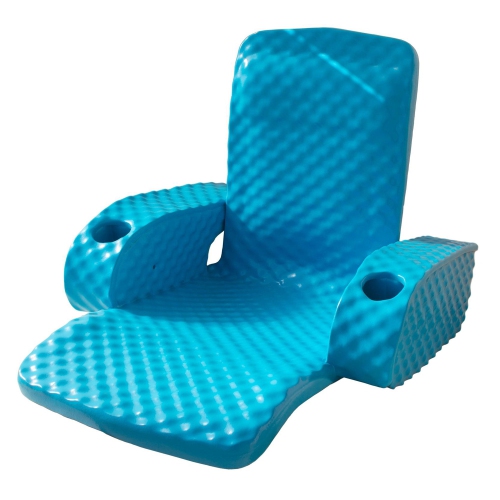
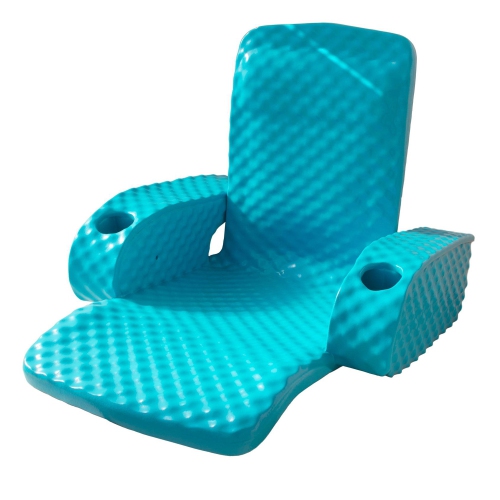
Heavy duty pool loungers bring a more supported feel to time spent beside the water or relaxing on its surface. The appeal is straightforward: enough room to settle back, a comfortable position for the legs and shoulders, and construction suited to repeated use. Depending on the design, a pool lounger may be an inflatable reclining float, a floating seat with a supported backrest, or a poolside chaise with a rigid frame. These formats serve different purposes, so intended use matters as much as appearance. A deck lounger belongs on a stable surface beside the pool, while a floating lounger needs to be specifically designed for use in the water. Floating loungers share many features with Heavy Duty Pool Floats, with particular emphasis on reclining comfort and body support. The term heavy duty can describe thicker materials, reinforced construction, a stronger frame, or a higher stated weight capacity, but it is not a universal performance rating. Manufacturer specifications provide the clearest picture of what a lounger can support and where it can be used. Overall length, usable seat width, and backrest height are especially relevant for taller adults or anyone who prefers room to stretch out rather than sit with bent knees. A generous outer footprint does not always mean an equally generous seating area, particularly when inflatable side chambers take up space. Likewise, the stated capacity should suit the person using the lounger without treating extra capacity as permission to add another occupant. For a shared family pool, manageable dimensions also help leave space for swimmers, steps, and other pool equipment. Comfort begins with a design that suits the user’s preferred position, whether that means sitting upright to chat, reclining with the feet supported, or resting with the lower body partly in the water. Getting on and off comfortably is another important part of fit, especially when a high-sided float or low deck seat requires more movement than expected.
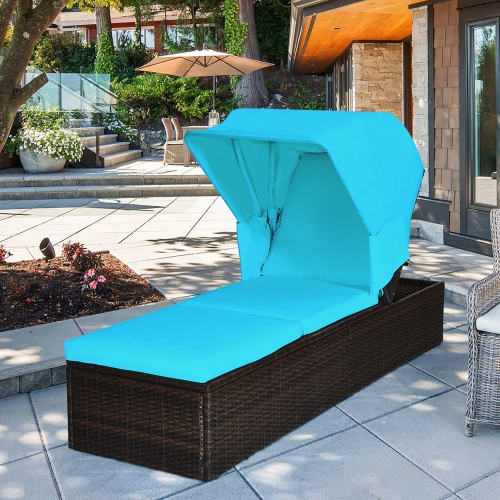
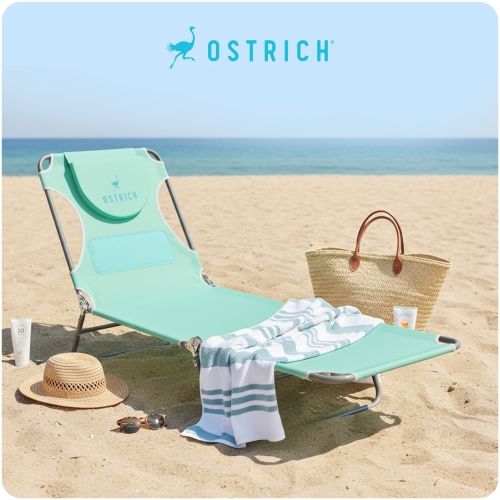
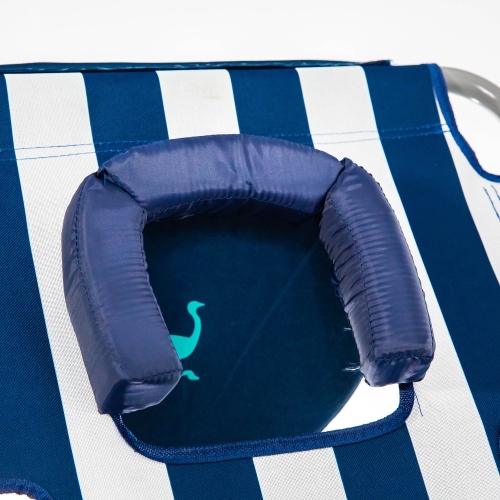
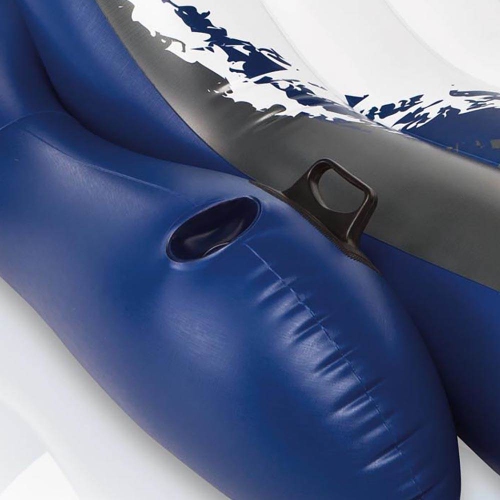
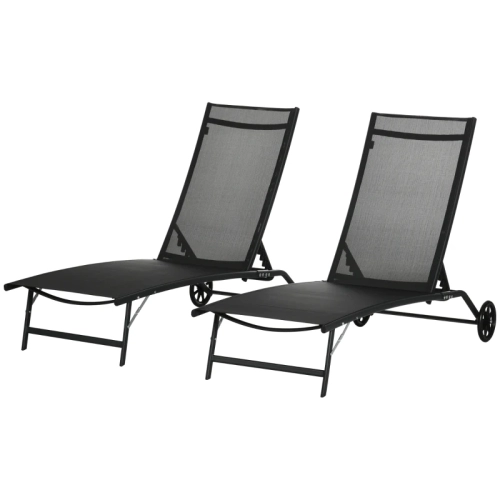
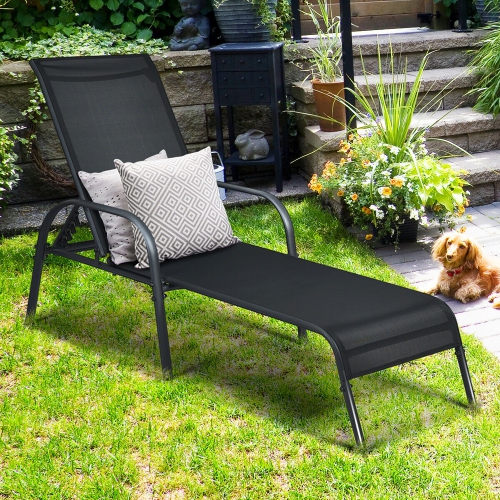
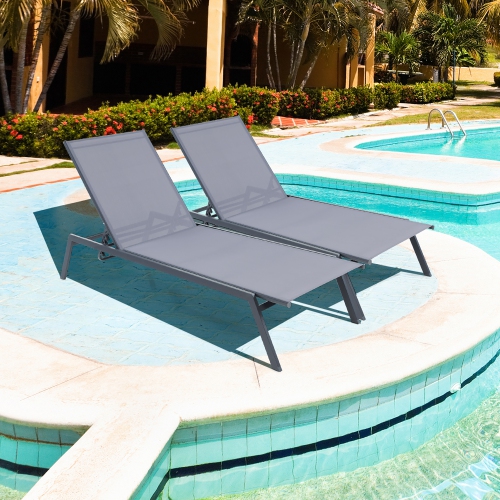
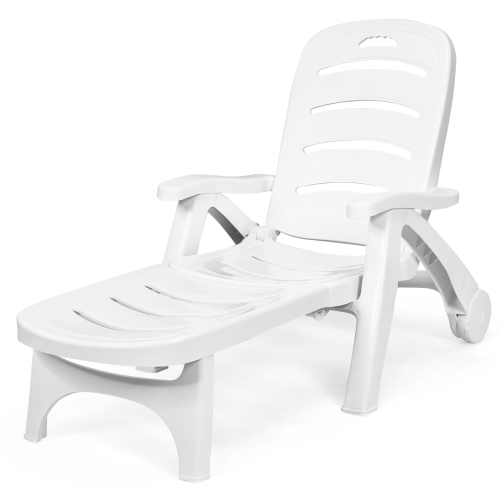
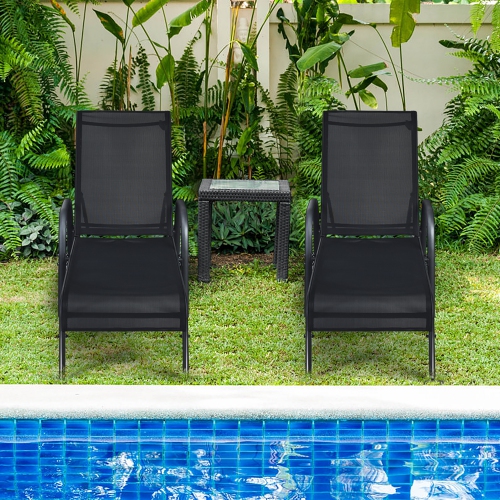
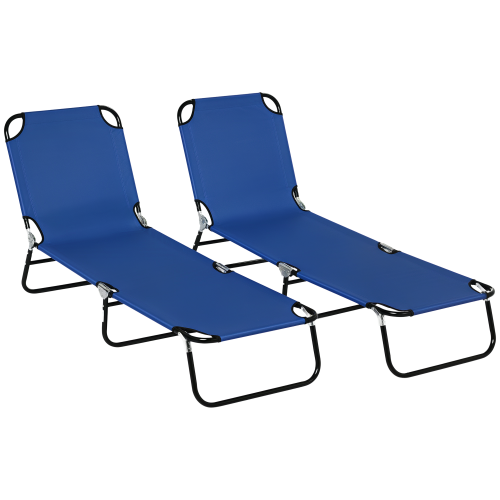
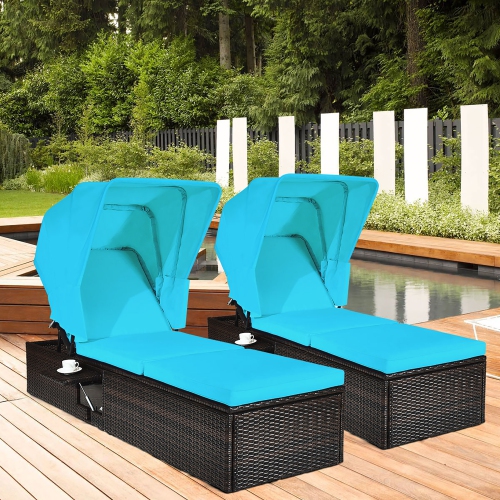
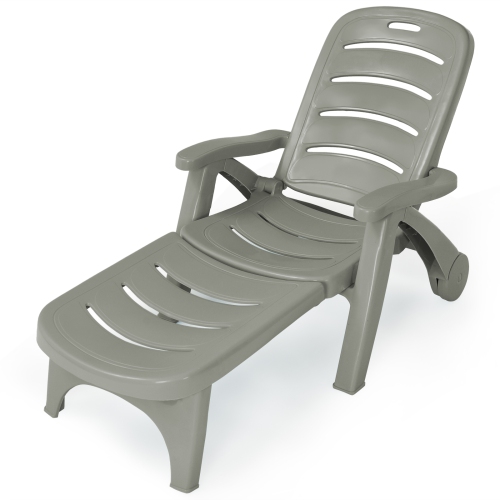
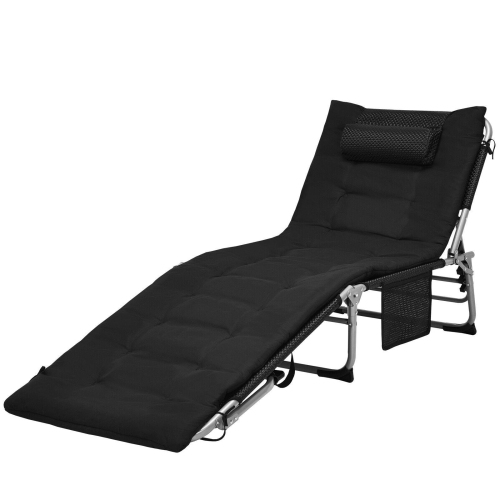
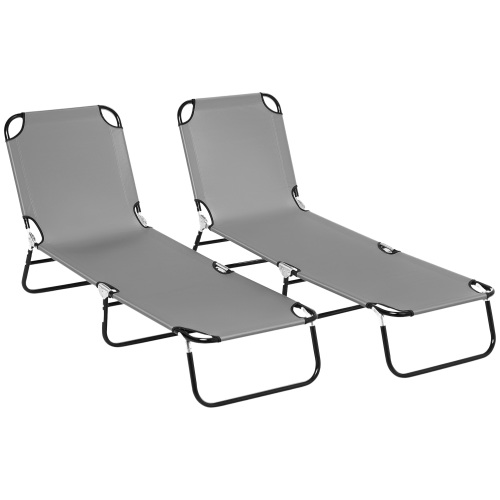
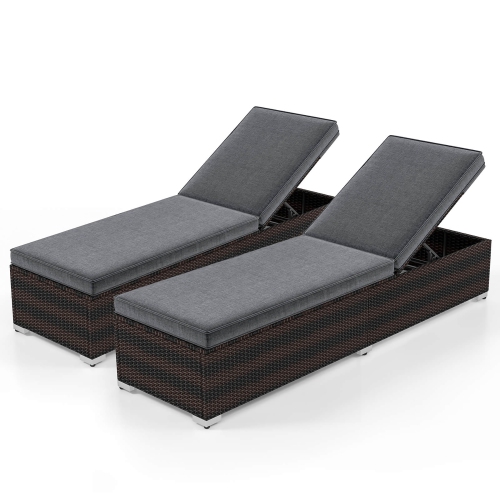
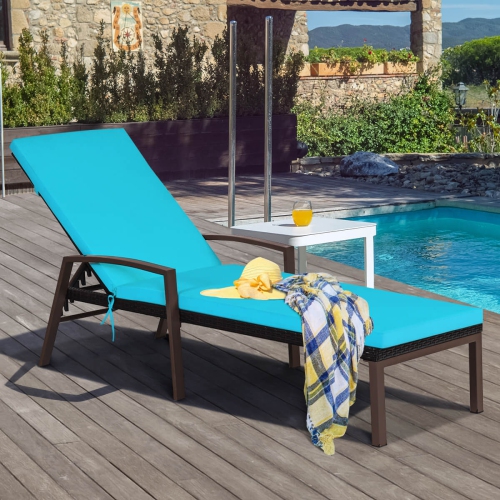
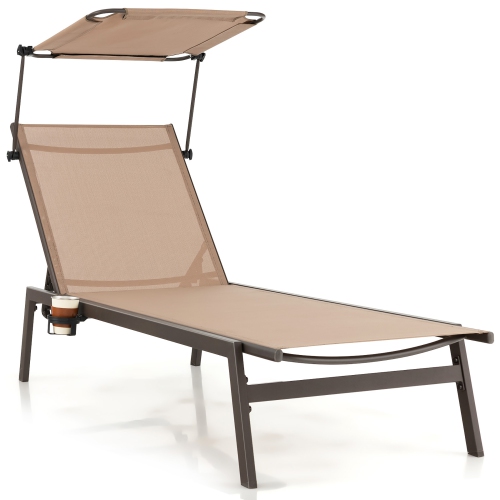
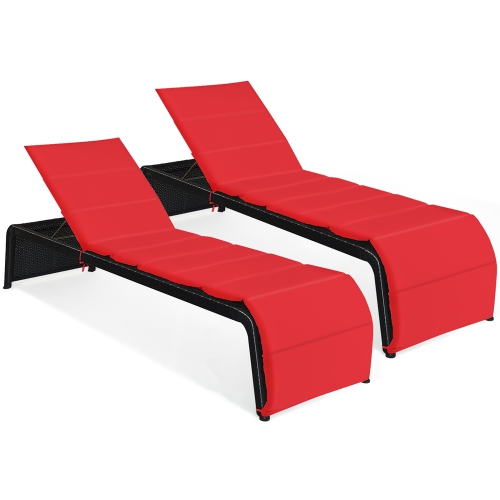
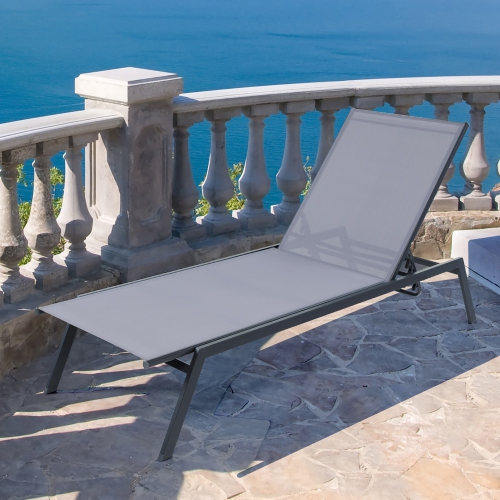
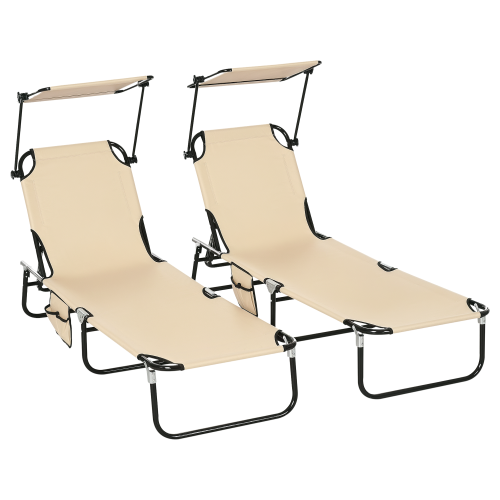
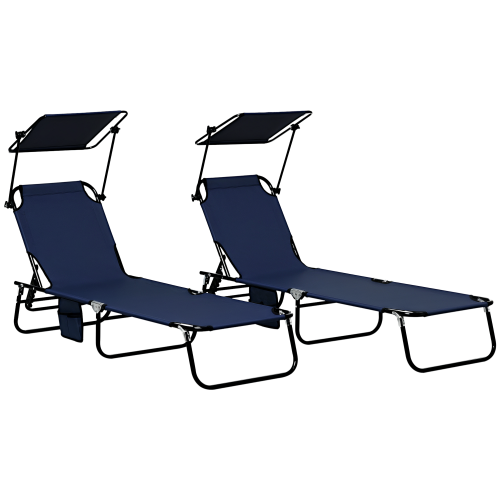
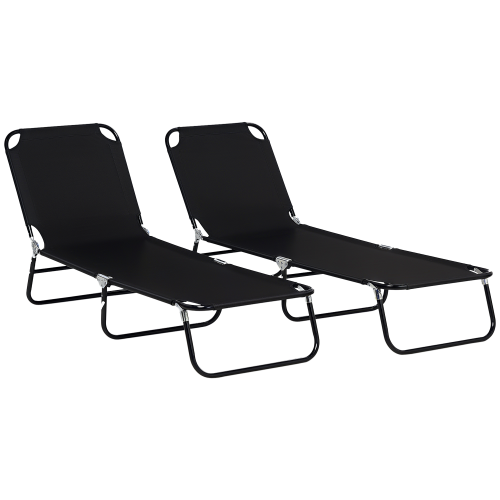
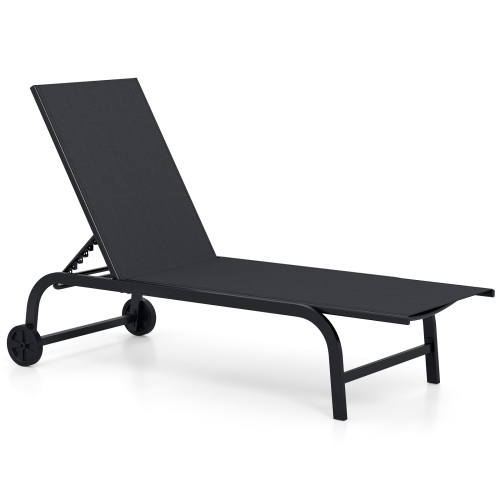
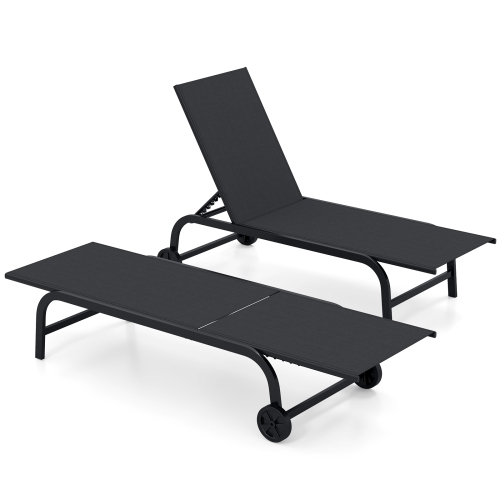
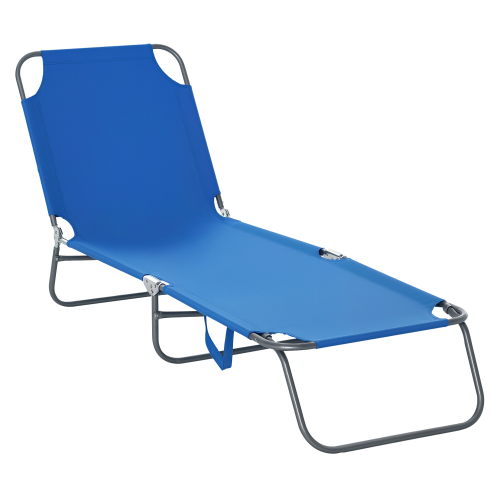
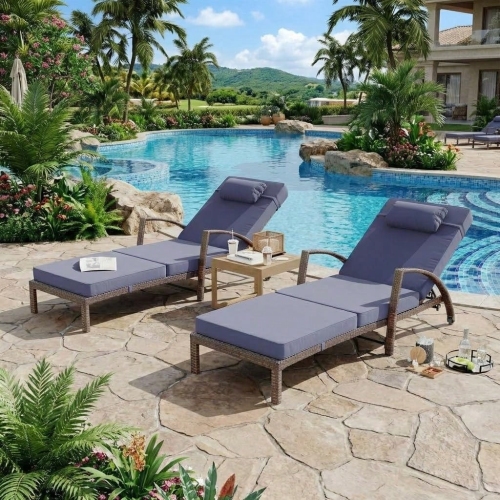
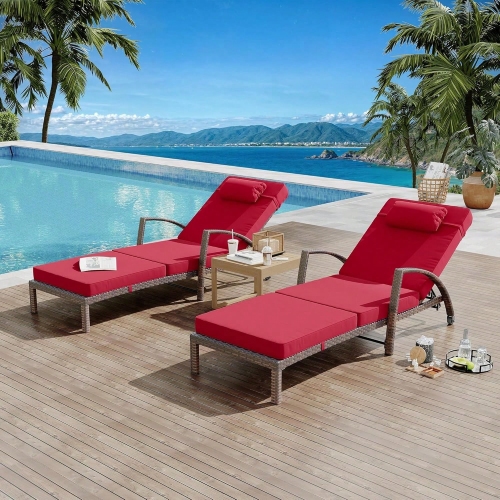
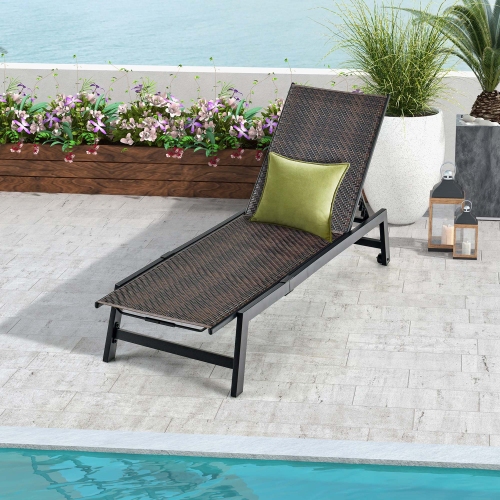
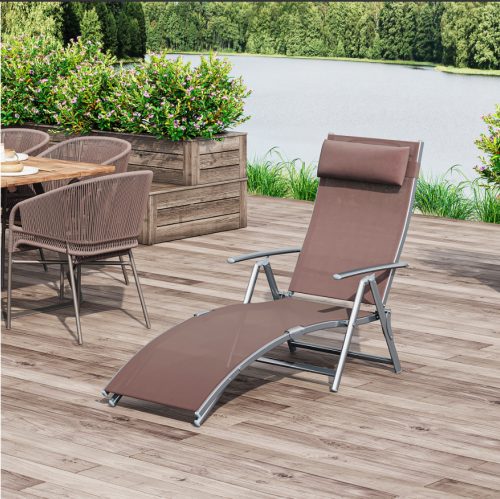
Materials and construction make a noticeable difference to how a heavy duty pool lounger feels over a full afternoon of use. Inflatable designs commonly use vinyl or PVC, with seams and air chambers that help form the seat, backrest, and outer edges. Material thickness is worth considering alongside seam quality and the overall shape; a thick outer layer alone does not explain how well the lounger will hold its form. Where separate air chambers are included, they may allow different sections to be inflated individually, although inflation levels should always follow the manufacturer’s directions. Overinflation can place unnecessary strain on seams, and air pressure can change when an inflated lounger is exposed to heat. Mesh seating panels offer a different experience from a fully enclosed surface, allowing contact with the water rather than keeping the body entirely above it. A raised headrest can support a reclined position, while broader side sections may provide somewhere to rest the arms. Cup holders, handles, and connection points can be useful details, but they do not replace a well-proportioned seat or make a float suitable for towing. Poolside loungers have their own construction considerations. Aluminium frames are generally lighter to move, while steel frames often rely on protective finishes that need attention if scratched or chipped. Fabric sling seats allow water to drain through, whereas padded cushions introduce separate care and drying needs. Adjustable backrests offer flexibility for reading and reclining, provided the adjustment mechanism locks securely into place. On a pool deck, feet should sit evenly without rocking, and moving parts need enough clearance to avoid pinching fingers. For either format, comfort comes from the whole design rather than one feature. A supportive backrest, smooth contact surfaces, and a seat that does not force the body into an awkward position are more meaningful than an oversized silhouette alone. Clear assembly, inflation, and use instructions also make a practical difference when a lounger will be handled by several people.

Care routines help preserve the comfort and useful life of heavy duty pool loungers, especially when they are used regularly around treated pool water. A rinse with fresh water after use can remove residue, while cleaning with a mild solution approved by the manufacturer helps avoid damage from harsh chemicals or abrasive scrubbing. Sunscreen, body oils, and spilled drinks are easier to deal with before they build up on seating surfaces. Floating loungers should be kept away from sharp jewellery, rough coping, protruding hardware, and other surfaces that could puncture or scrape them. Handles are useful only for the tasks specified by the manufacturer; lifting an occupied lounger by its handles can put stress on attachment points that were not designed for that load. For framed loungers, periodic checks of fasteners, hinges, fabric attachment points, and protective finishes help identify wear before it affects normal use. Thorough drying is particularly important before storage. Moisture trapped inside folds, beneath cushions, or against a cover can leave odours and encourage mildew. Inflatable designs are usually easier to pack away when deflated and folded loosely according to their care directions, rather than compressed into tight creases. A clean storage area away from sharp tools and heavy objects helps protect both inflatable surfaces and frame components. Any patch or replacement part should be compatible with the lounger, and repairs should be checked before it returns to use. These practical details matter for households where pool seating gets passed between relatives, visiting friends, and adults with different comfort preferences. A lounger can also make a thoughtful gift for someone who regularly spends time at a pool, provided its dimensions, stated capacity, and intended setting suit the recipient. For floating designs, swimming ability and appropriate supervision remain essential: a pool lounger is not a life-saving device, and a reclining position can make it easier to lose track of nearby swimmers. Matching the construction to the setting, respecting use limits, and keeping up with simple care gives heavy duty pool loungers a clear purpose: comfortable relaxation with support that suits the person using them.
Read More

FAQ

Some products may be subject to Environmental Handling Fees (EHF) depending on your province. Learn more about EHFs.