Heavy-Duty Washing Machines

Find heavy-duty washing machines for large loads and frequent laundry days. Compare washer capacity, wash cycles, and dimensions to choose a model that suits your household’s laundry needs and fits your available space.
Read More

Sort

Big loads need more than a spacious drum

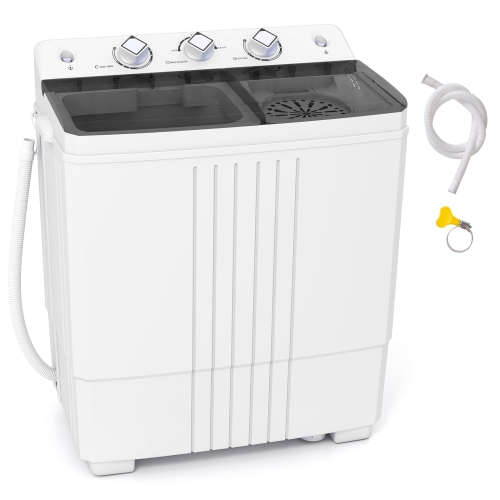
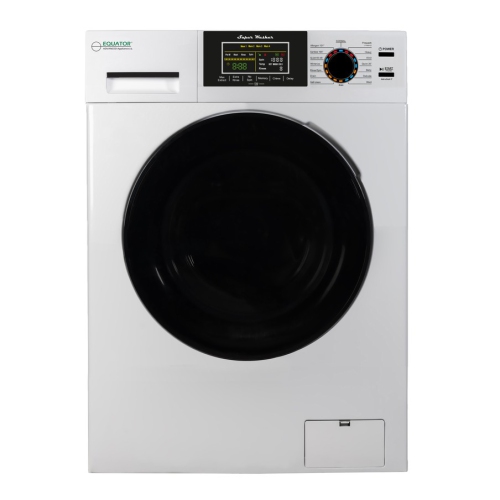
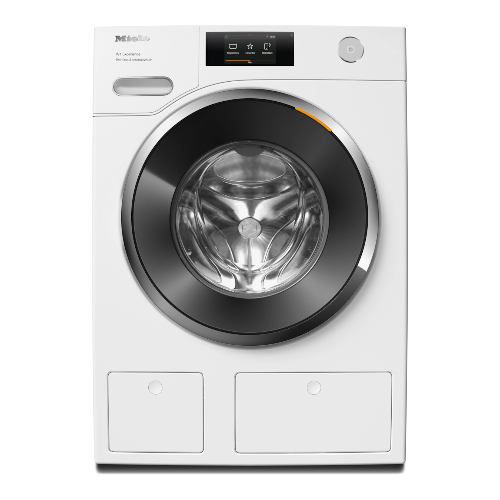
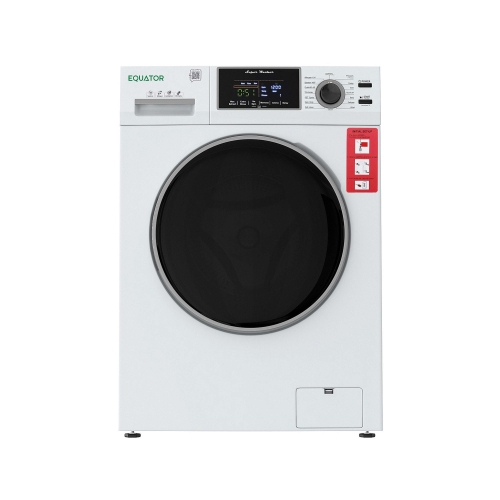
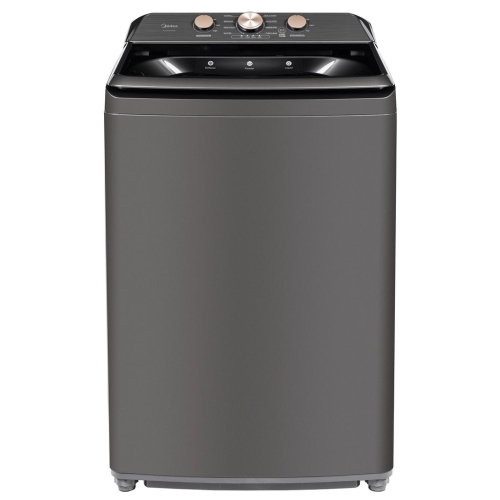
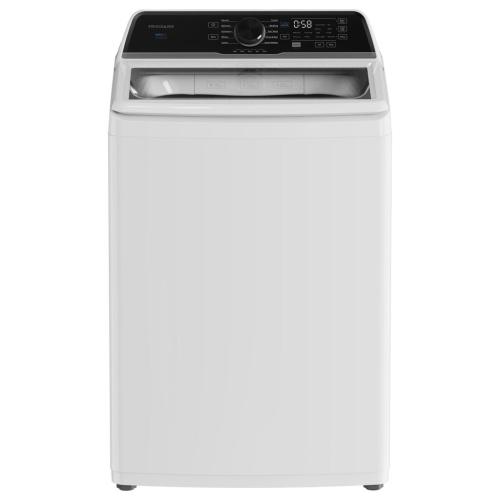
Heavy-duty washing machines are a practical choice for households with frequent laundry, bulky bedding, and heavily soiled clothing. Families managing school clothes, sports uniforms, towels, and workwear may benefit from a washer with the capacity and cycle options to handle different types of loads. Choosing the right machine involves more than finding a large drum: usable space, fabric care, soil settings, and loading style all affect how well a washer fits your routine. A heavy-duty cycle is generally intended for sturdy, heavily soiled fabrics, while everyday clothing and delicate items may need gentler settings. Having a suitable range of wash options makes it easier to handle demanding loads without treating every item the same way. Garment care labels remain important, particularly for waterproof clothing, washable outerwear, and bulky filled items.

Capacity is an important consideration when comparing heavy-duty washing machines, especially if your laundry regularly includes sheets, bath towels, or larger household textiles. A spacious drum can accommodate larger loads, but items still need room to move during washing and rinsing. Bedding size alone does not determine whether it will fit comfortably, since thickness, filling, and the item’s care requirements also matter. Consider your typical loads alongside occasional bulky washes rather than choosing capacity solely around the largest item you own. Exterior dimensions deserve equal attention: a washer needs to fit through delivery routes and into the laundry area with sufficient clearance for connections, door or lid movement, and servicing. For a laundry closet or smaller room, loading access and the position of nearby cabinets can be just as important as the machine’s width.

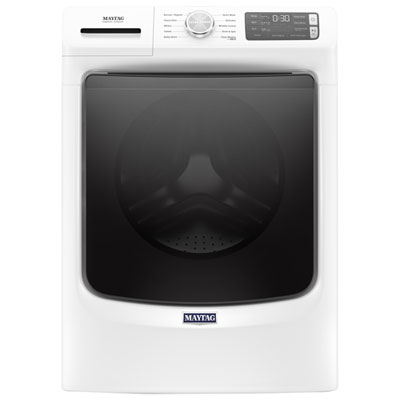
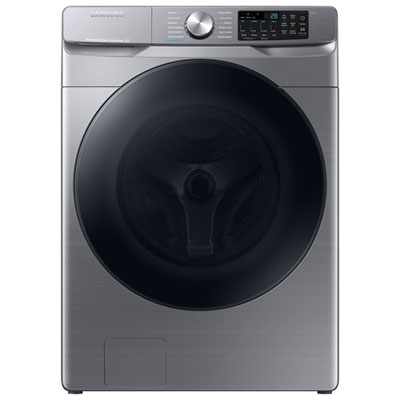
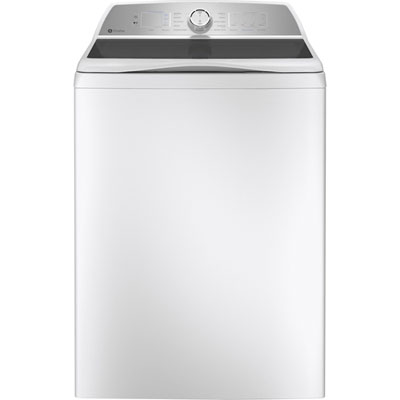
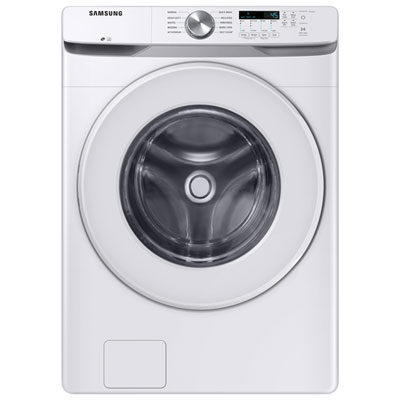
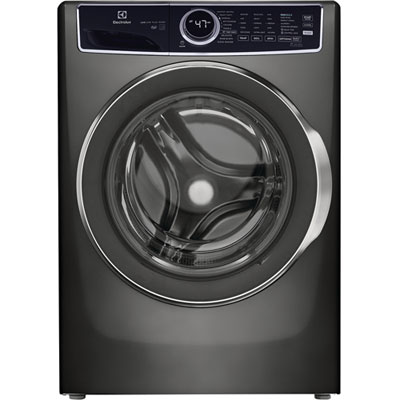
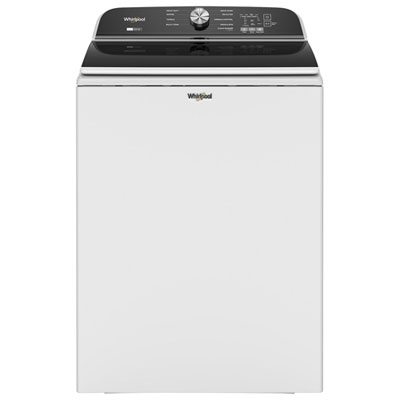
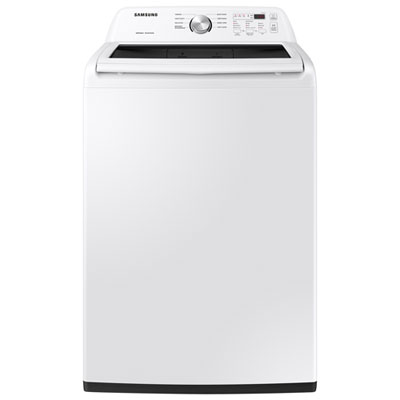
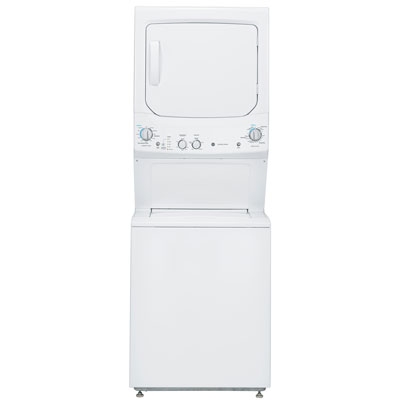
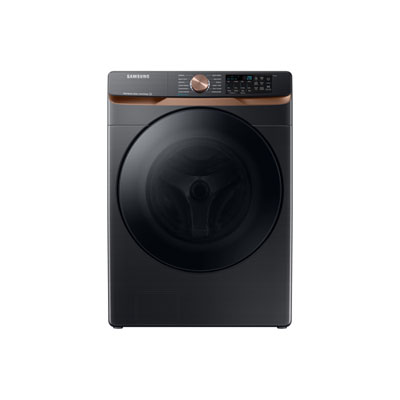
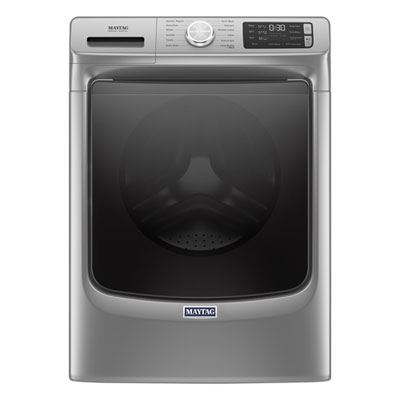
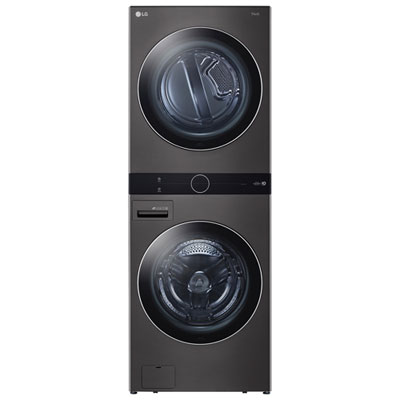
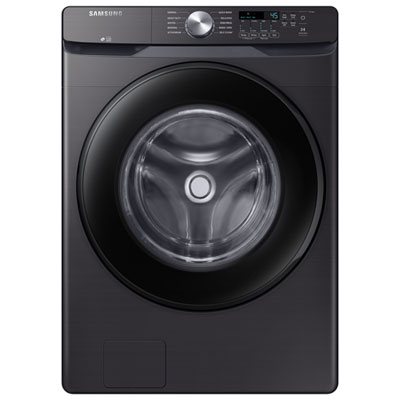
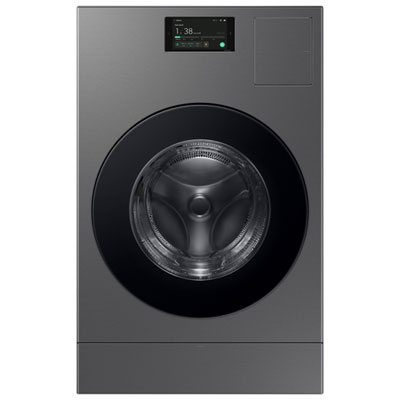
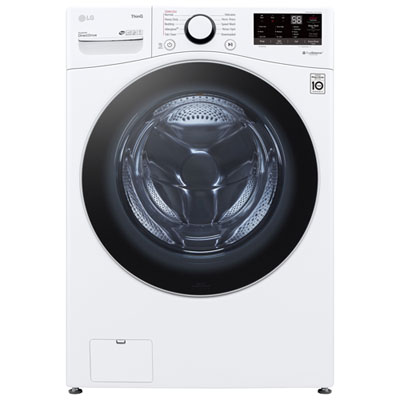
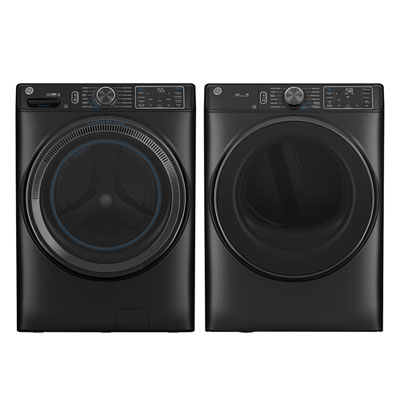
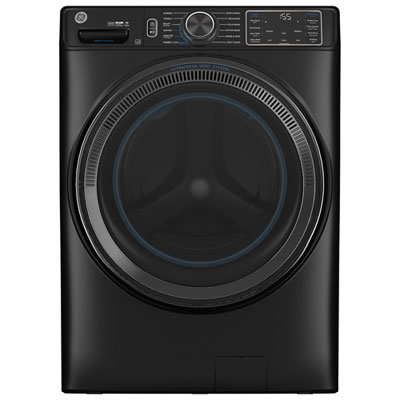
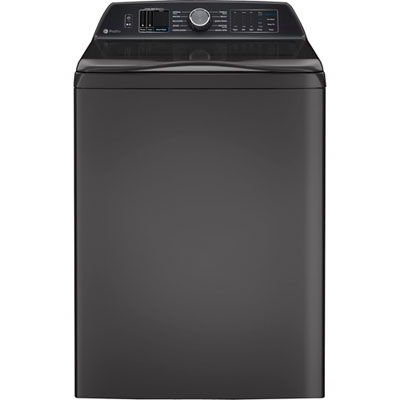
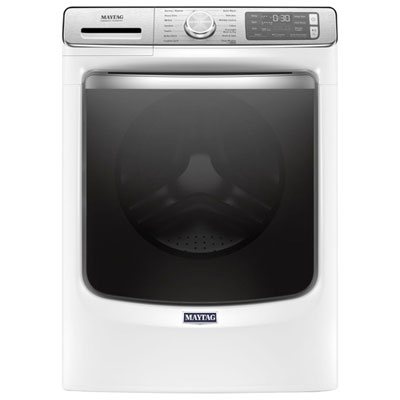
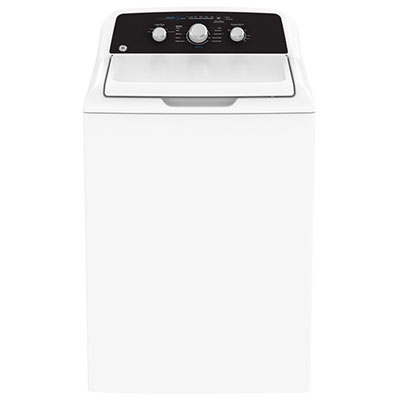
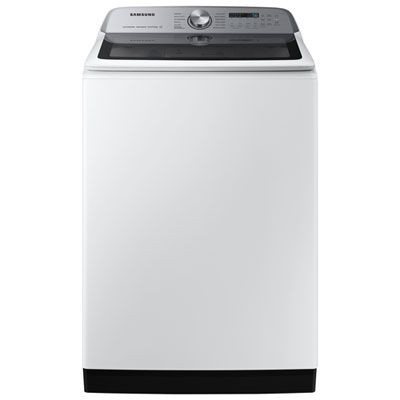
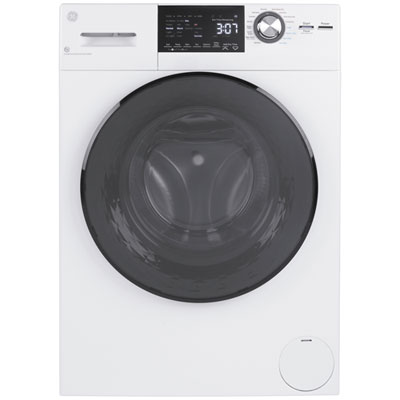
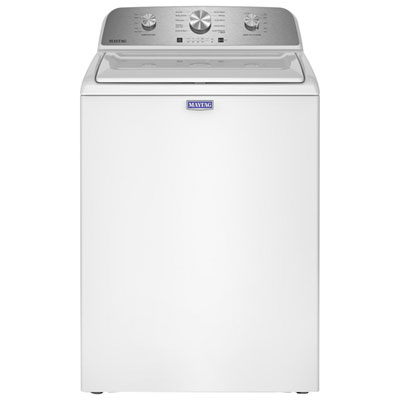
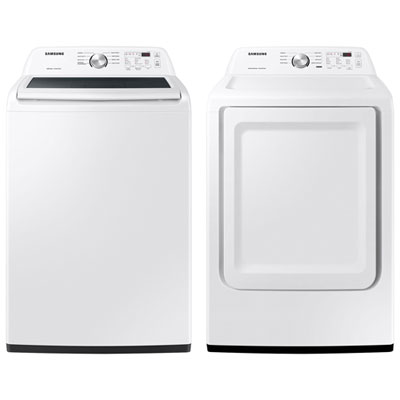
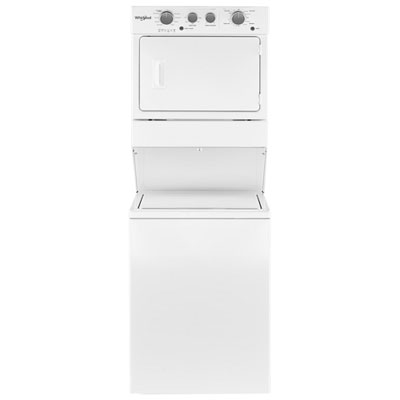
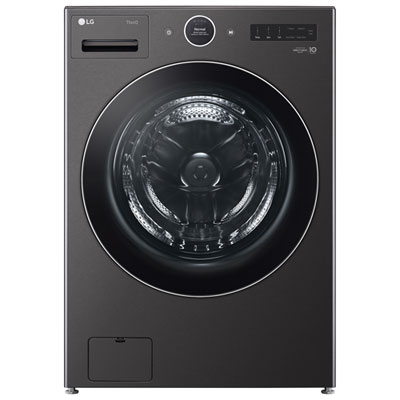
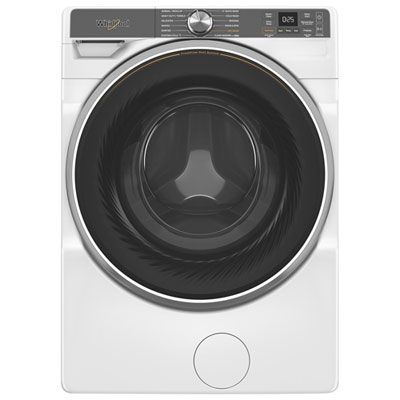
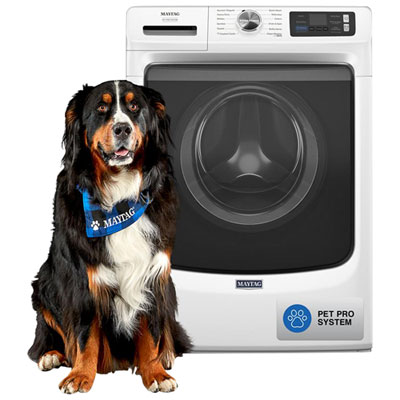
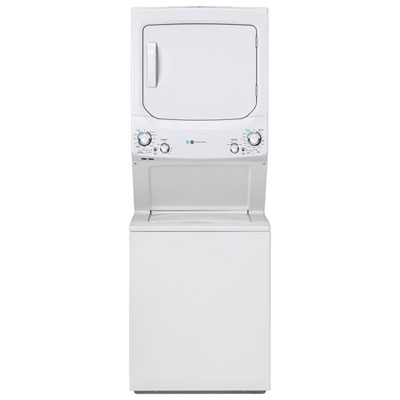
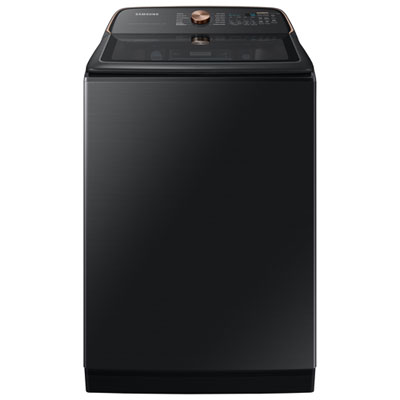
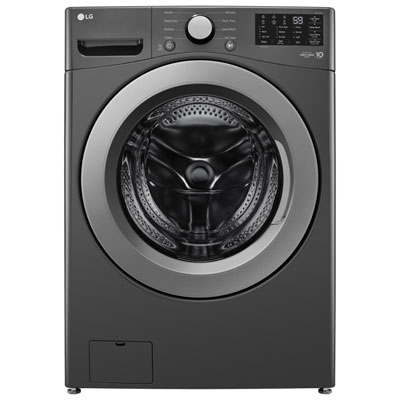
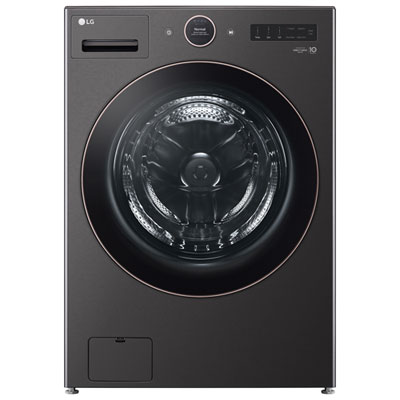
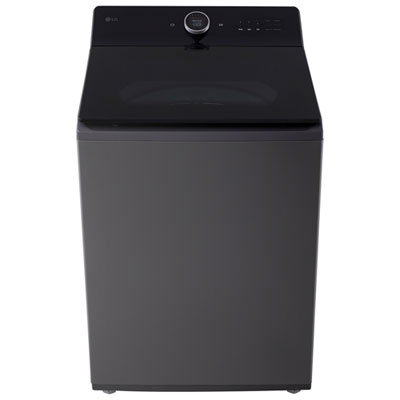
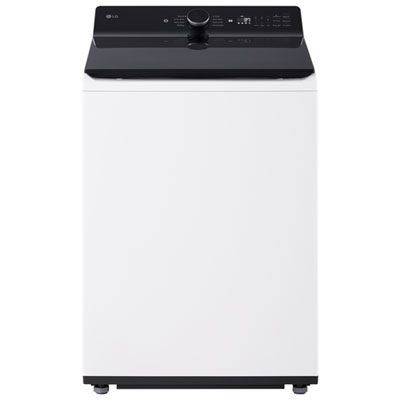
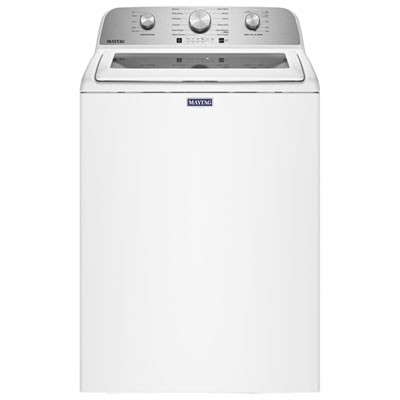
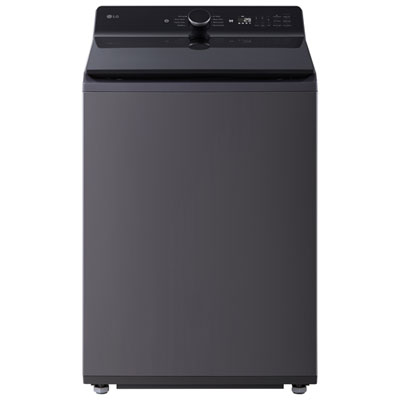
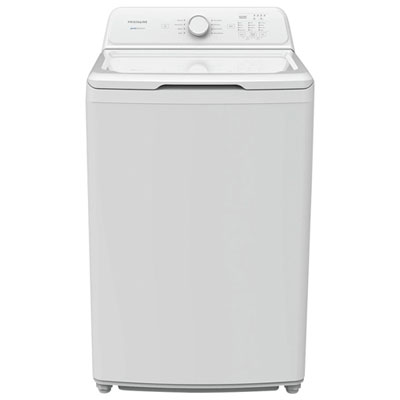
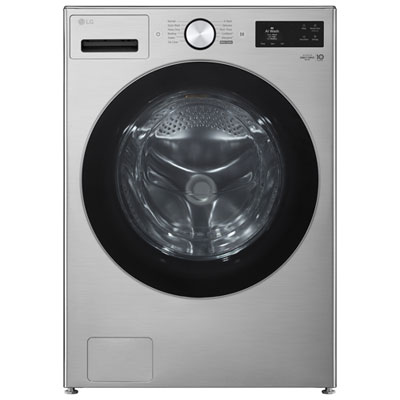
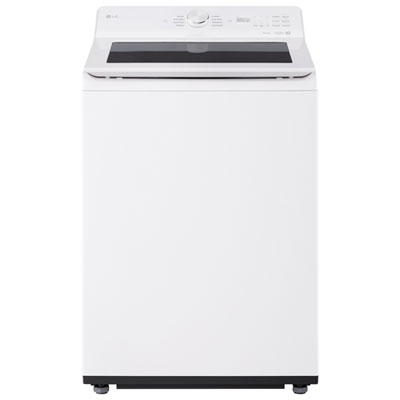
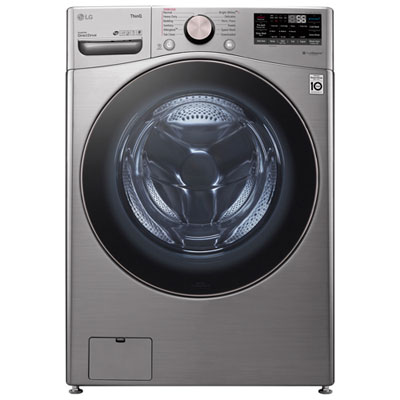
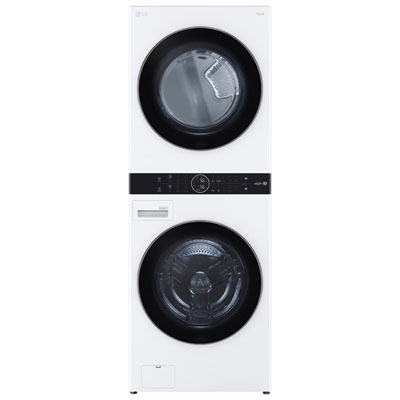
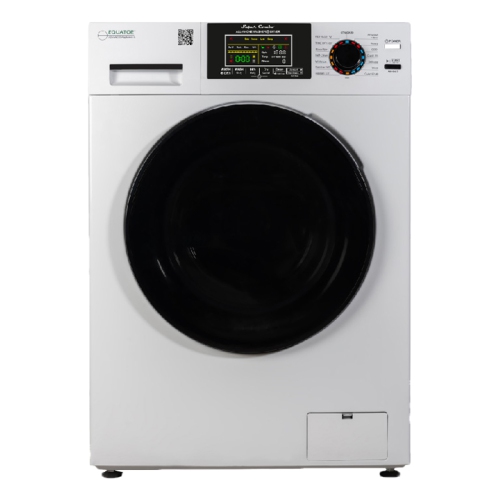
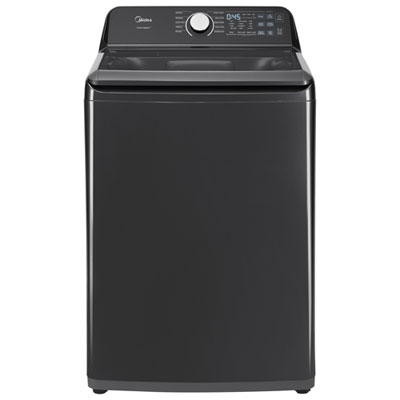
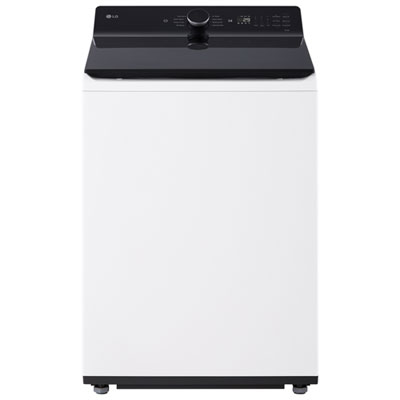
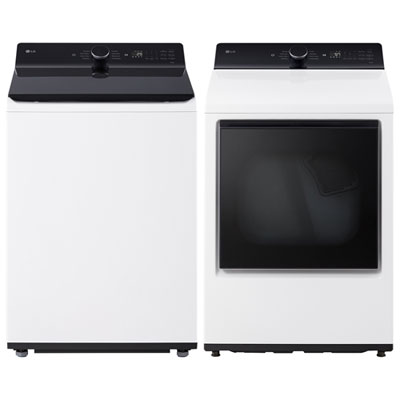
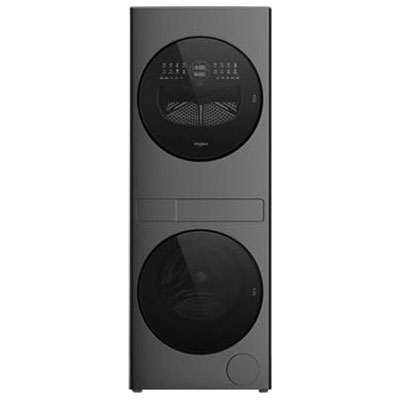
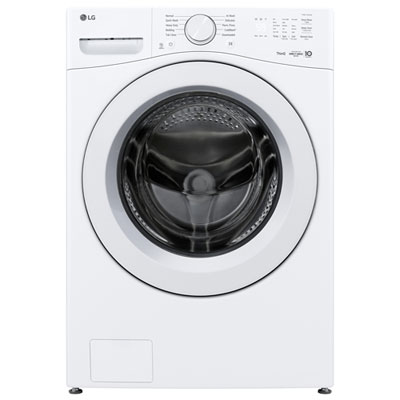
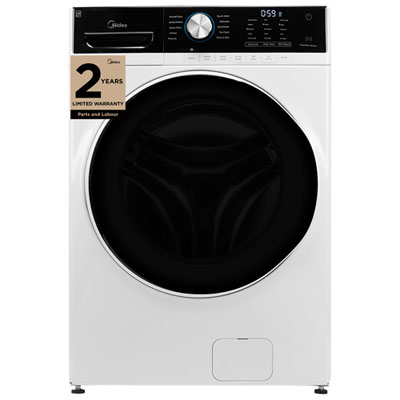
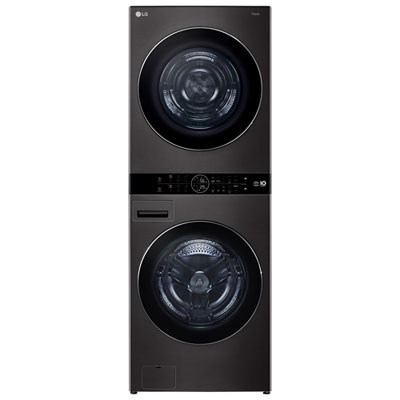
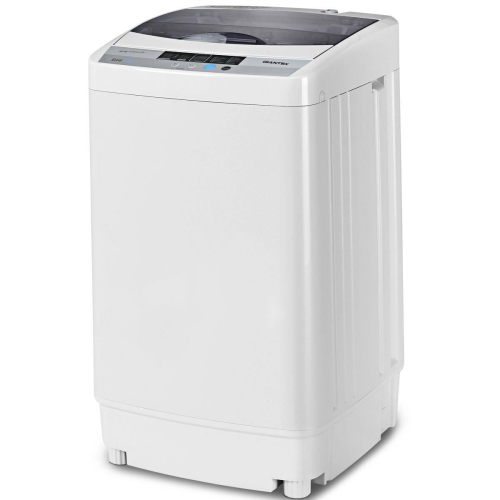
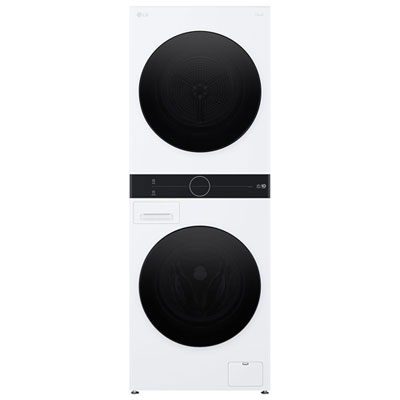
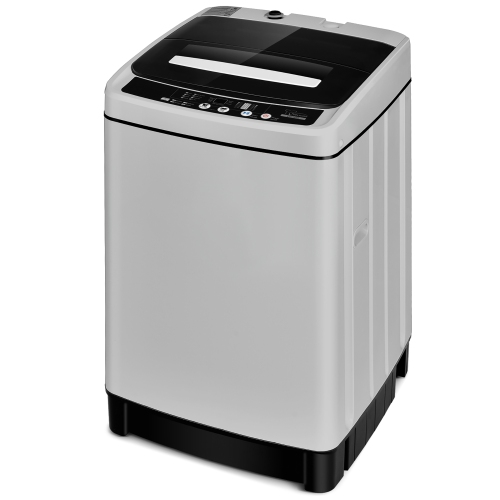
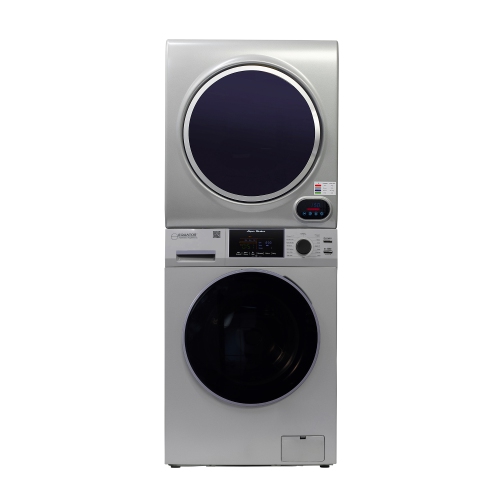
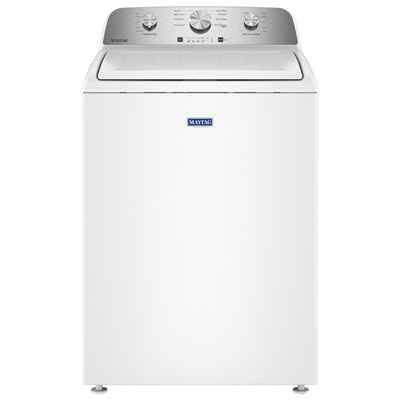
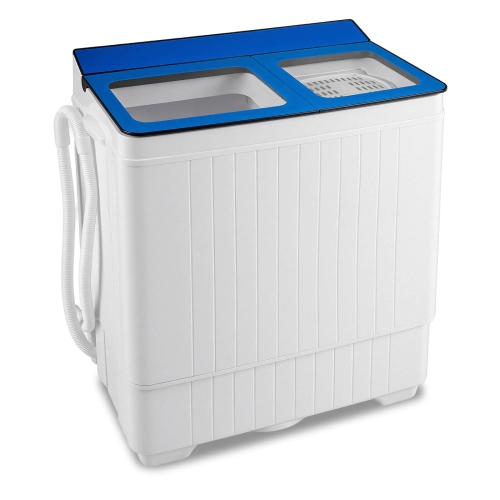
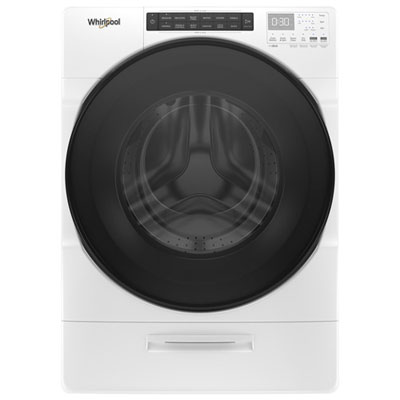
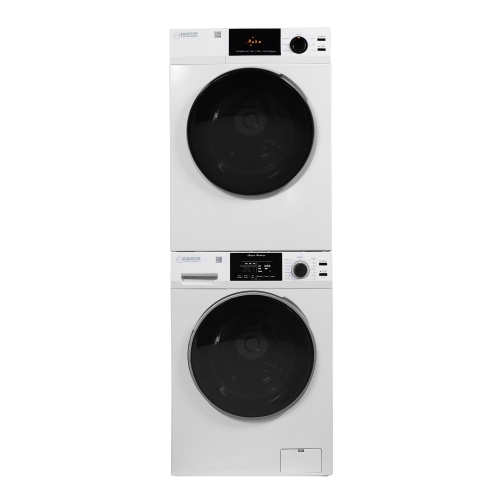
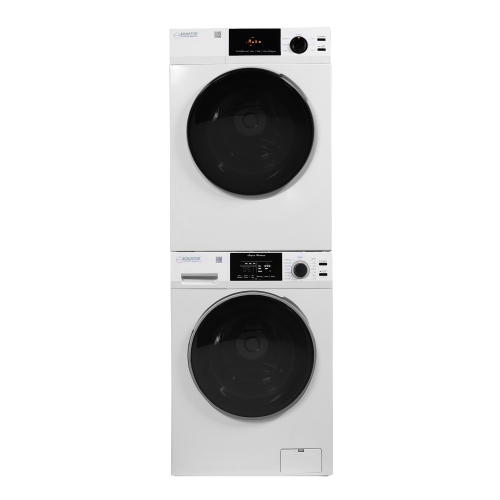
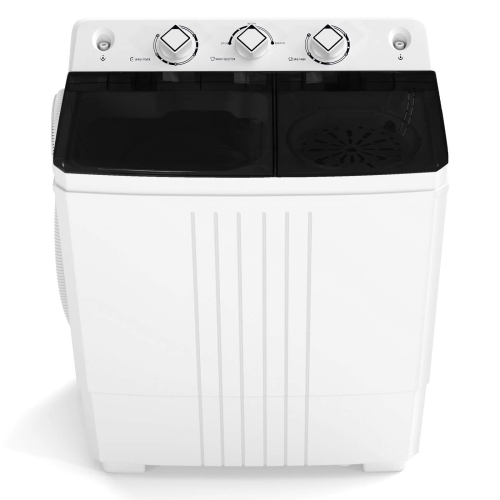
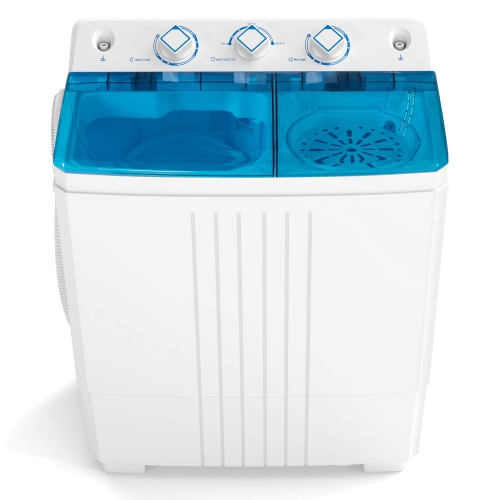
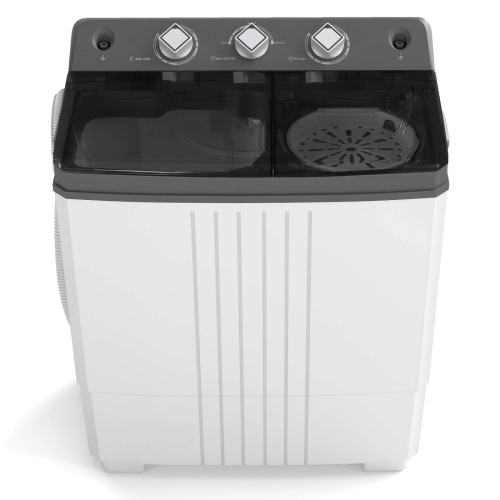
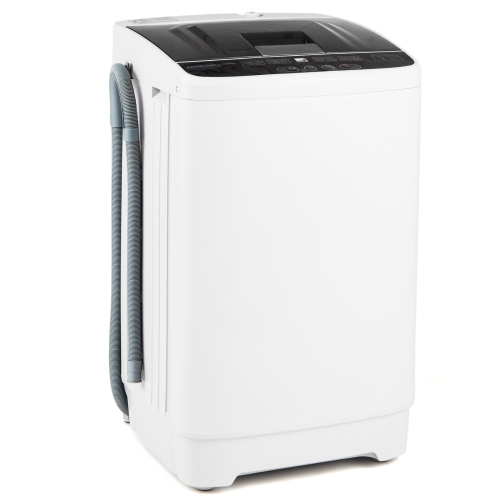
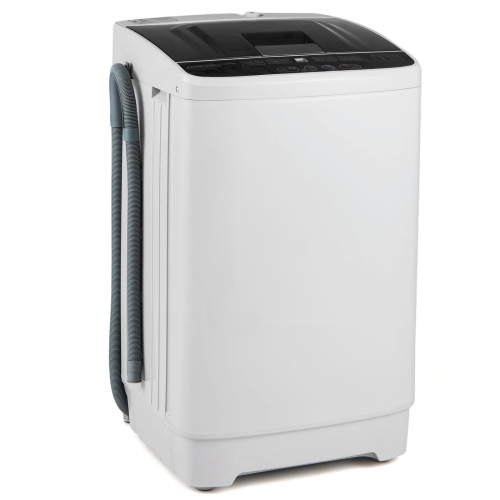
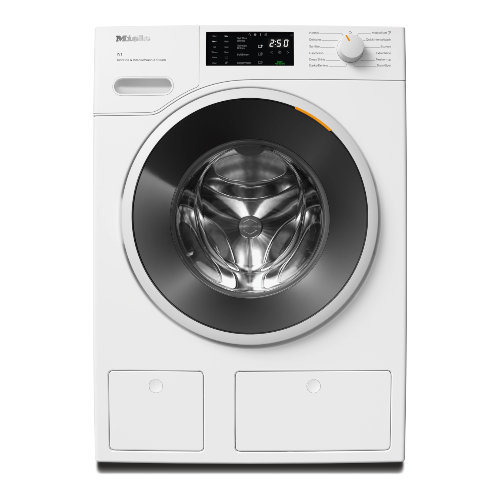
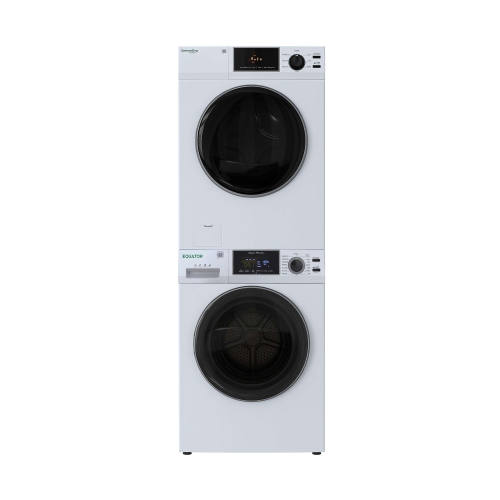
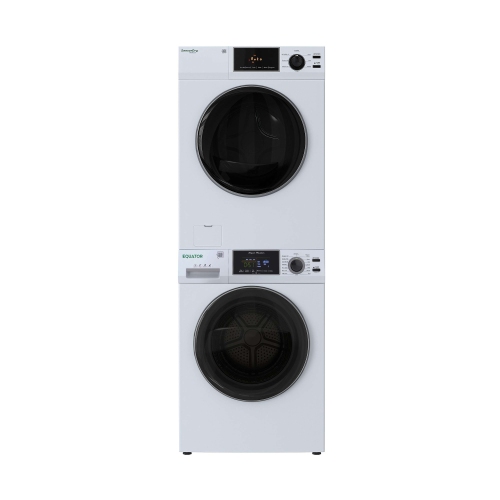
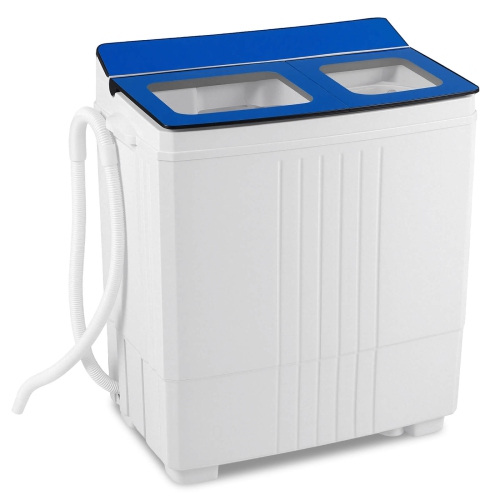
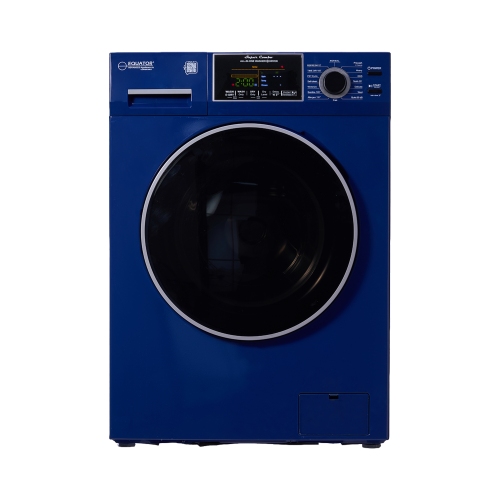
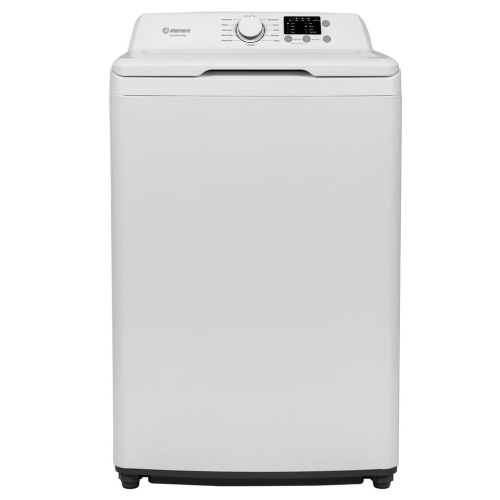
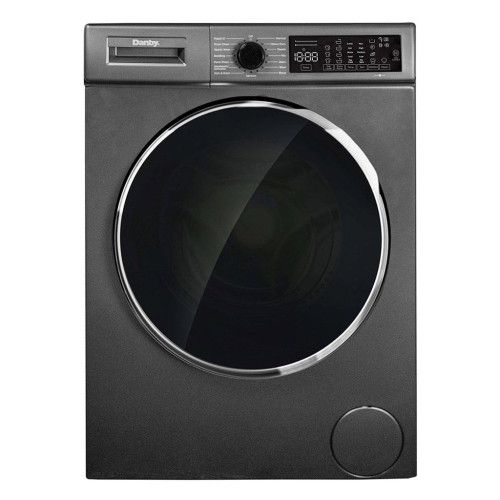
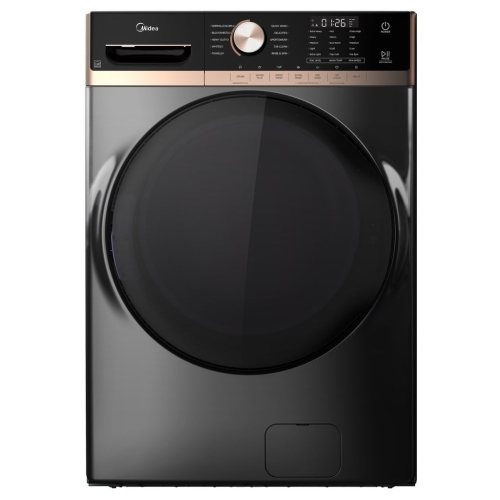
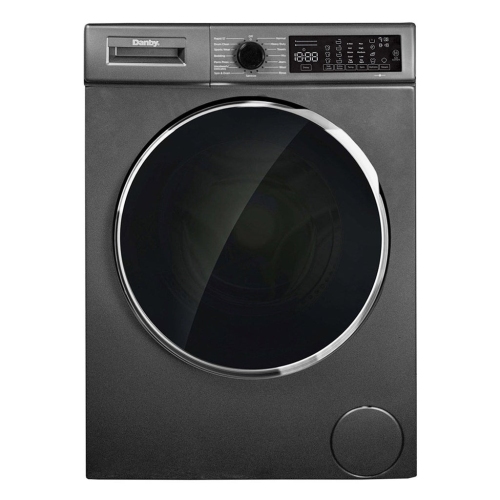
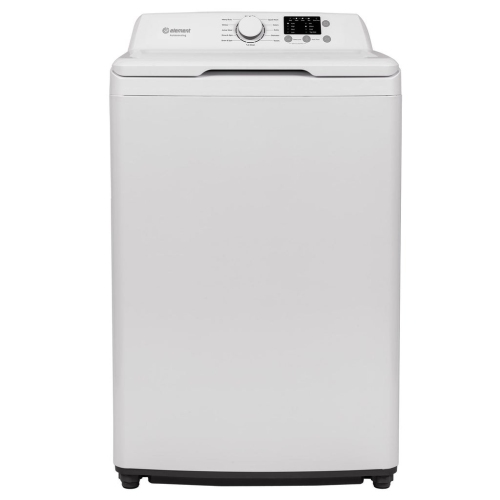
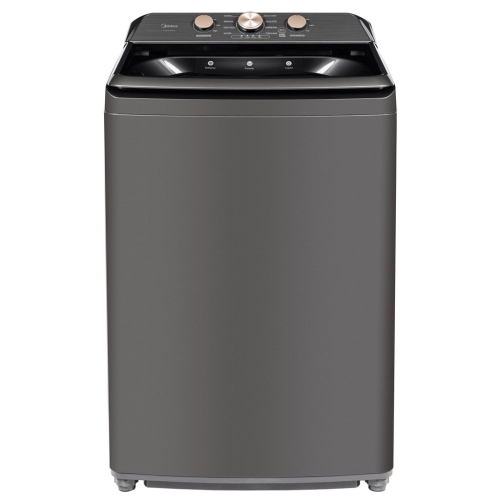
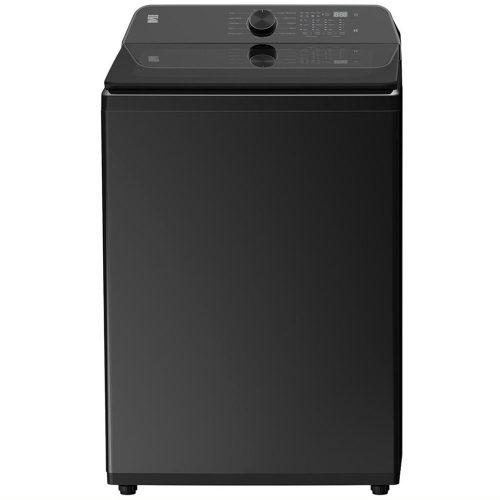
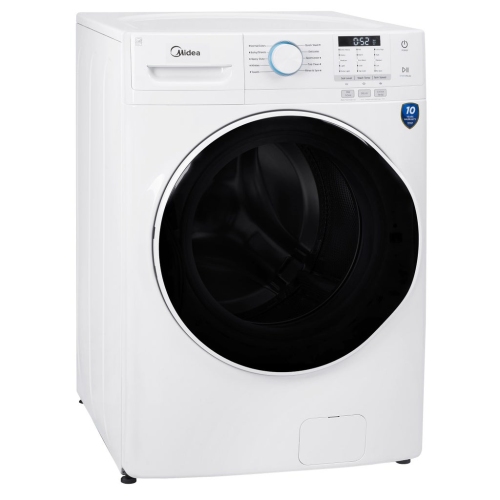
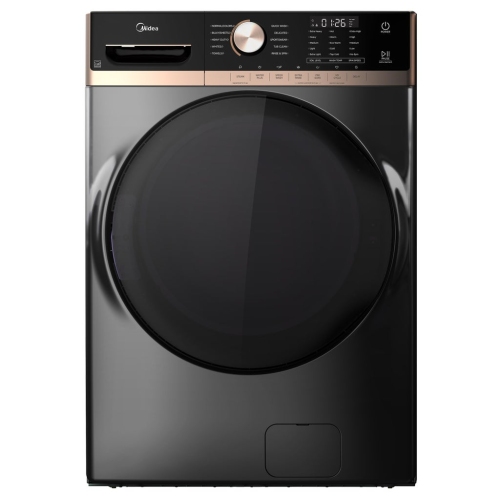
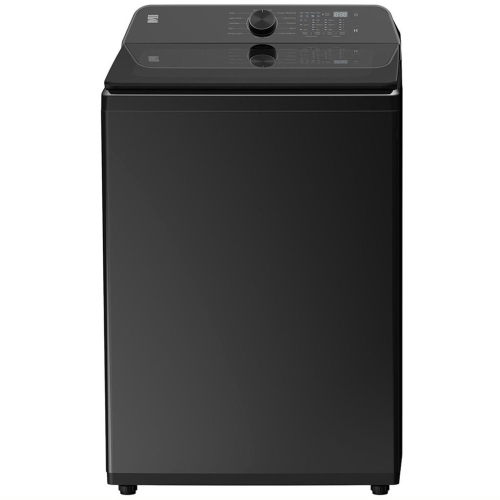
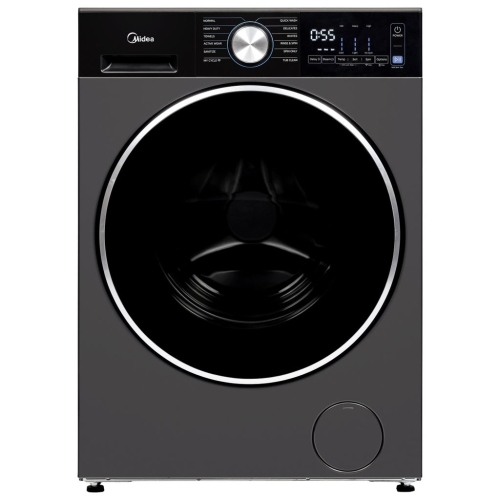
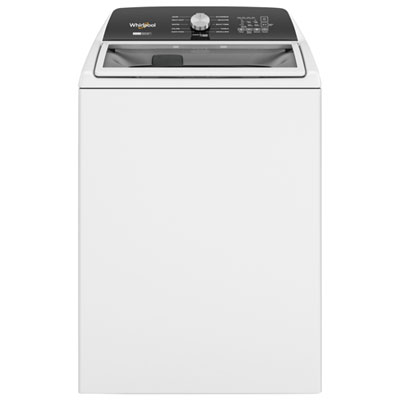
Loading style and wash action also help distinguish the options. Front-load washers use a tumbling action and may suit spaces where a compatible washer and dryer can be stacked using the appropriate kit. Top-load washers provide access from above, with designs that may use an agitator or an impeller to move laundry through the wash. The most comfortable choice depends on reach, available space, and how you prefer to load and unload wet items. Cycle controls are worth considering alongside the physical design. Adjustable soil levels, spin speeds, and temperature settings can help tailor a wash to the load, while options such as an extra rinse or pre-soak may be useful for particular laundry needs. Features and permitted setting combinations vary by machine, so the most useful options are those that match the fabrics and soil levels you handle regularly.

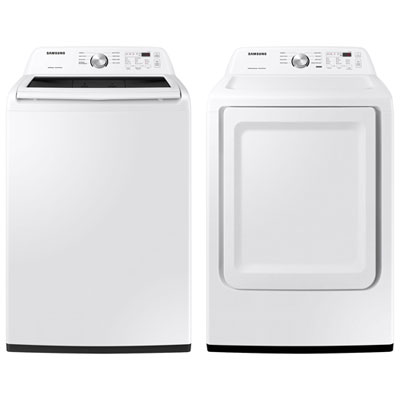
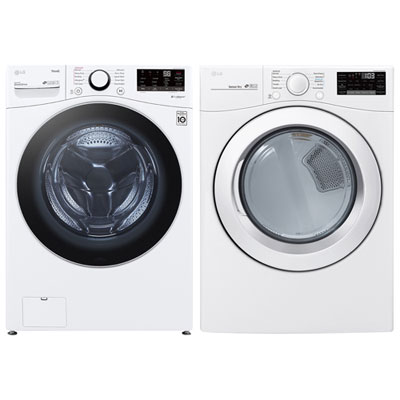
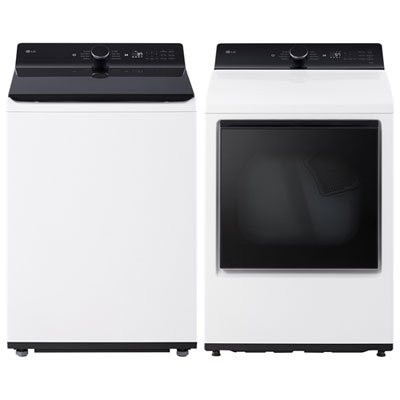
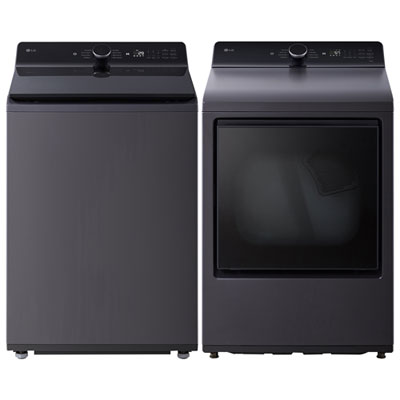
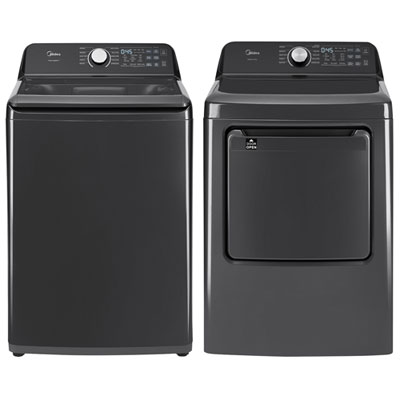
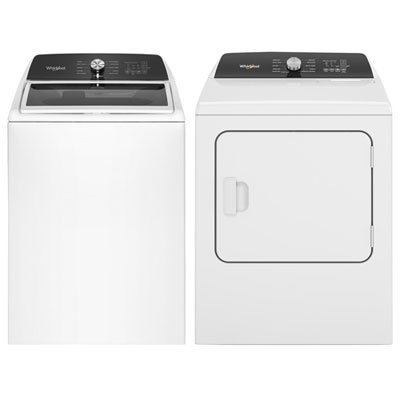
For frequent use, everyday convenience matters as much as capacity. Clearly labelled controls, accessible dispensers, and straightforward cleaning routines can make a washer easier to live with over time. Spin performance is another consideration, since extracting more water can help shorten subsequent drying, although suitable spin speeds depend on the fabric and load. Proper installation and levelling help limit vibration, particularly during high-speed spinning, and noise can be a greater concern when the laundry area is near bedrooms or shared living spaces. When choosing a washer to pair with an existing dryer, compare their capacities and installation requirements rather than assuming that similar exterior dimensions mean they are well matched. A heavy-duty washing machine that suits your space, washing habits, and fabric-care needs can bring greater flexibility to a busy household’s laundry routine.

Read More

FAQ

Some products may be subject to Environmental Handling Fees (EHF) depending on your province. Learn more about EHFs.