High CFM Leaf Blowers

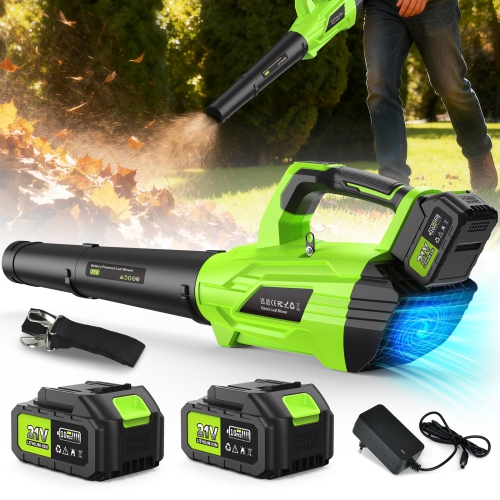
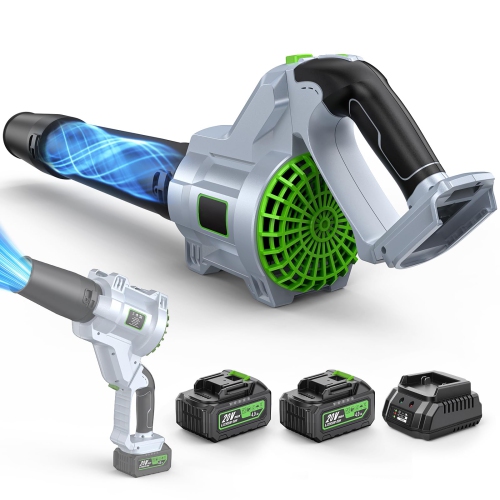
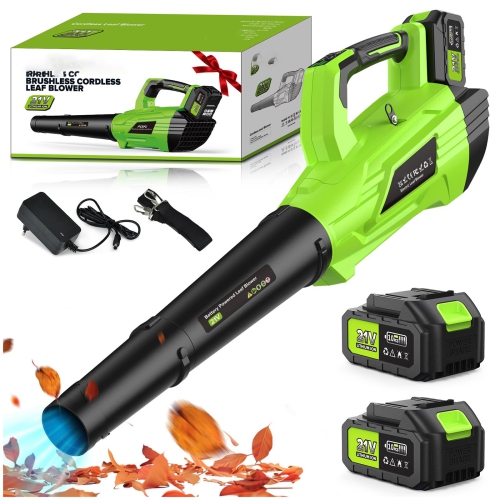
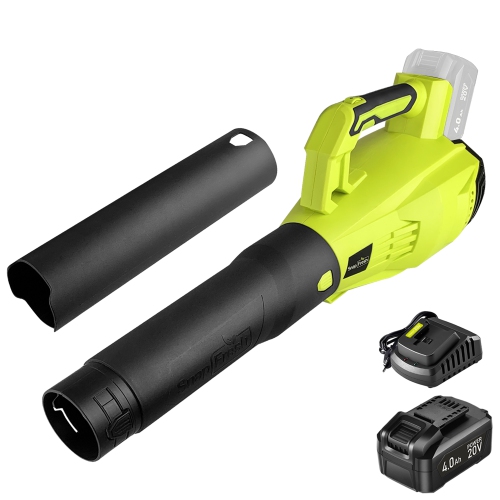
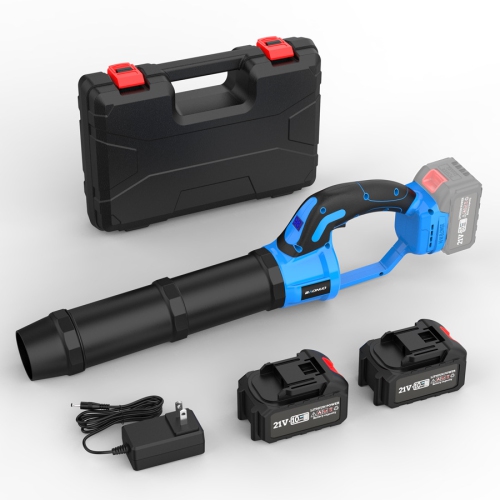
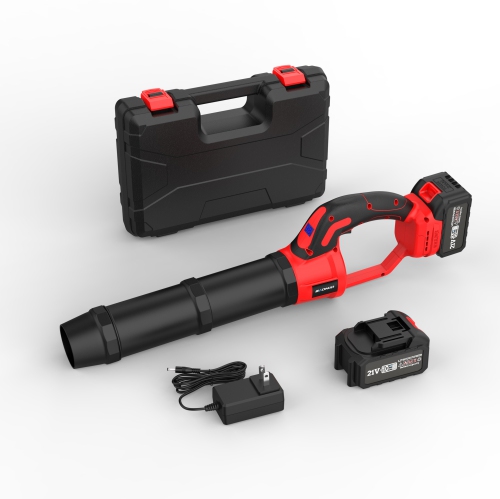
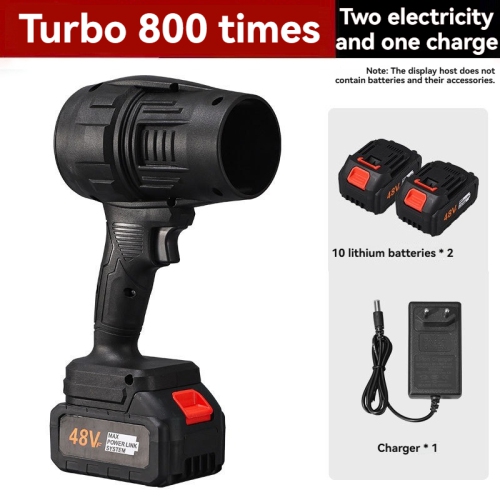
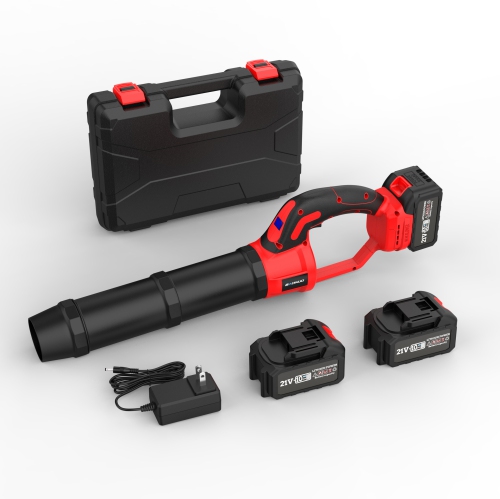
High CFM leaf blowers move a large volume of air to help clear leaves and yard debris. Compare models by airflow in cubic feet per minute (CFM), along with airspeed, weight, and power source, to find a blower that suits your property size and cleanup needs.
Sort

Why leaf-clearing power depends on more than airflow

High-CFM leaf blowers move a large volume of air to clear leaves and loose yard debris across lawns, driveways, patios, and other outdoor spaces. CFM stands for cubic feet per minute and describes airflow volume, while air speed, commonly expressed in miles per hour, describes how fast that air travels. These measurements explain different parts of a blower’s performance: a broad stream of air helps push a wide swath of leaves, while a faster, more concentrated stream can help dislodge debris caught along pavement edges or between grass blades. A rating of 600 CFM, for example, represents 600 cubic feet of airflow per minute under the stated test conditions, not a guaranteed clearing speed. There is no universal cutoff that makes a leaf blower “high CFM,” so airflow ratings are most useful when considered alongside air speed, nozzle design, and the intended workload. When provided, blowing force measured in newtons offers another way to assess output because it reflects the combined effect of airflow and air speed. For a homeowner facing a thick layer of fall leaves beneath mature trees, higher airflow can make it easier to move broad piles toward a collection area rather than repeatedly chasing scattered leaves. A long driveway or expansive lawn presents a different challenge from a small patio, where control around furniture, planters, and doorways matters more than maximum output. Dry leaves generally move more readily than damp, compacted piles, and uneven ground adds resistance that performance figures alone cannot describe. Variable-speed controls allow the air stream to suit these different surfaces, with lower settings useful near garden beds and stronger output suited to open areas. Published specifications also deserve context: maximum airflow and maximum air speed may depend on different attachments or operating modes, so they do not necessarily describe performance achieved together.
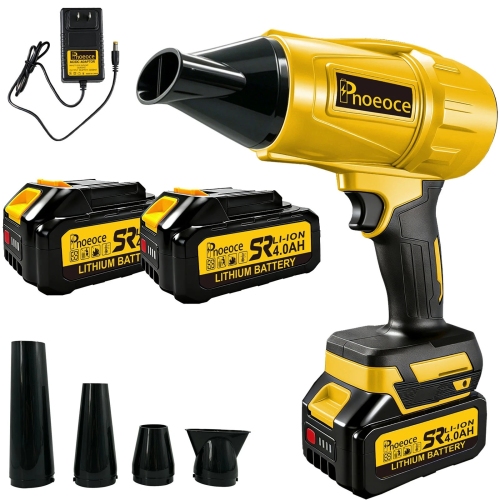
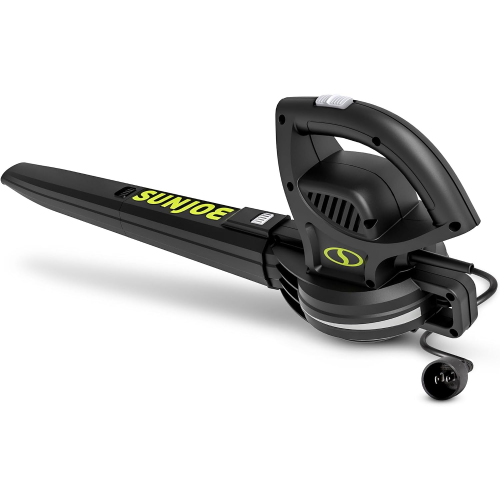
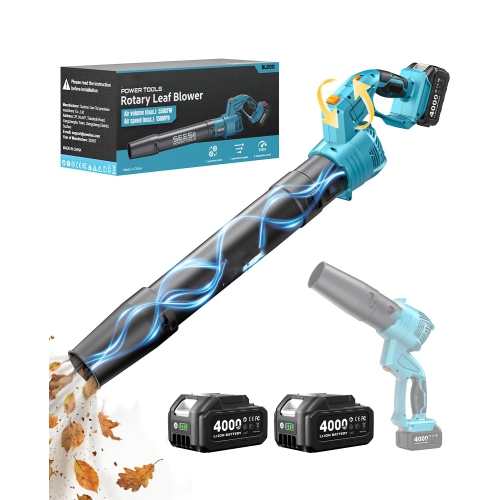
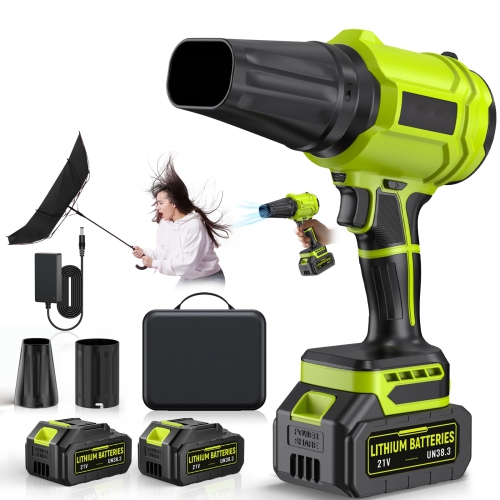
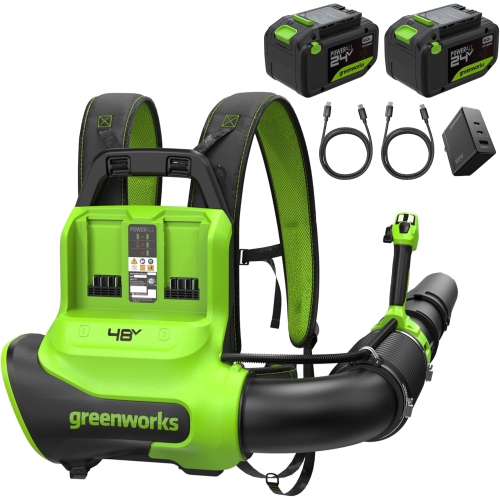
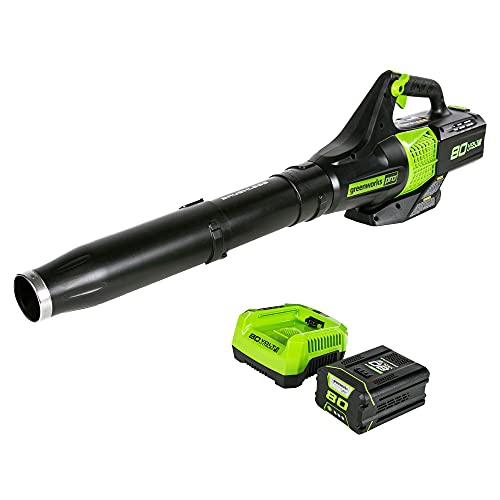
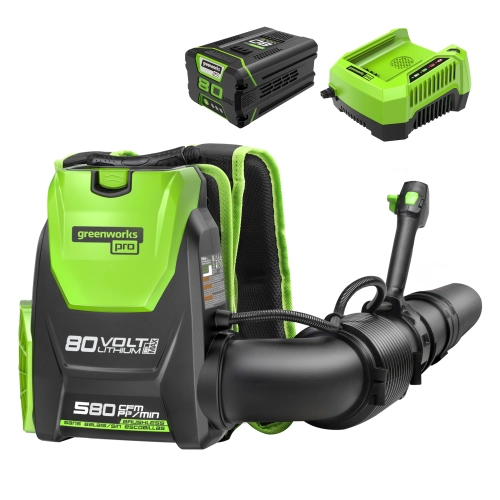
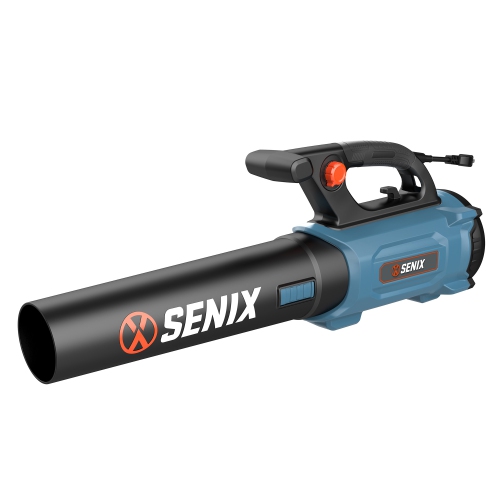
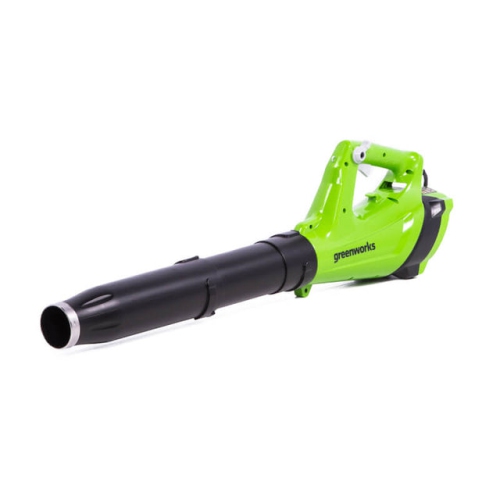
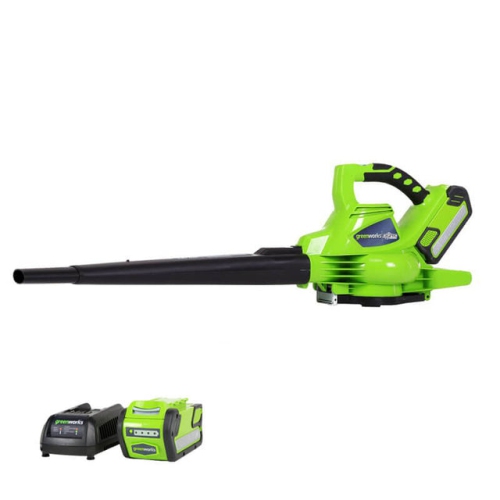
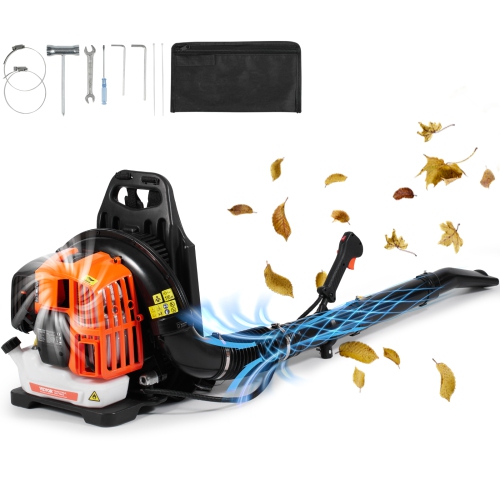
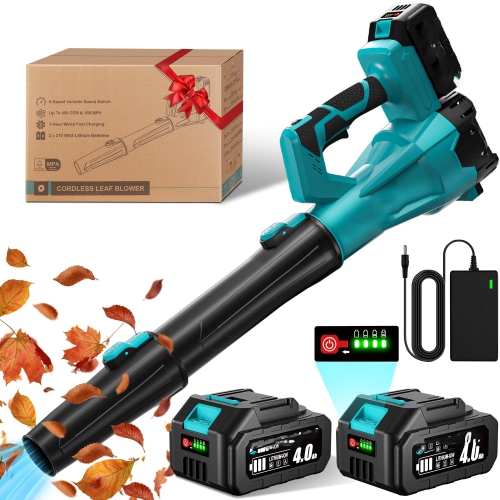
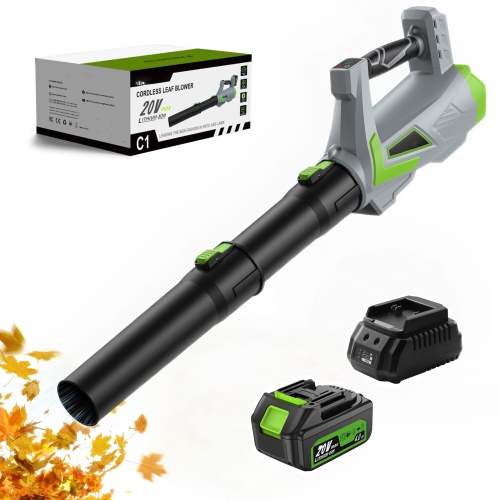
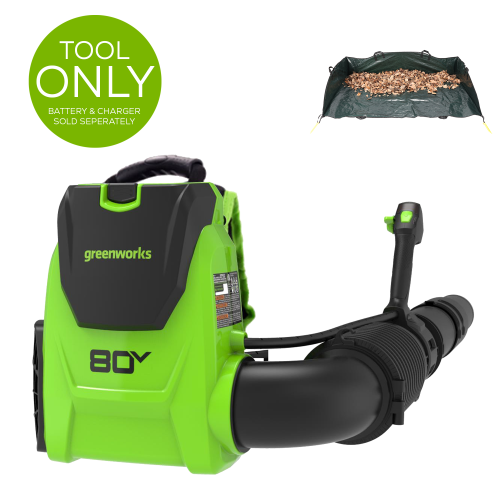
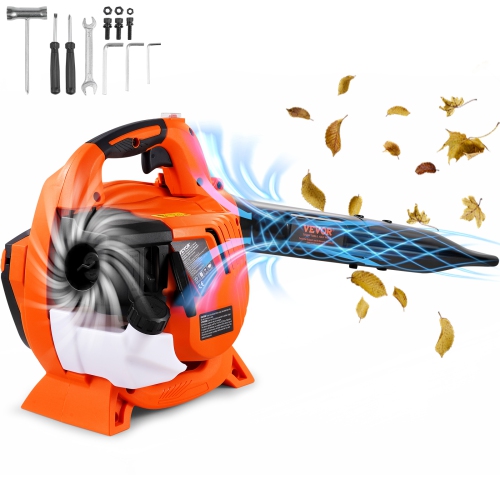
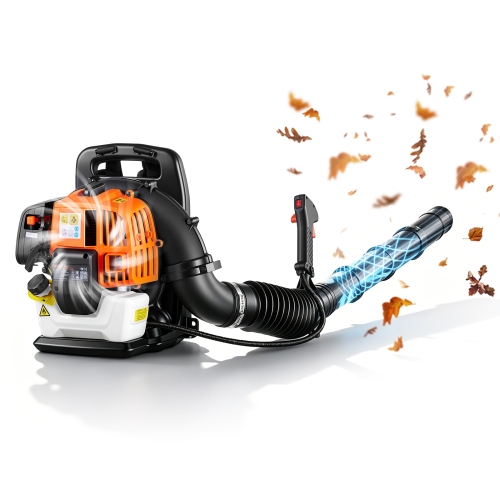
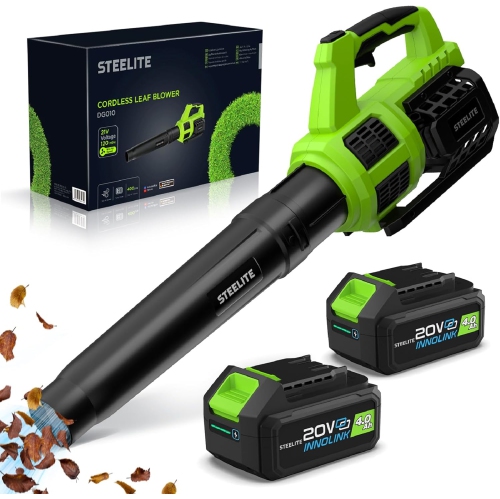
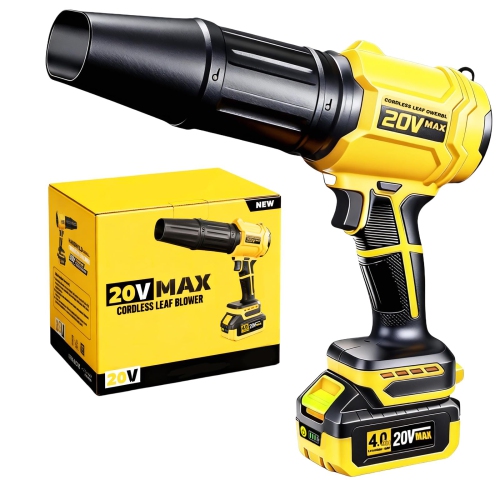
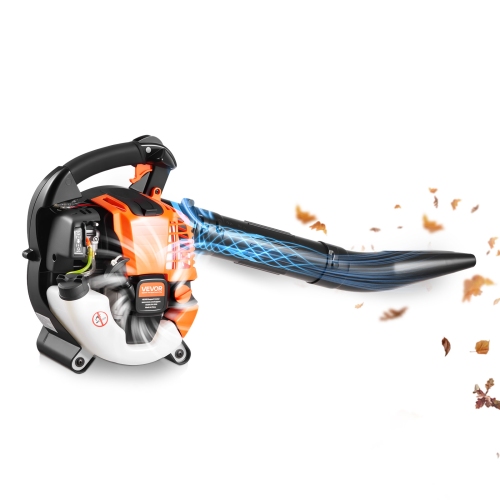
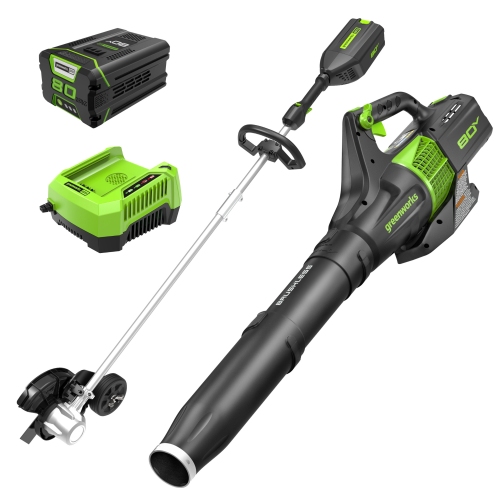
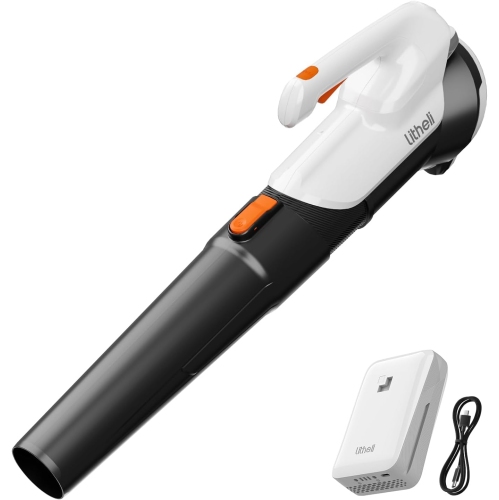
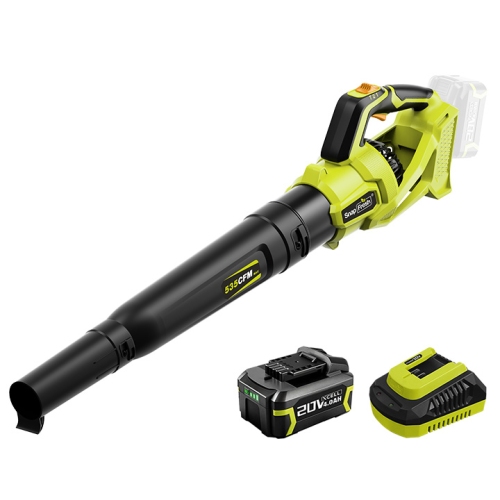
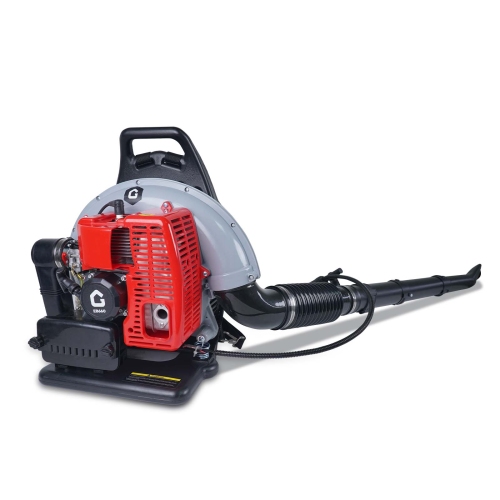
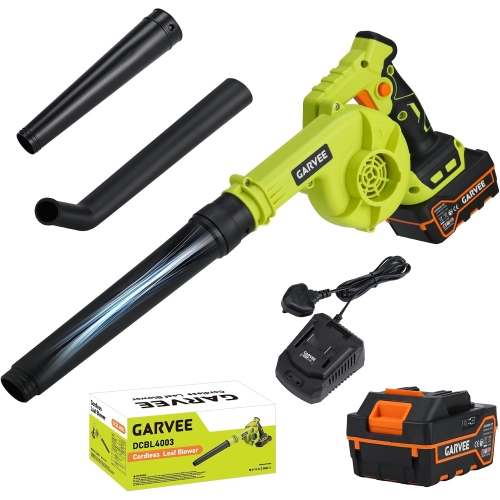
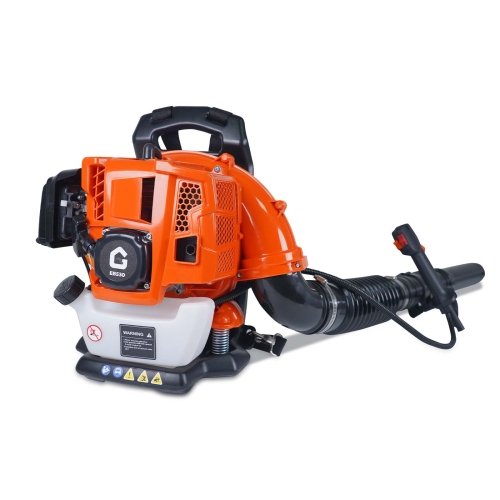
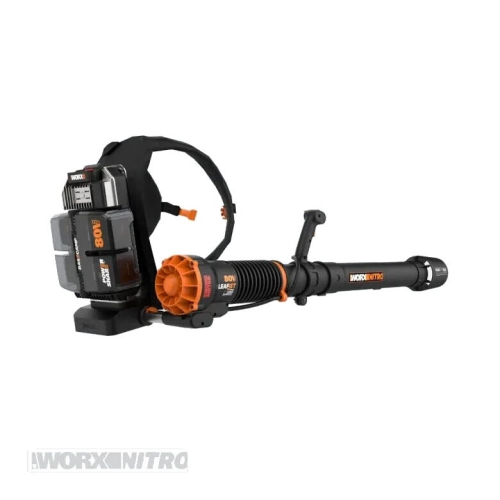
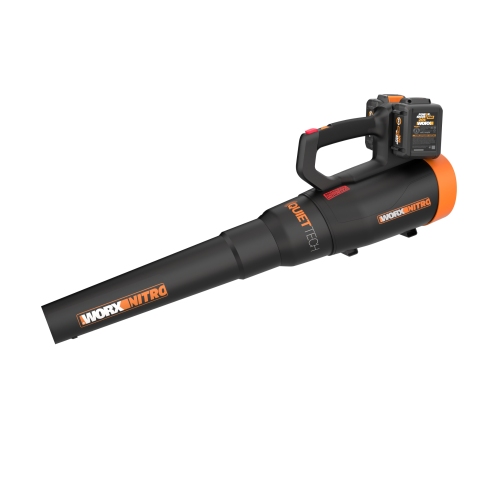
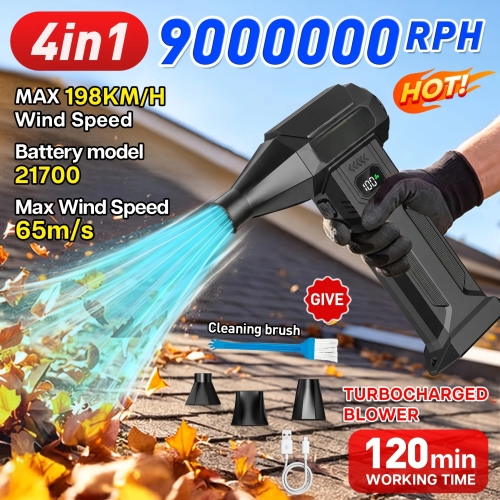
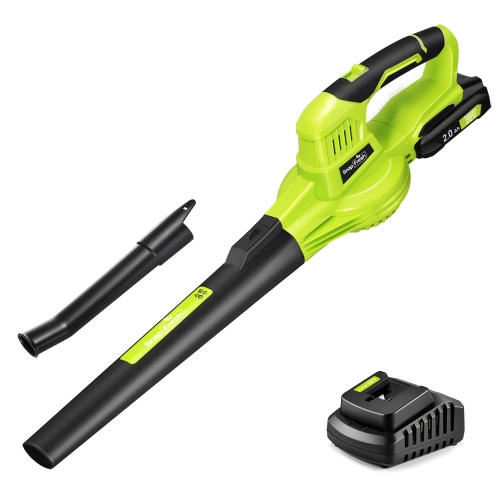
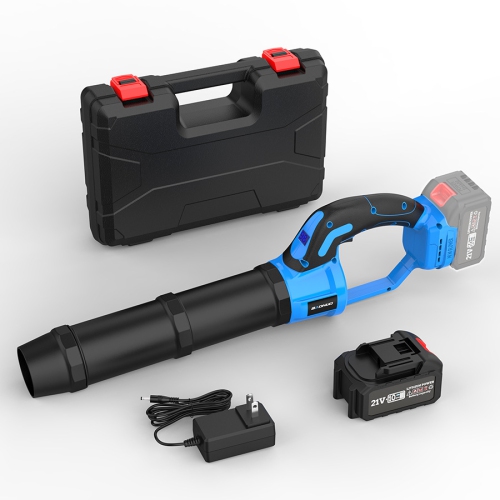
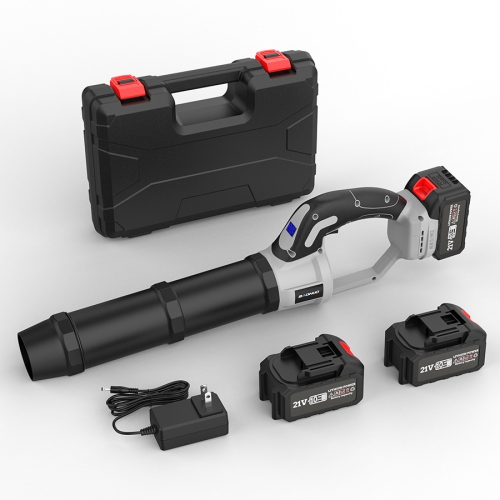
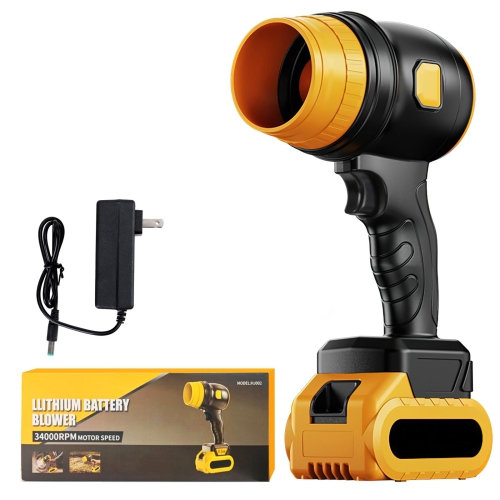
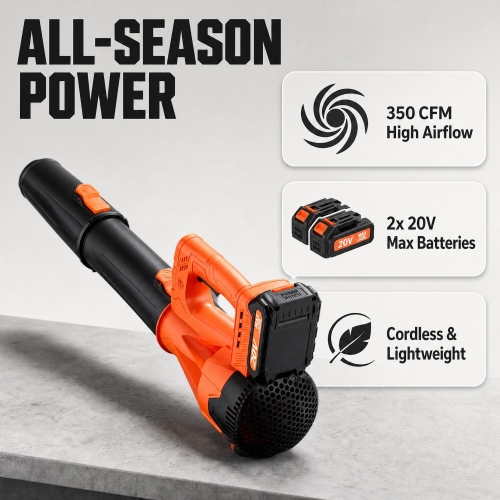
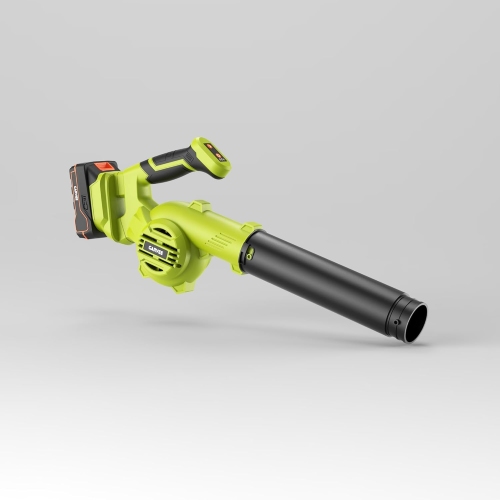
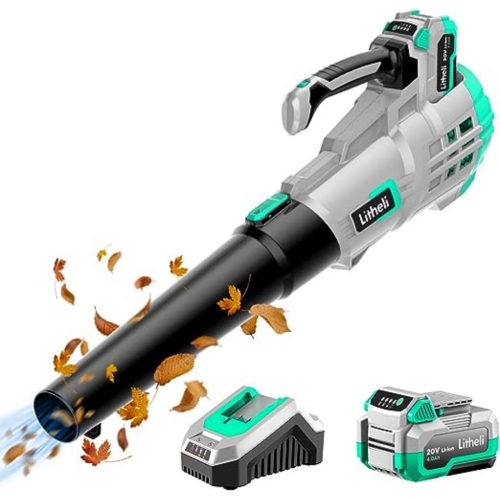
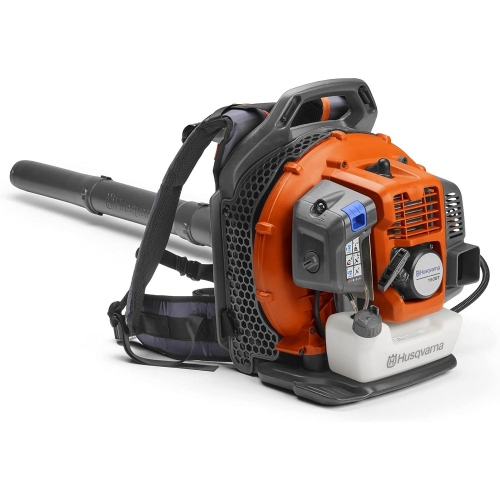
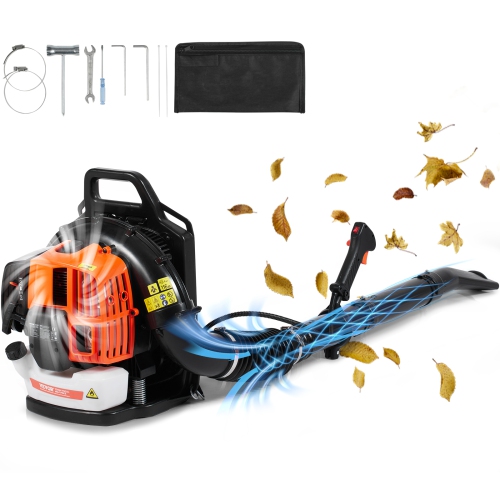
The range of high-CFM leaf blowers includes handheld and backpack designs, with battery-powered, corded electric, and petrol-powered options suited to different working patterns. Handheld designs keep the tool close at hand for moving between a front walk, garage entrance, and backyard patio, though total weight and balance become noticeable during longer sessions. The weight listed for a battery-powered blower may exclude its battery, while a petrol-powered model’s working weight also includes fuel. Backpack designs transfer much of the load to the shoulders and hips through a harness, making strap padding, adjustment range, and back support important considerations for larger properties and repeated maintenance work. They still require comfortable control of the blower tube, and the force of the air stream can add to the effort of holding it in position. Battery-powered designs offer cordless movement without fuel mixing or a trailing extension cord, but runtime depends on battery capacity, operating speed, and workload. Maximum-output or boost settings draw more power than moderate settings, so a short session clearing a walkway and a sustained cleanup beneath several large trees place very different demands on the same battery. Amp-hour ratings are most meaningful when comparing batteries at the same voltage; compatibility must match the tool’s specified battery system. Corded designs avoid battery runtime limits but require a suitable outdoor-rated extension cord and practical access to an outlet. Petrol-powered designs can support extended work with refuelling, while also requiring engine maintenance, correct fuel handling, and outdoor operation away from enclosed spaces. Noise varies by design and operating speed, rather than power source alone. Durable housings, securely fitted tubes, and sturdy attachment points matter across these formats. Moulded polymer and composite components can help manage weight, while the quality of seams, fasteners, and controls affects how well a blower stands up to repeated handling. A comfortable grip, accessible speed trigger, and speed-lock function can make steady sweeping passes easier, particularly when working along a long fence line or around several landscaped areas.

Day-to-day usefulness depends as much on control and care as on the headline airflow rating. A wide nozzle can suit broad leaf movement, while a narrower attachment may concentrate the stream for edges and stubborn patches; the effect on airflow and air speed depends on the blower’s design. Keeping the outlet at a controlled angle helps direct leaves toward a manageable collection point without driving them into nearby beds or scattering them across an already-cleared section. Around gravel, mulch, young plants, and delicate lawn areas, reduced output can be more appropriate than using the highest setting throughout. High airflow can throw small stones and other loose material, making eye protection, secure footwear, and hearing protection important parts of outdoor cleanup. People, pets, vehicles, and windows need adequate separation from the working area, and local noise rules can affect when a blower may be used. Leaves should remain clear of storm drains and roadways rather than being pushed into places where they create another problem. Care requirements vary by power source, but clear air intakes, undamaged tubes, and clean exterior surfaces help support dependable operation. Batteries require charging and storage within the manufacturer’s specified temperature limits, and a blower should not be assumed safe for rain exposure simply because it is an outdoor tool. Petrol-powered equipment may need air-filter servicing, spark-plug checks, and fuel preparation before extended storage, with the correct procedure determined by its engine and instructions. Dry, secure storage helps protect controls and attachments between uses. For homeowners, groundskeepers, and property maintenance crews, the best fit balances clearing power with comfortable handling and the length of each job. As a practical gift for someone who regularly maintains a sizeable yard, a high-CFM blower is more useful when its power source, weight, and storage needs match the recipient’s existing setup. For a broader look at formats suited to different outdoor spaces, the Best Leaf Blowers page provides additional context alongside this focus on higher-airflow designs.

FAQ

Some products may be subject to Environmental Handling Fees (EHF) depending on your province. Learn more about EHFs.