High Gain Projection Screens
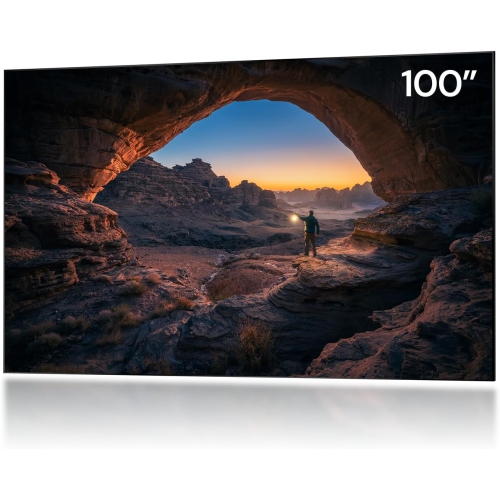
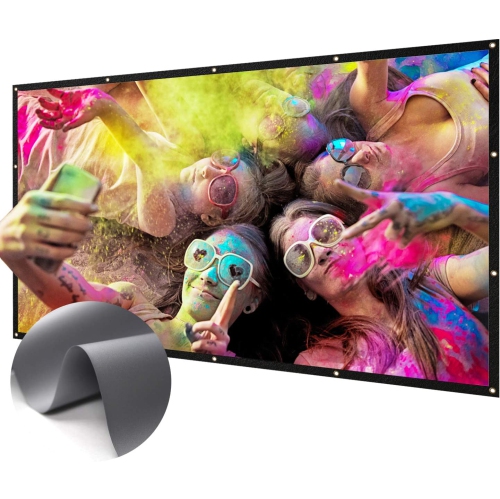
High gain projection screens direct more projected light towards the viewing area, helping create a brighter image for viewers seated near the centre. Compare screen gain, size, and viewing angle to find a match for your projector, room layout, and seating arrangement, keeping in mind that higher gain can mean a narrower optimal viewing angle.




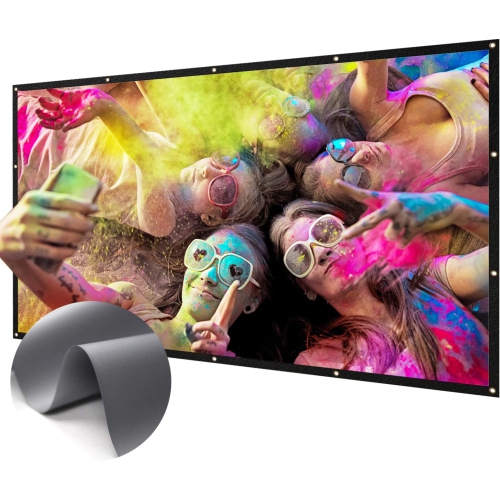
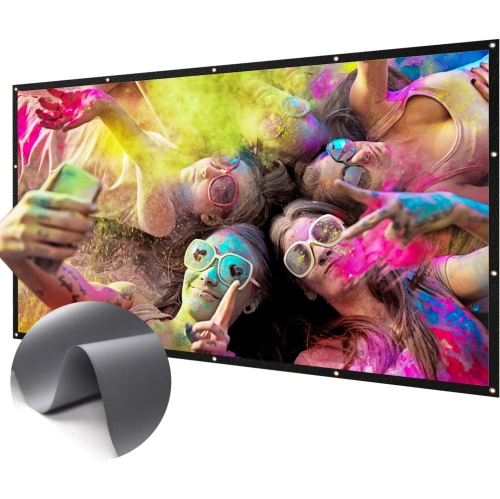
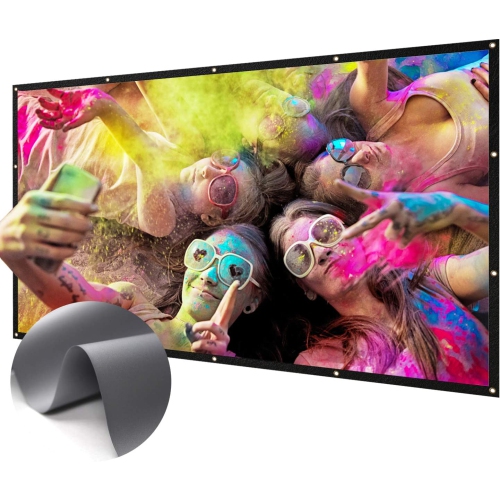
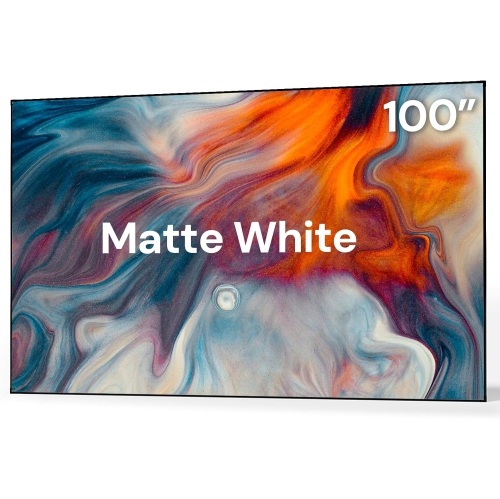


FAQ
Gain describes how much light a screen reflects in a particular direction compared with a standard reference surface. A rating of 1.0 represents neutral gain, while a higher rating indicates more light directed towards the central viewing position. Gain is a property of the screen surface, not a measure of projector output.
High gain projection screens may use coated vinyl, glass-beaded surfaces, or specialized optical layers. The reflective coating or surface structure determines how projected light is distributed. Materials and finishes vary, so check the screen specifications for its construction.
No. High gain refers to a screen’s directional reflectivity, while ambient light rejection describes how a surface handles light arriving from outside the intended projection path. A screen can have both properties, but a high gain rating alone does not mean it has ambient light rejection.
The viewing cone describes the range of viewing positions around the screen’s central axis. Screen specifications may also list a half-gain angle, which marks the position where reflected brightness drops to half its peak value. Check whether the listed angle represents the full cone or the angle measured from the centre.
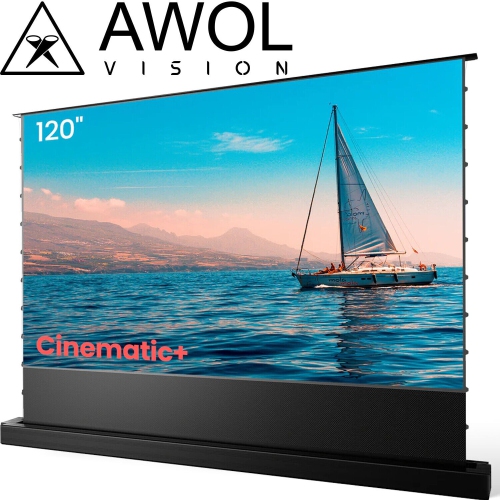
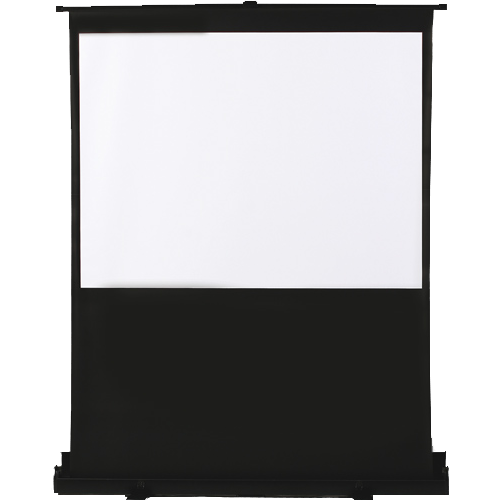
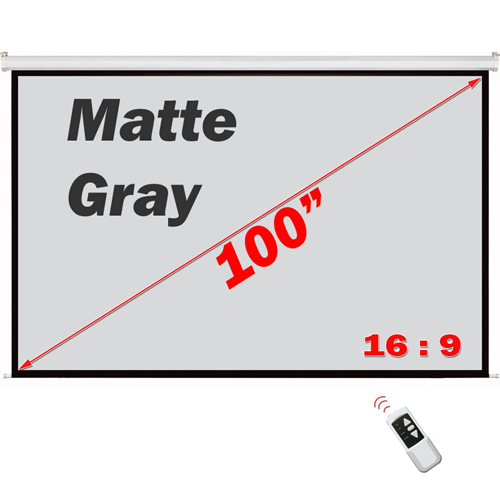
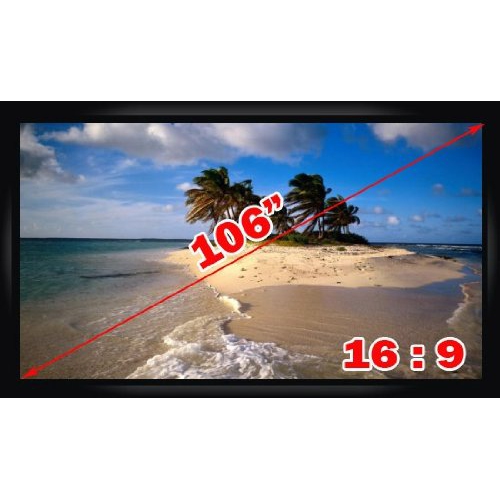
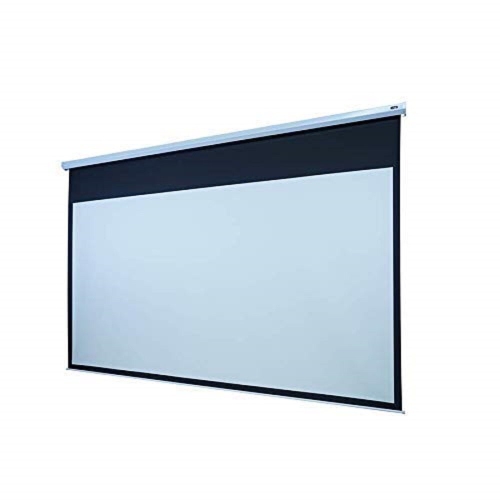
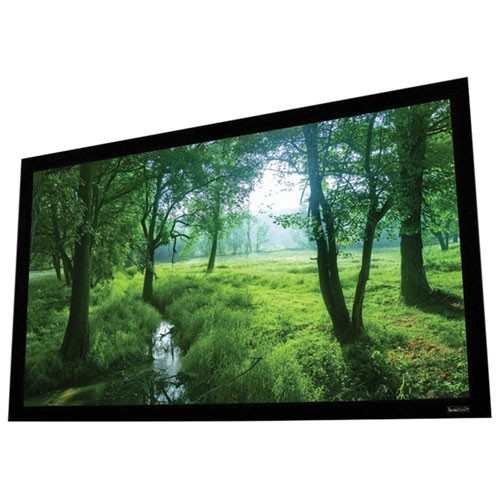
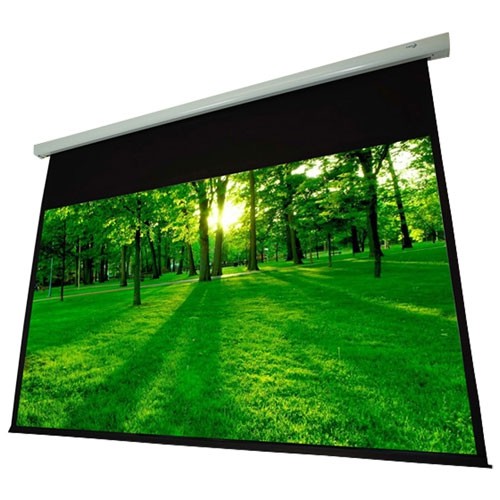
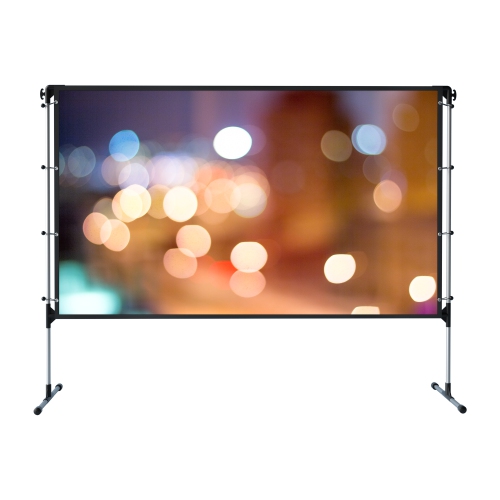
High gain surfaces are available in formats such as fixed-frame, manual pull-down, and motorized retractable screens. Fixed-frame models remain on display, while retractable models roll into a housing when not in use. Mounting options depend on the model and may include wall or ceiling installation.
Top selling and popular products
Discover more categories related to High Gain Projection Screens

Some products may be subject to Environmental Handling Fees (EHF) depending on your province. Learn more about EHFs.