Large Format Projection Screens
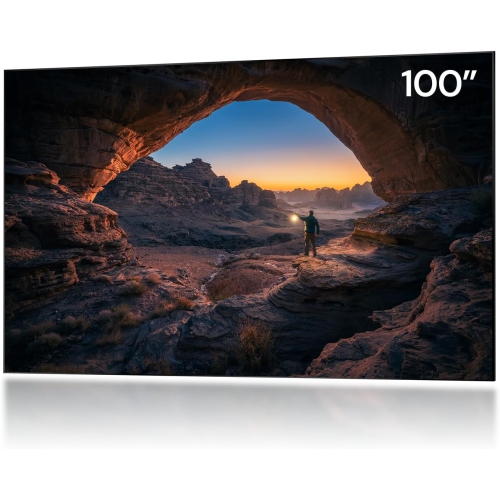
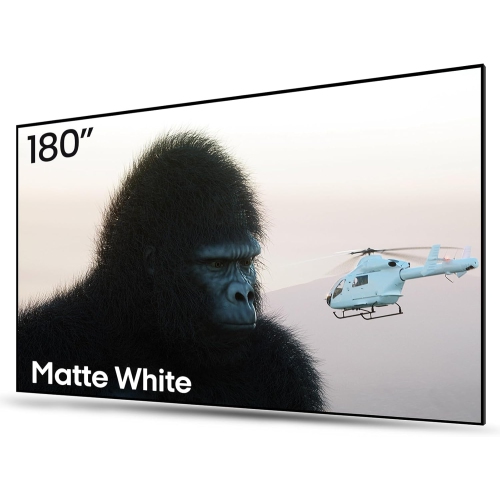
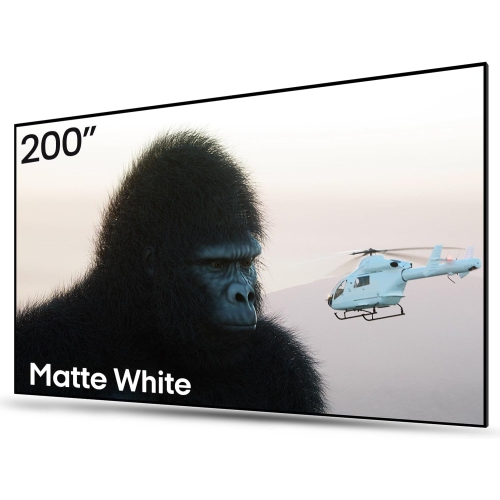
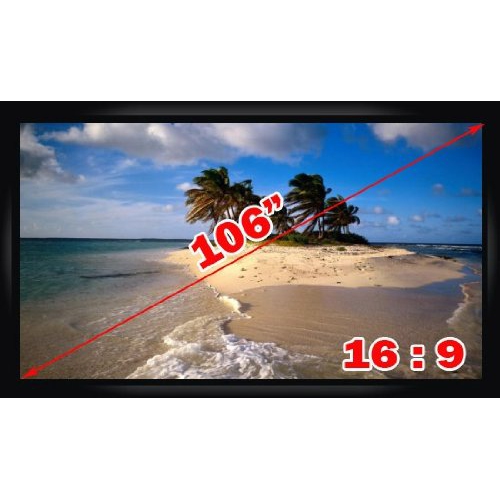
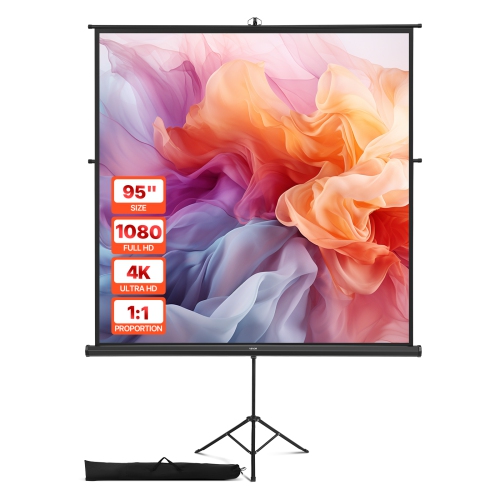
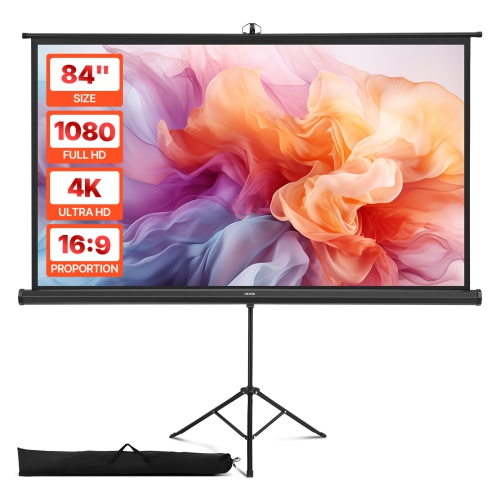
Large format projection screens give you a dedicated surface for big-screen viewing in home theatres, meeting rooms, and presentation spaces. Compare screen dimensions and aspect ratios to find a fit for your room, projector, and content, and consider viewing distance and installation requirements before choosing.



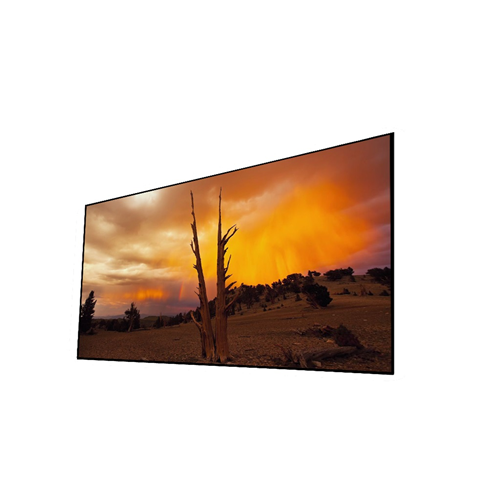
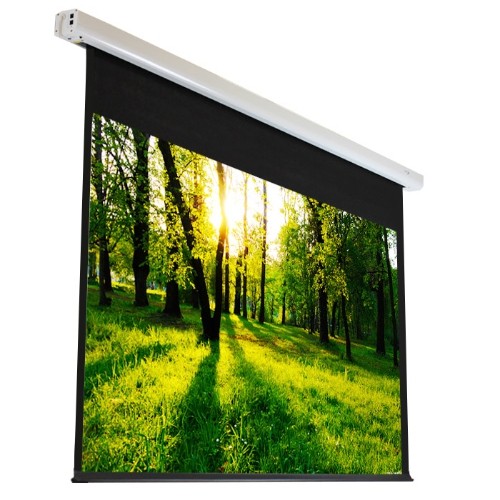

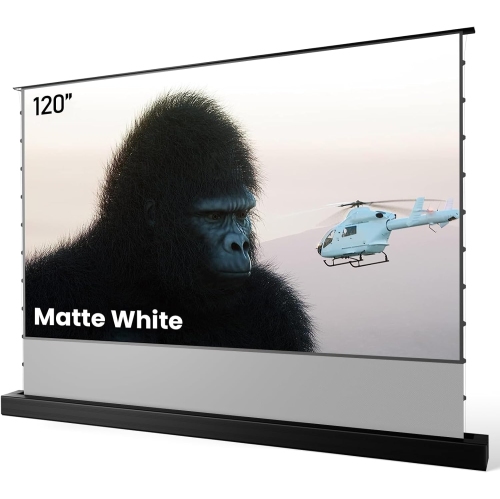
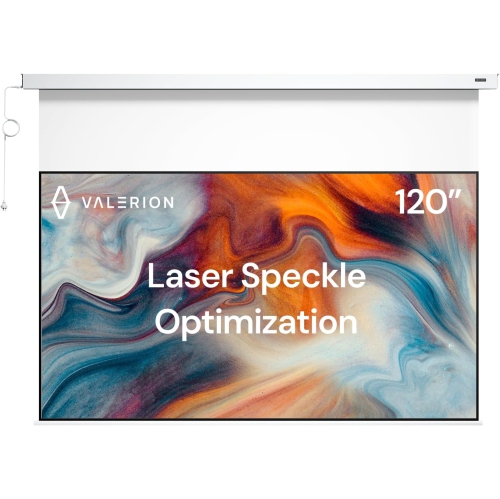




















FAQ
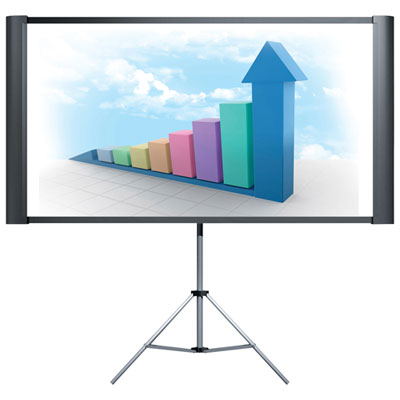
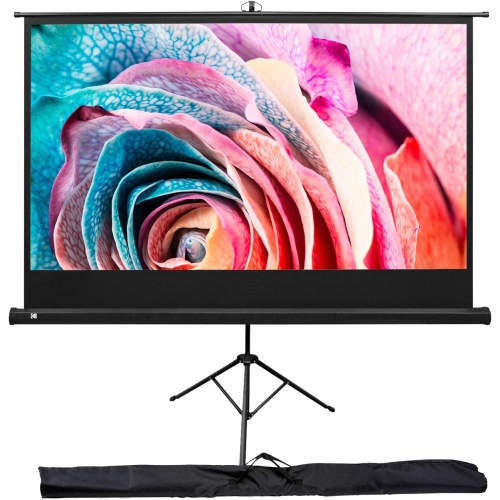
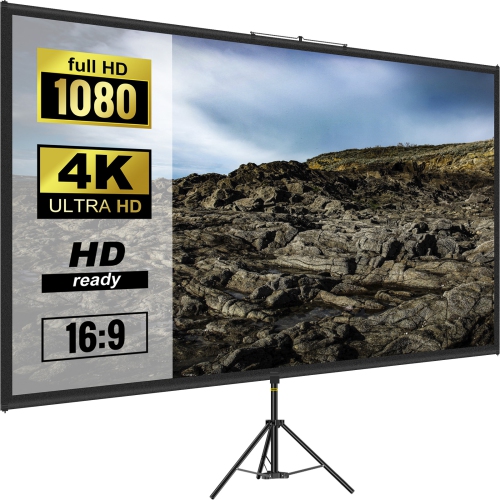
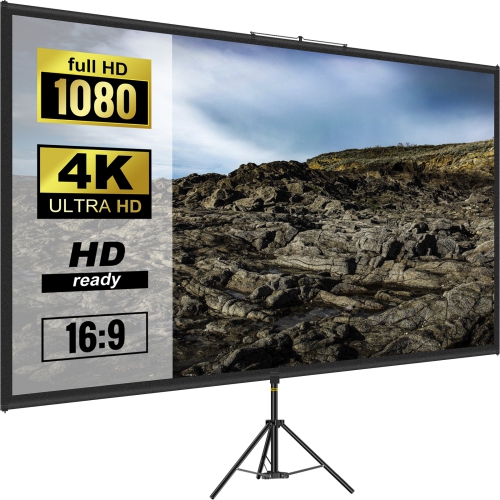
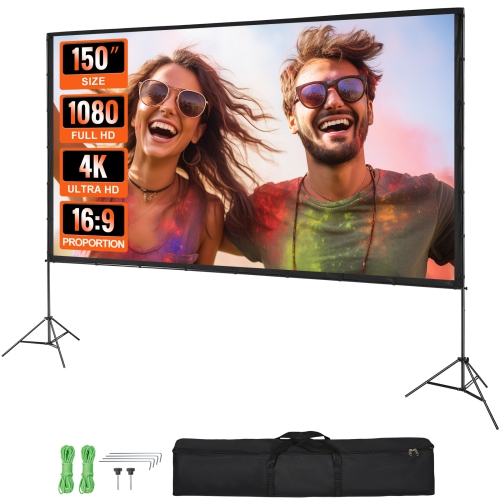
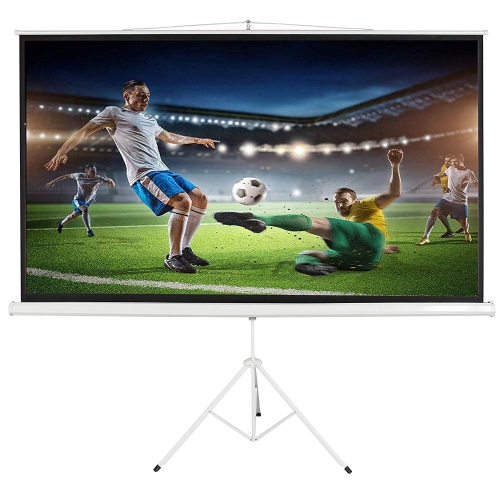
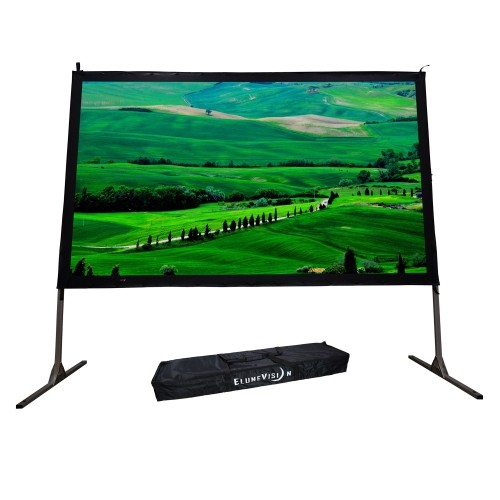
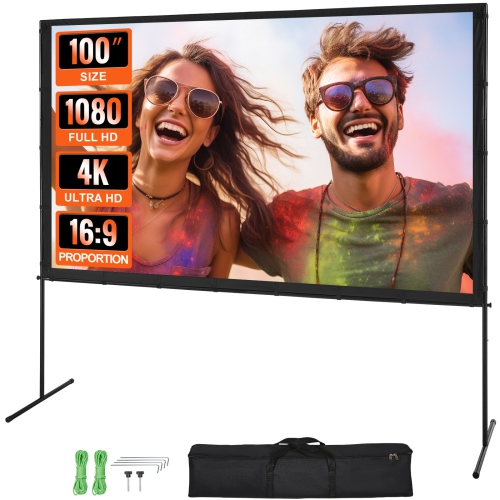
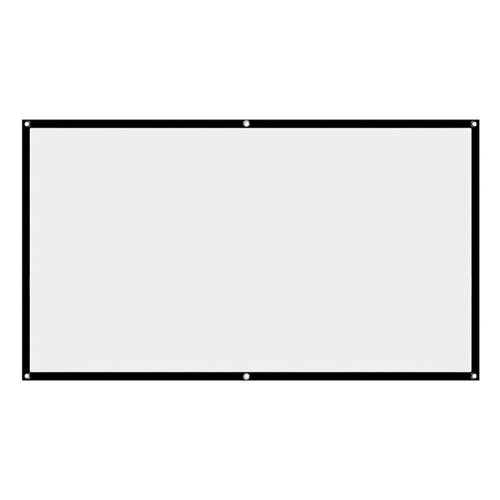
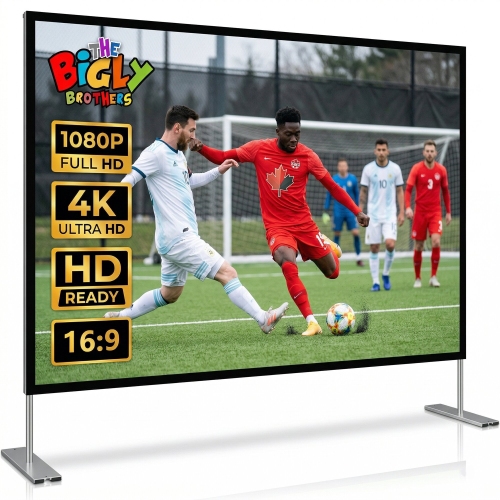
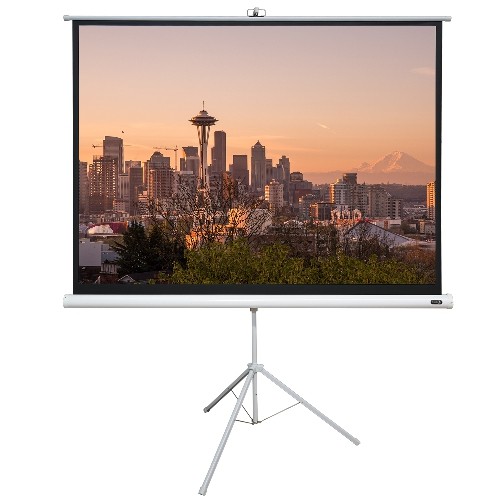
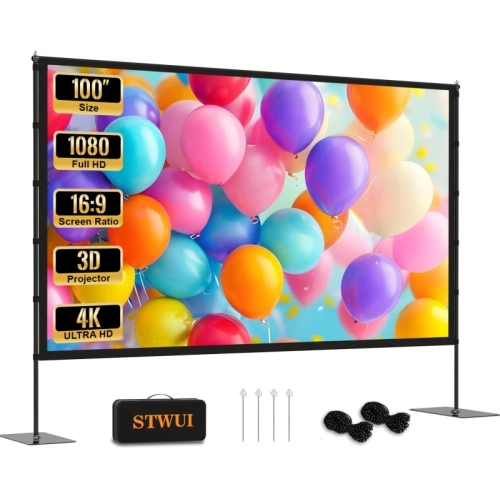
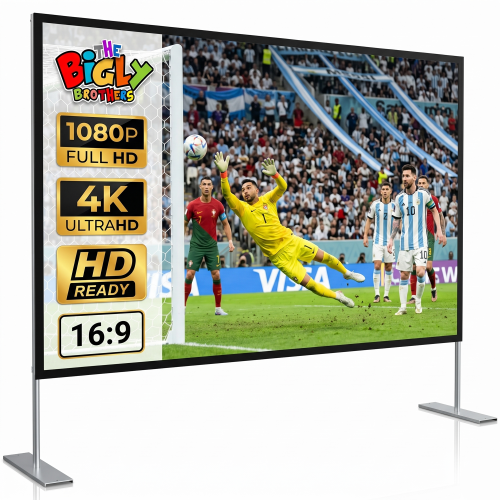
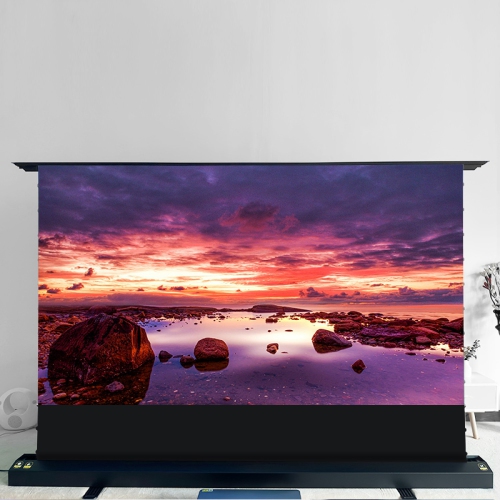
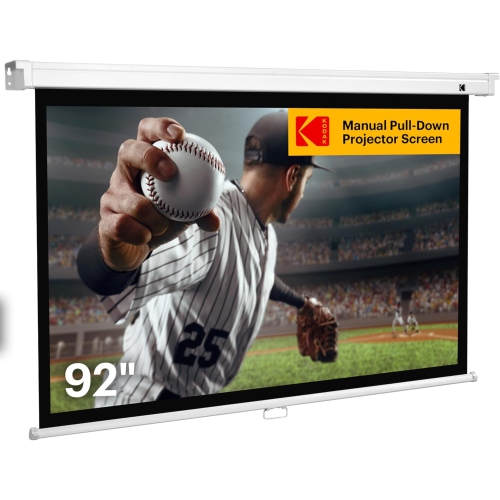
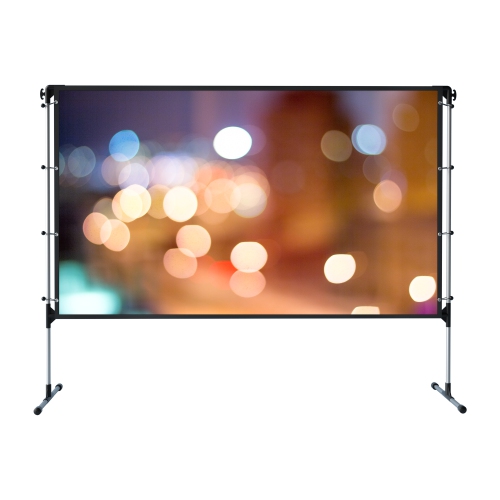
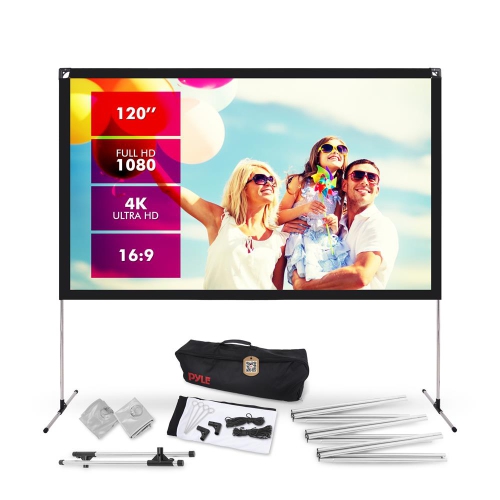
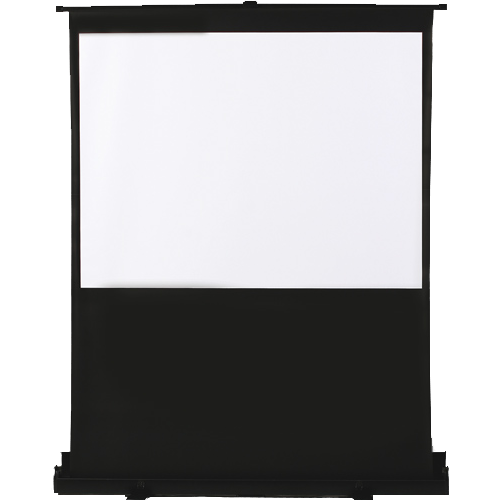
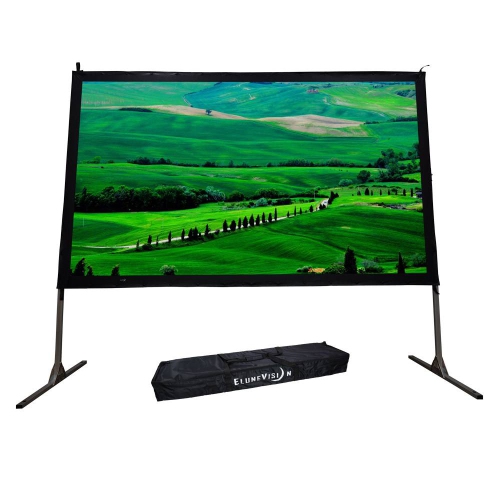
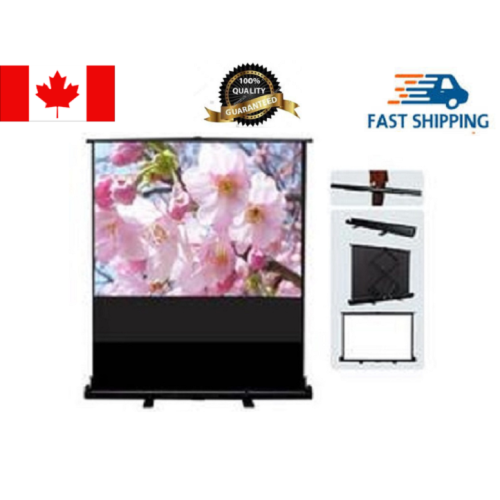
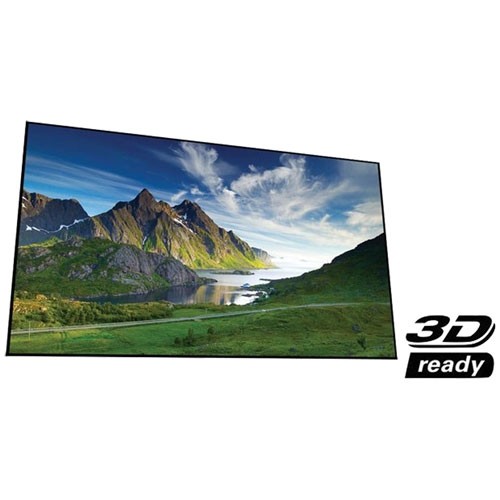
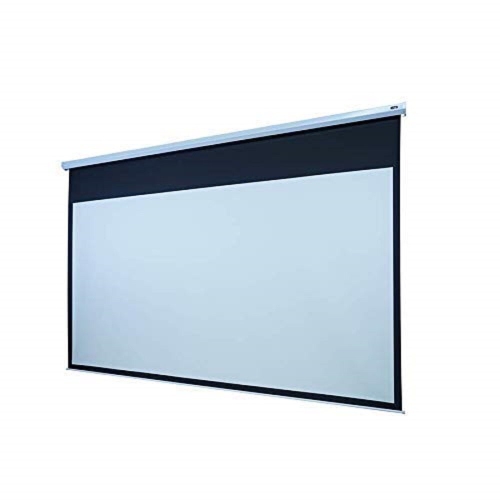
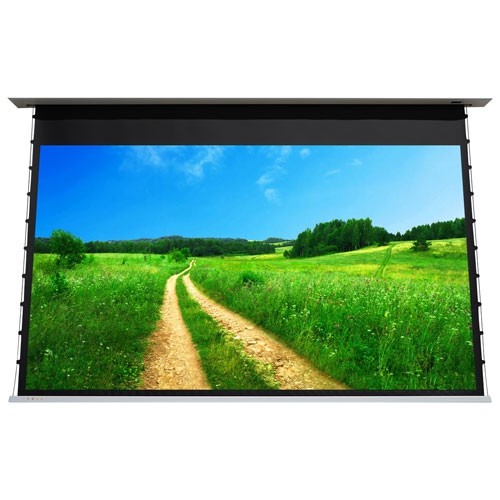
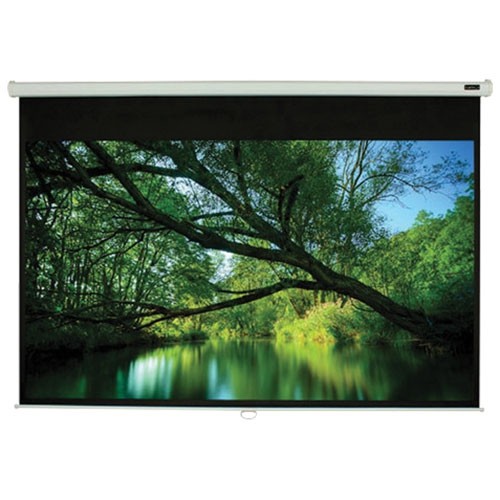
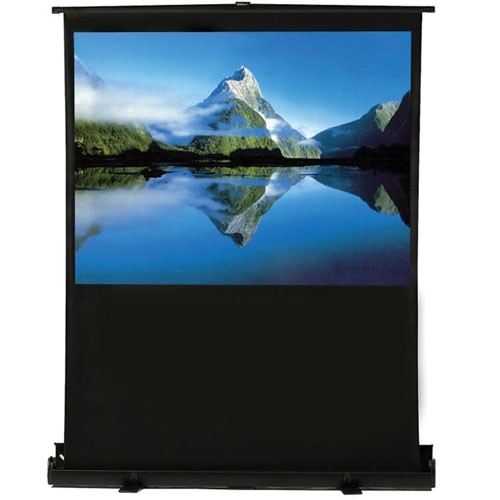
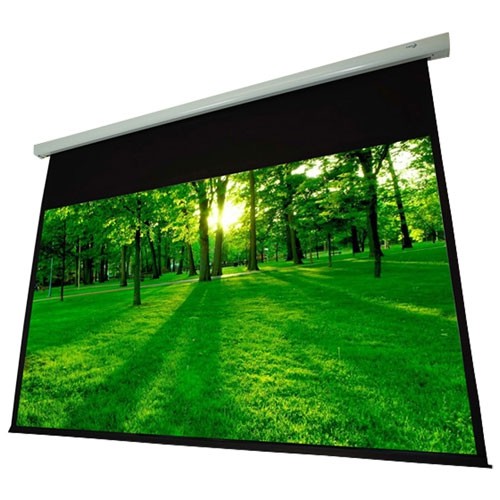
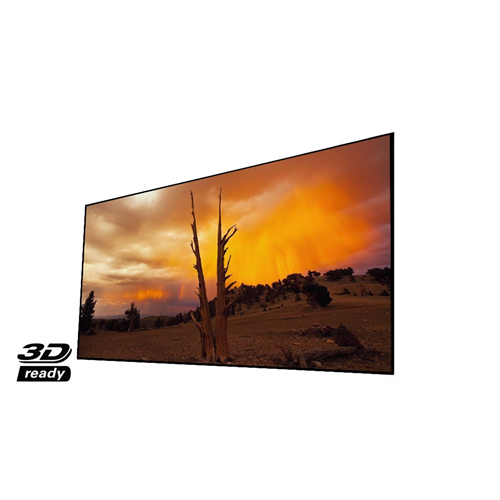
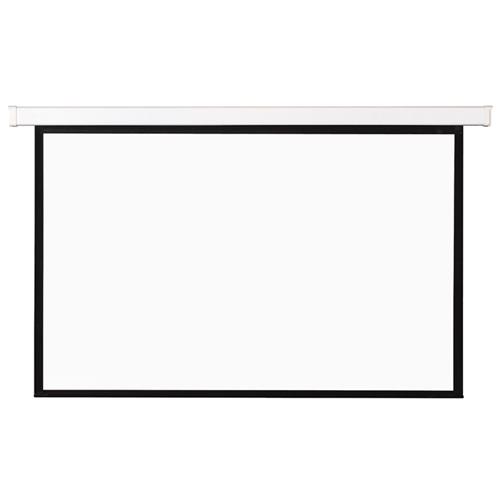
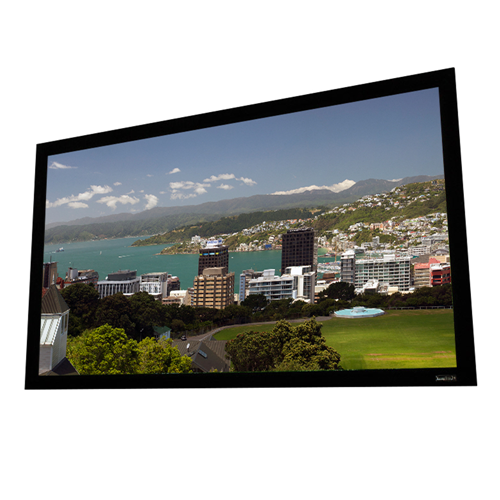
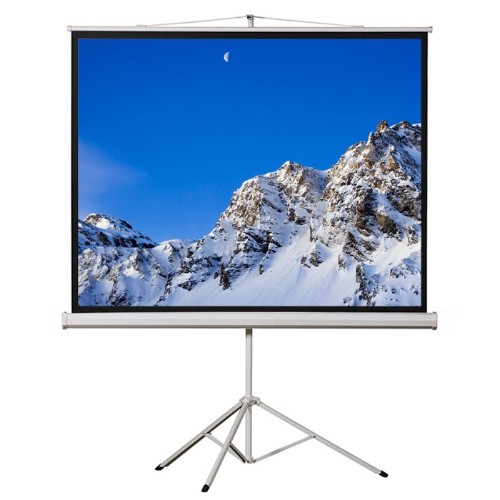
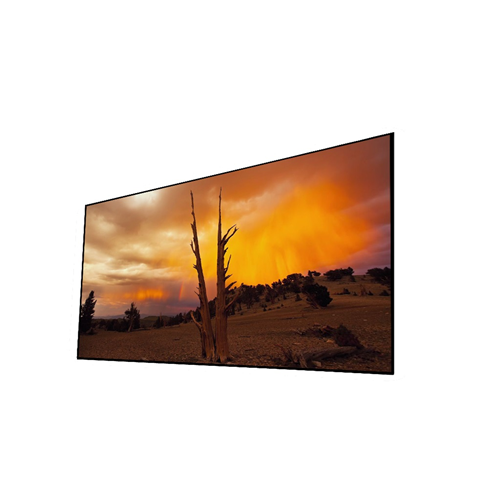
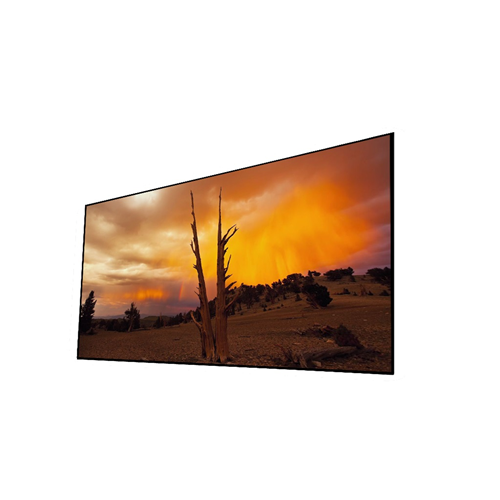
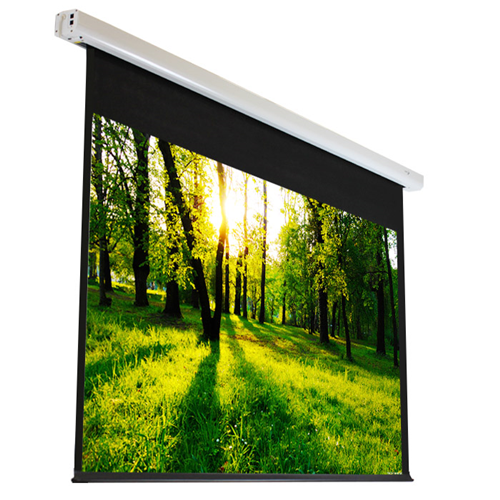
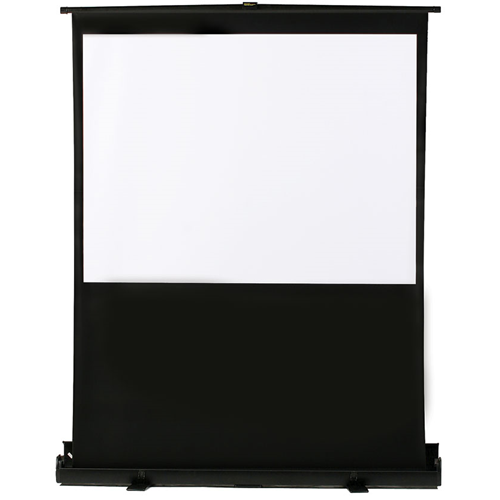
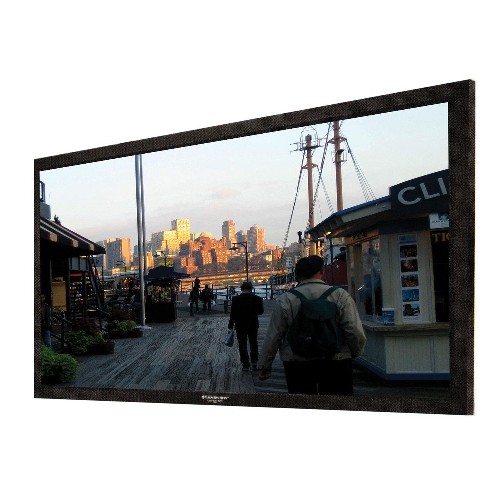
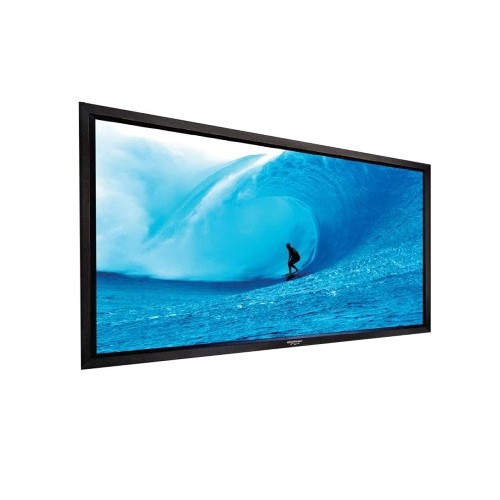
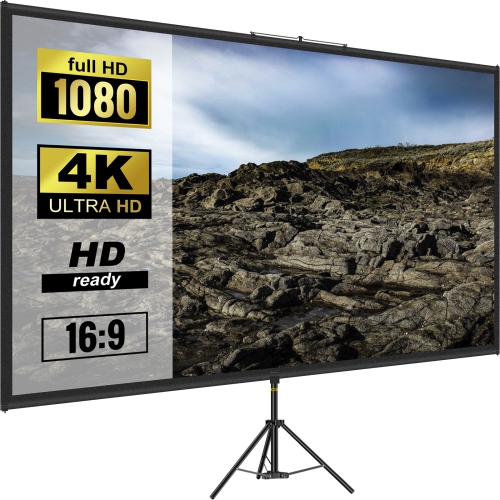
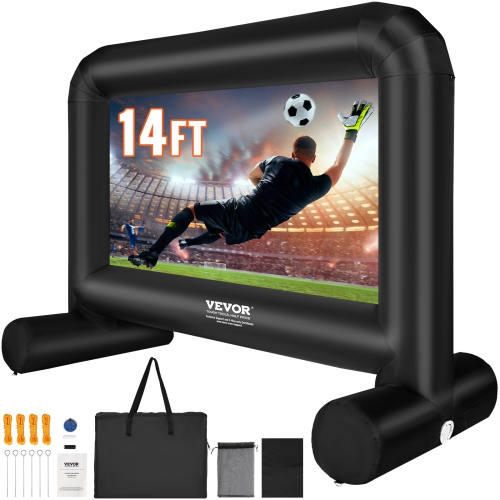
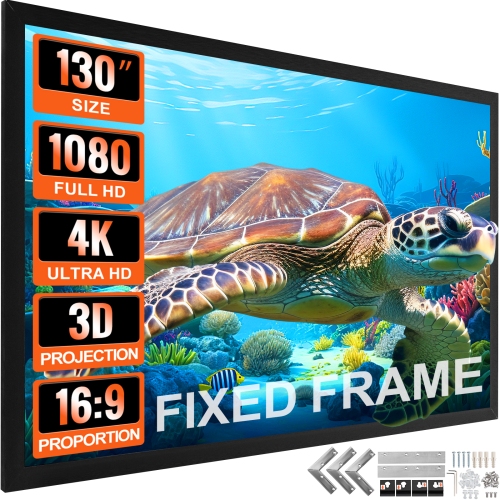
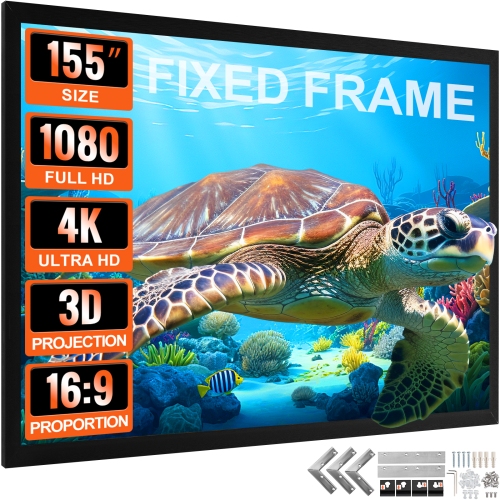
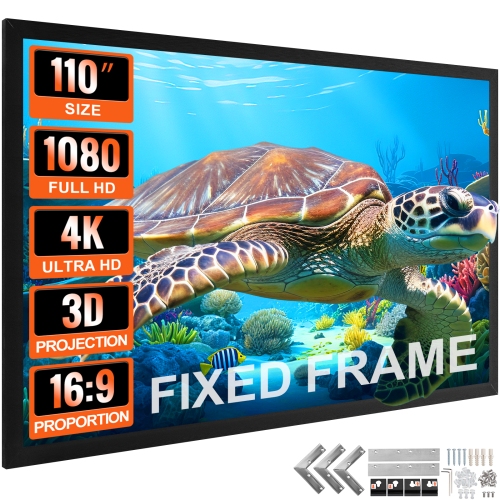
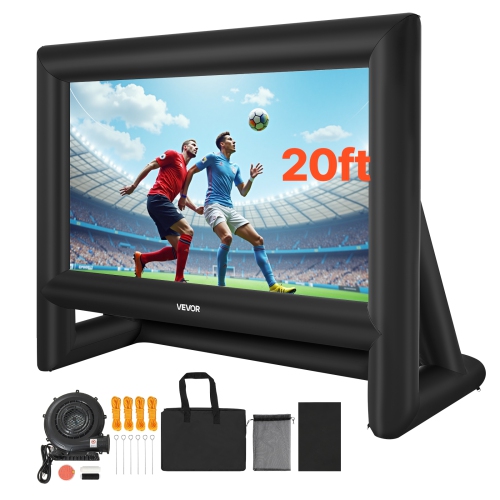
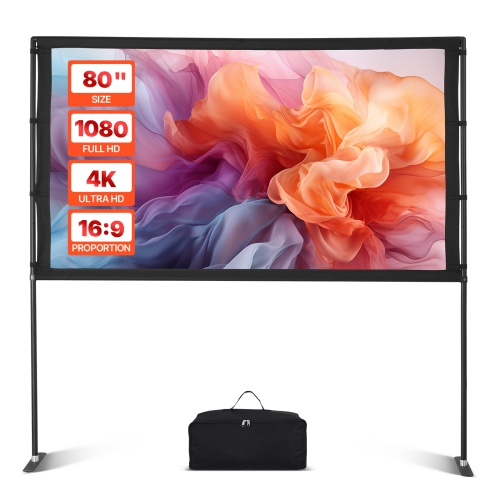
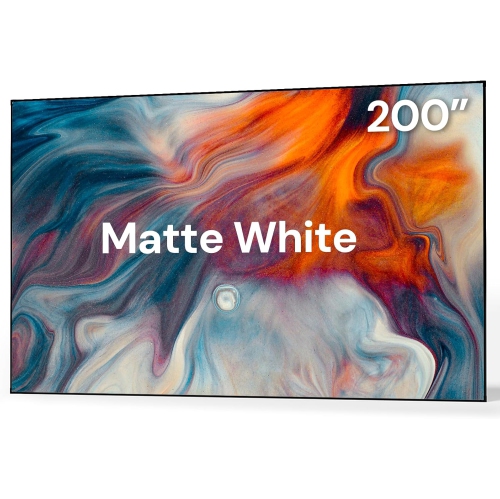
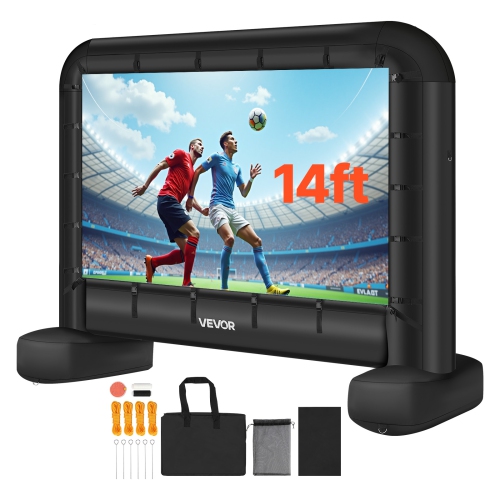
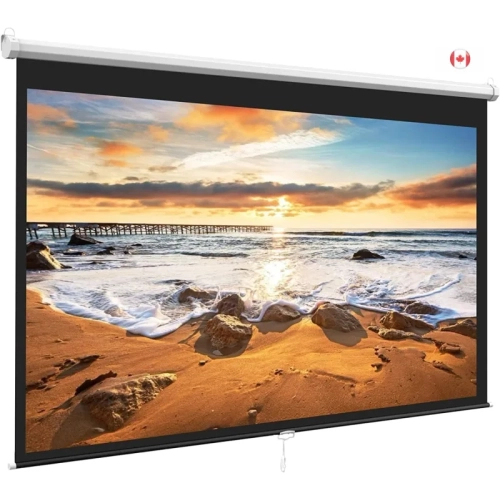
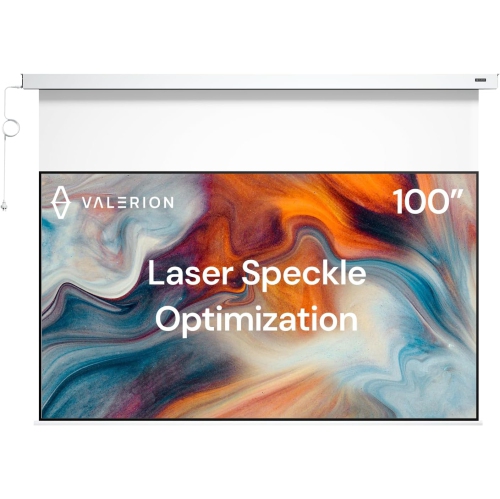
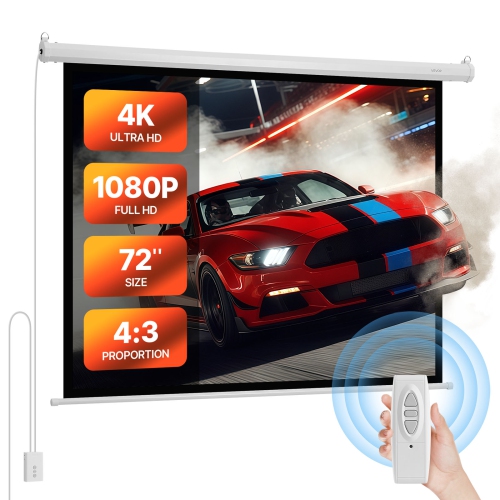
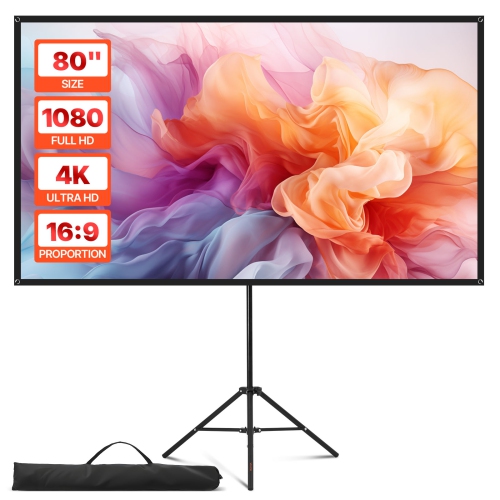
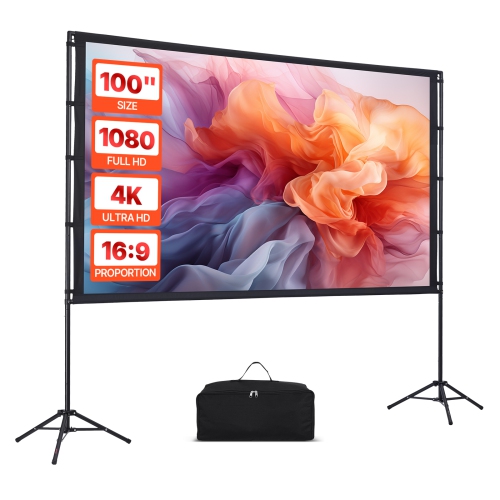
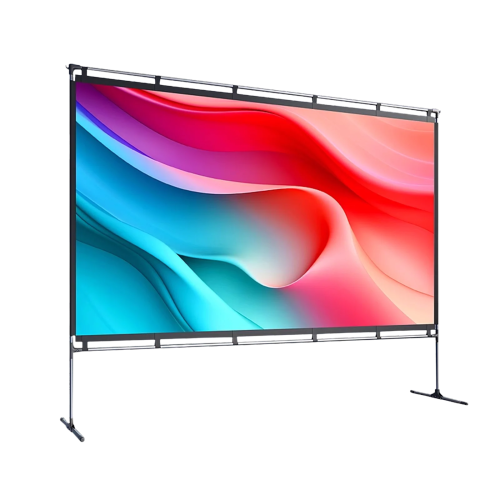
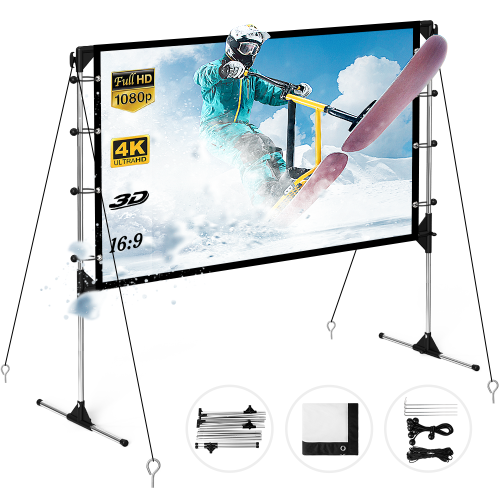
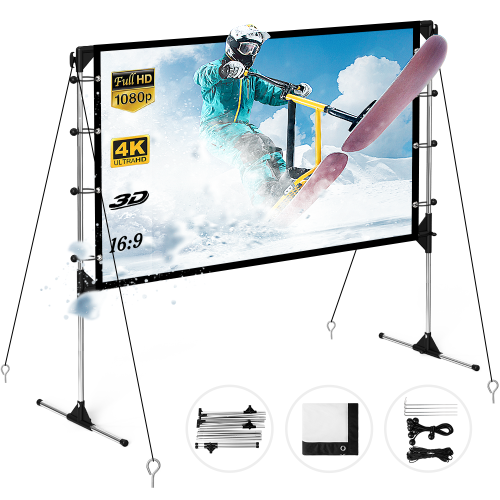
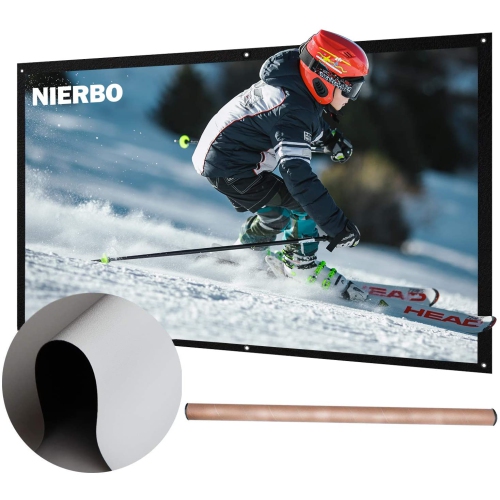
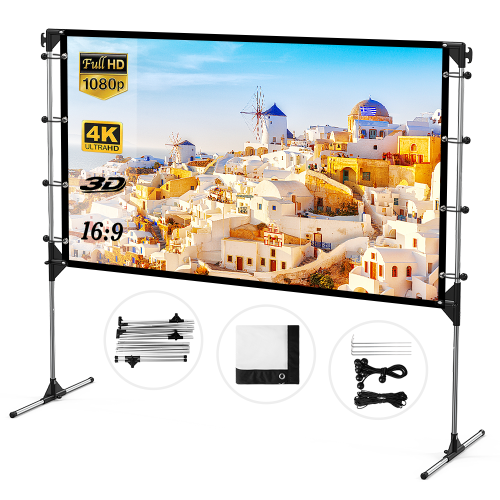
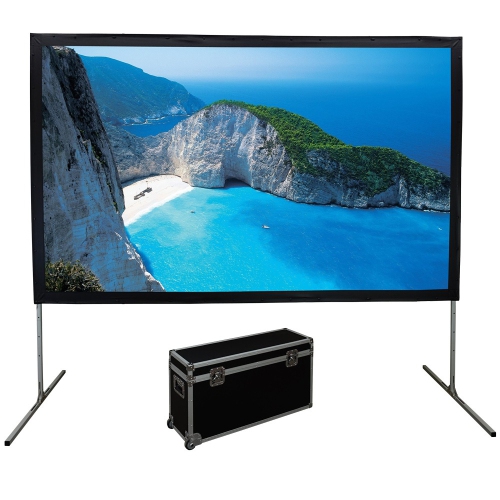
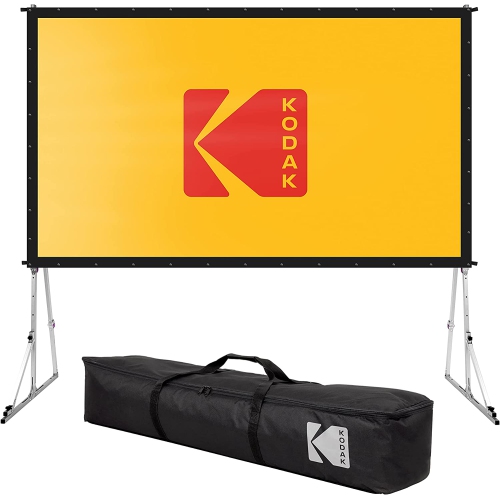
Common types include fixed-frame, manual pull-down, motorized retractable, and portable folding-frame screens. Fixed-frame screens remain assembled, retractable screens roll into a housing, and folding-frame screens can be dismantled between events.
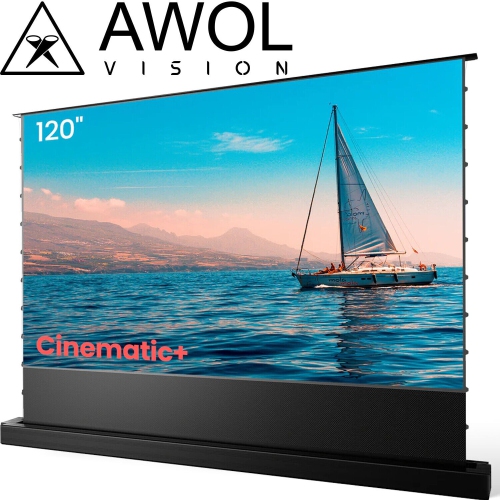
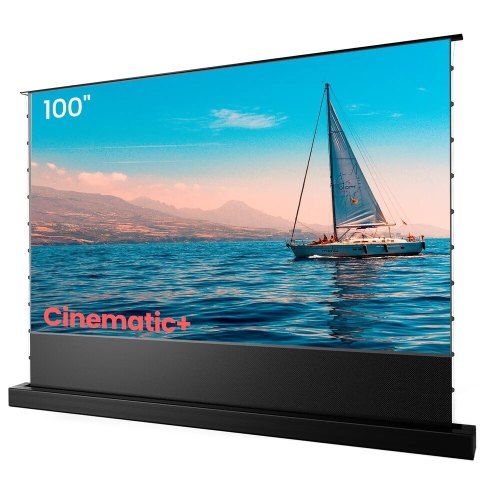
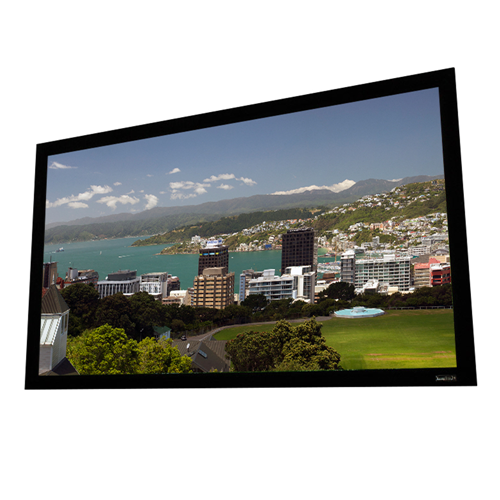
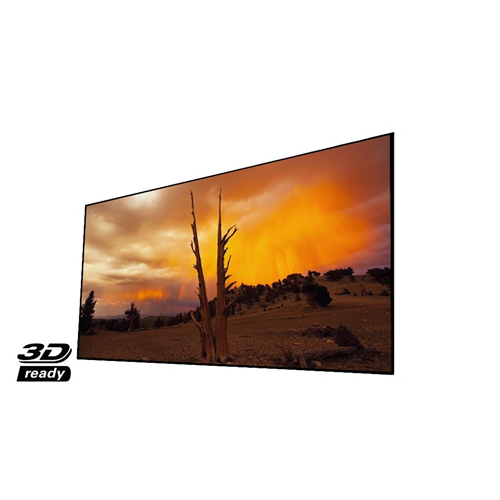
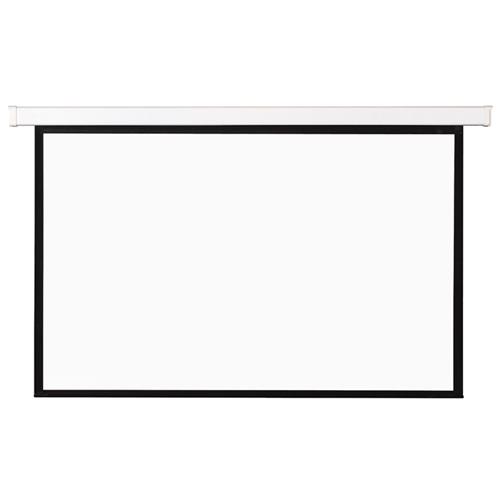
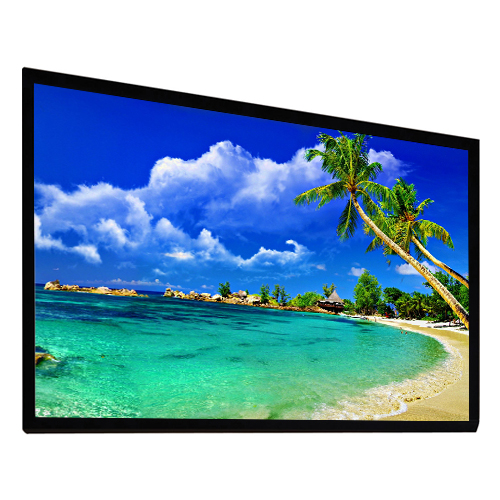
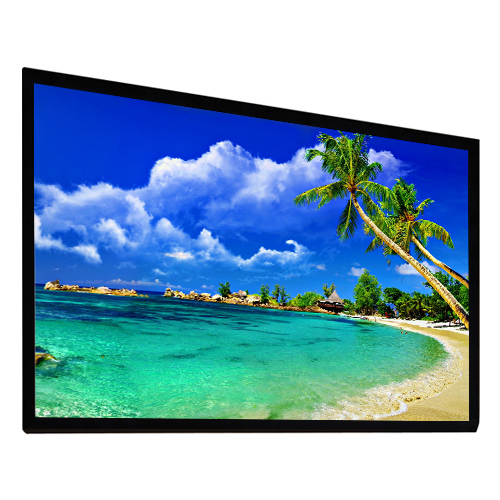
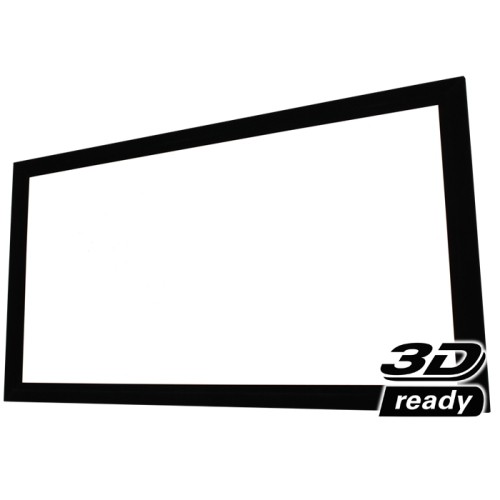
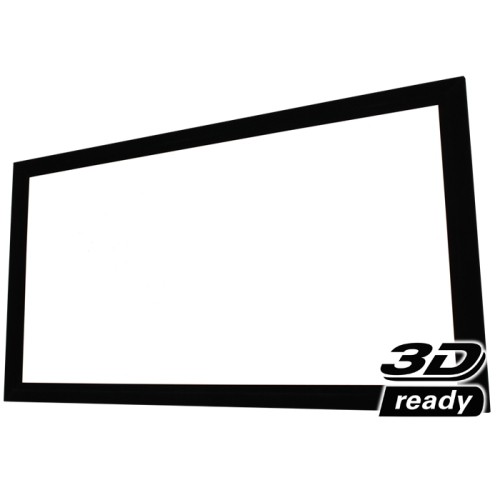
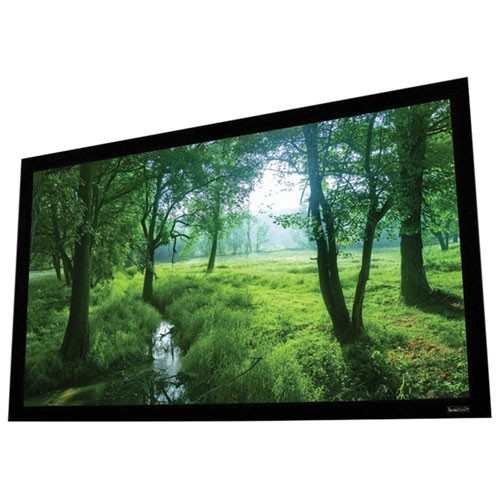
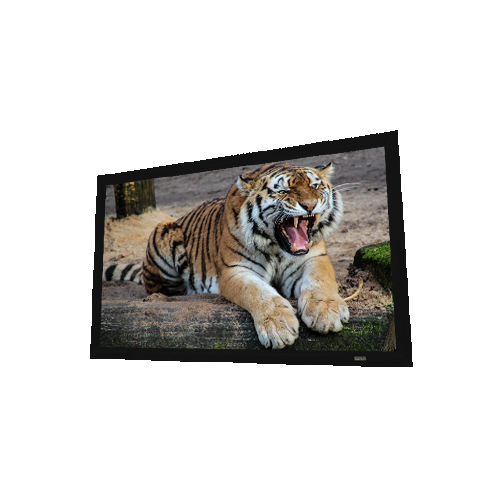
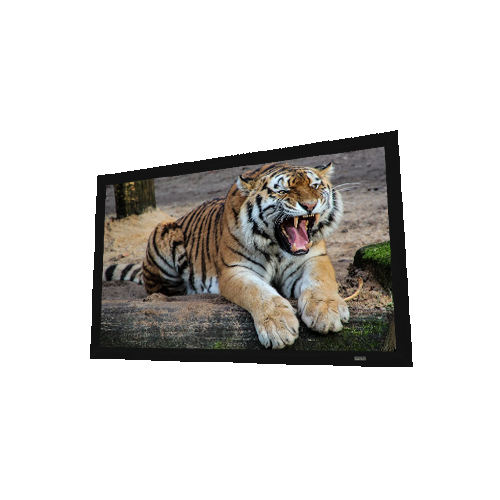
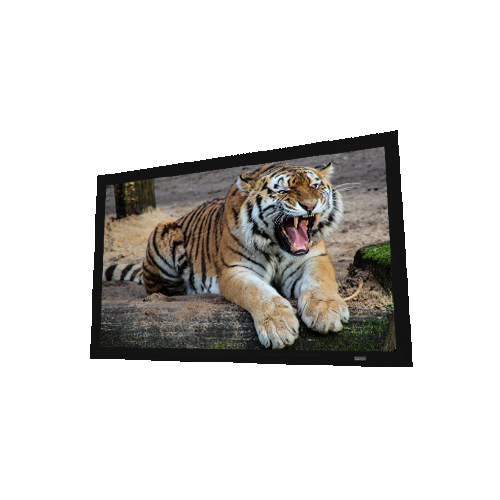
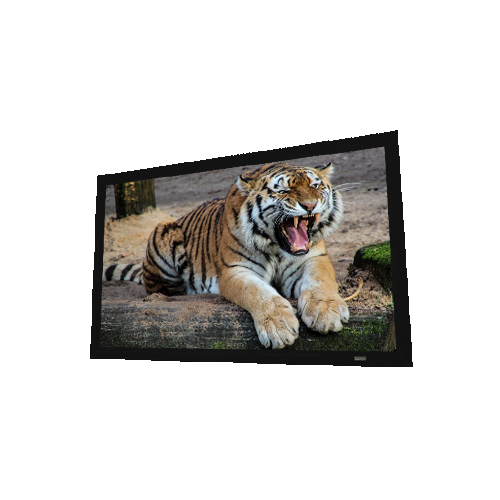
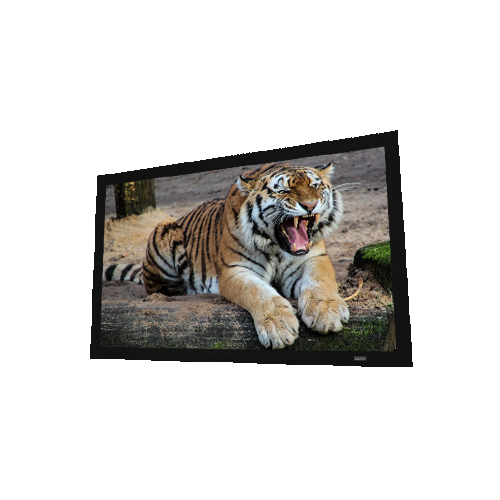
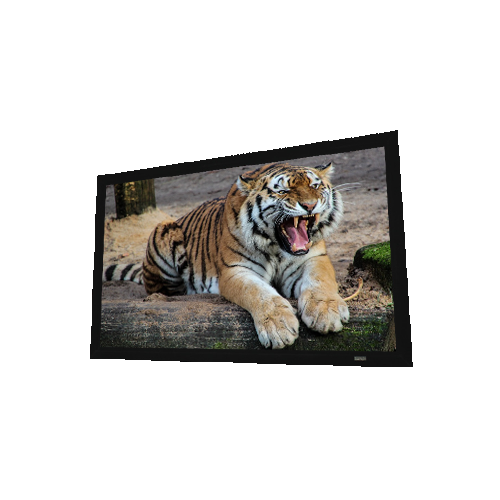
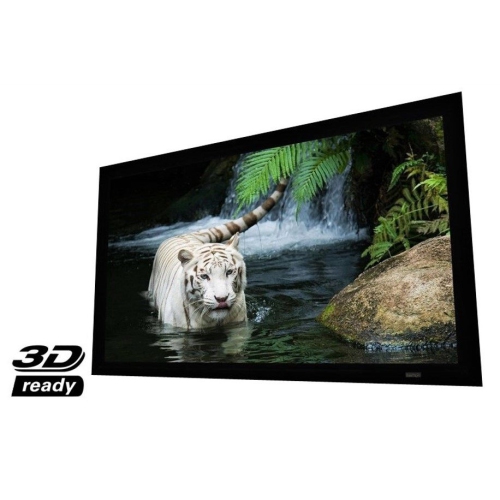
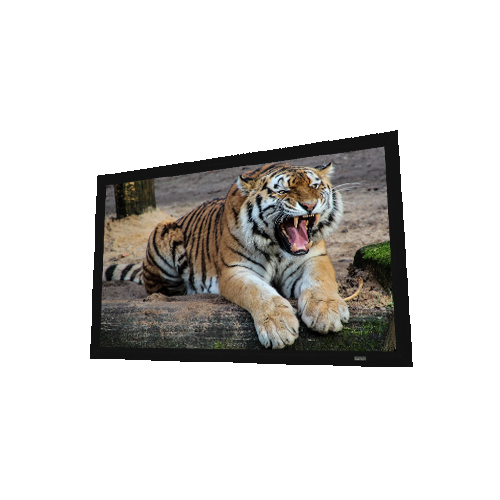
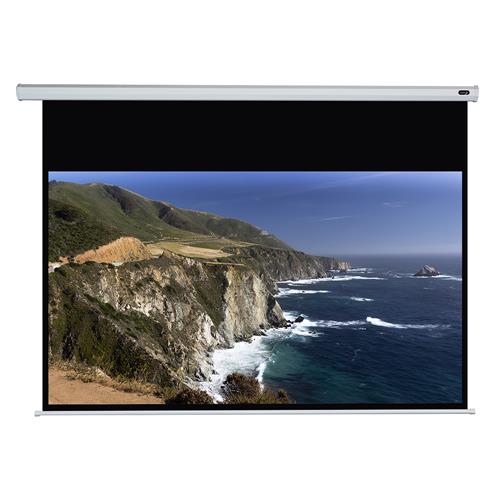
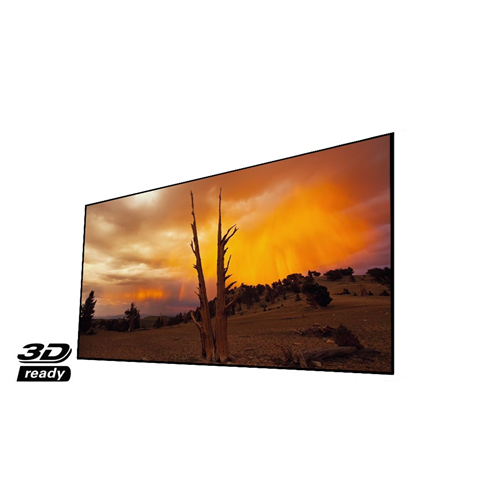
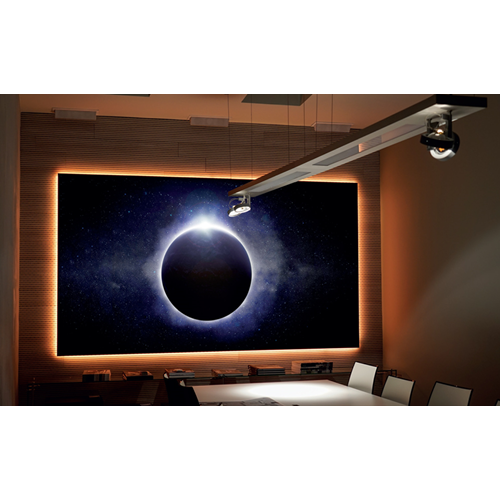
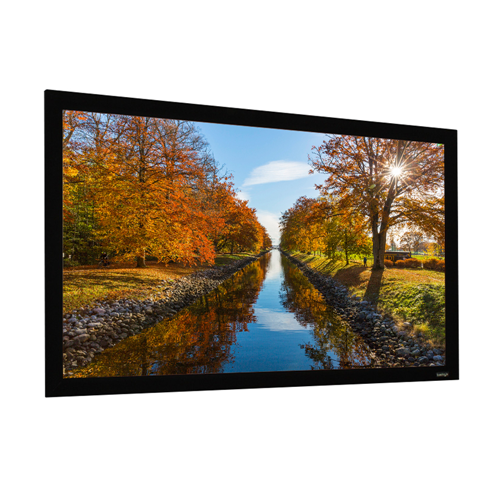
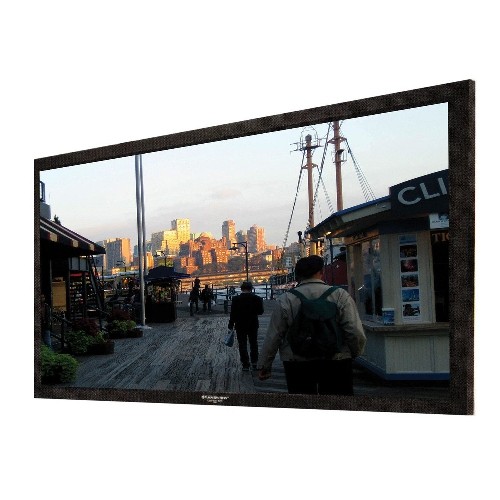
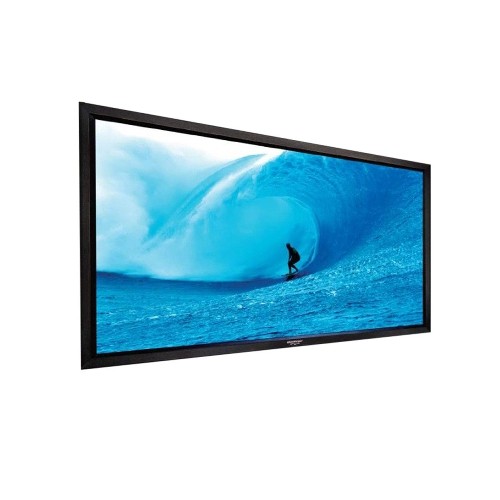
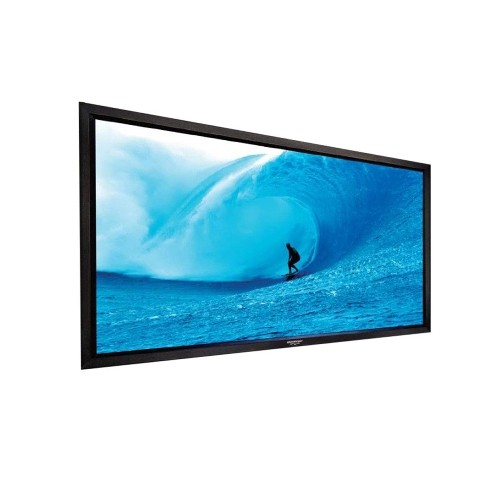
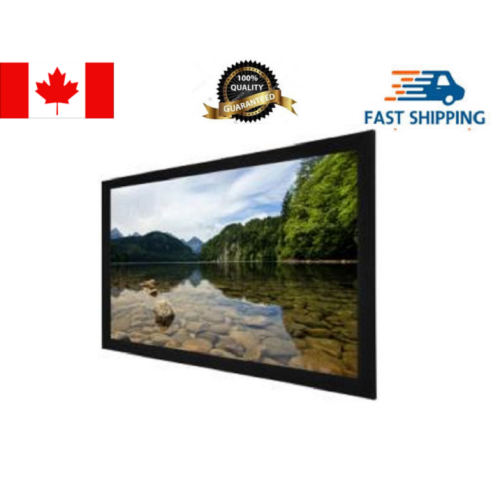
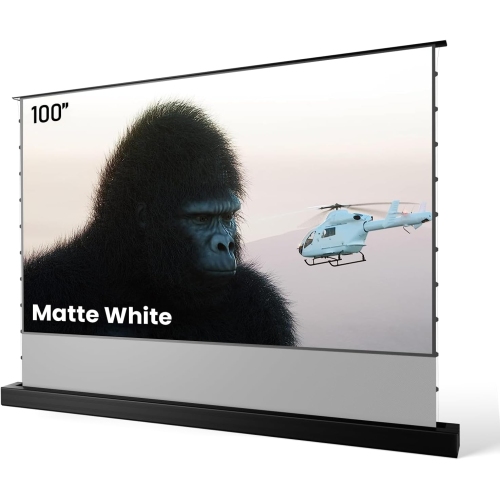
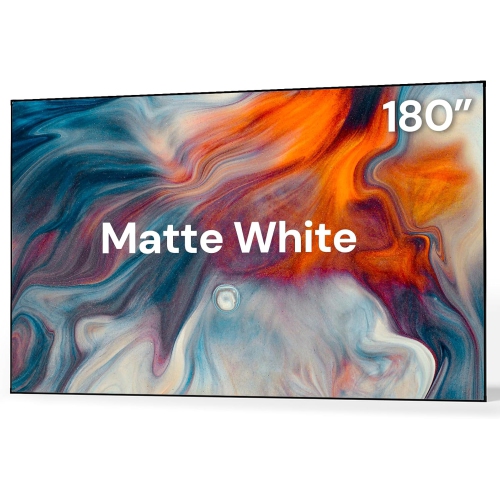
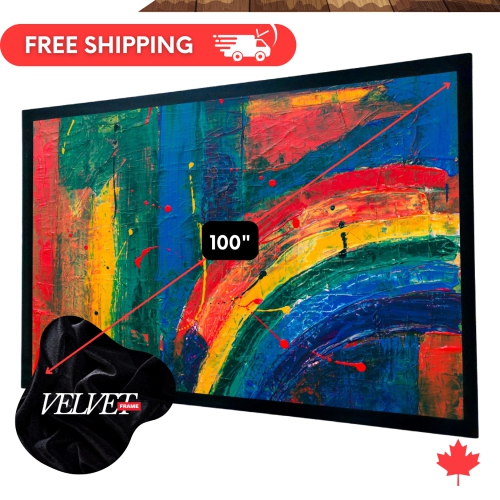
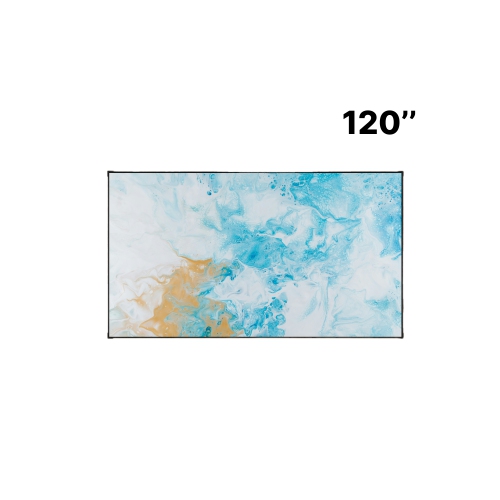
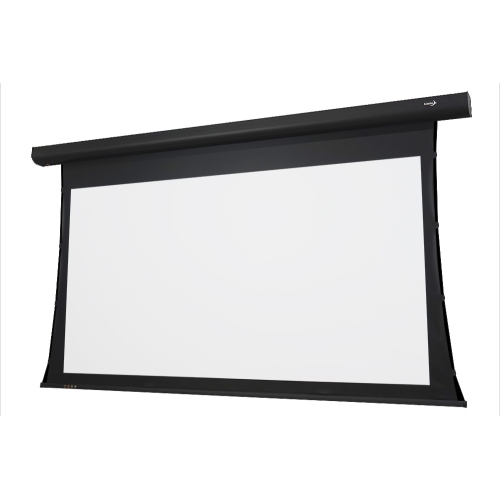
A fixed-frame screen has projection material attached to a rigid frame and stays on display. A retractable screen rolls into a wall-mounted or ceiling-mounted housing when not in use. Fixed-frame designs are common in dedicated viewing rooms, while retractable designs suit rooms used for multiple activities.
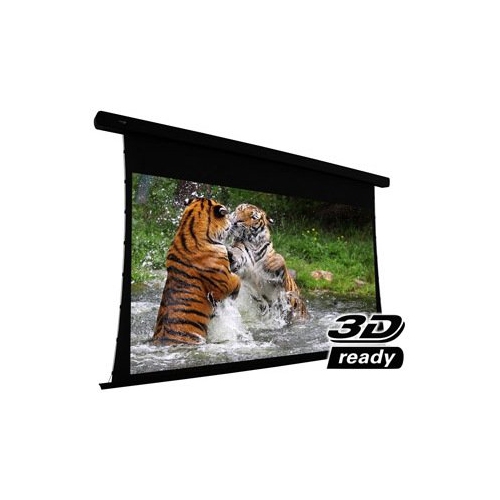
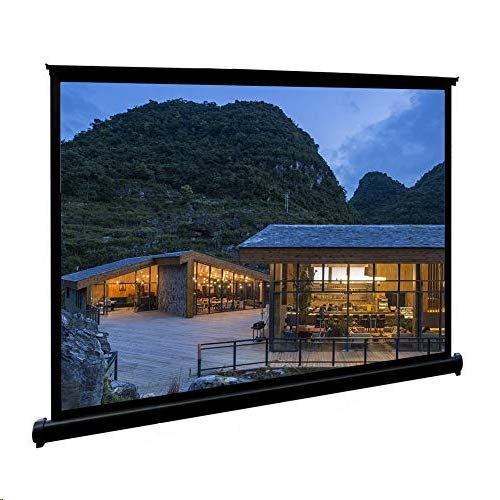
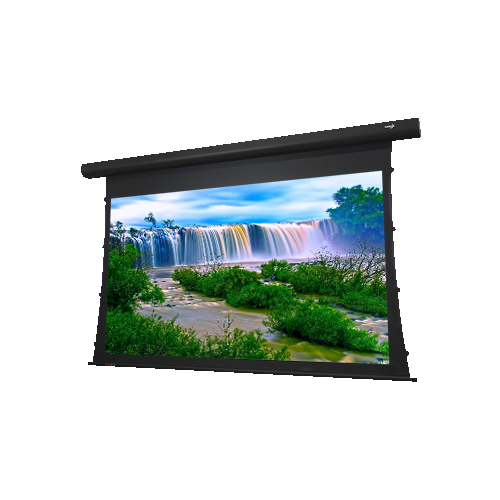
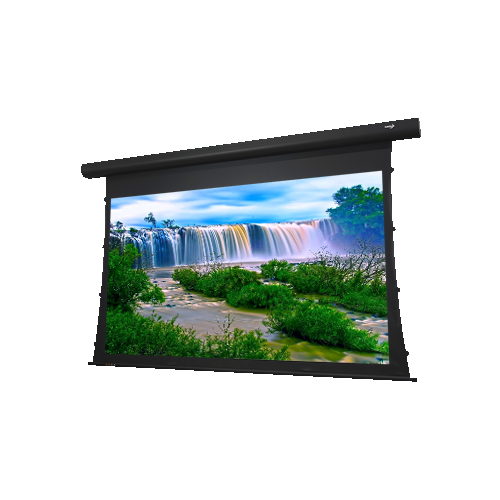
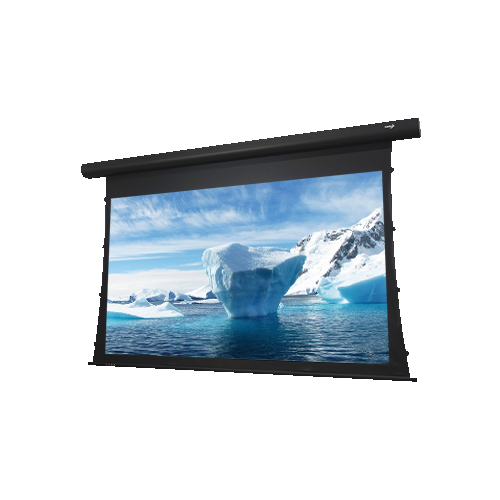
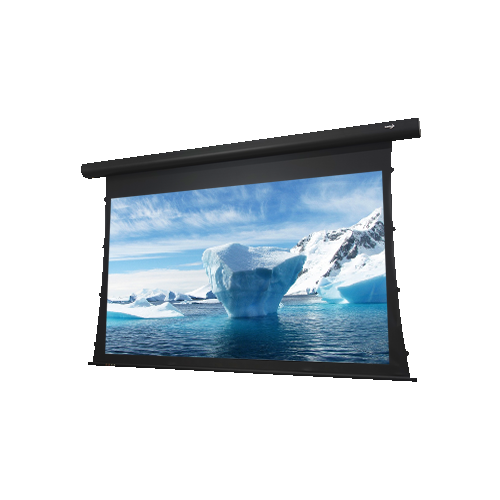
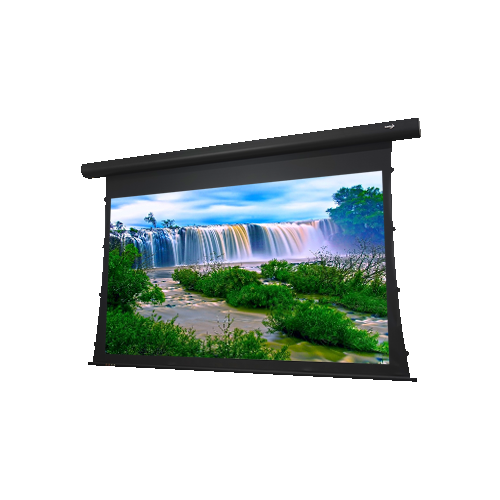
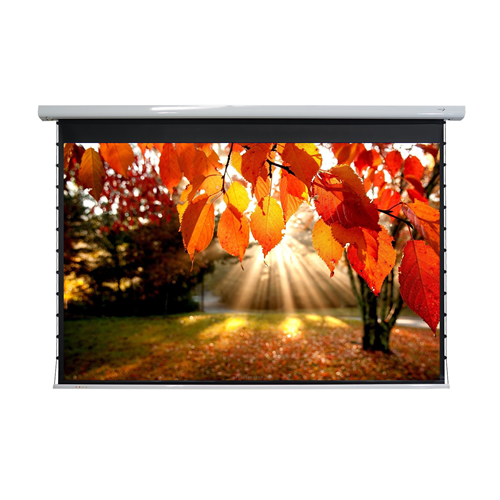
A tab-tensioned screen uses tabs along the edges of the projection material connected to tensioning cables. This mechanism holds the material under tension when the screen is extended. It is commonly found on retractable screens and differs from designs that rely only on a weighted bottom bar.
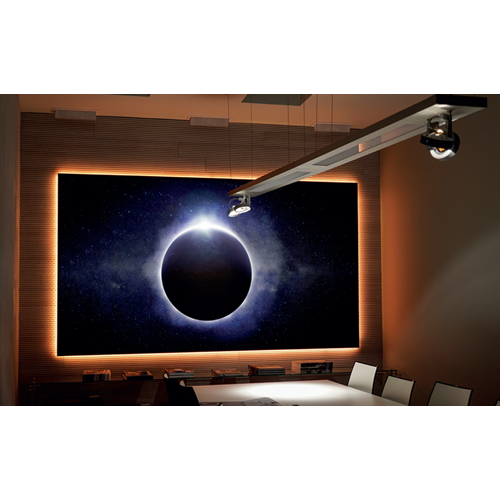
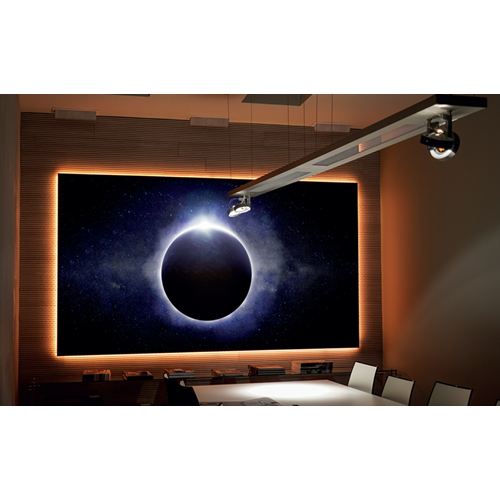
With front projection, the projector and audience are on the same side of the screen. With rear projection, the projector sits behind the screen, opposite the audience. Each arrangement uses screen material designed for that projection method, although some screens support both.
Depending on the model, motorized screens may use a wall switch, a handheld remote, or an integrated room-control system. Some also accept a compatible projector’s trigger signal to automate extension and retraction. Available controls and connection requirements vary by screen.
Top selling and popular products
Discover more categories related to Large Format Projection Screens

Some products may be subject to Environmental Handling Fees (EHF) depending on your province. Learn more about EHFs.