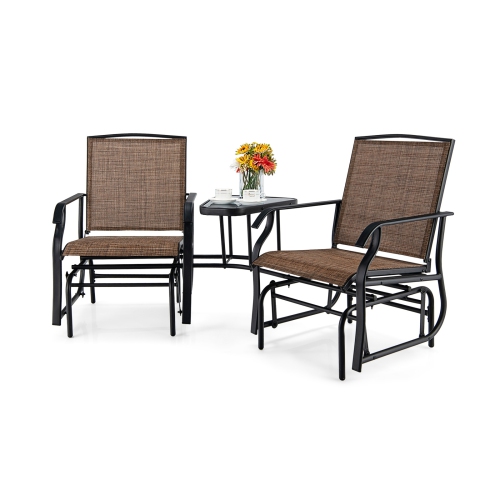
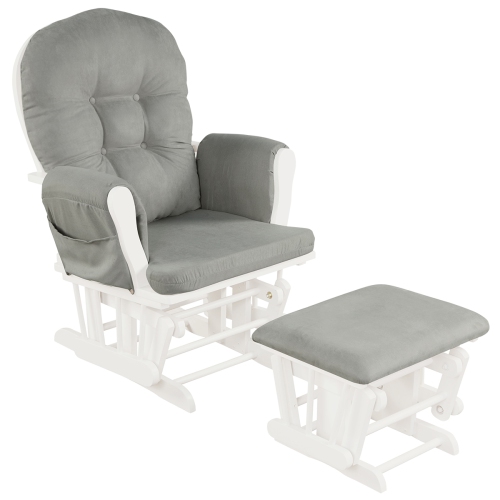
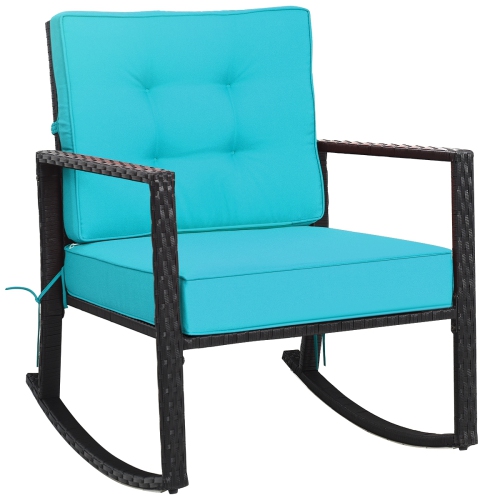
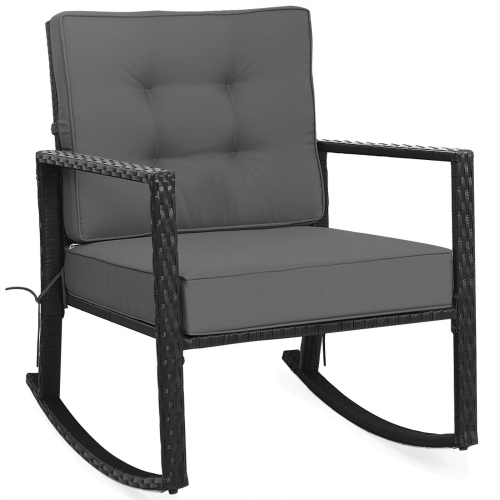
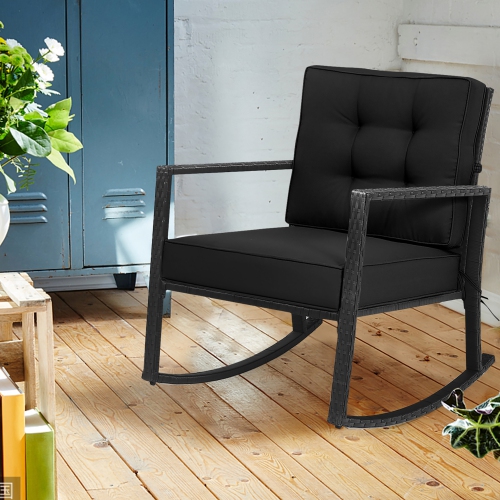
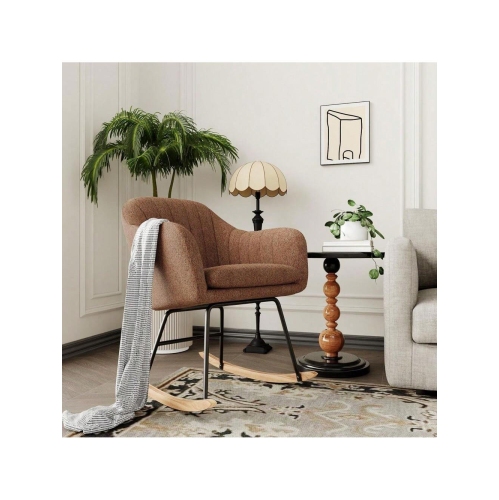
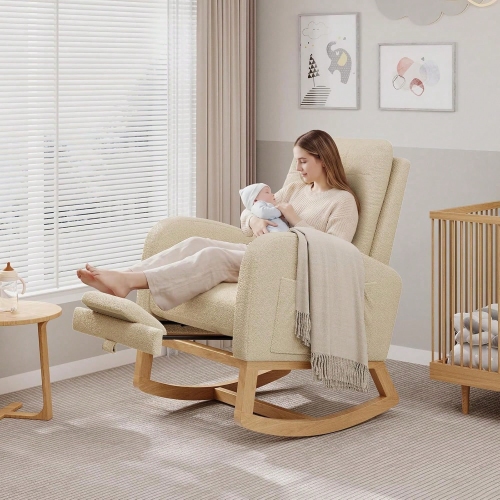
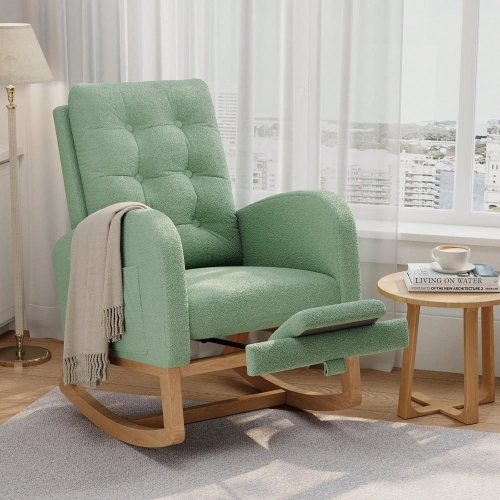
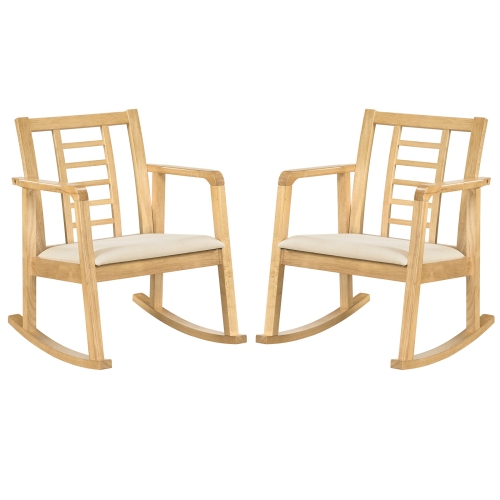
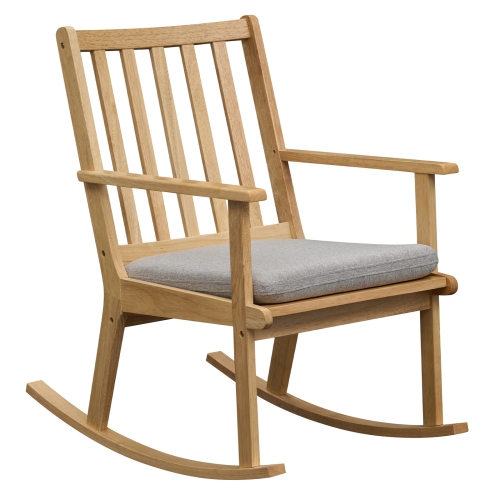
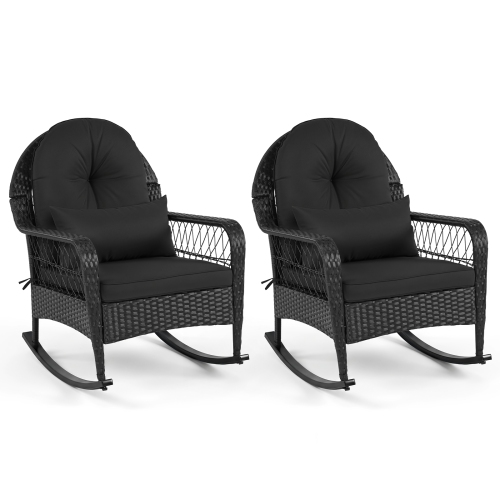
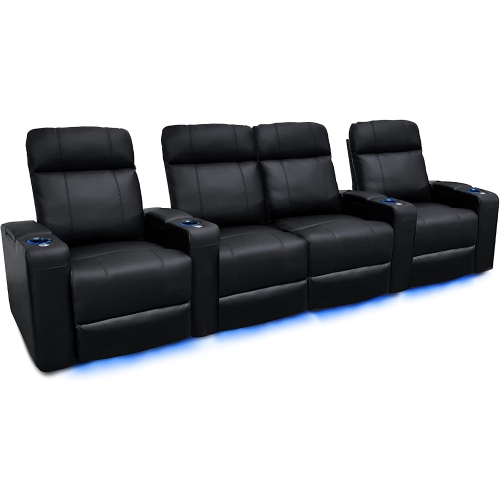
High-Quality Glider Rockers

Find high-quality glider rockers for a nursery, living room, or reading corner. When comparing glider chairs, consider seat dimensions, back support, and clearance for the gentle back-and-forth motion to choose seating that fits your space and comfort preferences.
Read More

Sort

Why gliding comfort depends on more than cushioning

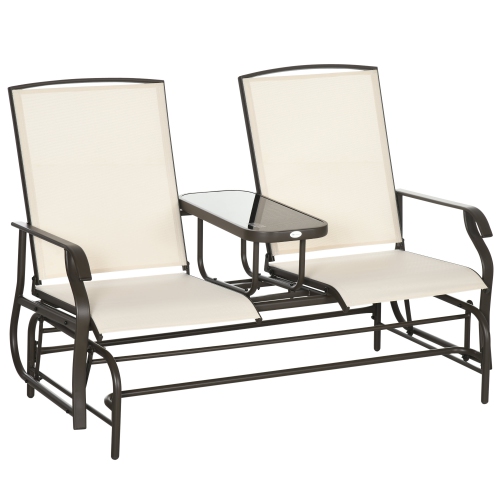
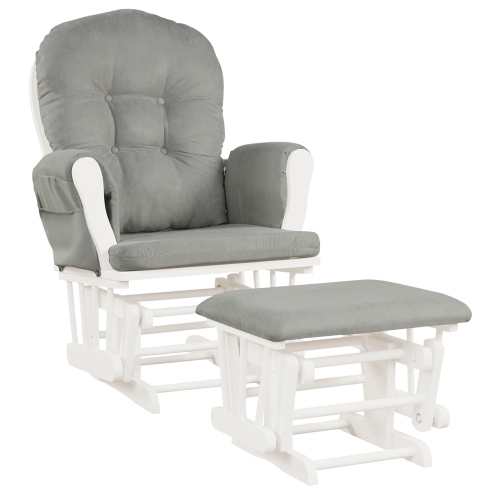
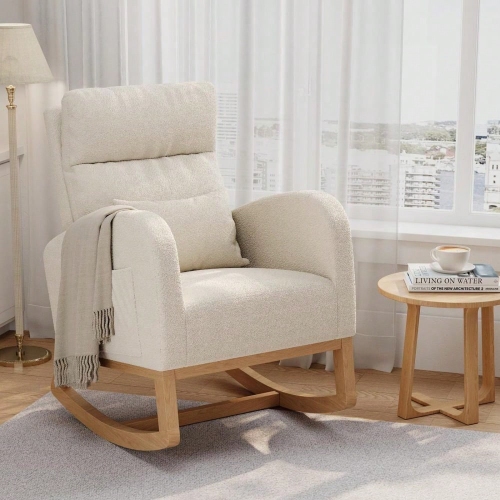
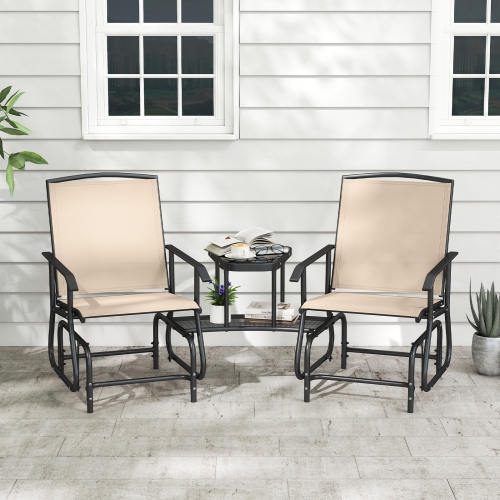
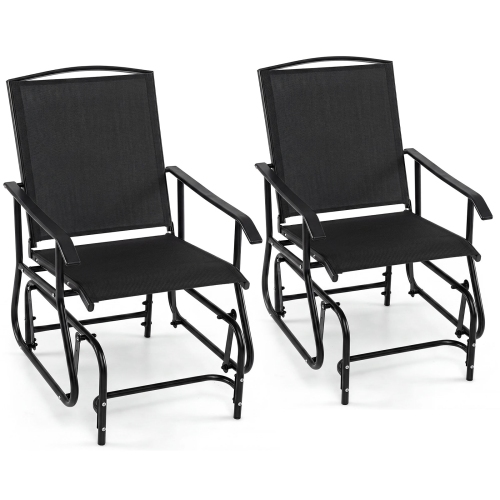
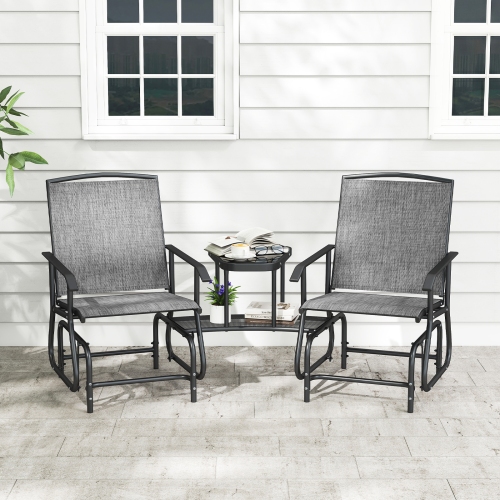
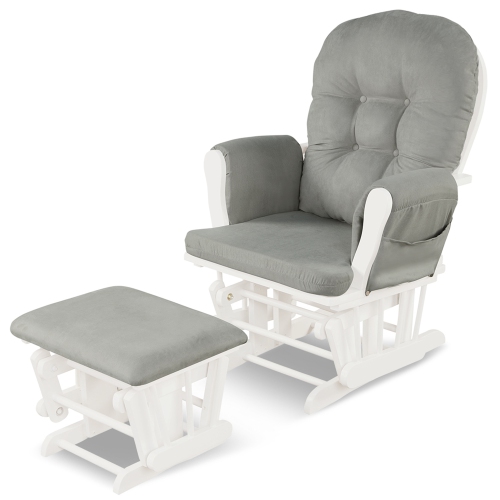
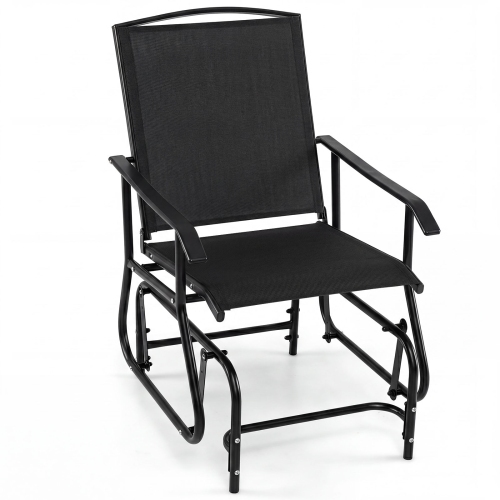
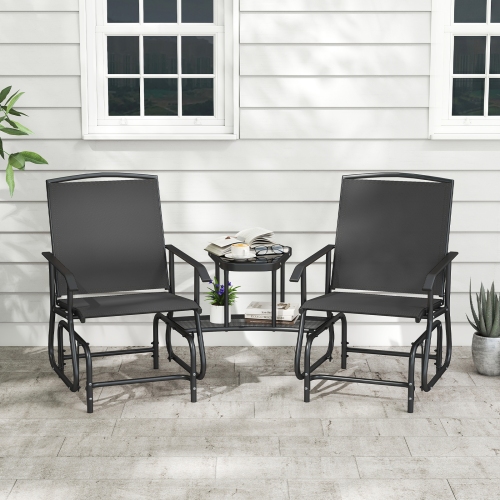
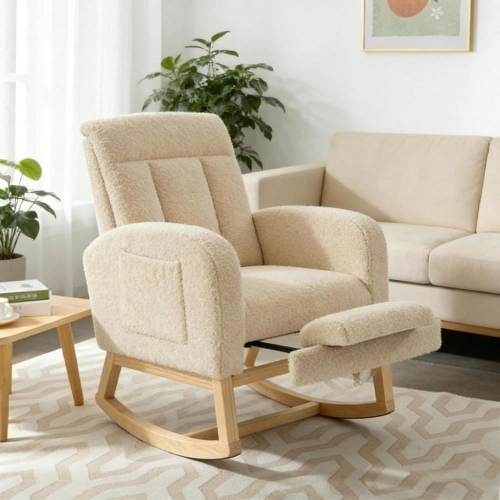
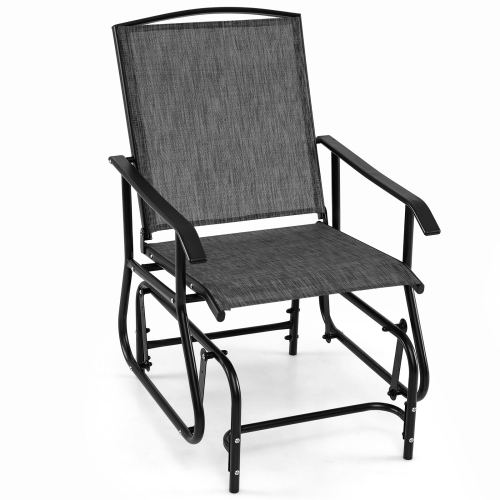
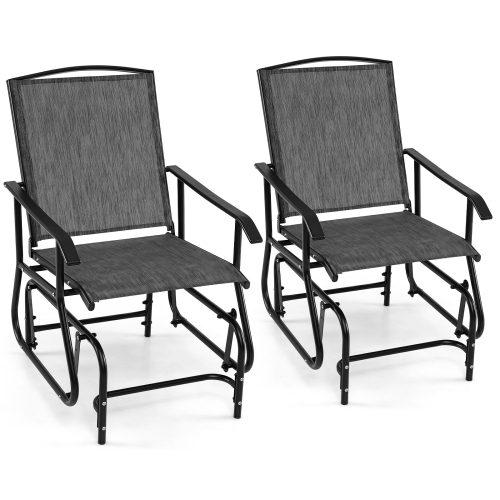
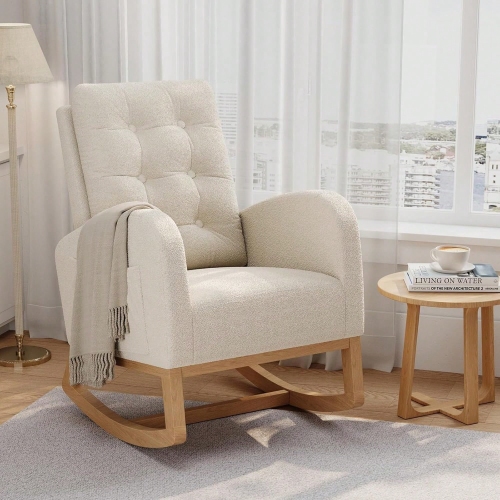
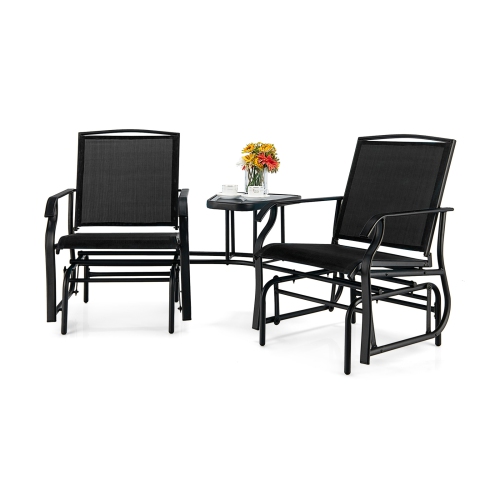
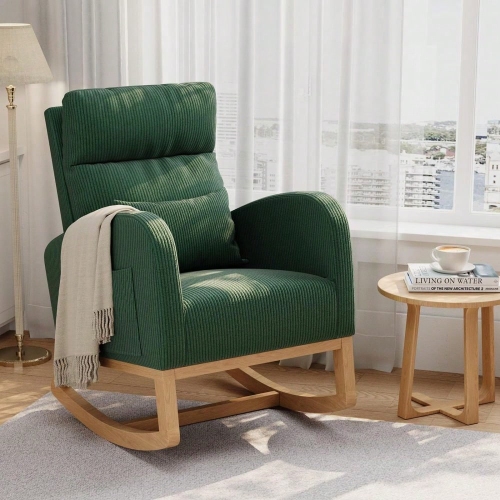
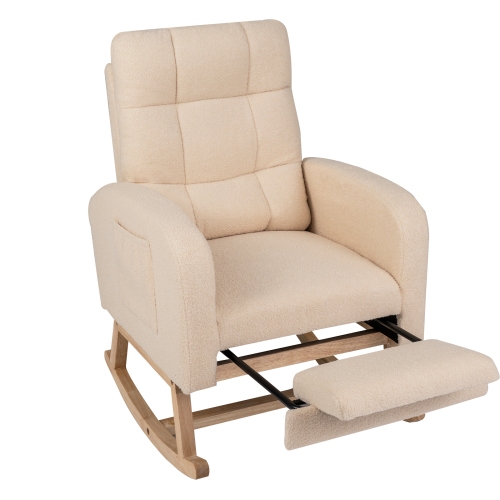
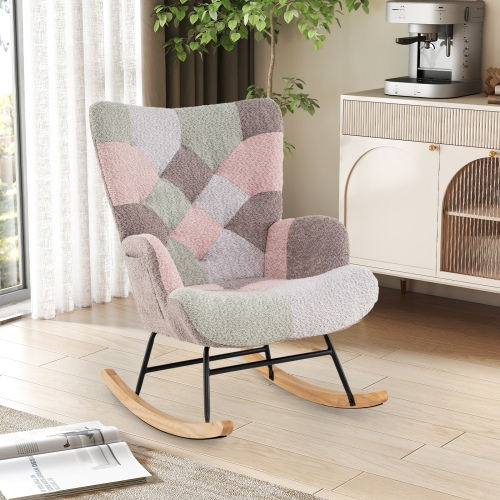
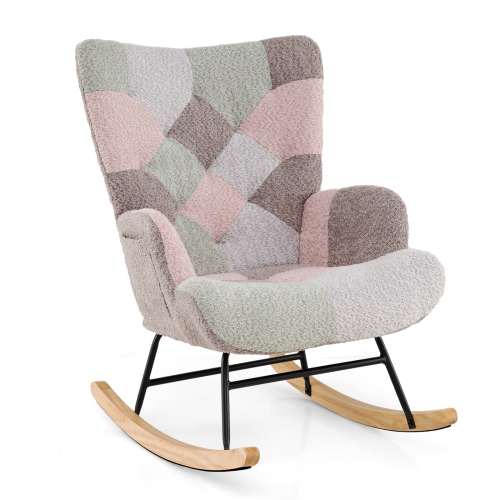
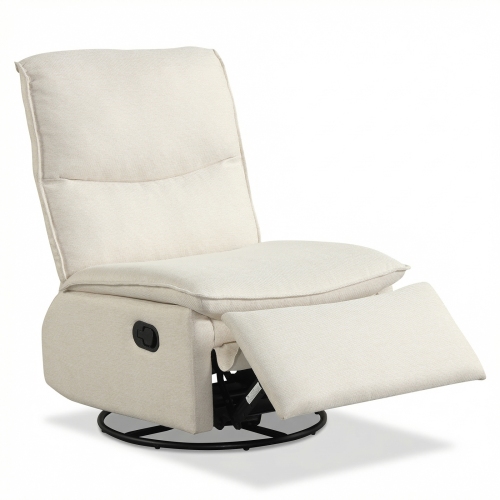
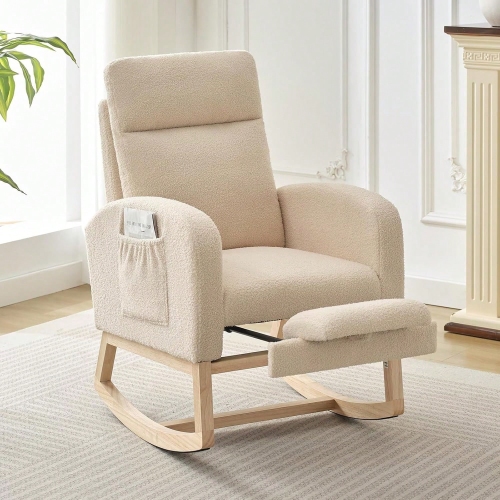
High-quality glider rockers pair a smooth, quiet gliding mechanism with a sturdy frame, supportive cushioning, and upholstery suited to everyday use. Unlike a traditional rocking chair that moves on curved runners, a glider typically uses a linkage, bearing, or track system to move the seat gently back and forth over a stationary base. That controlled motion makes glider rockers a comfortable choice for reading, feeding a baby, listening to music, or settling into a quiet conversation. Quality comes from how the whole chair works together: a well-supported seat, secure joints, balanced movement, and armrests positioned where the body naturally rests. Solid hardwood, well-built engineered wood, and metal components can all contribute to a durable structure, depending on the design and construction. The frame should feel stable as the user sits down, changes position, and stands up, while the moving parts should operate without scraping or excessive side-to-side play. Cushioning matters just as much as the mechanism. High-density foam can help a seat retain its shape, while layered cushioning may combine a supportive core with a softer surface. A deeply padded chair is not automatically more comfortable than a firmer one; the right balance keeps the body supported without making it difficult to get up. Backrest height, lumbar contouring, and arm padding also influence how a chair feels beyond the first few minutes. Someone who spends time reading may appreciate upper-back support, while a parent holding a baby may find broad, gently cushioned arms especially useful. Seat depth deserves attention because a seat that is too deep can leave a shorter person perched forward, while a shallow seat may offer limited thigh support for a taller person. Comfortable proportions allow the shoulders to relax, the back to rest against the cushion, and the feet to reach the floor or a suitable footrest. These details help distinguish a chair that simply looks inviting from one that remains comfortable through repeated daily use.

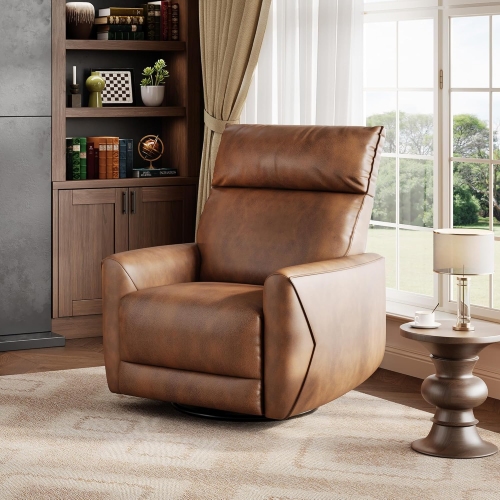
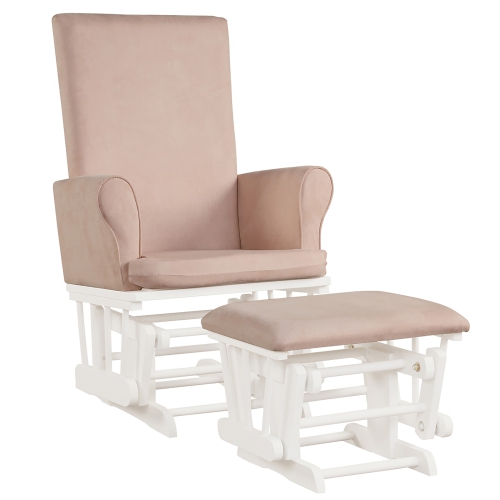
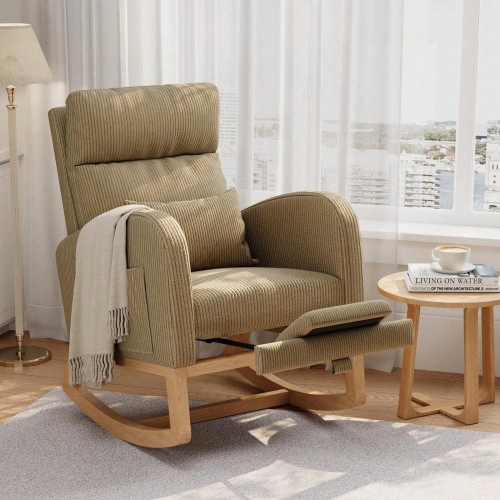
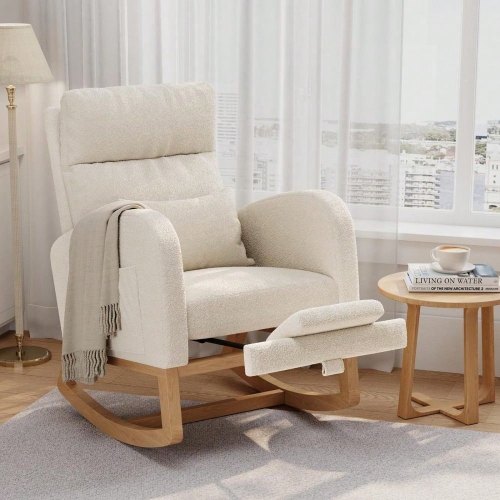
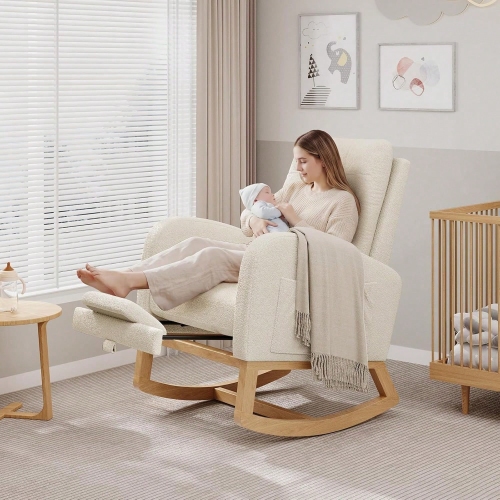
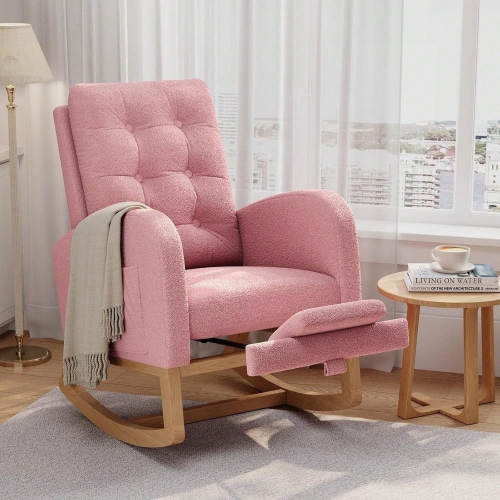
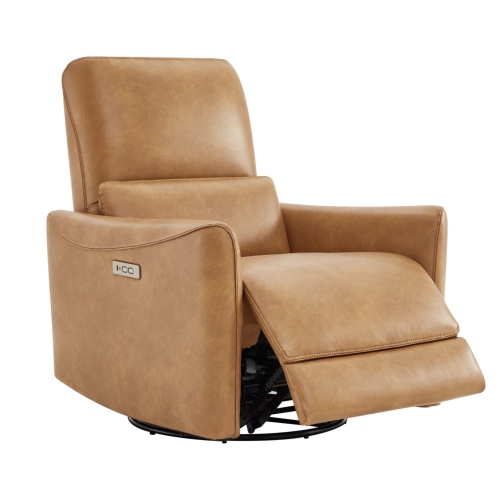
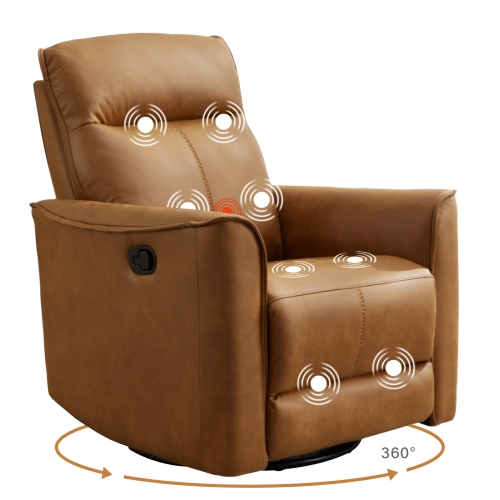
A glider rocker should fit both the person using it and the room around it. Overall width and depth tell only part of the story, since the chair also needs clearance for its full range of motion. A compact footprint can still require space behind the backrest or in front of the seat, particularly when reclining features are involved. In a nursery, that means leaving enough room between the chair, wall, cot, and nearby furniture so that the movement remains unobstructed. In a living room or bedroom, a clear path beside the chair makes it easier to approach with a book, carry a feeding pillow, or stand without stepping around a footstool. Gliding ottomans can extend support beneath the legs, though their motion and proportions should work comfortably with the chair. Swivel features add another kind of flexibility, allowing someone to turn towards a conversation or reach a nearby surface without shifting the entire chair. Reclining mechanisms offer a different resting position, but they also change the space needed and may introduce controls, cords, or moving footrests that require thoughtful placement. A locking feature, where included, can be useful for keeping the seat stationary when entering or leaving the chair; its operation should follow the manufacturer’s instructions. For households with children or pets, keeping fingers, paws, loose blankets, and trailing cords away from moving parts is an important part of everyday use. Nursery seating also has a clear boundary: a glider is a seat for an awake caregiver, not a safe sleep surface for an infant. A baby who falls asleep during feeding or soothing should be moved to an appropriate infant sleep space. Beyond the nursery, the same gentle movement can make a glider a welcome addition to a reading corner, shared family room, or quiet bedroom. For anyone who finds low seating difficult to leave, seat height, armrest position, and a stable base deserve particular attention, since these practical details affect how easily the chair can be used throughout the day.

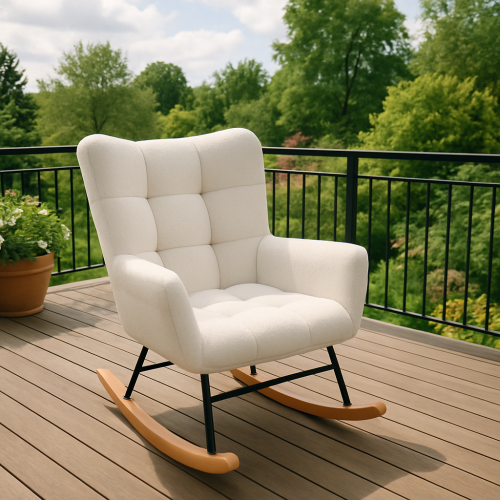
Upholstery shapes the appearance, feel, and upkeep of high-quality glider rockers. Woven fabrics can bring visible texture to a room, while smoother upholstery may suit a cleaner-lined look. Tightly woven surfaces can be practical in frequently used seating areas, although resistance to spills, snagging, and abrasion depends on the actual fabric rather than its appearance alone. Performance treatments, removable covers, and washable components are useful features only when the care instructions confirm what they can handle. A removable cushion cover, for example, is not necessarily machine washable. Leather and leather-look upholstery have their own care requirements, and cleaning methods that suit one material may damage another. Routine care generally centres on removing loose dust and crumbs, attending to spills promptly, and using only cleaning products approved for the upholstery. Moving mechanisms may also need occasional inspection or maintenance according to the manufacturer’s directions; adding lubricant without checking those directions can attract debris or affect finishes. Durability is often easier to assess through practical construction details than through plushness alone. Even seams, securely attached upholstery, stable armrests, and cushions that return to shape all contribute to a chair that handles regular use well. Weight capacity and assembly requirements should also match the household’s needs. Visually, exposed wood arms can give a glider a traditional furniture character, while fully upholstered sides create a softer silhouette that blends easily with a sofa or accent chair. Colour can either connect the glider to existing furnishings or give a reading corner its own identity, and fabric texture can add interest without relying on a bold pattern. Related seating styles can also be explored through Affordable Glider Chairs, with the same attention to supportive proportions, sturdy construction, and manageable care. As a gift for new parents or someone furnishing a favourite sitting space, a glider is most thoughtful when its dimensions, upholstery, and seating feel reflect the recipient’s preferences. The lasting appeal comes from that combination of gentle movement, dependable support, and a comfortable place in the household’s everyday routines.
Read More

FAQ

Some products may be subject to Environmental Handling Fees (EHF) depending on your province. Learn more about EHFs.