Decorative Garlands
Transform any space into a festive haven with our enchanting selection of decorative garlands. Perfect for adding a touch of charm and elegance to your home, these versatile adornments are ideal for every season and occasion. Whether you're looking to create a cozy atmosphere for the holidays, enhance your everyday décor, or celebrate a special event, our collection offers an array of colors, textures, and styles to suit your taste. Discover how these delightful garlands can effortlessly elevate your space, making it warm and inviting all year round.
Sort
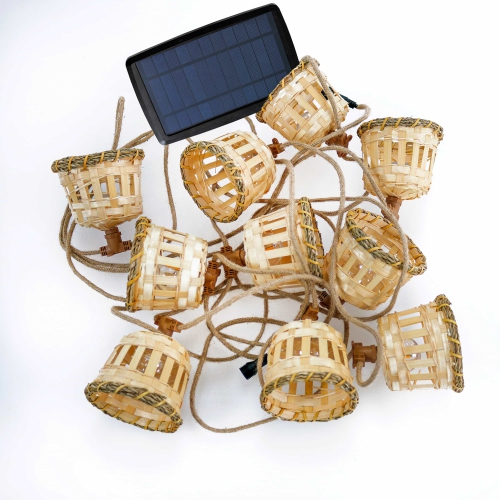
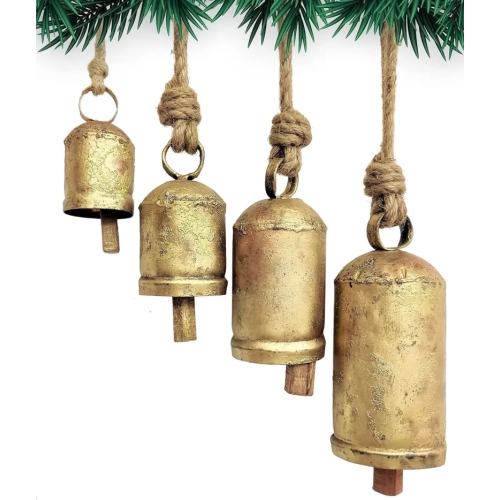

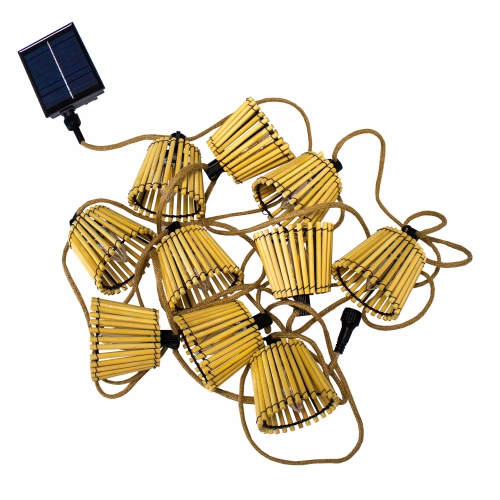
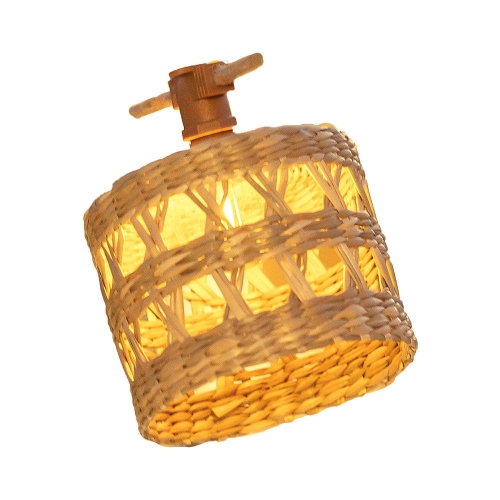

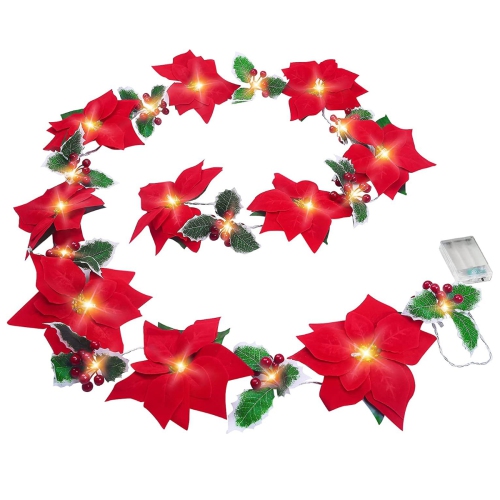
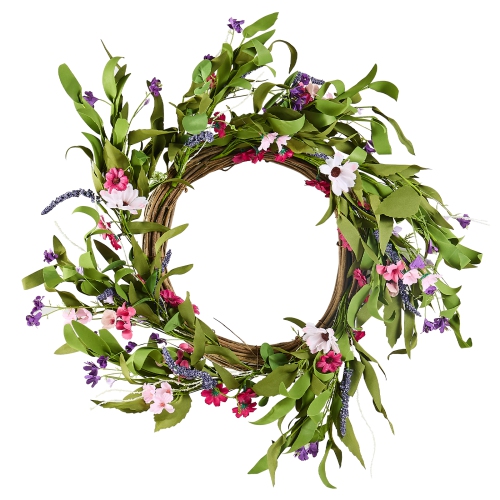
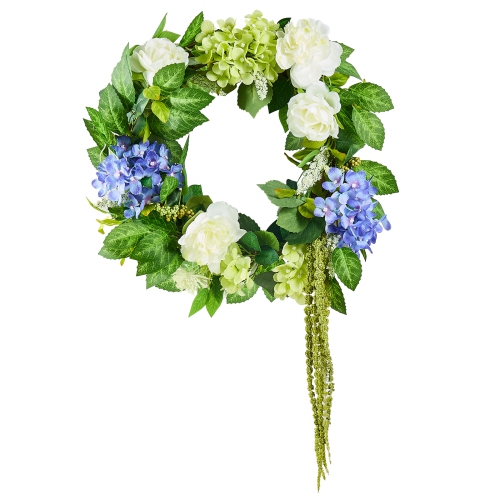
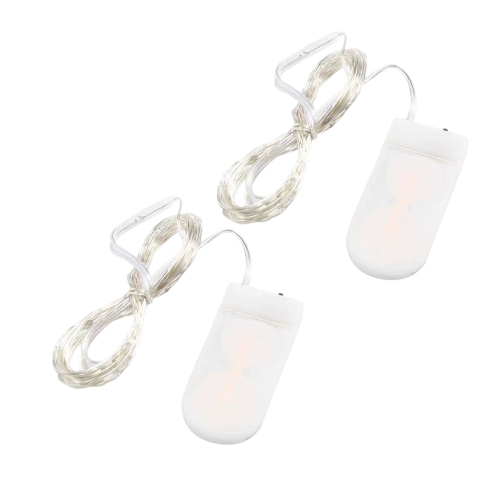
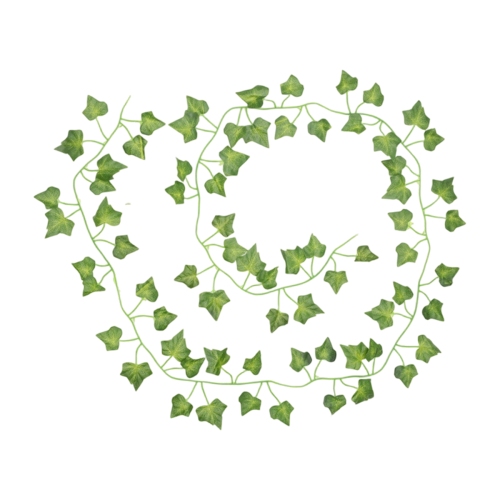
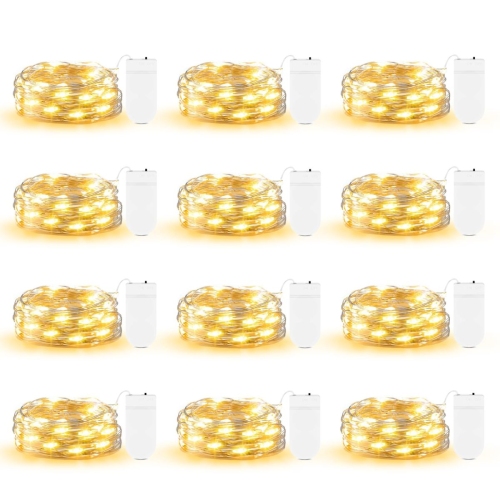
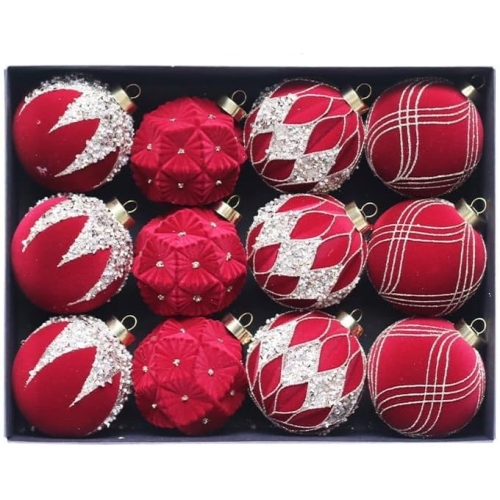
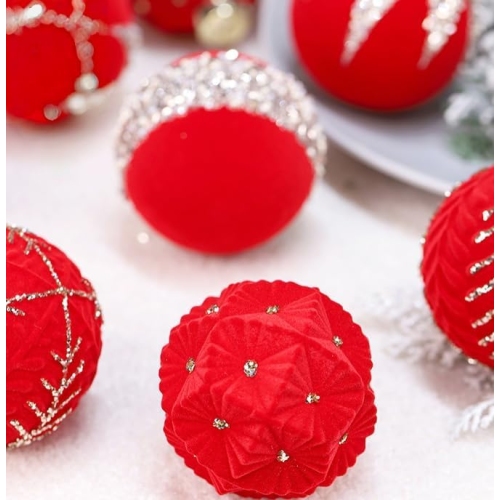
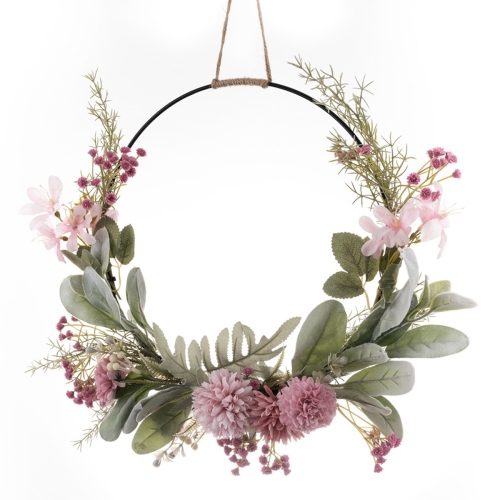
Texture and colour without taking up floor space
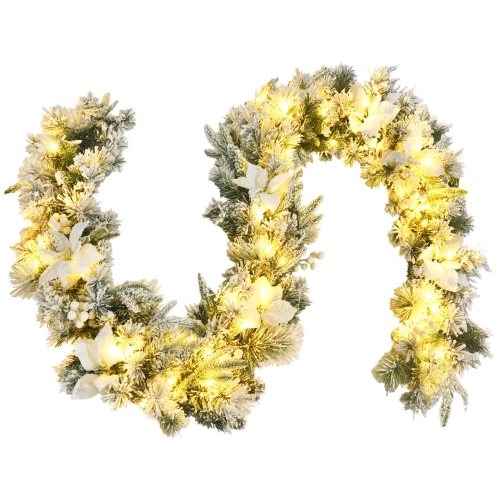
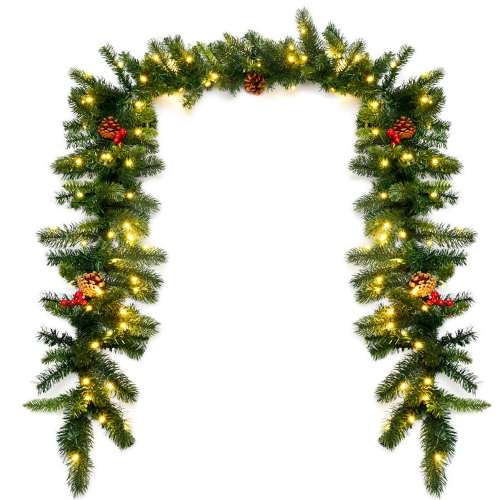
Decorative garlands are connected strands of foliage, flowers, beads, fabric, paper, or other ornamental elements designed to drape, hang, or frame a space. They add texture and colour to mantels, doorways, shelves, tables, and event backdrops without taking up much floor space. Their flexible shape makes them particularly useful where a framed picture or freestanding arrangement would not fit: along the edge of a bookcase, around a welcome sign, or across the front of a dessert table. Artificial greenery garlands create a leafy outline, with trailing ivy offering a loose, flowing look and mixed foliage providing a fuller silhouette. Floral garlands introduce softer shapes and more concentrated colour, from small blossoms woven through leaves to dense strands that suit a wedding arch or photo backdrop. Wooden bead garlands bring a more understated finish to a shelf or console, while fabric tassels, felt shapes, and paper cut-outs lend themselves to birthday parties and other celebrations. Metallic strands catch the light and create a different effect from matte leaves or woven fibres, especially against a plain wall. The surrounding furnishings help determine which style feels at home. A fine strand of pale wooden beads can sit comfortably beside ceramics and linen, while a broad floral arrangement has enough visual presence to frame a large mirror. Colour can tie the arrangement together without matching every detail: a flower shade repeated in a cushion, or a ribbon that picks up the colour of table napkins, gives the room a considered finish. Garlands also work well as a repeated design element across an event, connecting the entrance, dining area, and backdrop through a shared material or palette. For everyday spaces, a single strand can provide a modest accent; for celebrations, fuller arrangements can help define a focal point without requiring several separate ornaments.
Materials affect how a garland looks, feels, hangs, and holds up to handling. Artificial foliage may use moulded plastic leaves, textile leaves, or a mixture of both, and the construction influences everything from surface texture to how naturally the strand falls. Moulded leaves can provide defined veins and edges, while textile foliage often has a softer drape. Flowers described as silk are not necessarily made from silk fibre, so the stated material is more useful than the style name when considering care. Fabric and felt garlands offer a soft, matte appearance, though unfinished edges and loosely attached shapes may need gentler handling. Paper designs are lightweight and well suited to temporary displays in dry indoor spaces, but folds, tears, and splashes can leave lasting marks. Wooden beads add weight and a solid texture; their finish determines whether they look smooth and polished or more rustic. A wired core allows foliage and flowers to be shaped around corners, whereas a cord or ribbon base generally hangs in a softer curve. Length alone does not establish the right fit. A strand draped in deep scallops across a mantel needs more length than one stretched along its edge, and trailing ends require additional room. Width and fullness matter just as much: a thick garland may overwhelm a narrow shelf, while a fine strand can disappear against a large wall. On a dining table, a low arrangement leaves space for conversation and serving dishes, with loose leaves or fibres kept clear of food. Around a doorway, the finished display should leave an unobstructed opening rather than brushing against people as they pass. Placement beyond the home calls for different construction, and Outdoor Garlands suit that setting when their stated use and material ratings match the exposure. An indoor garland does not gain moisture or fade resistance simply because it is placed under a covered entrance.
The details of assembly and attachment often determine how easily a garland can be used again. Securely fastened leaves, tightly threaded beads, reinforced hanging loops, and neatly finished ends are useful qualities for strands that will be moved between displays. Weight should suit both the support and the fixing method, particularly when several strands are layered together. Hooks and clips need an appropriate load rating and a surface they are designed to grip; an adhesive intended for smooth tile may not hold reliably on textured paint or unfinished wood. A balanced arrangement spreads the weight across several suitable attachment points rather than pulling heavily from one end. On a staircase, the handrail still needs to be easy to grasp, and no trailing section should reach the steps. Garlands near a fireplace must remain outside the clearances specified for the appliance, and all materials should be kept away from open flames. If lights are part of the display, their placement rating and power requirements matter separately from those of the garland. Battery compartments, switches, and connections should remain accessible rather than buried beneath tightly wrapped foliage. In homes with young children or pets, hanging cords, small detachable pieces, and chewable materials belong well out of reach; ornamental garlands are not toys and should not hang over a cot. Care is usually simplest when it follows the material: gentle dusting can freshen many artificial leaves, while paper, unfinished wood, and delicate fabric may be damaged by soaking. Manufacturer care directions take priority, particularly for flocked, glittered, painted, or illuminated designs. Between uses, loose coils and a roomy storage container help prevent crushed flowers, tangled cords, and sharply bent stems. Separating delicate sections with tissue can protect their shape, and removable batteries are best stored according to the lighting instructions. These practical details make garlands useful for households that enjoy rearranging a room, hosts preparing a celebration, and event planners building coordinated displays. They can also make a thoughtful housewarming gift when the recipient’s preferred colours, available space, and decorating style are known. A well-proportioned strand offers plenty of flexibility, moving from a console to a mantel or becoming part of a table arrangement without demanding a complete change to the room.
Materials affect how a garland looks, feels, hangs, and holds up to handling. Artificial foliage may use moulded plastic leaves, textile leaves, or a mixture of both, and the construction influences everything from surface texture to how naturally the strand falls. Moulded leaves can provide defined veins and edges, while textile foliage often has a softer drape. Flowers described as silk are not necessarily made from silk fibre, so the stated material is more useful than the style name when considering care. Fabric and felt garlands offer a soft, matte appearance, though unfinished edges and loosely attached shapes may need gentler handling. Paper designs are lightweight and well suited to temporary displays in dry indoor spaces, but folds, tears, and splashes can leave lasting marks. Wooden beads add weight and a solid texture; their finish determines whether they look smooth and polished or more rustic. A wired core allows foliage and flowers to be shaped around corners, whereas a cord or ribbon base generally hangs in a softer curve. Length alone does not establish the right fit. A strand draped in deep scallops across a mantel needs more length than one stretched along its edge, and trailing ends require additional room. Width and fullness matter just as much: a thick garland may overwhelm a narrow shelf, while a fine strand can disappear against a large wall. On a dining table, a low arrangement leaves space for conversation and serving dishes, with loose leaves or fibres kept clear of food. Around a doorway, the finished display should leave an unobstructed opening rather than brushing against people as they pass. Placement beyond the home calls for different construction, and Outdoor Garlands suit that setting when their stated use and material ratings match the exposure. An indoor garland does not gain moisture or fade resistance simply because it is placed under a covered entrance.
The details of assembly and attachment often determine how easily a garland can be used again. Securely fastened leaves, tightly threaded beads, reinforced hanging loops, and neatly finished ends are useful qualities for strands that will be moved between displays. Weight should suit both the support and the fixing method, particularly when several strands are layered together. Hooks and clips need an appropriate load rating and a surface they are designed to grip; an adhesive intended for smooth tile may not hold reliably on textured paint or unfinished wood. A balanced arrangement spreads the weight across several suitable attachment points rather than pulling heavily from one end. On a staircase, the handrail still needs to be easy to grasp, and no trailing section should reach the steps. Garlands near a fireplace must remain outside the clearances specified for the appliance, and all materials should be kept away from open flames. If lights are part of the display, their placement rating and power requirements matter separately from those of the garland. Battery compartments, switches, and connections should remain accessible rather than buried beneath tightly wrapped foliage. In homes with young children or pets, hanging cords, small detachable pieces, and chewable materials belong well out of reach; ornamental garlands are not toys and should not hang over a cot. Care is usually simplest when it follows the material: gentle dusting can freshen many artificial leaves, while paper, unfinished wood, and delicate fabric may be damaged by soaking. Manufacturer care directions take priority, particularly for flocked, glittered, painted, or illuminated designs. Between uses, loose coils and a roomy storage container help prevent crushed flowers, tangled cords, and sharply bent stems. Separating delicate sections with tissue can protect their shape, and removable batteries are best stored according to the lighting instructions. These practical details make garlands useful for households that enjoy rearranging a room, hosts preparing a celebration, and event planners building coordinated displays. They can also make a thoughtful housewarming gift when the recipient’s preferred colours, available space, and decorating style are known. A well-proportioned strand offers plenty of flexibility, moving from a console to a mantel or becoming part of a table arrangement without demanding a complete change to the room.
Top selling and popular products
-
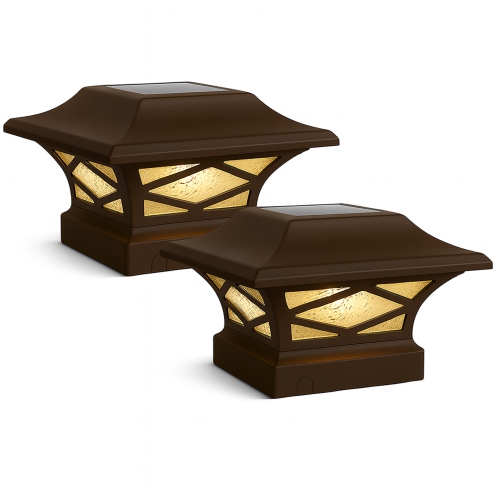 Your price for this item is $99.99
 -
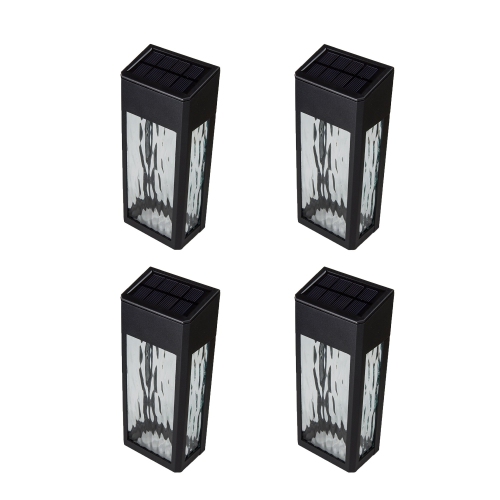 Your price for this item is $73.99
 -
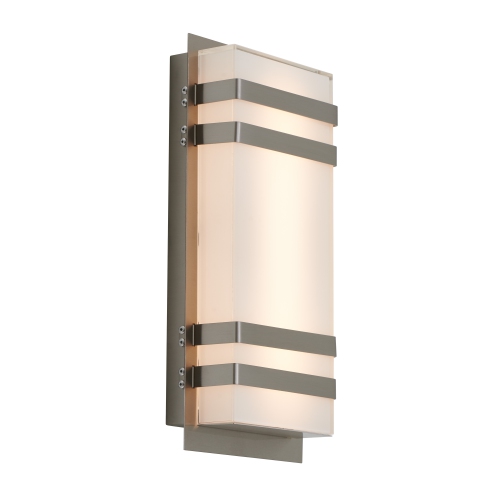 Your price for this item is $69.99
 -
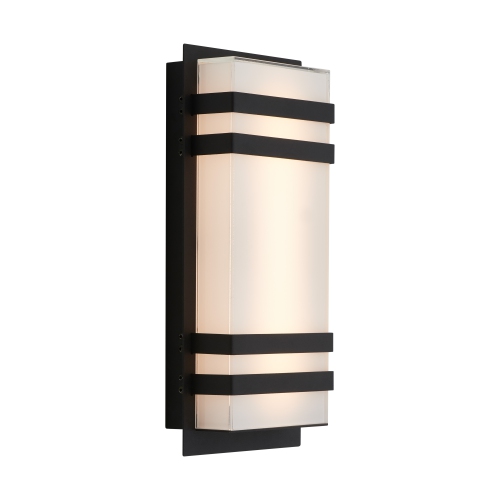 Your price for this item is $59.99
 -
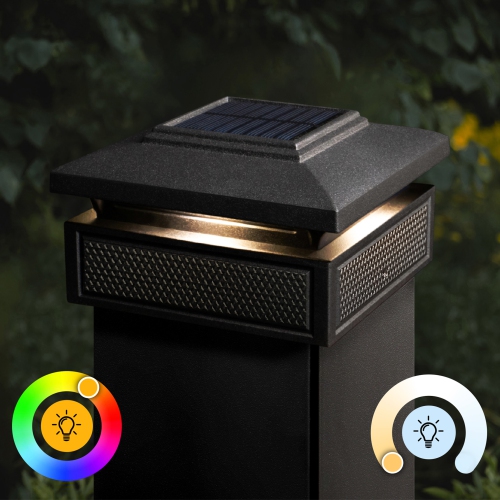 Your price for this item is $99.99
 -
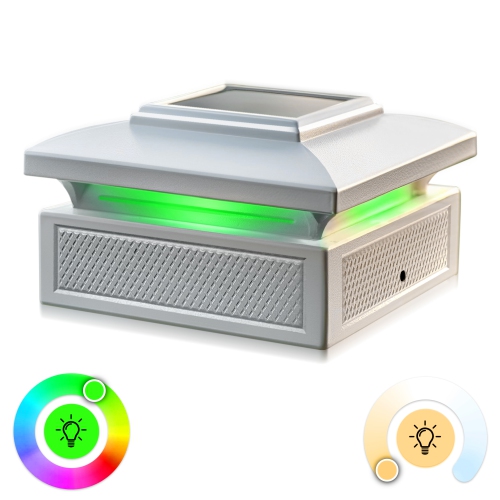 Your price for this item is $99.99
 -
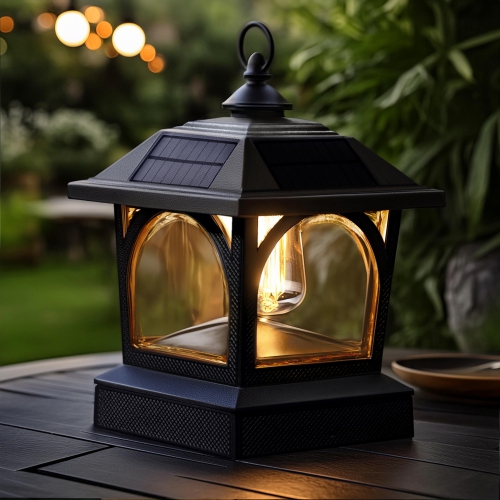 Your price for this item is $99.99
 -
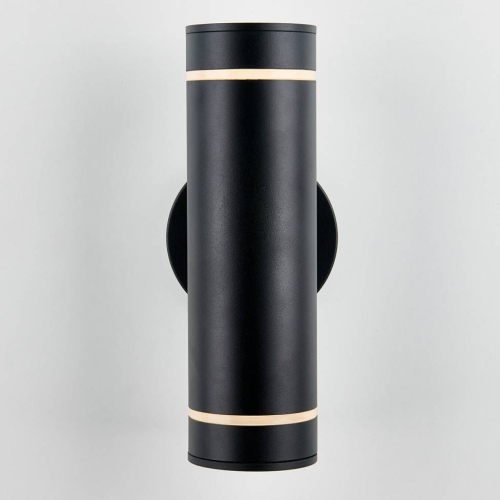 Your price for this item is $99
Discover more categories related to Decorative Garlands

Top Collections:
Pokemon Centers, Kindle Devices, Best Budget Office Chairs, Apple iPhones 16, Canon G7X Cameras, iPhone 15 Apple, Alarm Clock, Refurbished Apple Laptops, Flip Phones, Best Laptops for Writers
Some products may be subject to Environmental Handling Fees
(EHF) depending on your province.
Learn more about EHFs.