Good Quality Ceiling Speakers
If you're looking for a way to improve the sound of your music, movies, or games, or if you're building a home theater and want to make sure you get the best possible sound from your components, then ceiling speakers might be right for you. They're easy to install, they don't take up much space, and they can add a lot of bass to your music.
Sort

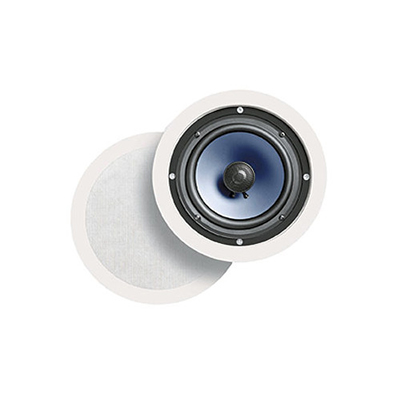

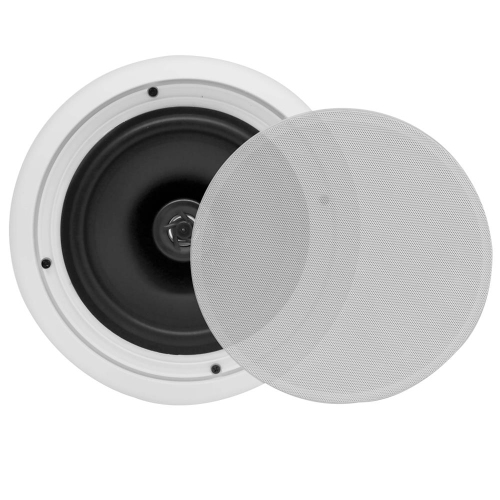
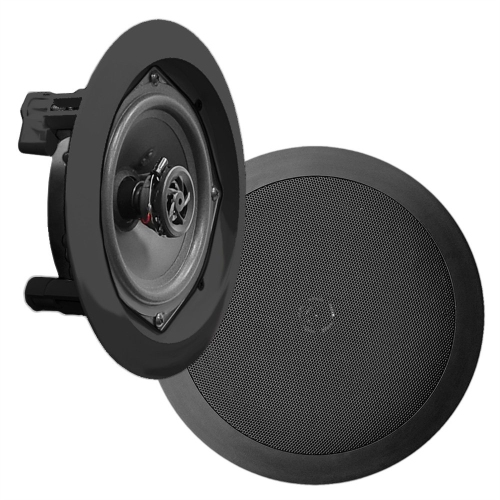


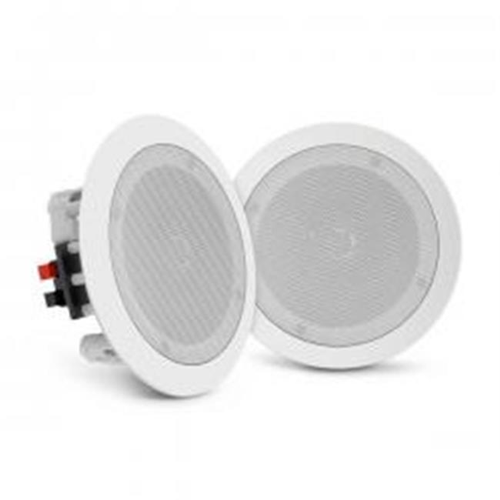

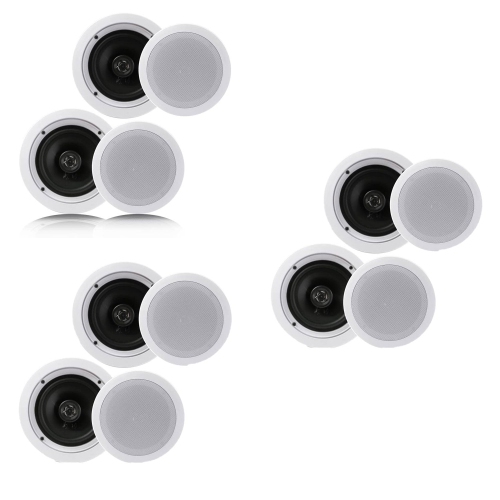
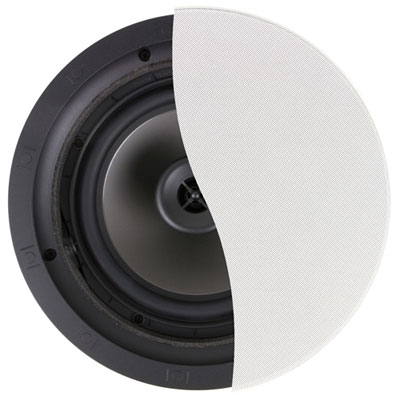


Clear sound throughout the room without visible speaker cabinets
Good quality ceiling speakers deliver clear vocals, balanced instruments, and even sound coverage while keeping cabinets, cables, and stands out of the living space. Set flush into the ceiling, they suit rooms where music should feel present without becoming the visual centre of attention. In a kitchen, that might mean hearing a favourite album clearly from both the island and the dining table; in a living room, it might mean enjoying relaxed listening without adding another piece of furniture. The best fit depends on the room, the listening position, and the role the speakers will play. Background music benefits from broad sound dispersion, which helps keep volume more consistent as people move around. More focused listening calls for careful stereo placement, with left and right channels arranged to create a convincing sense of space rather than sound coming mainly from one corner. A single stereo-input ceiling speaker can be useful in a small room with space for only one cutout, since a compatible design reproduces both channels through one assembly. Driver size also affects performance, although a larger speaker is not automatically a better speaker. Larger woofers generally have more potential for bass output, while the driver design, installation cavity, and amplifier all influence the result. A well-matched tweeter adds clarity to voices, strings, and cymbals without making them sound sharp. Pivoting tweeters or angled driver assemblies can help direct sound towards a seating area, especially when the ideal mounting position is limited by the ceiling layout. For home theatre, ceiling speakers are often used for overhead effects in an immersive surround system. They generally complement, rather than replace, front speakers positioned near ear level, where dialogue and on-screen action should remain anchored. A separate subwoofer can supply the deeper bass that compact architectural speakers may not reproduce with the same weight. These distinctions make intended use more meaningful than a power rating alone.
Materials and construction influence how ceiling speakers sound, how neatly they fit, and how well they hold up after installation. Woofer cones may use polypropylene, treated paper, woven fibre, or other materials, each with different combinations of stiffness, weight, and damping. No single cone material guarantees superior audio; the quality of the complete driver assembly and crossover matters more than an isolated specification. Rubber surrounds are common because they allow controlled cone movement, while a rigid mounting frame helps keep the assembly secure. Low-profile grilles offer a discreet finish, and paintable versions can blend with the ceiling colour when finished according to the manufacturer’s directions. Heavy paint can obstruct grille openings, so a paintable surface still needs careful preparation and application. Physical fit is equally important. The visible grille diameter, required cutout diameter, and mounting depth are different measurements, and all three affect whether a speaker will work in a particular location. A nominal 6.5-inch or 8-inch speaker size typically describes the woofer rather than the opening needed in the ceiling. Joists, ductwork, wiring, plumbing, and the thickness of the ceiling material can restrict placement, particularly in a finished room. Shallow-mount designs may suit tighter cavities, but they still need the clearance specified for the enclosure, connectors, and mounting clamps. Some speakers have integrated back boxes, while others are designed to use the ceiling cavity; compatible enclosures can help control acoustic loading and reduce some sound transfer into adjacent spaces, though they do not make a room soundproof. Bathrooms introduce another requirement: materials and construction suited to humidity. Moisture-resistant speakers may use treated components and corrosion-resistant grilles, but resistance to damp air does not necessarily mean protection against direct water spray. Suitability depends on the stated rating and permitted installation location. The Best Bathroom Ceiling Speakers page brings that room-specific consideration into focus for shoppers seeking unobtrusive audio around a vanity or bath area. Kitchens can also benefit from suitably protected designs where steam is a concern.
Most passive ceiling speakers need speaker cable and a compatible amplifier or receiver, so their performance depends on the wider audio system as much as the speakers themselves. An impedance rating indicates the electrical load the amplifier must support, and connecting several speakers to one channel can change that load significantly. A multi-room installation therefore needs suitable amplification, wiring, and, where applicable, impedance-matching controls rather than simply adding extra pairs to existing terminals. Power-handling figures are useful when compared on the same basis, but continuous and peak ratings are not interchangeable. Sensitivity also matters: a more sensitive speaker generally produces greater volume from the same input under comparable measurement conditions. For everyday listening, a system that plays comfortably without audible strain is more valuable than an impressive maximum figure. Streaming features usually come from the connected amplifier or source, not from the passive ceiling speakers themselves. A Wi-Fi-enabled amplifier, for example, may provide app control and access to music services while still sending audio to the speakers through conventional cable. Separate listening zones can allow a podcast in the kitchen and music in another room, provided the electronics support independent playback. Installation quality helps protect both sound and appearance over time. Secure clamps, correct cable polarity, and cable rated for the installation location all contribute to dependable operation; applicable building requirements and any fire-rated ceiling assembly also need to be respected. Professional installation is particularly useful where cable routes are concealed or access is limited. Once installed, ceiling speakers usually need little routine attention beyond gentle grille dusting and occasional checks for rattles or distortion. Cleaning liquids should not be sprayed into the grille, and removable covers should be handled as directed to avoid damaging their finish or attachment points. For households that enjoy music throughout shared spaces, or film enthusiasts adding overhead sound, well-integrated ceiling speakers offer a lasting combination of clear audio, open floor space, and a room that still looks like itself.
Top selling and popular products
-
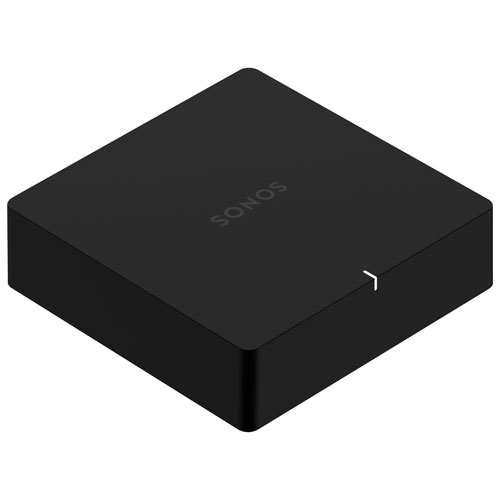 Your price for this item is $609.99
-
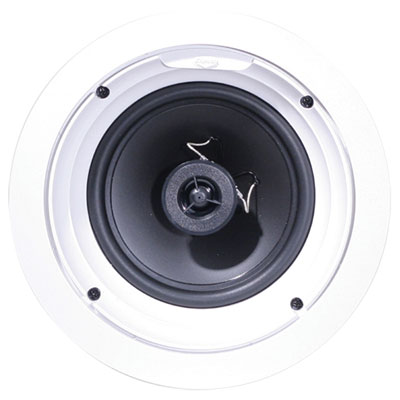 Your price for this item is $109.99
-
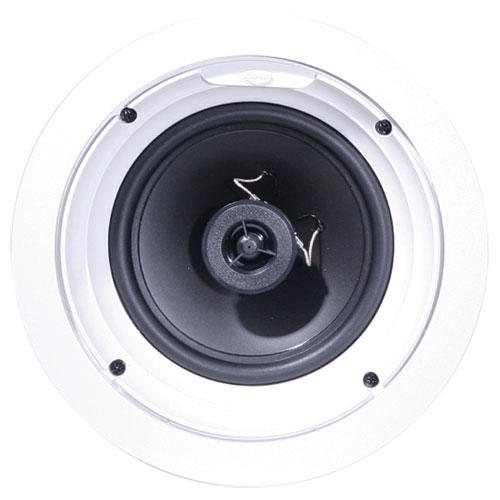 Your price for this item is $89.99
-
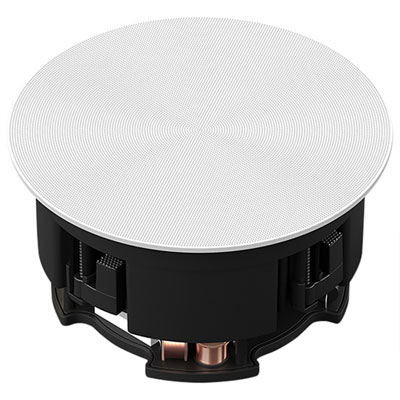 Your price for this item is $999.99
-
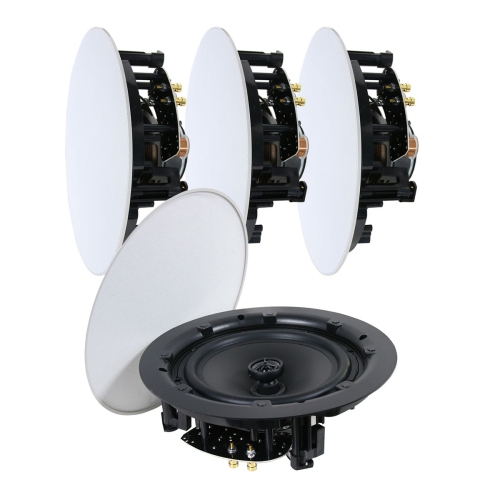 Your price for this item is $399.88
-
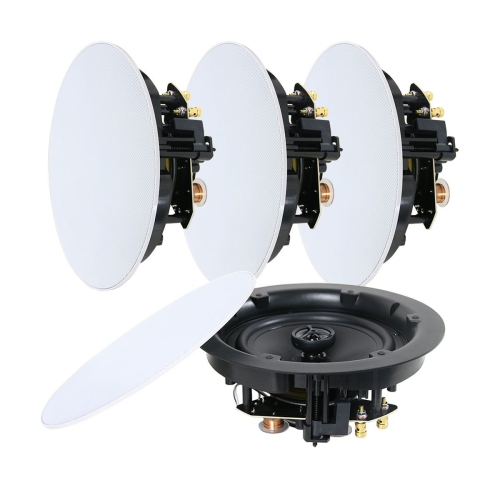 Your price for this item is $288.88
-
 Your price for this item is $875
-
 Your price for this item is $89.99
Discover more categories related to Good Quality Ceiling Speakers

Top Collections:
Pokemon Centers, Kindle Devices, Best Budget Office Chairs, Canon G7X Cameras, Apple iPhones 16, Samsung Galaxy Phones, Refurbished Apple Laptops, Laptops for Students, iPhone 15 Apple, Budget Smartphones
Some products may be subject to Environmental Handling Fees
(EHF) depending on your province.
Learn more about EHFs.