High Quality Outdoor Speakers
If you're looking for a way to bring your music outside, you might want to consider an outdoor speaker. These speakers are designed to withstand the elements and are often waterproof or weatherproof. They're also designed to be portable so you can take them with you when you go camping or hiking. Here are some high quality outdoor speakers available.
Sort


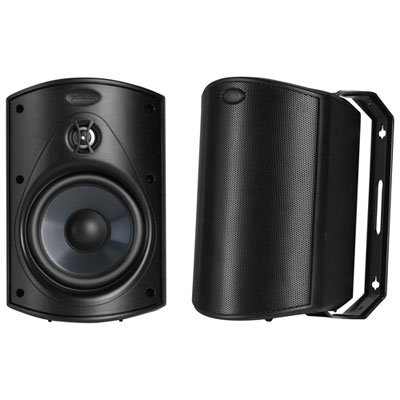

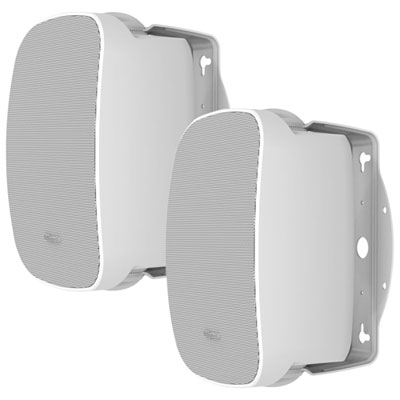


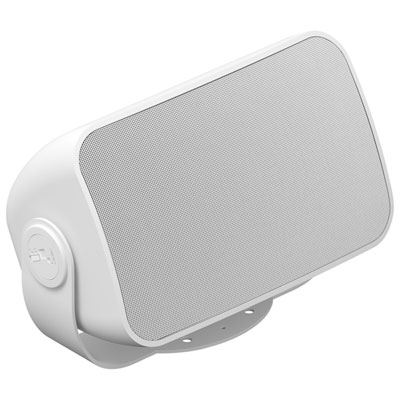


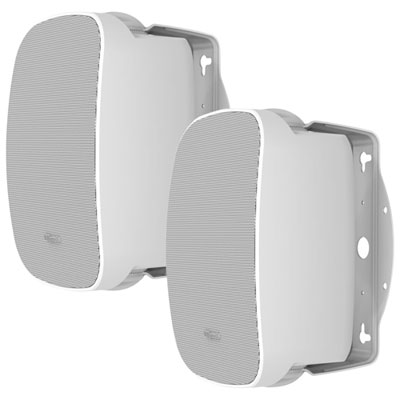




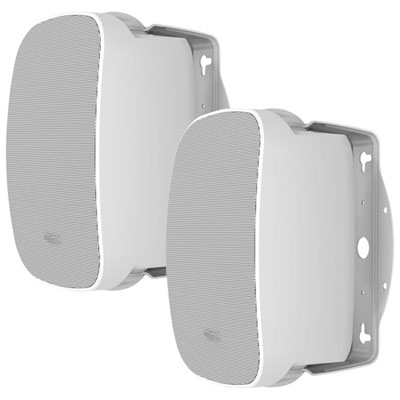
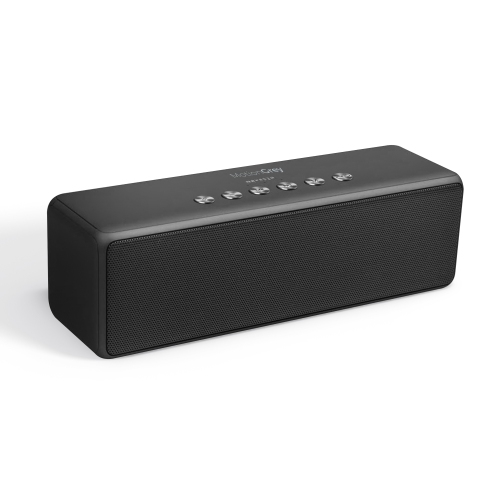


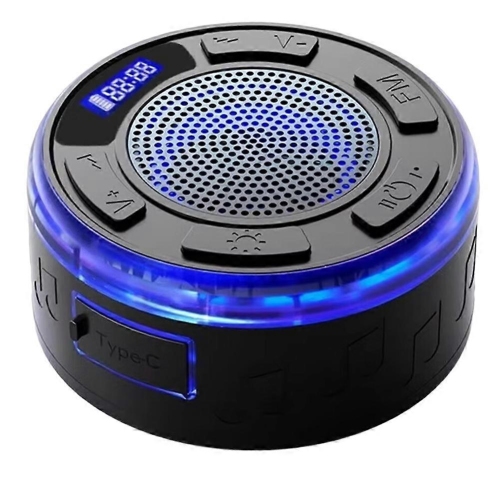


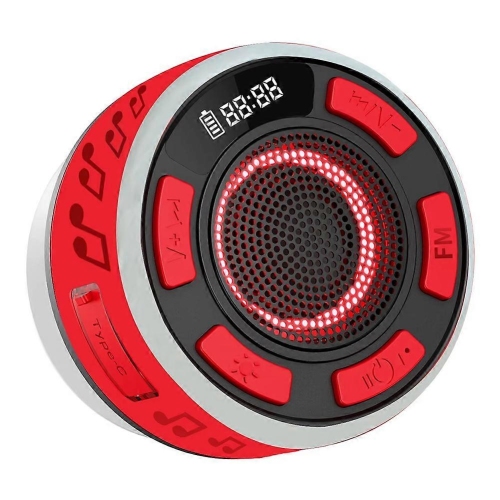
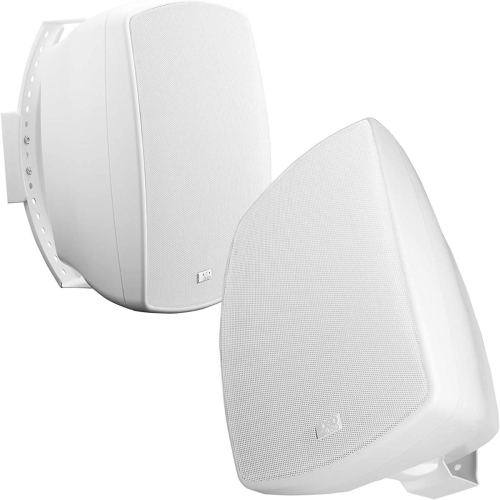
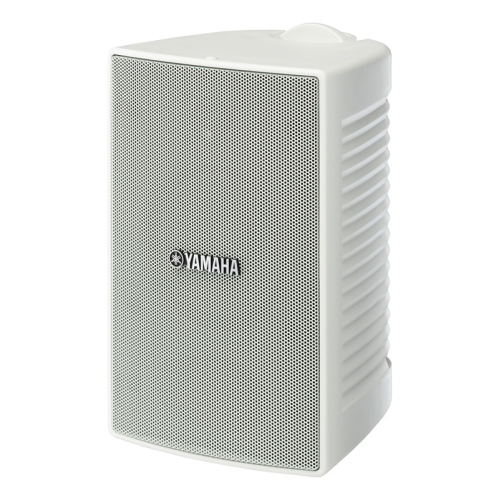


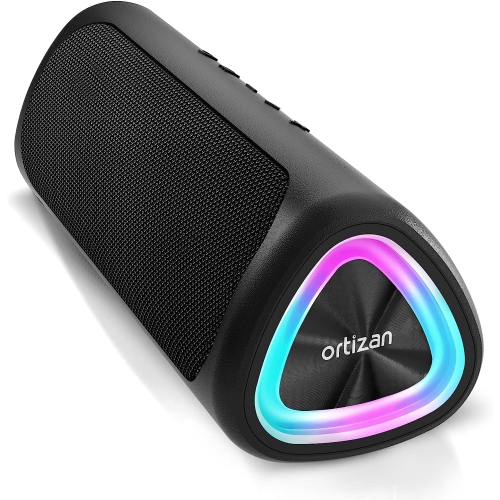





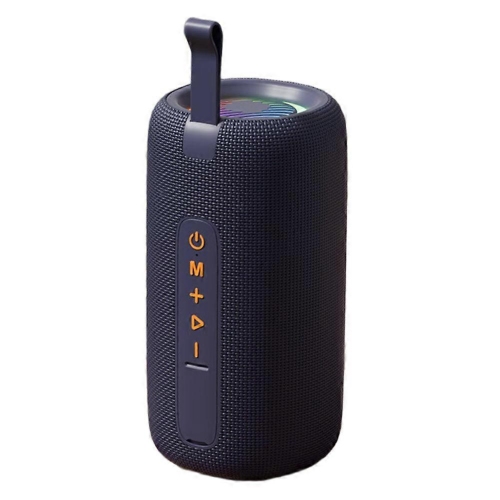
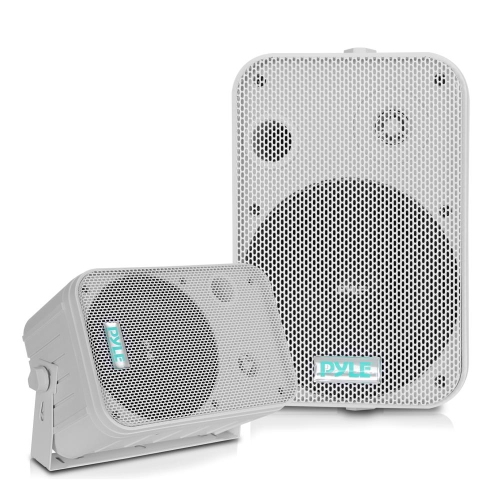


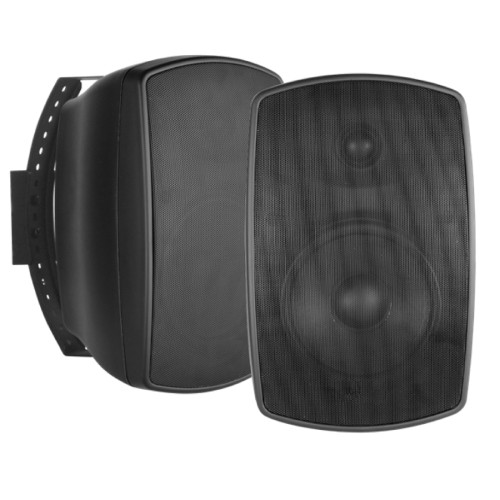

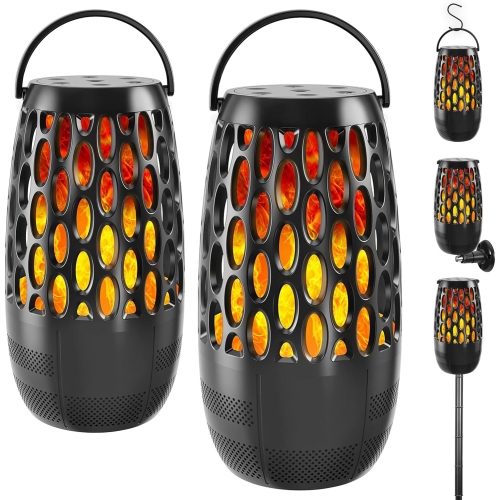


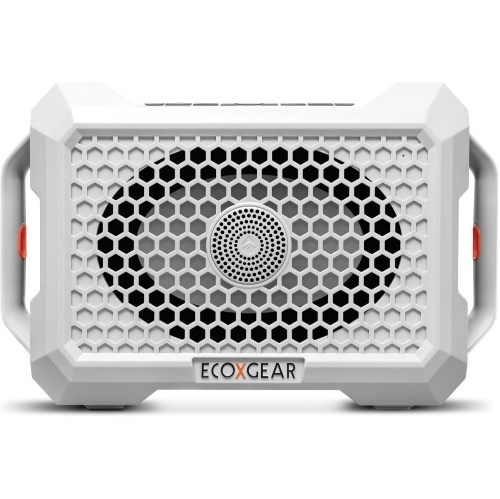


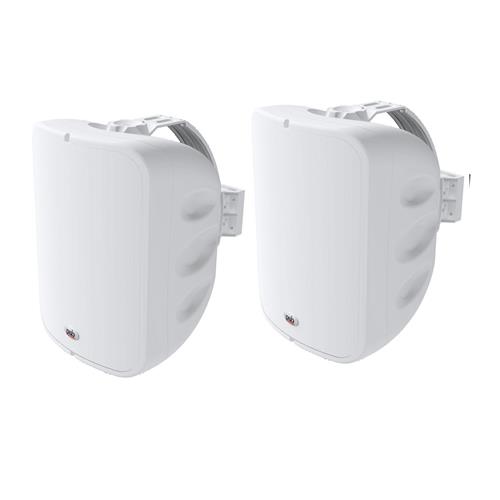


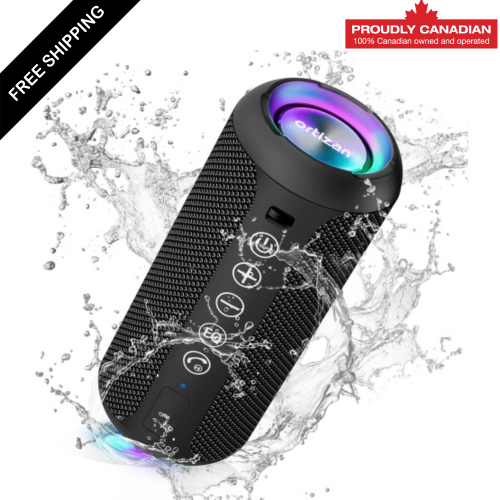
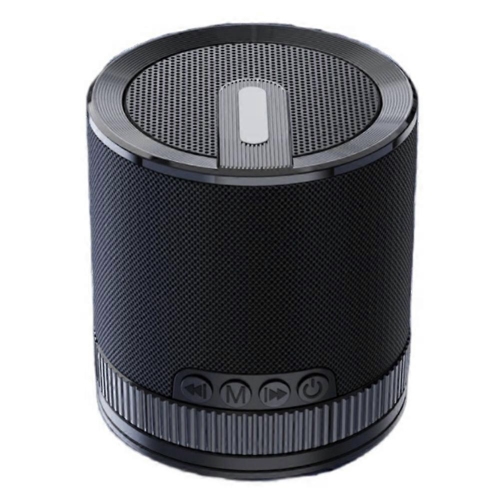


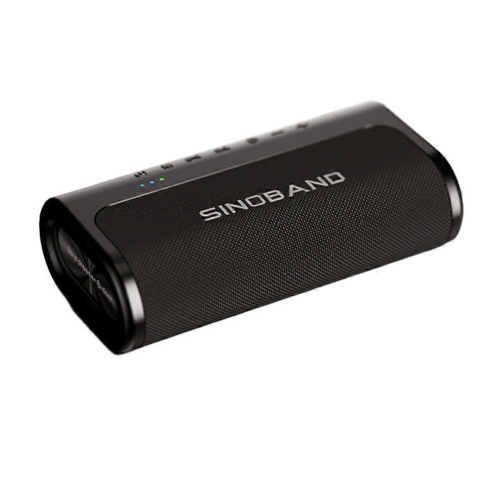


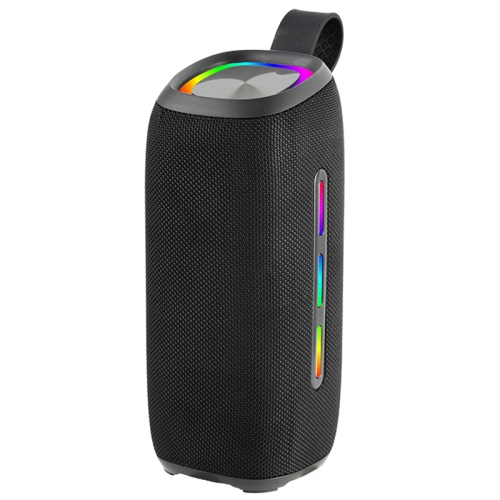

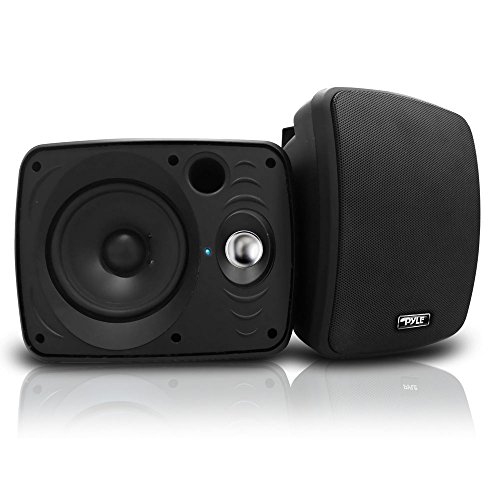
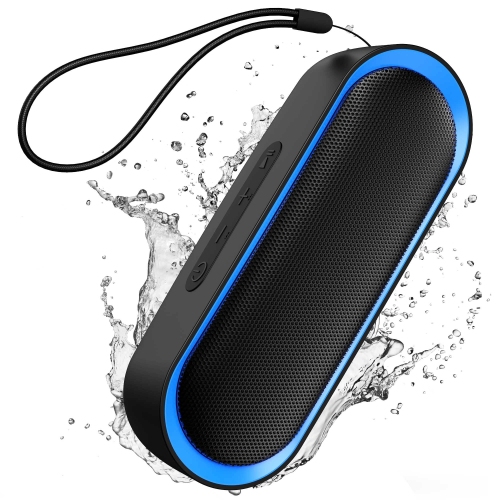

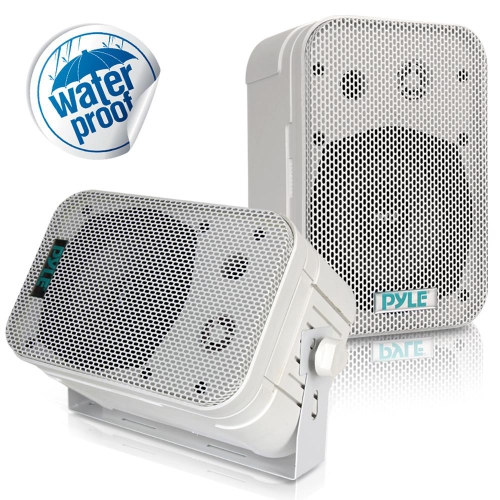


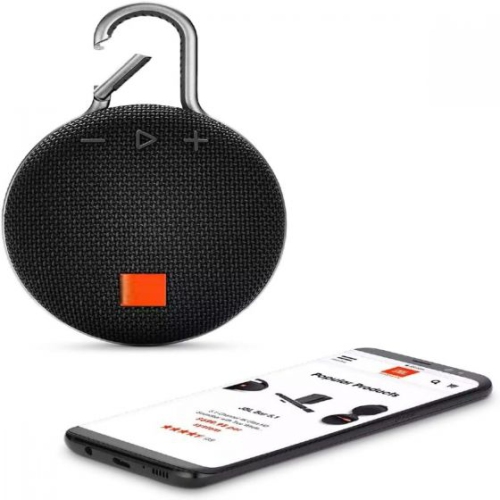


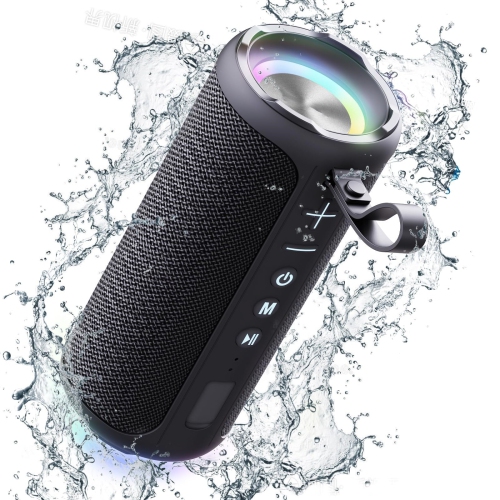


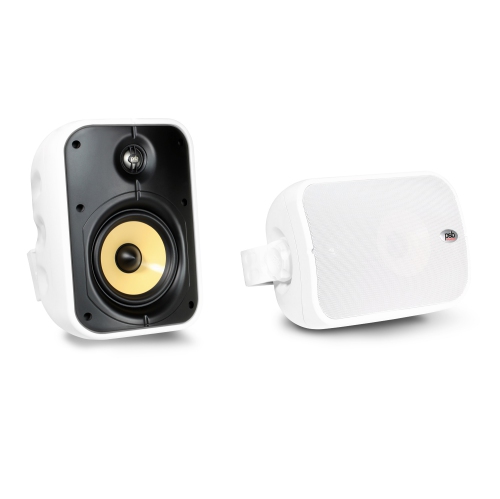


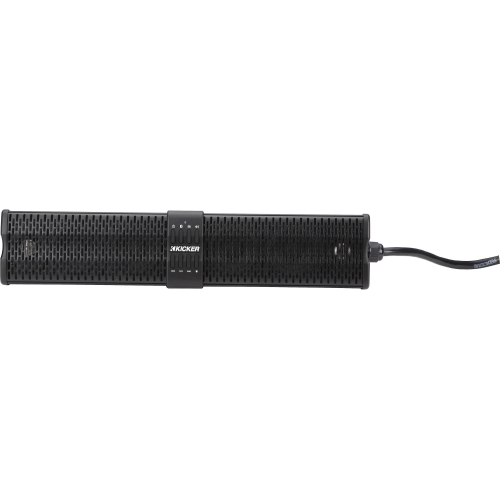


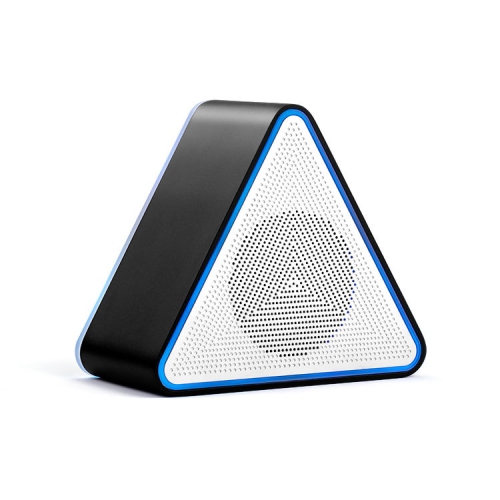


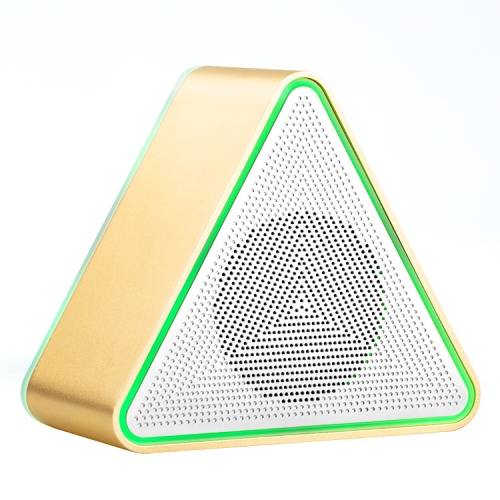
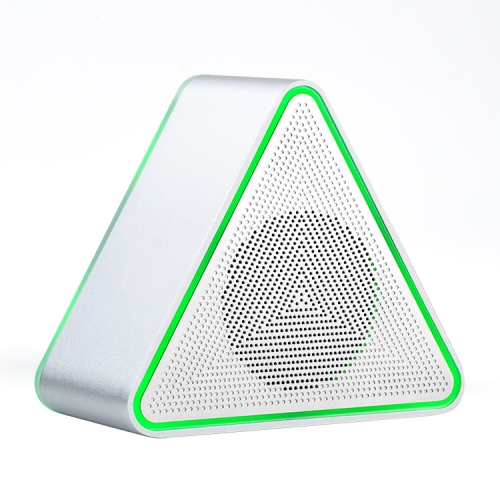

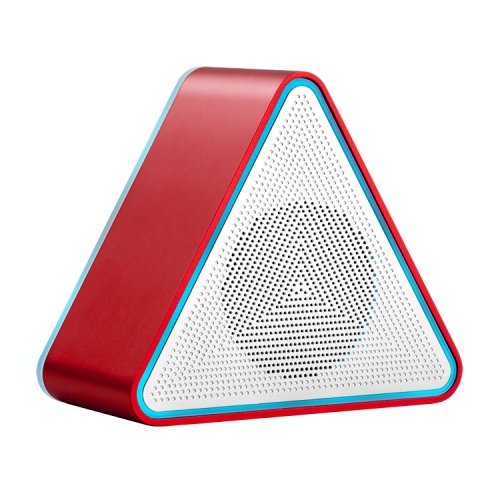
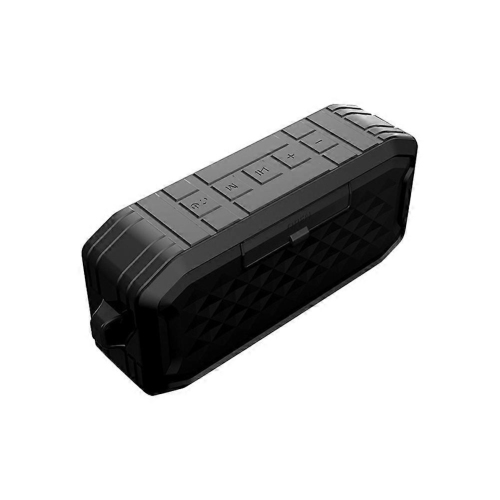

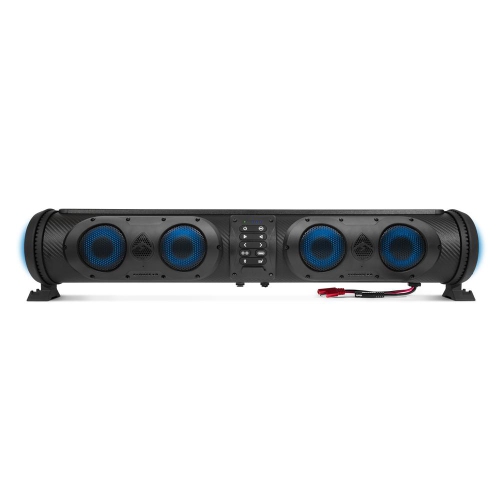
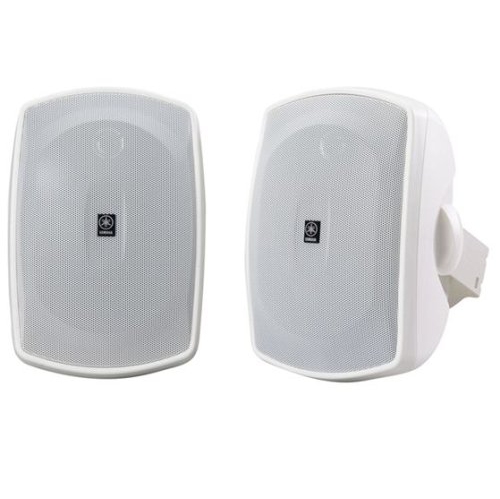






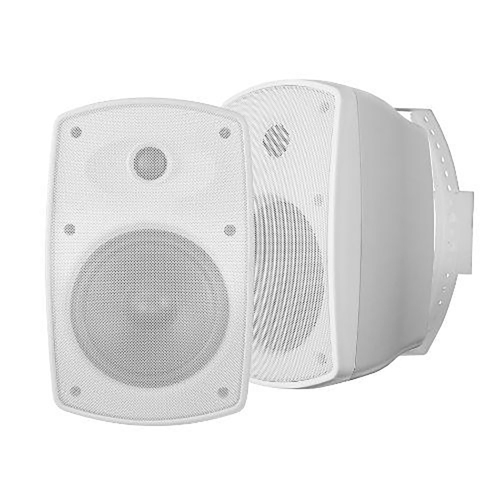


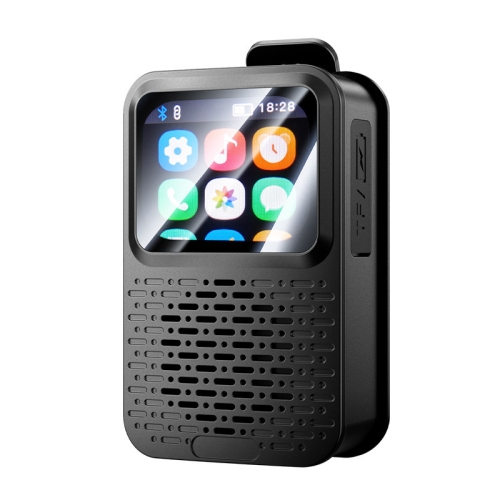

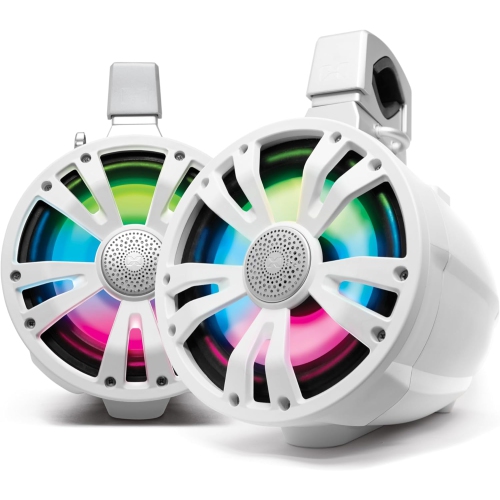

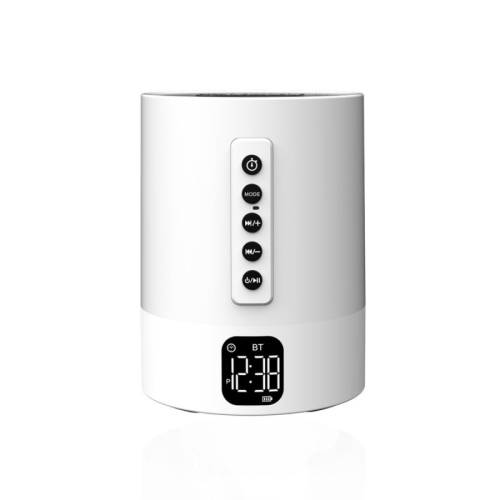
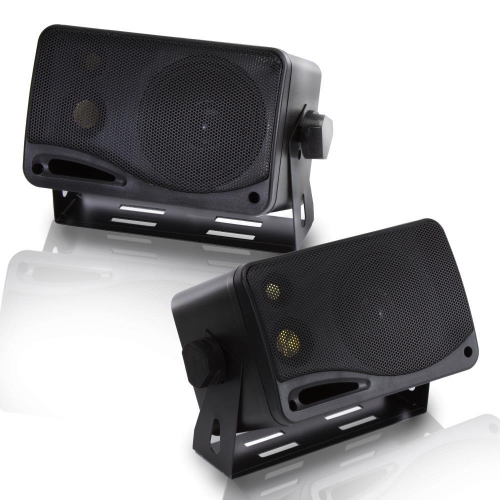


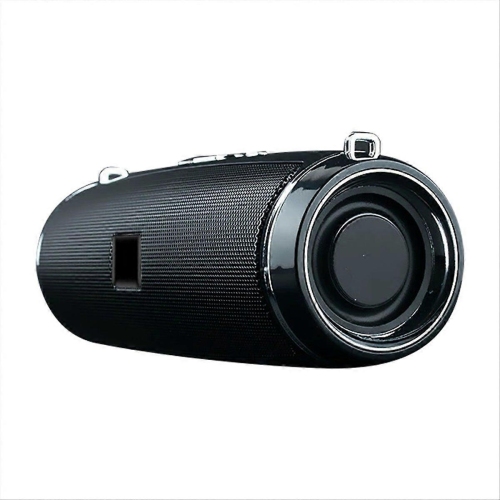

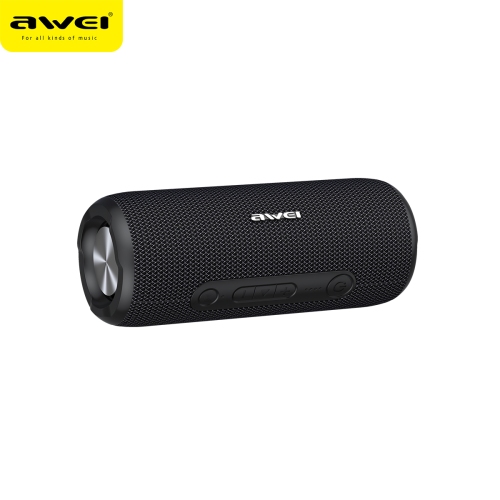
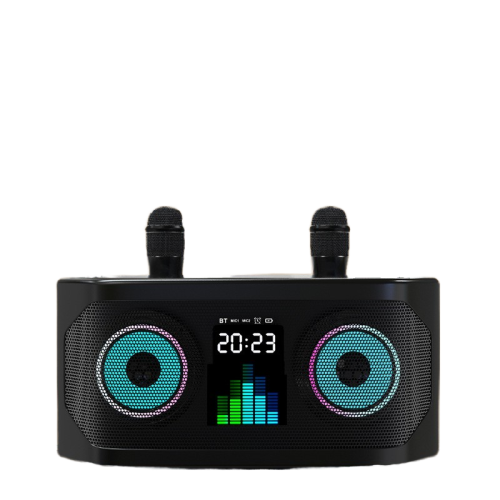


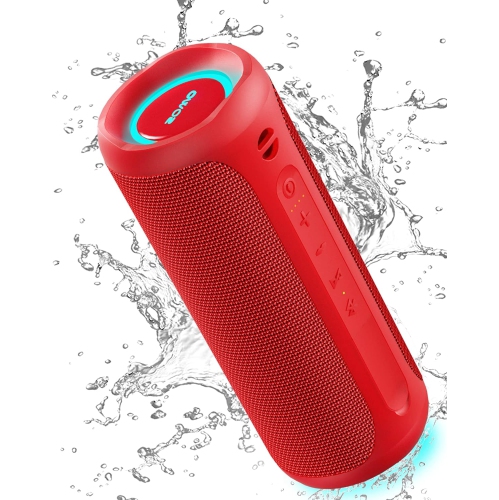
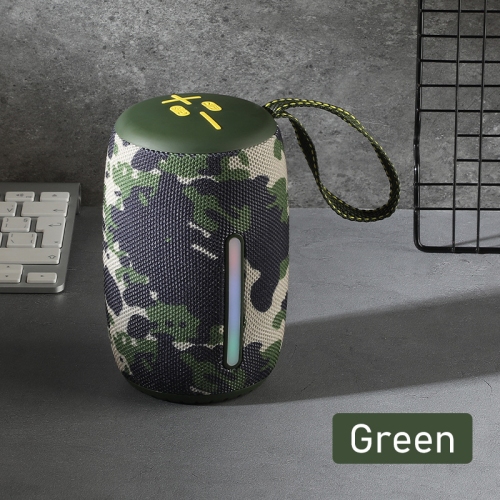


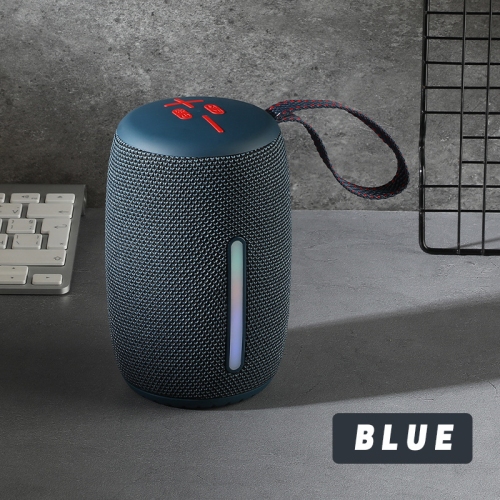
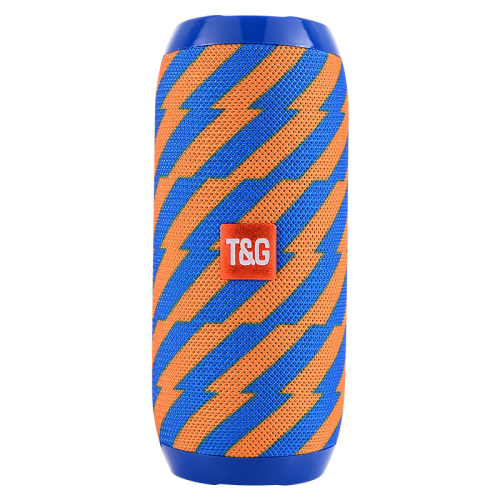
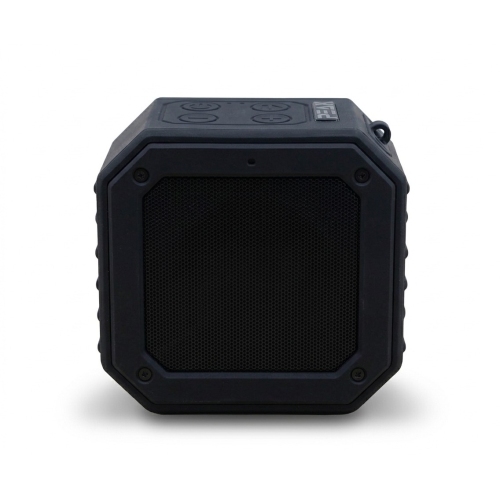
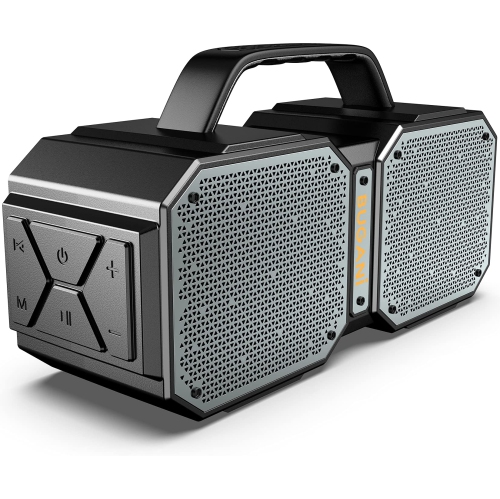
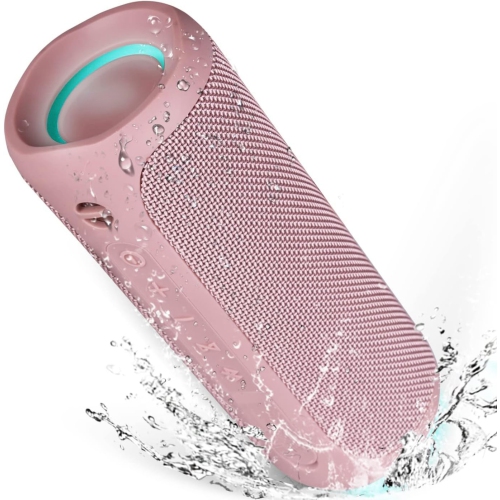
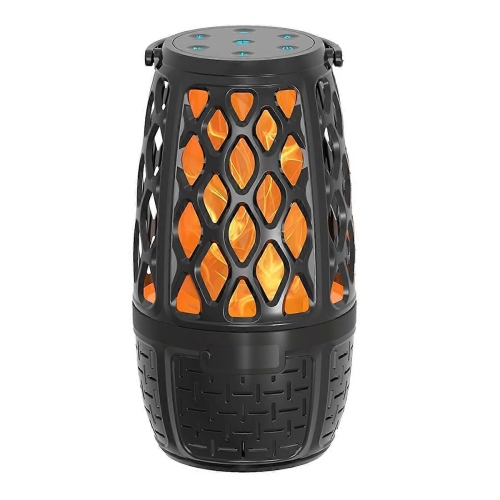


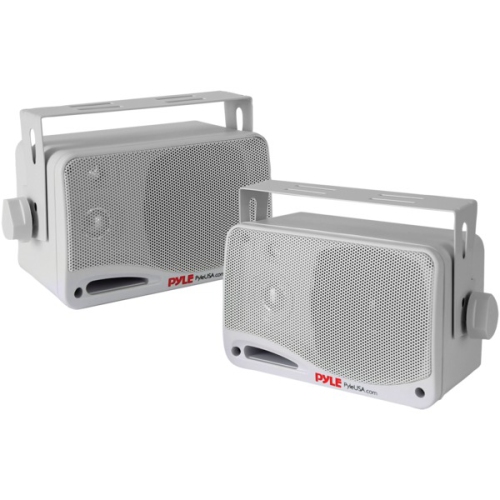
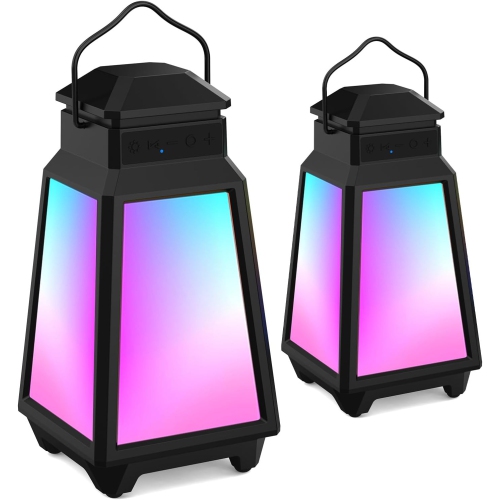
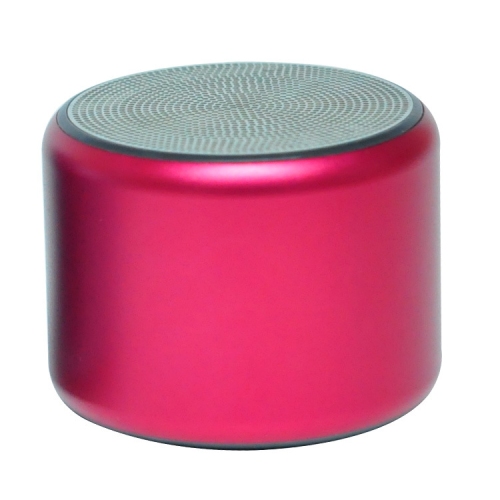




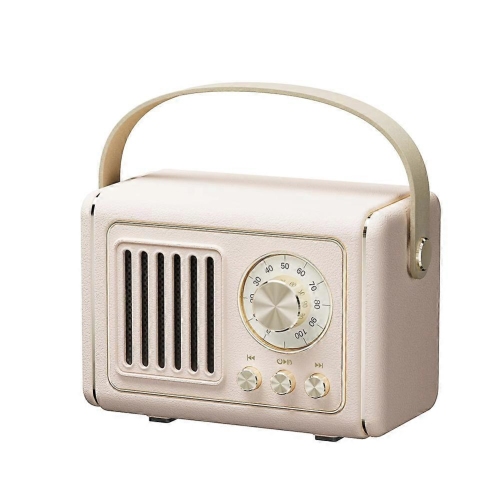

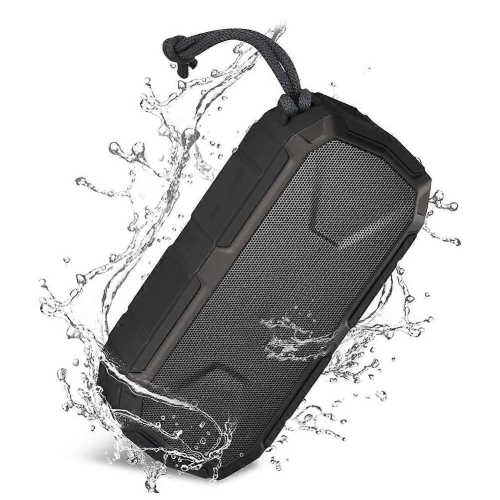
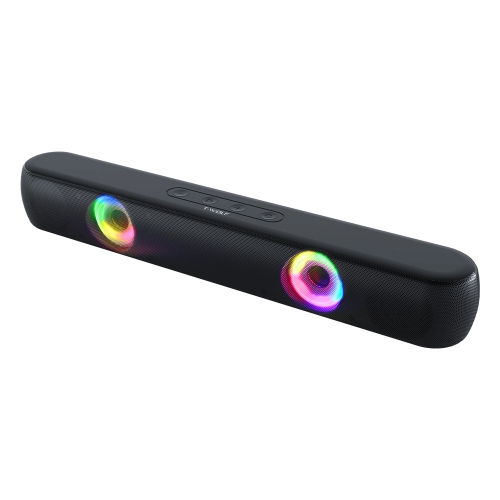
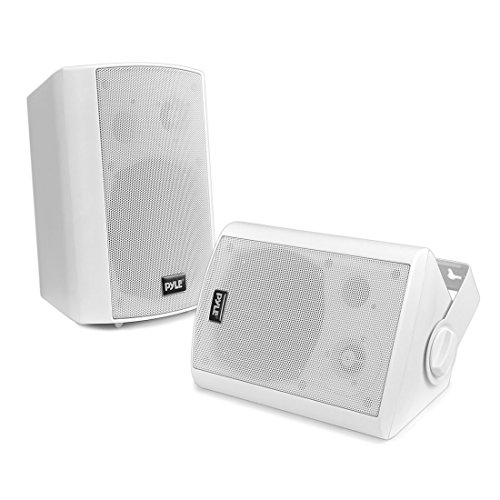

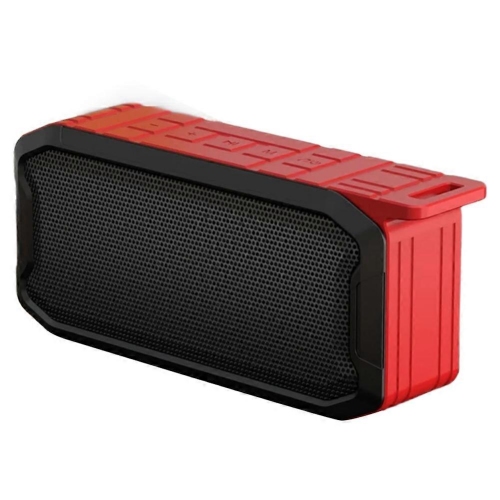
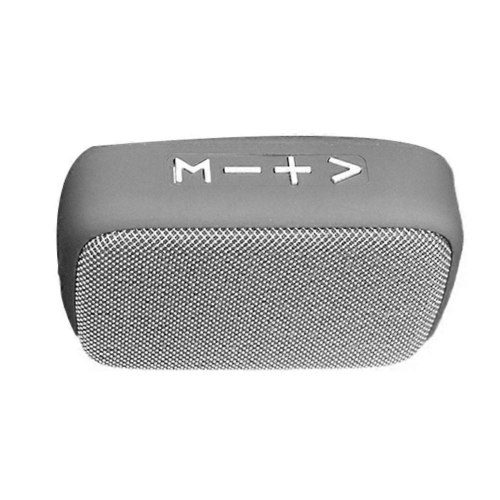
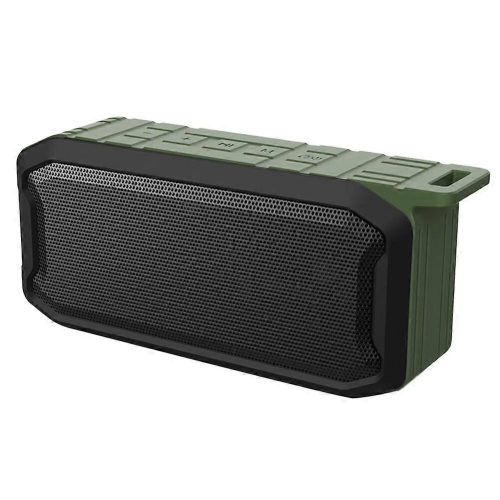


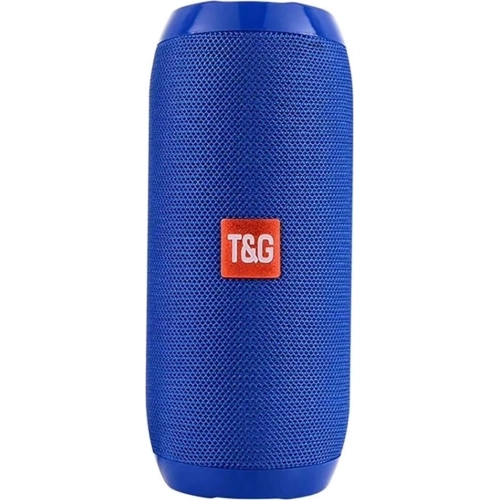

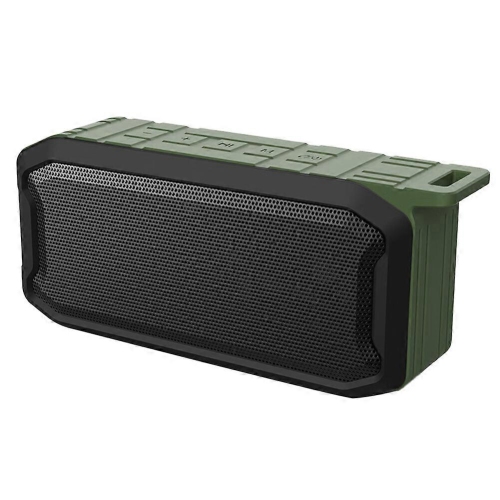
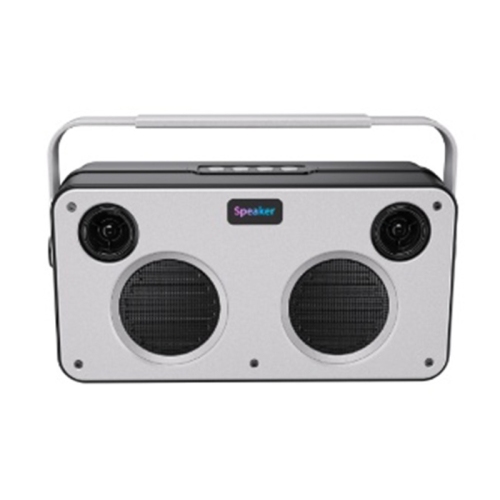


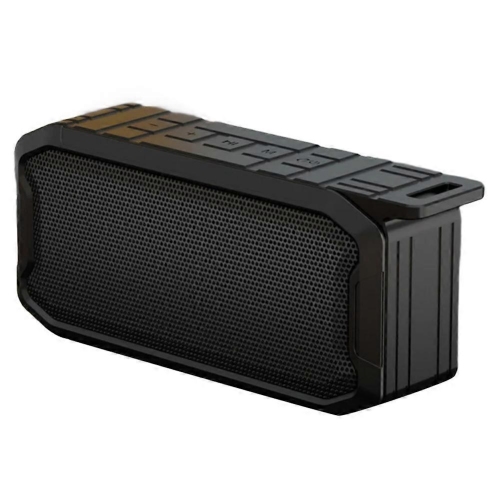


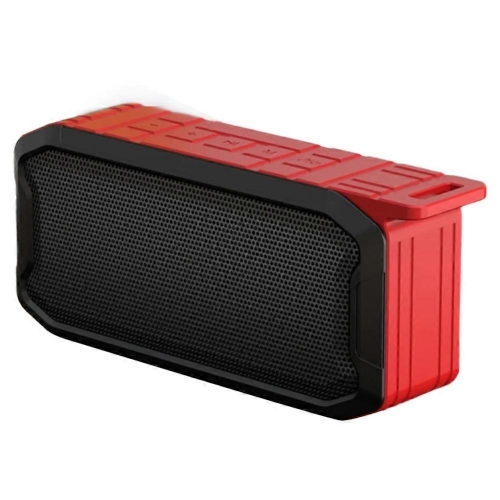
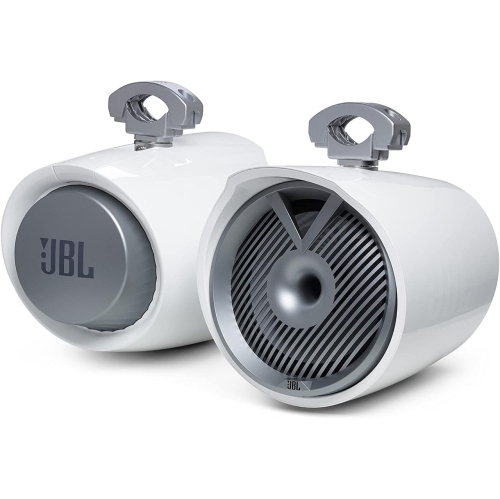
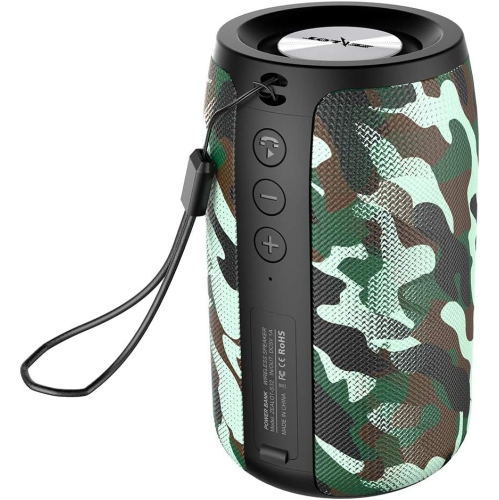
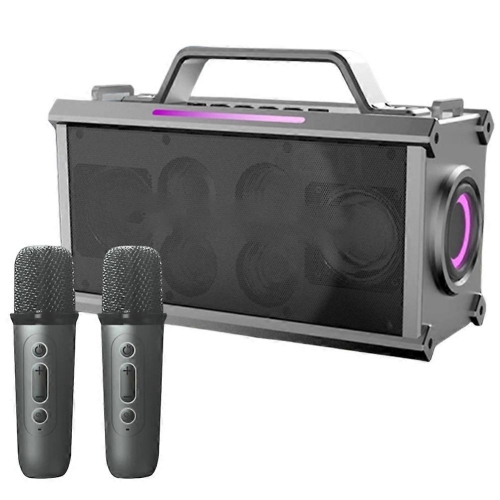
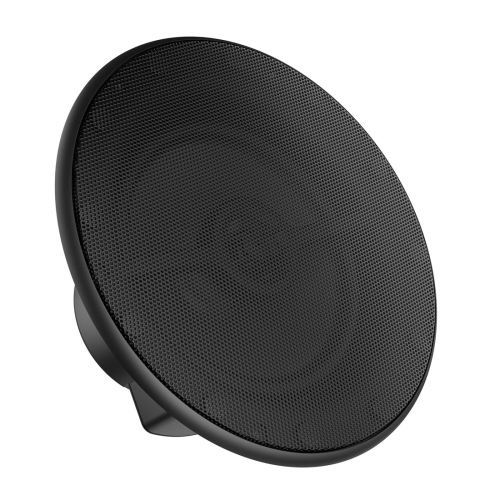
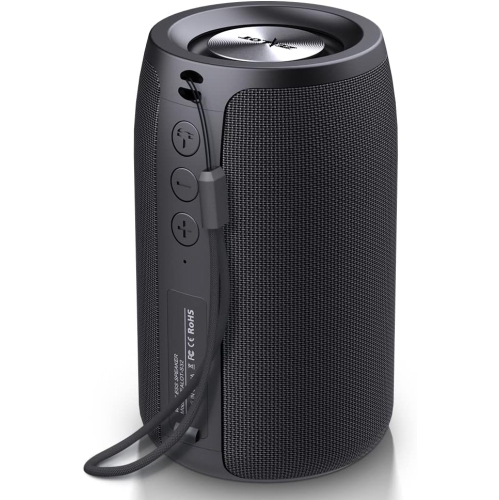
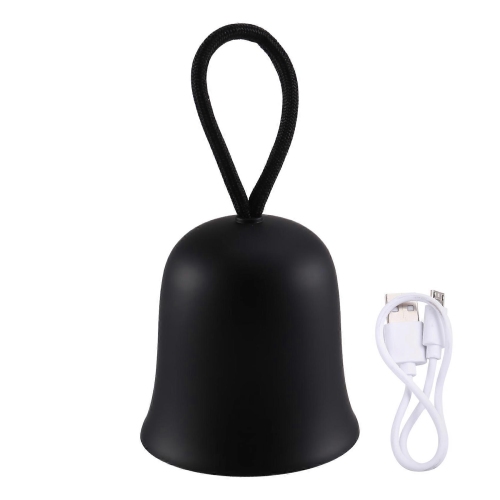


Great outdoor sound goes beyond turning up the volume
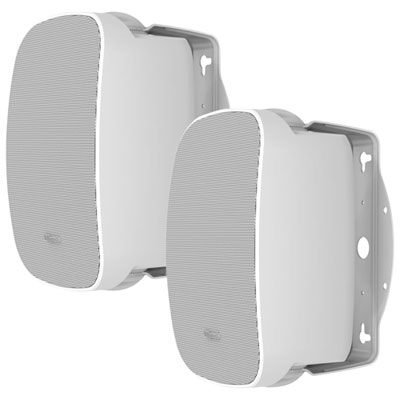
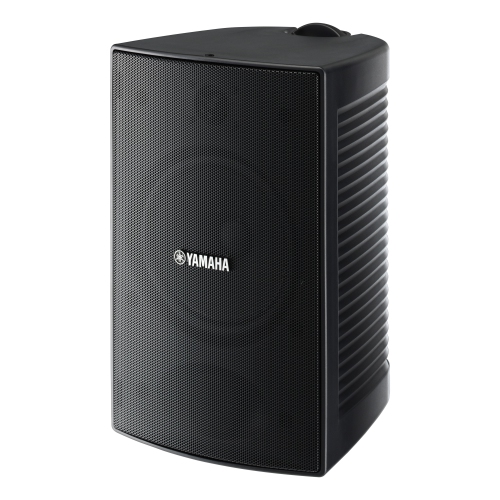
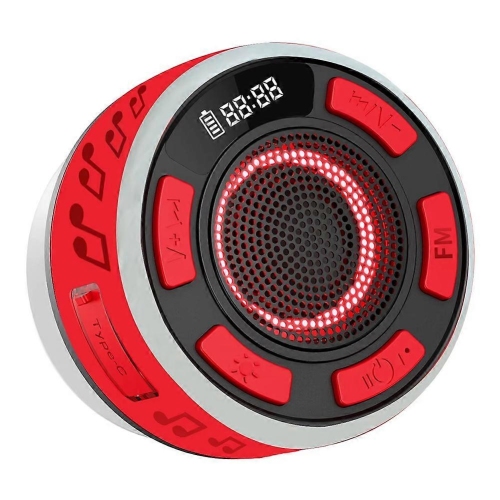
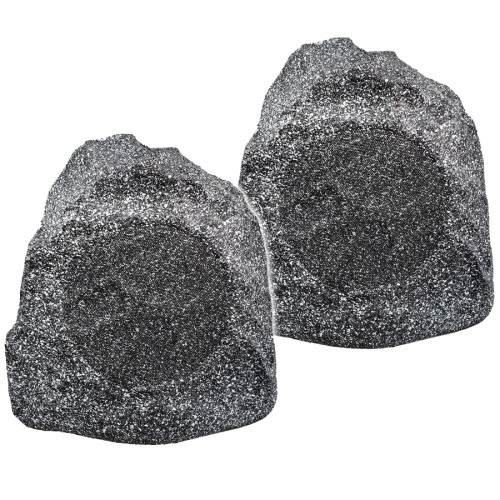
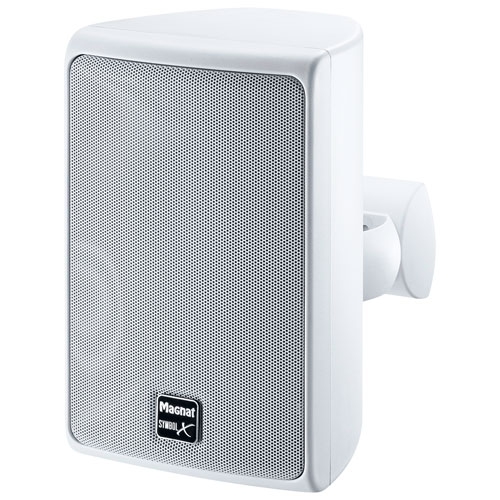
High-quality outdoor speakers bring clear, balanced sound to patios, decks, gardens, and other open-air spaces, with designs that account for both sound coverage and exposure to the elements. The category includes surface-mount speakers that attach to walls or posts, landscape speakers positioned around planting beds, and portable speakers that move between a dining table and a lounge area. Each format suits a different kind of listening. A pair mounted near a covered seating area can provide a focused stereo presentation, while several smaller landscape speakers can spread music more evenly along a larger terrace. Portable designs offer flexibility for smaller gatherings or spaces where permanent installation is not practical. Sound quality outdoors depends on more than volume: clear vocals, controlled bass, and smooth treble help music remain enjoyable without overwhelming conversation. Because an open space offers fewer nearby surfaces to reinforce bass than a typical room, speaker size, placement, and low-frequency capability all influence the result. An outdoor-rated subwoofer can add depth to a compatible installed system, although a well-matched pair of full-range speakers may be sufficient for relaxed background listening. Broad sound dispersion is useful when listeners are spread across different seats rather than gathered directly in front of the speakers. Stereo separation can add a sense of space, but consistent coverage often matters more when people are moving between a barbecue, a dining area, and a garden bench. The strongest fit is not necessarily the largest enclosure or the highest advertised wattage. It is a design that delivers comfortable listening levels across the intended area, with enough clarity to make a quiet acoustic track sound distinct and a lively playlist feel full. For households that use outdoor spaces regularly, these differences can make a permanent audio setup feel like a natural extension of everyday listening rather than an accessory brought out only for a gathering.
Durability starts with construction suited to the intended installation. Outdoor speaker enclosures commonly use materials such as UV-resistant plastics or coated metals, paired with grilles and hardware designed to tolerate exposure better than ordinary indoor components. Rust-resistant fasteners and corrosion-resistant finishes are particularly relevant near pools or in coastal locations, though material choice alone does not establish how much exposure a speaker can handle. Weather resistance varies by design, and a protected wall mount beneath an overhang presents different demands from a speaker placed beside an uncovered path. Where provided, an IP rating describes tested protection against solid particles and water under specified conditions; it does not automatically mean a speaker can remain submerged, withstand a pressure washer, or tolerate every form of outdoor exposure. The manufacturer’s installation requirements and operating temperature limits remain important, especially for equipment left outdoors for extended periods. Brackets should support the speaker’s weight securely and allow useful aiming without putting unnecessary strain on the mounting surface. On decks with limited floor space, compact wall-mounted designs can keep listening areas uncluttered, while landscape enclosures can blend into garden layouts without requiring a shelf or table. Cable routing also affects both appearance and reliability. Outdoor-rated speaker cable, suitable protection for connections, and hardware appropriate to the mounting surface help support a tidy, durable installation. Buried runs require cable approved for that purpose and an installation method suited to local requirements. Passive speakers depend on an external amplifier, so power handling, impedance, and the total speaker load need to work together; adding more speakers is not simply a matter of connecting extra wires. Powered designs need an appropriate electrical supply, with outdoor connections protected as required. Larger layouts, multiple listening zones, and installations involving electrical work can benefit from qualified professional planning. These practical details support dependable sound while keeping cables, connections, and equipment from interfering with the way the space is used.
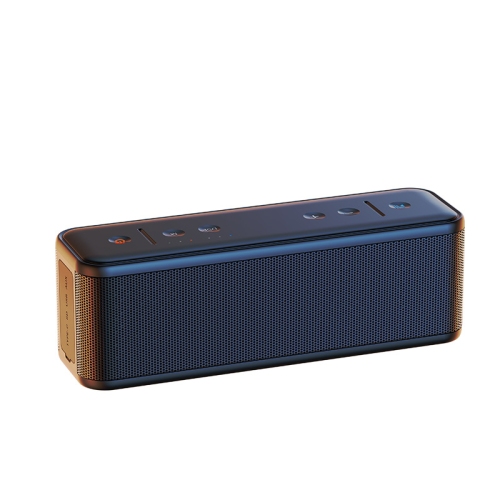
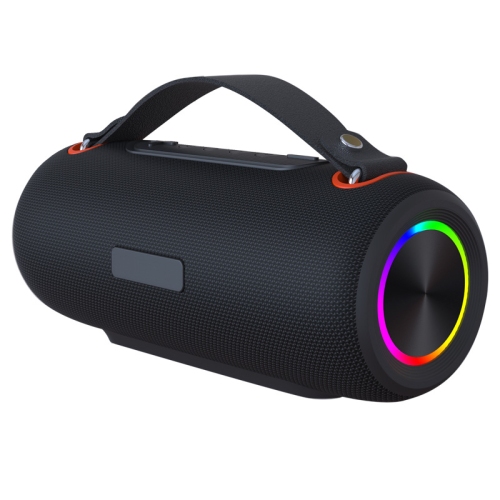
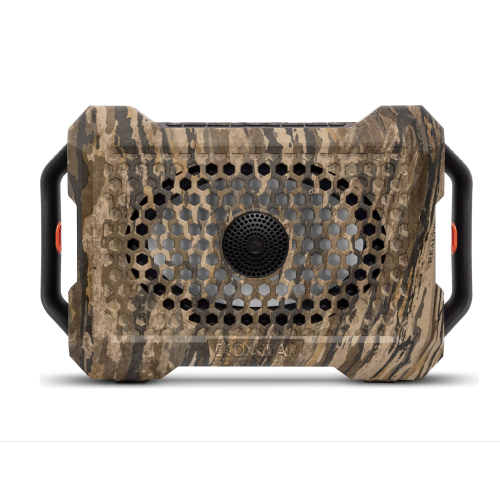
Connection options shape how easily an outdoor sound system fits into daily routines. Bluetooth is convenient for playing audio directly from a nearby phone or tablet, particularly with portable speakers, but range can be affected by walls, distance, and interference. Wi-Fi-enabled speakers or systems connected to a compatible network amplifier can offer streaming and multiroom features, depending on the equipment and services supported. Reliable network coverage at the listening area matters as much as coverage inside the house. A speaker near the back fence may have a very different connection experience from one just outside the kitchen door. For a household that enjoys music both indoors and outside, independently adjustable zones allow patio listening without forcing the same volume throughout the home. Straightforward controls are useful when a phone is indoors or several people share the space, while compatible app features can make it easier to select music and adjust individual areas. Portable designs introduce other considerations, including carrying weight, handle placement, charging connections, and battery life at realistic listening levels. Advertised battery figures depend on test conditions, and higher volume or additional features can reduce playback time. For a gift recipient, the most useful choice reflects the space and equipment already in use: a gardening enthusiast may appreciate flexible placement, while someone who regularly hosts meals on a deck may prefer a discreet installed system. Routine care helps preserve both appearance and performance. Gentle cleaning according to the manufacturer’s directions, unobstructed grilles and drainage openings, and periodic checks of mounts and connections can prevent avoidable problems. Storage requirements also vary, with some portable designs better brought indoors between uses and permanently installed speakers requiring attention to their stated exposure limits. Outdoor audio can also sit alongside high quality speakers used elsewhere in the home, with each space served by equipment suited to its own listening needs. The result is an inviting place for music, whether the occasion is a quiet meal, time tending the garden, or an evening spent talking with friends.
Top selling and popular products
-
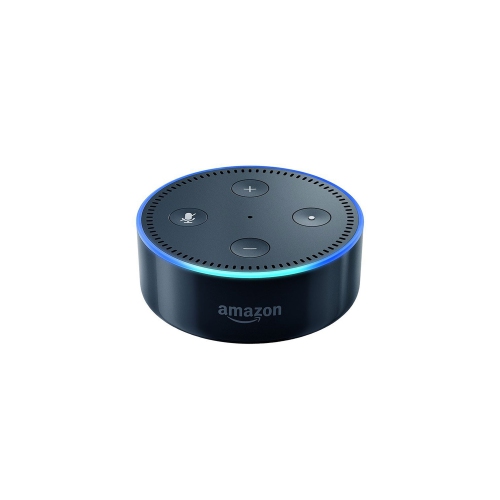 Your price for this item is $48.99
-
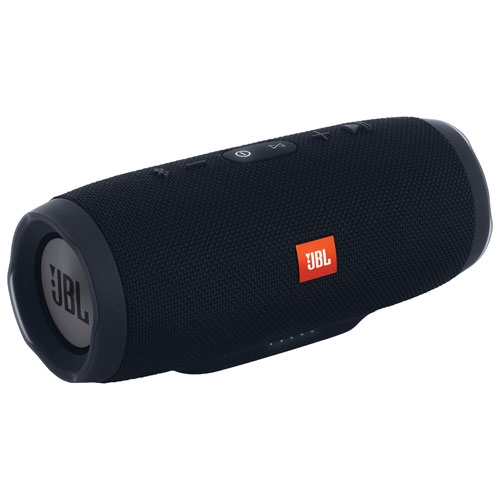 Your price for this item is $189
-
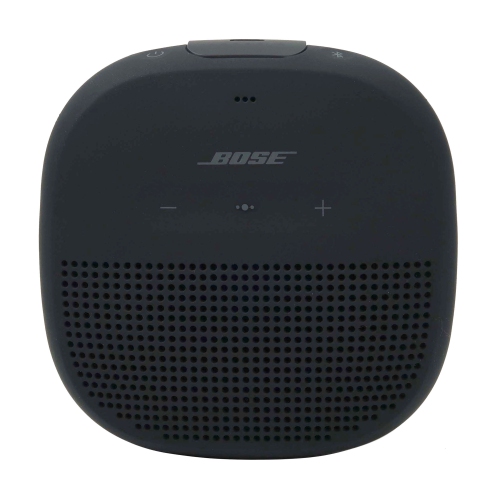 Your price for this item is $110
-
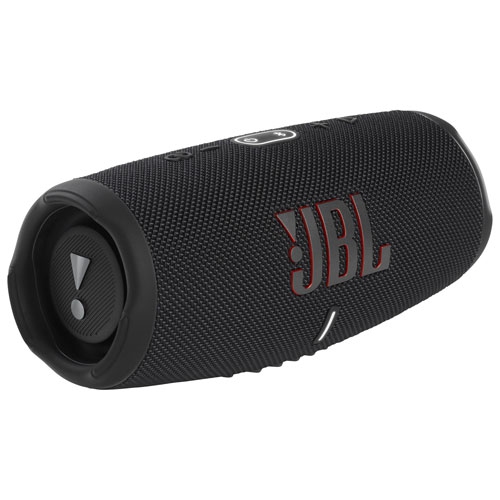 Your price for this item is $239.98
-
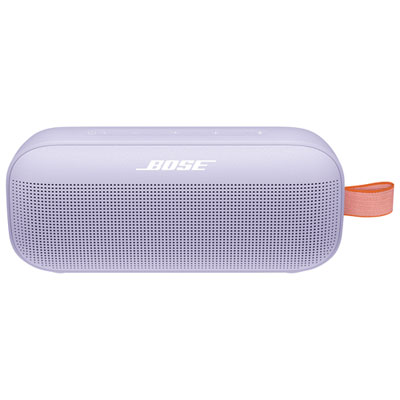 Your price for this item is $149.99
-
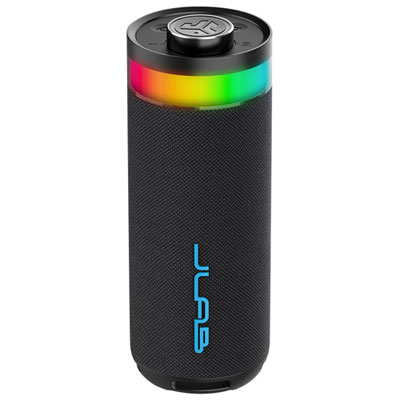 Your price for this item is $59.99
-
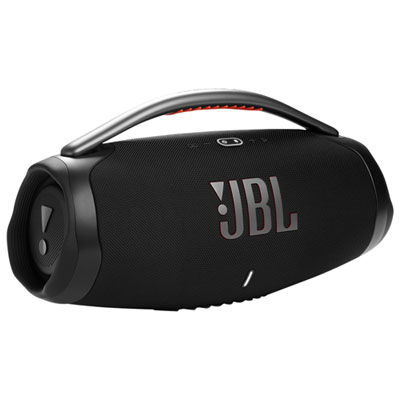 Your price for this item is $399.99
-
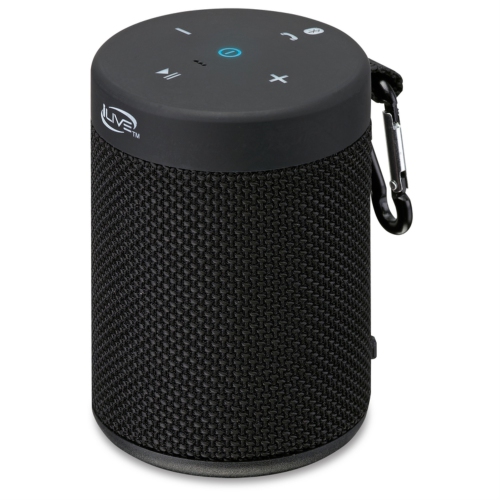 Your price for this item is $33.68
Discover more categories related to High Quality Outdoor Speakers
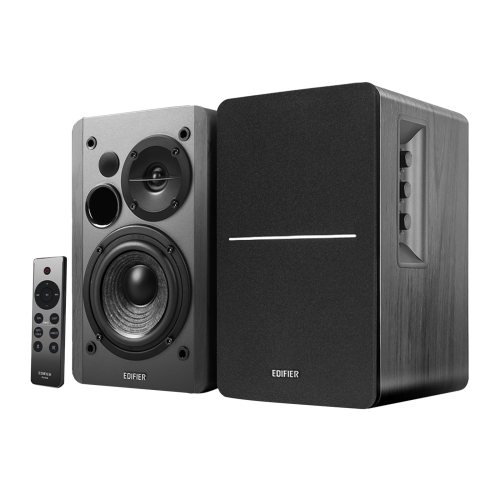
Top Collections:
Pokemon Centers, Best Cameras for Sports Photography, Kindle Devices, Samsung Galaxy Phones, Canon G7X Cameras, Pokémon 30th Celebration Cards, Refurbished Apple Laptops, iPhone 15 Apple, Laptops for Students, Budget Smartphones
Some products may be subject to Environmental Handling Fees
(EHF) depending on your province.
Learn more about EHFs.