Home Gym Sets

Home gym sets bring workout equipment together for a dedicated exercise space at home. Compare sets by what’s included, the exercises they support, and how much room they require to find an option that fits your fitness goals, available space, and budget.
Read More

Sort

Strength-training equipment that works together in your space

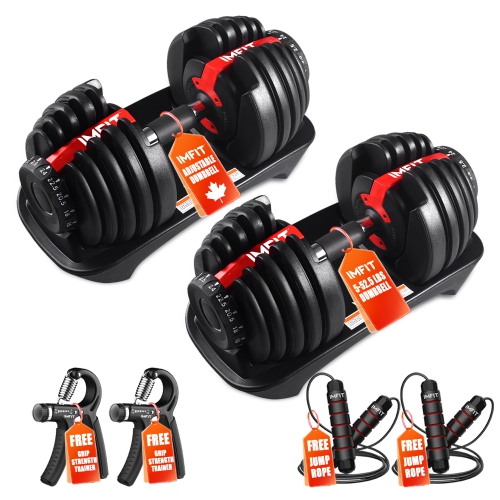
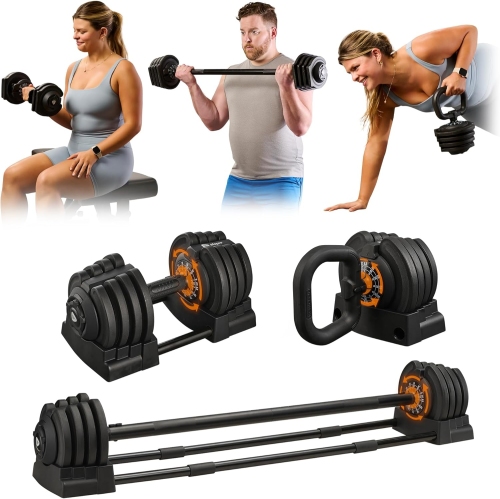
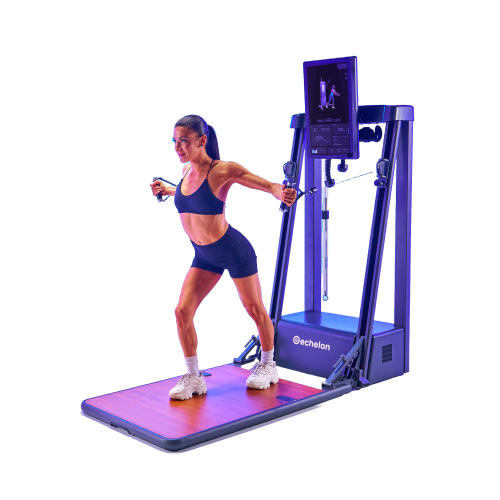
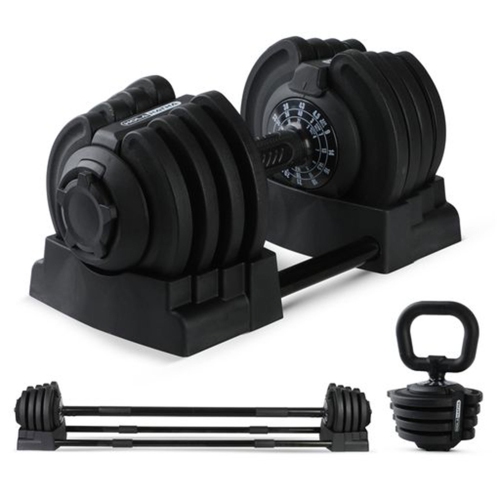
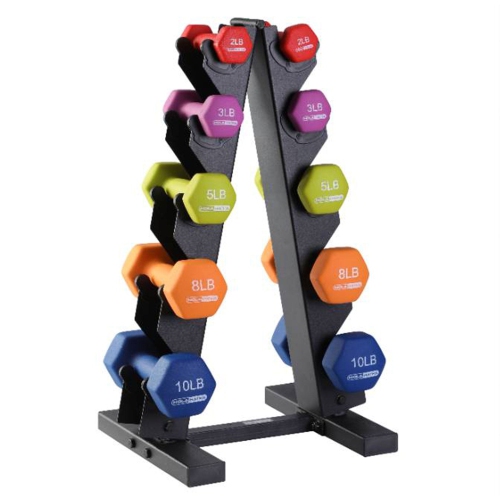
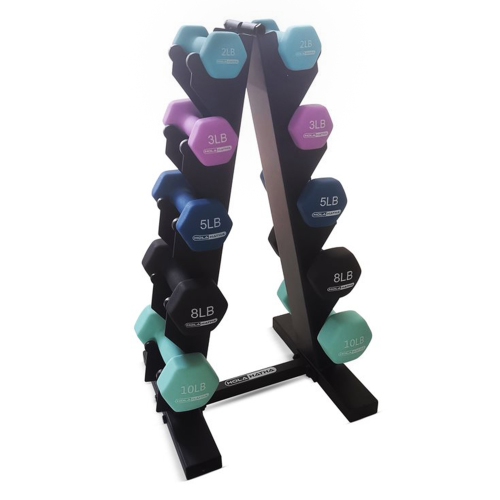
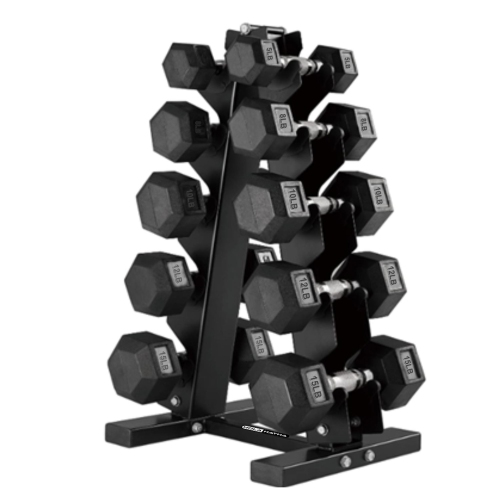
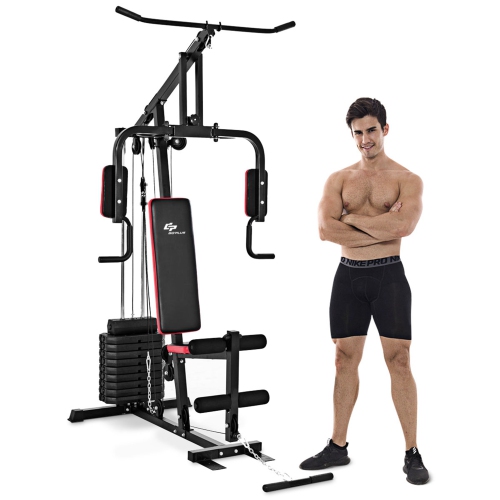
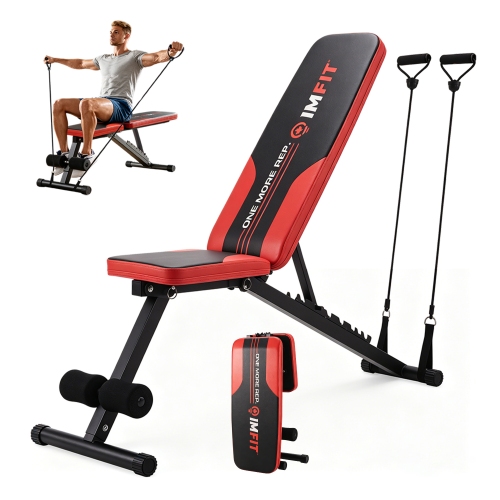
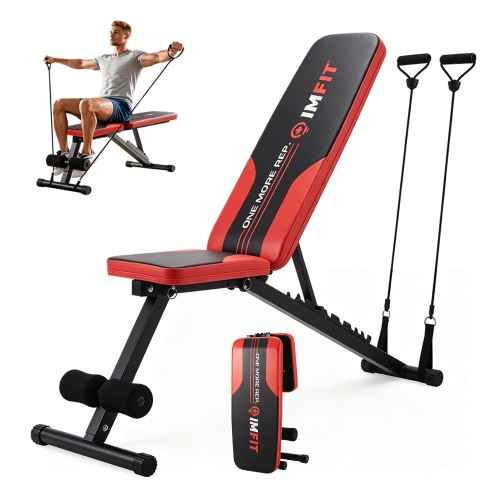
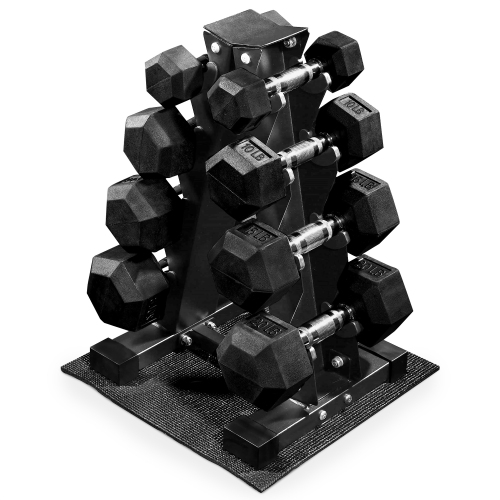
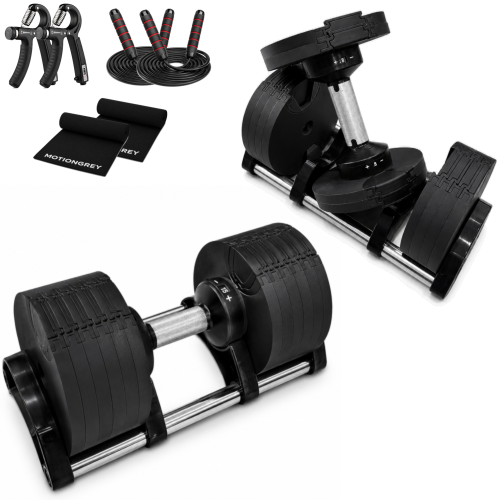
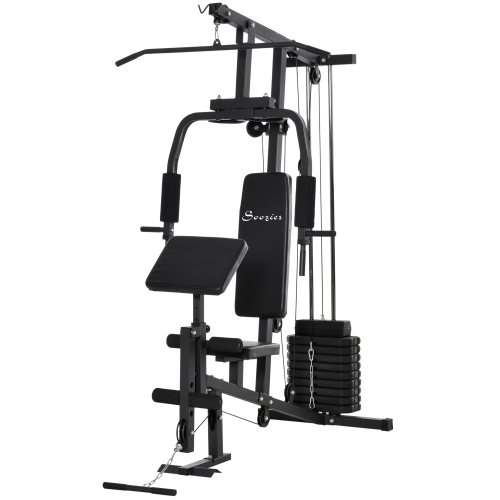
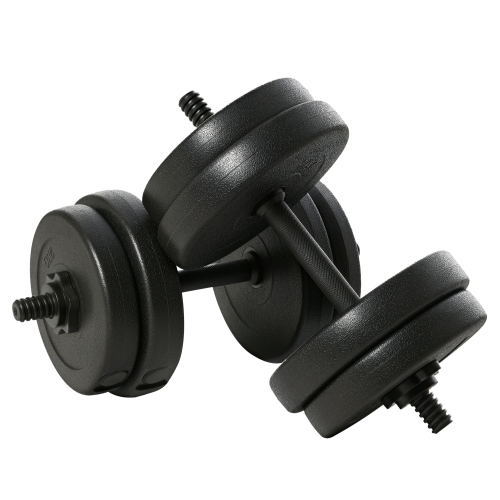
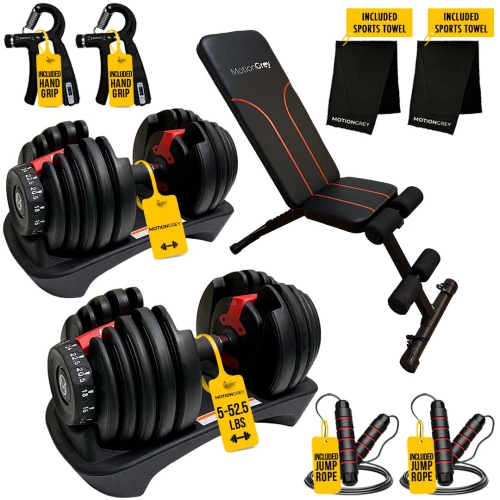
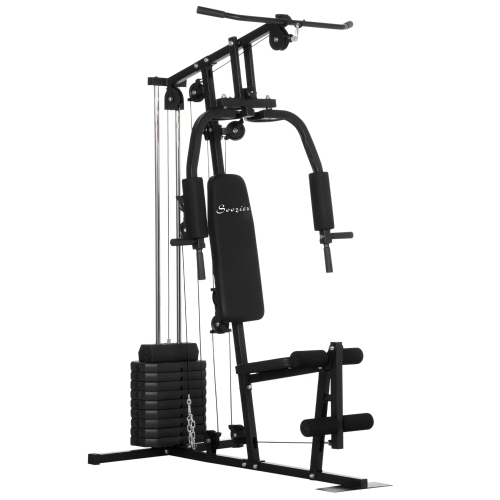
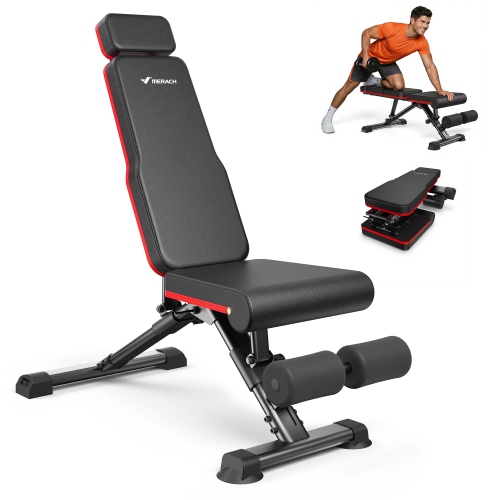
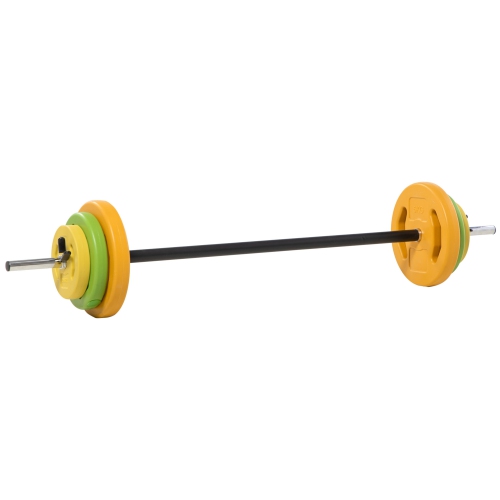
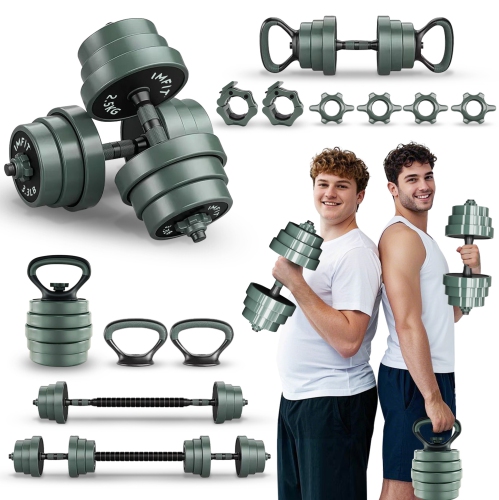
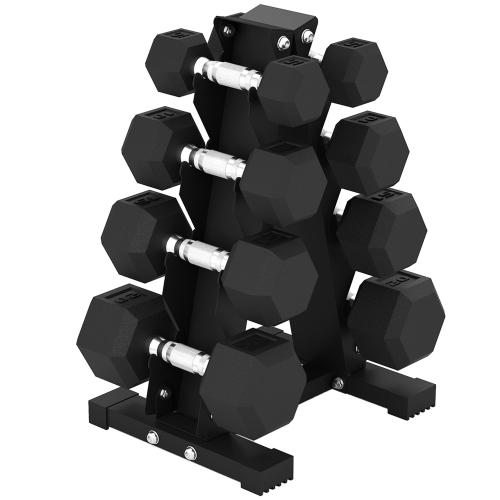
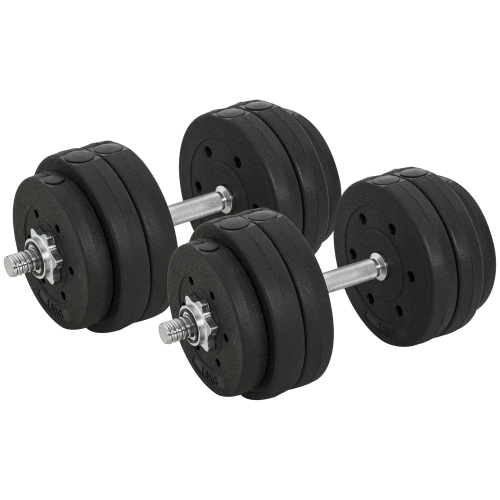
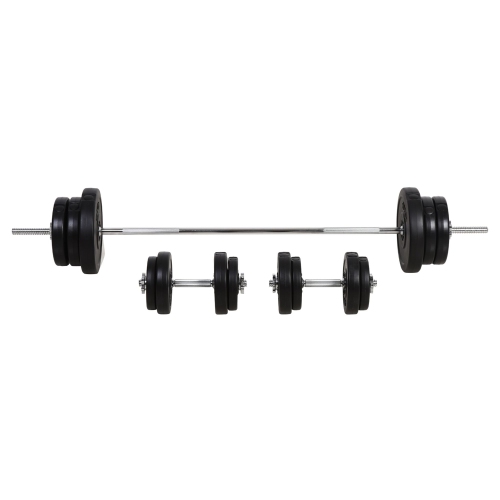
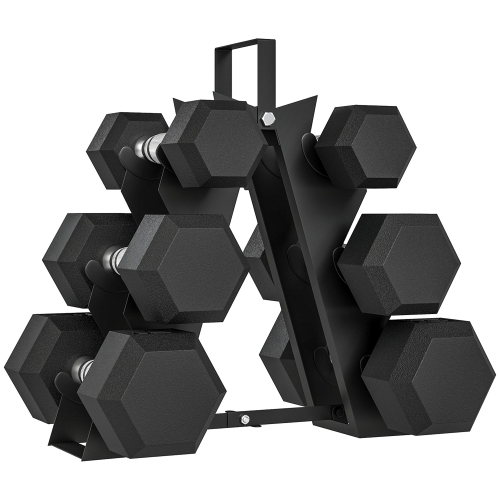
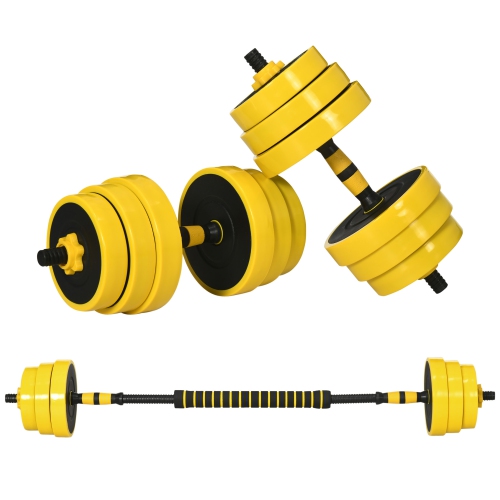
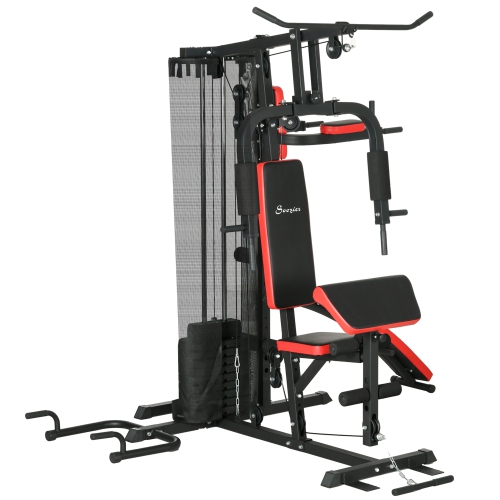
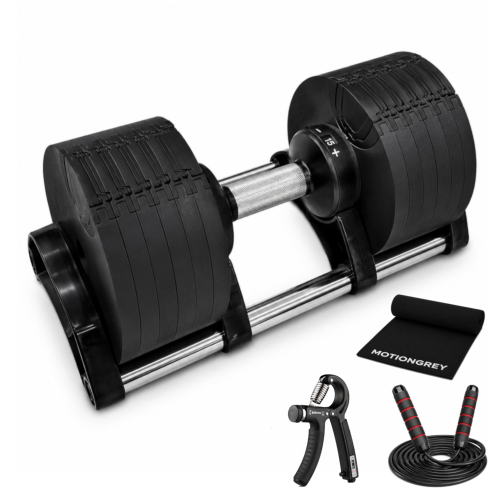
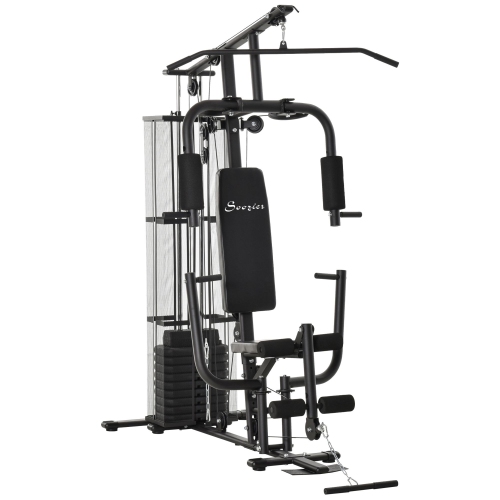
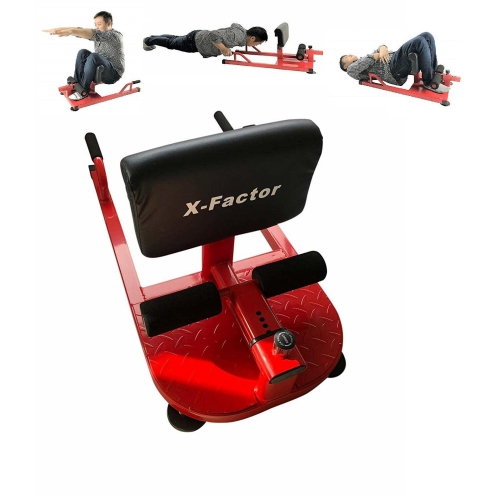
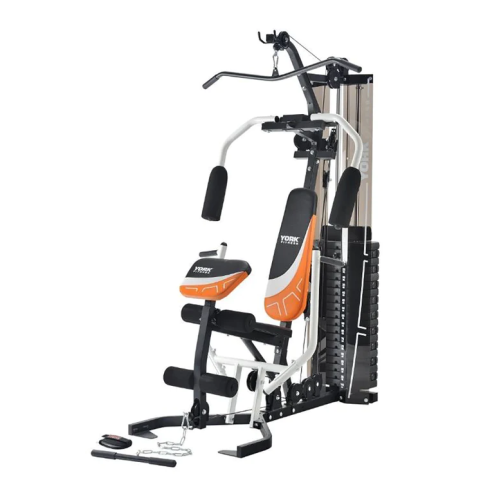
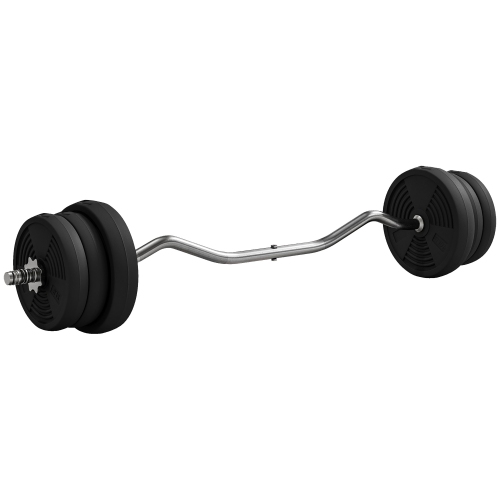
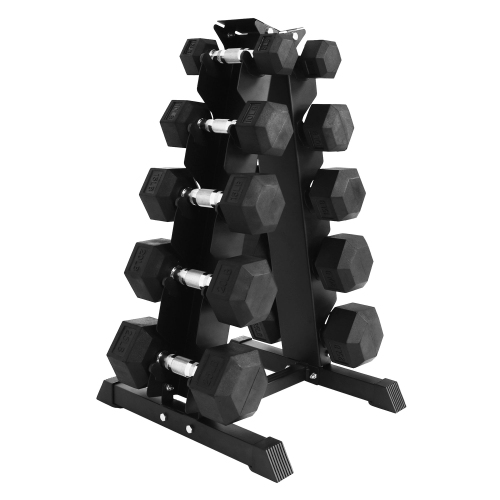
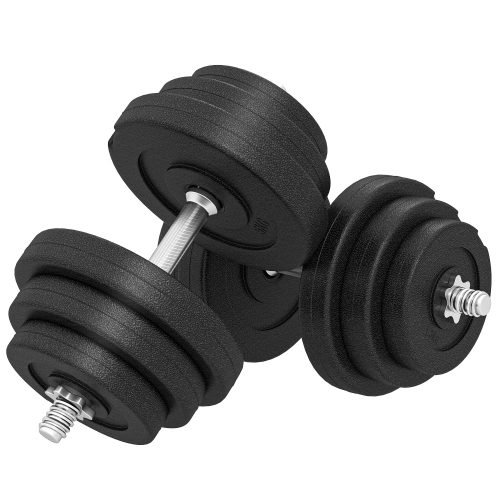
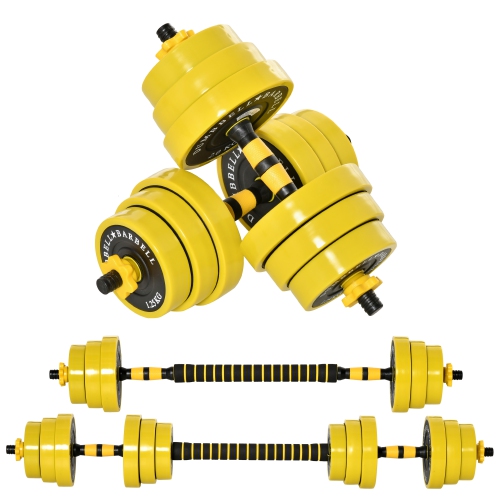
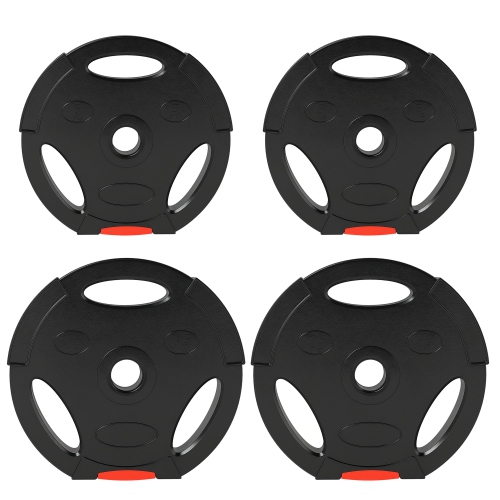
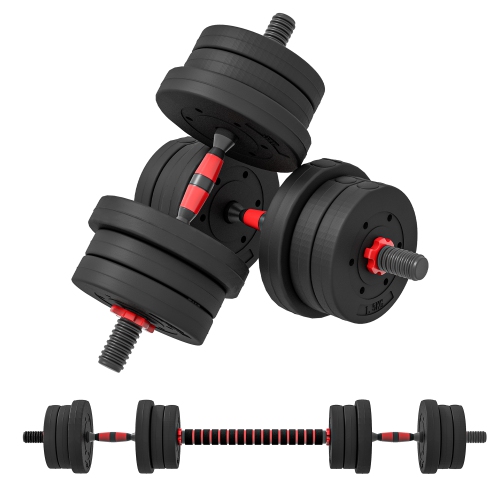
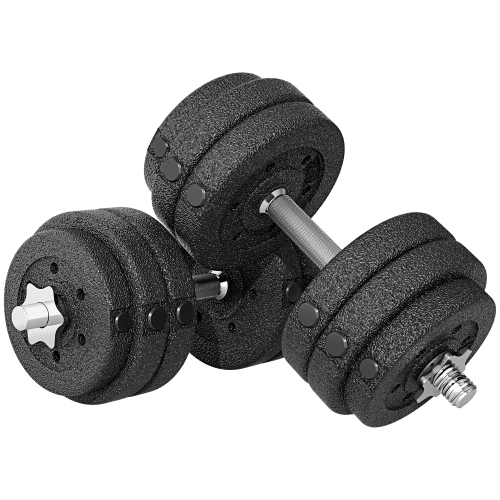
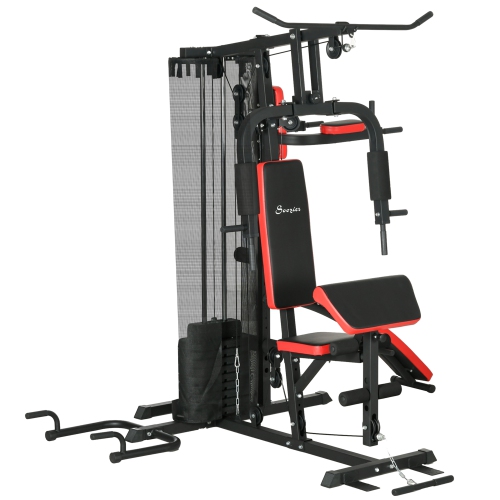
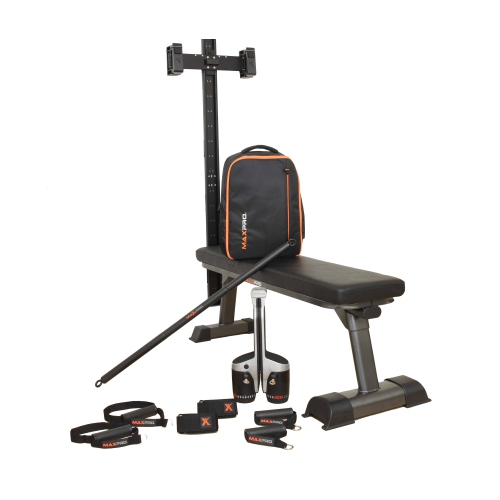
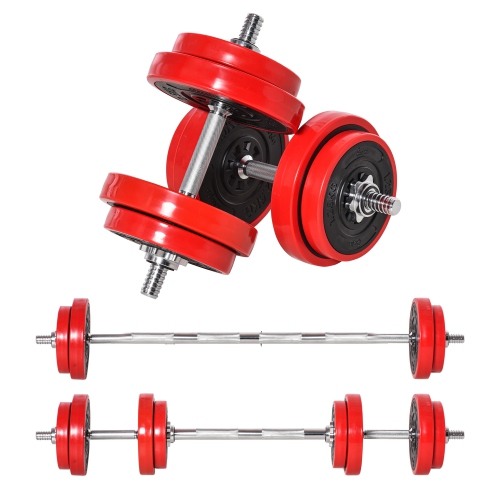
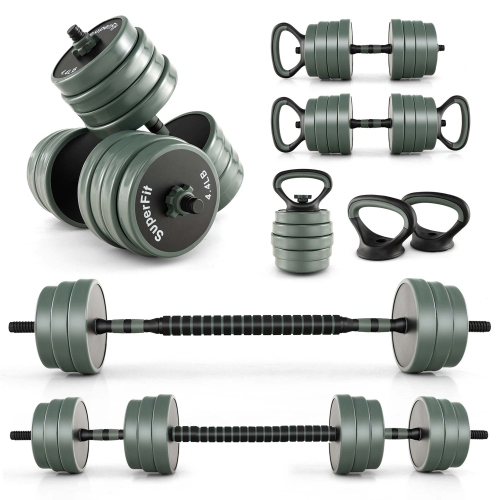
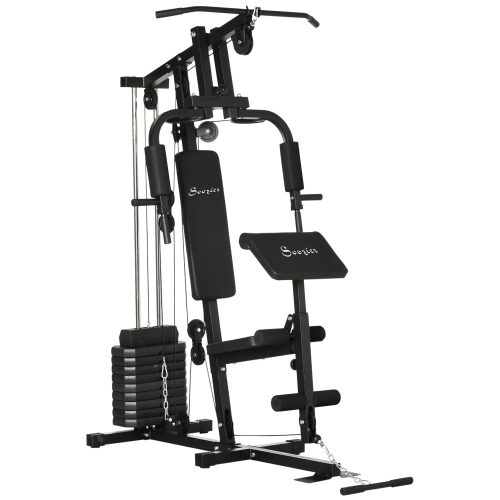
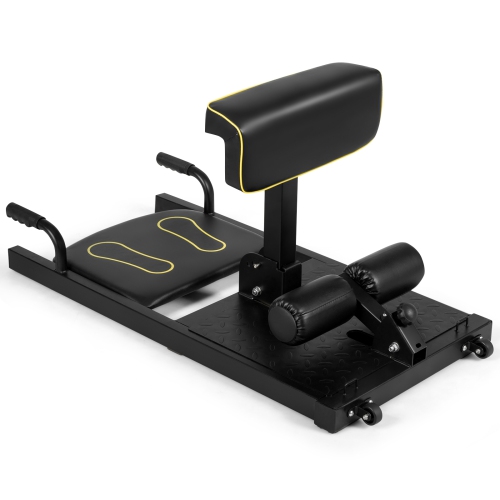
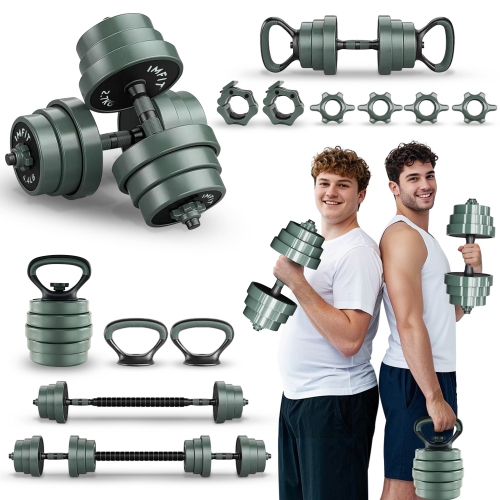
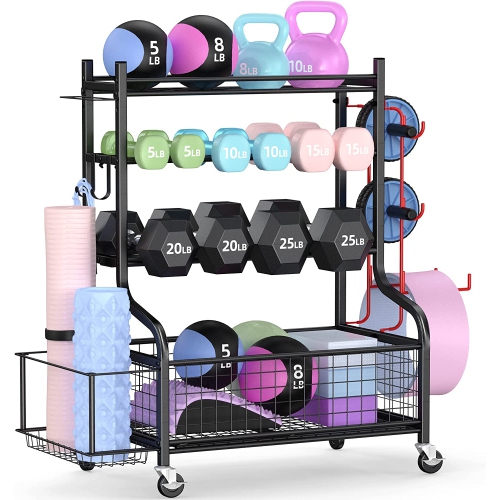
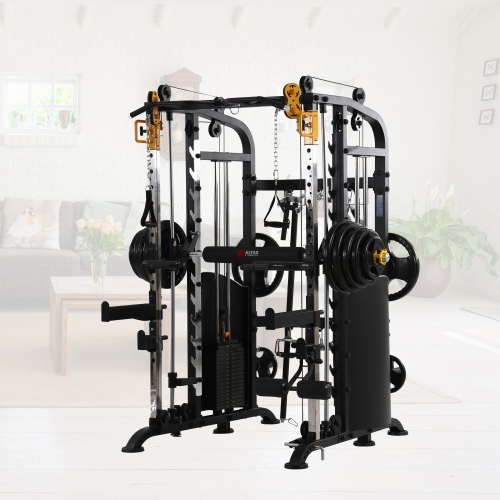
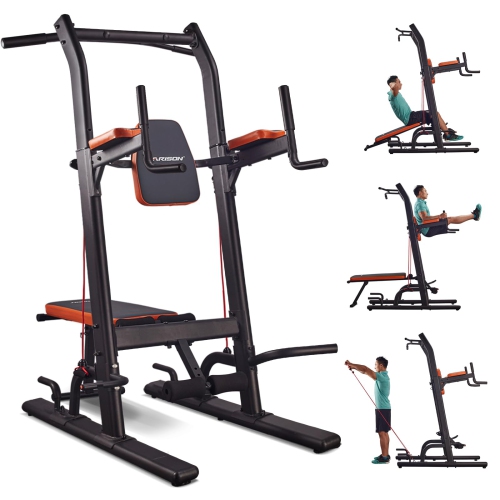
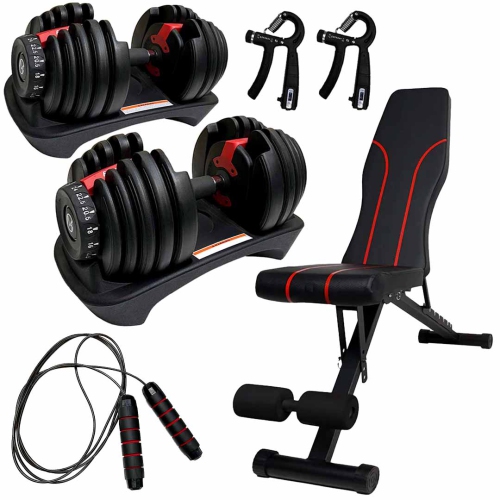
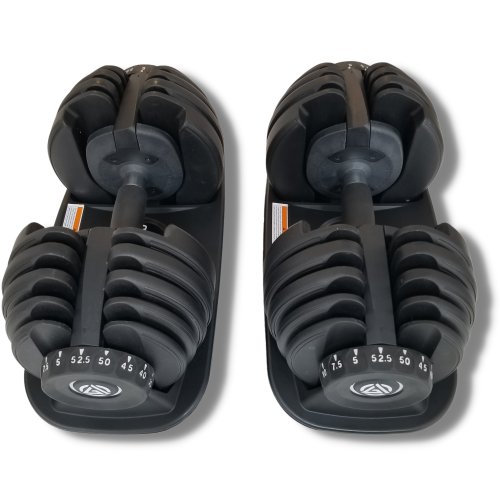
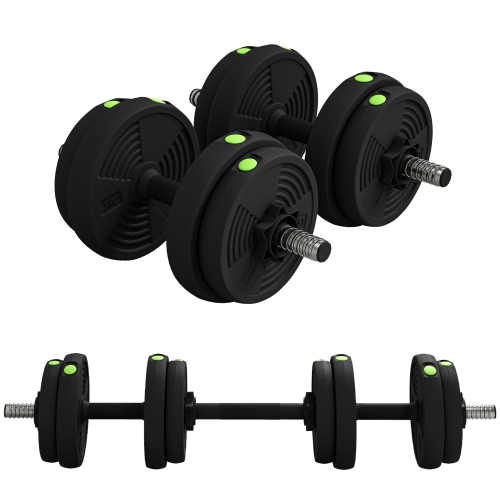
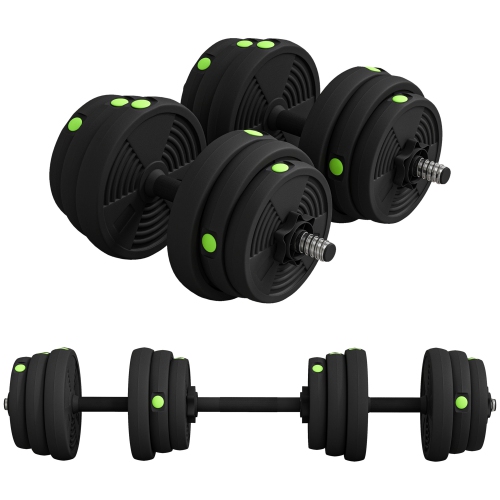
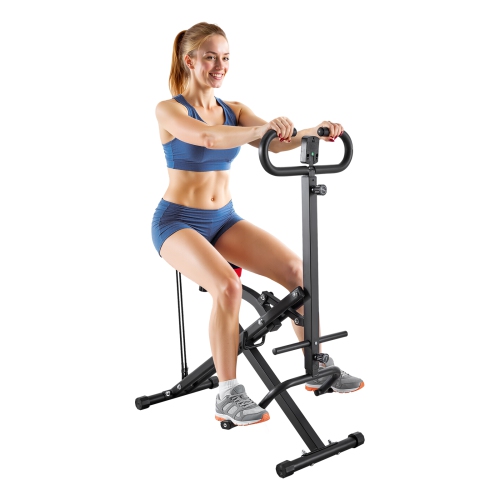
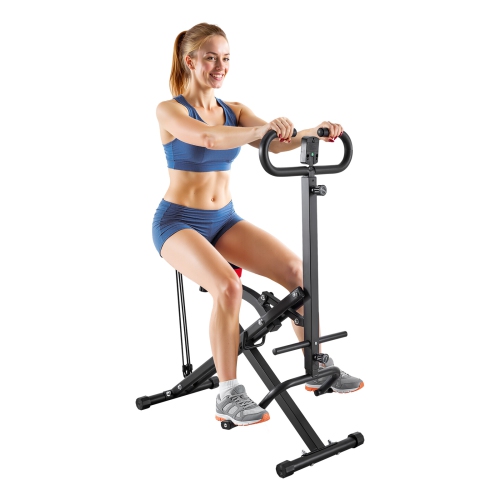
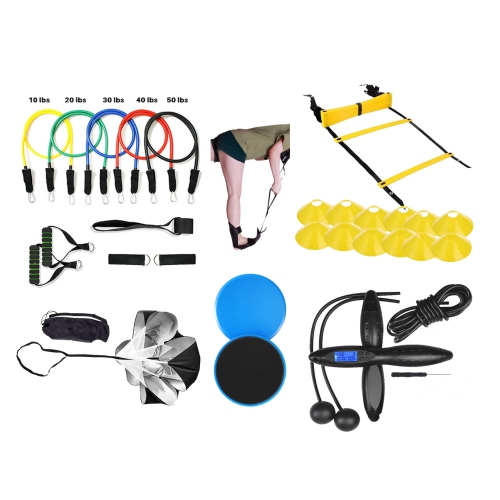
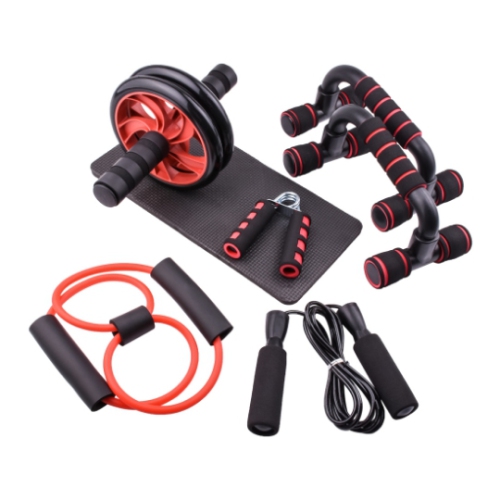
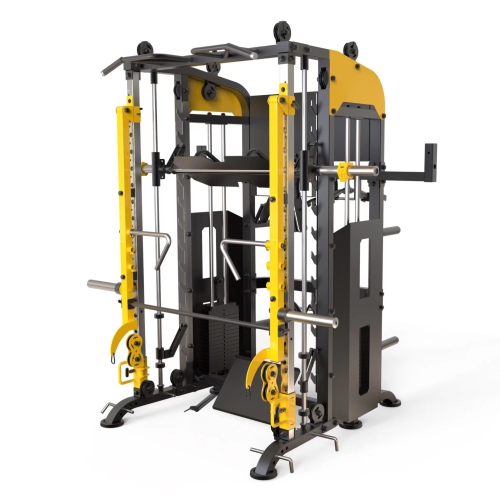
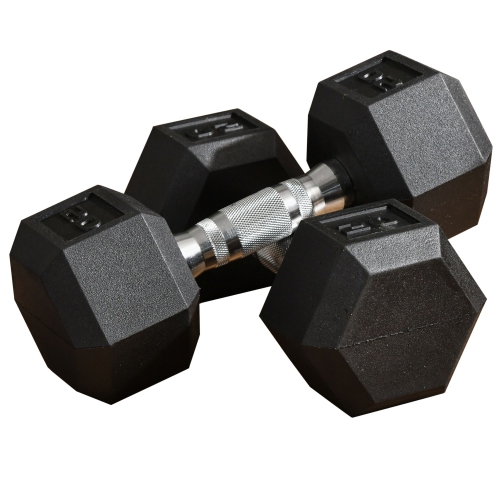
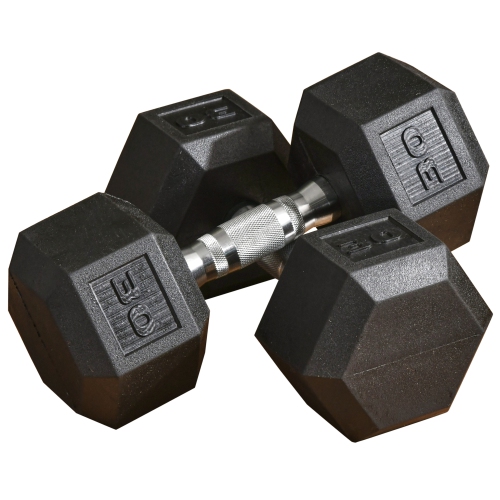
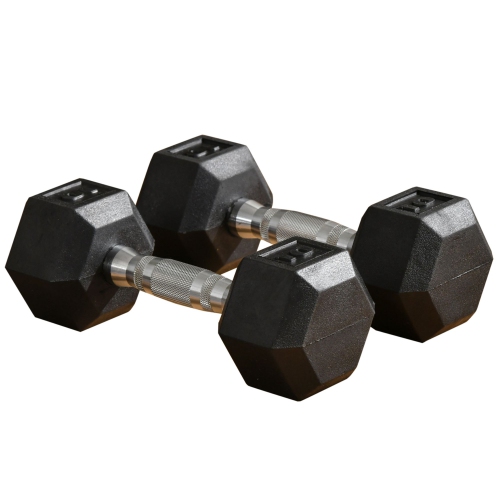
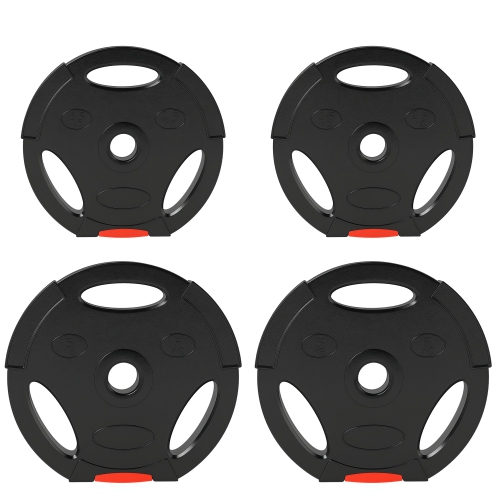
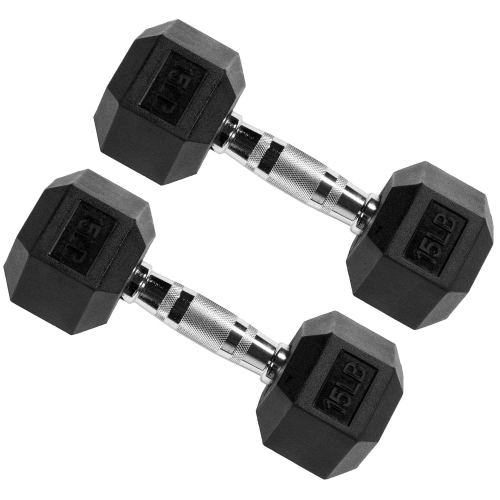
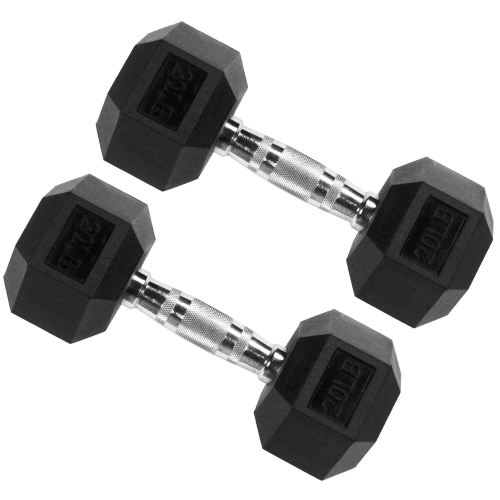
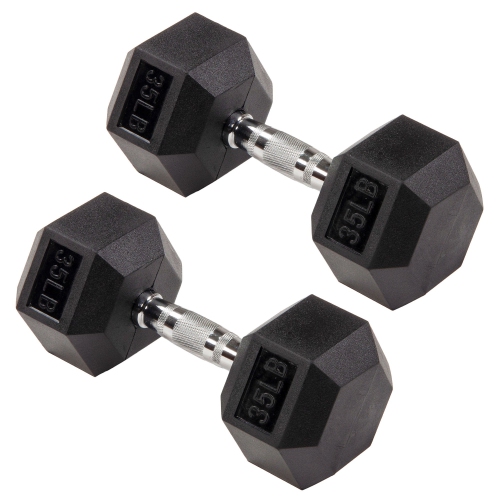
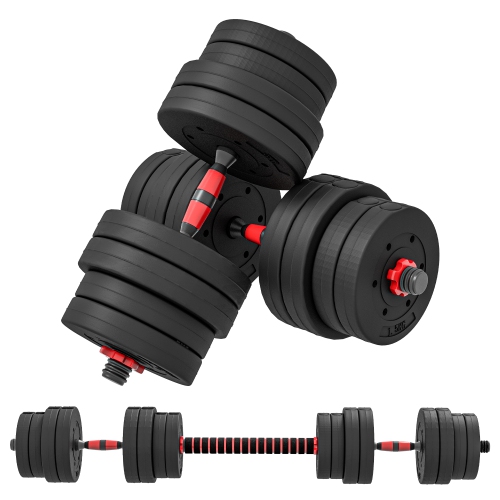
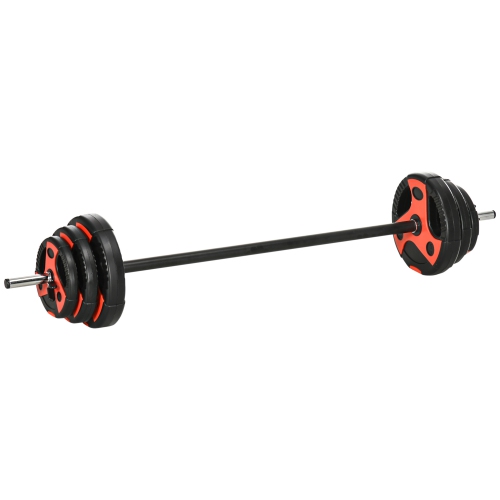
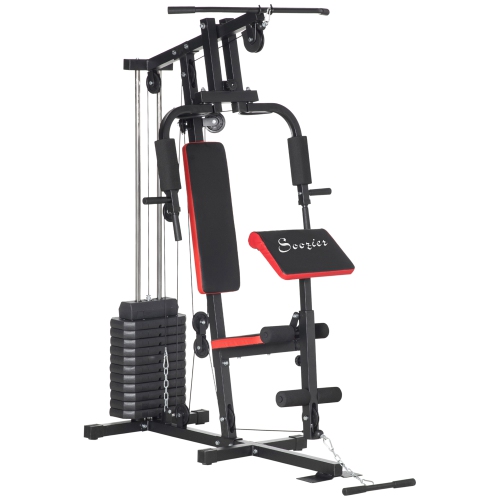
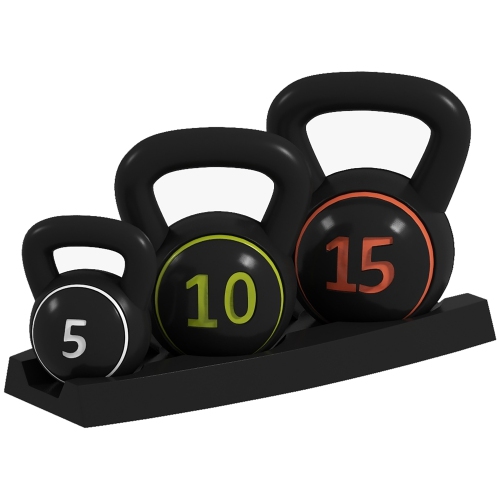
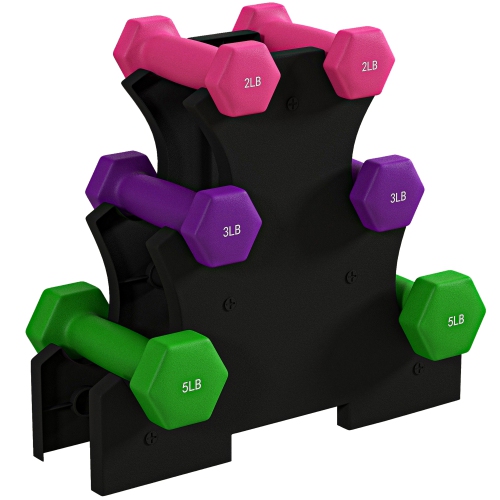
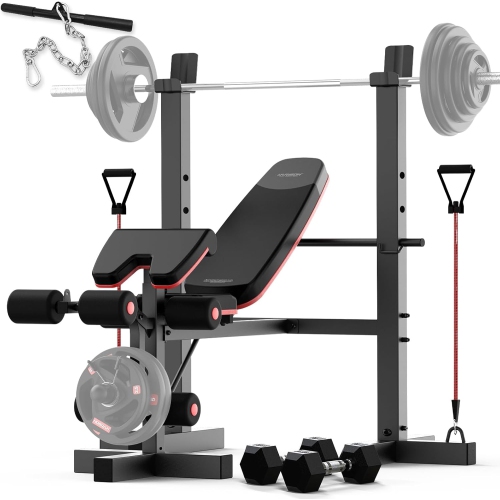
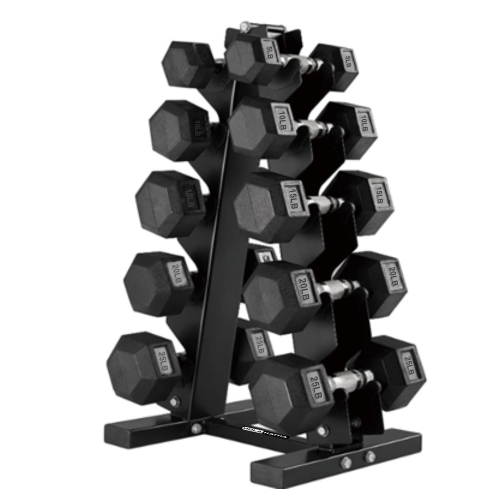
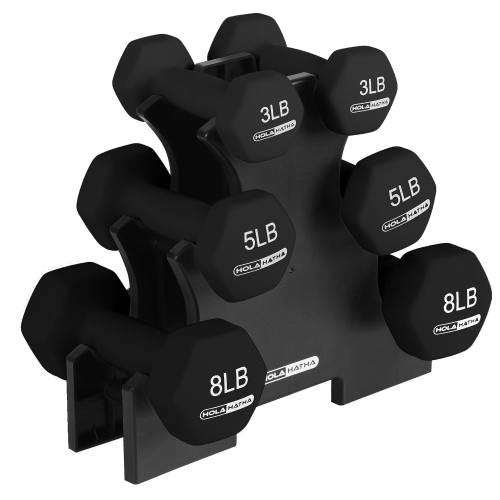
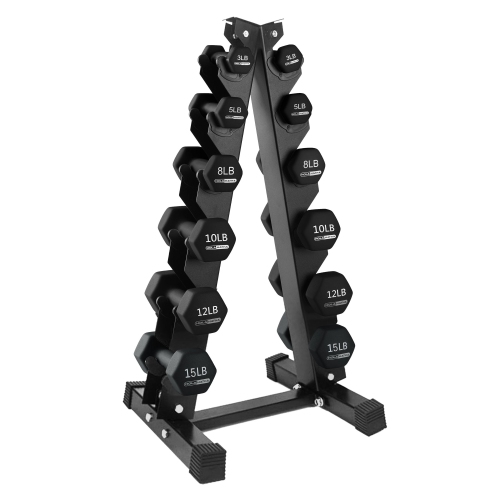
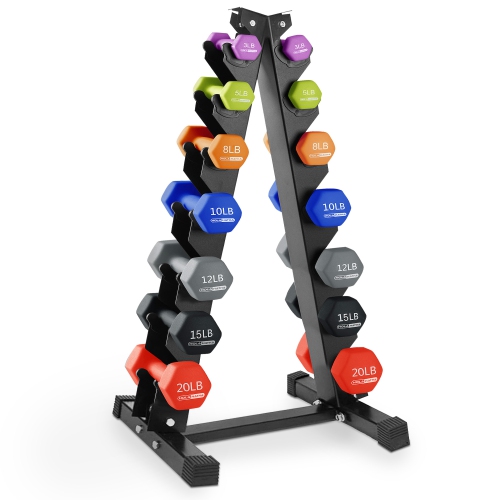
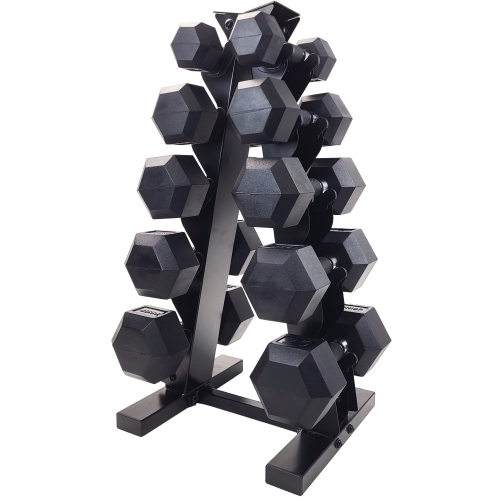
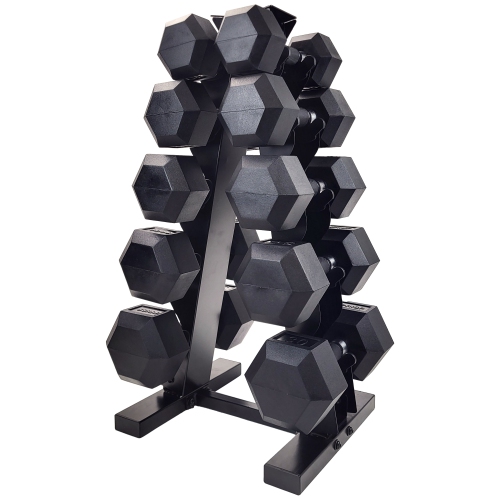
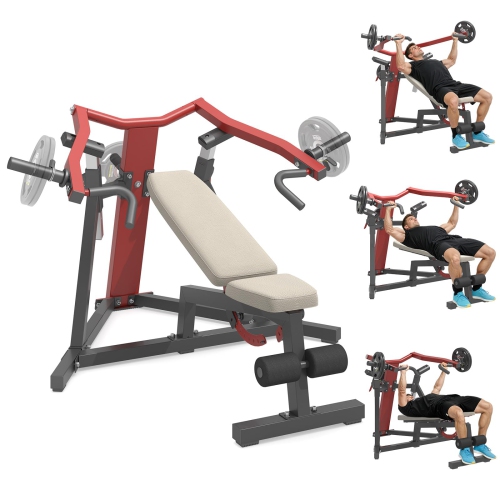
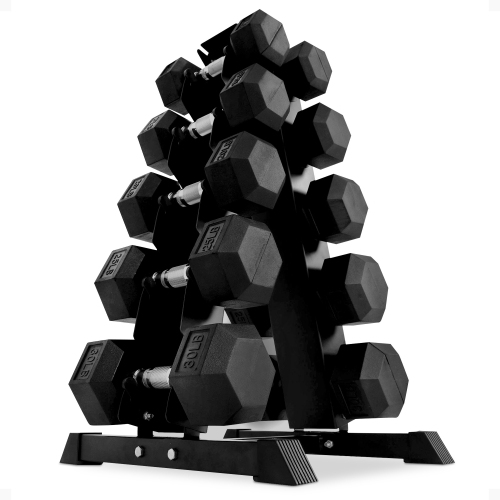
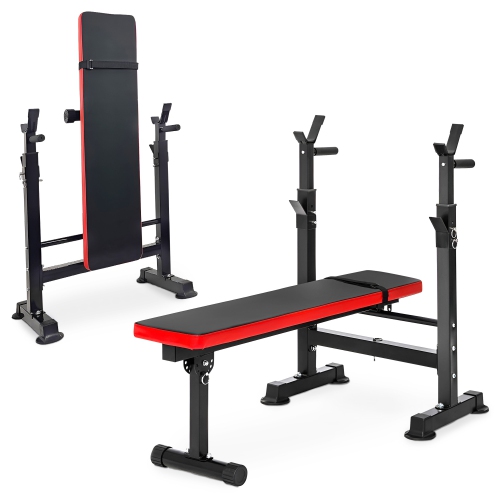
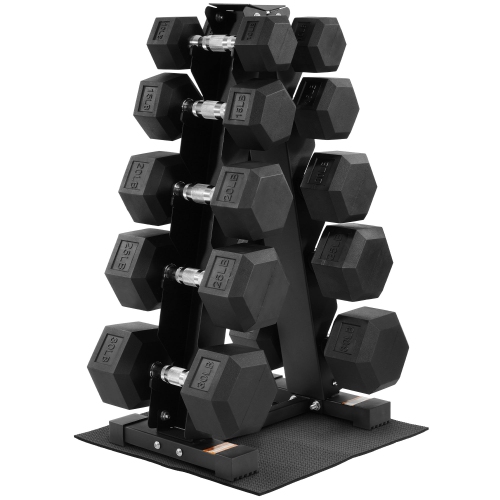
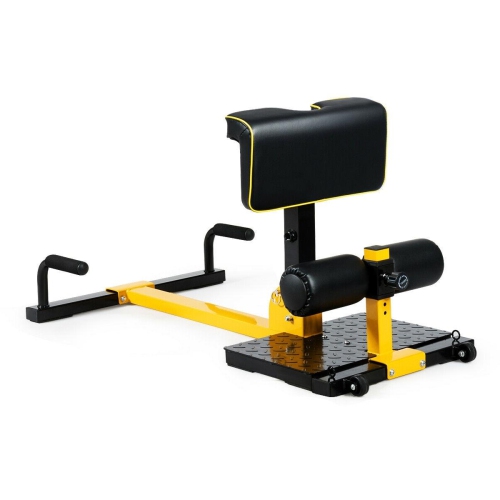
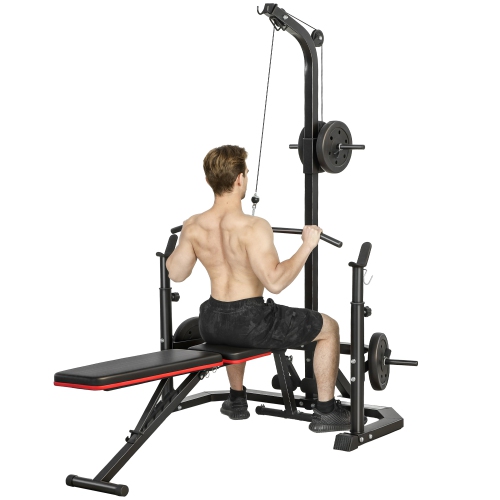
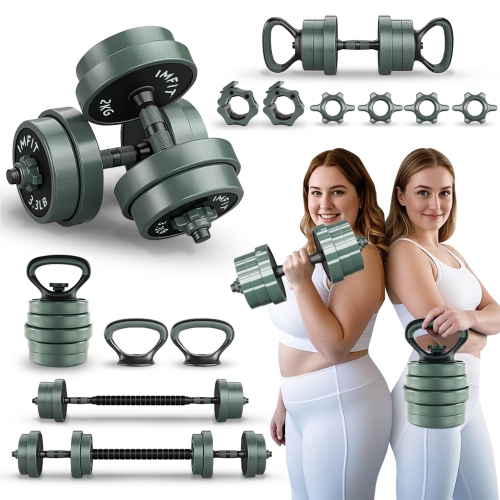
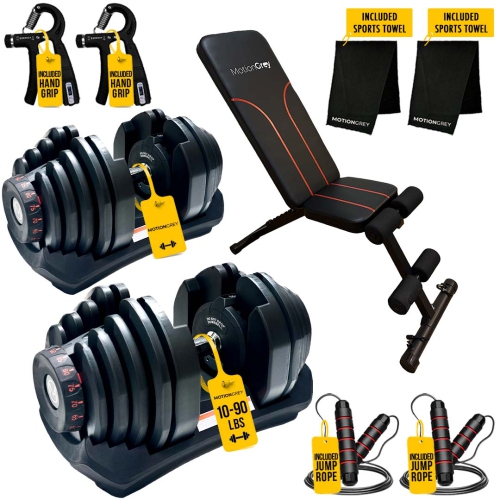
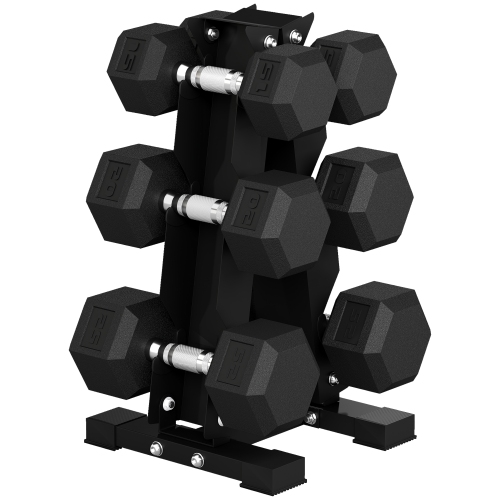
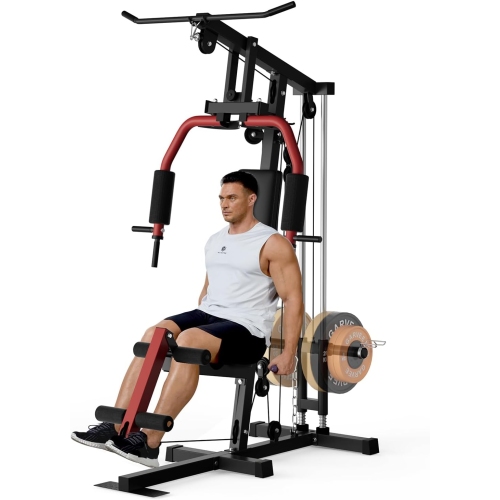
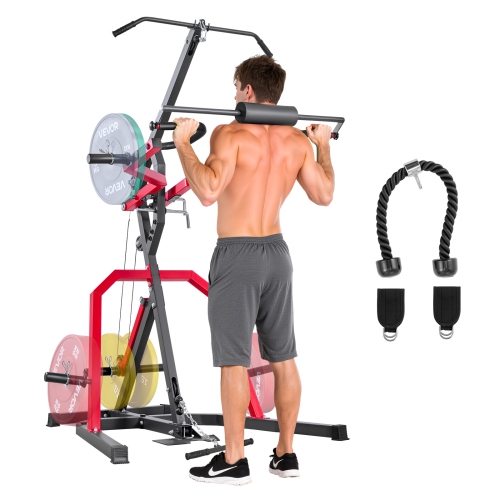
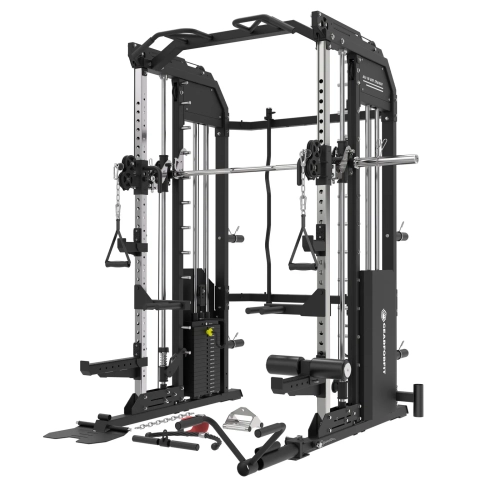
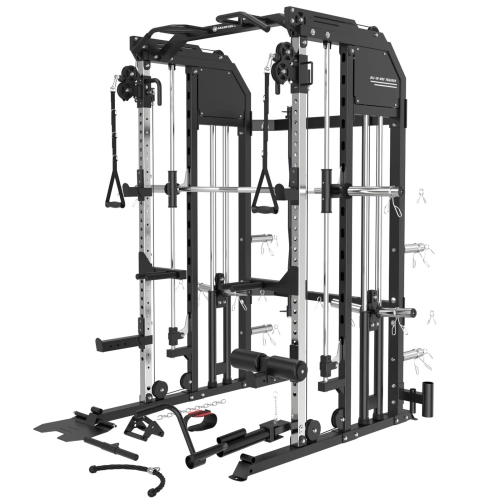
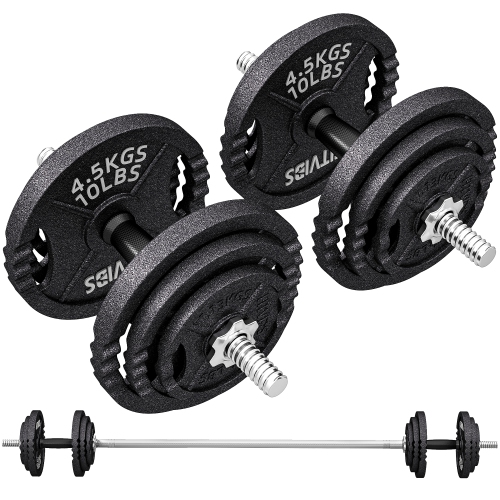
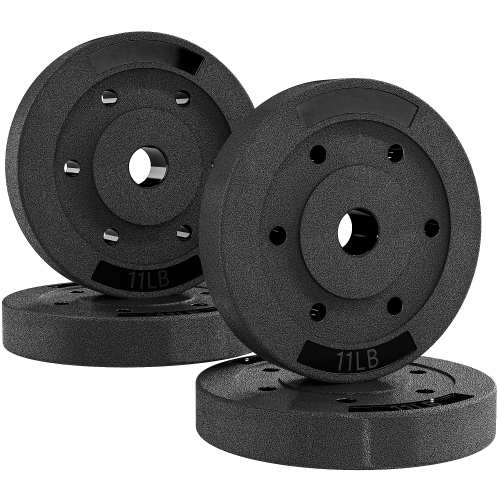
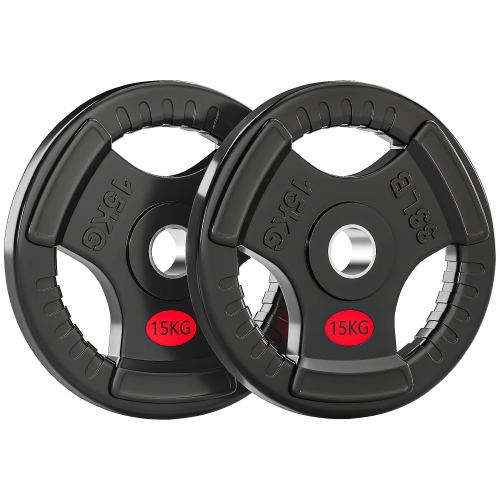
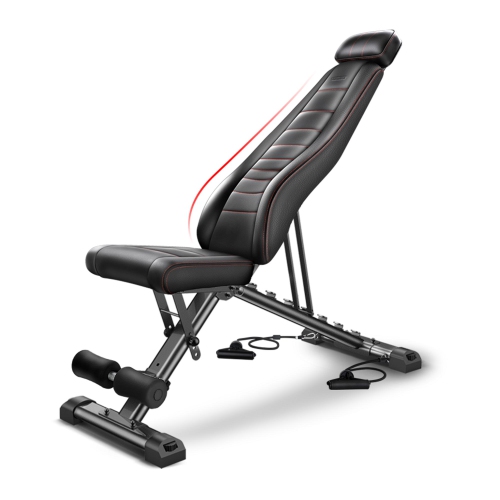
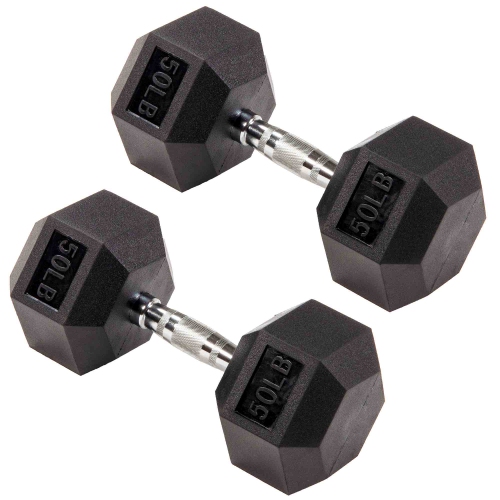
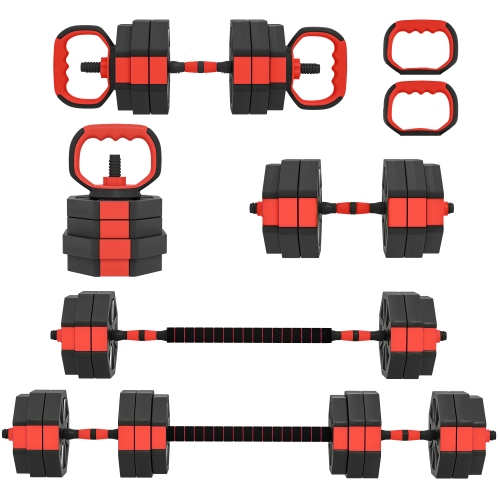
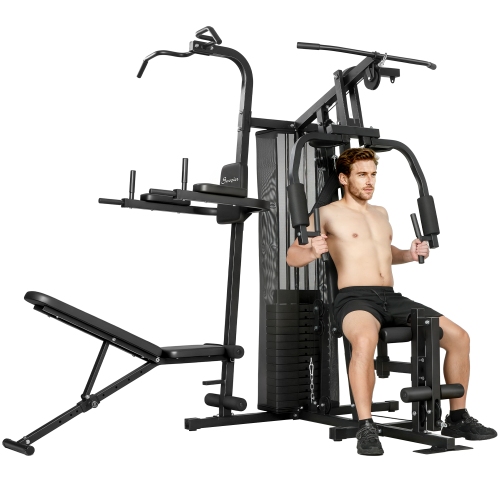
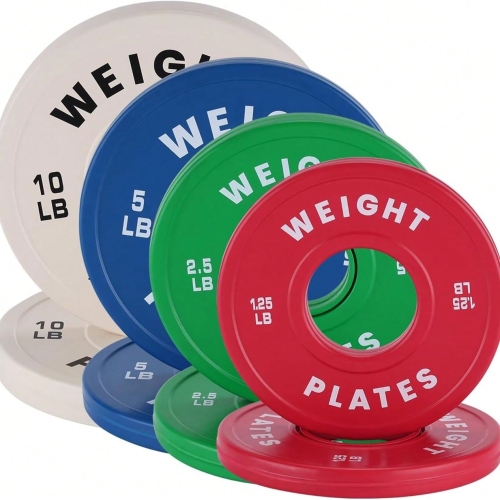
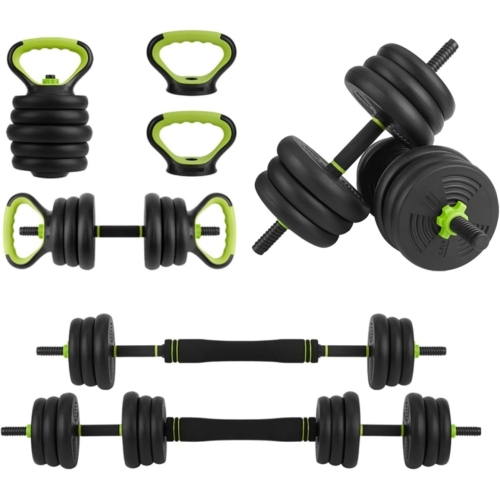
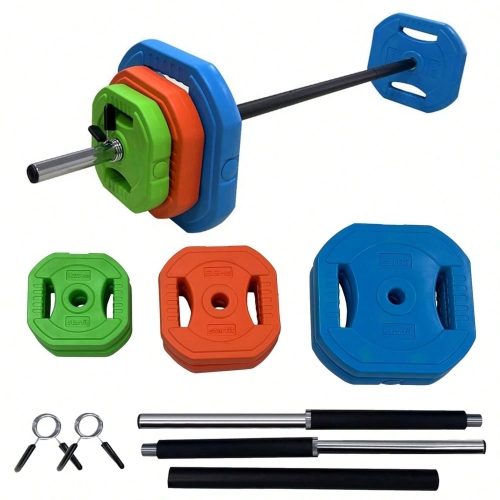
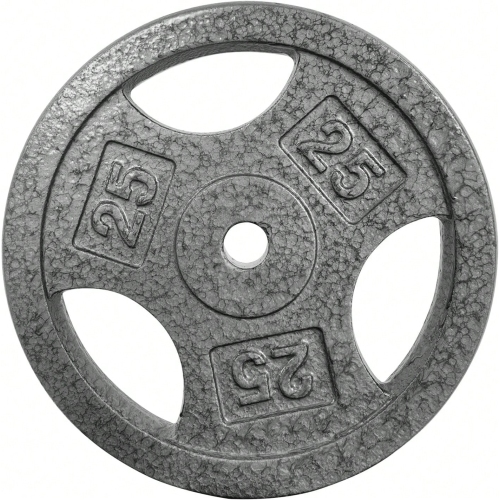
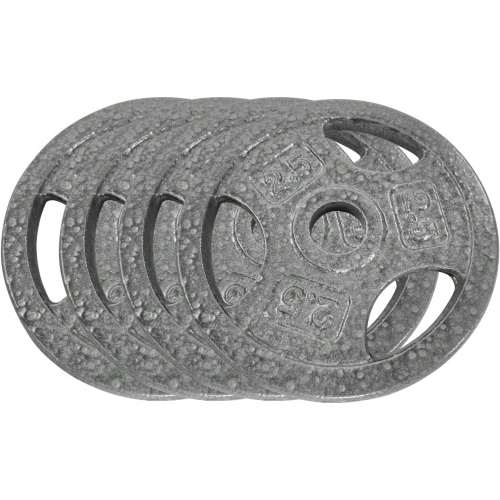
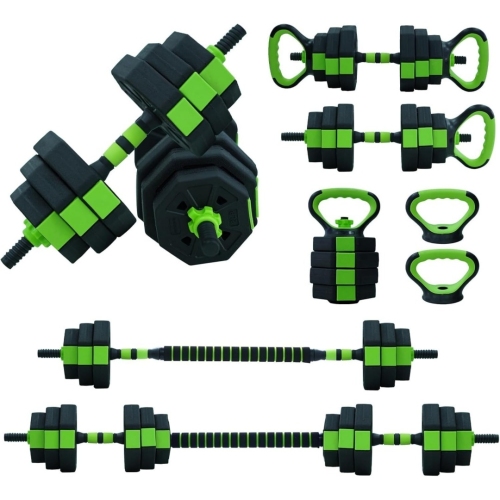
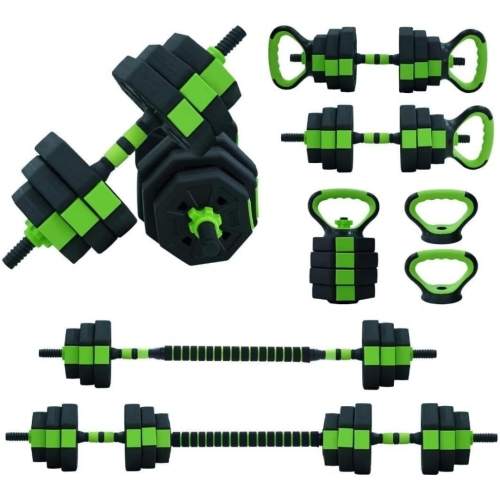
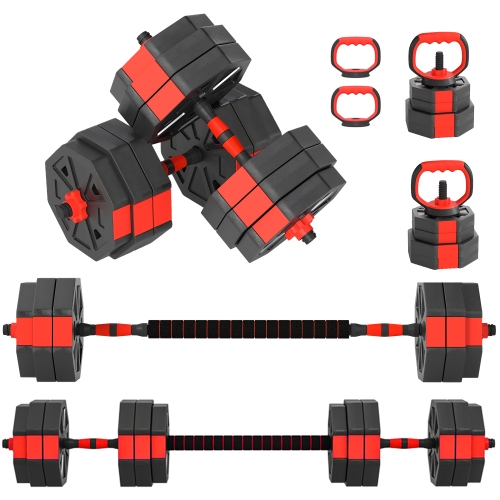
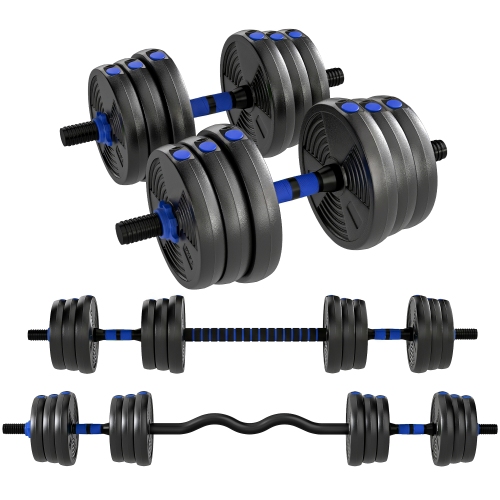
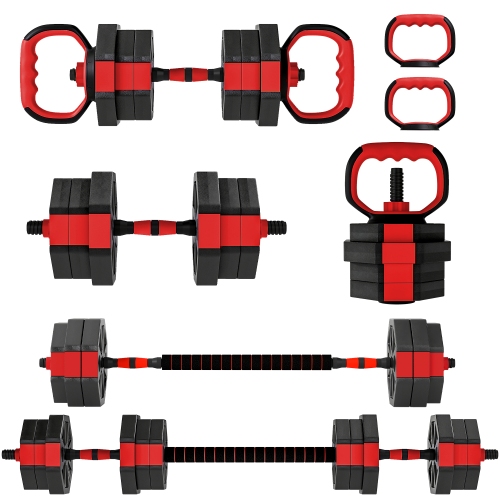
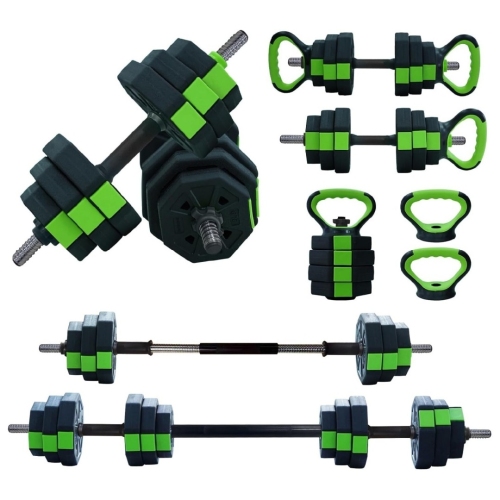
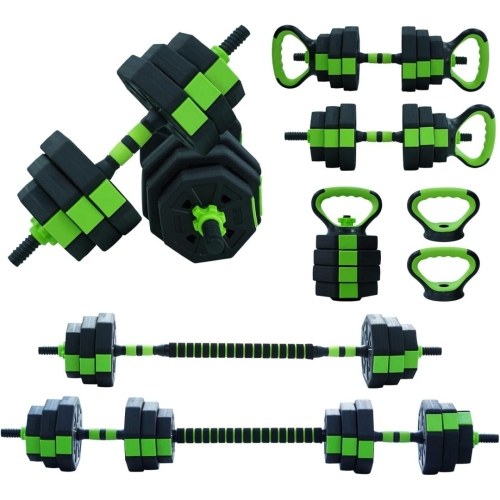
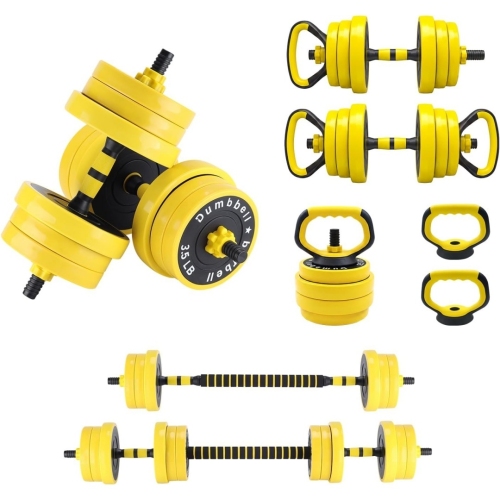
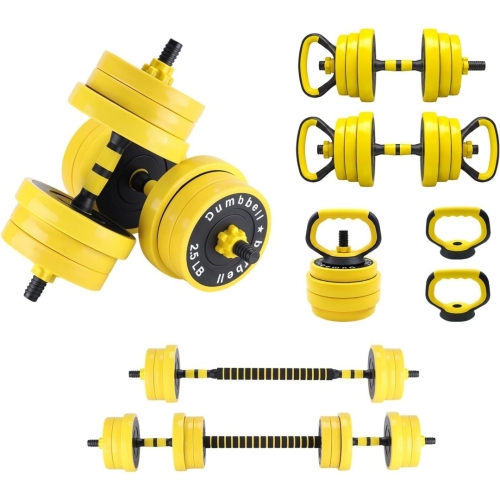
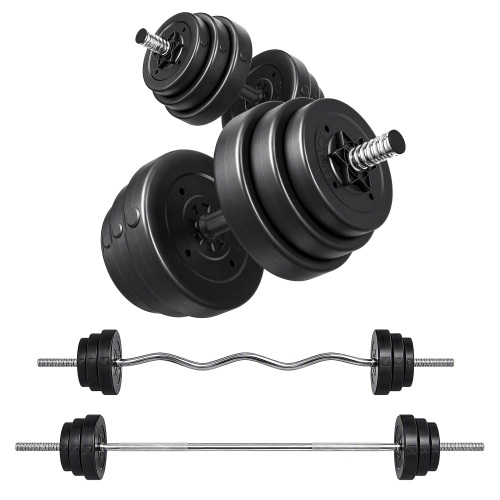
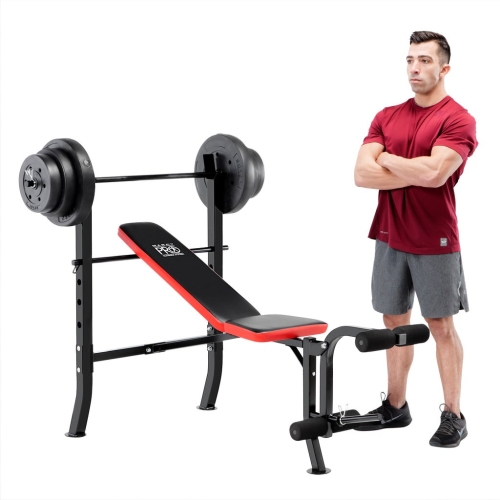
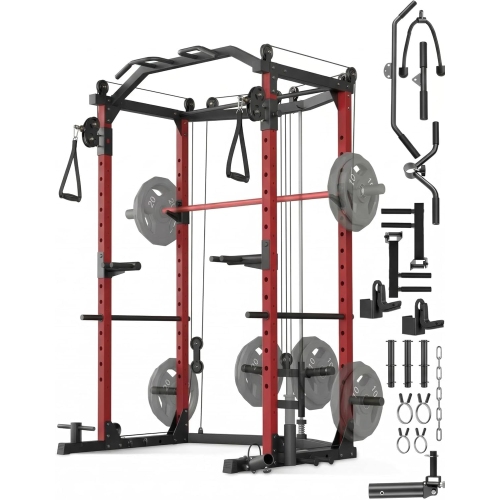
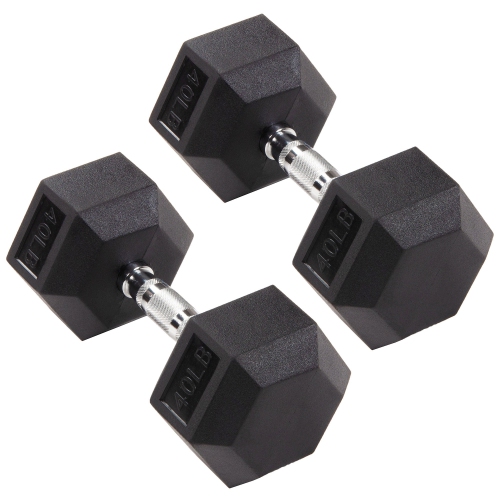
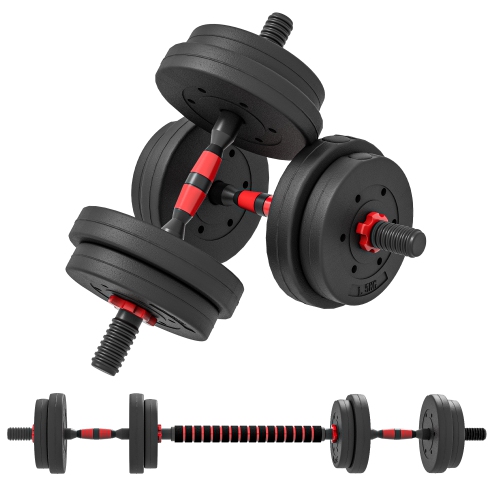
Home gym sets bring together strength-training equipment designed to work as a practical setup in a dedicated workout room, a shared living space, or another suitable area of the home. Depending on the configuration, a set may combine a multi-station machine with cable attachments, a rack with a bench and free weights, or a compact collection of adjustable weights and resistance accessories. The defining feature is how the components work together: a useful combination supports the movements a person wants to practise without adding equipment that has no clear role in their routine. A multi-station setup can suit someone who prefers guided resistance and straightforward changes between exercises, while a rack-based arrangement offers more freedom for barbell training. Smaller weight-and-bench combinations can provide a flexible foundation for general strength work without occupying an entire room. The contents of a set matter as much as its overall size, since benches, bars, plates, handles, and storage accessories may be included in some configurations and separate in others. For setups centred on handheld free weights, Dumbbell Sets for Home Gyms can complement a bench or form the core of a compact training area. Different resistance ranges serve different purposes, from practising controlled movements to supporting progressively heavier training. Smaller increments can make adjustments more manageable, especially for exercises involving the shoulders and arms, while a broader range allows room for changing goals. A home gym set may suit a beginner establishing a repeatable routine, an experienced lifter adding training options at home, or a household sharing equipment across different ability levels. Exercise variety comes from the relationship between the equipment and its intended use, rather than simply the number of pieces in the package. A coordinated setup can keep transitions uncomplicated, with frequently used handles, weights, and supports positioned within reach and a clear area left for movement.
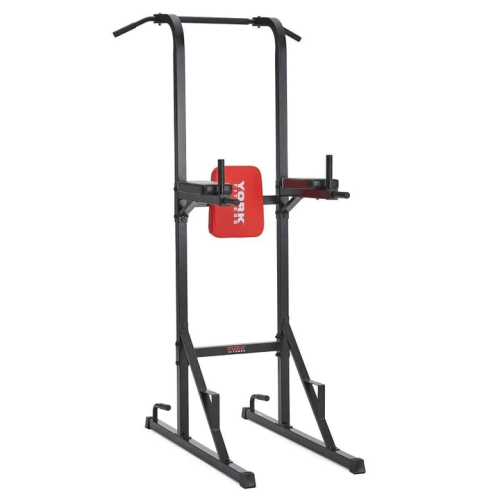
Space requirements extend beyond the footprint of the equipment itself. A bench needs room around its ends, a barbell extends beyond the sides of a rack, and cable exercises may require clear space in front of or beside a machine. Ceiling height also affects whether overhead movements, raised attachments, or pull-up stations are practical. In a multipurpose room, compact storage can be just as important as the working dimensions: weights that return to a dedicated stand and accessories that fit on hooks help separate the workout area from everyday household activity. Folding components can reduce the space occupied between sessions, although their folded dimensions and handling requirements still matter. The route into the room deserves attention too, particularly where stairs, narrow doorways, or tight corners could complicate moving larger frame sections. Fit is equally important once the equipment is in place. Adjustable seats, backrests, and attachment positions help accommodate different heights and limb lengths, allowing handles and supports to sit in comfortable, usable positions. For a shared setup, clearly marked adjustment points can make it easier to return to each person’s preferred settings. Steel frames are common in larger strength-training systems, while benches often combine a metal base with foam padding and wipeable upholstery. Firm, supportive padding provides a different feel from a deeply cushioned seat, and secure footing helps a bench remain steady during its intended exercises. Textured grips can improve handling, though grip diameter and surface texture should suit the user’s hands. Free weights may have exposed metal surfaces or protective coverings, each with different care needs and contact characteristics. Weight ratings, compatible attachments, and intended loading methods deserve close attention because components are not automatically interchangeable. A bar, rack, bench, and set of plates must be suitable for their respective tasks. Flooring also influences the setup: purpose-made exercise mats can help protect surfaces and soften contact noise, but they do not replace an assessment of whether the floor can support the equipment and its users. Required anchoring, clearance, and assembly details belong in the manufacturer’s specifications.
Durability depends on both construction and everyday handling. Secure frame connections, smoothly moving adjustment mechanisms, intact upholstery, and properly maintained cables all contribute to a home gym set that remains comfortable and dependable in regular use. Repeated contact tends to be concentrated in predictable places, such as the front edge of a bench, the handles used for pulling movements, and the supports where weights are returned. Reinforced upholstery seams, replaceable wear components, and accessible hardware can make a difference over time. Care routines are usually simple but should match the materials and the manufacturer’s directions. Wiping sweat from seats and handles after a session helps keep shared equipment pleasant to use, while letting surfaces dry before storage prevents moisture from being trapped against padding or metal. Harsh cleaners, abrasive tools, and unapproved lubricants can damage finishes or moving parts, so maintenance requirements are worth understanding before bringing a set into the home. Regular checks for loose fasteners, frayed cables, cracked coverings, or worn attachment points help identify components that need attention; damaged equipment should remain out of use until it has been addressed. Returning weights and accessories to their designated storage positions keeps walking areas clear and reduces the chance of a loose plate or handle becoming a household obstacle. Moving parts and heavy weights also need to be kept away from unsupervised children and pets. For someone who enjoys training, a home gym set can be a thoughtful gift when their preferences, usable space, and equipment requirements are already understood. A compact arrangement may suit a person who values quick, uncomplicated sessions, while a more substantial setup can appeal to someone who wants a dedicated place for structured strength training. The most useful choice is one that fits comfortably into everyday life, with manageable adjustments, sensible storage, and enough versatility to remain relevant as routines develop. With an appropriate combination of equipment, home training can feel organized and purposeful rather than crowded, giving each component a clear place and each workout room to happen.
Read More

FAQ

Some products may be subject to Environmental Handling Fees (EHF) depending on your province. Learn more about EHFs.