Fit Home Gym
Transform your workout routine with the Fit Home Gym collection, designed to help you achieve your fitness goals from the comfort of your own space. Explore a wide range of equipment and accessories perfect for every level, whether you're building strength, increasing flexibility, or enhancing your cardio sessions. With versatile options to suit any home setup, Fit Home Gym makes it easy to create an inspiring environment for effective and enjoyable workouts.
Sort

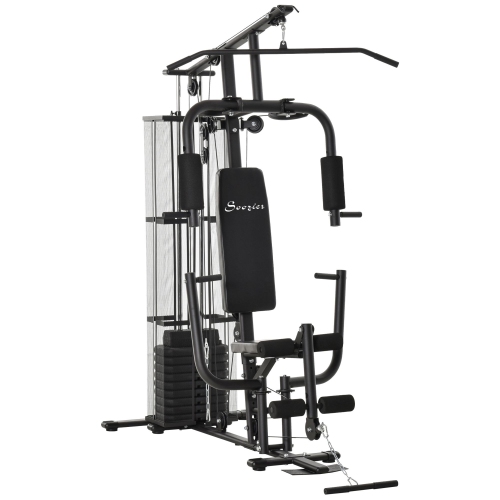
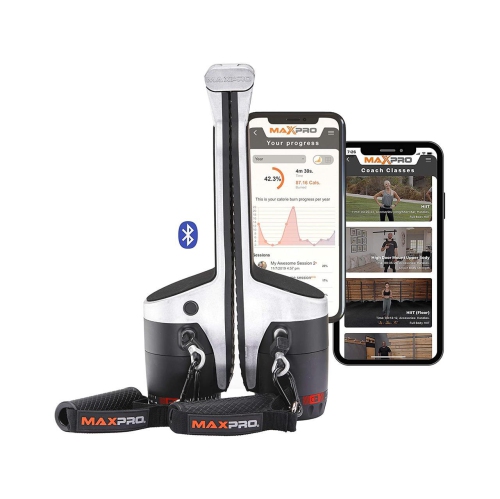
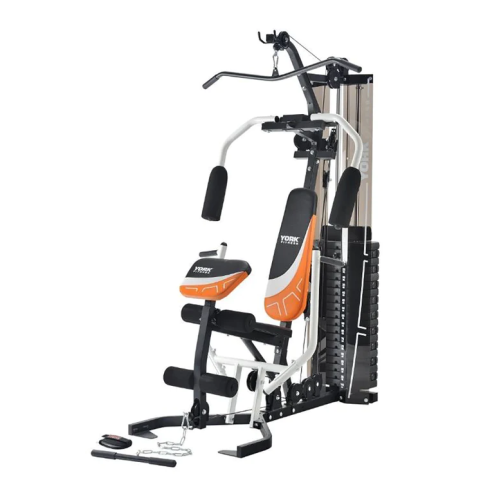


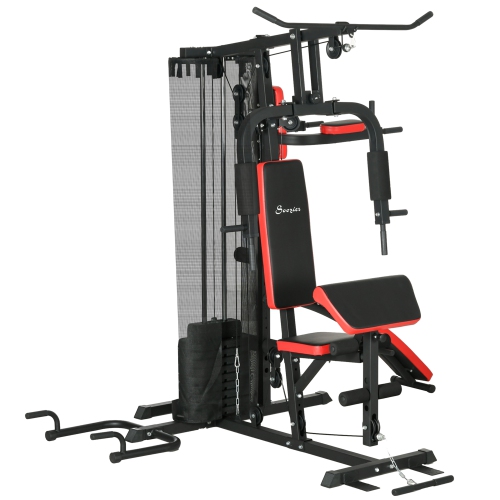
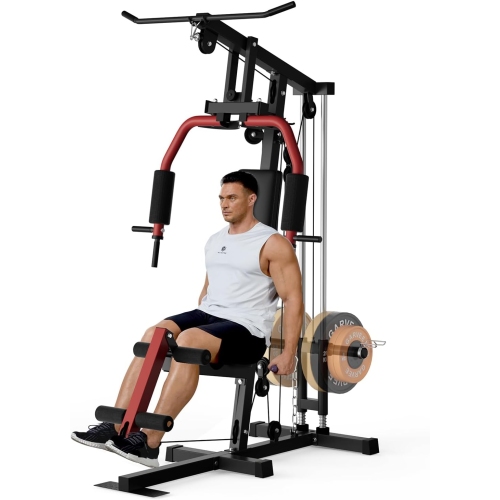
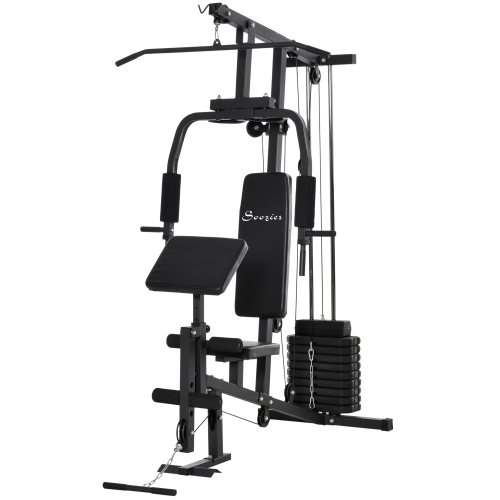
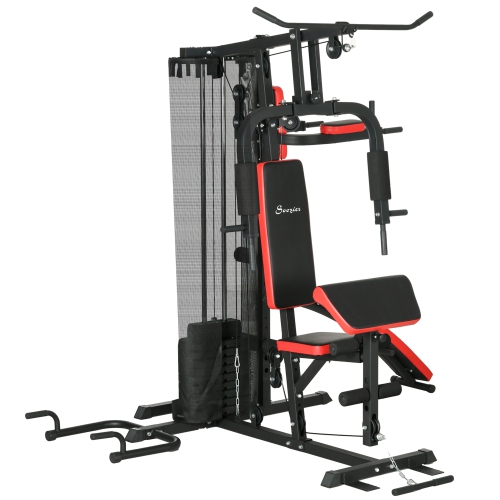
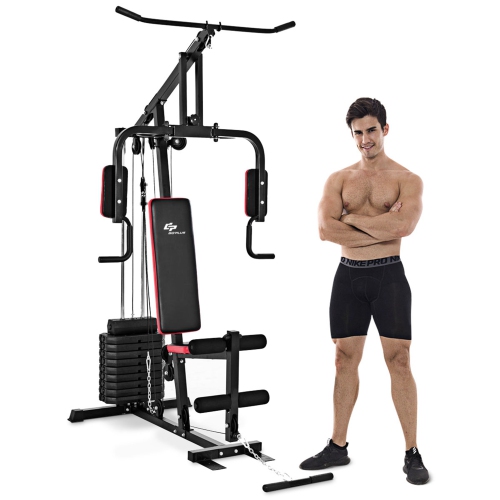
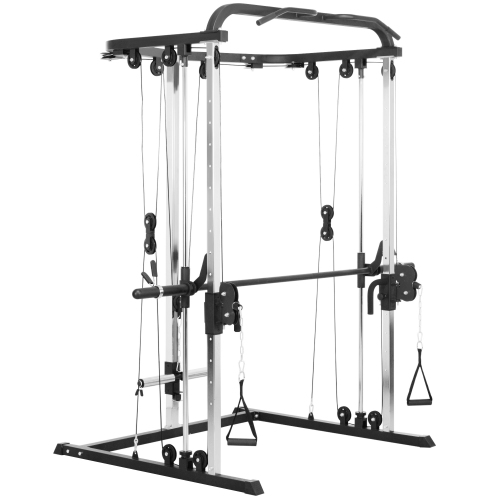
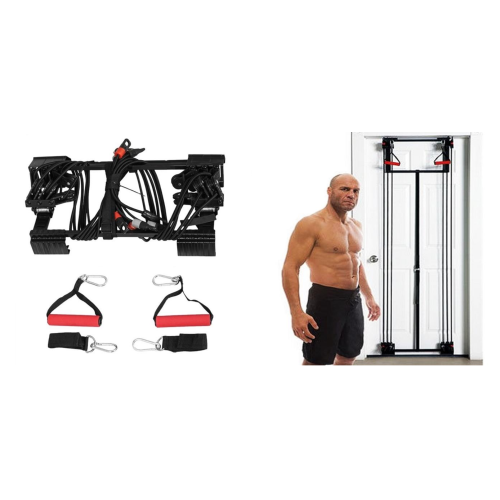

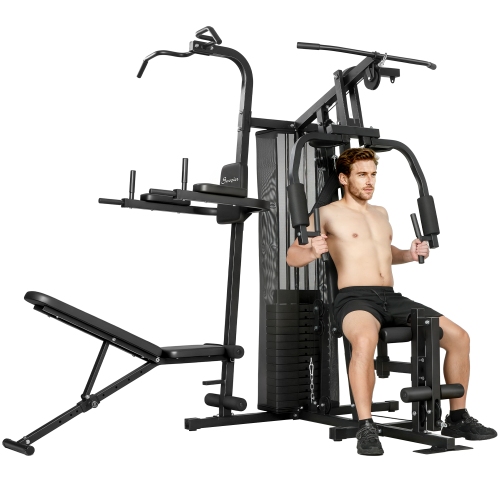
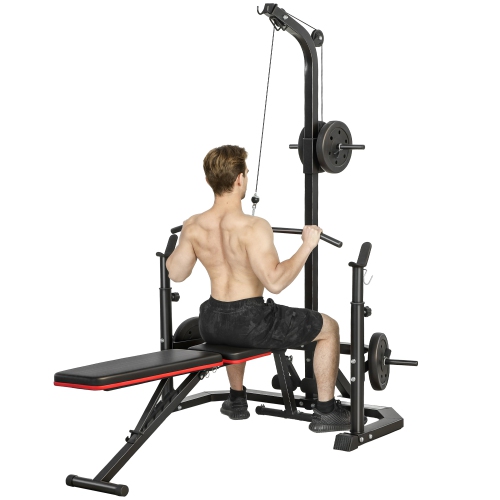


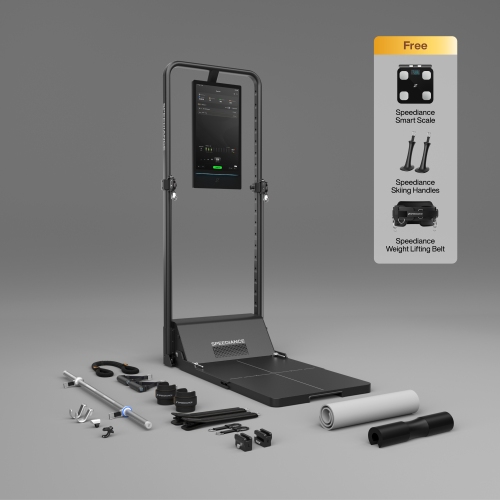
Portable stations for strength training in smaller spaces
A Fit Home Gym brings the structure of a workout studio into a more flexible, personal space. This category is especially well suited to people who enjoy bodyweight training, calisthenics, strength work, and short, focused exercise sessions without committing to a permanent rack or a room filled with large machines. A portable, freestanding home gym system can provide several training stations in one setup, including pull-up bars, dip handles, push-up grips, and supports for inverted rows or static holds. Depending on the configuration, users may work on assisted pull-ups, chin-ups, knee raises, dips, elevated push-ups, rows, core exercises, front-lever progressions, and other controlled movements that use body weight as resistance. These systems can be a practical choice for renters, apartment dwellers, students, frequent movers, or anyone who wants a dedicated training option that does not require drilling into a wall or ceiling. They can also suit a shared household, since one person might use the frame for upper-body strength while another uses it for mobility, stretching, or a quick circuit between work and home responsibilities. During the cooler months, having equipment ready in a spare room, basement, bedroom, or living area can make it easier to keep moving when outdoor routines become less convenient. A clear floor area, sensible placement, and enough overhead clearance are important before ordering, particularly for pull-ups and hanging exercises. Measure both the assembled height and the surrounding workout area, allowing room to step safely around the frame and extend your arms and legs without contacting furniture, light fixtures, or walls.
Portability is one of the defining features of a Fit Home Gym, but portable does not always mean effortless to carry. Freestanding systems are commonly designed to assemble and break down quickly, sometimes in about a minute, making them useful for rooms that serve more than one purpose. When packed down, some can slide beneath a bed, stand in a closet, or fit into a carry bag for transport. This can be helpful when a workout area needs to be cleared for guests, family activities, or everyday living. At the same time, the frame, base, bars, and support panels may add up to a substantial overall weight. A compact design may be convenient for storage while still requiring two people to move comfortably, especially when a complete kit weighs around 102 pounds; a base alone may weigh approximately 38 pounds. Checking the packed dimensions and carry options can prevent surprises if the system needs to travel up stairs or be loaded into a vehicle. Stability is another key consideration. Look for a solid steel frame, wide contact points, secure locking or joining mechanisms, and adjustable feet that help level the structure on floors that are not perfectly even. A freestanding design should be positioned on a firm, level surface and used according to its instructions, with regular checks of fasteners and adjustment points. Height matters as well: a system standing close to 76.8 inches may fit in many rooms, but low ceilings can restrict pull-ups, hanging movements, and other overhead exercises. The right choice depends on available space, desired exercises, storage habits, and whether the priority is a permanent training station or a setup that can disappear between sessions. Shoppers comparing options across a Total Home Gym selection may also want to consider whether they prefer bodyweight-focused training, adjustable resistance, cardio equipment, or a combination of formats.
A Fit Home Gym can be an appealing gift for someone who has started a strength routine, is preparing for a fitness challenge, or wants more consistency at home. It may be particularly useful for a person who likes measurable progress, such as moving from assisted pull-ups to unassisted repetitions, holding a plank for longer, or building the control needed for a dip or front-lever progression. Because the equipment supports many exercises in a relatively small footprint, it can work well for beginners who want room to develop and experienced athletes who need a reliable station for advanced calisthenics. New users should begin with manageable movements, controlled repetitions, and appropriate assistance rather than attempting demanding holds or high-repetition sessions immediately. Grip comfort, hand placement, range of motion, and body alignment all affect how an exercise feels, so a stable setup and a gradual approach are valuable. Some configurations take extra time to change between upper-body stations or between different workout arrangements; that trade-off may matter to people who prefer fast transitions between exercises. Others may appreciate the ability to pause, adjust the frame, and create a more deliberate routine. A simple schedule might include a few minutes of warm-up, pushing and pulling movements, lower-body exercises performed without the frame, core work, and a cool-down. The system can support a quick morning session, a longer evening workout, or brief movement breaks spread through the day. Whether it is placed in a dedicated home gym or brought out when needed, choosing a sturdy, appropriately sized setup helps turn unused floor space into a dependable place for training through changing seasons.
Top selling and popular products
-
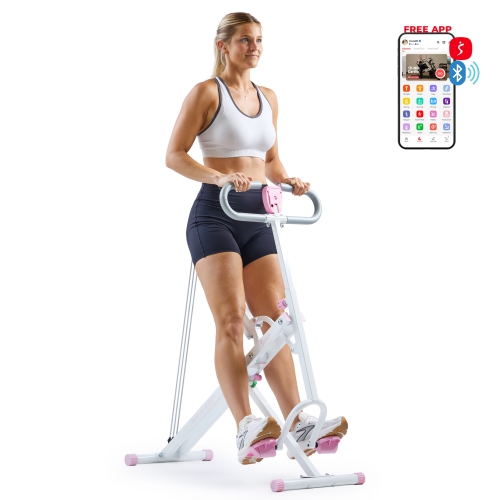 Your price for this item is $179.95
-
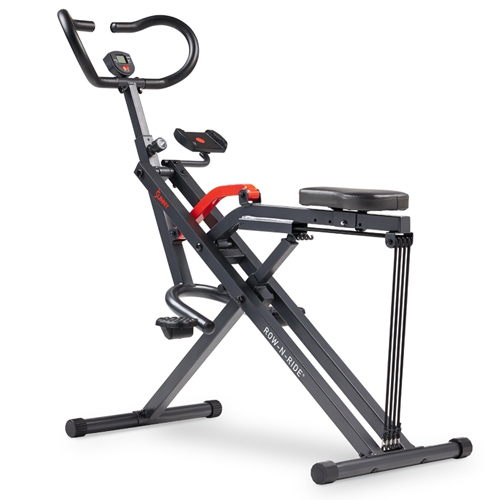 Your price for this item is $249.95
-
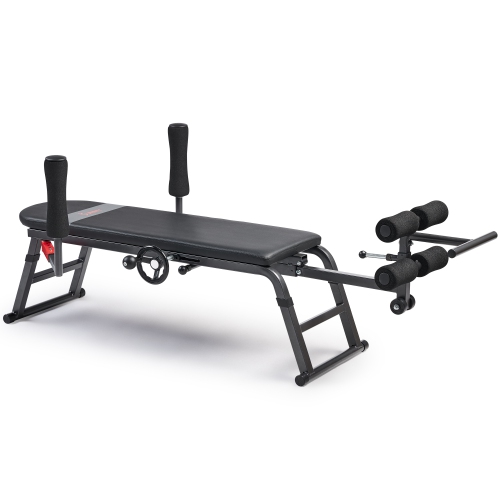 Your price for this item is $419.99
-
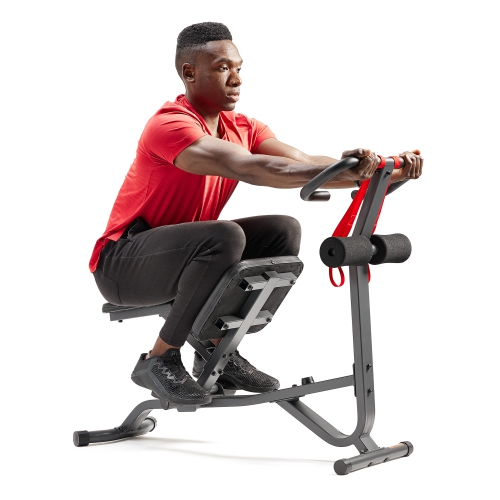 Your price for this item is $419.99
-
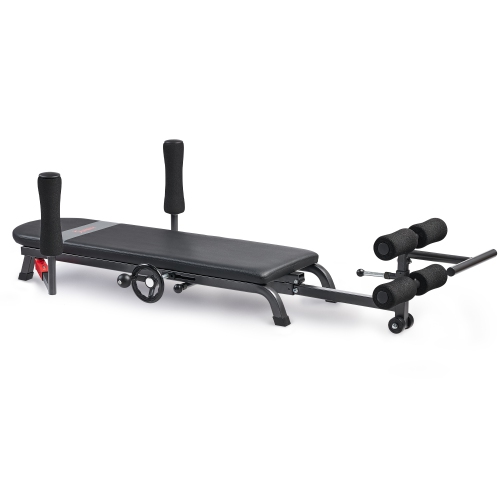 Your price for this item is $369.99
-
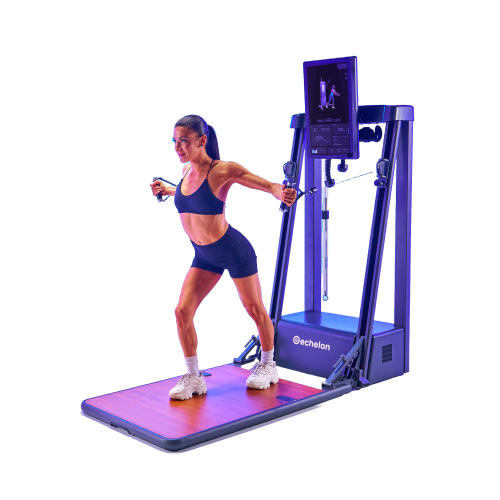 Your price for this item is $4109.99
-
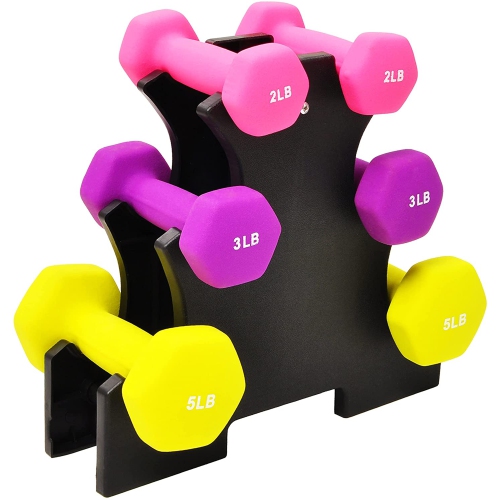 Your price for this item is $90.99
-
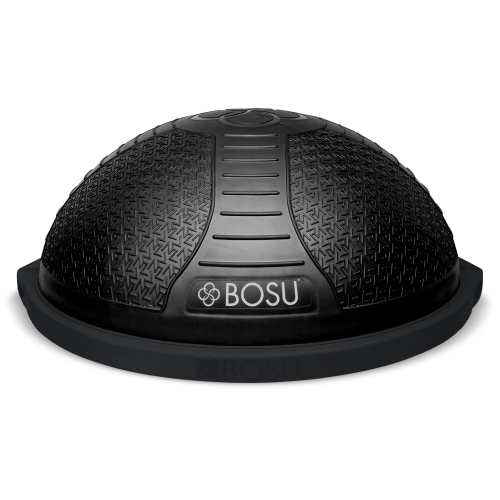 Your price for this item is $481.99
Discover more categories related to Fit Home Gym

Top Collections:
Pokemon Centers, Best Cameras for Sports Photography, Kindle Devices, Samsung Galaxy Phones, Canon G7X Cameras, Pokémon 30th Celebration Cards, Refurbished Apple Laptops, iPhone 15 Apple, Laptops for Students, Budget Smartphones
Some products may be subject to Environmental Handling Fees
(EHF) depending on your province.
Learn more about EHFs.